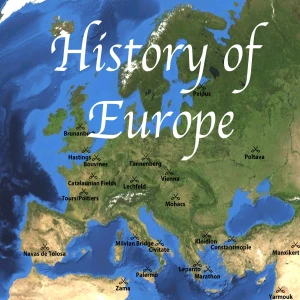
A History of Europe Key Battles
A podcast that examines key battles in European history, offering perspectives from each side to challenge traditional national narratives. It covers conflicts chronologically from Ancient Greece onward, analyzing how decisions, tactics, technology, and fortune determined outcomes. The series aims to place each battle within the broader context of European history. A new series on the Interwar Years (1918-1945) begins July 18, 2025.
Episodes
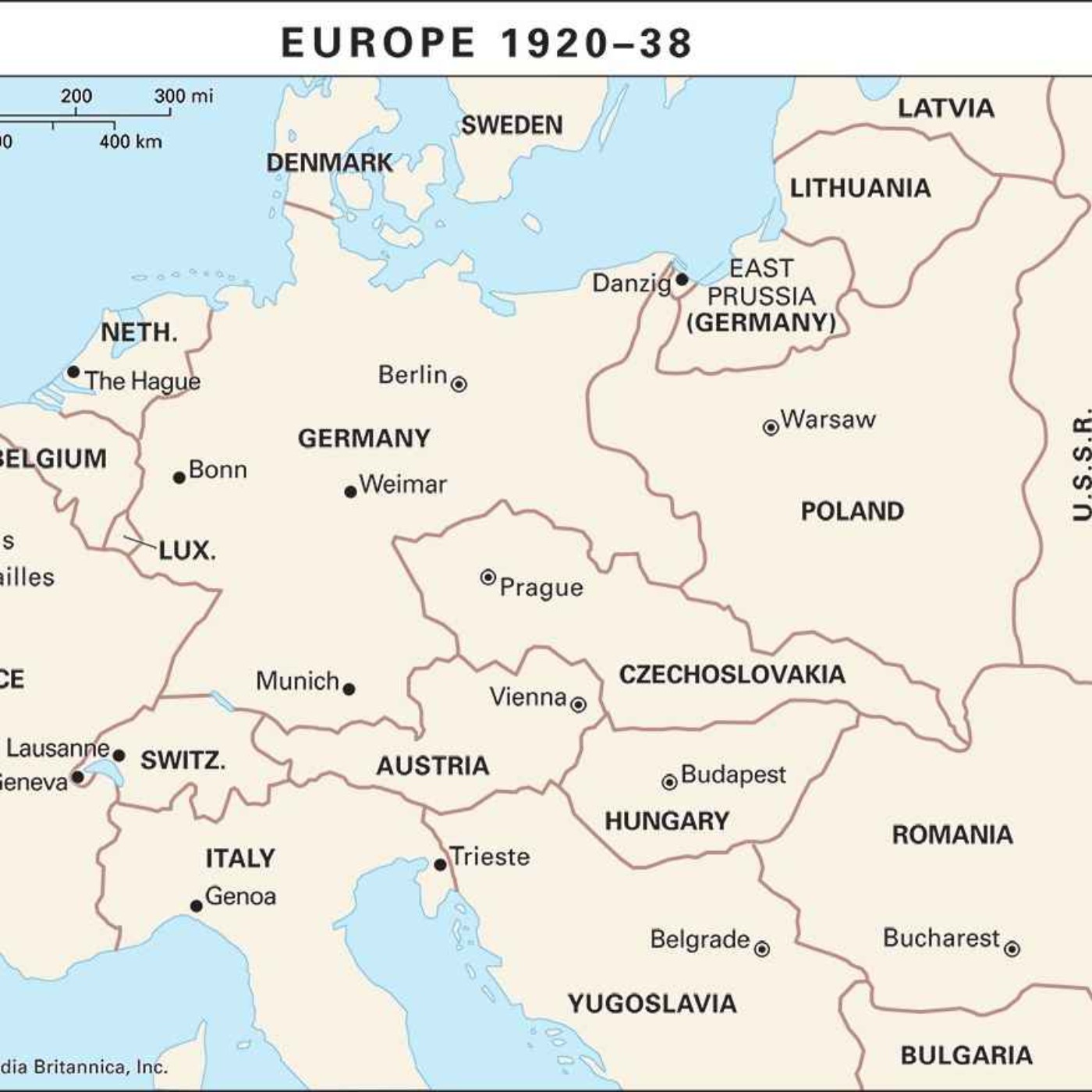
85.1 Central and Eastern Europe in the Interwar Period
Central and Eastern Europe in the Interwar Period - focusing on Czechoslovakia, Hungary and Poland. Picture: Map of Central and Eastern Europewww.historyeurope.netwww.patreon.com/historyeuropehttps://podcasts.apple.com/us/podcast/a-history-of-europe-key-battles/id788893946Opening Music: The Charlston. End Music by Nico Vettese Hosted on Acast. See acast.com/privacy for more information.
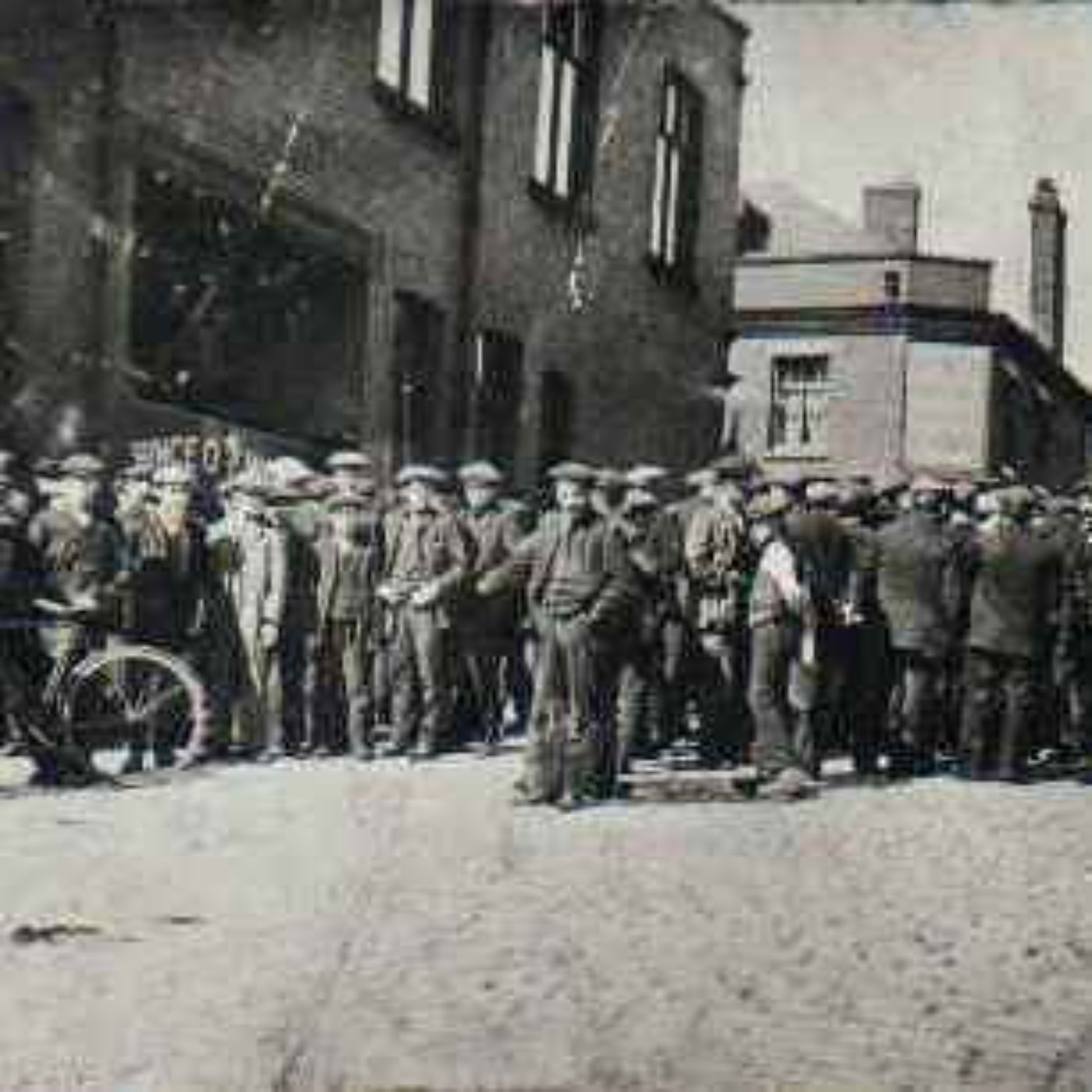
84.3 Britain in 1920's, the General Strike
How Ramsay McDonald, Britain's First Labour Prime Minister ended up demonised by his own party, accused of betrayal to the movement.Stanley Baldwin, of the Conservative Party, became Prime Minister for the second time in 1924 and rejoined the Gold Standard. Also, the Wall street Crash, and society trends in 1920's Britain - technological advances and the growth of suburban townsPicture: Tyldesley
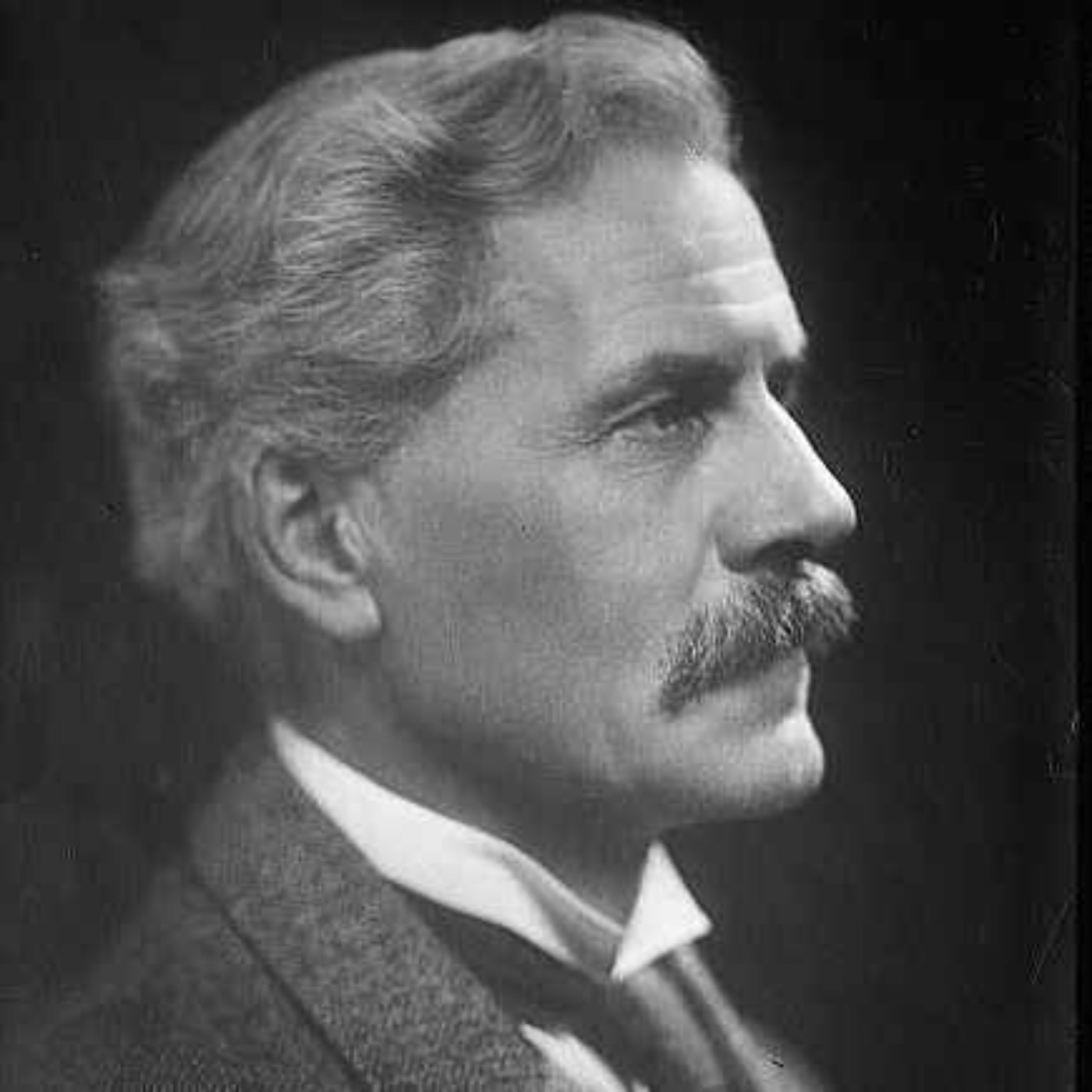
84.2 Britains' First Labour Government 1923-24
The 1920s in Britain witnessed great social change. It was also a watershed in the political history of the country with the first Labour Government of 1923-1924Picture: Ramsay MacDonaldwww.historyeurope.netwww.patreon.com/historyeuropehttps://podcasts.apple.com/us/podcast/a-history-of-europe-key-battles/id788893946Opening Music: The Charlston. End Music by Nico Vettese Hosted on Acast. See acast.
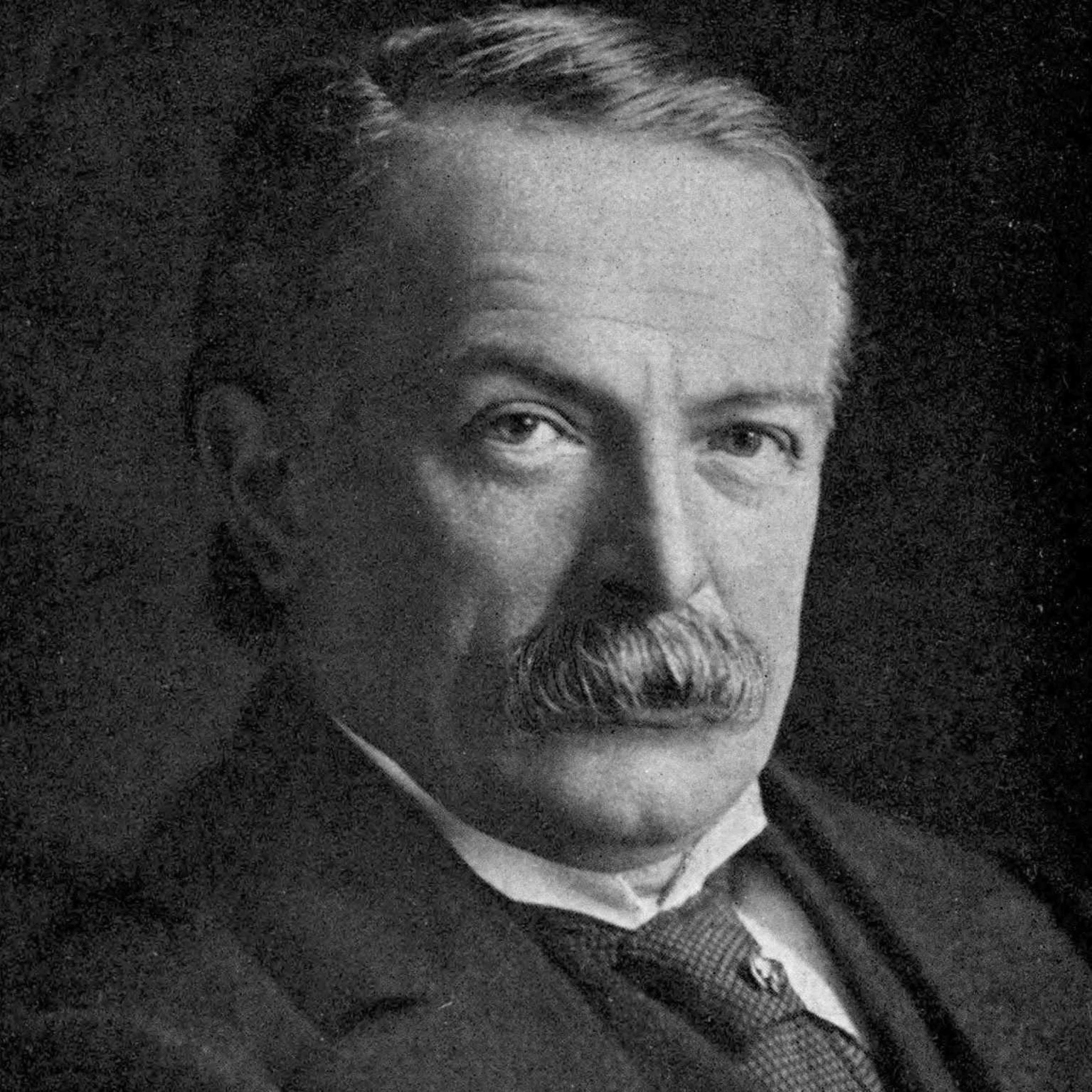
84.1 Britain in 1920s (David Lloyd George)
The 1920s was a key decade in British history, marked by the struggle to cope with post-war challenges, and the transition away from a society led by aristrocats. A key figure was Liberal leader, Prime Minister David Lloyd George (pictured)www.historyeurope.netwww.patreon.com/historyeuropehttps://podcasts.apple.com/us/podcast/a-history-of-europe-key-battles/id788893946Opening Music: The Charlston.
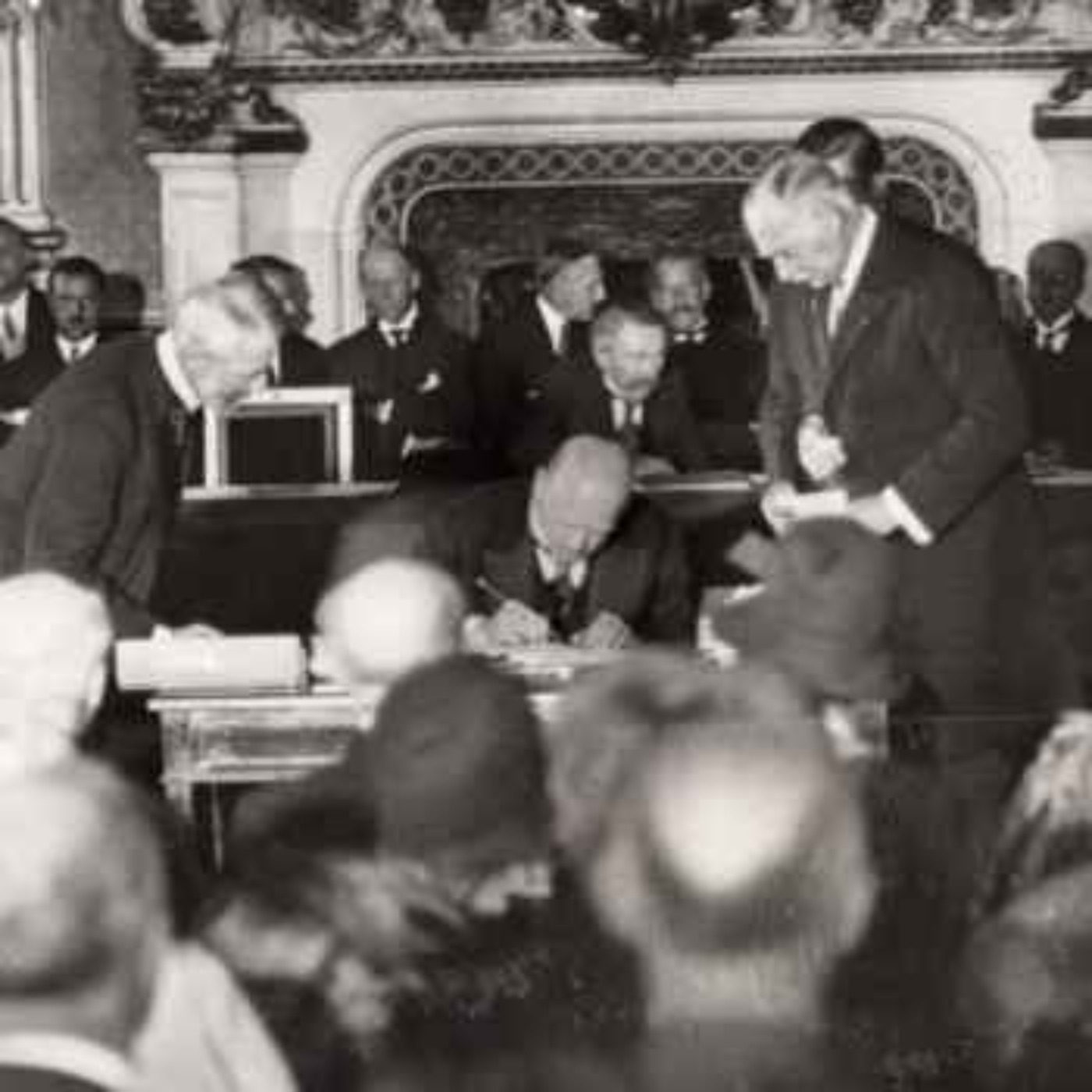
83.5 Germany's Descent into Dictatorship
International negotiations lead to the Kellogg-Briand pact, bringing hope for eternal peace in Europe. However, Germany suffers the double blow of its most able statesman Gustav Stresemann, together with the economic fallout of the Wall Street Crash. Political instability leads to President Hindenburg choosing his own cabinet and so sideline parliament. Hitler's Nazi party break through in electio
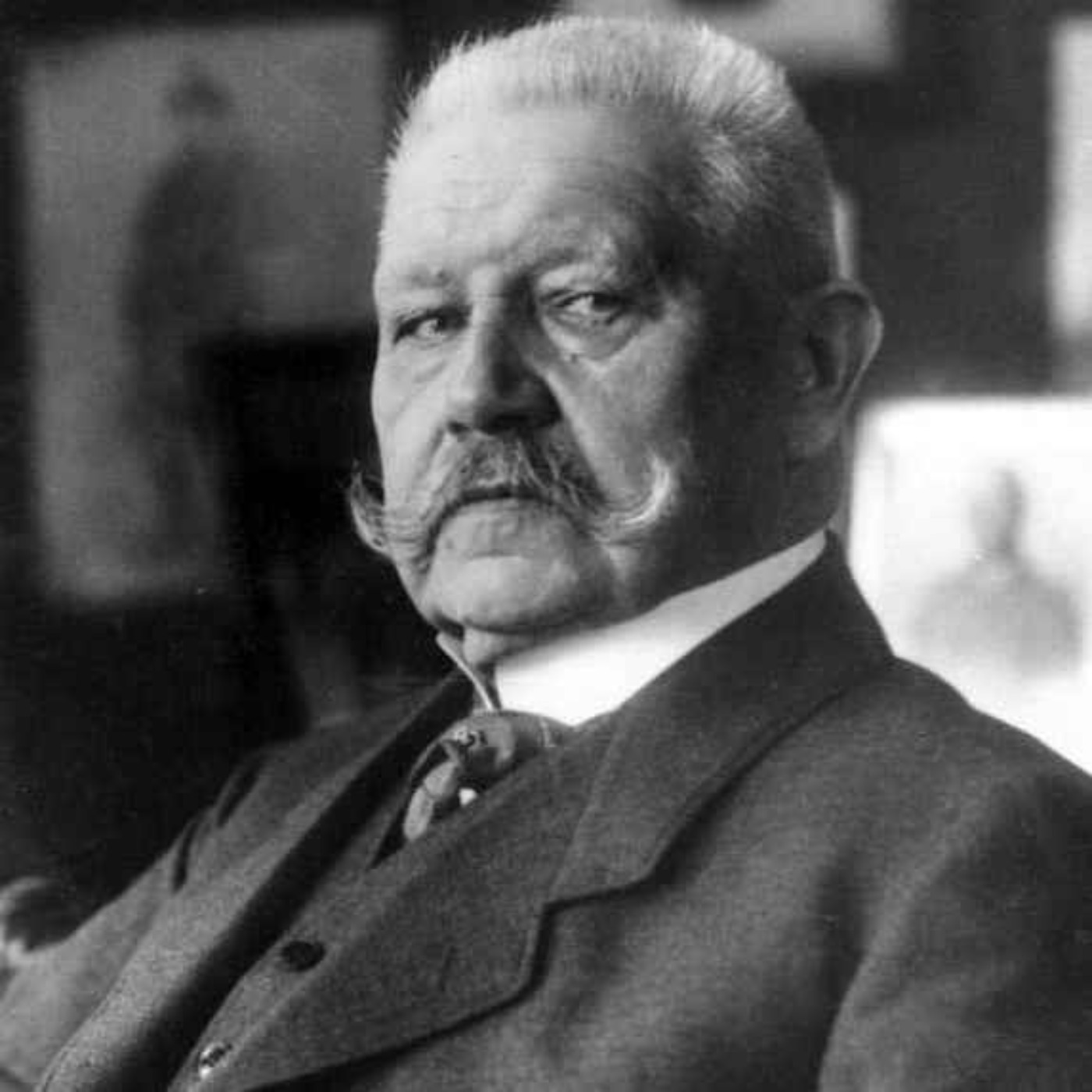
83.4 Post WW1 Germany, President Hindenburg
President Ebert dies of illness, prompting a presidential election, which is won by the former WW1 military commander Paul von Hindenburg. International negotiations continue, culminating in the Treaty of Locarno, in which France, Germany and Belgium agreed never to attack each other again. Germany joins the League of Nations, and Hitler re-asserts his authority over the National Socialist Party.P
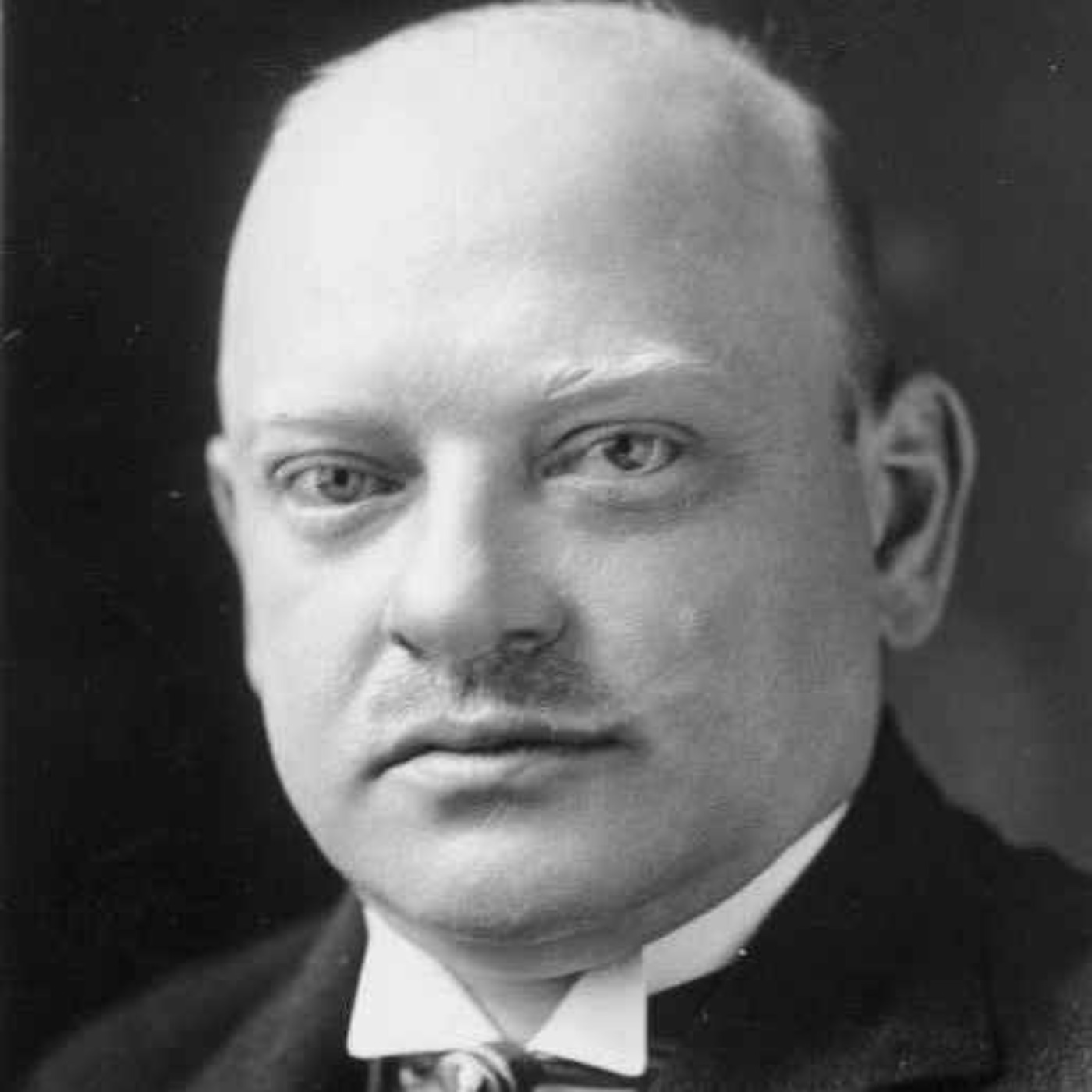
83.3 Germany's Reparations Problems
Post World War One Germany Struggles to pay the reparations demanded in the Treaty of Versailles.Picture: President Ebert asked Gustav Stresemann, leader of the DVP party, who formed a government coalition in 1923www.historyeurope.netwww.patreon.com/historyeuropehttps://podcasts.apple.com/us/podcast/a-history-of-europe-key-battles/id788893946Opening Music: The Charlston. End Music by Nico Vettese
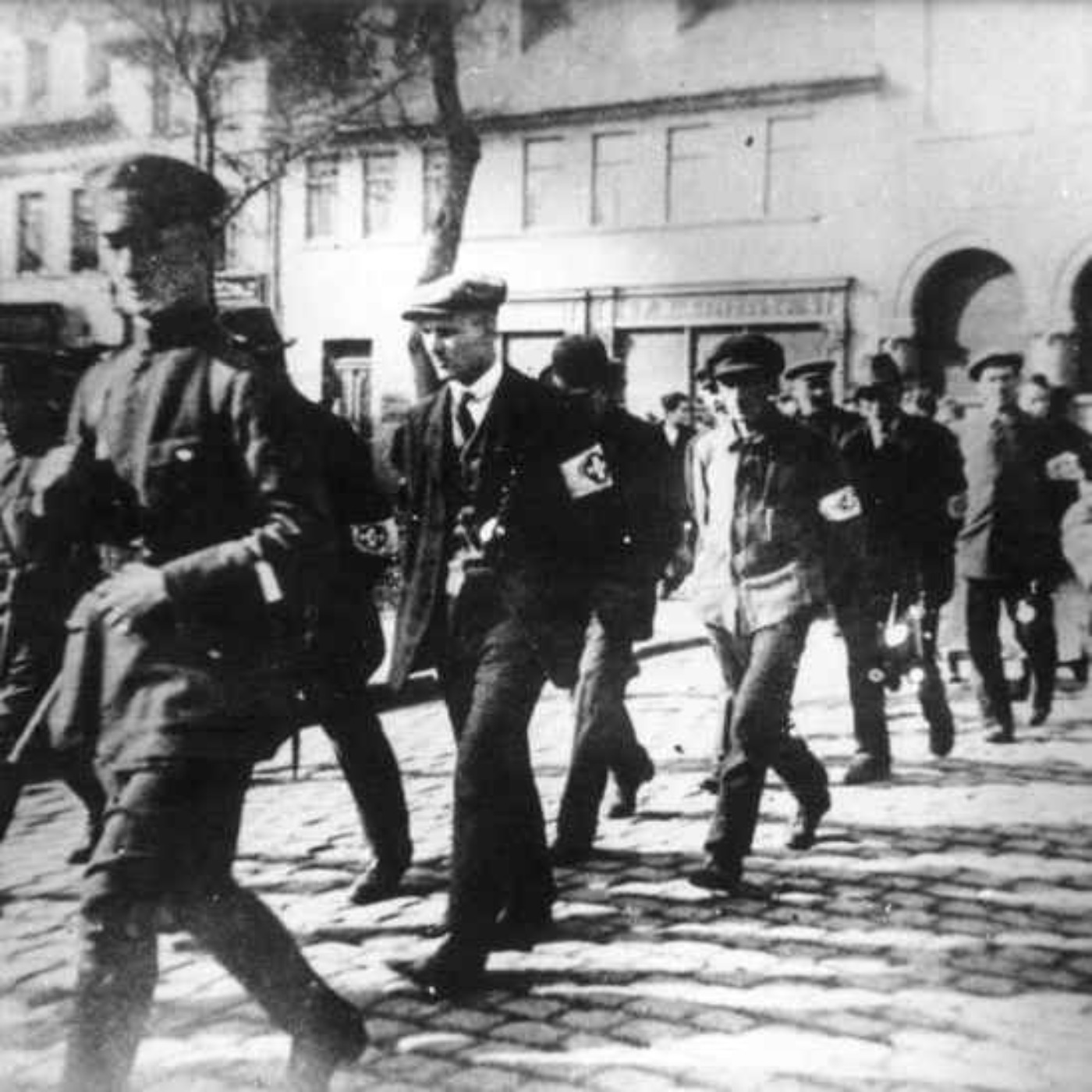
83.2 Early Weimar Republic and Adolf Hitler
The early years of Adolf Hitler as he becomes politically active and joins the Nazi party. Meanwhile the Weimar Republic struggles with harsh post-war conditions and attempted uprisings from both the Left and Right.Photo: German police sent to put down a left-wing rebellion known as the March Actionwww.historyeurope.netwww.patreon.com/historyeuropehttps://podcasts.apple.com/us/podcast/a-history-of
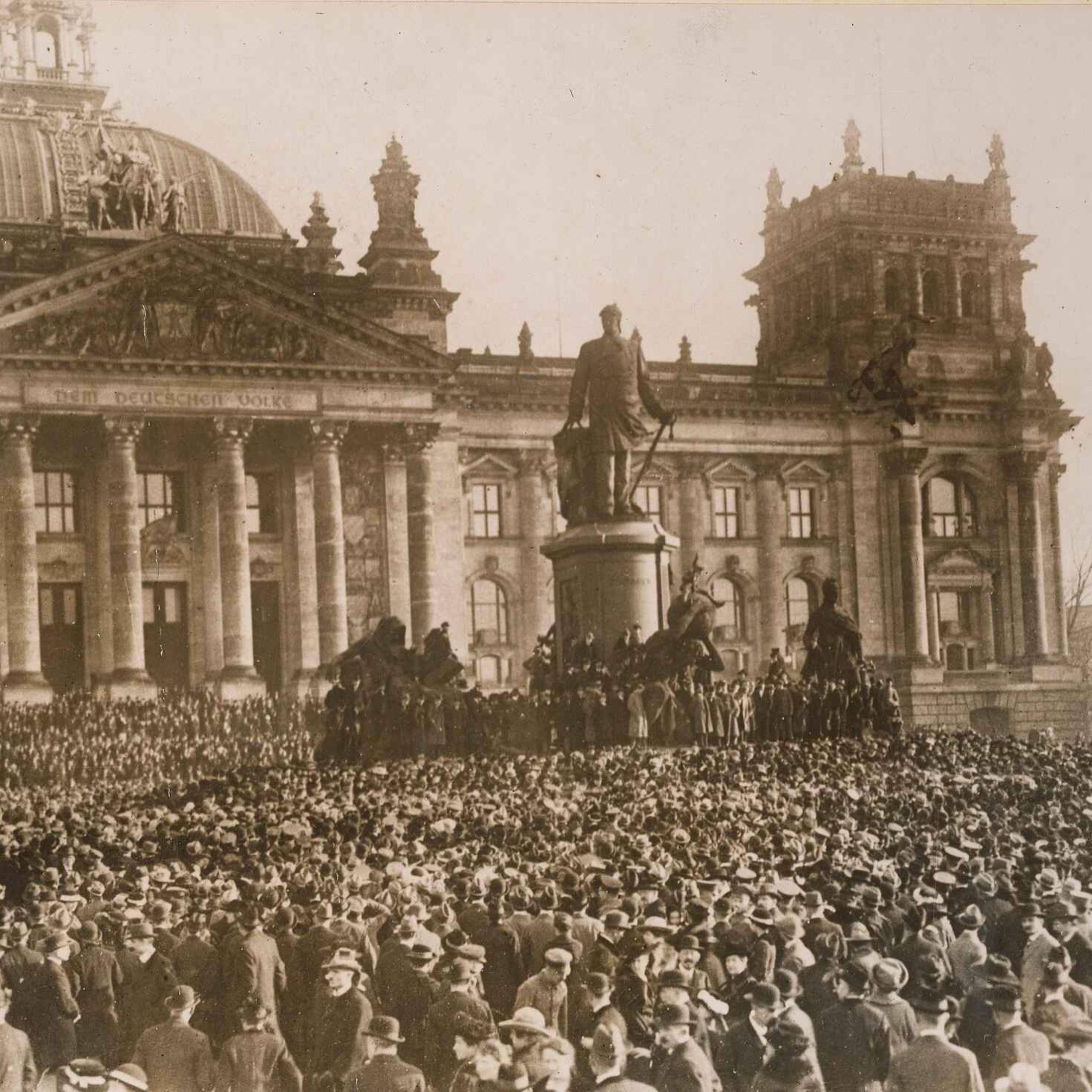
83.1 Birth of the Weimar Republic
After World War One, political upheaval in Germany leads to the overthrow of the German monarchy and establishment of a new republic based in the town of Weimar.Photo: Proclamation of Weimar Republic, 9 November 1918.www.historyeurope.netwww.patreon.com/historyeuropehttps://podcasts.apple.com/us/podcast/a-history-of-europe-key-battles/id788893946Opening Music: The Charlston. End Music by Nico Vett
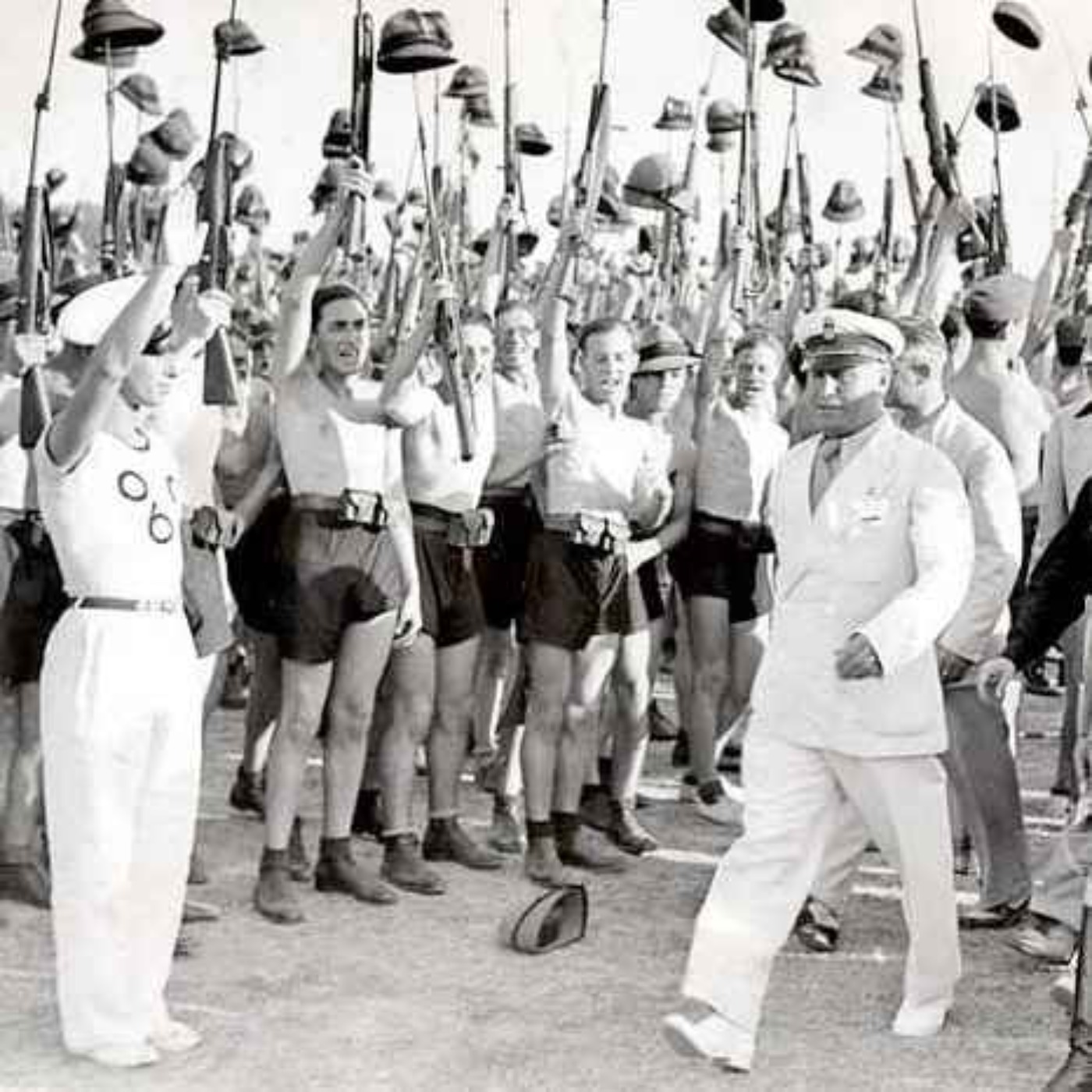
82.2 Fascism in Italy in 1920s
Mussolini consolidates his control of Italy, using a combination of intimidation, violence and occasional compromise to establish an authoritarian regime. He introduces a number of projects to boost Italy, including strengthing the currency, agricultural refor, after-work clubs and family planning, with mixed results. He also embarked on an expansionist foreign policy.Picture: Mussolini with the f
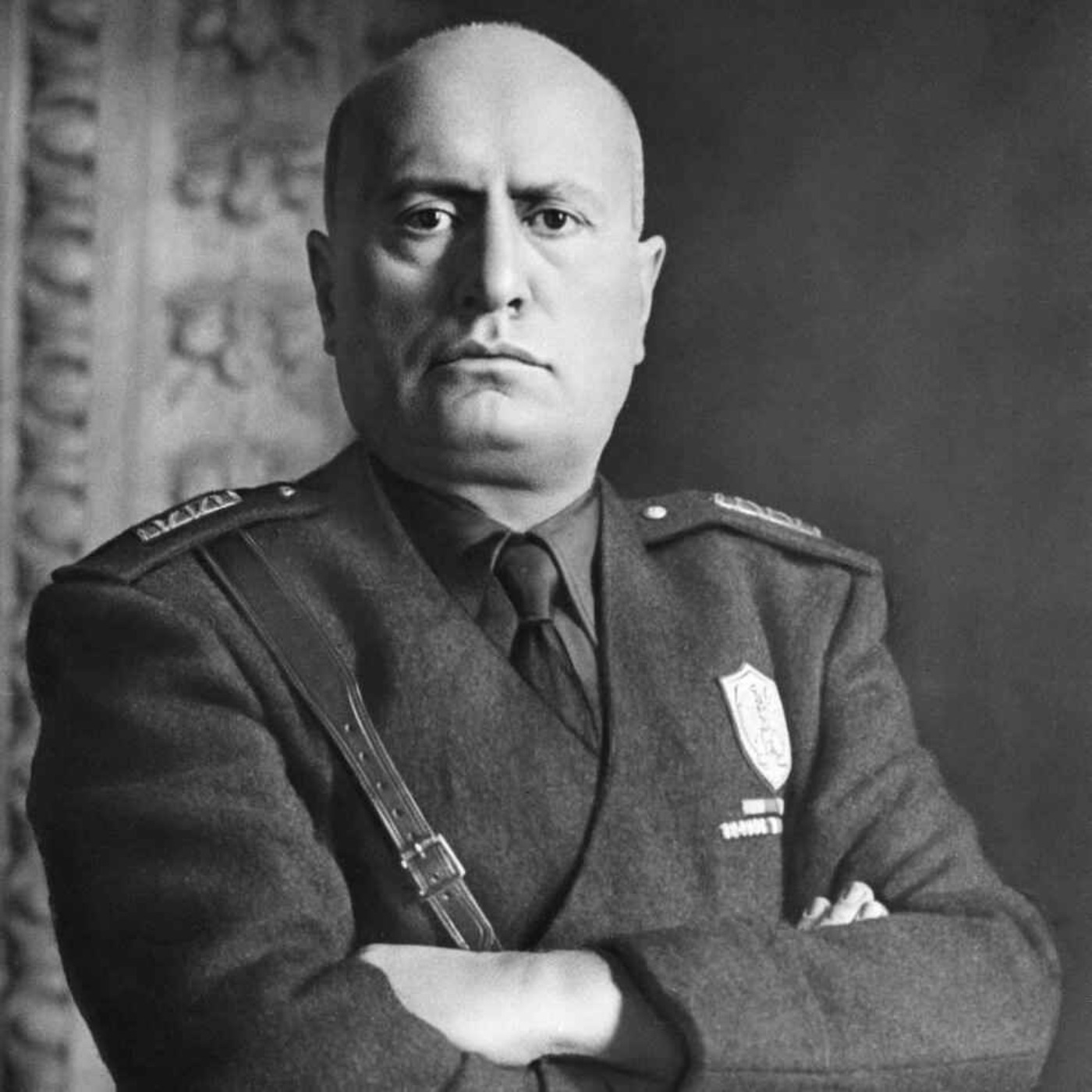
82.1 Rise of Fascism in Italy, Mussolini's March on Rome
After World War One Italy suffered social unrest due to economic hardship and nationalism. Benito Mussolini led a new Fascist movement which took power in the March on Rome in October 1922Picture: Benito MussoliniOpening Music: The Charlston. End Music by Nico Vettesewww.historyeurope.netwww.patreon.com/c/historyeuropehttps://podcasts.apple.com/us/podcast/a-history-of-europe-key-battles/id78889394
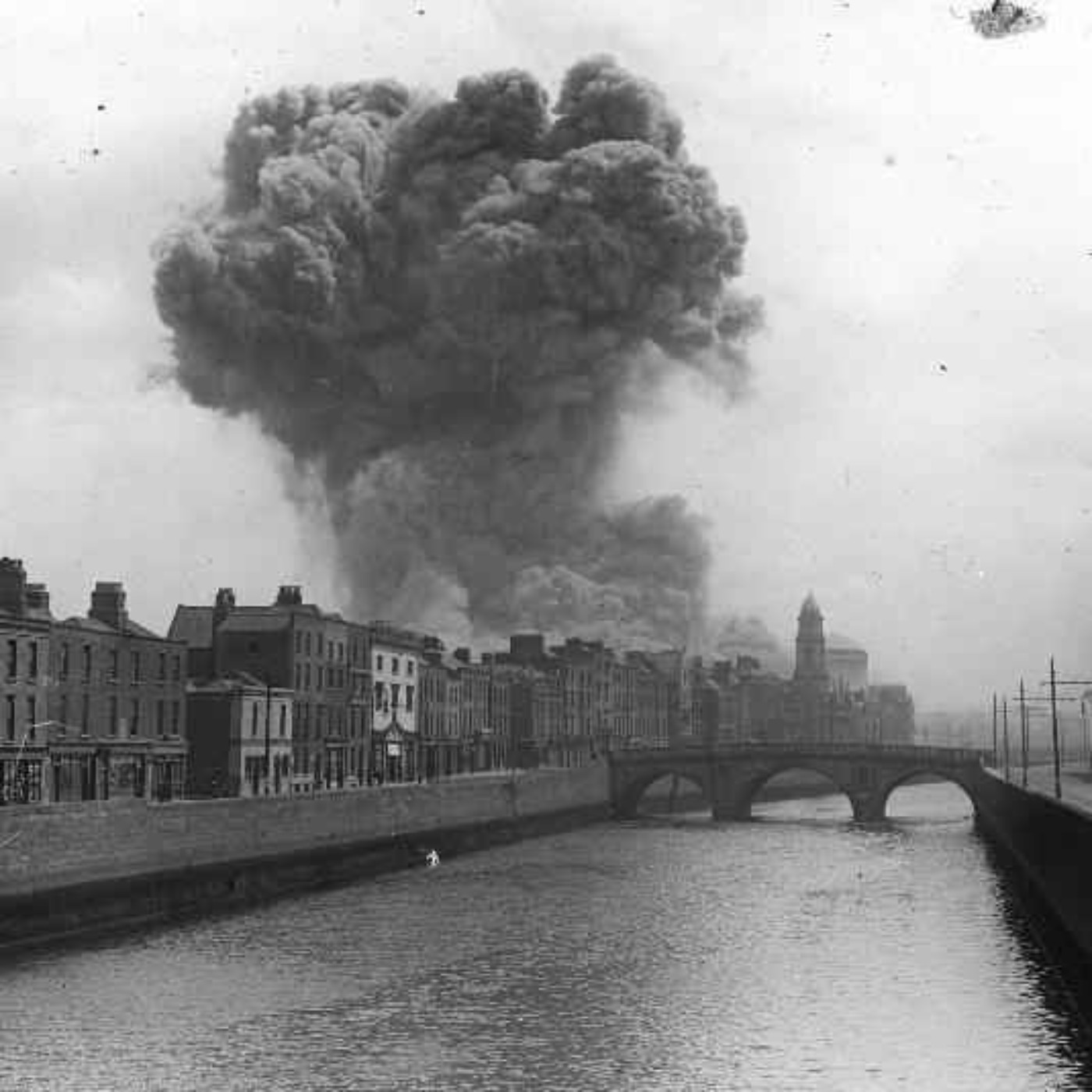
81.3 The Irish Civil War
A delegation from Ireland meet the British and make an agreement for Irish autonomy but makes a compromise to keep under under the British Crown.The Irish break into two sides, one supporting the treaty, one opposing it and demanding full independence and a republic. The ensuing Irish Civil War left a bitter legacy.Picture: Bombing of the Four CourtsOpening Music: The Charlston. End Music by Nico
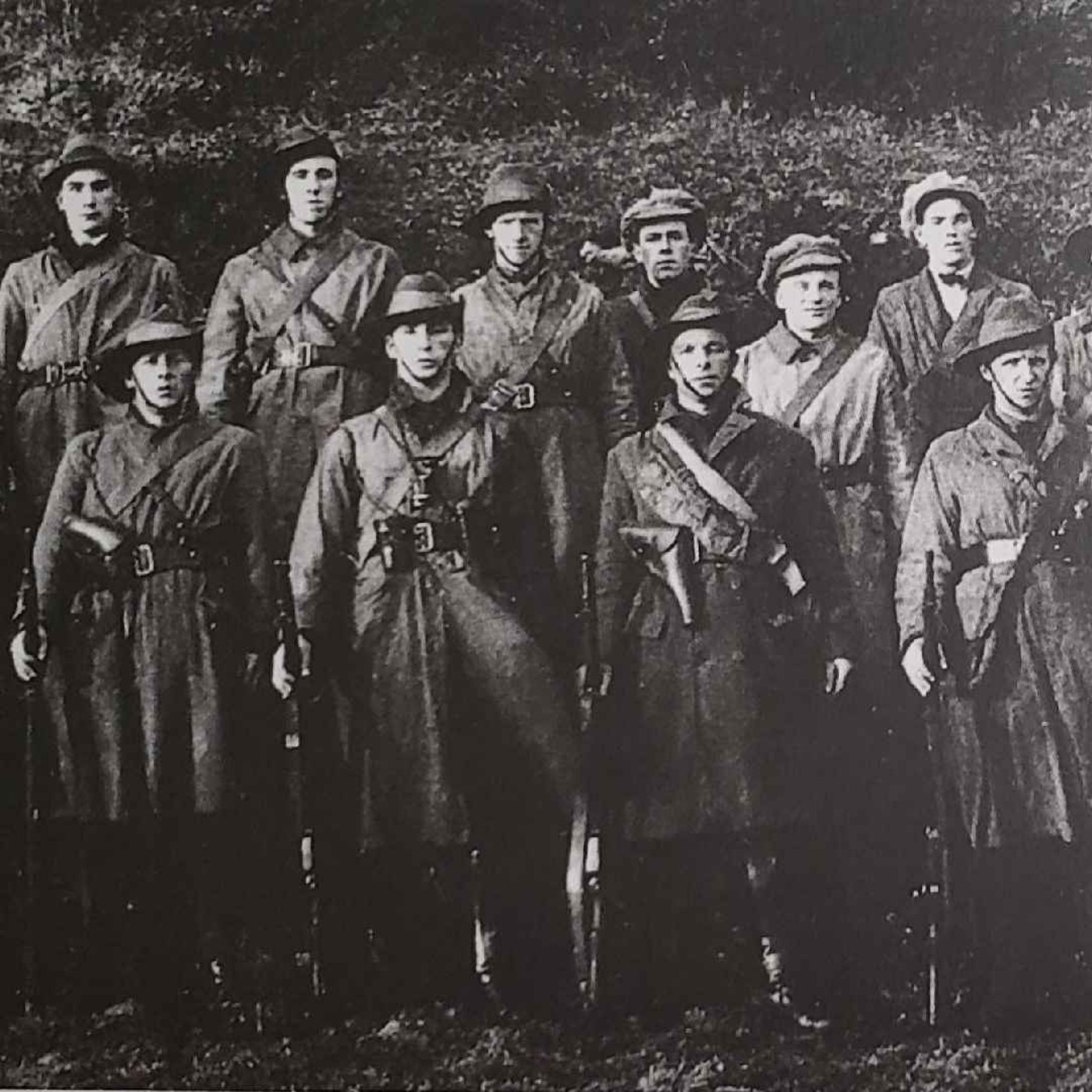
81.2 Irish War of Independence
The Irish form a shadow government in opposition to the British, with their own courts and tax collections. Meanwhile, Irish volunteer fighters wage guerilla warfare against the British police force, the Royal Irish Constabulary.Picture: West Connemara Flying ColumnOpening Music: The Charlston. End Music by Nico Vettesewww.historyeurope.netwww.patreon.com/c/historyeuropehttps://podcasts.apple.com/
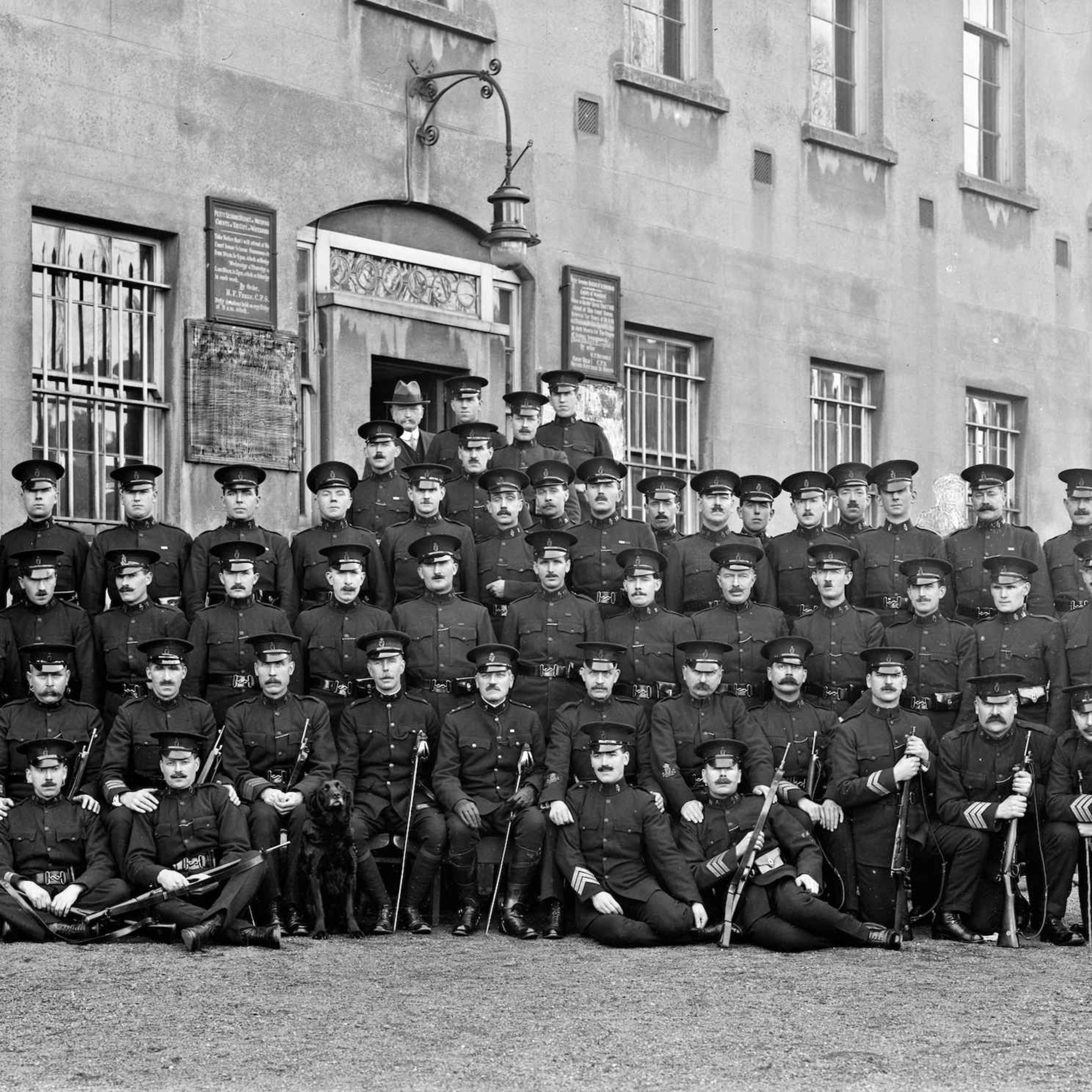
81.1 War of Irish Independence - Background
In January 1919 a group of recently elected Sinn Fien MPs gathered in Dublin. There they proclaimed the establishment of an Irish Republic and adopted a ‘Declaration of Independence’, which asserted Ireland’s right to be a sovereign nation. I describe here the background to the Irish people's struggle for independence from the United Kingdom, including the Easter Rising 1916.Picture: Royal Irish C
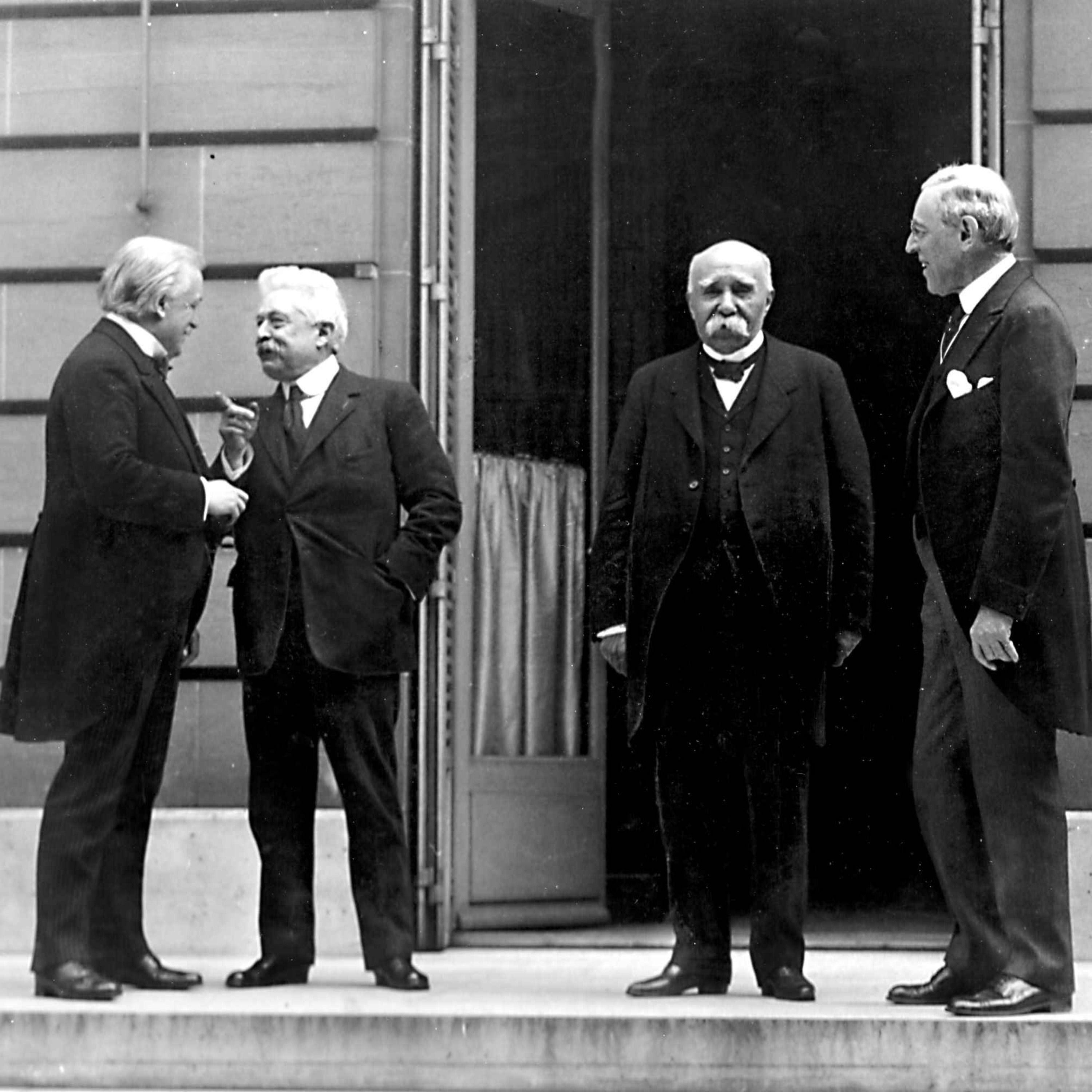
80.1 Europe After World War One
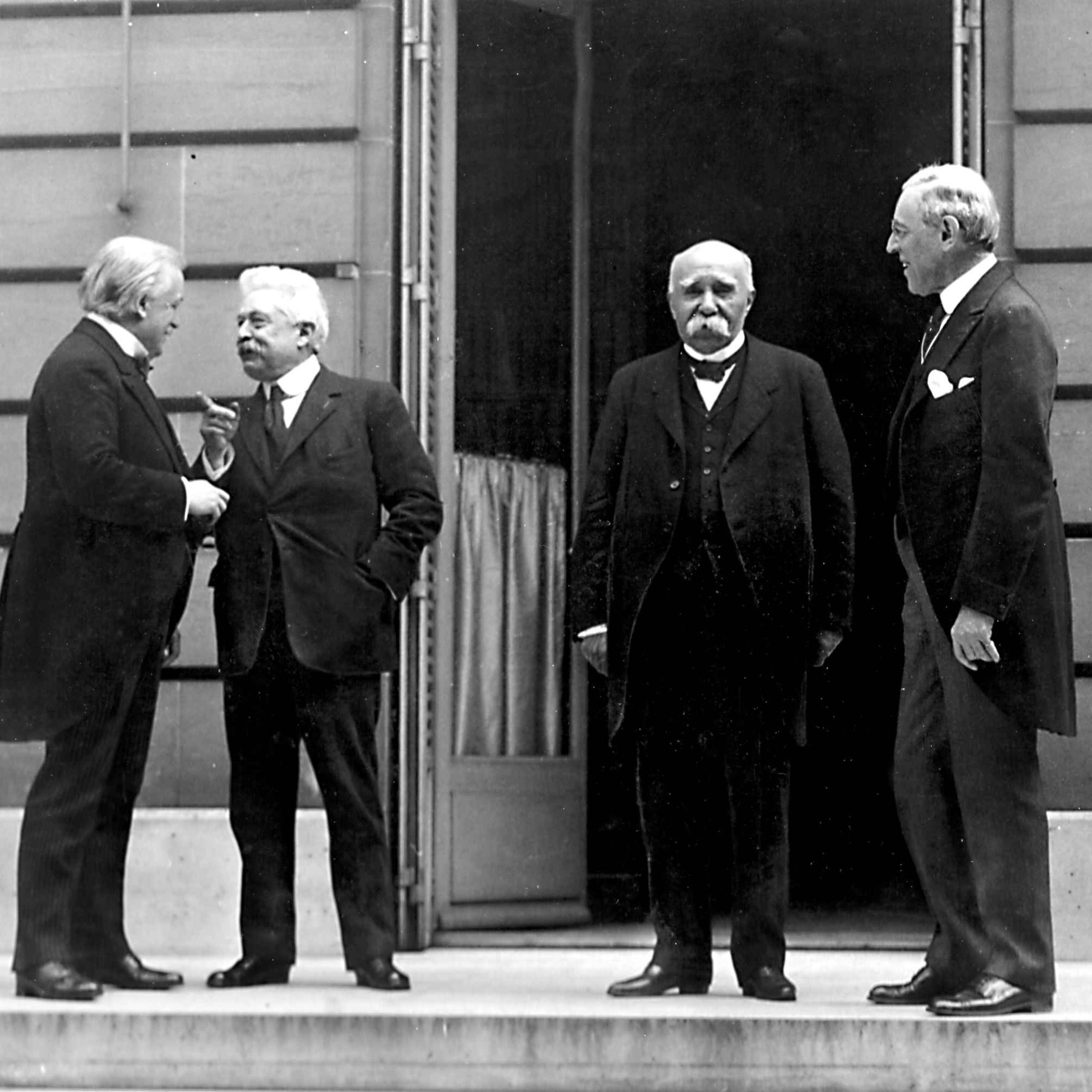
An overview of the situation across Europe after World War One. The Treaty of Versailles. The post-war division of territories. The German Revolution and the question of financial reparations.Picture: The heads of the "Big Four" nations at the Paris Peace Conference, 27 May 1919. From left to right: David Lloyd George, Vittorio Orlando, Georges Clemenceau, and Woodrow WilsonOpening Music: The Char
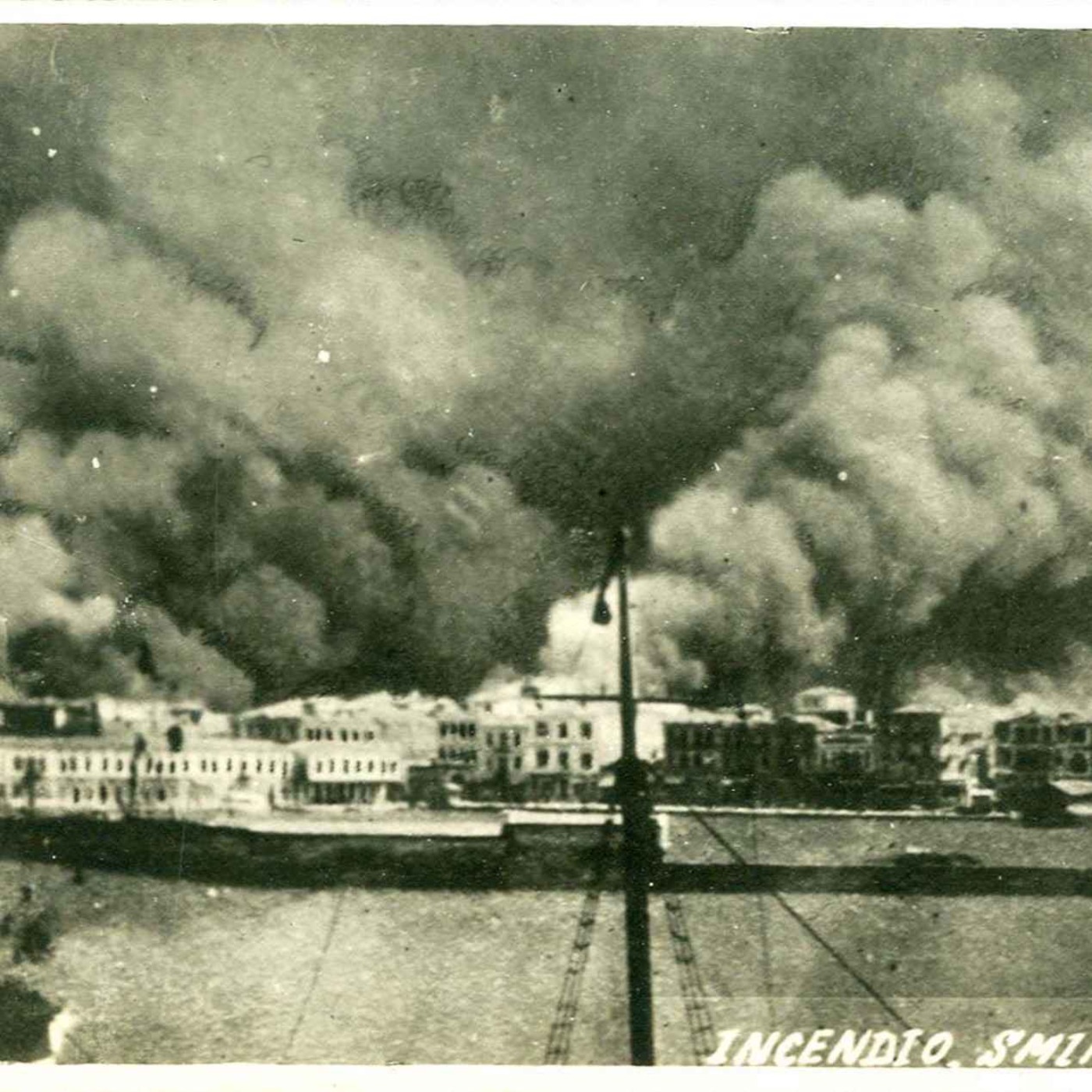
79.4 Birth of Turkey 1922
Conclusion of the Turkish National Struggle 1919-1922. Mustafa Kemal, later known as Ataturk, leads the Turkish Nationalists against the armies of Greece.The Battle of Sakarya River between the Turks and Greeks is a key battle of European history and shapes of the future of their respective countries.Picture: Inferno of SmyrnaMusic: The Charlston Hosted on Acast. See acast.com/privacy for more i
79.3 Turkish National Struggle 1919-1922
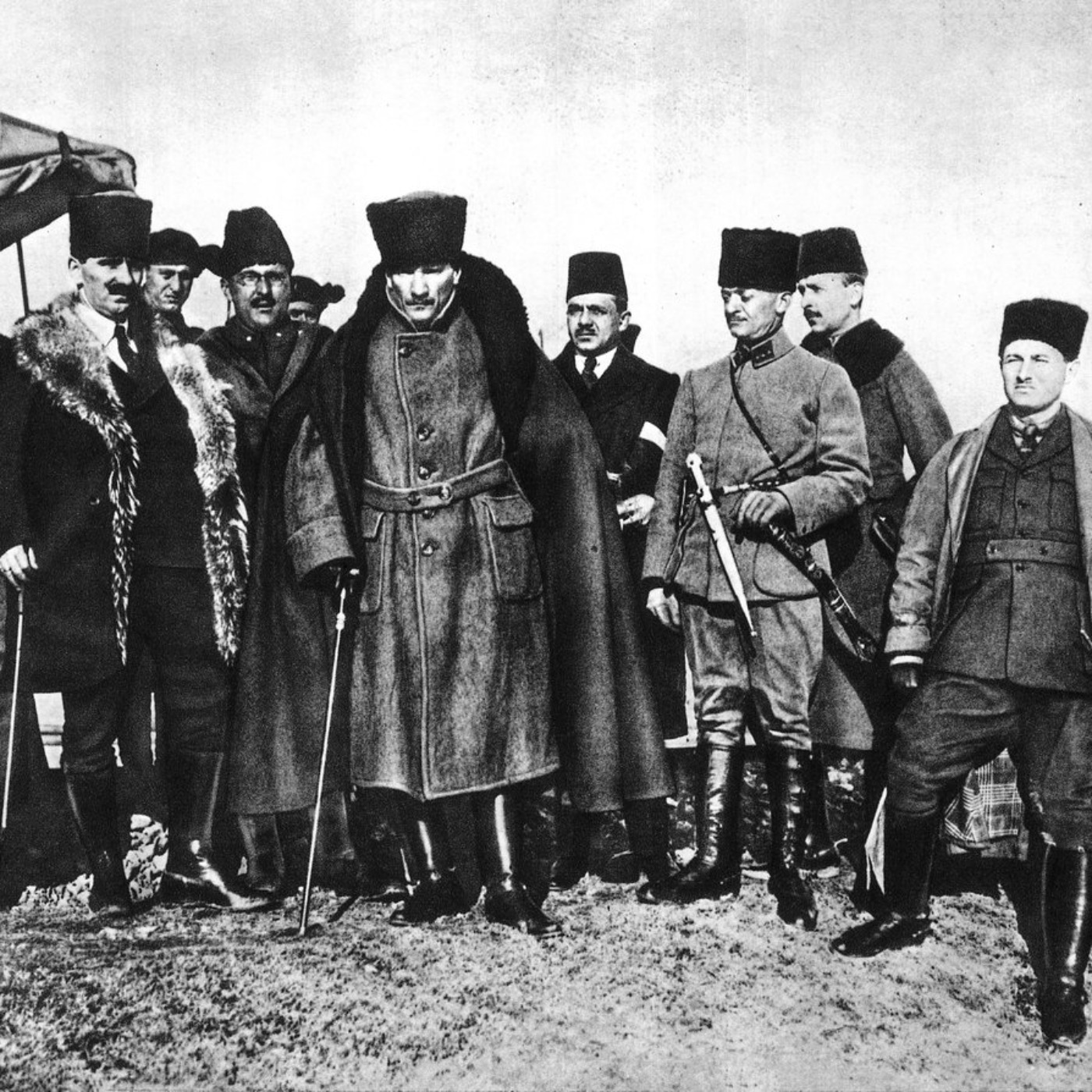
Turkish National Struggle 1919-1922The Ottoman Empire emerges defeated from World War One. The Entente Allies impose harsh conditions in the armistice whereby the Ottomans lose most of their territory including parts of Anatolia. However, Mustafa Kemal, later known as Ataturk, raises an army to oppose the AlliesPicture: Mustafa Kemal and Turkish soldiers Hosted on Acast. See acast.com/privacy for
79.2 World War 1 in the Caucasus and Greece
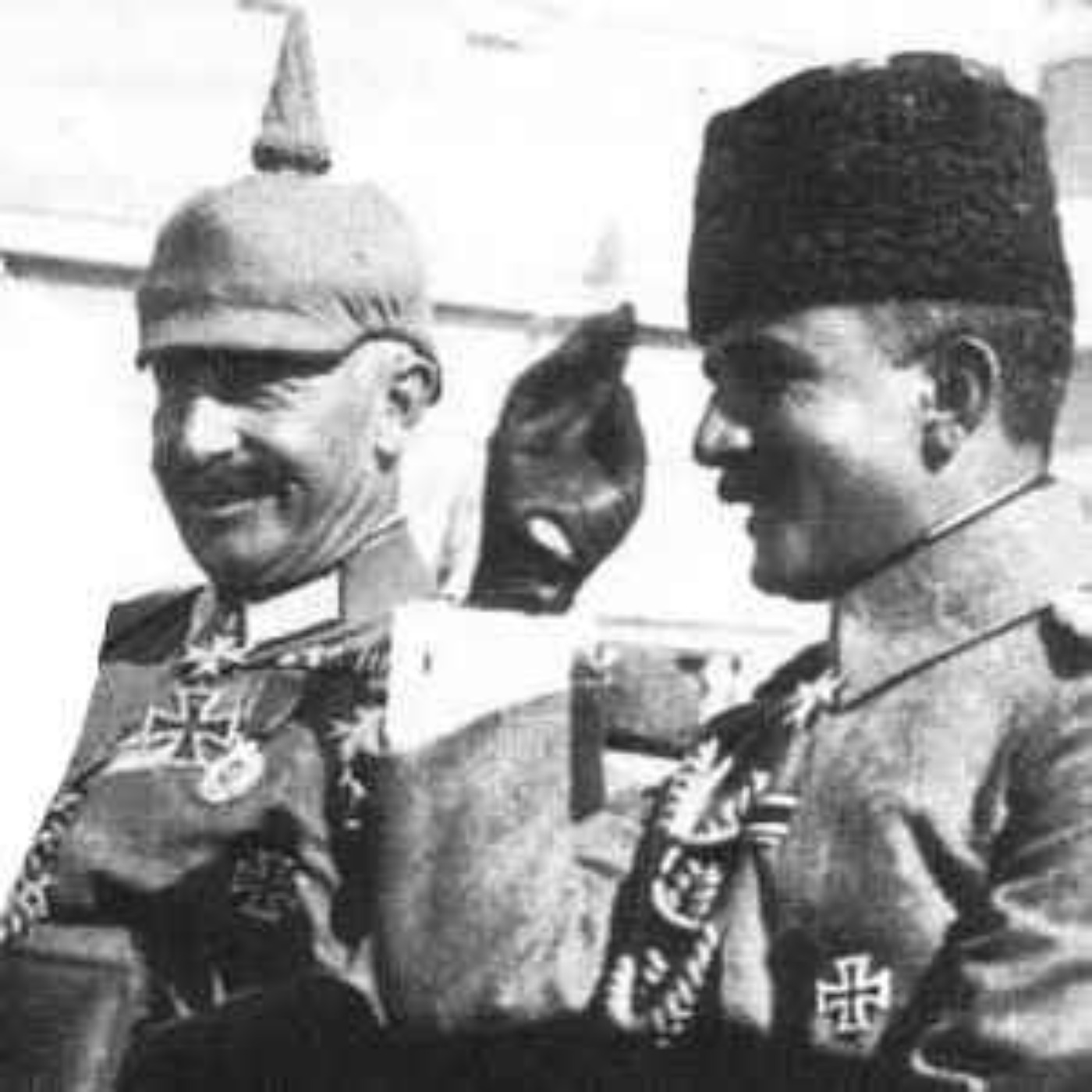
As background to the Turkish National Struggle, this episode describes the events in the Caucasus Mountains in World War One, - conflict between Russia, the Ottoman Empire, the Germans, and nationalist groups of Georgians, Armenians and Azerbaijanis.Separately I talk about Greece's involvement in World War One.Picture: Kaiser Wilhelm of Germany and Enver Pasha, Minister of War for the Ottoman
79.1 Ottoman Empire, World War 1, Battle for Gaza
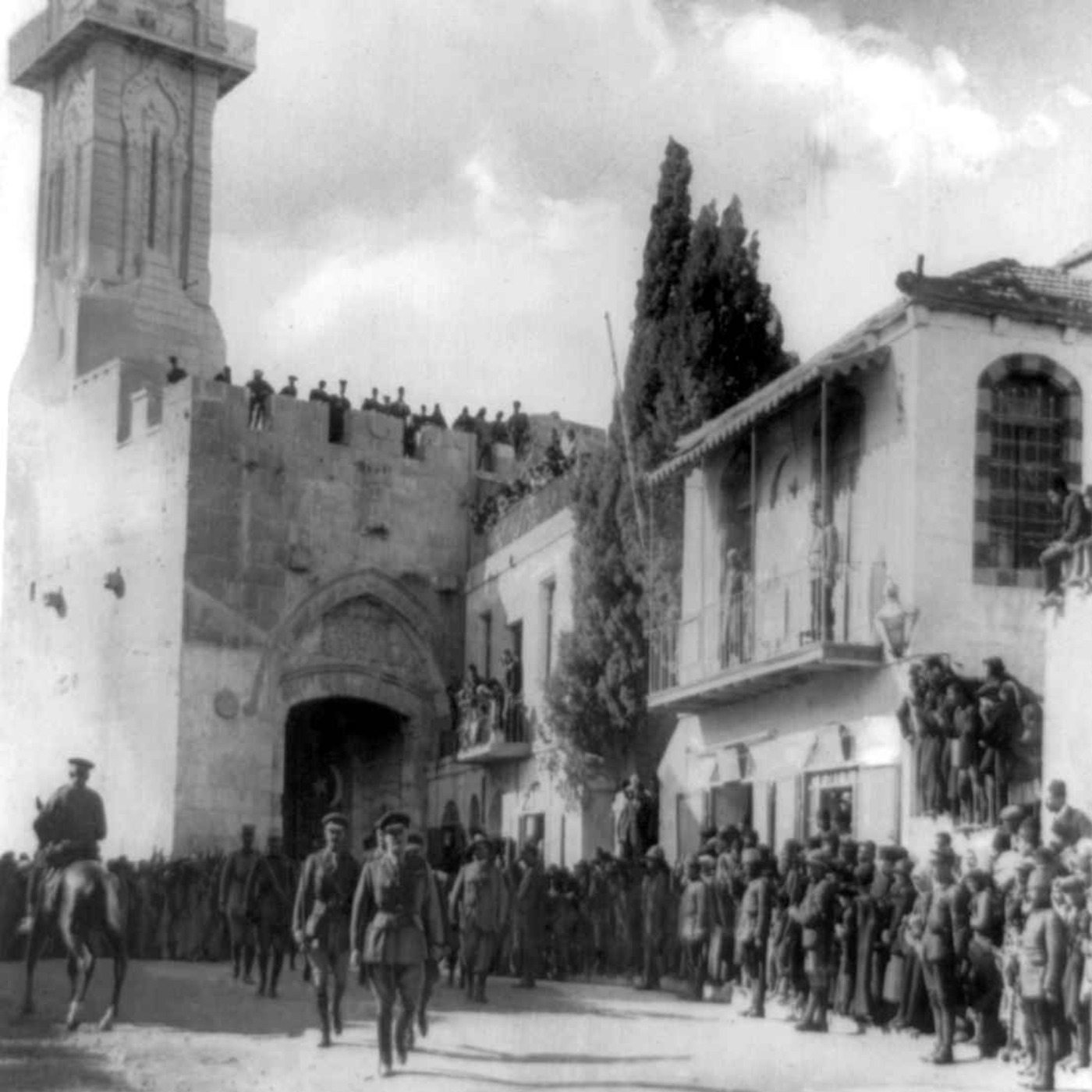
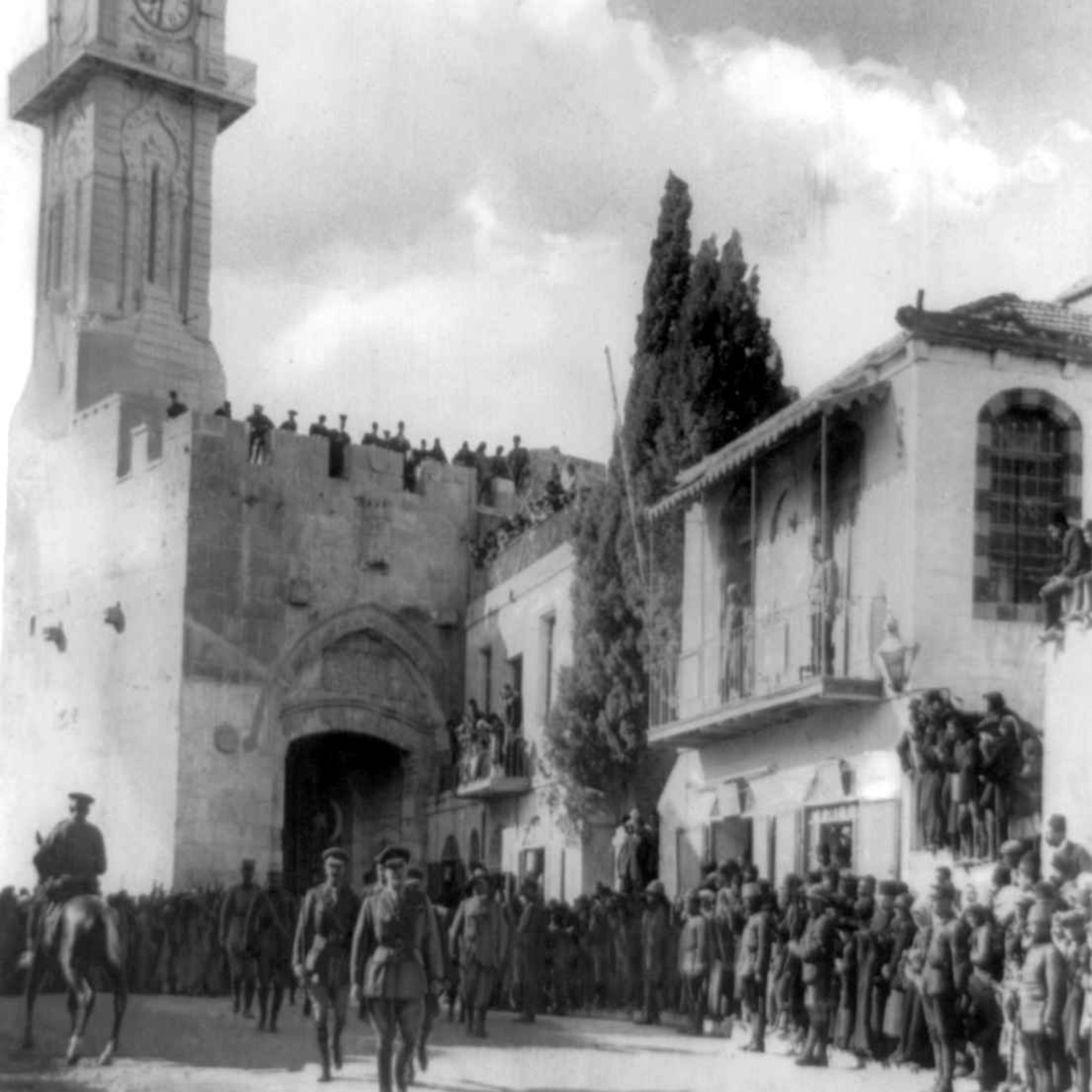
The Ottoman Empire in World War One - the fights for the Suez Canal, Gaza, Jerusalem and Arabia between the British and TurksPicture: General Allenby enters Jerusalem Hosted on Acast. See acast.com/privacy for more information.
78.3 Polish-Soviet War - Conclusion
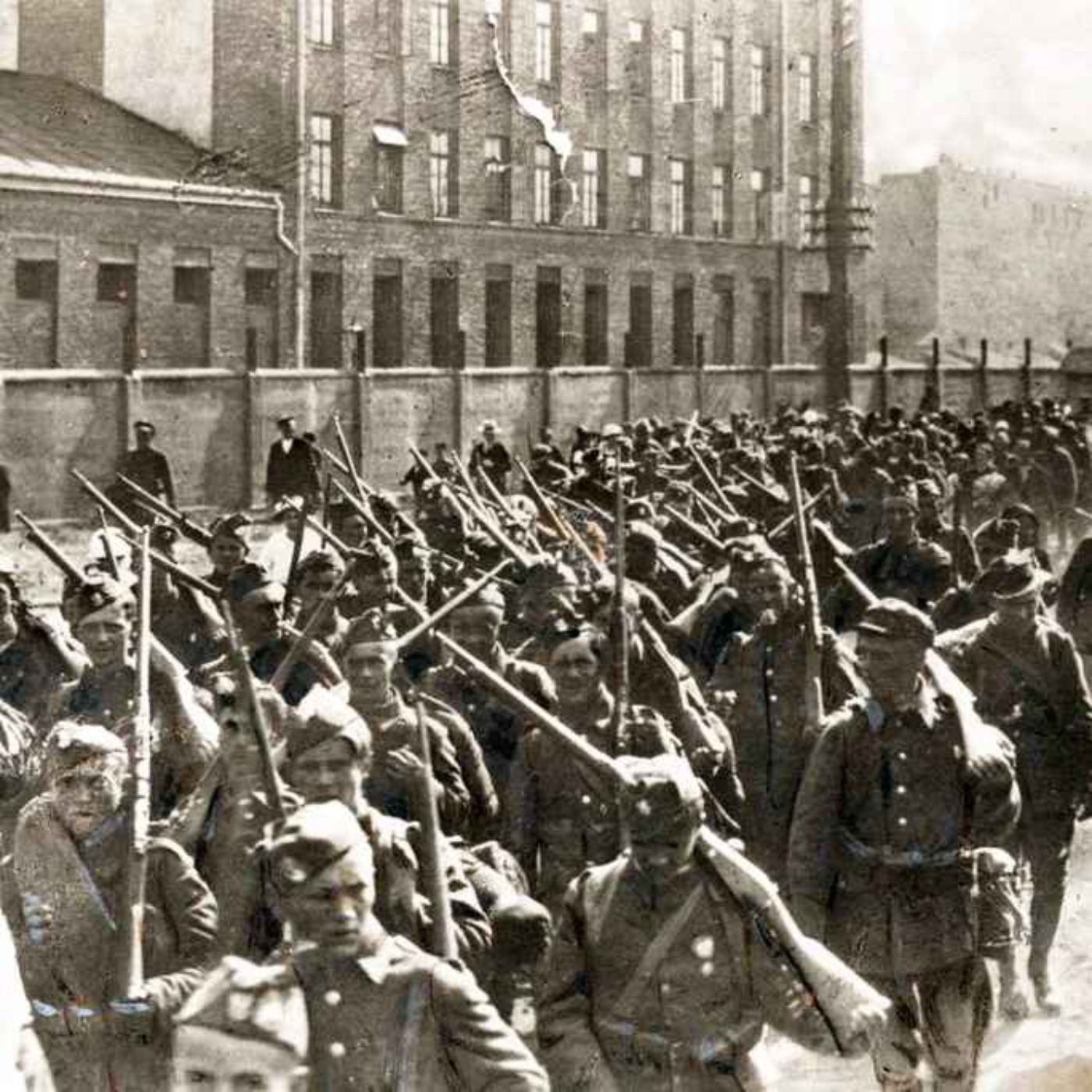
In 1920 the Polish and Soviet Russian armies clashed in a series of battles across a wide area of eastern Europe including Ukraine and Lithuania.The Soviets advanced deep into Poland and reached the gates of Warsaw, with the aims of capturing the city and., more widely, exporting their revolution across Europe.Picture: Polish soldiers in the Battle of Warsaw 1920 Hosted on Acast. See acast.com/pr
78.2 Polish-Soviet War - Part 2
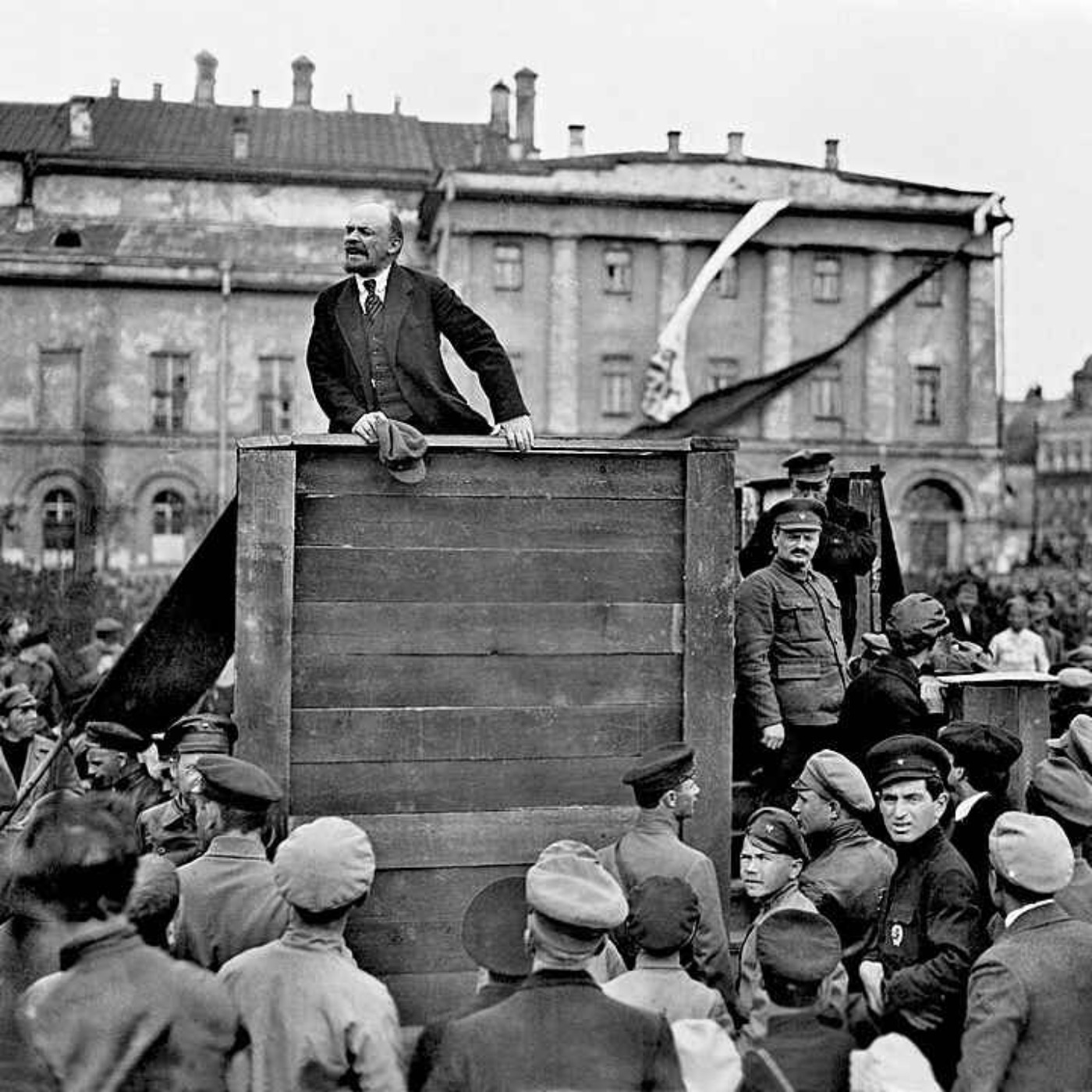
The Polish Army make a pre-emptive strike against Soviet Russia. They invade the eastern borderlands, and take large amounts of territory, especially in Ukraine, but they fail to break the Russian army. Meanwhile, the Ukrainians attempt to form an administration in KyivPicture: Vladimir Lenin rallying his people to the warIntro Music: The Charlston Hosted on Acast. See acast.com/privacy for more i
78.1 Polish-Soviet War 1919-1921 (Intro)
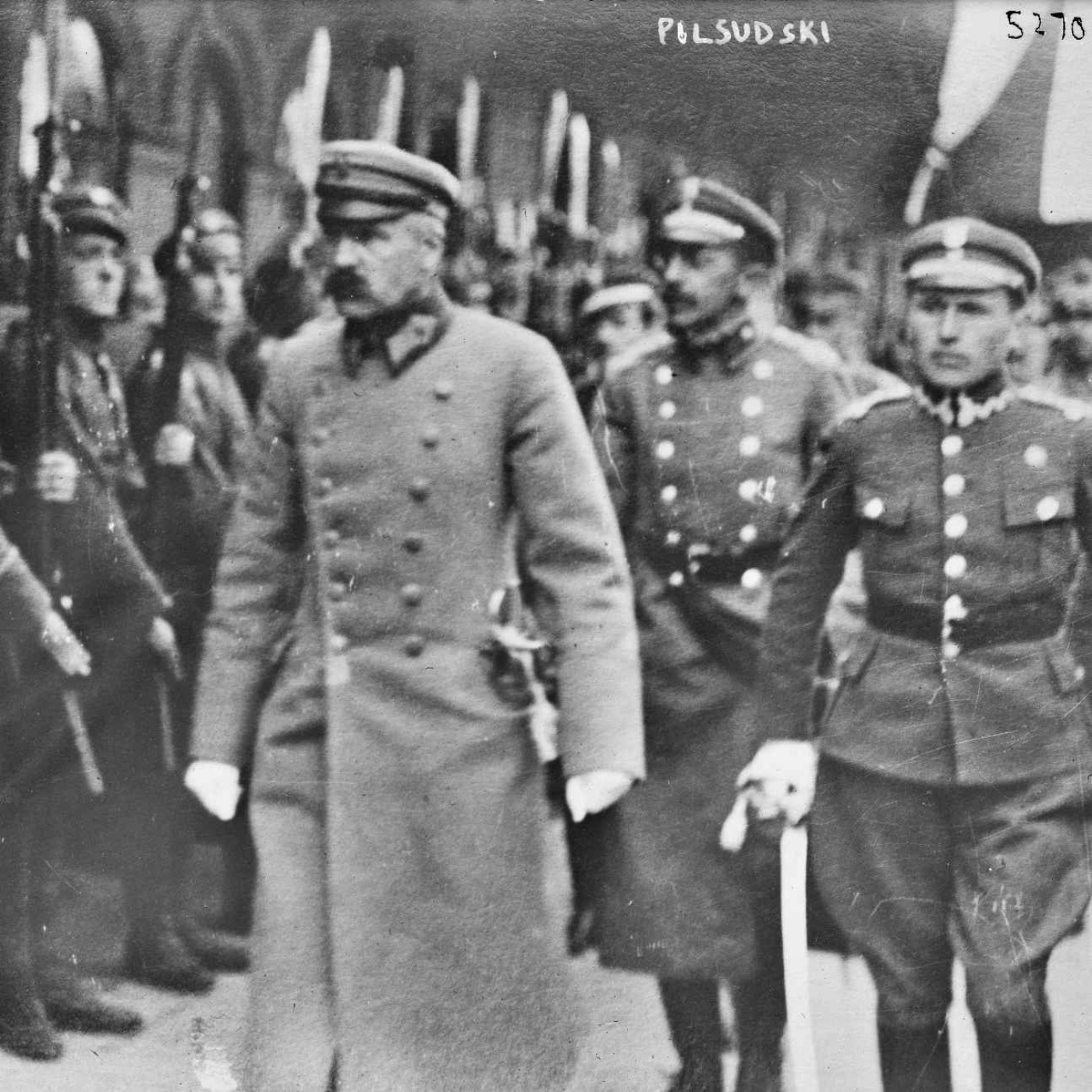
While Western Europe's borders were settled post World War One, fighting still raged elsewhere on the continent. The most significant was the Polish Soviet War, which raised issues such as the clash of ideologies, the Soviets’ attempt to export their revolution, the future of Europe itself.It was a conflict that spanned a large area, from Lithuania and Ukraine in the east to Warsaw in the west.Pic
77.4 Russian Civil War, Conclusion
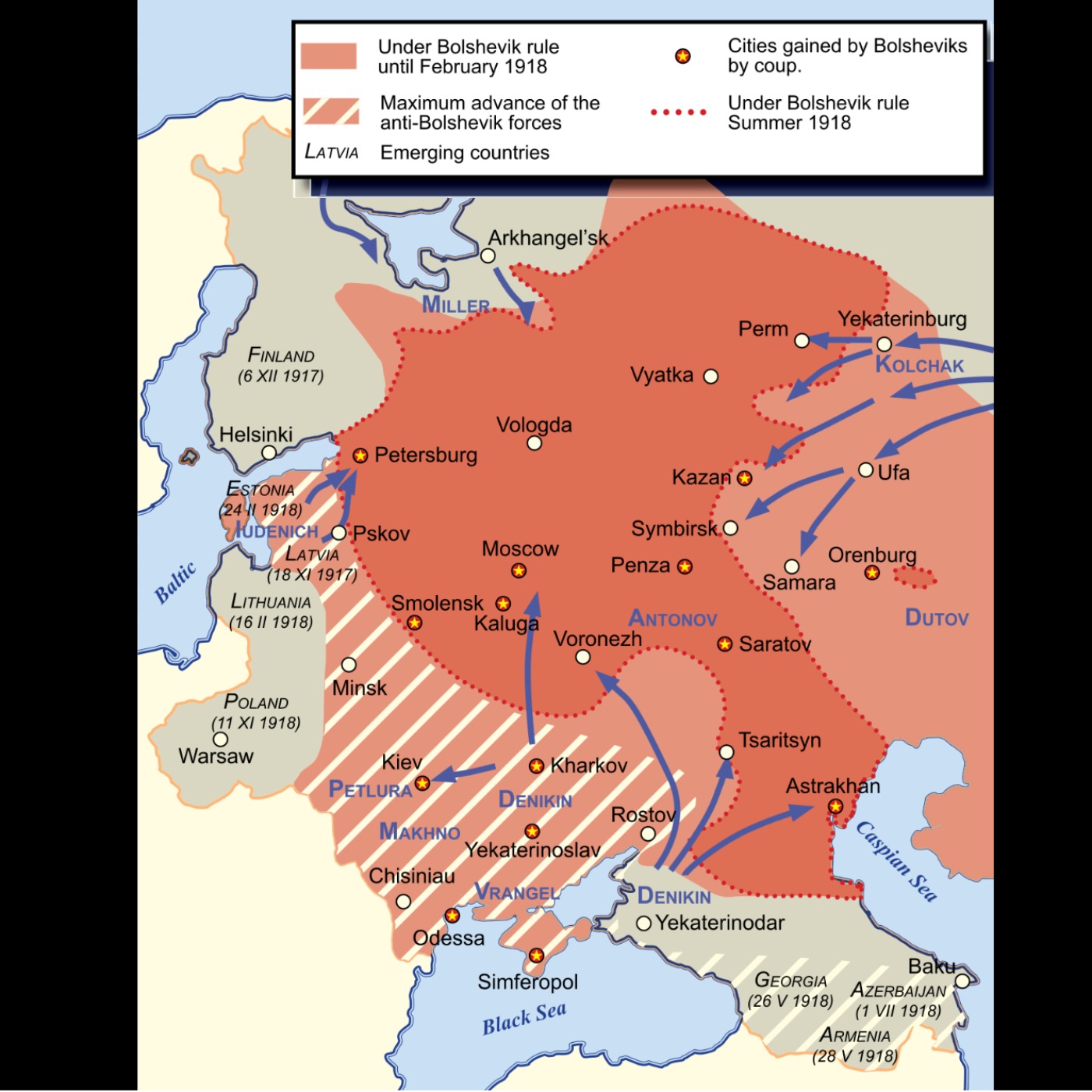
The Bolsheviks face numerous opponents across Russia, and struggle to gain control of all lands of the old Tsarist Empire.The White anti-Bolsheviks make a plan to move on Moscow www.historyeurope.netwww.patreon.com/historyeuropePicture: By Hoodinski - Own work, CC BY 3.0, https://commons.wikimedia.org/w/index.php?curid=16761719 Hosted on Acast. See acast.com/privacy for more information.
77.3 Russian Civil War Part 3
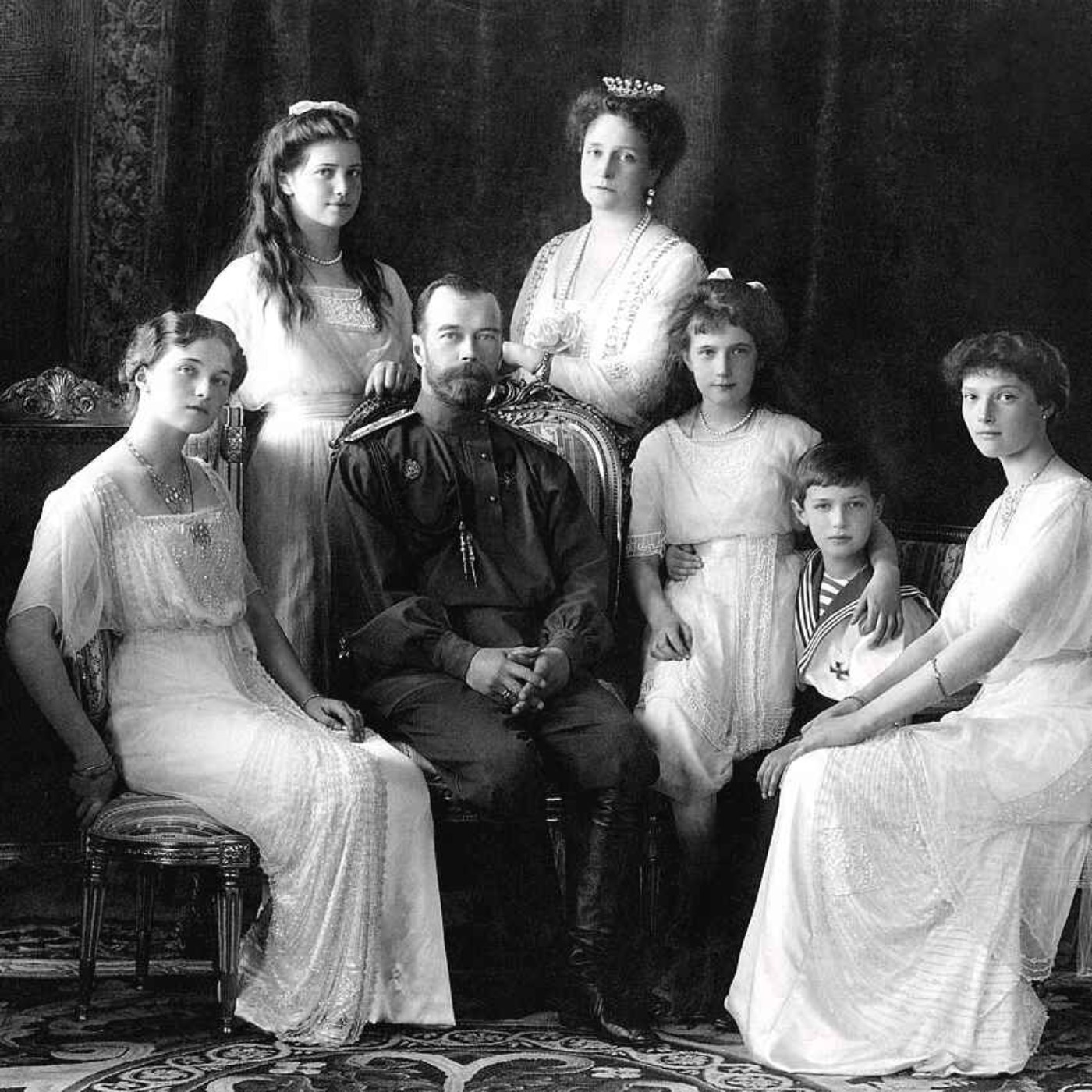
Civil War rages across Russia from the north in Murmansk, across the Trans-Siberian Railway to the Far East, as well as in Ukraine and the Caucasus. However, the anti-Bolshevik fail to cooperate effectivelyPicture: Tsar Nicholas II with this family 1913 (murdered by the Bolsheviks in July 1918) Hosted on Acast. See acast.com/privacy for more information.
77.2 Russian Civil War, Beginning
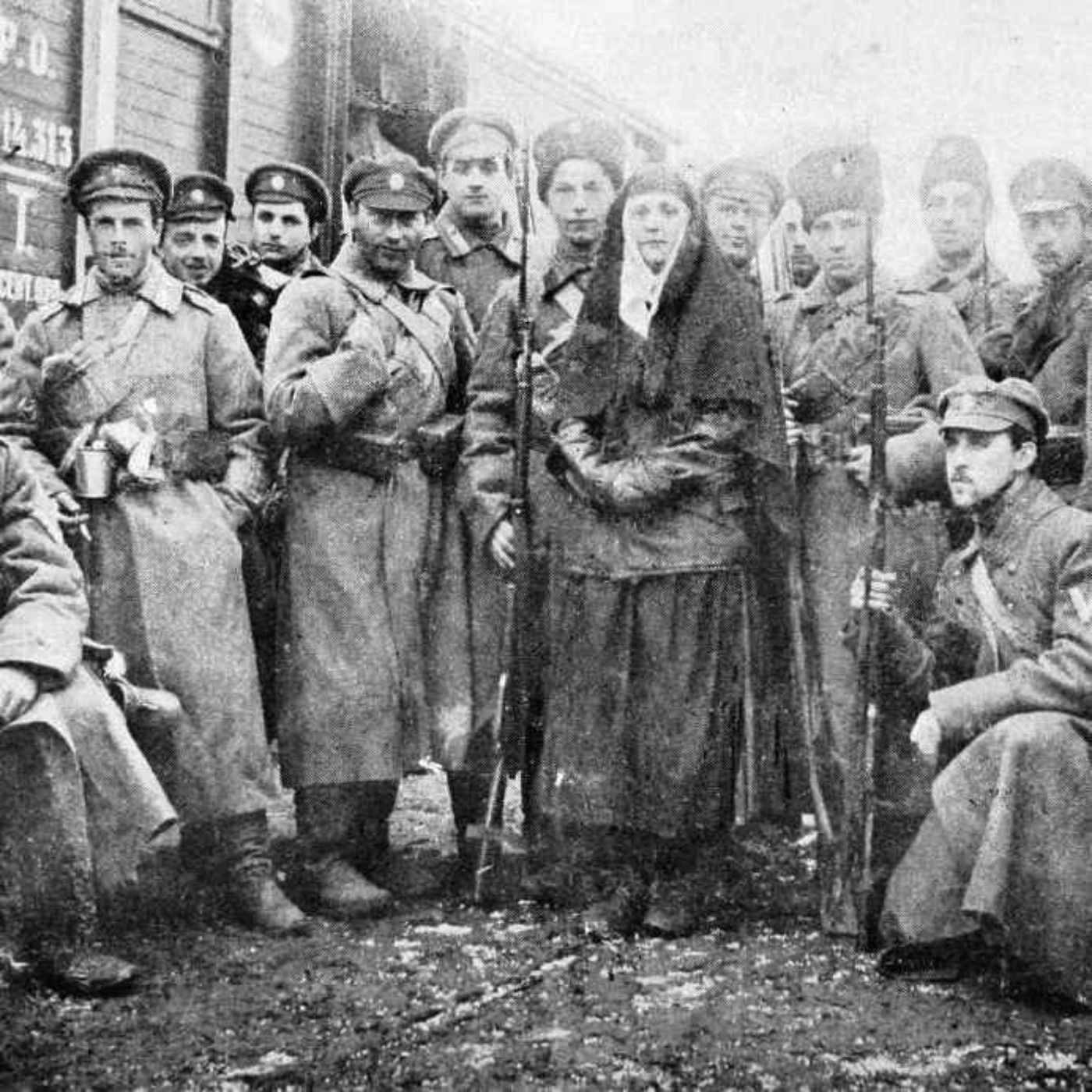
The new Bolshevik regime quickly gains control of most of former Russia Empire, but meets stiff resistance in the periphery including Finland, the Caucasus and Ukraine.They sign a peace treaty with Germany at Brest-Litovsk and withdraw from the First World WarPicture: Volunteer Army Infantry Hosted on Acast. See acast.com/privacy for more information.
77.1 October Revolution 1917
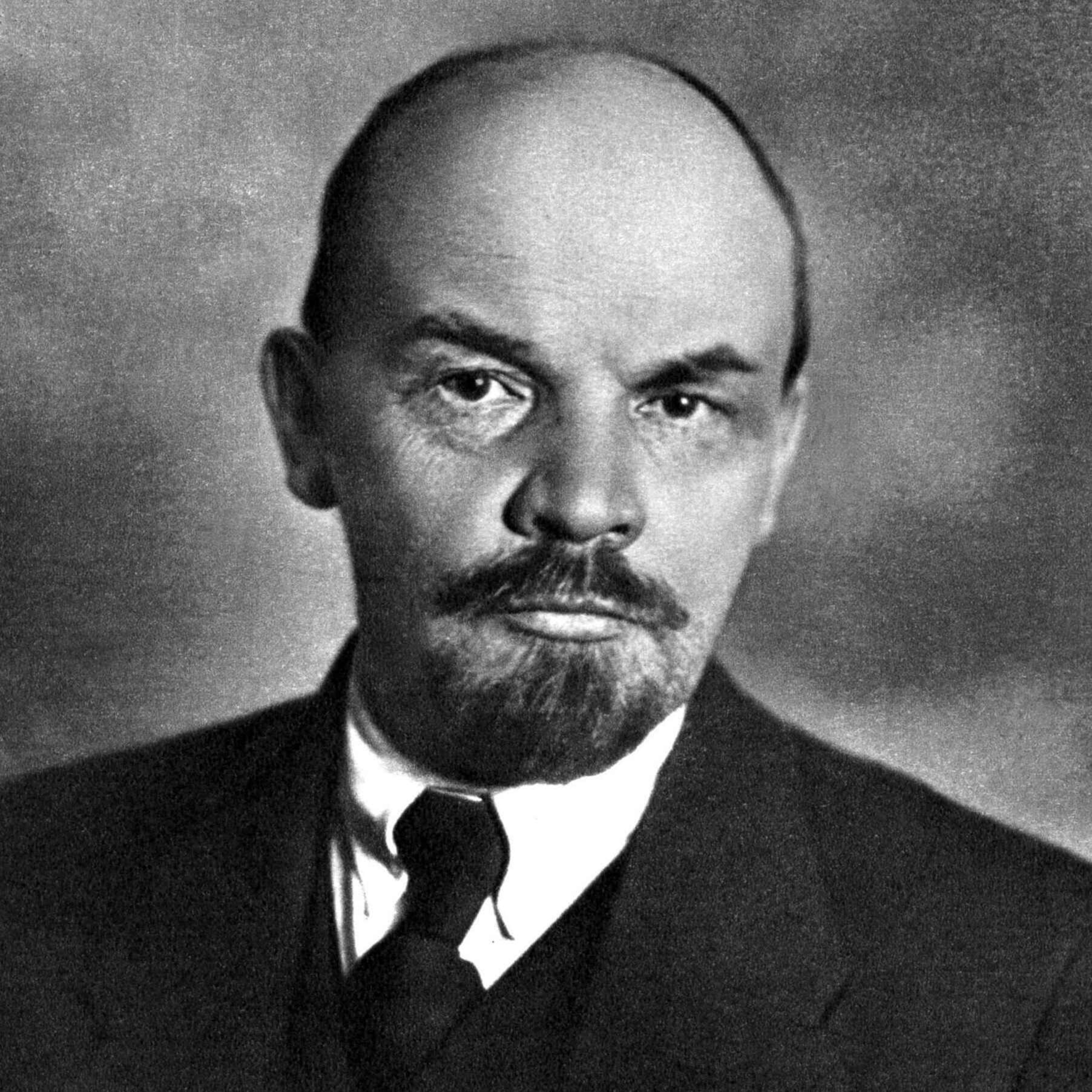
- Introduction to the new series on the Interwar Years- A recap of Russia's involvement in the First World War- The February 1917 Revolution and Provisional Government - Lenin's Bolsheviks seize power in the October Revolution www.historyeurope.nethttps://www.patreon.com/c/historyeurope Hosted on Acast. See acast.com/privacy for more information.
76.5 Battle of Lake Peipus 1242, Teutonic Knights vs Alexander Nevsky of Novgorod
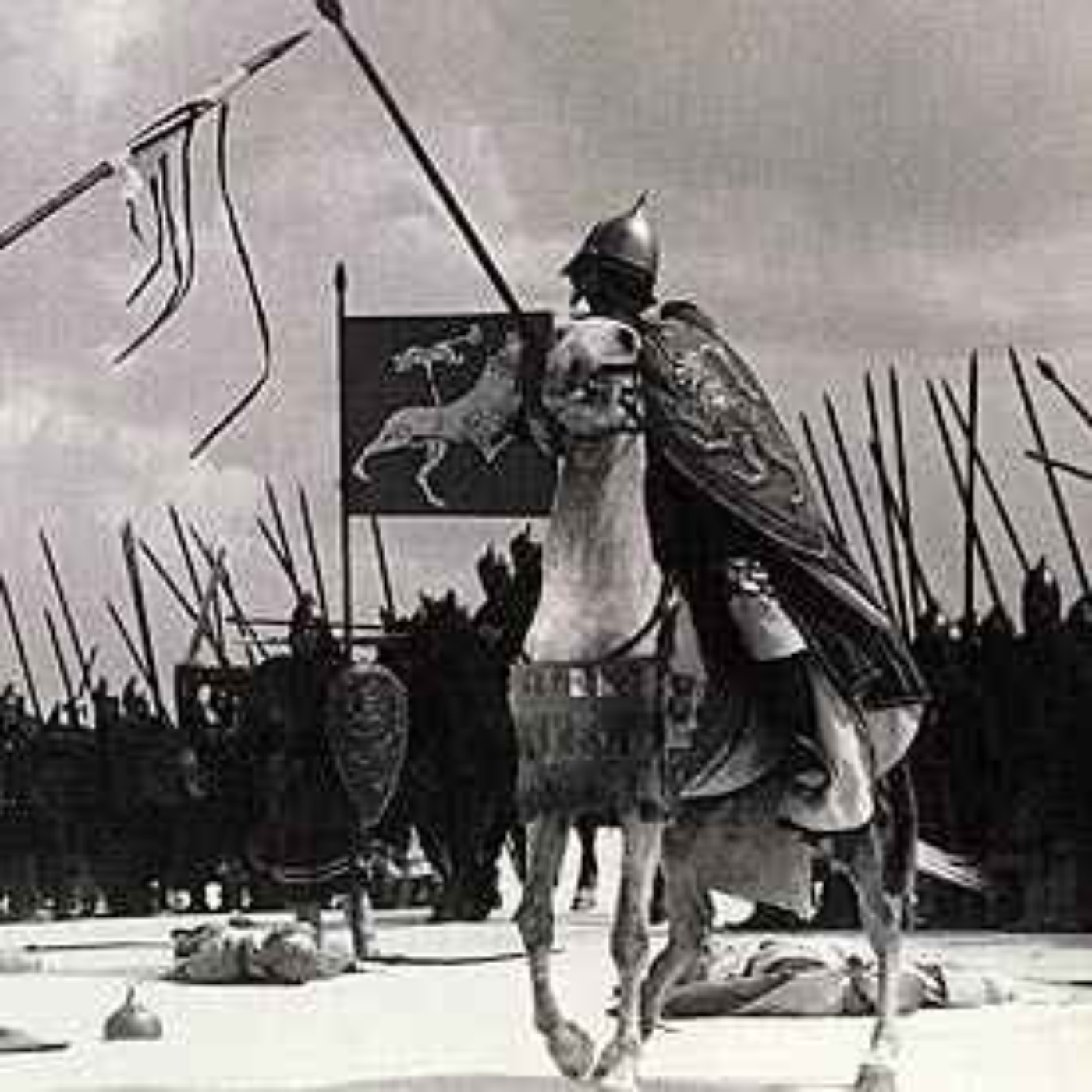
The Battle of Lake Peipus or 'The Battle on the Ice' was fought on 5th April 1242 between a coalition of western crusaders led by the Teutonic Knights against an army from Novgorod, Russia, led by Alexander Nevsky. The conflict was made famous by a Soviet film of 1938 directed by Sergei Eisenstein.This is the fifth and final part of a set of episodes on the Medieval Baltic and the Northern Crusade
76.4 Novgorod, Alexander Nevsky
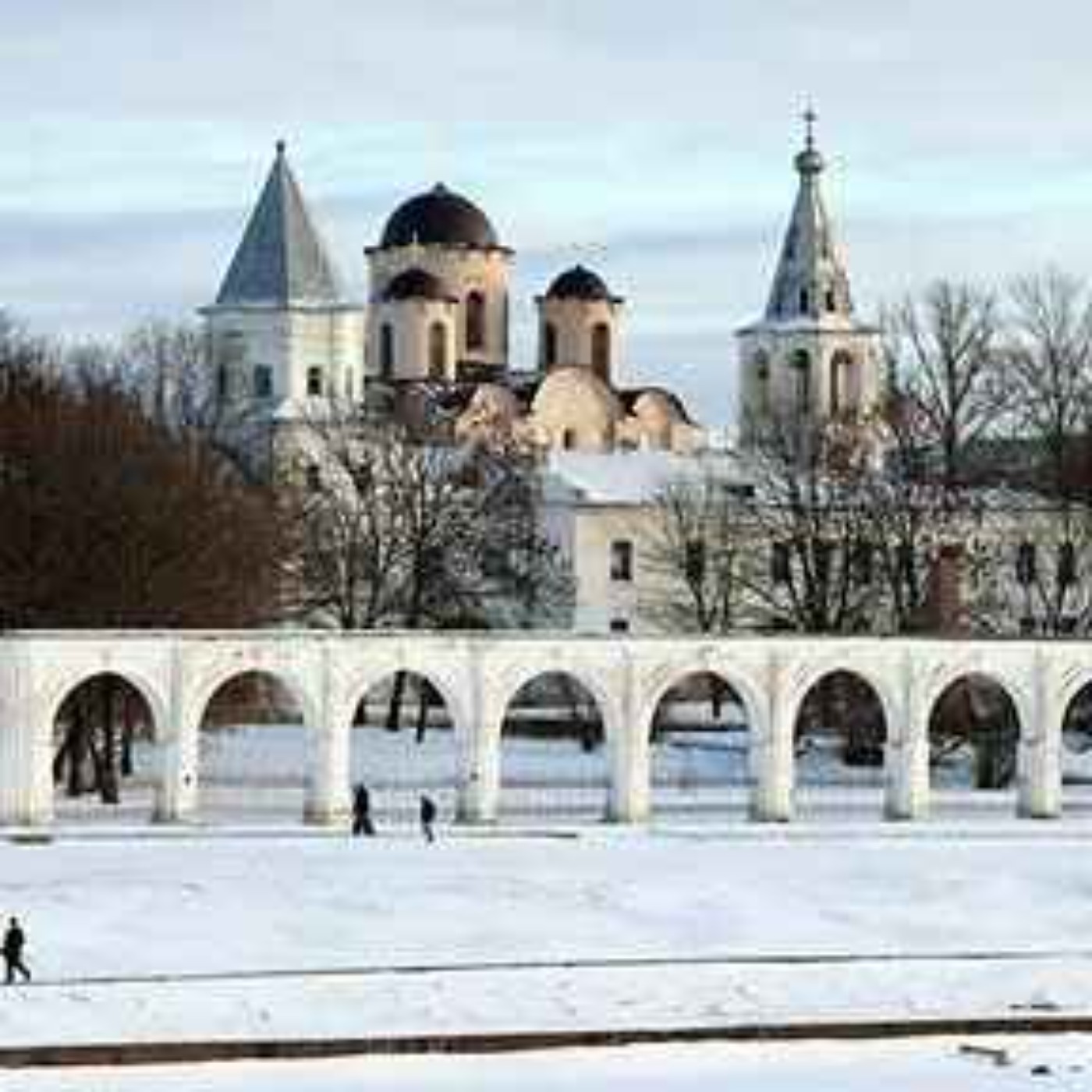
Alexander Nevksy appointed Prince of Novgorod, a Russian city with its own unique culture and proud history.Lead up to Battle of Lake Peipus 1242 Hosted on Acast. See acast.com/privacy for more information.
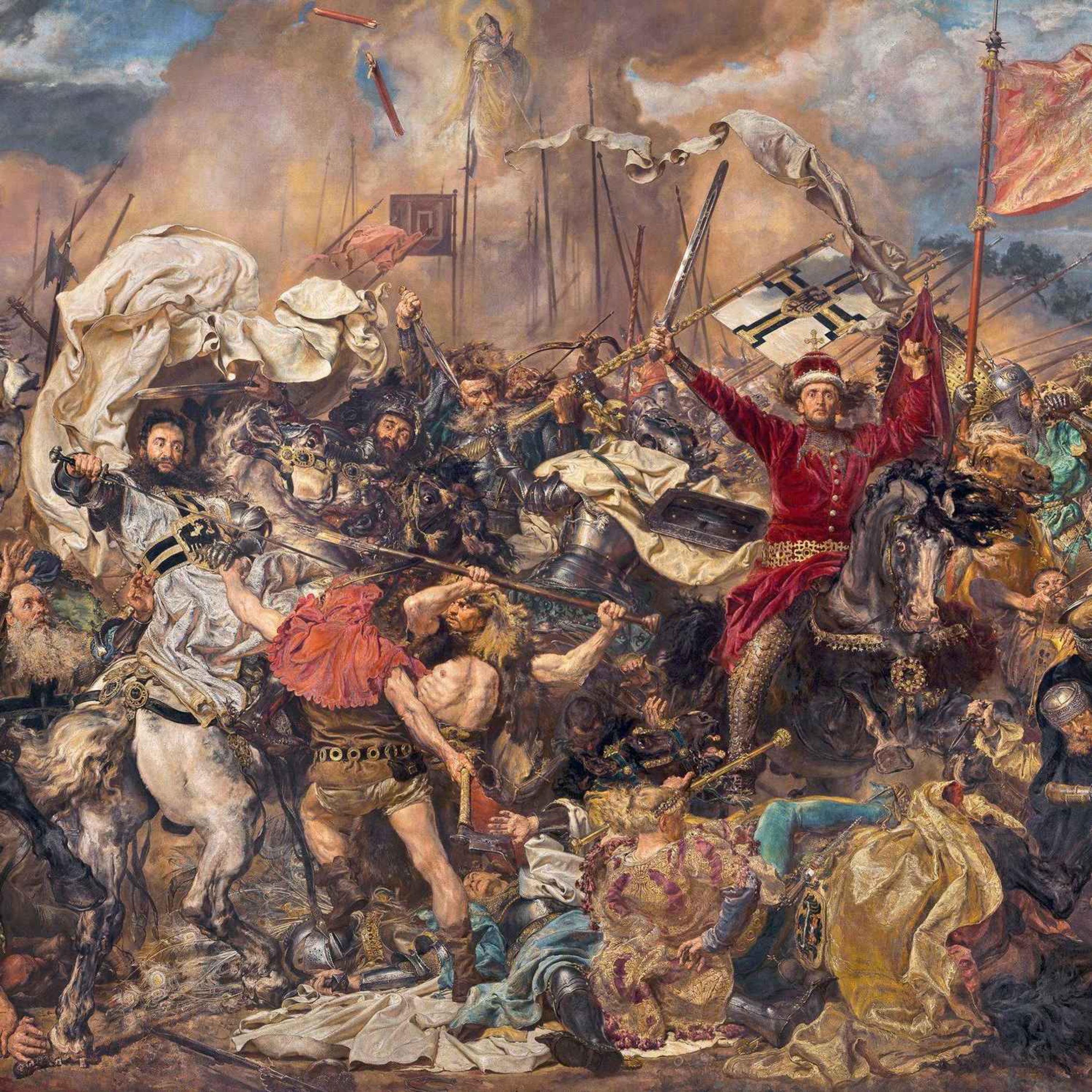
76.3 Conquest of Livonia 1185-1238
Livonia in the 12th century was threatened by invasion from all sides; Danes, Swedes, Germans, Poles and Russians. Key events in the episode;1201 - Founding of Riga (capital of modern day Latvia) by Bishop Albert1219 - Capture of Tallinn (capital of modern day Estonia) by Denmark in the legendary battle of Lyndaniss1236 - Defeat of a military order, the Sword Brothers, by a band of Lithuanian
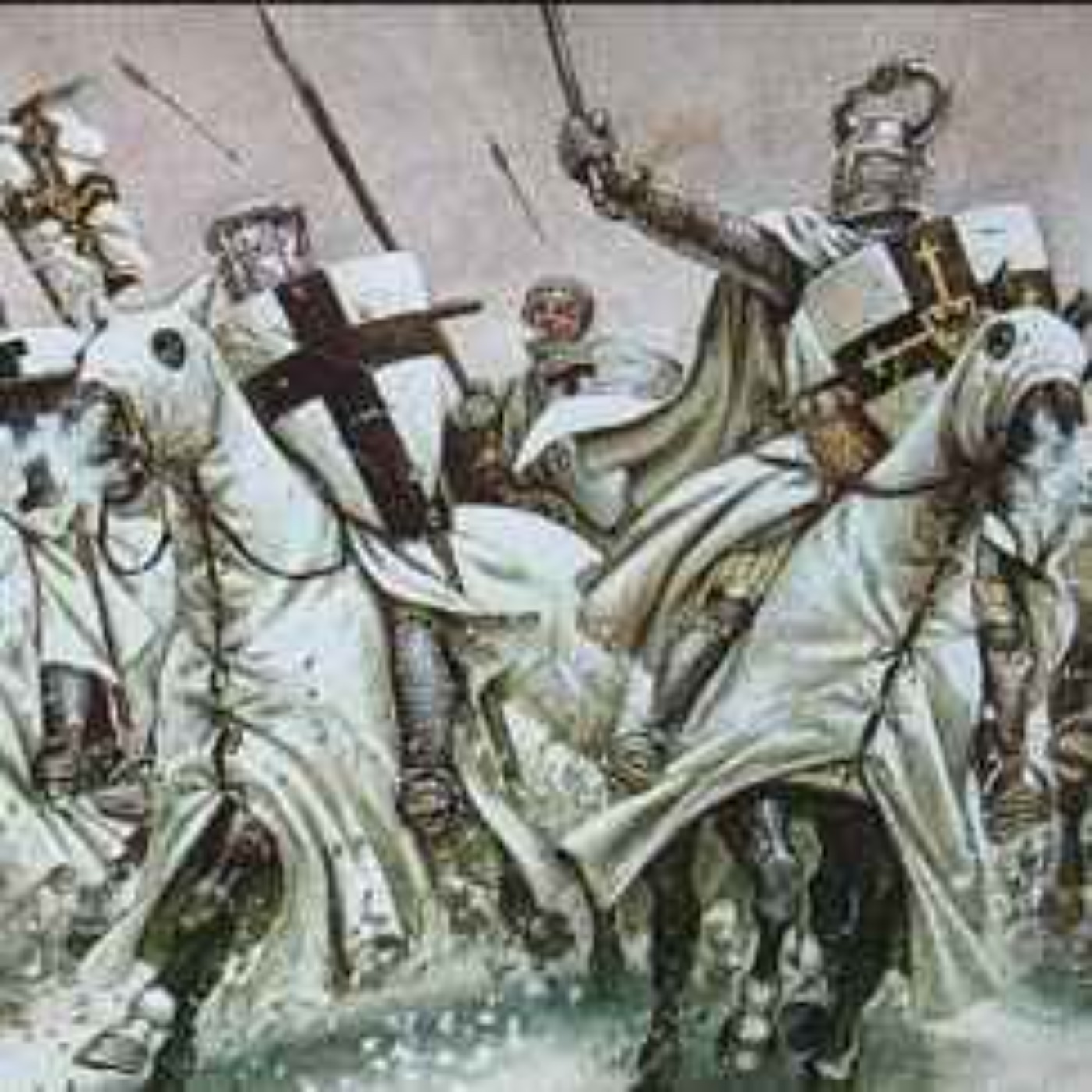
76.2 Teutonic Knights - Origins & First Campaigns
The Teutonic Order was set up in the Holy Land as a German equivalent of other military orders. The first campaigns in Europe were in response to invitations from the King of Hungary and then a Duke of Poland. And so began their conquest of Prussia Hosted on Acast. See acast.com/privacy for more information.
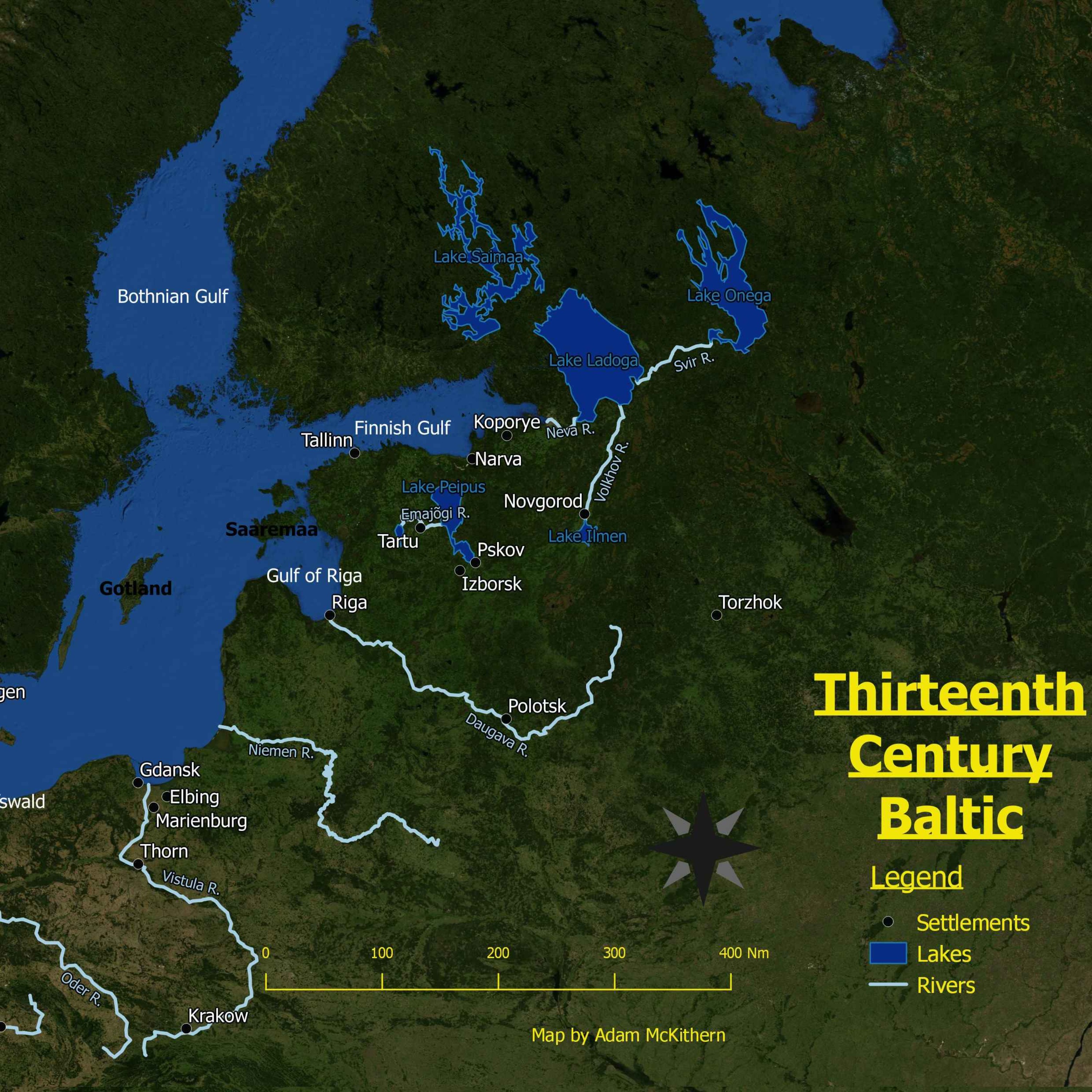
76.1 The Baltic Sea, Early History and Wendish Crusade
The geography and early history of the Baltic Sea. Also the beginnings of the Northern Crusades against the Baltic pagans. The first major campaign is the Wendish Crusade of 1147 Hosted on Acast. See acast.com/privacy for more information.
Announcement - The Interwar Years
Hosted on Acast. See acast.com/privacy for more information.

75.1 Interview with Stuart E Eizenstat
A special episode where I interview Stuart E Eizenstat - an American diplomat and attorney. Mr Einzenstat worked on Jimmy Carter's 1976 presidential campaign. After winning said campaign he became President Jimmy Carter’s Chief Domestic Policy Adviser.Later he went on to become President Bill Clinton's Deputy Secretary of the Treasury. And he served as the United States Ambassador to the European
74.19 Treaty of Versailles
The Paris Peace consisted of a group of distinct treaties, but the main concern of the delegates was the settlement with Germany, embodied in the Treaty of Versailles signed in June 1919.Germany’s eastern frontiers presented far greater problems. www.patreon.com/historyeuropewww.historyeurope.netMusic composed by Edward Elgar, Enigma variations, Variation IX (Adagio) NimrodPicture - Treaty of

74.18 Endgame, 1918
In Spring 1918 a massive German offensive made significant territorial gains, but ultimately not the intended breakthrough, and the Allied forces stood firm. Exhausted and demoralised at the scale of casualties, the Germans were pushed back in a major counter-attack in the late Summer and Autumn. And on 26 September, the Allies launched a general offensive along the entire Western Front.Meanwhile,
74.17 The Final Gamble, 1918
After the Russian withdrawal from the frontlines following the October revolution, the treaty of Brest-Litovsk is negotiated between Germany and Russia.The Germans sought to conclude war on the Eastern Front as quickly as possible, while at the same time trying to establish an informal empire in east-central Europe, one composed of newly independent nation states on Russia’s western periphery. Ho
74.16 War of Attrition on the Western Front 1917
While the nations of Europe fought each other to a bitter stalemate, the President of the United States, Woodrow Wilson, urged both sides to make peace. However, no agreement is made and the United States joined the war on the side of the Entente allies.In the meantime, the Germans ordered a general withdrawal at the western front, abandoning the battlefields of the Somme in order to establish a s

74.15 The Russian Revolution 1917
As the year 1917 dawned, Europe had been at war for two and a half years, and pressures on the home fronts were becoming intolerable. Every participant nation came under huge strain.In Russia the Tsarist regime falls in March, but the interim government is unstable and itself falls in the famous October Revolution, led by Vladimir Lenin, who promises to withdraw Russia from the war.www.patreon.com
74.14 Battles of Verdun and The Somme 1916
Europe entered the year 1916 exhausted by one and a half years of conflict of a scale hitherto unimaginable, with profound effects on citizens at home, as well as those on the front line.The most intensive battles on the western front in 1916 are at Verdun and the Somme, with extraordinary numbers of casualties.Meanwhile, on the eastern front the Russians launch a major attack, the Brusilov offens
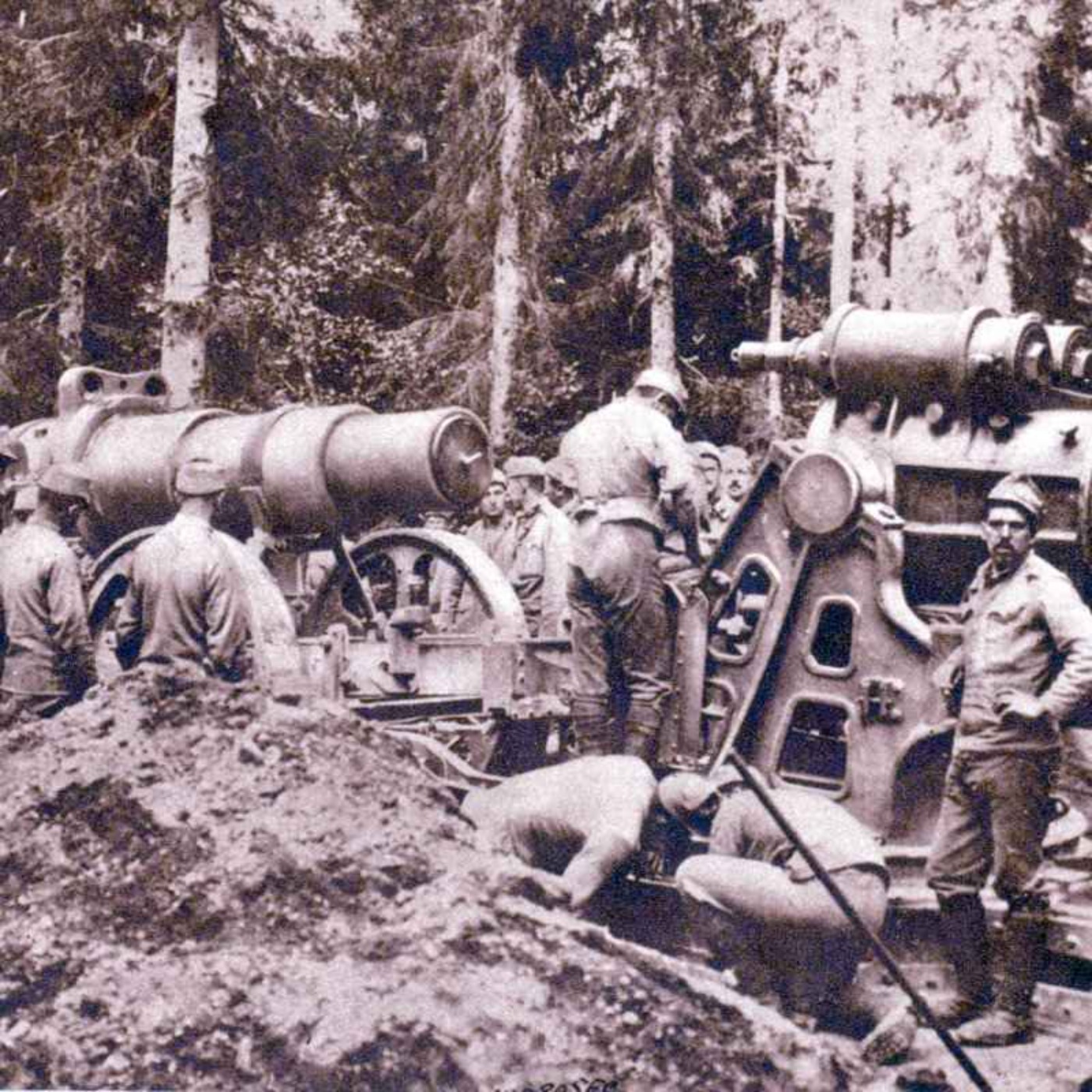
74.13 Eastern and Western Fronts 1915
For the Germans, 1915 was a year that should not have been. Their whole strategy had been based on a quick war, but they now found themselves embroiled in a two-front war – on the eastern front against Russia, and on the western front against France fully mobilised and also Britain.Throughout 1915, in a succession of attacks of increasing intensity, the various armies learned the techniques of the
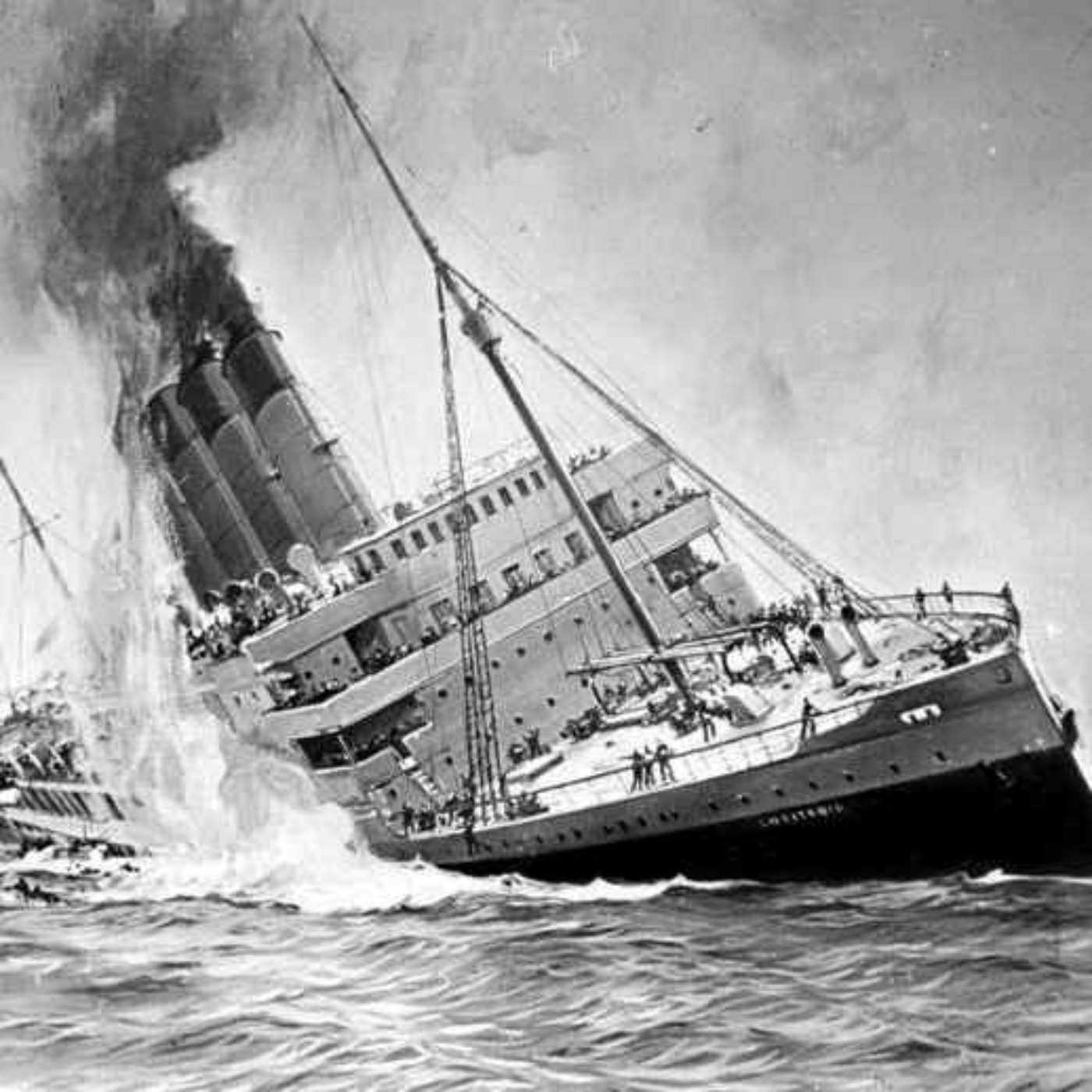
74.12 Turkey and Italy Enter the War, 1915
The first months of fighting in the First World War had seen no major breakthrough from any side. The Germans had captured about ten percent of France, and reached within sixty miles of Paris, but then reached a stalemate as both sides fortified their positions with great long lines of trenches running from Belgium to the Swiss border.Both sides attempt to bring other countries into the war to hel
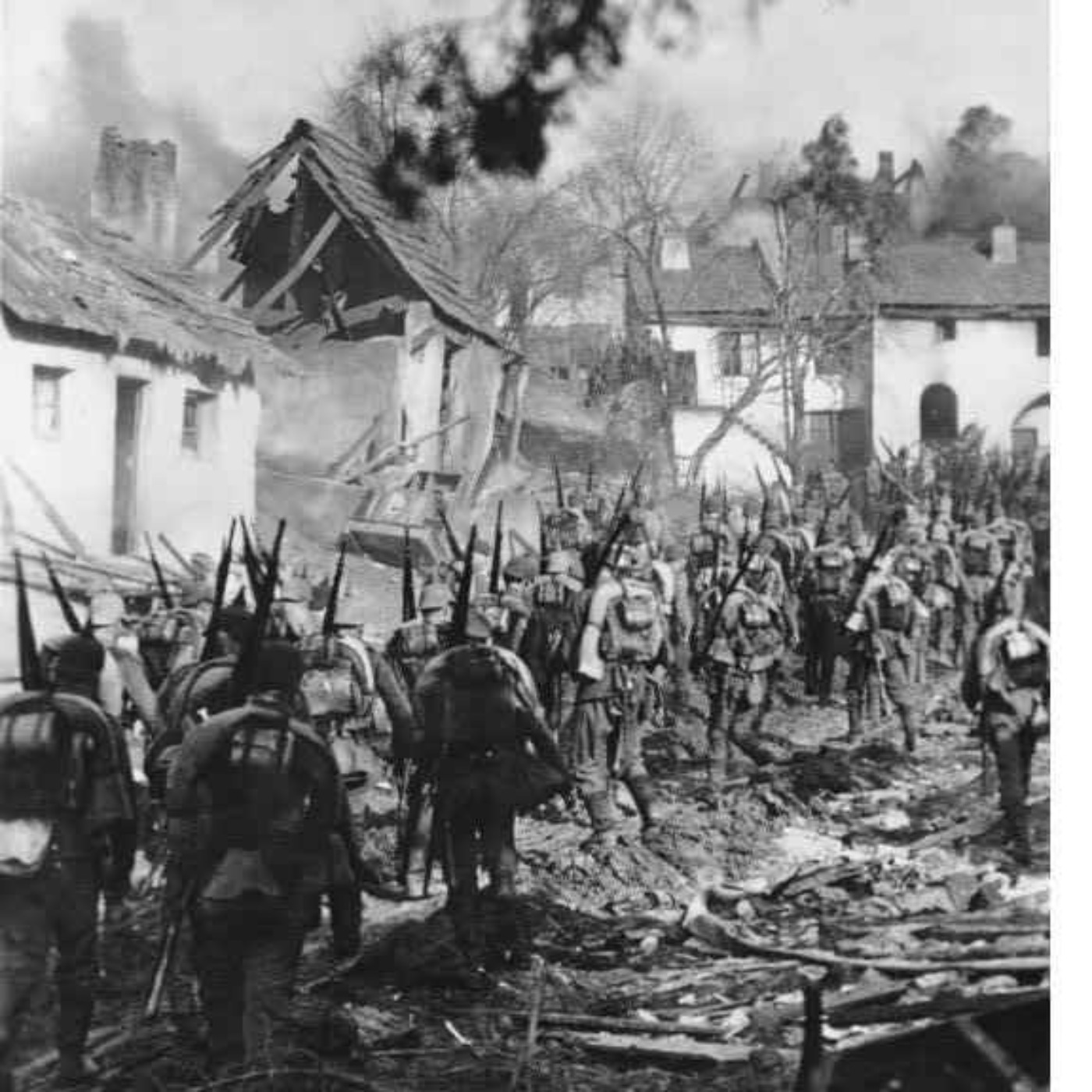
74.11 The Eastern Front 1914
The Russians strike hard against their most powerful enemy, Germany. Austro-Hungary help their German ally although their military forces are under-resourced, in large part because through the years the Hungarian parliament had restricted military finding by using it as a bargaining chip for political concessions.While the Austrians attack Serbia, the Germans achieve a significant victory against
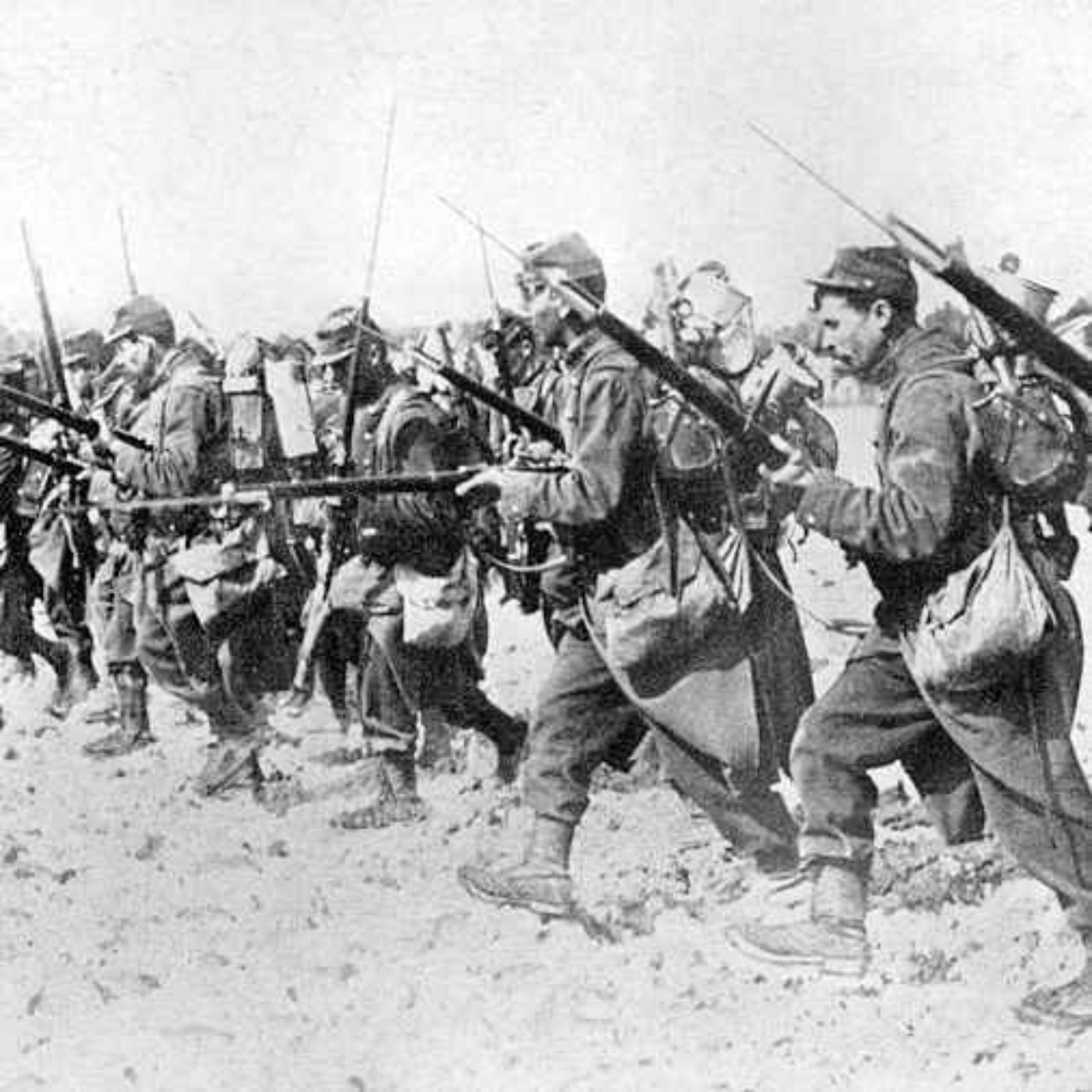
74.10 The Western Front 1914
The first main clash of the First World War was on the borders of France and Germany and in Belgium. The Belgians put up more resistance than the Germans expect. However, the Battle of the Frontiers, on the Franco-German border, from 7 August to 6 September 1914 was a disaster for the French army, who suffered very heavy casualties. Meanwhile, the British Expeditionary Force were making their way
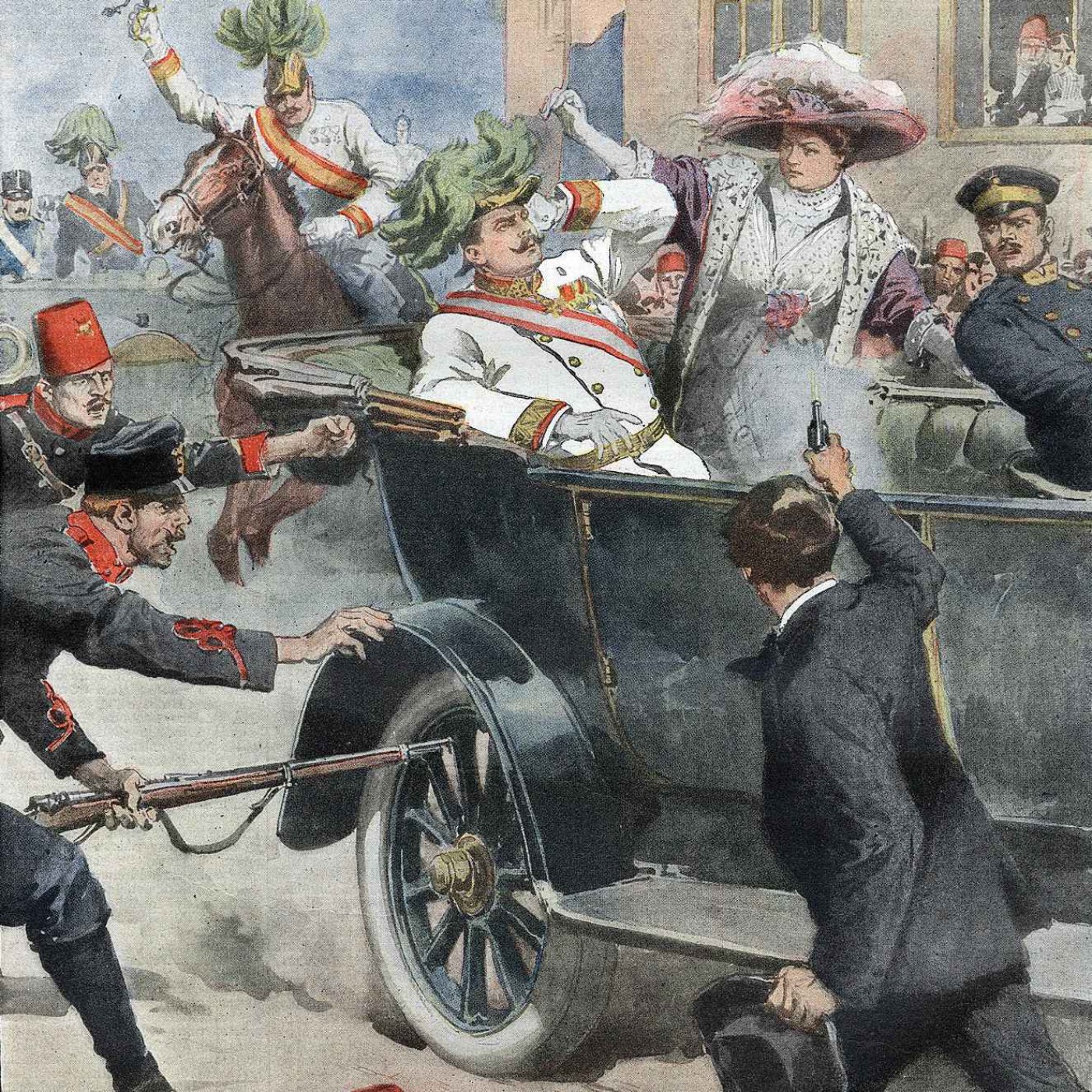
74.9 Europe Goes to War 1914
The assassination of Archduke Franz Ferdinand, heir to the Austrian throne. A month later Austria retaliates by declaring war on Serbia, which in turn brings Russia and the other great powers of Europe into conflict. As Edward Grey memorably expressed it: “The lamps are going out all over Europe, we shall not see them lit again on our lifetime”.www.patreon.com/historyeuropewww.historyeurope.netMus
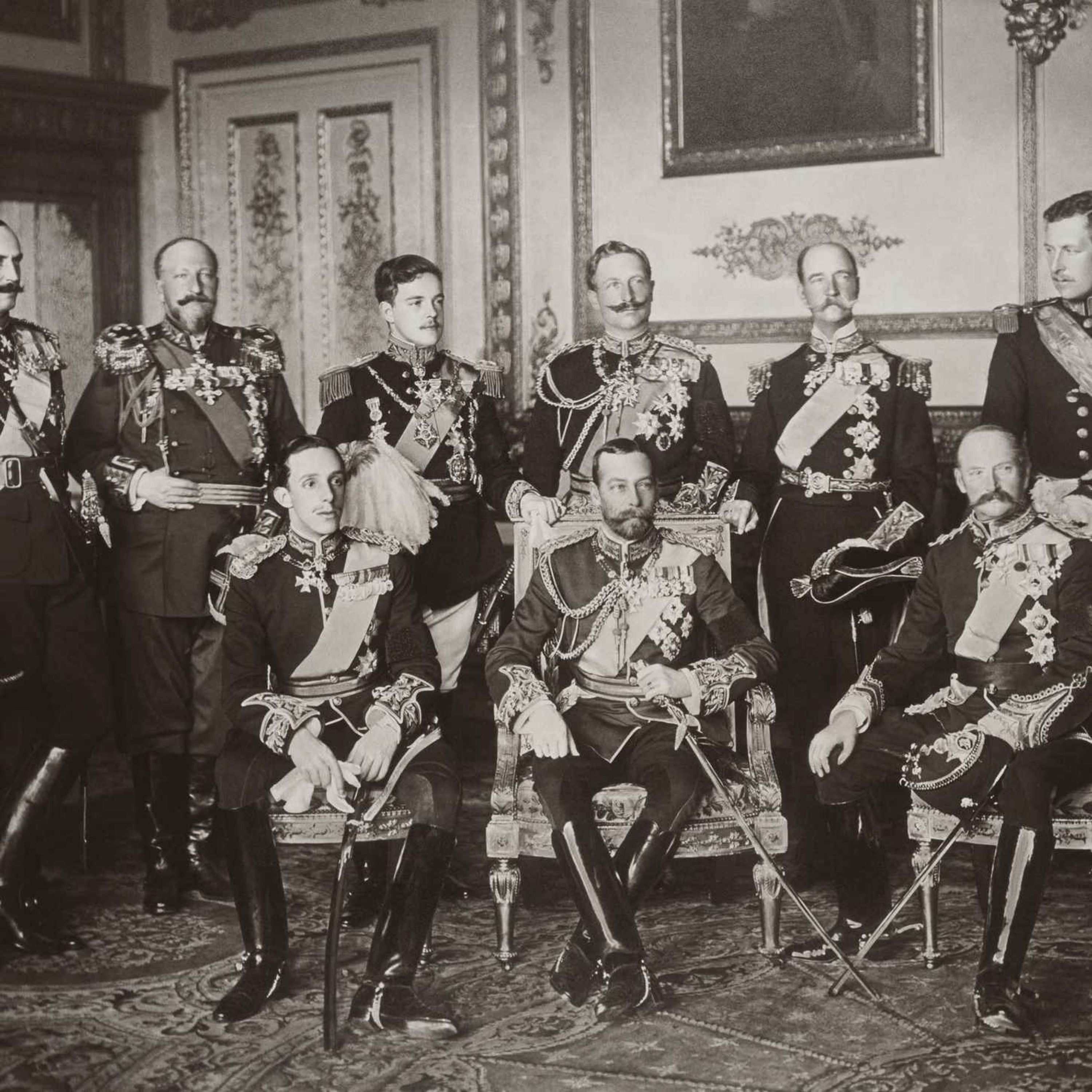
74.8 Countdown to Catastrophe (First World War)
Why did the assassination of Archduke Franz Ferdinand trigger the First World War?I also describe how the long struggle between European powers for mastery in central Africa reaches its climax. www.patreon.com/historyeuropewww.historyeurope.netPicture - The Nine Sovereigns at Windsor for the funeral of King Edward VIIMusic composed by Frederic Chopin (The Polish Dancer)Theme tune for the podc
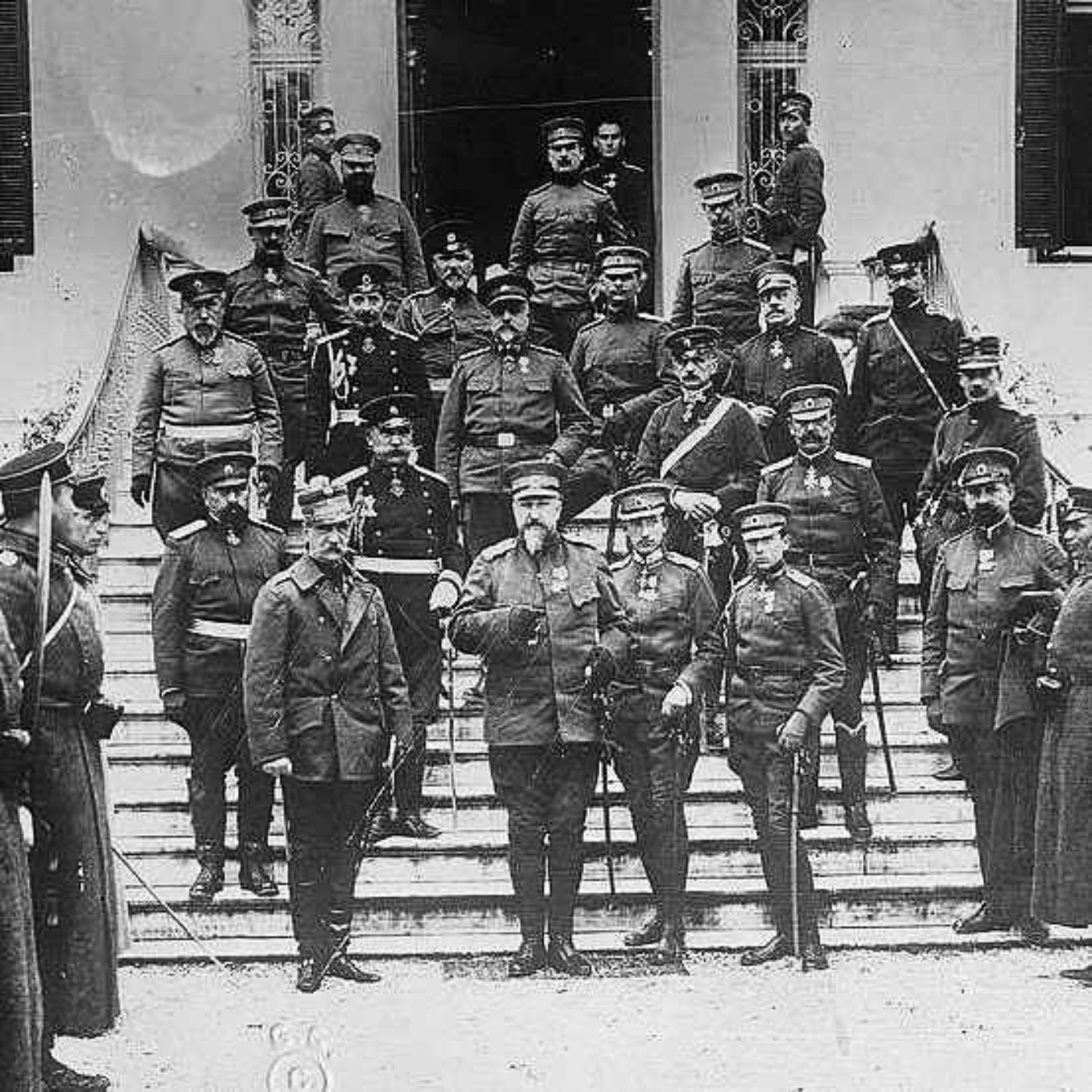
74.7 The Balkan Wars 1912-13
An analogy often given to the Balkans leading up to the First World War is a tinderbox, awaiting a flame to ignite it and set off a major conflagration across Europe. In fact, the region suffered a large-scale conflict already two years before the First World War began.Greece, Bulgaria, Serbia and Montenegro had all acquired their independence from the Ottoman Empire over the course of the 19th ce
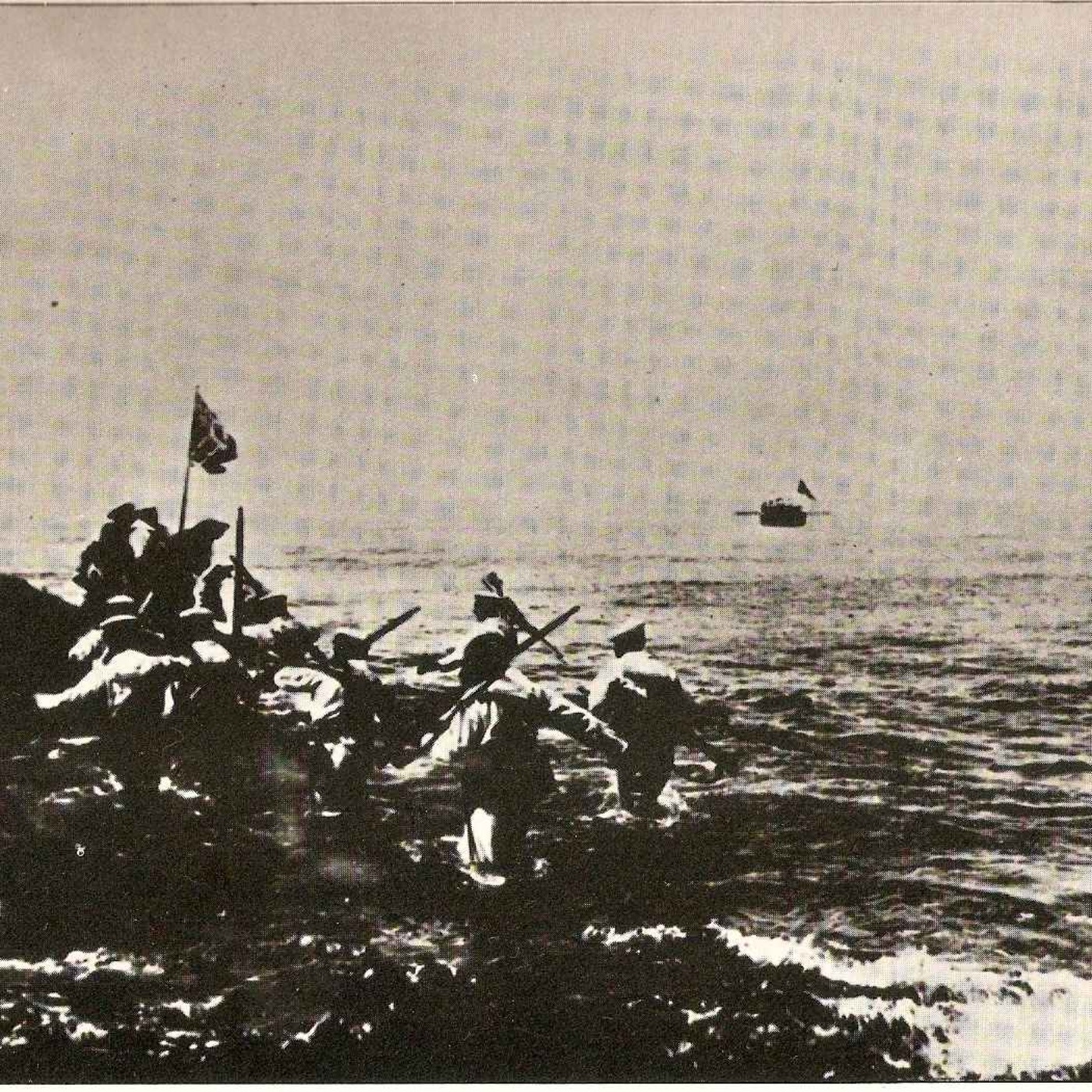
74.6 Italian Invasion of Libya 1911-12
The Italian invasion of Libya 1911.After initial successes, the Italians face strong resistance against the Ottomans and Libyanswww.patreon.com/historyeuropewww.historyeurope.netMusic composed by Edward Elgar (The Crown of India, March of the Mogul Emperors)Picture - Italian landing at Tripoli Hosted on Acast. See acast.com/privacy for more information.
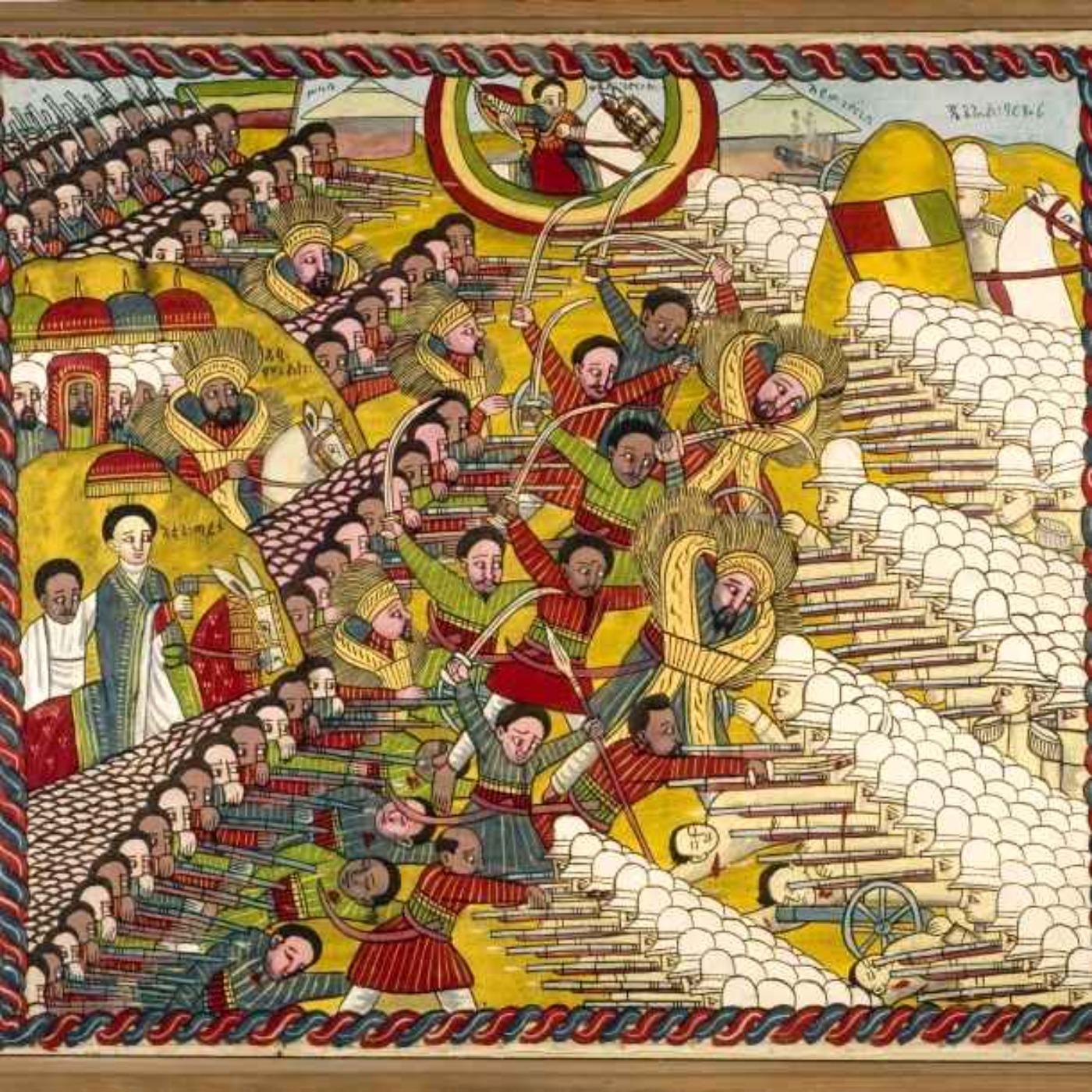
74.5 Battle of Adowa 1896, Italian Invasion of Ethiopia
Following their countries independence in the mid 19th century, the Italians hoped to establish their status among the Great European Powers by acquiring colonial possessions. Their first main attempt was an unsuccessful invasion of Ethiopia, with a defeat at the Battle of Adowa in 1896www.patreon.com/historyeuropewww.historyeurope.netMusic composed by Frederic ChopinPicture - Battle of Adwa Hoste
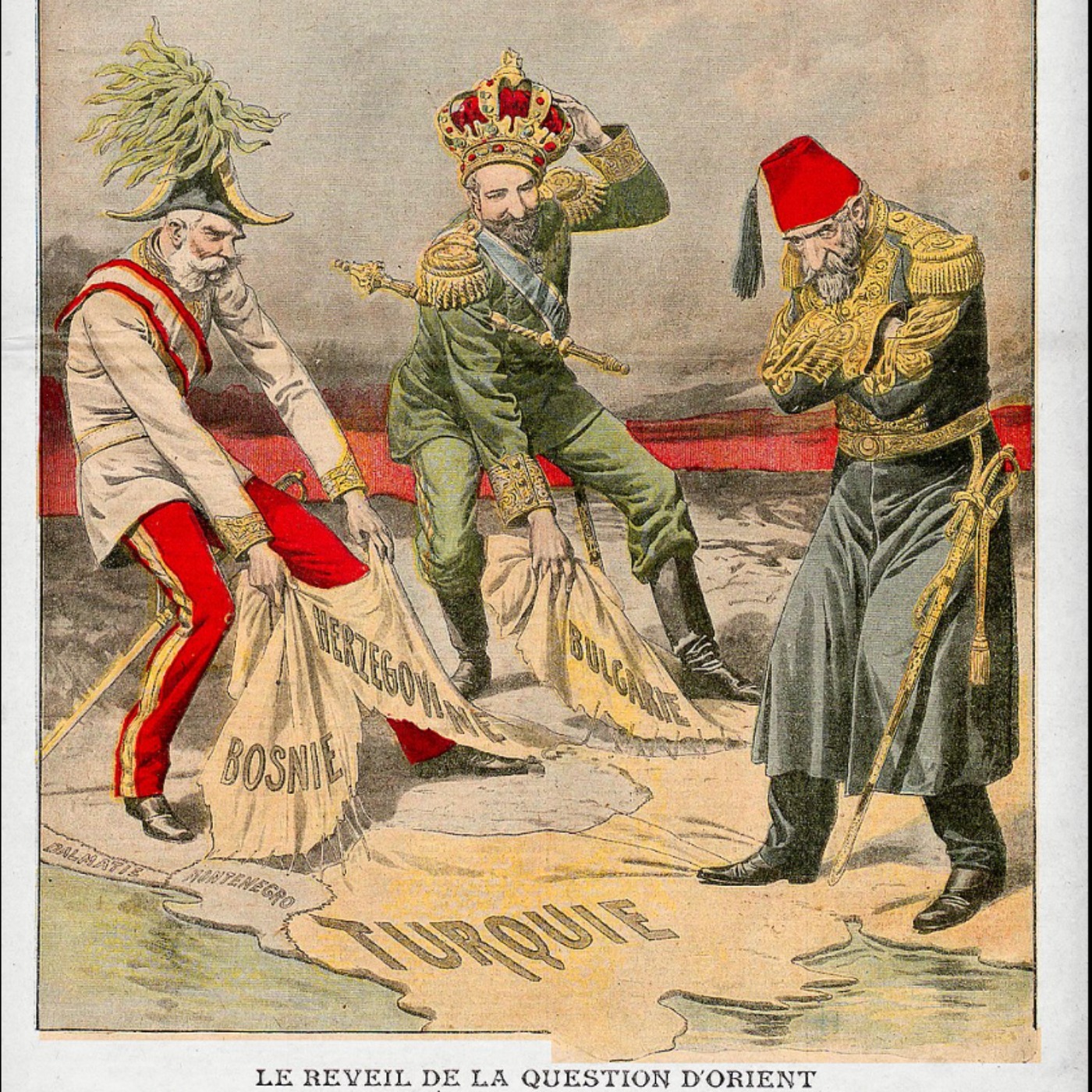
74.4 The Annexation of Bosnia 1908
In the first years of the 20th century the Austrian Empire faced numerous problems, most of all the rising sense of nationalism among its various peoples. Attempting a more assertive foreign policy, the Austrians set about a plan to formally annex Bosnia and Herzegovina, which since 1878 had been administered by Vienna but still remained under nominal Ottoman suzerainty. However, this decision bac
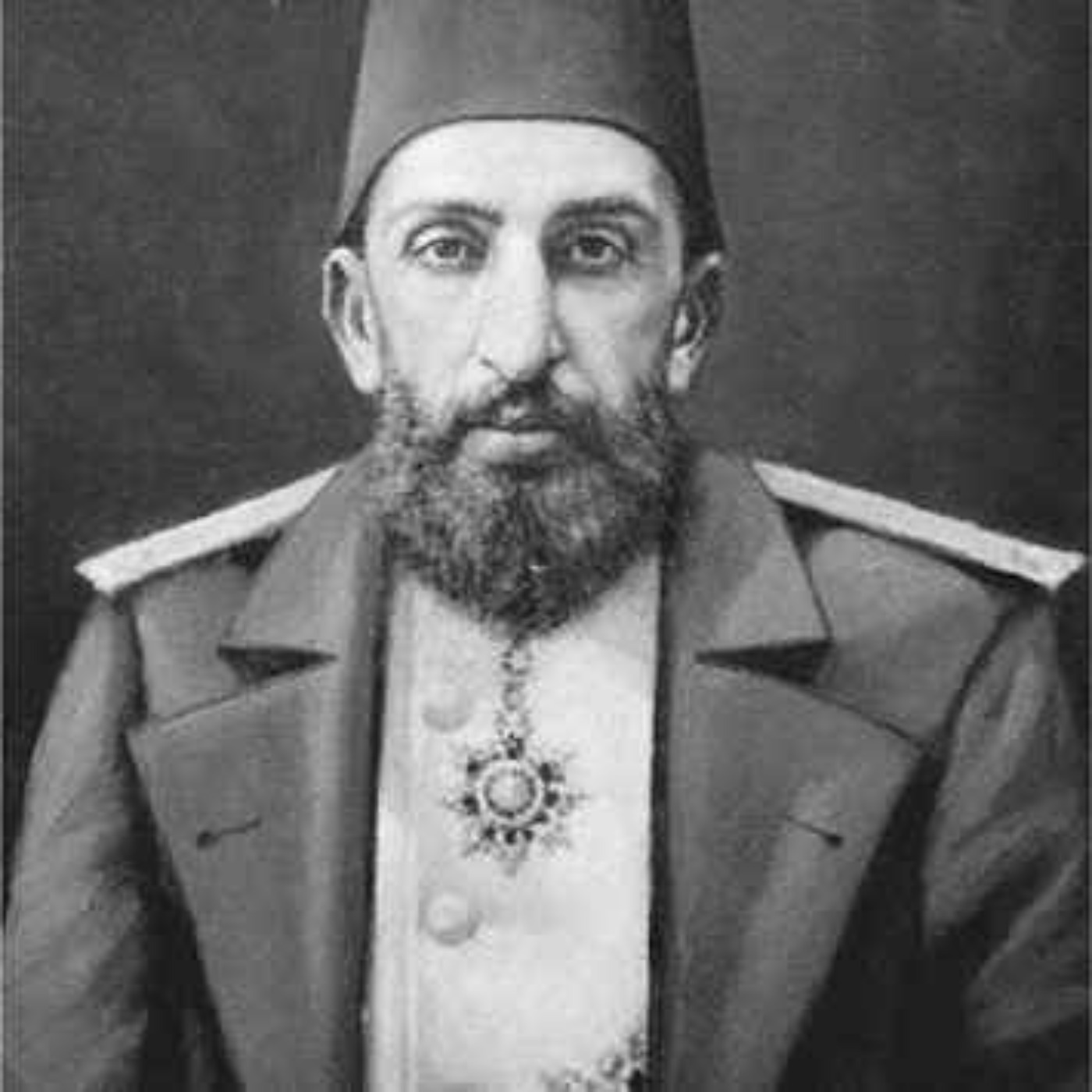
74.3 The Red Sultan and the Young Turks Revolution
The Ottoman Empire is in disarray and its treasury bankrupt. Under Sultan Abdul Hamid, the Red Sultan, there are violent suppression of uprisings of the Armenians in Anatolia. And in the Balkans the Macedonians and Albanians appeal for independence. A rebellion in Macedonia leads to the The Young Turk revolution and the overthrow of the sultan.www.patreon.com/historyeuropewww.historyeurope.netMusi
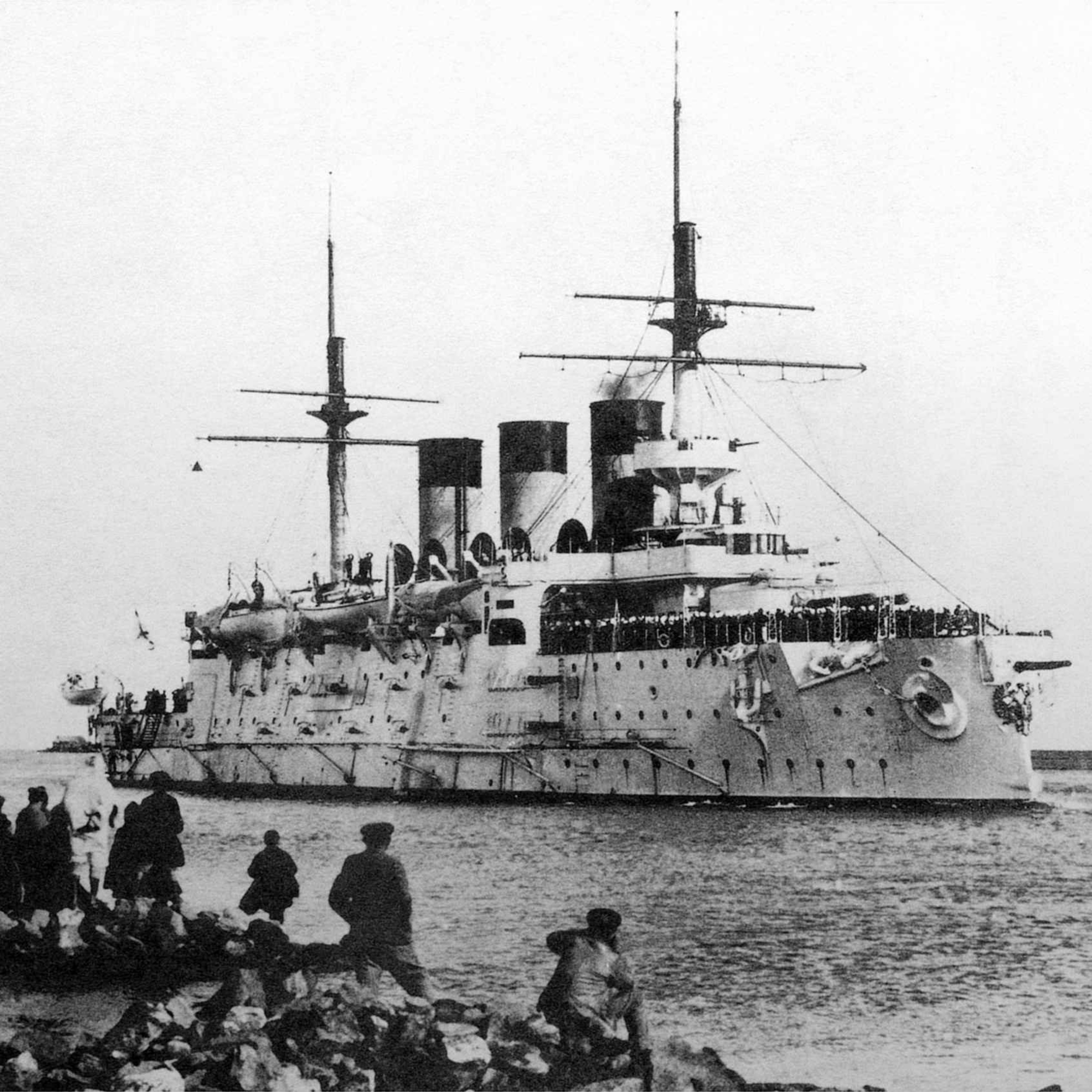
74.2 The Russo-Japanese War and Revolution of 1905
Tsar Alexander II of Russia is assassinated in March 1881. He was probably the most liberal of all tsars of Russia, but succeeded by reactionary leaders Alexander III and then Nicholas II. Nicholas unwisely provokes Japan into a war, and is defeated, which is a catalyst for an attempted revolution in Russia in 1905www.patreon.com/historyeuropewww.historyeurope.netMusic composed by Petr Tchaikovsky
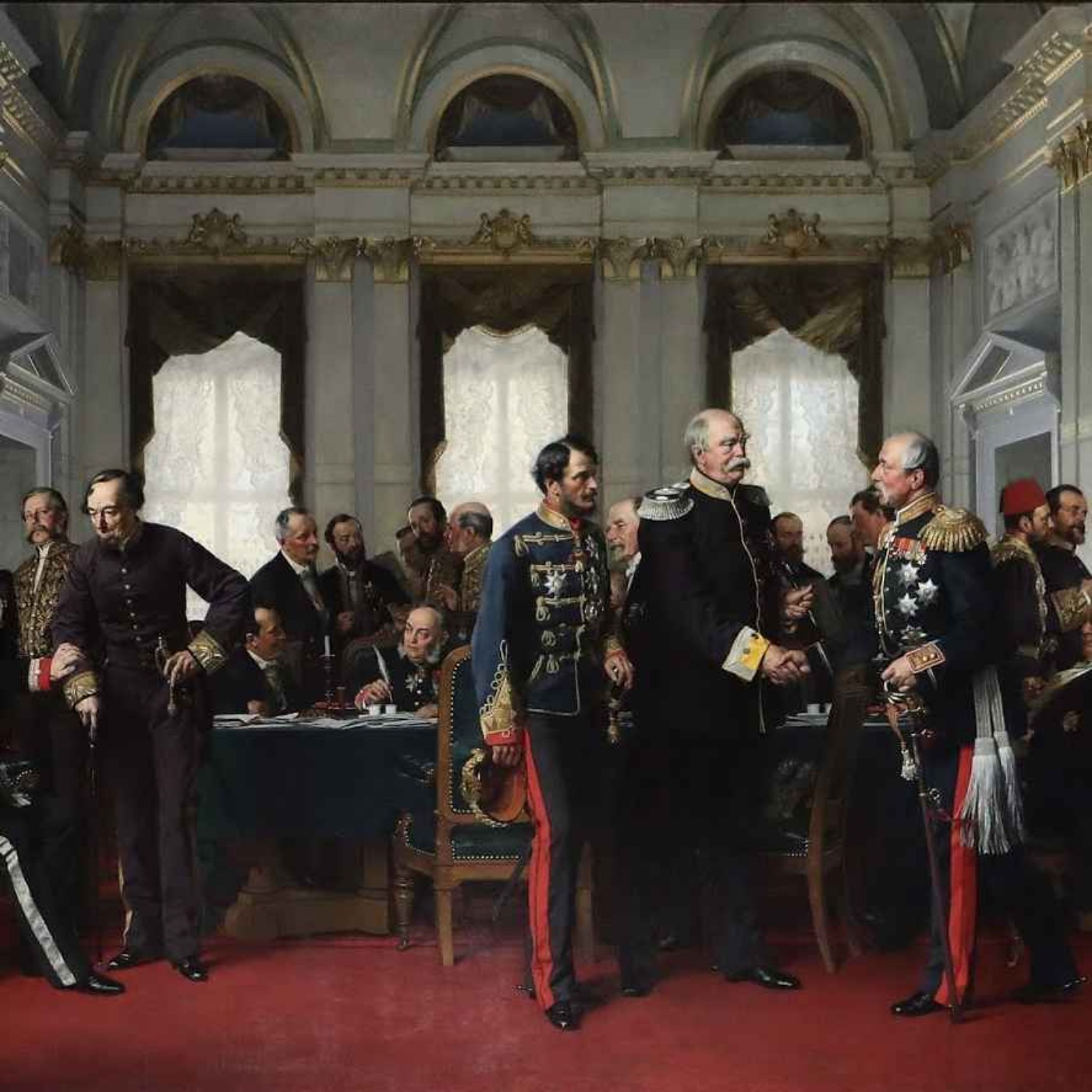
74.1 First World War - Introduction, and Treaty Of Berlin 1878
A summary of the main events from the end of the Napoleonic Wars in 1815 to the beginning of the First World War in 1914At the end of the nineteenth century the Balkans had multiple crises. The Treaty of Berlin 1878 was an attempt by the Great Powers of Europe to find a framework for stability in a region with various competing interests, many of them incompatible with each other. In effect, it cr
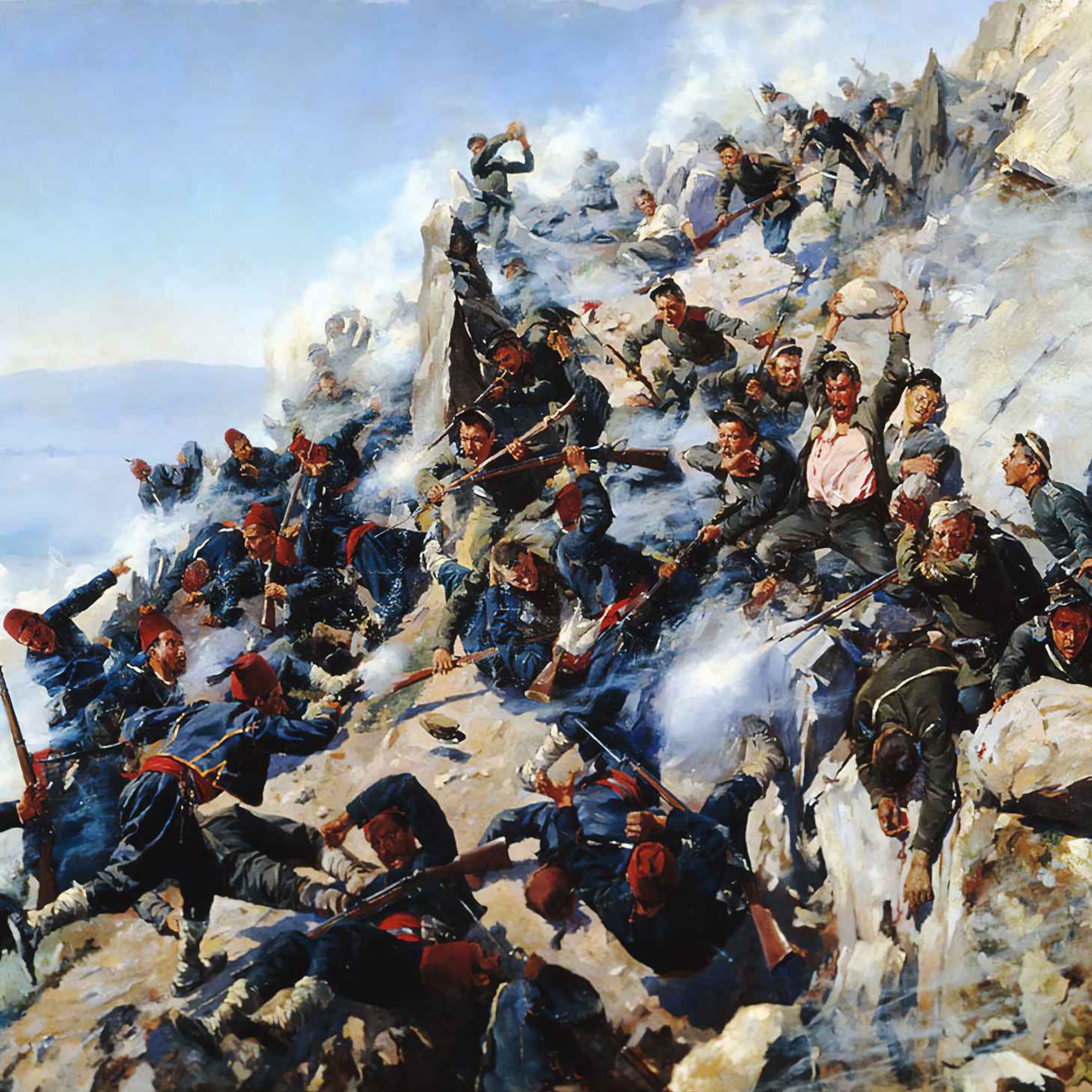
73.3 Russo-Turkish War 1877-78
In April 1877, two Russian armies invaded the Ottoman empire. The focus of the war became the siege of Plevna in Bulgaria. The strong resistance there gave the Turks real hope for a final victory, or at least holding off the enemy and forcing a more favourable diplomatic solution. www.patreon.com/historyeuropewww.historyeurope.netMusic composed by Rimsky-Korsakov: Polonaise, and Russian Easte
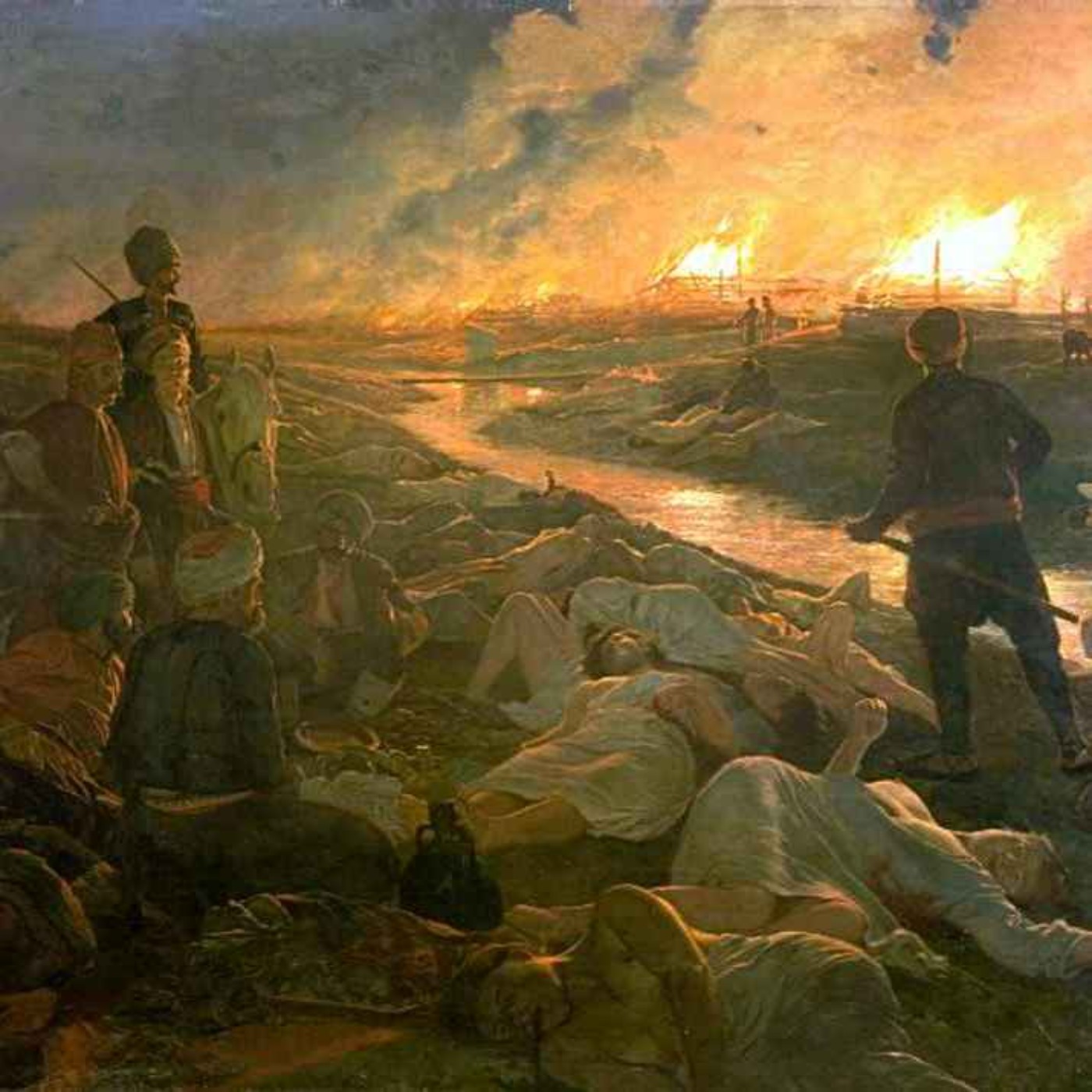
73.2 Russo-Turkish War 1877-78
In April 1876 news spread across Europe of appalling atrocities being committed in Bulgaria, by Turks against local uprisings. These occurred soon after similar events elsewhere in the Balkans region – in Bosnia and Serbia. The strongest reaction came from Russia where widespread sympathy for their fellow Slavs led to a nationwide surge in patriotismA new sultan in Constantinople, Abdul Hamid II,
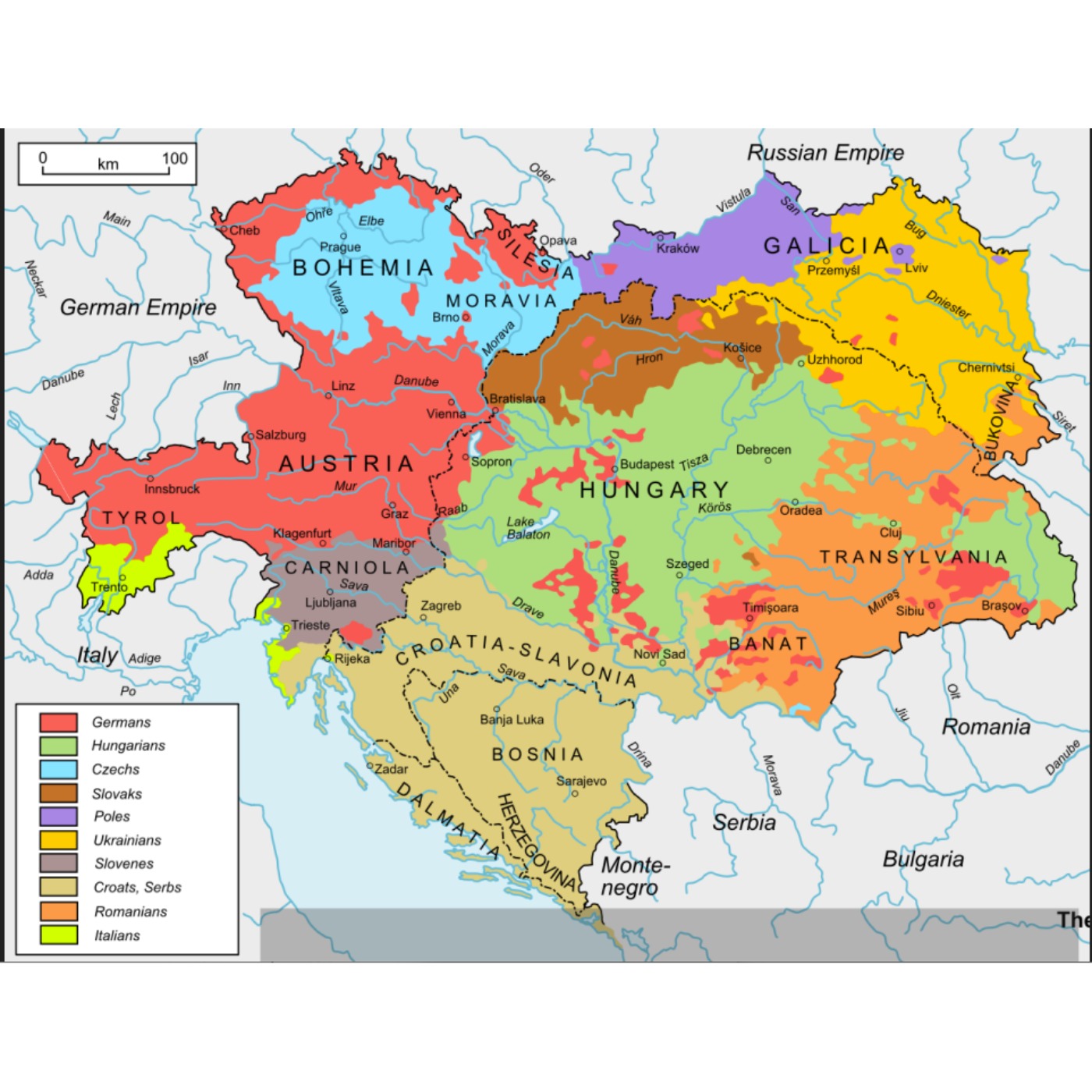
73.1 Russo-Turkish War 1877-78 - Background
In 1875, the Balkans entered a period of turmoil as various nationalities (Serbians, Bulgarians, Macedonians, Albanians and Romanians) struggled for independence from the Ottoman Turks. Uprisings quickly spread across the region and resulted in a major war between the Ottomans and Russians from 1877 to 1878.Meanwhile, Constantinople was suffering a renewed period of political instability which led

72.1 Philippa Gregory Interview
Philippa has written novels set in several different historical periods, especially the Tudor period. We discussed the period around the Glorious Revolution 1688 when the Prince of Orange invaded England from Holland and replaced James II as king, and the Battle of Sedgemoor 1685 three years before.Some of Philippa's novels have won awards and have been adapted into television dramas. The most suc
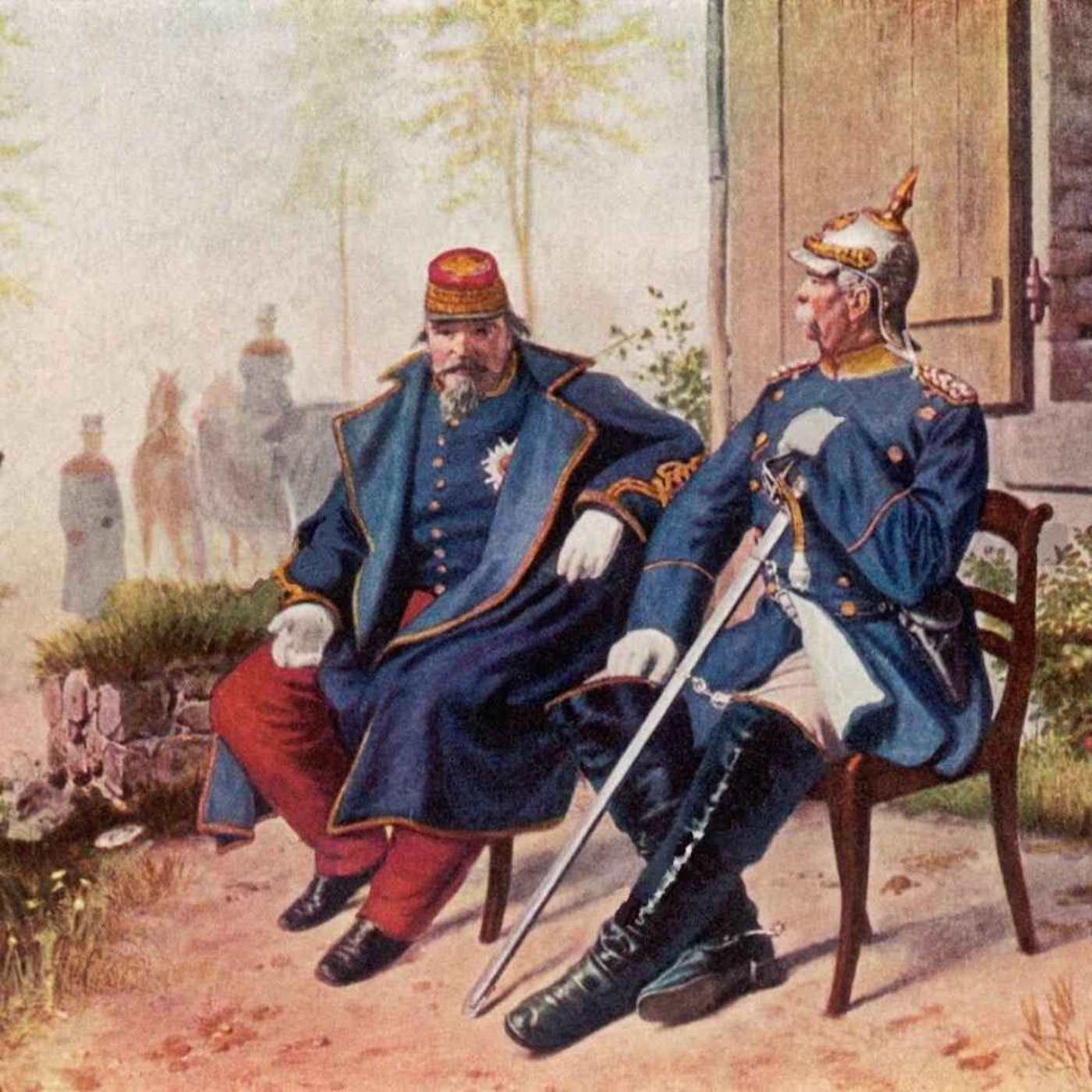
71.2 Franco-Prussian War 1870-71
For centuries, Europe’s German centre had been politically fragmented and weak. The continent had been dominated by states on the periphery, whose interest was to maintain the power vacuum at the centre. Now, however, for the first time, the Germans were united under the leadership of Otto von Bismarck and launched a major invasion into France, which ended up destroying the balance of power on the
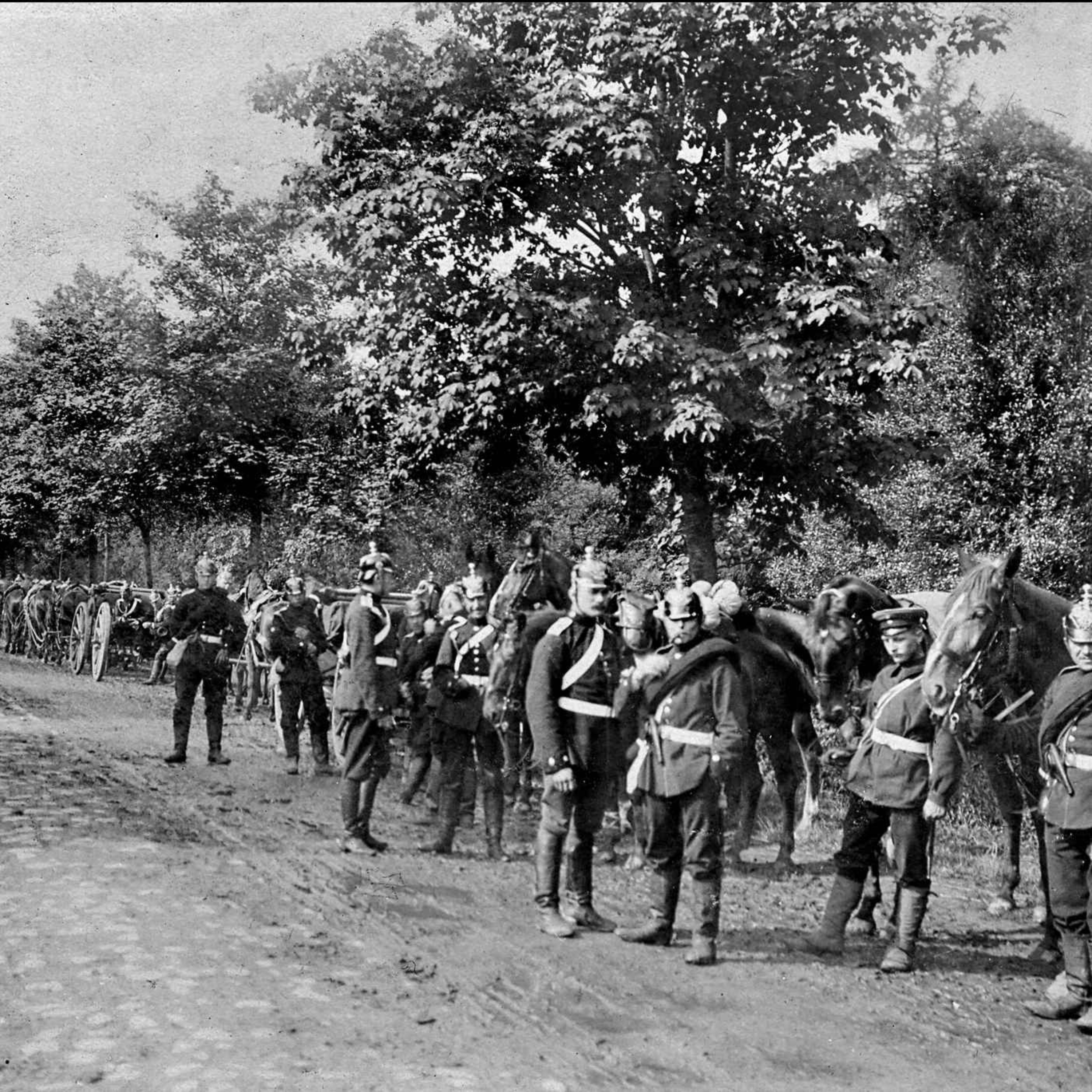
71.1 Franco-Prussian War 1870-71 - Background
Following Prussia's victory at Königgrätz in 1866, the North German Confederation became an instrument for Prussian dominance. All northern German states not directly annexed by Prussia were put in the new Confederation in which Berlin assumed control of their foreign and military affairs, and most of their internal ones as well. A solid block of Prussian territory stretched now between France and
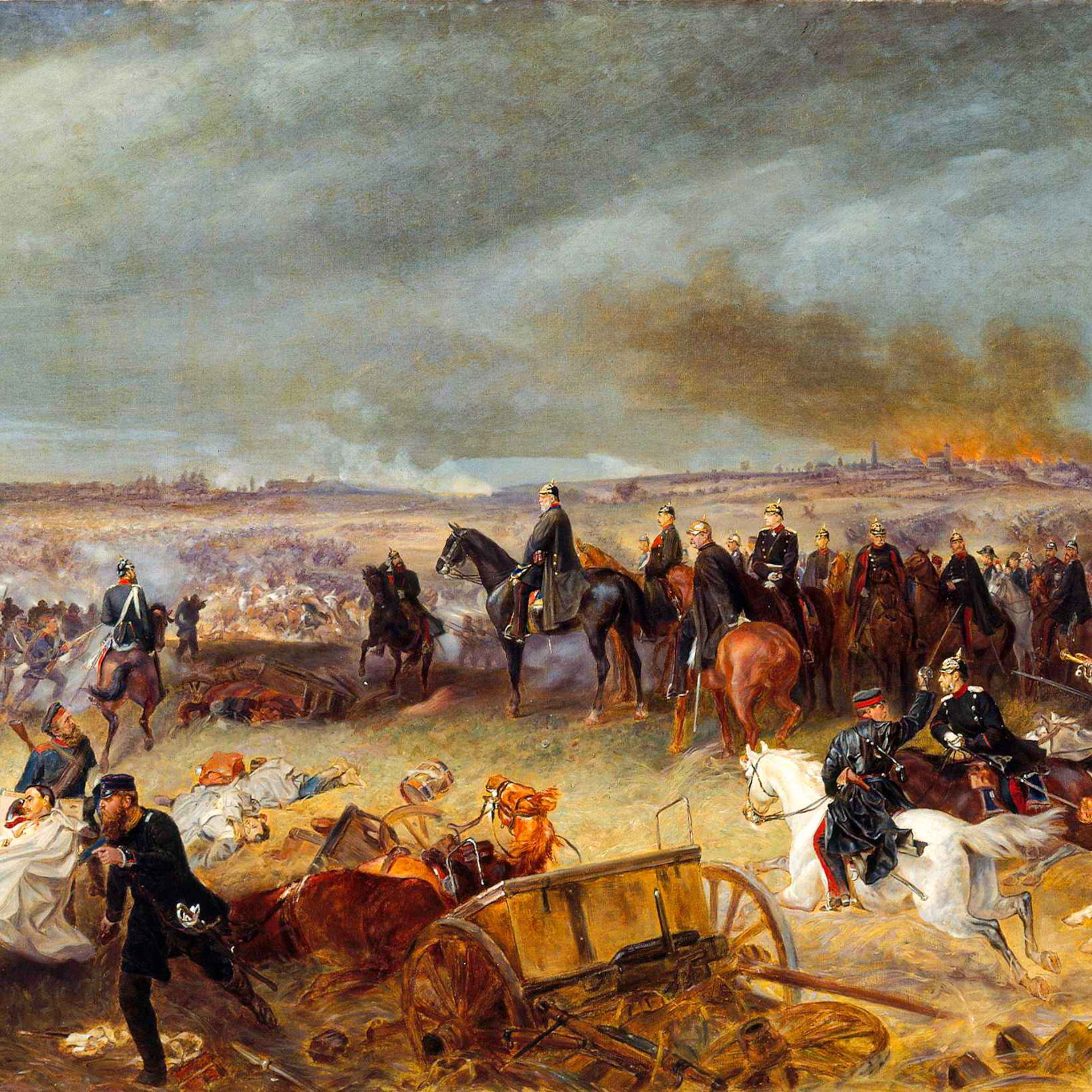
70.2 Battle of Königgrätz 1866
The Austro-Prussian War of 1866 was brief, yet its consequences were profound. It was the culminating event in a rivalry that began with the rise of the house of Brandenburg-Prussia, most notably Frederick the Great’s unprovoked attack upon the Habsburg province of Silesia in 1740. From that time Austria and Prussia were involved in a long struggle for supremacy in Germany.In 1866 Prussian armies
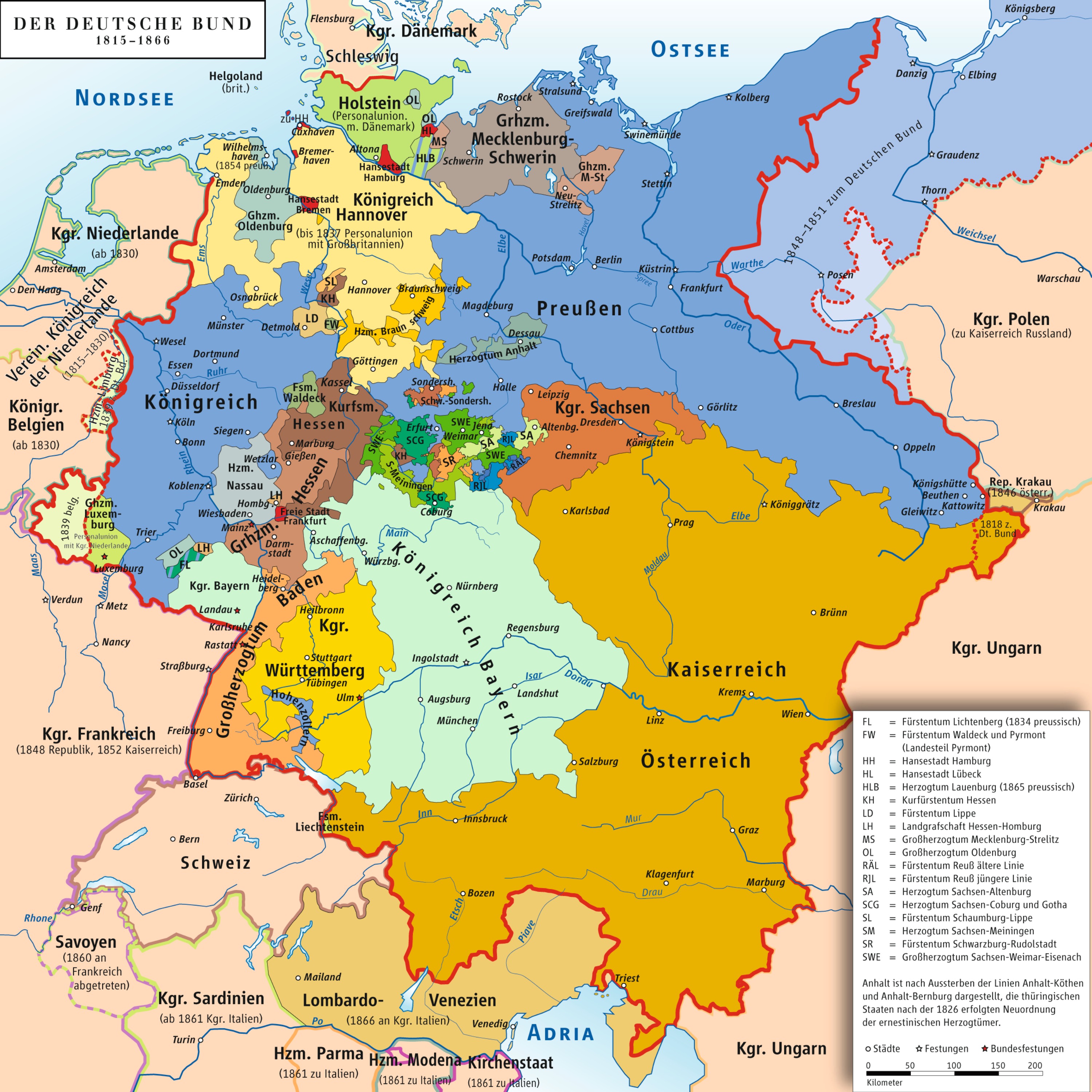
70.1 Battle of Königgrätz 1866 - Background
Any list of decisive battles of European history would be incomplete without a battle which occurred on 3 July 1866 near the town of Königgrätz, in the north of the today’s Czech Republic.The victorious allies of the Schleswig War of 1864, the Austrian Empire and the Kingdom of Prussia, soon after fall out with each other and go to war.Austria faces great challenges - in the centre of Europe
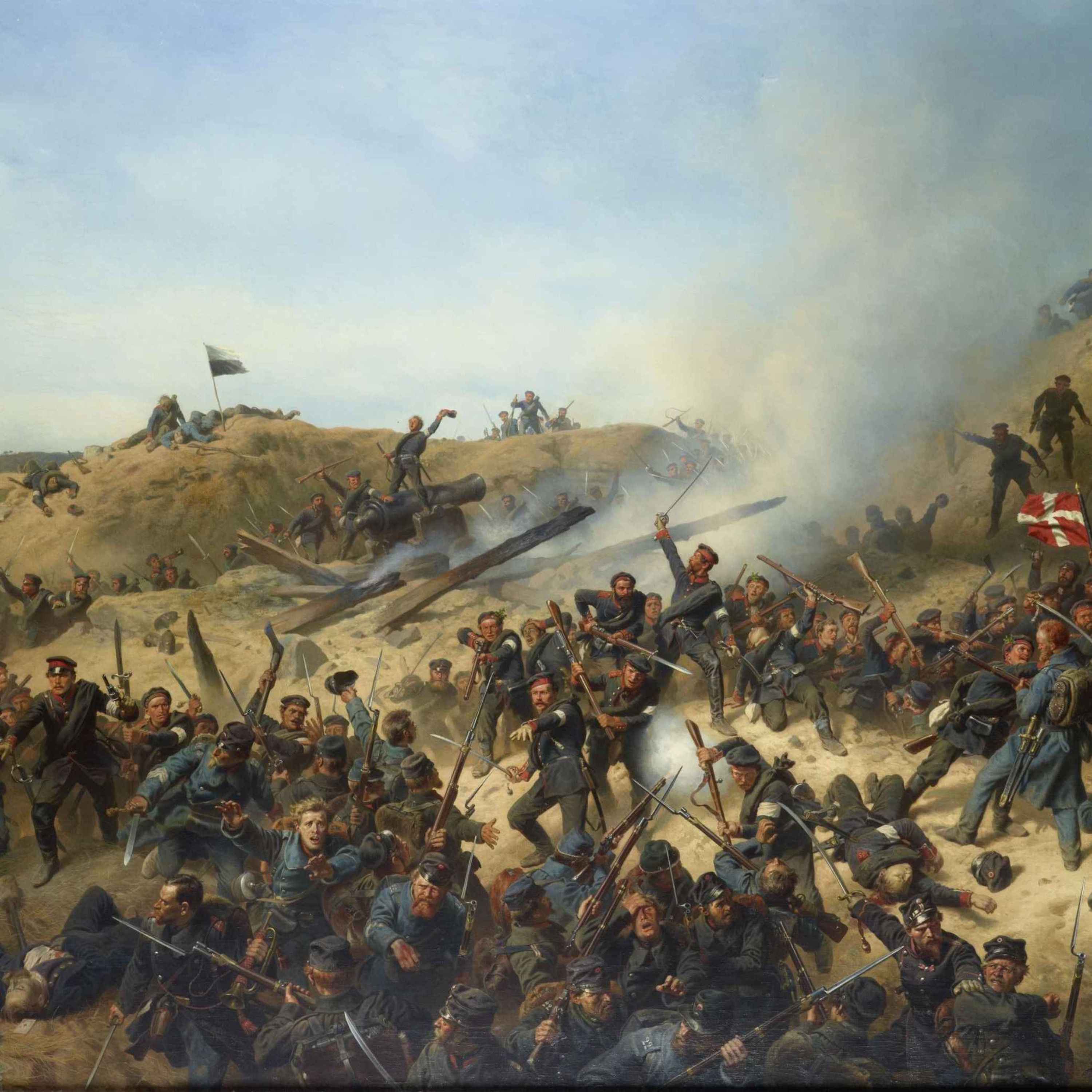
69.2 Schleswig War of 1864
When in November 1863 King Frederick VII of Denmark died, a dispute arose over who had a legitimate claim to rule over the Duchies of Schleswig and Holstein. Otto von Bismarck saw this as a great opportunity to increase Prussian power in the region and decided, together with the Austrians, to invade Denmark.The key battle in the war was the siege of Dybbøl in April 1864This month, August 2022, I'm
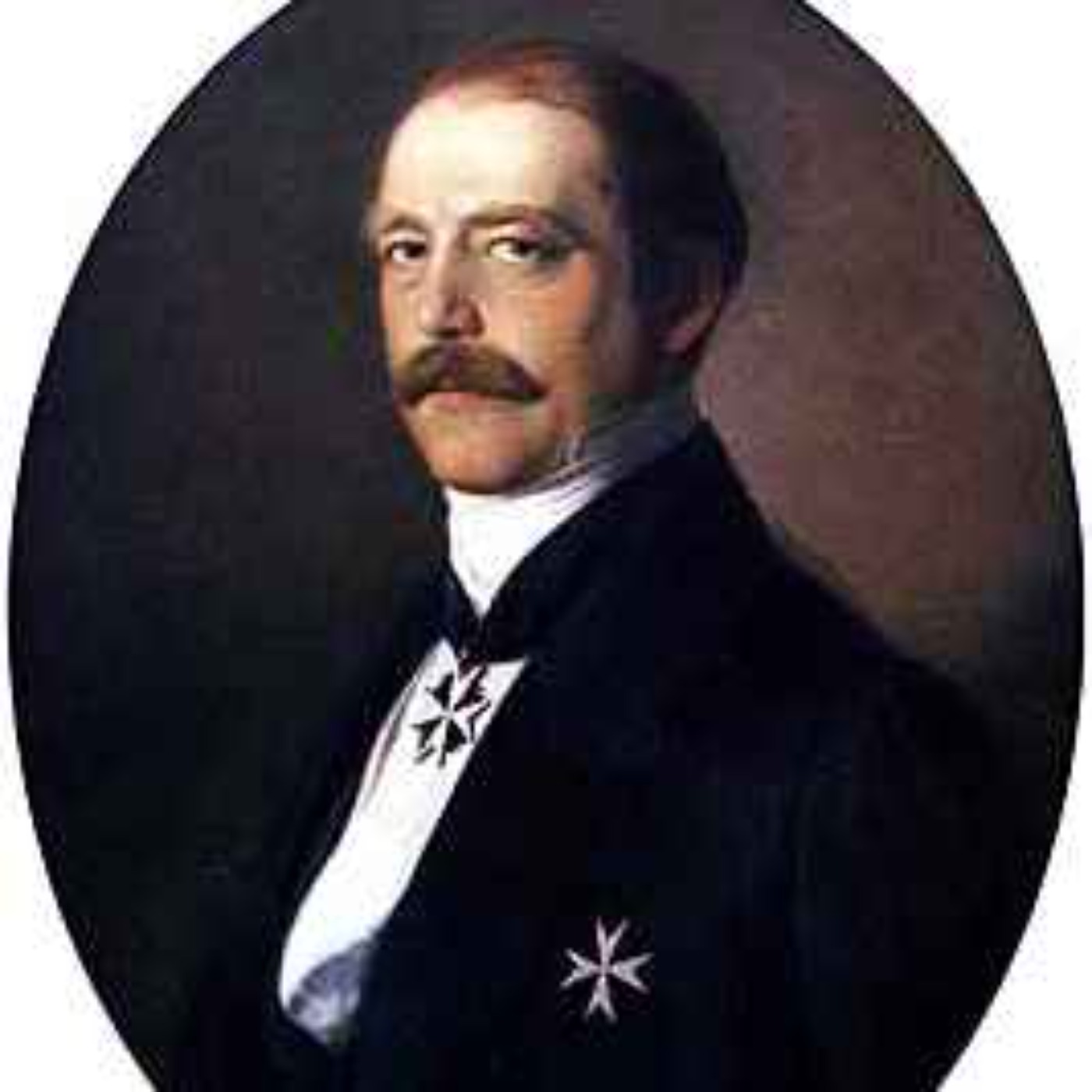
69.1 Schleswig War of 1864 - Background
A border dispute between the German Confederation and the Kingdom of Denmark in the regions of Schleswig and Holstein breaks out into an inconclusive war in 1848-1850, and tensions remain into the 1860's.Meanwhile, a common culture was developing across the German population of Europe, with the literary works of Goethe and Schiller, and philosophers Kant and Hegel. On the political scene, Otto von
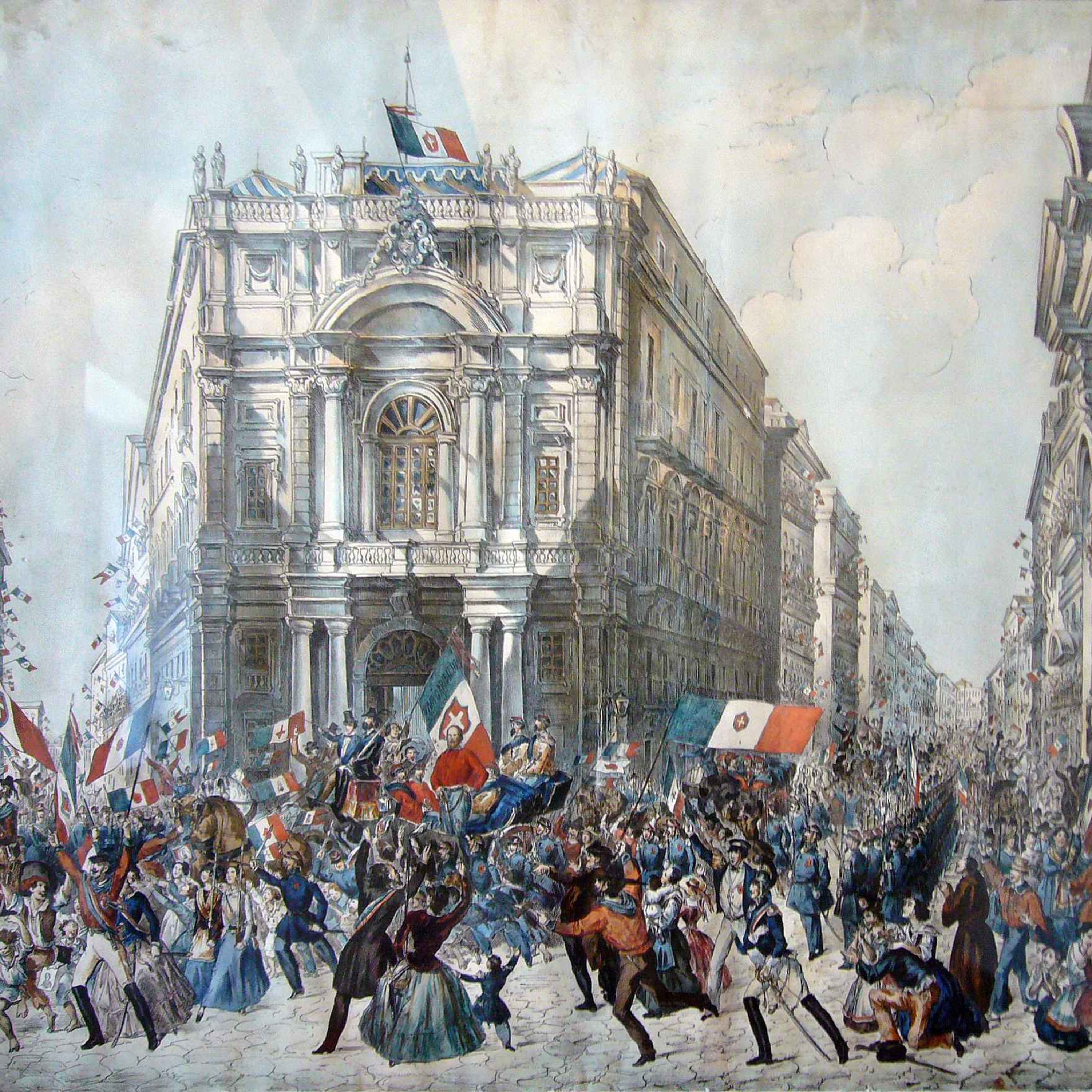
68.2 War of Italian Unification
Napoleon III of France and Cavour, chief minister of Piedmont come to an agreement to try to remove Austrian influence from the Italian peninsula, and provoke Vienna into war. One of the largest battles was at Solferino where there were three monarchs - Franz Joseph of Austria, Victor Emanuel of Piedmont and Napoleon III. The ensuing conflict lasted until 1861 when finally emerged the brand new na
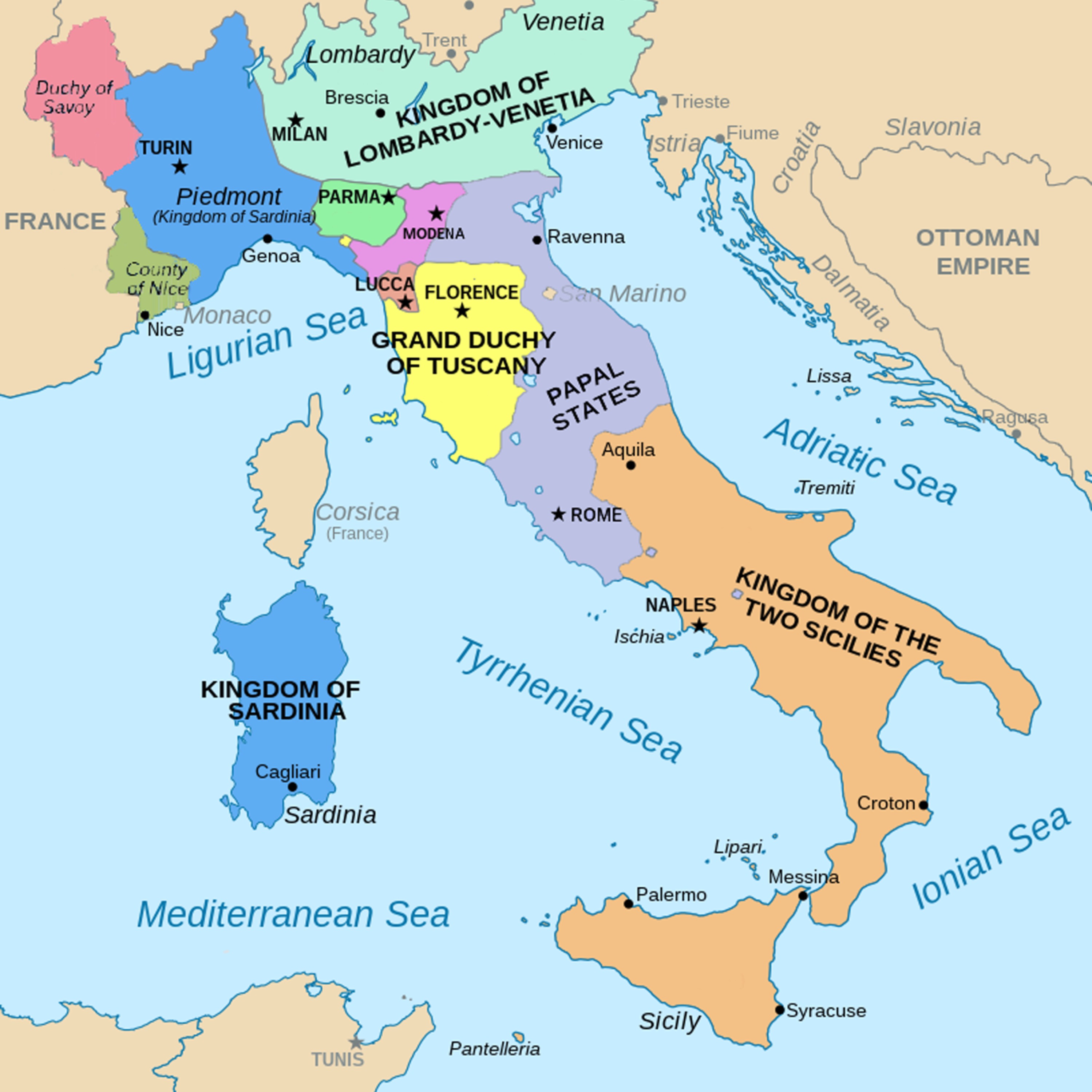
68.1 War of Italian Unification - Background
The Napoleonic Wars had a dramatic impact on Italy, completing redrawing boundaries. Even though the French were defeated, many of their political reforms were to be both profound and long-lasting. And the temporary unification of parts of the peninsula encouraged Italians to be aware of a common nationality. Yet only decades afterwards would there be real change. Some of the protagonists wer
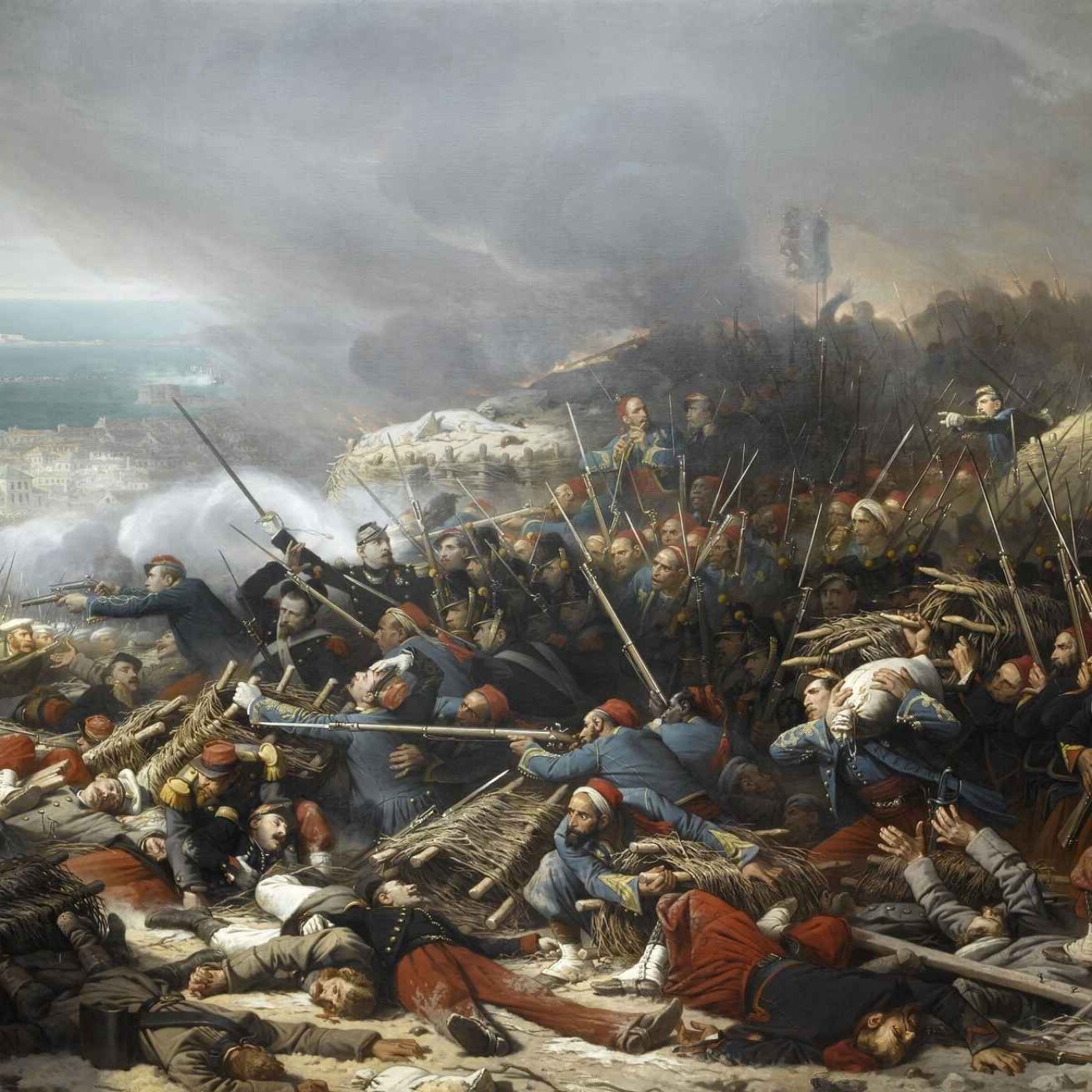
67.4 Crimean War - Siege of Sevastopol
An allied army of British, French and Italians besiege the Crimean port of Sevastopol in late 1854. Fighting also took place in the Baltic Sea and in the Far East, and in the Caucasus mountains at the siege of the fortress of Kars. The main event at Sevastopol was particularly protracted and bloody as the allies attempted to break through into the citywww.patreon.com/historyeuropewww.historyeurope
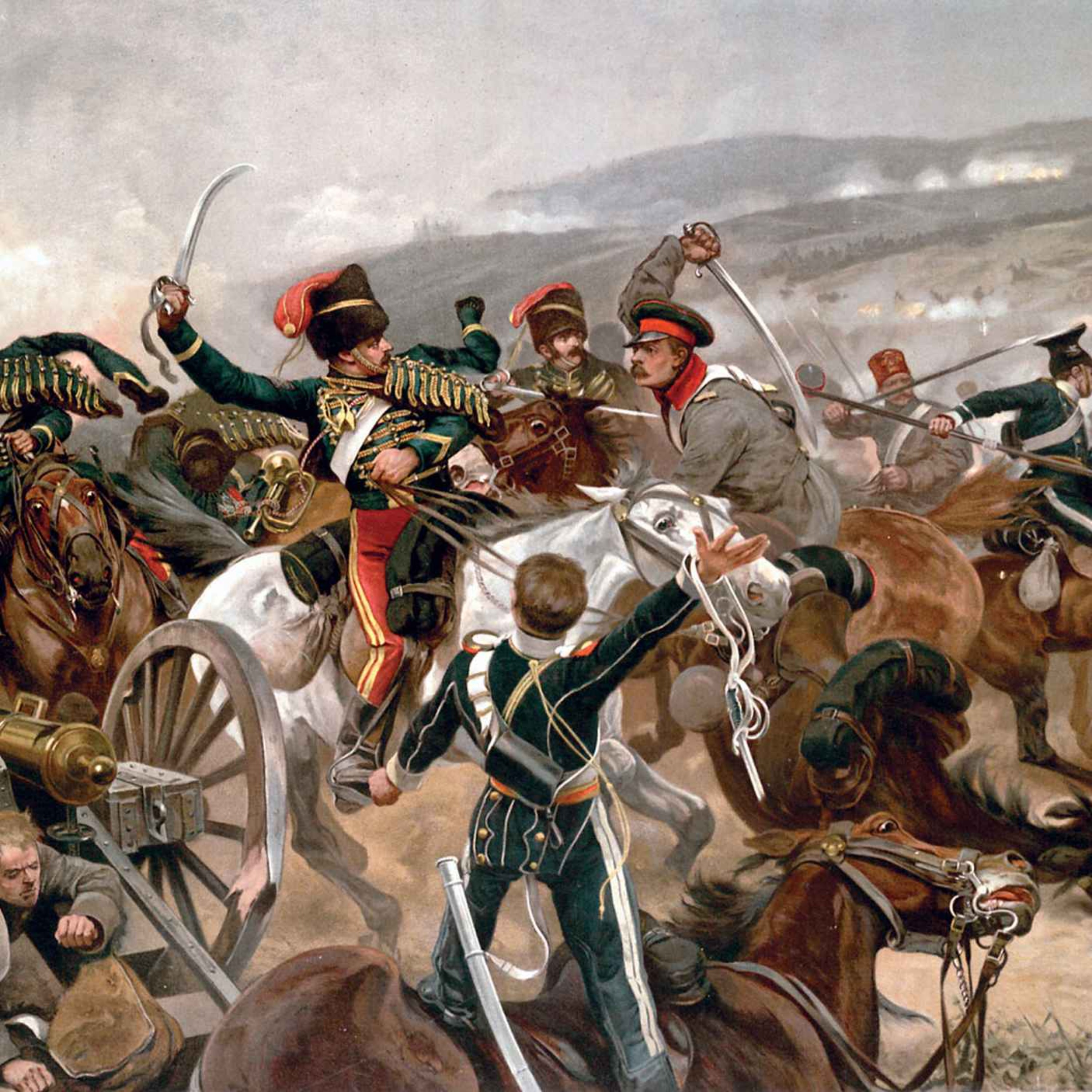
67.3 Crimean War - Russia invades Moldavia and Wallachia
The Russians invade Moldavia and Wallachia (in modern day Romania) and destroy the Ottoman Black Sea fleet at Sinop. Under public pressure, the French and British governments, concerned about growing Russian power, decide to send in troops to force the invaders to retreat. Seeking to neutralise the Russian threat in the Black Sea and Mediterranean, the Allies decide to invade Crimea. One of severa
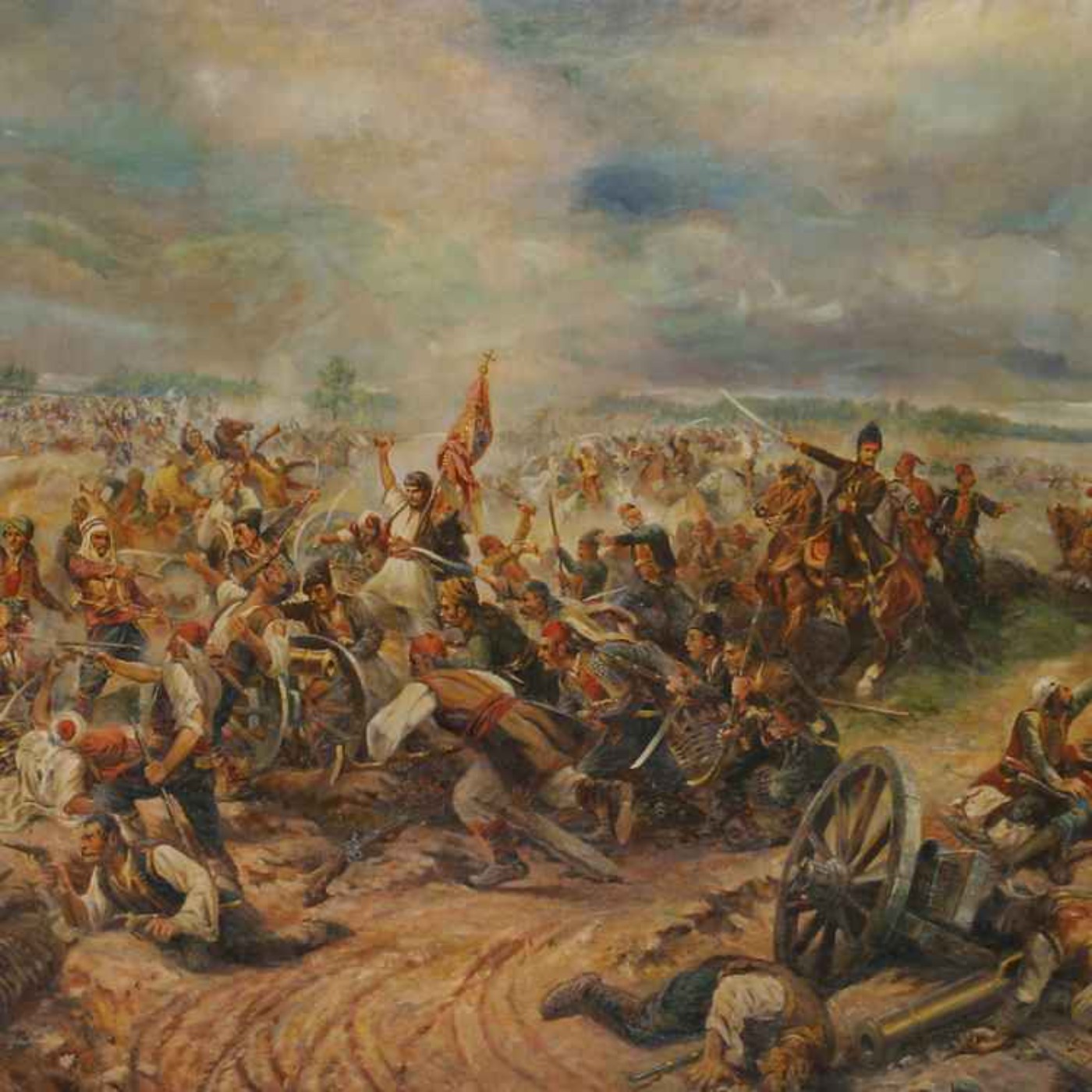
67.2 Crimean War 1853 - Beginning
The Ottoman Sultans attempt to reform their army and state, under pressure from outside powers, most notably Tsar Nicholas I of Russia, who lays claim to protecting Orthodox Christians within the Ottoman Empire. The Crimean War begins when Russia invades the Orthodox territories of Moldavia and Wallachia in modern day Romania.www.patreon.com/historyeuropewww.historyeurope.netMusic from Frederich C
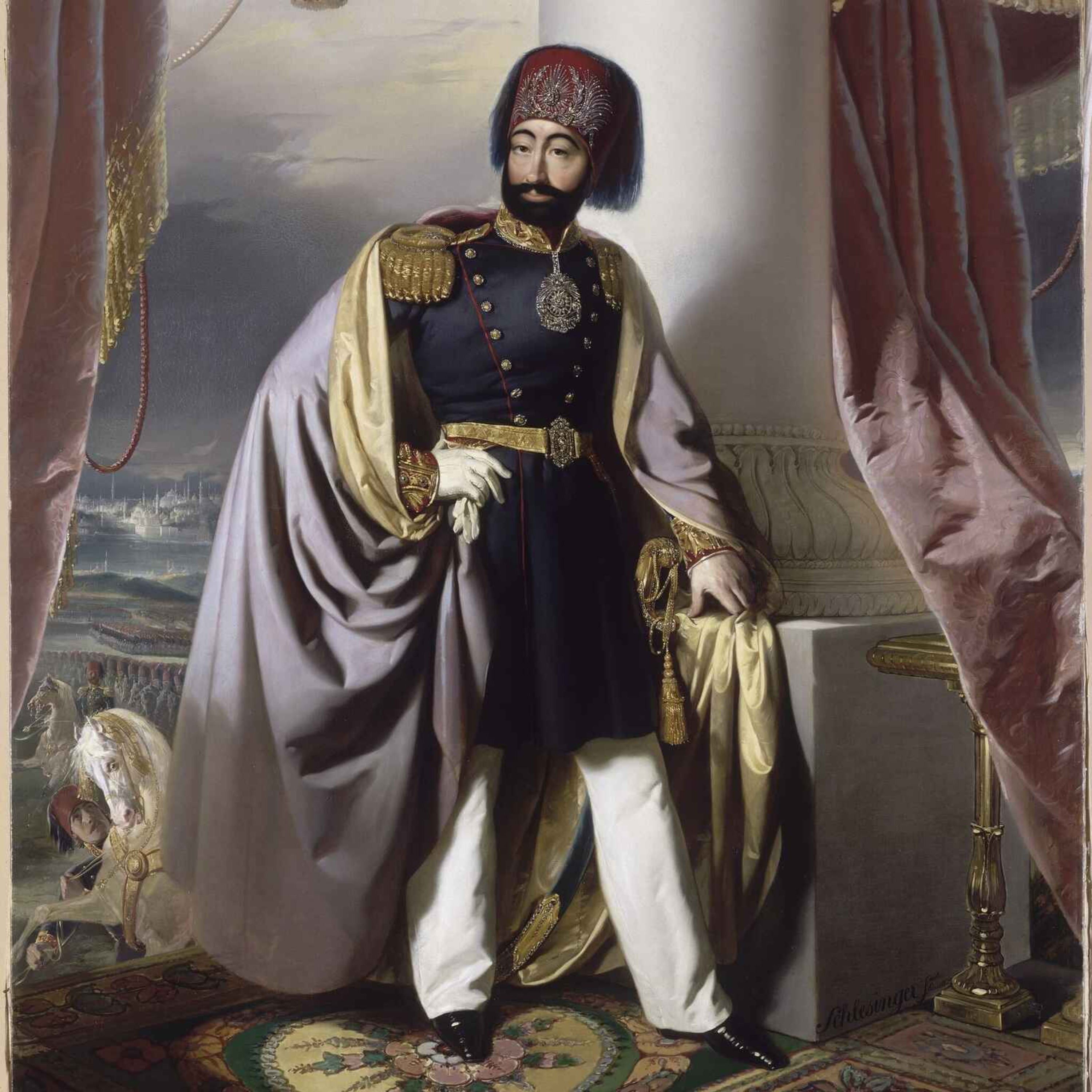
67.1 Crimean War 1853 - Background
The powers of Europe, especially Britain and France are concerned by the decline of the Ottoman Empire and growing power and ambition of Russia. This episode focuses on the problems of the Ottoman Sultan Mahmud II, who descendants once ruled a mighty empire that threatened Christendom, but in the 1800's was struggling under the pressures of modernity and the threat of regions breaking away e.g. in
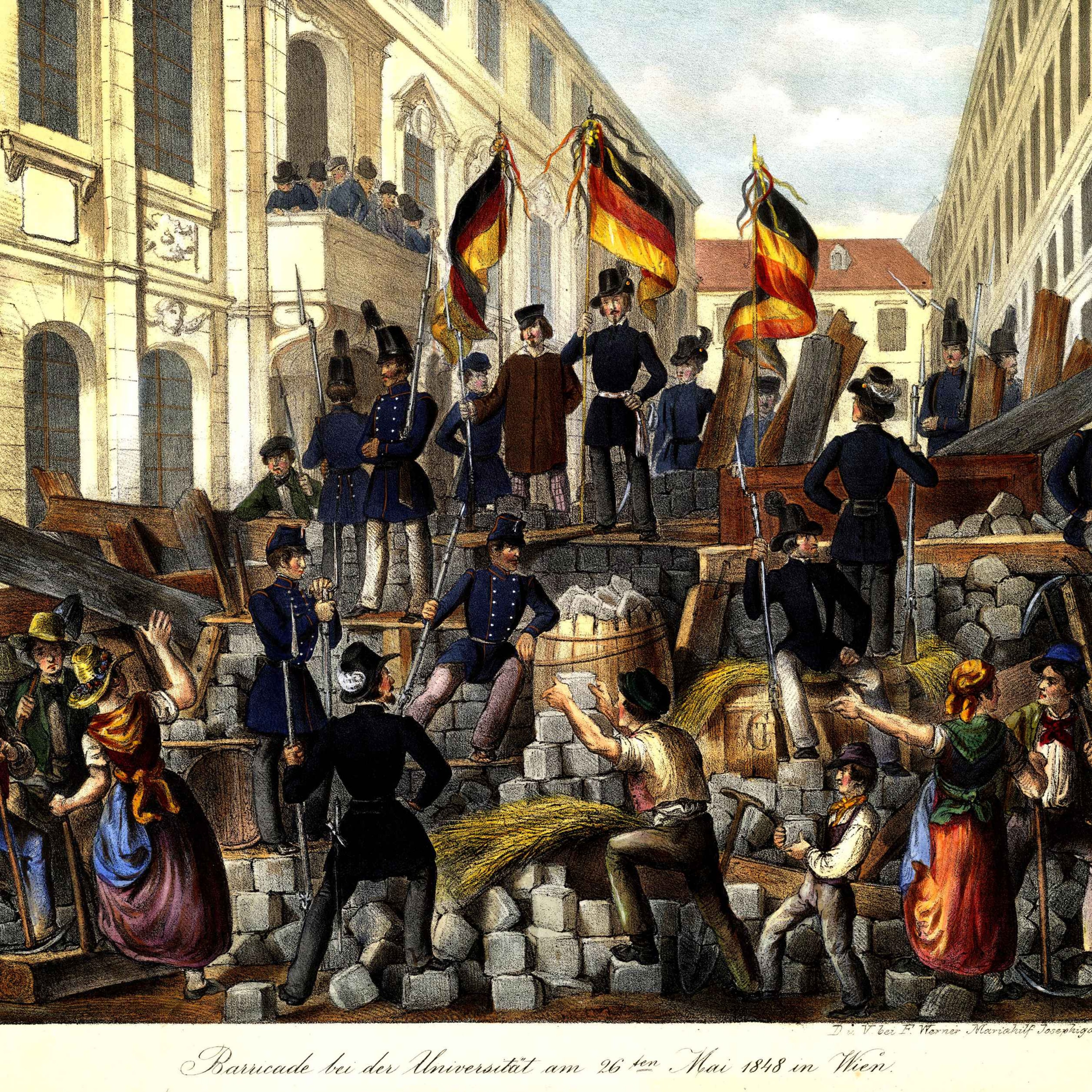
66.4 Revolution of 1848 - Conclusion
Revolutionary breaks out across Europe continent from France to Romania, Denmark to Italy. Slowly the authorities regained control but were unable to reverse all of the changes. Most governments, for example, kept some form of constitution, and liberals worked hard to defend what was left of their achievements. The events of 1848 gave millions of Europeans their first taste of politics, and remain
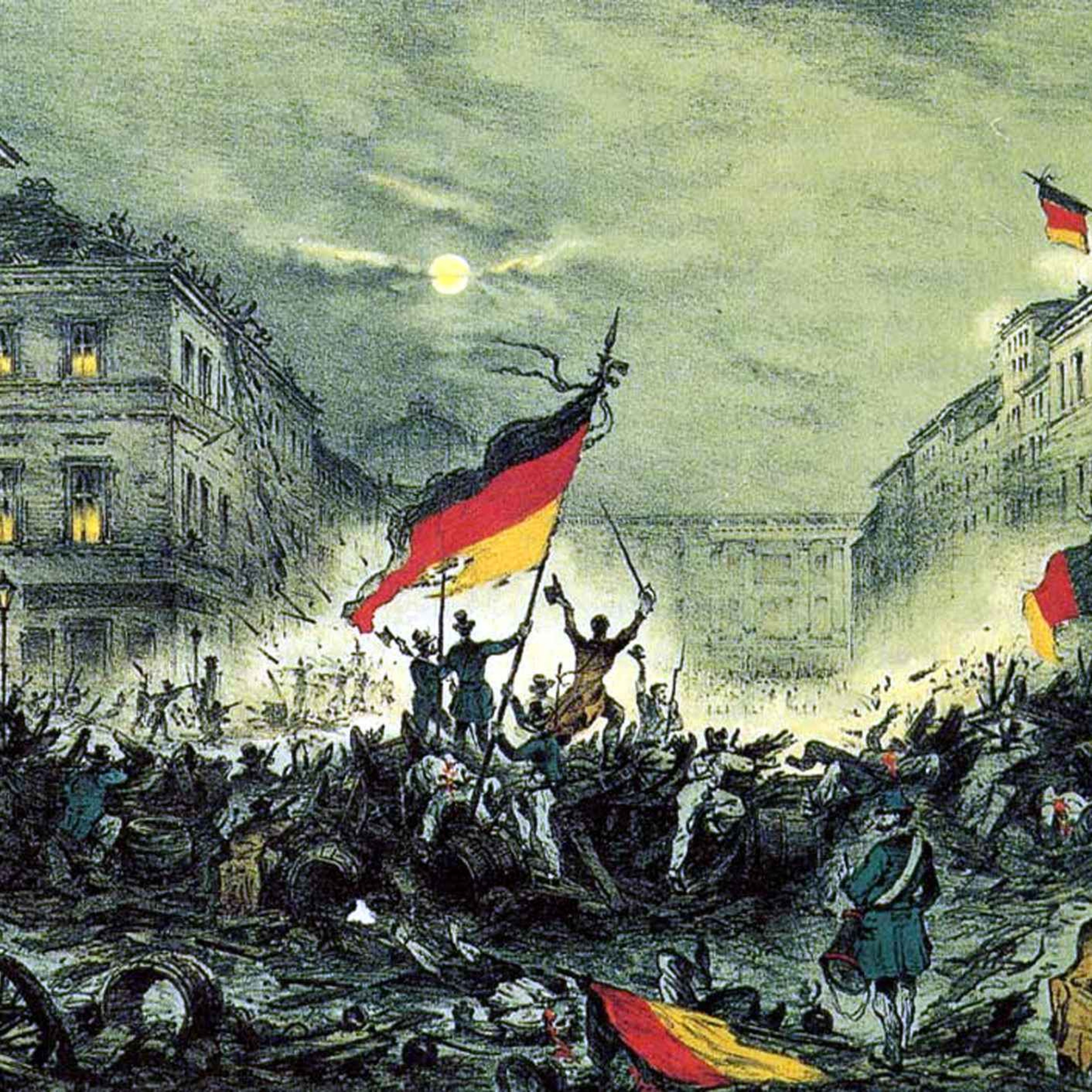
66.3 Revolutions of 1848
In the first months of 1848, a tidal wave of revolution shook the political establishment of Europe to its foundations Events began with an uprising in Sicily in January, and by the end of the year the entire continent had been affected to some degree, including the overthrow of leaders in France, Austria, Italy and Germanywww.patreon.com/historyeuropewww.historyeurope.netMusic: William Tell Overt
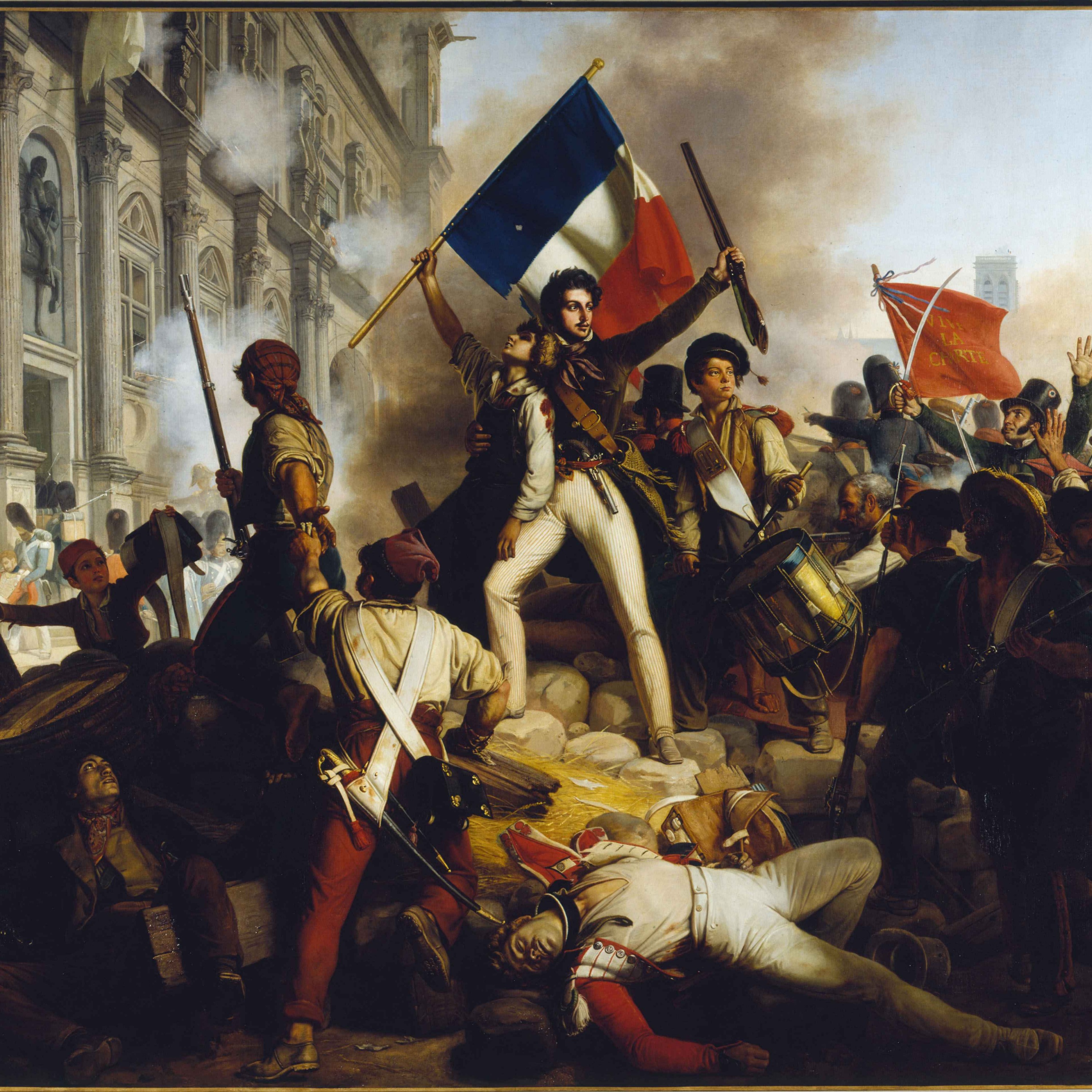
66.2 French Revolution of July 1830, and Greek War of Independence
King Charles X of France is overthrown and replaced by his cousin Louis Philippe, Duke of Orléans. Meanwhile a 10 month long insurrection in Poland is crushed by the Russians. In the retribution which followed, eighty-thousand Poles are dragged off in chains to Siberia. The year 1830 also witnessed the formal independence of Greece from the Ottoman Empire after a war which had begun nine
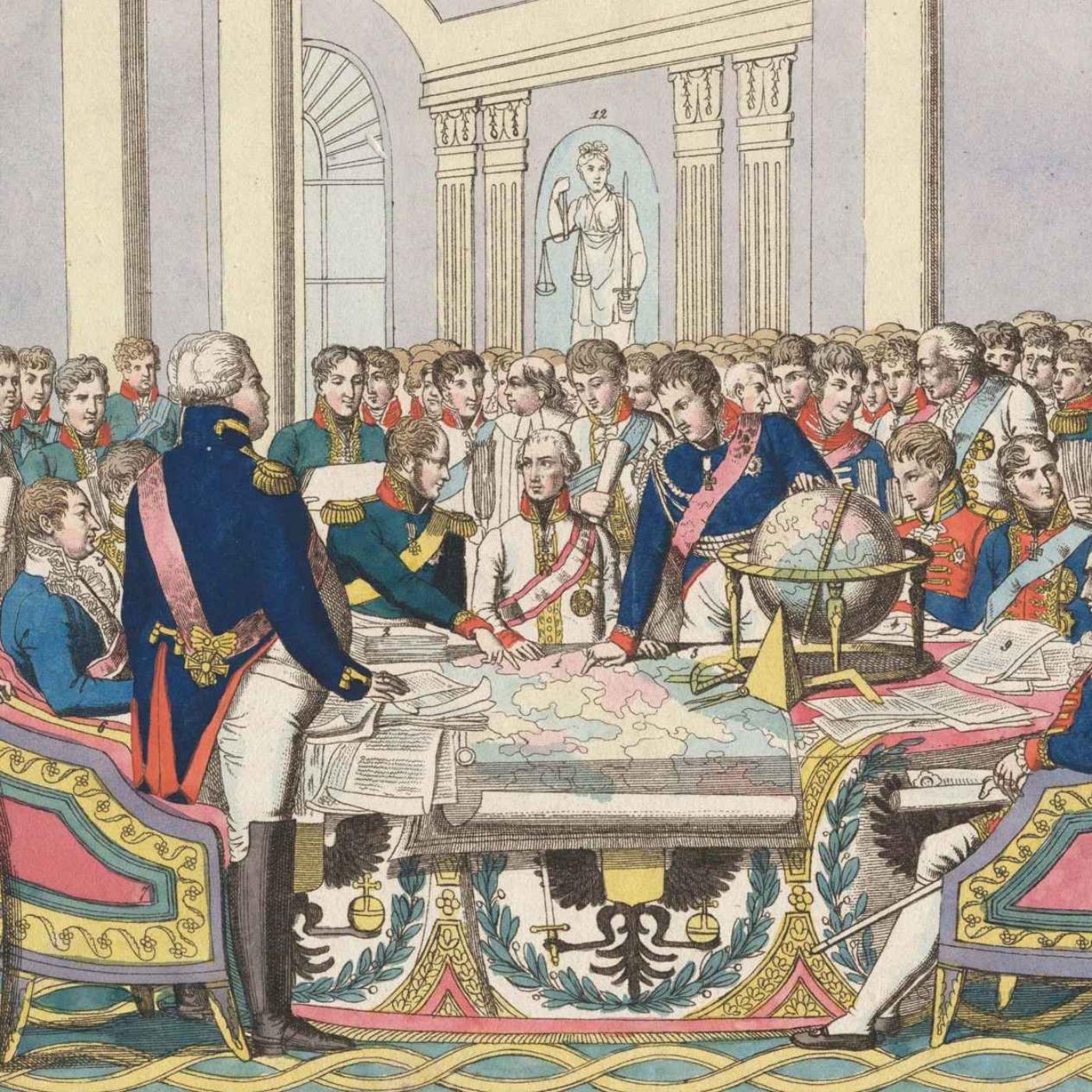
66.1 Congress of Vienna 1814, Post Napoleonic War Period
The Congress of Vienna 1814 at the end of the long Napoleonic Wars led to a period of relative peace on the continent of Europe. A network of institutions was established known as the ‘Concert of Europe’ where differences could be thrashed out before leading to war.After the French Revolution, the basis of sovereignty shifted from individuals and families as leaders to nations and states. Througho
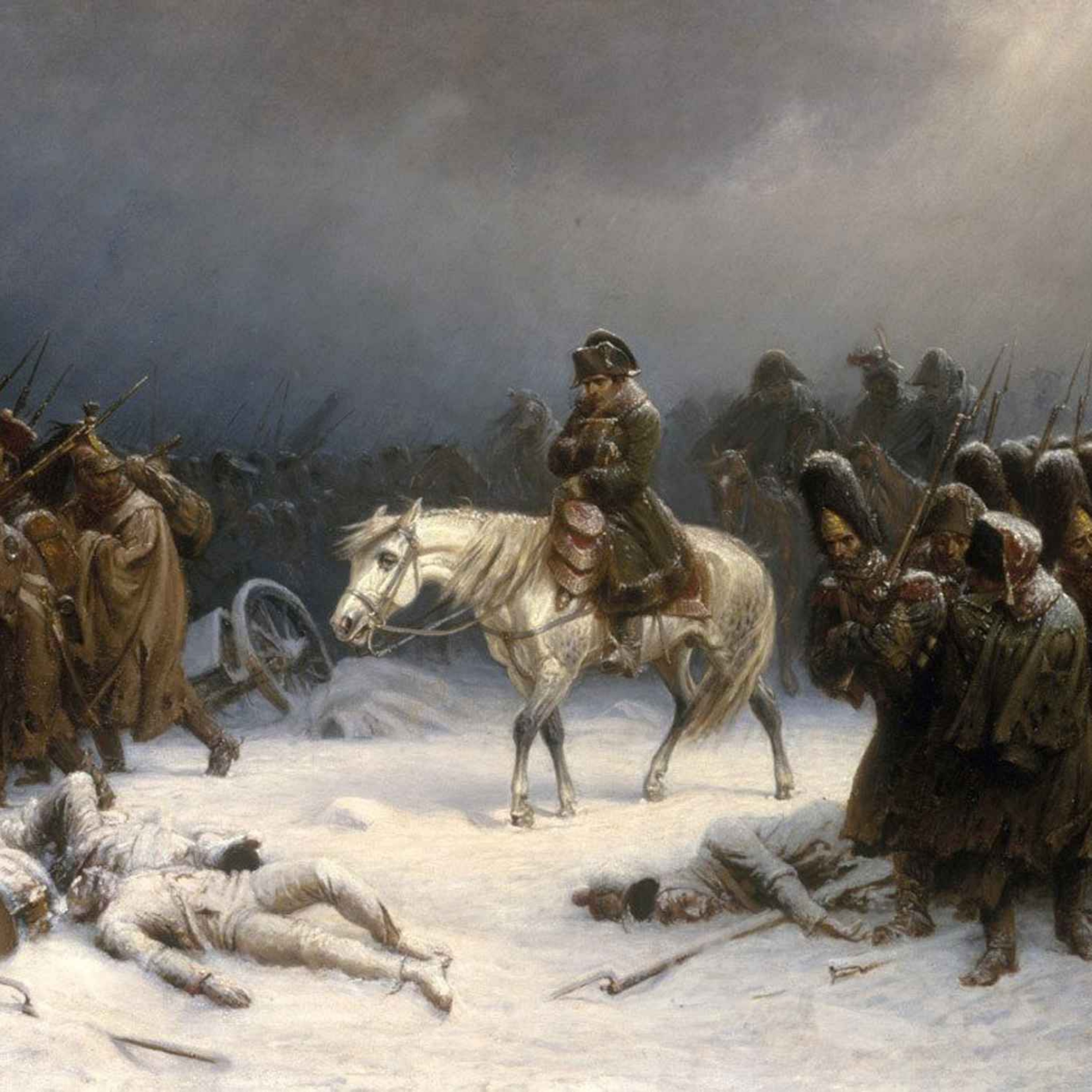
65.3 Napoleon's Invasion of Russia 1812
The French army invades Russia. The Russians retreat deep into their own territory then confront the French at the inconclusive Battle of Borodino of September 1812. Napoleon leads his men into Moscow but is forced to abandon the city and return westwards in the middle of winter, resulting in devastating losses. The anti-French coalition regain the initiative at the huge Battle of the Nations and
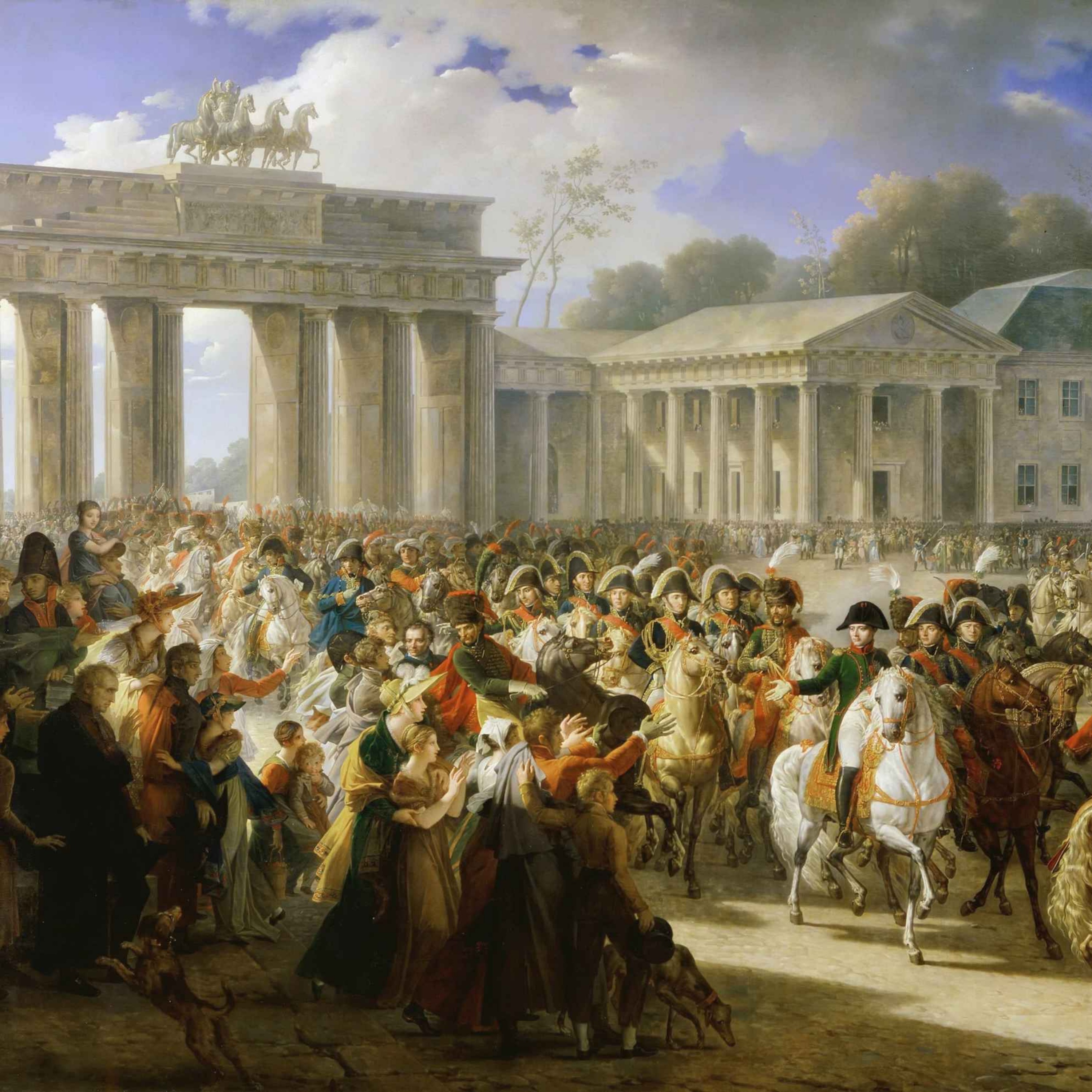
65.2 Napoleon's Conquest of Central Europe, and the Peninsular War
The French invade Prussia and capture its capital Berlin, and then move into Poland and take Warsaw. Napoleon and Tsar Alexander then agreed the Treaties of Tilsit. The greatest resistance to French dominance comes from the Spanish, aided by the British under the command of the Duke of Wellington.www.patreon.com/historyeuropewww.historyeurope.netMusic from Beethoven - Symphony Nr 5, courtesy of ww
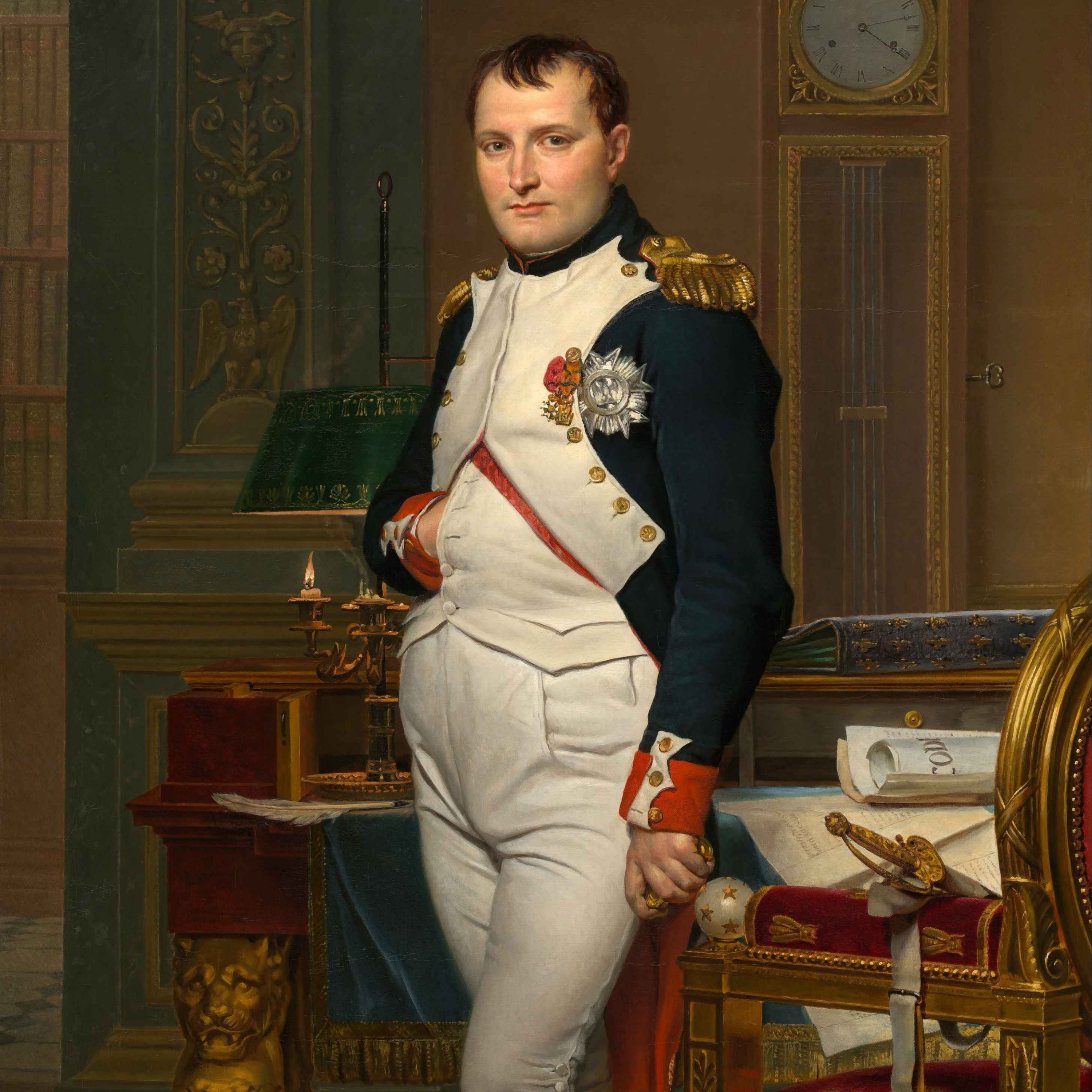
65.1 Napoleonic Wars - Intro
Peace could potentially have lasted after the treaties of Lunéville and Amiens of 1801 and 1802 had the great powers accepted each others’ spheres of influence. However, the agreements turned out to be just a short truce. Napoleon’s continued annexations in Europe and apparent ambitions in the Mediterranean and Near East alarmed the British and Russians. The French suffer defeat at Trafalgar but m
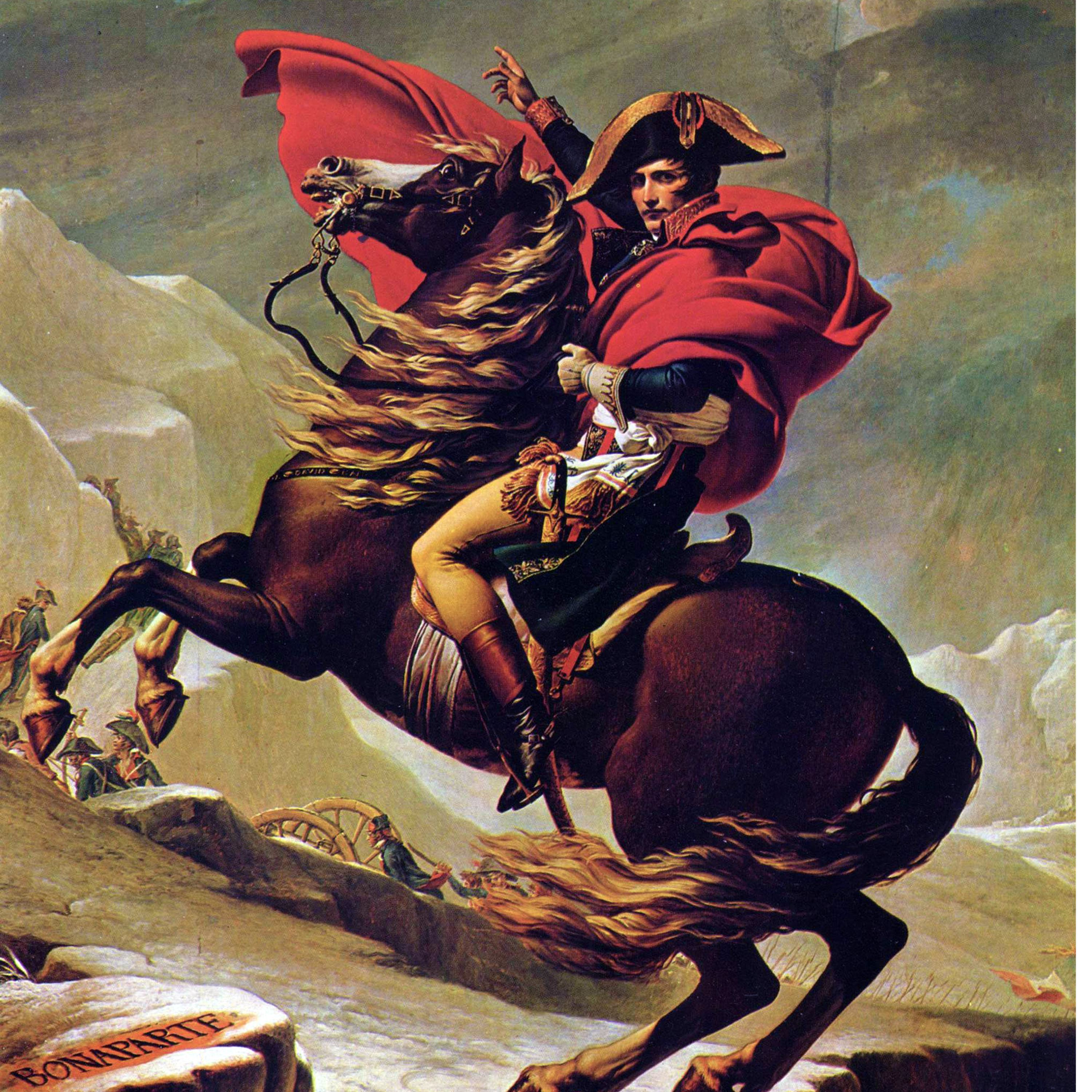
64.6 Battles of the Nile 1798 and Marengo 1800
Napoleon leads the French into Egypt but is defeated at the Battle of the Nile by the British. Afterwards the Russians and Austrians push back against the French in Italy, but then suffer a reverse at the Battle of Marengo. Marengo turned out arguably to be the most important victory of Napoleon’s career. Had he lost the battle, he would have lost the war and probably the consulship. Instead his n
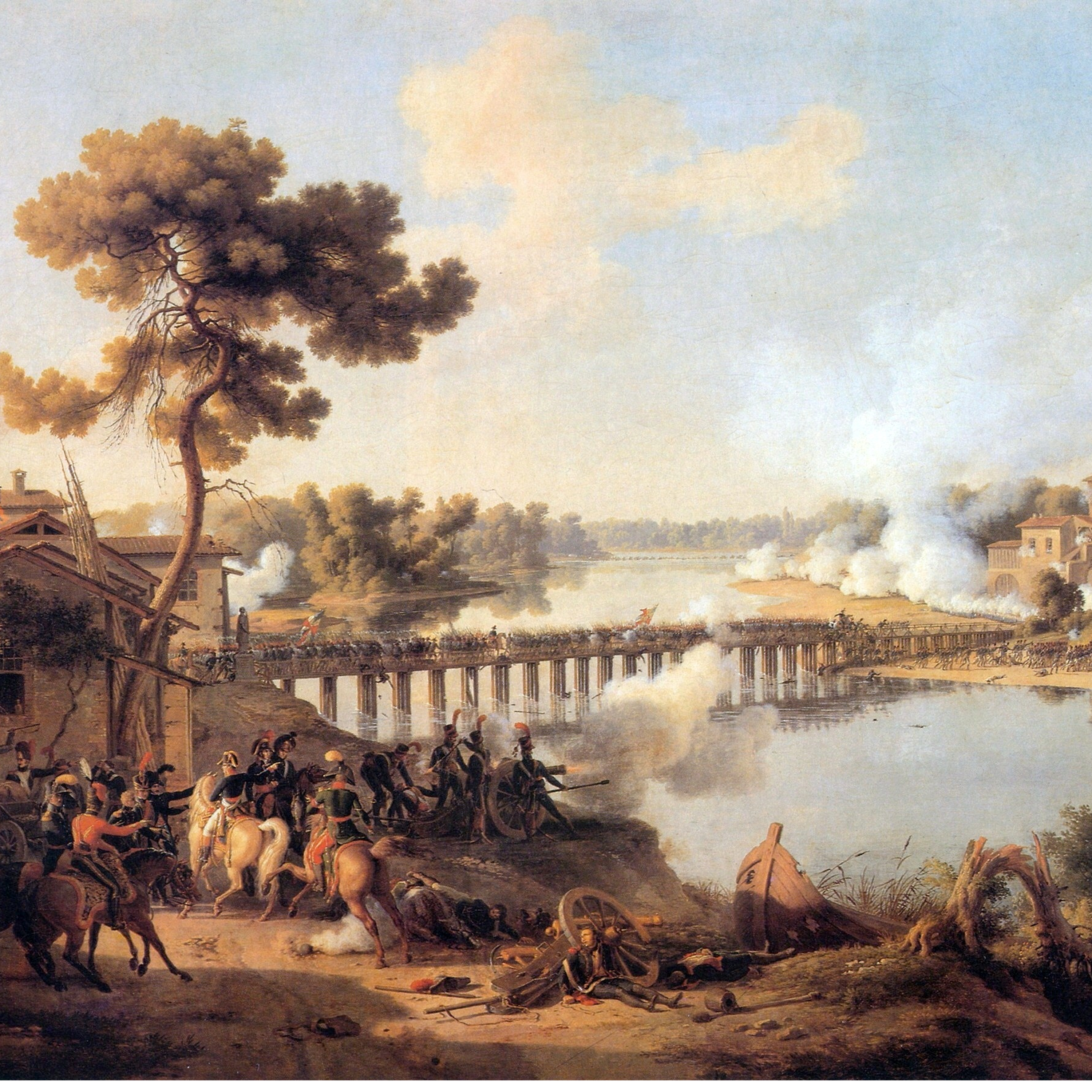
64.5 French Revolutionary Wars - Napoleon's Conquest of Italy
The French invade Belgium in 1794 and the Netherlands in 1795. The coalition against them starts to fall apart as individual members came to terms. Russia, Prussia and Austria are distracted by their partitioning of Poland, which is wiped off the map.Next the French invade Austria and Italy, the Italian campaign led by a promising young commander Napoleon Bonaparte.www.patreon.com/historyeuropewww
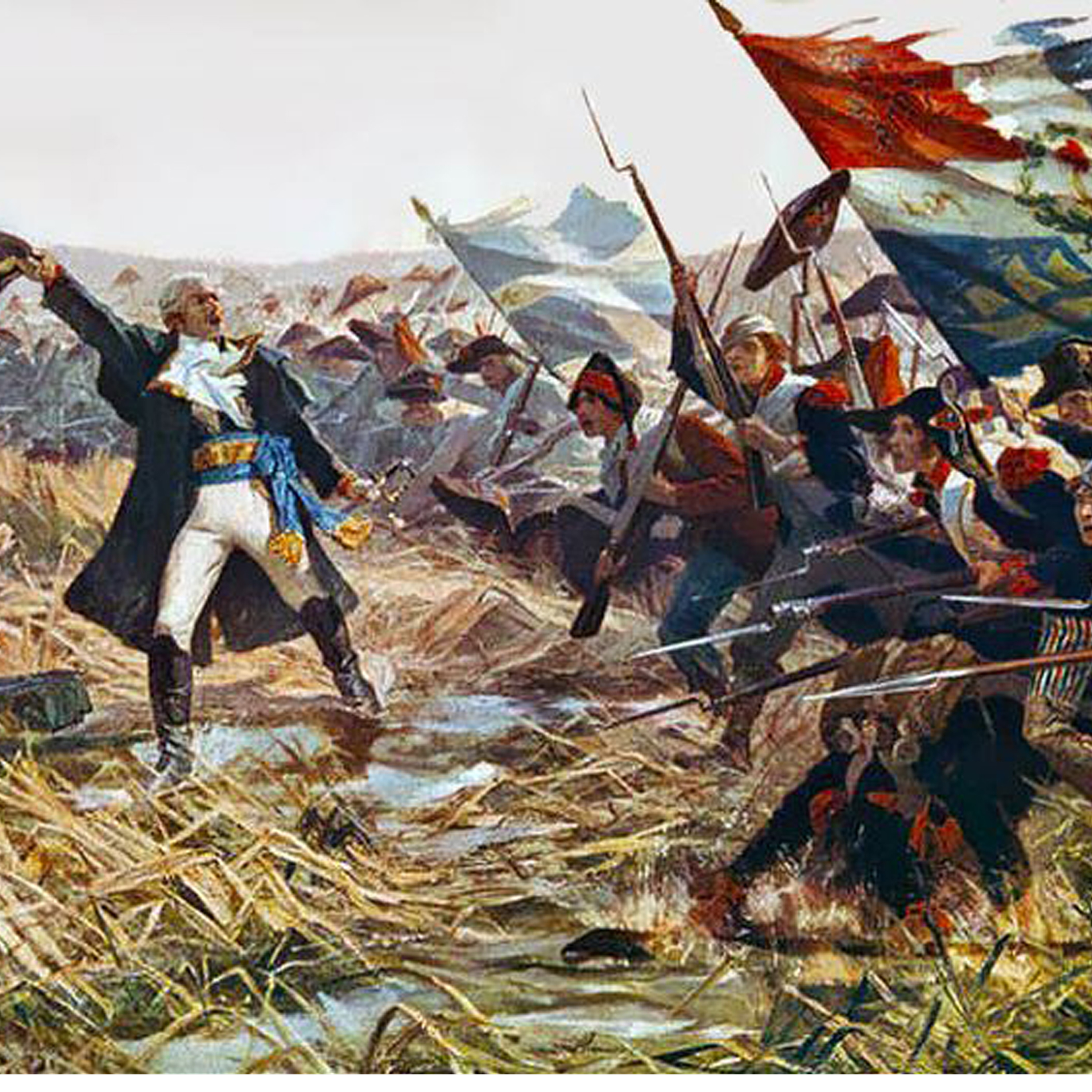
64.4 French Revolutionary Wars, Battle of Valmy 1792 and the Reign of Terror
A French military victory at Valmy in 1792 and the execution of Louis XVI in January 1793 focused the growing concern across Europe about the radical new regime in Paris. The true revolutionary nature of events in France was dawning on everyone, including the possibility of the export of the revolutionary principles. In France, there was further political turmoil in 1793 with the coming to po
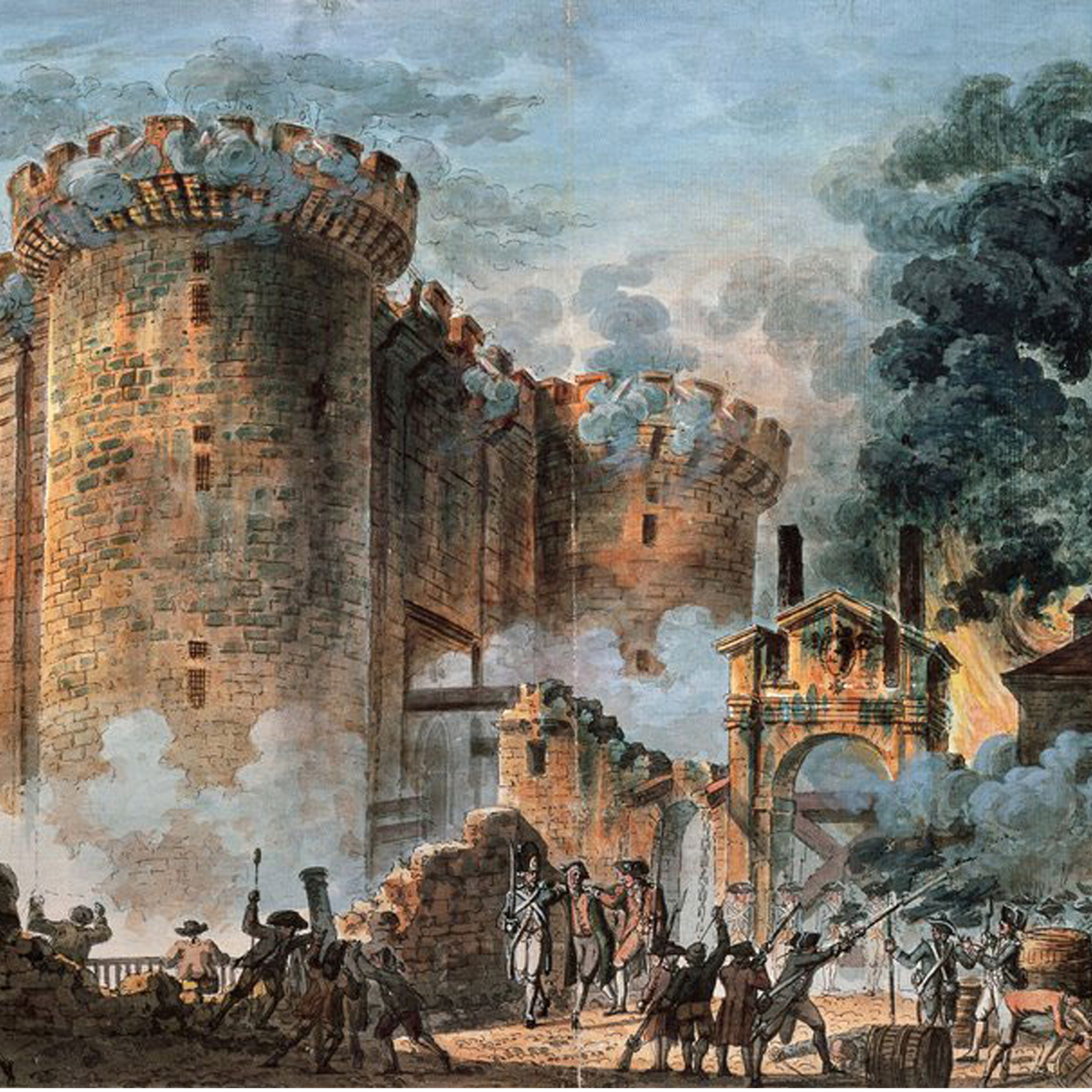
64.3 The French Revolution 1789
The French king from 1774, Louis XVI, was poorly equipped for the role of national leader at a difficult time. His tragedy was that he had good intentions and a strong sense of responsibility. But he was shy and awkward and lacked the required political skills and charisma. Decades of failure for the French in foreign and domestic affairs, resulted in a profound crisis of legitimacy for the monarc
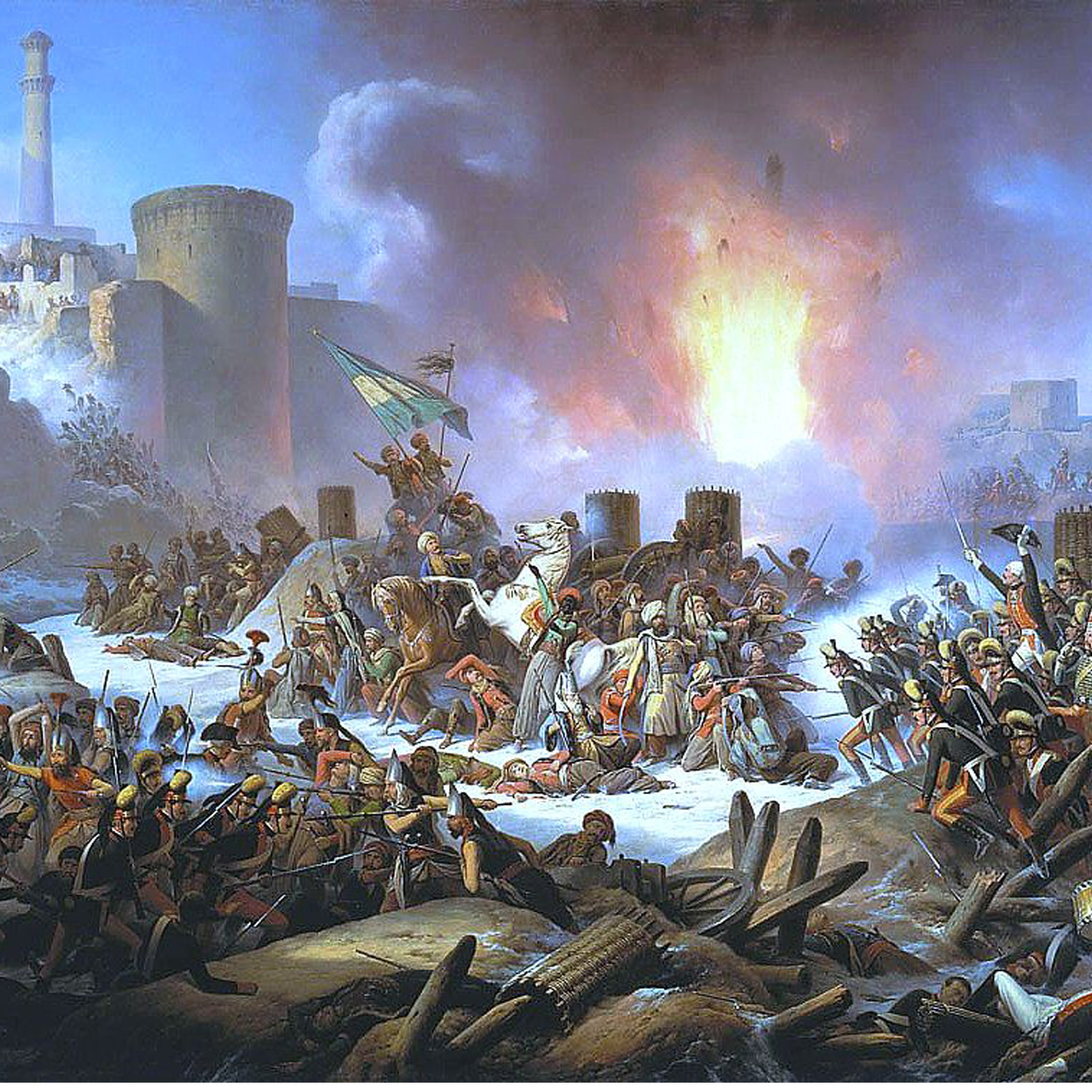
64.2 Russo-Turkish War 1788 and the Reforms of Joseph II
The Origins of the French Revolutionary Wars can be dated to 17th August 1787, when in Constantinople the Ottomans arrested the Russian ambassador Count Bulgakov in the Topkapi palace, and declared war on St Petersburg. Catherine the Great had deliberately provoked the Turks and now dragged in the reluctant Austrians into the war. The Austrian Emperor was Joseph II, the archetypal enlightened desp