The History of England
A chronological retelling of the story of England, starting from the end of Roman Britain. The host aims to be honest and rigorous while covering major events and daily life, language, and cultural forces. The podcast is ad-free for supporters and offers additional content through membership.
Episodes
The Uprising
Paul Greengrass' The Uprising covers the Peasant's Revolt in 1381 from start to bloody finish. Did you see it? What did you think? This is a few minutes from me about how I found it, and an invitation tio come along to post your views with other listeners on the History of England Podcast Group https://www.facebook.com/groups/314746805305339/For maps, resources, transcripts or to become a
English Food with Neil Buttery
Eating in England and indeed Britain is delightfully varied, with a diversity mix of heritages and styles from across the world. Neil Buttery, chef, food historian and host of the British Food History Podcast, joins me to answer some questions, and consider the origins of a few iconic English dishesFor maps, resources, transcripts or to become a member, head for https://thehistoryofengland.co.uk.
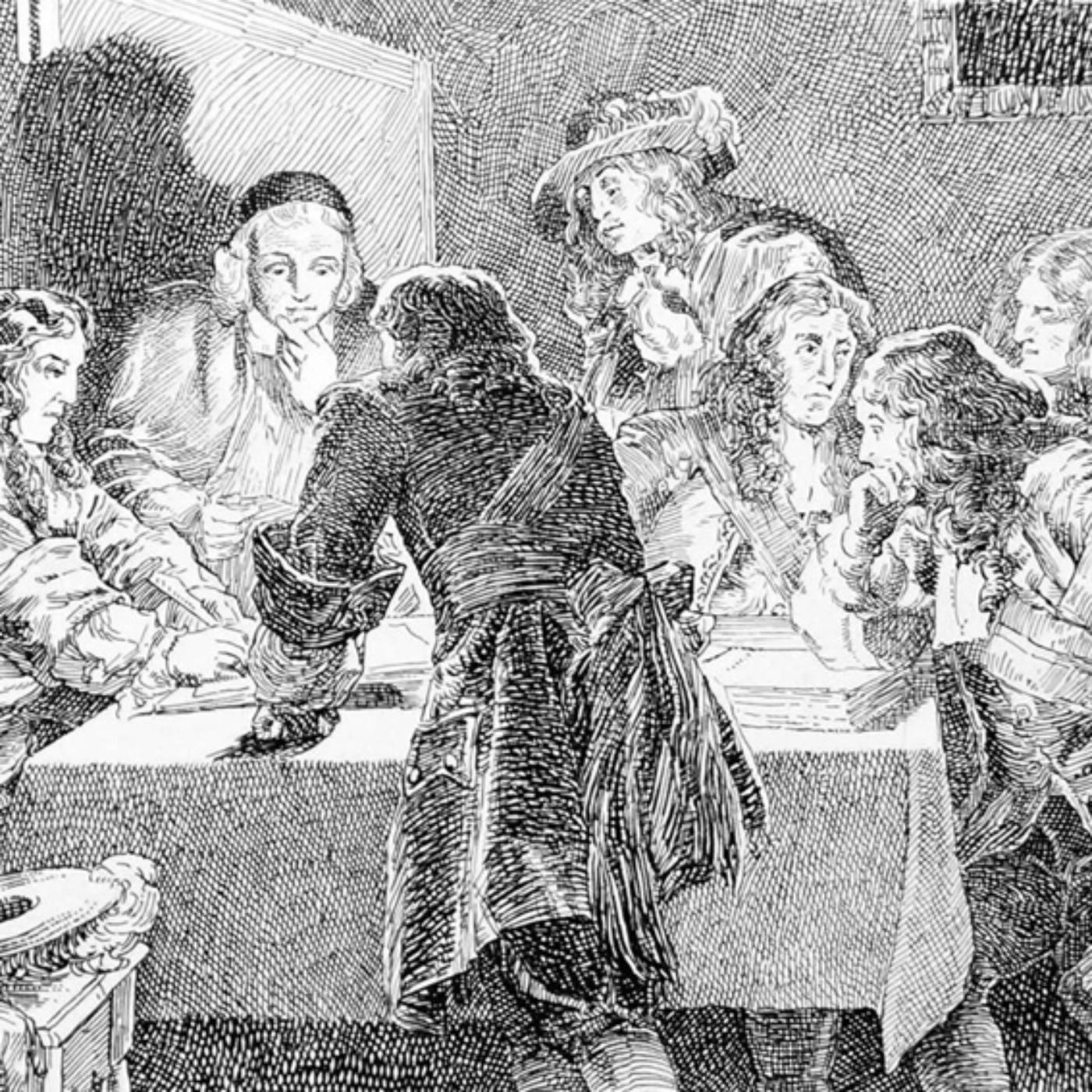
455 The Immortal Seven
The very same day that the Seven Bishops were acquitted, another seven men met at a secret meeting, and together composed as letter. The ex-admiral, Arthur Herbert, smuggled it to the Netherlands, to present it to William of Orange. The Immortal Seven had sent William the invitation he needed.For maps, resources, transcripts or to become a member, head for https://thehistoryofengland.co.uk. (Pleas
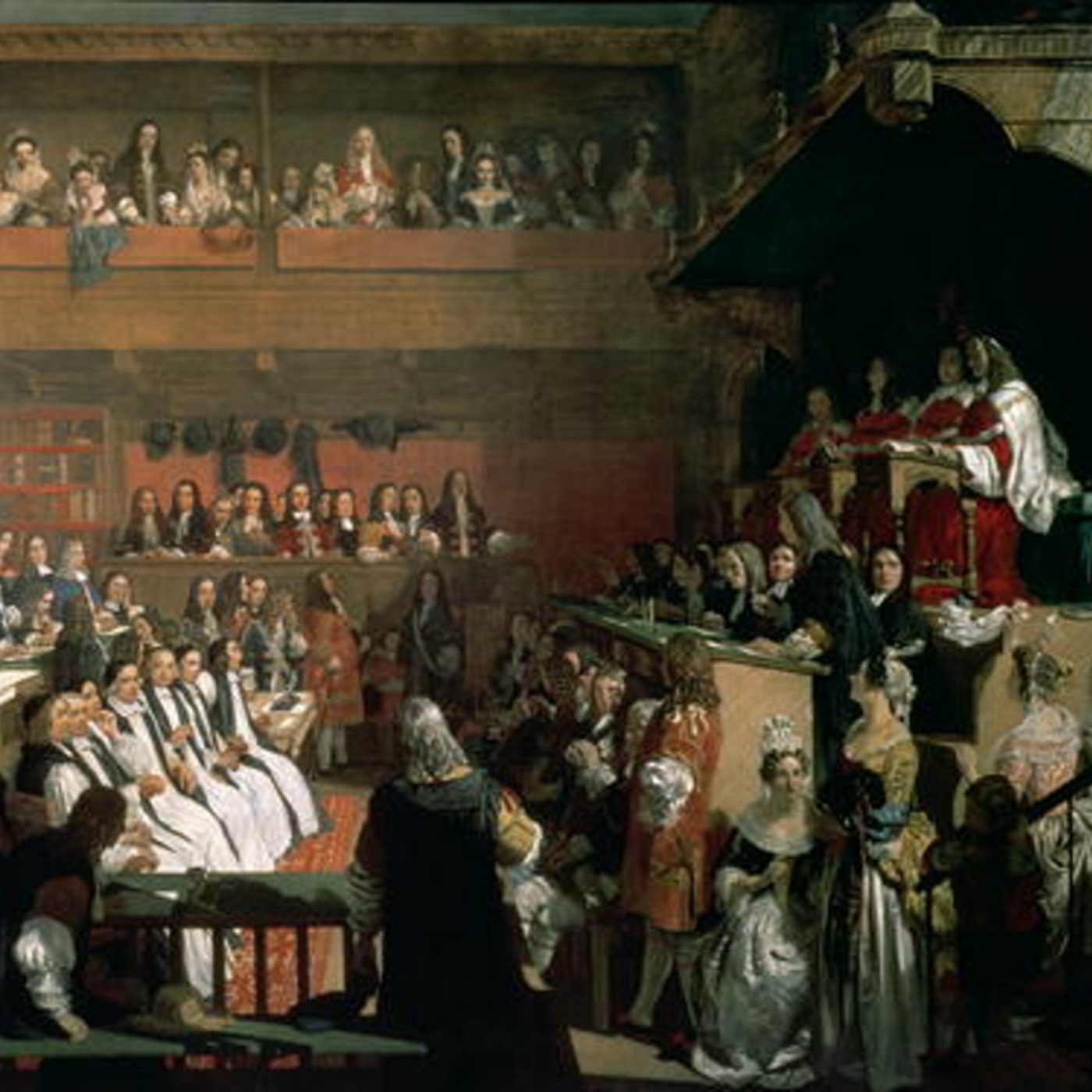
454 Trial of the Seven Bishops
Full of confidence at his progress, in 1688 James decided he would suffer no more equivocation from the Church of England. The Indulgence was re-issued, this time with a command that it be read by every priest from every pulpit - thus aligning them with a policy they detested, making them royal servants. The atmosphere was hot with conflict - and everything was heightened by the news of a birth -
453 Royal Indulgence
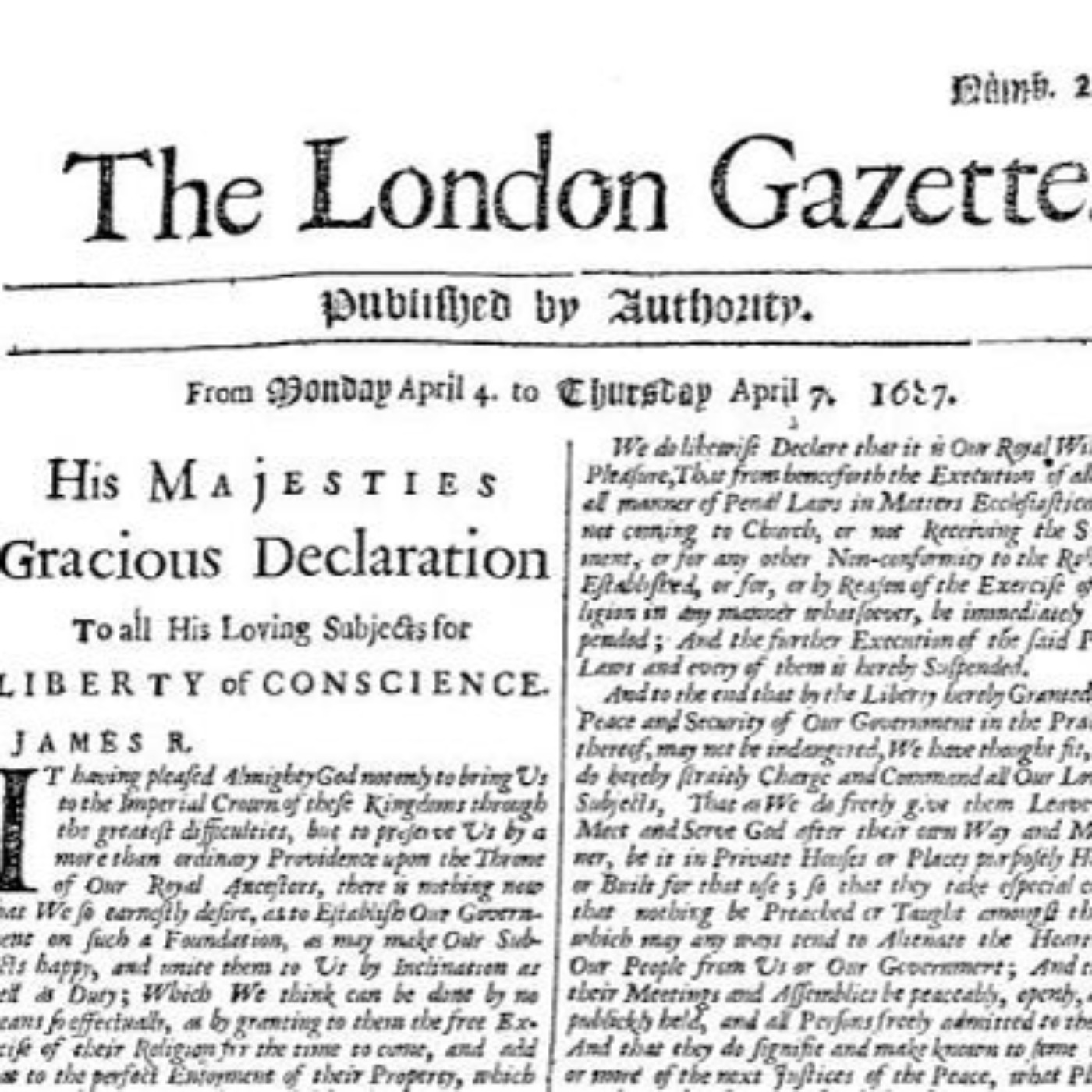
1686 had seen progress for James - but he was puzzled and frustrated by Anglican opposition from the English and Scottish parliaments. 1687 saw a continuation of the old strategy to raise the status of Catholics, and stifle independence of civil and military institutions. But it would also see a new strategy - to bypass parliament, and appeal to Dissenters as well as Catholics.For maps, resou
452 A New Reformation
From a happy start in 1685, James had begun to hit resistance in England to his campaign for Catholic emancipation. In 1686, he planned to accelerate the process. He expected rapid success in Ireland and Scotland, and confidently expected that education, propaganda, and the reality of supreme royal authority would subdue any resistance in England and Wales. For maps, resources, transcri
451 Exodus
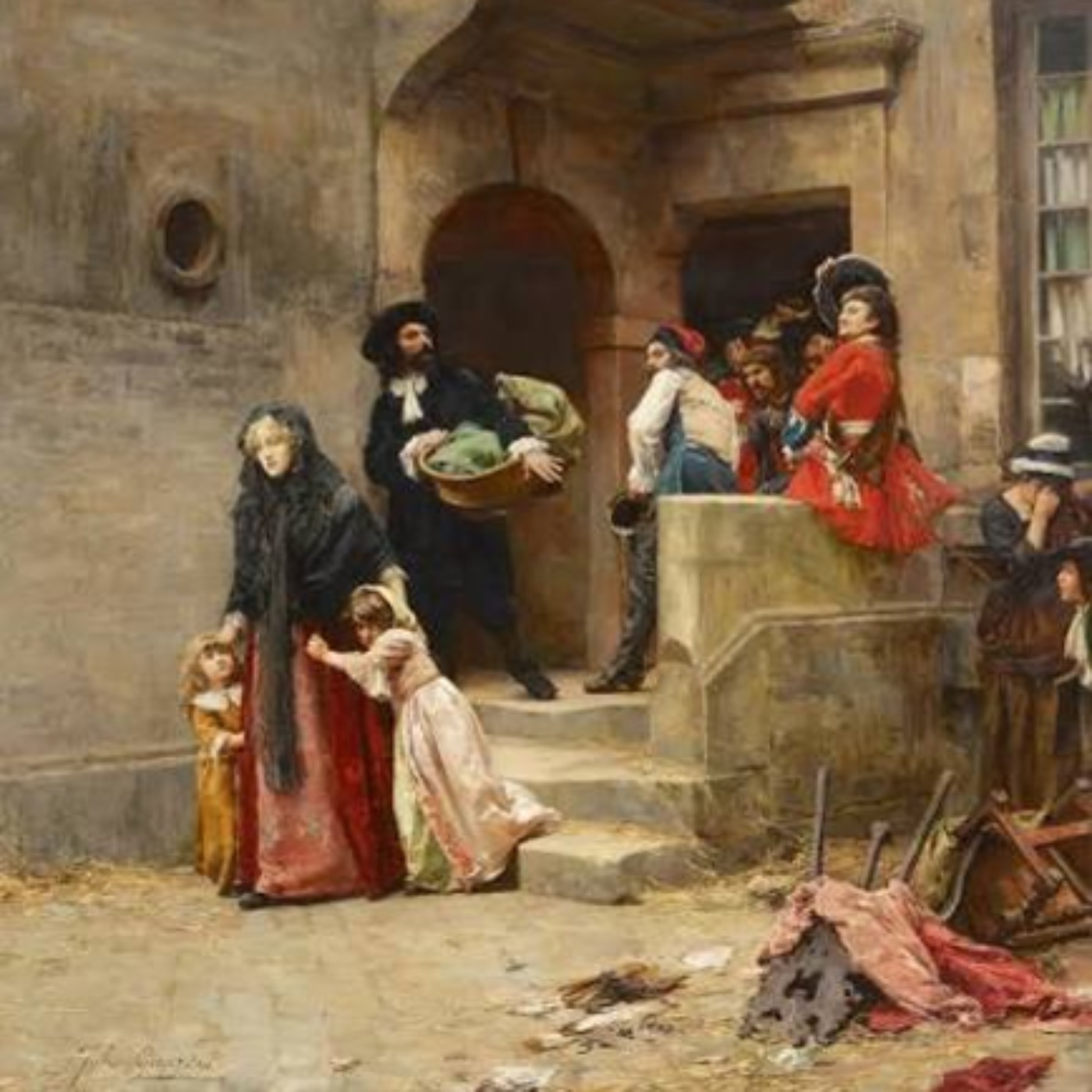
As the English parliament was preparing to sit, news came in of a protestant cataclysm in the making in October 1685, and soon after refugees started arriving with horror stories of persecution. The rumours were confirmed. Louis XIV had revoked the Edict of Nantes which protected 800,000 French Protestants, and made their religion illegal. Nor was this the only matter on the minds of MPs as they a
450 Beat Your Drums
At the parliament on April 1685, Scotland demonstrated how loyal subjects should treat their king - an example which was duly followed by their southern neighbours soon afterwards. Yet despite this enthusiastic reception, within weeks James faced two rebellions. In Western Scotland the Earl of Argyl raised the fiery cross to summon the clans, and in South West England the Duke of Monmouth was join
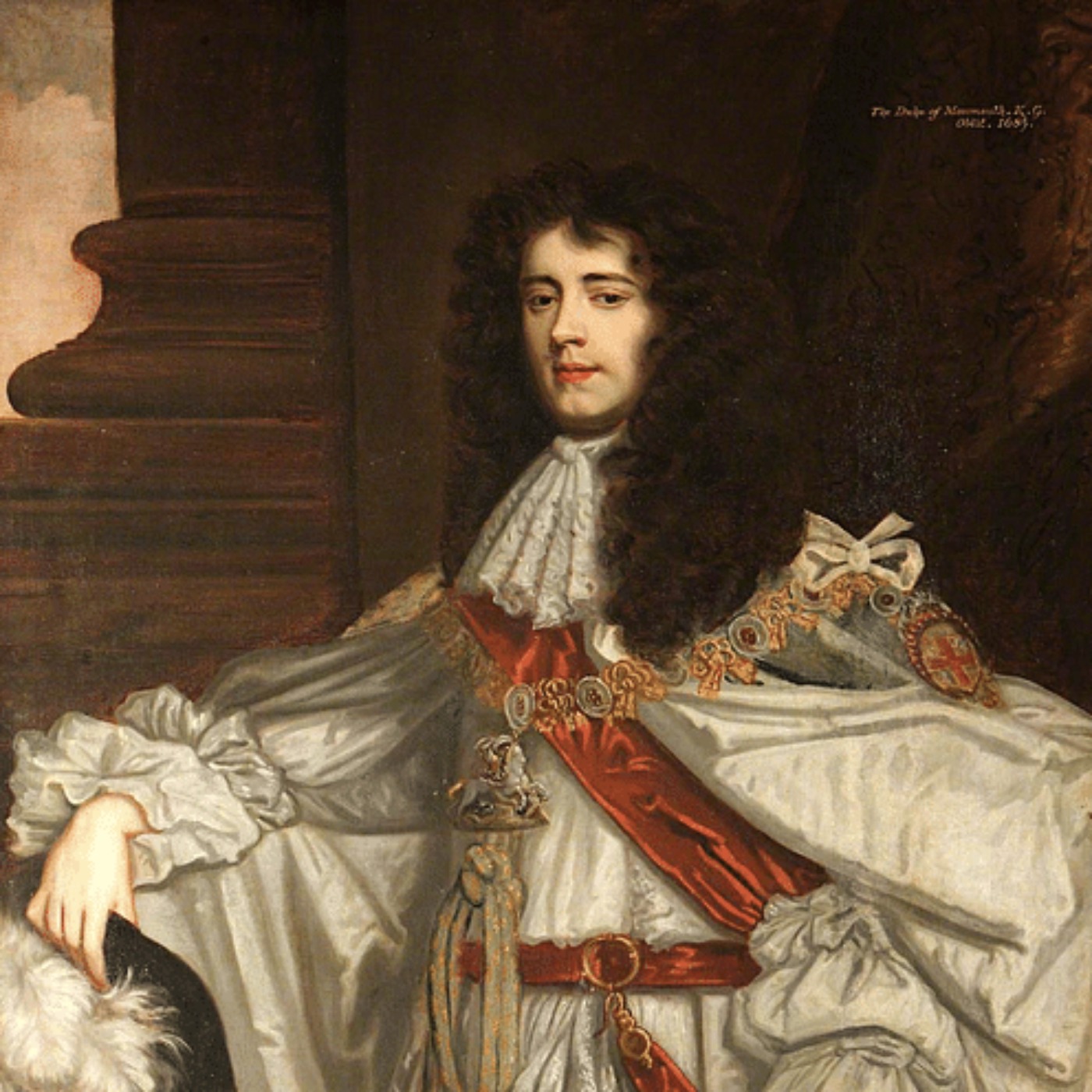
449 King James II of Great Britain
The reign of James II and the Glorious Revolution was a central part of the national story built by Whig historians. But since the 20th century the picture has been heavily revised with new perspectives, such as the view from all three kingdoms, a more nuanced view of James and his intentions, criticisms of the idea of a bloodless revolution, how much the voice of the people mattered - and was it
AAG 1666-1685 How Merrie is your Monarch?
The Dutch raid on the Medway effectively brought the Second Anglo Dutchto an end, and also the honeymoon period. From 1667 to 1681, Charles sought to play off factions in parliament, to keep his freedom of action, enhance royal power where he could and court the French - their friendship, and bribes. The public announcement of James' catholicism in 1677 became the driving factor in an increasingly
448 Not So Merrie
After dismissing parliament of Oxford in 1681, Charles pursued alliance with the Tories and emasculation of the Whigs and Dissenters at all political levels. He pursued a strategy with determination and consistency he had rarely shown at any other point.For maps, resources, transcripts or to become a member, head for https://thehistoryofengland.co.uk. (Please note the 'the' part!) Hosted on Acast.
English Objects with the Three Ravens
Eleanor and Martin of the Three Ravens podcast and I have one (probably last) walk round some objects that we think make us lie back and think of England. For maps, resources, transcripts or to become a member, head for https://thehistoryofengland.co.uk. (Please note the 'the' part!) Hosted on Acast. See acast.com/privacy for more information.
447 The Exclusion Brouhaha
In 1680 and 1681, Shaftesbury led an increasingly shrill and effective campaign, asppeling to popular opinion to force Charles into calling a new parliament. There he could be forced to learn about the power of the exlusionist movement which could be brought to bear. But Charles would learn a different lesson, and at Oxford in 1681, would start his own campaign.For maps, resources, transcripts or
446 The Popish Plot
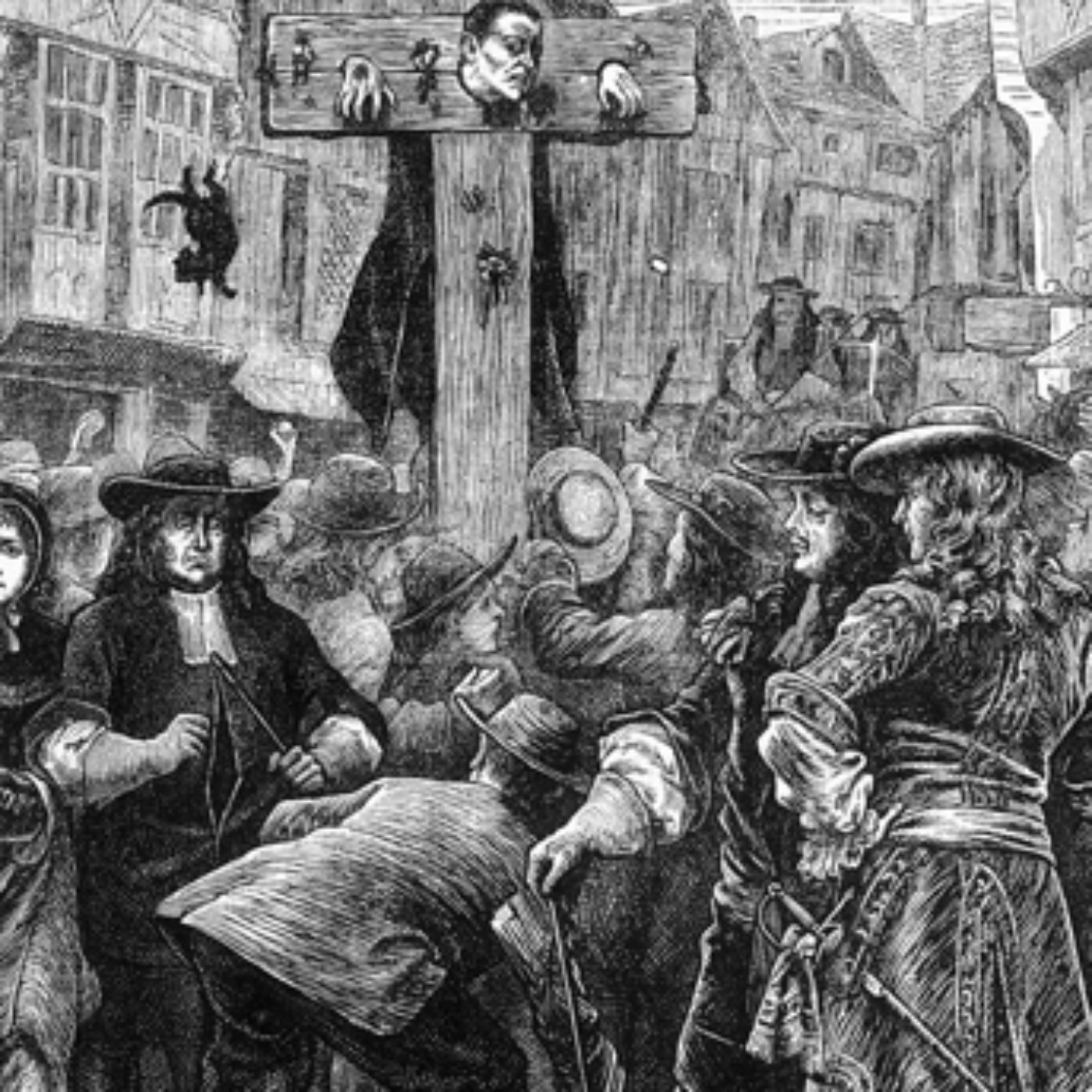
In 1678 a fantasist and charlatan, Titus Oates, made a series of wild and dramatic accusations of a Catholic plot to assasinate the king. A series of extraordinary co-incidences seemed to confirm his accusations, and the public mood became hysterical. The fevered atmosphere gave wings to a new political objective - to exclude James from the succession.For maps, resources, transcripts or to be
445 Carnage
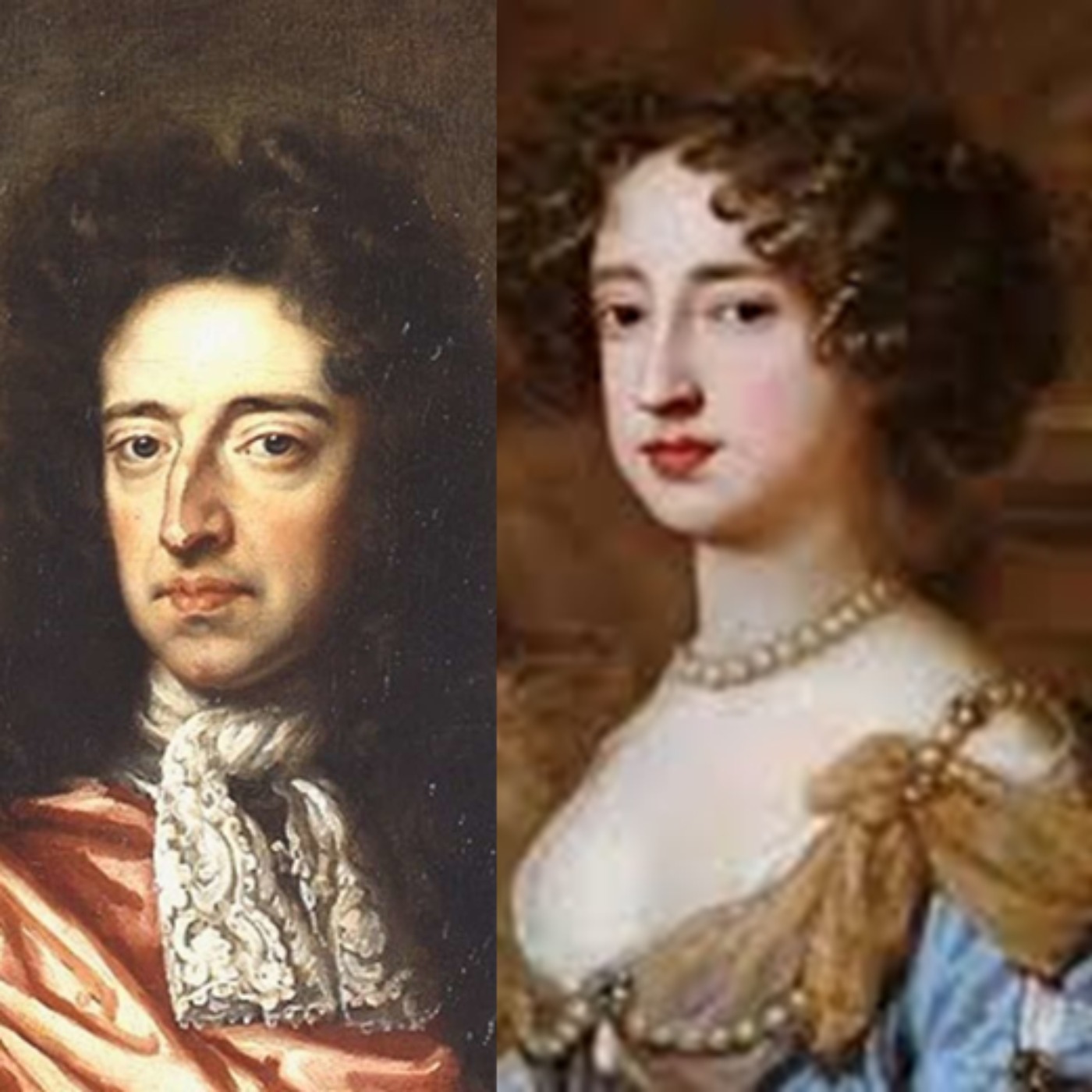
In 1677, Danby finally seemed to have cracked Charles' problem with parliament - until a diplomatic game of will-he-won't-he in the Anglo Dutch war rose to the level of farce, and derailed everything. In the middle of it all - a 15 year old girl was pushed weeping into a highly significant marriage for which she had no wishFor maps, resources, transcripts or to become a member, head for https://th
444 Danby's New Way
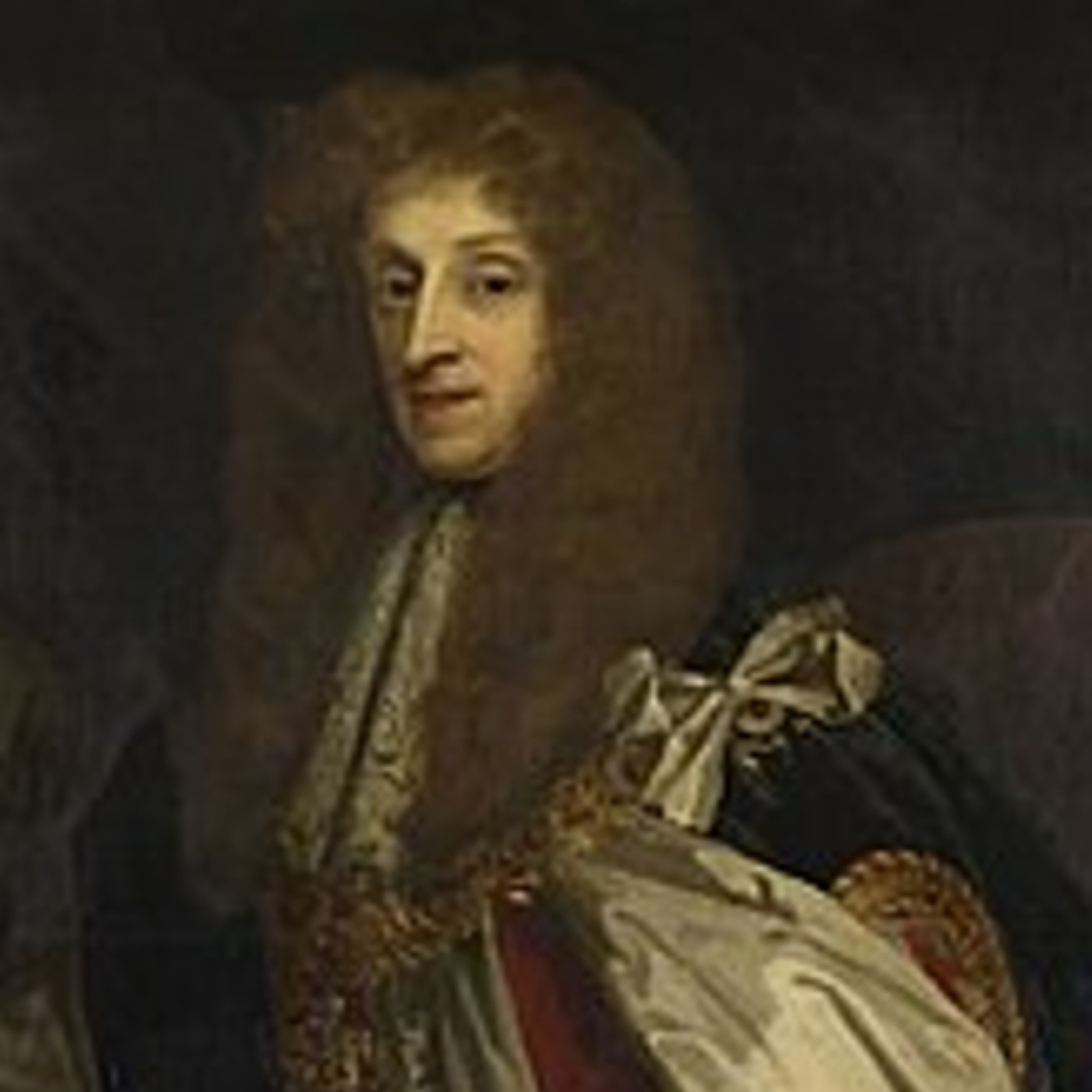
Thomas Osborne, Earl of Danby had a plan as Charles' new 'Prime Minister', to repair the damage from the disastrous Third Anglo Dutch War. To rebuild his master's prestige on the pillars of financial stability, and Anglican alliance, and alliance with the Dutch.For maps, resources, transcripts or to become a member, head for https://thehistoryofengland.co.uk. (Please note the 'the' part!) Hosted o
443 Charles' Great Game
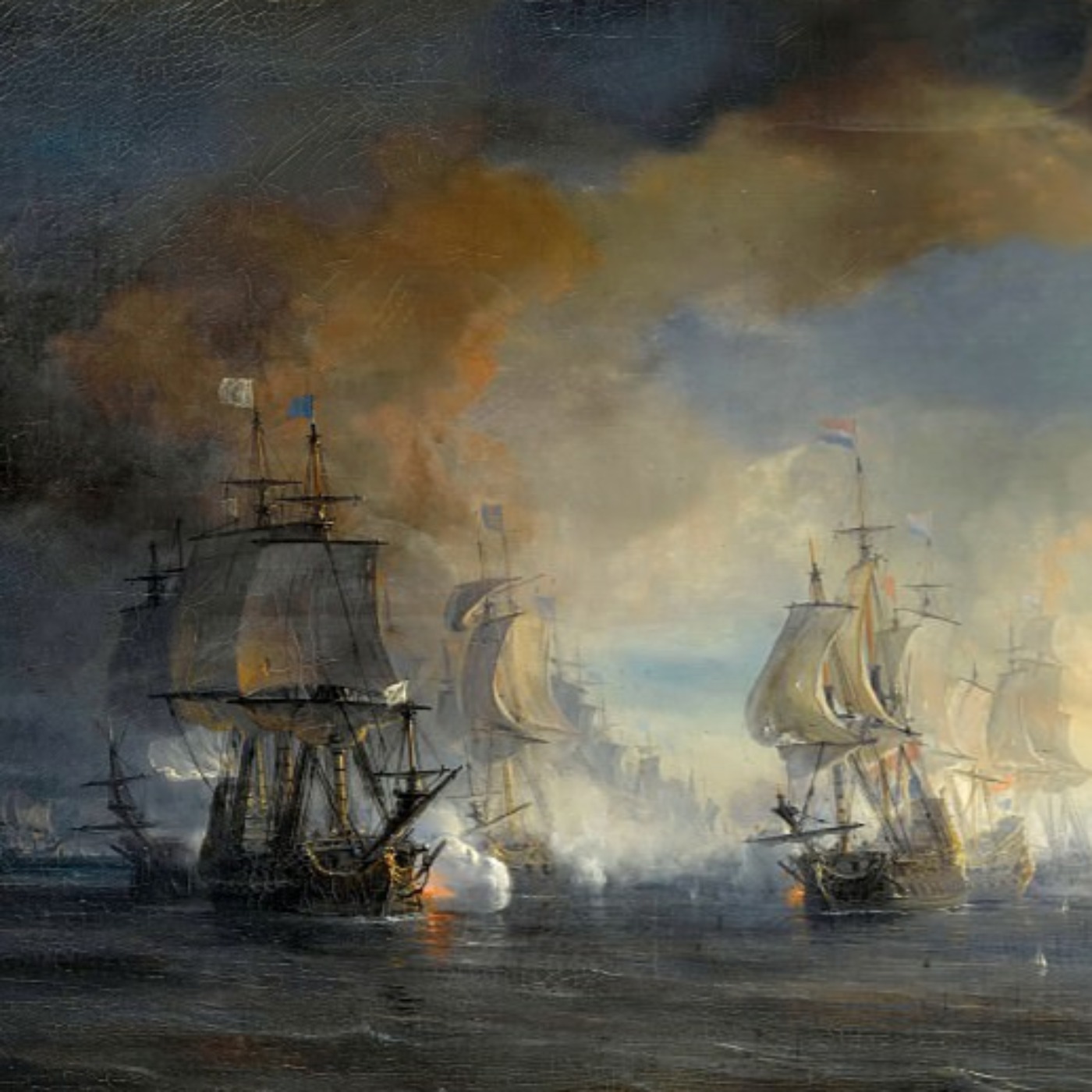
In 1672, Charles sought to put the Treaty of Dover into operation; to join Louis XIV in making war on the Dutch Republic. The plan was to replace de Witt's government with William of Orange as Stadholder, capture key Zealand ports for England, and secure further financial support from Louis. And thus have a free hand with parliament. All that was needed was victory at sea for the Anglo French flee

Roifield and David's Stories of England in 50 Objects
Roifield and David talk about 5stories of England as part of the Very English Chat project, to tell stories of England in 50 objects.‘A very English chat’ works is a wonderful project to escape division and polarisation, and the arid quarrels about flags - to build and celebrate a sense of Englishness, as part of a build up to England's national day, St George's Day on 23rd April. We are all invit
442 The Treaty of Dover
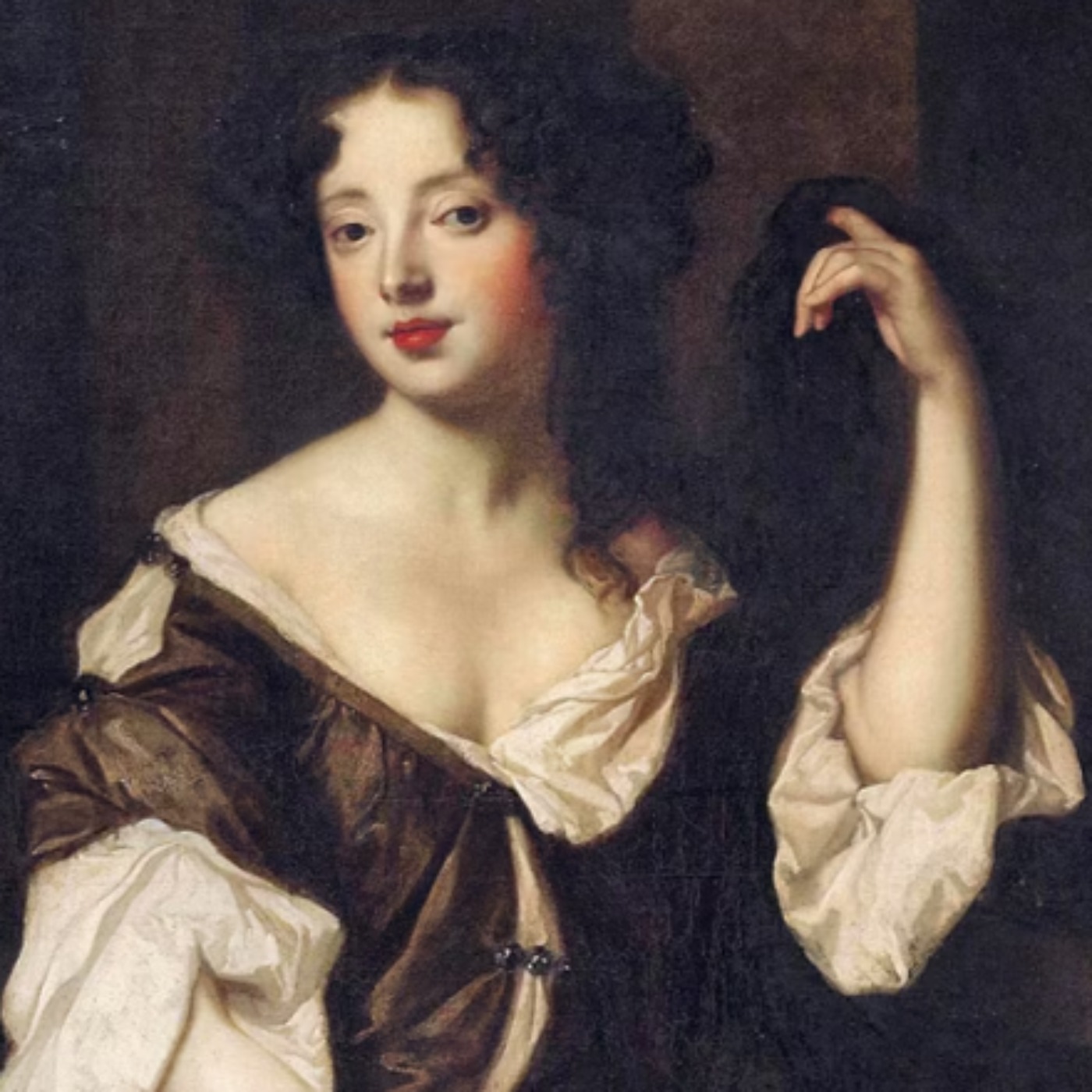
After a half an episode on the really important stuff - Nell Gwyn, Aphra Behn and Restoration theatre, we reach possibly the most remarkable treaty any British monarch has made, ever. The Treaty of Dover. For maps, resources, transcripts or to become a member, head for https://thehistoryofengland.co.uk. (Please note the 'the' part!) Hosted on Acast. See acast.com/privacy for more inform
441 The Duellist
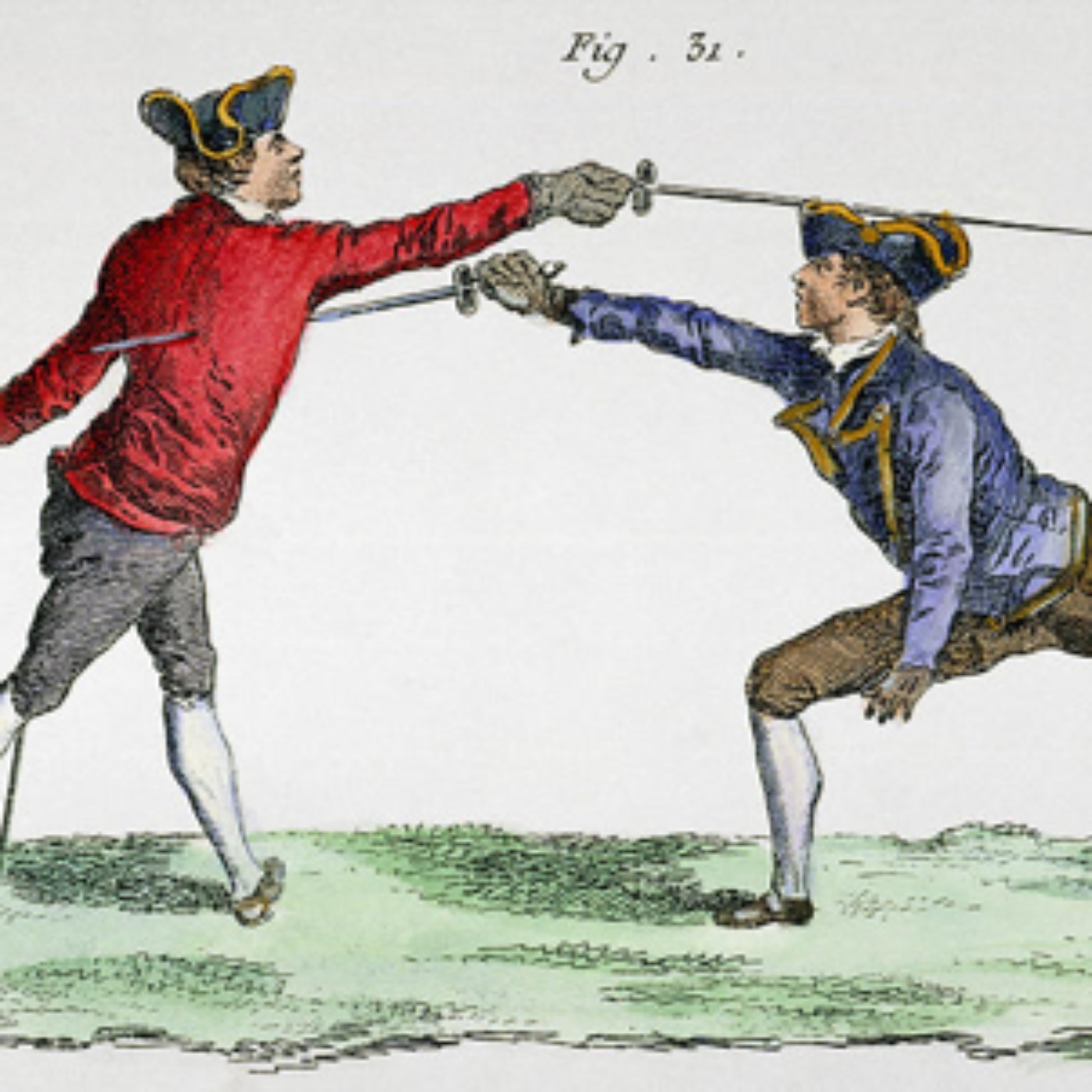
1667 had not been a great year for Charles, with the humiliation at the Medway, and his pro French strategy in ruins. So he needed a scapegoat, and he needed to re-assert the primacy of the Royal Prerogative.For maps, resources, transcripts or to become a member, head for https://thehistoryofengland.co.uk. (Please note the 'the' part!) Hosted on Acast. See acast.com/privacy for more information.
The Rage of Party with George Owers
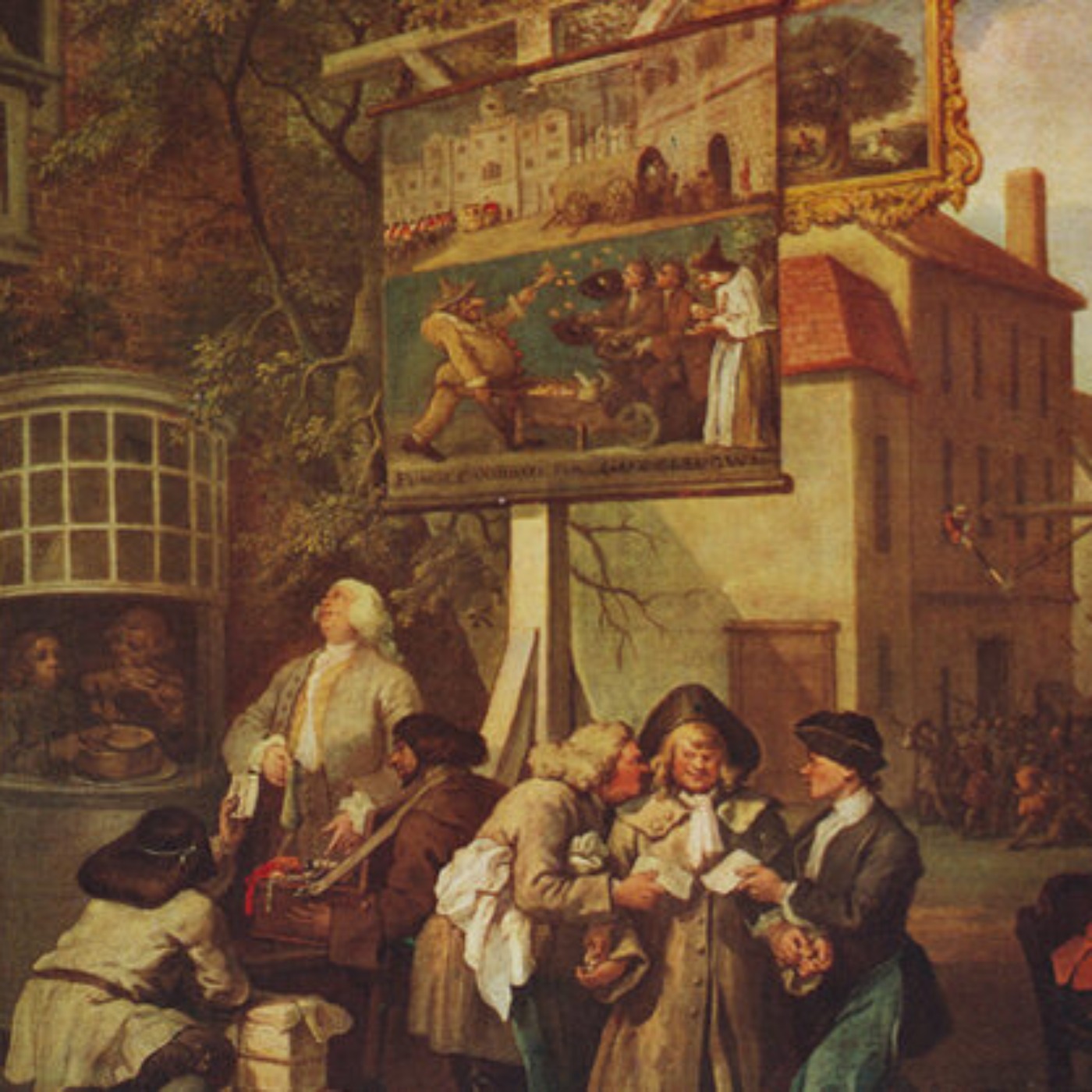
The period from 1670 to 1714 is a period of astounding and dramatic change; the Exclusion crisis, the Glorious Revolution, years of war, the formation of Geat Britain - and the birth of sulphurous party politics. George Owers has written a book on it - and he talks to me about the period For maps, resources, transcripts or to become a member, head for https://thehistoryofengland.co.uk. (
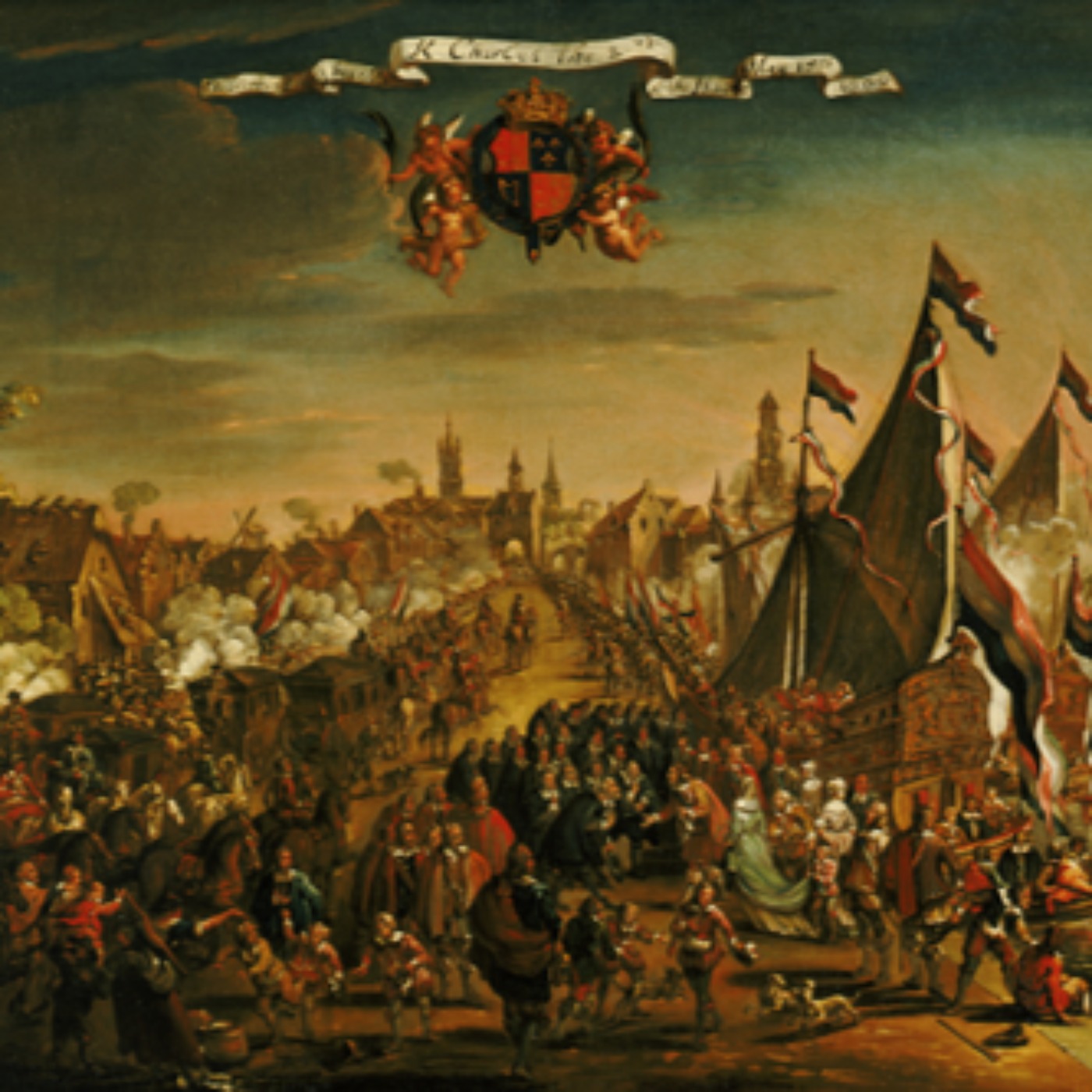
AAG 1660-1666 Restoration
The settlements following the Restoration didn't turn out exactly as the Three Kingdoms or indeed Charles imagined, but nonetheless for the moment king and his parliaments were in a honeymoon period. Soon to be challenged by Plague, Fire and War.For maps, resources, transcripts or to become a member, head for https://thehistoryofengland.co.uk. (Please note the 'the' part!) Hosted on Acast. Se
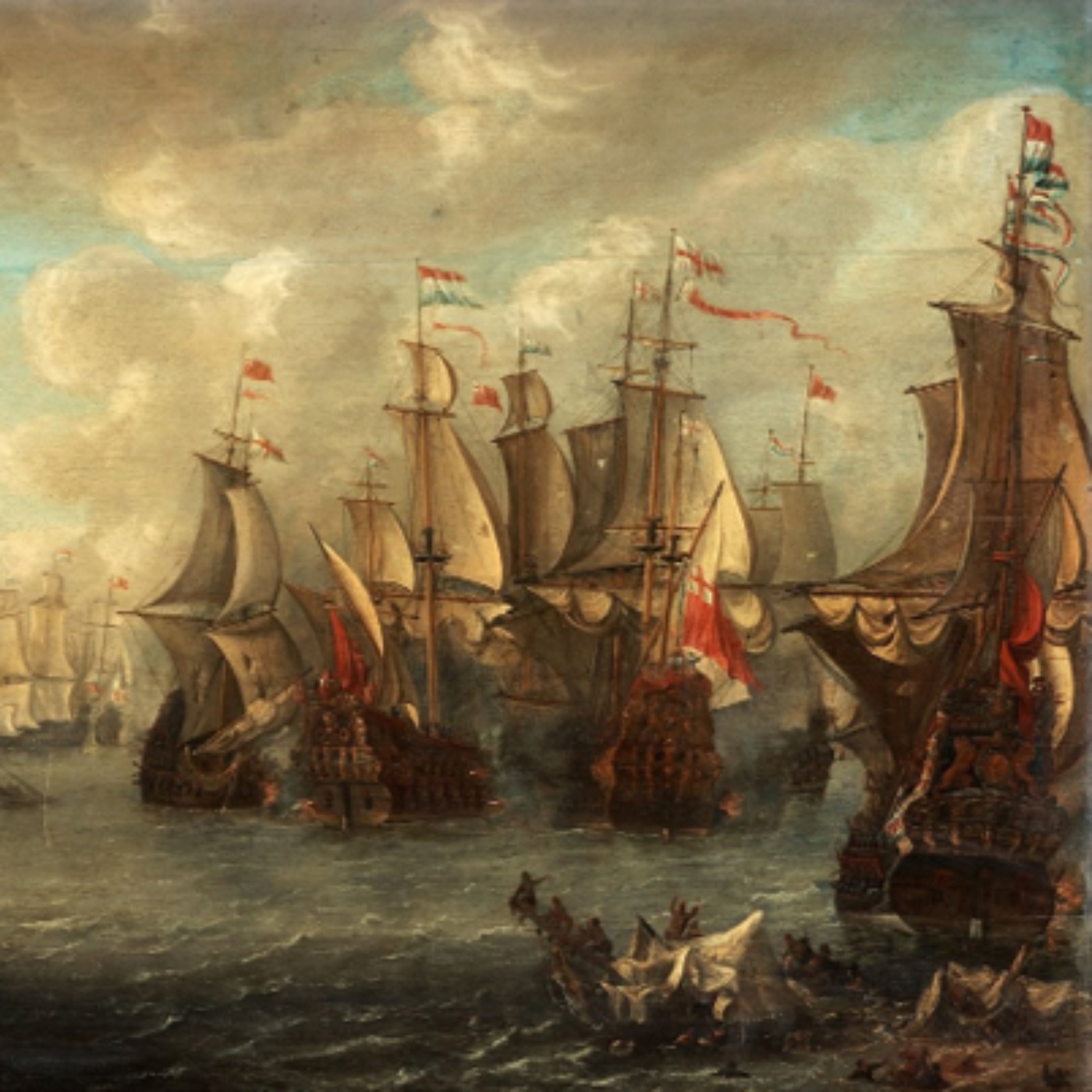
440 The Kingdom is Undone
In the wake of the Great Fire, Charles worked with parliament to prepare for the 1667 campaigning season in the Second Anglo Dutch war. But there was a problem, and the problem was money. In the end a plan was hatched to ride out the year, while a treaty was negotiated. And it seemed to be working.For maps, resources, transcripts or to become a member, head for https://thehistoryofengland.co.uk. (
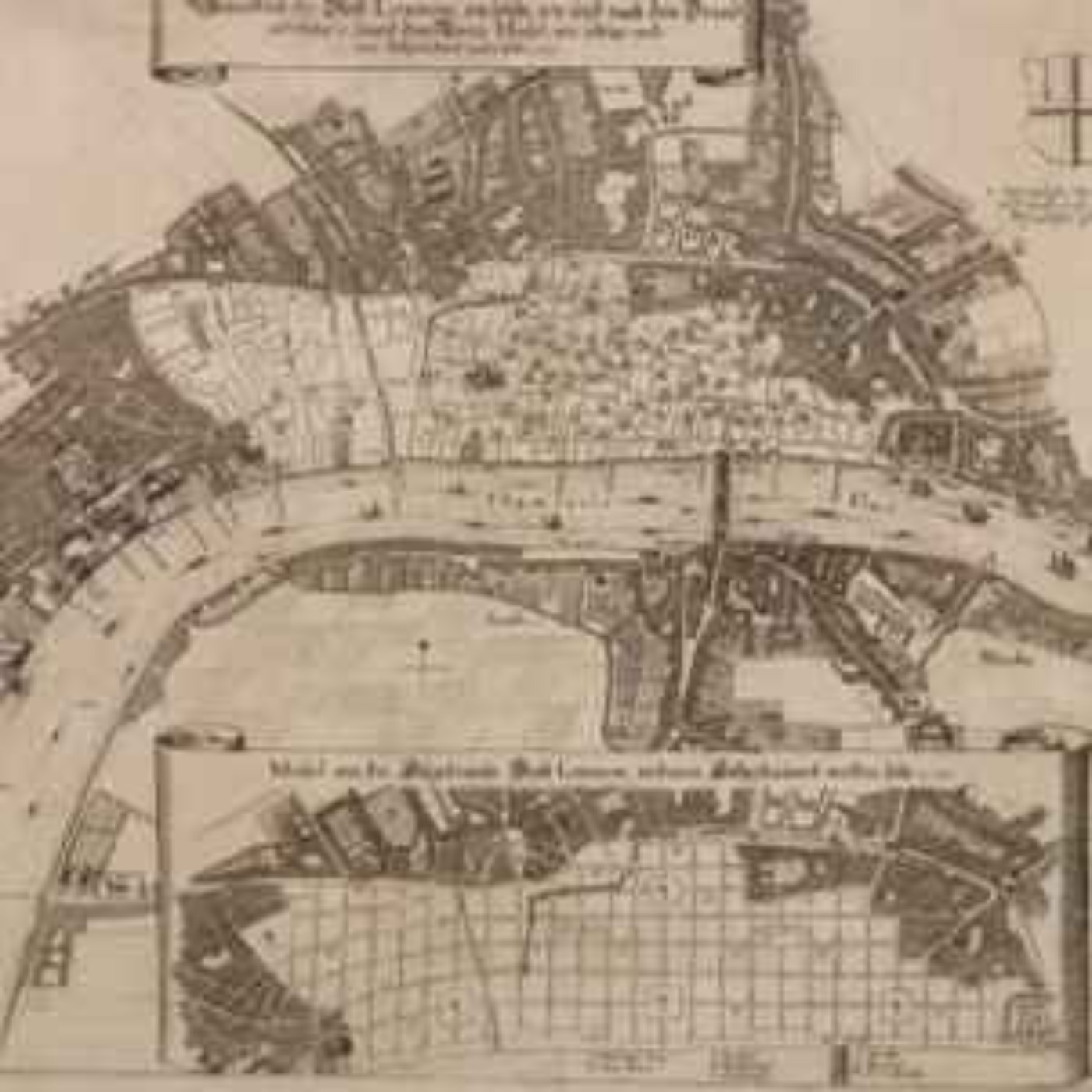
439 London Reborn
'Where there's muck, there's brass', and that was certainly the case with rebuilding London from the mess of ash and rubble that remained. And developers like Nicholas Barbon knew how to make as much brass as possible, and as fast as possible. For maps, resources, transcripts or to become a member, head for https://thehistoryofengland.co.uk. (Please note the 'the' part!) Hosted on Acast. See
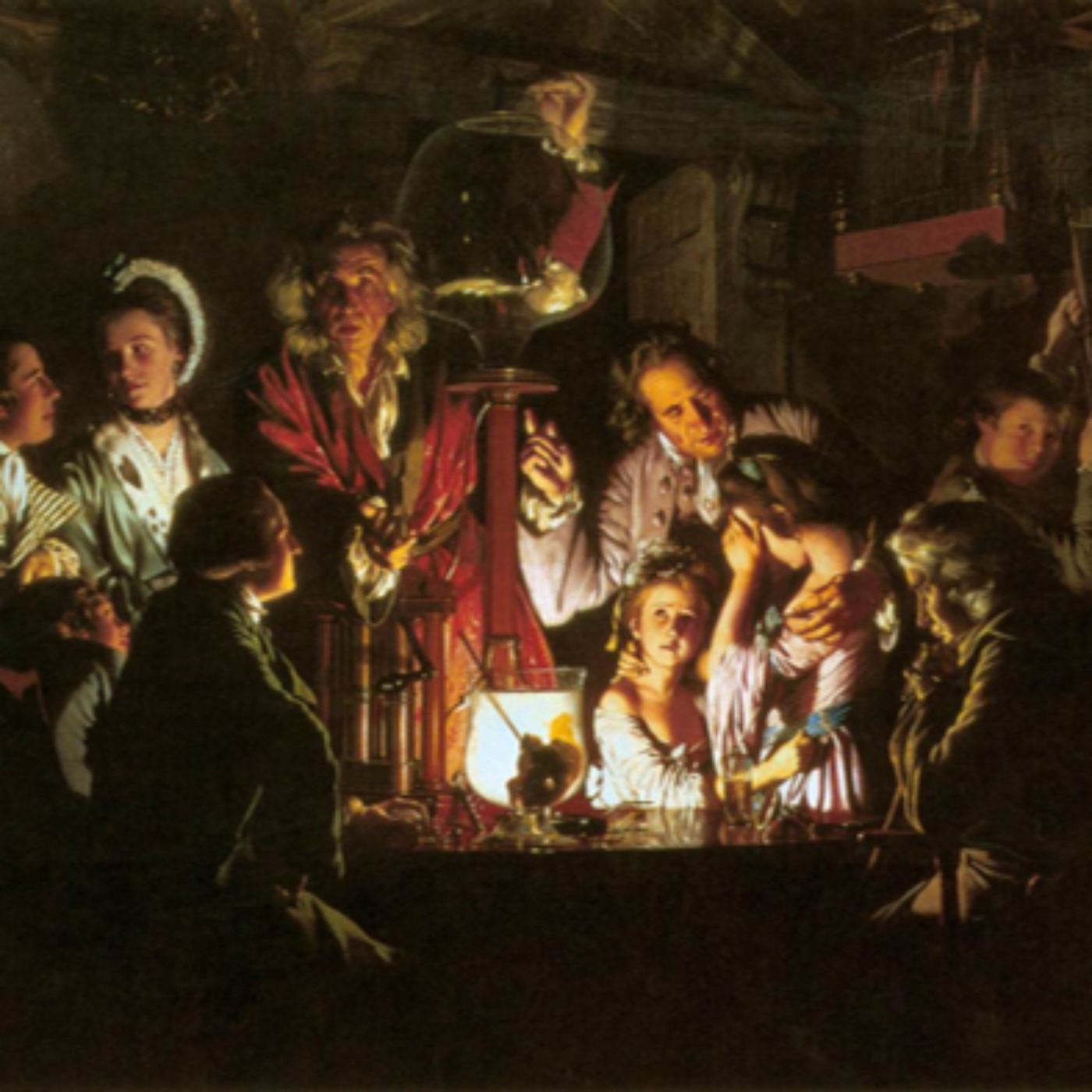
Crucible of Modernity with Dr Jeevun Sandher, MP
Jeevun Sandher and I discuss some highlights from the story of how England and Britain made itself into a modern democracy, and some of the contribution it made towards the development of the modern worldFor maps, resources, transcripts or to become a member, head for https://thehistoryofengland.co.uk. (Please note the 'the' part!) Hosted on Acast. See acast.com/privacy for more information.
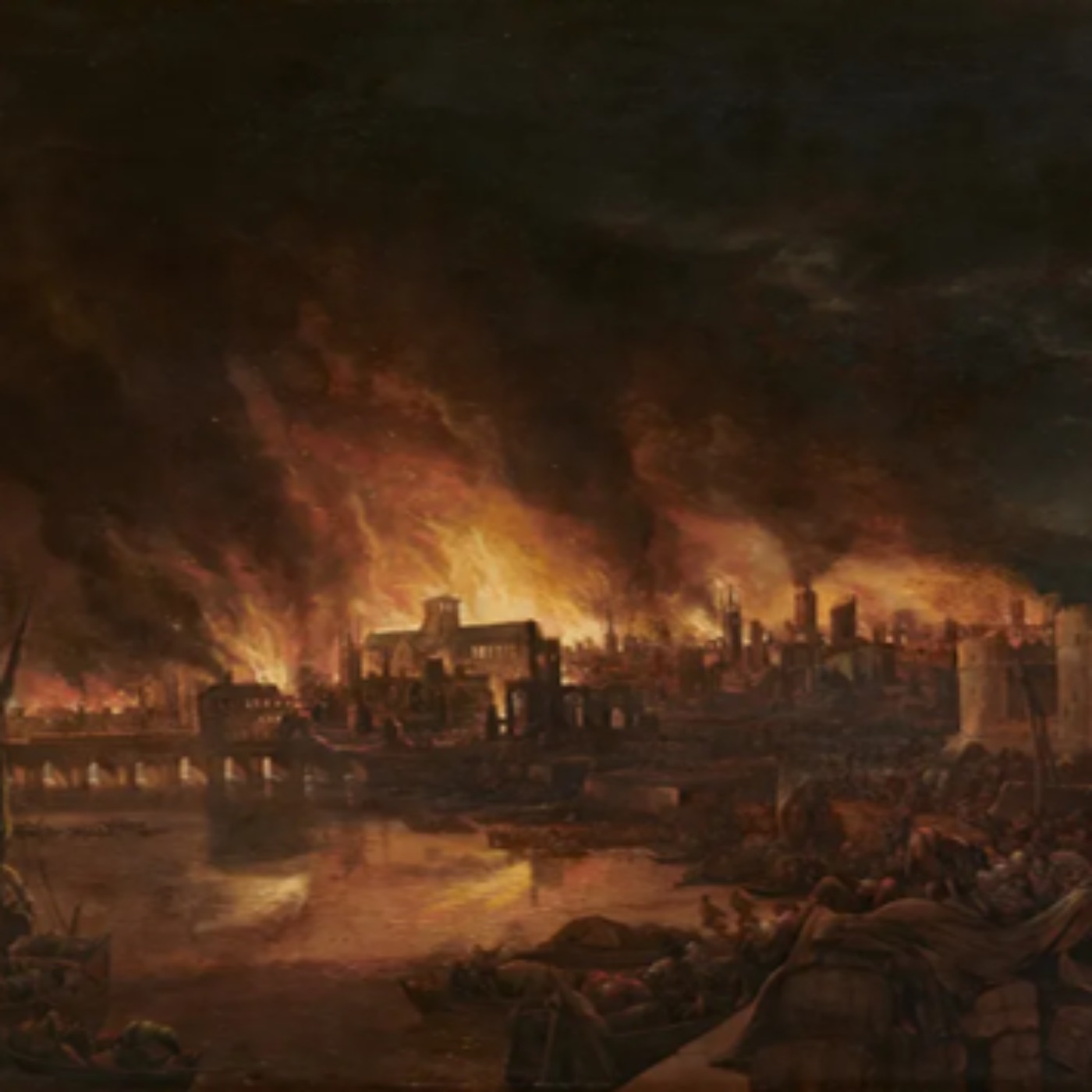
438 Burned to Sticks
The war with The Netherlands in 1665 ended on a low, with the Thames blockaded. Poor London - trade was devastated by war, trade was devastated by plague. Hopefully 1666 would be better, as the royal court rumbled back into town. Money was short, but still a fleet was sent out into the Channel, as the good people of London started to rebuild their lives and their businesses. Nothing could be as ba
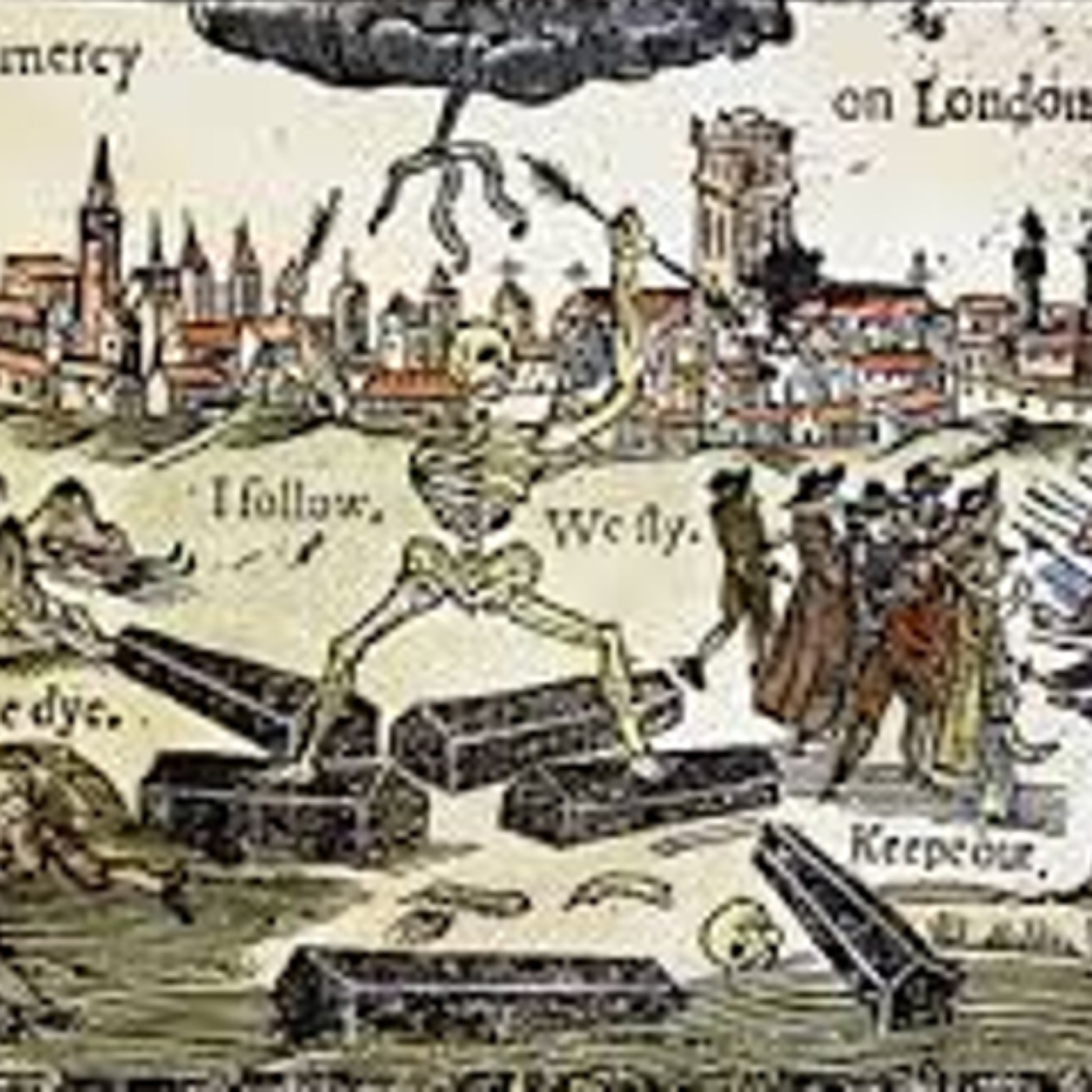
437 The Pale Horseman
In May 1665, worrying reports of plague cases crop up inside the walls of London; by June the summer heat was oppressive and it became clear - the plague had returned. Charles and his court left to terrorise Oxford while Londoners died; in plague-stricken Eyam, the villagers cut themselves off to protect their neighboursFor maps, resources, transcripts or to become a member, head for https://

436 Three Horsemen
It is possible that Charles and his Privy Council didn't necessarily want war - certainly Clarendon did not; but they were prepared to rattle the sabre and man the brink to try and force trade consessions which some unprovoked acts of agression.But they allowed themselves to be diplomatically isolated, and Johan de Witt was not scared - he had the world's most powerful navy, pots of money, and a F
School for Scandal by Gavin Whitehead
Gavin Whitehead of the Art of Crime Podcast tells us the story of the art historian, soviet spy and traitor - Anthony BluntFor maps, resources, transcripts or to become a member, head for https://thehistoryofengland.co.uk. (Please note the 'the' part!) Hosted on Acast. See acast.com/privacy for more information.

435 The Anglican Tyranny
In 1661 fresh elections brought together another Long Parliament. This, the Cavalier parliament, would sit, off and on, for 18 years. It was not inspired by a spirit of compromise. The programme they introduced tried very hard to squish the horrid innovations of the revolutionary period back into the bottle, and search for the uniformity and 'natural' order of things that seemed to have been lost.
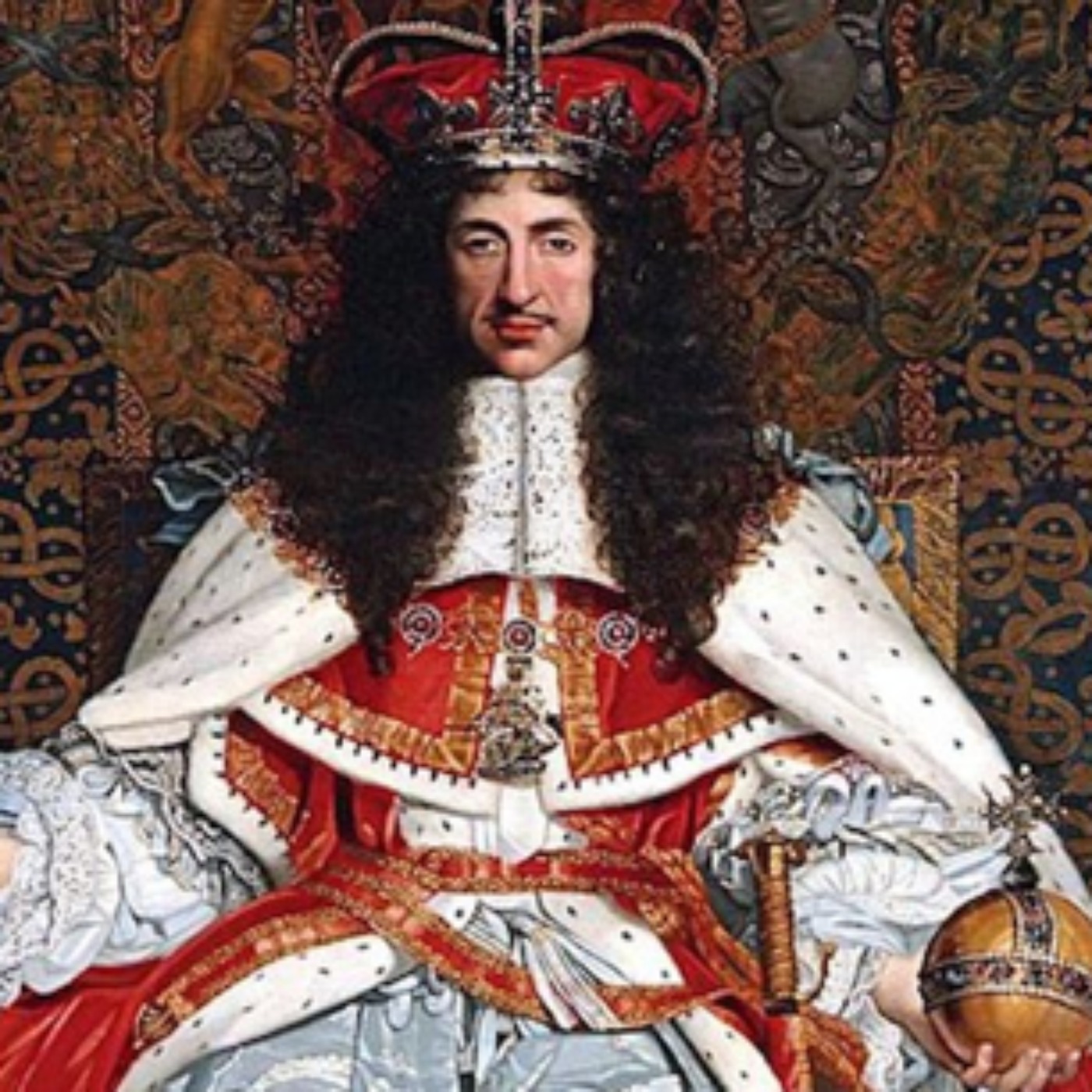
434 Return of the King
In 1660 the King returned and immediately sought to rebuild the damaged prestige of the Crown. And in popular memory, Charles II's reputation has been among the best - the Merrie Monarch, a polymath and breath of fresh air that brought back the joy. The episode covers the king's return, his character and historical reputation - and the Restoration settlement in Ireland and Scotland.For maps, resou
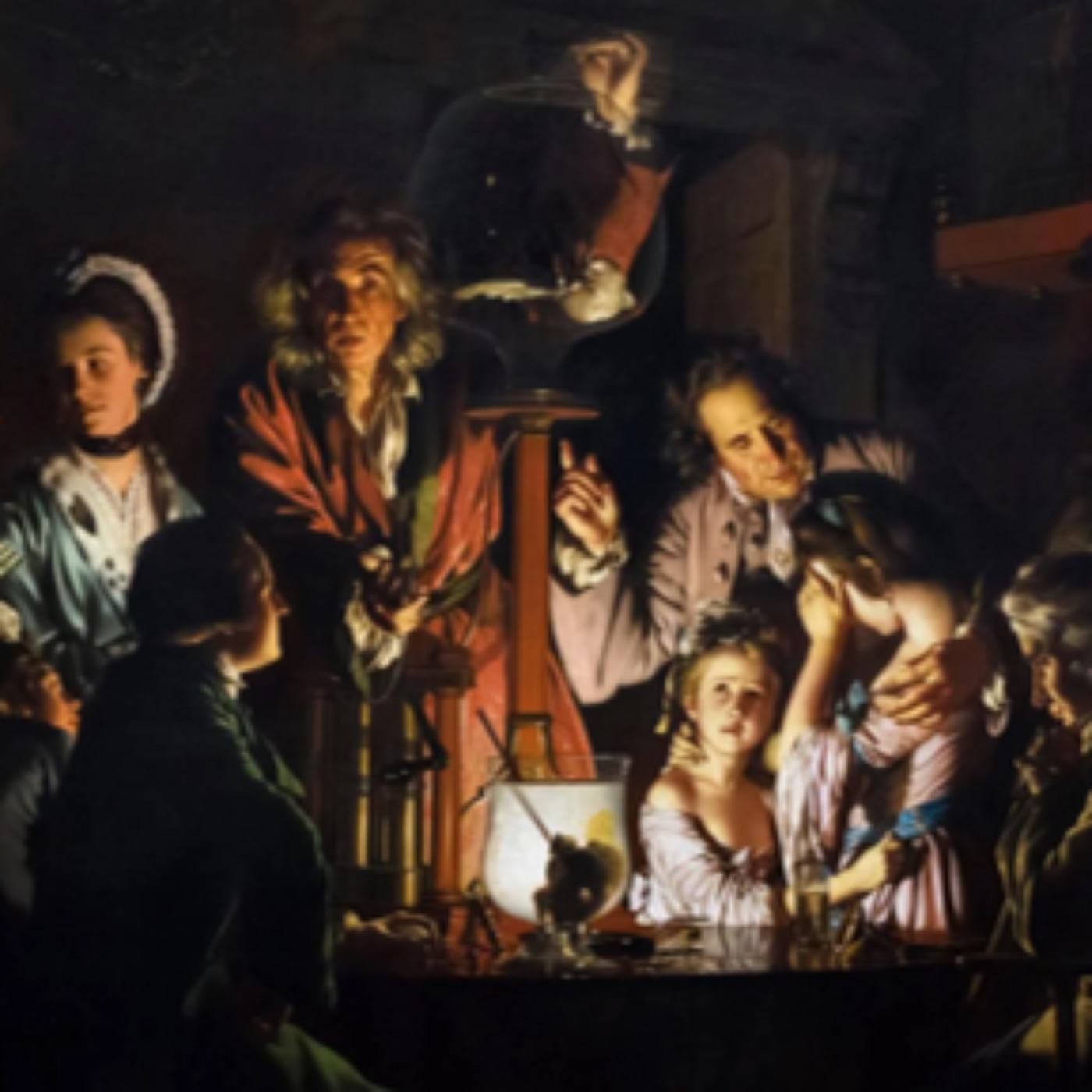
433 9.1 Restoration, Revolution and the English Enlightenment
In this first episode of Series 9, a a chance to talk about some of the themes which will drive our period of 1660 to 1715. The continuing role of religion in politics, the Rage of Parties, the varying fortunes and influences of the Three Kingdoms, the growing involvement of Britain in European conflict. But most of all a growing transformation of society, the age of improvement, the 'crucible&nbs
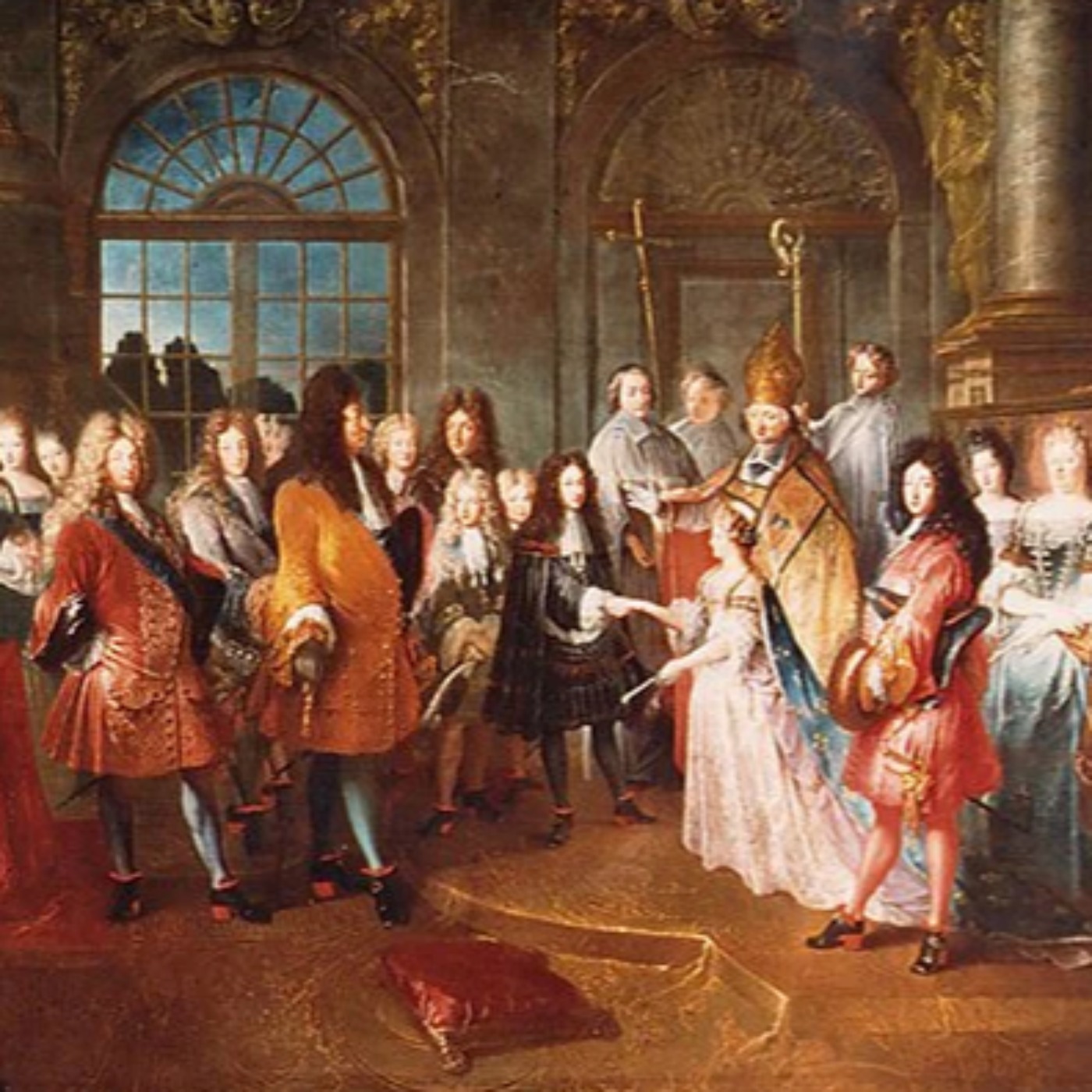
432b Europe XIII The Age of the Sun King Pt II
Throughout Europe, nations made sweeping social changes, driven the demands of war, the ideas of Absolutism and the growing belief in reason and improvement. This is the age of many of the great names of European history - Louis the Sun King, Peter the Great. It saw the ending of Spanish hegemony- and start of the French. And so - here it is, in this episode, a whistle stop tour of monar
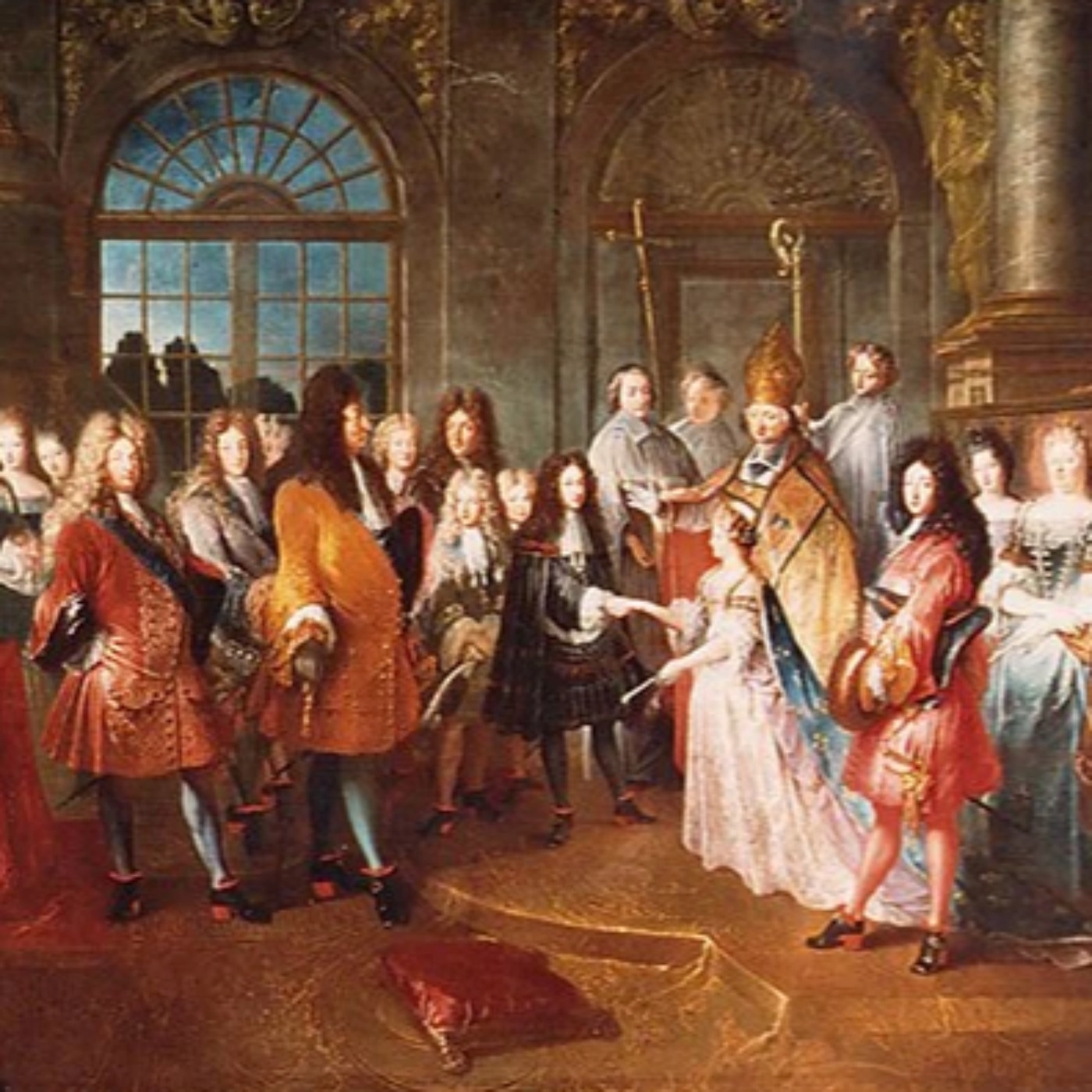
432a Europe XIII The Age of the Sun King Pt I
Late 17th century and the 18th century Europe was dominated by French culture, wealth, and military exploits. In the first of two epiosdes on the period between 1660 and 1715 (ish), we consider emerging themes in religion, colonialisation, trade - and the Age of ReasonFor maps, resources, transcripts or to become a member, head for https://thehistoryofengland.co.uk. (Please note the 'the' part!) H
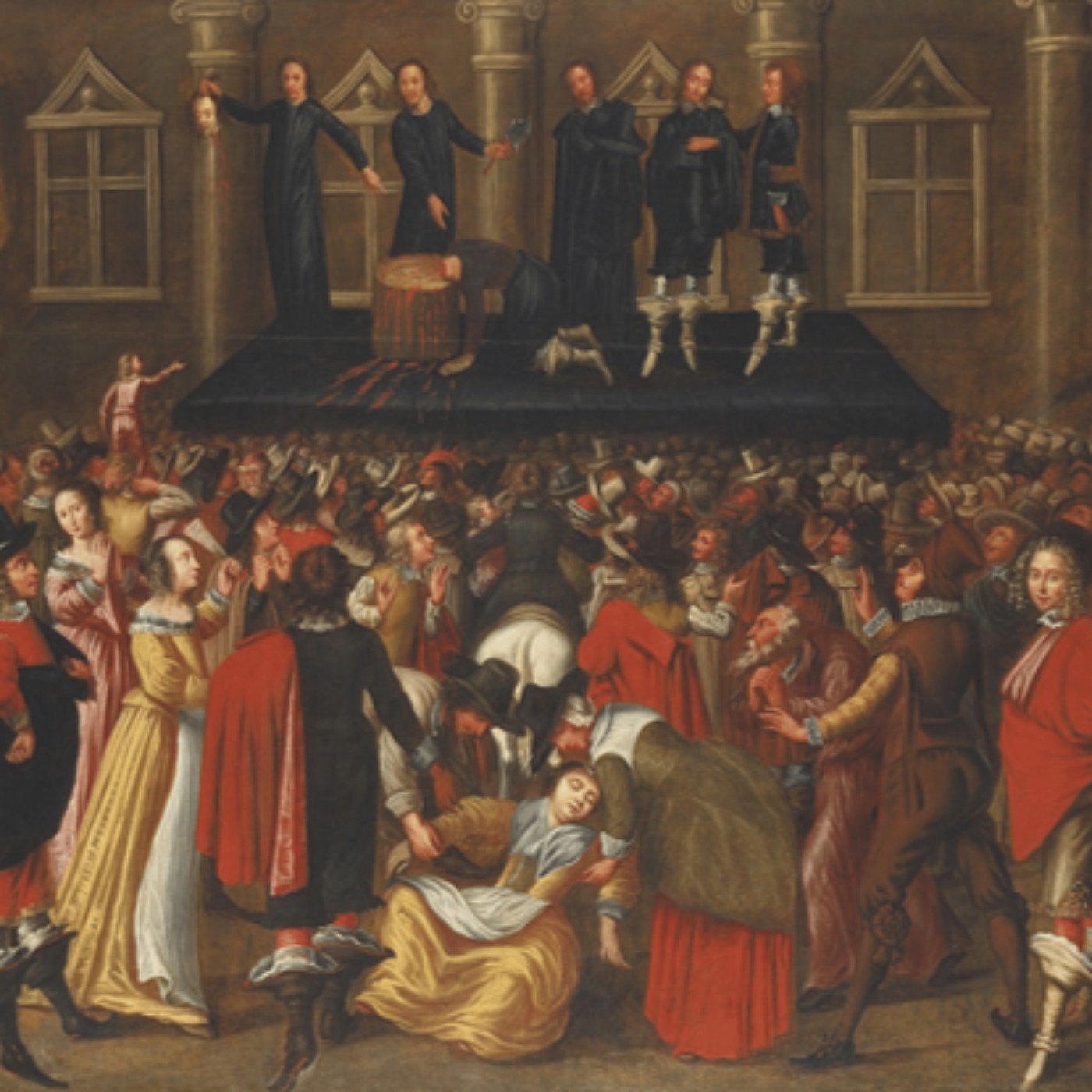
French and English Revolutions Q&A Part II
Part II of the Q&A where Will Clark of The French Revolution & Napoleon Podcast and I compare and contrast the French and English Revolutions and try to answer all your questionsFor maps, resources, transcripts or to become a member, head for https://thehistoryofengland.co.uk. (Please note the 'the' part!) Hosted on Acast. See acast.com/privacy for more information.
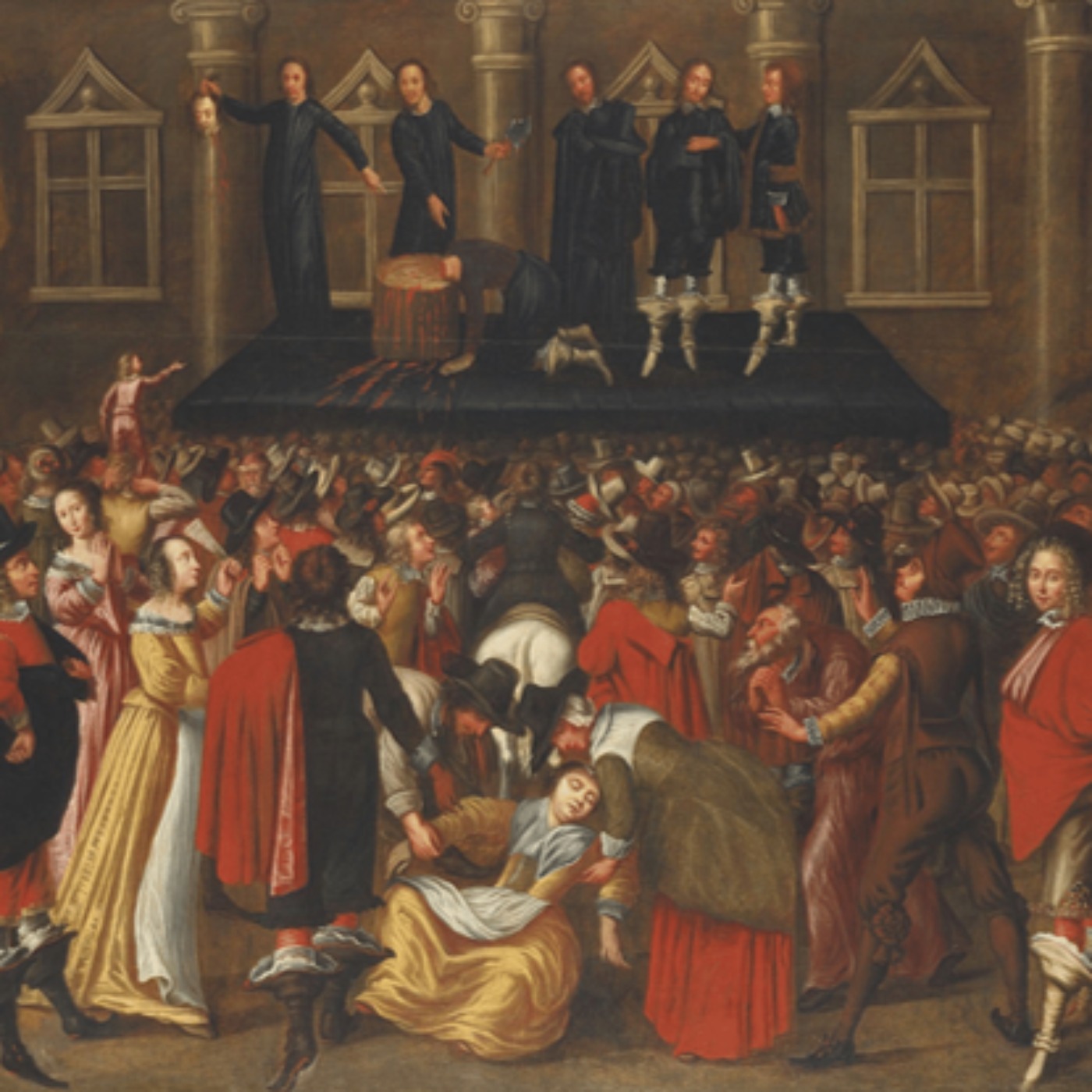
French and English Revolutions Q&A Part I
Will Clark of The French Revolution & Napoleon Podcast and I compare and contrast the French and English Revolutions and try to answer all your questionsFor maps, resources, transcripts or to become a member, head for https://thehistoryofengland.co.uk. (Please note the 'the' part!) Hosted on Acast. See acast.com/privacy for more information.
The Greatest Welsh Ruler: Episode 2 (1066-1415)
Welcome to our search for the Greatest Ruler of Wales. In these two Podcasts, Stephen aims to introduce some of the leaders who shaped Medieval Welsh History. Along the way, We’ll give a very succinct survey of the history of Roman and Medieval Wales.In this episode, we cover the period from 1066 10 1415, and rulers Owain ap Gruffudd (Owain Gwynedd), Rhys ap Gruffydd, Gwenllian ferc
The Greatest Welsh Ruler: Episode 1 (350 to 1063)
Welcome to our search for the Greatest Ruler of Wales. In these two Podcasts, Stephen aims to introduce some of the leaders who shaped Medieval Welsh History. Along the way, We’ll give a very succinct survey of the history of Roman and Medieval Wales.In this episode, we cover the period from 250 AD, to 1066, and rulers Macsn Wledig, Cunedda, Cadwallon ap Cadfan, Rhodri Mawr, Hywel Dda, ‘
When Theatre Refused to Die by Philip Rowe
Philip of the History of European Theatre podcasts talks about how theatre kept itself alive through the days of the Republic and burst into life once more at the Restoration For maps, resources, transcripts or to become a member, head for https://thehistoryofengland.co.uk. (Please note the 'the' part!) Hosted on Acast. See acast.com/privacy for more information.
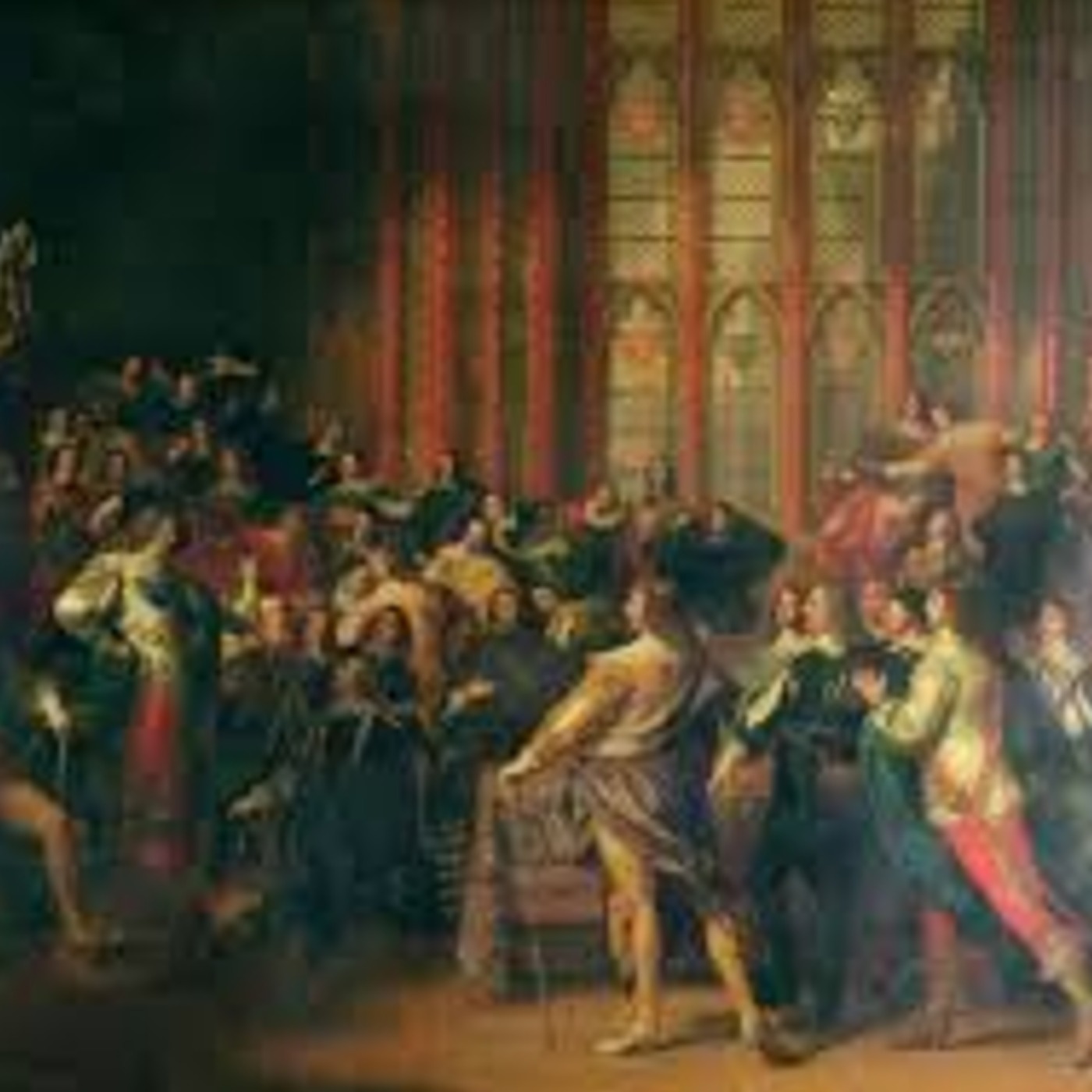
AAG 1654-1660 Protectorate and Restoration
The course of the Protectorate was by no means smooth; but by 1658 the prospect of the return of the monarchy was remote indeed, stability had re-appeared, prosperity was returning. With a spirit of compromise and goodwill, it could surely survive Cromwell's death. Had enough been done to reconcile old factions, was there a desire for compromise for the greater good?For maps, resources, trans
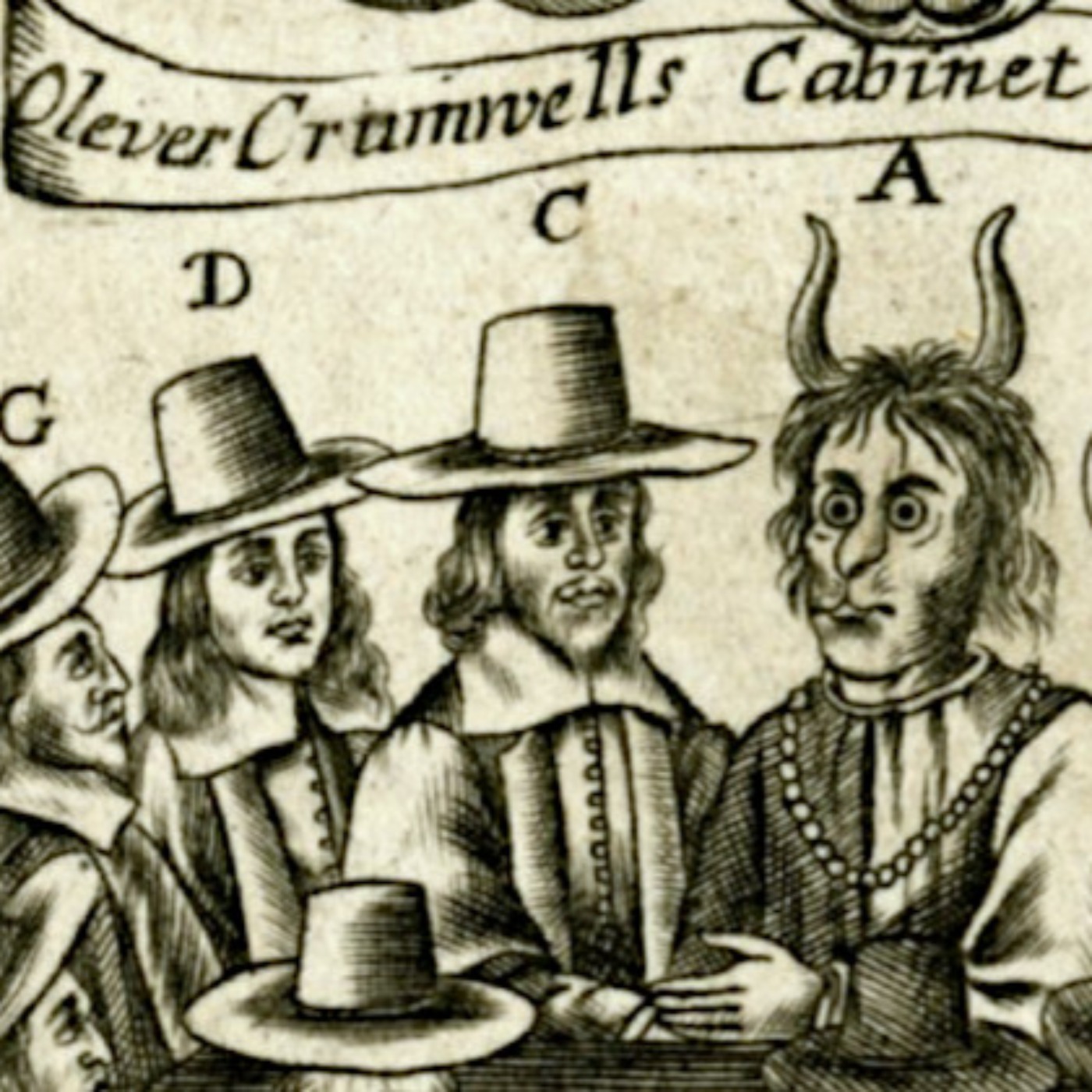
431b A World Turned Upside Down?
What does the English Revolution mean for you? Did it change anything or, was John Dryden right when he wrote in 1670, 'Thy wars brought nothing about’? Although they clearly left business which would take until 1689 to finish, their impact was considerable - even if much of it was unintended or unforeseen. And why not get in touch with your favourote character from the period? Come and join us at
431a Afterlives
One of two self indulgent episodes to usher out the first phase of the English revolution, this episode is about the fates of some of those people in whose companies we have lived for some time, and what happened to them after the Restoration. This includes, of course, the Regicides, and we'll see some of those strung up while we are at it.For maps, resources, transcripts or to become a member, he
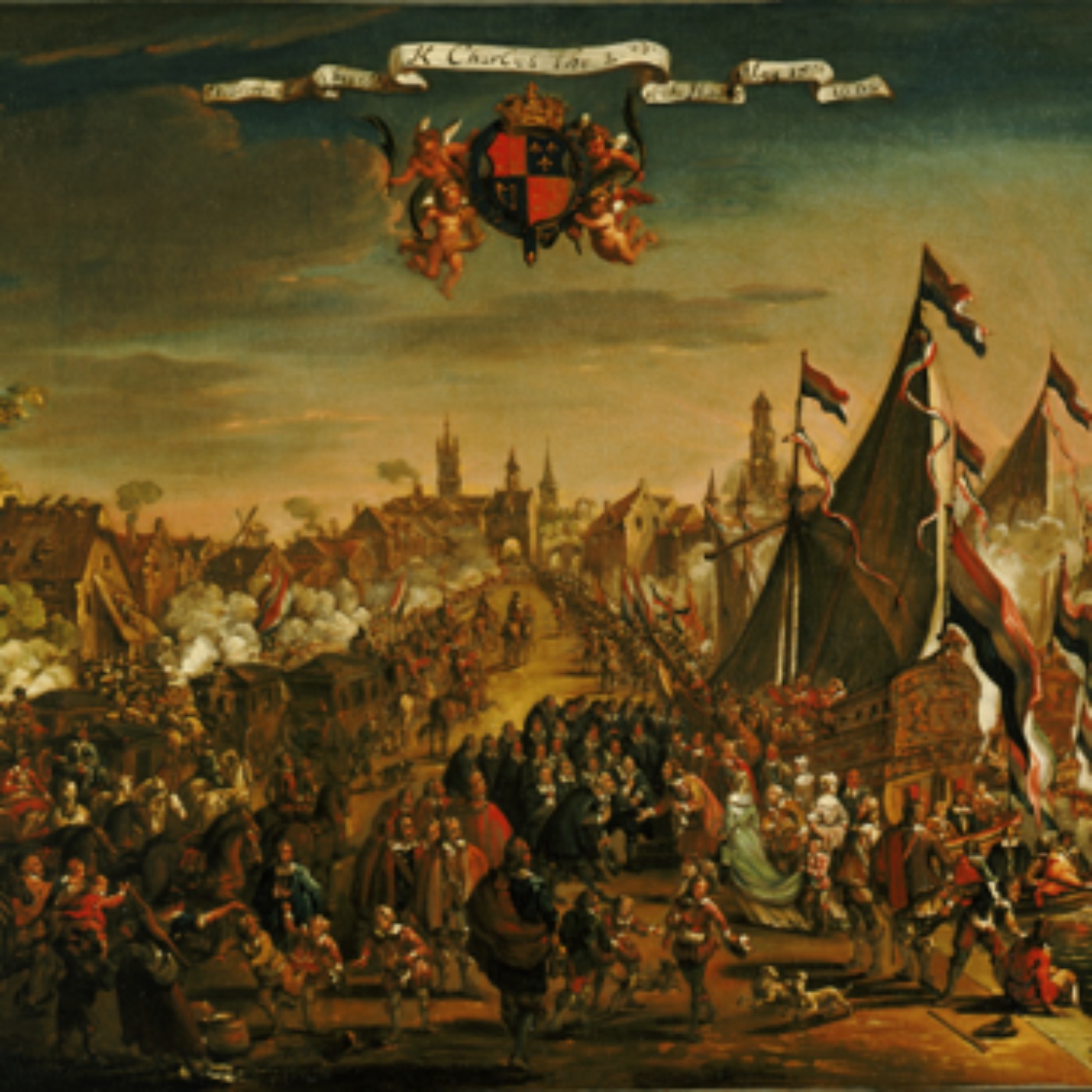
430 The Comeback Kid
The Army had mounted another coup, and its Committee of Safety now sought to carve out yet another form of the Republic in the face of the Rump's defiance - and the deep weariness of most of the ordinary people of England and Wales. But all eyes turned to General George Monk. Would his army march for Rump, or Committee of Safety - or some other future? In February 1660 Monk entered London, and bef
429 The Good Old Cause
The transfer of power between the first Protector and the second was smooth and uneventful; in December 1658 it appeared that England was, and would remain, a republic. But when parliament reconvened, it quickly became clear that the fissures running through the political nation remained unhealed.For maps, resources, transcripts or to become a member, head for https://thehistoryofengland.co.uk. (P
Oliver Cromwell: Life and Times with Miranda Malins
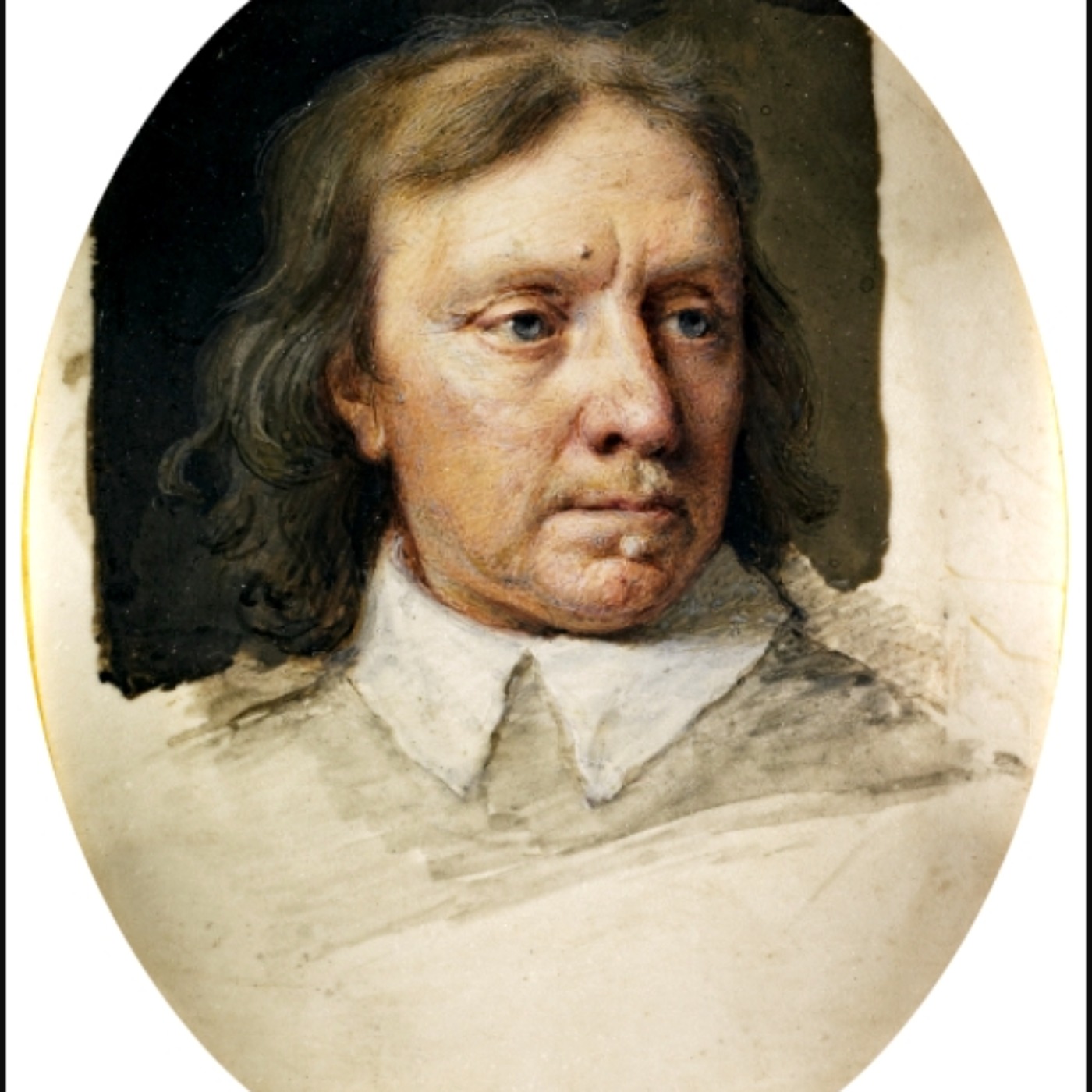
Miranda Malins is an historian, author, novelist and a member of the Cromwell Association. She takes a look back at Cromwell, his life, times, achievements and failures, and the myths and opinions which have grown up around him.For maps, resources, transcripts or to become a member, head for https://thehistoryofengland.co.uk. (Please note the 'the' part!) Hosted on Acast. See acast.com/privac
428 Make Haste to be Gone
In 1658, the year started with hopeful clarity. There was a new constitution om a firmer footing, and a new parliament was about to sit. There was little sign any more of royalist rebellion, the Commonwealth name was feared and respected abroad and surely now the Protectorate could build from these foundations. But parliament displayed continuing division, and the Commonwealth was to lose the pers
427 Republic: Learning, Philosophy, Science
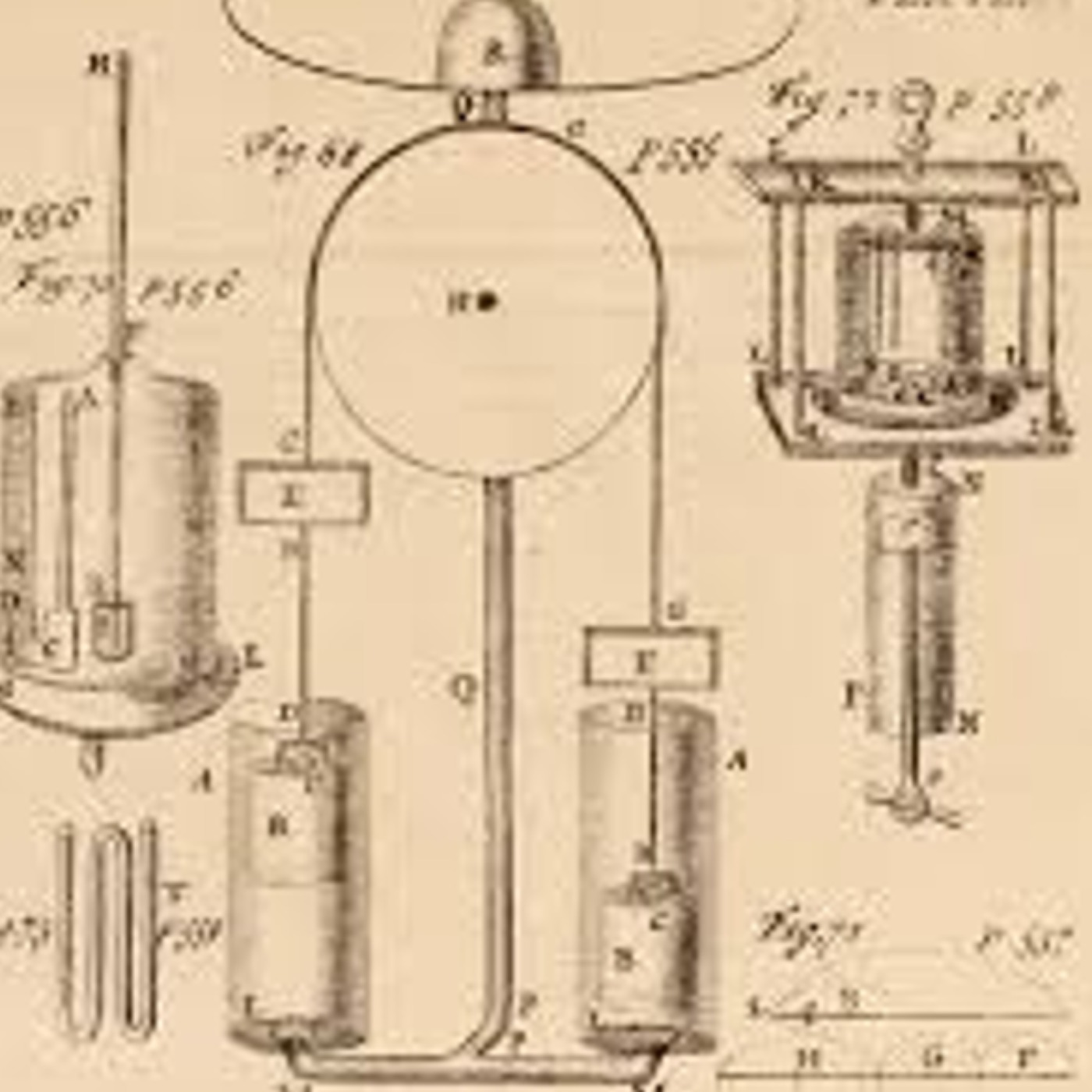
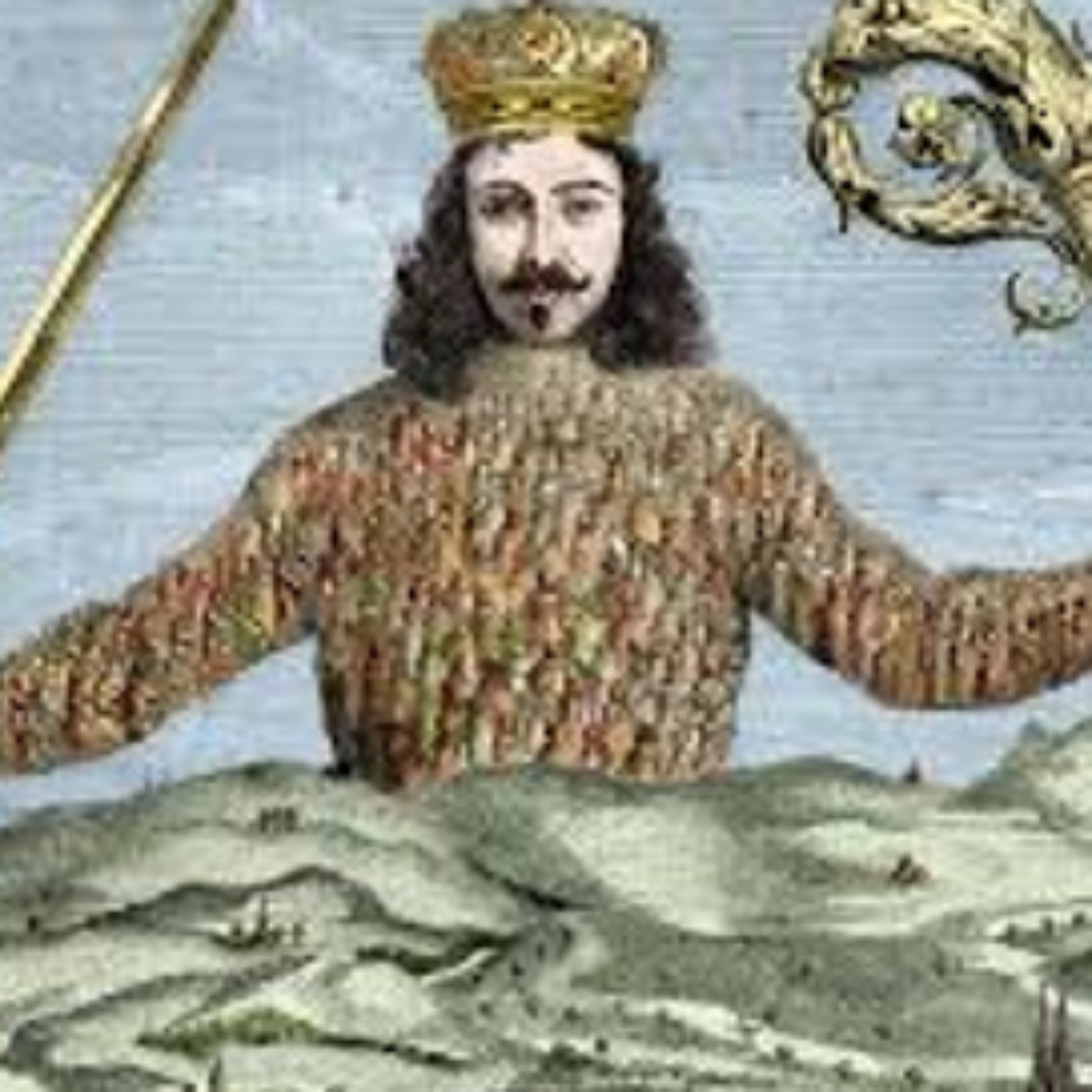
Thomas Hobbes has been described as 'one of the true founders of modernity in Western culture'. His most famous work Leviathan was inspired by the issues raised by the Revolution, published in 1651 as he came home - and used to support the Protectorate. Meanwhile in Oxford, Wilkins, Boyle, Hooke, Petty, Ward and others were rewriting the rules of Natural PhilosophyFor maps, resources, transcripts
426 Living with the Republic
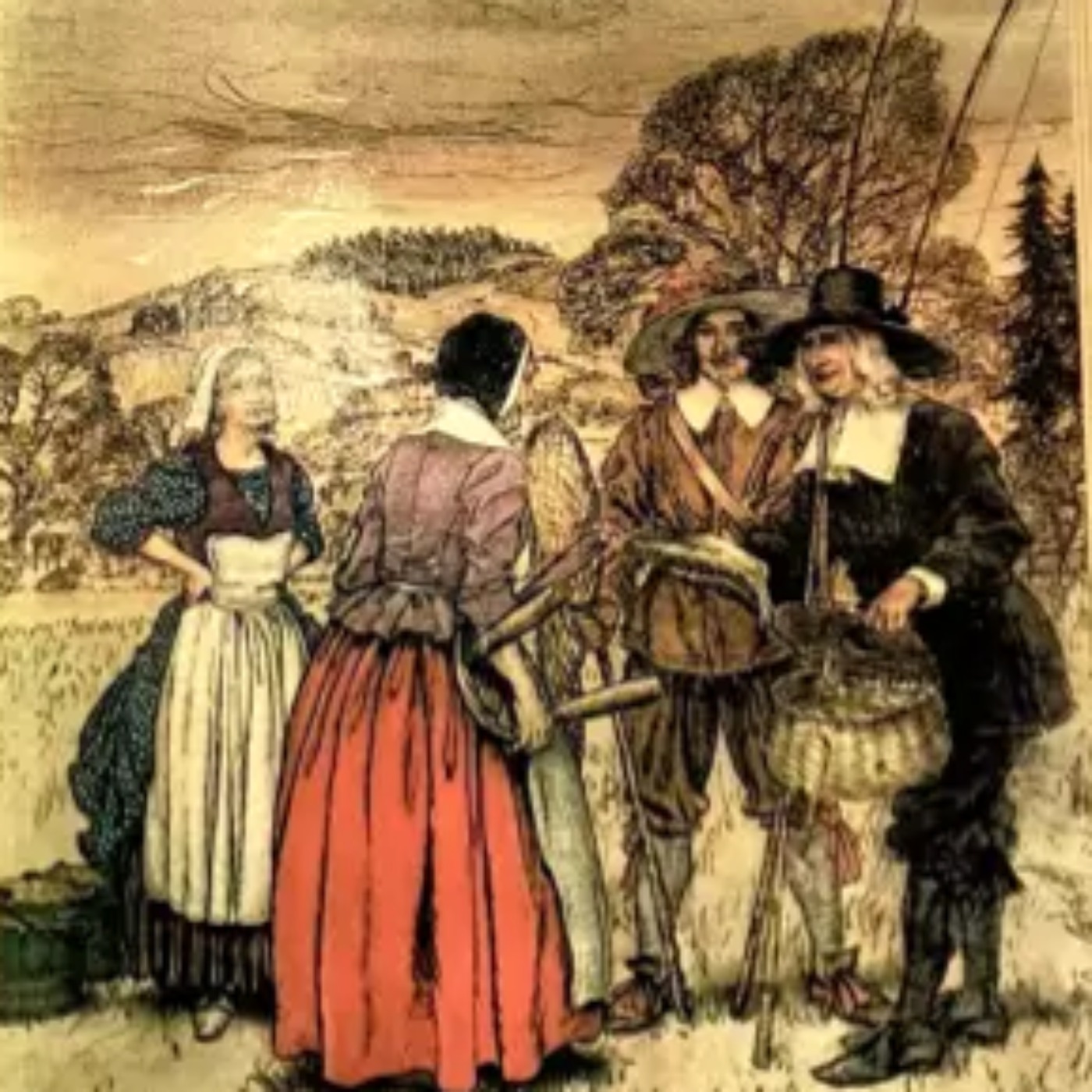
In London, and towns like Oxford, the Protectorate saw the return of stability, economic change and a revived social scene - and the arrival of the Coffee house, and the penny university. Stability and old rythmns re-established themslves around the country, and royalists reacted in different ways. Some like the L'Estrange family in North Norfolk preserved the old ways and accepted the new, though
425 Republic: Court and Culture
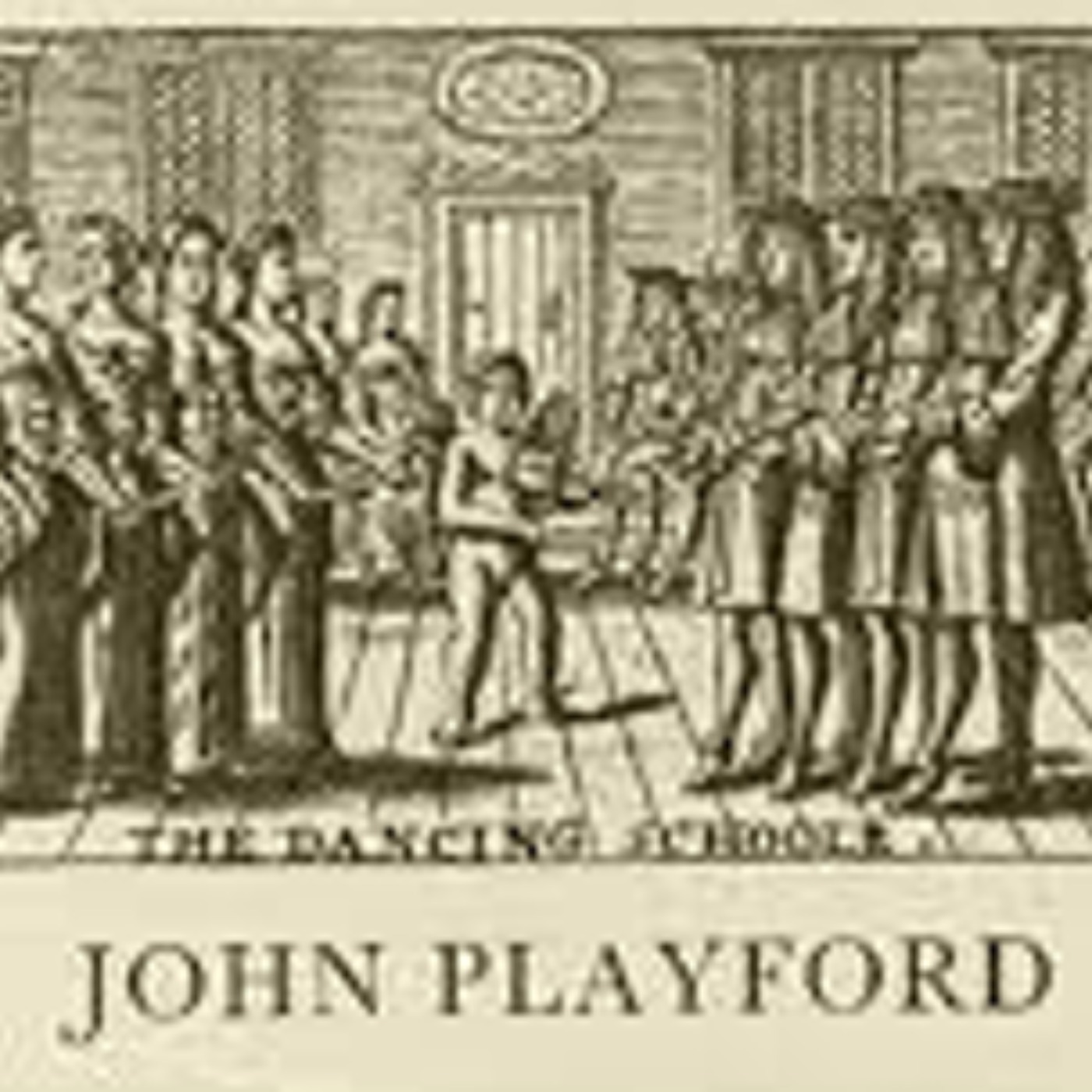
Cromwell's court struck a balance between the status required of a head of state, and the Cromwell's own openbness and informality. It was a court full of music, as was the supposedly joyless puritan state. There was little of the London theatre, though popular performance at fairs went on as before - but Britain saw its first Opera and John Playford's Dancing Master was all the rage. And in 1657,
424 King Cromwell
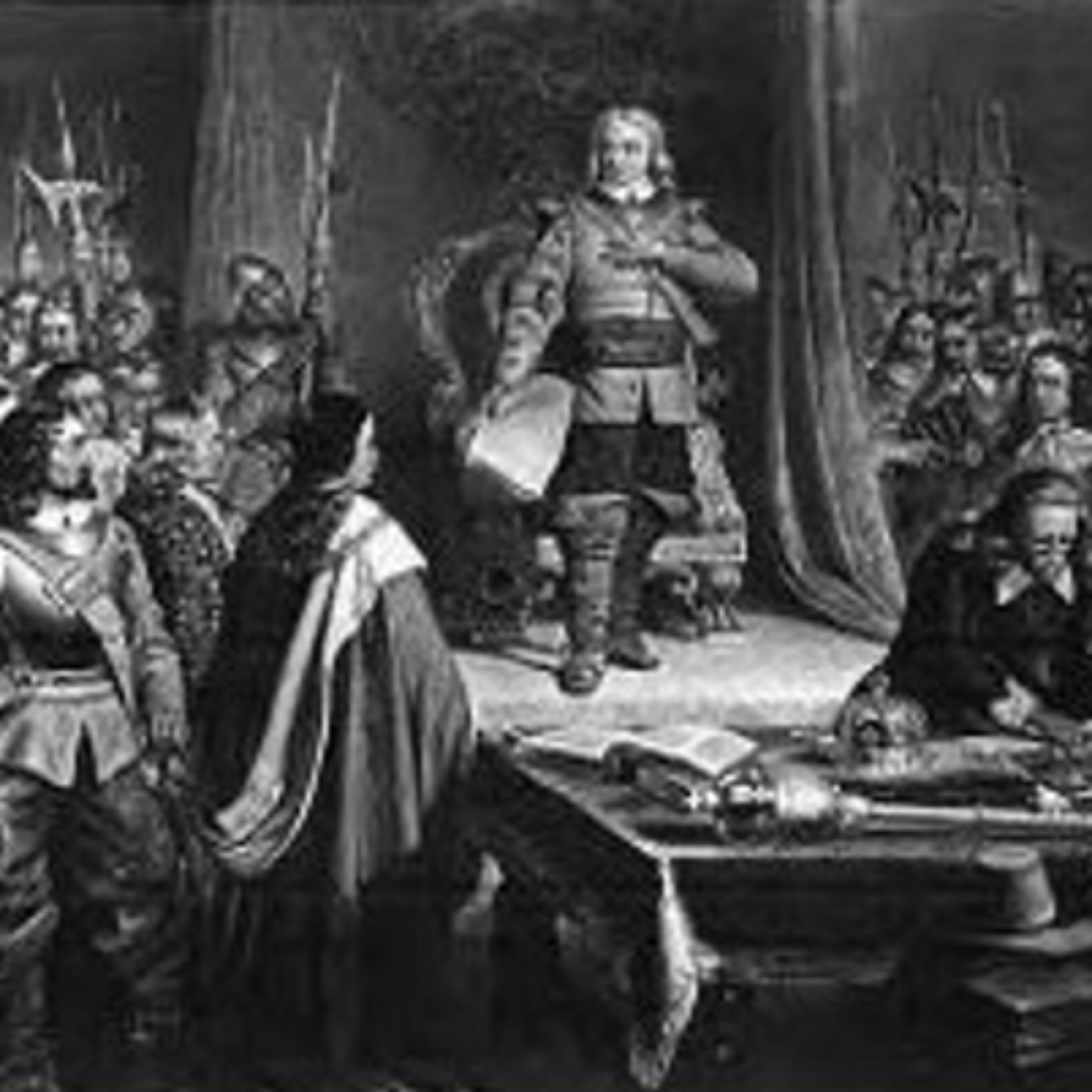
After a year of the rule of the major generals, there was no money to support their militia. Now, the obvious solution was to repeat and continue the decimation tax; but the Council of State felt that parliament must be consulted. The opponents of the miliary regime gathered their strength - this was their opportunity to mount a coup of their own.For maps, resources, transcripts or to become a mem
423 Designs and Major Generals
There was much about Cromwell that was Elizabethan. He was fiercely patriotic, he dreamed of building as trading nation, and laying low the Spanish Empire with a Protestant Alliance. The Western Design against the Spanish Caribbean was part of that plan. It's outcome was to be a crisis for me; and in the face of security threats from within and without, and the withdrawal of God's approval a bold
422 Healing and Settling?
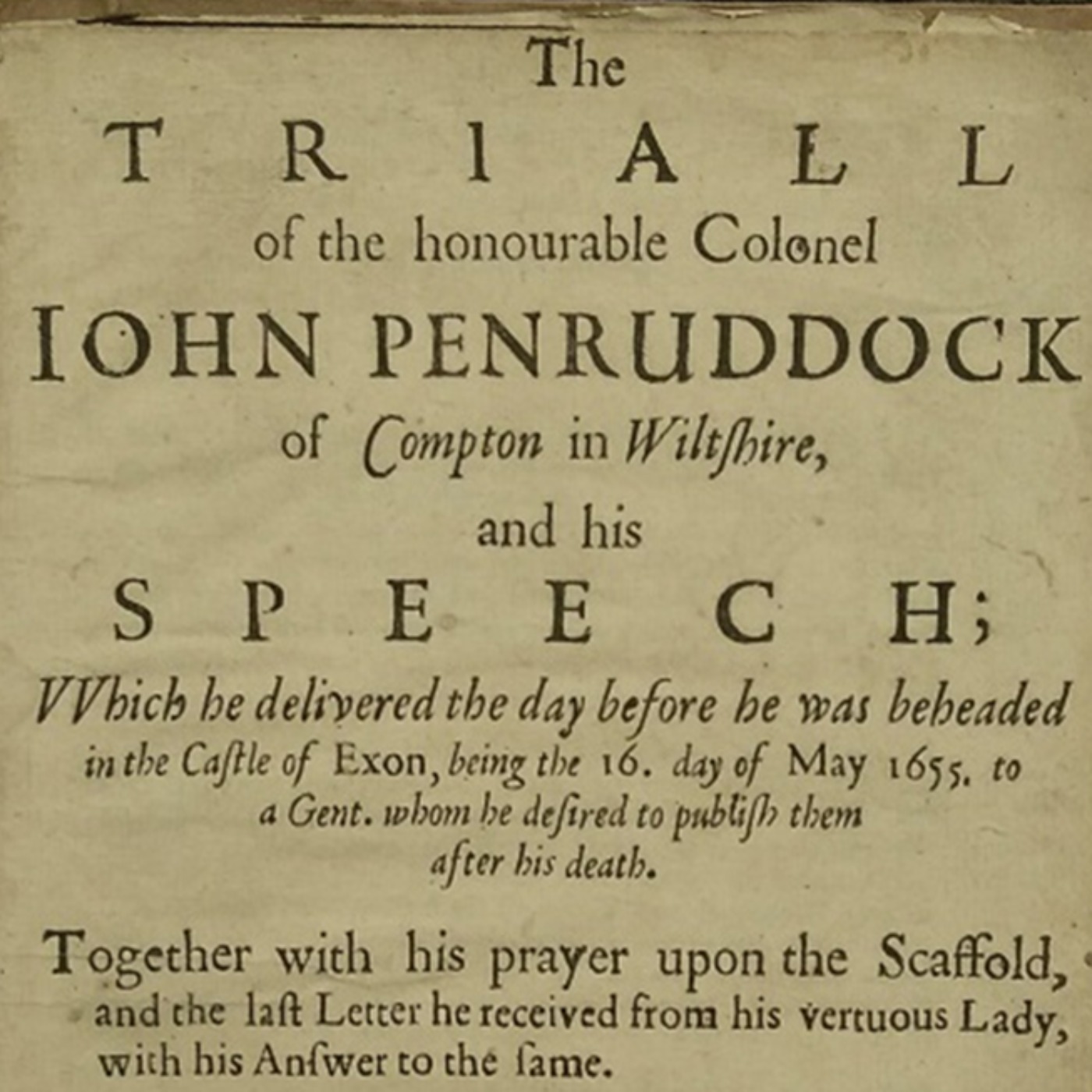
Cromwell might have felt that the first 9 months went rather well, from his perspective - the Council of State was working well, getting things done, the settlement of the Commonwealth was proceeding and rebellions suppressed - and the first Protectorate parliament would surely be populated with serious, hard working men who would help heal and settle the nation. He was to find out that his nation
Announcing the 2025 History of England Podcast Tour
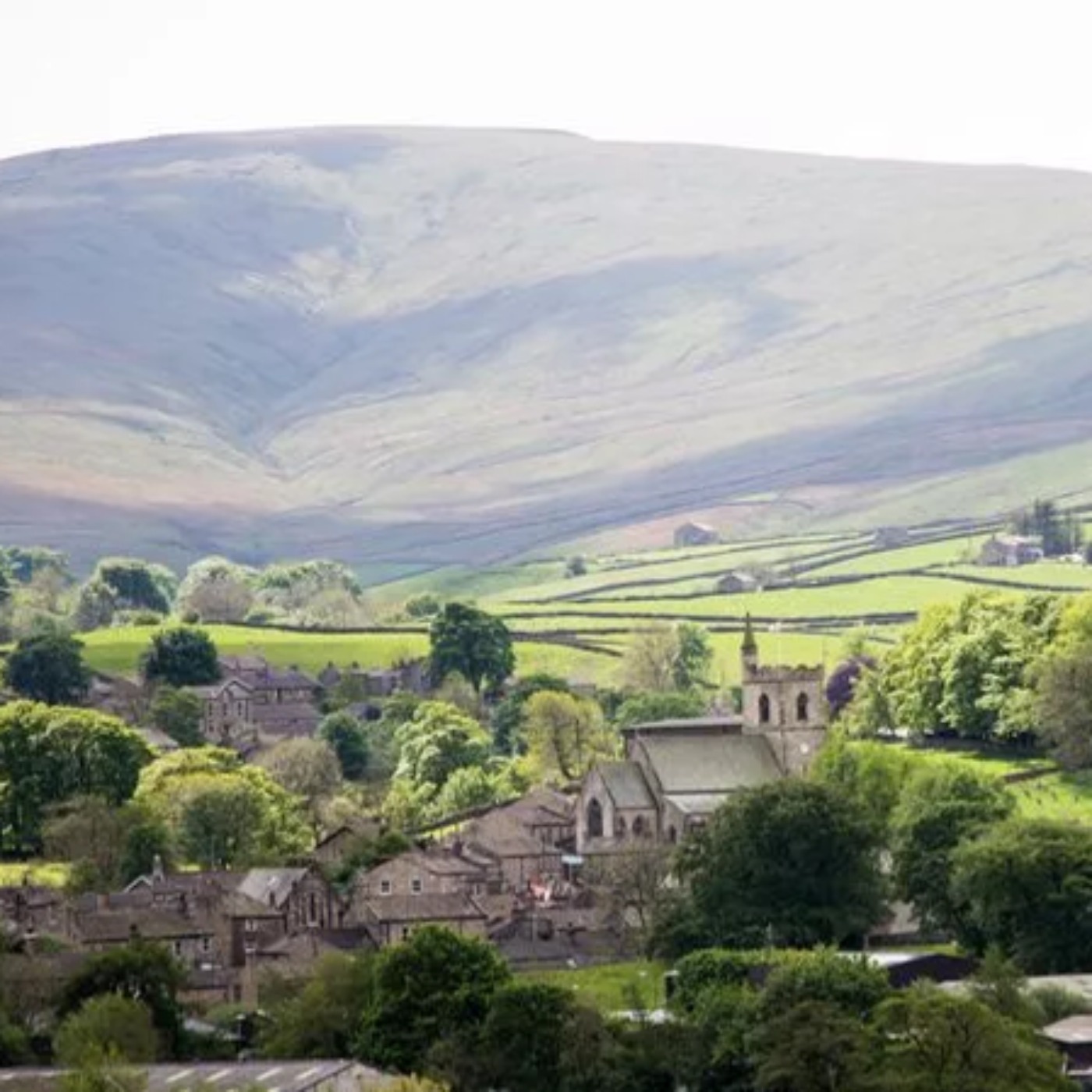
This year we go to York and West Yorkshire, from 8th to 17th September. We'll stay in the Spa town of Harrogate, and in glorious York, Capital of the North with its Cathedral, the Minster, the medieval shopping street of the Shambles and loads of other sights too. We'll go to the Dales, and visit castles, sturdy limestone villages, fortified manor houses, grand stately homes. And the inspiration o
421 Completing the Settlements
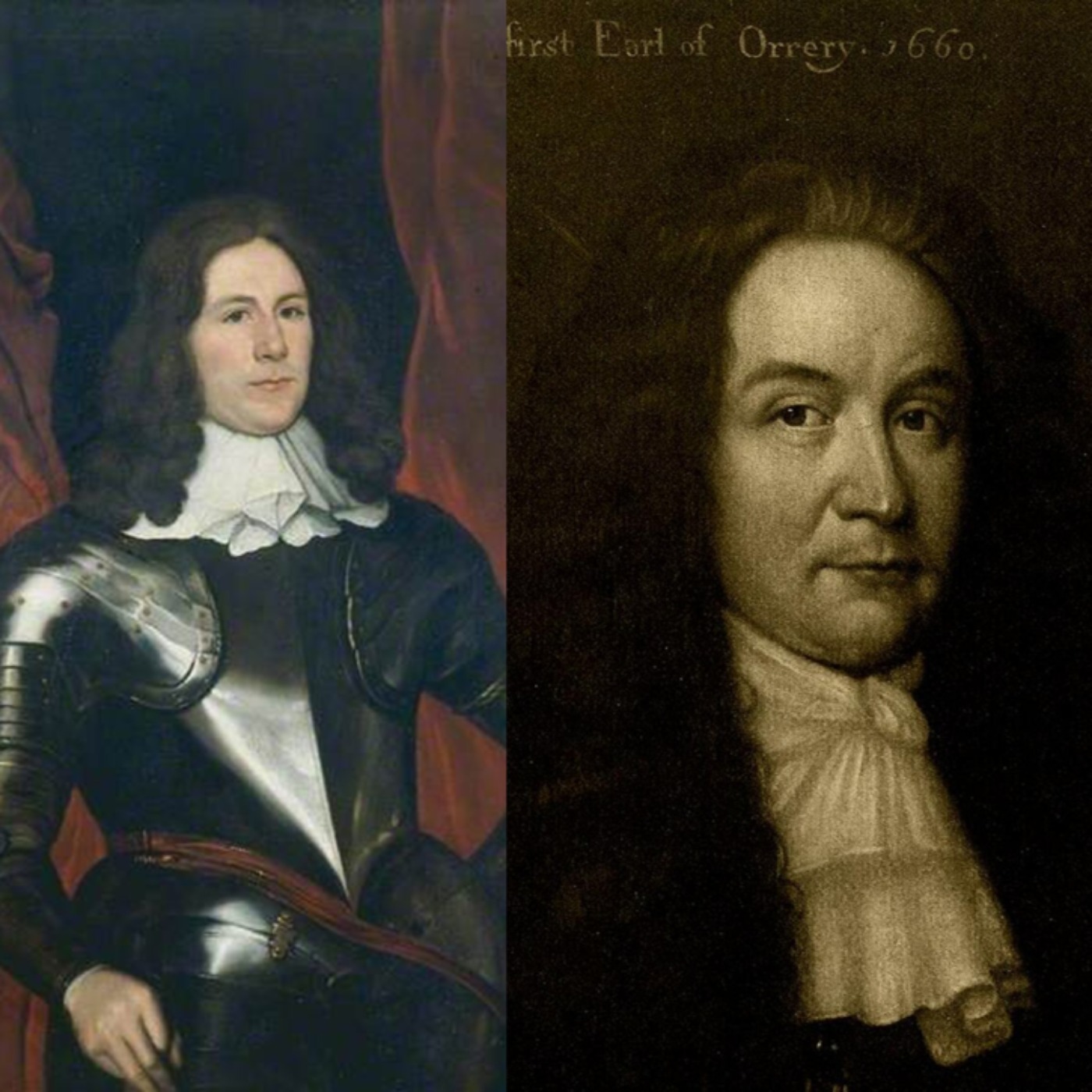
Between 1654 and 1657, the the Tender of Union with Scotland and the Act of Settlement of Ireland were played out. They were very different in character. Over the following centuries, the former was largely consigned to a historical footnote. The second remains a source of anger and division.For maps, resources, transcripts or to become a member, head for https://thehistoryofengland.co.uk. (Please
The Lionheart - Ransom and Revenge
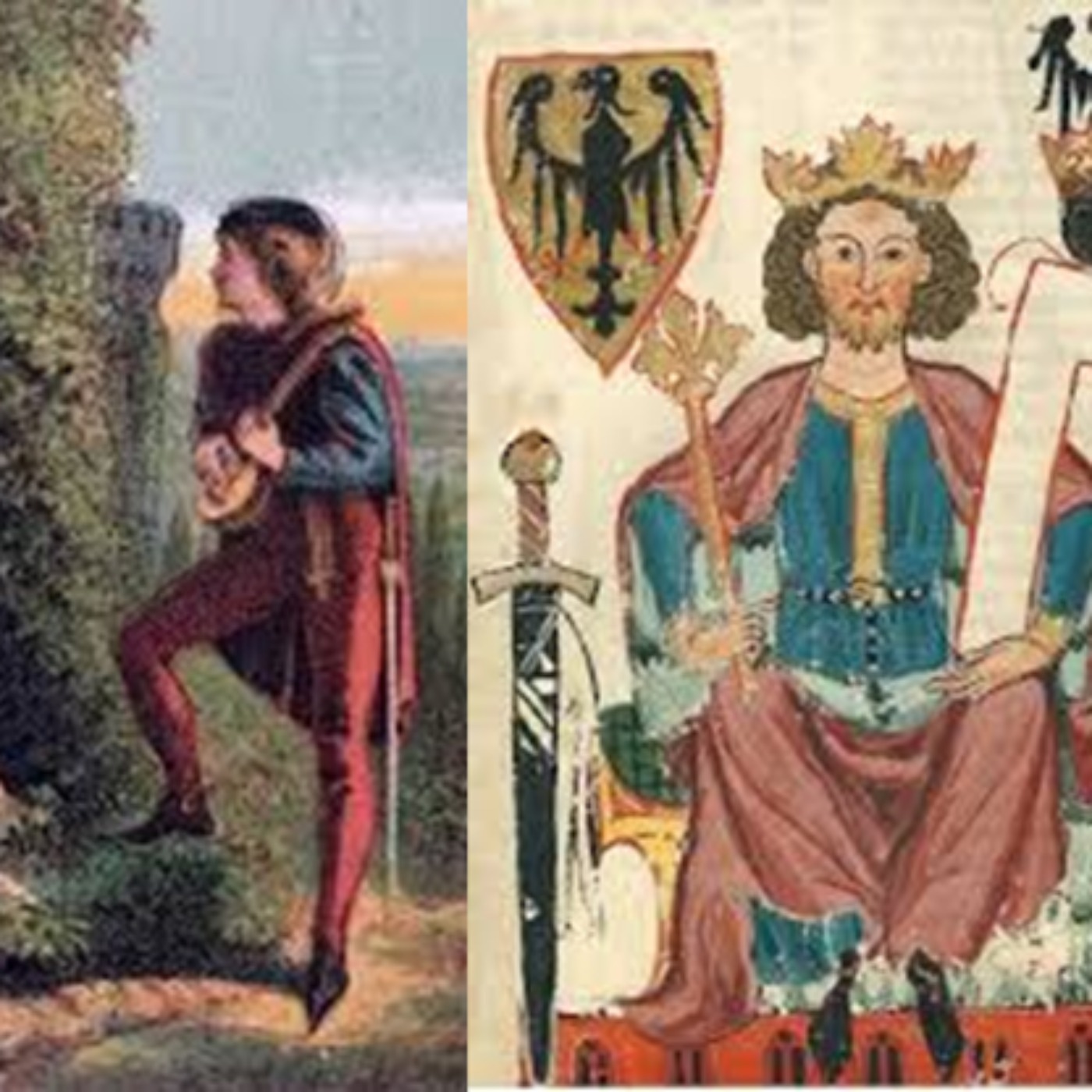
I am very pleased that Dirk Hoffman-Becking, of the History of the Germans podcast, has put together this episode about a very favourite event - the capture and hostage of Richard the Lionheart. Why Henry VI did it - and how in the end, Richard had his revenge. Sort of.For maps, resources, transcripts or to become a member, head for https://thehistoryofengland.co.uk. (Please note the 'the' part!)
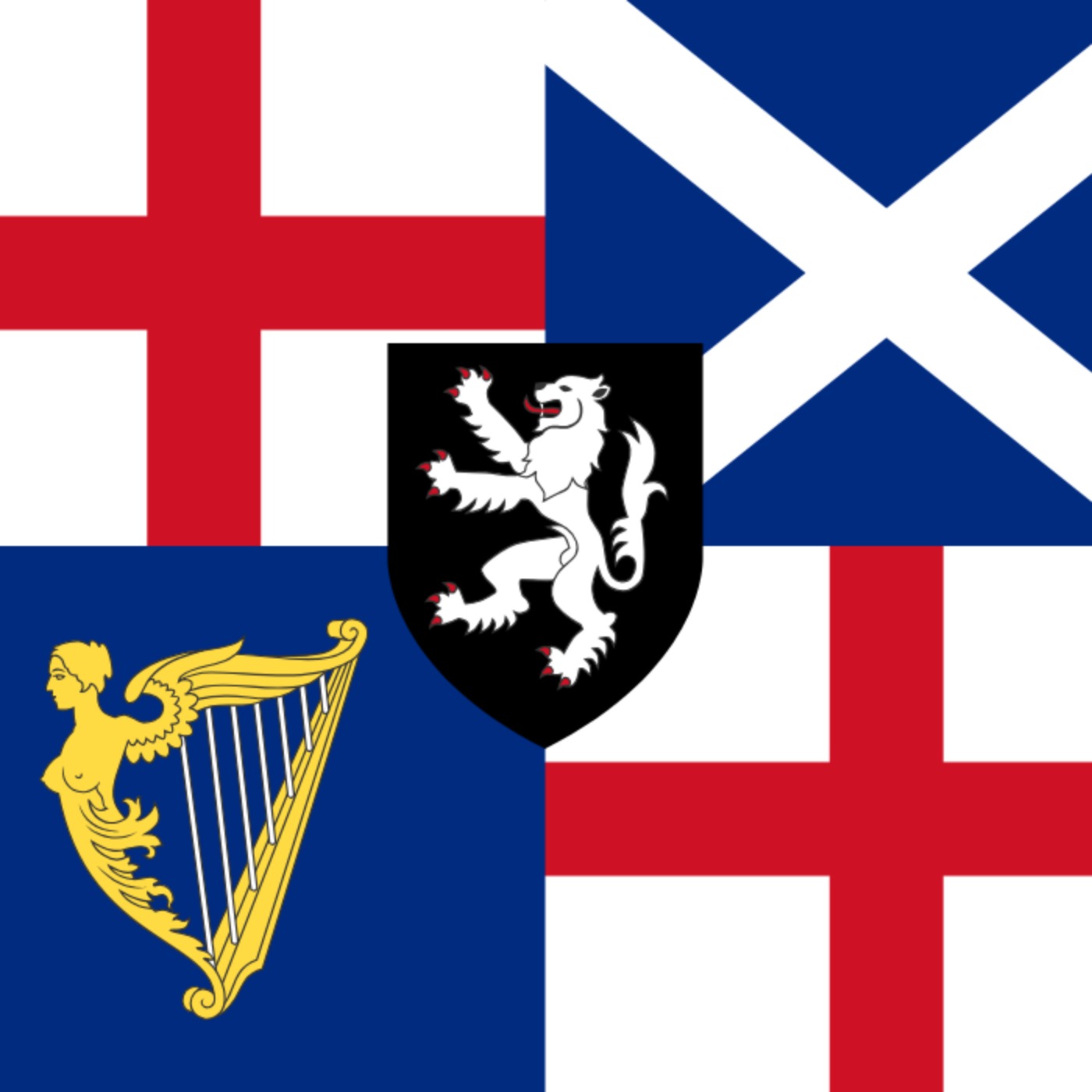
420 Lord Protector
Whether or not Cromwell knew about John Lambert's 'coup' of December 1653, by the end of the month England had a new constitution and a new Head of State - the Lord Protector. Cromwell was installed in Whitehall and Hampton court, new seals designed that drew on Cromwell's Welsh ancestry, and rthe Council of State started work.For maps, resources, transcripts or to become a member, head for https:
Cromwell and the Poets
Contemporary poets found it difficult to deal with Cromwell, both before and after his death. Margaret Oakes talks about how the approach they took, and what they chose to reflect of the man and his careerFor maps, resources, transcripts or to become a member, head for https://thehistoryofengland.co.uk. (Please note the 'the' part!) Hosted on Acast. See acast.com/privacy for more information.
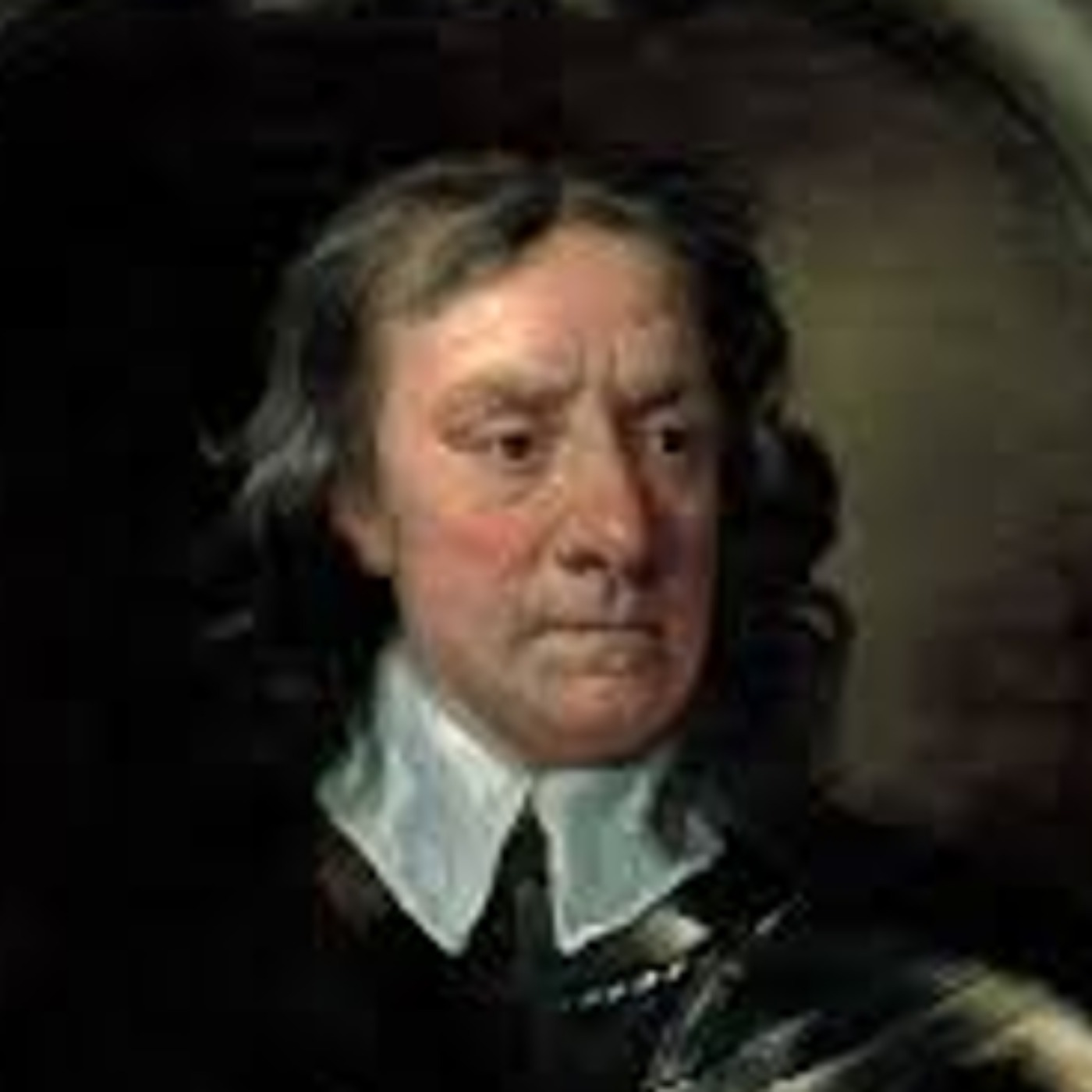
419 Cromwell and his Reputation
"Never man was highlier extolled, and never man baselier reported of and vilified” write Richard Baxter - a contemporary of Oliver Cromwell, who was not a fan. In this he was closer to the truth than Samuel Johnson, who wearily wrote in the 18th century that "all that can be told of him is already in print.” Cromwell is makes a subject extraordinarily divisive, and extraordinarily rich, partl
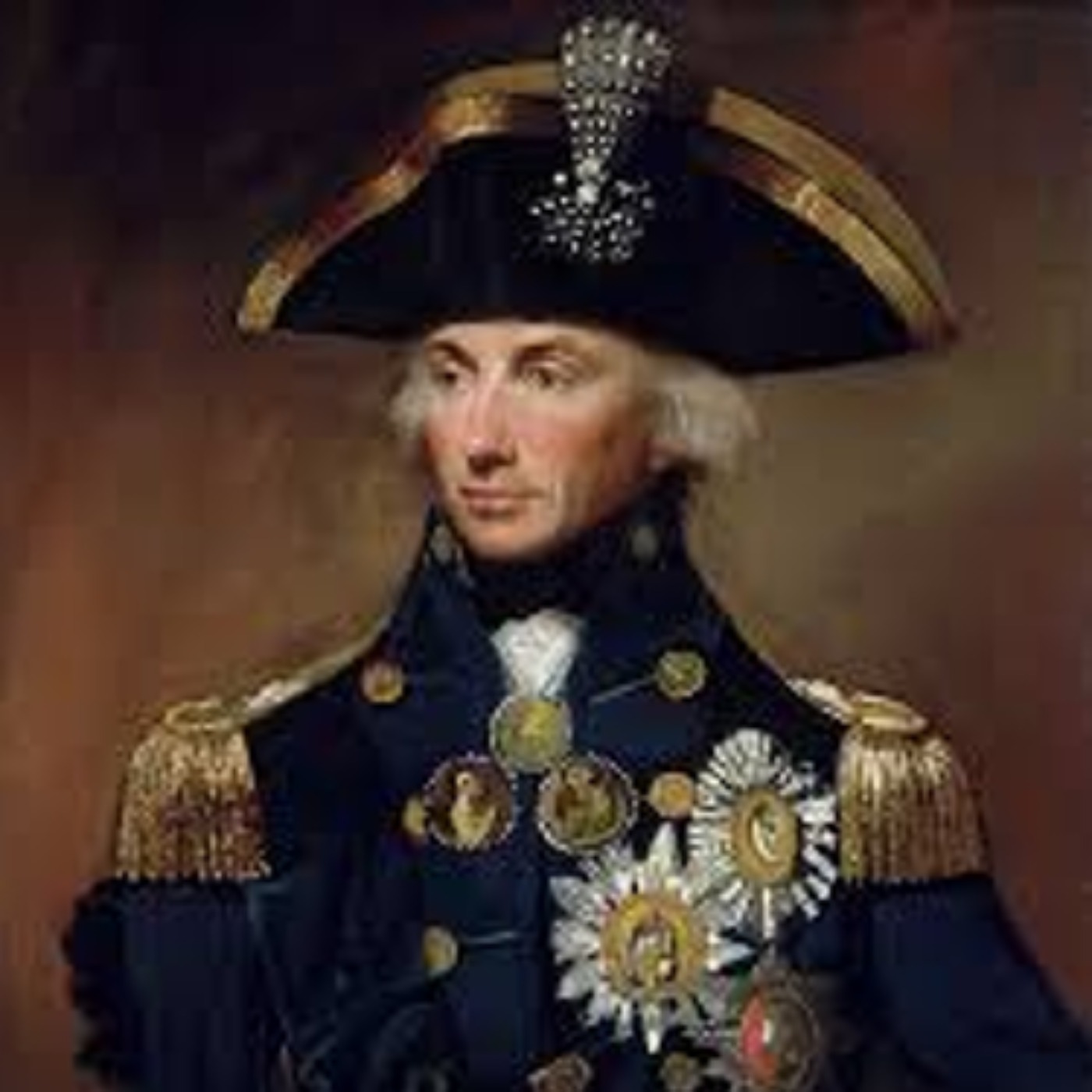
Nelson with Dominic Sandbrook
Nelson was a military genius and fierce patriot, idolised by his men and the British public - and held up to ridicule too, for his affair with Emma and his treatment of Fanny. In his book for children, 'Nelson, Hero of the Seas', historian, author and Rest is History podcaster Dominic Sandbrook, brings out his charisma and genius - and his complexity and flaws. And Dominic also had time to sp
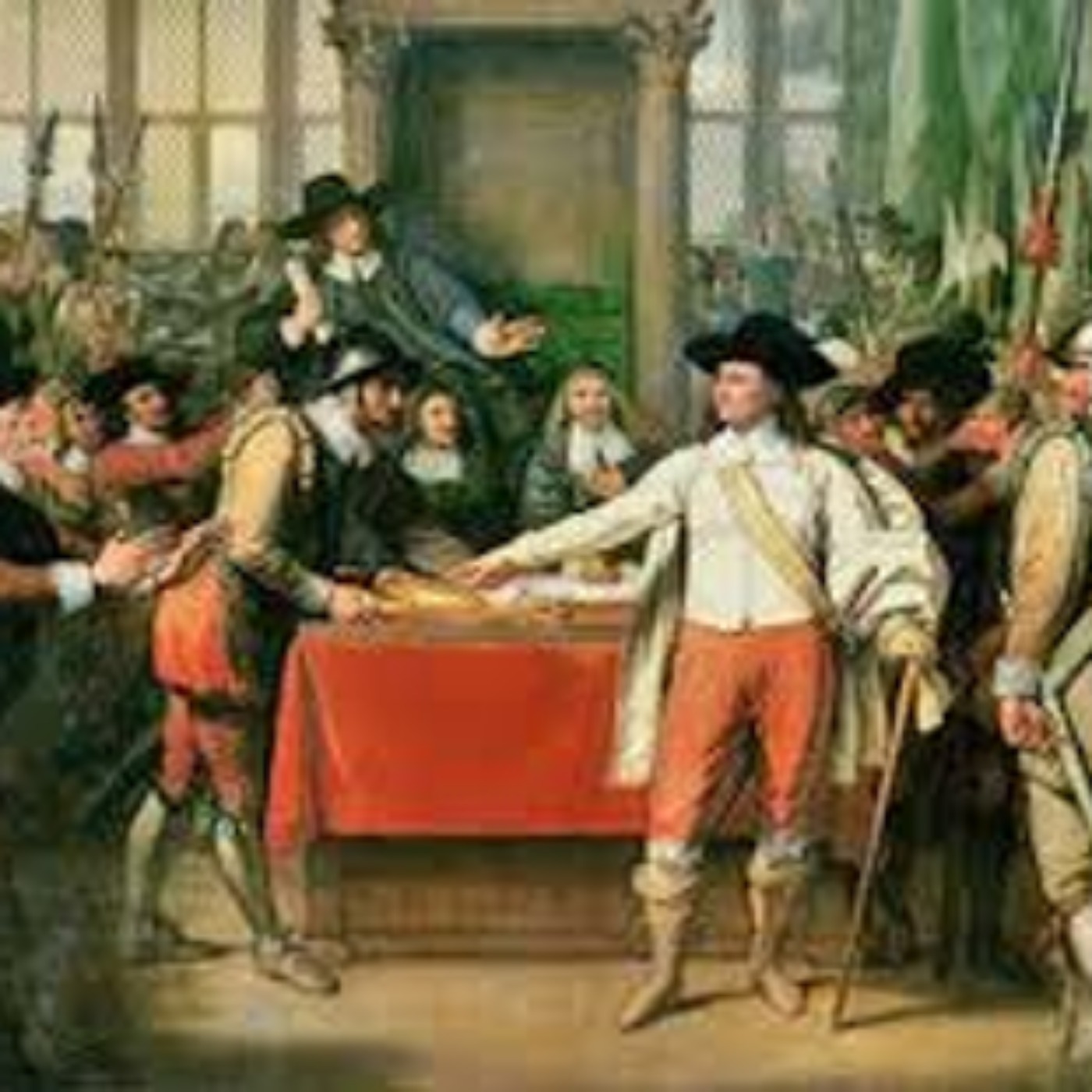
AAG 1649-1653 The Commonwealth
In 1649 the English parliament proudly declared that freedom had been restored and that King and Lords had been rejected. But in other ways, the new Commonwealth failed to bring about a new world. True there were difficult problems to resolve with war in Ireland, Scotland and against the Dutch. And naval and commercial achievement was significant. But the English people did not feel they were adva
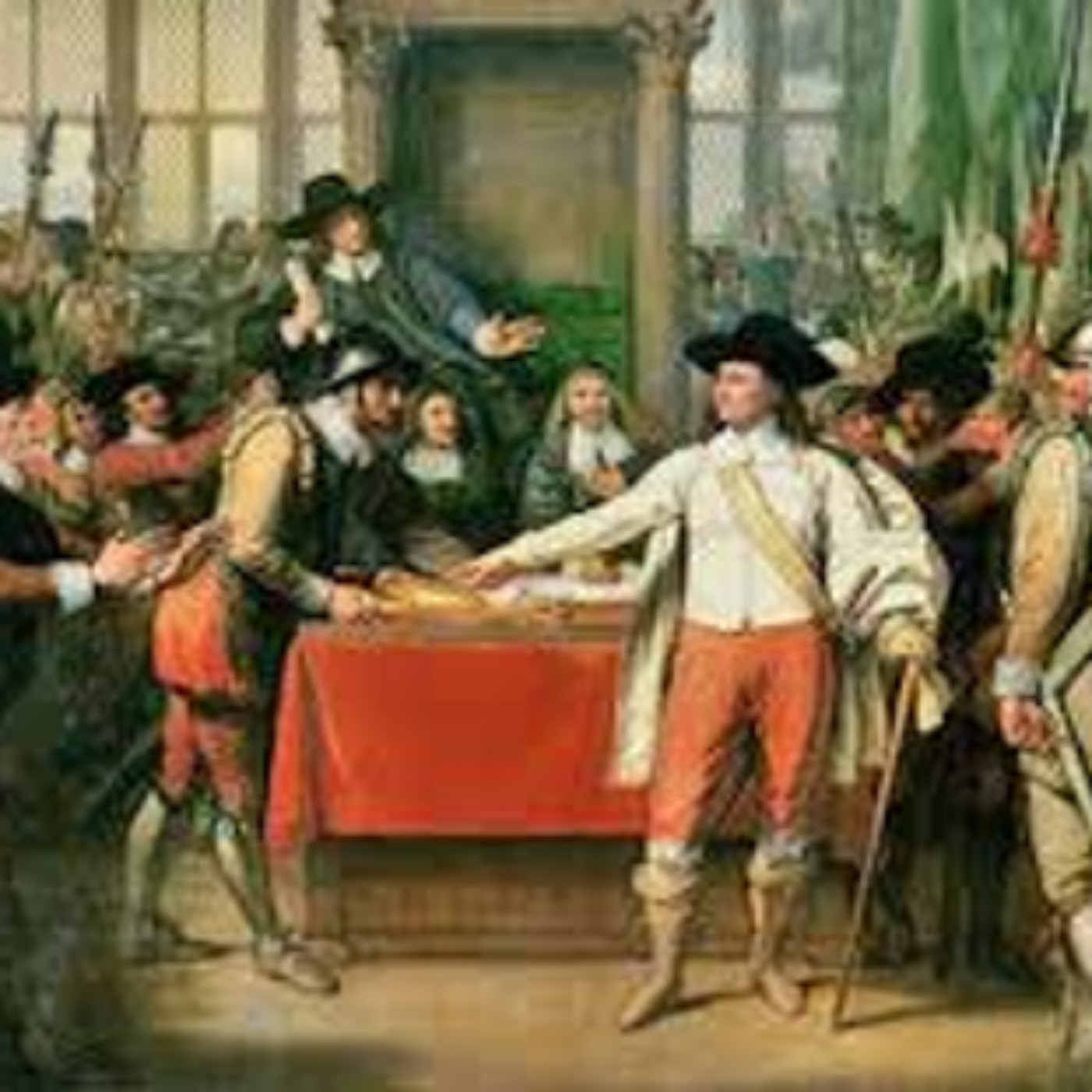
AAG 1646-1649 To Kill a King
In 1646, Charles secretly left Oxford, not sure whether to appeal to the English in London, or the Scots at Newark. It was the start of a long process of three years, which would see torturous negotiations - and the rise of extraordinary ideas about the rights of the people and religious toleration, and how to make all the blood worthwhile in a new world. It was a journey that would lead to the sc
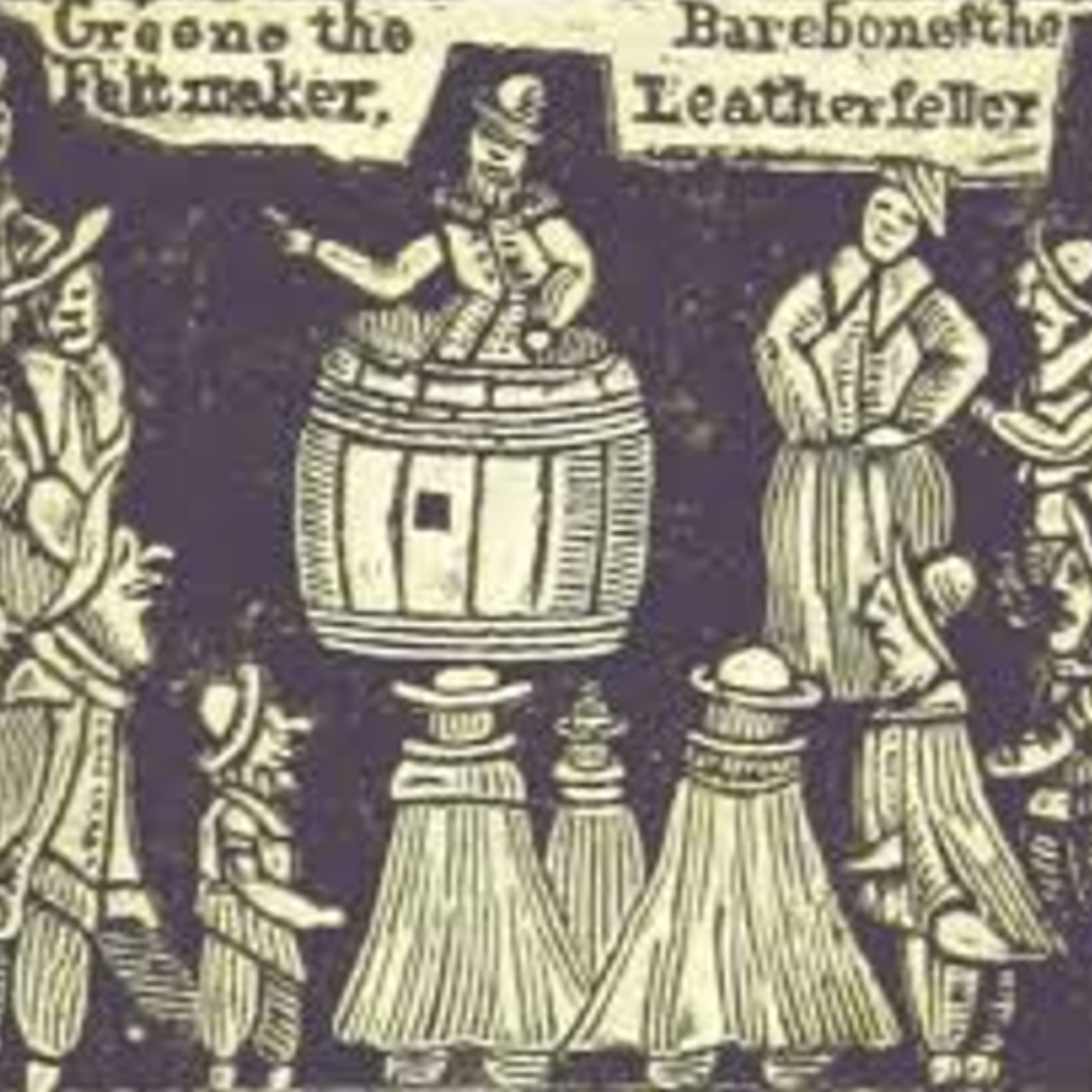
418 Barebones
In his haste to expel the Rump which had failed so badly, Cromwell and the Army officers came up with a temporary expedient. The Nominated assembly would be chosen from the most sober, Godly and intelligent of society, they would do the job of reform the Rump had failed to do, set up proper elections, and then retire once more, their job done. The Commonwealth would be restored and set on the righ
417 Kicking the Rump
The promised land looked for so longingly by so many seemed in 1653 to be stubbornly remote. Legal reform blocked, religious programmes cancelled, an apparently corrupt parliament, high taxes, and still no fresh elections - rulers seemingly interested only in war and exploting power foir their own advantage. In the Army Council of Officers the resentment was mounting.For maps, resources, transcrip
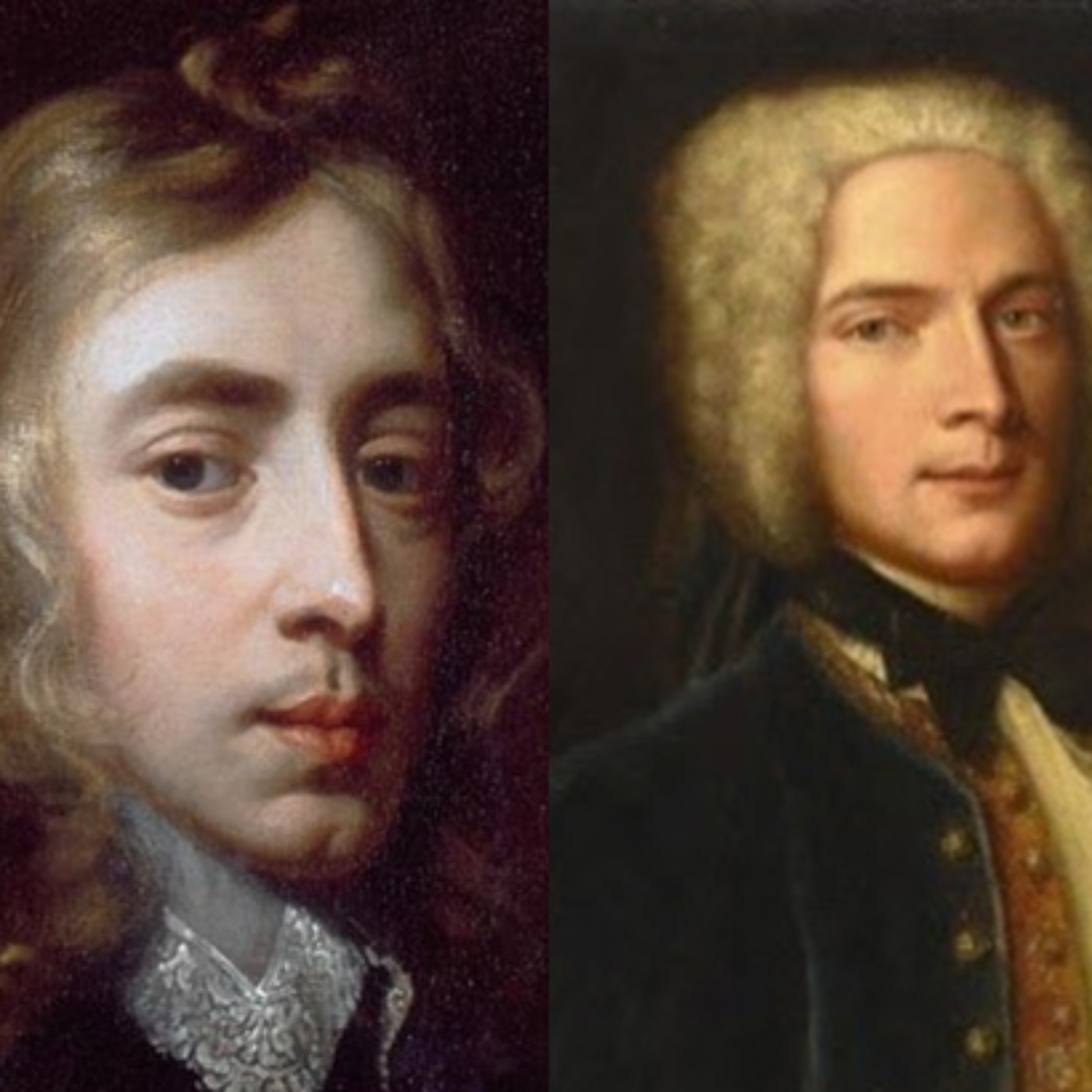
Milton, Nedham and the Commonwealth with Anthony Bromley
John Milton and Marchamont Nedham were unlikely bedfellows; and yet they became friends, worked closely together and in their very different ways sought to promote the English Republic to the country and outside world. Anthony Bromley talks about their careers in the Republic and how they sought to promote it.For maps, resources, transcripts or to become a member, head for https://thehistoryofengl
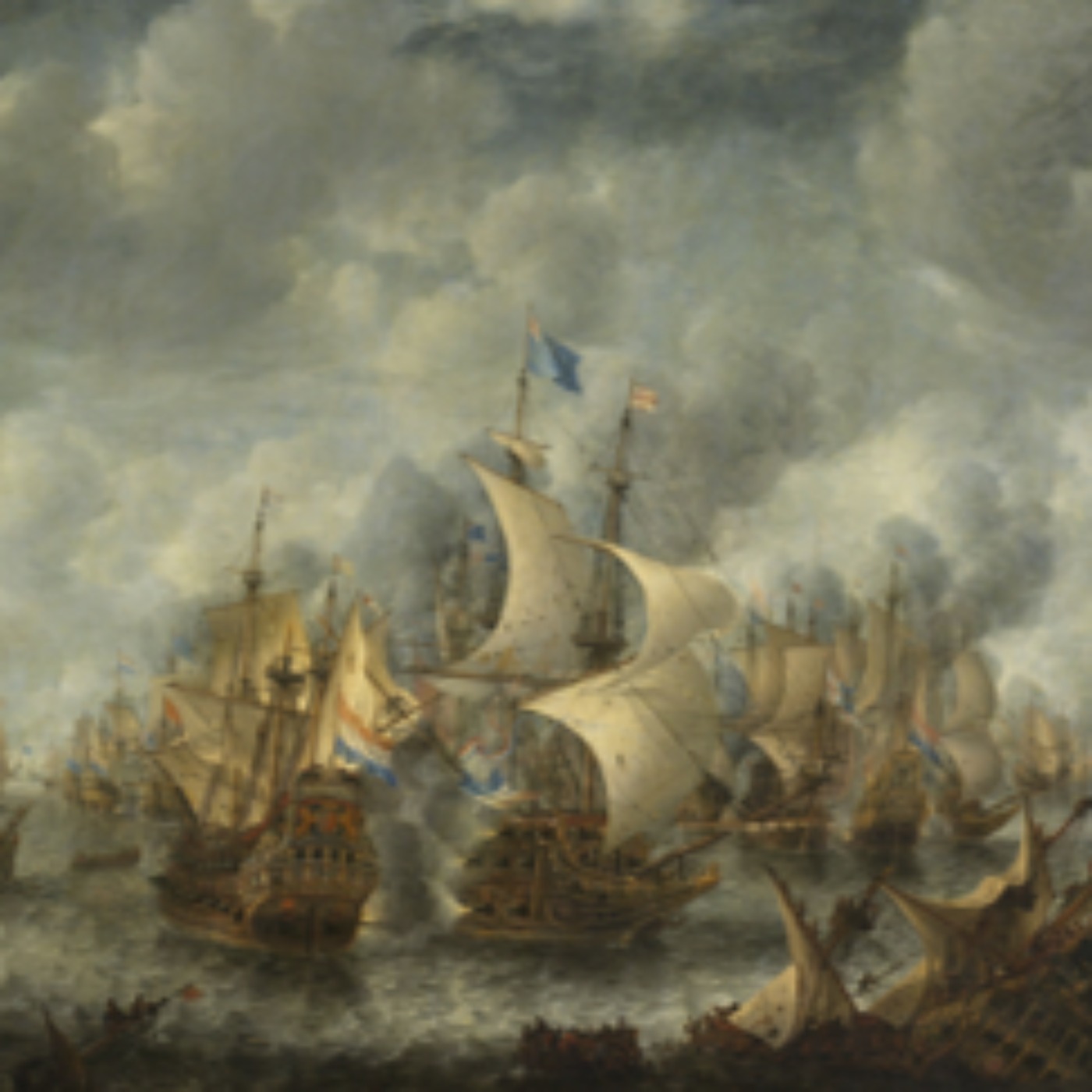
416 Acts of Settlement and War
The English Commonwealth took a very different approach to settling the threats which had faced it in 1649, and the future of the three kingdoms. In Ireland, the guiding principle was retribution; in Scotland some effort at least of collaboration. To a new threat the response was uncompromising - it was war.For maps, resources, transcripts or to become a member, head for https://thehistoryofenglan
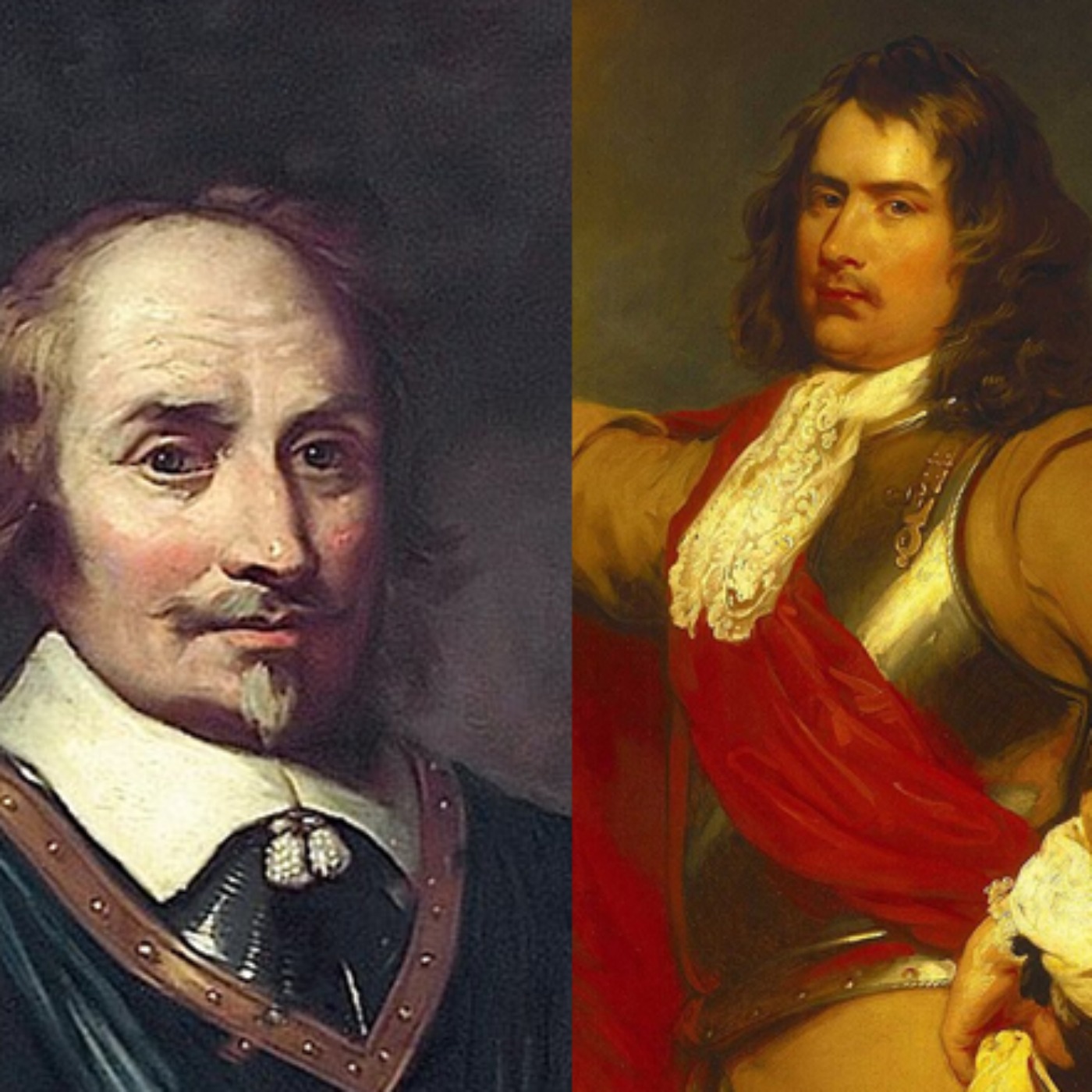
415 Rumpers
So, while the army was away, August 1649 to September 1651 what had the Rump parliament been doing to build the promised new world of Liberty? We find out that social reform takes a back seat to moral reform - the Garland of the Sea - and picking fights with friends.For maps, resources, transcripts or to become a member, head for https://thehistoryofengland.co.uk. (Please note the 'the' part!) Hos
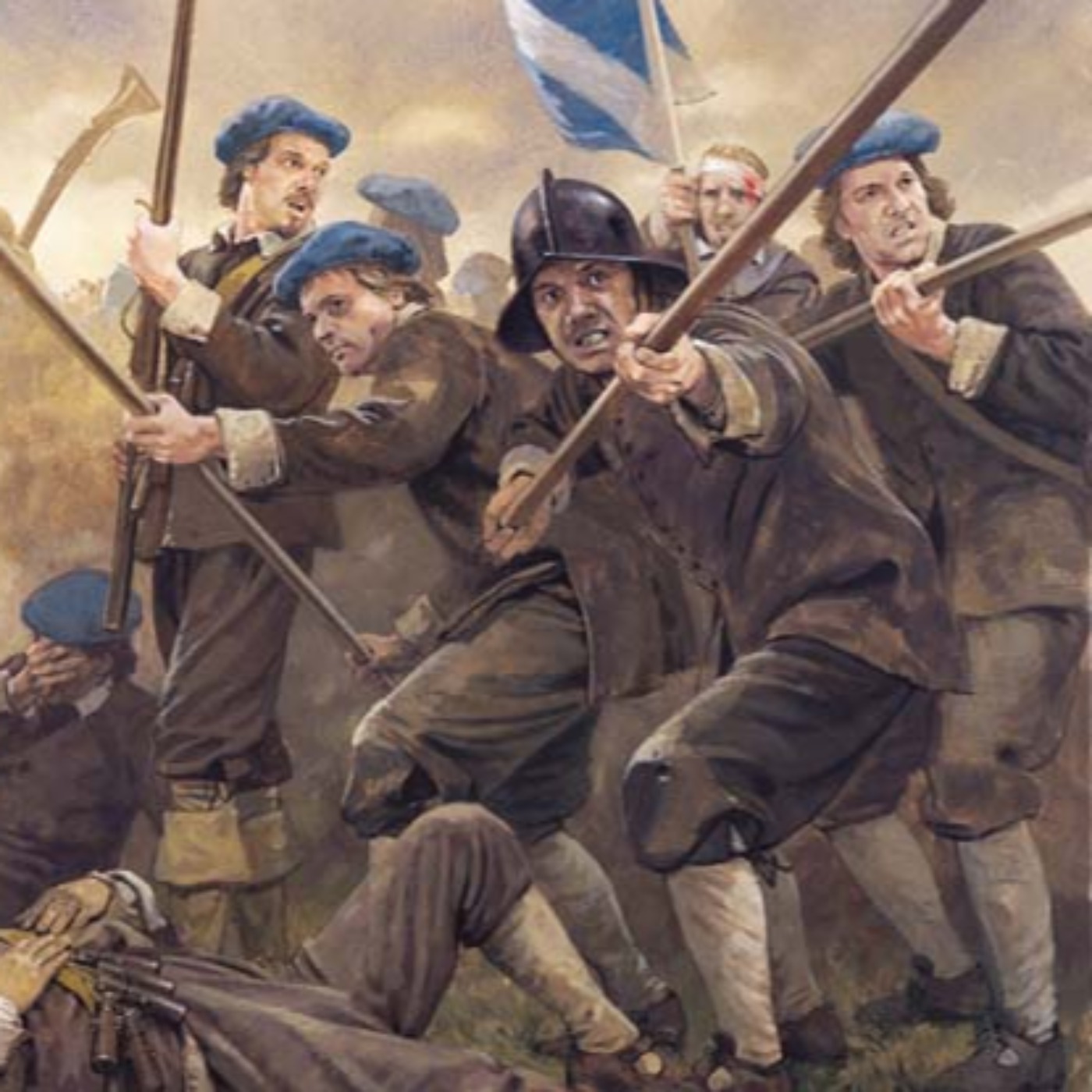
414 The Ground of Liberty
The deal struck between the Covenanters and Charles brought an invasion from the Commonwealth that faced annihalation at Dunbar in September 1650. Exactly a year later, the end game of Charles' attempt to detroy the Republic came to a head outside Worcester - which John Adams wouild call the 'Ground of Liberty'.For maps, resources, transcripts or to become a member, head for https://thehistoryofen
413 Cromwell in Ireland
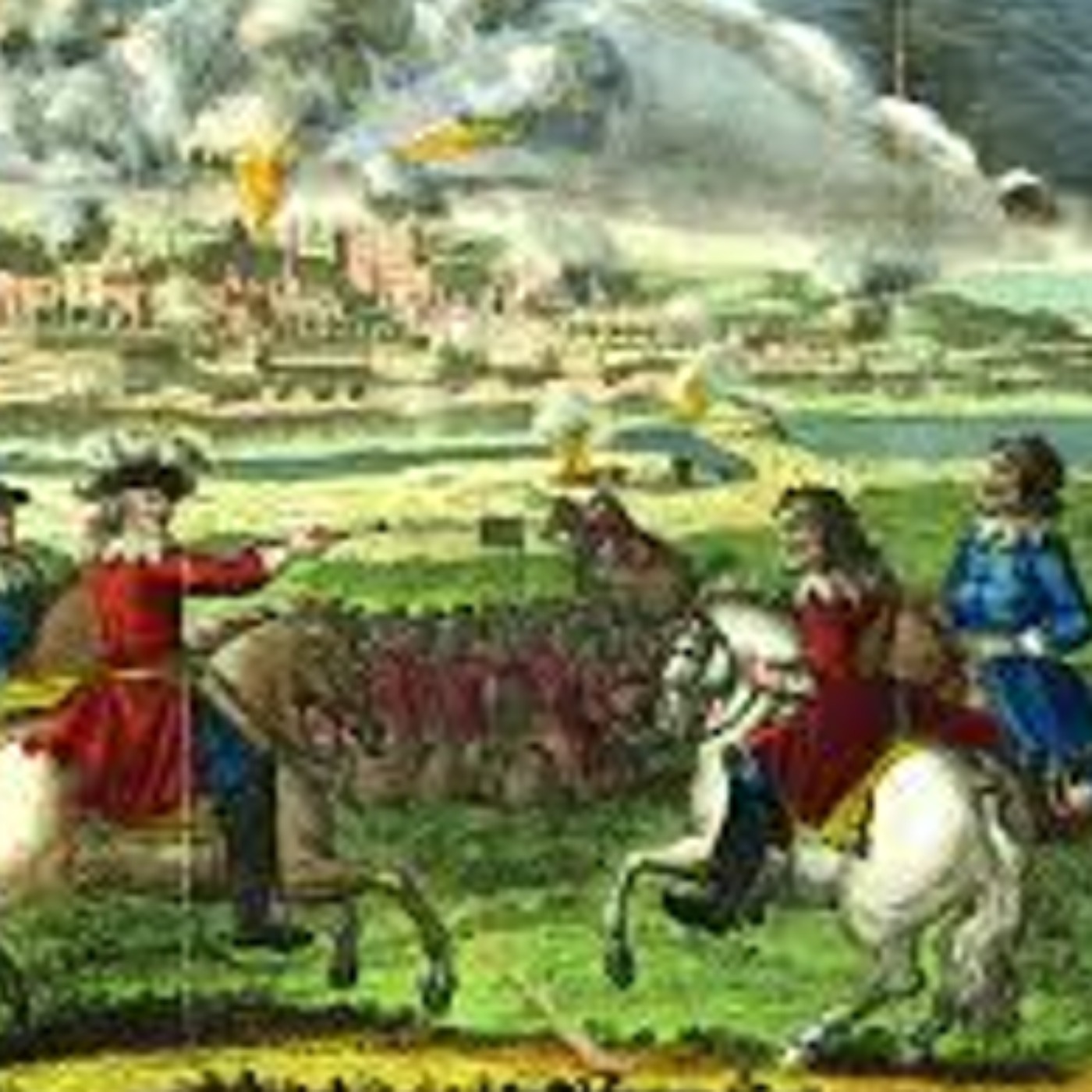
The Council of State were convinced that only General Cromwell could deliver victory in Ireland; and Cromwell used this to negotiate the best possible supply of men, money and material. From August 1649 to May 1650 Cromwell's campaign brought the Confederacy close to defeat, and he visited two infamous atrocities on the towns of Drogheda and Wexford.For maps, resources, transcripts or to become a
Part II Sam and David's English Revolution Q&A
Part two, about 30 questions I think; Religion, the public Sphere, culture - and a couple of 'What Ifs' which were really good funFor maps, resources, transcripts or to become a member, head for https://thehistoryofengland.co.uk. (Please note the 'the' part!) Hosted on Acast. See acast.com/privacy for more information.
Part I Sam and David English Revolution Q&A
We had a vast number of brilliant quesrtions. Sam (Pax Britannica) and David (of this parish) had a lovely time - but went on a bit, there's no denying it. So this is part I, about 25 questions, mostly about politics and the civil wars themselvesFor maps, resources, transcripts or to become a member, head for https://thehistoryofengland.co.uk. (Please note the 'the' part!) Hosted on Acast. See aca
412 Levelers and Diggers
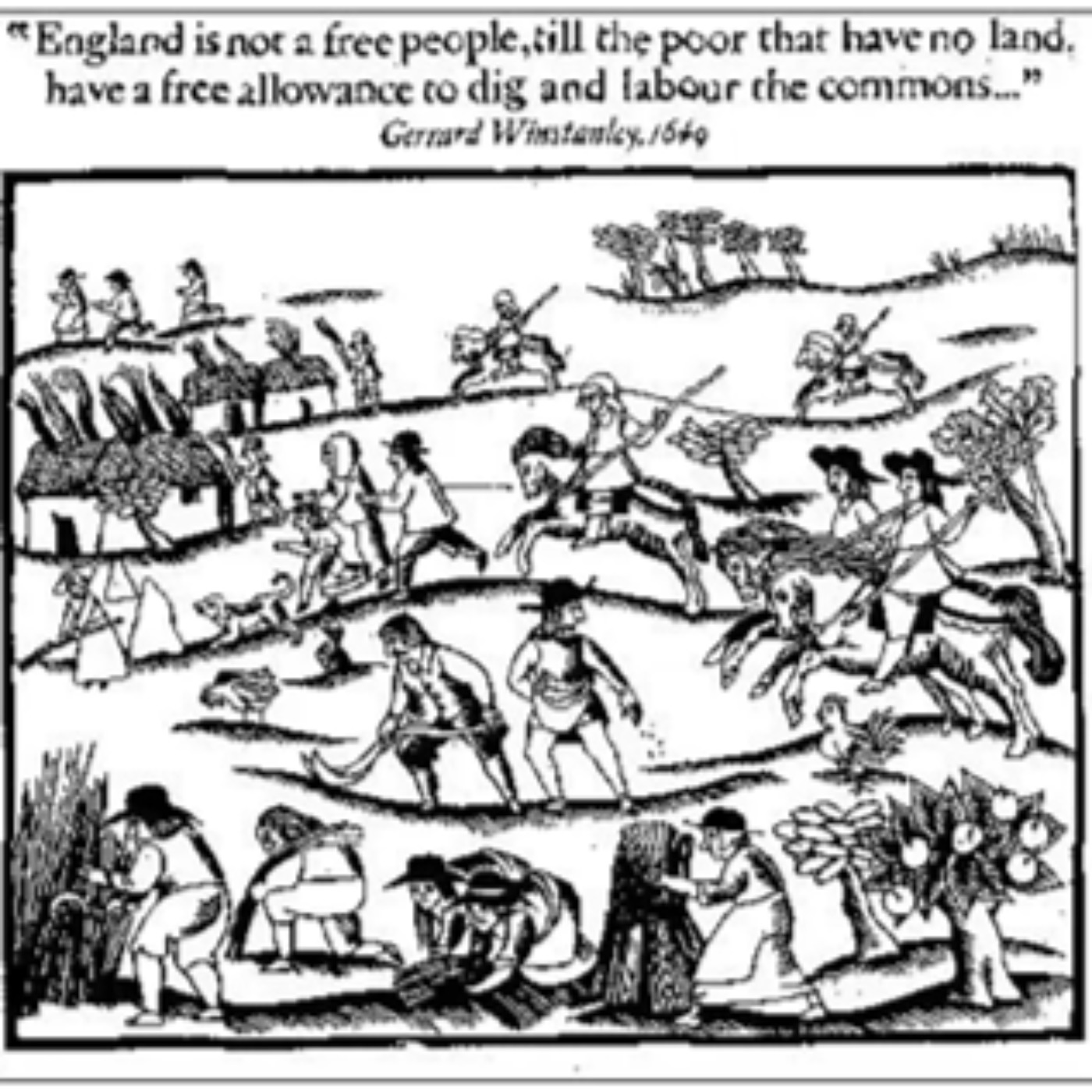
In April 1649 the new Commonwealth was under siege, enemies with and without. The Levelers saw the new Commonwealth as a betrayal of the revolution, and set out to raise rebellion against the Rump and the Grandees, to set soldiers against their officers and people against their parliament. Meanwhile, Gerald Winstanley started writing furious pamphelts, demanding social reform - and a True Leveling
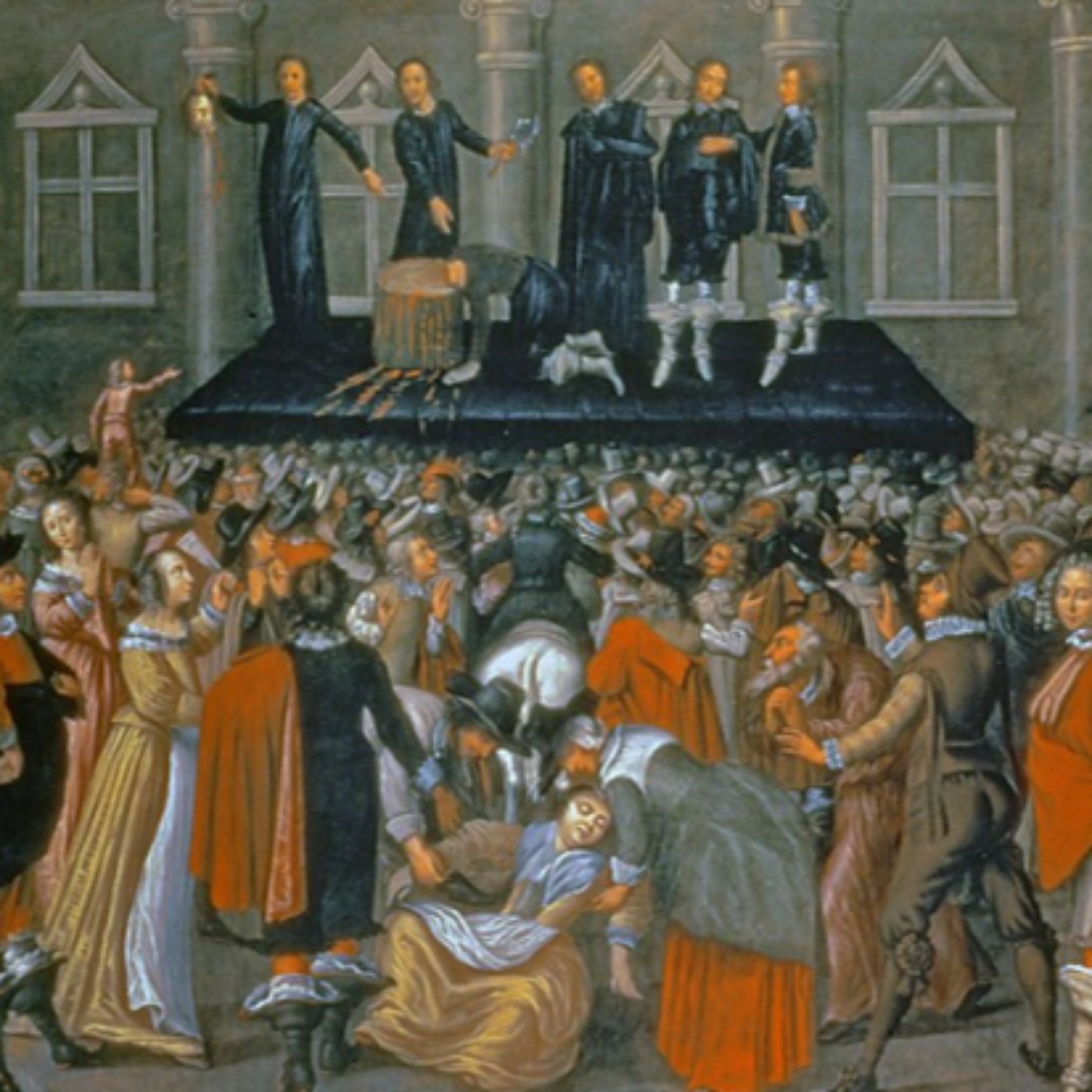
411 Commonwealth and Free State
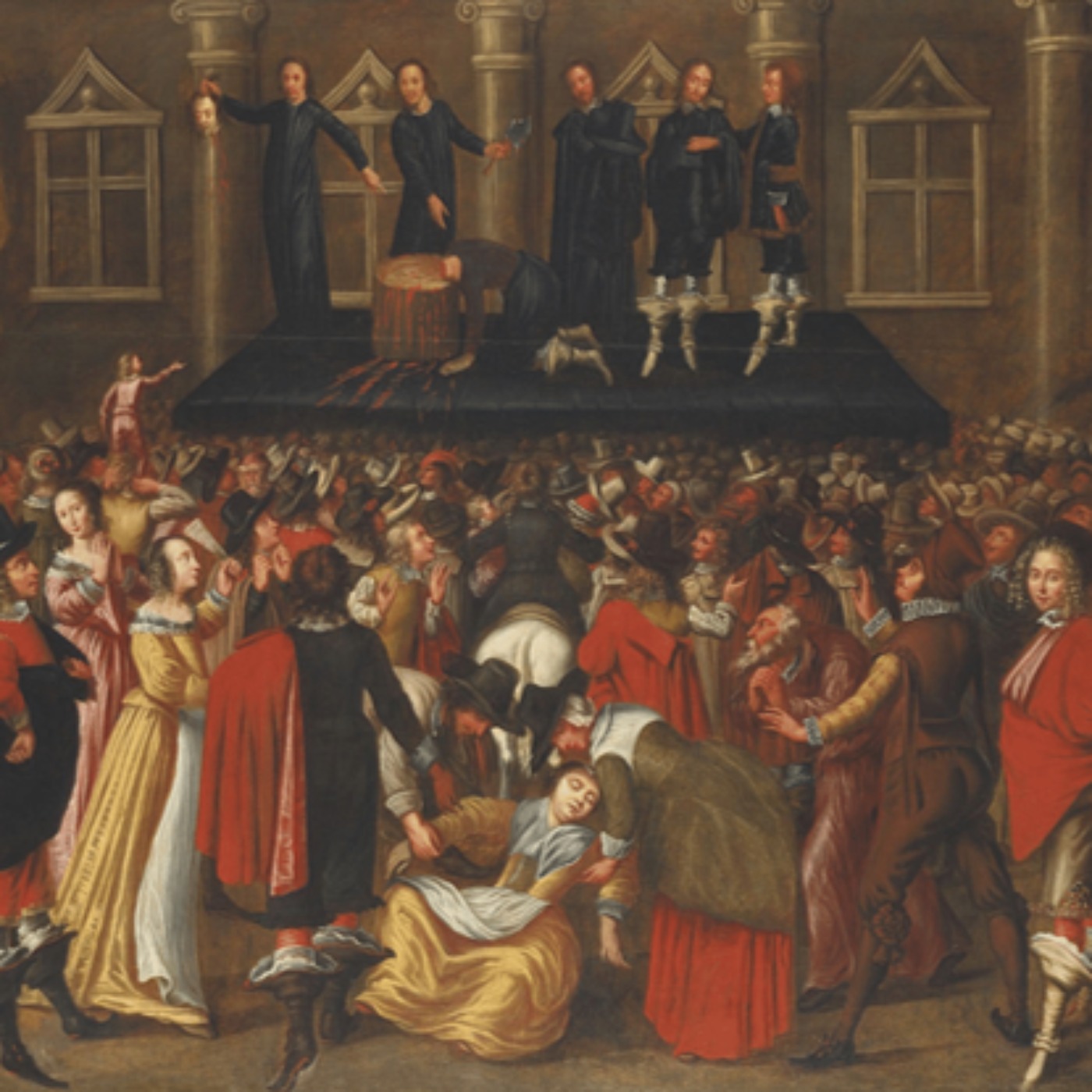
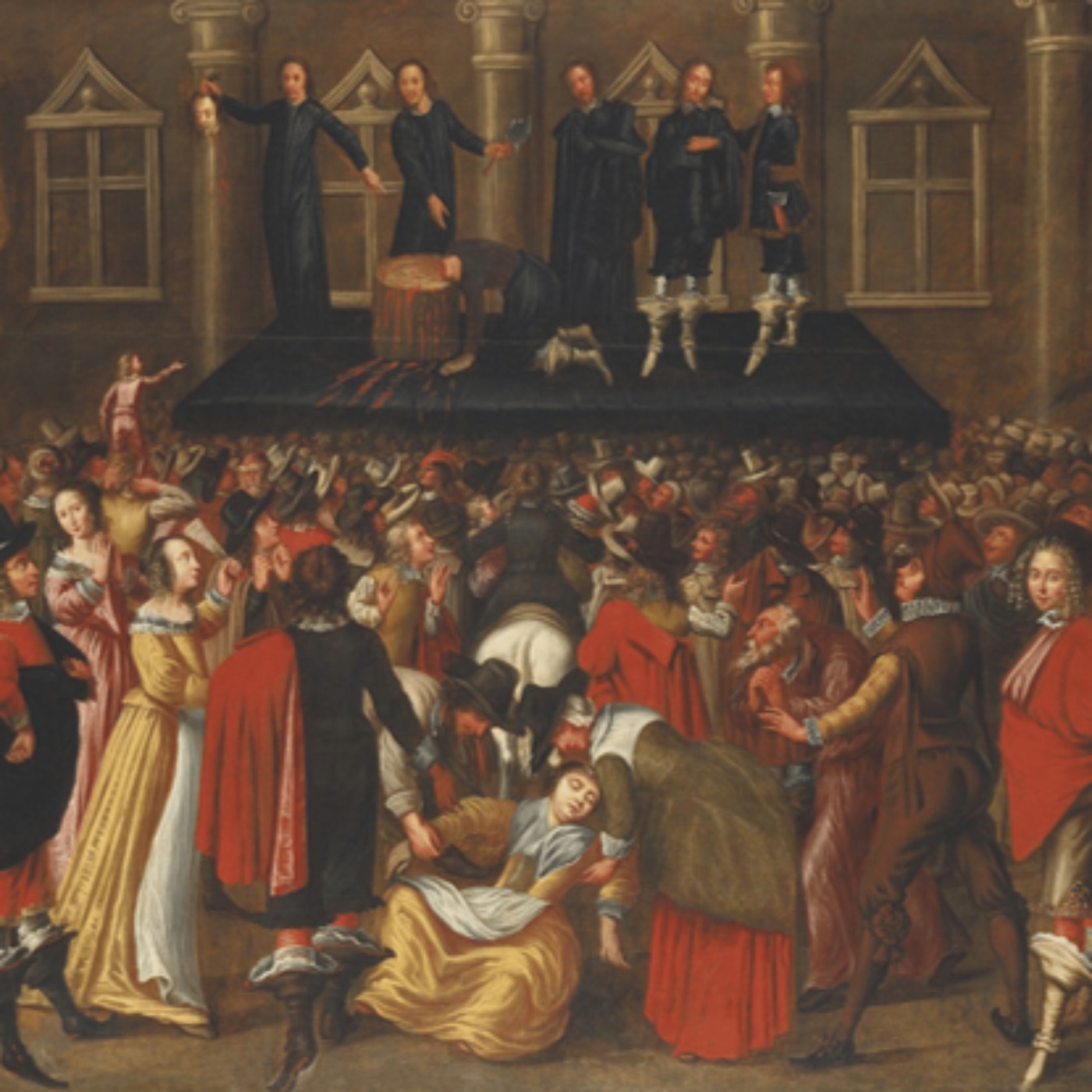
On 30th January, Charles I went to the scaffold, the first king to be publicly tried and executed by his people. He died with enormous dignity - and was duly proclaimed a martyr. With the king gone, a new state was proclaimed in his place - based on the sovereignty of the people, and ruled by a House of Commons that representated it, with the executive Council of State. As the Commonwealth's
Britain's Prehistory with Richard Grove
I am about to start a new series for Shedcast members, called Birth of Britain. It takes British history from the year dot to somewhere around 600. So I am starting the series off with an interview with friend and archaeologist Dr Richard Grove, to give us a bit of an overview. This episode is an extract from that interview. I thought that (a) you would find it interesting and that (b) it might pe
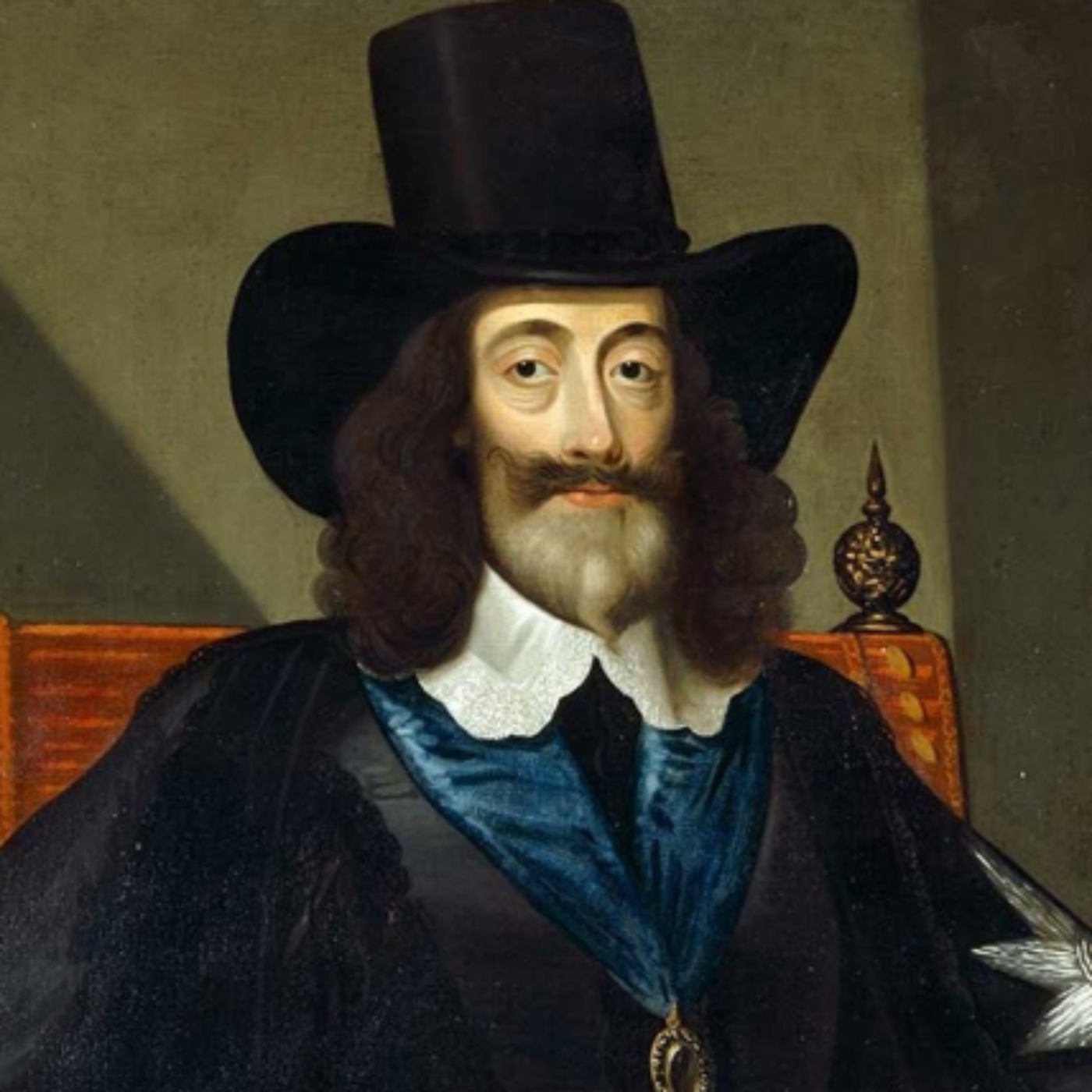
410 Tyrant, Traitor, Murderer
Once the decision was taken to put Charles on trial, the Commissiobners agonised about the detail at Westminster; the trial must be seen to be fair. But few can have doubted its outcome. The theatre of the trial was almost a gladatorial contest between representatives of the two sides, in the form of President Bradshaw, and King CharlesFor maps, resources, transcripts or to become a member, head f
409 Agreement of the People
The New Model, Levellers and Radical MPs reacted with steely determination to the adoption of the Newport treaty. It was probably Ireton that inspired Pride's Purge. Ireton it was also that drove the development of the constitutional proposal that followed, forged in the Whitehall Debates - the Agreement of the People. That would have to wait though, because more immediate questions were at hand.
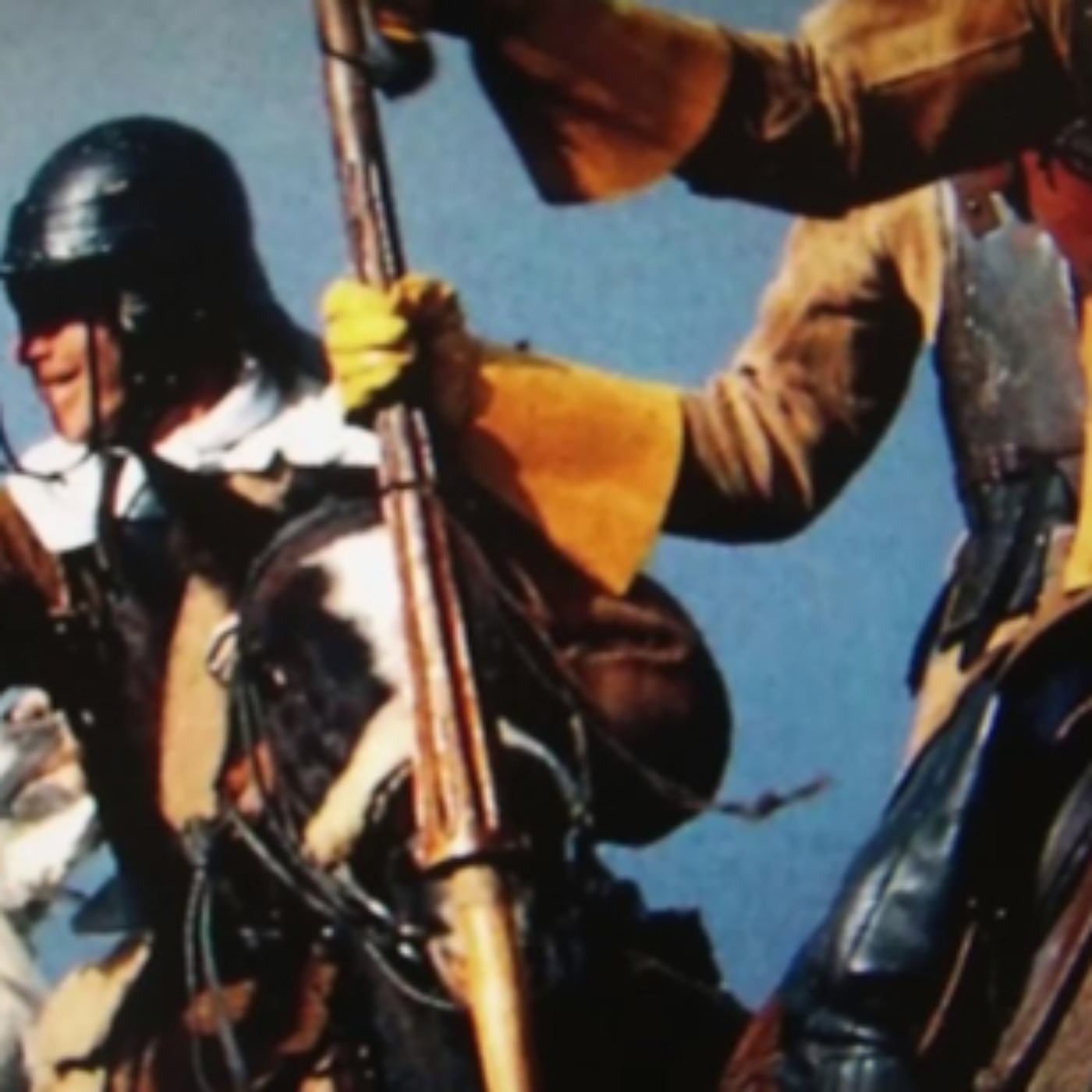
408 The Treaty of Newport
In July. Hamilton launched his army of Scots across the border, in confident expectation that his 14,000 would be swelled by enthusiastic English royalists. England would know it's fate at Preston, when the opposimg commanders, Hamilton and Cromwell, threw the dice. While parliament would receive two proposals for a lasting peace; the Remonstranbce of the Army, penned by Ireton, Radical MPs a
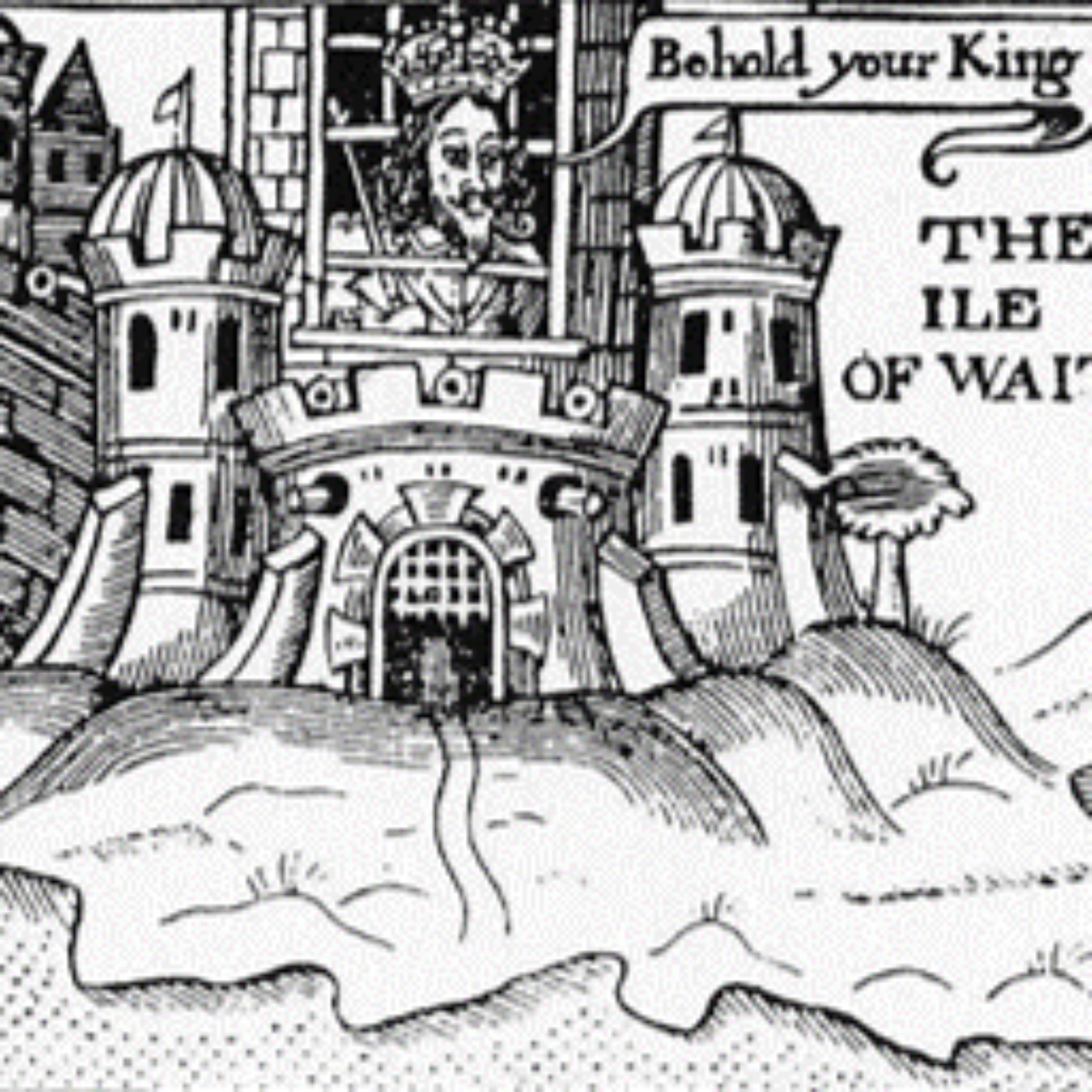
407 The Peoples' Distress
If the people of England had gone to war to build a better world, by January 1648 they were seriously unimpressed with what Utopia looked like. The issues that distressed the people were legion - taxes, religion, sequestration, omne daft ideas about equality, county committees - even Christmas! And when news of the King's Engagement with the Scots got out, well, some people saw that as an opp
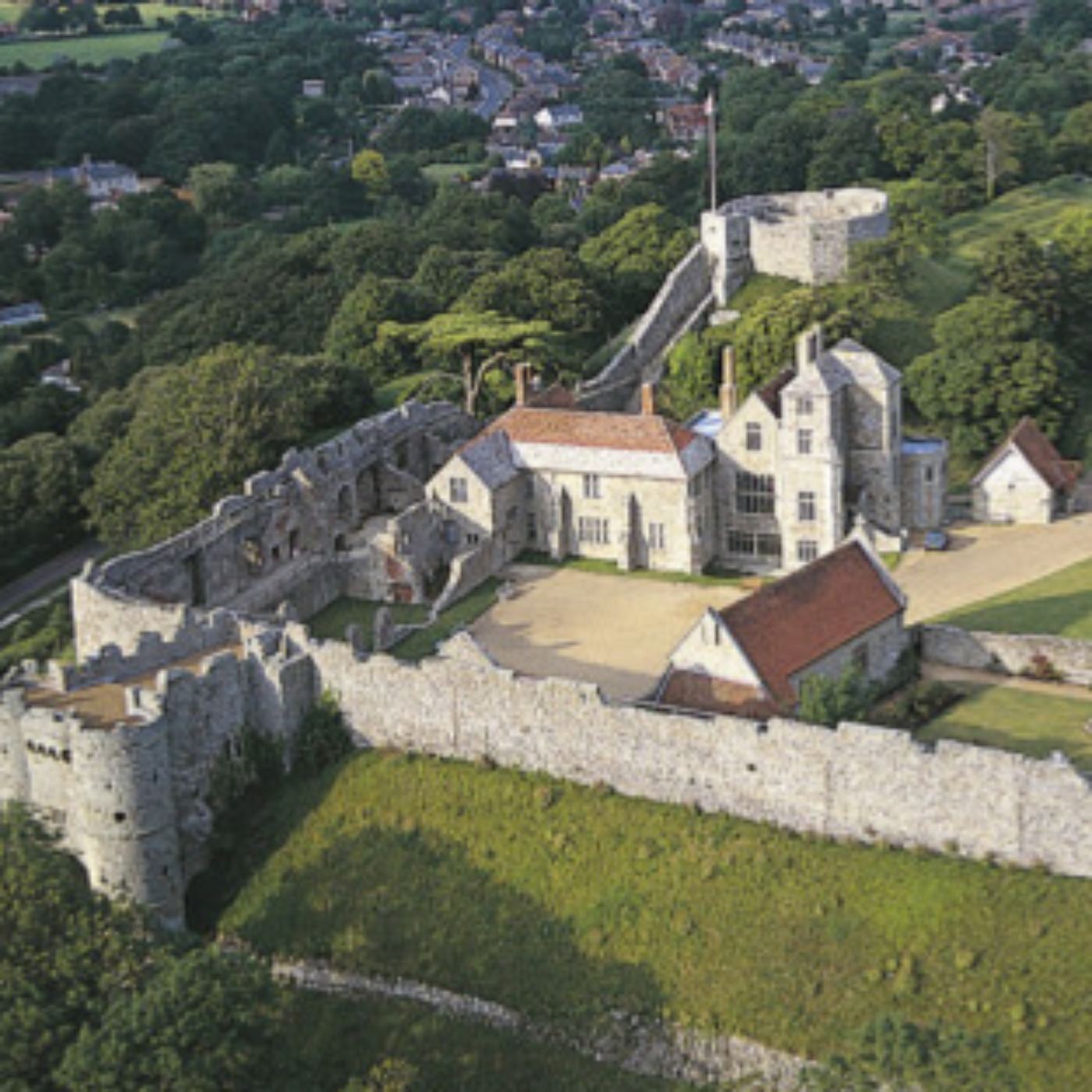
406 Engagements
In November 1647 at Corkbush field near Ware, Fairfax faced a dangerous threat to army unity - the work of the Leveller Agitators had incited some regiments to mutiny, in support of the Agreeent of the People. Meanwhile Charles had fled Hampton Court; he would find his new home even less to his liking. Until he had a strictly private discussion with the Scots...For maps, resources, transcripts or
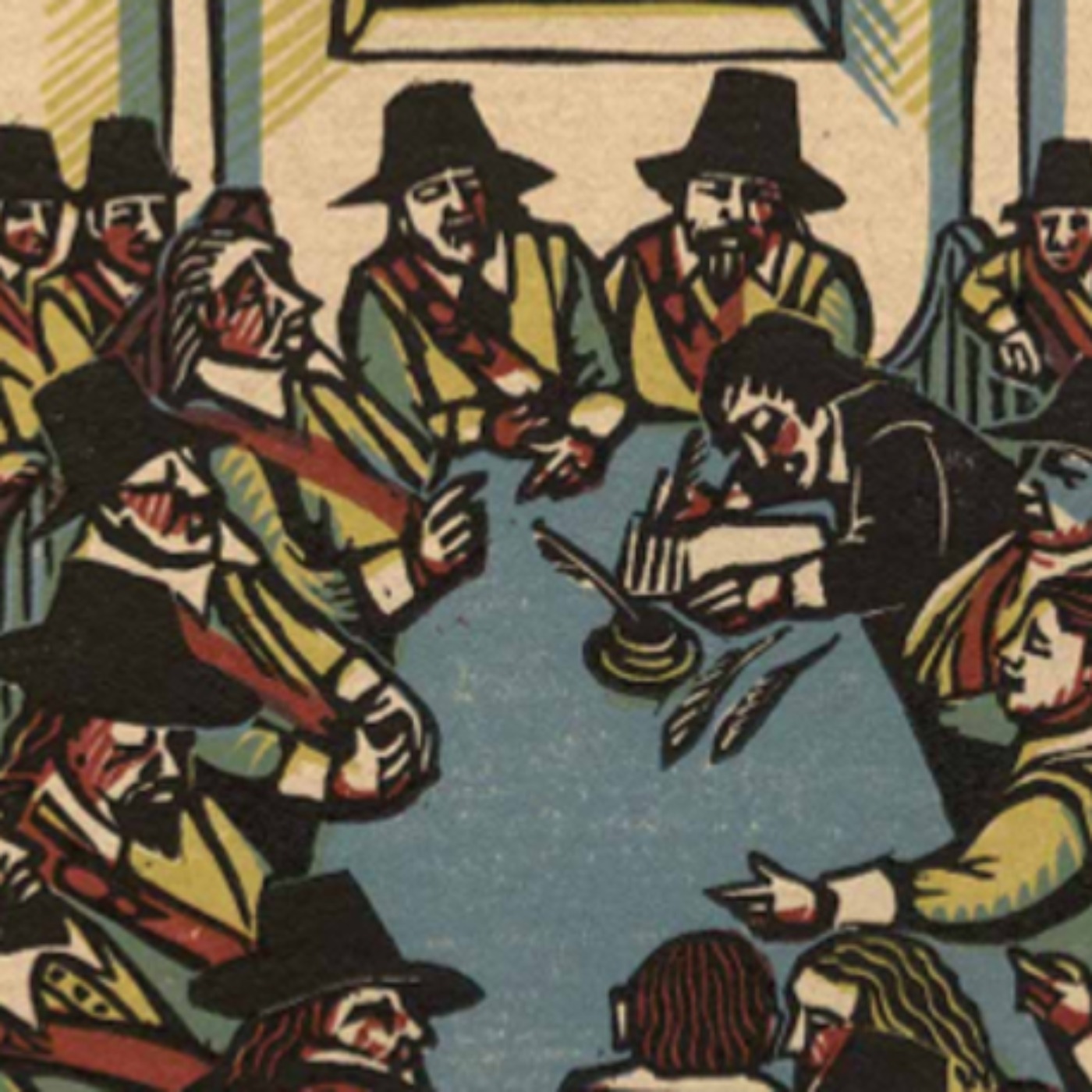
405 The Putney Debates
Following the attenpt by parliament to close the army down without pay, and the resulting August 1647 coup, the army was a seething mass of worries and resentments. Thrown into the mix were the radical political ideas of the Levellers. Together, all of this threatened chaos and even mutiny. So Cromwell and Fairfax invited representatives of their brothers in arms to thrash all of this out in the o
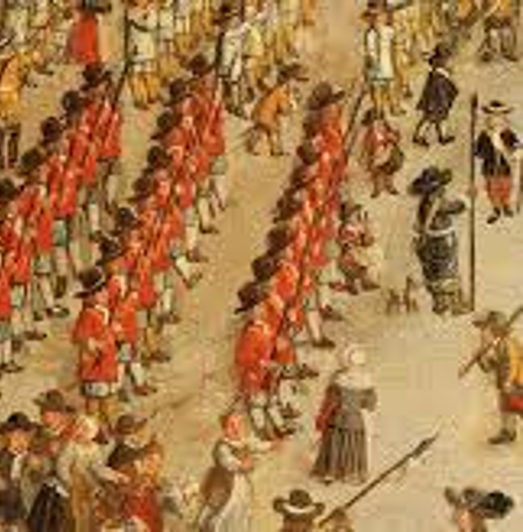
404 A New Model Coup
In July, England had the prospect of king, Fairfax and Army triumphantly entering London with a new, open and tolerant constitution and a bright future. But Charles had killed that. So, in the face of the hostility of parliament, and fortified by their Solemn Engagement, the New Model Army decided to take England's future into their own hands.For maps, resources, transcripts or to become