The EI Podcast
The EI Podcast features weekly conversations and audio essays from leading writers, thinkers and historians. Hosted by Alastair Benn and Paul Lay, it covers a range of intellectual and historical topics. The podcast is available on Apple Podcasts, Spotify, and other platforms.
Episodes

The Fifth Republic: order or chaos?
France is in some ways one of Europe’s most conservative societies, and yet revolutionary violence is never far from the surface. Muriel Zagha joins Alastair Benn to discuss this month’s riots and what they mean for next year’s presidential election.Image: ‘Liberty Leading the People’ by Eugene Delacroix (1830). Credit: Alamy

The deep roots of Anglo-German relations
Britain and Germany have shared royal dynasties, forged pragmatic alliances, exchanged huge flows of capital and fought terrible wars against each other. In his new book, ‘Great Powers: A History of Britain and Germany’, Jan Rüger documents that symbiotic relationship’s twists and turns over the past 300 years.Image: An anti-German British propaganda poster from the First World War. Credit: Wikim
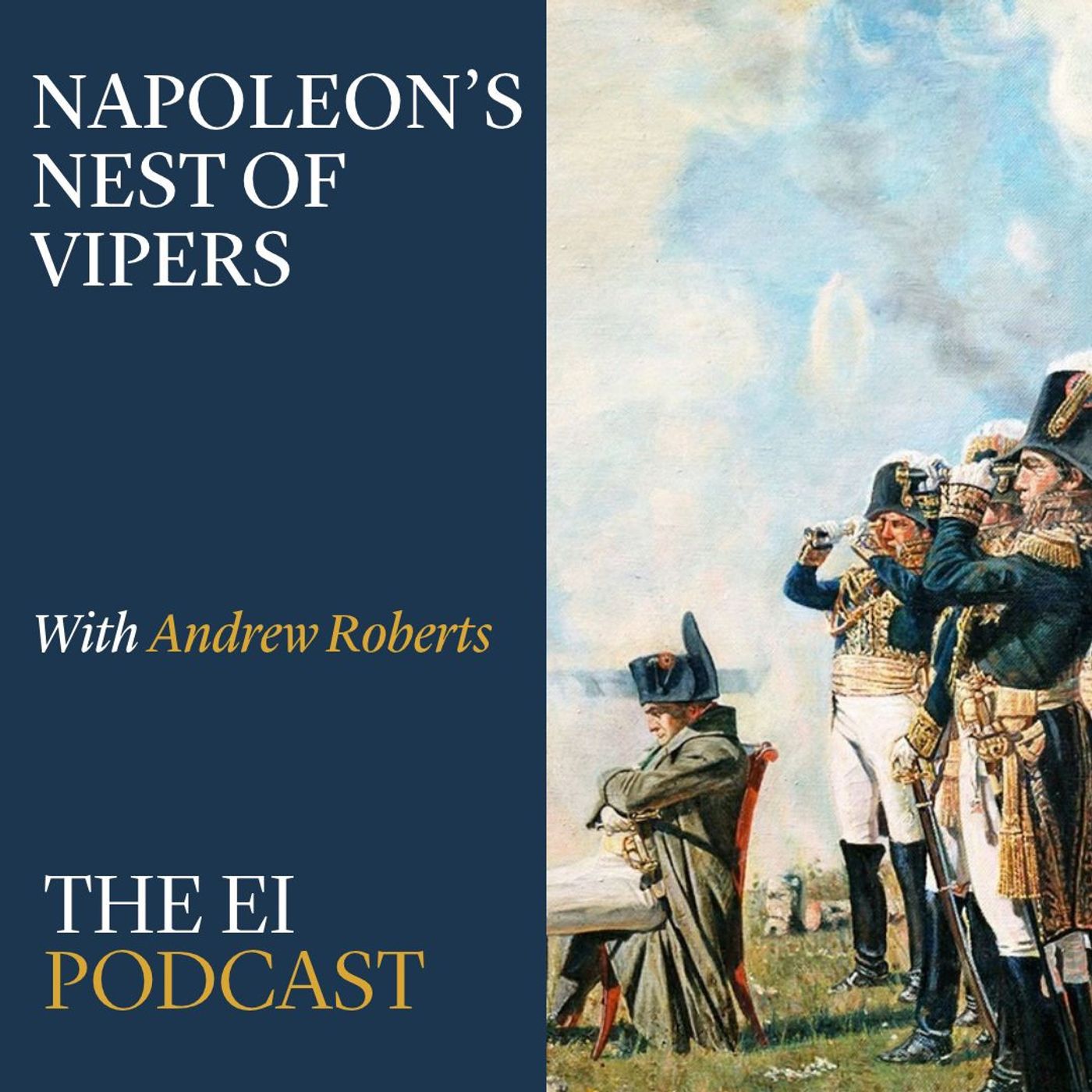
Napoleon’s nest of vipers
Napoleon appointed a total of 26 Marshals between 1804 and 1815, and they became crucial to his military success. Yet only two of them fought alongside him at the Battle of Waterloo. Andrew Roberts sits down with Paul Lay to discuss his new book, ‘Napoleon and his Marshals’.Image: Napoleon near Borodino, by Vasily Vereshchagin (1897). Credit: Wikimedia Commons
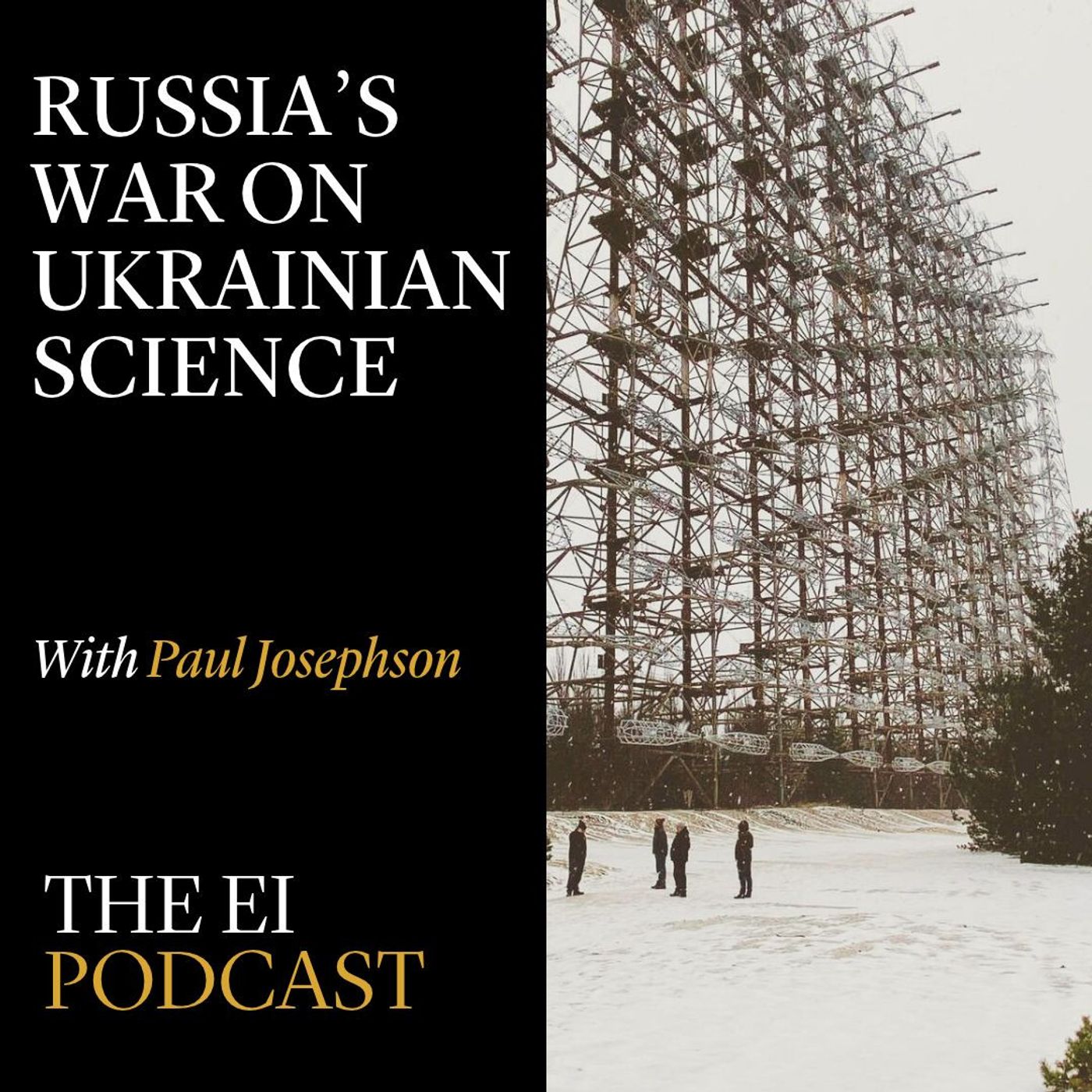
Russia’s war on Ukrainian science
Earlier this week, a Russian drone strike hit the National Academy of Sciences in central Kyiv, bringing terror to the historic centre of Ukraine’s capital and damaging a symbol of national independence. Paul Josephson speaks to Jack Dickens about why Vladimir Putin is targeting Ukraine’s leading research institutes.Image: The Soviet-era Duga radar near Chernobyl, Ukraine. Credit: Alamy
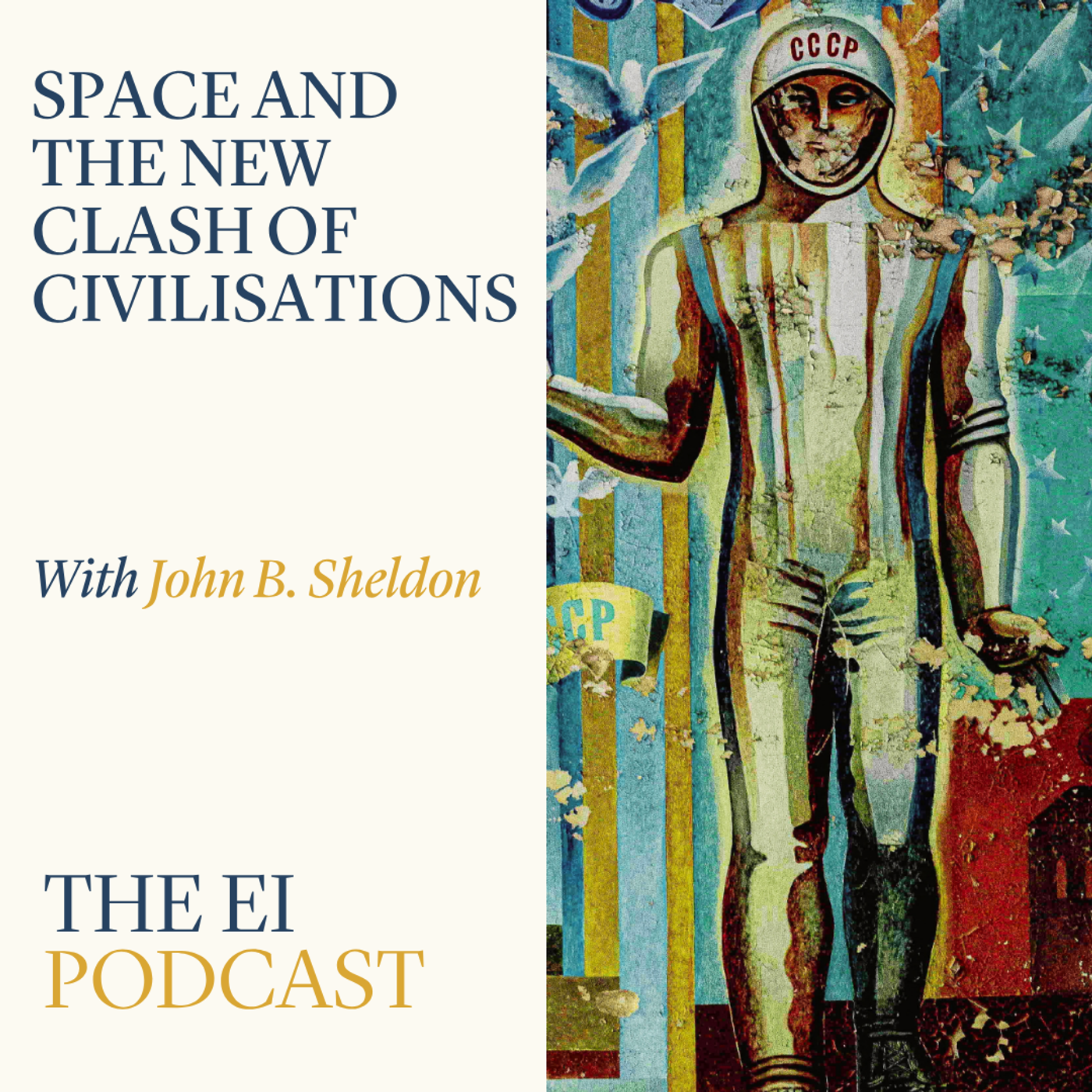
Space and the new clash of civilisations
Earlier this month, the US confirmed for the first time that it had deployed a space weapon in Earth’s orbit. John B. Sheldon and Jack Dickens discuss the fight for extraterrestrial supremacy. Image: A mural of a Soviet-era cosmonaut in Ukraine. Credit: Alamy
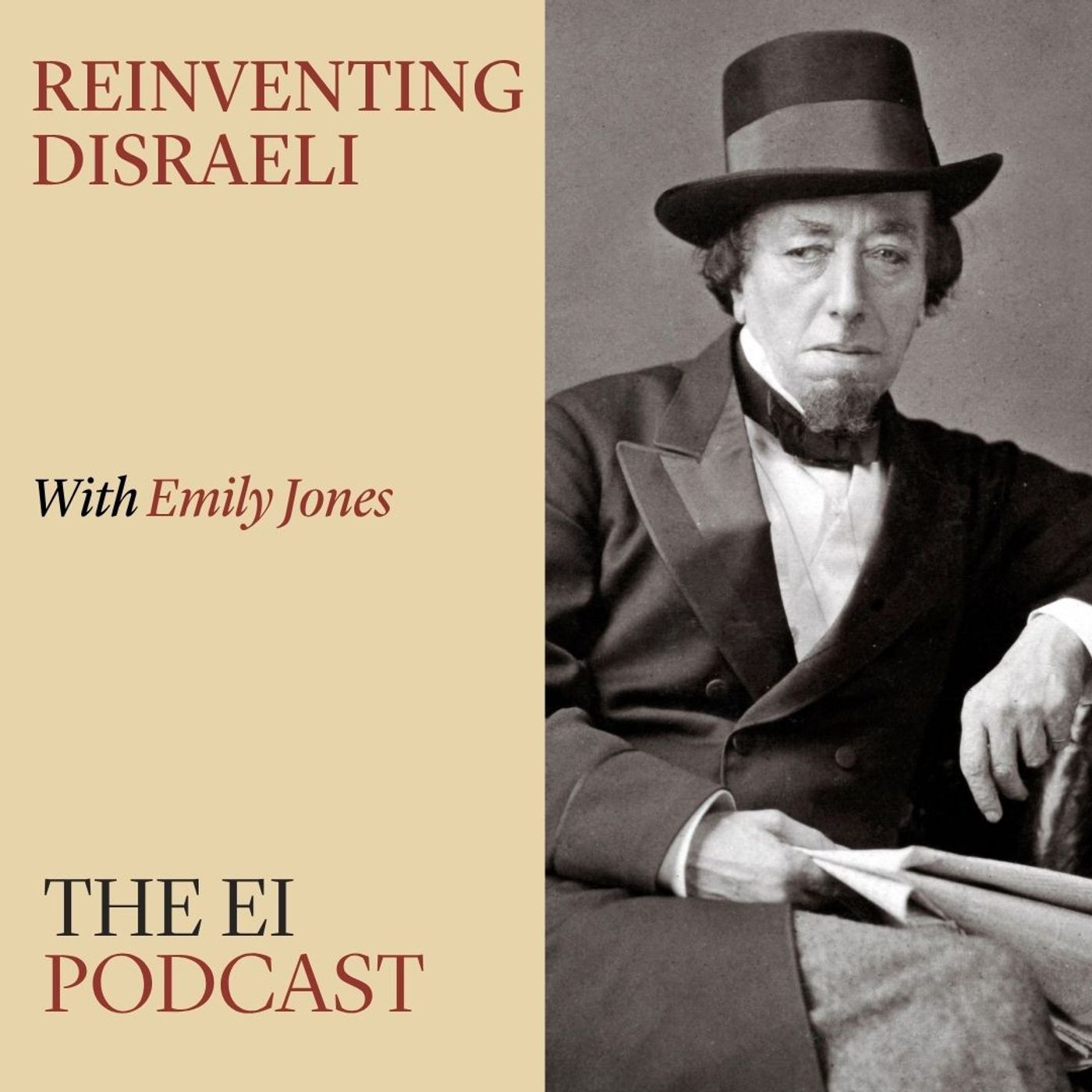
Reinventing Disraeli
What did Benjamin Disraeli believe and why is he still invoked as a prophet of modern conservatism? Emily Jones speaks to Paul Lay about her new book, ‘The Disraeli Myth: The Making of a Conservative Tradition’.Image: Portrait of Benjamin Disraeli, c.1860. Credit: Alamy
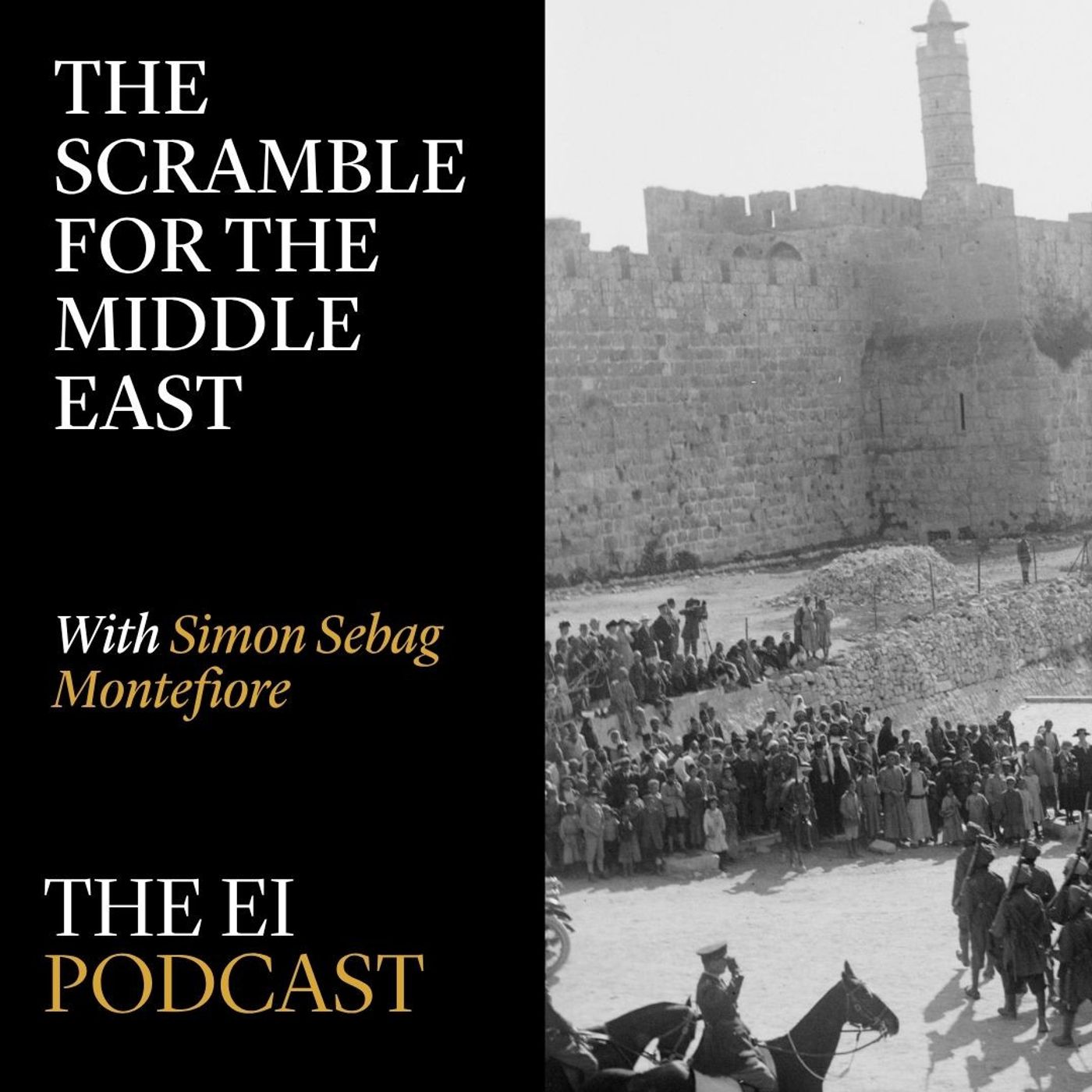
The scramble for the Middle East
Simon Sebag Montefiore speaks to Jack Dickens about his new book, ‘The Cauldron: The Making of the Modern Middle East’. Image: British troops on parade at Jaffa Gate after seizing military control of the region from the Ottoman Empire (1917). Credit: Wikimedia Commons
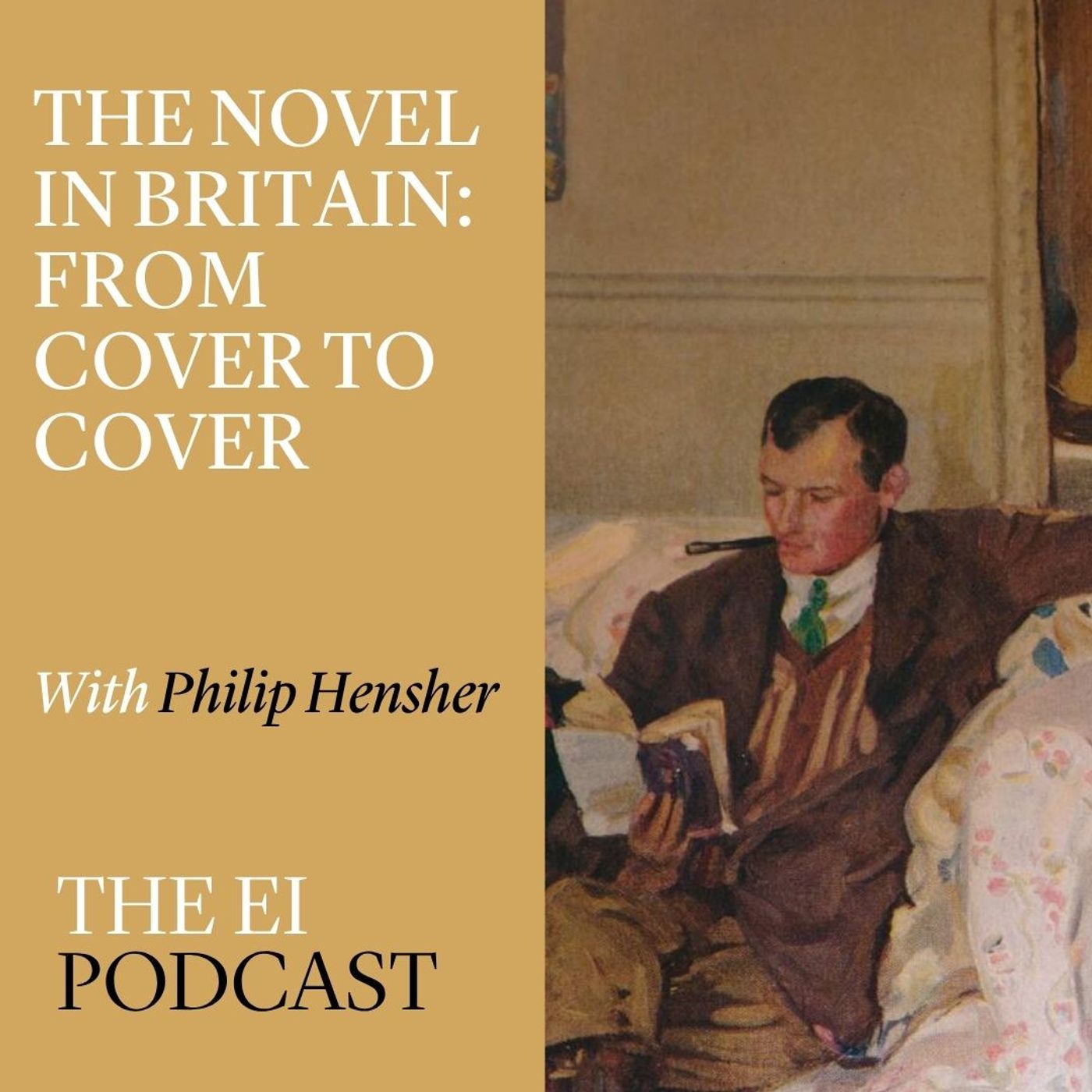
The novel in Britain: from cover to cover
Philip Hensher speaks to Alastair Benn about his new book, ‘A History of the Novel in Britain’, a stylish and very personal survey of a great tradition.Image: Portrait of Algernon Talmage circa 1915, by Hilda Fearon. Credit: Alamy
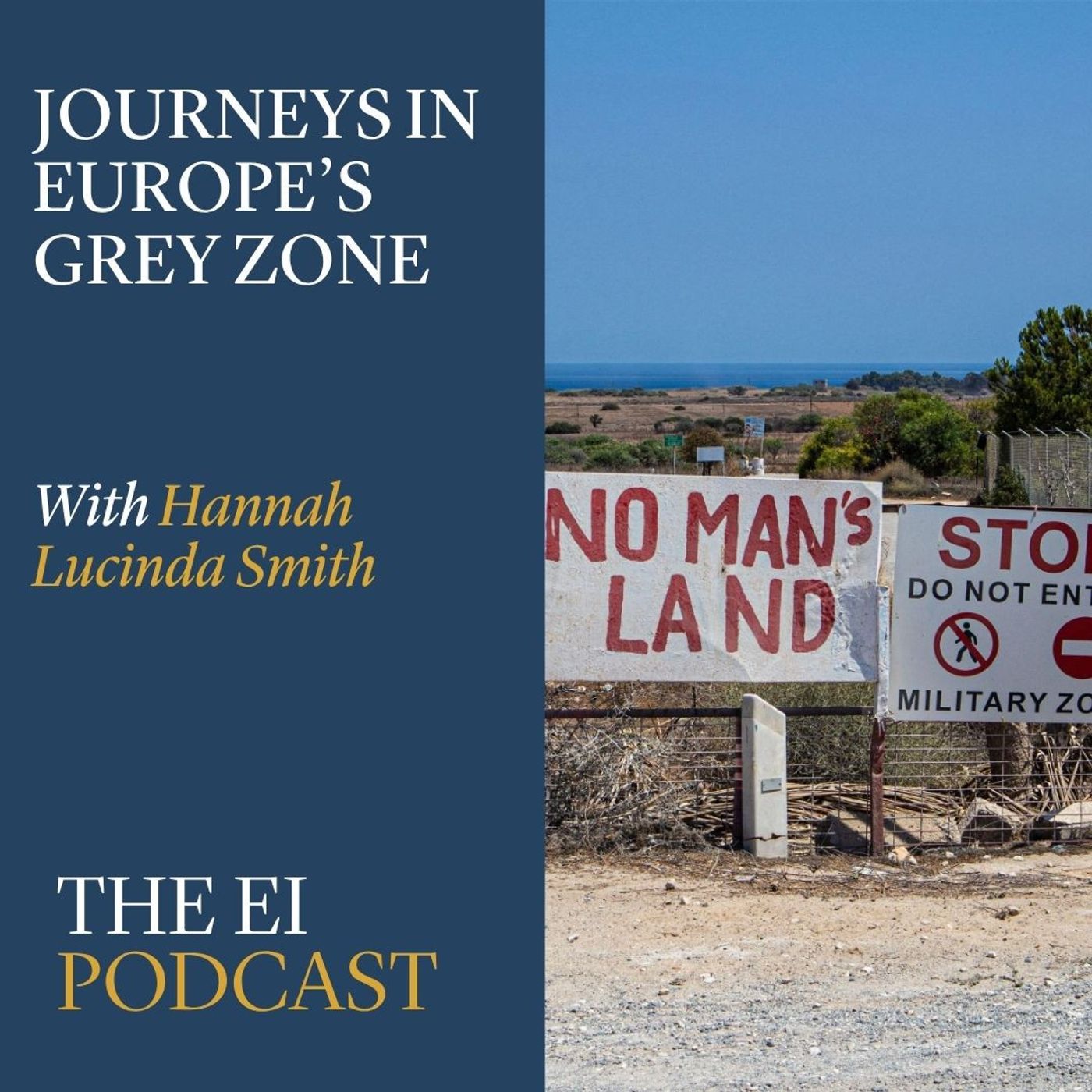
Journeys in Europe’s grey zone
Hannah Lucinda Smith speaks to Caitlin Allen about her new book, ‘Hinterlands: Journeys through Europe’s Unfinished Frontiers’.Image: United Nations Buffer Zone near the ghost town resort of Varosha, Famagusta, Cyprus. Credit: Alamy
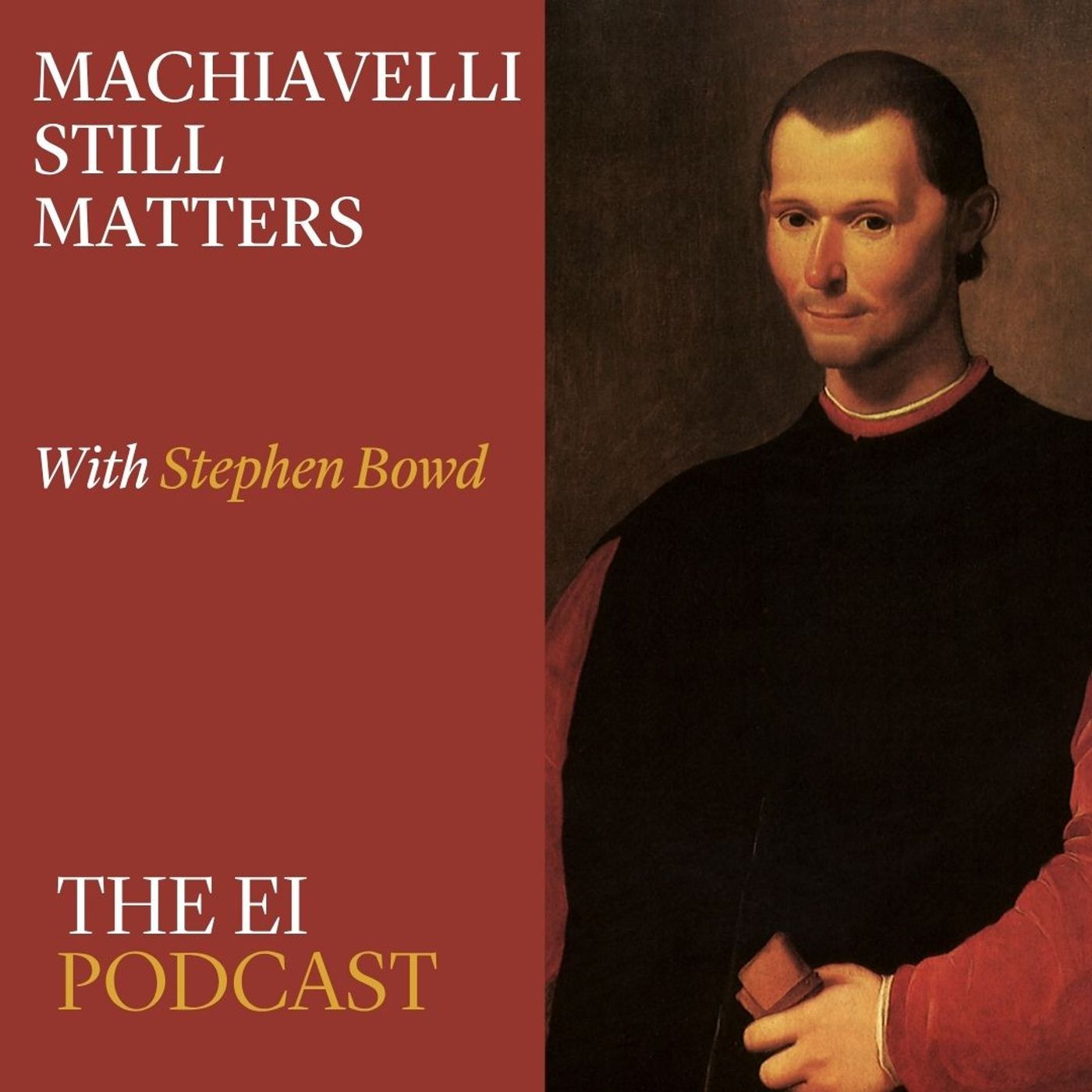
Machiavelli still matters
Stephen Bowd speaks to Paul Lay about why, 500 years after his death, Niccolò Machiavelli remains one of the world’s most vital political philosophers.Image: Portrait of Niccolò Machiavelli (1570). Credit: Alamy
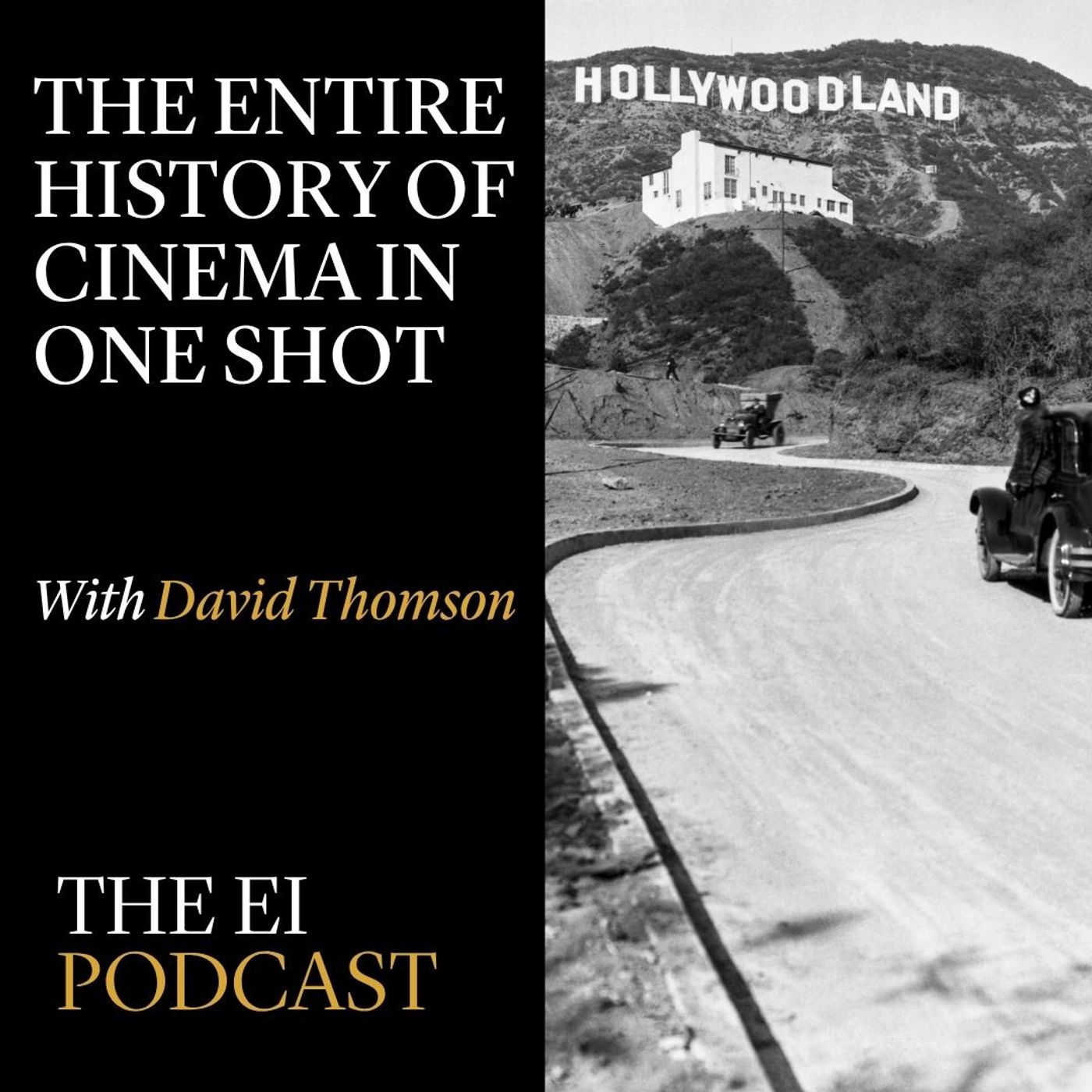
The entire history of cinema in one shot
Film critic David Thomson speaks to Paul Lay about his new book, ‘A Sudden Flicker of Light: A Revisionist History of the Movies’. Image: A sign advertises the opening of the Hollywoodland housing development in the hills overlooking Los Angeles. Credit: Alamy
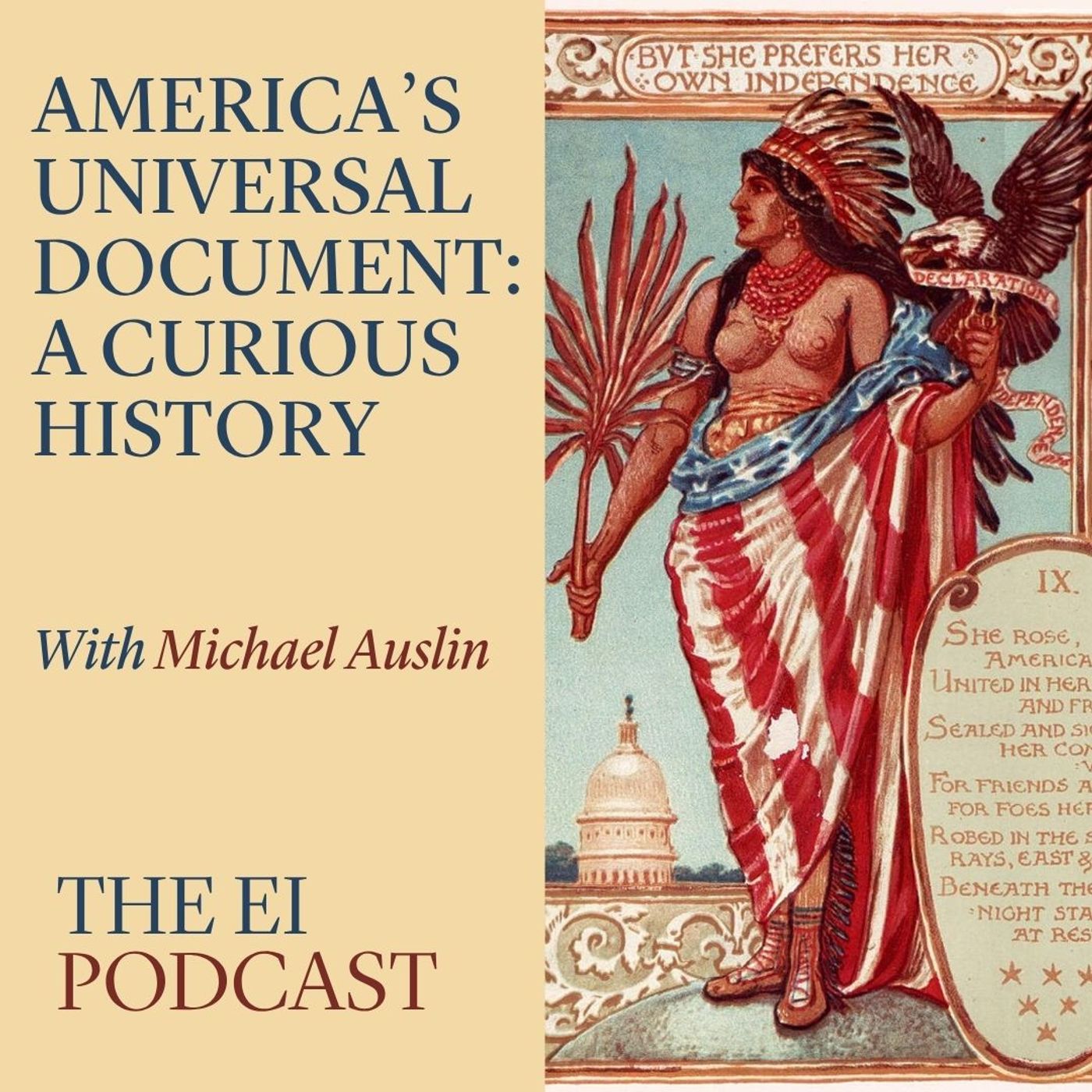
America’s universal document: a curious history
Marking 250 years since the Declaration of Independence, Michael Auslin speaks to Paul Lay about the document’s powerful yet often strange afterlife. From Philadelphia in 1776, through the Civil War, the Gilded Age, both World Wars and the Cold War, America’s founding document has been a perennial symbol of hope. Image: An illustration from ‘Columbia's Courtship: A Picture History of the United S
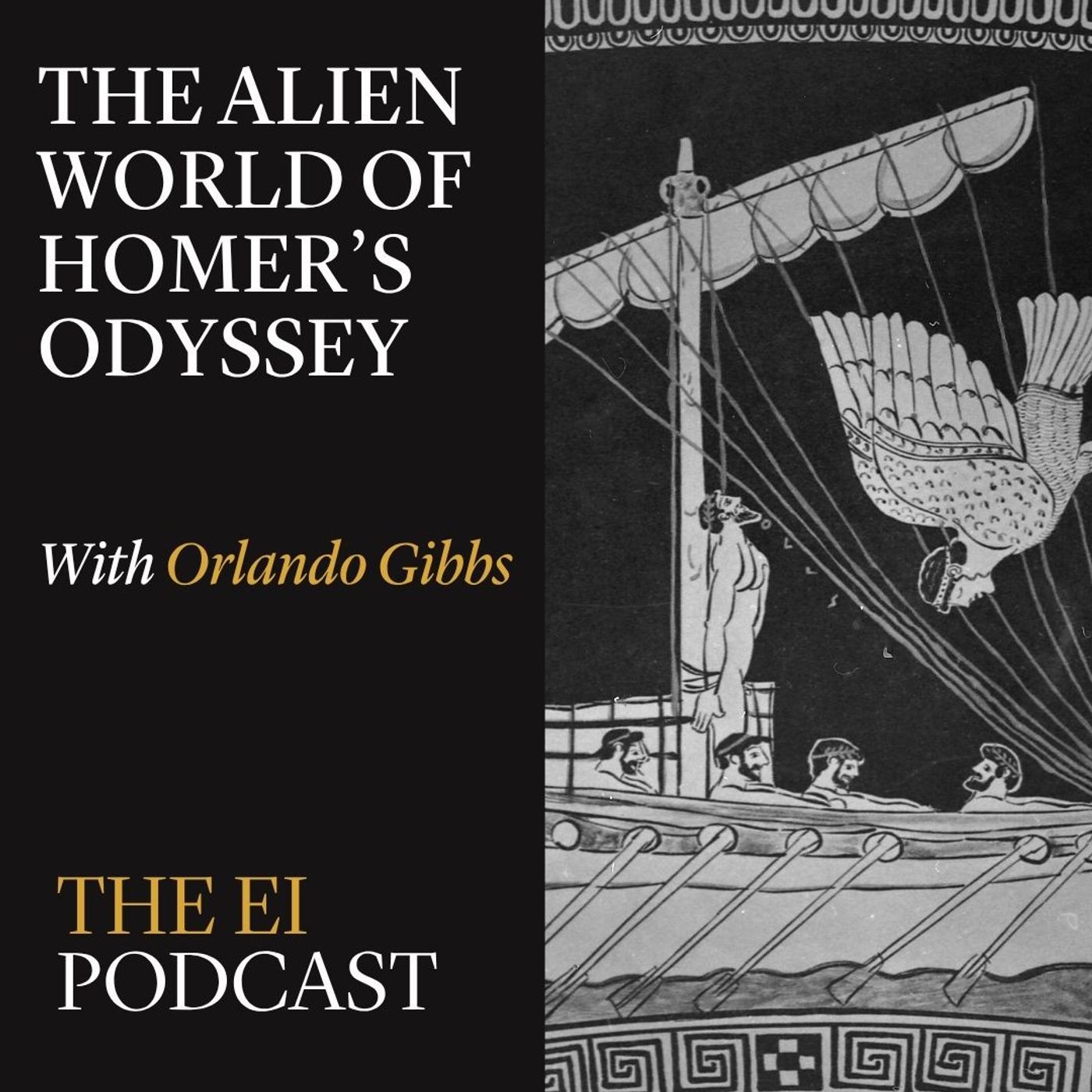
The alien world of Homer’s Odyssey
What does Christopher Nolan’s adaptation of ‘The Odyssey’ have in common with Homer’s poem? Classicist and actor Orlando Gibbs speaks to Alastair Benn about the strangeness of this ancient epic, which depicts a moral world far removed from Nolan’s secular and post-Christian worldview, and discusses whether its popularity will lead to a renewed interest in the classical world.Image: Odysseus and t
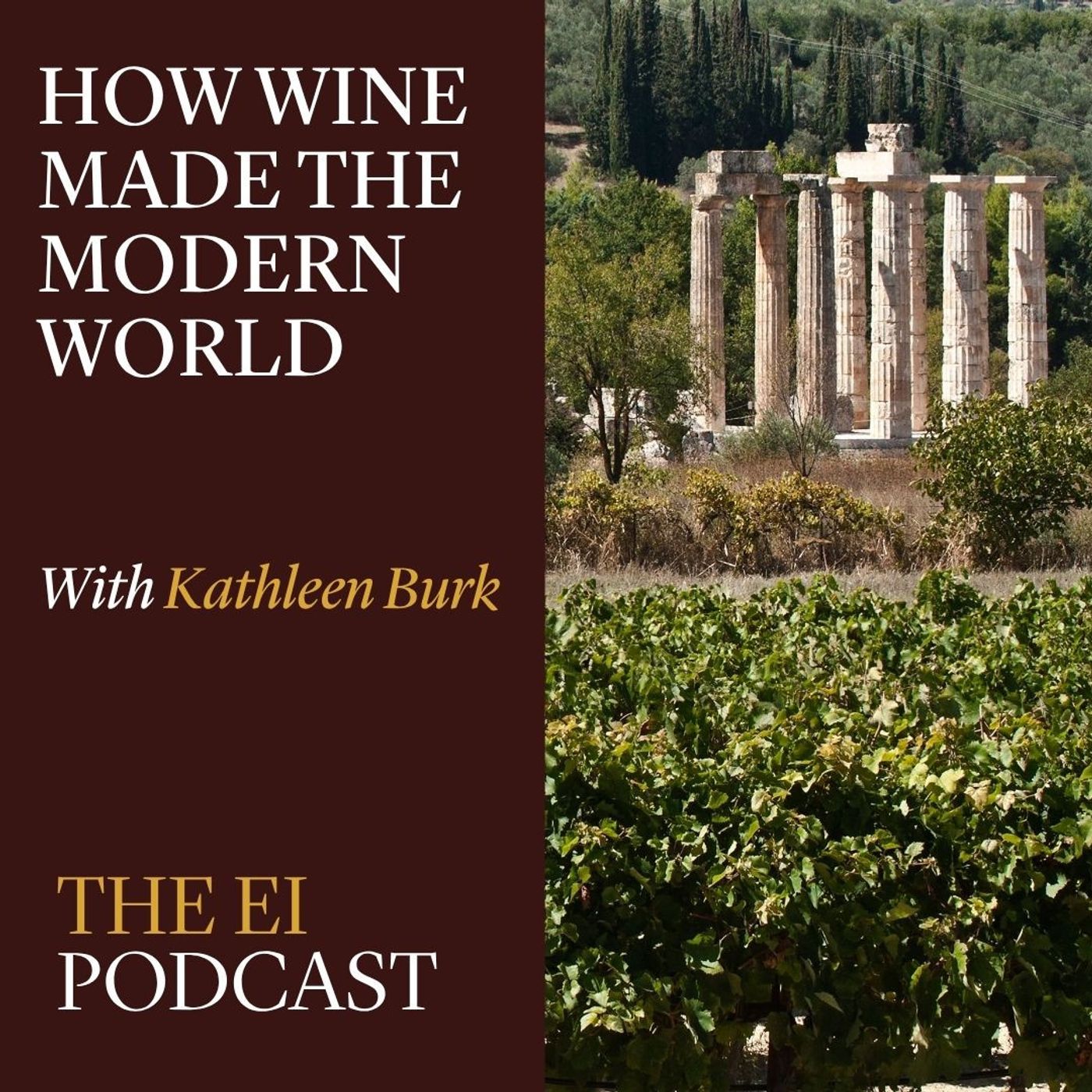
How wine made the modern world
Historian Kathleen Burk speaks to Max Mitchell about the long history of humanity's relationship with wine, taking us on a journey from the ancient Near East to modern France.Image: A vineyard near the Temple of Zeus at Ancient Nemea, Korinthia, Greece. Credit: Alamy
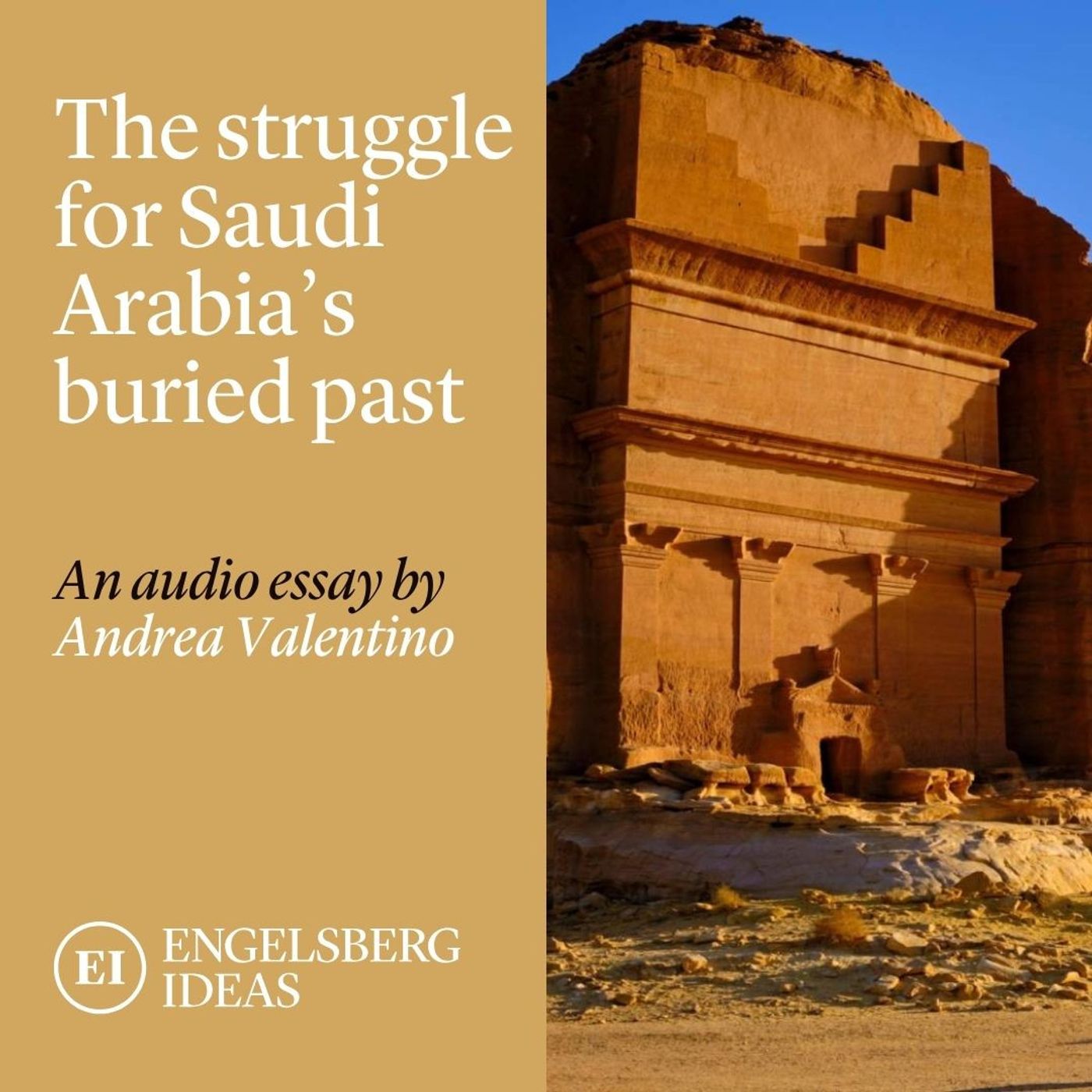
The struggle for Saudi Arabia’s buried past
Saudi Arabia’s expensive investment in its future has come with a concurrent focus on its archaeological past but its ambitions risk eradicating the remnants of pre-Islamic history. Read by Leighton Pugh. Read the essay here: https://engelsbergideas.com/essays/the-struggle-for-saudi-arabias-buried-past/.Image: The Qasr Al Farid tomb in Saudi Arabia. Credit: Alamy
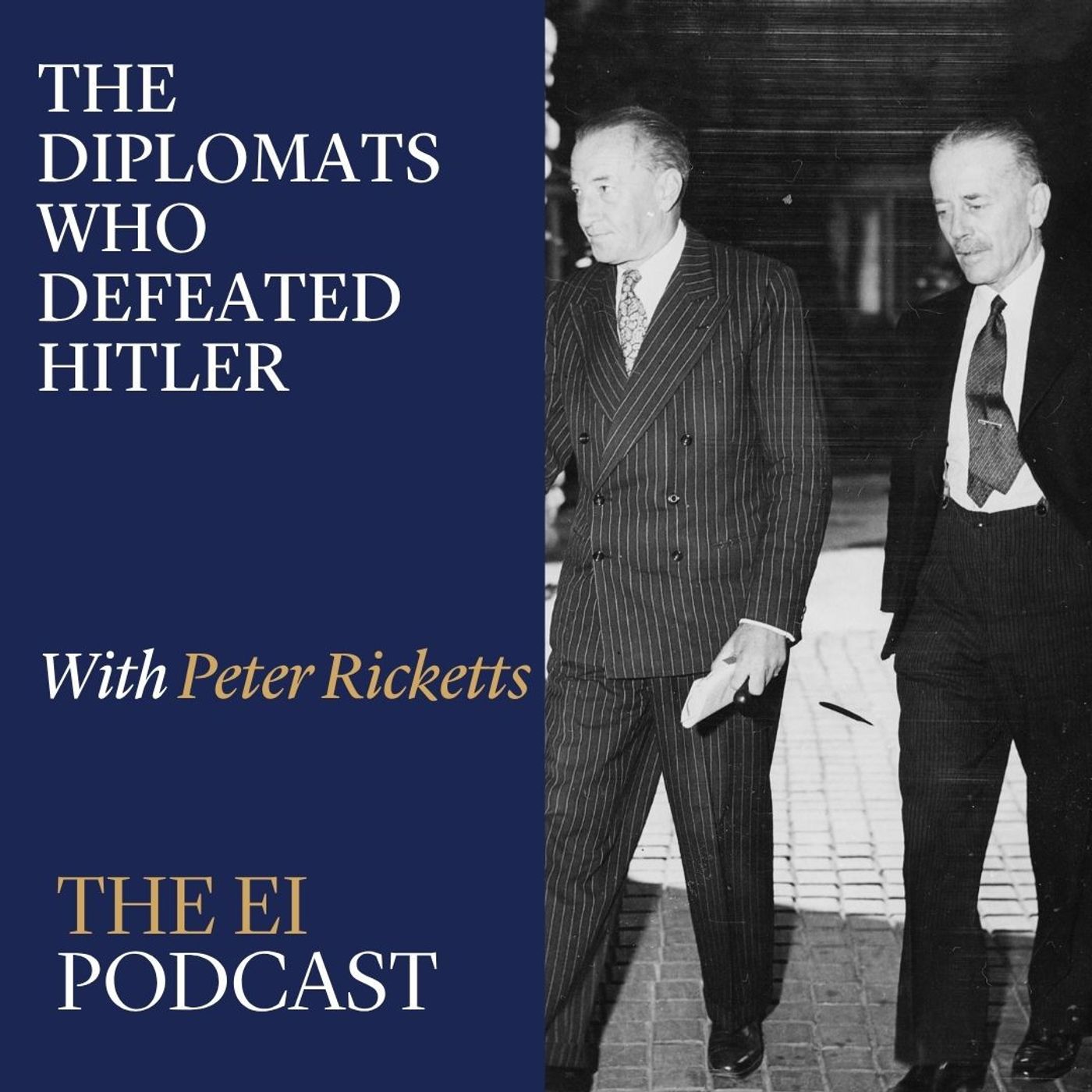
The diplomats who defeated Hitler
Peter Ricketts, Britain’s former ambassador to France, speaks with Paul Lay about a golden age of diplomacy. Image: Archibald Clark Kerr (Britain’s Ambassador to the Soviet Union) and Alexander Cadogan (Permanent Under-Secretary of State for Foreign Affairs) at the Potsdam Conference, 1945. Credit: Alamy.
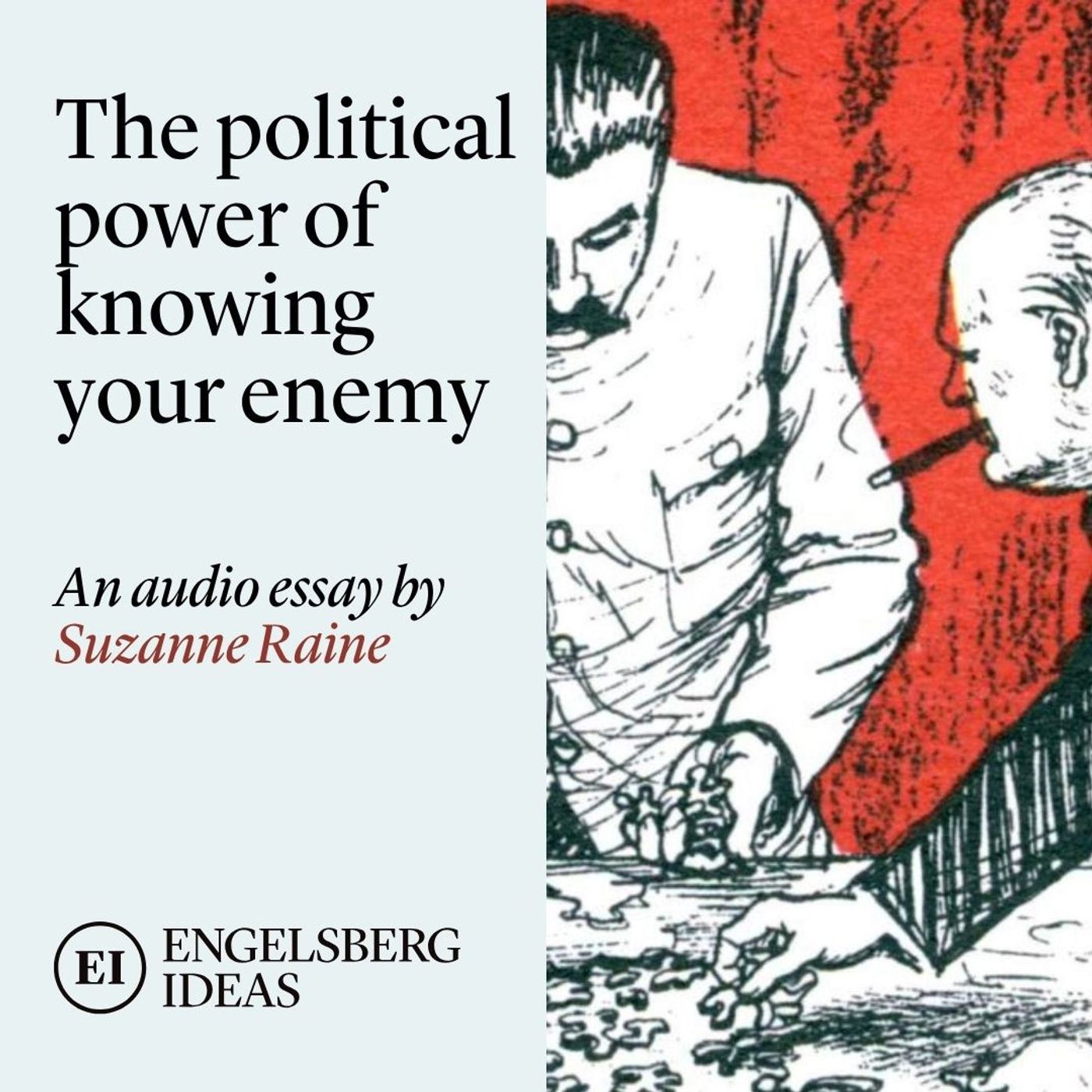
The political power of knowing your enemy
In war and diplomacy, personal relationships between leaders can shape the course of events in unpredictable ways. Read by Leighton Pugh. Read the essay here: https://engelsbergideas.com/notebook/the-political-power-of-knowing-your-enemy/.Image: Cartoon from Punch showing from Roosevelt, Stalin and Churchill at the Yalta Conference in February 1945. Credit: Alamy
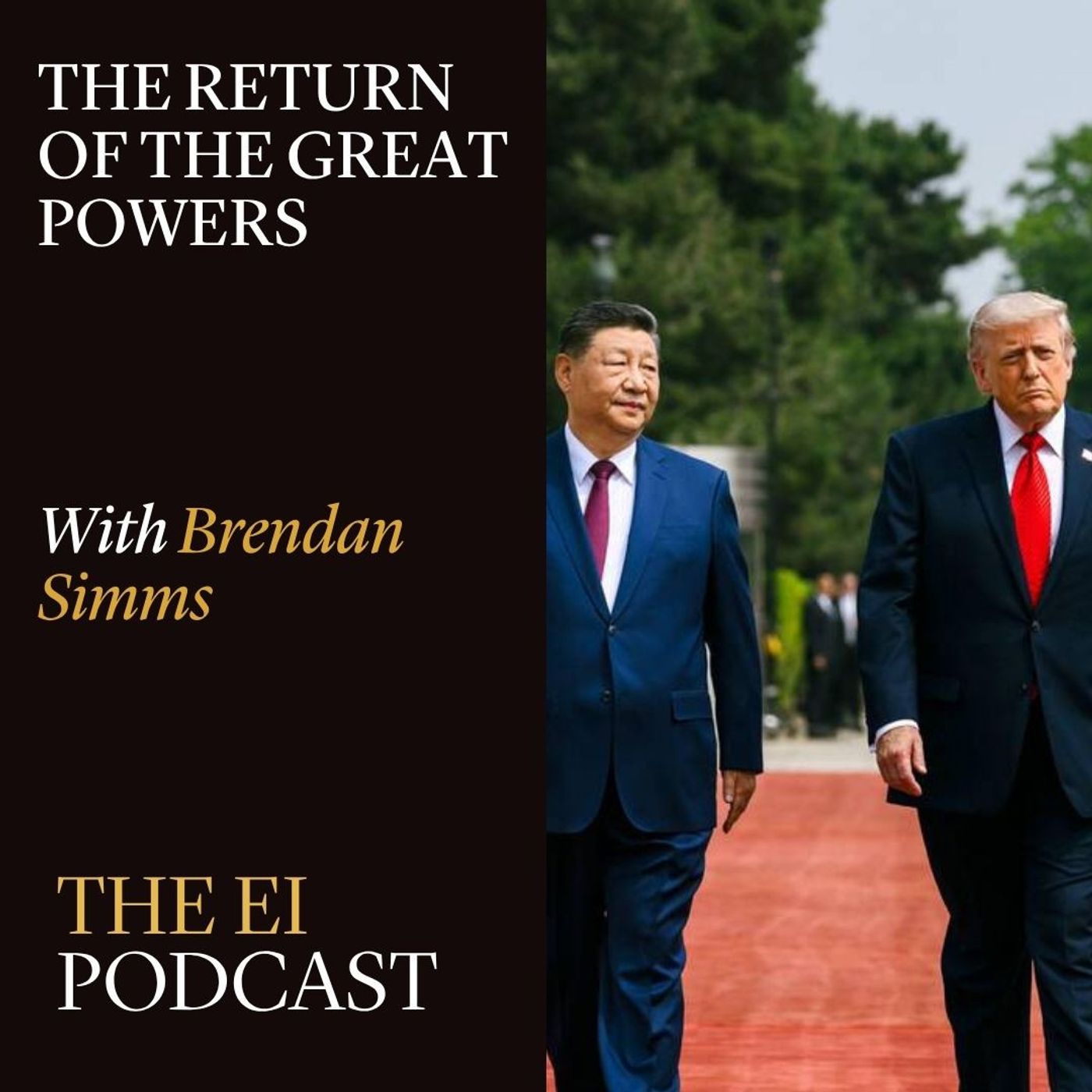
The return of the Great Powers
Brendan Simms talks to EI’s Jack Dickens about a new age of geopolitical rivalry.Image: Xi Jinping and Donald Trump. Credit: Alamy
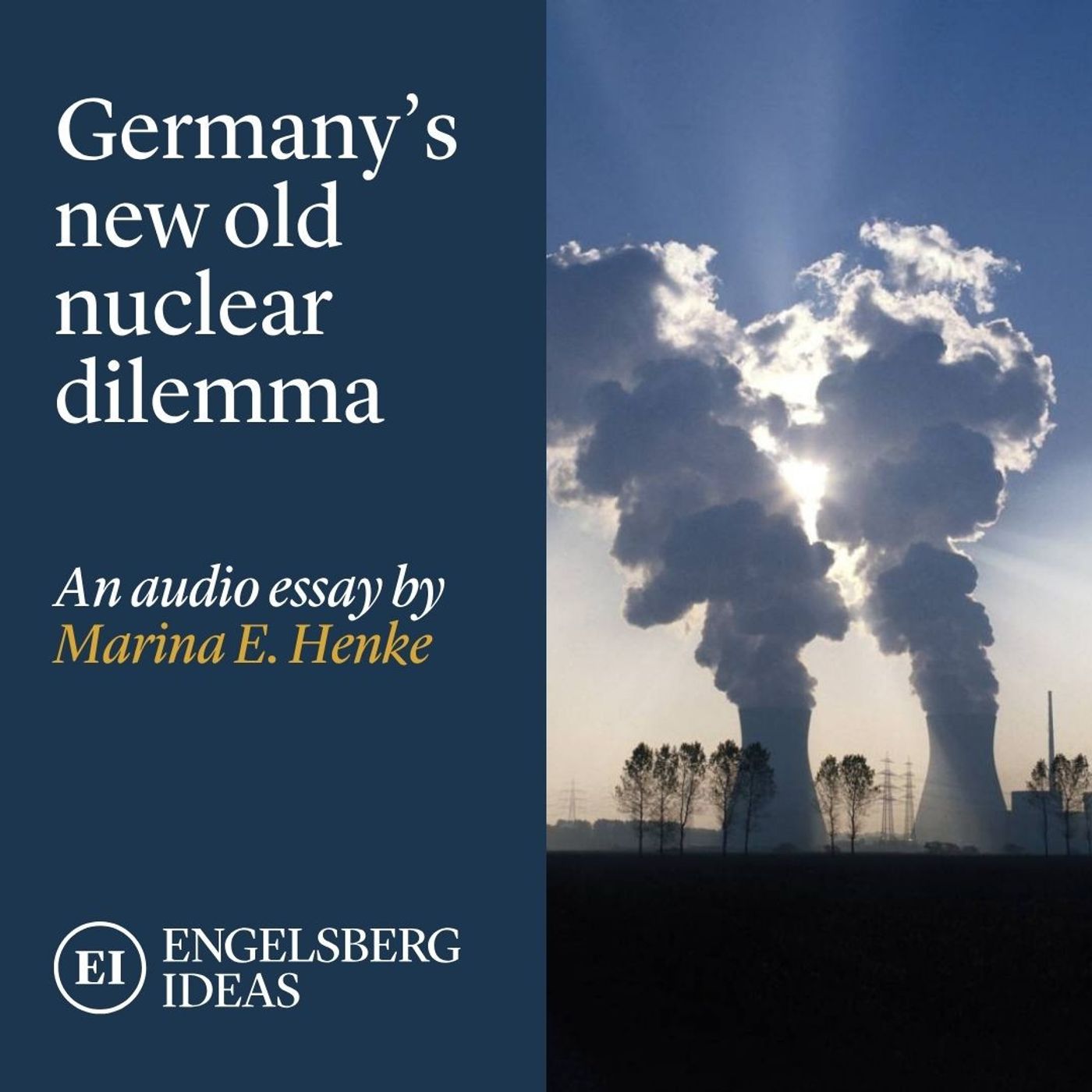
Germany’s new old nuclear dilemma
When it comes to nuclear weapons, the concerns that West Germany’s first chancellor wrestled with during the Cold War have not disappeared. In this audio essay, Marina E. Henke suggests that they have simply re-emerged in new forms. Read by Leighton Pugh. Read it here: https://engelsbergideas.com/essays/germanys-new-old-nuclear-dilemma/Image: A nuclear power plant in Bavaria, circa 1985. Credit:
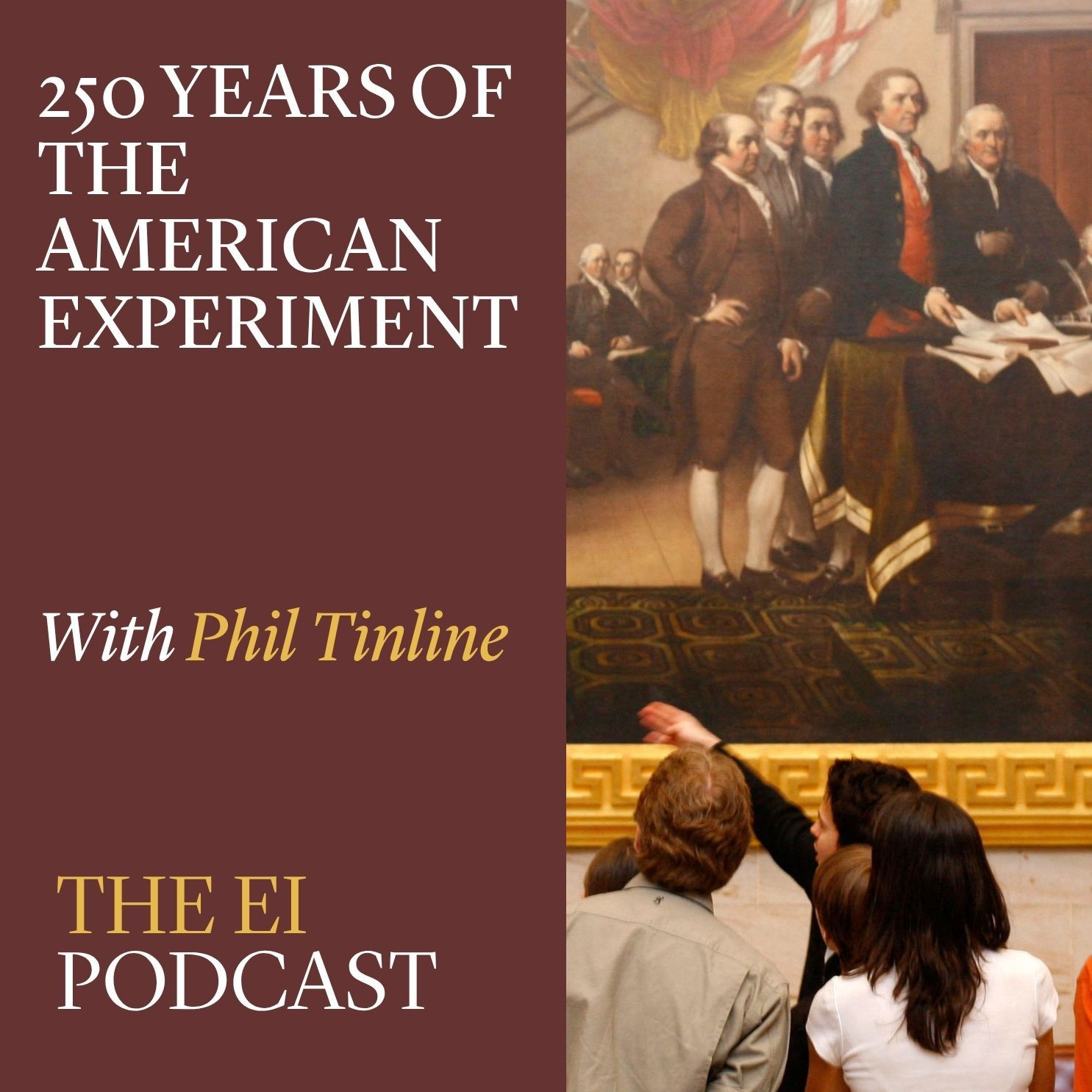
250 years of the American experiment
Paul Lay speaks to Phil Tinline, author of Ghosts of Iron Mountain: The Hoax that Duped America and its Sinister Legacy, about the variety and violence of a country built on high ideals and low conspiracies.Image: The interior of the United States Capitol. Credit: Alamy
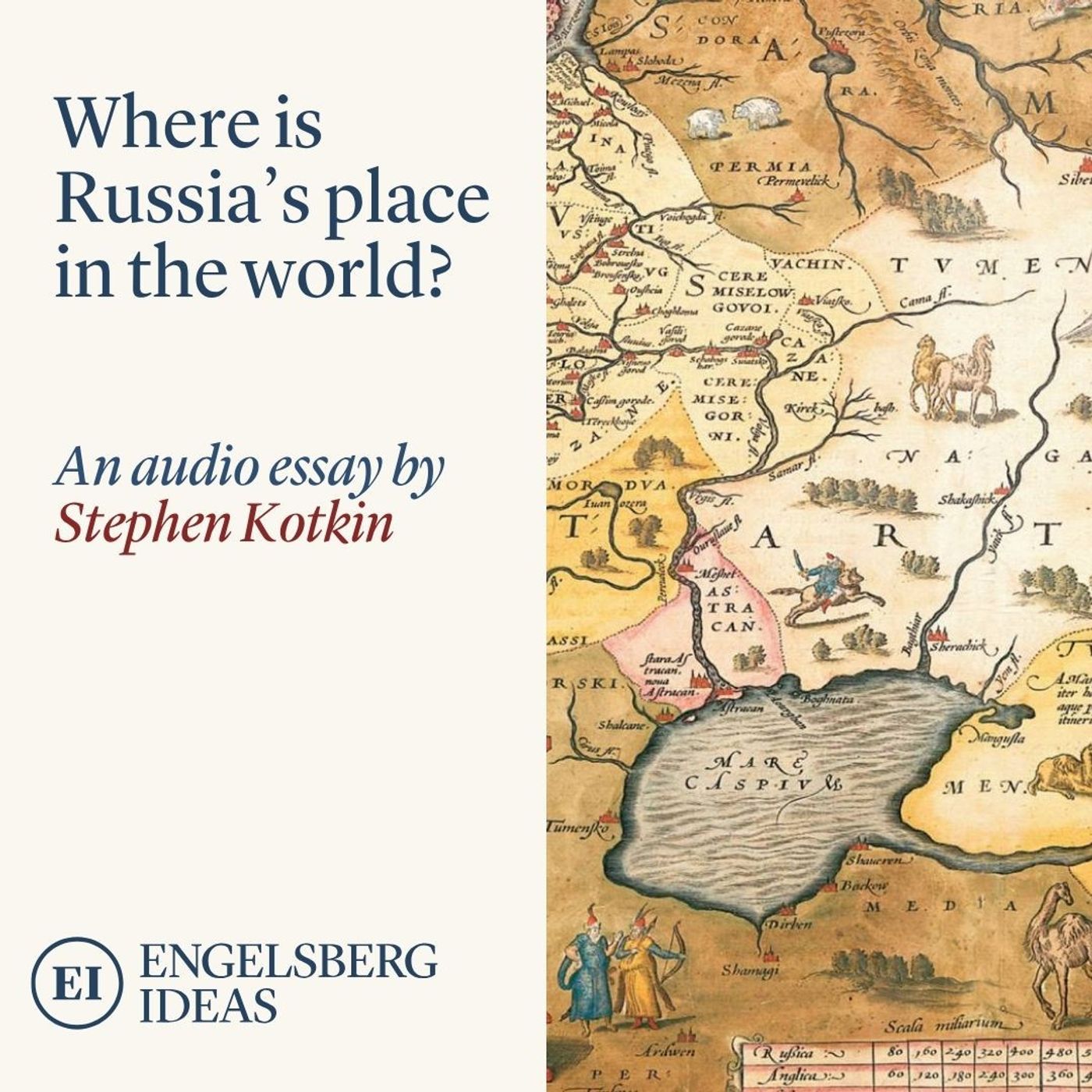
Where is Russia’s place in the world?
Russia is a Near Eastern country now subordinated to East Asia. But Stephen Kotkin argues that historically it has prospered most when tied closely to Europe.Read the original essay here: https://engelsbergideas.com/essays/where-is-russias-place-in-the-world/.Image: Map of Russia, 1562. Credit: Alamy
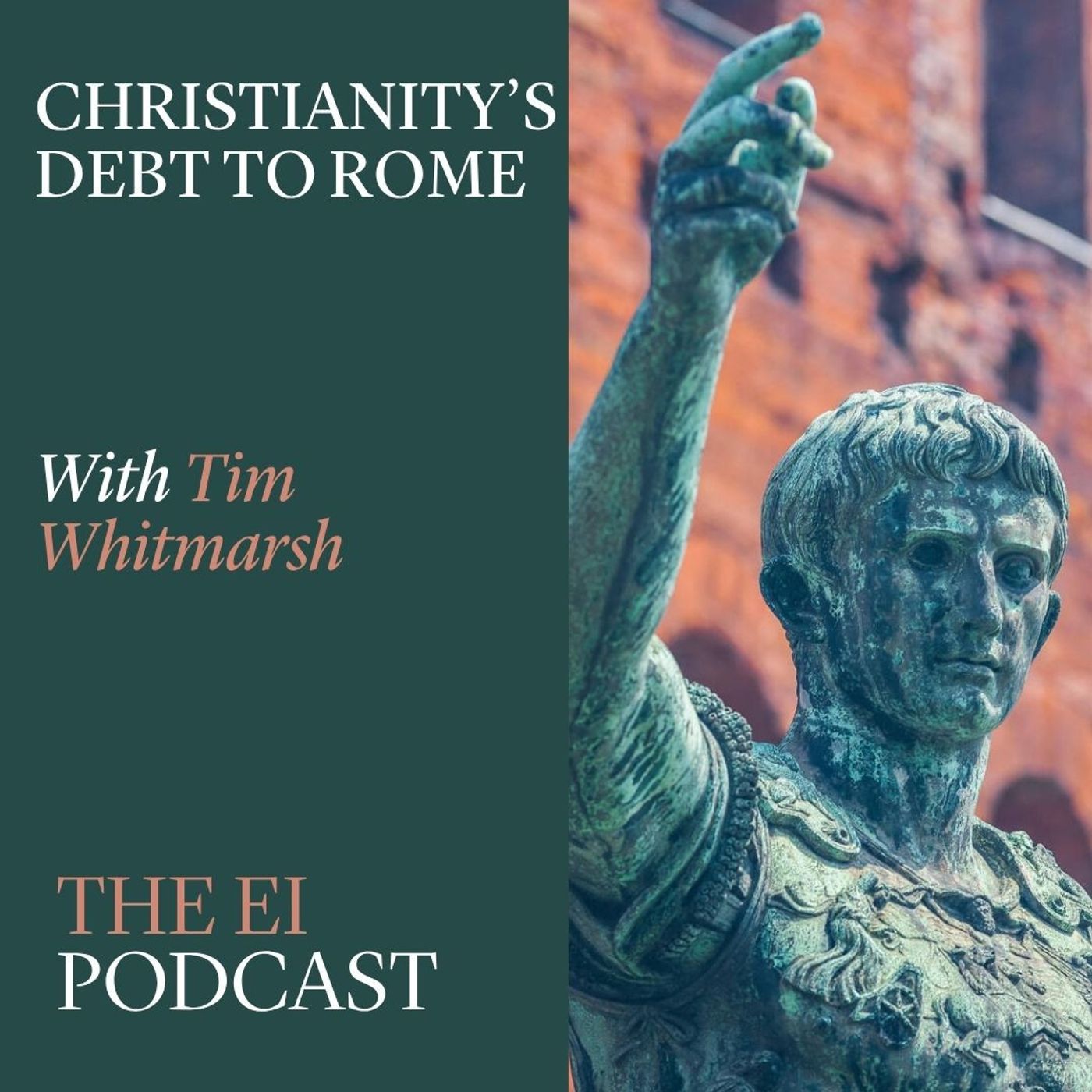
Christianity’s debt to Rome
What does Christ’s Kingdom owe to the culture of the Roman Empire? Tim Whitmarsh speaks to EI’s Alastair Benn about his new book, Rome’s Age of Revolution: Augustus, Empire and the Making of Christianity.Image: A statue of Augustus Caesar in Turin. Credit: Alamy
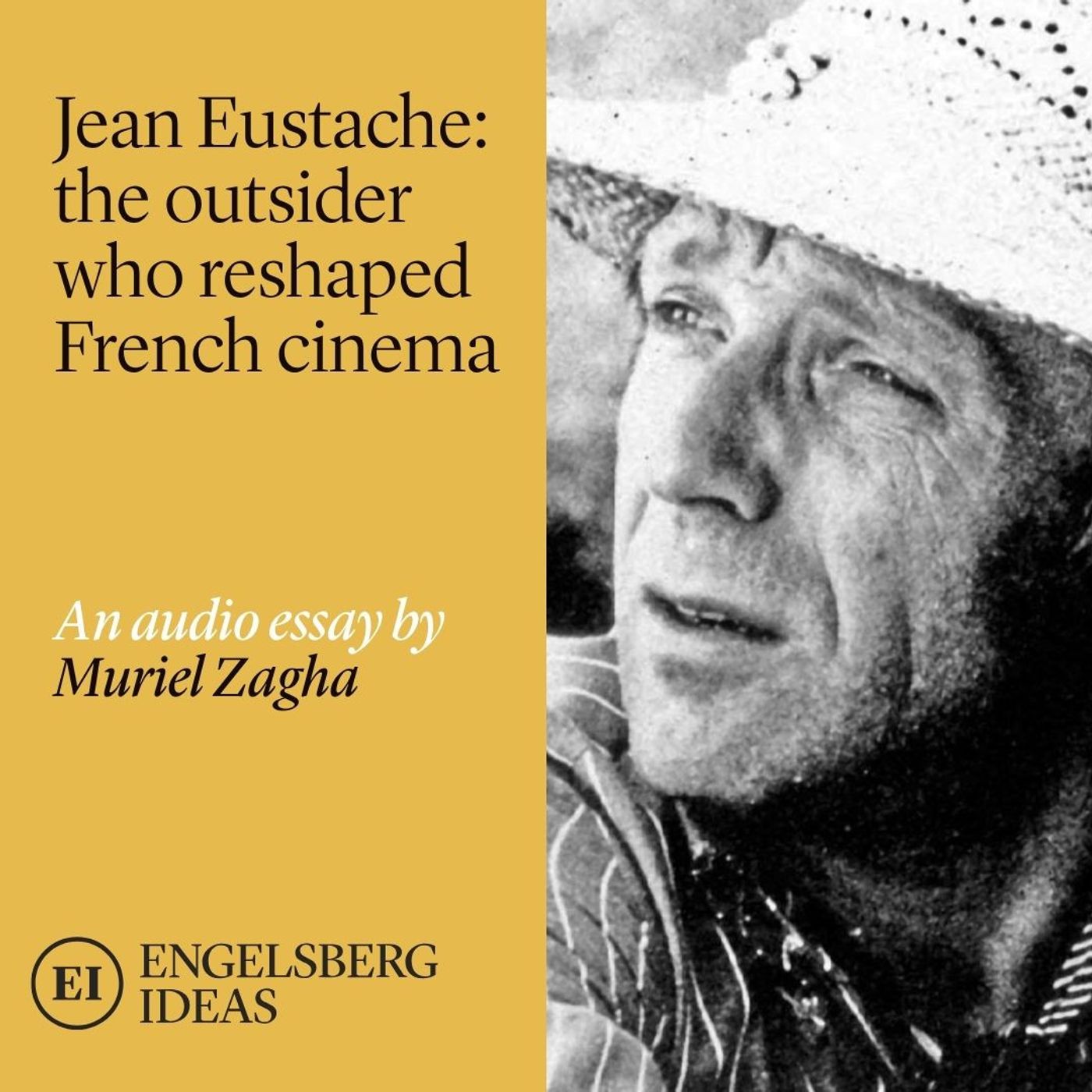
Jean Eustache: the outsider who reshaped French cinema
The filmmaker Jean Eustache’s interest in rural France and his sardonic scepticism about the May ’68 ideologues mark him out from his Nouvelle Vague contemporaries. Read by Leighton Pugh.Read the original essay here: https://engelsbergideas.com/portraits/jean-eustache-the-outsider-who-reshaped-french-cinema/. Image: The film director Jean Eustache. Credit: Alamy
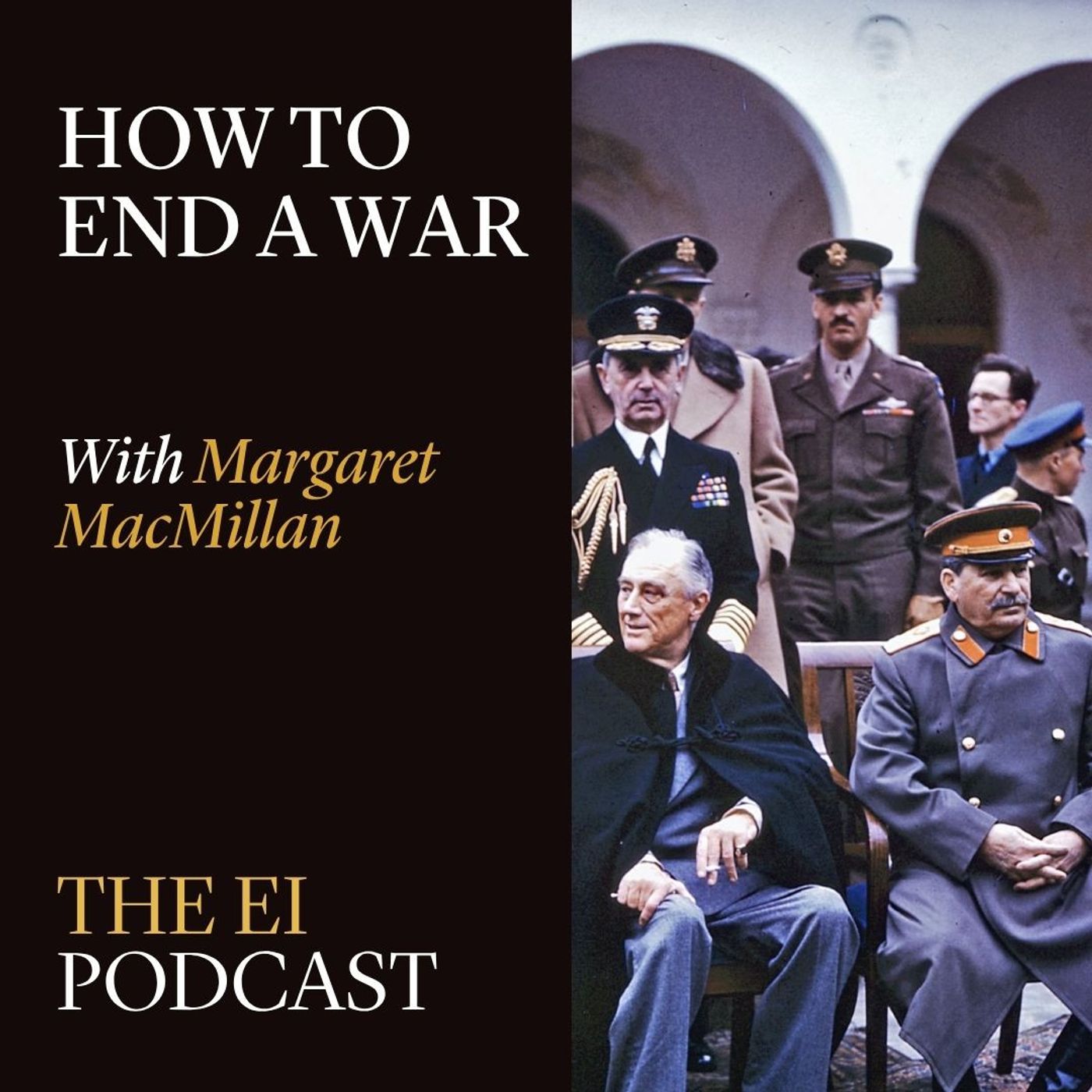
How to end a war
Margaret MacMillan speaks to EI’s Jack Dickens about how wars – and attempts to bring about peace – have shaped every era of human history. Image: Franklin D. Roosevelt and Joseph Stalin at the Yalta Conference, 1945. Credit: Alamy
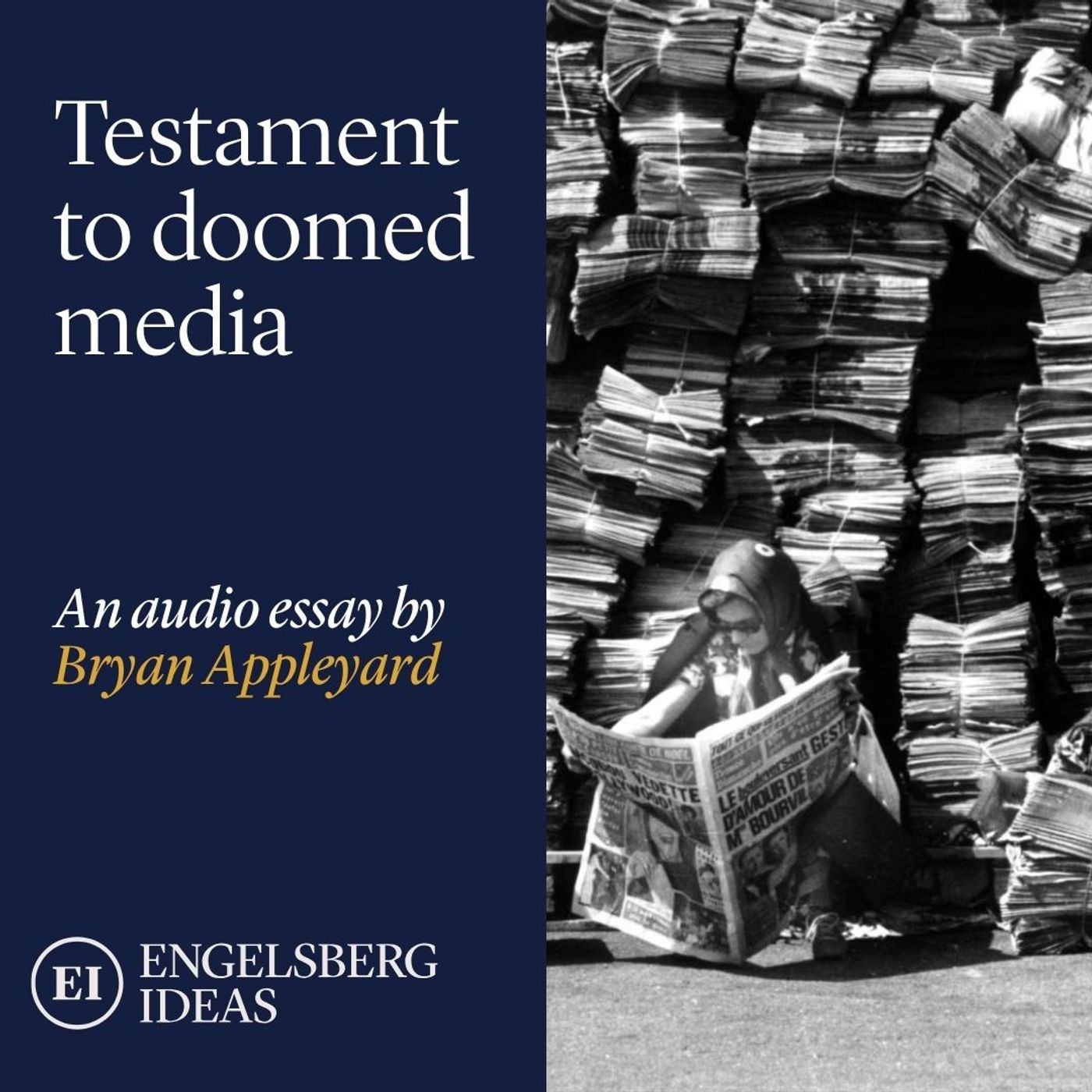
Testament to doomed media
The old media has failed to rise to the challenge of tech, but we'll miss it when it's gone.Read the original essay here: https://engelsbergideas.com/essays/testament-to-doomed-media/. Image: Woman reading a newspaper. Credit: Alamy
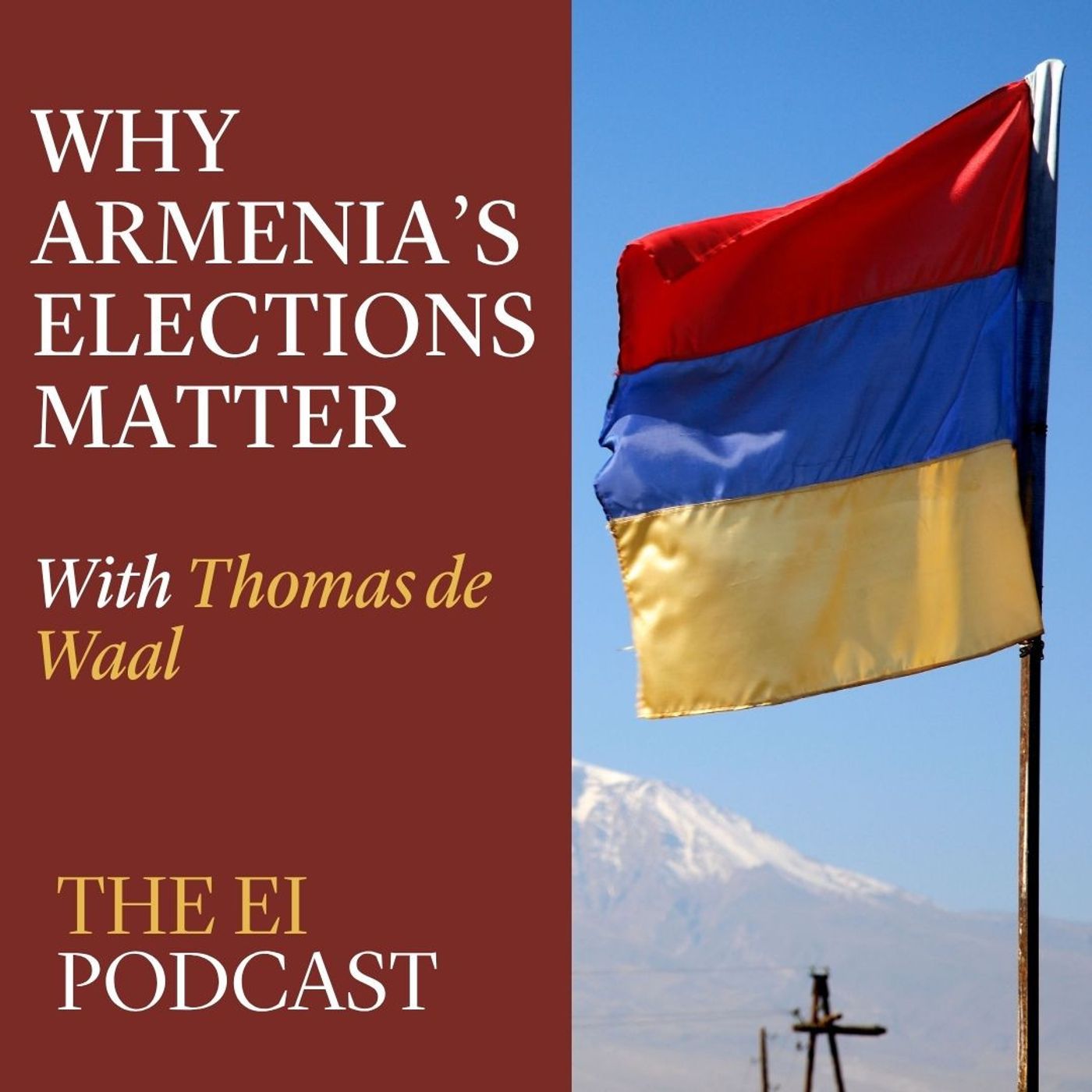
Why Armenia’s elections matter
Thomas de Waal joins EI’s Jack Dickens to discuss how the recent elections in Armenia could reshape geopolitics in the Caucasus and beyond.Image: Armenian flag with Mount Ararat in background. Credit: Alamy
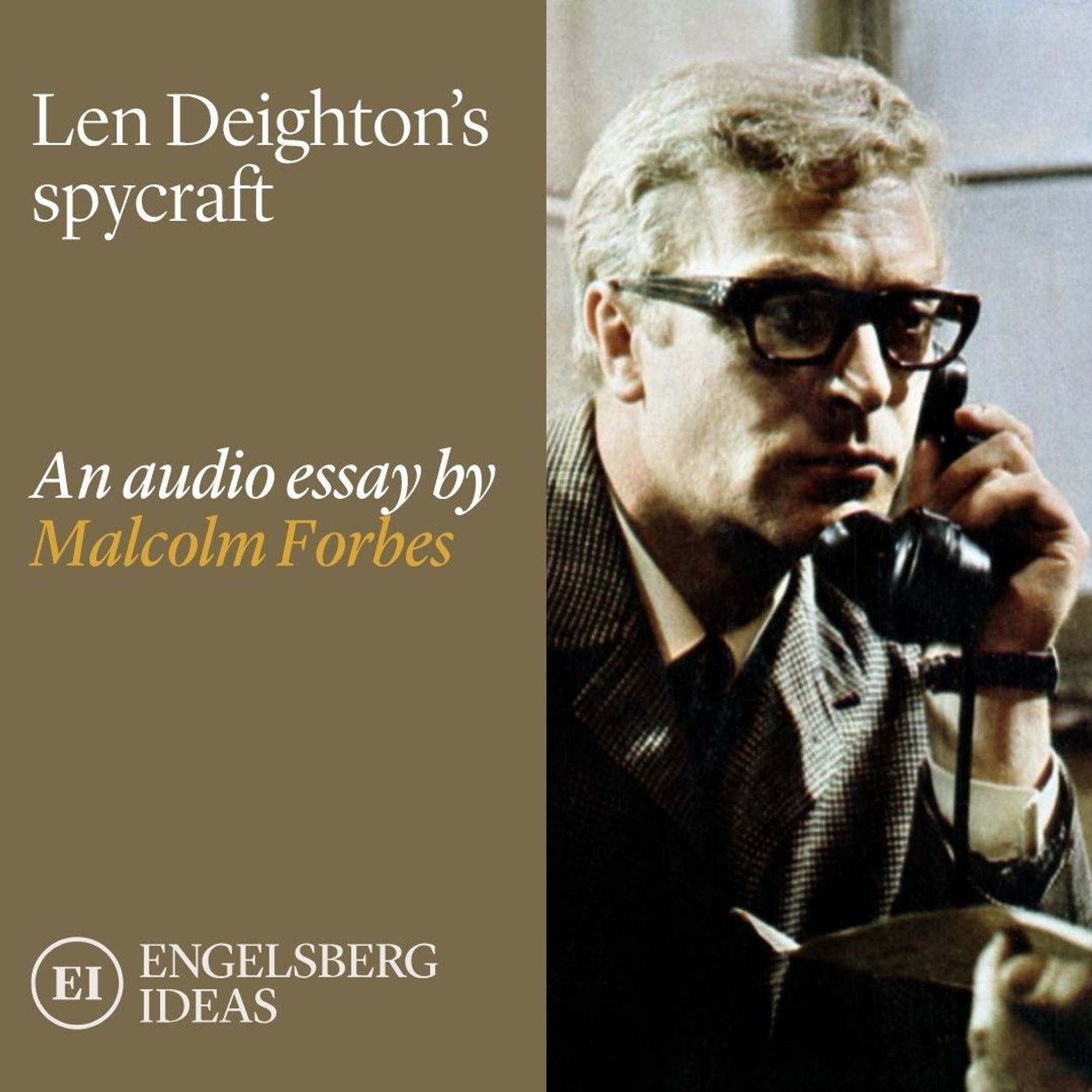
Len Deighton’s spycraft
The late Len Deighton produced novels that were packed with excitement and suspense but also infused with moral complexity and psychological insight. Read by Leighton Pugh. Read the essay here: https://engelsbergideas.com/essays/len-deightons-spycraft/.Image: Michael Caine in The Ipcress File. Credit: Allstar Picture Library Ltd
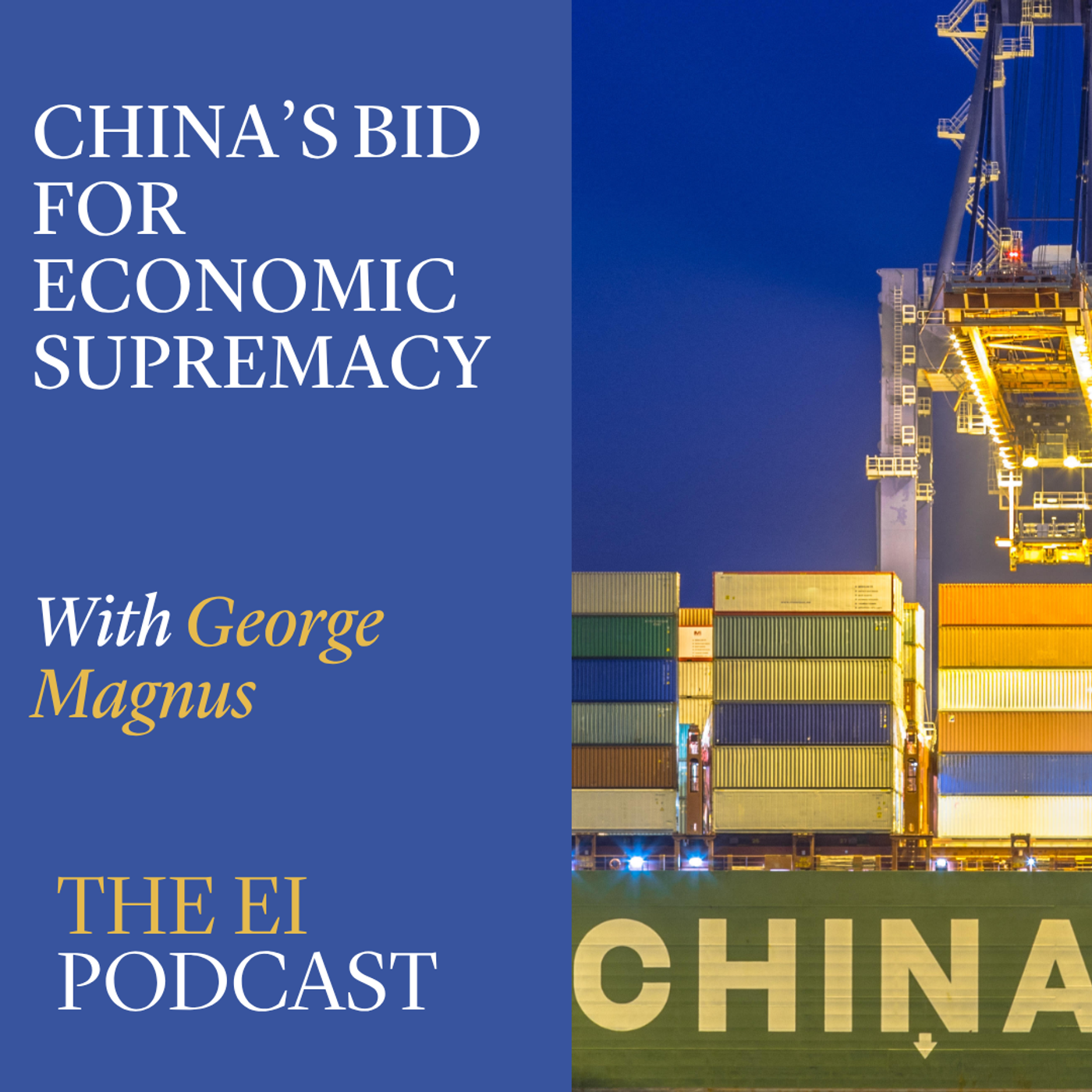
China's bid for economic supremacy
George Magnus speaks to EI’s Jack Dickens about the geopolitical logic behind China’s economic strategy.Image: A container ship from China. Credit: Rudmer Zwerver
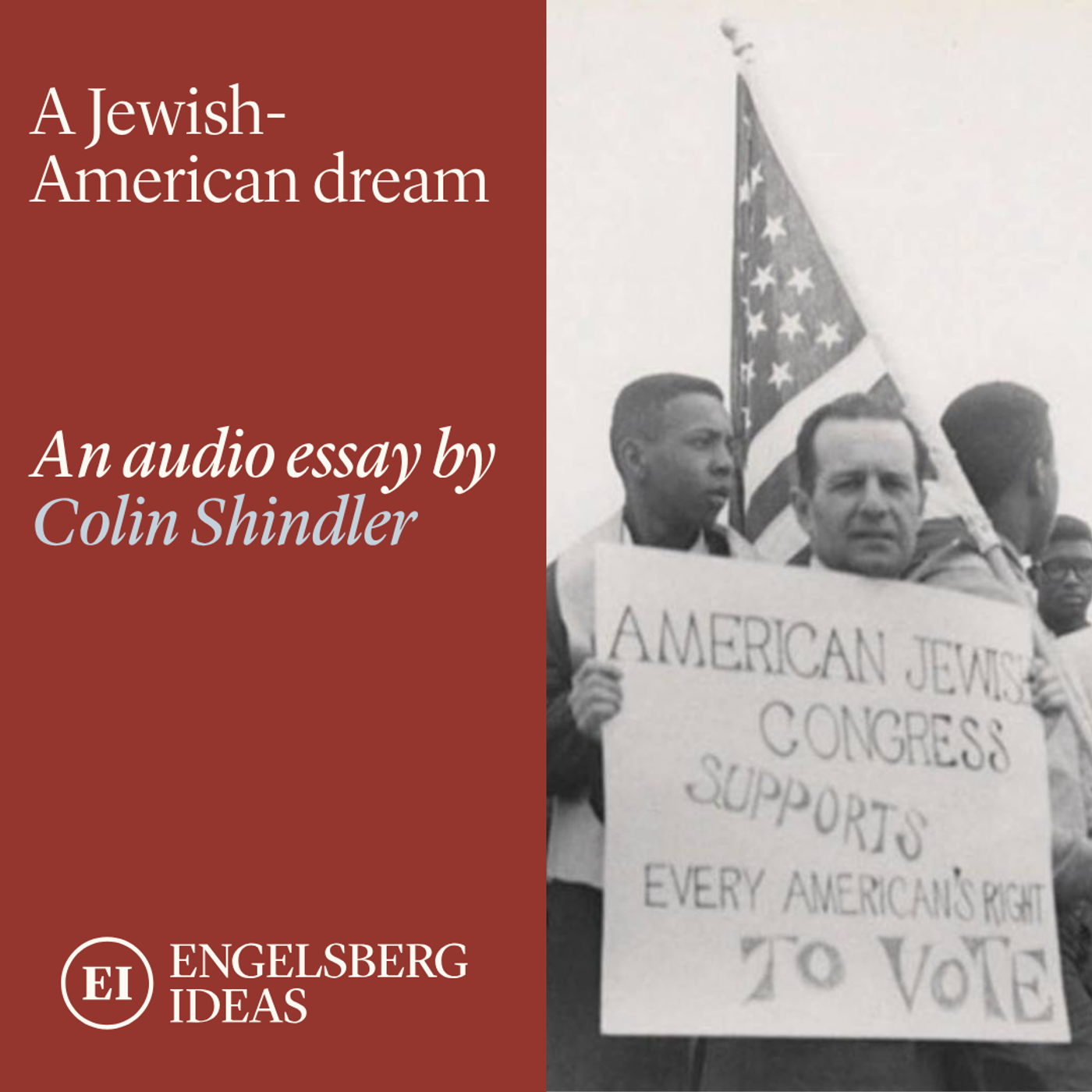
A Jewish-American dream
The largest Jewish community in the world is defined by its deep integration into America's national story, its liberal traditions and scepticism towards Israeli governments. Read by Leighton Pugh. Read the essay here: https://engelsbergideas.com/essays/a-jewish-american-dream/Image: A member of the American Jewish Congress participating in the 1965 Montgomery March, advocating for civil rights.

Muslims and Jews' shared inheritance
Marc David Baer speaks to EI’s Paul Lay about his new book 'Children of Abraham: The Story of Jewish-Muslim Relations', and the deep historical connection between two faiths, bound by common roots.Image: Tiles at Ali Ben Youssef Medersa in Marrakech, Morocco. Credit: Stelios Michael.
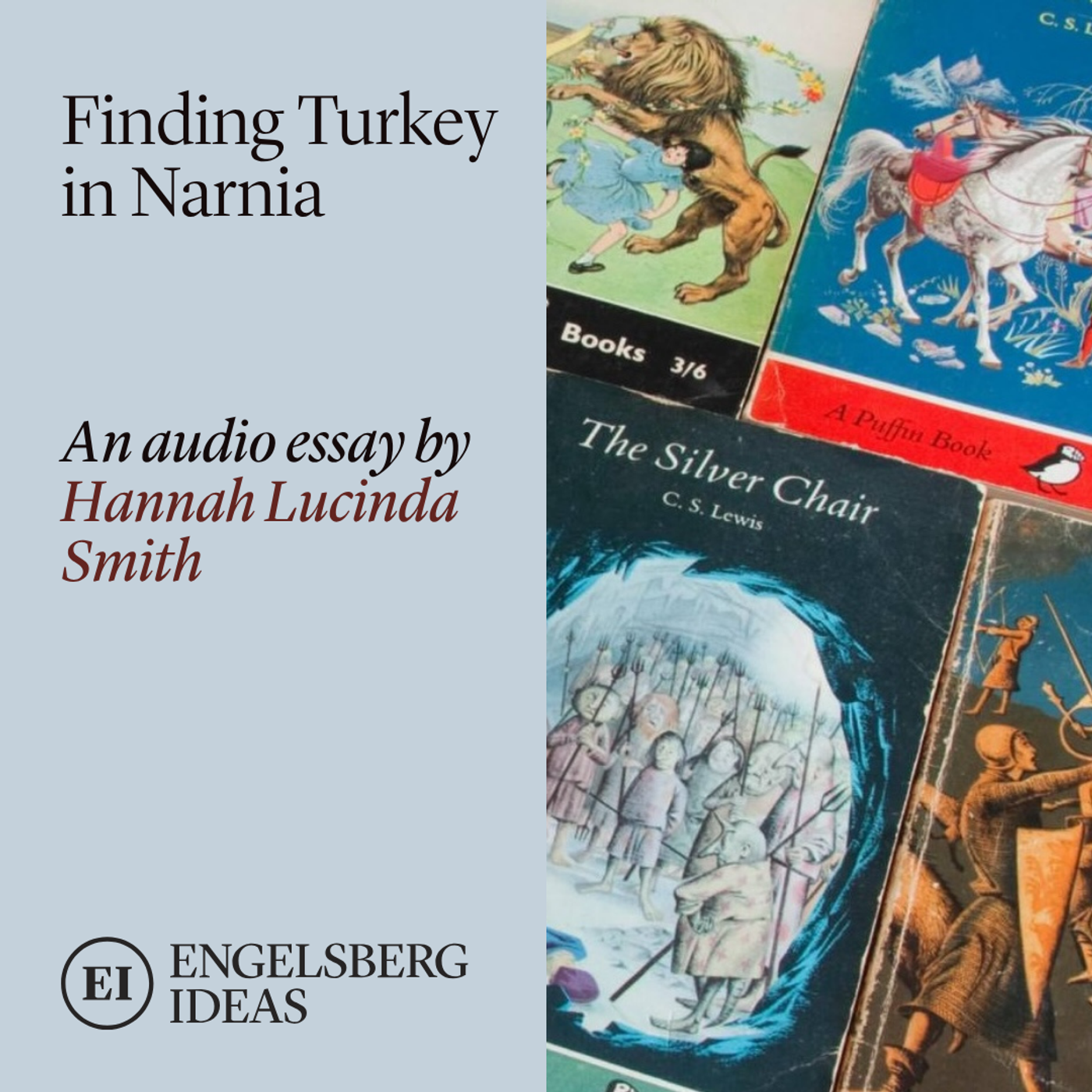
Finding Turkey in Narnia
Re-reading CS Lewis’ Chronicles of Narnia, Hannah Lucinda Smith discovers glimmers of the culture and history of the Turkic peoples in the author's work. Read by Leighton Pugh. Read the essay here: https://engelsbergideas.com/essays/finding-turkey-in-narnia/Image: Puffin paperback editions of the Narnia tales by author CS Lewis. Credit: NearTheCoast.com / Alamy Stock Photo

The life and legacy of Steve Schapiro
Filmmaker Maura Smith discusses Steve Schapiro: Being Everywhere, her documentary on the photographer who captured modern America.Image: Steve Schapiro in the 1960s. Credit: Steve Schapiro
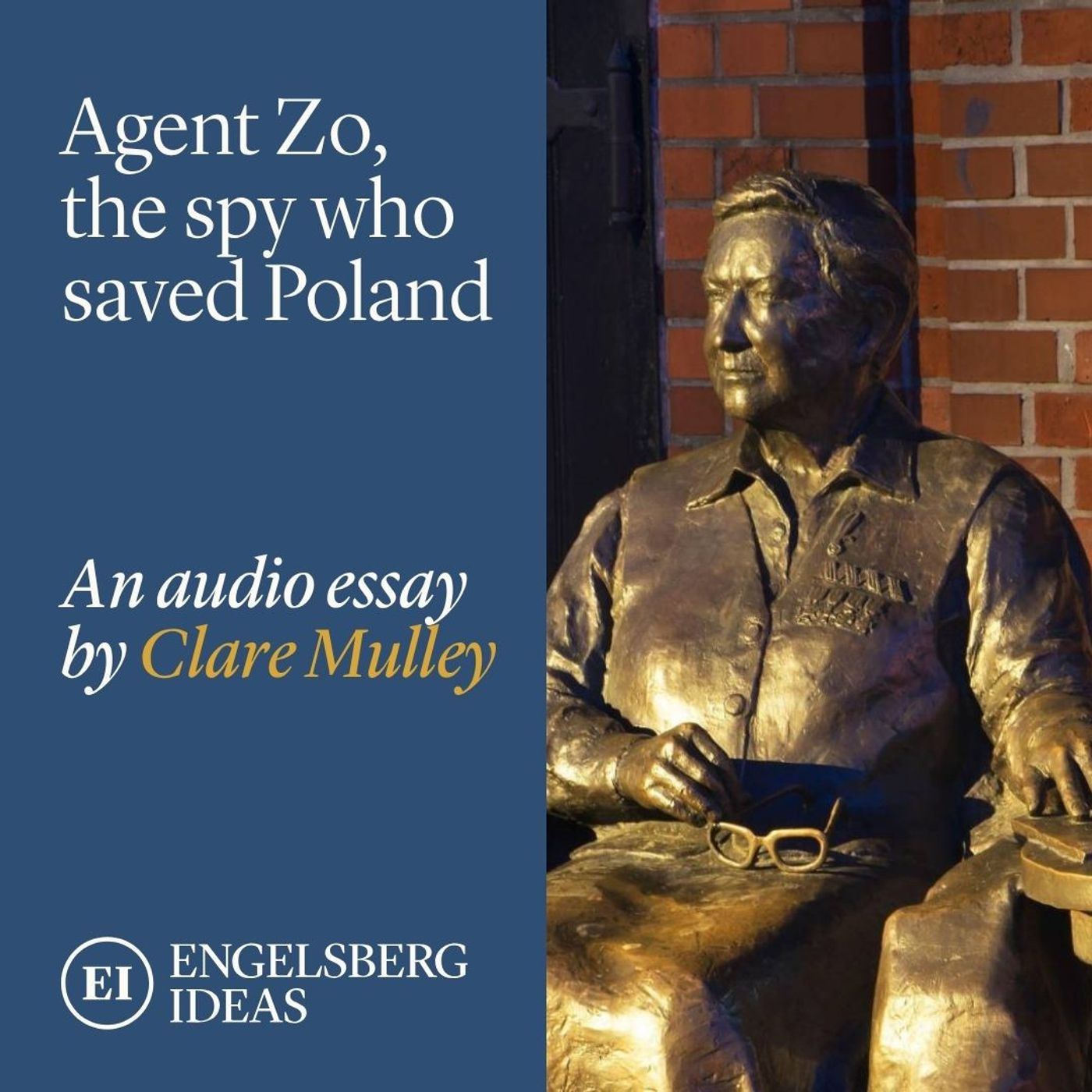
Agent Zo, the spy who saved Poland
Elżbieta Zawacka, who played a key role in the Home Army’s resistance efforts, was one of the most highly decorated women in Polish history. Clare Mulley assesses her legacy. Read by Leighton Pugh. Read the essay here: https://engelsbergideas.com/portraits/agent-zo-the-spy-who-saved-poland/. Image: Monument to Agent Zo. Credit: Alamy
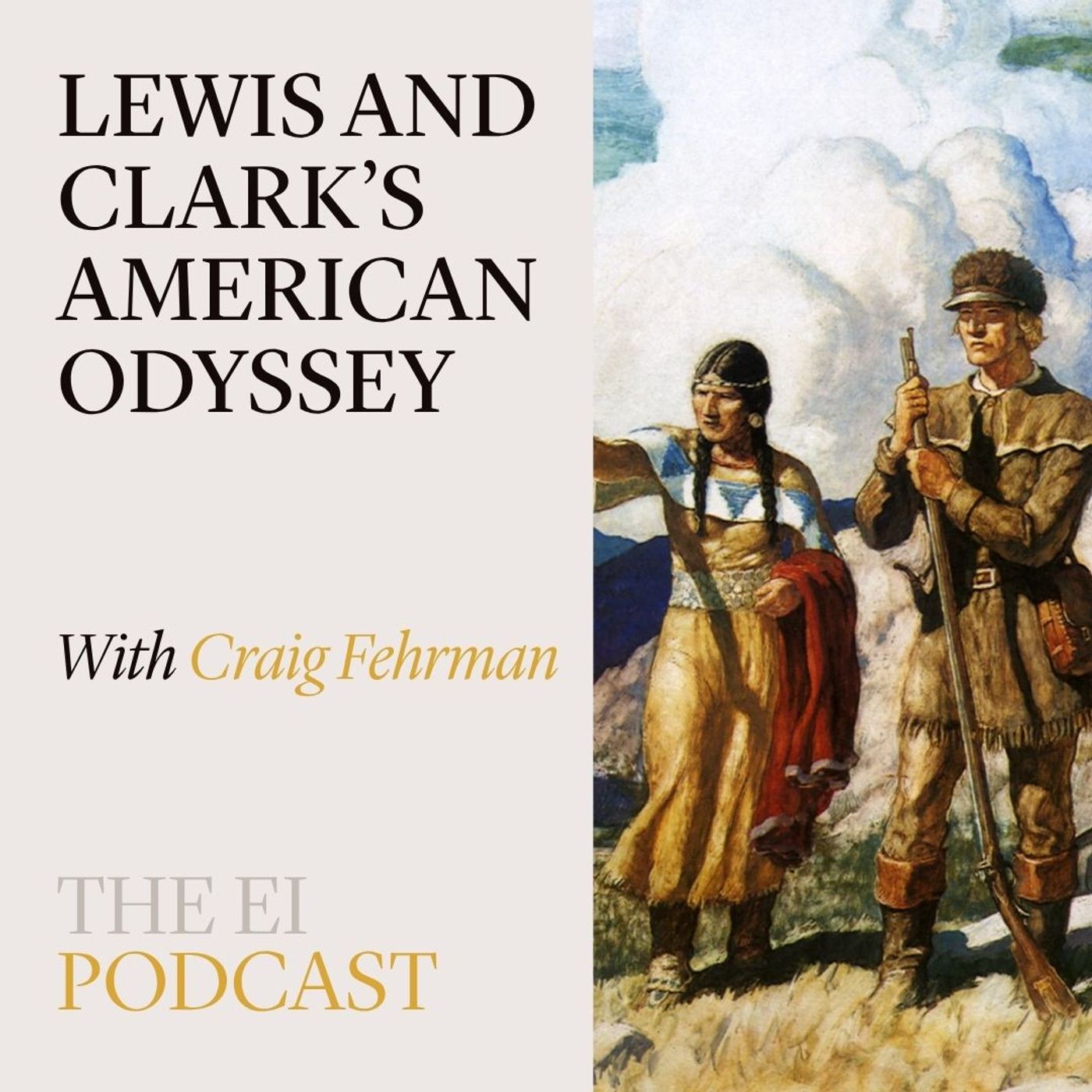
Lewis and Clark’s American Odyssey
Craig Fehrman speaks to EI’s Max Mitchell about his new book ‘This Vast Enterprise: A New History of Lewis & Clark’, shedding light on one of America’s founding myths.Image: ‘America in the Making: Lewis and Clark’ by Newell Convers Wyeth (1938). Credit: Alamy
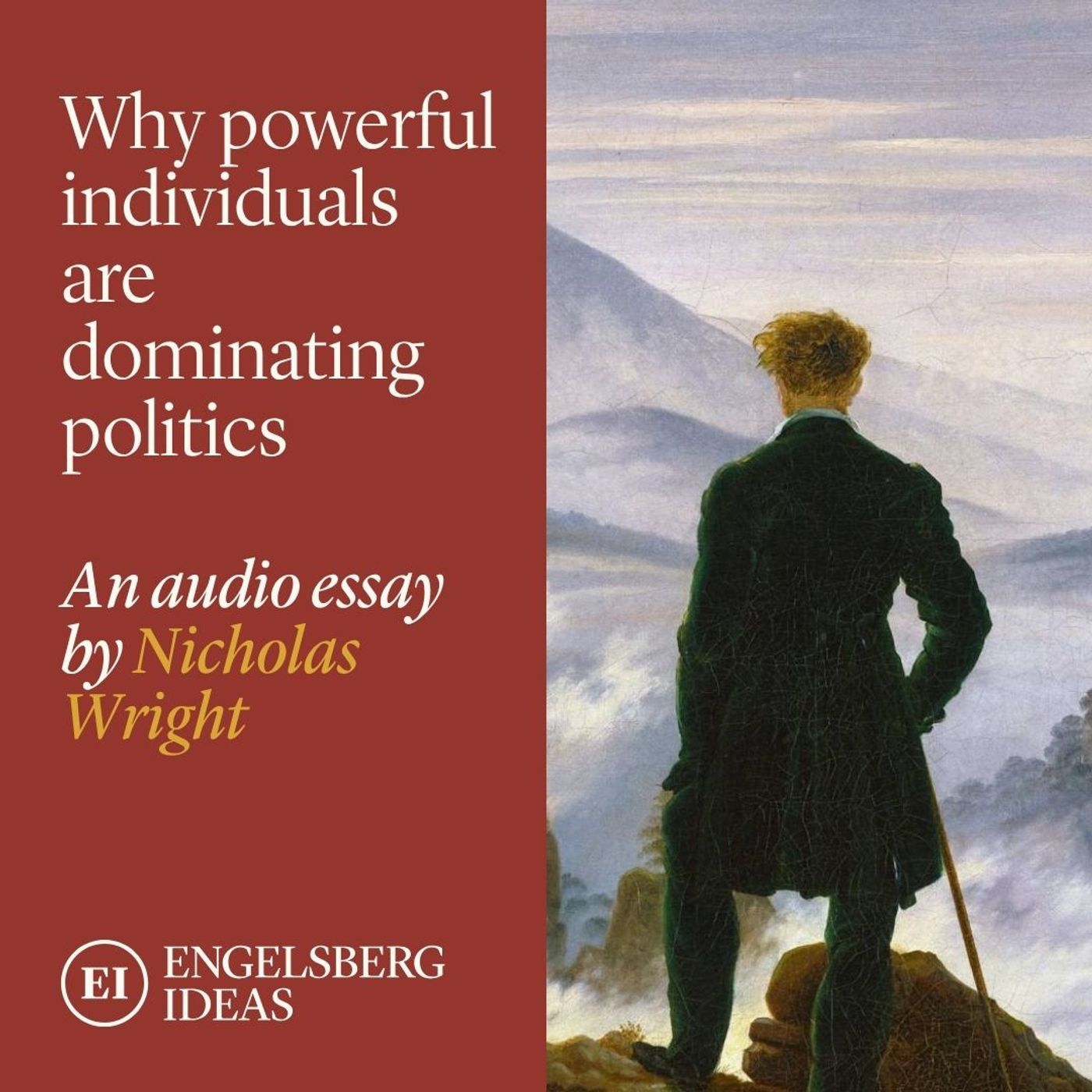
Why powerful individuals are dominating politics
From Xi Jinping in China to Narendra Modi in India and Donald Trump in the US, Nicholas Wright explores how powerful leaders are reshaping the rules of the global great game. Read by Leighton Pugh.Read the original essay here: https://engelsbergideas.com/essays/why-powerful-individuals-are-dominating-politics/.Image: Caspar David Friedrich’s ‘Wanderer above the Sea of Fog’. Credit: incamerastock
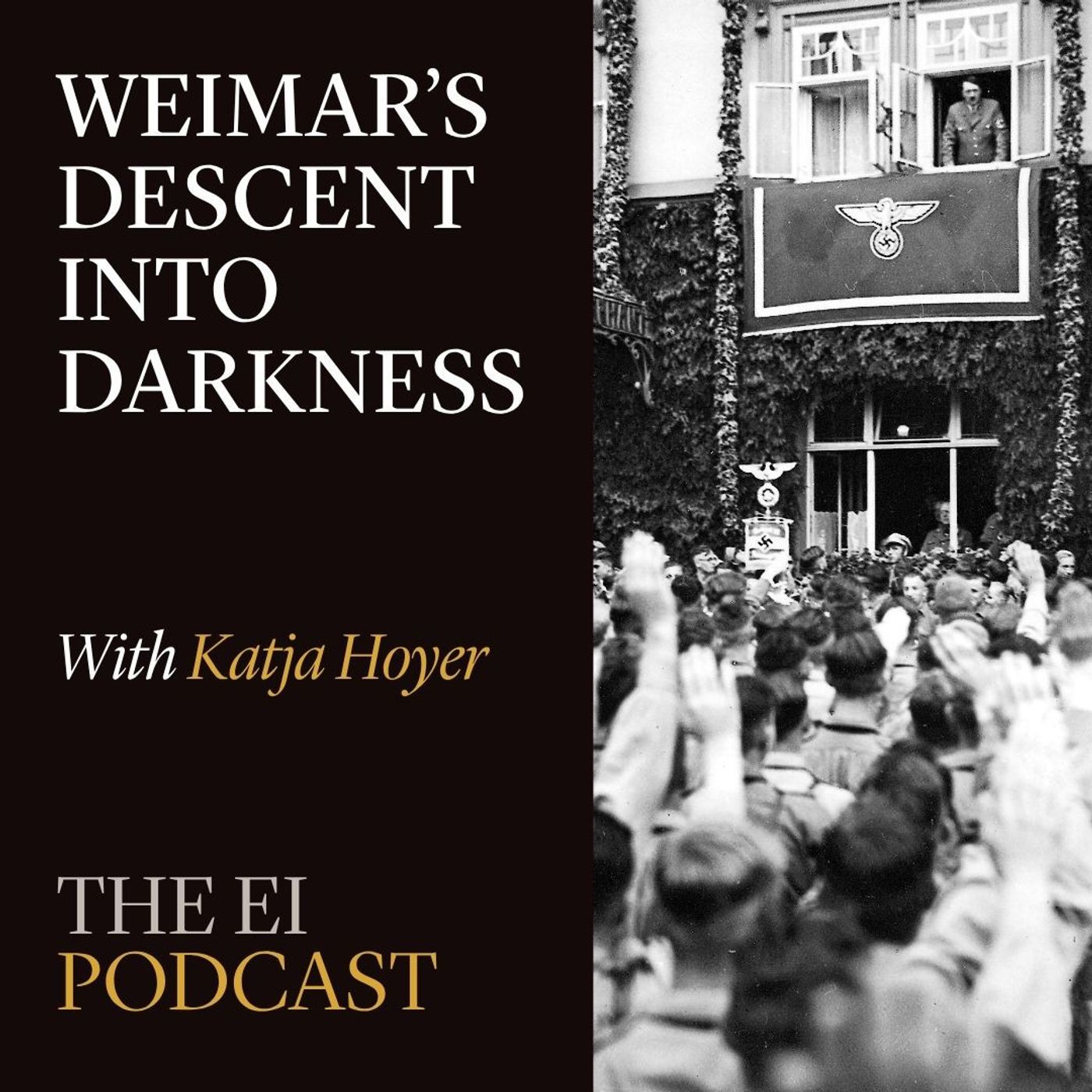
Weimar’s descent into darkness
How did Weimar, the town of Goethe and Schiller, become the crucible of Germany's moral collapse? Katja Hoyer, author of Weimar: Life on the Edge of Catastrophe, speaks to EI's Alastair Benn about the town's role in the rise of the Third Reich.Image: Adolf Hitler at the ‘Haus Elephant’ in Weimar, 1936. Credit: Alamy
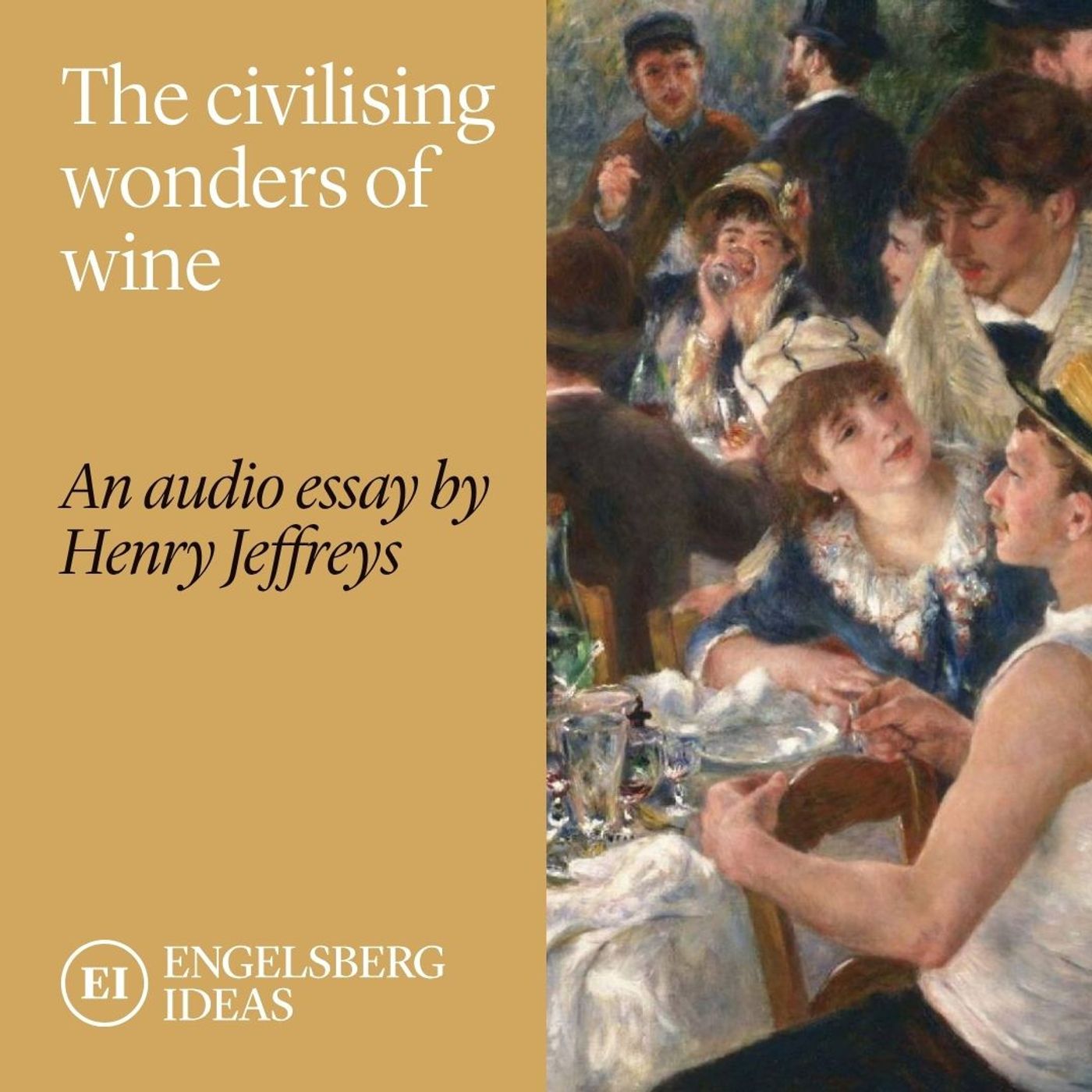
The civilising wonders of wine
Amid the rise of individualistic technologies and weight-loss drugs, there has been a steady decline in alcohol consumption in Western societies. Yet, Henry Jeffreys argues that this is no good thing. Instead, it suggests a gradual weakening of a shared civilisational inheritance. This audio essay is read by Leighton Pugh.Read it here: https://engelsbergideas.com/notebook/the-civilising-wonders-o

Can Europe thrive in a multipolar world?
Mark Leonard, co-founder and director of the European Council on Foreign Relations, speaks to EI’s Jack Dickens about Europe’s place in a changing world order.Image: The EU flag in Siracusa, Sicily. Credit: Alamy
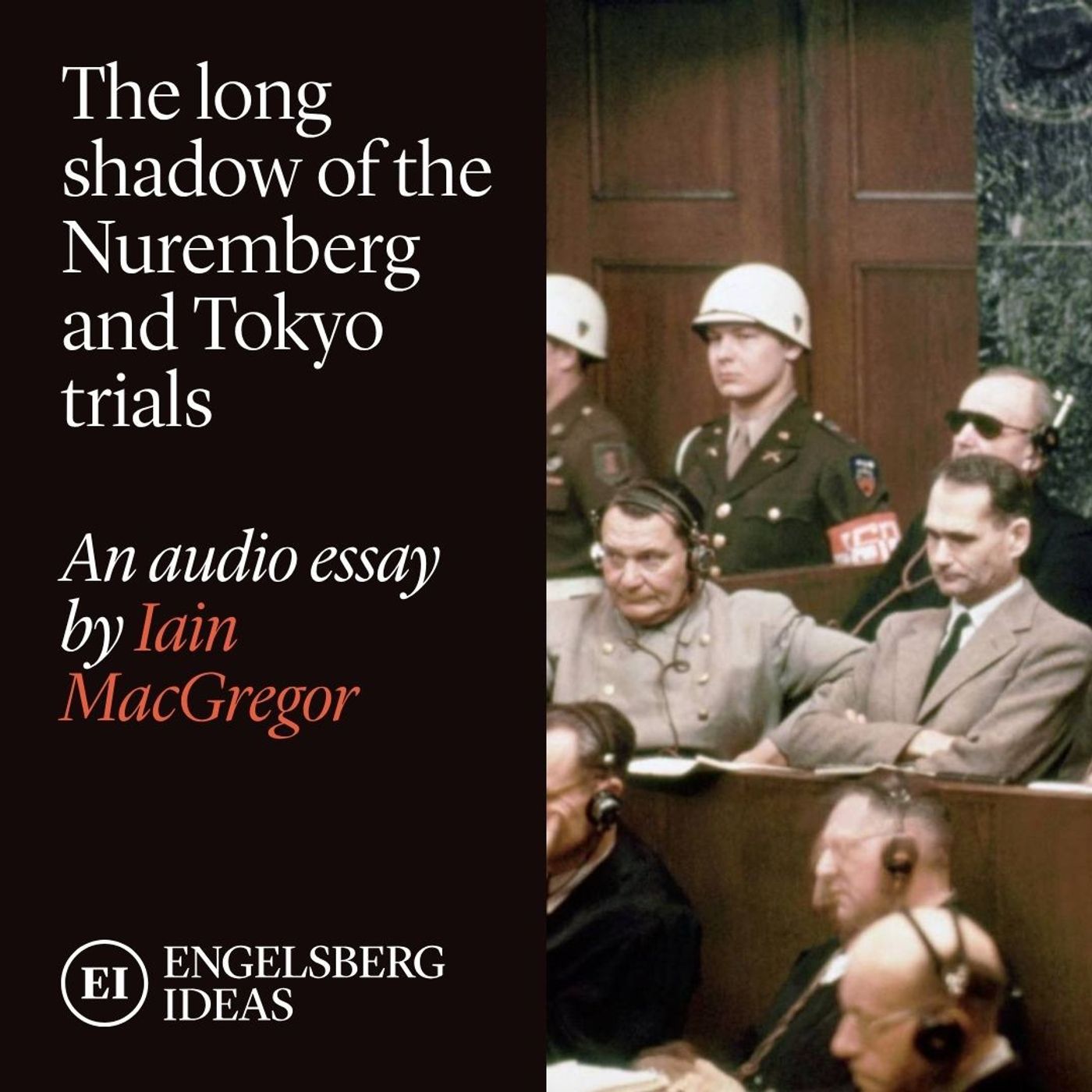
The long shadow of the Nuremberg and Tokyo trials
In the courtrooms of Nuremberg and Tokyo, the victorious Allies declared that civilisation must not merely win wars but also judge them, leaving a legal and moral legacy that persists to this day. Read by Leighton Pugh.Image: The defendants at the Nuremberg Trial in 1946. Credit: PictureLux / The Hollywood Archive.
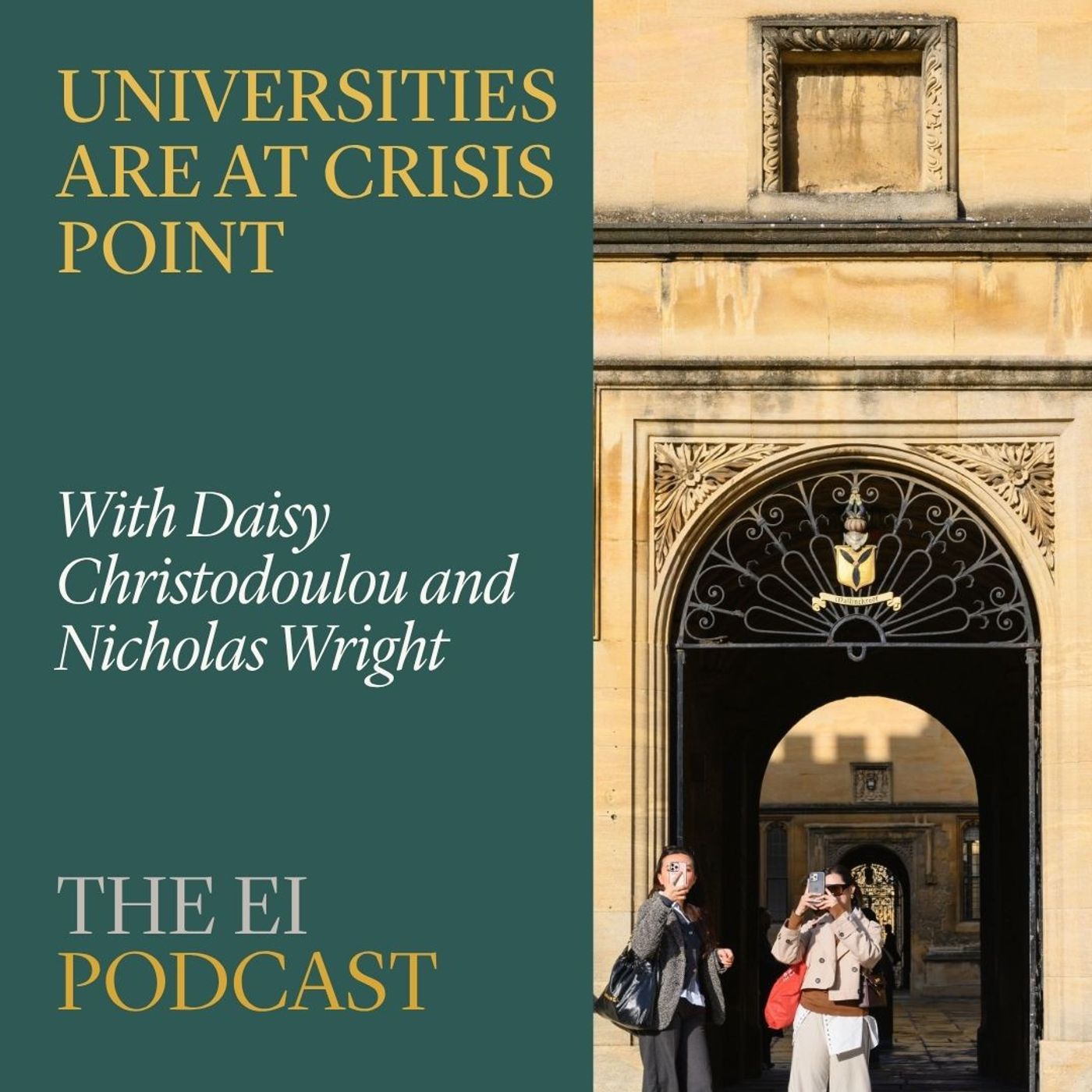
Universities are at crisis point
Daisy Christodoulou and Nicholas Wright join EI’s Paul Lay to discuss the crisis in British universities and how to fix it.Image: Sightseers outside the Bodleian Library, University of Oxford. Credit: Alamy
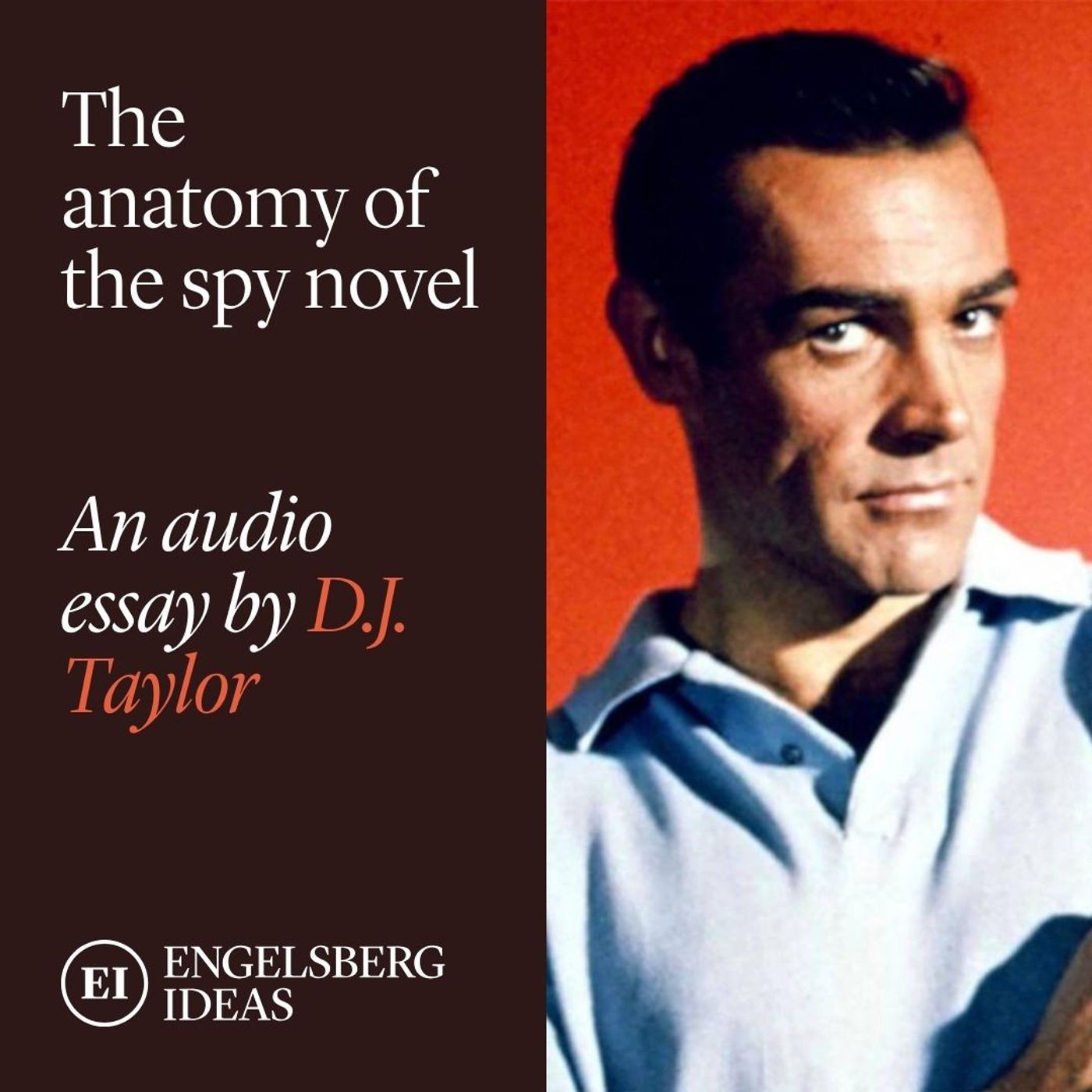
The anatomy of the spy novel
From the gung-ho glamour of Ian Fleming’s James Bond to the decline and disorder of Mick Herron’s Slow Horses, postwar spy novels have captured the shifting myths, legends and caricatures surrounding the secret world. Read by Leighton Pugh. Read the essay here: https://engelsbergideas.com/essays/the-anatomy-of-the-spy-novel/.Image: Sean Connery as James Bond in Dr No (1962). Credit: Alamy
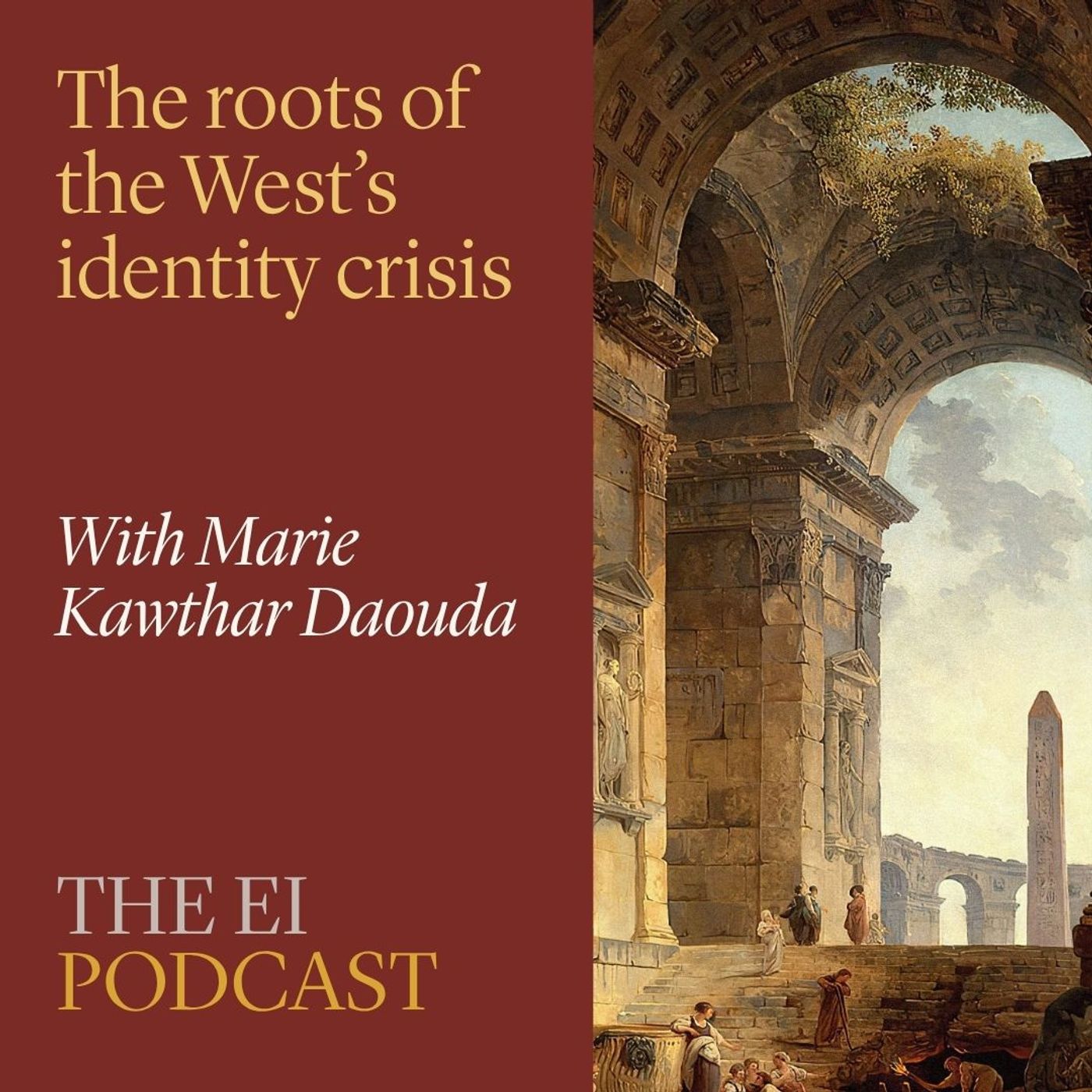
The roots of the West’s identity crisis
Marie Kawthar Daouda, author of Not Your Victim: How our Obsession with Race Entraps and Divides Us, speaks to EI’s Alastair Benn about the historical illiteracy of attempts to ‘decolonise’ Western culture. Instead, she argues that the moral complexities of history must be accepted in order to develop a genuine appreciation of the Western tradition. Image: ‘Ruins with an Obelisk in the distance’
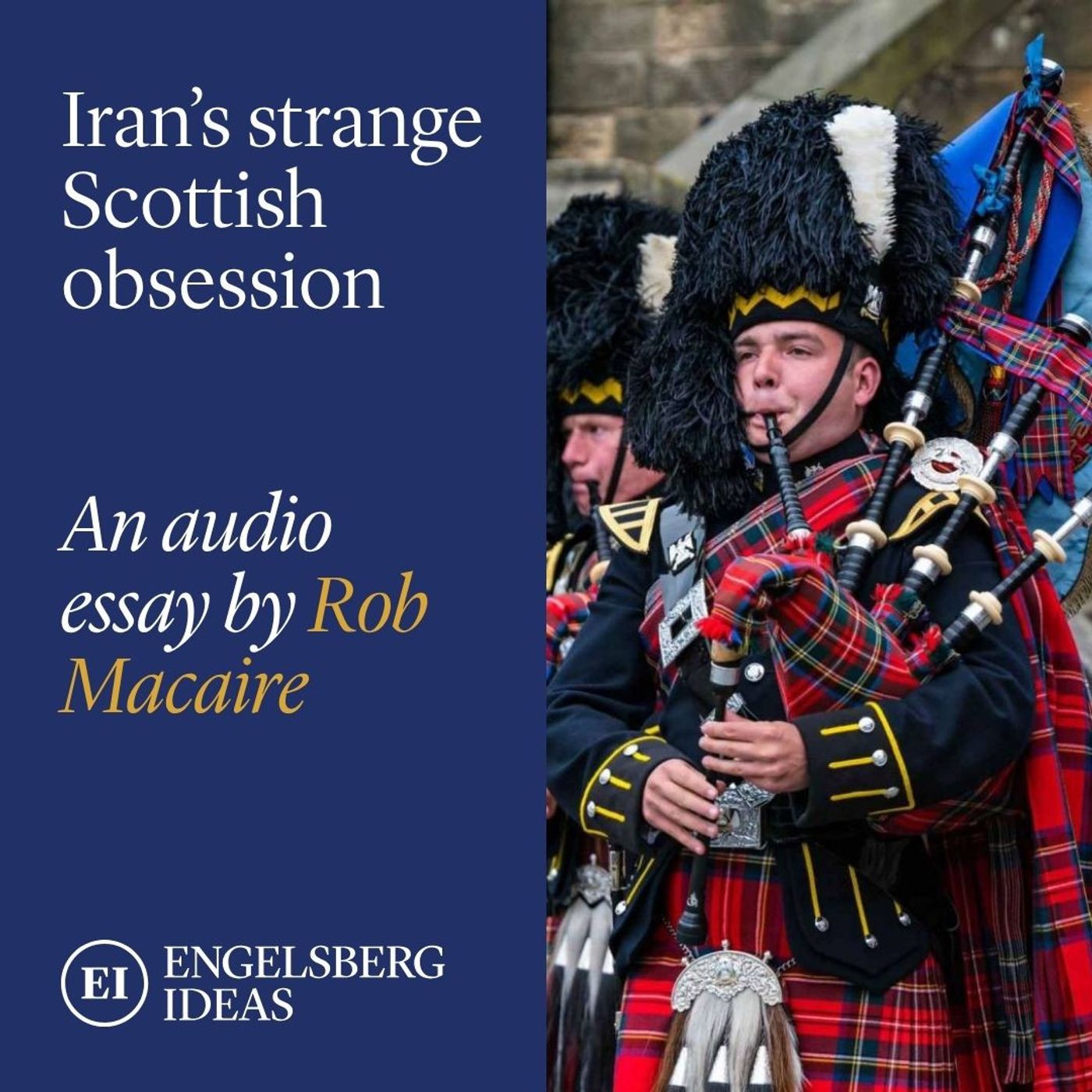
Iran’s strange Scottish obsession
From placard-waving crowds in Yazd to troll farms on social media, the Islamic Republic has long tried to wield Scottish nationalism as a weapon against the UK. This audio essay is read by Leighton Pugh.Read the essay here: https://engelsbergideas.com/notebook/irans-strange-scottish-obsession/.Image: Royal Scots Guards military pipers. Credit: Alamy

Washington’s return to Latin America
Following the capture of Venezuela’s Nicolás Maduro earlier this year, President Donald Trump has warned that Cuba is ‘next’. What exactly does he mean by that? Joseph Ledford, Fellow at the Hoover Institution, speaks to EI’s Jack Dickens about a new age of US interventionism in Latin America. Image: Protesters outside the White House following the arrest of Nicolás Maduro, January 2026. Credit:

The Houthis’ forever war
Elisabeth Kendall speaks to EI’s Jack Dickens about what motivates the Houthis. Following the outbreak of the war in Iran, the Yemeni militant group now has an outsized ability to disrupt global trade and threaten regional stability in the Middle East. But who are they and what do they really want?Image: A protester at a pro-Palestine demonstration in Sanaa, Yemen. Credit: Alamy
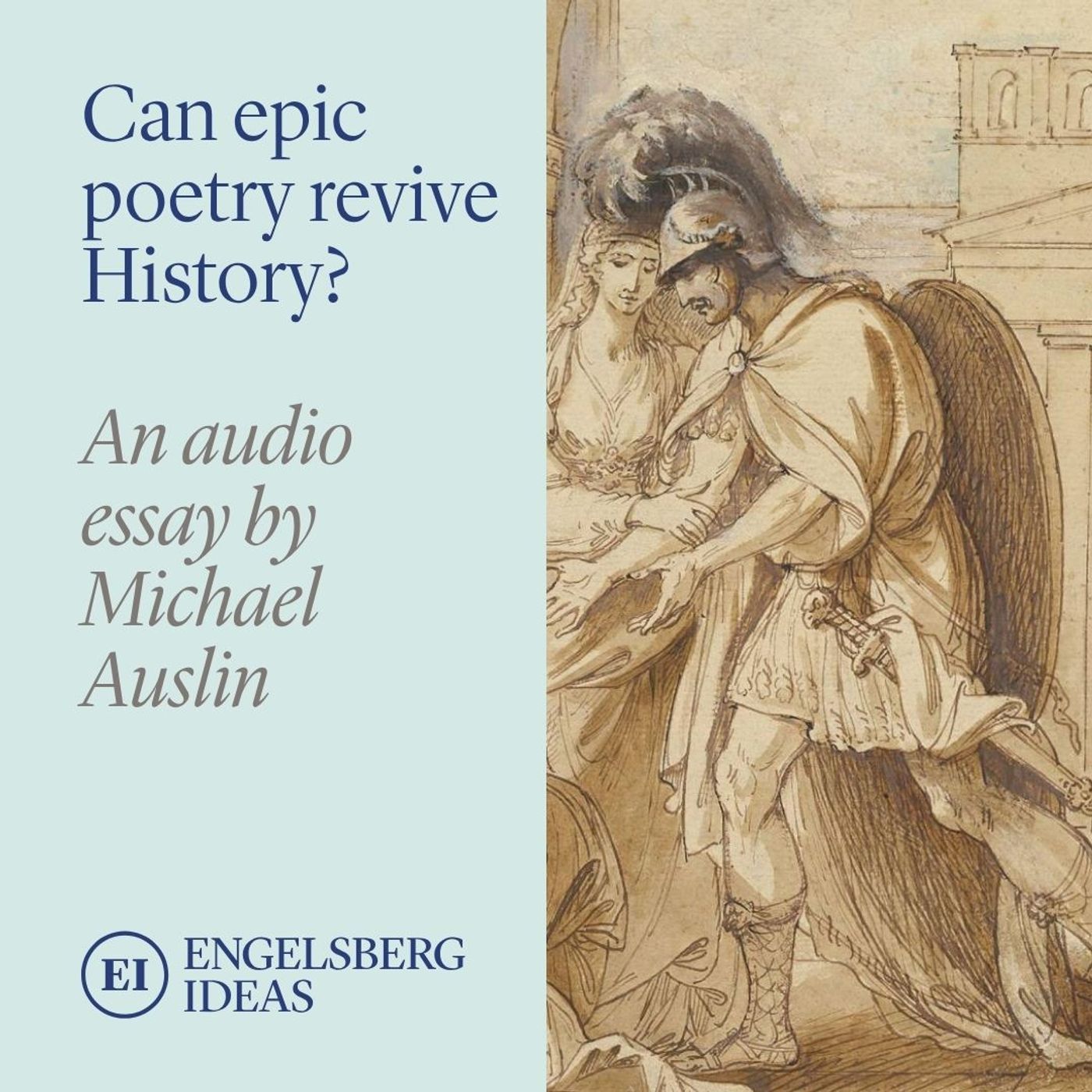
Can epic poetry revive History?
When combined, as the ancients knew, history and poetry offer an incomparable insight into the human condition. Michael Auslin laments the demise of poetry as a form for exploring great moments in history. Read the essay here: https://engelsbergideas.com/essays/can-epic-poetry-revive-history/.Image: Hector taking leave of Andromache. Credit: Alamy Stock Photo
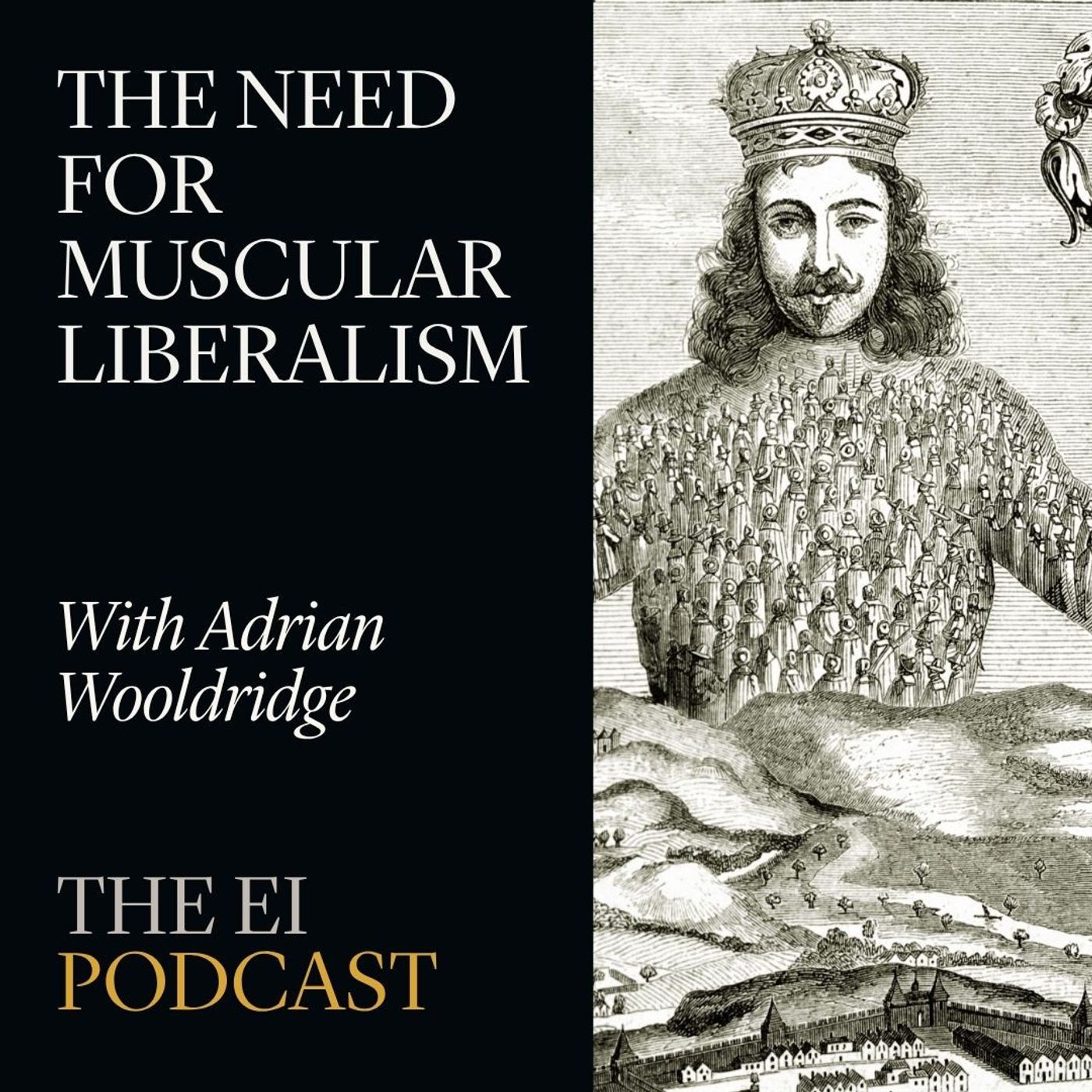
The need for muscular liberalism
Adrian Wooldridge speaks to EI’s Paul Lay about his new book, Centrists of the World Unite! The Lost Genius of Liberalism. He believes that the West can only overcome its current malaise by rediscovering and reviving the liberal tradition.Image: Engraving of the frontispiece from Thomas Hobbes’s ‘Leviathan’ (1651). Credit: Alamy
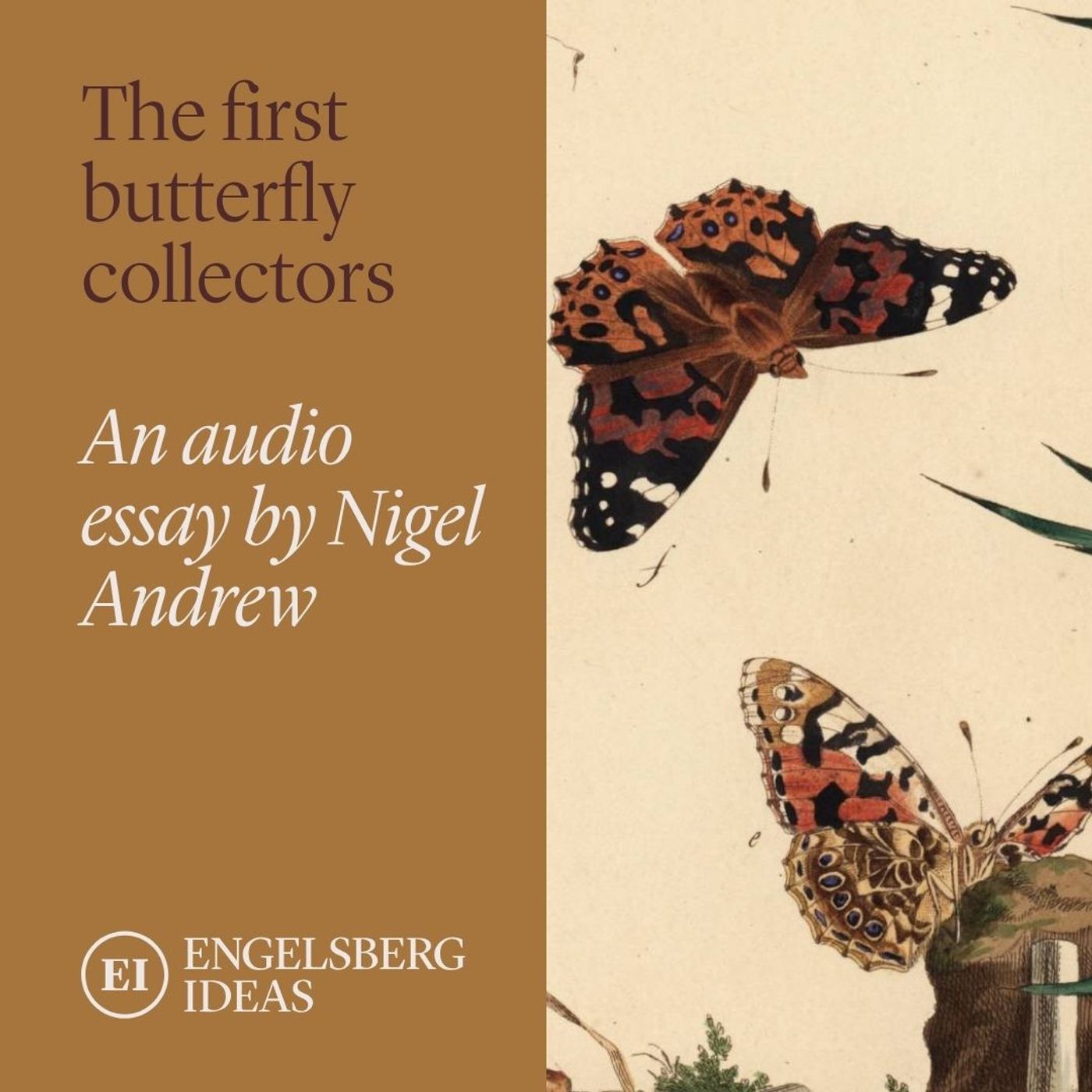
The first butterfly collectors
The Society of Aurelians brought butterflies out of their undeserved obscurity. Nigel Andrew’s audio essay sheds new light on Britain’s first entomological society. Read by Leighton Pugh.Read the original essay here: https://engelsbergideas.com/notebook/the-first-butterfly-collectors/. Image: Detail from ‘The Aurelian; a Natural History of English Moths and Butterflies’, published by Henry Bohn,
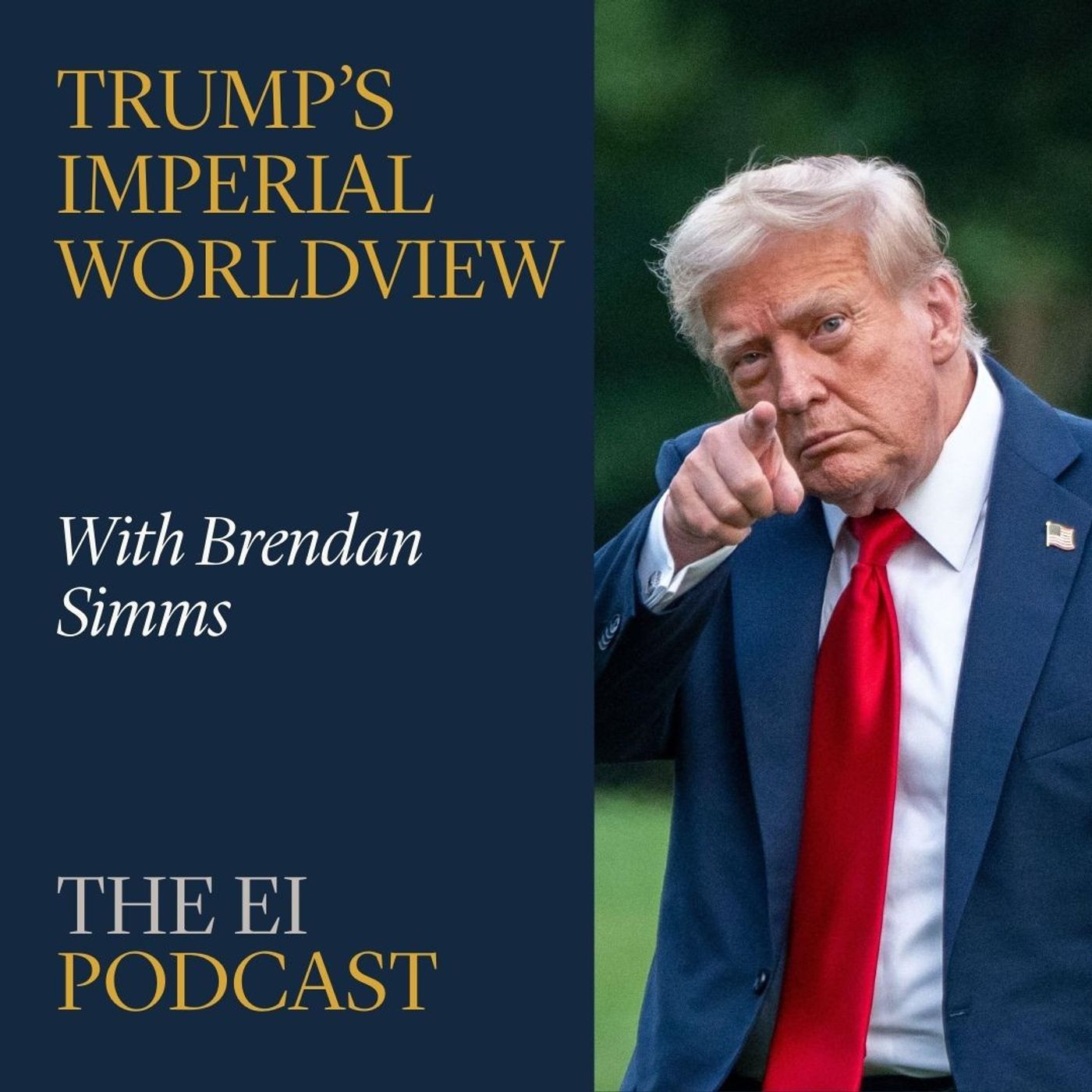
Trump’s imperial worldview
What is driving Donald Trump’s increasingly volatile foreign policy? Brendan Simms examines the US President and his ideological roots with EI’s Jack Dickens.Image: Donald Trump at the White House, July 2025. Credit: Alamy
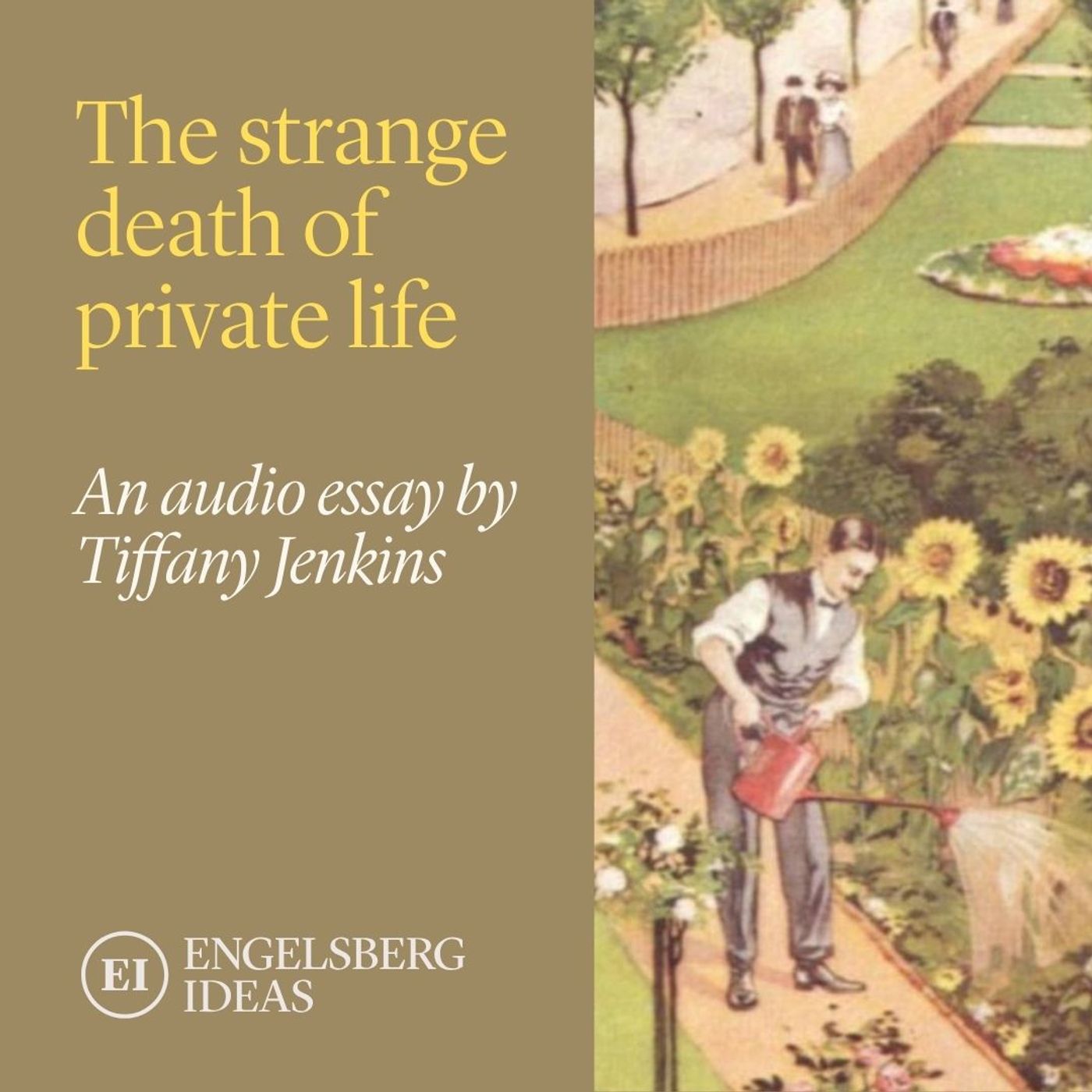
The strange death of private life
In the early 1970s, the idea of a private life – that citizens ought to be left alone by the state – began to disappear. In this audio essay, Tiffany Jenkins argues that we should mourn its absence. Read by Leighton Pugh.Read the original essay here: https://engelsbergideas.com/essays/the-strange-death-of-private-life/.Image: 1930s poster for the London Underground. Credit: Alamy
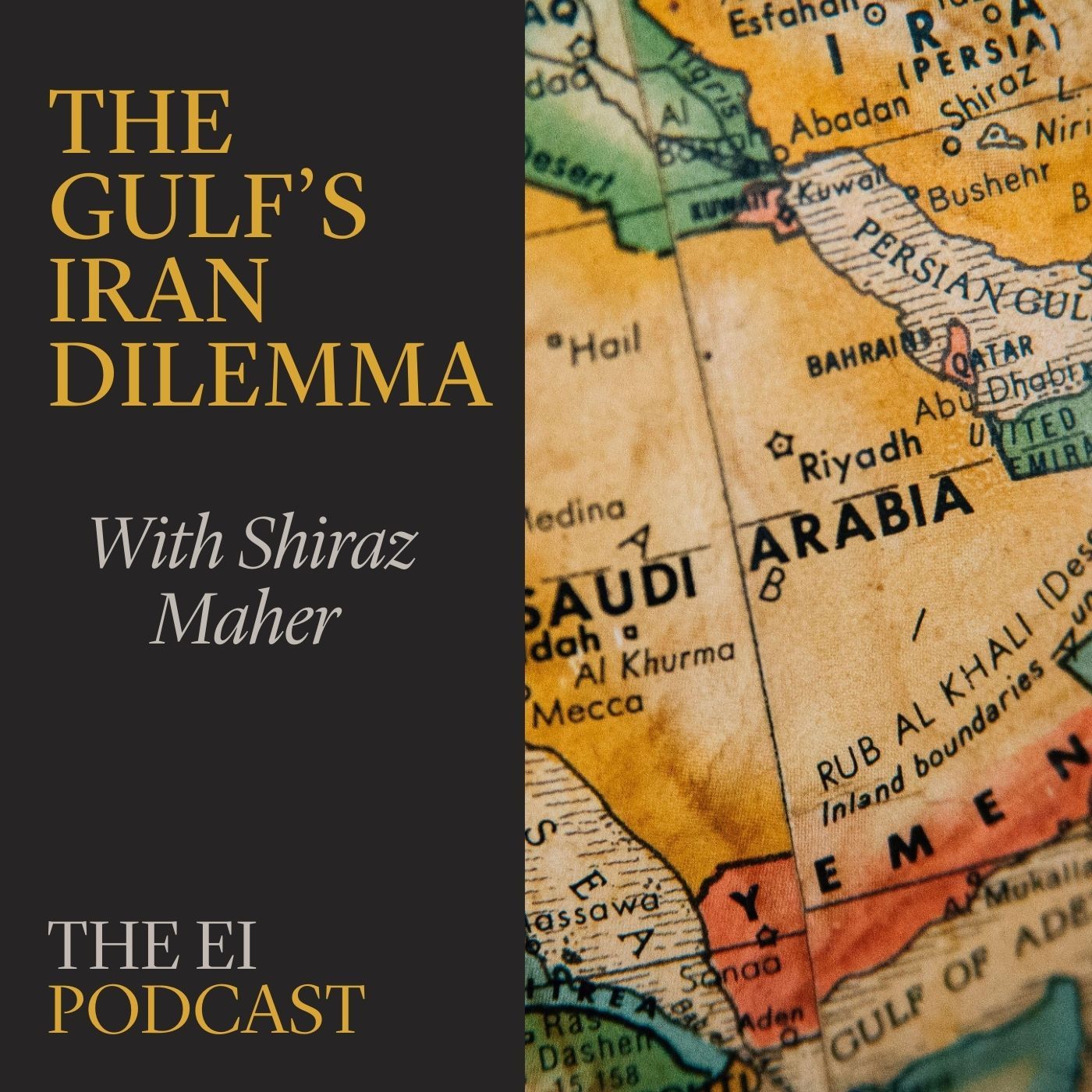
The Gulf’s Iran dilemma
Shiraz Maher examines how the fallout from the US-Iran conflict is reshaping the Gulf States and the wider Middle East, with EI’s Jack Dickens.Image: Close-up vintage map of the Middle East. Credit: Alamy
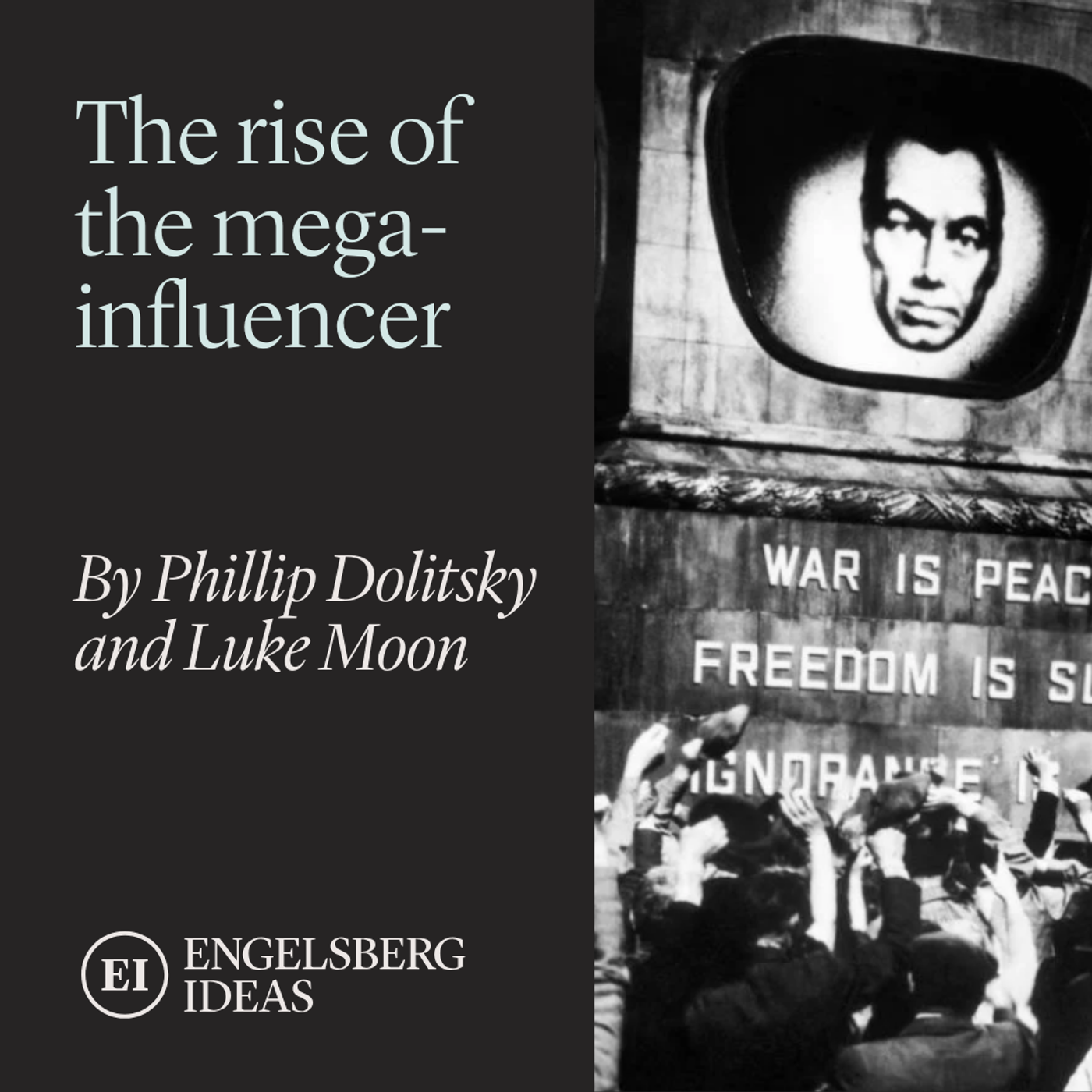
The rise of the mega-influencer
Mega-influencers shape the public imagination. Phillip Dolitsky and Luke Moon explore a world where narrative matters more than fact. Read by Leighton Pugh.Image: Still from a film version of George Orwell's 1984. Credit: Allstar Picture Library Limited
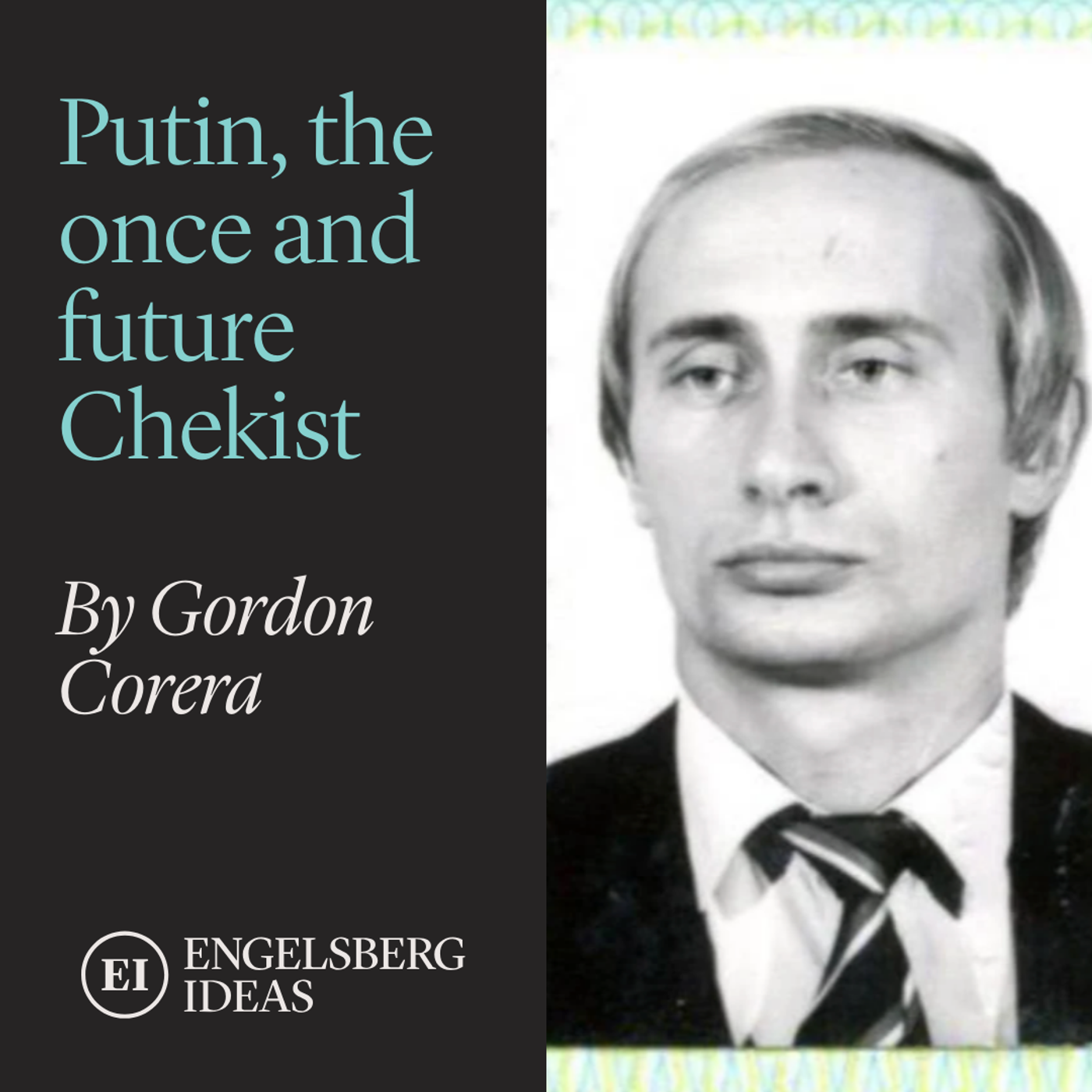
Putin, the once and future Chekist
Gordon Corera contends that to truly understand Vladimir Putin, you have to understand the phenomenon of Chekism. Read by Leighton Pugh.Read the original essay here: https://engelsbergideas.com/essays/putin-the-once-and-future-chekist/. Image: Vladimir Putin's East German Stasi identification card issued while he worked as a KGB agent in Dresden in 1985. Credit: Pictorial Press Ltd
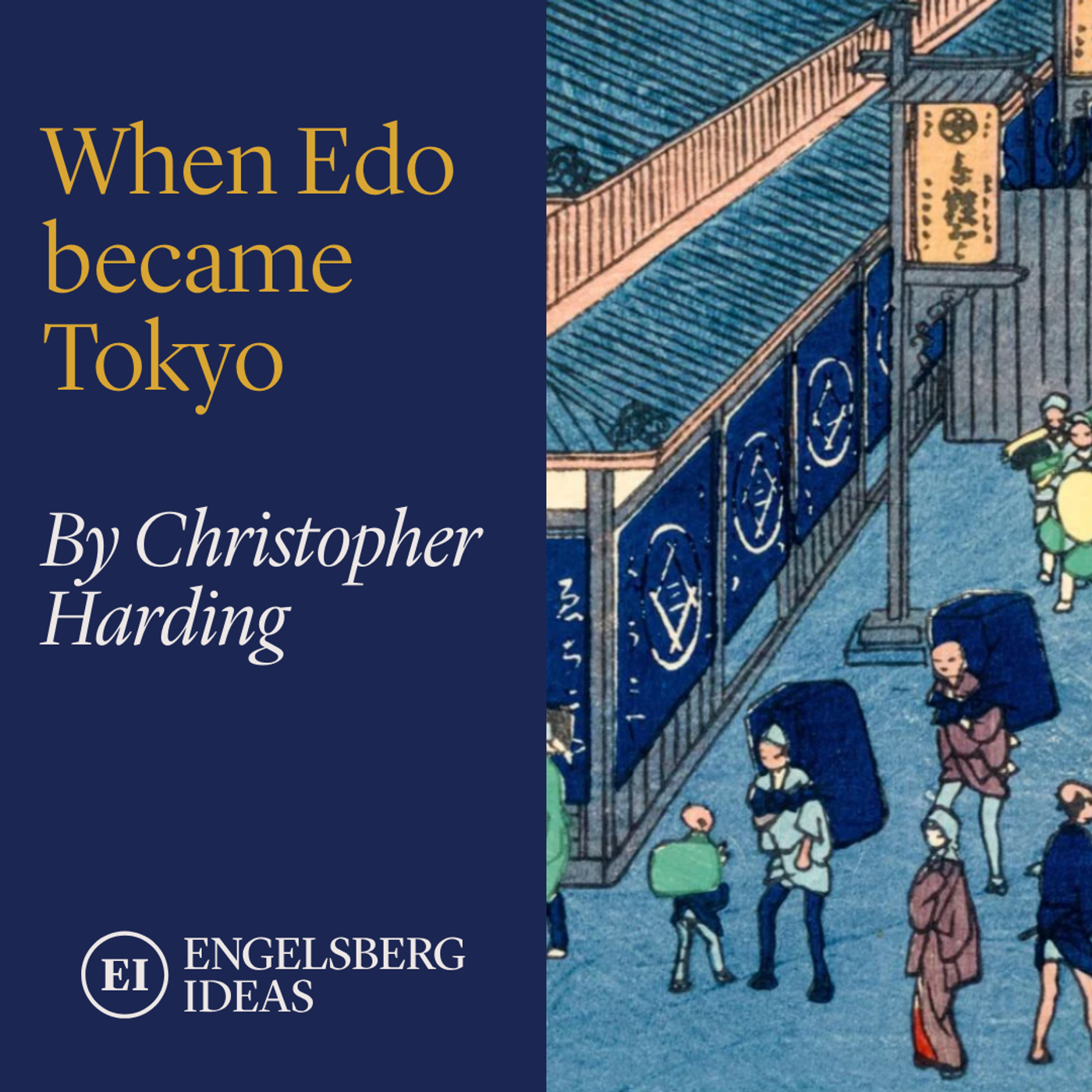
When Edo became Tokyo
Christopher Harding on the birth of Tokyo. Read by Leighton Pugh.Read the essay here: https://engelsbergideas.com/essays/when-edo-became-tokyo/. Image: A woodblock print by Utagawa Hiroshige. From One Hundred Famous Views of Edo, 1856. Credit: incamerastock / Alamy Stock Photo
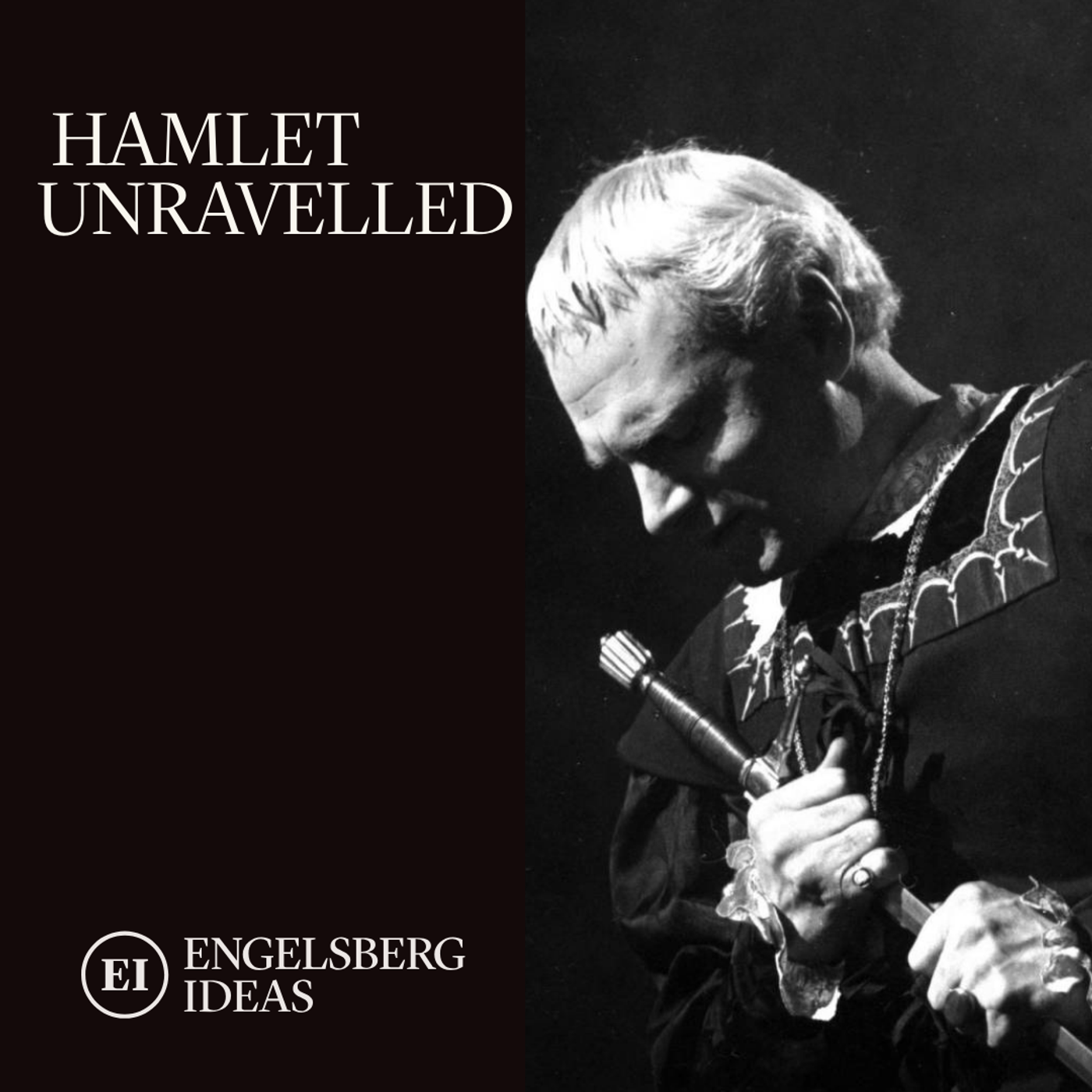
Hamlet unravelled
Emma Smith, Professor of Shakespeare Studies at Oxford University, explores Hamlet and its rich critical history with EI’s Alastair Benn and Paul Lay.Image: Laurence Olivier plays Hamlet in 1948. Credit: Masheter Movie Archive
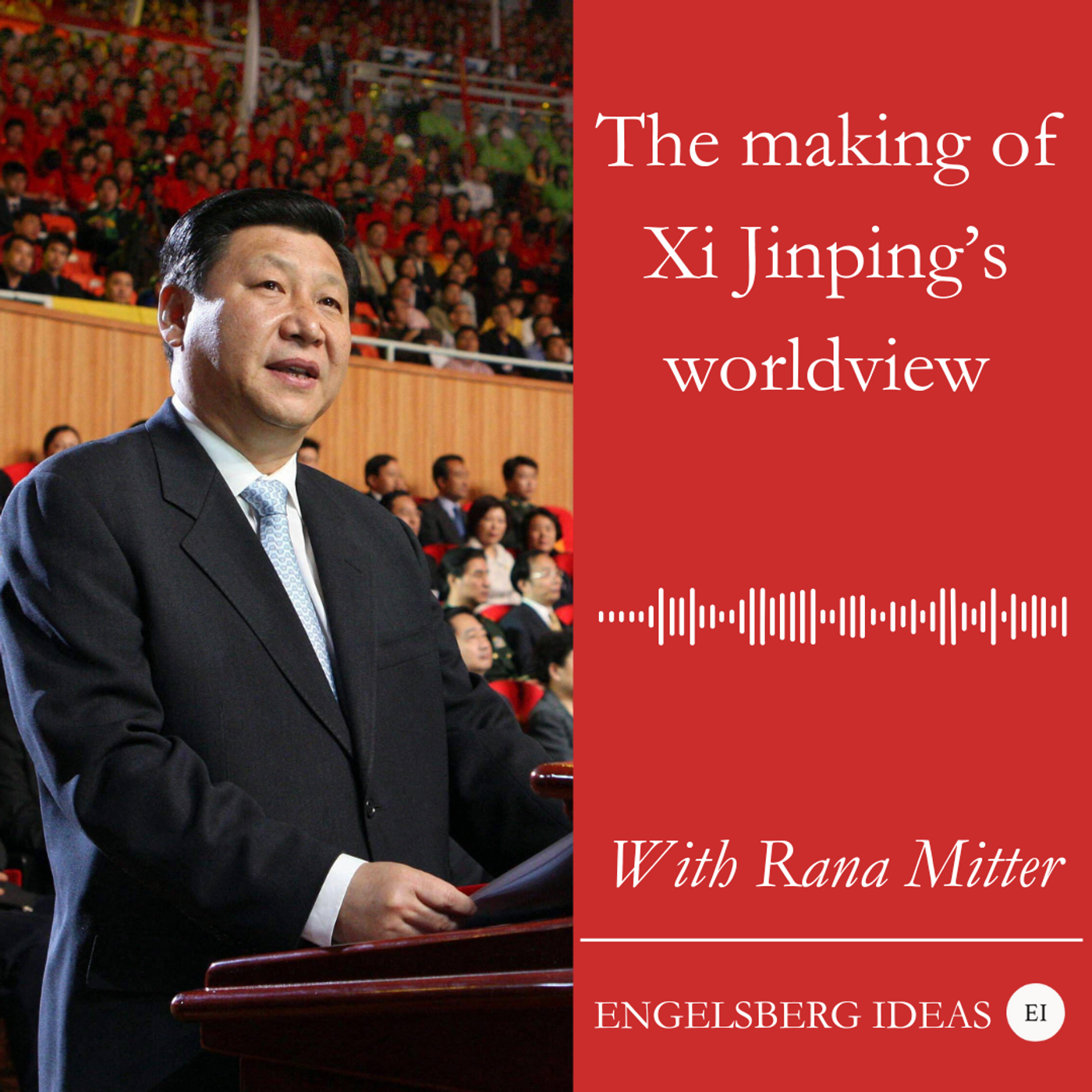
The making of Xi Jinping's worldview
Rana Mitter explores Xi Jinping’s personal and ideological mindset in conversation with EI’s Jack Dickens.Image: Then Vice President Xi Jinping makes an address in preparation for the 2008 Olympics. Credit: Imago
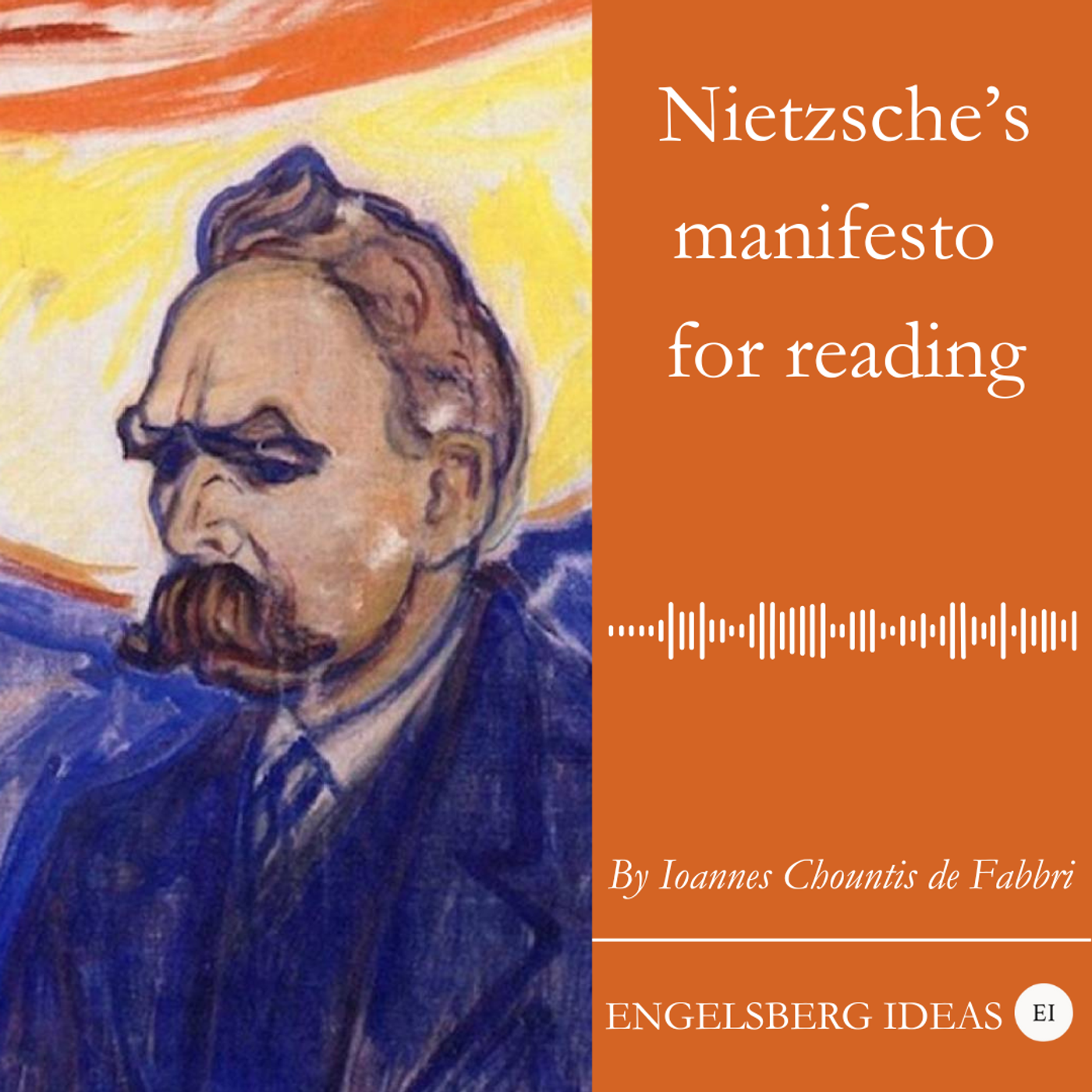
Nietzsche’s manifesto for reading
Ioannes Chountis de Fabbri on reading as an antidote to the restless spirit of the industrial age. Read by Leighton Pugh.Read the original essay here: https://engelsbergideas.com/notebook/nietzsches-manifesto-for-reading/.Image: Edvard Munch's painting of Friedrich Nietzsche. Credit: Darling Archive / Alamy Stock Photo
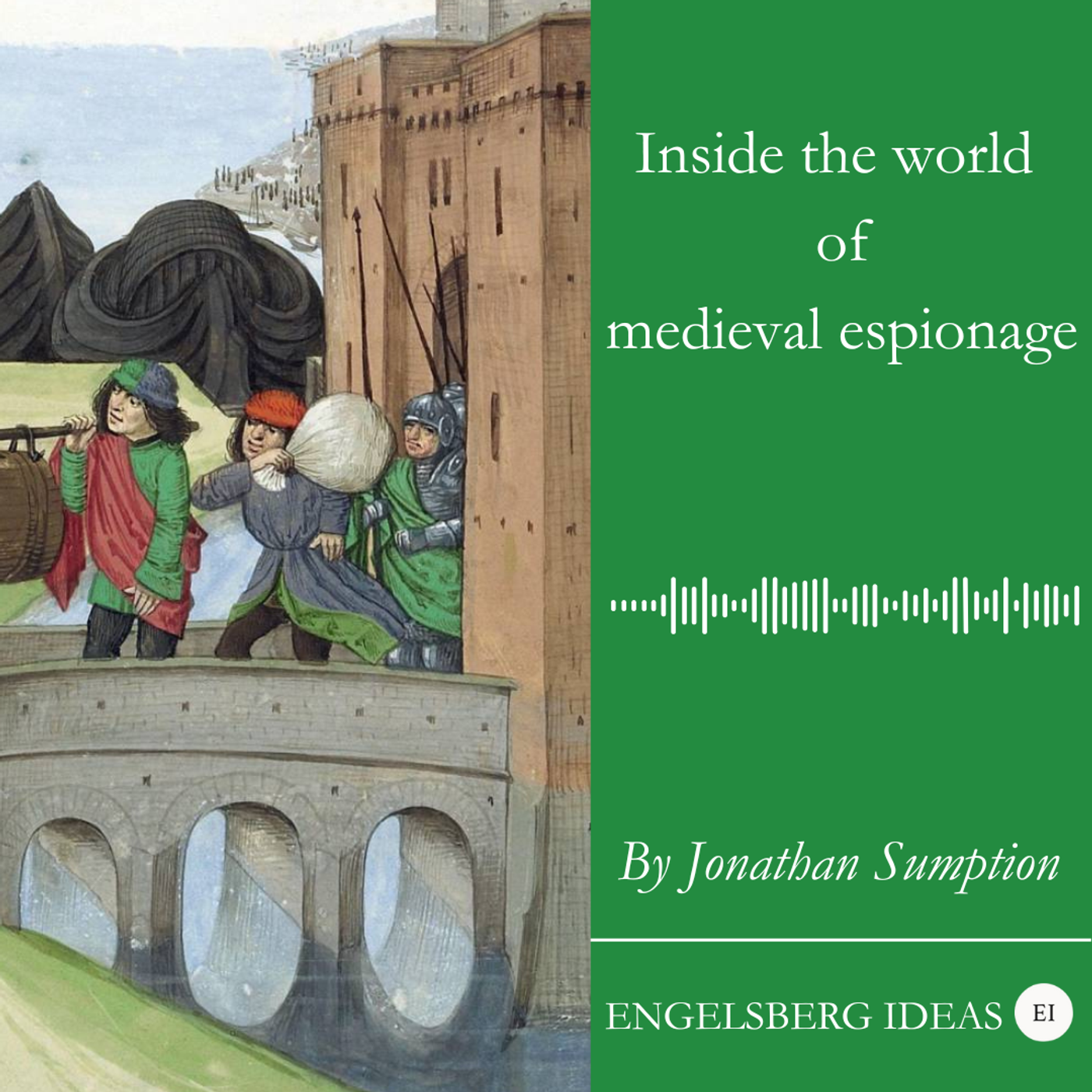
Inside the world of medieval espionage
Jonathan Sumption surveys the last generation of spies before the creation of Europe's professional intelligence services. Read by Leighton Pugh.Read the original essay here: https://engelsbergideas.com/essays/inside-the-world-of-medieval-espionage/.Image: King Charles VI of France prepares for war. Credit: Science History Images / Alamy Stock Photo
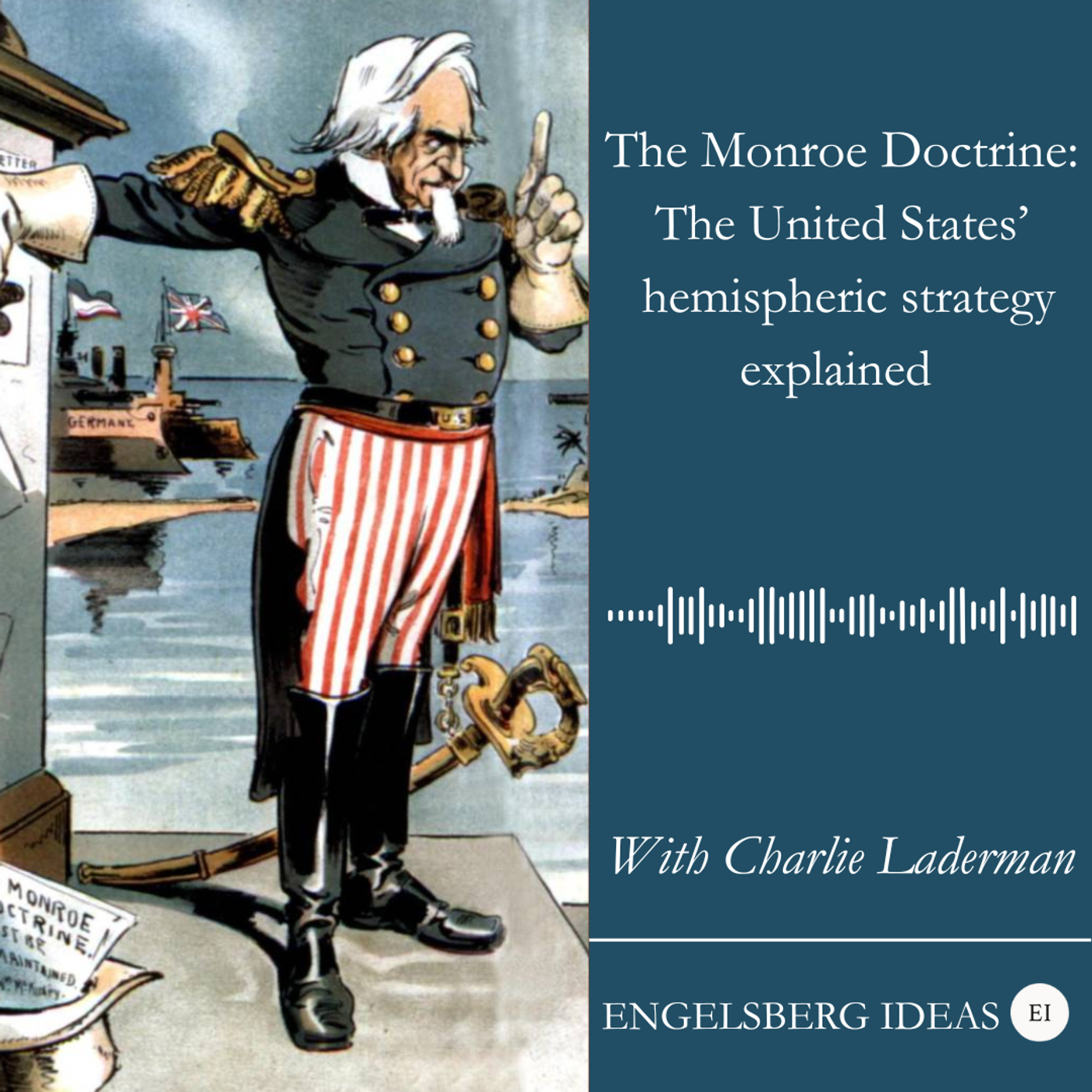
The Monroe Doctrine: The United States’ hemispheric strategy explained
EI's Jack Dickens is joined by Charlie Laderman, associate professor at the University of Florida’s Hamilton Center, to discuss how the United States’ hemispheric ambitions emerged from great-power competition – and why the Monroe Doctrine still matters.Image: A satirical cartoon lampooning the expansion of the Monroe Doctrine. Credit: Photo 12
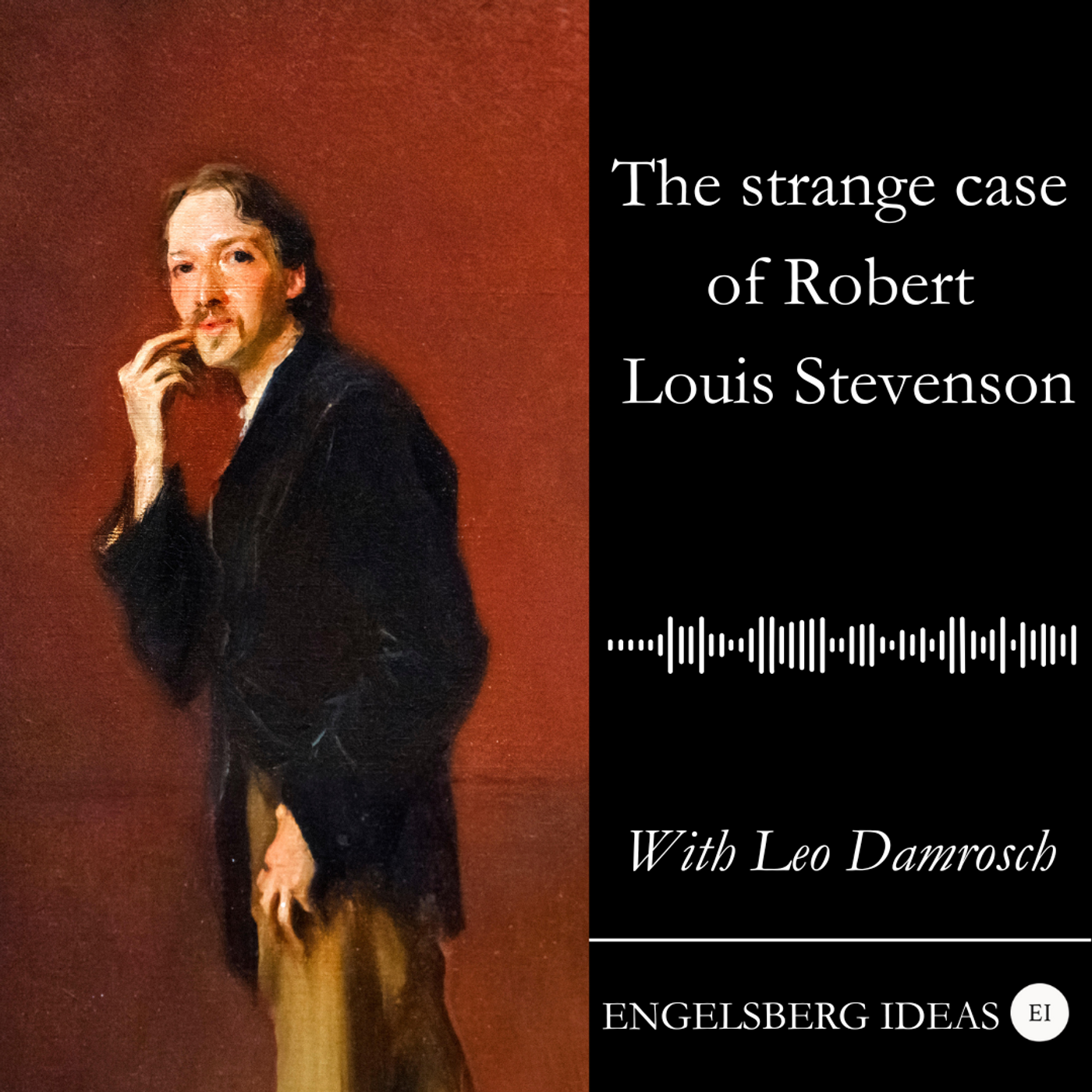
The strange case of Robert Louis Stevenson
Alastair Benn is joined by Leo Damrosch, author of Storyteller: The Life of Robert Louis Stevenson, to explore the life and legacy of the celebrated Scottish writer, including one of his most enduring literary achievements, Strange Case of Dr Jekyll and Mr Hyde.Image: 'Robert Louis Stevenson' by John Singer Sargent, 1885. Credit: IanDagnall Computing
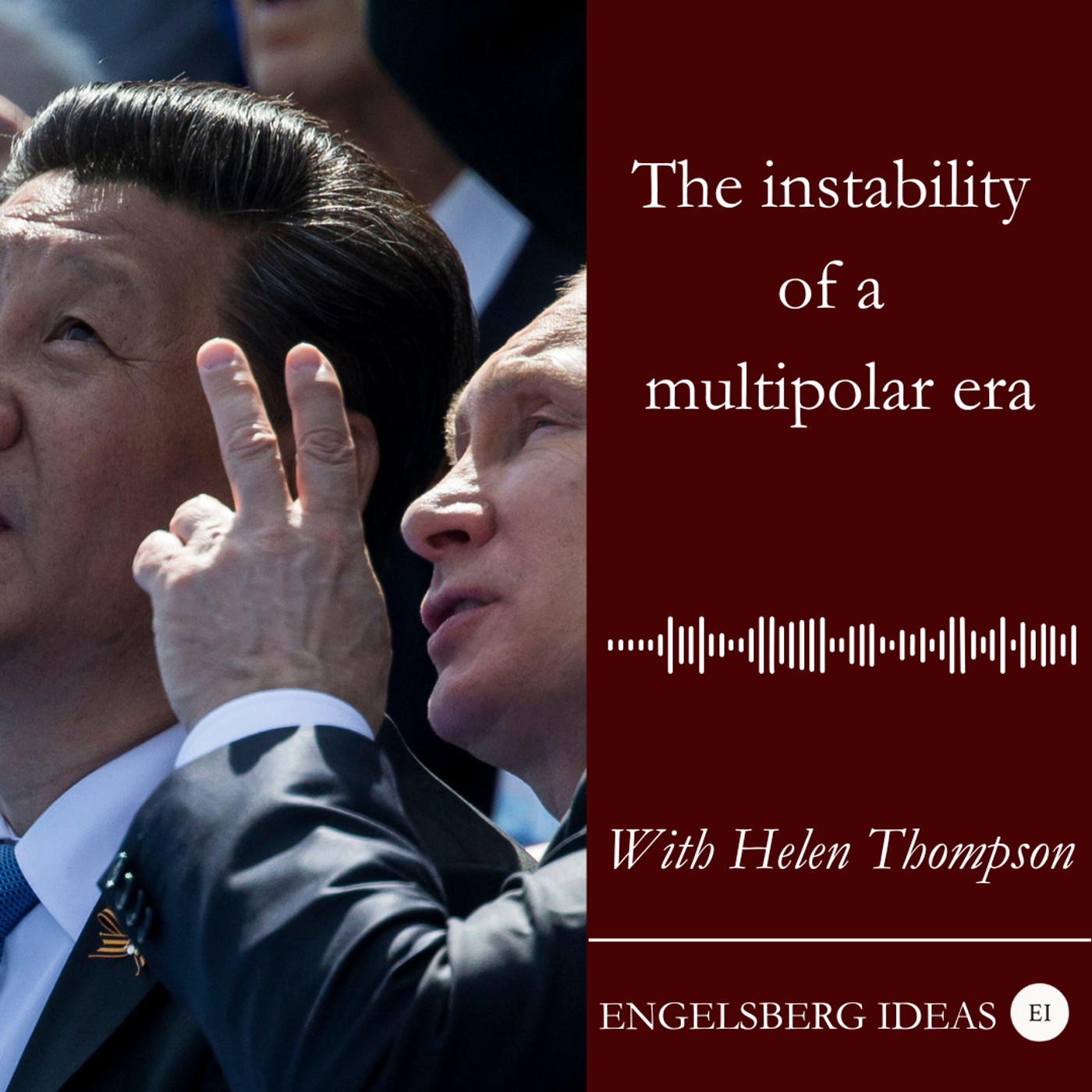
The instability of a multipolar era
EI's Paul Lay is joined by Helen Thompson to discuss US–China rivalry, the growing importance of the Western Hemisphere in geopolitics, and the inherent instability of a multipolar world.Image: Russian President Vladimir Putin speaks to Chinese President Xi Jinping at the Victory Parade marking the 70th anniversary of the surrender of Nazi Germany in the Second World War. Credit: Associated Press
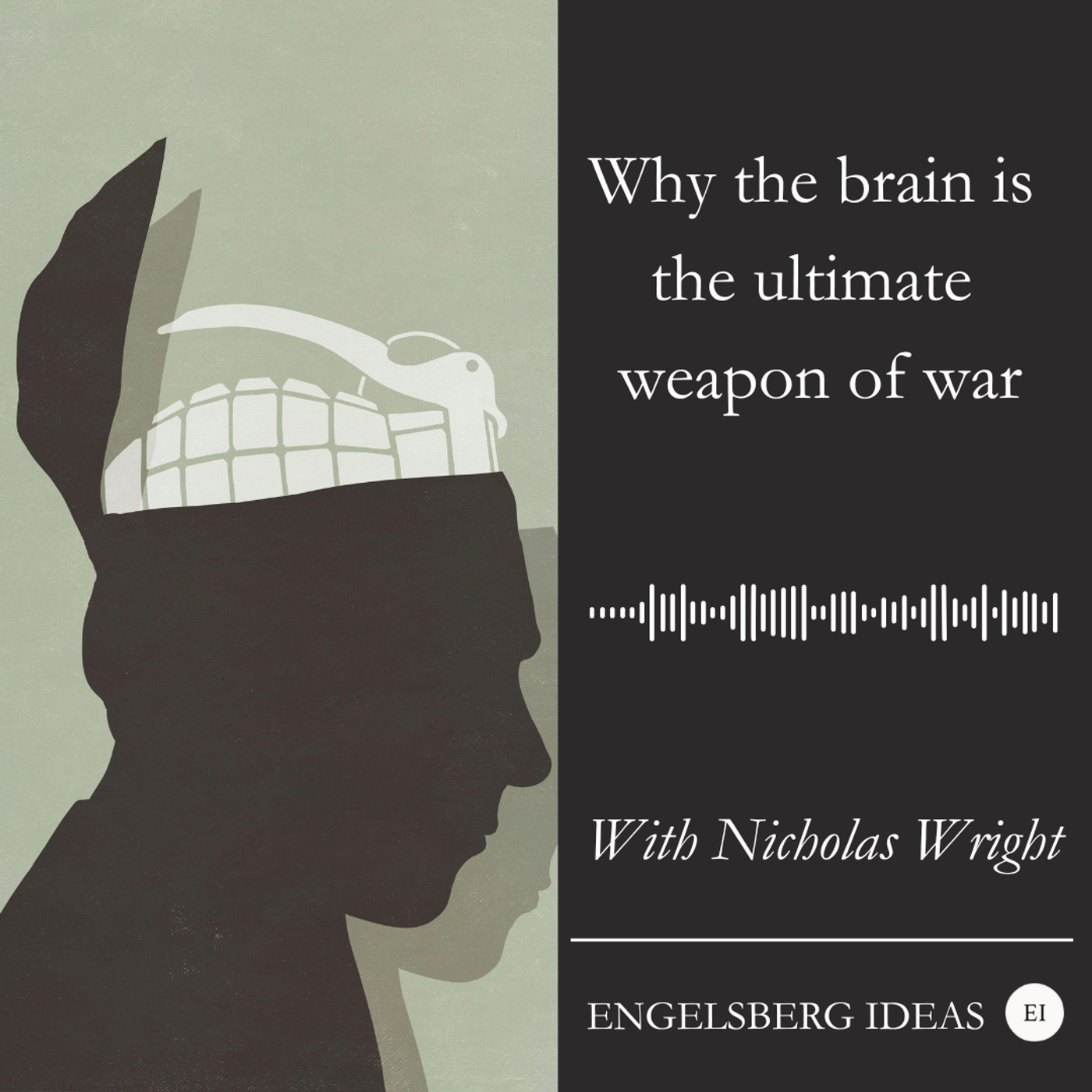
Why the brain is the ultimate weapon of war
EI's Paul Lay is joined by neuroscientist Nicholas Wright to discuss how the brain shapes war, and how war shapes the brain.Image: The brain as a weapon of war. Credit: fStop Images GmbH

The end of Pax Britannica
Graeme Thompson on the fall of a liberal world order. Read by Leighton Pugh.Read the original essay here: https://engelsbergideas.com/essays/the-end-of-pax-britannica/.Image: 'Taming the British Lion'. Puck magazine, 1888. Credit: Historical Images Archive

The classical key to the AI revolution
John Tasioulas examines how a classical conception of democracy – distinct from liberal democracy – may offer the resources needed to meet the challenges posed by Artificial Intelligence. Read by Leighton Pugh.Read the original essay here: https://engelsbergideas.com/essays/the-classical-key-to-the-ai-revolution/.Image: Rudolph Müller, View of the Acropolis from the Pynx (1863). Credit: Eraza Col

The Risorgimento myth
Gerald Warner on the origins of a 'black legend' designed to discredit the once-flourishing Bourbon Kingdom of the Two Sicilies. Read by Leighton Pugh.Read the original here: https://engelsbergideas.com/essays/the-risorgimento-myth/. Image: A painting displaying the splendour of the Neapolitan fleet. Credit: The Picture Art Collection

China's quest to engineer the future
EI's Paul Lay is joined by technology analyst Dan Wang to discuss how China has engineered its way to global power status. Image: New high-rise buildings in China. Credit: ton koene
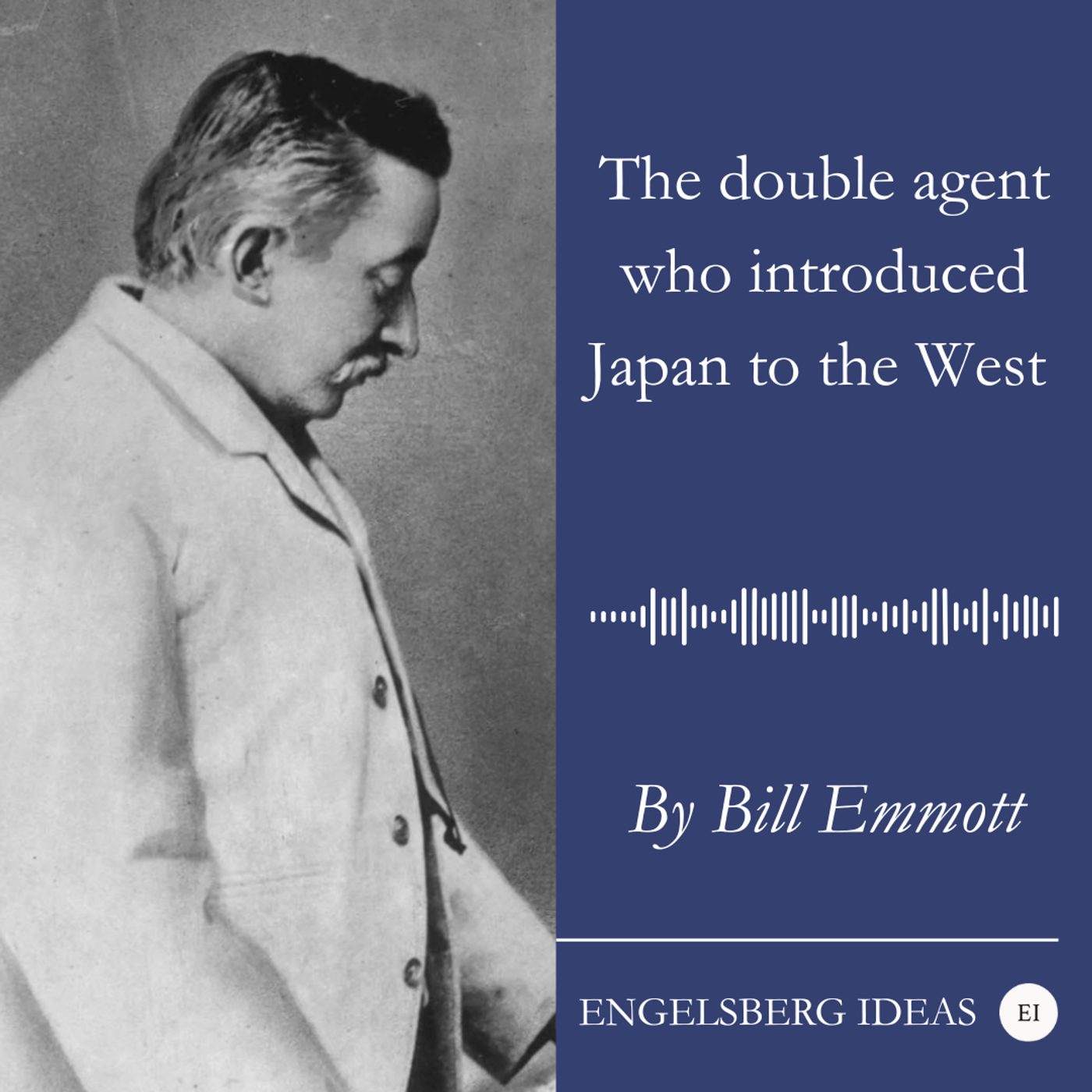
The double agent who introduced Japan to the West
Bill Emmott profiles Lafcadio Hearn, the Anglo-Irish-Greek foreign correspondent who made Japan his home. Read by Leighton Pugh.Read the original essay here: https://engelsbergideas.com/essays/the-double-agent-who-introduced-japan-to-the-west/.Image: Lafcadio Hearn photographed with his wife, Setsuko Koizumi, and their son. Credit: GRANGER - Historical Picture Archive / Alamy Stock Photo
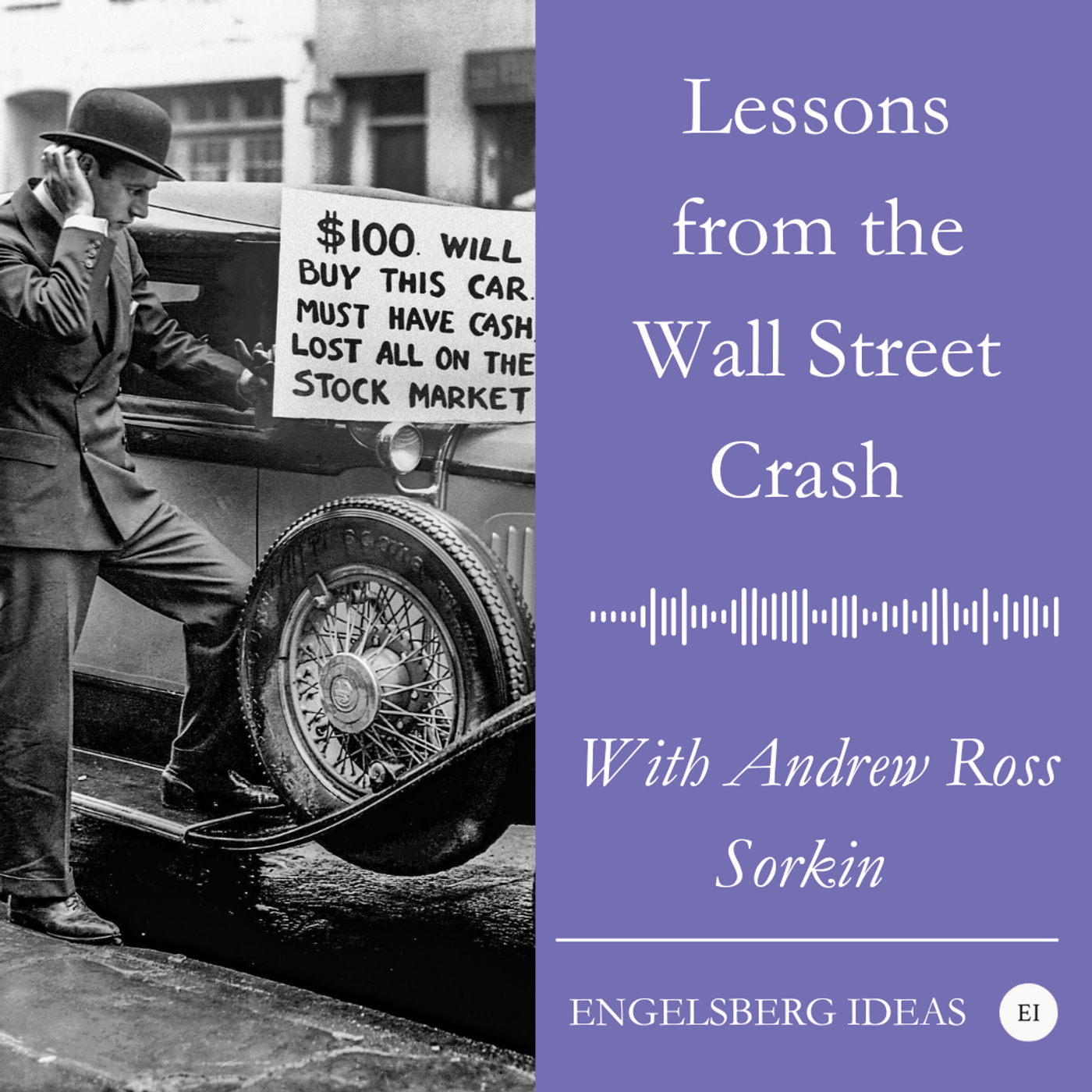
Lessons from the Wall Street Crash
Bestselling author Andrew Ross Sorkin discusses his new book, 1929: The Inside Story of The Greatest Crash in Wall Street History, with EI's Iain Martin.Image: The Wall Street financial crash of 1929, with a city businessman speculator trying to sell his car for $100 cash, having lost all on the stock market. Credit: Alamy/ Shawshots.
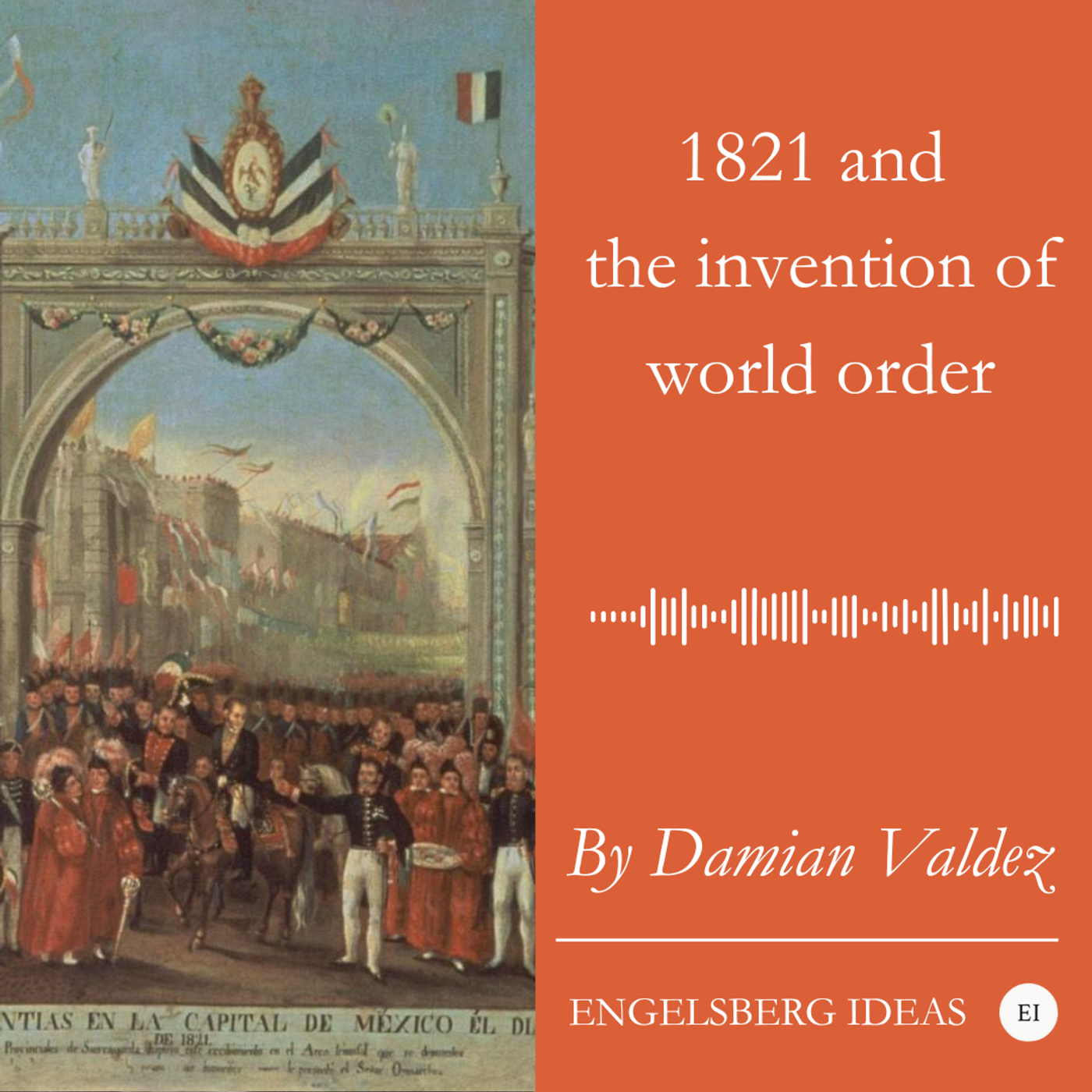
1821 and the invention of world order
Historian Damian Valdez on international order's 19th-century origins. Read by Leighton Pugh.Read the original essay here: https://engelsbergideas.com/essays/1821-and-the-invention-of-world-order/.Image: Mexican general Agustín de Iturbide rides through a ceremonial arch to welcoming officials in Mexico City on September 27, 1821, after decisively winning independence for Mexico. Credit: Album /

The growing-pains of Graham Greene
Critic Malcolm Forbes investigates Graham Greene's troubled childhood. Read by Leighton Pugh.Read the original essay here: https://engelsbergideas.com/essays/the-growing-pains-of-graham-greene/.Image: Graham Greene in 1940. Credit: Everett Collection Historical / Alamy Stock Photo
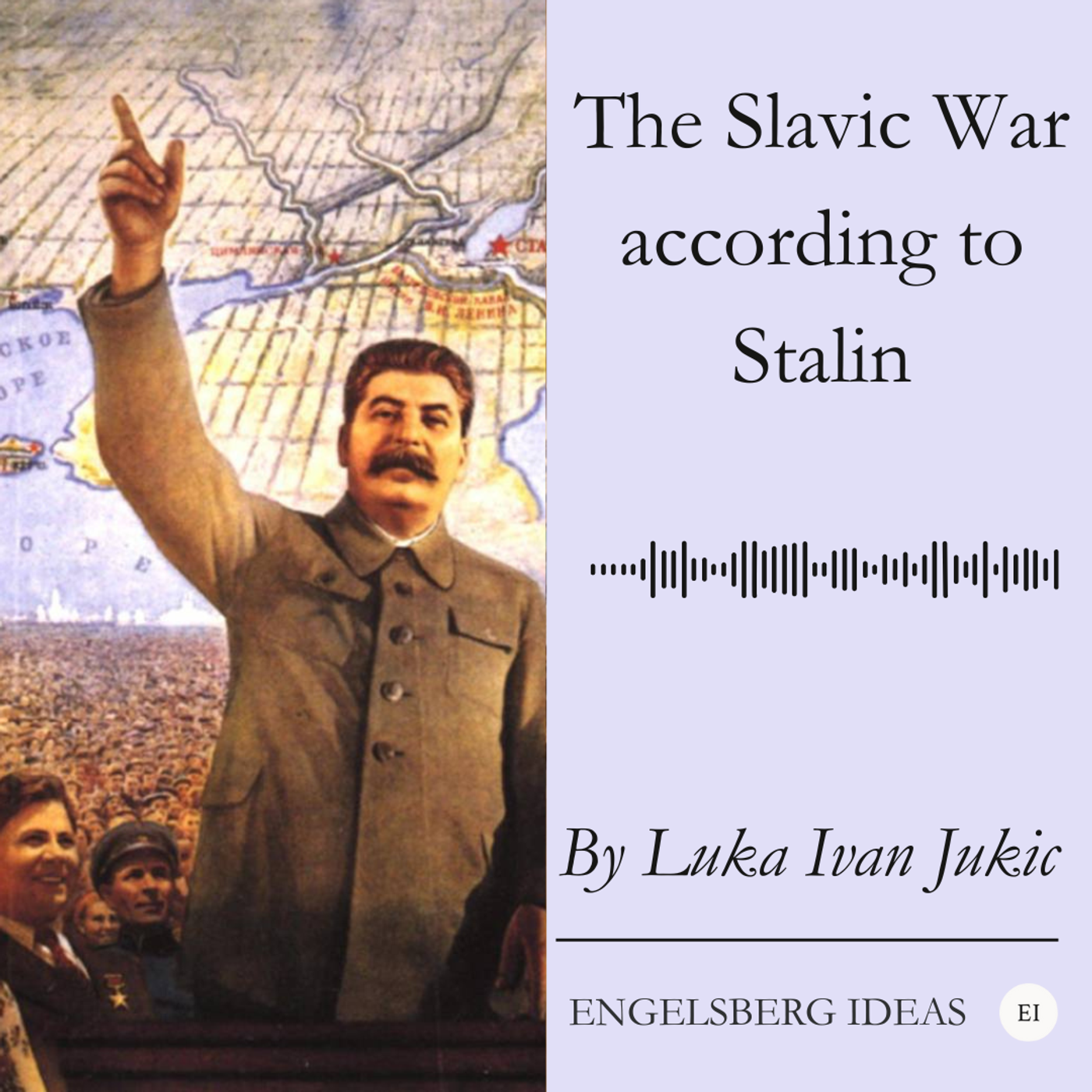
The Slavic War according to Stalin
Historian Luka Ivan Jukic explores how Stalin hijacked the Slavic cause to forge the Soviet Empire. Read by Leighton Pugh.Read the original essay here: https://engelsbergideas.com/essays/the-slavic-war-according-to-stalin/.Image: A poster celebrating Stalin at the Russian State Library, Moscow. Credit: Album / Alamy Stock Photo
A warning to the young: just say no to AI
Aaron MacLean, host of the School of War podcast, on AI's threat to the life of the mind. Read by Leighton Pugh.Read the original essay here: https://engelsbergideas.com/essays/a-warning-to-the-young-just-say-no-to-ai/.Image: The Library Hall of the Upper Lusatian Library of Sciences. Credit: Petr Svarc / Alamy Stock Photo
The Slow Horses are Britain’s perfect spies
Alastair Benn on the magic of Mick Herron’s Slough House series.Image: Still from Apple TV's Slow Horses. Credit: LANDMARK MEDIA / Alamy Stock Photo
Stephen Kotkin on a new age of warfare
EI's Paul Lay discusses a world order in flux with Stephen Kotkin, historian and biographer of Stalin.Image: A Canadian soldier during a NATO-led operation. Credit: Associated Press

The Great French Songbook
Why do people the world over enjoy listening to songs sung in French? Critic Muriel Zagha illuminates the living tradition of French chanson. Read the original essay here: https://engelsbergideas.com/essays/the-great-french-songbook/. Image: Juliette Gréco, the French actress and singer. Credit: Heritage Image Partnership Ltd / Alamy Stock Photo

Our attention dilemma is age-old
Alastair Benn explores an attention dilemma that has haunted western thought for centuries. Read by Leighton Pugh.Read the original essay here: https://engelsbergideas.com/essays/our-attention-dilemma-is-age-old/.Image: Detail from Echo and Narcissus by John William Waterhouse, 1903. Credit: SuperStock / Alamy Stock Photo
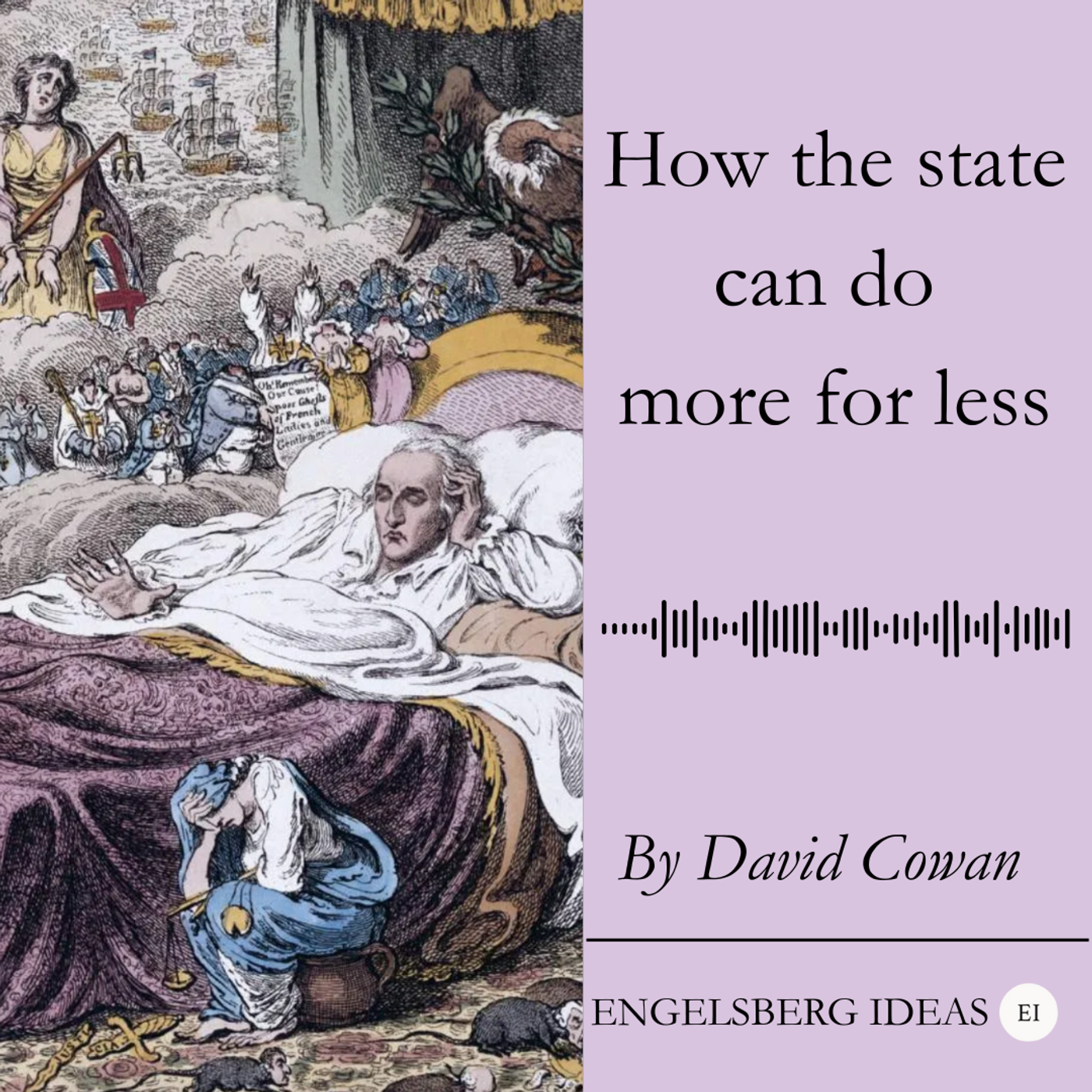
How the state can do more for less
Historian David Cowan explains how radical reform can reshape the state. Read by Leighton Pugh.Read the original essay here: https://engelsbergideas.com/essays/how-the-state-can-do-more-for-less/. Image: A political caricature, 'Political Dreams, Visions of Peace, Perspective Horrors', by James Gillray of Pitt the Younger. Credit: INTERFOTO / Alamy Stock Photo
The espionage revolution
David Omand, ex-head of GCHQ, the British government's world-renowned cyber agency, explores how intelligence officers exploit the latest technological advances.Read the original essay here: https://engelsbergideas.com/essays/the-espionage-revolution/. Image: Digital espionage is on the rise. Credit: Stu Gray / Alamy Stock Photo
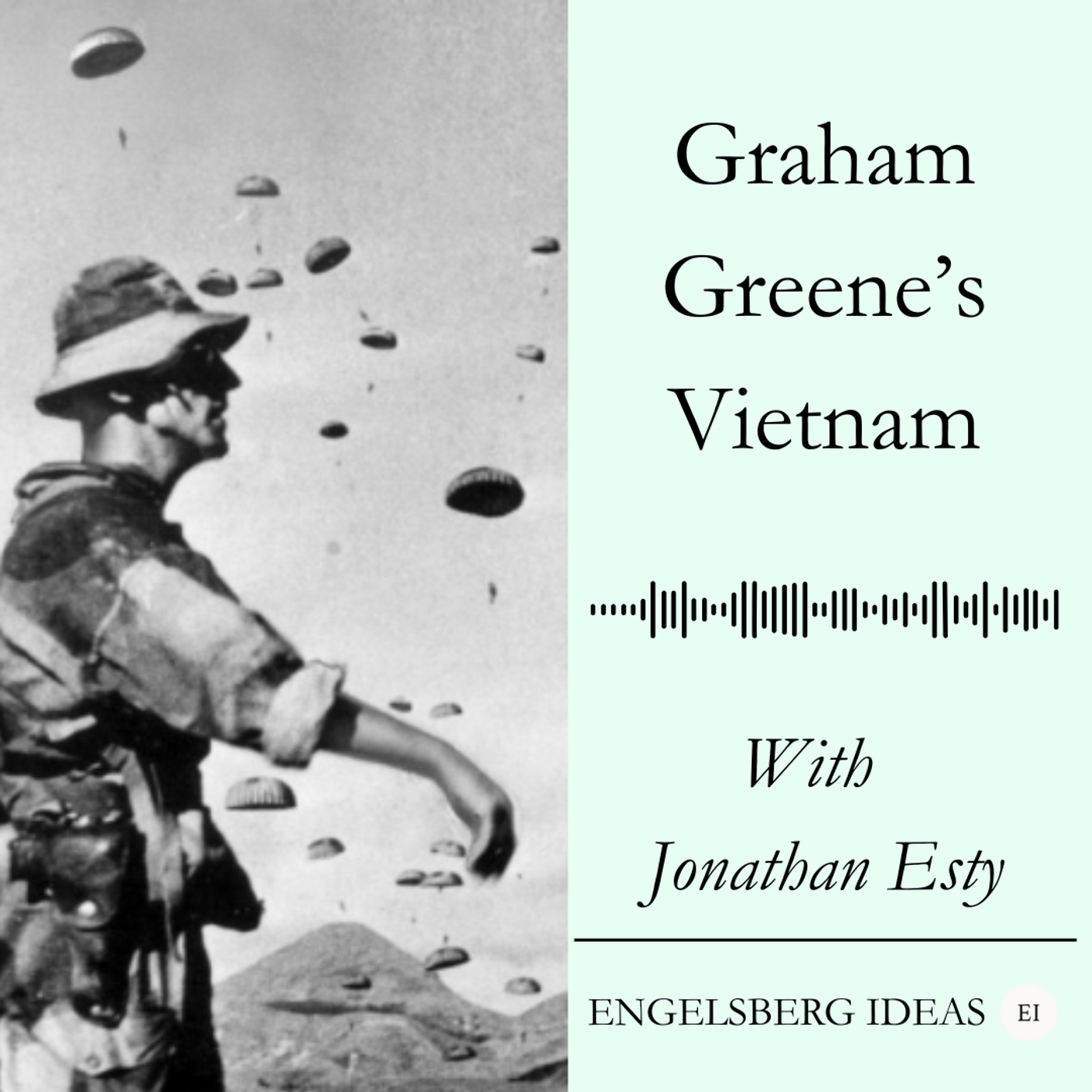
Graham Greene's Vietnam
EI's Alastair Benn and Paul Lay are joined by Jonathan Esty, of Johns Hopkins School of Advanced International Studies, to discuss Graham Greene’s The Quiet American, published 70 years ago, a gripping novel that captures the passing of the baton from the old colonial powers to the new masters in South-East Asia.Image: French paratroops at the beginning of the First Indochina War. Credit: Keystone

How the Nazis weaponised Charlemagne
Samuel Rubinstein explores how Nazi historiographers sought to present Adolf Hitler as the heir to Charlemagne. Read by Leighton Pugh.Read the original essay here: https://engelsbergideas.com/essays/how-the-nazis-weaponised-charlemagne/.Image: A large Sèvres presentation plate celebrating Nazism's alleged debt to Charlemagne. Credit: INTERFOTO / Alamy Stock Photo