Stompcast
Stompcast is an ambient podcast hosted by Dr Alex George that encourages listeners to improve their mental and physical health through walking. Each episode features a guest and is divided into three parts, designed to be enjoyed on short walks or one longer stomp. The conversations are set against soothing natural sounds like birdsong and waves. The podcast aims to help listeners become healthier versions of themselves.
Episodes
Autism & OCD: Why Are They So Closely Linked? | Pt 2
How are autism and OCD connected? And why can it be so difficult to tell the difference between the two?In Part 2 of Figuring It Out, Dr Alex George and research scientist Dr Kathryn Bates answer two listener questions about the overlap between autism and obsessive-compulsive disorder (OCD), and how to accept yourself when the people around you don't always understand you.They explore why auti
OCD: Why It's So Much More Than Being Tidy | Pt 1
Are we all really 'a bit OCD'? Or is obsessive-compulsive disorder something far more complex than the way we often talk about it?In Part 1 of Figuring It Out, Dr Alex George and research scientist Dr Kathryn Bates explore what OCD really is, why it's so much more than being tidy or organised, and what living with intrusive thoughts and compulsions can actually feel like.They unpack th
ADHD: Can You Trust What You See on Social Media? | Pt 3
How much of what we see about ADHD on social media is actually true? And are some of the most common beliefs about ADHD backed by science?In Part 3 of Figuring It Out, Dr Alex George and research scientist Dr Kathryn Bates put some of the biggest claims about ADHD to the test in Myth, Fact and It's Complicated.From misleading ADHD advice on TikTok to the links between ADHD and smartphone use,
ADHD & Alcohol: What's the Connection? | Pt 2
Is ADHD linked to drinking too much? And why might people with ADHD be more likely to experience difficulties with alcohol and other substances?In Part 2 of Figuring It Out, Dr Alex George and research scientist Dr Kathryn Bates tackle a listener's question about ADHD, impulsivity and alcohol.They explore why substance use difficulties are more common in people with ADHD, from impulsivity and
ADHD & Impulsivity: Why Do I Act Before I Think? | Pt 1
Why do people with ADHD sometimes act before they think? And why can waiting for something feel so difficult?In Part 1 of Figuring It Out, Dr Alex George and research scientist Dr Kathryn Bates explore what ADHD really is, what causes it, and why there's no single explanation for what's happening in the brain.From genetics and dopamine to the science of impulsivity, they unpack why some pe
ADHD & Autism: Are We Really Overdiagnosing? | Pt 3
Are we really overdiagnosing ADHD and autism? And does understanding someone's differences automatically make relationships easier?In Part 3 of Figuring It Out, Dr Alex George and research scientist Dr Kathryn Bates tackle some common assumptions about neurodivergence in Myth, Fact and It's Complicated.They explore whether emotional dysregulation is unique to neurodivergent people, whether
ADHD & Autism: Why Emotional Pain Can Hit Harder and Last Longer | Pt 2
Why can an upsetting interaction stay with you for days, or even weeks? And why can emotional pain feel so difficult to move on from?In Part 2 of Figuring It Out, Dr Alex George and research scientist Dr Kathryn Bates answer a listener's question about why emotional pain can feel stronger and last longer for some people with ADHD and autism.They explore emotional regulation, rumination, reject
Late Autism & ADHD Diagnosis: Why It Changes How You See Yourself | Pt 1
Have you ever felt different without really understanding why? And what happens when an autism or ADHD diagnosis changes the way you've always seen yourself?In Part 1 of Figuring It Out, Dr Alex George and research scientist Dr Kathryn Bates explore how we develop our sense of identity, why it continues to change throughout our lives, and how a late diagnosis can bring a complicated mix of rel
Autism & Special Interests: Why They're More Important Than You Think | Pt 3
Could your special interests be doing more for your wellbeing than you realise? For autistic people, these interests can be much more than hobbies, potentially helping with emotional regulation, reducing stress and providing a sense of comfort.In Part 3 of Figuring It Out, Dr Alex George and research scientist Dr Kathryn Bates explore the surprising benefits of autistic special interests and what
Autistic Burnout: Why It's More Than Just Being Tired | Pt 2
Autistic burnout is more than just feeling tired. It can involve overwhelming exhaustion, difficulty managing everyday tasks and a reduced tolerance to sensory input. But what causes it, and what can help?In Part 2 of Figuring It Out, Dr Alex George and research scientist Dr Kathryn Bates explore what autistic burnout actually is, how masking, sensory overload and the pressure to meet everyday exp

ADHD & Autism: The Hidden Cost of Masking | Pt 1
Ever come home from a social event feeling completely drained? For many autistic people and people with ADHD, socialising can be exhausting, particularly when masking and sensory overload come into play.In Part 1 of Figuring It Out, Dr Alex George and research scientist Dr Kathryn Bates explore what ADHD and autistic masking actually look like, why people feel the need to hide certain traits, and
The Science Behind Exercise and Chronic Pain | Pt 3
Does exercise help chronic pain, or could it make things worse? And what does the science actually say about treating chronic pain?In Part 3 of Figuring It Out, Dr Alex George and research scientist Dr Kathryn Bates investigate common myths about chronic pain and pain management in Myth, Fact and It's Complicated.From exercise and physical activity to pain medication, the nervous system and ag
What If Pain Is All In Your Head? | Pt 2
Can your mind change how much pain you feel? And why does chronic pain sometimes come and go, even when nothing else seems to have changed?In Part 2 of Figuring It Out, Dr Alex George and research scientist Dr Kathryn Bates answer a listener's dilemma about fluctuating chronic pain and explore the fascinating relationship between the brain, nervous system and our experience of pain.They unpack
The Gender Pain Gap: Why Aren't Women Being Heard? | Pt 1
Most of us think pain is simple: you get hurt, a signal travels to your brain, and it hurts. But what happens when there’s no injury to see, and no one believes you?In Part 1 of the Figuring It Out podcast, Dr Alex George and research scientist Dr Kathryn Bates explore what pain actually is, how the way experts define it has changed, and why chronic pain can be real even when scans show nothing.Th

Does What Doesn’t Kill You Make You Stronger? | Pt 3
“Never give up” sounds like good advice. But is pushing through always helpful, or can being resilient mean knowing when to stop?In Part 3 of the Figuring It Out podcast, Dr Alex George and research scientist Dr Kathryn Bates put common claims about resilience to the test in Myth, Fact and It’s Complicated.Are we born resilient, or can we build resilience at any age? Can resilience and emotional d
Is It Normal to Feel Like You're Barely Holding It Together? | Pt 2
Everyone tells you how strong you are. But inside, you feel like you’re barely holding it together. Does that mean you’re not actually resilient?In Part 2 of the Figuring It Out podcast, Dr Alex George and research scientist Dr Kathryn Bates explore resilience and coping with stress through a listener’s dilemma: why is there such a gap between how others see them and how they really feel?Together,
How Do You Keep Going When You Feel Like Giving Up? | Pt 1
Ever looked at someone going through a difficult time and wondered how they’re coping so well? What makes us more resilient, and how much of it comes from things we don’t see?In Part 1 of the Figuring It Out podcast, Dr Alex George and research scientist Dr Kathryn Bates explore what resilience really means, how researchers study it, and why there’s more to coping with adversity than individual wi
Is Loneliness As Bad For You As Smoking? | Pt 3
Is loneliness really as bad for you as smoking? In Part 3, Dr Alex George and research scientist Dr Kathryn Bates put some of the most common claims about loneliness to the test. Does the quality of our relationships matter more than the quantity? Can being in a crowd actually make us feel lonelier? And are humans the only animals that experience loneliness?No lectures. No easy answers. Just two p
Why Is It So Hard To Make Friends As An Adult? | Pt 2
Why is it so hard to make friends as an adult? In Part 2, Dr Alex George and research scientist Dr Kathryn Bates explore how long it really takes to form a close friendship, why we tend to underestimate how much other people like us, and what changes when making friends no longer happens automatically. Plus, why even the smallest interactions with strangers and acquaintances might matter more than
Why Are We Lonelier Than Ever? | Pt 1
Why are we lonelier than ever? In Part 1, Dr Alex George and research scientist Dr Kathryn Bates explore what loneliness actually is, why being alone isn’t the same as being lonely, and what can happen when loneliness becomes persistent. They also look at why meaningful connection may be getting harder to find, whether social media is really making us lonelier, and why loneliness isn’t simply an i
Do All Animals Hold Grudges? | Pt 3
Do animals hold grudges? Can crows really remember someone who wronged them for 17 years? And does time heal all wounds?In Part 3, Dr Alex George and research scientist Dr Kathryn Bates put common claims about revenge and forgiveness to the test in Myth, Fact and It’s Complicated. They explore revenge-like behaviour across the animal kingdom, including the remarkable ability of crows to recognise

Why Is It So Hard to Forgive Someone? | Pt 2
Why is it so hard to forgive someone, especially when you believe they meant to hurt you? Why can we accept damage caused by a storm more easily than harm caused by another person?In Part 2, Dr Alex George and research scientist Dr Kathryn Bates work through a listener dilemma inspired by Oliver Sacks. They explore how our brains interpret intention, betrayal and broken trust, why these can make i
Is Revenge Good for You? | Pt 1
Is revenge ever good for you? Why does the idea of getting even feel so satisfying, and what happens after we act on it?In Part 1, Dr Alex George and research scientist Dr Kathryn Bates explore the evolutionary and psychological roots of revenge, from anger, shame and humiliation to the brain’s reward response. They examine why the anticipation of revenge can feel better than the reality, and how
Can You Really Catch Up on Lost Sleep? | Pt 3
Can a weekend lie-in really help you catch up on lost sleep, or is repaying your sleep debt more complicated than that?In Part 3, Dr Alex George and research scientist Dr Kathryn Bates put common sleep myths to the test in Myth, Fact and It's Complicated. They explore catch-up sleep, power naps and whether napping deserves its lazy reputation. Plus, do you really need morning sunlight within t
8 Hours of Sleep but Still Exhausted? | Pt 2
Getting 8 hours of sleep but still waking up exhausted? In Part 2, Dr Alex George and research scientist Dr Kathryn Bates tackle a listener's dilemma: should you stick to an early wake-up time or make sure you get a full night's sleep?They explore sleep quality, deep sleep and the relationship between your sleep schedule and body clock, asking whether the eight-hour rule works for everyone
Is Waking Up at 5am Actually Good For You? | Pt 1
Could your 5am morning routine be working against your body clock? And if you struggle to wake up early, does that really mean you lack discipline?In Part 1, Dr Alex George and research scientist Dr Kathryn Bates explore the 5am Club, chronotypes and why some people are morning people while others are night owls. They get into circadian rhythms, social jetlag and the pressure to be productive, ask
What Does Empathy Look Like In Autism? | Pt 3
Do autistic girls present differently to autistic boys? Is it true that autistic people lack empathy? And where does sensory overload actually come from? In Part 3, Dr Alex George and research scientist Dr Kathryn Bates put the most common claims about autism to the test in Myth, Fact or It's Complicated.No lectures. No easy answers. Just two people trying their best to figure it out.We're
Are We All A Bit Autistic? | Pt 2
Are we all a bit autistic? In Part 2, Dr Alex George and research scientist Dr Kathryn Bates work through a listener's dilemma about where differences in traits ends and autism begins, and why the spectrum is not a line from a little bit autistic to very autistic.No lectures. No easy answers. Just two people trying their best to figure it out.We're not here to give medical advice, we'r
Why Are Two Autistic People So Different? | Pt 1
What does it mean to be autistic? In Part 1, Dr Alex George shares his own experience of understanding autism, alongside research scientist Dr Kathryn Bates as they discuss different levels of support, why we must validate the spectrum of experience, and why there's no single biological cause. Plus, some alarming findings about the amount of neuroscience research focusing on women’s health. Fo
Is Female Intuition Real? | Pt 3
Is female intuition actually real? And does sleeping on a decision genuinely make it better? In Part 3, Dr Alex George and research scientist Dr Kathryn Bates put some of the most common claims about intuition to the test in Myth, Fact and It’s Complicated, including whether anxiety is simply your gut telling you something is wrong.No lectures. No easy answers. Just two people trying their best to
Does Your Body Know Something You Don’t? | Pt 2
Is gut instinct just your body noticing something before your conscious mind catches up? In Part 2, Dr Alex George and research scientist Dr Kathryn Bates explore how physical sensations can influence our decisions, the science of somatic markers and the gut-brain connection, and why a feeling in your stomach doesn’t necessarily mean someone is untrustworthy.No lectures. No easy answers. Just two
Can You Trust Your Gut Instinct? | Pt 1
Should you always trust your gut instinct? In Part 1, Dr Alex George and research scientist Dr Kathryn Bates explore the neuroscience of intuition, why it can be accurate, why it can also fail, and how to tell whether the feeling in your gut is worth listening to.No lectures. No easy answers. Just two people trying their best to figure it out.We're not here to give medical advice, we're ju
Can Rejection Actually Make You More Creative? | Pt 3
Can rejection actually make you more creative? In Part 3, Dr Alex George and research scientist Dr Kathryn Bates put some surprising claims about rejection to the test in Myth, Fact and It's Complicated including whether rejection can boost creativity, whether social media is making us more sensitive to it, and whether rejection sensitivity is really just another name for worrying.No lectures.
How Do You Stop Taking Rejection Personally? | Pt 2
Can you actually become less sensitive to rejection? In Part 2, Dr Alex George and research scientist Dr Kathryn Bates tackle a listener’s dilemma about internalising failure and avoiding conflict, and explore what can help when rejection takes over, from breaking cycles of overthinking and reframing situations to self-compassion and acceptance.You can read about tips from a psychologist in this a
Why Does Rejection Feel Physically Painful? | Pt 1
Why does rejection hurt so much, and why do some people feel it far more intensely than others? Paris Hilton has described Rejection Sensitive Dysphoria as “like a demon in your mind” but what actually is RSD, and why can it feel so physical? In Part 1, Dr Alex George and research scientist Dr Kathryn Bates explore the science behind rejection sensitivity, its links with ADHD and neurodivergence,
Can Hypnosis Unlock Repressed Memories? | Pt 3
Does stress help you remember things better? Does alcohol erase your memories? And can hypnosis actually unlock memories you’ve buried?In Part 3, Dr Alex George and research scientist Dr Kathryn Bates put these common beliefs about memory to the test in Myth, Fact and It’s Complicated. They cover why hypnosis may be more likely to create false memories than recover repressed ones, and the surprisi
Photographic Memory Isn't Real: Here's the Science | Pt 2
A listener asks: do some people really have a photographic memory, or is something else going on? In Part 2, Dr Alex George and research scientist Dr Kathryn Bates explore the science behind extraordinary memory, from artist Stephen Wiltshire’s ability to recreate incredibly detailed cityscapes to the rare phenomenon that allows some people to recall almost every day of their lives in remarkable d
Why Can't I Remember My Childhood, But My Sibling Can? | Pt 1
Why do some people have vivid memories from early childhood while others have almost none, and does that mean they have a better memory?In Part 1, Dr Alex George and research scientist Dr Kathryn Bates get into how memory actually works, the 108-year-old neuroscientist behind one of the most important discoveries in memory research, and the landmark car crash experiment that showed how changing a
Are Gratitude Journals and Your Mindset Just Manifestation Rebranded? | Pt 3
Social media claims your brain is wired to help you manifest. Gratitude journals and positive mindsets are often presented as the science-backed alternative to vision boards, but is any of it actually the same thing? In Part 3, Dr Alex George and research scientist Dr Kathryn Bates separate myth from fact as they explore the neuroscience behind manifestation, the difference between a positive mind
If I Think I'll Fail, Am I More Likely To? | The Science Of Self-Fulfilling Prophecies | Pt 2
If you think you're going to fail, are you more likely to? In Part 2, Dr Alex George and research scientist Dr Kathryn Bates explore the science of self-fulfilling prophecies, what the evidence actually shows, why the effects are weaker than many self-help books claim, and what a study of six-year-olds reveals about the surprising power of other people's expectations. Plus, Alex and Kathry
Did Dua Lipa Really Manifest Her Husband? | Pt 1
Dua Lipa says headlining Glastonbury was on her dream board and even believes she manifested her husband. Millions of videos on TikTok are about manifestation, but does any of it actually work? In Part 1, Dr Alex George and research scientist Dr Kathryn Bates explore the psychology of manifestation, why a Cambridge professor calls it pseudoscience, and what the evidence on goal setting actually sh
Will Humans Ever Live Forever? | Pt 3
Does your life really flash before your eyes when you die? Are humans the only species that know they're going to die? And could we ever live forever? In Part 3, Dr Alex George and research scientist Dr Kathryn Bates separate Myth, Fact and It's Complicated as they explore the science behind some of the biggest questions about death and dying, consciousness, immortality and what it means t
Why Thinking About Death Could Change Your Life | Pt 2
How do you find acceptance in grief and come to terms with the idea of your own death? Will we be able to live forever? In Part 2, Dr Alex George reflects on losing his brother to suicide and what finding acceptance has looked like for him. Alongside research scientist Dr Kathryn Bates, they explore the psychology of grief, bereavement, mortality and why thinking about death could actually change
Does Your Brain Give You 7 Minutes When You Die? | Pt 1
What happens in the brain when you die? Does your life really flash before your eyes? Do we get to relive our best experiences? In Part 1, Dr Alex George and research scientist Dr Kathryn Bates explore the science of near-death experiences, consciousness and the life review - from the tunnel of light to the latest research on brain activity in the moments after the heart stops. Together, they unpa
Can Social Media Really Ruin Your Focus? | Pt 3
Is social media really ruining our attention spans? In Part 3 of the Figuring It Out podcast, Dr Alex George and research scientist Dr Kathryn Bates put some of the biggest claims about focus and distraction to the test in Myth, Fact or It's Complicated. Can you train yourself to focus?Is social media really to blame? And what does the evidence actually say?No lectures. No easy answers. Just t
Why Can I Focus On Everything Except What Actually Matters? | Pt 2
Why is it so much easier to focus on random things or a new hobby than an important deadline? In Part 2 of the Figuring It Out podcast, Dr Alex George and research scientist Dr Kathryn Bates answer a listener's dilemma about why our brains are drawn to distractions, what's really happening when we struggle to focus, and what the science says we can actually do about it.No lectures. No easy
Has Your Attention Span Actually Got Worse? | Pt 1
Do you feel like you can't concentrate the way you used to? In Part 1 of the Figuring It Out podcast, Dr Alex George and research scientist Dr Kathryn Bates explore the science of attention, whether our attention spans have actually got shorter, and why modern life makes it feel harder than ever to concentrate. They also unpack one of the internet's biggest myths about attention and reveal
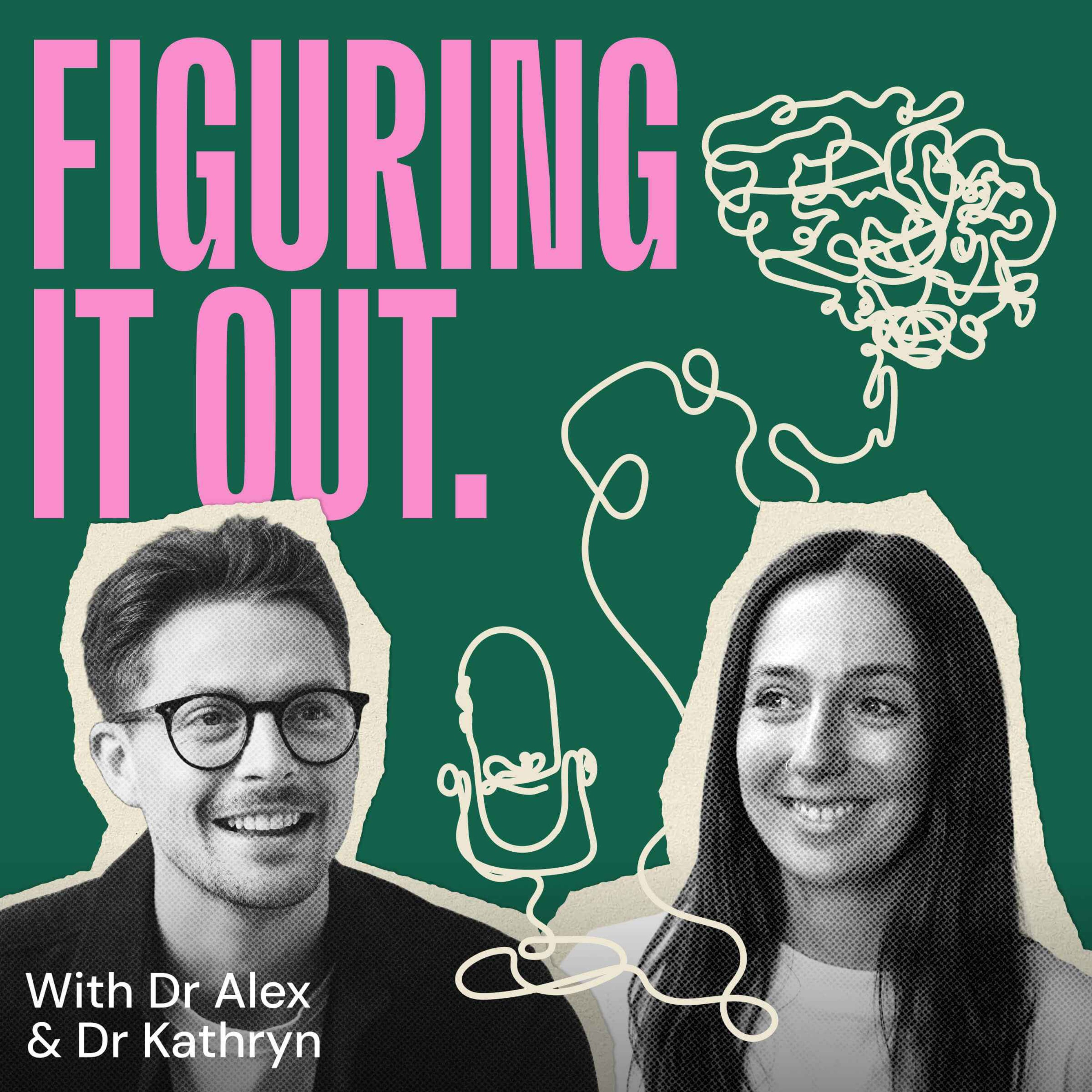
Welcome to Figuring It Out
Welcome to the Figuring It Out podcast with Dr Alex George and Dr Kathryn Bates.After four incredible years of The Stompcast, Dr Alex George is putting down his stomping boots to figure out life's biggest questions. Joining him is Dr Kathryn Bates, a research scientist at King's College London specialising in development and mental health.Together, they combine medicine and the latest research to
Can A Bad Person Really Change? | Pt 3
Where there's a will, there's a way. Therapy can change your personality. Dr Alex George and Dr Kathryn Bates put these common claims to the test in Part 3 of Myth, Fact or It's Complicated.No lectures. No easy answers. Just two people trying their best to figure it out. We're not here to give medical advice, we’re just two friends exploring the science and figuring out life togeth
How Do I Know I'm Making the Right Choice? | Pt 2
How do we know we’re making the right choice? Do we have free will over our choices or is it all predetermined? In Part 2, Alex and Kathryn work through a listener's dilemma about moving away for a new job and reflect on some of the biggest choices and failures in their own lives.No lectures. No easy answers. Just two people trying their best to figure it out. We're not here to give medica
How Much Of Who You Are Is Actually Your Choice? | Pt 1
How much of who we are is actually our choice? Dr Alex George and research scientist Dr Kathryn Bates explore the science of how we come to be: are we a product of our experiences? Is our personality set in stone or does it change?No lectures. No easy answers. Just two people trying their best to figure it out. Alex and Kathryn also reveal their personality test results. You can take the same test
Can Déjà Vu Predict the Future? | Pt 3
Are we only using 10% of our brains? Does déjà vu mean something is wrong with our brains? Can dreams predict the future? Dr Alex George and research scientist Dr Kathryn Bates figure out whether these common statements about the brain are Myth, Fact or It’s Complicated in Part 3. No lectures. No easy answers. Just two people trying their best to figure it out. We're not here to give medical a
Why Do I Always Feel Like Something Bad Is Going To Happen? | Pt 2
Is it intuition, anxiety or something else? In Part 2, Dr Alex George and research scientist Dr Kathryn Bates explore why our brains sometimes convince us that something bad is about to happen.No lectures. No easy answers. Just two people trying their best to figure it out. We're not here to give medical advice, we’re just two friends exploring the science and figuring out life together. If yo
Why Does Déjà Vu Feel So Real? | Pt 1
Have you ever been somewhere new and felt completely certain you've been there before? In Part 1, Dr Alex George and research scientist Dr Kathryn Bates explore the science of déjà vu, why it feels so real and what our brains are actually doing when it happens.No lectures. No easy answers. Just two people trying their best to figure it out. We're not here to give medical advice, we’re just
Does Dating Again Help You Get Over Heartbreak? | Pt 3
Does heartbreak make you stronger? Dr Alex George and research scientist Dr Kathryn Bates work through Myth, Fact or It's Complicated on whether time heals all wounds, getting back on the dating scene, and whether you can actually be addicted to a person.We're not here to give medical advice, we’re just two friends exploring the science and figuring out life together. If you have any conce
Why Can't I Stop Thinking About My Ex? | Pt 2
Why can't I stop thinking about my ex? Dr Alex George and research scientist Dr Kathryn Bates answer a listener's dilemma about still thinking about an ex more than a year after a breakup. They explore why our brains struggle to let go, whether it's normal to still miss someone, and what can actually help you move forward.We're not here to give medical advice, we’re just two friend
Can You Die From A Broken Heart? | Pt 1
Can heartbreak actually break your heart? Dr Alex George and research scientist Dr Kathryn Bates explore the science of heartbreak, rejection and emotional pain. They explain why the brain processes heartbreak in similar ways to physical pain, what heartbreak does to your body, and what research says about recovering after a breakup.We're not here to give medical advice, we’re just two friends
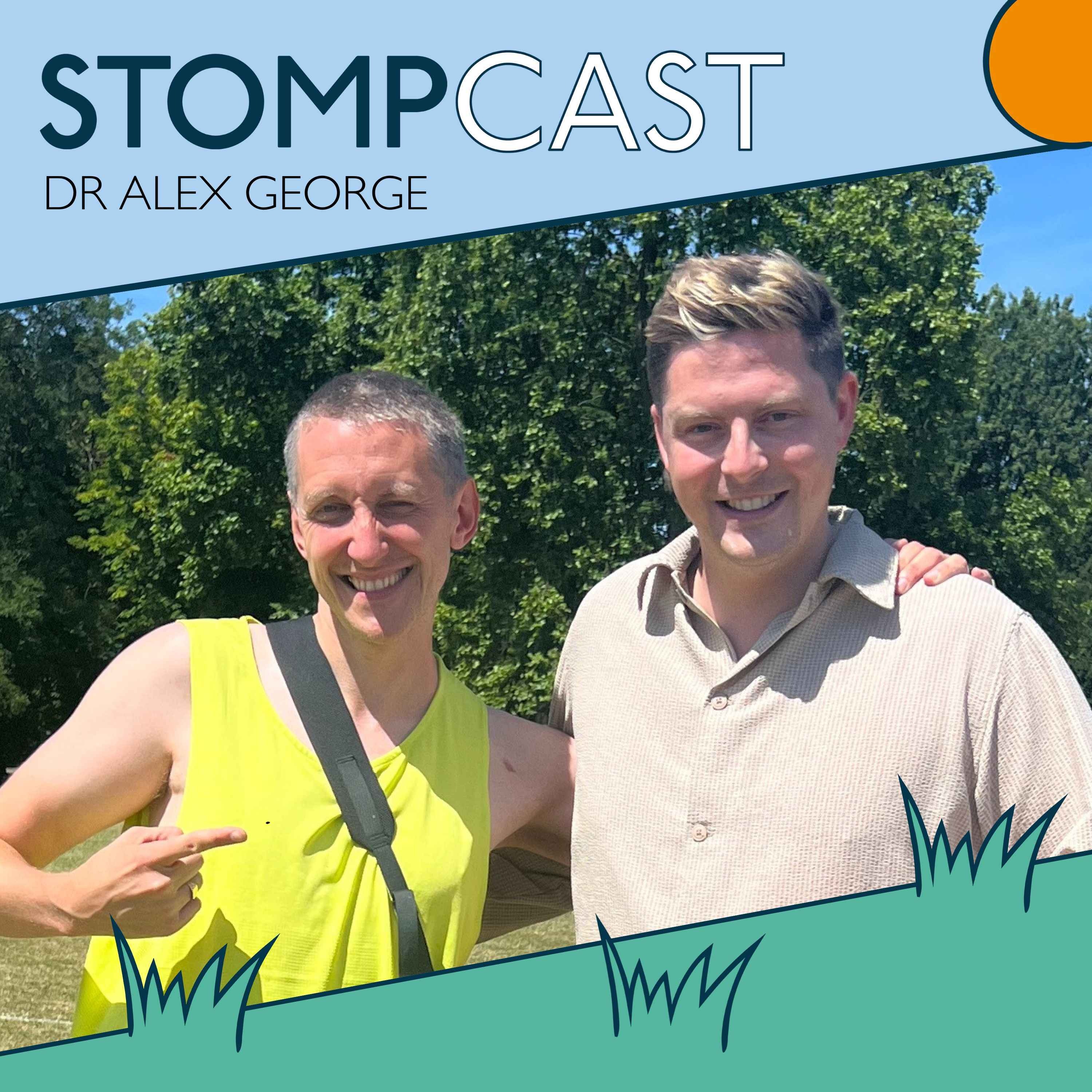
Pt 3: The Habits That Changed Everything | Toddla T
In the final part of Toddla's stomp with Alex, they discuss the habits, routines and mindset shifts that have helped Toddla build a healthier, happier life.He reflects on what changed after his ADHD diagnosis, his relationship with his wife Annie MacManus and their two children, and what true contentment looks like today.Order Alex’s latest book Am I Normal? - out now!Order Happy Habits - out now!
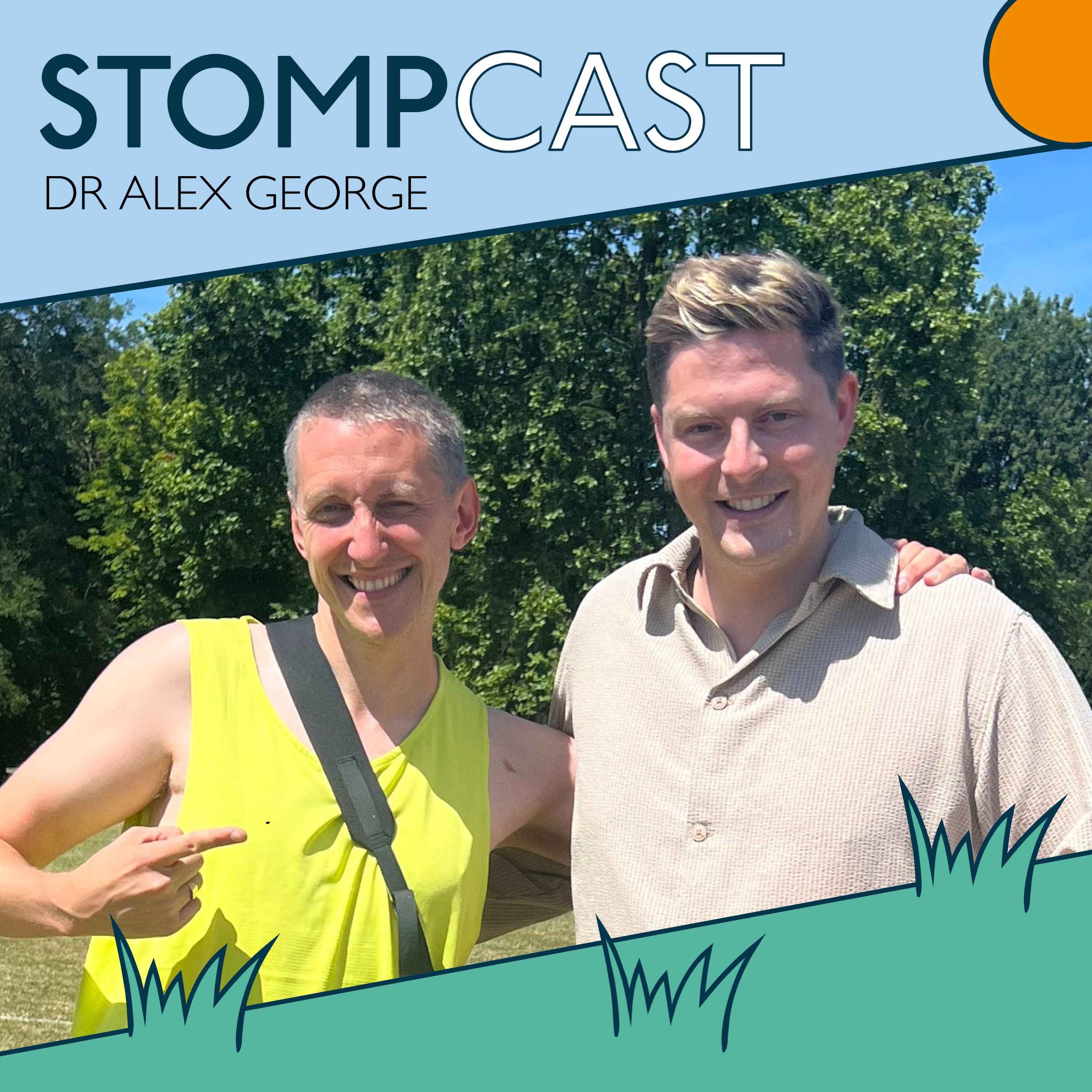
Pt 2: ADHD, Addiction & Finally Getting Answers | Toddla T
In part 2, Toddla T opens up to Dr Alex about how ADHD is his superpower and how during one of the most successful parts of his career, he was going through the darkest part of his life.After a lifetime of not understanding where his lack of focus was coming from, Toddla was diagnosed with ADHD in adulthood.You’ll hear T speak about his general anxiety disorder, known as GAD, the ADHD symptoms he’
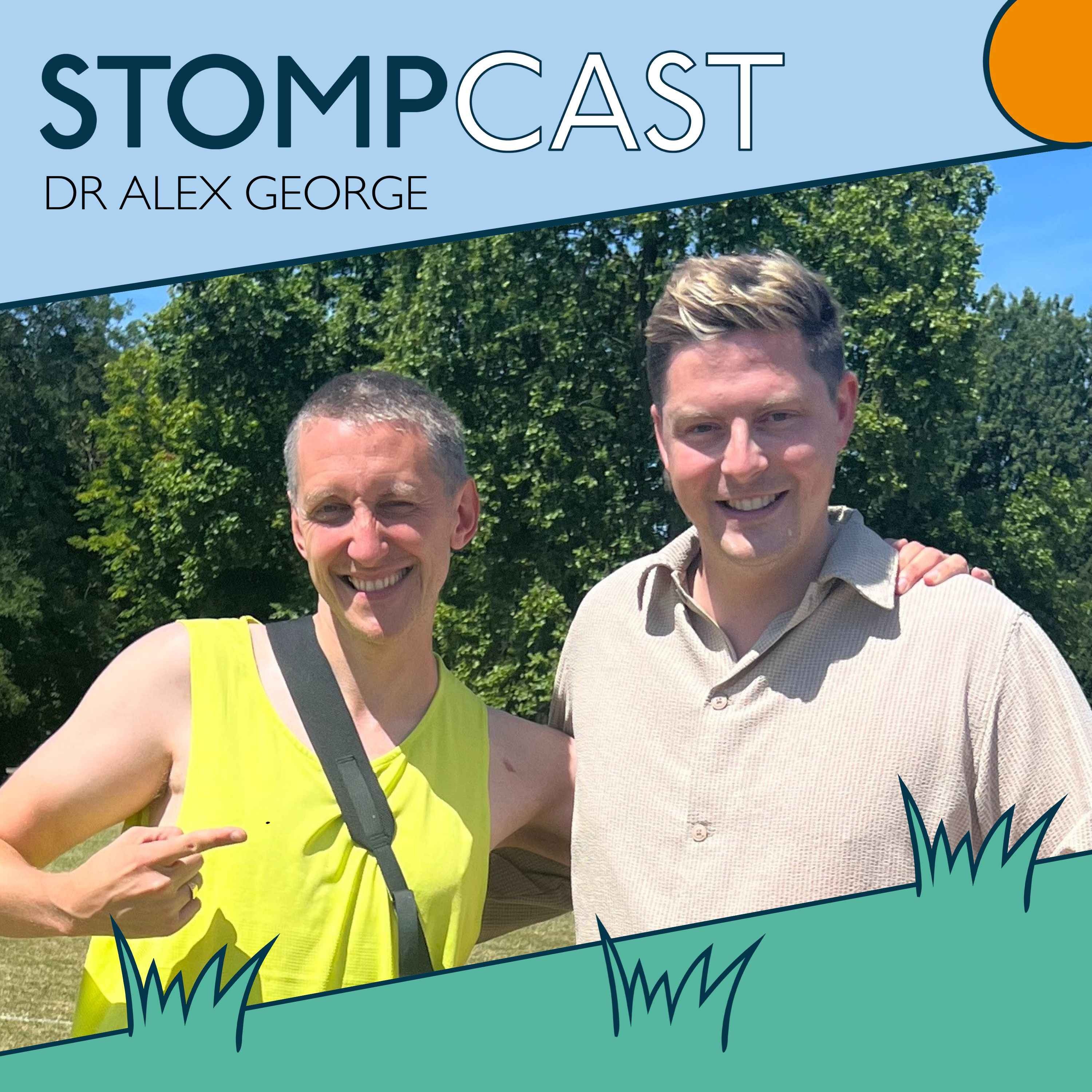
Pt 1: The Conversation That Changed Dr Alex’s Life | Toddla T
Last week we shared the final ever episode of The Stompcast. Before we introduce what's coming next, we're revisiting one of the most important conversations Dr Alex has ever had.Looking back, this episode with Toddla T became a genuine turning point. It inspired Alex to seek an ADHD assessment, stop drinking alcohol, and ultimately changed the direction of his life.In part one, Toddla reflects on
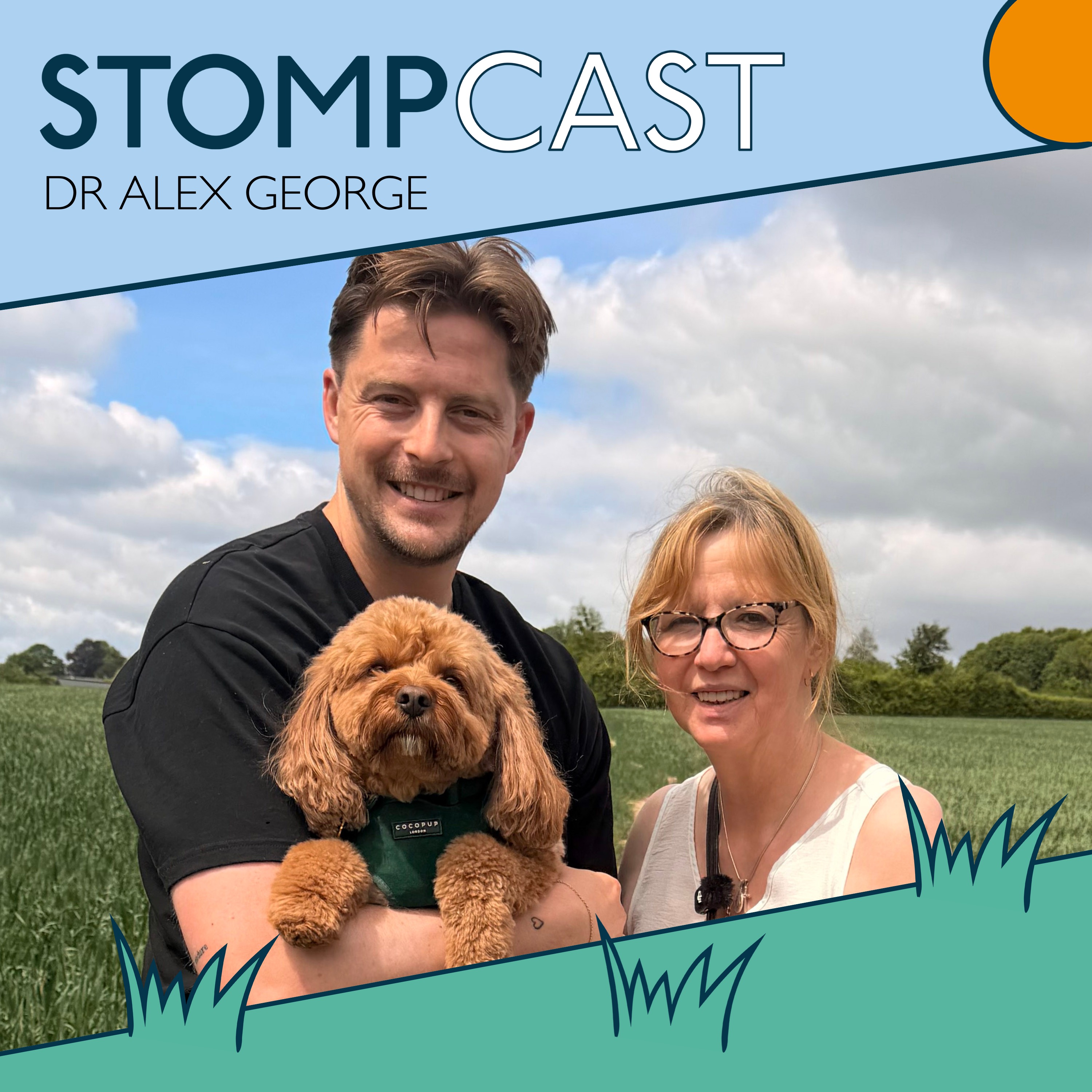
Pt 3: The Final Episode of the Stompcast | Jane George
TW: This episode contains reference to suicide and mental illness.In part three, Dr Alex George and his mother Jane explore how their family has learned to have open and honest conversations about mental health. They discuss the pressures of perfectionism, the importance of being vulnerable, and how to recognise the signs that someone may be struggling.Plus, Jane shares why learning to fail well i
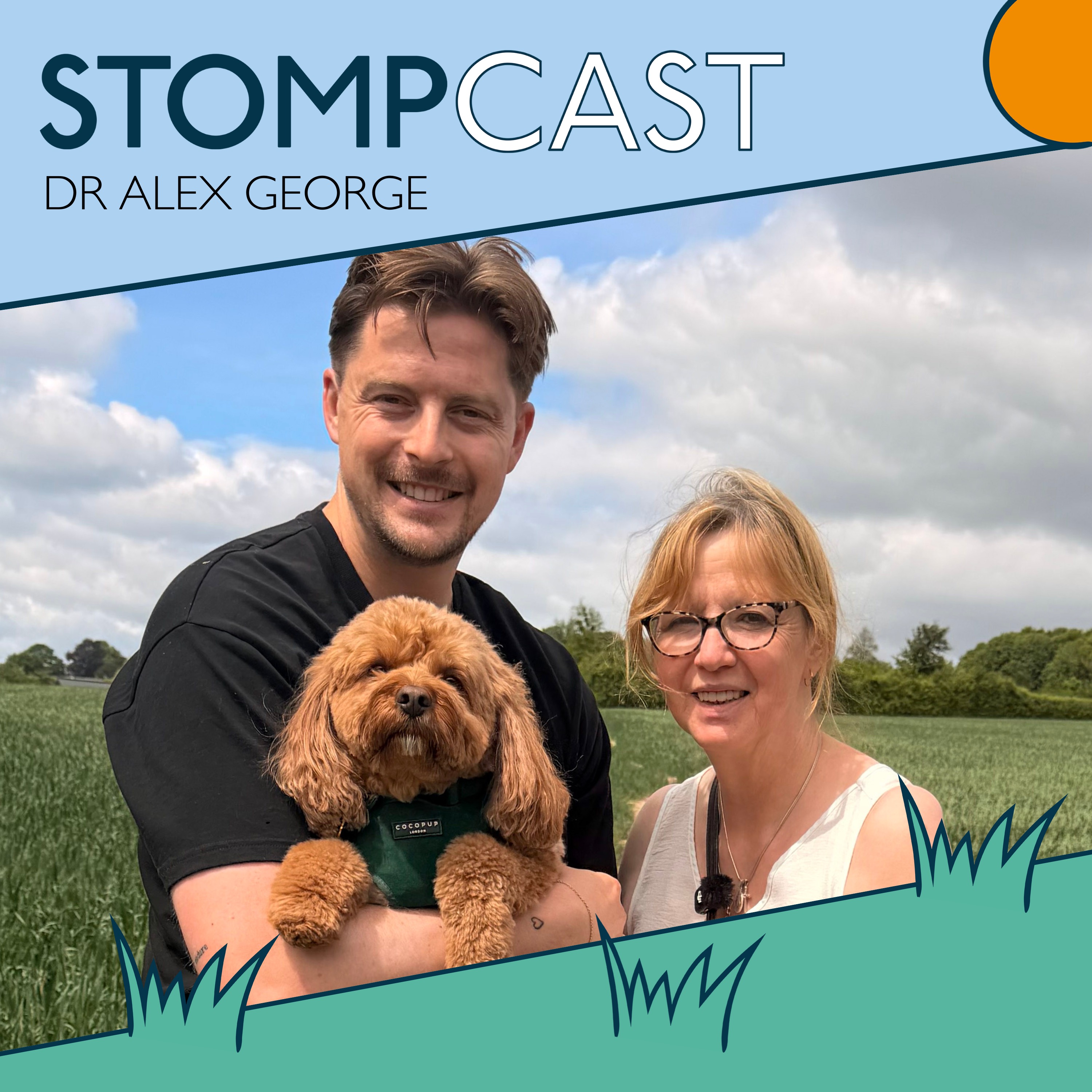
Pt 2: Navigating Suicide Grief and Raising £100k for Mental Health | Jane George
TW: This episode contains reference to suicide and mental illness.In part two, Dr Alex George and his mother Jane open up about the devastating loss of their brother and son, Llŷr, who died by suicide in 2020. They reflect on the reality of navigating grief after suicide, the impact it has had on their family, and how they have each found ways to move forward whilst keeping Llŷr’s memory at
Pt 1: Dr Alex’s Mum on Love Island, ADHD and Growing Up | Jane George
TW: This episode contains reference to suicide and mental illness.To mark the final episode of the Stompcast, Dr Alex George is joined by a very special guest: his mother, Jane George.In part one, Jane reflects on Alex’s childhood, shares what it was like watching her son appear on Love Island, and reveals her reaction when Alex first told her about his ADHD diagnosis…Plus, Jane and Alex revisit s
Pt 3: Can One Person Really Change Government Policy? | Ben West
TW: This episode contains reference to suicide and mental illness.In part three, Ben West and Dr Alex George discuss what it’s really like to be a mental health activist in today’s world, the challenges of driving meaningful policy change and whether either of them could ever see themselves stepping into politics…Plus, in this penultimate episode of Stompcast, Alex shares his favourite place he’s
Pt 2: Should We Ban Social Media for Under 16s? | Ben West
TW: This episode contains reference to suicide and mental illness.In part two, Ben West reflects on how the Reasons to Stay project has transformed his life, why hope matters in suicide prevention and whether we should ban social media for under 16s…Plus, Ben and Dr Alex George discuss the three things social media should provide, and why it may be worth reassessing your relationship with certain
Pt 1: The Suicide Prevention Project That’s Sent 3.5 Million Letters | Ben West
TW: This episode contains reference to suicide and mental illness.Ben West is a mental health campaigner, who became an activist after losing his 15 year old brother, Sam, to suicide in 2018. Earlier this year, Ben launched the incredible Reasons to Stay project, a suicide prevention website where anyone in the world can write a letter to someone thinking about suicide.In part one, Ben joins Dr Al
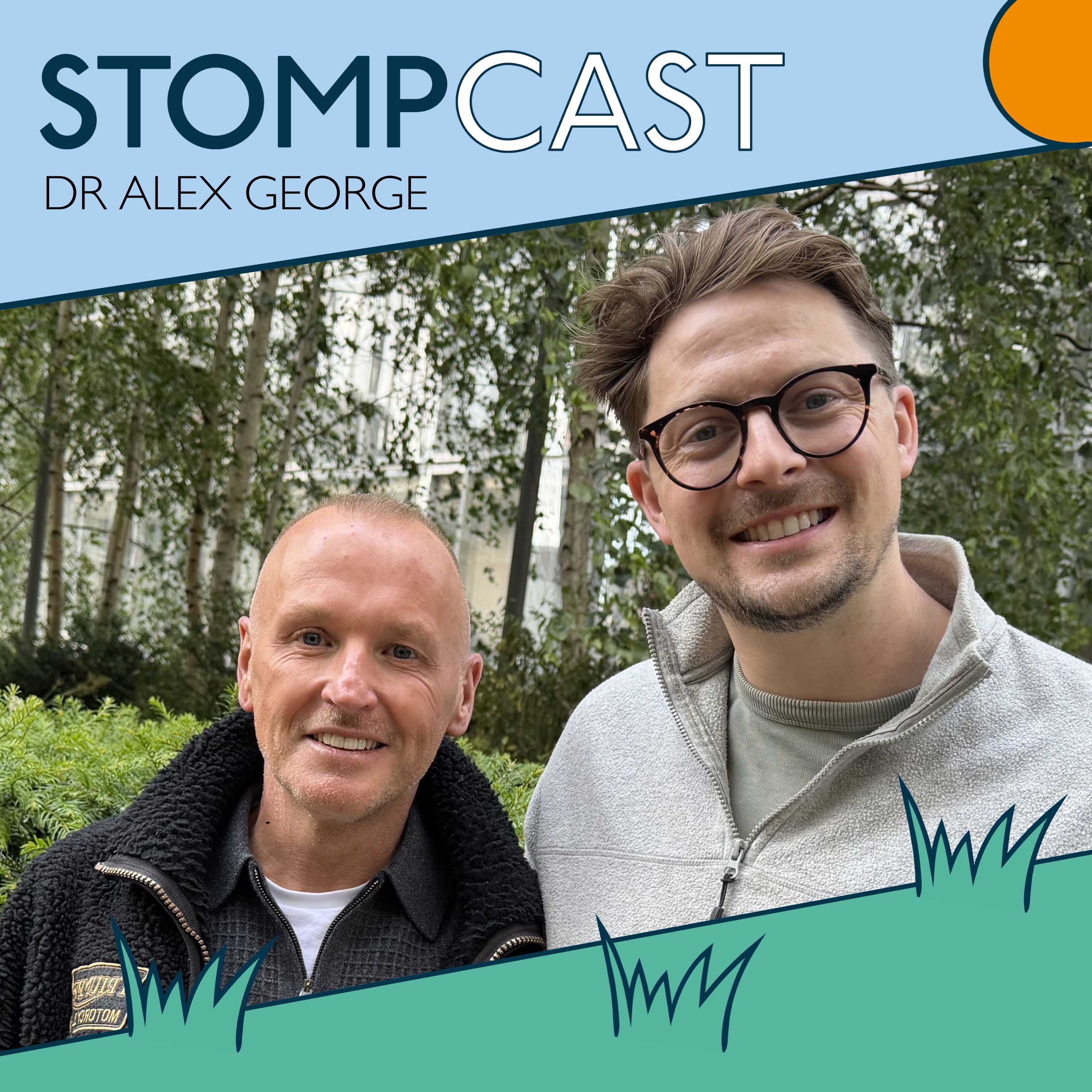
Pt 3: The Freedom that Comes When Anxiety Stops Defining You | Owen O’Kane
In part three, Owen O’Kane shares the many ways modern life can fuel anxiety, how doomscrolling increases anxiety and why not letting your experiences define you can set you free.Plus, Owen and Dr Alex George discuss how happiness can be misinterpreted as a scary emotion and unpack why breakthroughs can often feel uncomfortable…Follow @owenokaneten and check out his latest book Addicted to Anxiety
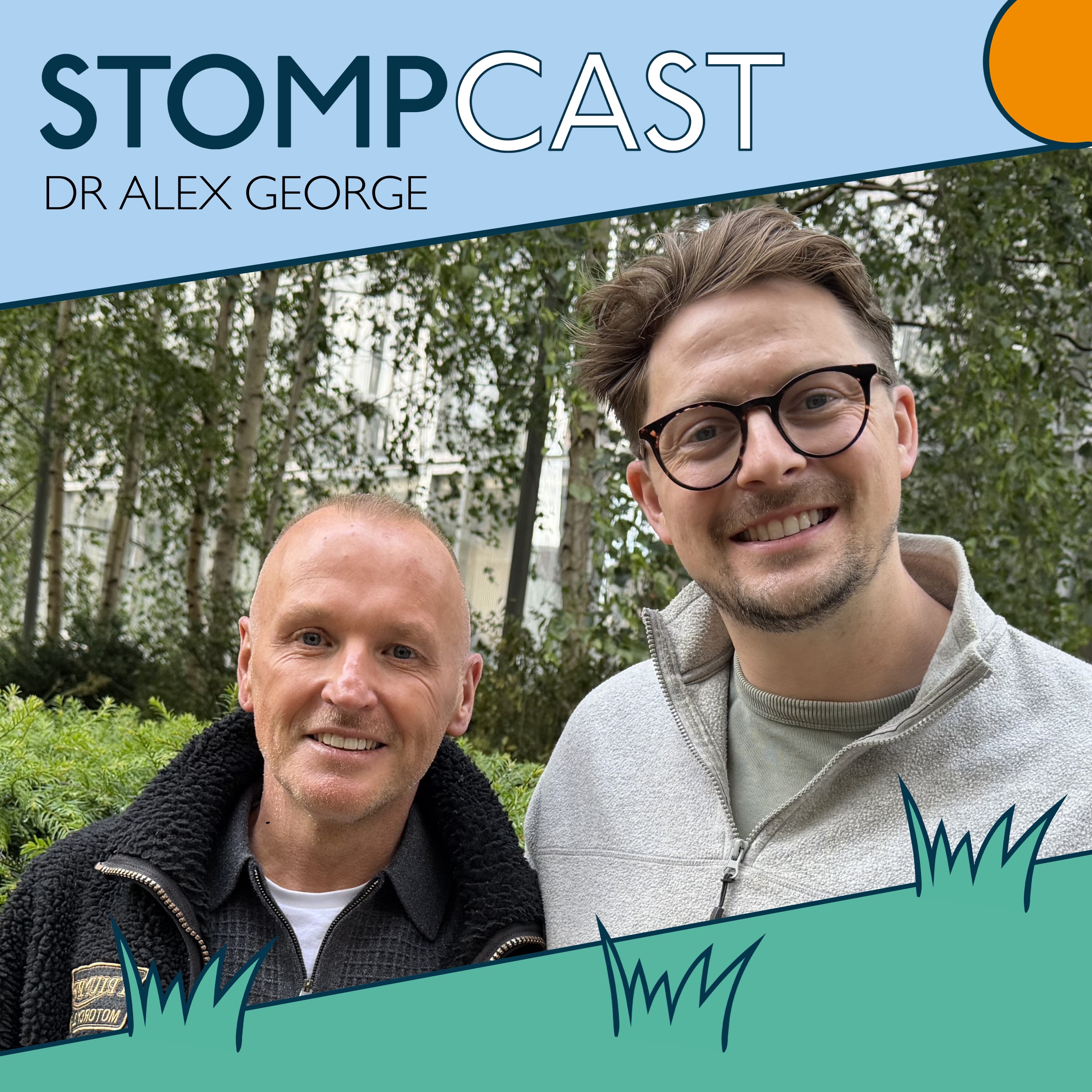
Pt 2: What Your Anxiety is Trying to Tell You | Owen O’Kane
In part two, Owen O’Kane explores how anxiety can sometimes serve a useful purpose and explains why separating the facts from the stories we tell ourselves can help reduce worry. He also reveals why a significant part of managing anxiety is learning to stop getting in your own way…Plus, Owen and Dr Alex George discuss the link between OCD and the need for control and why taking medication for your
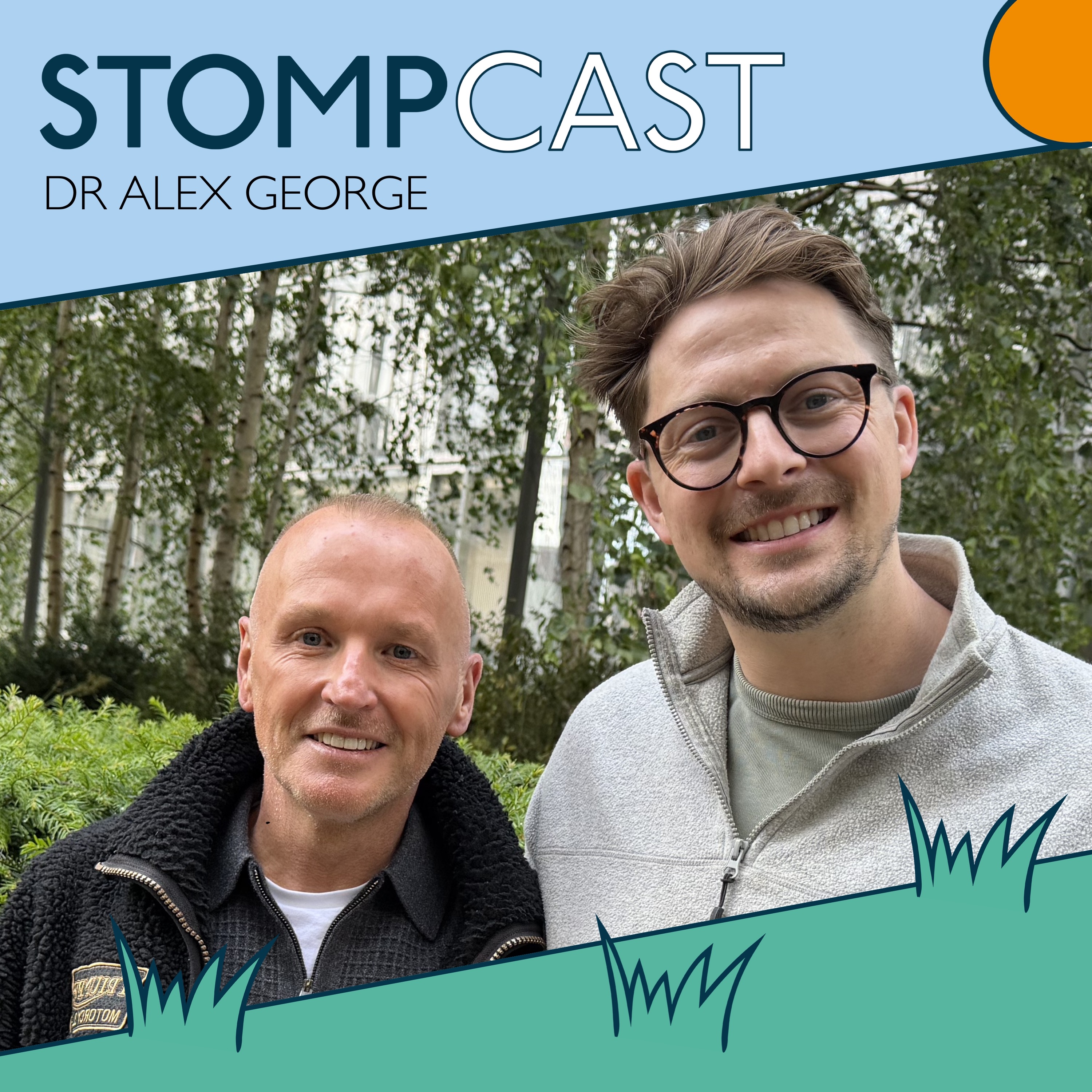
Pt 1: How to Work With Anxiety Instead of Against It | Owen O’Kane
Owen O’Kane is a leading psychotherapist, mental health expert and author whose work has helped countless people better understand and manage anxiety.In part one, Owen joins Dr Alex George to discuss why you need to embrace anxiety, the importance of looking after your inner child and how shame can impact your relationship with anxiety.Plus, Owen unpacks the three core systems that drive anxiety f
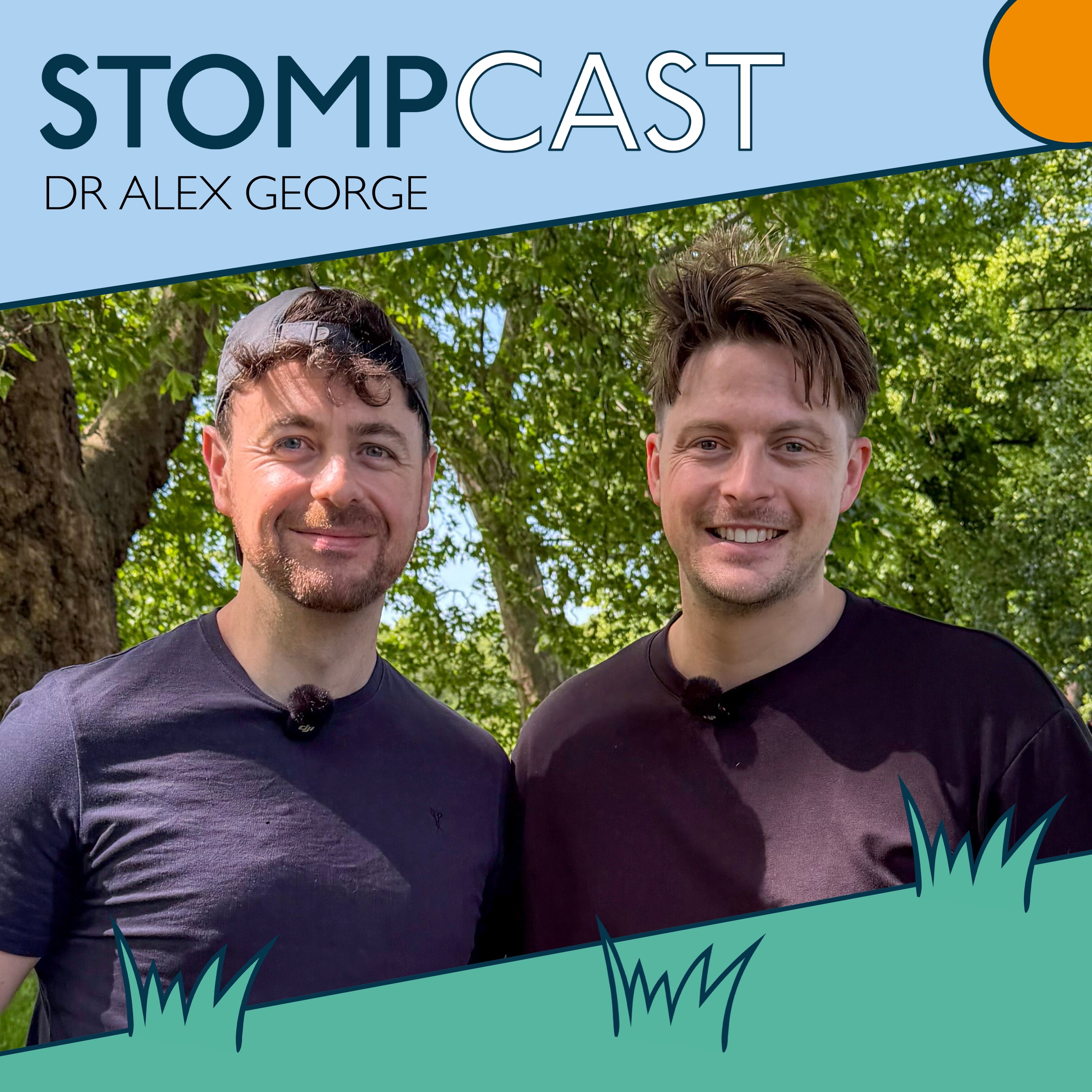
Pt 3: Is Wellness Culture Making Your Anxiety Worse? | Anxiety Josh
In part three, Joshua Fletcher joins Dr Alex George to unpack why there’s no quick-fix for anxiety, how wellness culture can quietly damage your self-worth and the complex relationship between anxiety and self-trust.Plus, Josh and Alex discuss how using humour can sometimes be a healthy way to cope with anxiety, and why rumination never solves anything…Follow @anxietyjosh and check out his new boo
Pt 2: What is Your Therapist Really Thinking? | Anxiety Josh
In part two, Joshua Fletcher explores whether you can still be a good therapist and struggle with mental illness, how to strike a healthy balance between self-improvement and self-obsession and why it’s better to be a “wounded healer” than a perfect one…Plus, Josh and Dr Alex George discuss why human connection is vital to impactful therapy, and whether it’s okay to accept that you’ve not “fixed”
Pt 1: Is AI the Future of Therapy? | Anxiety Josh
This week, Joshua Fletcher - also known as Anxiety Josh - returns to the Stompcast! With over 300k followers, Josh is a content creator, author and psychotherapist specialising in anxiety and anxiety disorders.In part one, Josh joins Dr Alex George to discuss how to enjoy your life alongside anxiety, the importance of leaning into uncertainty and whether AI is the future of therapy…Plus, Josh shar
Pt 3: ‘Concerts are Audio Described Because of Me!’ | How Claire Sisk is Making the World More Accessible
In part three, Claire educates us on how audio description works for TV, film and concerts and shares how she’s making the world more accessible. Plus, she shares how she pulls herself out of the darkest moments to find moments of joy. Follow Claire @canseecantsee_Order Alex’s latest book Am I Normal? - out now!Order Happy Habits - out now! Follow the podcast on Instagram @thestompc
Pt 2: What I Wish Sighted People Knew About Going Blind | Claire Sisk
In part two, Claire Sisk sheds light on the everyday obstacles she faces that, as a sighted person, you could take completely for granted. Claire explains the app that helps connect blind people with help around the world, the issues with travel assistance and the triggers that remind her of her blindness. Follow Claire @canseecantsee_Order Alex’s latest book Am I Normal? - out now!Order
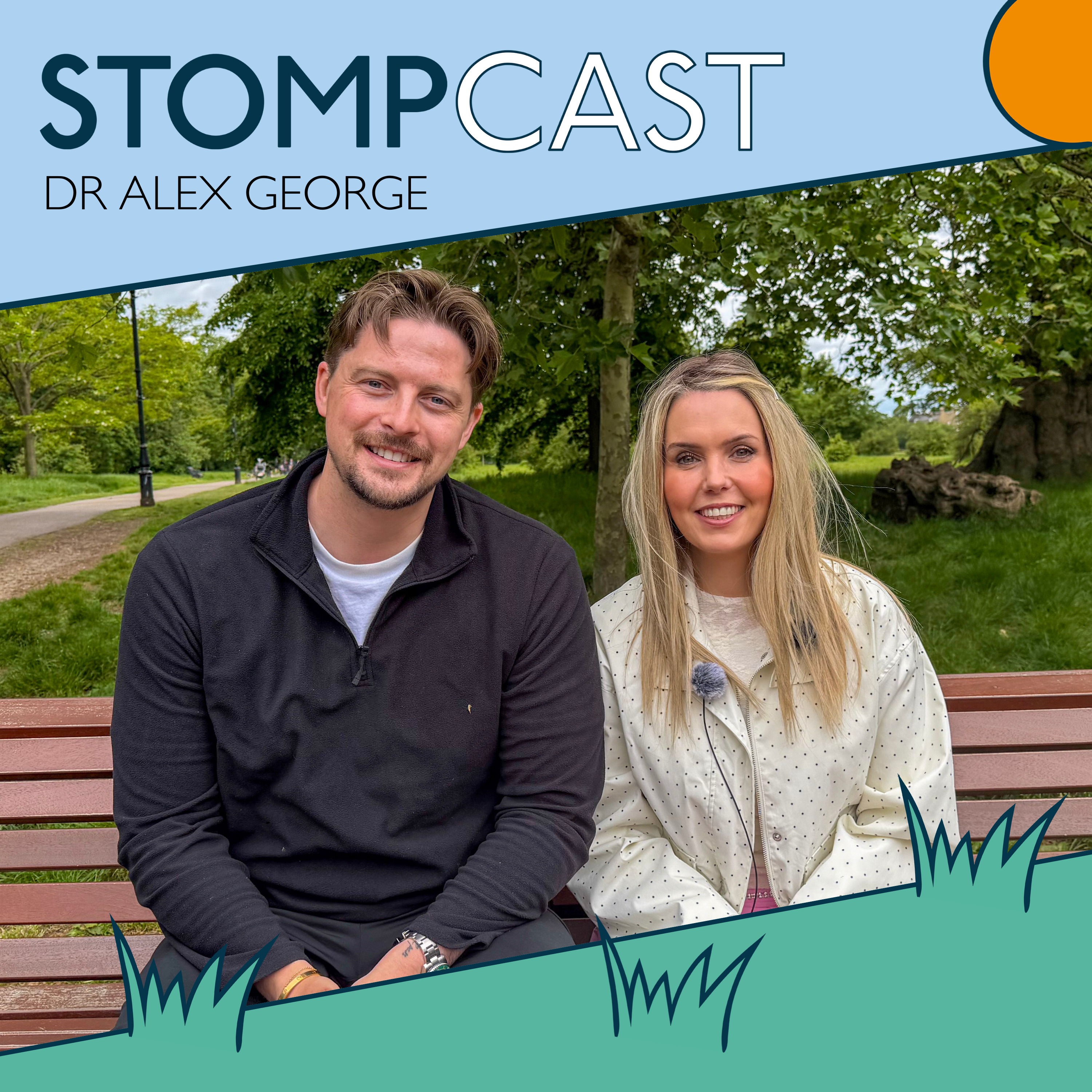
Pt 1: ‘I Didn’t Tell Anyone I Was Going Blind’ | Claire Sisk
At just 29, Claire Sisk suffered two strokes, which eventually led to her losing her sight. 17 years later, she’s thriving with a career in TV and content creation – but she’s come a long way from her self-described ‘rock bottom’.In part one, Claire reveals how her first marriage broke down at the same time of her illness, why she was terrified of losing her daughter and why she didn’t tell anyone
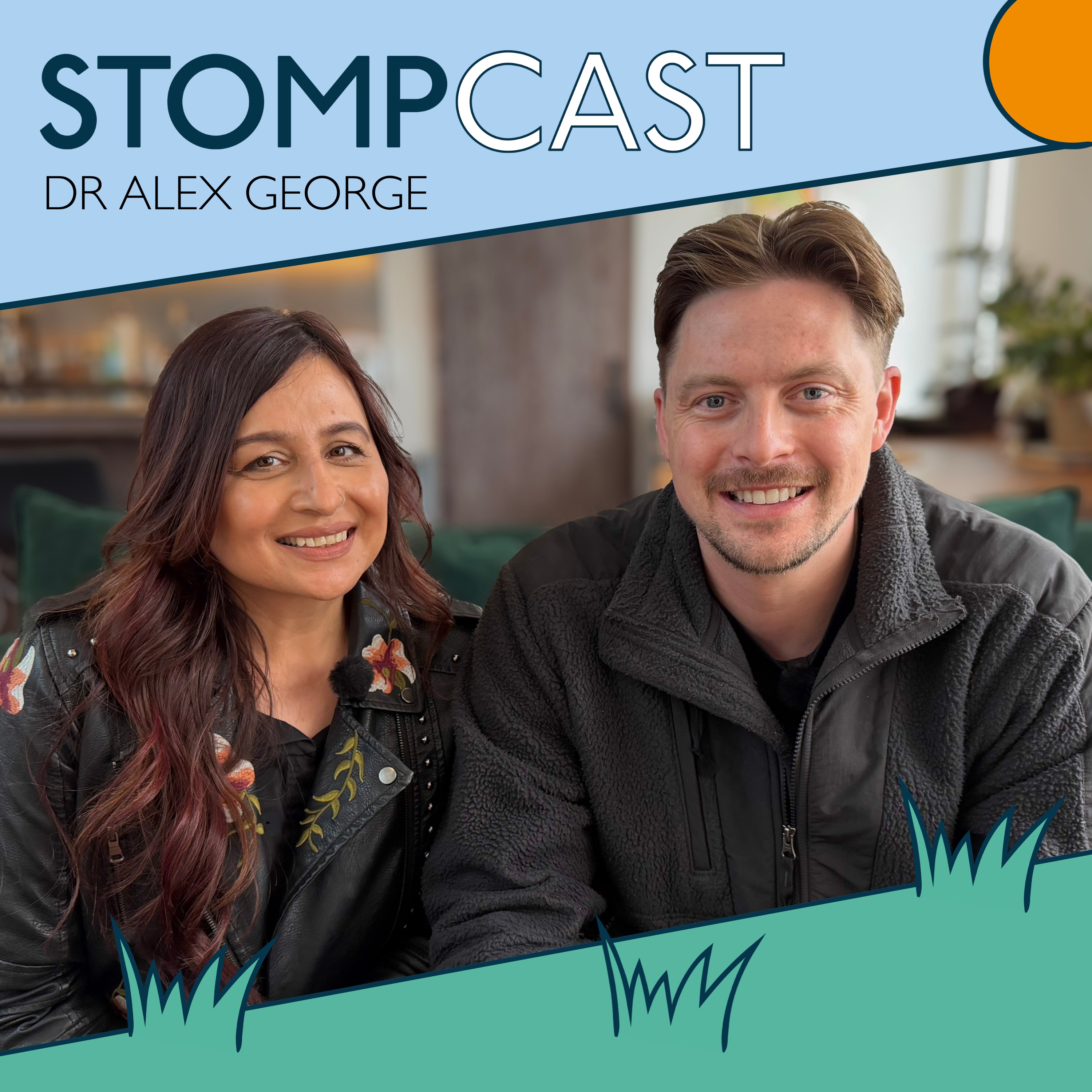
Pt 3: The Taboo and Silent Struggle of Infertility and Faith | Gini Bhogal
In part three, Gini explains why she decided to open up about this deeply personal experience and her advice to anyone considering egg donation.Gini and Dr Alex discuss the complex intersection of science and religion, the power of a truly selfless good deed and how you never know what will come from a seemingly unremarkable interaction. Follow @ginibhogalOrder Alex’s latest book Am I Normal?
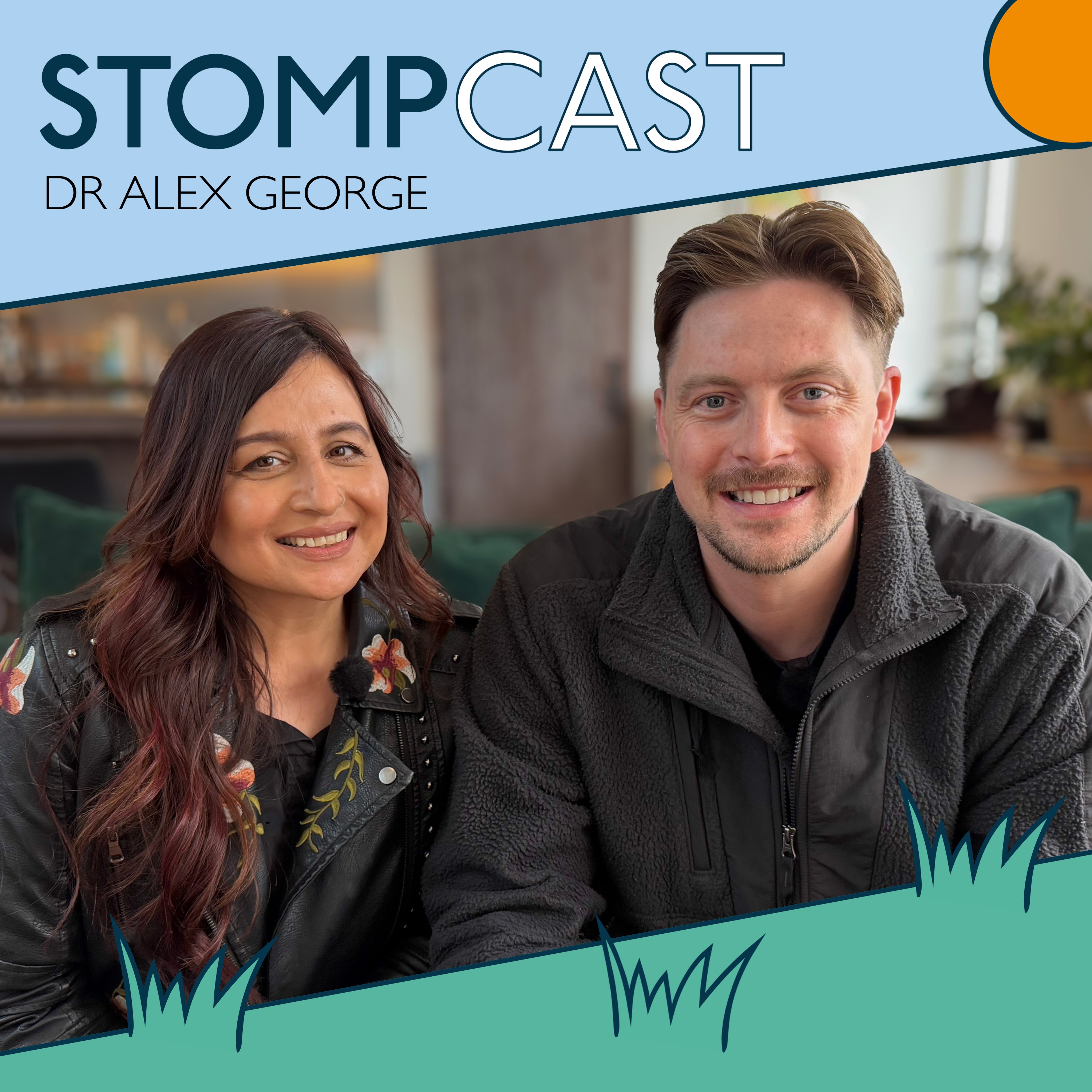
Pt 2: What Happened When the Truth was Revealed Almost 30 Years Later | Gini Bhogal
In part two, Gini reveals how the baby born from her egg reacted to finding out that his ‘auntie’ was actually his biological mother. Gini shares her anxieties around the secret coming out, why she was the most afraid to tell her parents and how her relationship has changed with Christopher since it all came out. Follow @ginibhogalOrder Alex’s latest book Am I Normal? - out now!Order Hap
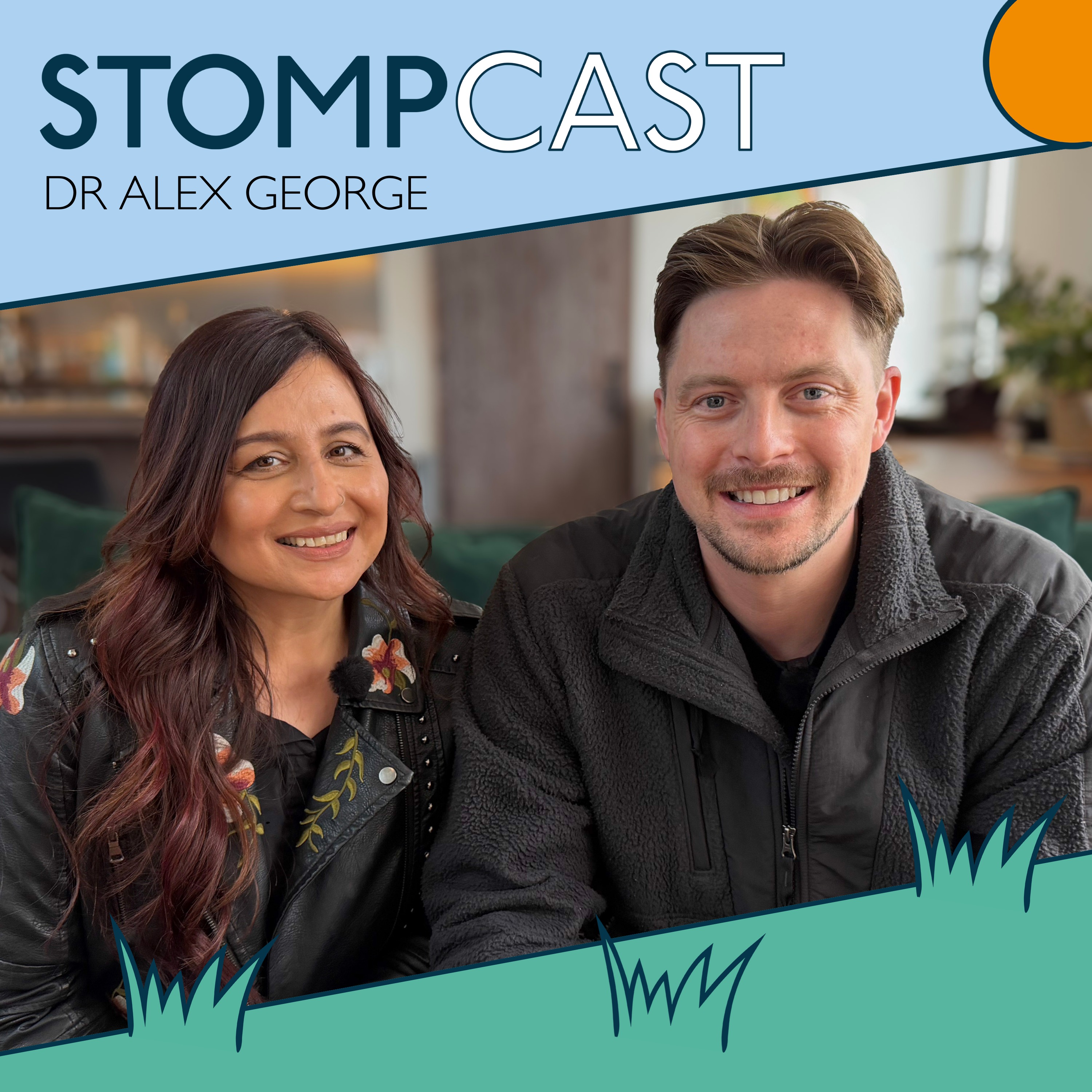
Pt 1: The Woman Who Donated Her Eggs to a Stranger on the Tube | Gini Bhogal
30 years ago, Gini struck up a conversation with a stranger on the tube, which would change both her and the stranger’s lives forever.Despite having no knowledge of the process, Gini agreed to donate her eggs to a complete stranger. She shares her extraordinary story with Dr Alex George, revealing what made her so certain she wanted to perform such a selfless act, what it was like hiding her egg e
Pt 3: How to Live When You Thought You Were Going to Die | Shell Rowe
In part three, Shell explains how her cancer diagnosis eventually led her on the path to her dream job.Plus, she opens up about the disgusting hate comments she’s received and how she doesn’t let them bother her.Follow @shellrowex and pre order her book Dying to Live: How to Thrive, Not Just Survive(By using our affiliate bookshop you’ll help fund Stompcast by earning a small commission for every
Pt 2: TMI! Why Oversharing Can Be The Key to Feeling Less Alone | Shell Rowe
In part two, Shell Rowe explains why humour was so important during her cancer treatment and why it’s so important not to define people as ‘cancer patients’.Shell and Alex discuss the loss of dignity during treatment and why being open about it helped her get through it, the videos that she never posted and why she dabbled with religion during the darker times. Follow @shellrowex and pre orde