Everyday Emergency
Everyday Emergency is a podcast by Médecins Sans Frontières / Doctors Without Borders (MSF). It features true stories and expert insights from people on the frontline of humanitarian events, covering conflicts and underreported crises. The show highlights the work of medical, logistical, and humanitarian staff saving lives in challenging places around the world.
Episodes
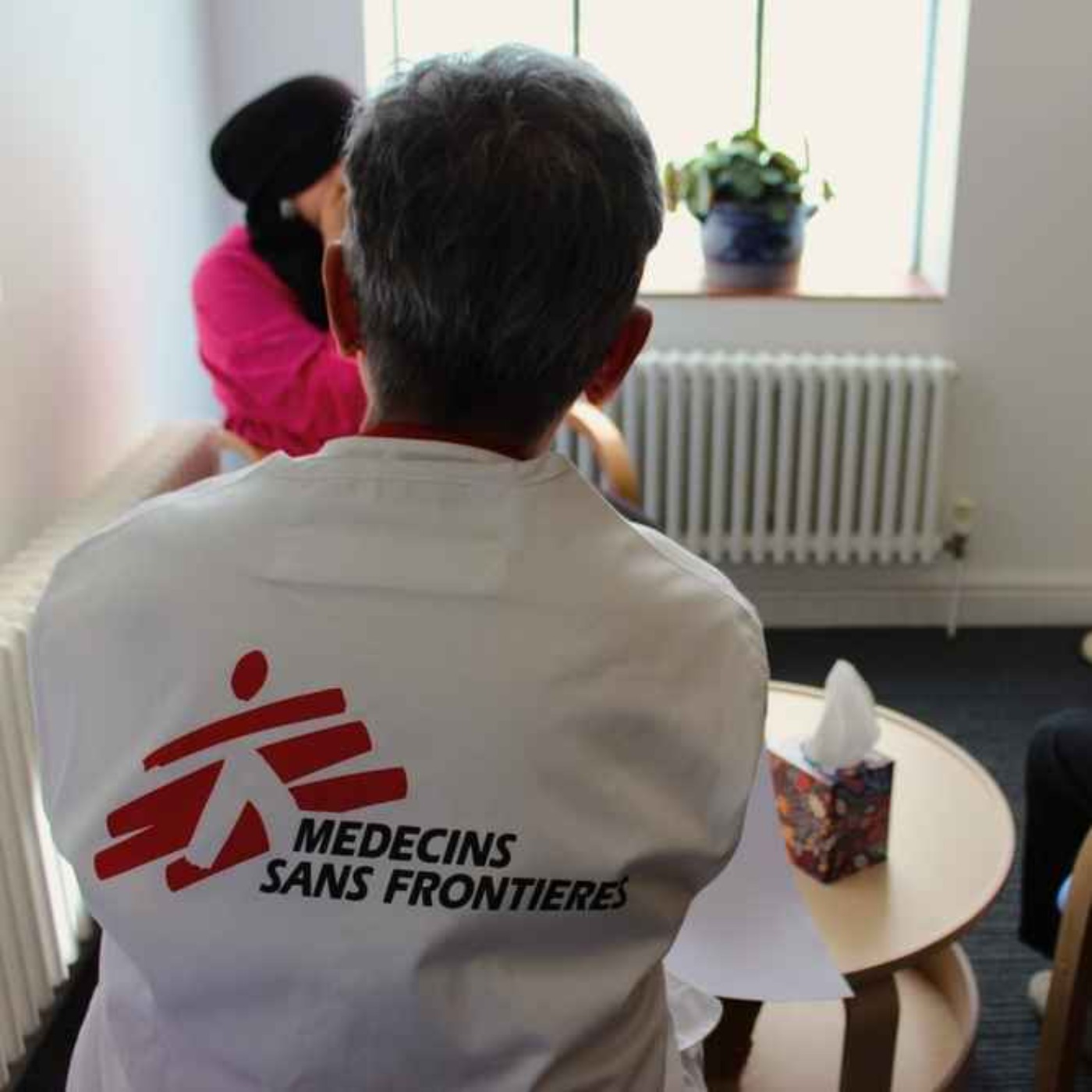
UK asylum: Hope and healing in a mental health crisis
The word healing can mean different things.Around the world, MSF teams are caring for people caught in conflict zones, escaping violence, or trying to rebuild their lives after being forced to flee. However, the wounds that many carry with them are not always physical, and they are rarely simple. Mental health conditions like post-traumatic stress disorder (PTSD) can affect every aspect of a perso
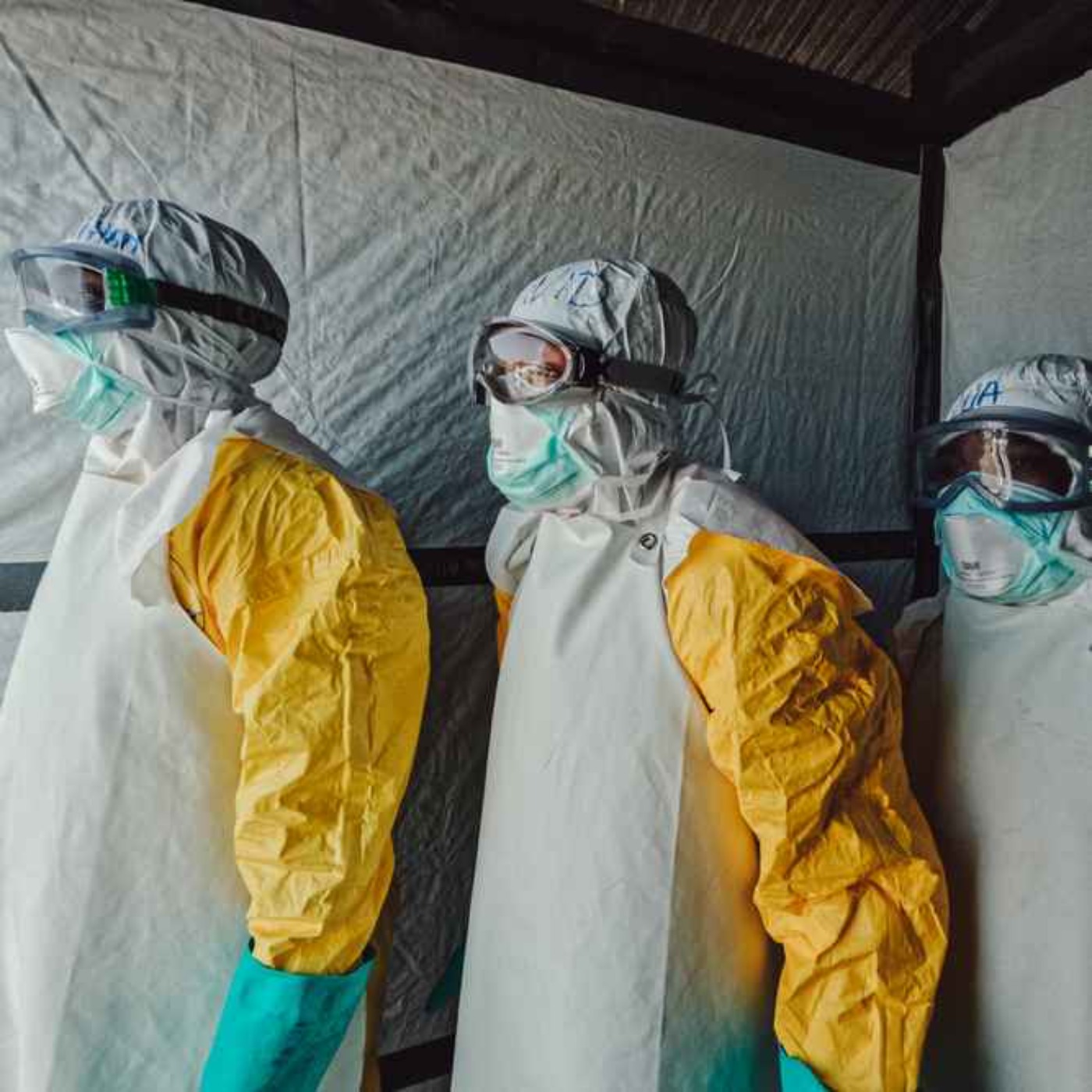
Ebola in DRC: Suiting up and saving lives
The current outbreak of Ebola disease in the Democratic Republic of the Congo (DRC) has become the third largest on record. It is also the fastest-growing.As of 26 July 2026, more than 3,200 cases have been confirmed, of which 1,400 people have lost their lives.Médecins Sans Frontières / Doctors Without Borders (MSF) teams have been on the ground since the early stages of the outbreak, working in
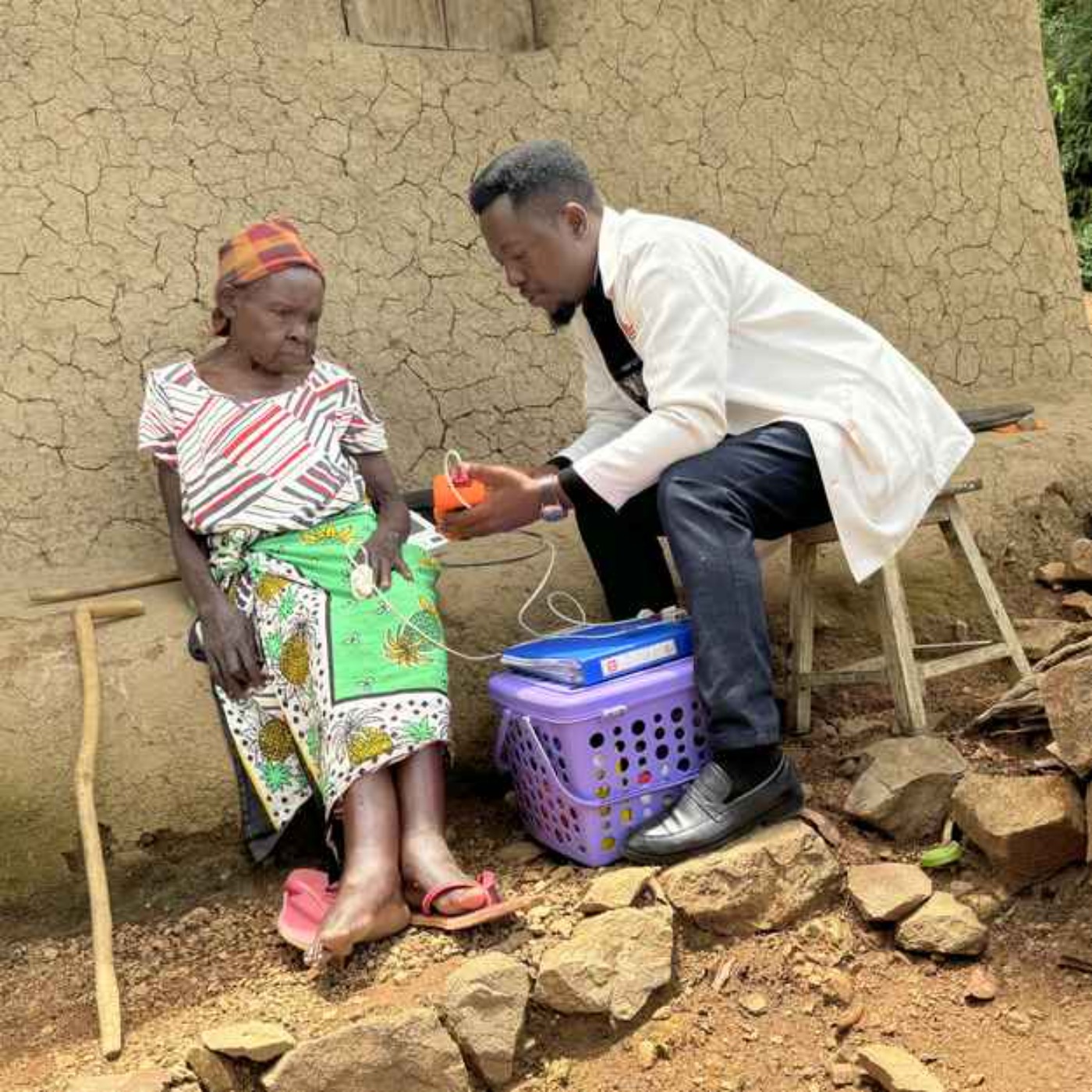
Palliative care in MSF projects: Reducing suffering and putting patients first
Right now, Médecins Sans Frontières / Doctors Without Borders (MSF) teams are working to provide life-saving care in crises around the world. But what about the lives that can’t be saved? Ciara Flood is an MSF nurse with a special interest in palliative care. She joins us today to talk about reducing suffering, crossing cultures, and putting patients first.To find out more about MSF or to make a d
Snakebite, malaria and Gaza: The science of saving lives
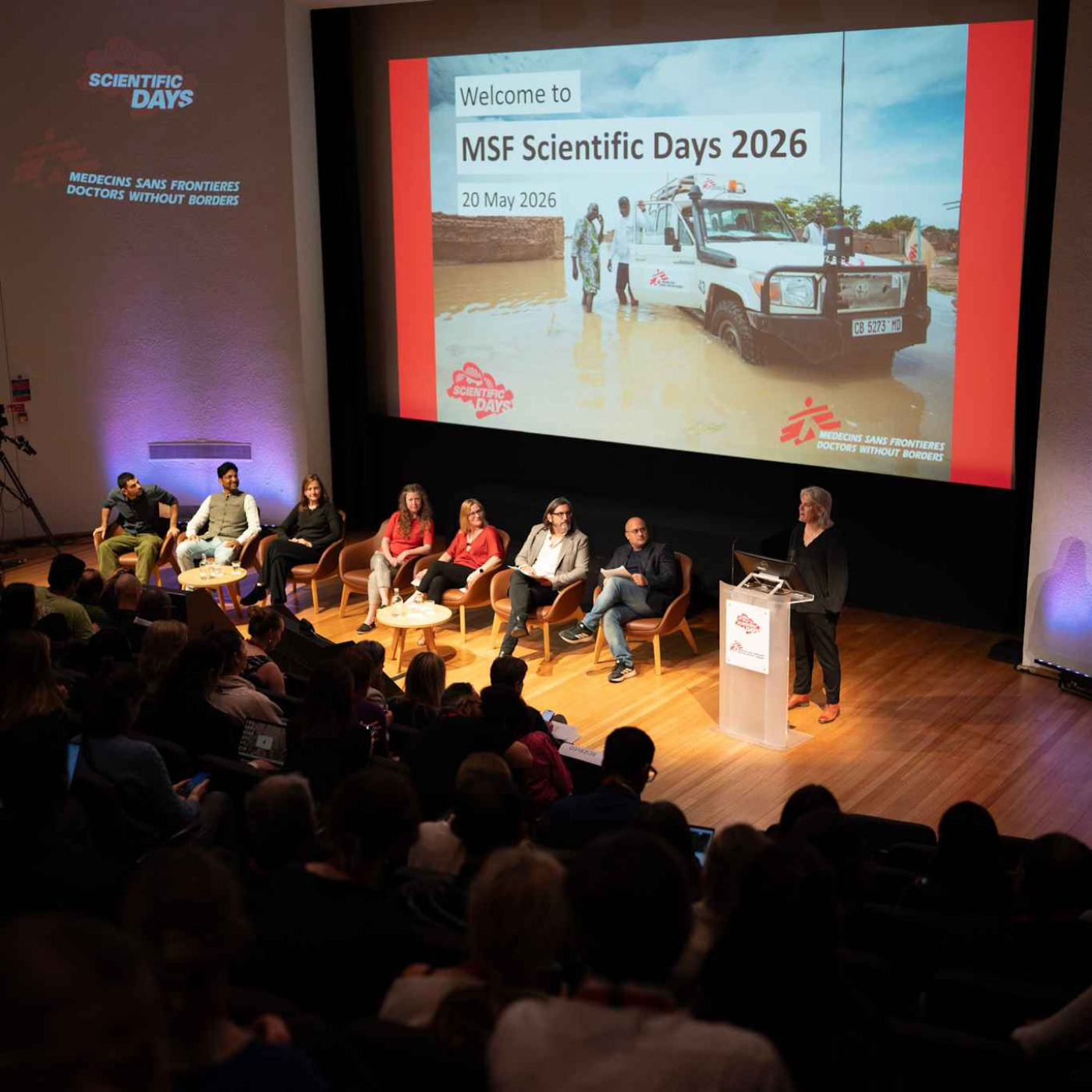
Every May in London, Médecins Sans Frontières / Doctors Without Borders (MSF) hosts Scientific Days, an annual innovation conference.The event brings together medical and humanitarian experts from around the world to share the research they have been doing into the conditions and crises that they face every day.In this episode of Everyday Emergency, we spoke to three specialists about their resear
Sudan: Spiralling needs after three years of crisis
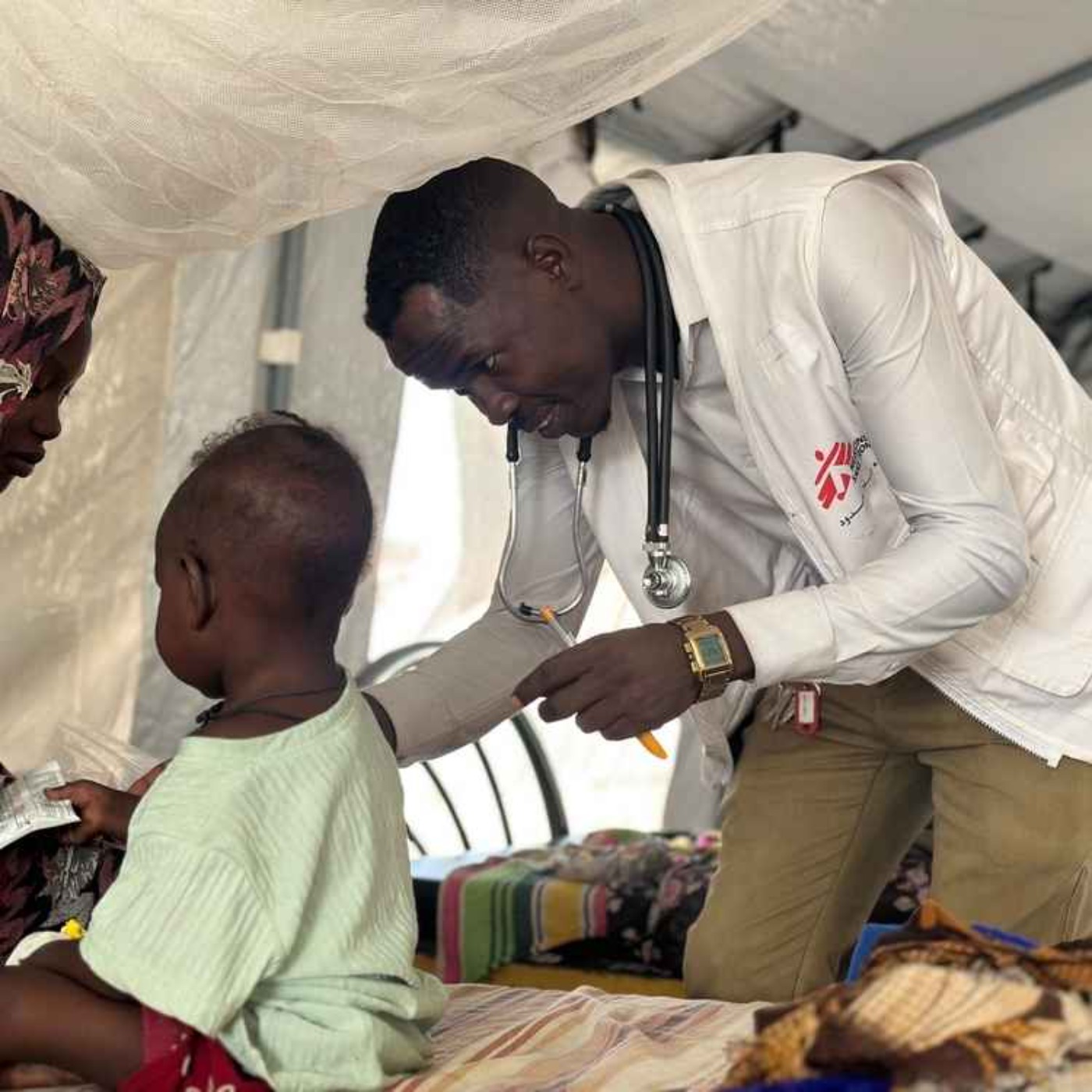
April marked a sobering milestone: the three-year anniversary of the ongoing war in Sudan. The scale of the crisis has become enormous, with 33 million people now in need of humanitarian aid – more than the entire population of Australia. From the very first moments of the crisis, MSF teams have been responding, from running clinics in displacement camps to providing emergency surgery f
Afghanistan: How do you respond to a 'mass casualty incident'?
For the past weeks, the world’s media has been focused on the crisis in the Middle East. The sharp escalation in violence has brought fear to the lives of millions of people. Airstrikes have hit densely populated areas with particular ferocity in Iran and in Lebanon, where hundreds of thousands of people have been forced to flee their homes.Médecins Sans Frontières / Doctors Without Borders (
What next for medical aid in Gaza?
Last year in Gaza, MSF assisted in one in three births, supported one in five hospital beds, and provided 800,000 medical consultations. This year, however, our teams have faced the prospect that our operations in the Strip could be forced to close.In this episode, we talk to nursing activity manager Steve Davidson and field communications officer Nour Alsaqqa: two people with firsthand knowledge
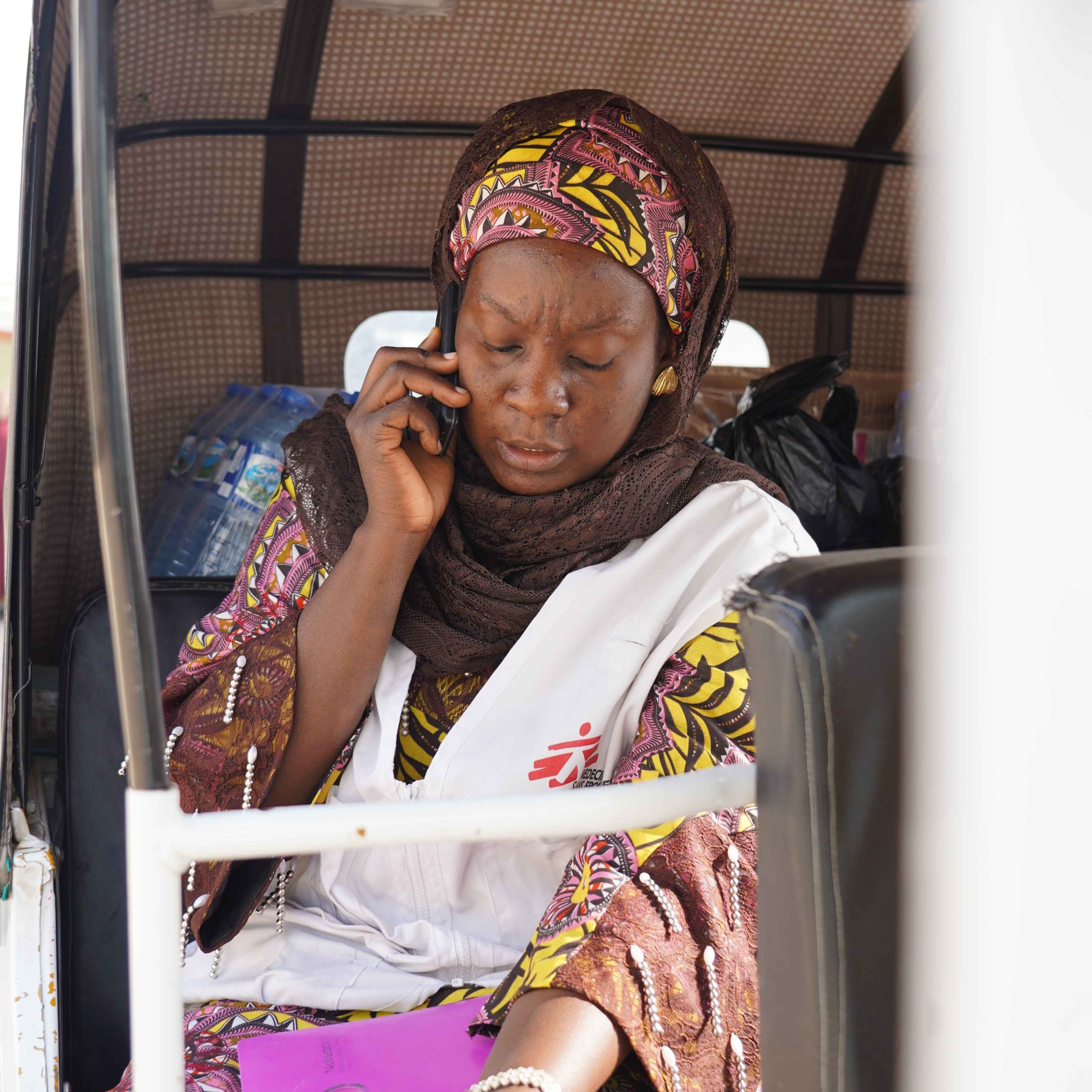
A crisis in the crossfire: Making childbirth safer in Northern Nigeria
In Northern Nigeria, the conflict between government forces and armed groups is hitting communities hard. Vast numbers have been forced to flee, grabbing what they can, leaving behind their homes and livelihoods.Amid the fear, kidnapping and violence, another crisis is unfolding: the number of women dying in pregnancy or childbirth is among the highest in the world, with one woman dying of these c
Moments that mattered: MSF's life-saving work in 2025
For this special episode of Everyday Emergency, we’re taking a look back at MSF’s work over the last 12 months.This year, MSF teams were on the ground during some of the world's biggest crises. We provided essential medical care as the wars in Gaza and Ukraine continued, violence escalated in Sudan, and millions of people across the globe were caught up in crises that didn’t always make the headli
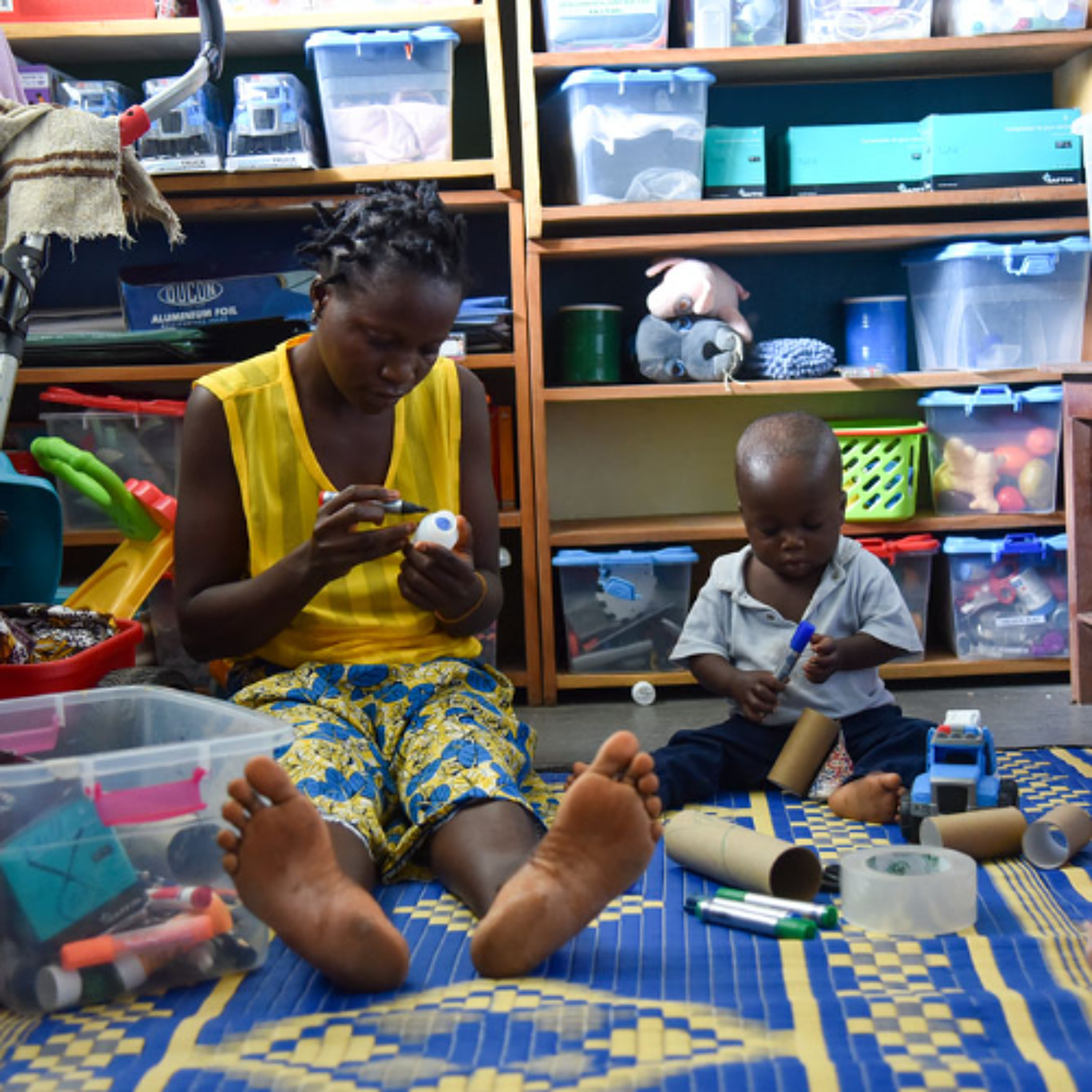
The unexpected power of play: Healing children in humanitarian crises
In almost any humanitarian crisis – from disease outbreaks to conflict zones – children are among the most vulnerable. Last year alone, almost half of all patients admitted to MSF hospitals around the world were children under the age of five. But, while access to medical care is absolutely essential, for our youngest patients, there is something else that improves their health, promotes recovery
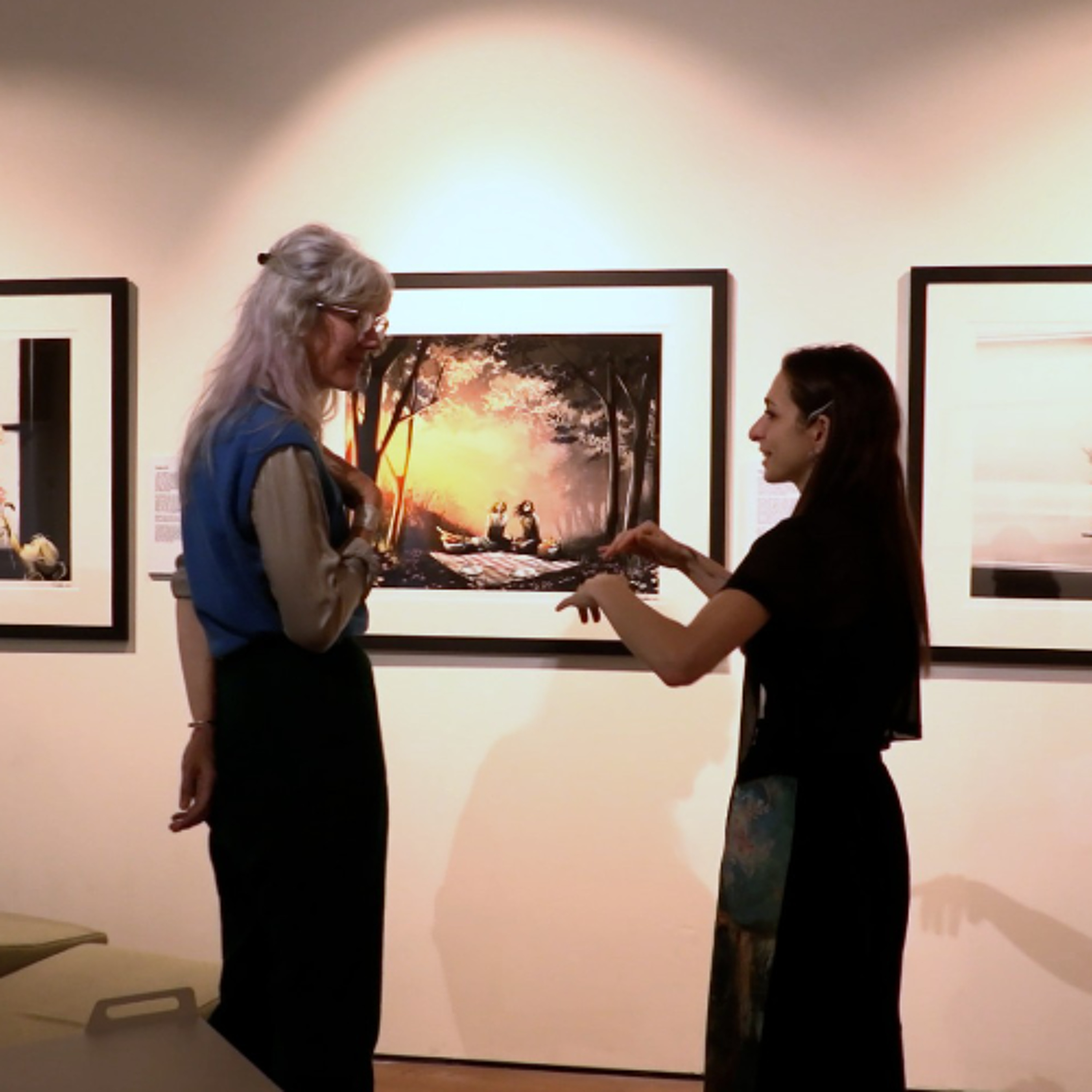
Art in the aftermath: Ella Baron on assignment in Ukraine
The artist and political cartoonist Ella Baron has recently returned from Ukraine, where she worked with Médecins Sans Frontières / Doctors Without Borders (MSF) patients to create a series of drawings and interviews about their experiences. The patients ranged from young men injured in drone attacks to grandmothers who have lost their homes and loved ones. The images go beyond simple portraits to
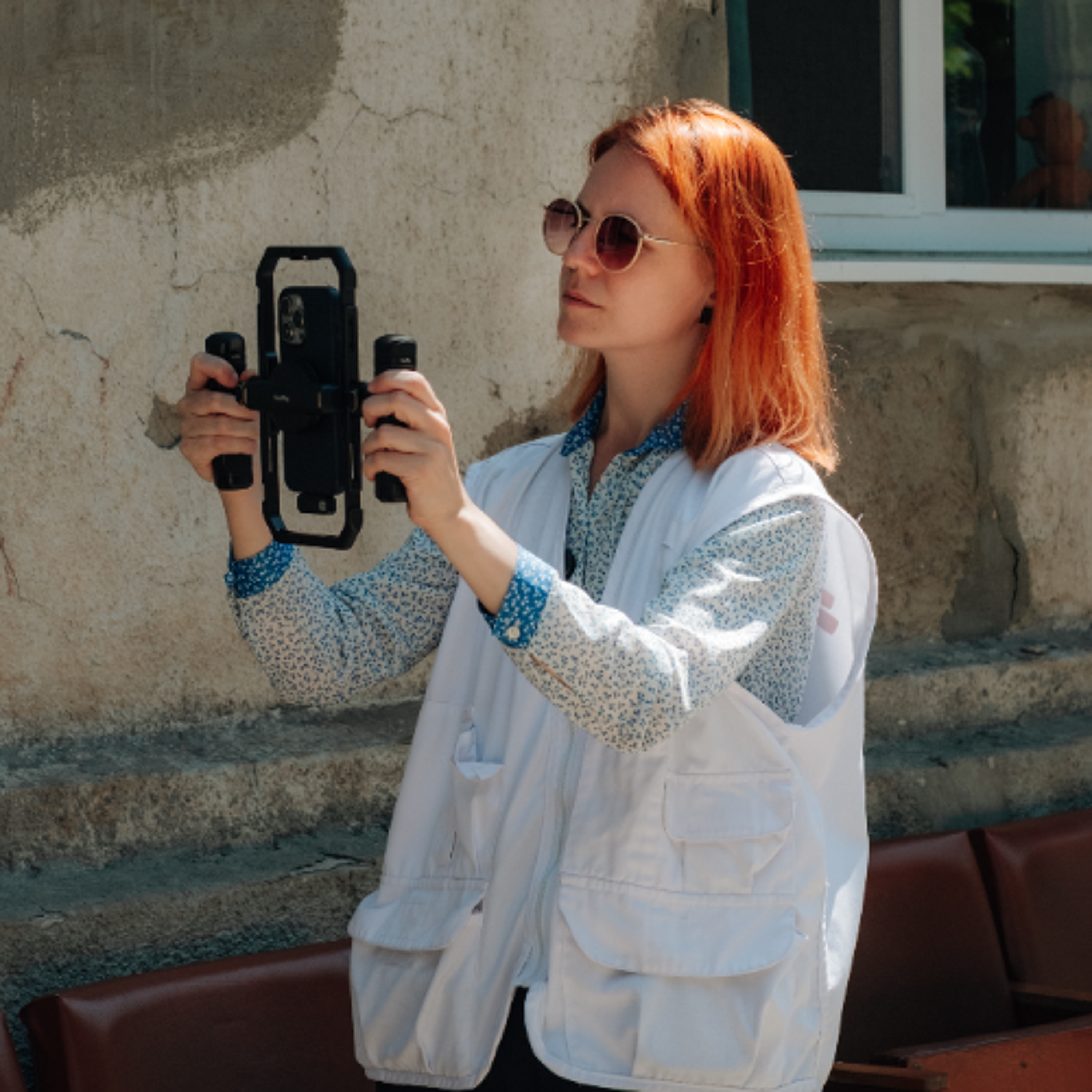
Ukraine: From bylines to the frontlines
In February 2022, Yuliia Trofimova was a journalist living in Eastern Ukraine, where she’s from. With the violent escalation of the conflict with Russia, Yuliia and her colleagues in local media became war correspondents overnight.Today, Yuliia works as a field communications officer for MSF, travelling throughout the region to raise awareness of the health impacts of the war and the work of MSF’s
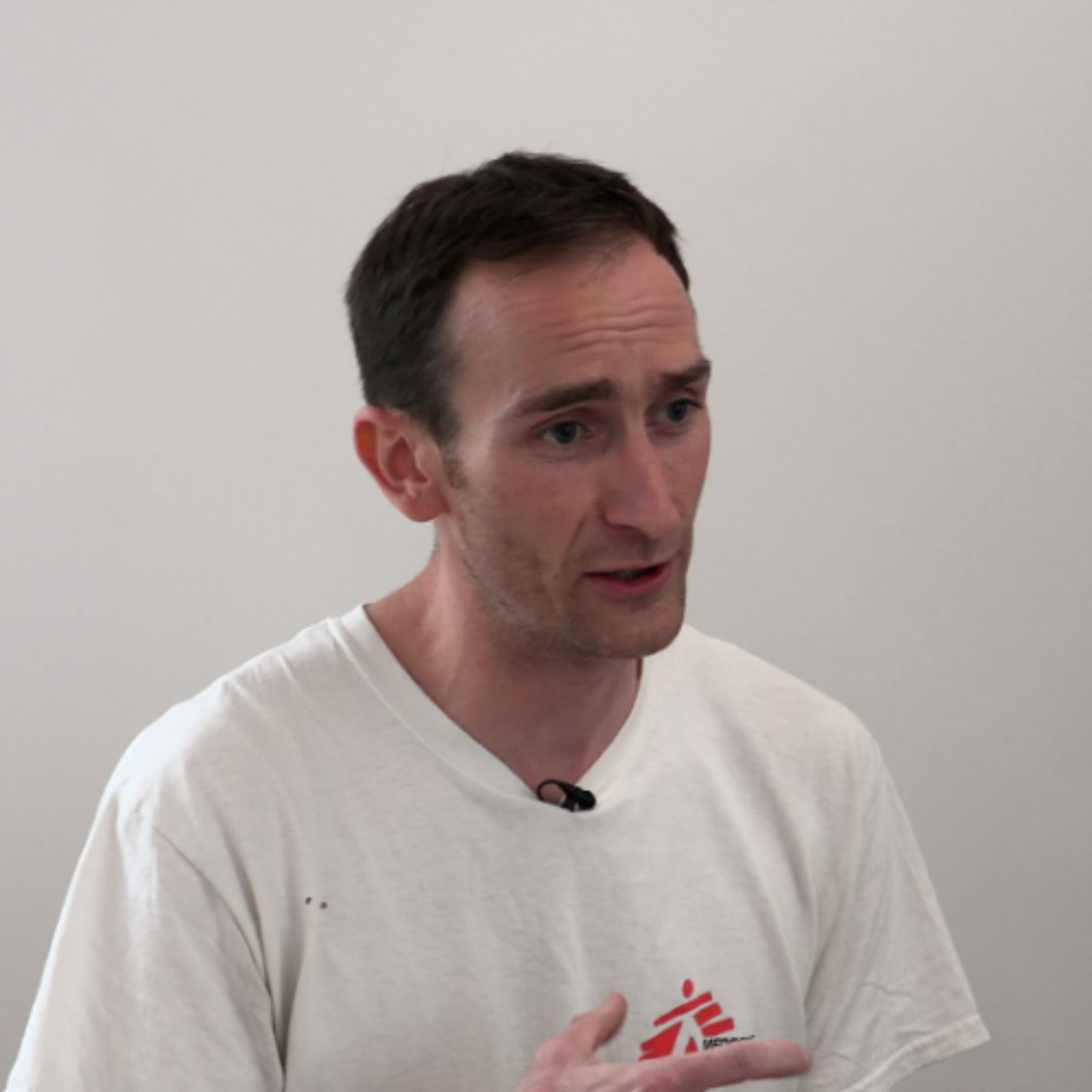
"We built a hospital in a house": An MSF medic returns from Syria
War has taken a heavy toll on the people of Syria. Since 2011, 14 million Syrians have had to flee the violence that wracked the country. They left behind their homes and livelihoods. Essential infrastructure has been destroyed, and many Syrians have been plunged into poverty, with very limited access to essential services like medical care. But late last year, the situation shifted, and MSF teams
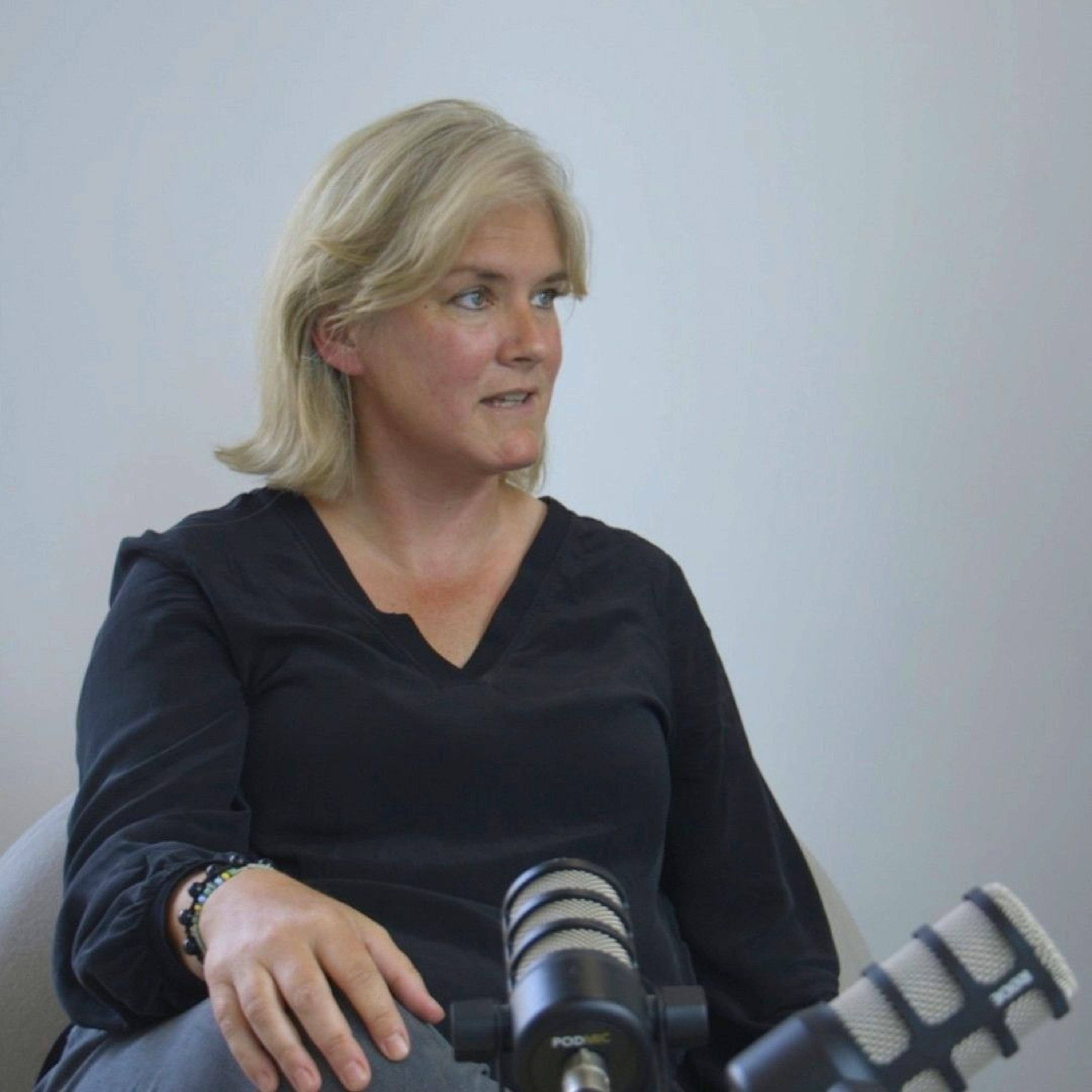
The E-Team: Inside MSF's emergency response unit with Dr Natalie Roberts
When a crisis hits, our emergency specialists - known as the E-Team - launch into life-saving action to coordinate the response. In this episode of Everyday Emergency, we speak to Dr Natalie Roberts. Now Executive Director of Médecins Sans Frontières / Doctors Without Borders (MSF) UK, she is an experienced emergency doctor and former Head of Emergencies with our Paris-based 'Emergency Desk'. We s
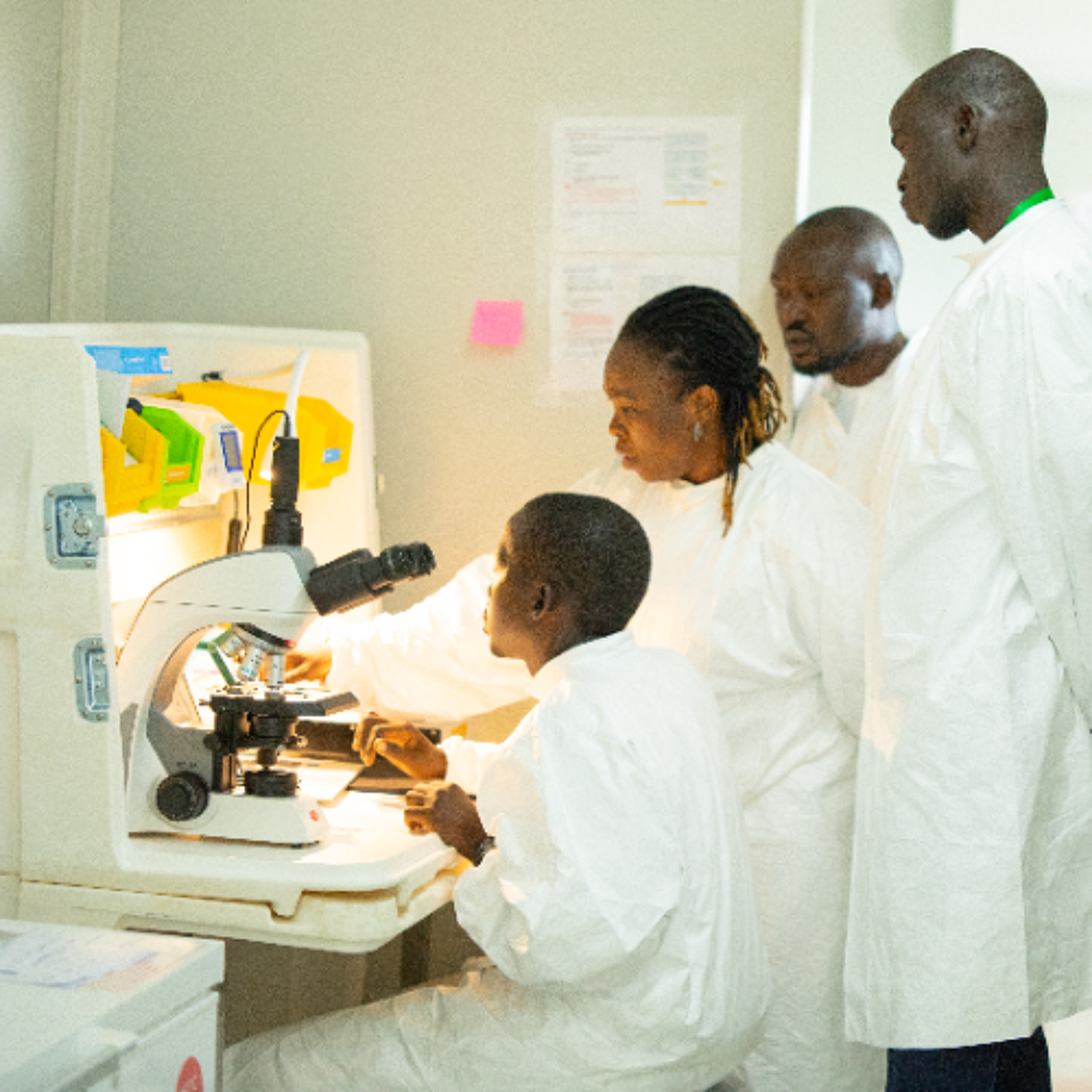
AMR: A threat hidden in plain sight
In places where MSF operates, getting access to the right antibiotics is a matter of life or death - but what happens when they stop working? In this episode of Everyday Emergency, we find out about antimicrobial resistance (AMR).Antibiotics are the cornerstone of modern medicine, treating a vast range of infections. But, over the last few years we've been seeing a troubling phenomenon where the s
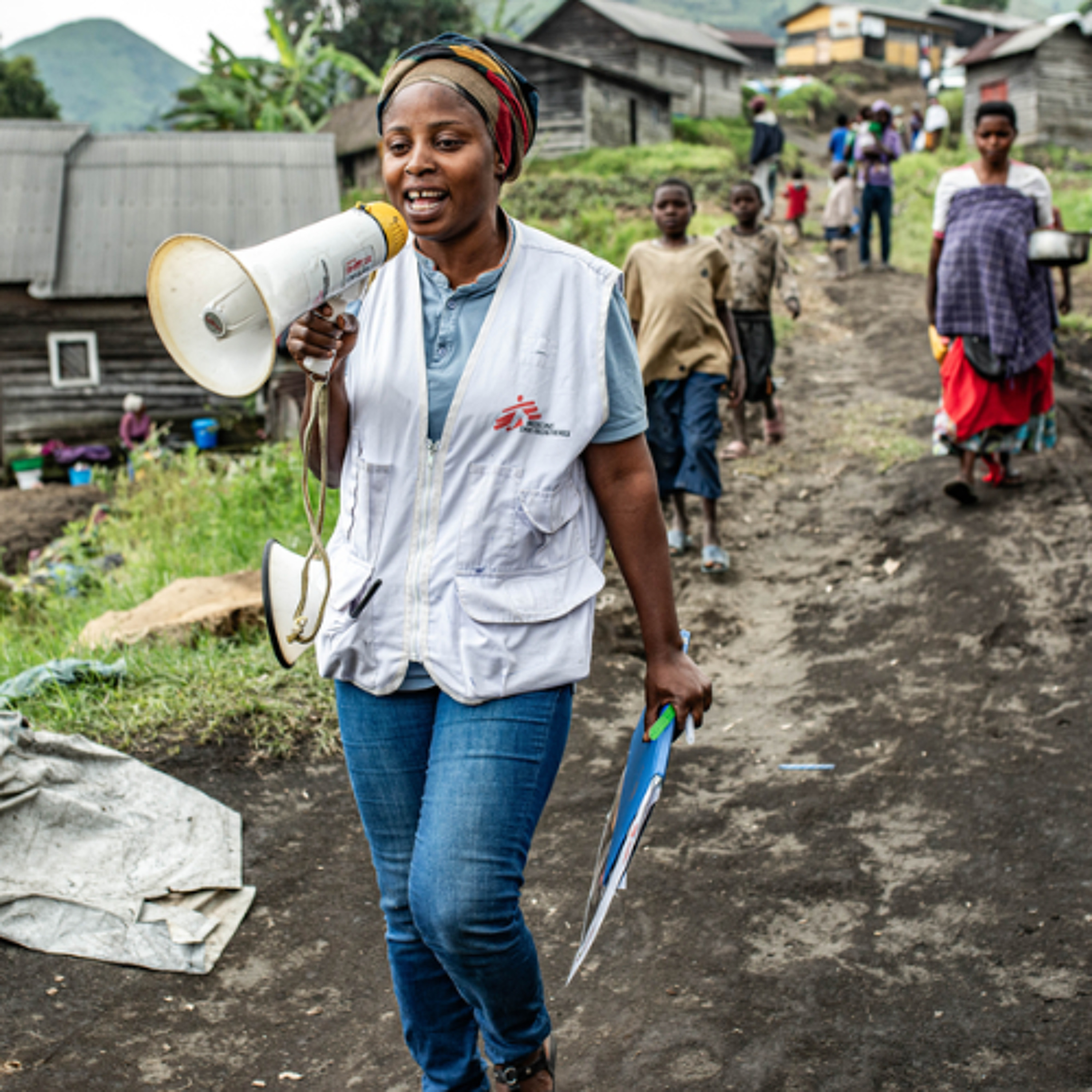
Eastern DRC: Critical care in a complex place
In the latest episode of Everyday Emergency, we’re looking at the humanitarian crisis in the east of the Democratic Republic of Congo, or DRC – a huge country in Central Africa that’s home to around one hundred and eleven million people. The northeast of the country has endured decades of insecurity since the fallout of the 1994 genocide in the neighbouring country of Rwanda. Driven by ethnic tens
The Debrief: Dr Javid Abdelmoneim on the crisis in Sudan
Two years ago, MSF doctor Javid Abdelmoneim received a cryptic message from his cousin in Khartoum that said "Your dad is safe". But safe from what? On 15 April 2023, a brutal civil war broke out in Sudan between the Sudanese Armed Forces and the Rapid Support Forces. From early attacks around the capital Khartoum, the fighting quickly escalated and spread to other parts of Sudan. Almost overnight
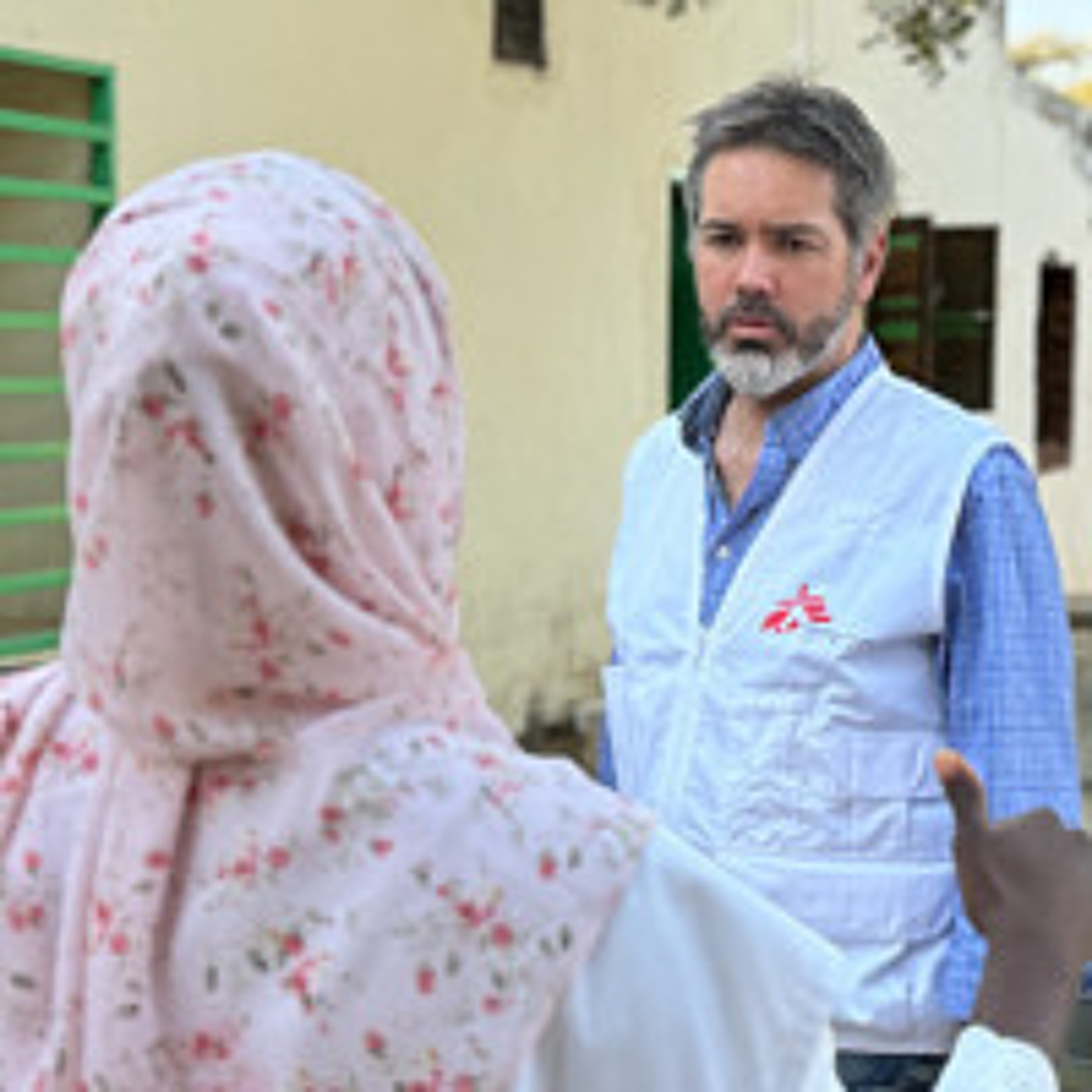
The Debrief: Chris Lockyear, MSF Secretary General
In crisis zones across the world, hospitals have been attacked, supply trucks blockaded and funding cut. So, what is the state of humanitarian aid today? In this episode of Everyday Emergency, we’re speaking to Chris Lockyear – the Secretary General of Médecins Sans Frontières / Doctors Without Borders (MSF). He’s one of the leading voices in MSF, and an expert on humanitarian aid and the crises w
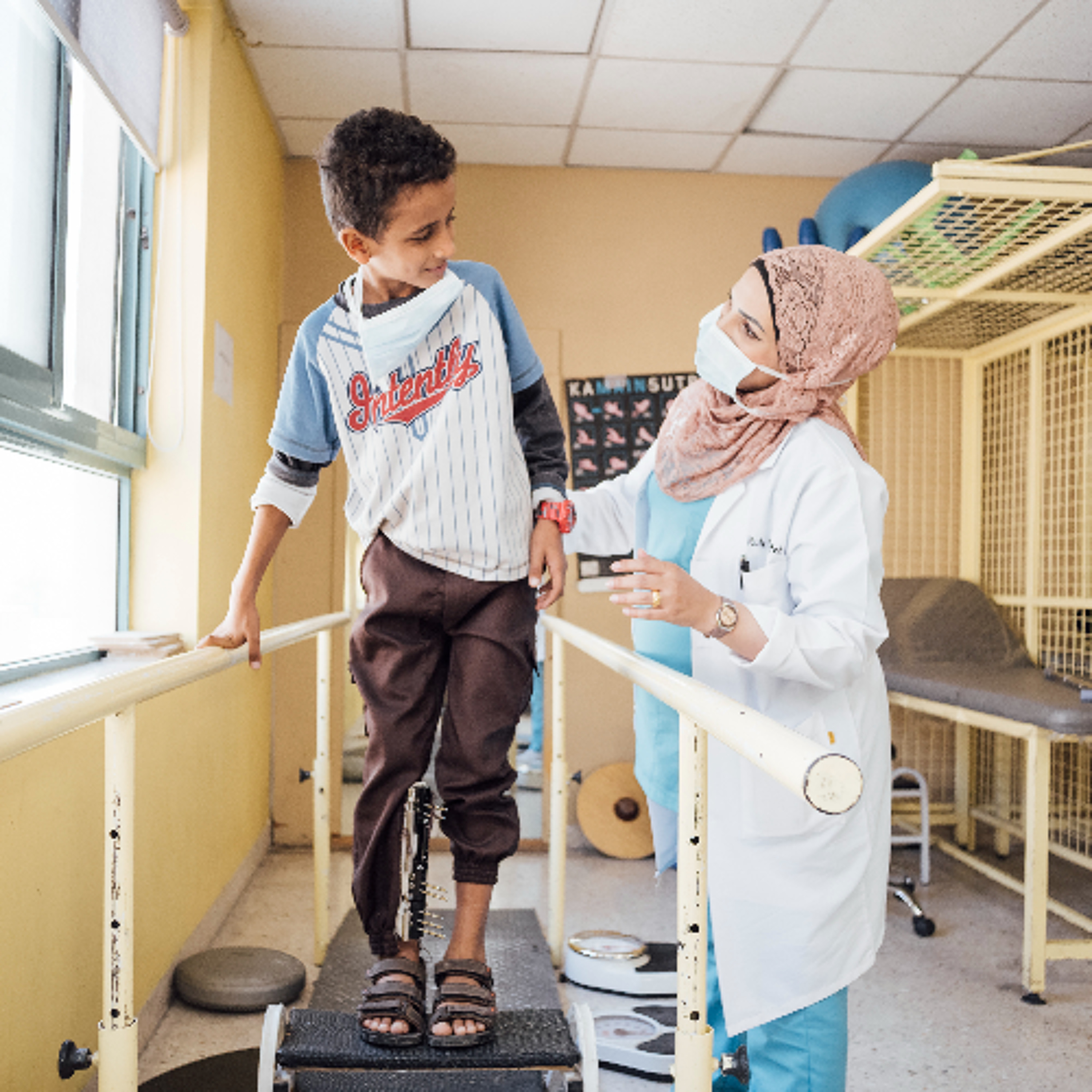
Rebuilding lives: Inside a specialist war-wound hospital
At a groundbreaking hospital in the Jordanian capital Amman, a dedicated team from Médecins Sans Frontières / Doctors Without Borders (MSF) work to treat and rehabilitate war-wounded people from conflict zones across the Middle East and North Africa. Rula Marafeh, an experienced physiotherapist, shares her story from a unique project that has been saving and transforming lives since 2006. In place
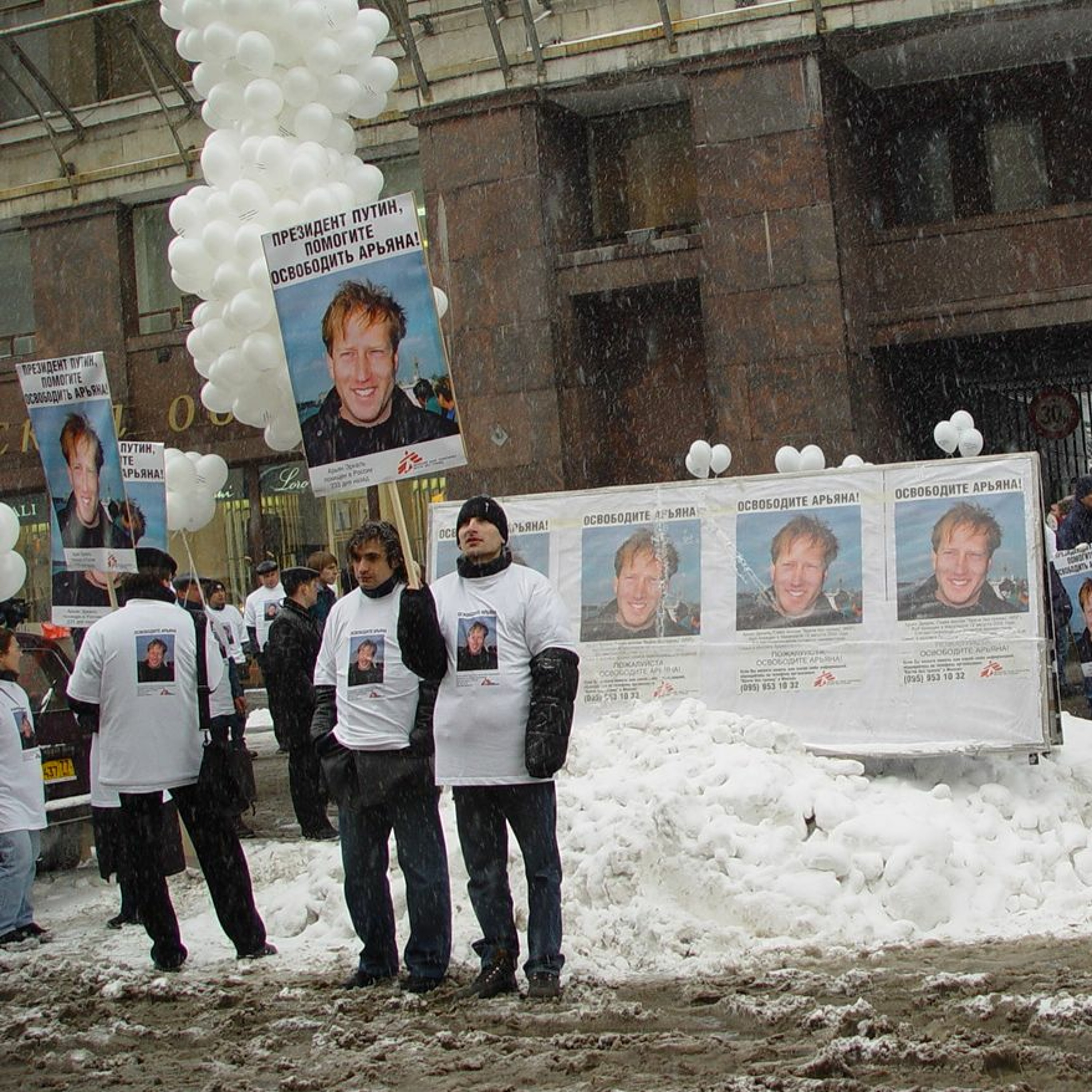
Speaking Out - Chechnya - Episode 9: Speaking out in a time of kidnapping
In August 2002, the threat to MSF becomes a reality and another Coordinator, a Dutch national, is kidnapped in Dagestan. The organisation is once again faced with the dilemma whether it should speak out in the media about the kidnapping or not. MSF opts to keep quiet at first, but as the weeks turn into months and the MSF Coordinator is still not released, MSF starts questioning whether it should
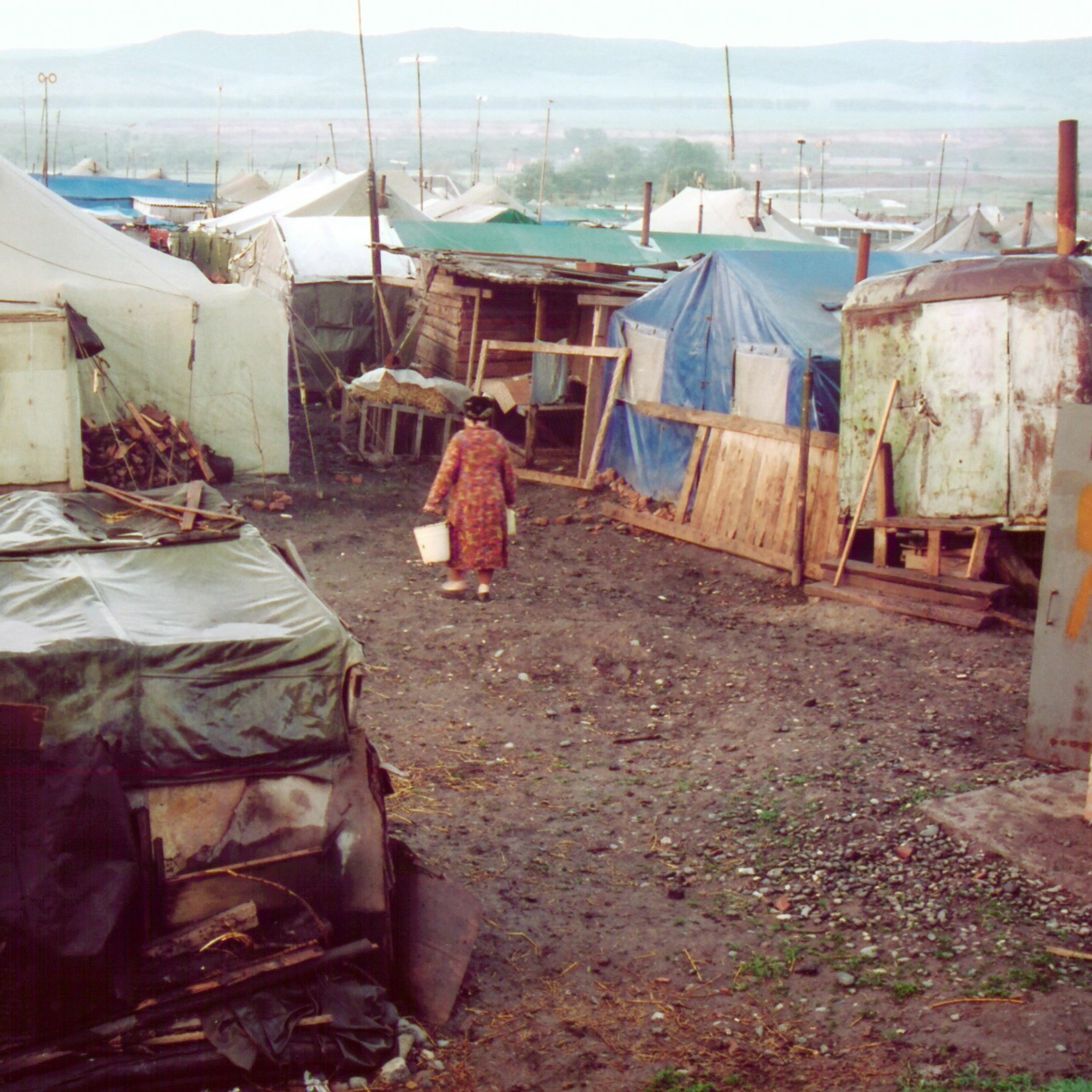
Speaking Out - Chechnya - Episode 8: A Deliberate Strategy of Non-Assistance
The situation in the North Caucasus is getting more and more violent as the Russian federal authorities is trying to forcibly repatriate Chechen refugees and force humanitarian organisations out of Ingushetia. When colleagues at other organisations are kidnapped in Chechnya, MSF closes down all operations in the country again. With a diminishing international presence in the warzone, MSF is once a
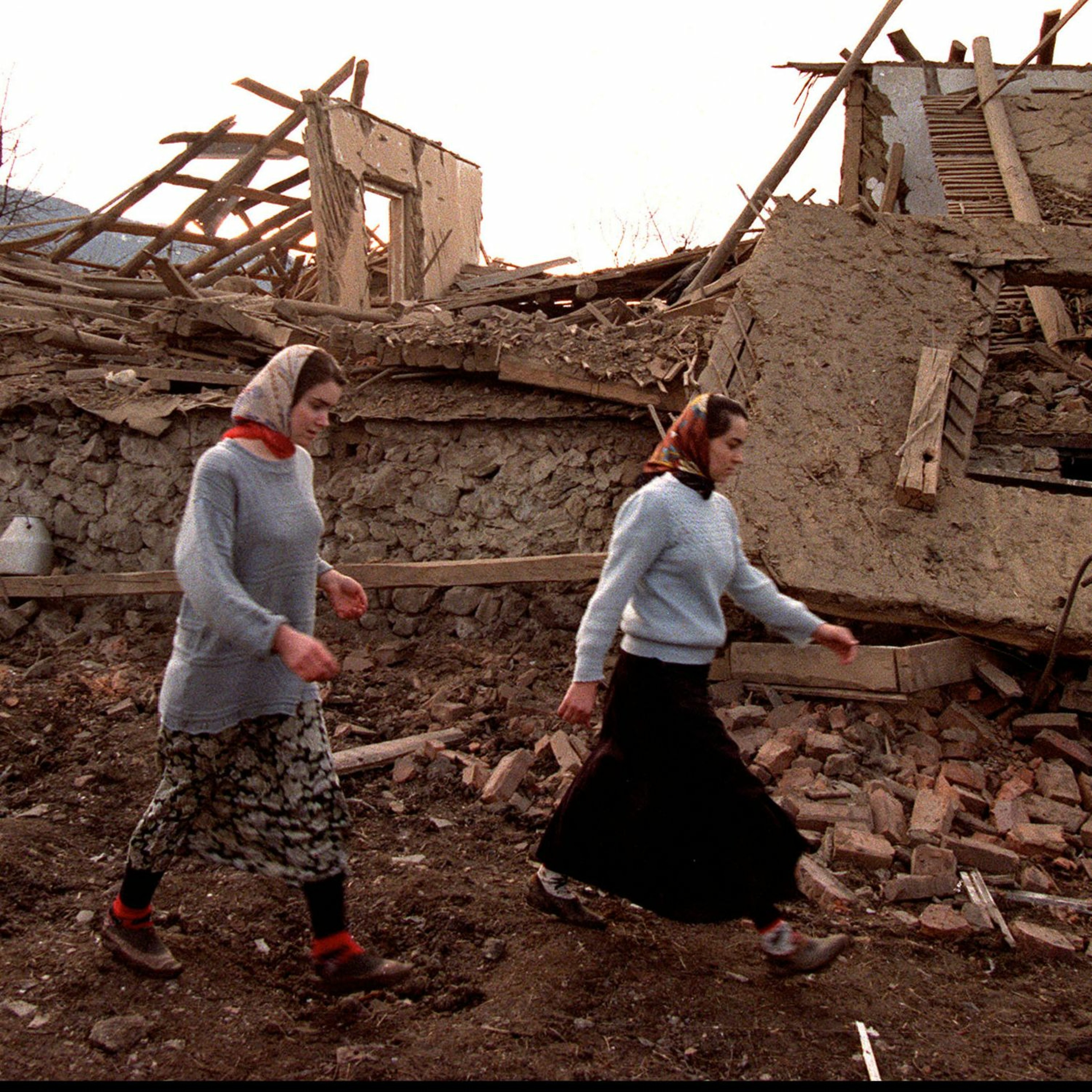
Speaking Out - Chechnya - Episode 7: Anti-terrorist rhetoric
MSF’s operations have been closed down in Chechnya in response to the MSF Coordinator’s kidnapping. After his release, three weeks later, MSF tries to restart its operations in Chechnya but there are delays due to security issues, and for now, the only programmes in the country are run through remote control management from Dagestan, on Chechnya eastern border. Most of MSF’s Caucasus staff are be
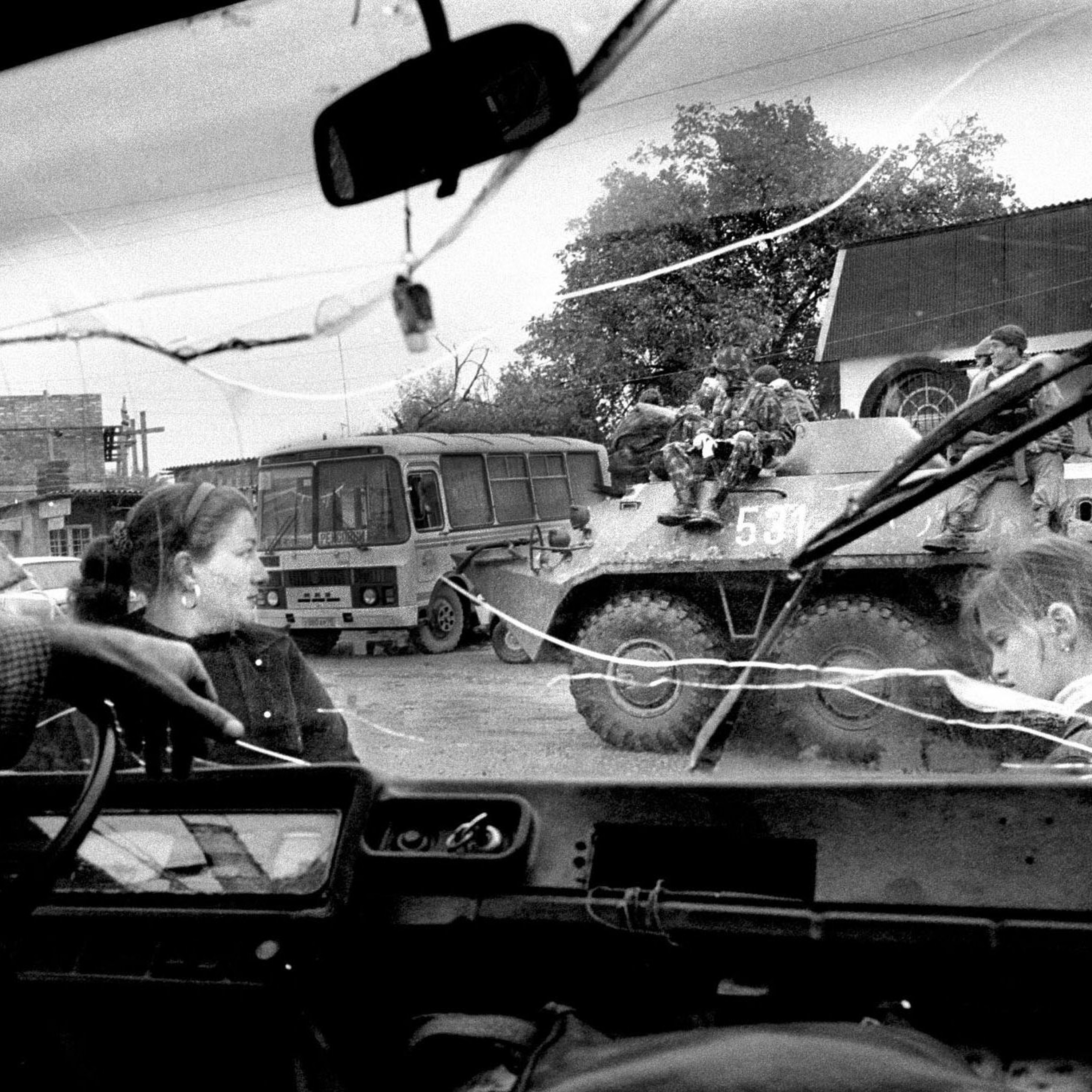
Speaking Out - Chechnya - Episode 6: 'Kidnapped by mistake'
Kidnappings are becoming more commonplace in Chechnya and closer to home for MSF as various staff members are held for questioning. Then, a key member of the team in the North Caucasus is taken hostage and questions are asked as to whether there's a causal link between MSF’s decision to speak out in the media and the kidnapping? Other difficult questions are raised: should the organisation speak o
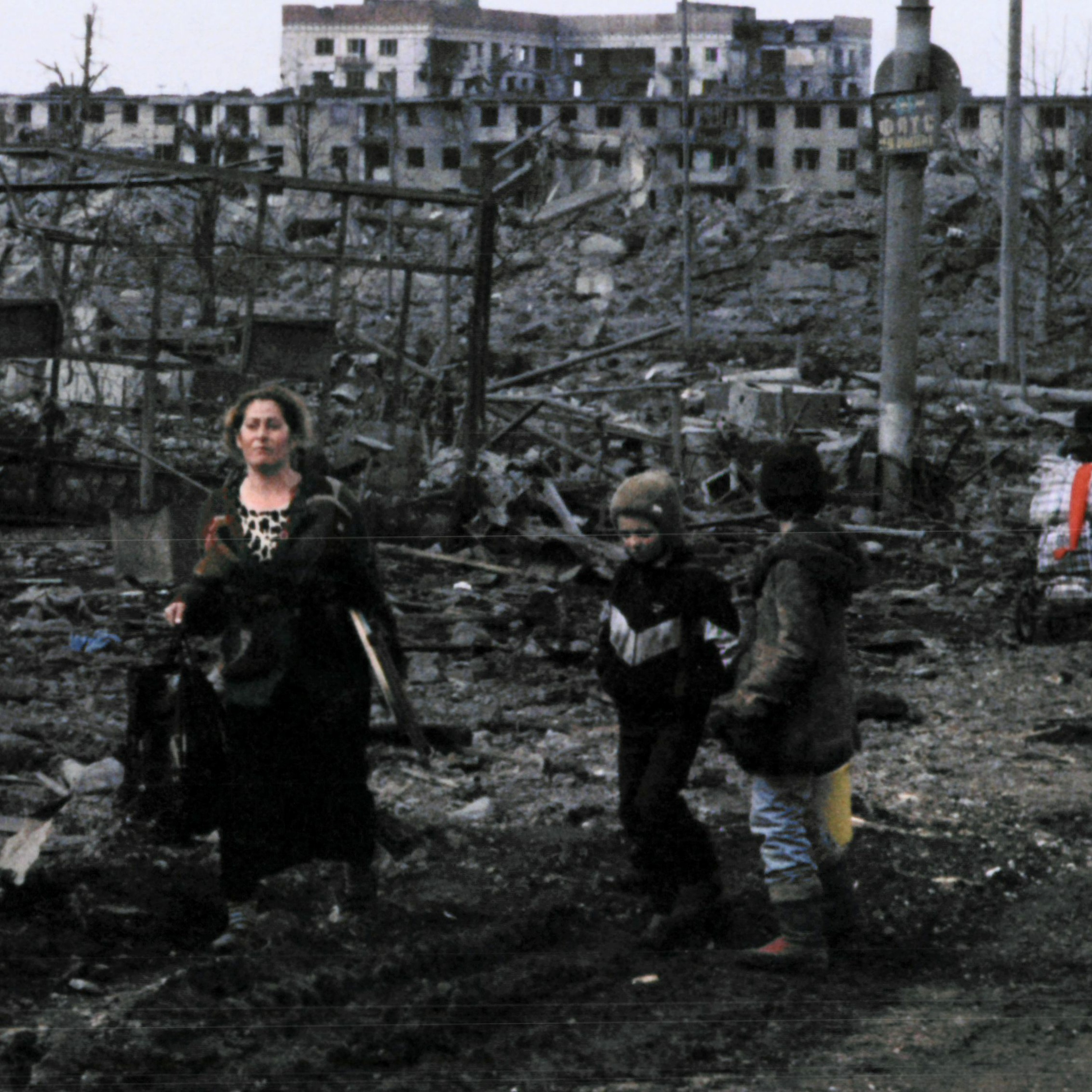
Speaking Out - Chechnya - Episode 5: All on the same page
MSF’s operations in Chechnya are slowly starting back up again after 3 years of being run remotely. Although the bombing stops, general insecurity is pervasive and restarting these programmes is not without risks.With an international team back on the ground in Chechnya, everyone agrees on the need to document the situation more thoroughly. A collection of patients’ accounts in the report “Chechny
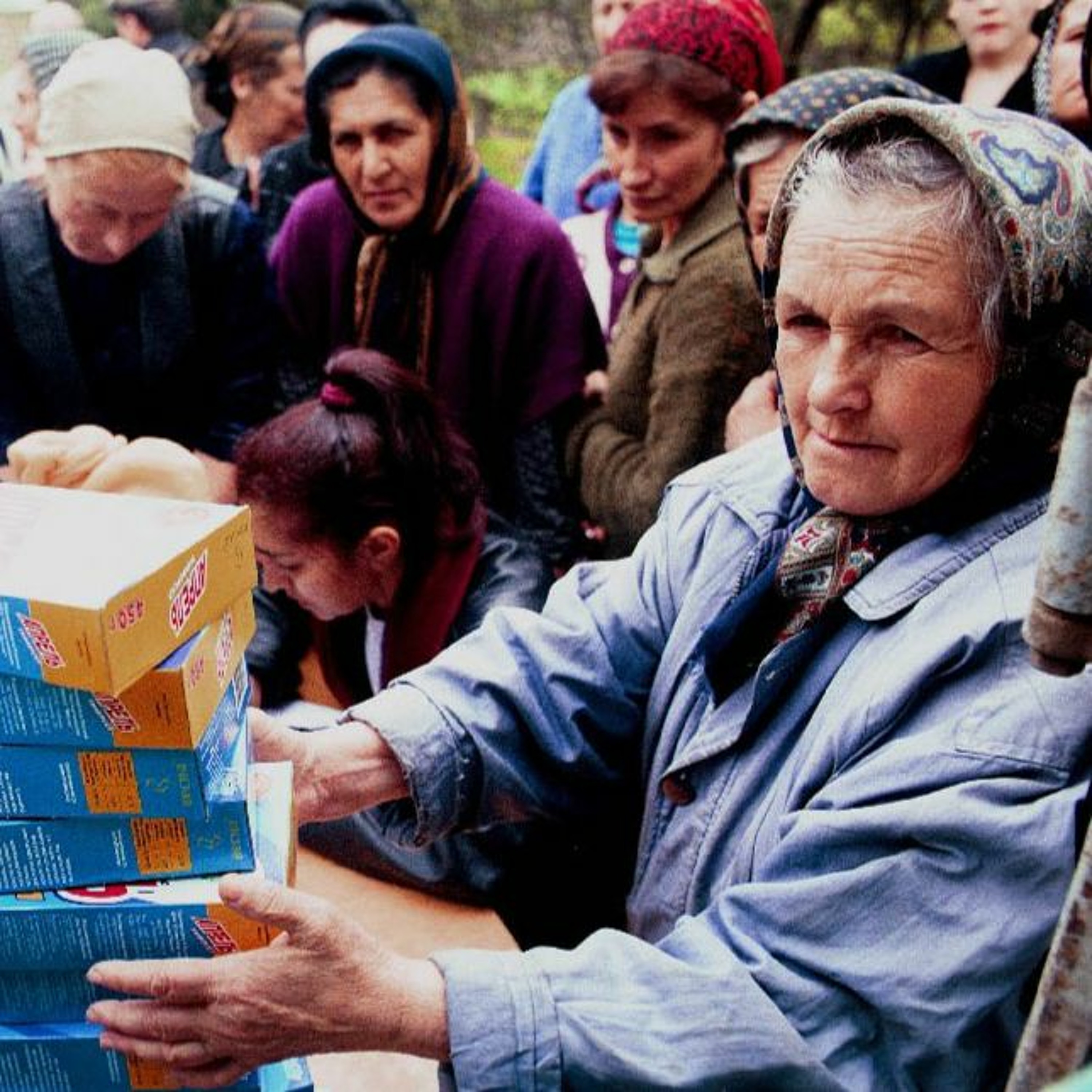
Speaking Out - Chechnya - Episode 4: A cautious re-entry to Chechnya
Throughout the year 2000, MSF seizes every opportunity to raise the alarm on the Chechen’s fate with governments and institutions around the world, but to little concrete effect other than general condemnation. With still no international staff in the country, MSF sections resort to so-called ‘remote control’ management, using locally hired employees to deliver aid on the ground. Concerns over the
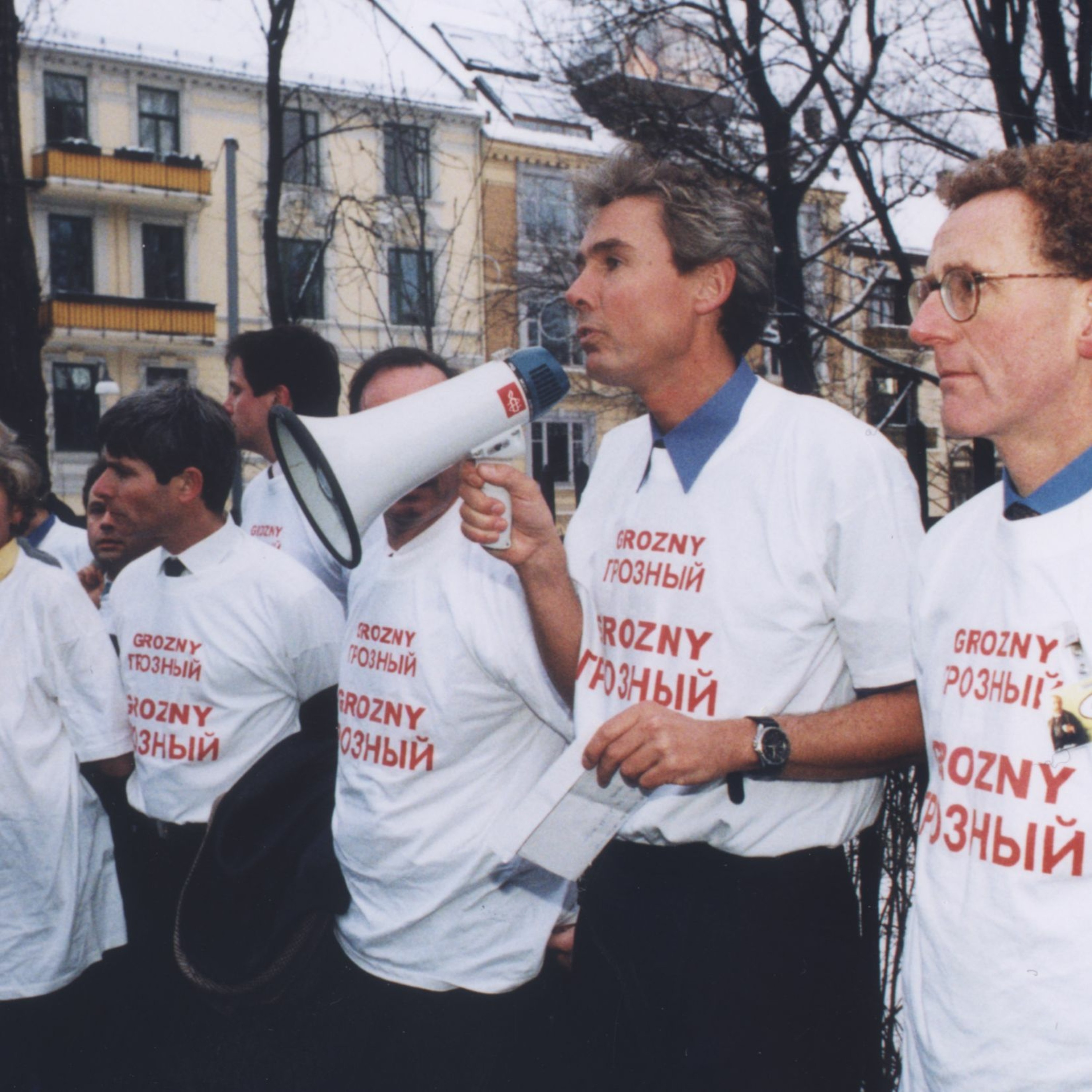
Speaking Out - Chechnya - Episode 3: Advocacy without access
With hostilities in Chechnya flaring up again in what the Russian Federation terms as “anti-terrorist operations”, MSF leaders decide to use the ceremony of the reception of Nobel Peace Prize to call on the international community to intervene. But MSF teams are struggling to work in a Chechnya facing all-out war and dangerous security problems. Instead, MSF starts support refugees in the neighbou
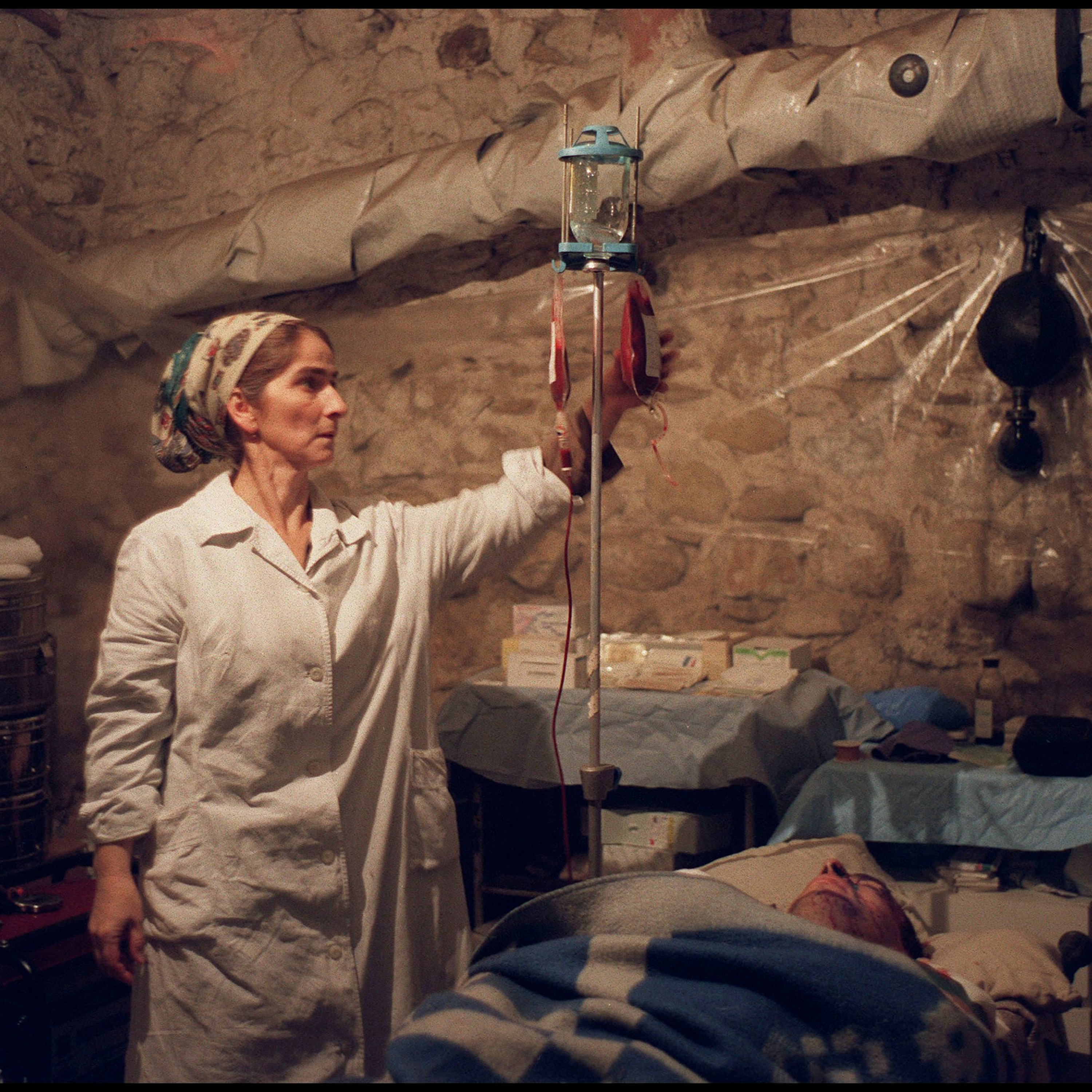
Speaking Out - Chechnya - Episode 2: A Far Cry from Peace
While the Russian Federation President, Boris Yeltsin talks publicly about a peace plan, his forces carry out a ruthless bombing campaign on rebel-held villages in southern Chechnya. MSF sections are united in wanting to speak out about what their staff witnessed before being forced out of the region, but there’s vigorous debate on how best to draw attention to the atrocities. What is the best way
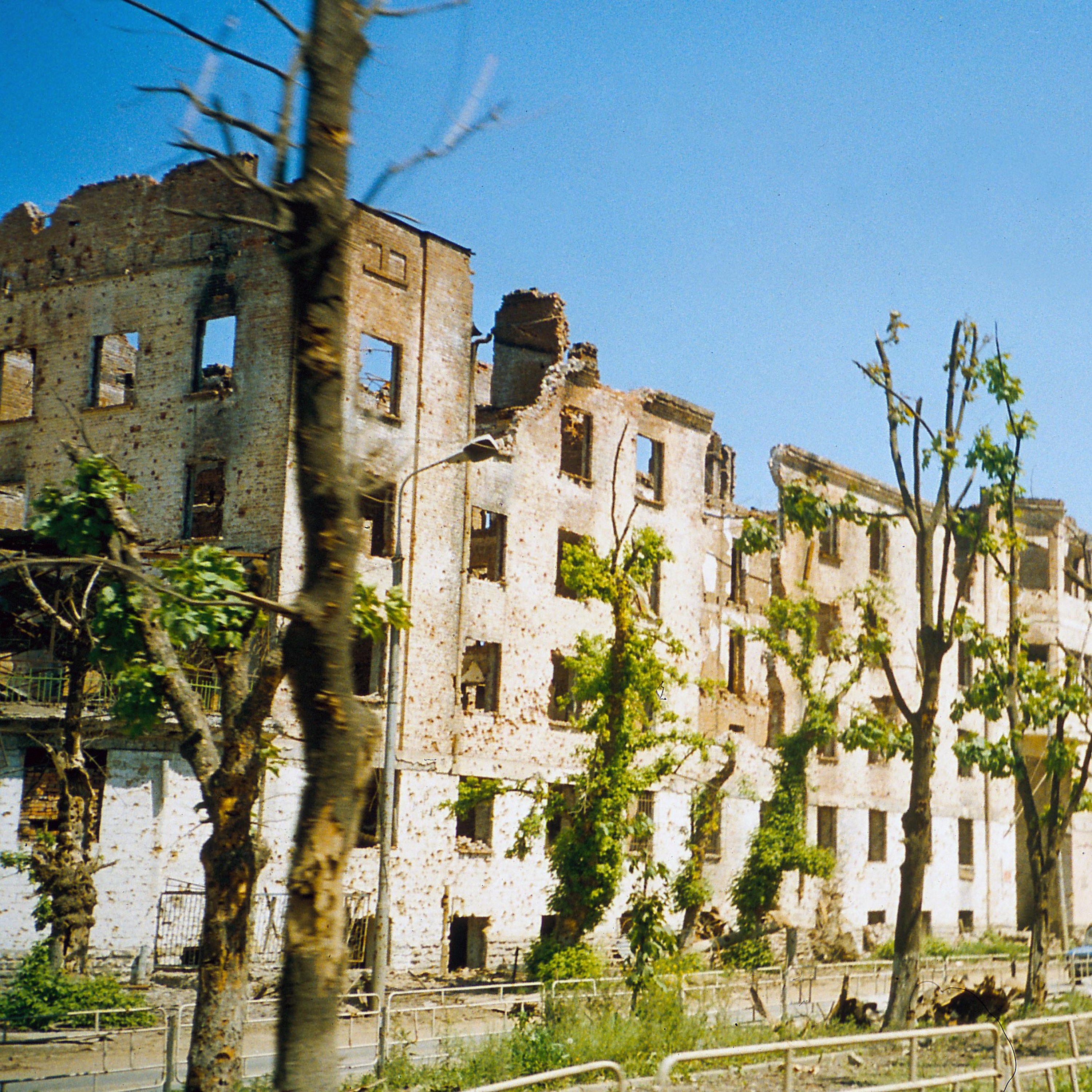
Speaking Out - Chechnya - Episode 1: The First War in Chechnya
The first war of independence of Chechnya with the Russian Federation starts in 1994 and runs for two years. In 1999, while the country and its people are still struggling to recover, the Russian authorities start bombing Chechnya again. Through these tough years in the North Caucasus and when access is repeatedly blocked by the Russian forces, MSF staff continues to try to provide food and medica
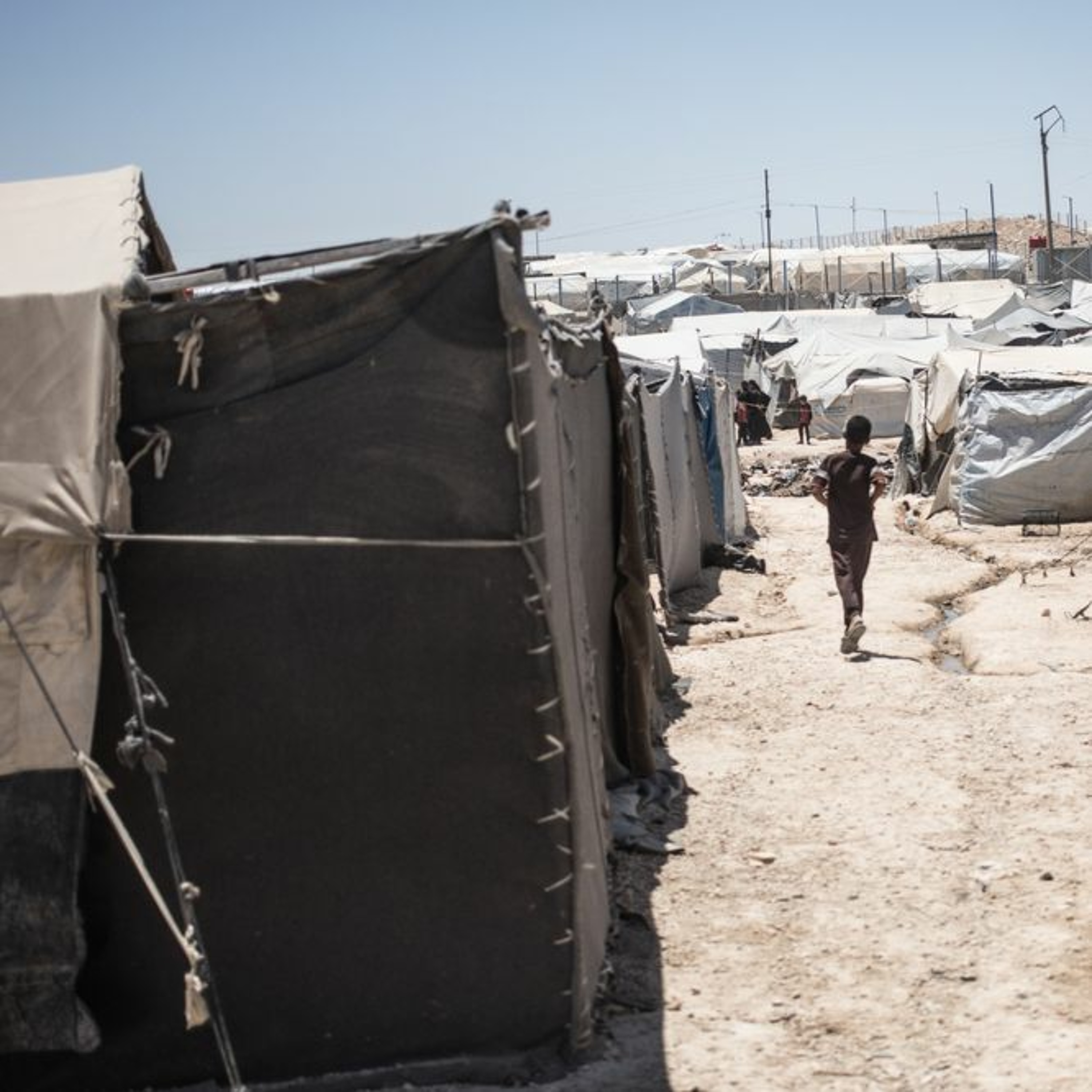
Special episode: "Between Two Fires" - Danger and Desperation in Al-Hol
Warning: This episode contains testimony related to child deaths that some listeners may find distressing.A new report by MSF lays bare the cruelty of the long-term detainment of more than 50,000 people, the majority of whom are children, in Al-Hol, northeast Syria.The camp was once designed to provide safe, temporary accommodation and humanitarian services to civilians displaced by the conflict i
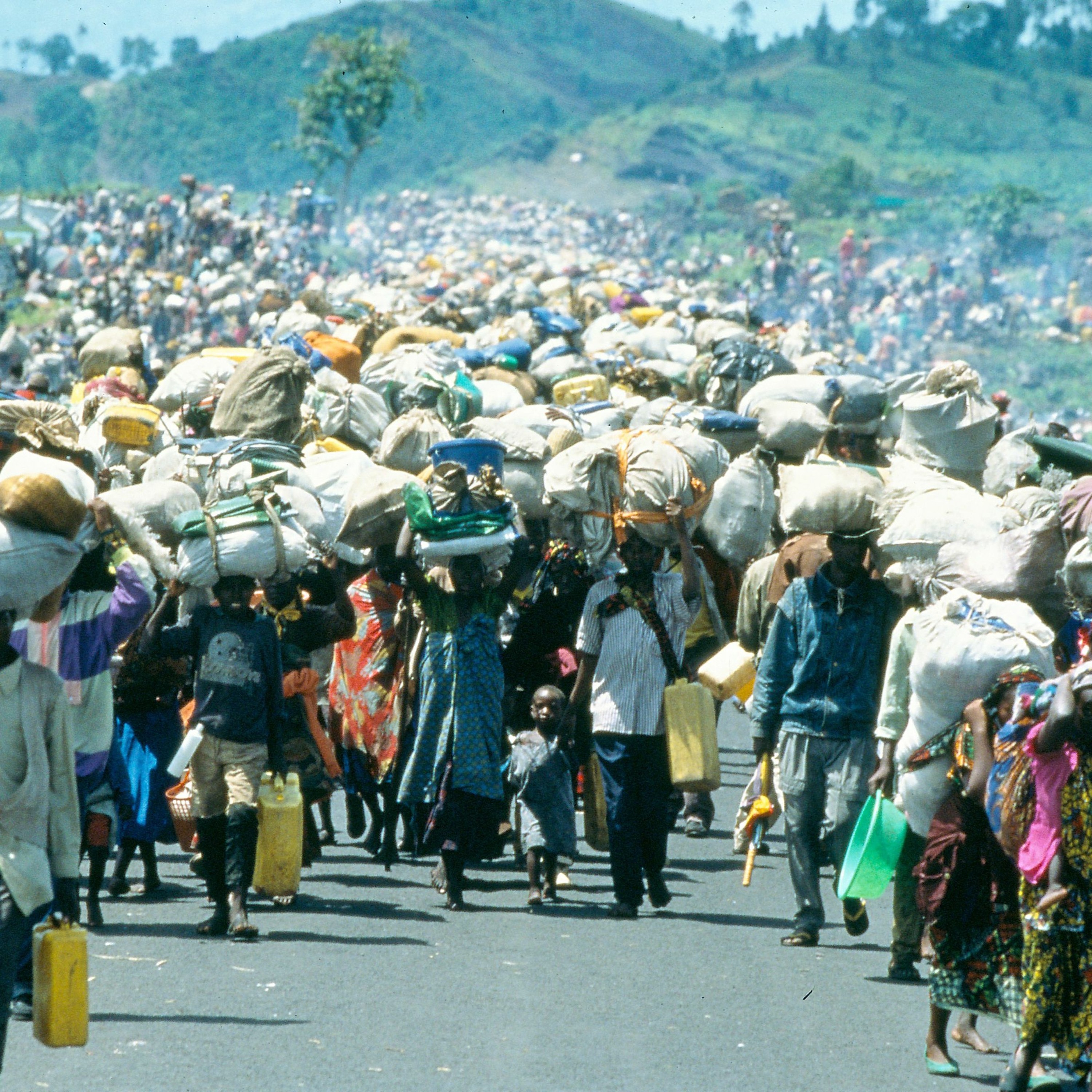
Speaking Out - Rwanda - Episode 8: Learning from retrospective reports
From mid-1997, MSF teams try to work together again. The organisation publishes retrospective studies that trace the odyssey of the Rwandan refugees through the Zairean jungle and contributes testimony to international investigations on human rights violations in the region. Hosted on Acast. See acast.com/privacy for more information.
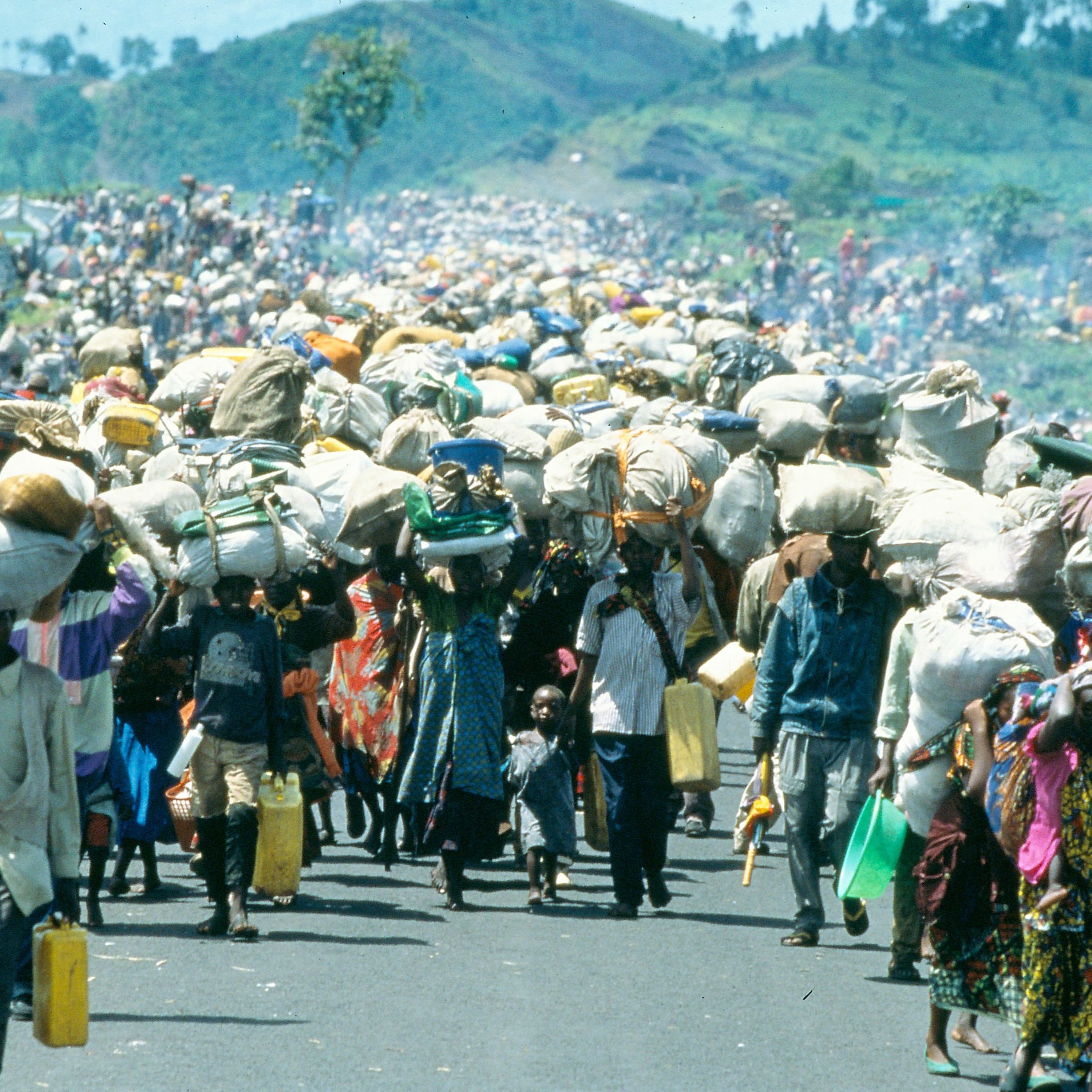
Speaking Out - Rwanda - Episode 7: The ‘Forced Flight’ report
In May 1997, MSF published a new study describing the movements of refugees in the Great Lakes region of Africa and the fate of refugees. MSF planned to distribute the report to a small group of journalists, asking them not to cite MSF as the source of the information. However, a lack of communication between MSF offices and with the teams in the field, exacerbates tensions. Hosted on Acast. See a
Speaking Out - Rwanda - Episode 6: Silent vs public advocacy
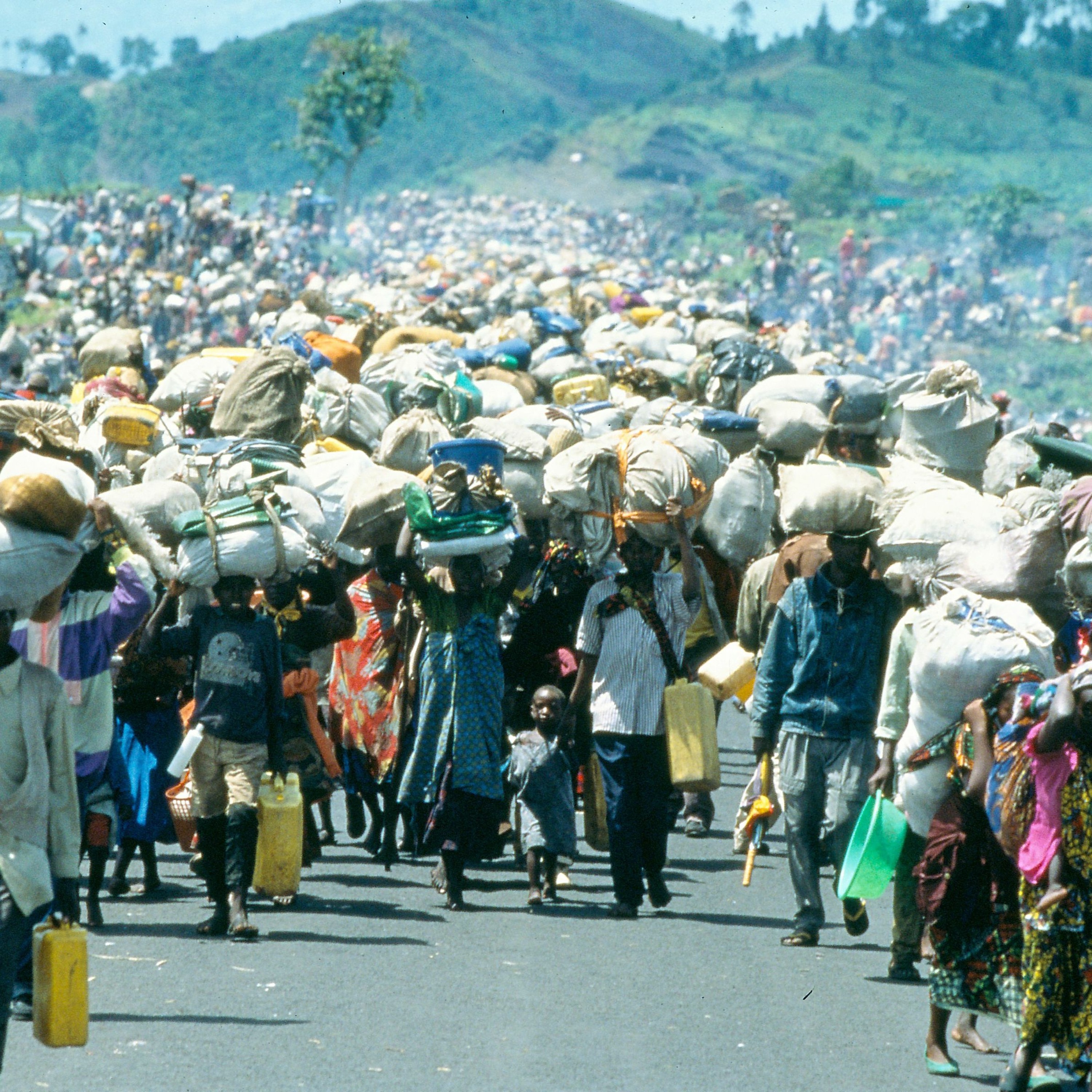
MSF's exploratory mission teams complete their reports on their Masisi and Shabunda visits. Details of mass graves, massacres, and the fact that the ADFL used humanitarian teams as bait to lure refugees out of the forests, sent shock waves through MSF offices. A debate about the use of the information collected ensued: should it be made public or not? Hosted on Acast. See acast.com/privacy for mor
Speaking Out - Rwanda - Episode 5: Forest exodus
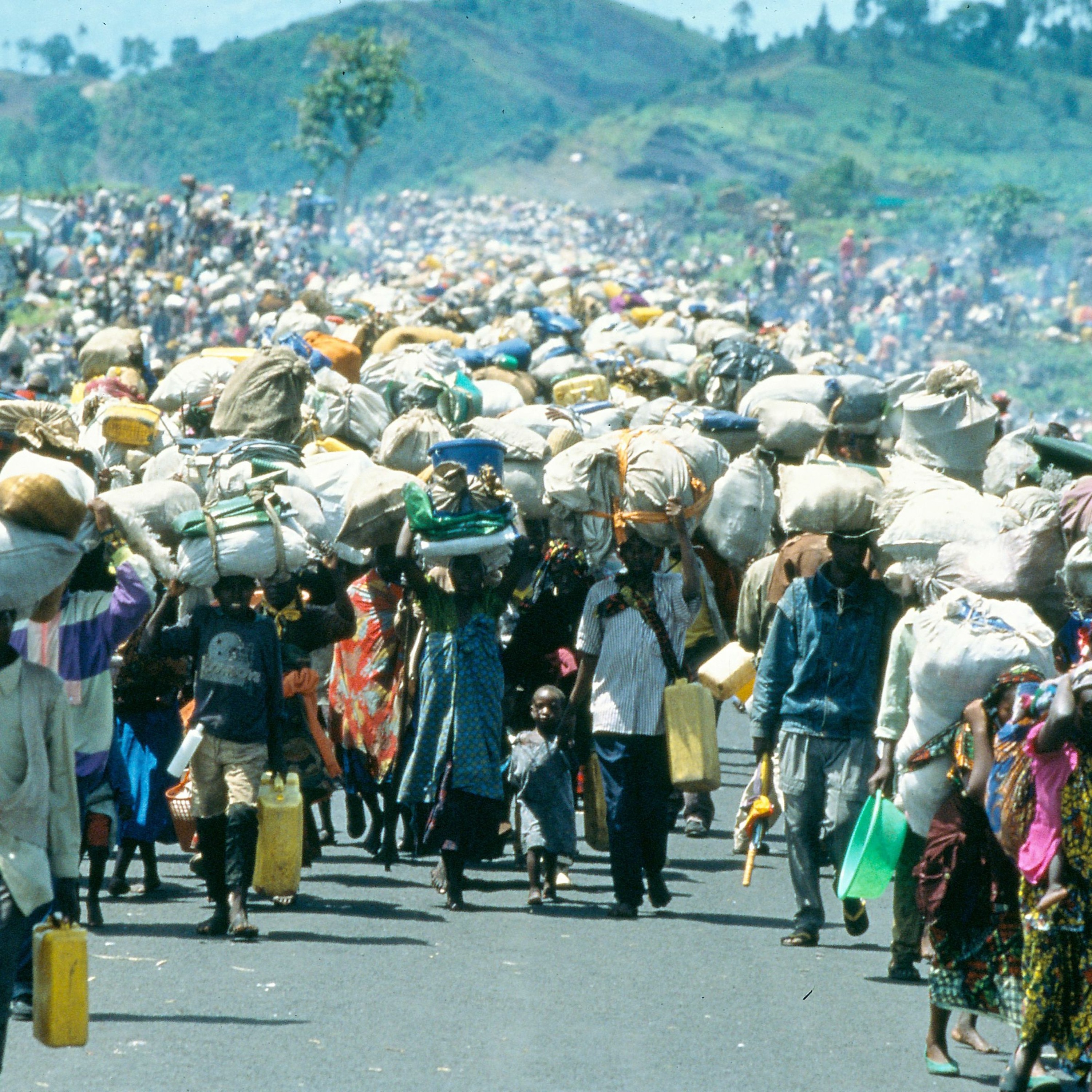
The ADFL takes control of all of the Kivu province and refugees continue to flee their rapid advance eastwards through the forest. MSF struggles to maintain access to the refugees amidst the violence, restrictions, and threats to team safety, while receiving continued reports about refugee massacres. Hosted on Acast. See acast.com/privacy for more information.
Speaking Out - Rwanda - Episode 4: Humanitarians used as bait
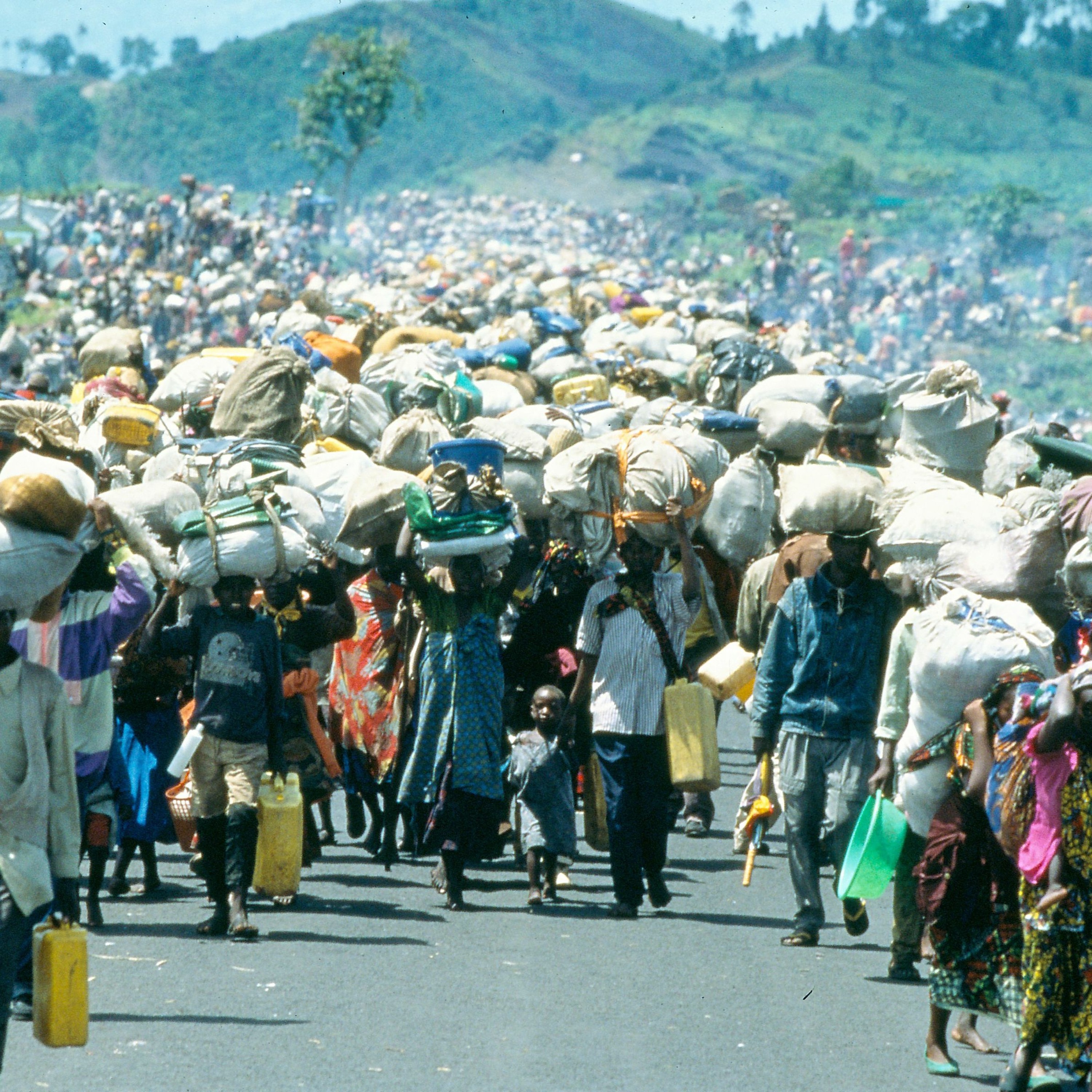
Finally allowed into South Kivu, a province in eastern Zaire, the MSF teams discover that refugees are being massacred by the ADFL and its allies, particularly in the Massisi and the Shabunda regions. MSF realises that MSF teams are used as bait by the ADFL to lure the refugees out of the forests and kill them. Hosted on Acast. See acast.com/privacy for more information.
Speaking Out - Rwanda - Episode 3: Under fire in the press
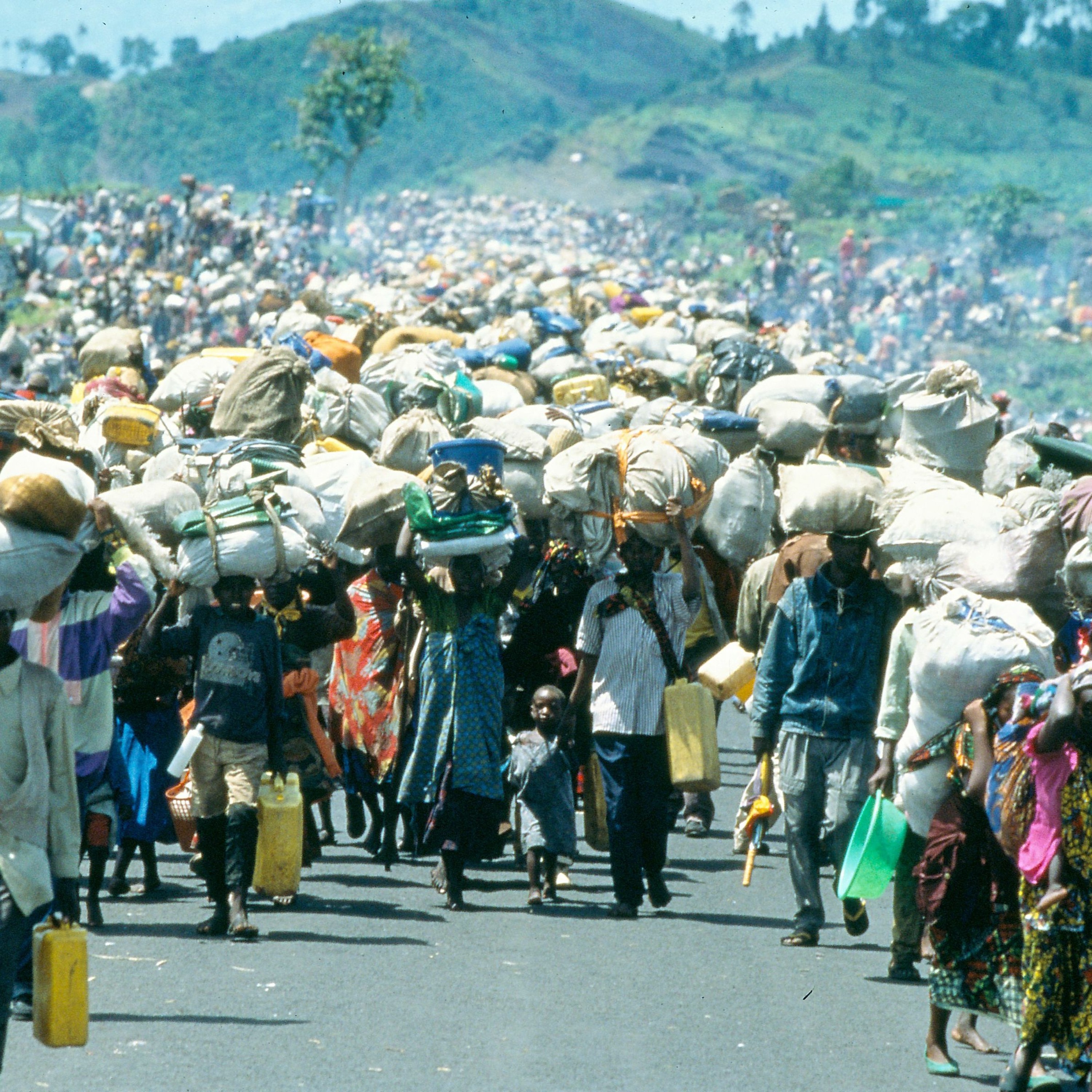
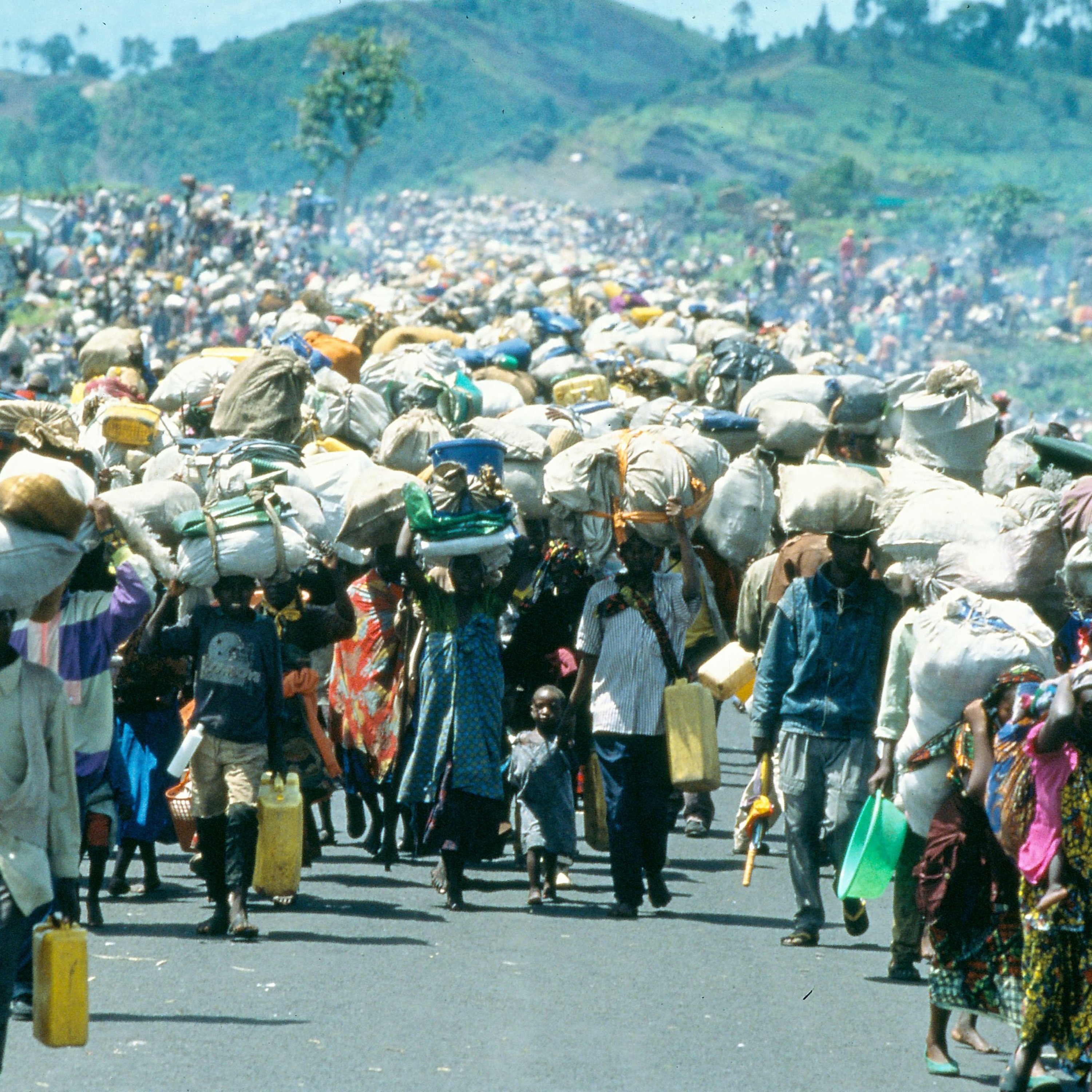
In November 1996, the offensive led by the ADFL and Rwandan forces empties the camps in eastern Zaire of their population. Some refugees were repatriated to Rwanda and others fled into the neighboring forest. MSF denounces the repatriation conditions and is reproached by the press for "catastrophic" forecasts made a few weeks earlier. Hosted on Acast. See acast.com/privacy for more information.
Speaking Out - Rwanda - Episode 2: Information war over refugee numbers
As the instability of the region increases, MSF and other humanitarian organisations are eventually forced out of eastern Zaire entirely. MSF suspects that thousands of refugees are suffering and at risk of dying. The organisation decides to launch an appeal for an armed international intervention and communicates about the plight of the population, predicting a health catastrophe, if access for
Speaking Out - Rwanda - Episode 1: Resumption of war in eastern Zaire
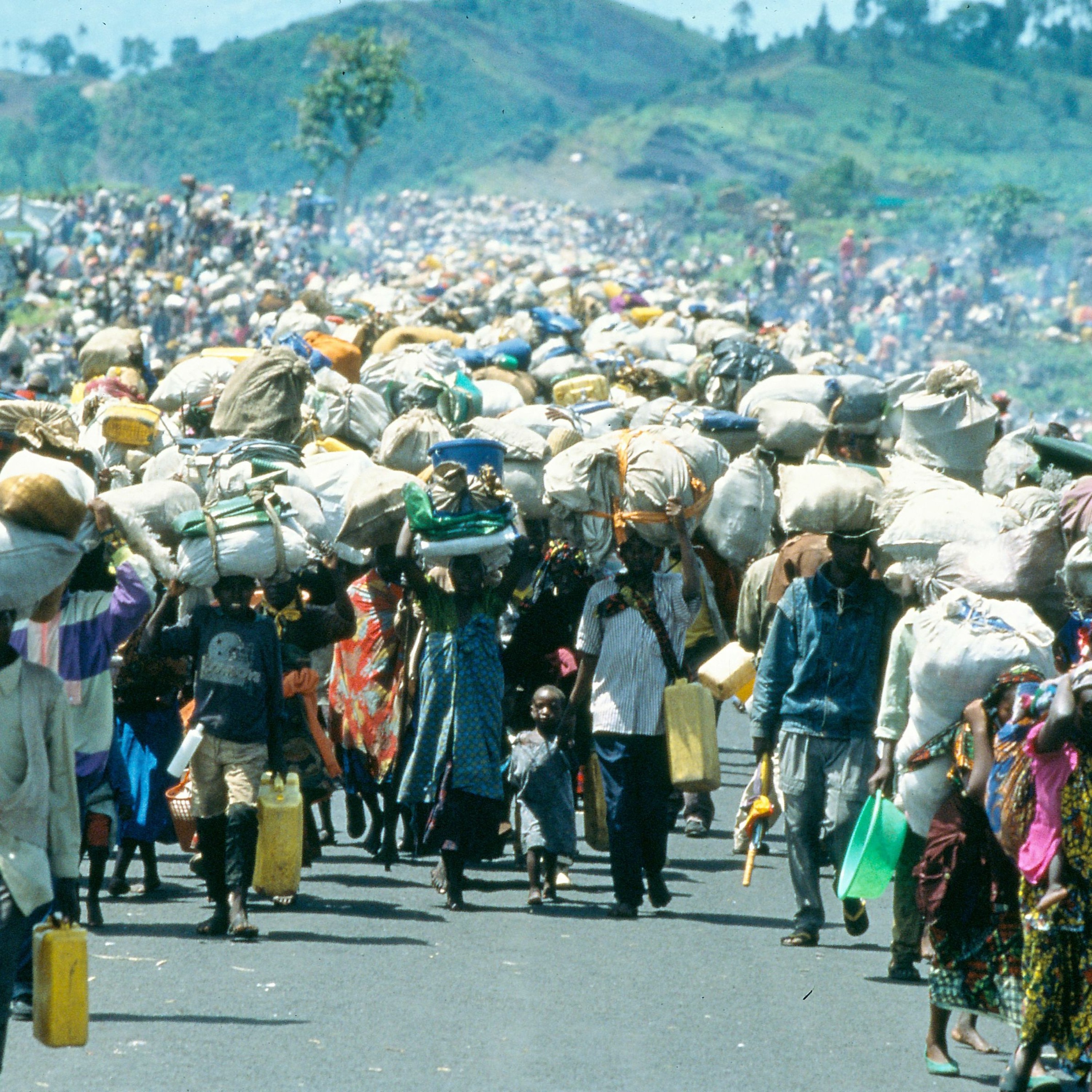
In 1996, MSF attempts to alert the international community about the resurgence of conflict in eastern Zaire, as witnessed by teams on the ground. The perpetrators of the Rwandan Tutsi genocide, living in refugee camps, threaten and attack the Zairean civilian population. The same perpetrators are holding Rwandan refugees that fled the 1994 genocide, hostage within the camps. The new Rwandan regim
Special episode: Climate Crisis = Health Crisis: A COP26 debrief with MSF
In this episode of Everyday Emergency, we'll listen in on a discussion about COP26, why MSF was a part of it, and what the MSF delegates attending the summit learned from their participation. The discussion is hosted by Dr Christos Christou, MSF's international president, and took place as a Twitter Spaces conversation on Friday 19 November 2021. Christos chats with Dr Maria Guevara, MSF's interna
South Sudan: Voices from Bentiu
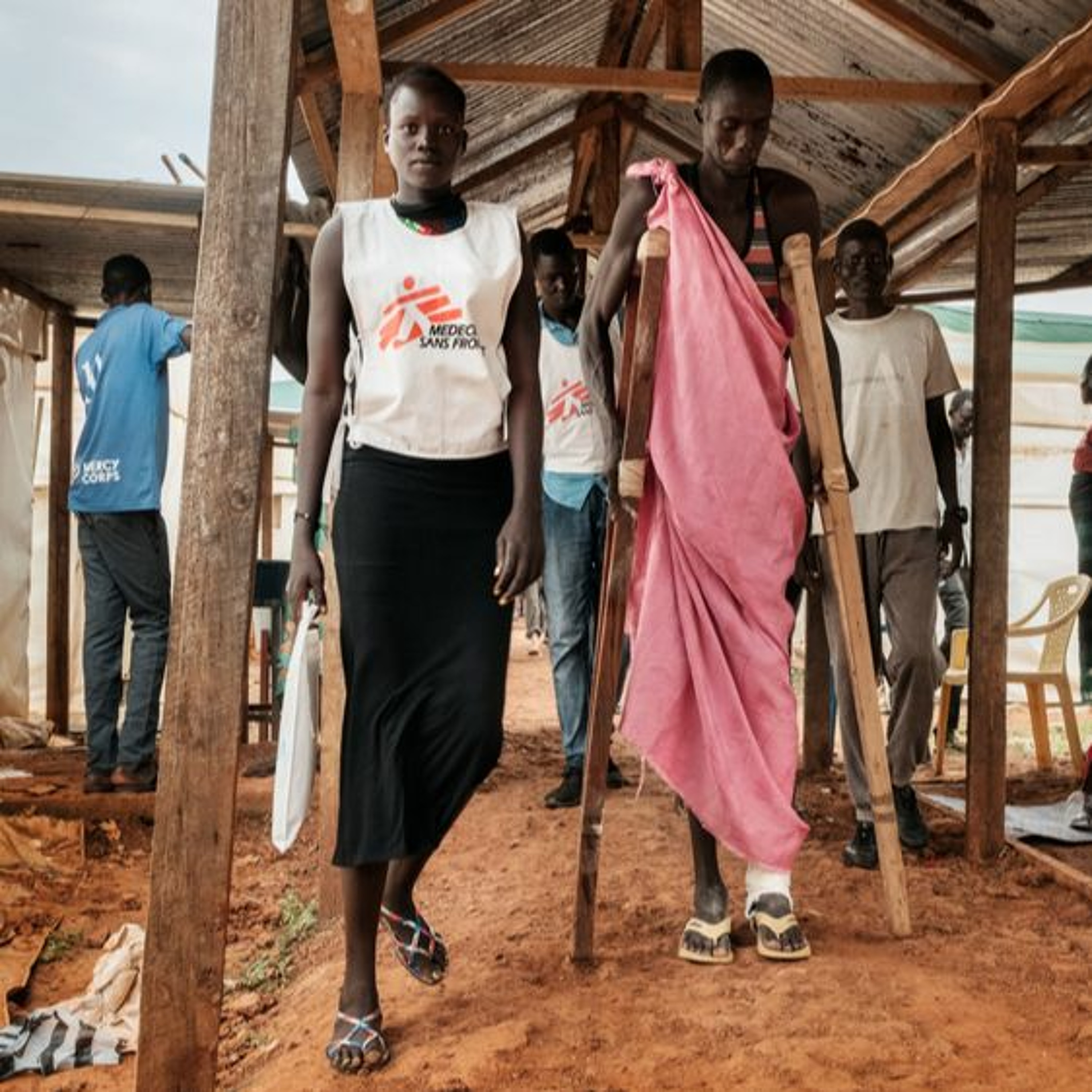
On 9 July 2021, the Republic of South Sudan marked its 10th birthday. This significant milestone is also marred by the bloody legacy of its first decade, including a five-year civil war.At independence, South Sudan was grappling with at least 30 humanitarian emergencies. Parts of the country were engulfed in increasingly fierce intercommunal clashes, and there was renewed conflict in border areas

Diabetes: An unseen humanitarian emergency
It’s 100 years since the discovery of insulin, the life-saving drug for people living with diabetes.But today, more than half of those who need this marvellous medicine still can’t access it – either because it’s too expensive or unavailable. This means millions of people are risking serious complications and even death.In this episode of Everyday Emergency, Amber Dowell reports on the challenges
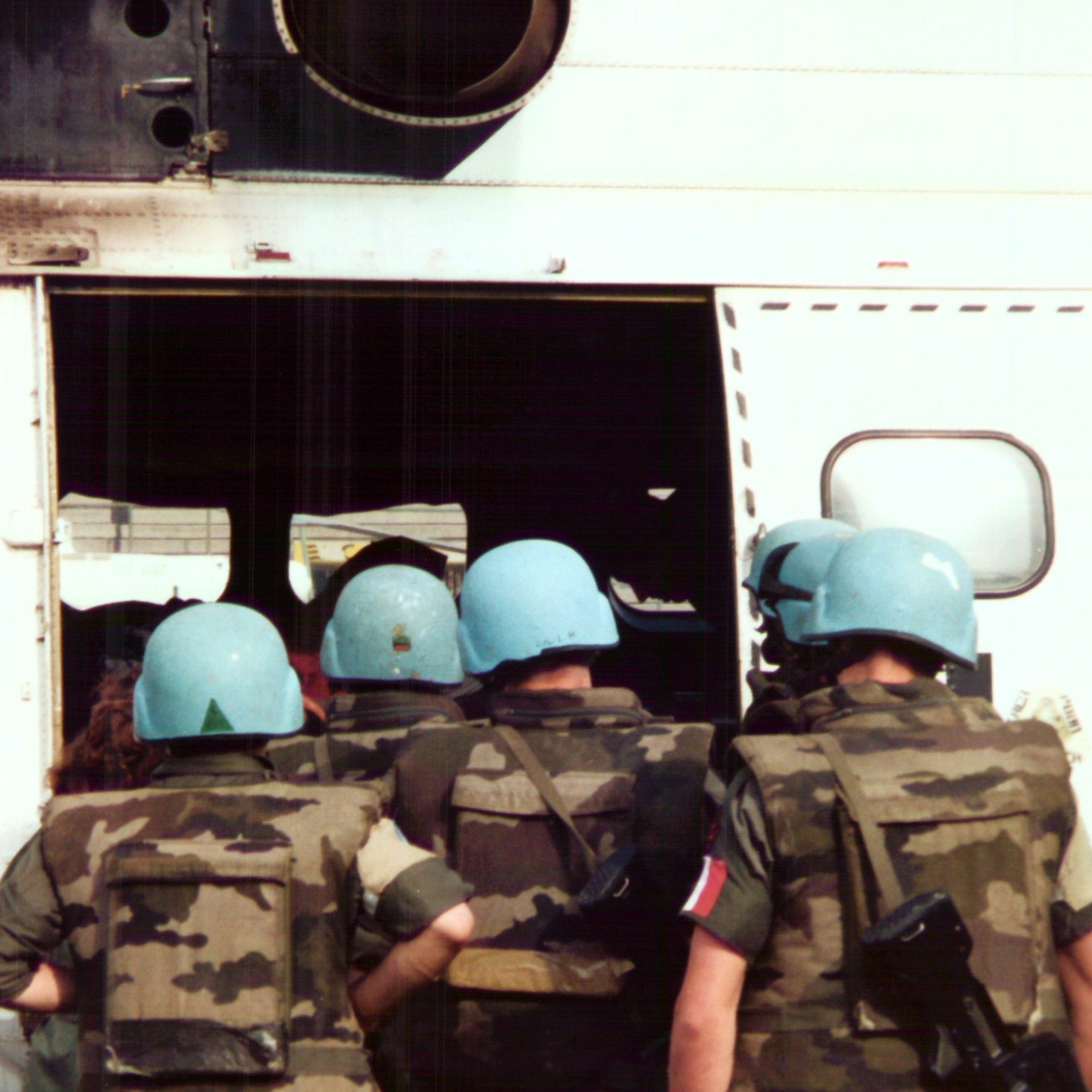
Speaking Out - Srebrenica - Episode 5: Mechanisms and expectations
Episode 5: Mechanisms and expectationsDuration: 48 minsJustice is slow to come and still many of the nations involved are not taking responsibility for their country’s actions in the enclave. After a year of targeting the Dutch, the focus moves to France. With accusations of covert meetings and secret deals to free French hostages, MSF France puts pressure on the French parliamentarians to investi
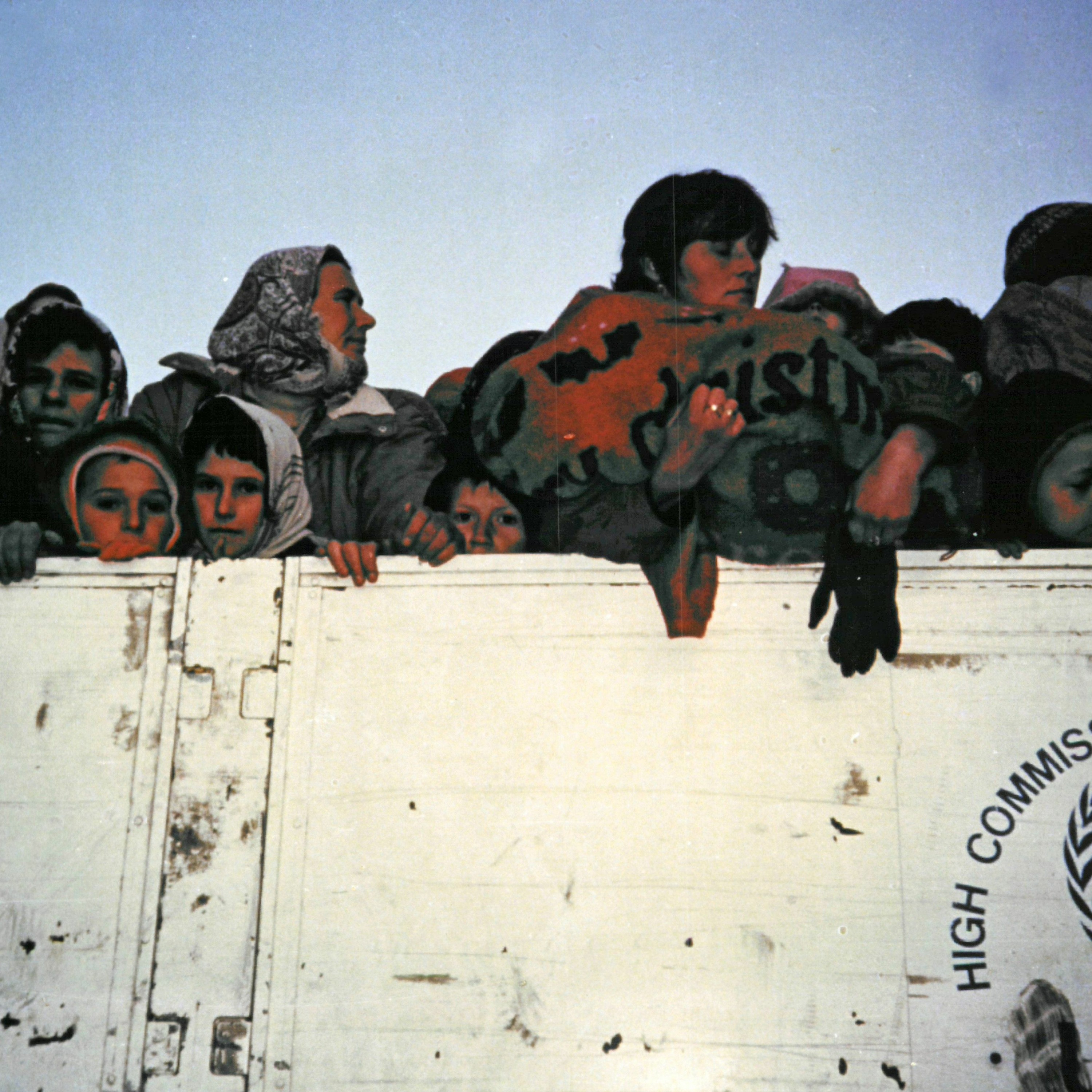
Speaking Out - Srebrenica - Episode 4: Peace agreement vs justice
Episode 4: Peace agreement vs justiceDuration: 37 minsFollowing the fall of Srebrenica in July 1995, 40,000 people are scattered around eastern Bosnia. Thousands are in a refugee camp around Tuzla airport, but thousands are also still missing, or dead including the 8,000 men and boys over the age of 16 massacred by Bosnian Serb forces.As July 1995 goes down in history as one of the deadliest month
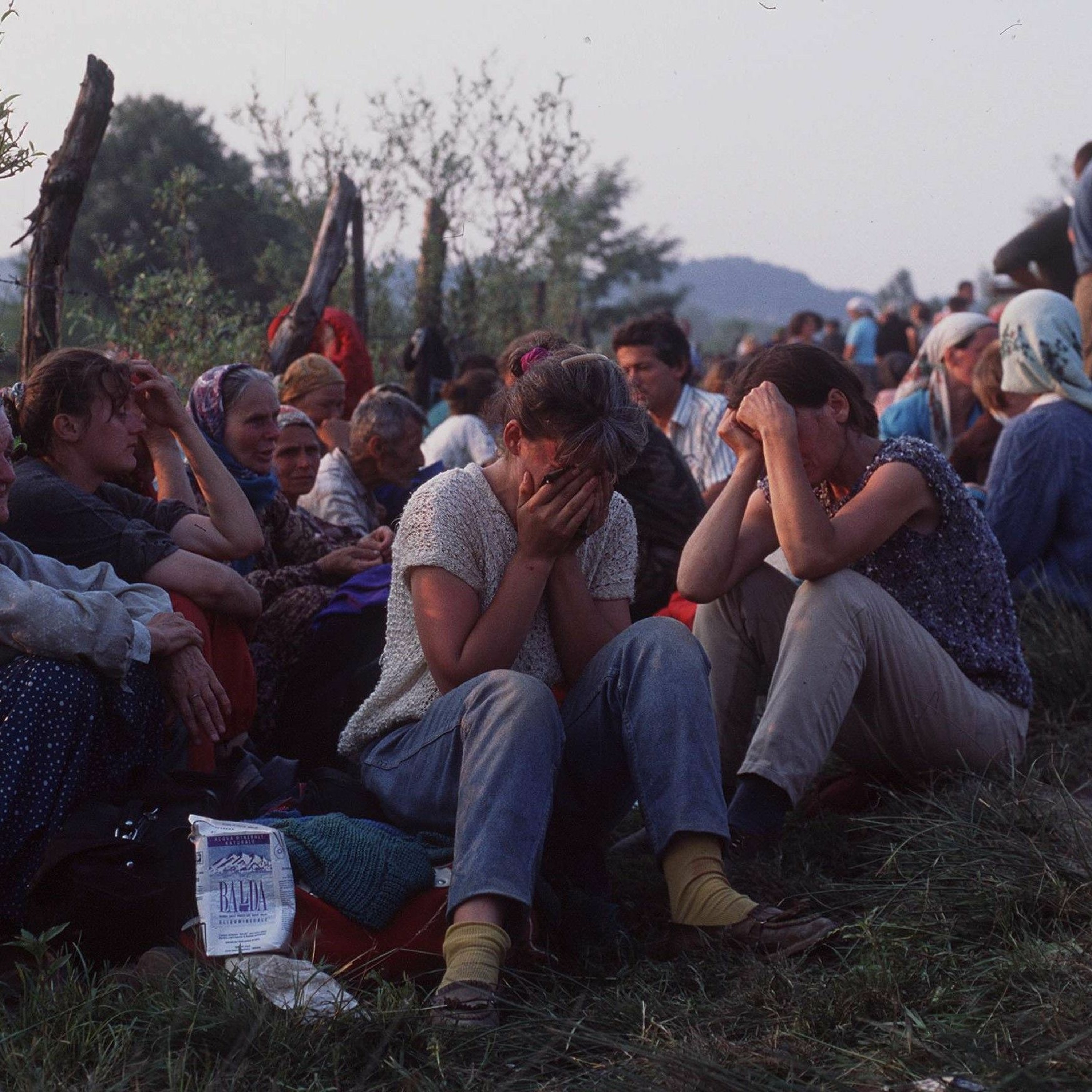
Speaking Out - Srebrenica - Episode 3: The fall of Srebrenica
Episode 3: The fall of Srebrenica Duration: 40 minsJuly 1995 - the fall of Srebrenica is one of the toughest chapters of the Bosnian war. It only took 10 days for the Muslim enclave of Srebrenica to fall. The two MSF staff stationed there at the time witnessed the Bosnian Serb force’s attack. Around 8,000 men and boys over the age of 16 were massacred by Bosnian Serb forces in the enclave. But how
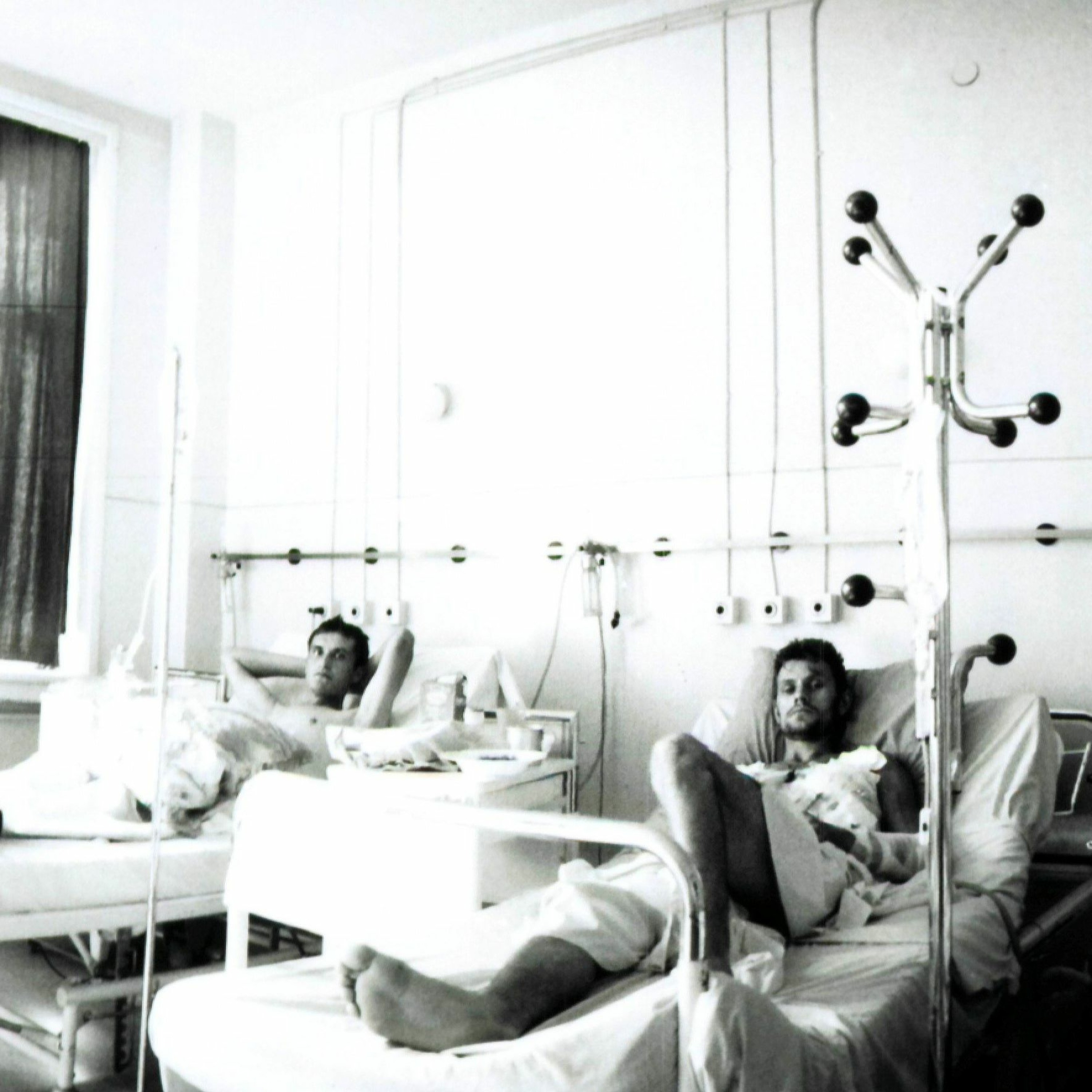
Speaking Out - Srebrenica - Episode 2: Prison doctors
Episode 2: Prison doctorsDuration: 37 minsMSF has been working in the enclave for over 2 years now and has repeatedly informed the media about the difficulties it’s been having trying to get supplies, medicine, and even volunteers inside facing the haggling by the Bosnian Serbs. MSF is still the only source of medical care in the enclave, but its job is being made harder and harder as the violence
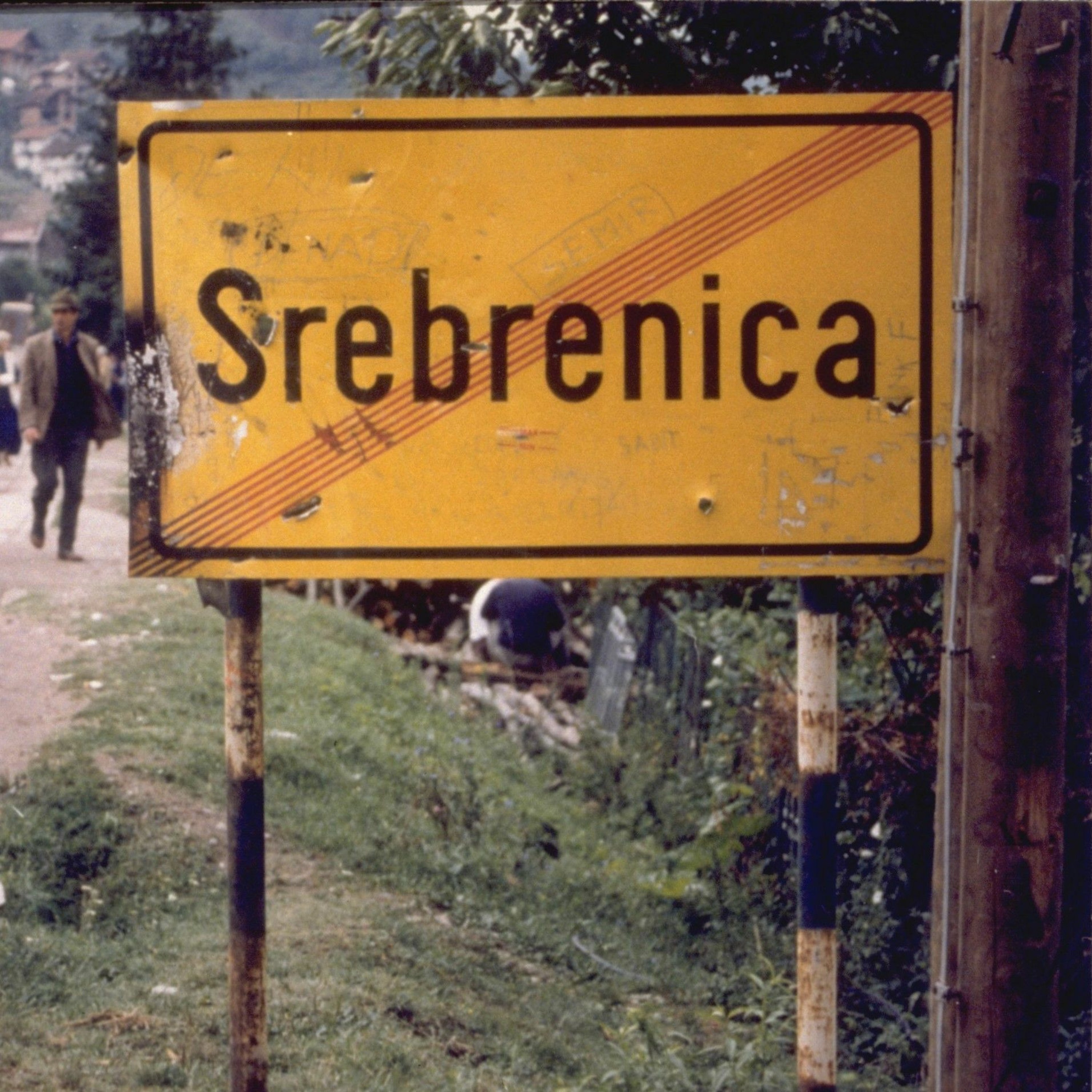
Speaking Out - Srebrenica - Episode 1: Entering the enclave
Episode 1: Entering the enclaveDuration: 27 minsThe Muslim population trapped inside Srebrenica is living under constant shelling since the start of the war in Bosnia in 1992. Even after the UN declared the city a ‘safe area’ in March 1993, not much had changed.The joint French/Belgian MSF unit entered Srebrenica with UNPROFOR leader General Morillon in March 1993. They were the first NGO allowed
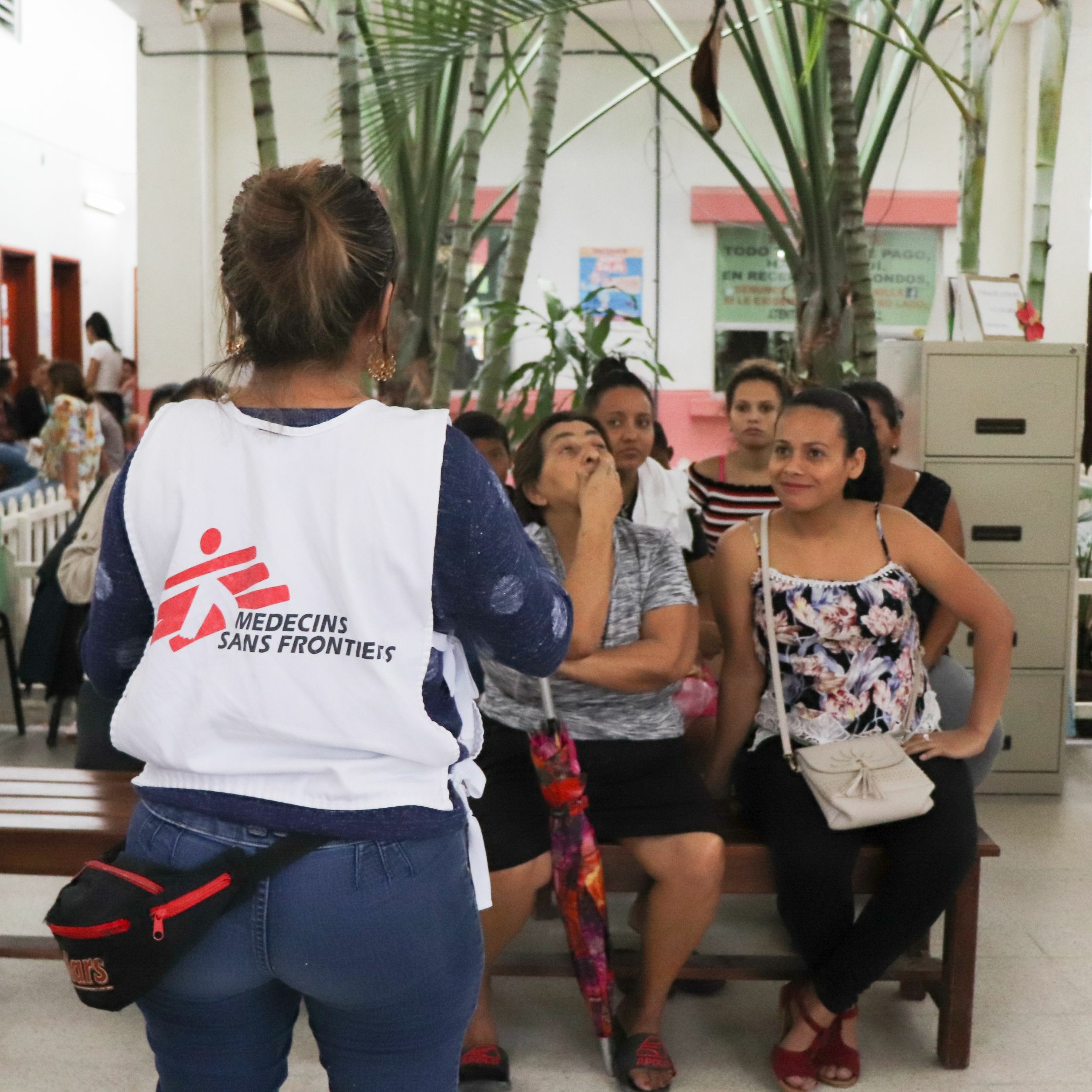
COVID-19: Sexual and Reproductive Health in the Midst of a Pandemic
Our producer Jess Brown looks into the potentially catastrophic secondary impacts of COVID-19 on the lives and health of women and girls.Sexual and reproductive health services are difficult to access in normal times and the secondary impacts of COVID-19 have made them even more elusiveThis episode includes voices from our projects in Honduras and South Africa, discussing the impacts of losing acc
Inside Yemen - Episode 5: Epilogue
Is Yemen’s a hopeless war? And what should be done when we can “only” care for people we know nothing about? In this last episode of “Inside Yemen”, Natalie takes you back to the north of the country, into the caves that serve as shelters for families when the bombs rain down. Hosted on Acast. See acast.com/privacy for more information.
Inside Yemen - Episode 4: Everyday violence
A grenade ready to explode, armed militia in a pick-up, Kalashnikovs everywhere. Ghassan and Thierry tell you about the everyday violence in Aden, the southern port where all semblance of normality has been lost. Hosted on Acast. See acast.com/privacy for more information.
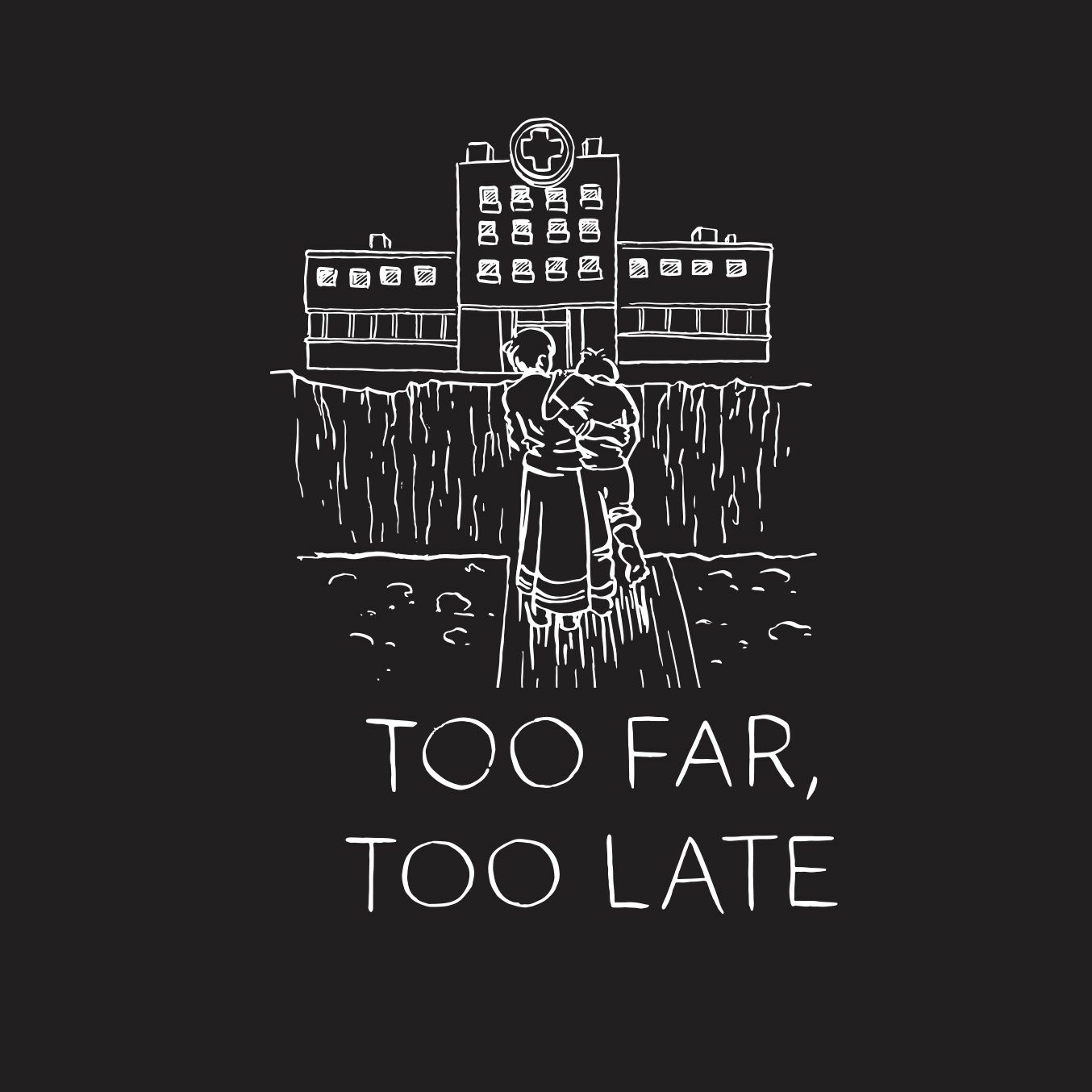
Inside Yemen - Episode 3: Too far, too late
It is Ghassan’s turn to take you deep into Yemen to discover the cholera epidemic that broke out across the country in 2016 and 2017, amidst controversy and media manipulation. Hosted on Acast. See acast.com/privacy for more information.
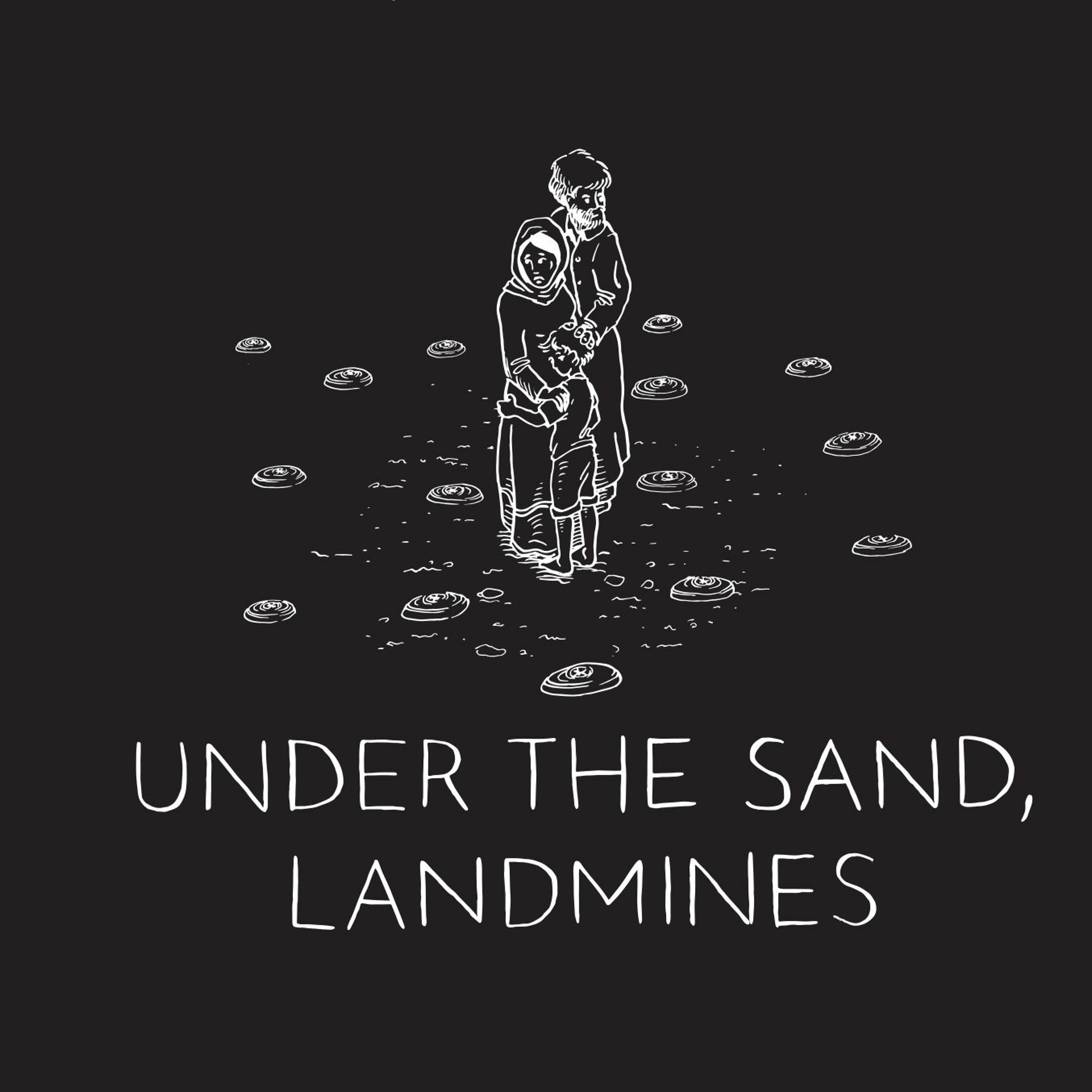
Inside Yemen - Episode 2: Under the sand, landmines
Bernard knows Yemen well, especially his operating theatre. Let’s go to the emergency department of an MSF hospital trapped between the frontlines south of Hodeidah and surrounded by mine fields. Hosted on Acast. See acast.com/privacy for more information.
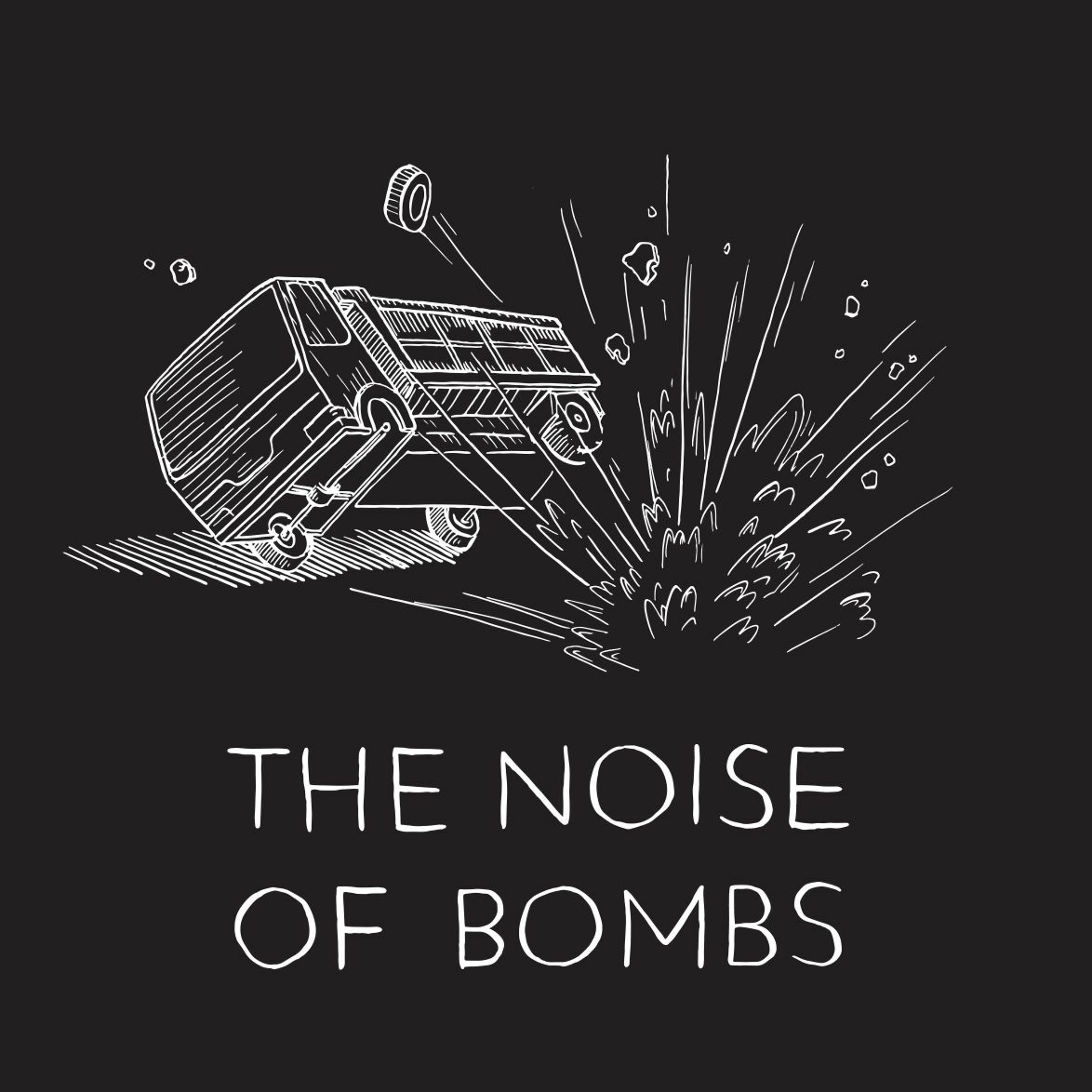
Inside Yemen - Episode 1: The noise of bombs
In episode 1 of “Inside Yemen”, you are plunged straight into the heart of Sanaa, Yemen’s capital. Natalie tells you about her journey to Saada in the mountains in the north of the country. This is Houthi territory - the target of thousands of airstrikes over the last five years. Not far away, Thierry and his expedition are heading for the besieged town of Taiz, through the mountains and at night…
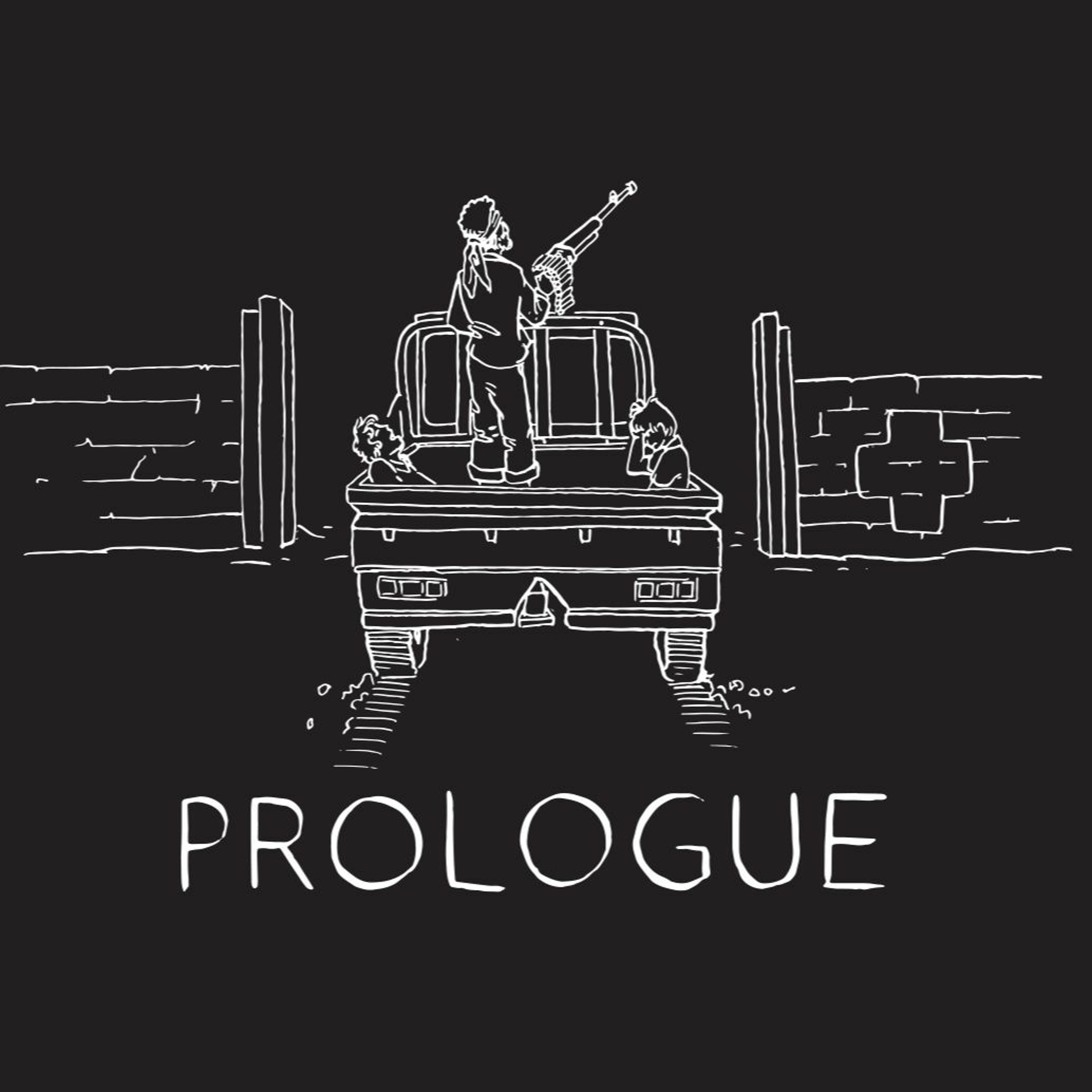
Inside Yemen: Prologue
In this episode of “Inside Yemen”, Agnes and Natalie take you to Mocha on the banks of the Red Sea – a strategic crossroads just two hours from the front line where landmines are wreaking havoc among the civilian population.A tent hospital, the sound of artillery fire and an all-pervading wind: welcome to Yemen. Hosted on Acast. See acast.com/privacy for more information.
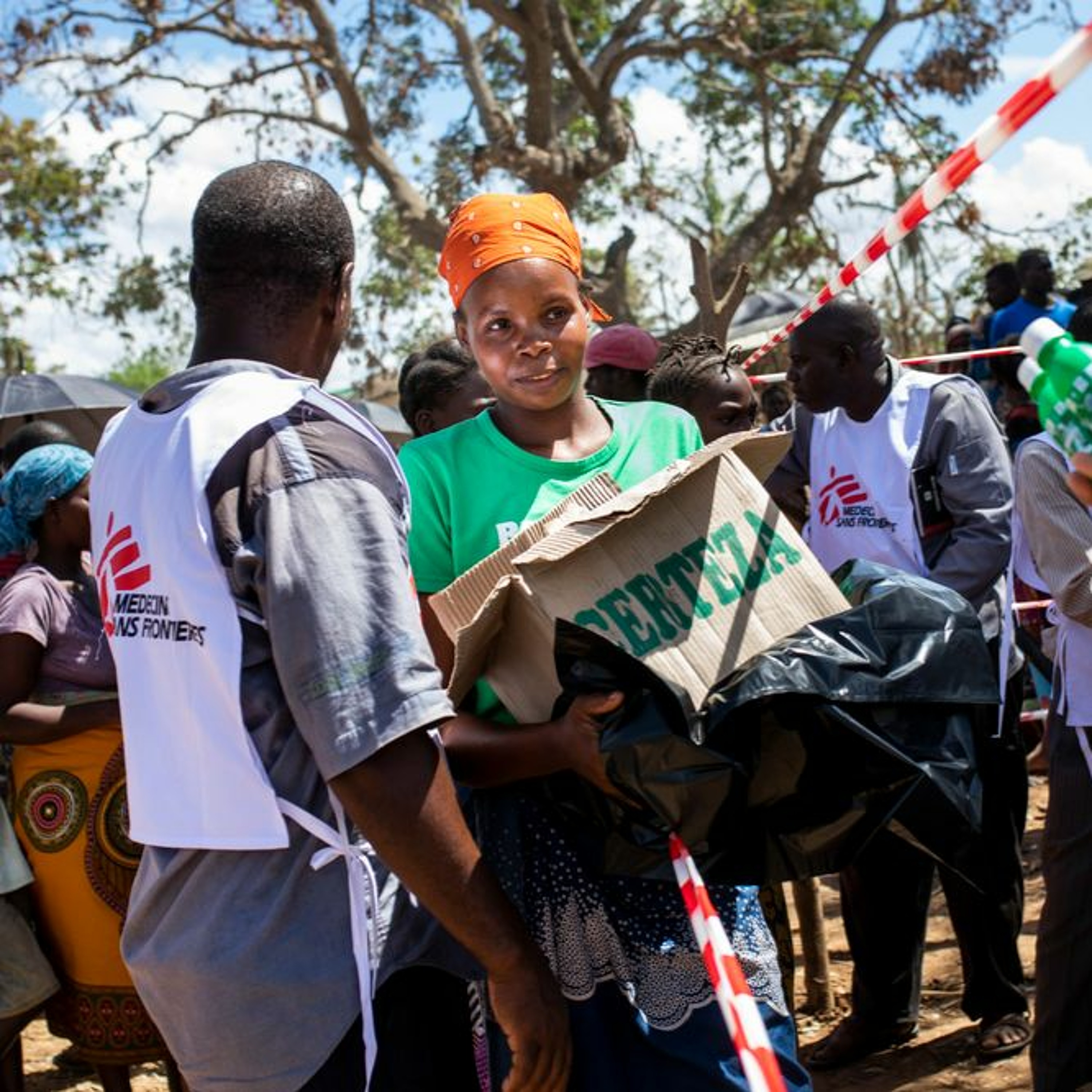
Environmental Emergencies: Climate Crises and Humanitarian Response
In this episode of Everyday Emergency, Nick Owen hears from MSF staff who have been working with some of the populations most vulnerable to changing weather patterns and environmental degredation.Our guests detail the steps MSF is taking to better prepare for future climate crises. We'll also be looking at the ways in which these increasingly significant climate shifts can have a knock-on effect i
2010 - 2019: Reflections
In this episode of Everyday Emergency, host Nick Owen takes you through some of the most pivotal MSF moments from the past decade, with firsthand accounts from our staff on the ground.You'll hear about our response to the sheer devastation of the Haiti earthquake, the Ebola outbreak gripping West Africa and how in recent months we've restarted our search and rescue operations in the central Medite
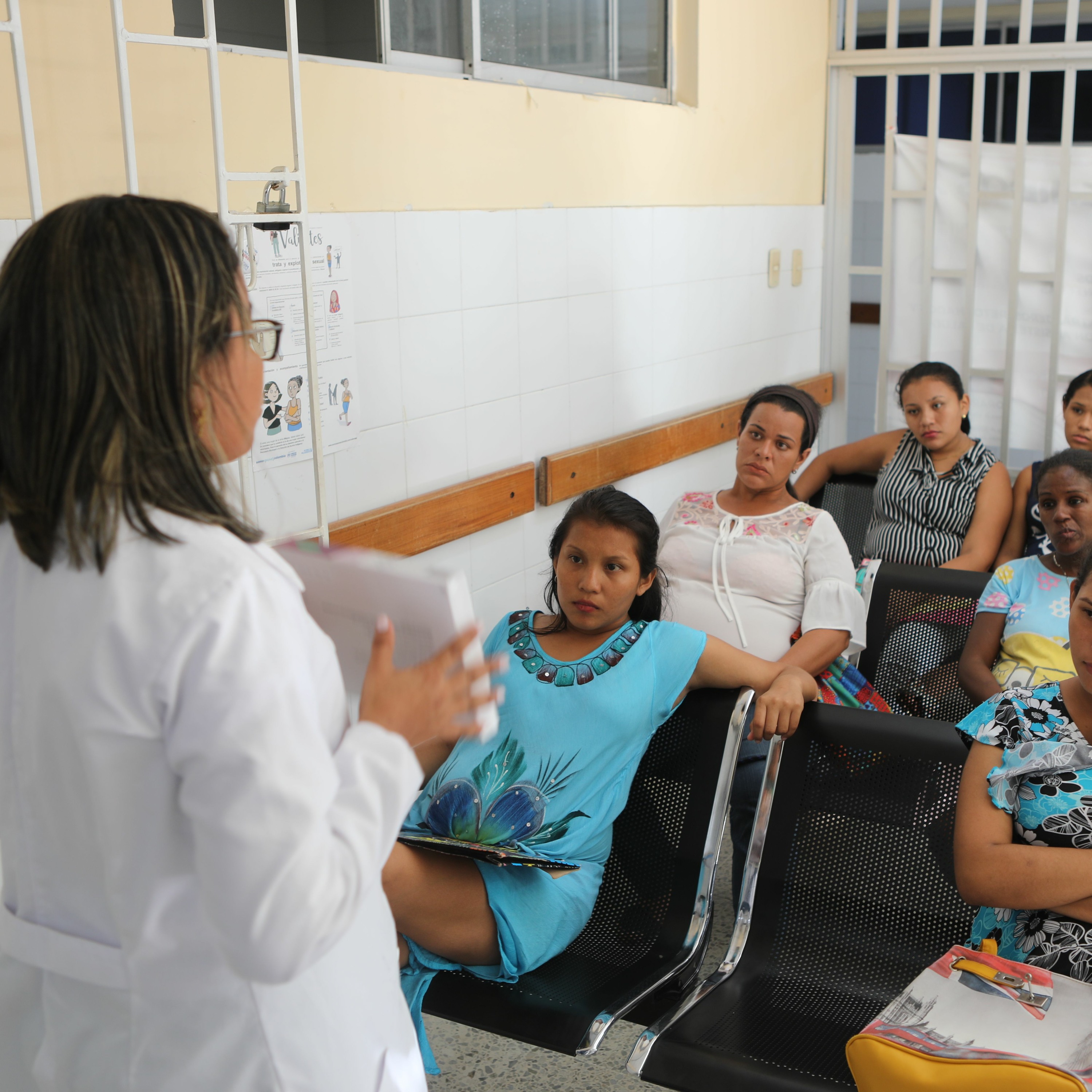
Colombia: Venezuelan Women's Struggle for Healthcare
In this episode of Everyday Emergency we hear about the lived experience of Venezuelan women bearing the brunt of their country's healthcare crisis and the difficulties they continue to face in Colombia.An estimated four million Venezuelans have left their country since the collapse of its political and economic systems, and at least 1.4 million have come to neighbouring Colombia. They are coming
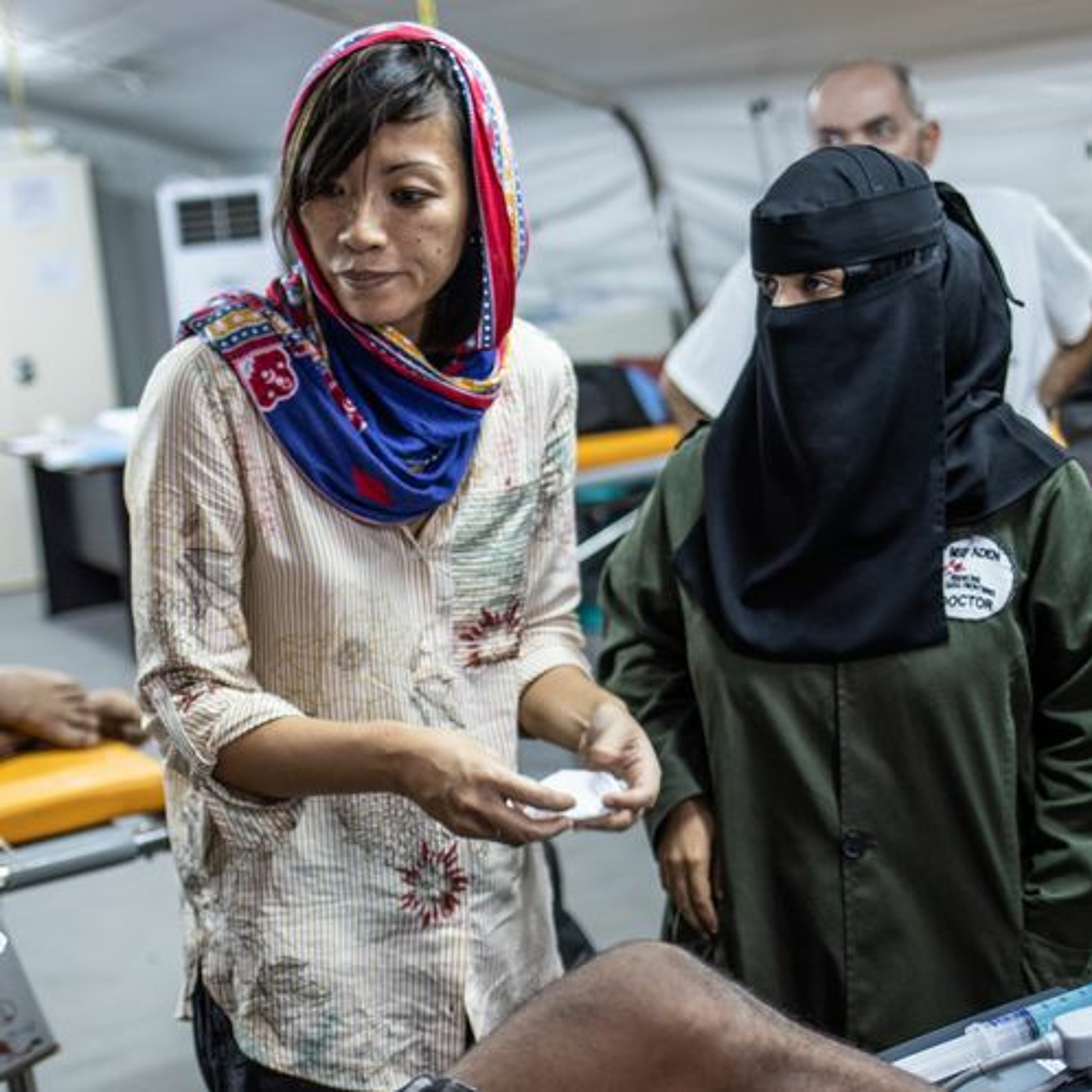
Yemen: "A Devastating, Unjust Violence"
Yemen is in the grip of war. It is also one of the poorest countries in the world.British anaesthetist Dr Elma Wong has recently returned from her fourth assignment working in the country with MSF.In this episode of Everyday Emergency, we talk to Elma about her time in Mocha, a town on the west coast of Yemen. It sits around halfway between the port cities of Hodeidah to the north and Aden to the
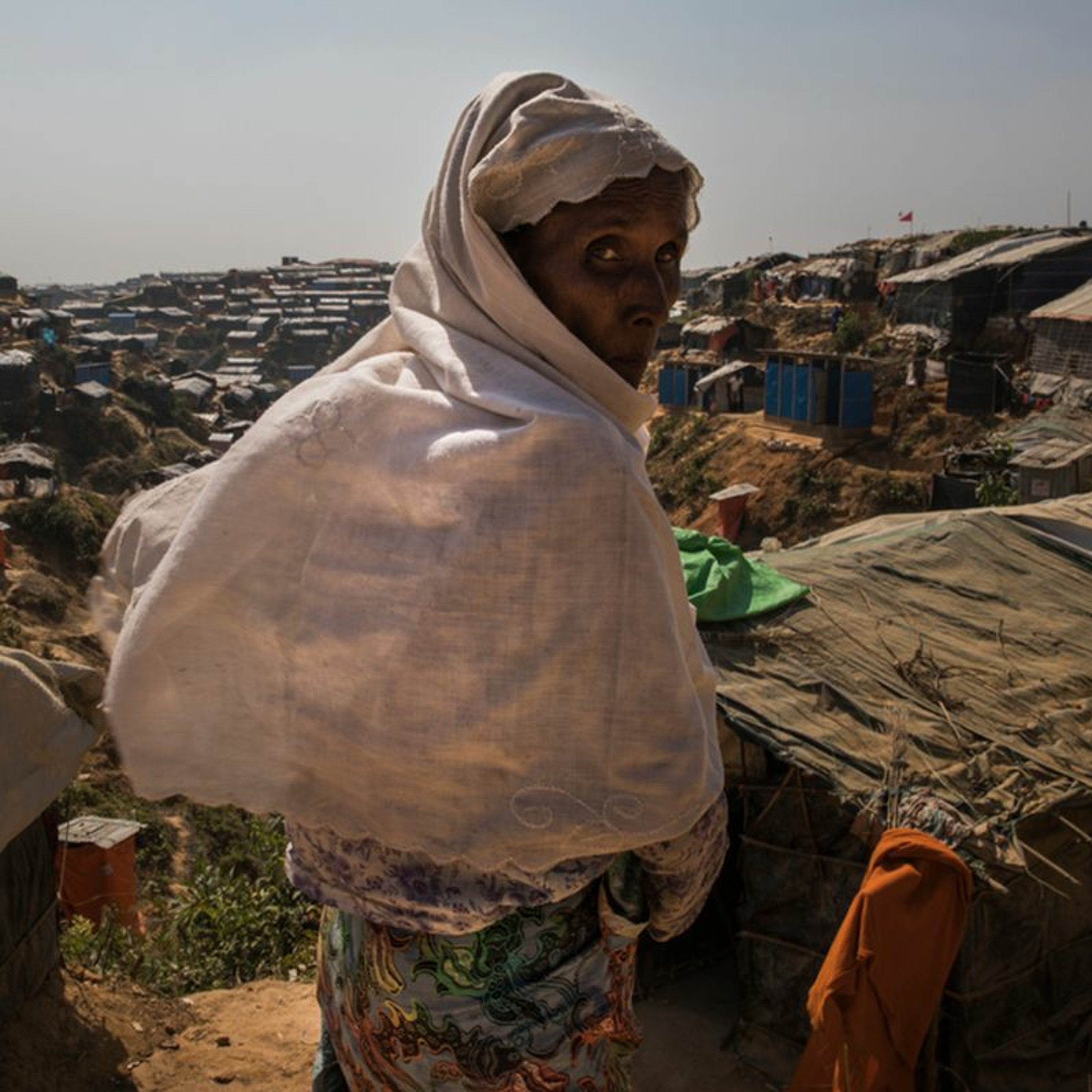
The Refugees Who Fled a Massacre
The Rohingya are a group of people who have lived for centuries in Myanmar. Due to their ethnicity, they are denied citizenship and are one of the most persecuted minorities in the world. Violence and oppression has forced hundreds of thousands of Rohingya to flee to countries neighbouring Myanmar, either by land or sea, over the course of many decades. But in August 2017, a brutal campaign of vio
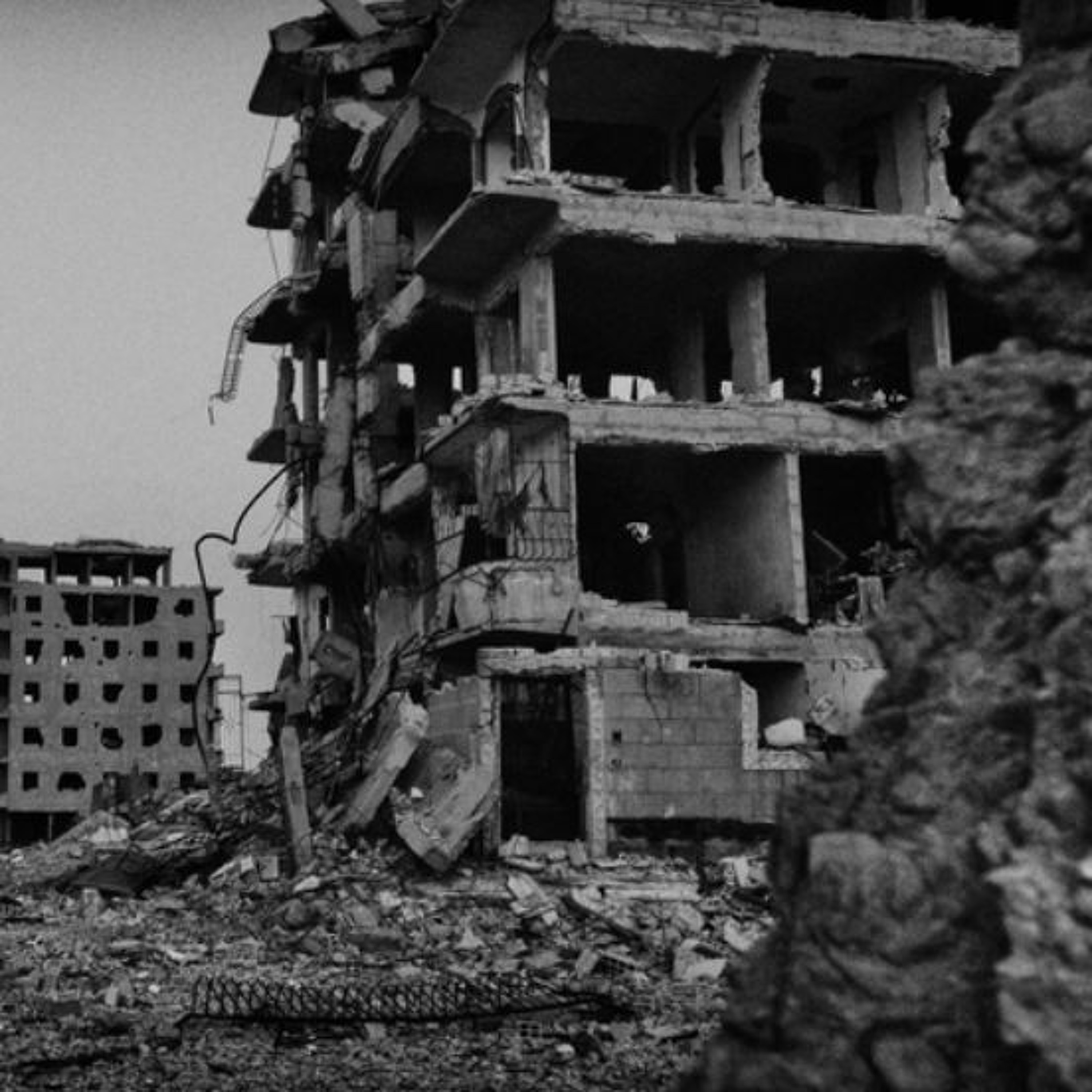
Patching Blast Injuries in the Ruins of Raqqa
In this episode of Everyday Emergency, we hear from three MSF medics who have been working in the Syrian city of Raqqa. A former stronghold of the so-called Islamic State, Raqqa is littered with improvised explosive devices and remnants of war that are causing dire consequences for people returning to the city.Doctors Javid Abdelmoneim and Pippa Pett, along with nurse Michael Shek, helped to estab
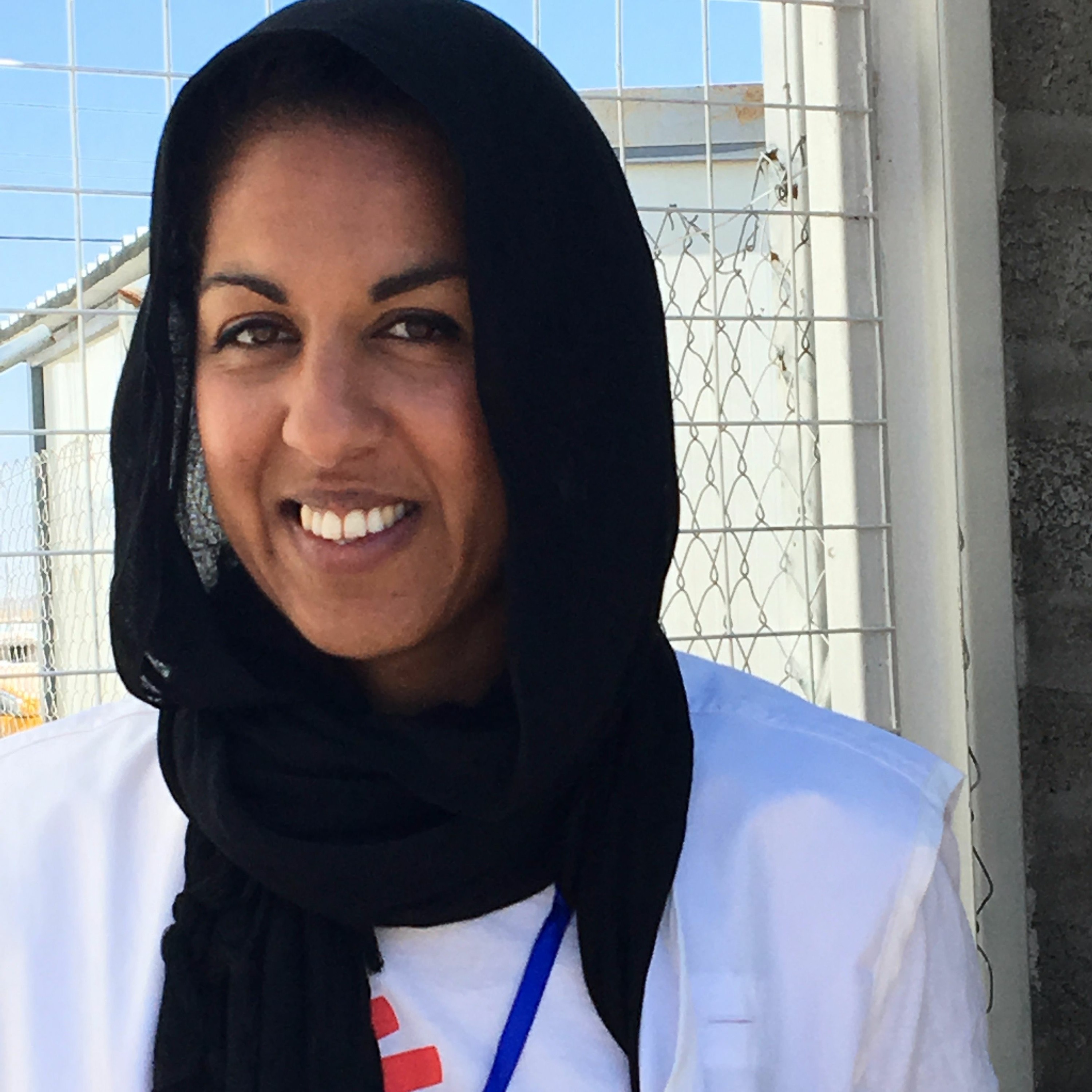
S2 E8: The Hidden Costs of War
Nina Rajani, a doctor from London, has just returned from Iraq. On this week's episode, Nina explains what it took to treat people caught between the vicious spiral of violent conflict and poor health."Everyday Emergency" is a podcast from MSF. In each episode, we bring you true stories from the frontline of humanitarian emergencies across the world. From the conflict in Syria to the refugee crisi
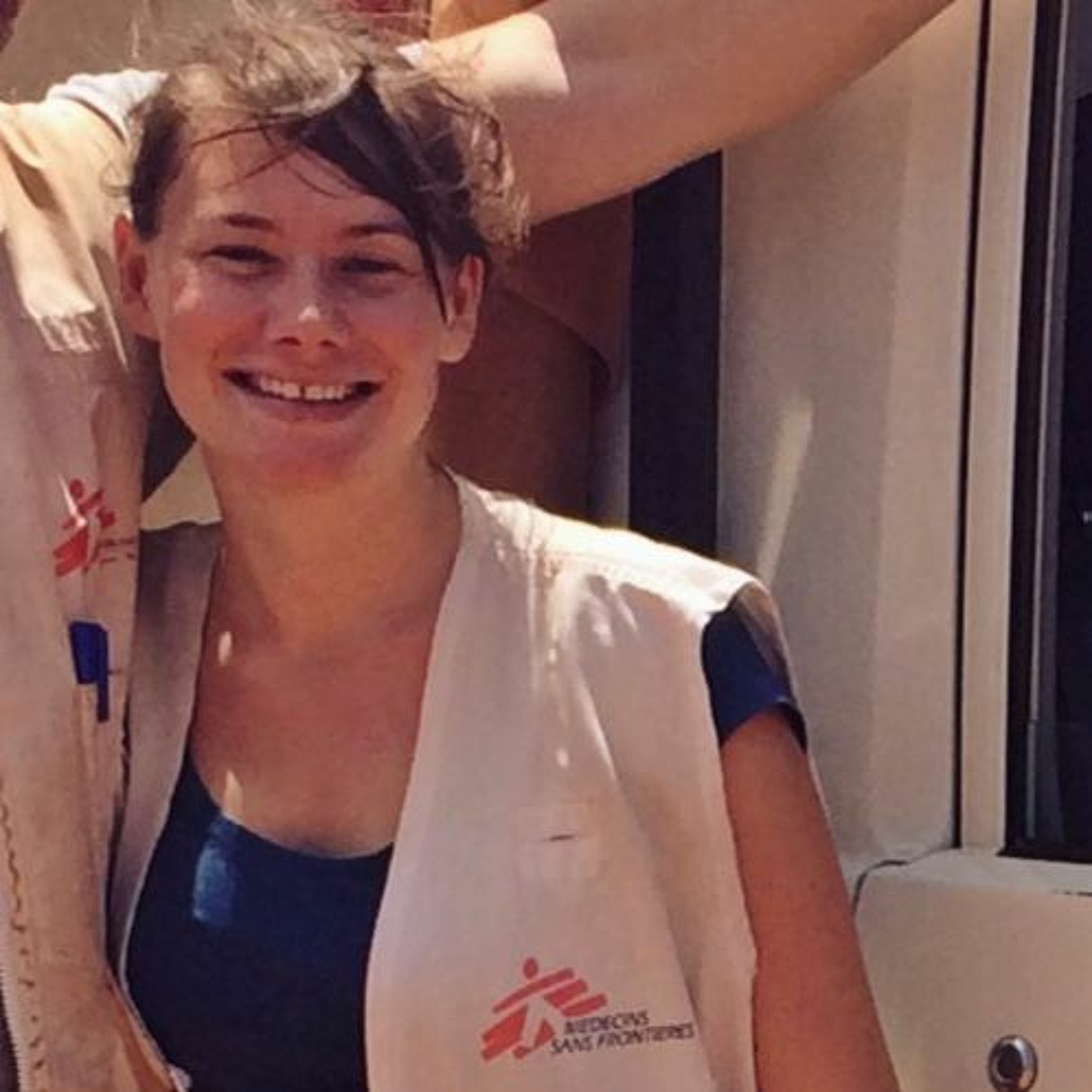
From Conflict Zones to Curtain Shops
In the latest episode of our Everyday Emergency podcast, we speak to Emily Gilbert. An MSF project coordinator from London, Emily has spent her entire career working in conflict zones.Whether she’s in the Middle East or Central Africa, Emily’s main roles are to make sure her team is safe and that the project she’s managing runs as smoothly as possible. With a typical MSF project having 4-12 intern
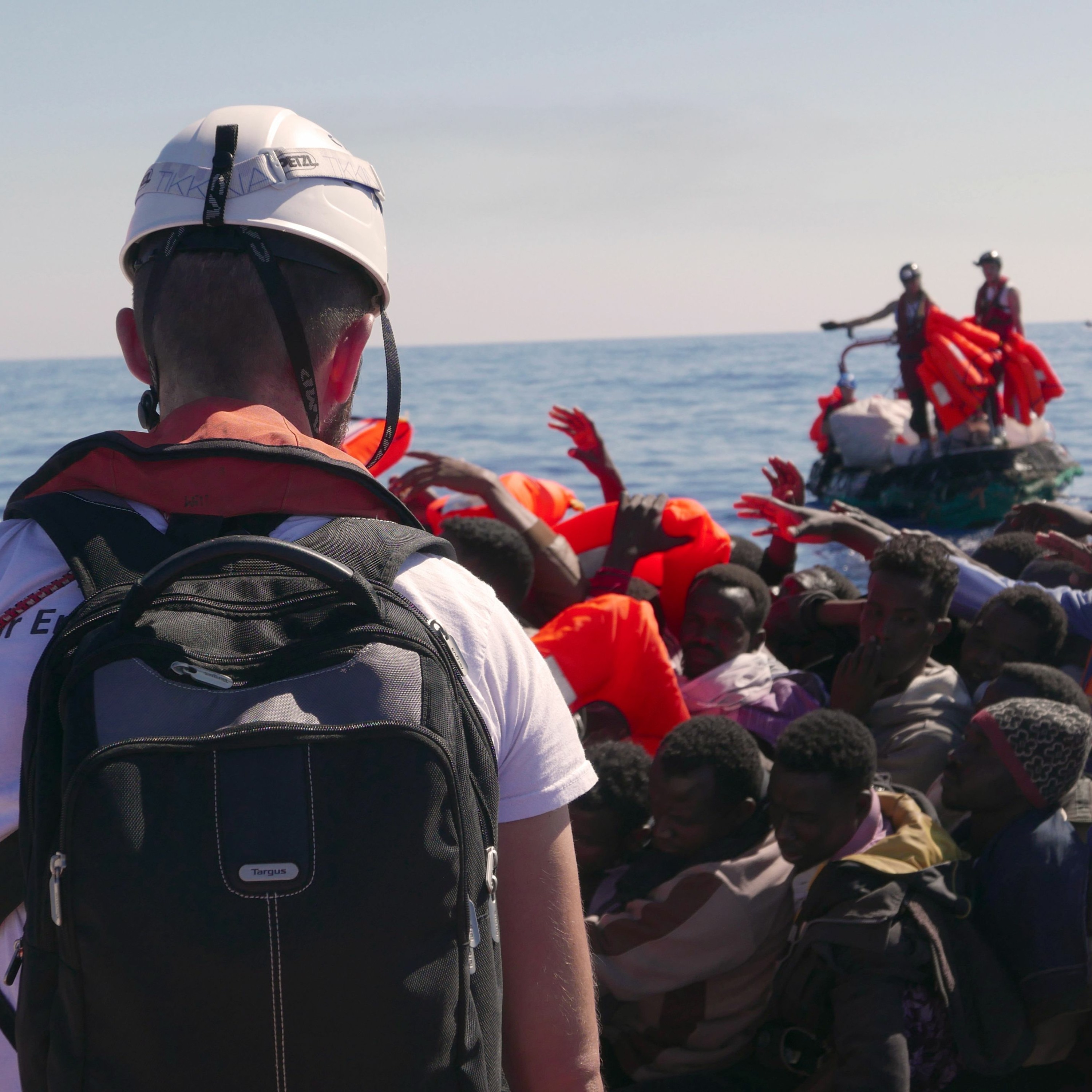
How We Rescued 560 People on the Mediterranean
"You’ve got to be in a really, really awful situation to think ‘yes, I’m going to put my nine-month old child onto this rubber boat, because that’s the best option to me at the moment’."Last month, our host spent time on Aquarius, a search and rescue ship MSF operates alongside SOS Méditerranée.During his time on the ship as a communications officer, Nick captured the sounds of life on board - inc
A Return to the Disaster in Idomeni
Our regular host, Nick Owen, is somewhere in the middle of the Mediterranean sea this week. He's on board the Aquarius doing search and rescue with Dr Connor Kenny. The pair are going to be capturing a live rescue for the next episode.In the meantime, we're going to take a look back at an episode featuring Connor from Series 1. He's being interviewed about his time in Greece caring for refugees an
I Searched 70 Refugee Camps to Find My Mother
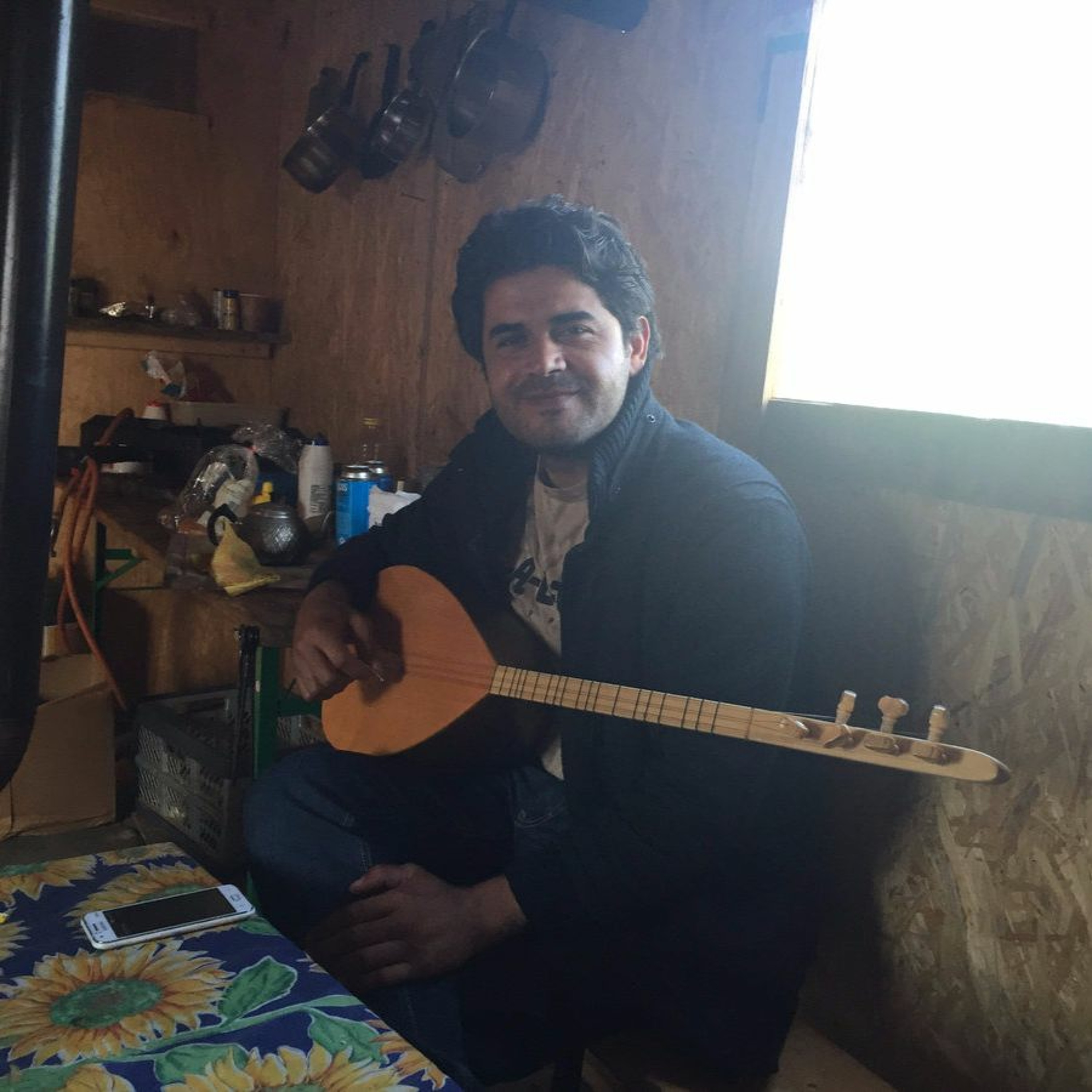
On this week's episode of our Everyday Emergency podcast, we meet Besh, a Kurdish asylum seeker living in London, UK. Besh and his family lived peacefully in a village just outside Mosul, raising livestock on their farm. In June 2014, everything changed. ISIS captured Mosul. The Iraqi army withdrew. And the militant group were headed straight for their village.Fleeing for their lives, Besh, his mo
"The Letter That Changed Me"
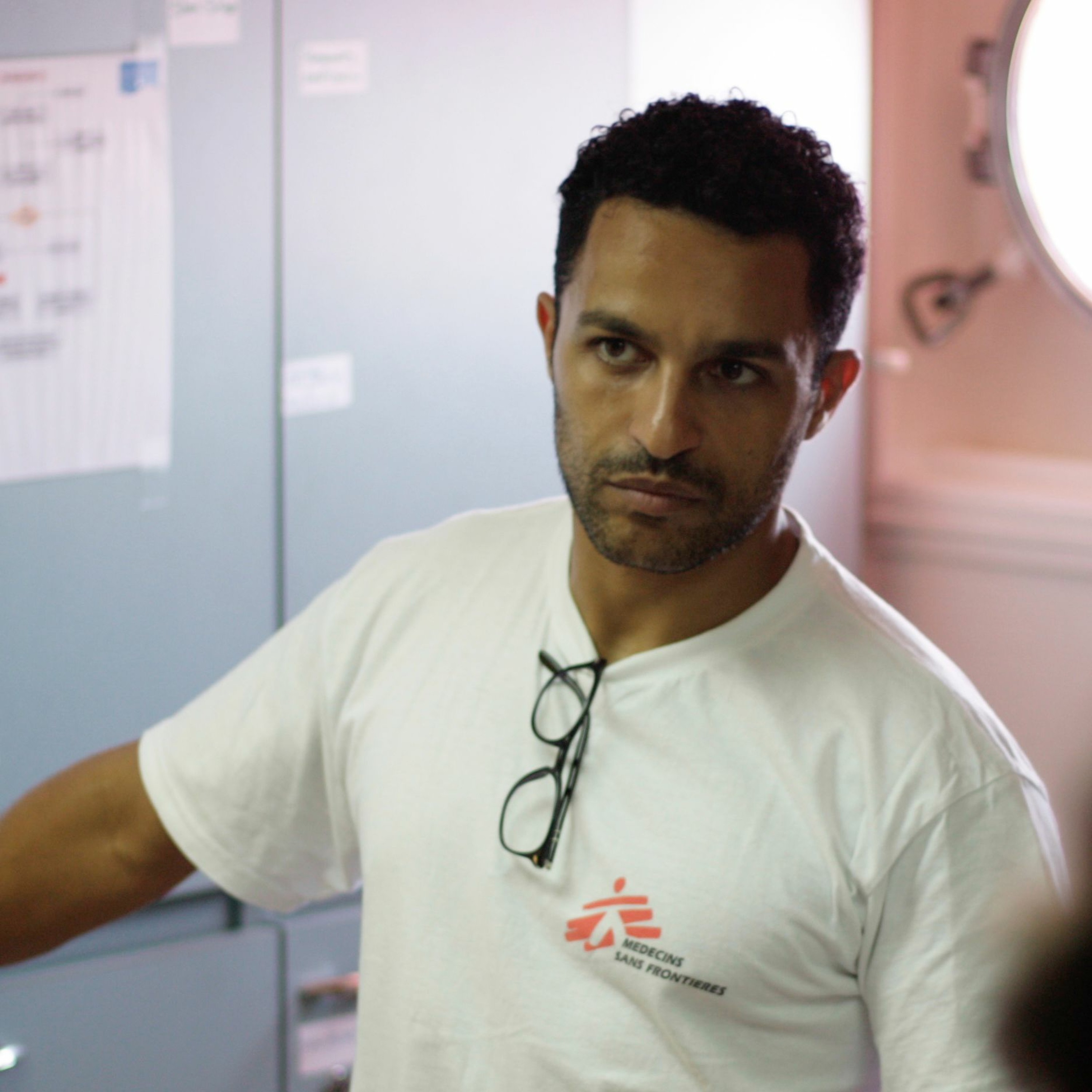
"I wasn't prepared. It left a scar. It was the first time I was exposed to so much avoidable death."On this week's episode of our Everyday Emergency podcast, we meet Javid Abdelmoneim, an emergency doctor living in London, UK.Five months into his second assignment with MSF responding to the 2010 earthquake in Haiti, the job was taking it’s toll on Javid.But just before things would get worse, a pa
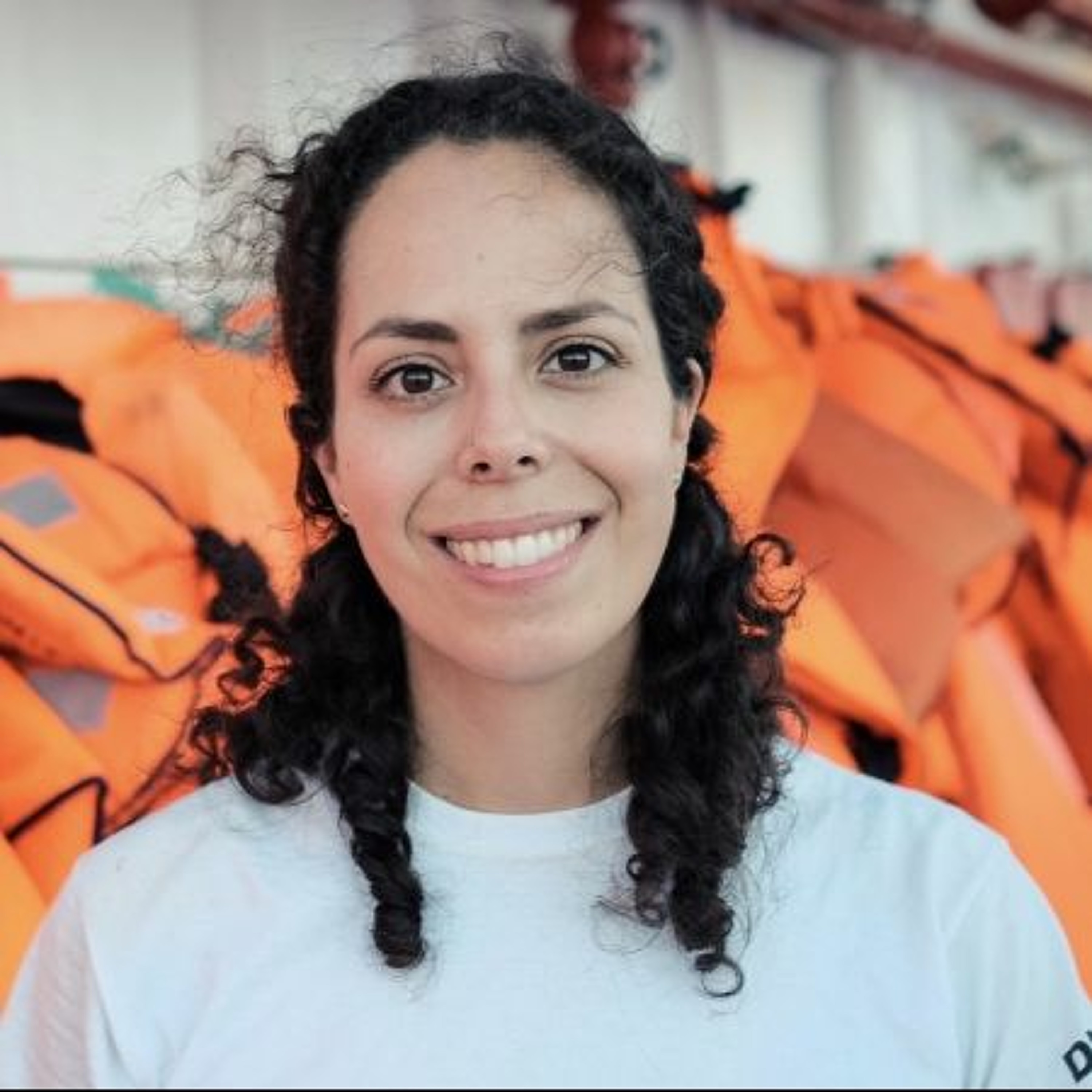
"Good luck, my sister"
* Please be advised that this episode deals with sensitive issues relating to sexual violence and may be unsuitable for some listeners.In our latest episode of Everday Emergency, we meet Courtney Bercan - an MSF nurse who worked on one of our search and rescue ships in the Mediterranean.In this episode we hear a story written by Courtney while on board, about a patient whose story still haunts her
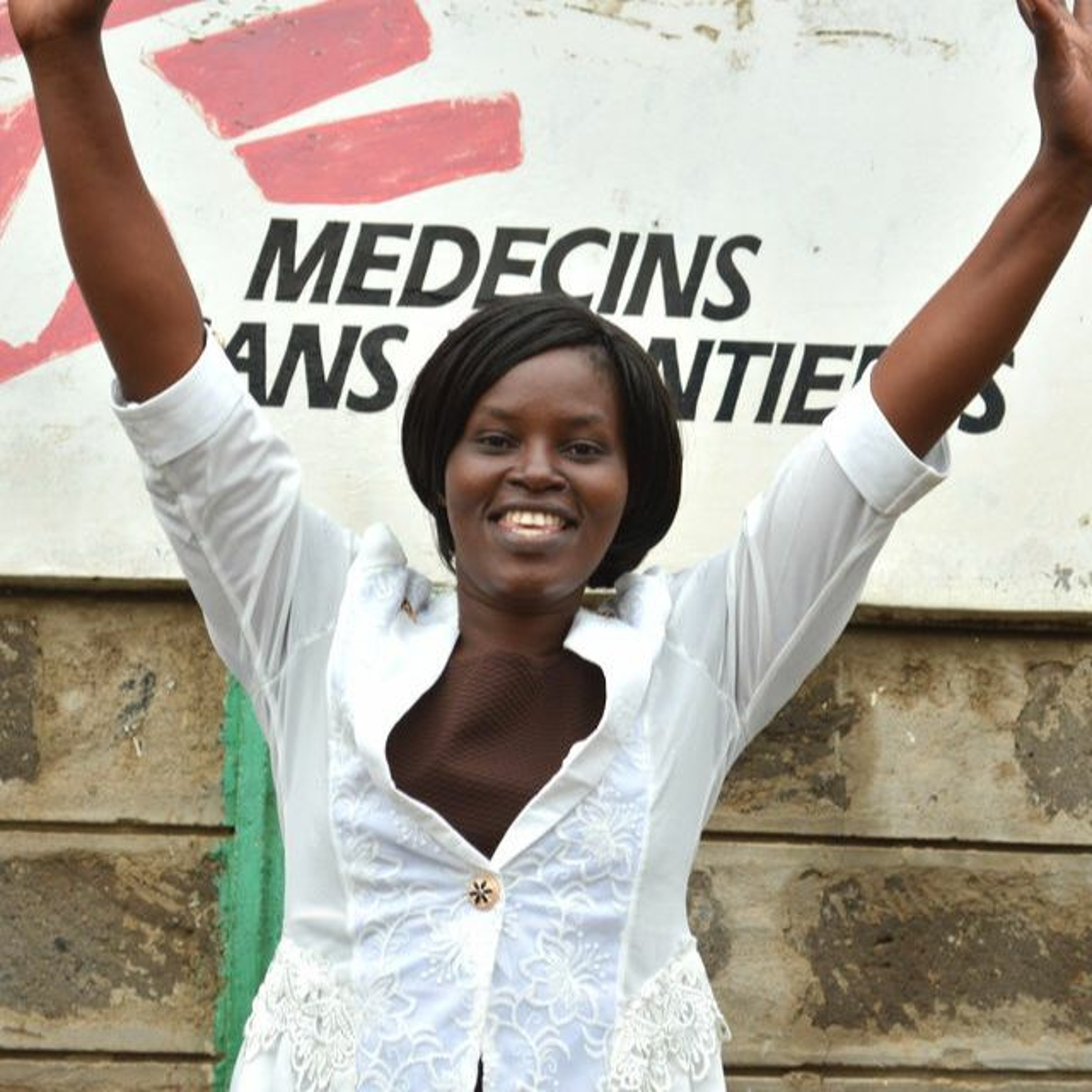
"My Fight Isn't Over" | World TB Day 2017
Elizabeth Wangeci's story is a remarkable one. Against the odds, Elizabeth, from Nairobi, was the first person to survive one of the deadliest forms of drug-resistant tuberculosis in Kenya. In the first episode of the second series of Everyday Emergency, on World TB Day 2017 we speak to Elizabeth nearly one year after being cured. We also hear from Mark Sherlock, an MSF TB doctor who works not far
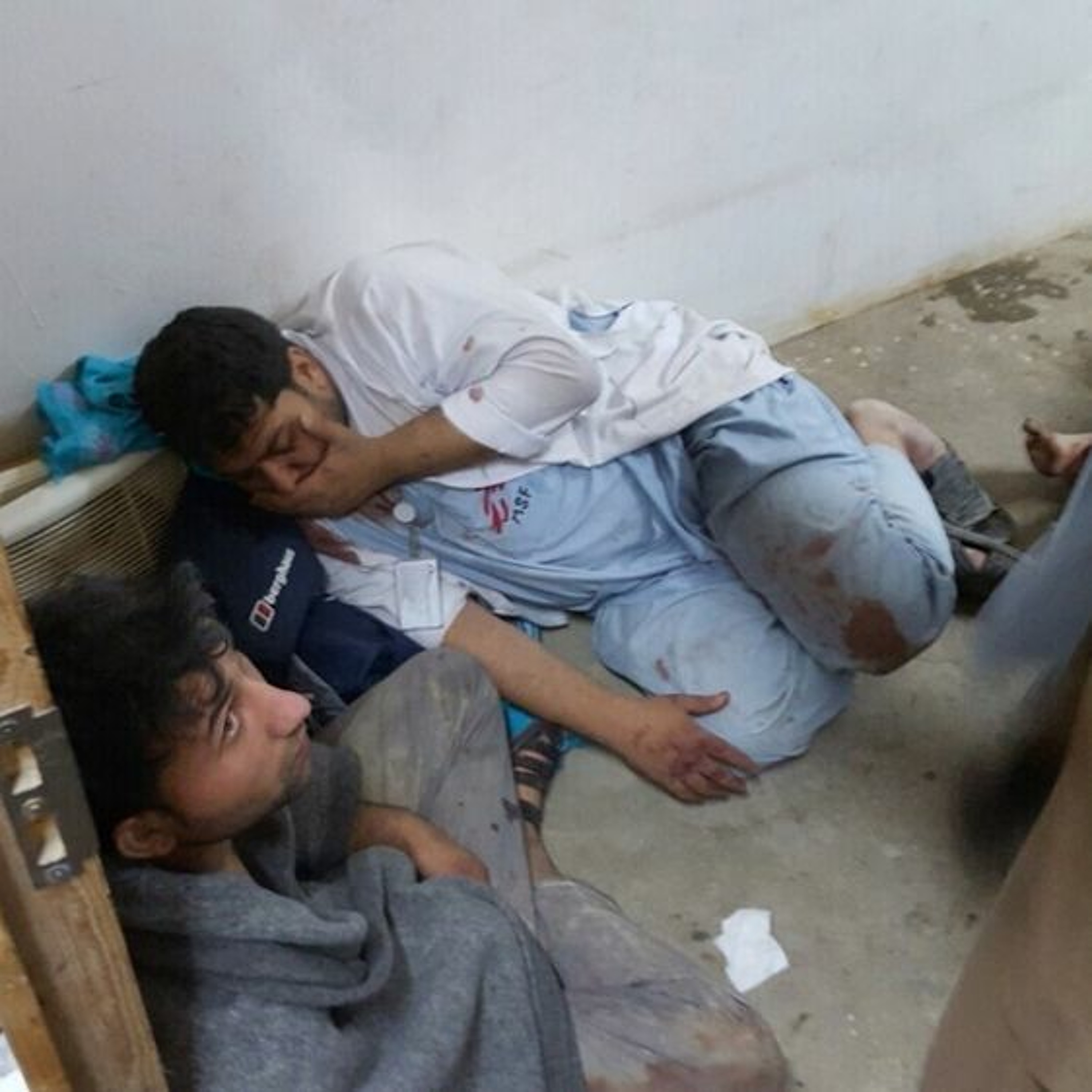
Special episode: The Kunduz Hospital Attack: A Doctor's Story
The 3rd of October will be remembered as one of the darkest days in MSF's history. On this day in 2015, US airstrikes killed 42 people and destroyed the MSF trauma hospital in Kunduz, Afghanistan.In this special episode of Everyday Emergency, we look back on the attack one year on with Dr Kass Thomas – an intensive care specialist from Australia – who was in the hospital on the night of the attack
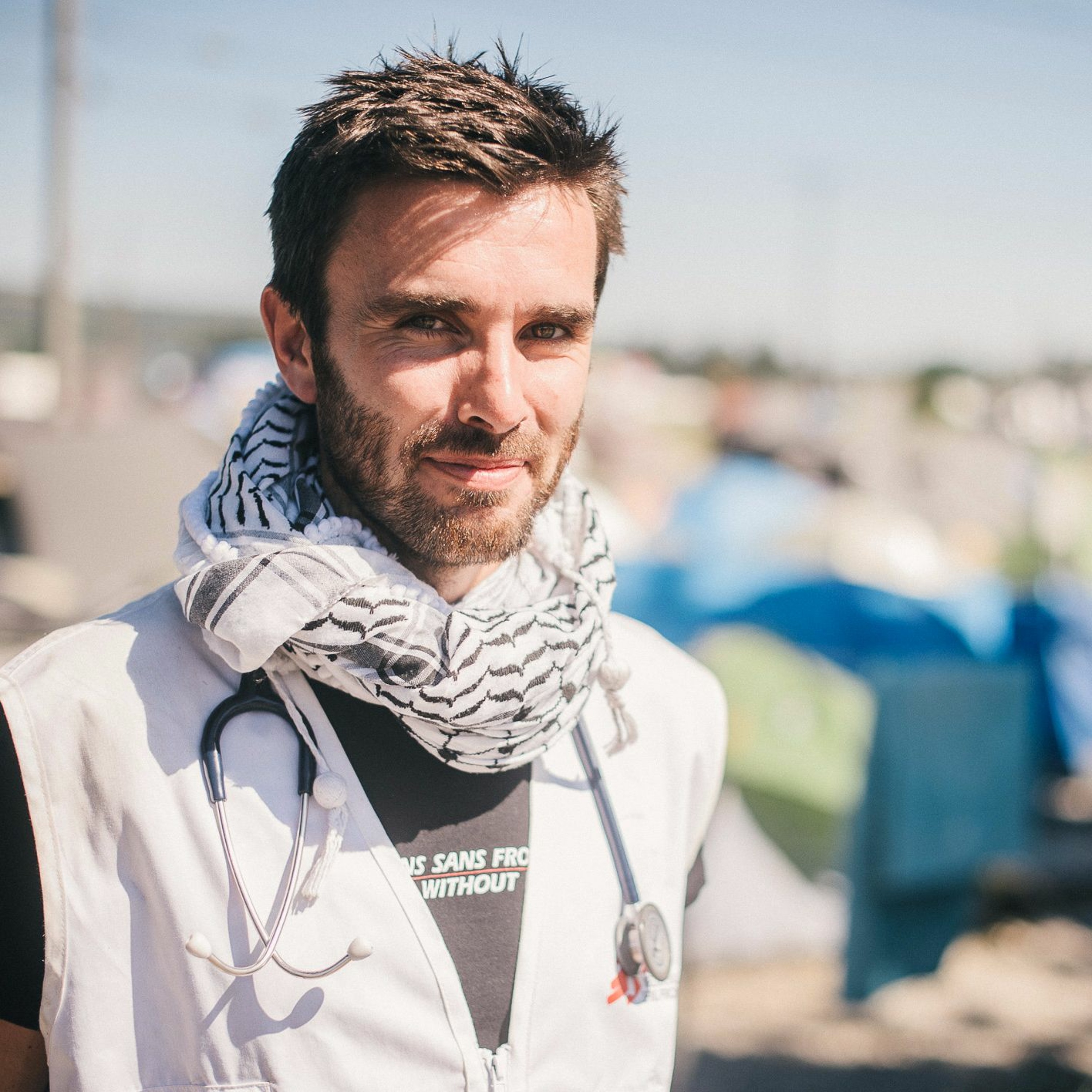
The Disaster in Idomeni
In our tenth and final edition of this series, we follow on from where our Mediterranean search and rescue episode left off. We speak to Conor Kenny, a doctor who has been caring for refugees in Greece.Conor also talks about the eviction he witnessed of thousands of refugees from a camp in the village of Idomeni. We'll be back with a fresh new series in early 2017 (and a few special editions in be
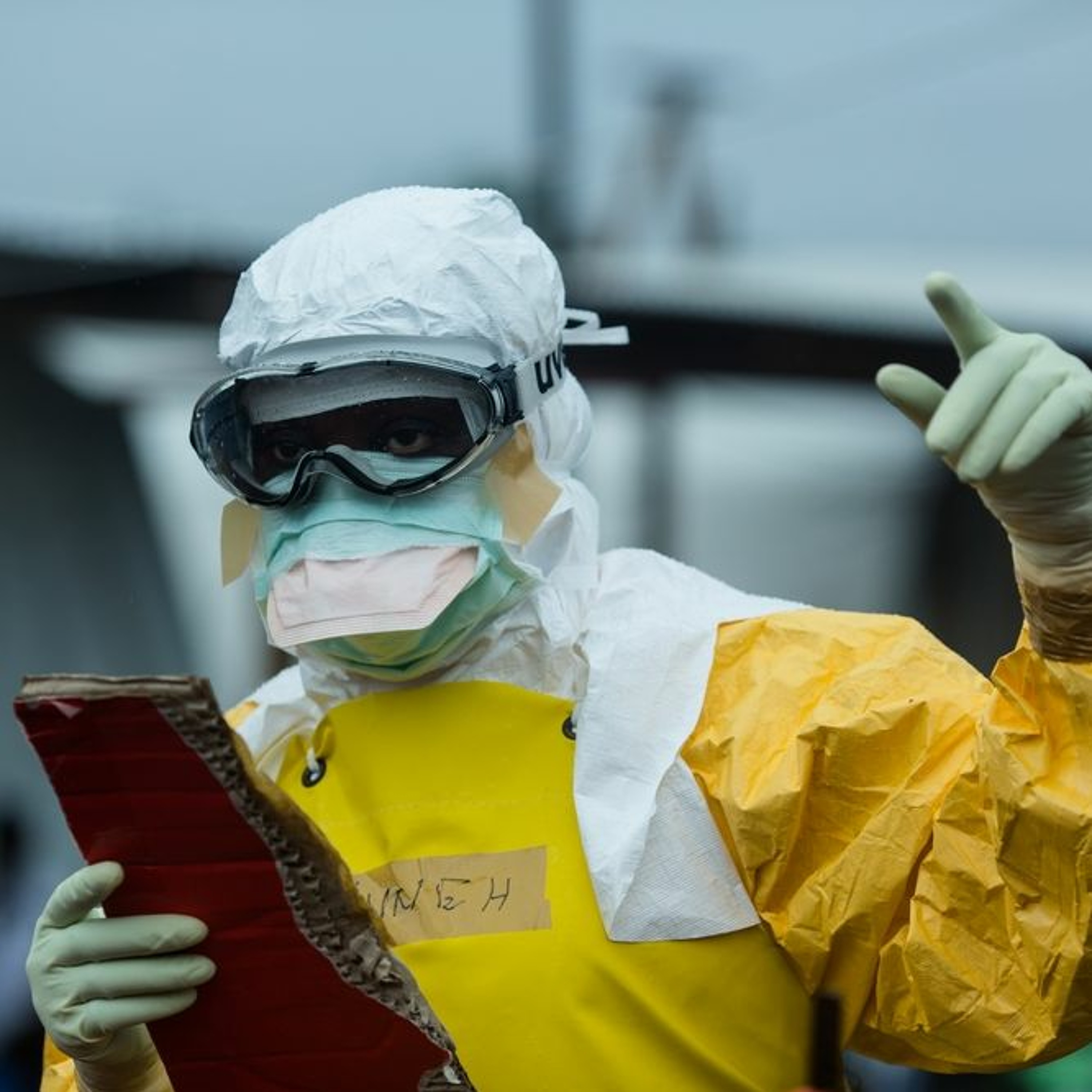
I Had to Turn People Away from the World's Largest Ebola Centre
Working in five countries in the last two years, from fighting cholera in South Sudan to helping migrants and refugees in Greece, it's fair to say Pierre Trbovic has seen his fair share of Médecins Sans Frontières/Doctors Without Borders' (MSF) work.According to Pierre, the hardest job he had to do as an MSF anthropologist and health promoter was stand on the gates of our ELWA 3 Ebola management c
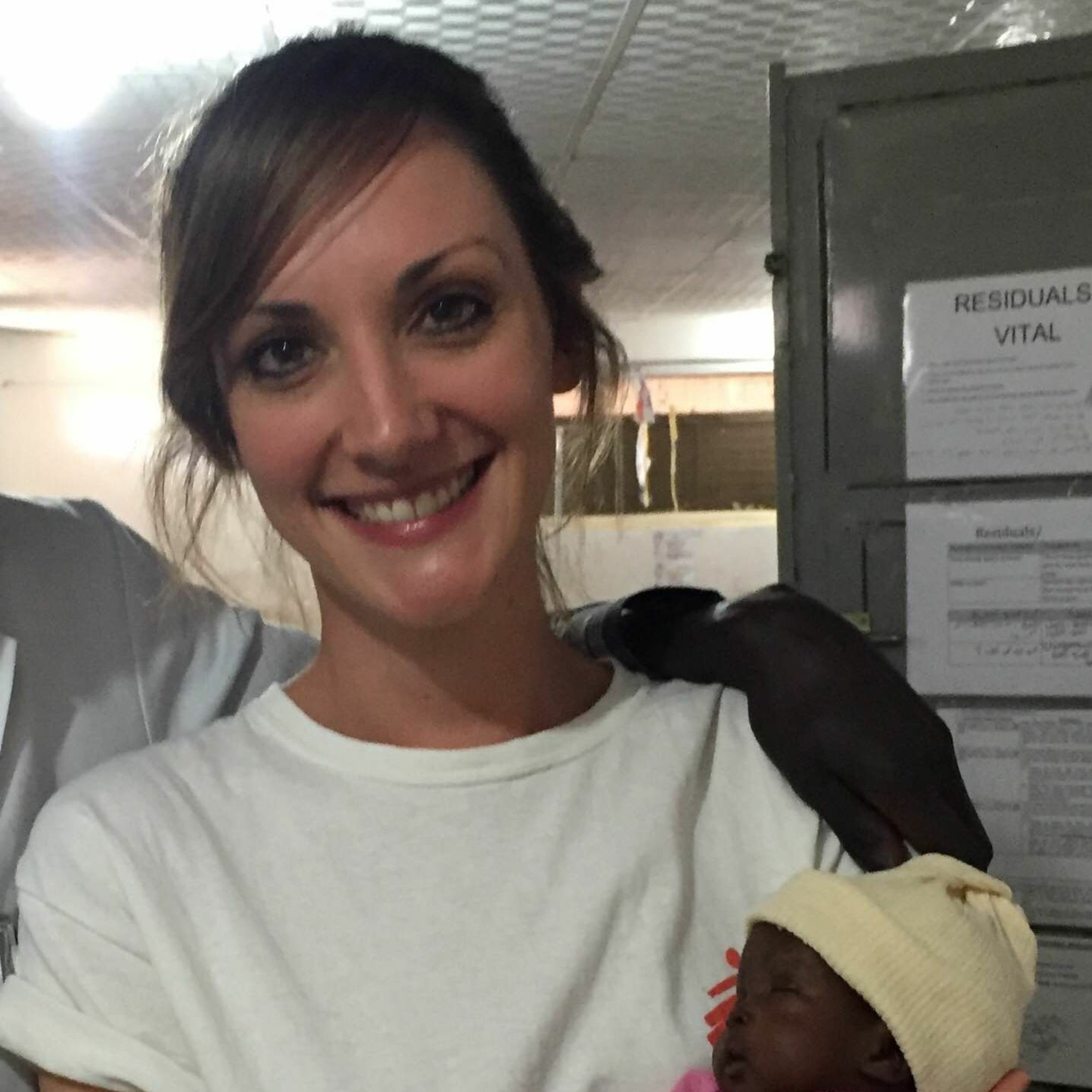
A Patient as Stubborn as Me
Earlier this year, paediatric nurse Johanna Bosowski embarked on her first mission with Médecins Sans Frontières/Doctors Without Borders (MSF) to Agok, in northern South Sudan.Working on the neonatal ward, she encountered a young patient with a disease she had never seen in the UK before.In most developed countries, thanks to a vaccine, cases of tetanus are extremely rare. But, in 2013 (the latest
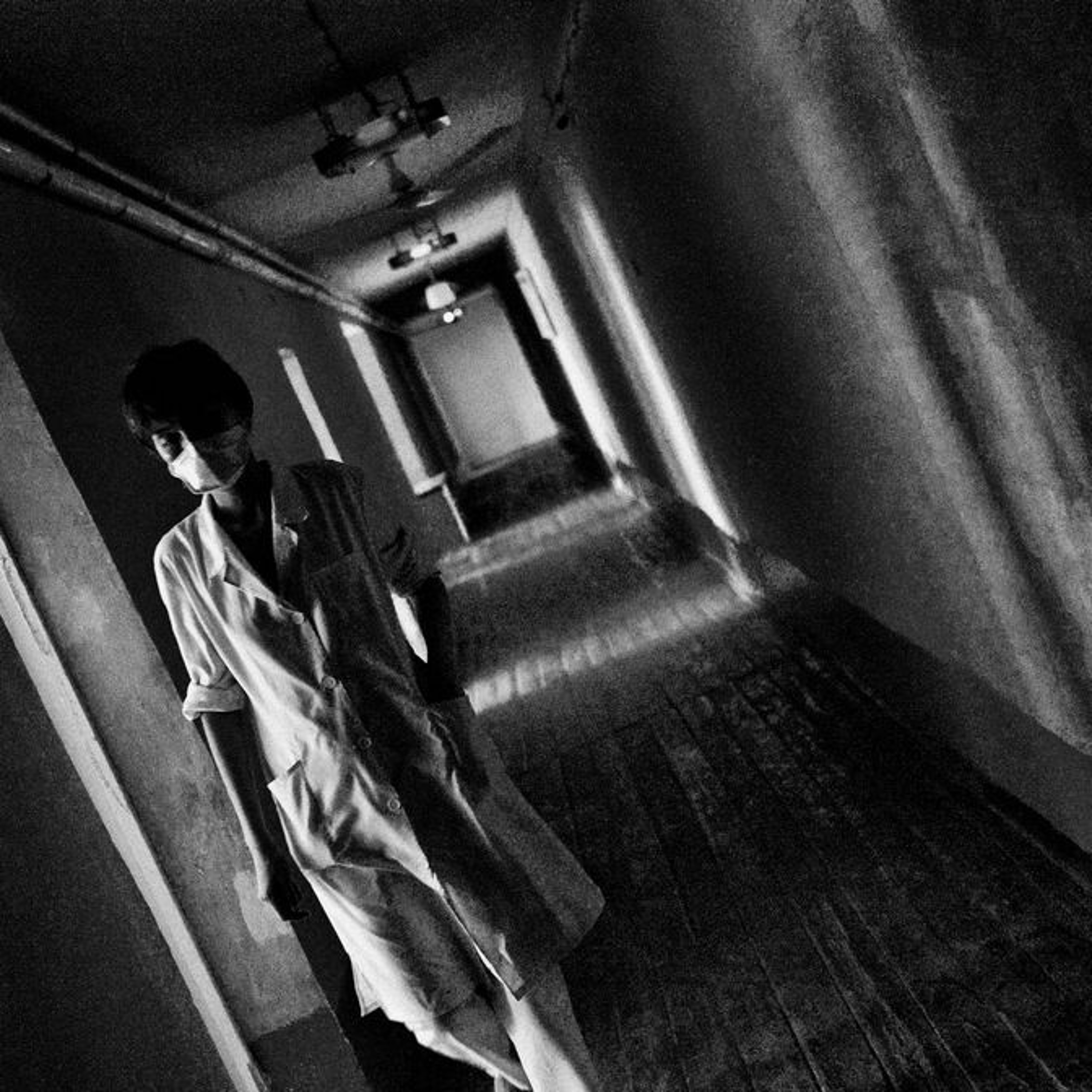
"All I Need is a Metre of Rope"
Despite ranking alongside HIV as the leading cause of death by infectious disease worldwide, the global response to TB has been found wanting.Because the drugs used in standard treatment have not changed in over 40 years, they are becoming less and less effective due to increasingly high levels of resistance from the bacteria.In the seventh episode of Everyday Emergency, Australian doctor Amrita R
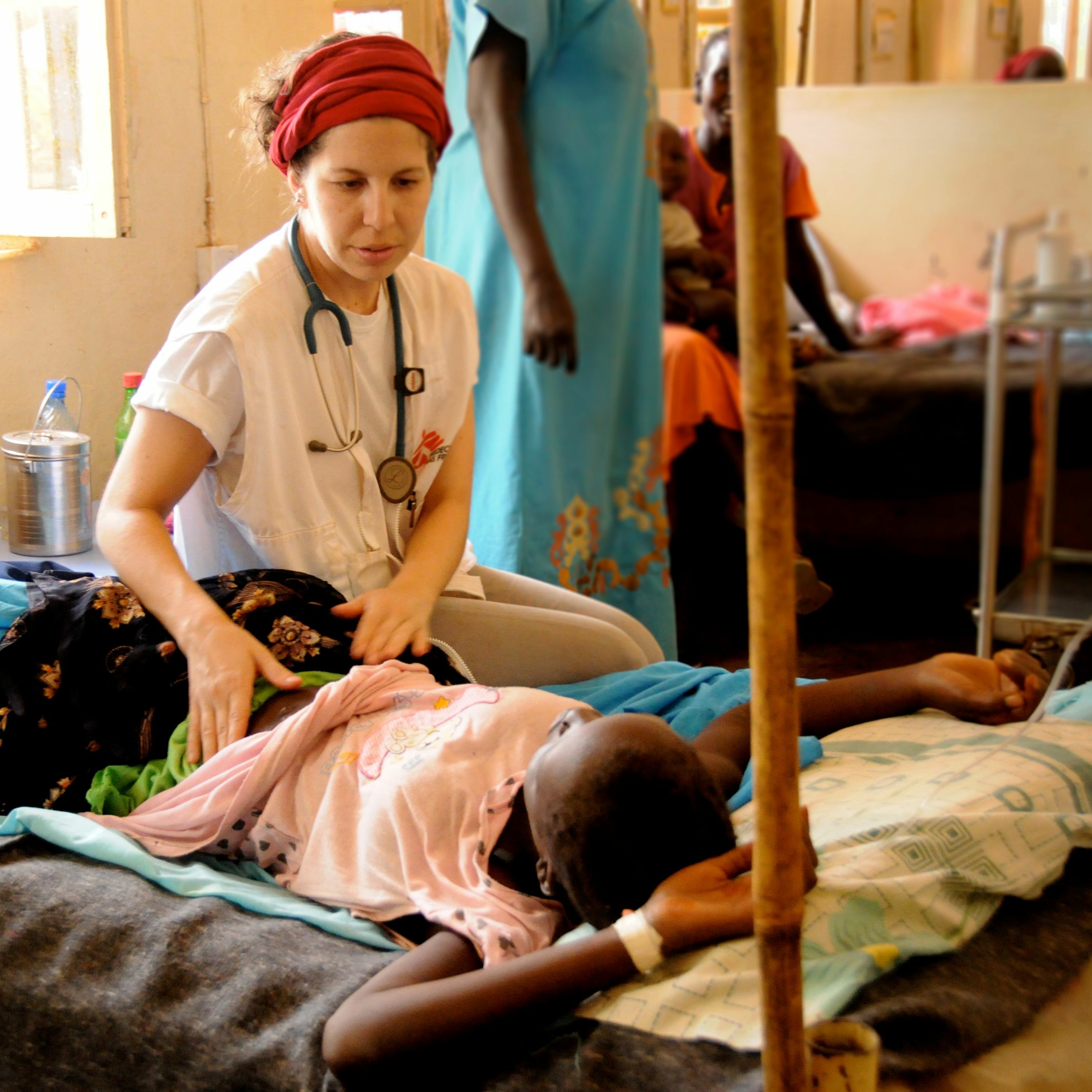
Precious Baby
In our sixth episode we meet US gynaecologist Veronica Ades who has returned from her third MSF mission.In Precious Baby, Veronica describes the precarious situation for expecting mothers in the city of Aweil, South Sudan.You can read more from Veronica about her time in South Sudan, as well as her other mission in Jordan, on the MSF blog: blogs.msf.org/en/staff/blogs/love-labor-loss"Everyday
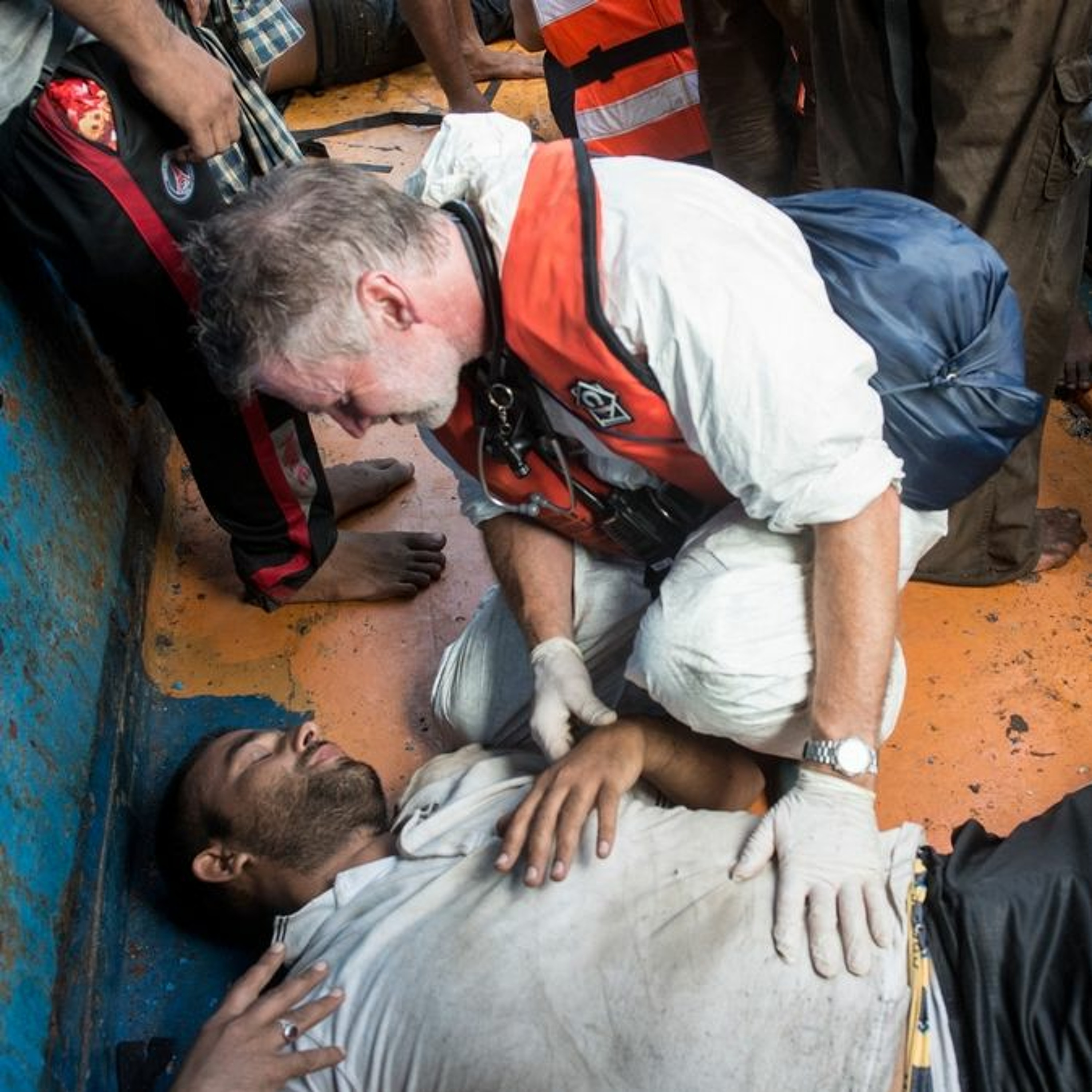
"One day, 52 Senseless Deaths"
In our fifth episode we meet Canadian doctor Simon Bryant who last year spent his summer on MSF and MOAS's search and rescue ship, the Phoenix.In 'One day, 52 senseless deaths', Simon describes his most challenging day on the Mediterranean.You can read more from Simon about his time on the search and rescue vessel on the MSF blog: blogs.msf.org/en/staff/blogs/moving-stories"Everyday Emergency
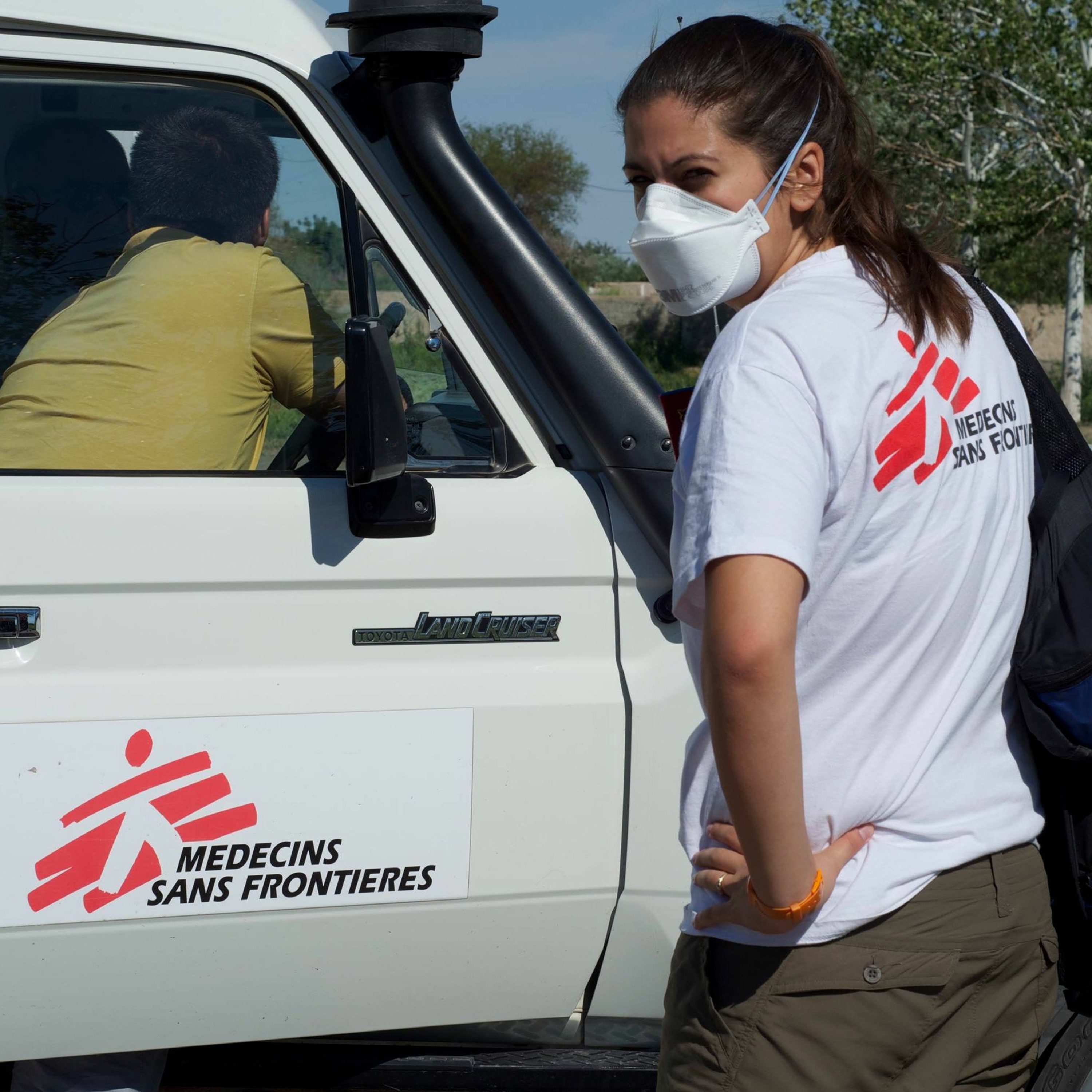
The Darkest Hour
In our fourth episode we meet British doctor Emily Wise who, in 2013, travelled to Uzbekistan - a country with particularly high drug-resistant tuberculosis rates.In 'The Darkest Hour', Emily describes in heartbreaking detail the final minutes of a TB patient's life.You can read more from Emily about her time in Uzbekistan on her blog: blogs.msf.org/en/staff/blogs/one-steppe-beyond"Everyday E
Clémentine
In this episode we meet Sandra Smiley, a Canadian communications officer who spent 2015 with MSF in Kinshasa, the capital of Democratic Republic of Congo (DRC).Sandra travelled across the country, relaying to the world news of under-reported health crises and meeting patients like Clémentine. In our chat, we discover Sandra has made an inspiring career move. You can read more from Sandra about her
Saving Lives Amid Chaos
In this episode we meet Scottish nurse Michael Shek, from Dumfries.Michael has recently returned from his second mission in South Sudan, the world's youngest country in the midst of a civil war. We hear Michael's story of his time in the northern town of Bentiu and he tells us about an incredible moment saving the life of a boy and his uncle at 10,000 feet.You can read Michael's story and see pict
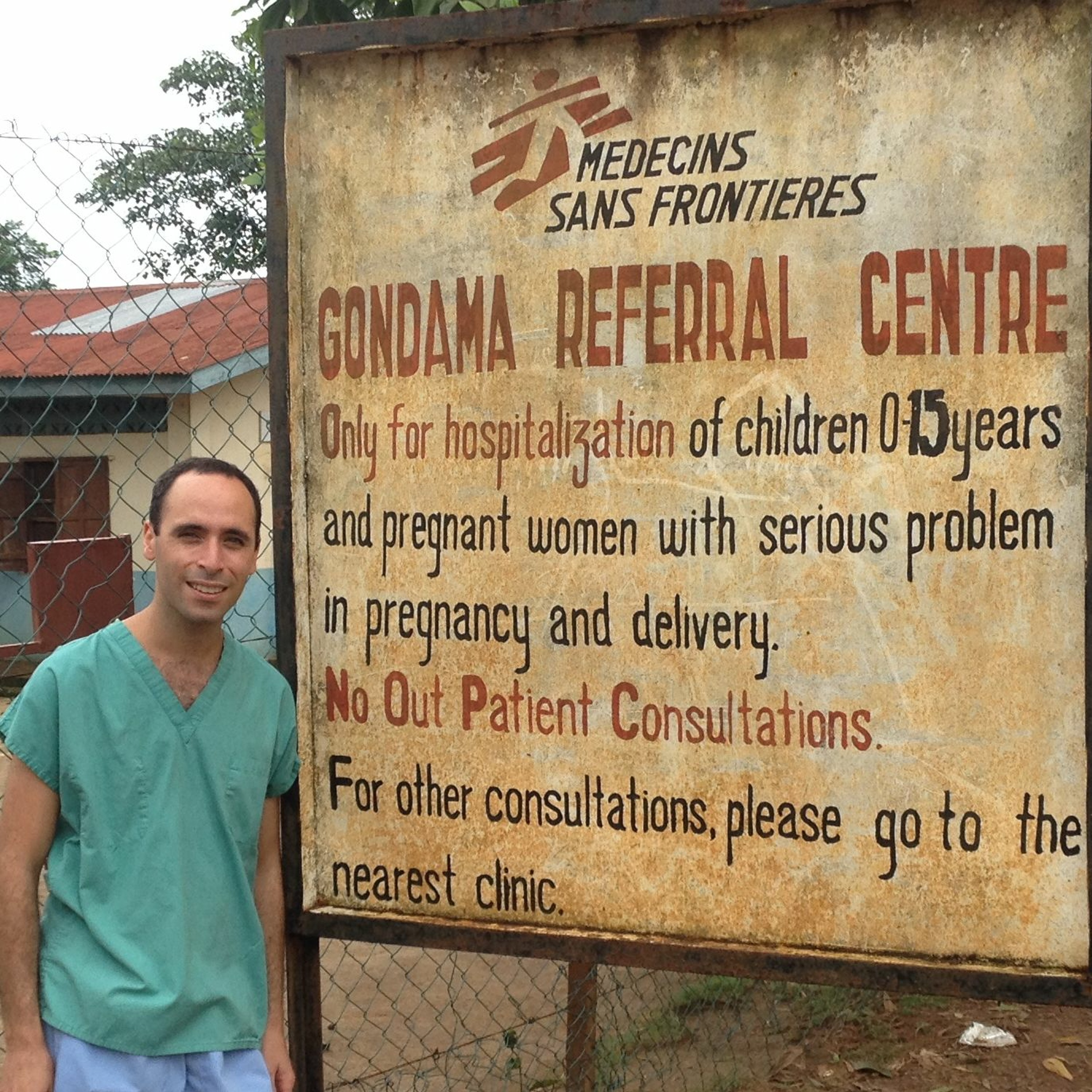
The First 24 Hour Shift
Benjamin Black, an obstetrics doctor from London, UK, was on his first ever shift for Doctors Without Borders in Sierra Leone as Ebola swept through the country. When a pregnant woman arrived at the hospital displaying all the classic symptoms of Ebola, Benjamin was faced with a nightmarish 24 hour shift that would push his nerves to the limit.To read more from Benjamin, visit his blog: 'May the f
Recommended

Pod Save The King

Pride and Prejudice (version 6, dramatic reading)

InsideAIR

English Made Simple

Golden's Oldies

The CTO Lens

RHISE: Real History in Simple English (B2-C1, British)
Outsiding

Why? with Emma Kennedy

British English Listening Practice - English Go! Podcast

The English Podcast

The Rest Is Science
