ECFR ON AIR
Short interviews and comments by experts from the European Council on Foreign Relations (ECFR) on breaking news and key topics in European foreign policy. The podcast aims to promote informed debate across Europe on coherent and effective European values-based foreign policy. It also features Mark Leonard's weekly series 'The World in 30 Minutes' exploring major foreign policy issues.
Episodes
Albania: The Flamingo Revolution explained
What began as opposition to a Trump-family-linked luxury coastal development in an environmentally sensitive wetland area has stretched beyond 100 days and grown into something much bigger. Now one of Albania’s largest protest movements since the fall of communism, the Flamingo Revolution has turned the bird into an unlikely symbol of anger over corruption, concentrated political and economic powe
Ukraine: The battle beyond war
Ukraine is fighting for survival against Russia while its democracy faces a second battle at home. Ukrainians show extraordinary trust in the Armed Forces, family and civic networks—but far less in politicians, government and bureaucrats. Now, high-level corruption scandals, calls for wartime elections, roadblocks to EU accession and possible peace talks with Russia are raising a hard question: ca
Bonus episode: The EU enlargement game
What happens if your economy is suddenly in crisis, Brussels offers help with strings attached—and Turkey, China or Russia can move faster? What if your country delivers every reform the EU asks for, only for a member state to block the next step anyway? And after years of waiting, would voters still choose to join?In this special bonus episode, The Neighbourhood goes live from Lisbon for an EU en
Serbia: Inside the Leaderless Movement
Serbia is in the middle of its largest protest movement in decades. What began in 2024 with the deadly collapse of the Novi Sad railway station canopy has grown into a much deeper crisis of trust—one in which citizens are mobilising in huge numbers while confidence in political parties and state institutions continues to collapse. In this episode, Jessica Hendrick welcomes Igor Bandović
Lebanon: On the brink of war or peace?
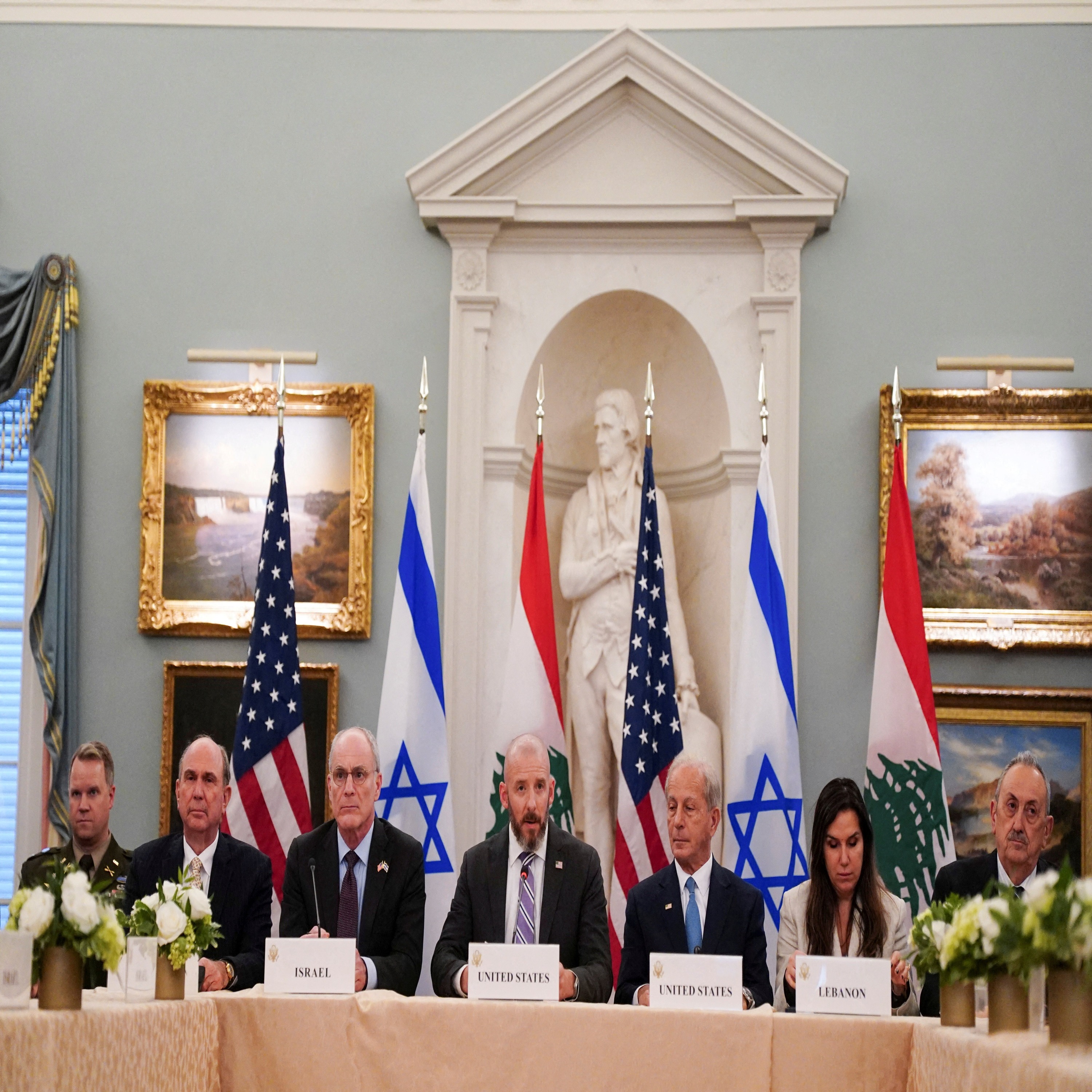
In the latest episode of ECFR’s WOMENP podcast, Ellie Geranmayeh is joined by three leading Lebanese voices— Alia Moubayed, senior economist; Randa Slim, Middle East Programme director at the Stimson Center; and Maha Yahya, director of the Carnegie Middle East Center in Beirut—to unpack the consequences of a trilateral framework deal signed by Israel, the US and Lebanon.Lebanon is among the countr
Why Europe’s Support for Ukraine Might Change as the War Drags on?
A seismic shift in Europe's outlook on Ukraine reveals a complex web of diplomacy, resilience, and strategic ambiguity. As the Ukraine conflict enters its fifth year, the question isn't just about battlefield gains—it's about what comes next. Are European leaders ready to explore backchannel talks, or is open negotiation still a distant dream? If you've been wondering how Europe is balancing stead
Why Europeans Are More Ready Than You Think to Defend Themselves?
Europe stands at a pivotal moment in its security future — public support is higher than ever for investing in defence, yet deep challenges threaten to undermine that momentum. Are European leaders ready to capitalise on this rare window of opportunity before elections, economic crises, and geopolitical tensions redirect attention elsewhere?In this four episode series, Making Defence European Agai
The Crucial Role of Article 5: Can NATO Hold Without US Leadership?
Exploring the current state of European security, NATO's future, and the evolving role of the United States in protecting Europe. Experts from the European Council on Foreign Relations share their perspectives on threats, alliances, and strategic autonomy.In this four episode series, Making Defence European Again, four of our ECFR fellows discuss analysis and advice on the future of European secur
How a Marine Le Pen or Bardella Presidency Could Divide Europe Further
The future of Europe may be shaping up to look very different—and far more unpredictable. As France stands on the brink of a potentially historic election, experts reveal the high stakes and hidden risks that could reshape European unity, security, and global influence. If a far-right candidate like Jordan Bardella or Marine Le Pen takes power, what does that mean for NATO, European integration, a
Moldova: The EU frontrunner outrunning Russia
Moldova is often held up as an EU enlargement success story. Beneath the reform headlines lies a country shaped by decades of economic pressure, Russian interference—and politics driven as much by survival as ideology.In this episode, Jessica Hendrick speaks with Dumitru Alaiba, Moldova’s former deputy prime minister and minister of economic development and digitalisation; and Maia Machavariani, d
Eastern Europe: Where the region will stand in a decade
Eastern Europe’s future is up for grabs. Ukraine is fighting for survival—and for a place in the EU. Georgia’s protest movement faces intensifying government crackdowns, and Moldova continues to fend off relentless Russian interference. Meanwhile, energy shocks linked to the Iran conflict and Hungary’s repeated blockades inside the EU are making the region’s future even harder to predict.In this e
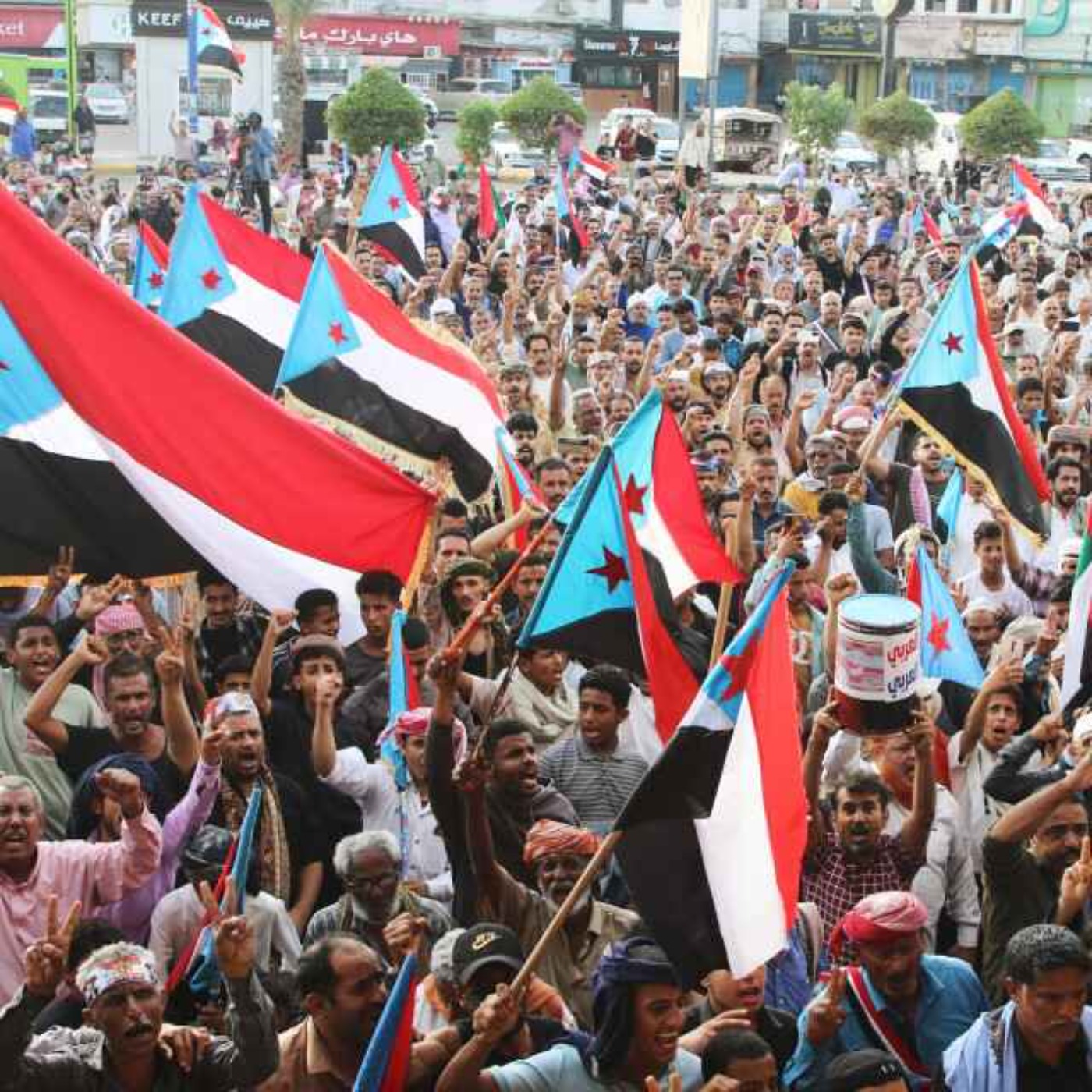
Yemen: Between Gulf tensions and Iran war clouds
Yemen is once again in a shifting geopolitical landscape: amid the increasing risk of military conflict between the US and Iran, rising tensions between the UAE and Saudi Arabia, and mounting instability across the Red Sea. In this episode of the WOMENP podcast, ECFR visiting fellow Cinzia Bianco welcomes Yasmeen Al-Eryani, co-executive direct
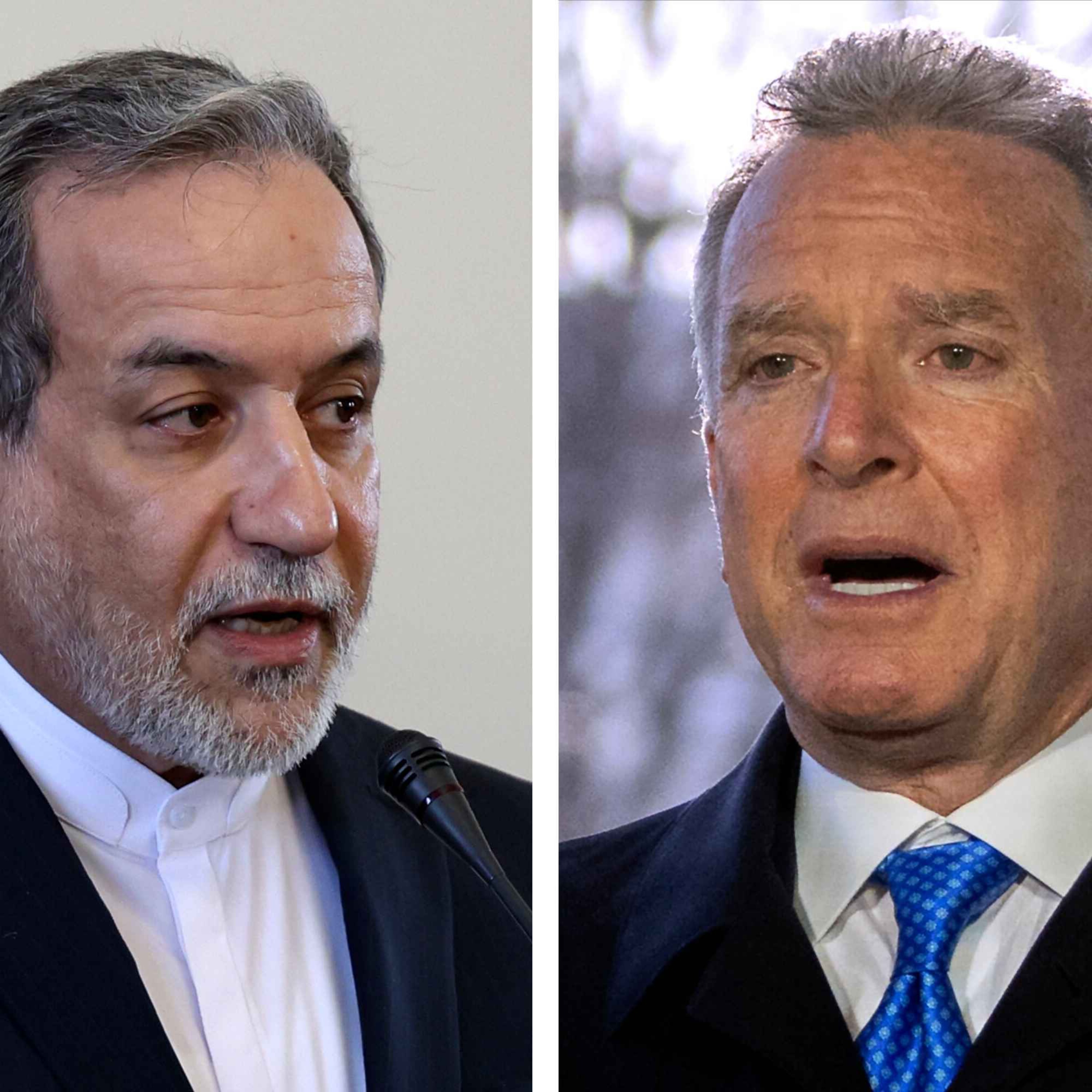
Trump's Iran choice: Regional takes
In this episode of ECFR’s WOMENP podcast, Ellie Geranmayeh welcomes Aslı Aydıntaşbaş, associate senior policy follow at ECFR, Dina Esfandiary, Middle East geoeconomics lead at Bloomberg Economics and Yasmine Farouk, Gulf and Arabian Peninsula project director at International Crisis Group, to discuss regional perspectives around the current turmoil in Iran, following deadly protests
Behind the scenes: How to measure democracy in crisis
How do you measure democracy when air-raid sirens interrupt fieldwork, protesters are challenging the state and student researchers risk being labelled as foreign agents? Across six EU candidate countries, RE-ENGAGE is asking ordinary citizens who they trust, where they turn in a crisis and whether they still believe political change is possible.In this episode, Jessica Hendrick welcomes Morten Bø
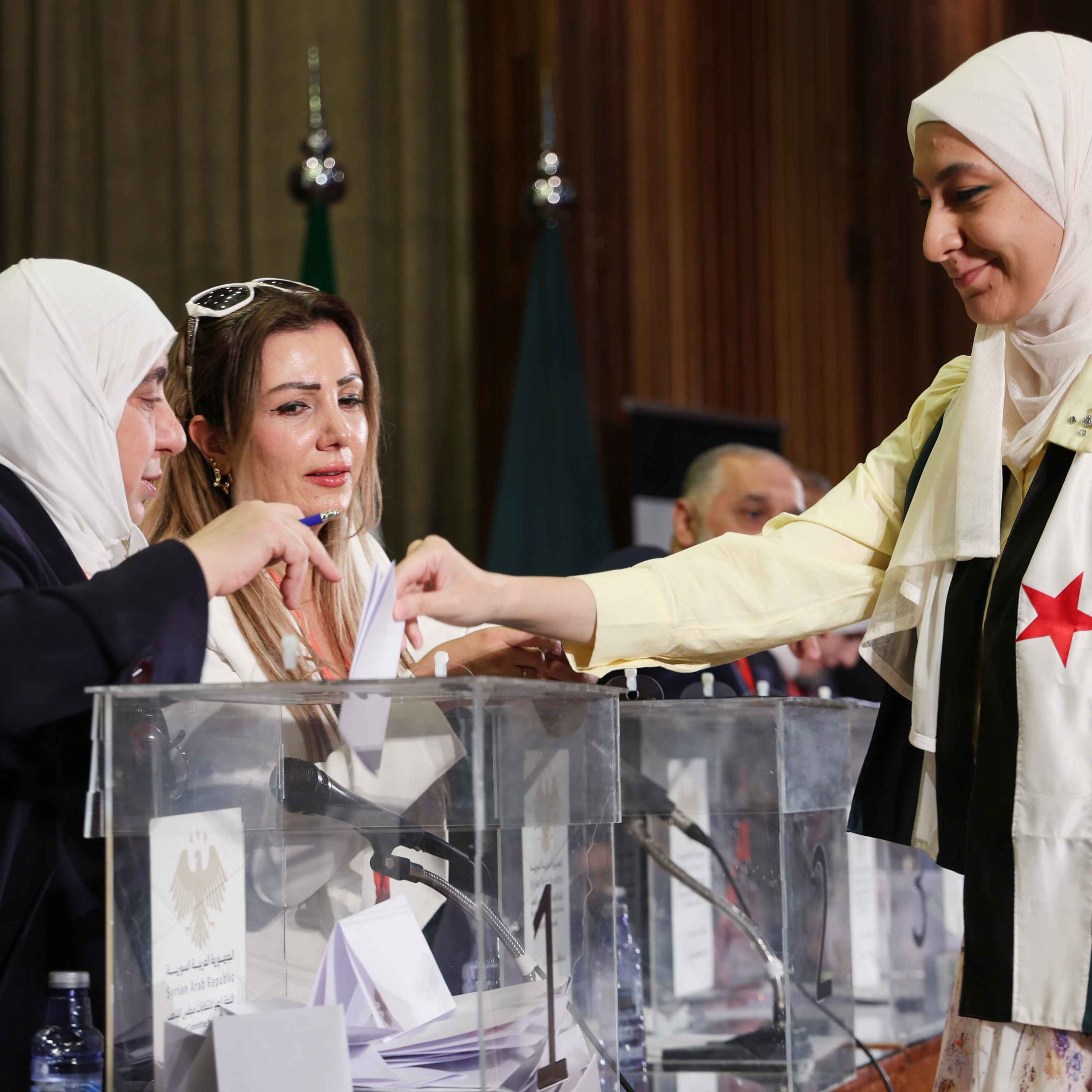
One year after Assad: Syria’s struggle for security, recovery and reform
Ellie Geranmayeh speaks with Syrian minister Hind Kabawat about the country’s turbulent first year after Assad, the challenges ahead, and her push to bring more women into leadership during Syria’s reconstruction.In the latest episode of the WOMENP podcast series, Ellie Geranmayeh welcomes Hind Kabawat, Syria’s minister of social affairs and labour. Almost a year after the fall of Bashar al-Assad,

The diplomatic minefield: What now for Ukraine?
Donald Trump’s controversial 28-point plan to end the war in Ukraine has rattled Western capitals and could jeopardise Ukraine’s sovereignty. In this episode of Ukraine inside out, Leo Litra and Lesia Ogryzko are joined by Eric Ciaramella, senior fellow in the Russia and Eurasia programme at the Carnegie Endowment for International Peace and Jana Kobzova, co-director of ECFR’s European Security pr
The EU: Enlargement gets a reality check
Europe has made a promise to the countries hoping to join the EU: reform your courts, fight corruption and strengthen democracy, and membership will move closer. But Ukraine can push through reforms during a war, Moldova can resist Russian interference, and North Macedonia can even change its name—yet political vetoes can still stop everything. At what point does a long wait become a broken promis

Lessons for Europe: Inside Ukraine’s drone war
Ukraine’s battlefield has transformed since the Russian full-scale invasion of Ukraine in 2022: from hobby quadcopters to drone and robot units in almost every brigade. In this episode, Lesia Ogryzko and Leo Litra speak with Lyuba Shupovich, CEO and co-founder of Dignitas Fund, and Gustav Gressel, a former ECFR senior policy fellow. Together, they discuss how technology, like drone and electronic

The European pillar of security
This week, Leo Litra and Lesia Ogryzko welcome Élie Tenenbaum, director of the Security Studies Center at the French Institute for International Relations, and Oleksandr Sushko, executive director of the International Renaissance Foundation in Kyiv and long-time observer of Ukraine’s Euro-Atlantic integration, to explore if—and what—the recent NATO summit delivered for Ukraine.

Ukrainian society in wartime
Amid much speculation surrounding Ukraine’s future—including ceasefires, peace talks and broader geopolitical shifts—ECFR has launched a new podcast mini-series that brings Ukrainian perspectives to the forefront. In this opening episode, hosts and Lesia Ogryzkowelcome Fredrik Wesslau, distinguished policy fellow at the Stockholm Centre for Eastern European Studies, and Volodymyr Yermo
Regional response: How Gulf monarchies leveraged Trump’s visit
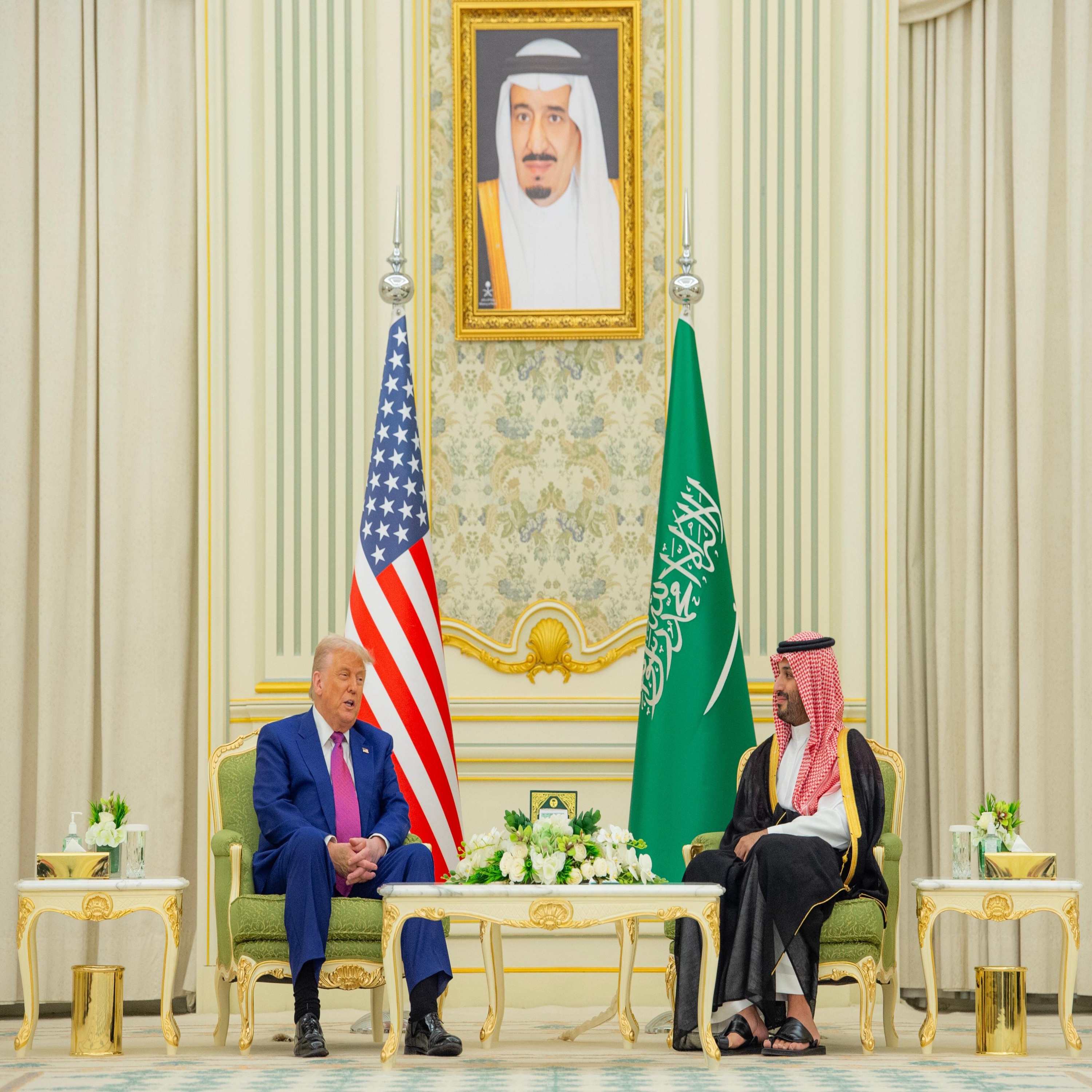
In the latest episode of the WOMENP podcast series, Ellie Geranmayeh welcomes Dina Esfandiary, Middle East geoeconomics lead at Bloomberg; Yasmine Farouk, Gulf and Arabian Peninsula project director at International Crisis Group; and Dania Thafer, executive director at the Gulf International Forum. Together, they discuss how Arab Gulf monarchies used Trump’s latest visit to demonstrate their regio
Saudi Arabia and Trump: What's next for the Middle East
In this episode of the WOMENP podcast series, ECFR’s Ellie Geranmayeh speaks with Dr. Manal Radwan, advisor to the Saudi foreign minister and long serving diplomat. Together they unpack the impact of Donald Trump’s election for the wars in the Middle East and considers how Riyadh will position itself. Will the kingdom be able to push for a ceasefire in Gaza? What's the end game in Lebanon? Can the
In:Sight China with Yan Xuetong
China is becoming ever more important to global affairs. But political and geopolitical challenges, as well as the covid-19 pandemic, have diminished Europeans’ ability to engage with Chinese thinkers and understand their views and ideas about the world. In this mini-series, Mark Leonard, Janka Oertel, and Alicja Bachulska try to change that by engaging in conversations with some of the best Chine

Africa: Not just about migration
Europe’s Africa policy was greatly affected by Russia’s invasion of Ukraine, especially as energy and food supply became weaponised as a Russian tool of aggression. In response, stronger bilateral, regional, and multilateral cooperation is needed between African organisations and countries and Western actors. Both parties should continue to accelerate existing objectives, like the 2030 Agenda, deb

Infrastructures and connectivity: Building bridges
xThe green transition requires massive investments in energy, digital, and transport connectivity to fill the gap in developing countries. At the same time, infrastructure projects are becoming weaponised by rival powers seeking to extend their influence abroad through the construction of railways, undersea cables, or renewable energy plants. China has been the pioneer in this effort, through its

The AI-talian job: challenges and opportunities
The rise of AI has shaken national debates on regulations and security, pushed the European Union towards an unprecedent legislative measure, the AI Act, and driven competition between great and emerging powers. AI had also the potential to be a pandora’s box for new risks and challenges, especially amid the unstable geopolitical environment. Based on the results of the Hiroshima AI process, the f

Unity or disunity for Ukraine: that is the question
Two years into Russia’s invasion of Ukraine and the international community remains deeply divided on how to react to Putin’s aggression. Disagreements have characterised the European position, prompting strong criticism about the European Union’s incapacity to react, act, and lead with a strong and united position. In the United States, measures to support Ukraine have also been blocked because o
Speeding like a troika: Russia’s uncertain futures
How has the war impacted the way Russians think about their identity and their future? Are some signs of major change already visible? What are the possible scenarios for change and what would trigger them?ECFR’s podcast on Russia, “Under the Overcoat”, explores the deeper trends beneath the surface of daily politics. To explore how the war has transformed Russia's society and political culture an
In:Sight China with Angela Zhang
China is becoming ever more important to global affairs. But political and geopolitical challenges, as well as the covid-19 pandemic, have diminished Europeans’ ability to engage with Chinese thinkers and understand their views and ideas about the world. In this mini-series, Mark Leonard and Janka Oertel try to change that by engaging in conversations with some of the best Chinese academics, resea
Under the Overcoat: Russian foreign policy: from a U-Turn over the Atlantic to the zigzags of history
How can we understand current-day Russia against the background of history? Is the monopolisation of power and lack of checks and balances on a level unique to Russia? Was Russia’s foreign policy trajectory predestined and if not, what were the crucial turning points that brought it to where it is today? And is Russian foreign policy changing irreversibly? ECFR’s new podcast on Ru
Europe Listens: Saving multilateralism with Arancha González Laya and Richard Gowan
In September 2024, the United Nation’s Summit of the Future is set to take place – a crucial moment to mend “eroded trust” between peoples, countries, and generations. Europe's role on the world stage is constantly adapting to the fluidity of the global geopolitical space. Traditional views of multilateralism are being rethought, and Europe is exploring its role in fostering meaningful internation
Europe Listens: Exploring the deep seabed with Pradeep Singh
To achieve the ambitions of the European Green Deal, the European Commission insists that healthy oceans and a sustainable maritime economy are crucial. With rising demand for minerals from various sectors, including to advance the green transformation, many expect we are on the brink of the biggest gold rush in history – deep beneath the ocean surface. In this episode of Europe Listens, ECFR
Europe Listens: Protecting the high seas with Essam Yassin Mohammed
Around 70 per cent of our planet is covered by the ocean, of which two-thirds fall beyond national jurisdiction. After decades of discussions and negotiations, states adopted the so-called High Seas Treaty in September 2023. The treaty aims to increase the governance of the world’s oceans and tackle common challenges such as environmental degradation, illegal fishing, and preserving our marine res
Under the Overcoat: But the people are silent
What is the mood in Russian society after two years of war? How can we understand what is happening? Expressing meaningful dissent can land Russians in jail, yet a huge number of people attended the funeral of opposition leader Alexei Navalny, taking huge personal risk. In this episode, we discuss public opinion in Russia in the run-up to the presidential election and after Navalny’s death. &
Under the Overcoat: Dead Souls, Volume Two
In this episode, we delve into how the Russian economy transitioned into a wartime economy. What does the structure of the Russian economy and the 2024 state budget reveal about Putin's strategy? Does the Kremlin possess sufficient resources for a long war? Will Russia persist in gradually nationalising remaining foreign assets? Will the government seize the assets of Russian business figures who
Under the Overcoat: Are we the baddies? Russian civil-military relations and the bomb
In this episode, we analyse who is really in charge of the Russian military and its nuclear weapons. The answer is far from simple. Does Putin have overwhelming control or does the military have a decisive say? What are the implications of civil-military relations on Russia's foreign policy, defense reform, and domestic politics? And who ultimately controls the Russia’s nuclear weapons? ECFR’s new
Beyond Gaza: focus on regional and global players
The fourth episode of ECFR’s WOMENP mini-series, recorded during the 2023 Doha Forum, looks at the regional reverberations of the war in Gaza, particularly from the perspective of key Arab Gulf monarchies such as Qatar, Saudi Arabia, and the United Arab Emirates. The podcast unpacks how these countries have reacted to the 7 October attacks and the subsequent war in Gaza, the prospects of ongoing n
Under the overcoat: the death of a clerk
How do Russian officials "coexist" with the war nearly two years after the invasion? How has the bureaucratic system adapted to the requirements of the war? Do officials who openly endorse the invasion or are deployed to work in occupied territories receive better roles or resources ? Does the relative efficiency of the Russian bureaucracy boost the Kremlin’s capacity to sustain the conflict?ECFR
Under the overcoat: God save the Tsar
The Russian Orthodox Church is supporting Russia’s war on Ukraine in its sermons, sending priests to the front, and collecting humanitarian aid for soldiers and the occupied Ukrainian territories. It is also involved in the administration of the occupied territories and in promoting propaganda narratives abroad. So why did the head of the Church, Patriarch Kirill, bet on Putin? How influential is
Under the Overcoat: the past is unpredictable
On 1 September, Russian high schools transitioned to new "patriotic" history textbooks authored by one of Russia's staunchest conservatives, former culture minister Vladimir Medinsky. How do these textbooks mirror the core tenets of the Russian regime's ideology? What stance do they take on figures like Stalin, the dissolution of the USSR, and Russia’s war in Ukraine? What narratives will Russian
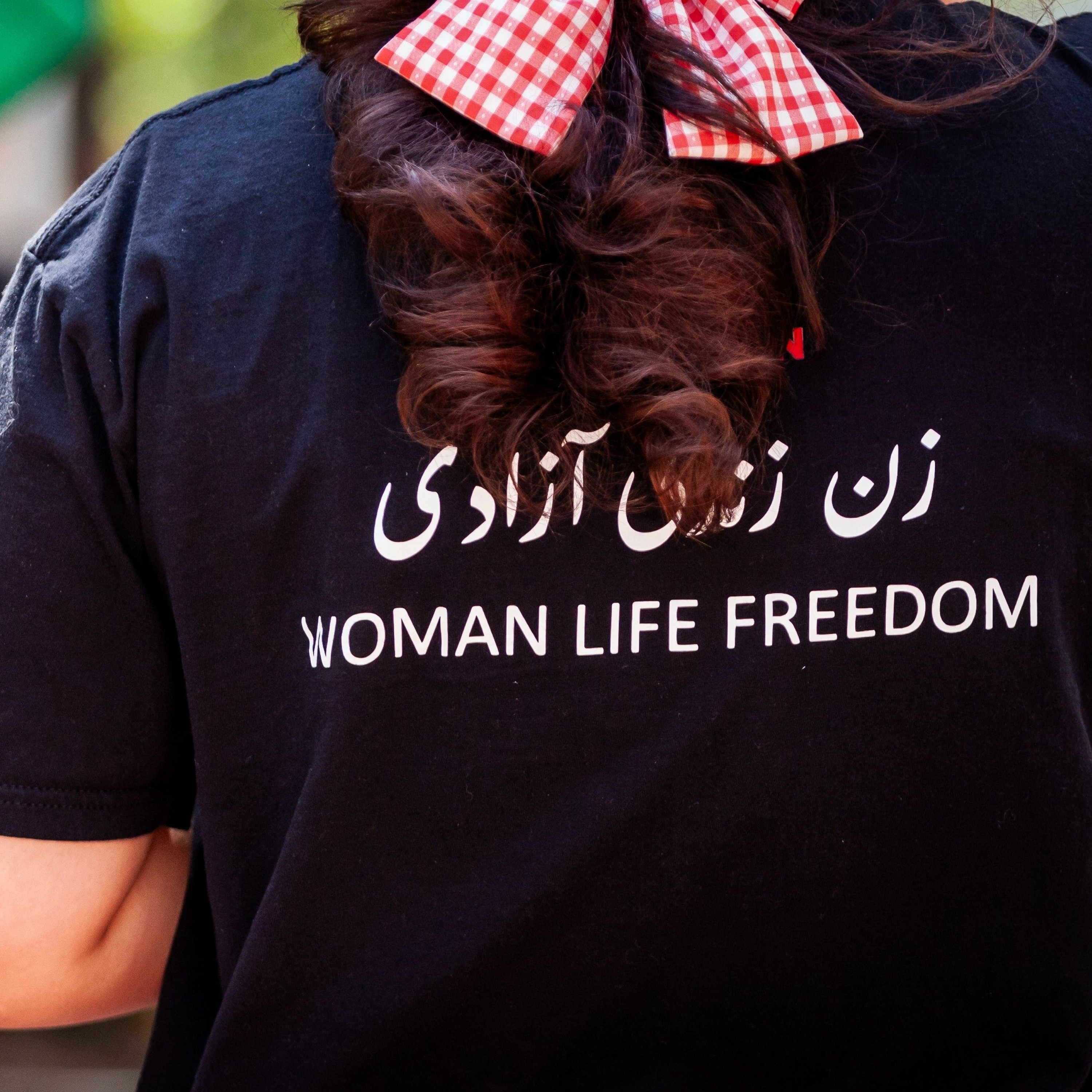
A Year on from the Mahsa Amini Protests: Where Iran is headed and Implications for Western Policy
The third episode of ECFR’s WOMENP mini-series looks at domestic dynamics and the human rights situation in Iran a year after nationwide protests erupted following the death of a young woman, Mahsa Jina Amini, in police custody. The podcast unpacks how power dynamics between state and society have shifted since, and its implications on the country’s leadership. How have Iranians continued with act
Europe Listens: Governing outer space with Ruvimbo Samanga
The global space economy is worth a whopping $469 billion, and growing fast. Commercial interests are proliferating; more and more countries are launching satellites into space. Some African leaders aspire for their continent to become a knowledge, technology, and manufacturing hub for this new space age and to leverage space technologies to advance economic development. They are looking for globa
Europe Listens: Combatting online disinformation with Flora Rebello Arduini
On 8 January 2023, following a contentious national election, protestors attacked government buildings in Brazil’s capital. The riots were preceded by years of online disinformation, targeting lawmakers and the country’s electoral process. Striking parallels with the storming of the US Capitol two years prior underline the role that transnational networks play in pushing disinformation globally, a
Europe Listens: Overcoming the global digital divide with Jane Munga
Digital technologies are set to transform African economies. Yet, only 40 per cent of Africans accessed the internet in 2022 – well below the proportion in the world’s other regions. Technological as well as socio-economic factors drive this digital divide, and US-Chinese competition risks making it worse.To kick off the second season of Europe Listens, ECFR’s Rafael Loss and Jana Puglierin welcom
The geo-economic effect of the Iran-GCC thaw
The second episode of ECFR’s WOMENP mini-series considers the geo-economic trends in the Middle East and emerging opportunities following recent developments, such as the detente between Iran and Saudi Arabia and the new government in Iraq almost one year after its formation. Does Iran seek and stand to benefit economically from the opening with the Arab world? How do broader dynamics, including t
In:Sight China with with Duan Jiuzhou
China is becoming ever more important to global affairs. But political and geopolitical challenges, as well as the covid-19 pandemic, have diminished Europeans’ ability to engage with Chinese thinkers and understand their views and ideas about the world. In this mini-series, Mark Leonard and Janka Oertel try to change that by engaging in conversations with some of the best Chinese academics, resea
In:Sight China with with Wang Dong
China is becoming ever more important to global affairs. But political and geopolitical challenges, as well as the covid-19 pandemic, have diminished Europeans’ ability to engage with Chinese thinkers and understand their views and ideas about the world. In this mini-series, Mark Leonard and Janka Oertel try to change that by engaging in conversations with some of the best Chinese academics, resea
After the dust settles: what does the Saudi-Iran deal mean for the Middle East?
The first episode of ECFR’s WOMENP mini-series brings together leading experts to discuss what can be expected from Iran and Saudi Arabia’s de-escalation after the two countries signed an agreement to normalise relations last March and following the recent Arab League Summit. What are Iran and Saudi Arabia hoping to achieve with this deal, especially in view of the US election next year? What fact
Europe Listens: Advancing green tech partnerships with Dhanasree Jayaram
Beyond the UN formats, countries around the world are forging hundreds of bilateral and multilateral agreements to advance the clean energy transition. India has emerged as a prominent player in these initiatives, with prime minister Narendra Modi describing his country’s potential in green energy as no less than a “goldmine”. Since 2016, India and the EU have set up new schemes to deepen their gr
Europe Listens: Overhauling climate finance with Avinash Persaud
Action on climate financing is long overdue. Inadequate mitigation and adaptation have already led to substantial loss and damage in the most vulnerable countries. But the scale of investment required to mitigate global warming is beyond the capacity of rich governments, far less developing countries. To square this circle, Barbados’s prime minister, Mia Mottley, last year made a bold proposal: th
Europe Listens: Navigating climate diplomacy with Shauna Aminath
Climate change is an immediate existential threat to the coral islands that make up the Maldives, one of the lowest-lying countries in the world. Recent predictions estimate that, by 2050, rising sea levels could render 80 per cent of the country uninhabitable. By 2100 – in just 77 years time – the entire country could be submerged. None of this is news to the Maldives. To kick off this series of
In:Sight China with with Pan Chengxin
China is becoming ever more important to global affairs. But political and geopolitical challenges, as well as the covid-19 pandemic, have diminished Europeans’ ability to engage with Chinese thinkers and understand their views and ideas about the world. In this mini-series, Mark Leonard and Janka Oertel try to change that by engaging in conversations with some of the best Chinese academics, resea
In:Sight China with Liu Hongqiao
China is becoming ever more important to global affairs. But the covid-19 pandemic, as well as political and geopolitical challenges, mean that Europeans’ ability to engage with Chinese thinkers and understand their views and ideas about the world has diminished. In this mini-series, Mark Leonard and Janka Oertel will try to change that by engaging in conversations with some of the best Chinese ac
In:Sight China with Wang Jisi
This podcast was recorded on 23 November 2022, one day before the Urumqi apartment fire, which was followed by nationwide protests against the zero-covid policy in China.-China is becoming ever more important to global affairs. But the covid-19 pandemic, as well as political and geopolitical challenges, mean that Europeans’ ability to engage with Chinese thinkers and understand their views and ide
Europe listens to... Togzhan Kassenova
As the EU builds up its global footprint, it’s crucial to avoid European naval gazing. Instead, Europe needs to engage partners around the world on their expectations and concerns about the EU’s activities and ambitions. That's why it's time for Europe to listen carefully and with curiosity!Episode 4 with Dr Togzhan Kassenova, a Washington, DC-based senior fellow at the Center for Policy Research,
Europe listens... to Dr Matshidiso Moeti
As the EU builds up its global footprint, it’s crucial to avoid European naval gazing. Instead, Europe needs to engage partners around the world on their expectations and concerns about the EU’s activities and ambitions. That's why it's time for Europe to listen carefully and with curiosity!Episode 3 with Dr Matshidiso Moeti, the first woman to be elected as WHO Regional Director for Africa to dis
Europe listens... to Audrey Tang
As the EU builds up its global footprint, it’s crucial to avoid European naval gazing. Instead, Europe needs to engage partners around the world on their expectations and concerns about the EU’s activities and ambitions. That's why it's time for Europe to listen carefully and with curiosity!Episode 2 with Audrey Tang, Digital Minister of Taiwan“Europe Listens” is part of ECFR’s Re:shape Global Eur
Europe listens...to Raja Mohan
As the EU builds up its global footprint, it’s crucial to avoid European naval gazing. Instead, Europe needs to engage partners around the world on their expectations and concerns about the EU’s activities and ambitions. That's why it's time for Europe to listen carefully and with curiosity!Episode 1 with Professor C. Raja Mohan, director of the Institute of South Asian Studies at the National Uni
Lead time: How Germany should move on from Merkel | Tech
In our fourth and last episode, we’ll discuss how Germany should tackle digitalisation and tech innovation. As this area had been somewhat neglected during the Merkel years, the new government should buckle up, shoulder this massive task and really start shaping its own and EU efforts on tech sovereignty.Find out more about our tech sovereignty work: https://ecfr.eu/category/digital/Find all our r
Lead time: How Germany should move on from Merkel | Economic Coercion
In our third episode, we’ll discuss Germany’s approach to economic sovereignty and threats of economic coercion. Even though, this should be mainly viewed as a European task, Germany – as the EU’s powerhouse – should take a central role in protecting Europe from economic coercion. As part of its renewal of German (economic) policies, the new government in Berlin will therefore need to take decisiv
Lead time: How Germany should move on from Merkel | China Policy
Lead time: How Germany should move on from Merkel | China PolicyWelcome to ECFR’s special limited podcast series, in which we bring you the most pressing items on Germany’s foreign policy to-do list for its new government!Episode 2 – China Policy In our second episode, we'll discuss Germany’s approach to China. It has become clear that even if Germans remain interested in defending the status quo
Lead time: How Germany should move on from Merkel | Climate Policy
Welcome to ECFR’s special limited podcast series, in which we bring you the most pressing items on Germany’s foreign policy to-do list for its new government!In our first episode, we'll discuss climate policy: Whoever wins the election, the next German government must approach climate action more systematically and in a more sustained fashion. Moreover, how well the newly elected Bundestag positio
Special ECFR discussion on Palestinian politics
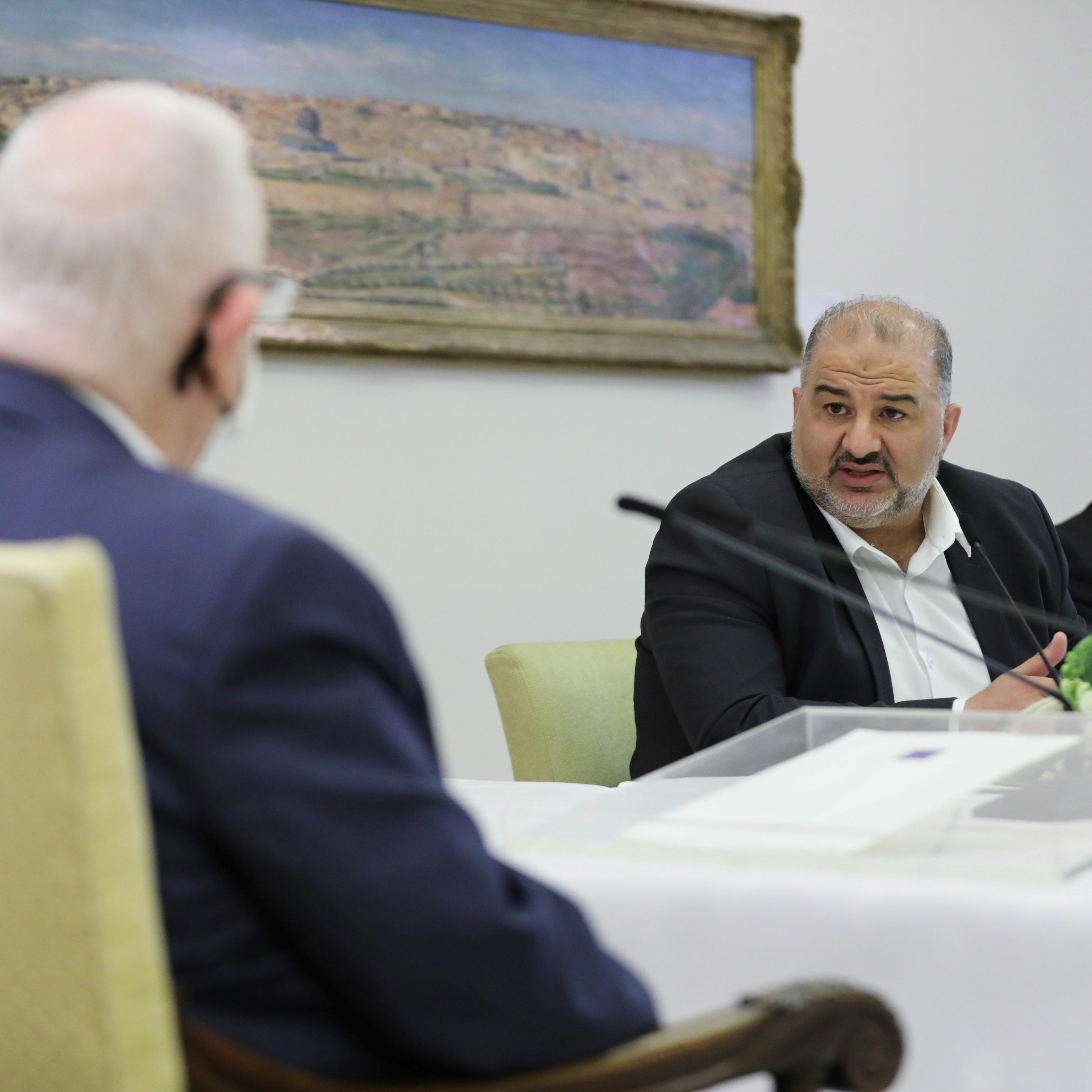
In this special ECFR discussion on Palestinian politics, MENA Policy Fellow Hugh Lovatt interviews Inès Abdel Razek, Advocacy Director for the Palestine Institute for Public Diplomacy (PIPD) and Amjad Iraqi, Editor and Writer at +972 Magazine, to discuss political shifts from the March Israeli elections and dynamics surrounding the upcoming Palestinian elections. Hosted on Acast. See acast.com/pri

The geopolitics of cybersecurity
Are both, the EU and Japan ready for the challenges ahead of a digital 21st century? In many respects, there are points of contact between Asia and Europe. Parts, components, but also software from Asia play a major role in the expansion of digital state and private structures. The more physical products and digital services merge, the more important it is to address the challenges involved. What
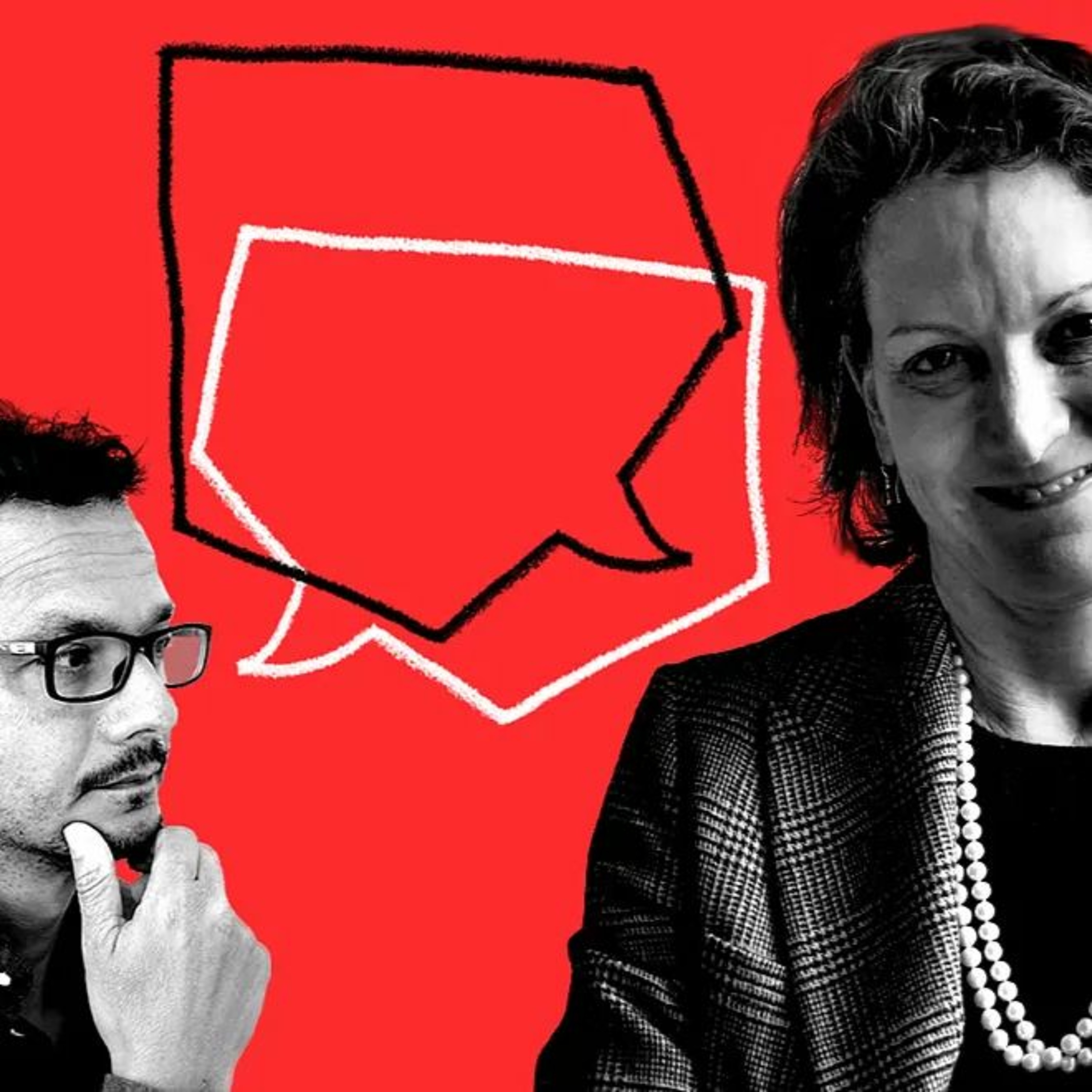
An interview with Anne Applebaum and José Ignacio Torreblanca
Head of ECFR's Madrid Office, Jose Ignacio Torreblanca talks to the American historian, a Pulitzer Prize winner for Gulag, and expert on authoritarian populism about the recently published "The Twilight of Democracy" – a hard-hitting book on the collapse of a way of life based on reason and freedom, and the rise of another, based on hatred, resentment, and contempt for the rule of law. Hosted on A
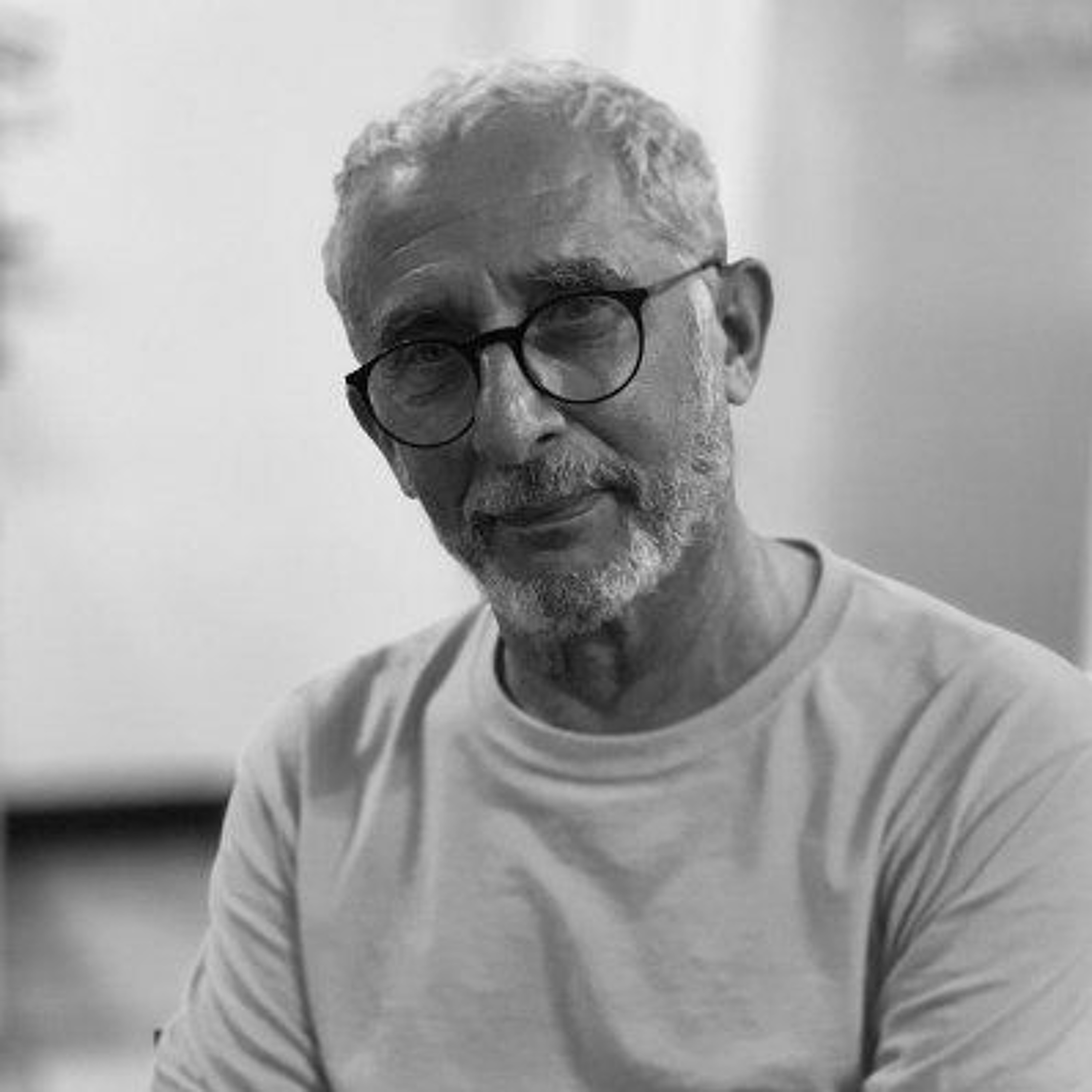
Interview with Daniel Seidemann
In this special ECFR discussion, MENA Policy Fellow Hugh Lovatt interviews Daniel Seidemann, the Founder of Terrestrial Jerusalem and an Israeli attorney that specialises in the geopolitics of contemporary Jerusalem. Together they discuss the recent UAE – Israel normalisation deal, the threat to the status on the Temple Mount/Haram al-Sharif, whether a two-state solution is still achievable and wh