The Climate Question
Why we find it so hard to save our own planet, and how we might change that. The podcast explores the challenges and potential solutions to the climate crisis.
Episodes

Mining: Can we learn lessons from the past?
Lithium and copper are at the heart of the green energy transition, but what's the environmental cost of extraction? From the lithium mines of Salar de Atacama in Chile to the historic copper mines of Butte Montana, author James Crawford has visited the extraordinary landscapes and mining operations powering the renewable energy transition. Graihagh and Jordan chat to James Crawford about his new

Are we ready for a super El Niño?
When a powerful El Niño strikes, it can devastate harvests, flood communities and kill thousands of people. Scientists have been warning for months that this one could become the strongest on record. The question is: are we ready? In this episode of The Climate Question, hosts Graihagh Jackson and Jordan Dunbar find out how communities in Kenya and Peru are preparing for a potentially historic El

The battery revolution
From Mongolia to Texas, record numbers of lithium-ion batteries are being added to the world's electricity grids - helping to provide more reliable power and speeding up the transition to renewable energy sources such as wind and solar.China is installing over half of these new batteries, often in giant battery farms, followed by the United States and Europe. And with prices dropping fast, the tre

Climate overshoot: The world beyond 1.5°C
The United Nations says the world will pass its most important climate target within a few years. So can we bring the planet's temperature back down quickly? Or will the damage be irreversible?In 2015, world leaders agreed in Paris to try to keep the global temperature below 1.5 degrees above pre-industrial levels to avoid the worst effects of climate change. But the UN now says what scientists ca

The solar power boom in Pakistan and the Philippines
The Philippines and Pakistan are now the world's top solar panel importers. We find out why, and what other countries can learn from the boom!Cheap solar panels, mainly imported from China, are transforming lives and slashing electricity bills across Asia. In the last year, Filipinos have put up five times as many rooftop solar panels as the previous ten years combined. Installation companies are

Can China build its way out of climate change?
Huge construction projects are transforming China - think enormous dams, giant solar power farms and a vast high-speed rail network. Will Beijing's "engineering mindset" help it deal with climate change? China's senior leadership is dominated by engineers, starting with President Xi, who trained as a chemical engineer in the 1970s. They have overseen megaprojects like the 50-kilometre bridge joini

How will melting glaciers change Nepal?
As shown by the recent flash floods, Nepali mountain communities are on the front line of climate change. Can they adapt?Host Jordan Dunbar talks to two Sherpas who have become climate researchers. They are glaciologist Tenzing Chogyal Sherpa, and Pasang Yangjee Sherpa, who researches how global warming affects indigenous groups in Nepal.This programme was recorded in July 2026.Got a question for

Can we cope with droughts?
Europe is reeling from a record-breaking drought which has closed nuclear power stations, stopped river traffic and sent food prices soaring. And there may now be more intense droughts in some parts of the world because of climate change. Our host Graihagh Jackson explores solutions from water usage apps in South Africa to solar irrigation systems in Egypt. She also looks at the challenges of adap
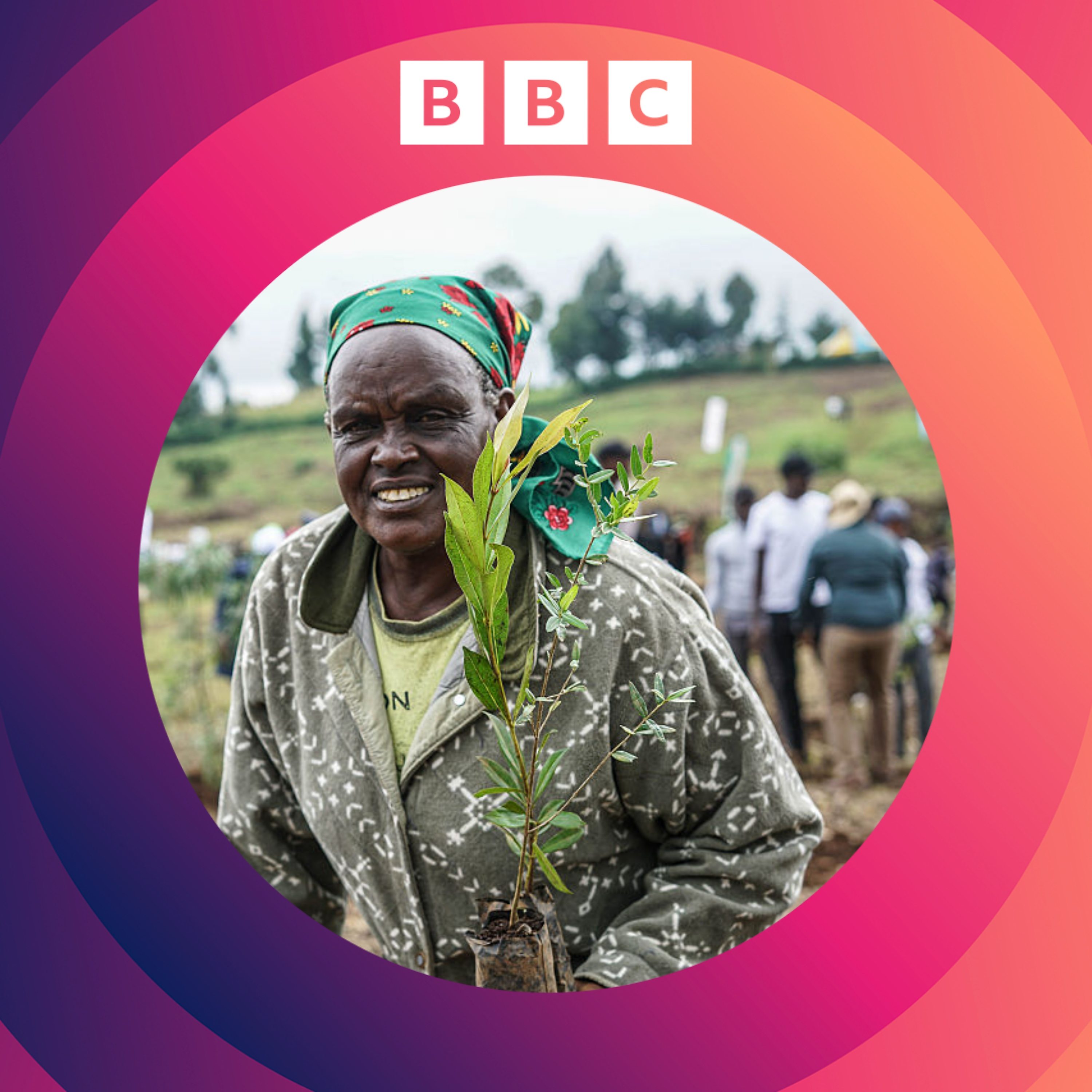
How do we save Africa's forests?
African forests are vital for food and economic development, as well as for supporting millions of species of animals and plants. We find out how to protect them better with one of Africa’s top environmentalists! From the giant Congo rainforest to the Kenyan highlands and the mangroves of Mozambique, Africa’s forests are some of the most spectacular places on Earth. And these sensitive ecosystems
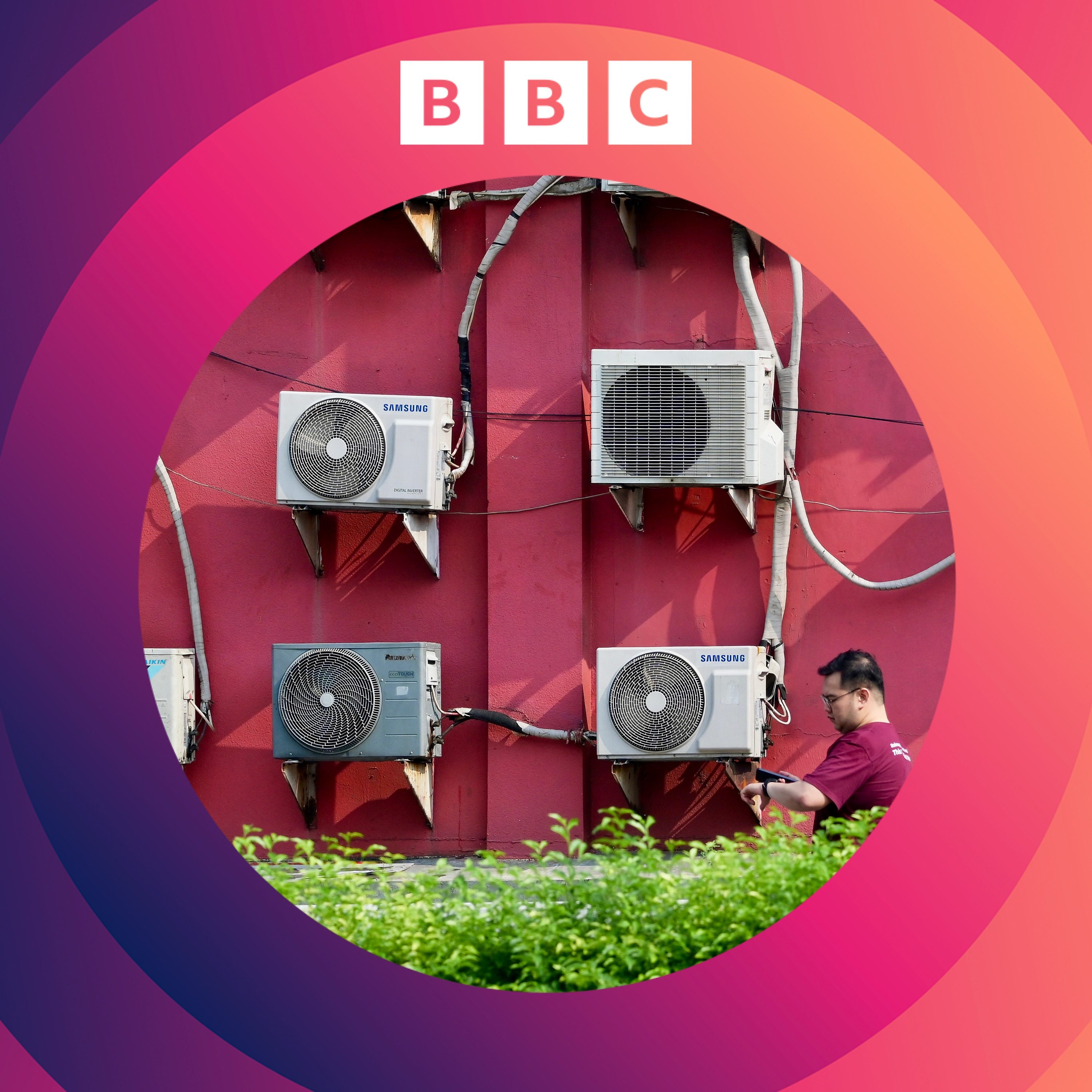
Is air conditioning the answer to extreme heat?
Experts say we may now need to spend more on cooling our homes than heating them because of climate change. In fact, the International Energy Agency thinks the equivalent of 10 new air conditioners every second will be installed for the next 30 years! This surge in air con will put strain on the world’s electricity grids, which are still mostly powered by fossil fuels. The units also pump heat int

Is this a new era of wildfires?
Huge wildfires have been sweeping across Southern Europe and North America. Is climate change increasing the risk? And what can we do? Weather experts say the world is starting to see new types of wildfire – including enormous Pyrocumulonimbus fire clouds that spit lightning and black hail.These infernos can burn for more than a year. They can also spawn fire tornadoes, which move at more than 200

How is climate change affecting motherhood?
Graihagh Jackson talks to mothers from India, Kenya and the UK about how climate change is affecting women's decisions about whether to have children and how to raise them.Her guests are Bhavreen Kandhari, a clean air campaigner from Delhi; Dr Susan Chomba, a Kenyan forest scientist and environmentalist; and Dr Elizabeth Cripps, a political philosopher specializing in climate justice. This program
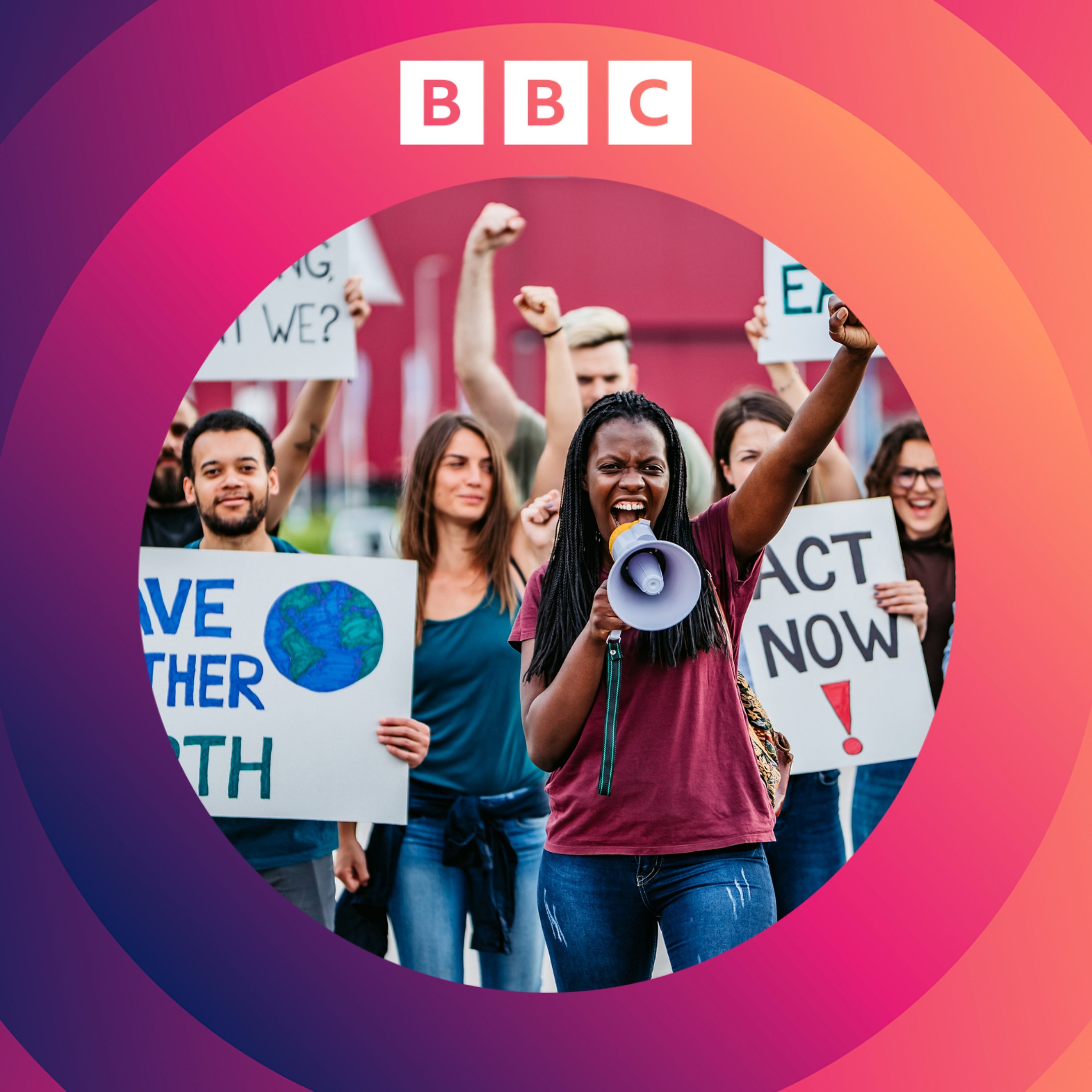
Do climate protests ever work?
Climate activists have blocked highways, scaled oil rigs and even thrown soup at master artworks. But have protests ever made a difference? The modern green movement started in the 1970s when Greenpeace sailed a fishing boat towards a nuclear test site in Alaska. It now encompasses everything from bake-ins and marches to Radiohead concerts. A small minority of activists even favour breaking the la
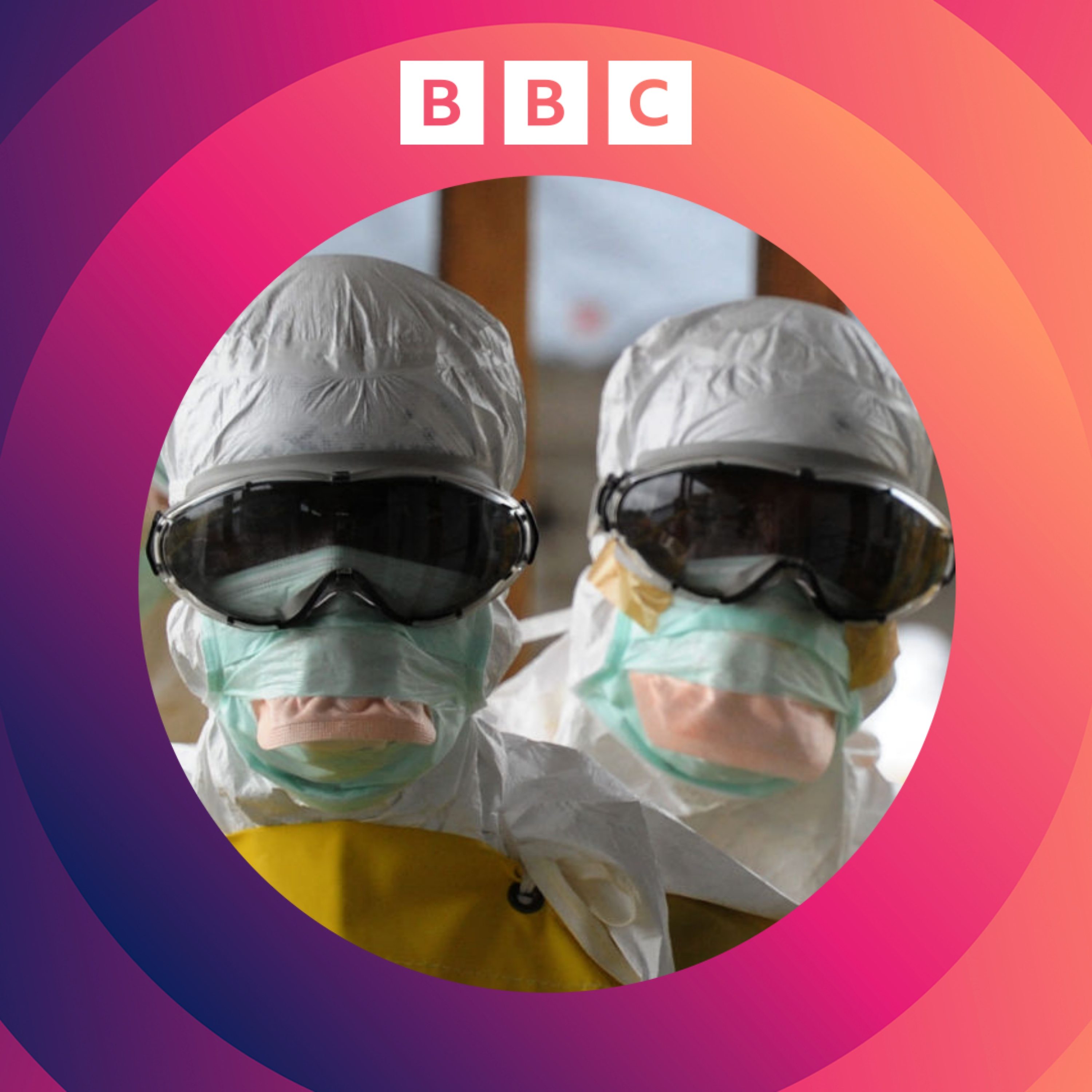
Could climate change fuel an epidemic?
Scientists are warning that climate change and deforestation increase the risk of outbreaks of deadly diseases. How big is the danger? And what action can we take? Dr Neil Vora is a so-called “disease doctor” - an epidemiologist who has travelled the world to help trace the sources of outbreaks of Ebola, cow pox and rabies. Dr Vora tells The Climate Question hosts Graihagh Jackson and Jordan Dunba

Can science fiction help us fight climate change?
The acclaimed US sci-fi author Kim Stanley Robinson is also a star in the world of climate activism because his work often features climate change - on Earth and beyond. Robinson has been a guest speaker at the COP climate summit, and novels such as The Ministry For The Future and The Mars Trilogy are admired by everyone from Barack Obama to former UN climate chief Christiana Figueres. Robinson's

How to build a climate friendly city
More than seven billion of us are expected to be living in urban areas by 2050. So what are the world’s great cities doing about climate change? Humans are now city creatures – with more than half the world’s population already living in urban environments, and huge growth expected in cities in Asia and Sub-Saharan Africa during the rest of the 21st century. So mayors are on the front line of deal
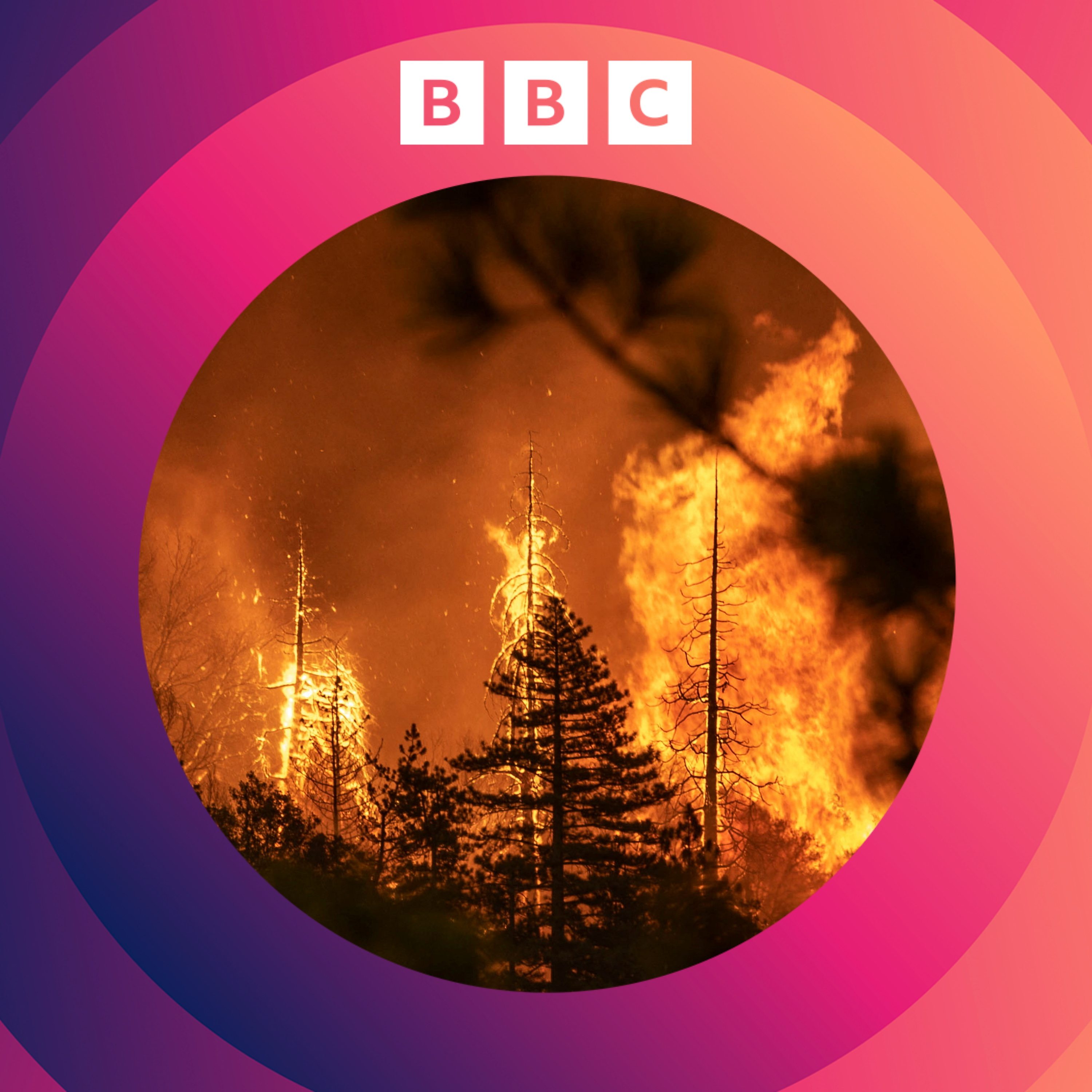
"Super" El Niños and climate change
Scientists say the El Niño weather pattern has started and this one is potentially so strong that it could have devastating effects in many parts of the world. So how does El Niño work exactly? And what’s the connection with climate change? El Niño starts when water temperatures rise near the Pacific coast of South America, but the impact on weather is felt around the globe. Some regions are more

Is climate change ruining our sleep?
Parts of India have been facing extreme heat - with temperatures soaring past 46 degrees Celsius. But a less familiar story unfolds after dark. When temperatures stay high after sunset, an essential human need is threatened: sleep.Scientific research suggests that hot nights are leading many of us around the world to lose shut-eye already. Our bodies need to cool down to fall asleep – but hotter n
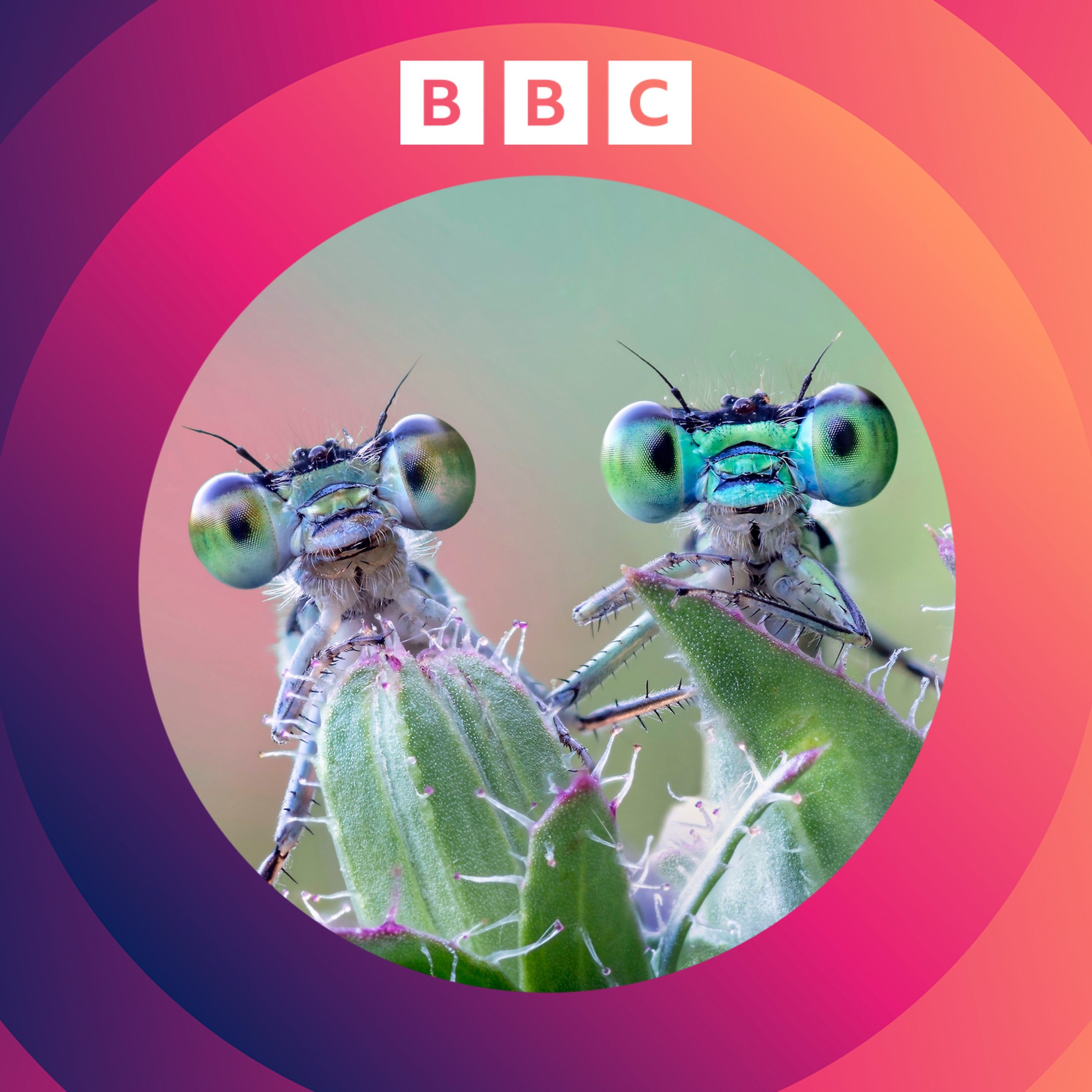
How will climate change affect insects?
Insects play a crucial role in food production and the spread of disease, as well as being keystone species in many ecosystems. What does a warmer world mean for them?Climate Question hosts Graihagh Jackson and Jordan Dunbar talk to zoologist Dr Tim Cockerill, Senior Lecturer at Falmouth University.Got a question or comment? You can email the team: theclimatequestion@bbc.comProducers: Diane Richar

Can the World Cup cope with extreme heat?
Scorching temperatures are expected at this year’s World Cup in the USA, Mexico, and Canada. How will players and fans cope? And how will it affect the action on the pitch? Scientists are concerned about the impact of extreme heat on the biggest sporting event in history. The organisers, FIFA, is introducing mandatory water breaks to keep players cool, but experts say the hot conditions may slow
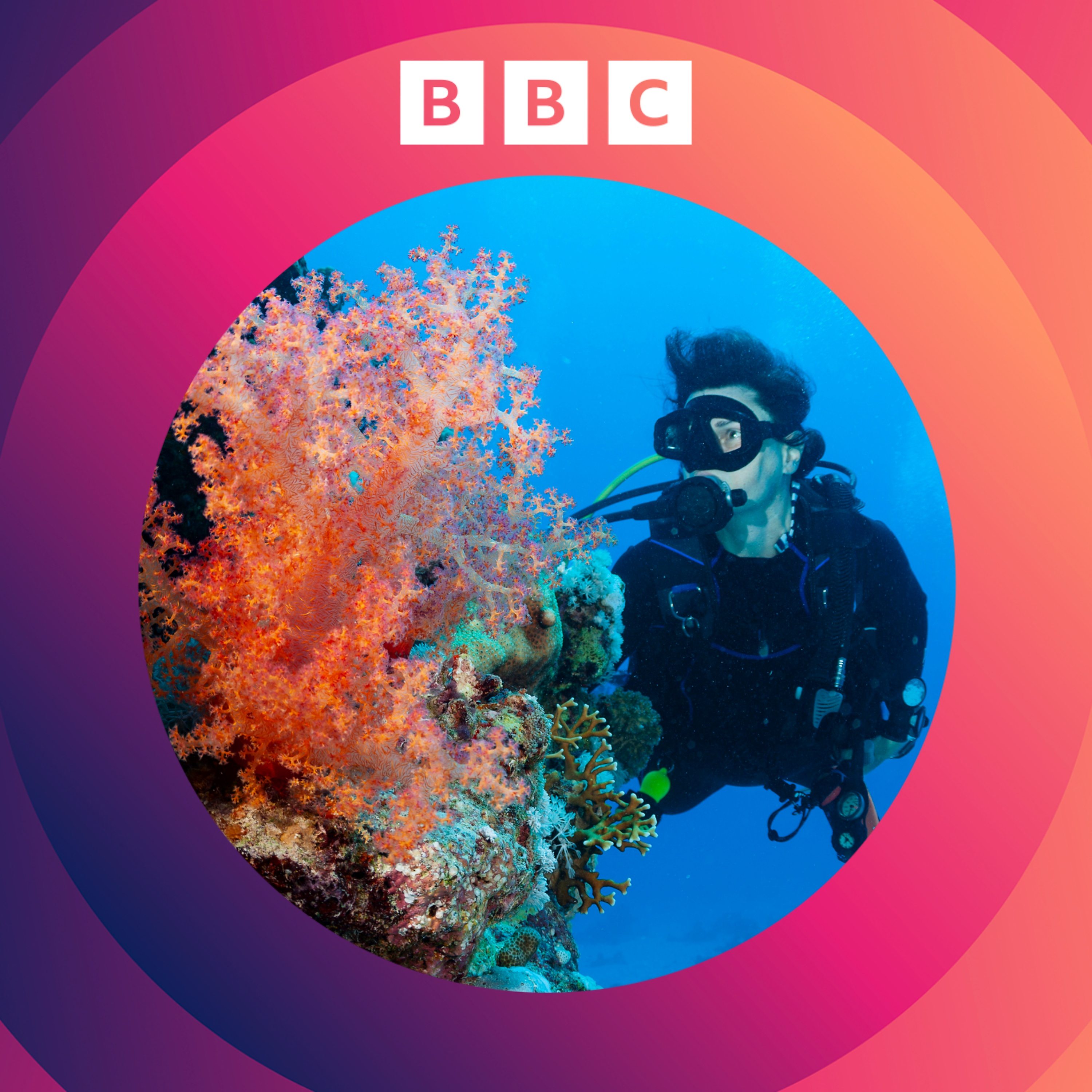
Can we save the world's coral?
Corals protect humans and sustain 25% of all marine life. But reefs are under threat from climate change, and mass bleaching events mean that some scientists estimate they could disappear by 2100.In this episode, Graihagh Jackson is joined by BBC CrowdScience presenter, Caroline Steel. We go to Puerto Rico to see how self-duplicating, carnivorous coral could be the solution. We also speak to the s

Should we mine the deep ocean?
In the global race for critical minerals - could the seabed provide solutions? Or should we leave these metal-rich environments undisturbed? Governments and mining companies around the world are on the hunt for the critical minerals we need for the green tech transition. And there’s growing interest in an unlikely source – potato-shaped nodules that are found kilometres below the surface of our
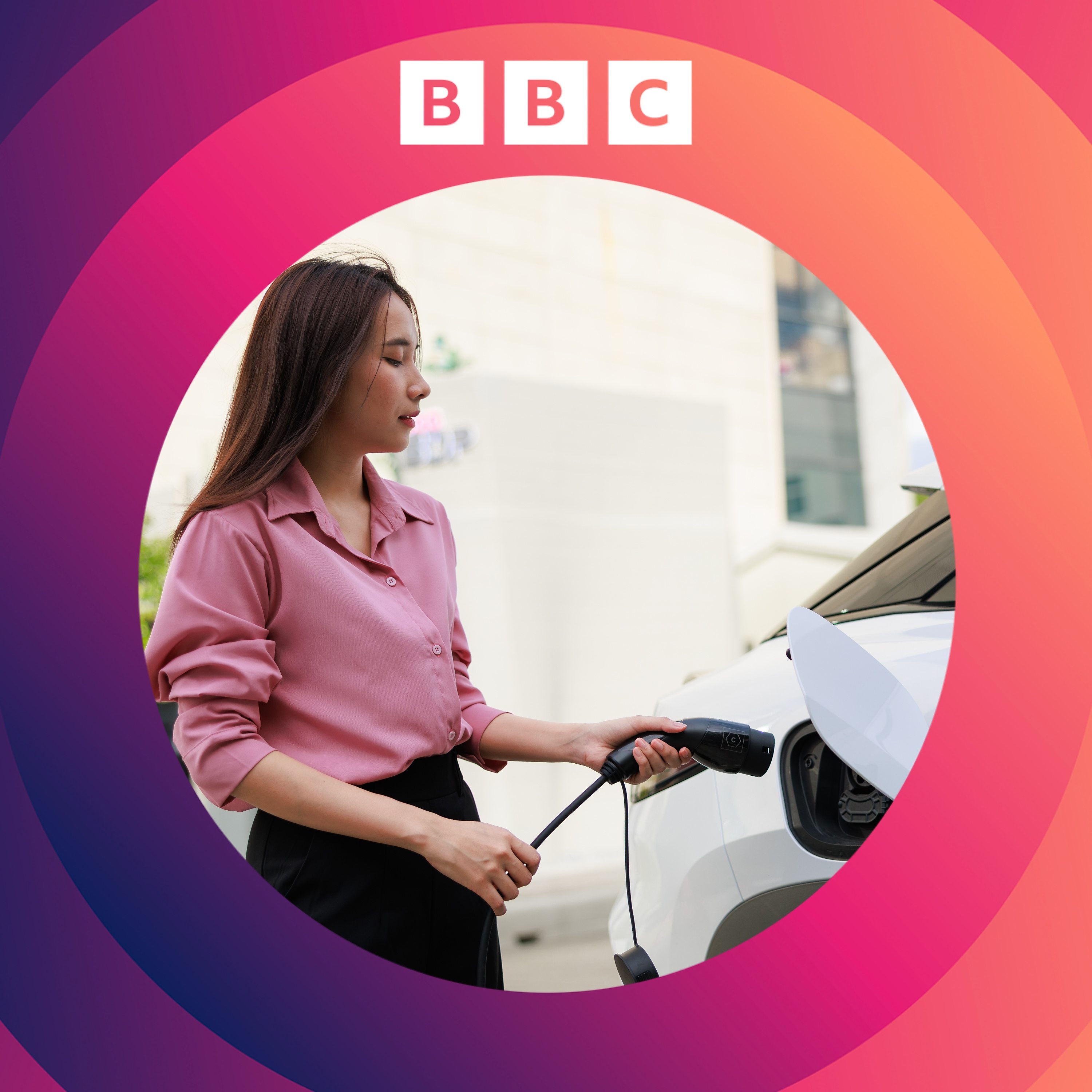
The electric car boom in South East Asia
Electric vehicle sales are soaring in Thailand and Vietnam. What’s behind the boom? And will it help the climate? Thais and Vietnamese are switching to electric cars in huge numbers – attracted by government subsidies and a more exciting range of EVs. Jobs in the car industry are also up in both countries as a new generation of manufacturers compete for domination of the emerging electric market.

Q+A: The carbon footprint of your tech and AI
What’s the carbon footprint of streaming your favourite shows or doing an AI search? How vulnerable are river estuaries to climate change? Plus, are you a climate optimist or pessimist? Graihagh Jackson and her panel answer your questions. The panel are Justin Rowlatt, BBC climate editor; Akshat Rathi, senior climate reporter for Bloomberg News and host of Bloomberg's Zero podcast; and Caroli
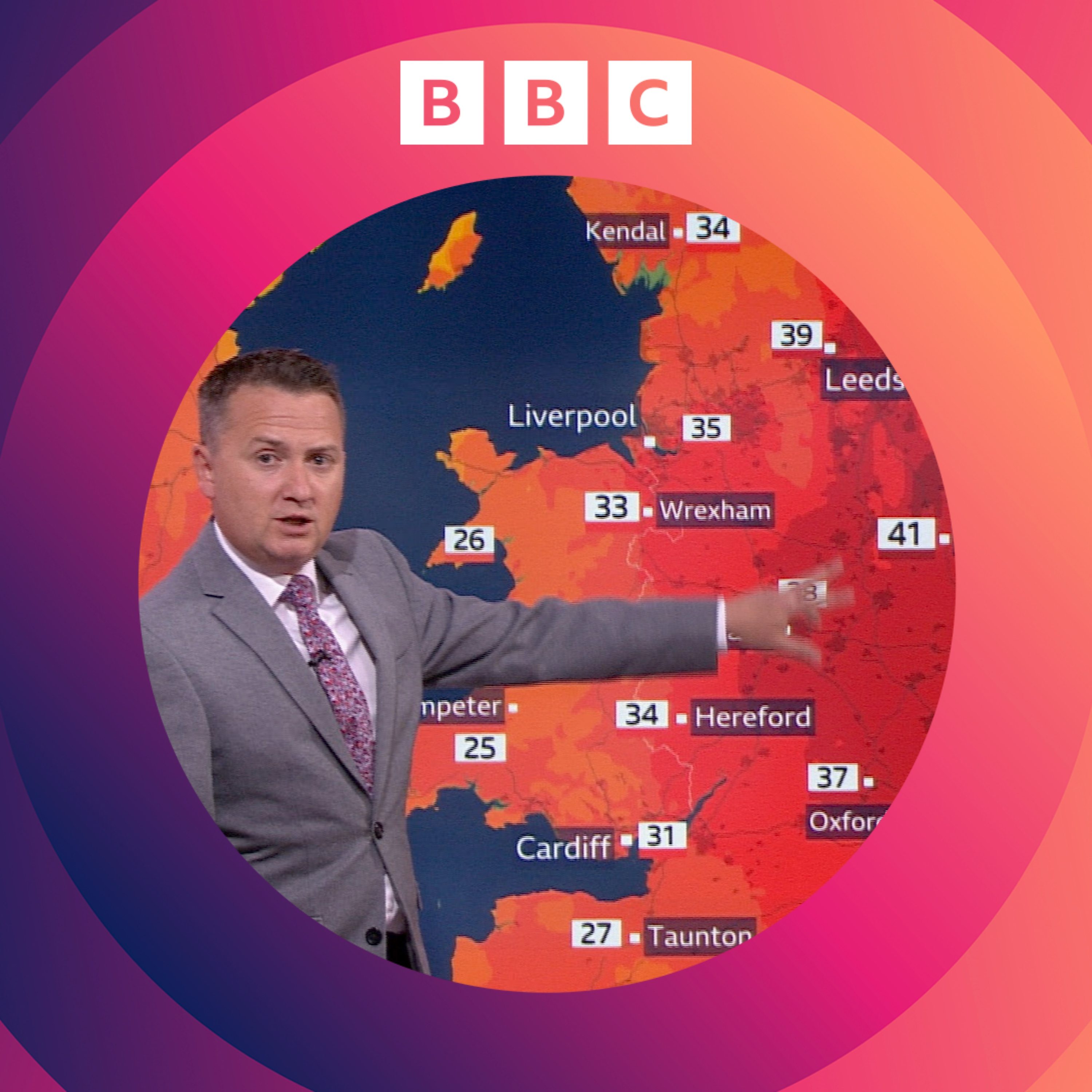
Is this climate change or just crazy weather?
It’s one of the most commonly debated questions in the climate world: Is this weather we’re experiencing natural, or is it linked to man-made climate change? In this episode of The Climate Question, Hosts Graihagh Jackson and Jordan Dunbar are joined by BBC Lead Weather Presenter, Matt Taylor. Matt’s forecasts are seen not just in the UK but around the world. Matt chats to Graihagh and Jordan abou
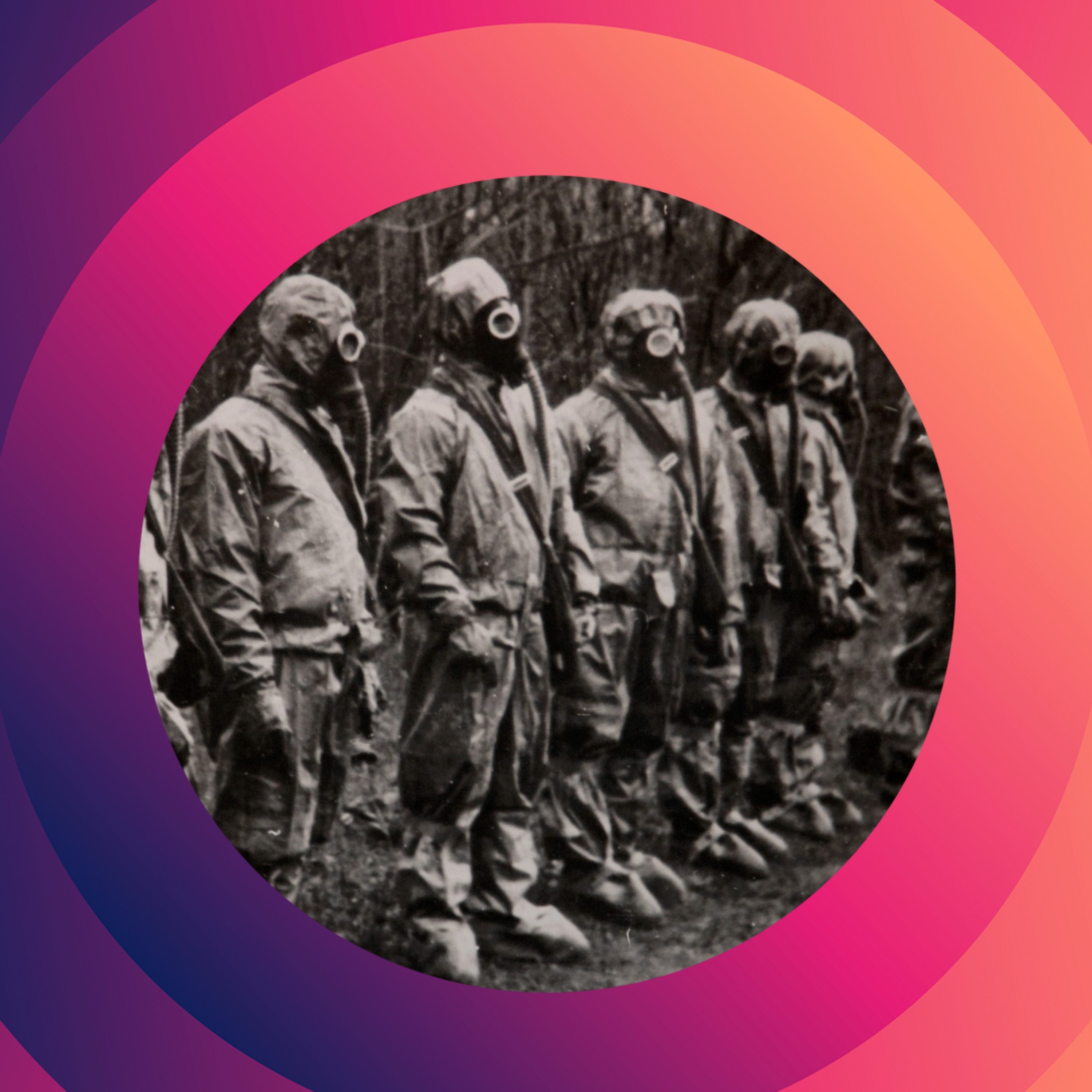
Chernobyl at 40: Is nuclear power back in fashion?
In 1986, the Chernobyl nuclear accident devastated the Soviet Union and shocked the world. But, 40 years on, are we now seeing a nuclear renaissance? And what does that mean for the climate? Climate Question host Jordan Dunbar has just visited the most contaminated place in the world for a BBC World Service documentary. He tells co-host Graihagh Jackson about the ghostly atmosphere in the former C
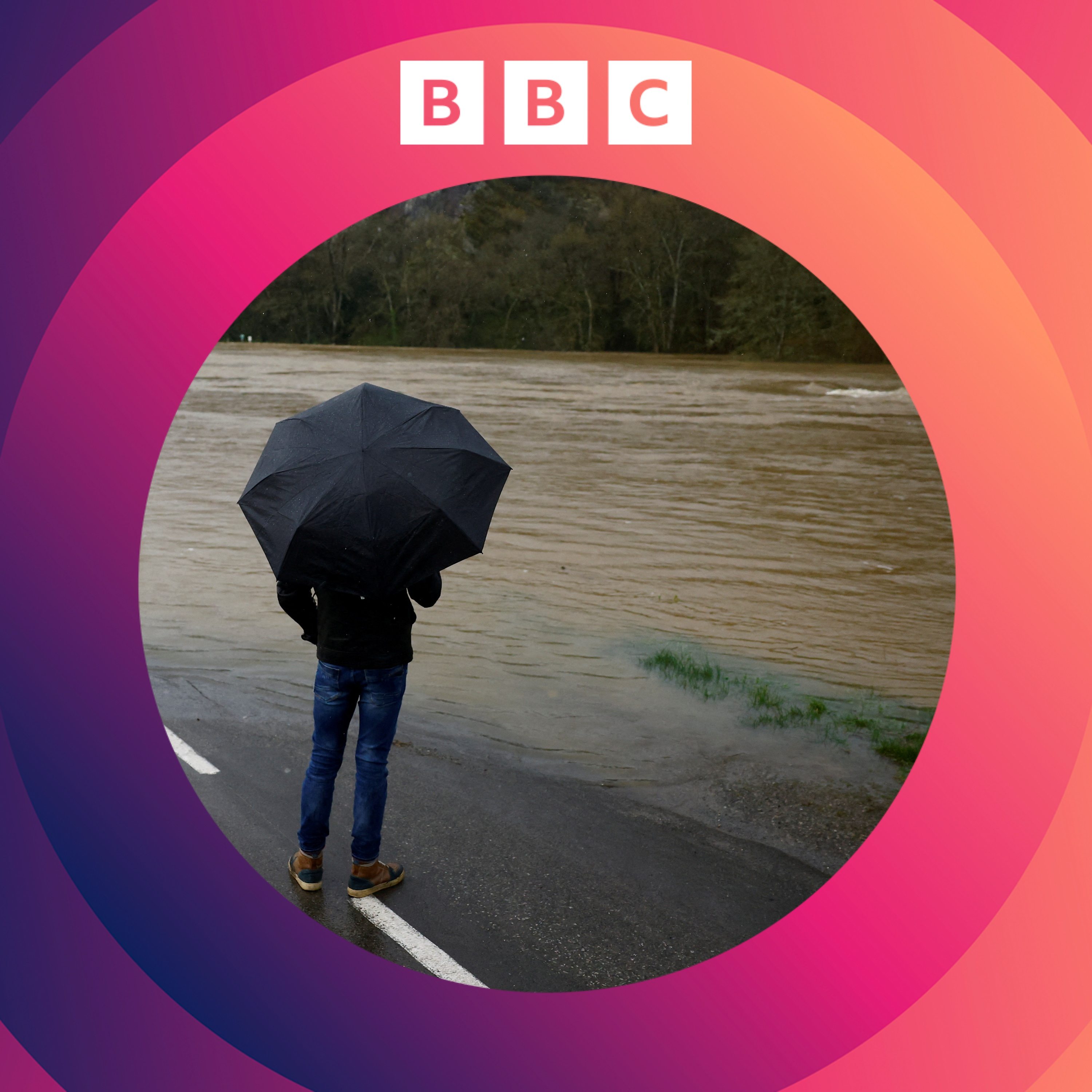
Can technology help us fight flooding in cities?
With more and more people moving to cities, informal settlements are expected to grow. When floods hit these unplanned places, it can be disastrous, as we often don’t know much about them. Crucial questions often remain difficult to answer, like how many people live there, what are the buildings made of, and could they withstand a flood? In the township of Alexandra in Johannesburg, the BBC’s Noms

Earthquakes and climate change
Earthquakes are caused by a sudden release of stress along faults in the earth's crust, not by climate change, but some new studies suggest that melting glaciers and permafrost may influence when, where and how often seismic activity occurs. In this episode, hosts Graihagh Jackson and Jordan Dunbar chat to seismologist Dr. Verena Simon from the Swiss Seismology Service and Associate Professor of
Why are some cities banning fossil fuel ads?
How much does advertising influence what we buy and how we think?A growing number of cities are restricting adverts for fossil fuel products, from flights and petrol cars to gas heating. From May, Amsterdam is set to become the first capital city to do so. In 2024, the UN Secretary-General António Guterres called on countries to introduce similar bans worldwide.In this episode of The Climate Quest
What's it like being a chief heat officer?
As climate change makes the world hotter, some cities have appointed so-called Chief Heat Officers to try to improve their response to record-breaking temperatures. In 2024, Graihagh Jackson spoke to two women who have done the job in Freetown, Sierra Leone, and Monterrey, Mexico. What does their role involve? What solutions are out there? And do they get enough funding?Plus, Umaru Fofana reports
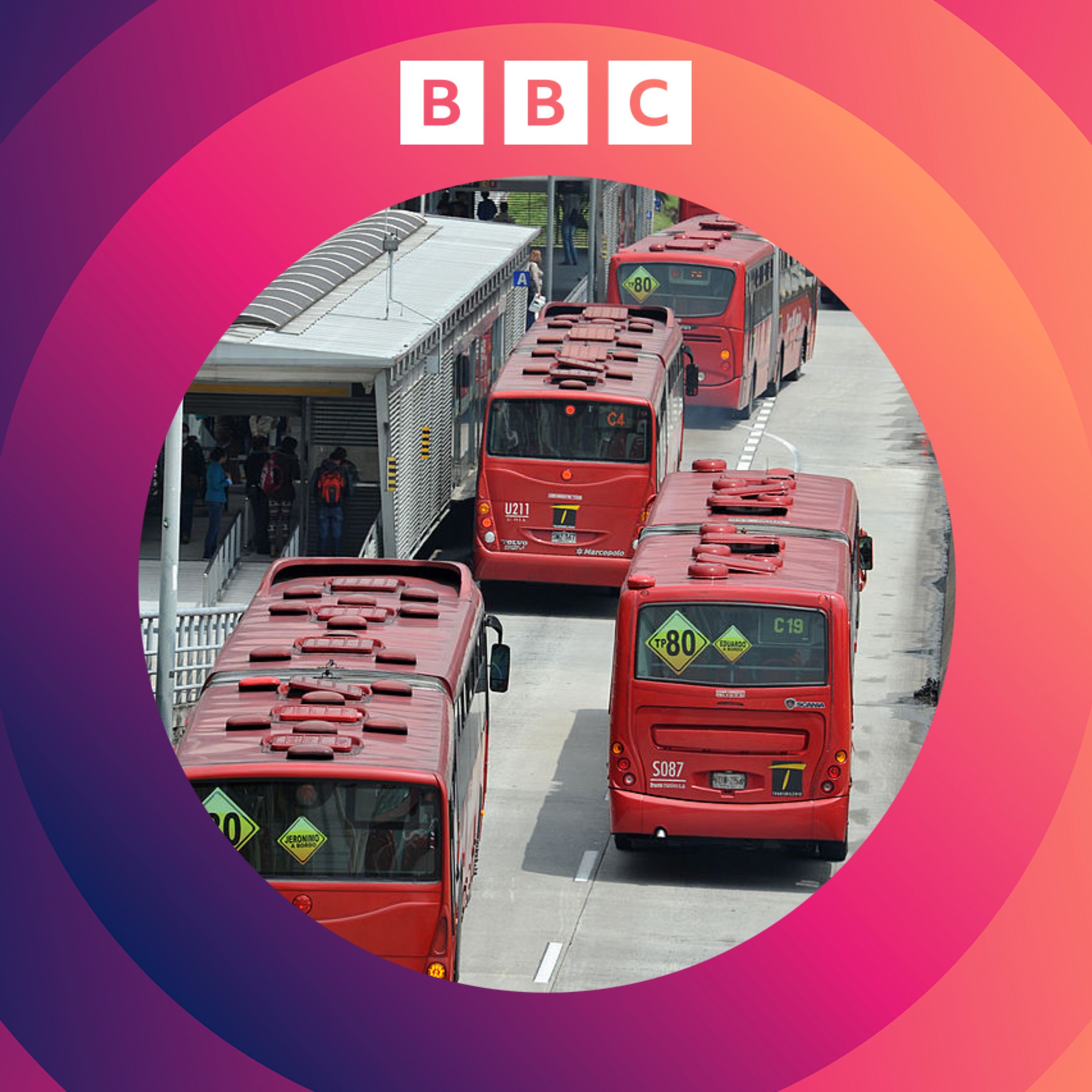
Can better buses fix city pollution?
Transport is one of the fastest-growing sources of greenhouse gas emissions, and in cities around the world it is also one of the biggest daily frustrations. Congestion, pollution and long journeys to work affect millions of people every day.In this episode of The Climate Question, Jordan Dunbar explores how cities can move large numbers of people more quickly, cheaply and with fewer emissions. Wi

Q&A: Beavers, solar panels in the Sahara and nuclear waste
The Climate Question panel answer your queries. Do beavers protect the planet? Should we put solar panels in deserts? And why does the world need to upgrade its electricity grids?Host Graihagh Jackson puts your head-scratchers to Justin Rowlatt, BBC climate editor; Akshat Rathi, senior climate reporter for Bloomberg News and host of Bloomberg's Zero podcast; and Caroline Steel, presenter of BBC Cr

What's the climate cost of war?
War leaves a visible trail of destruction: lives and families devastated, homes and communities reduced to rubble. But there is also a climate cost of armed conflict, and it’s an issue that Climate Question listeners have been asking about. So in this show, Host Graihagh Jackson chats to two leading experts about the carbon footprint of battle itself - the jets, the bombs, the supply lines - and

Is cutting methane the quick way to cool the planet?
Methane is much more powerful than carbon dioxide and emissions are still rising. So what can we do to tackle the human-made sources of this greenhouse gas? And could this buy us time to get to grips with climate change?It's a topic which many Climate Question listeners have been contacting us about. So in this episode Hosts Graihagh Jackson and Jordan Dunbar put some of your questions and comment
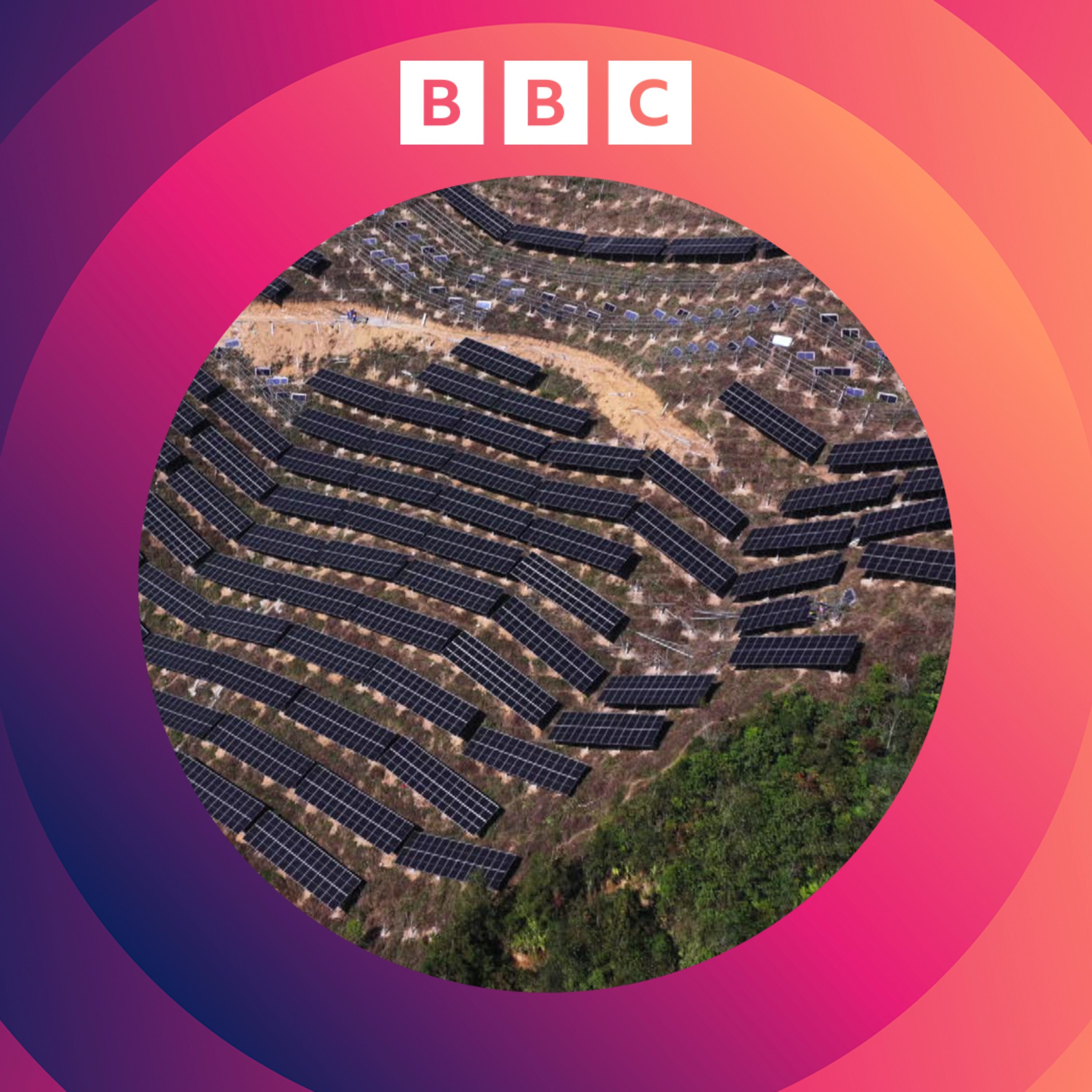
China's green energy revolution
China is installing solar panels and wind turbines so fast that its greenhouse gases emissions may now have peaked. If this trend is confirmed, it would be a major milestone in the fight against climate change because China is the world's largest polluter.The BBC’s Beijing Correspondent Laura Bicker has travelled across China to see the country’s clean energy revolution first hand. She’s visited
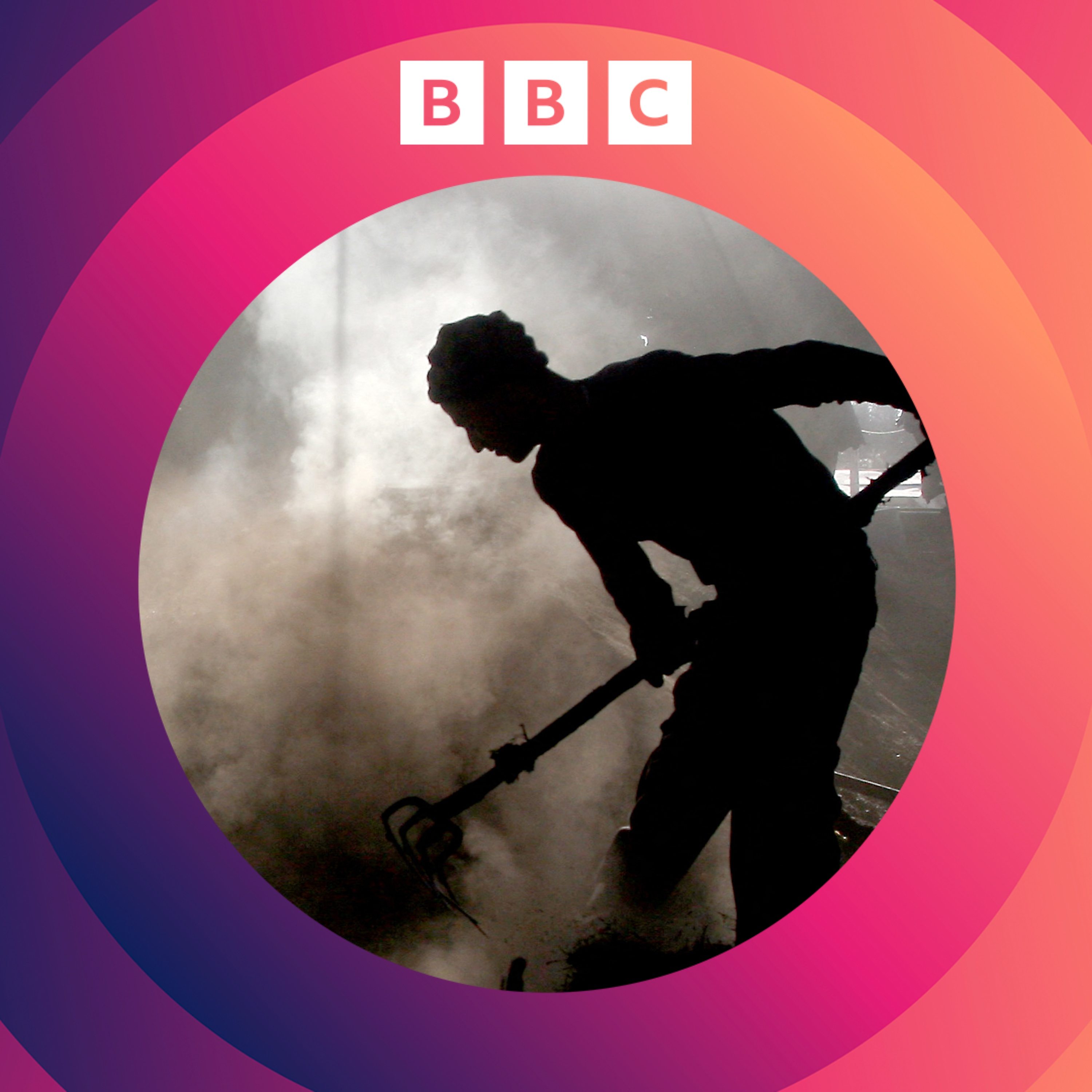
What can we do to reduce black carbon?
First broadcast in 2024. Graihagh Jackson finds out about the little know pollutant making us sick and driving the climate crisis. It commonly comes from burning coal, diesel or wood and has a habit of getting stuck in people’s lungs as well as causing glaciers to melt. In Nepal, home to some of the world’s most beautiful glaciers, we meet journalist Tulsi Rauniyar, who tells us all about th

Can winter sports survive a warming world?
Winter sport depends on one thing that is becoming less reliable each year: snow. As temperatures rise, glaciers are retreating, seasons are shifting, and lower-elevation resorts are struggling to guarantee consistent conditions.Hosts Graihagh Jackson and Jordan Dunbar explore the ways climate change is reshaping winter sport, from elite competition to local economies. Former alpine ski racer and
What is climate anxiety and how can you cope with it?
Fear, anxiety, sadness, anger, dread and powerlessness are some of the many emotions associated with what’s called climate anxiety. A global survey of 10,000 young people aged between 16–25 years, found that 60% were very worried about climate change, and nearly half said that their anxiety negatively effects their daily life. Psychologists say these are rational responses to our changing cli
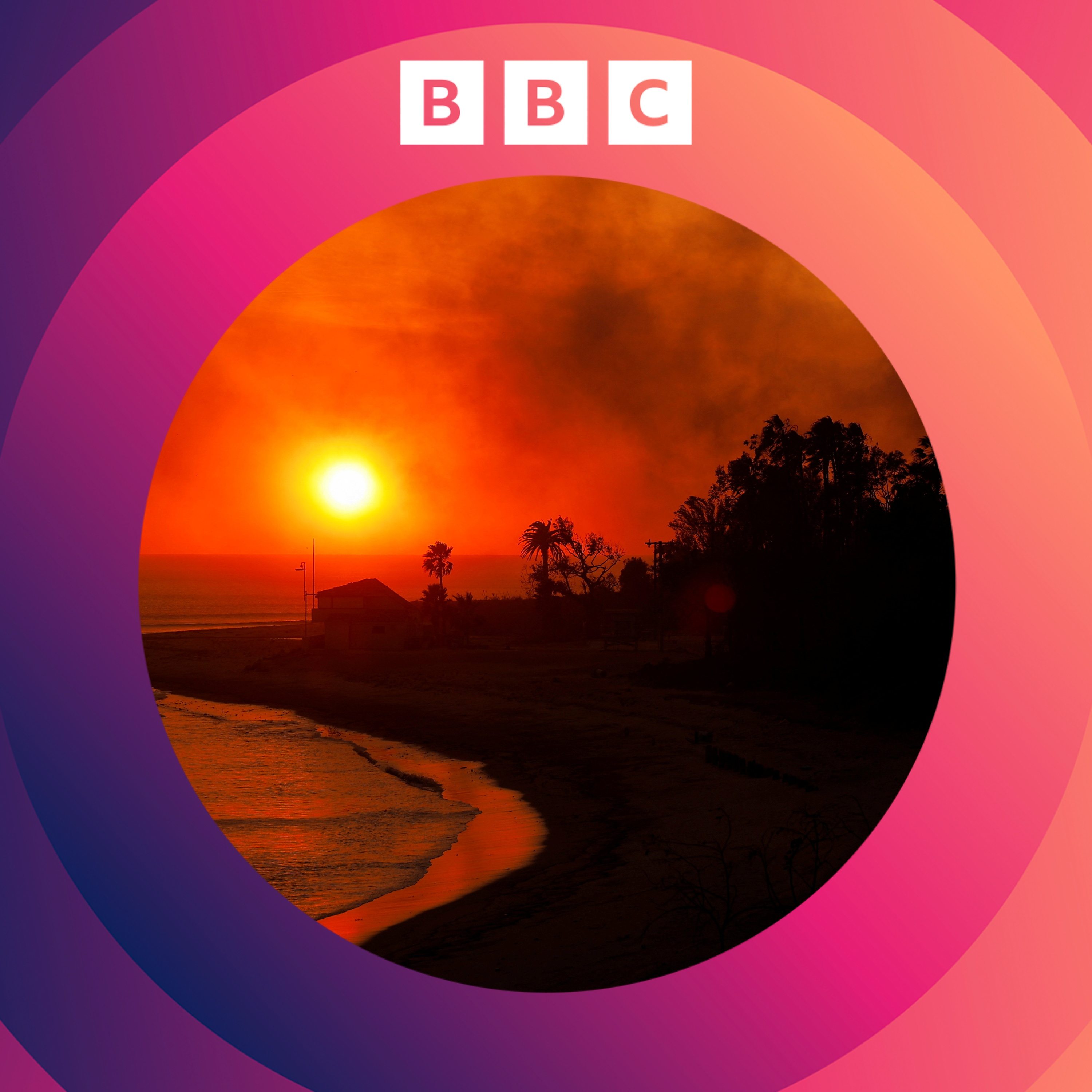
How hot could the planet get?
We know the planet is getting hotter because of human-induced climate change. But just how hot could it get?In this show, Graihagh Jackson and Jordan Dunbar chat to Nasa scientist, Kate Marvel, about the world of climate modelling. Kate has spent decades trying to work out what will happen to the Earth as emissions of carbon dioxide increase. Although the basic facts of climate change are settled
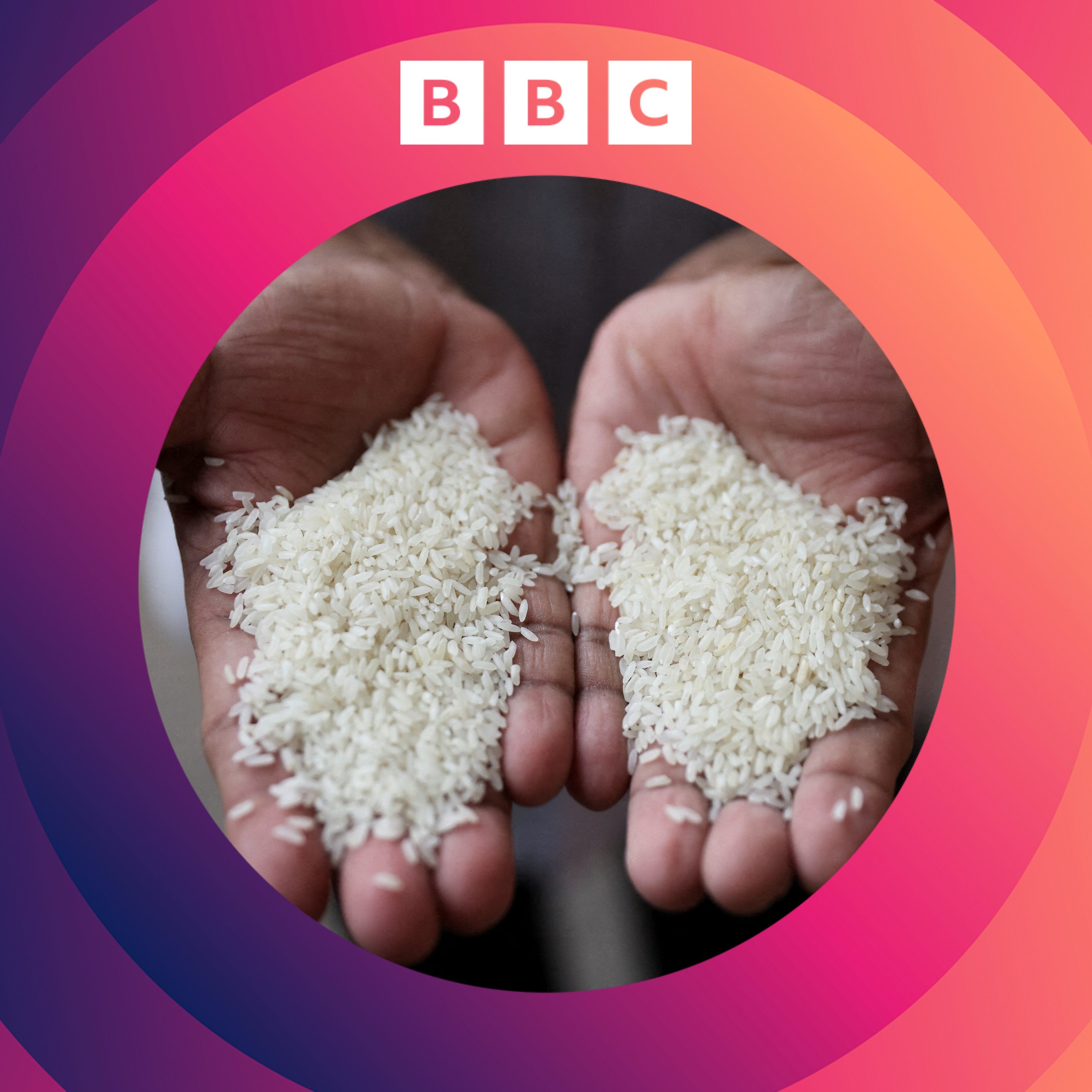
Could ancient rice seeds help fight climate change?
How farmers and scientists in eastern India are using ancient rice seeds to fight the growing impact of flooding, soil salinity and drought.The BBC’s William Kremer tells Graihagh Jackson about his visit to the Sundarbans in West Bengal, where cyclones and rising sea levels have devastated crops. William meets the rice growers drawing on the skills of their forefathers to feed their families. Grai

Are SUVs becoming a climate problem?
Across the world, cars are getting taller, wider and heavier. Sports Utility Vehicles, or SUVs, now dominate global car sales, and the trend has continued into the electric age with many new EVs larger than ever.In this episode of The Climate Question, Jordan Dunbar examines why bigger cars have become so popular with drivers and so profitable for manufacturers. From comfort and safety to status a

Are there any quick fixes to the climate crisis?
People often ask whether there are any quick fixes to the climate crisis — easy wins that could cut emissions without waiting decades. This week, The Climate Question does something a little different.Graihagh Jackson and Jordan Dunbar stage an imaginary cabinet meeting, with three “ministers” competing to deliver the biggest climate impact in just five years. Climate scientist and YouTuber Adam L
What can whales tell us about climate change?
Whales are among the largest animals to have ever lived – and scientists are discovering they also play a big role in the climate system. From the food they eat to where their waste and bodies end up, whales help move carbon from the atmosphere to the deep ocean, where it can be locked away for centuries.This week, Graihagh Jackson and Jordan Dunbar explore what whales can tell us about climate ch
Q&A: The jobs of the future, nitrous oxide, ice cores
We answer YOUR climate questions – on everything from “green” careers to ice cores to the world’s electricity challenge! In this edition of The Climate Question, Host Graihagh Jackson explores your climate-related headscratchers. Her panel chat about the new jobs that will open up as the world economy moves away from fossil fuels – and the skills that will be needed. They also discuss the dangers
What made the floods in South East Asia so deadly?
Storms, cyclones and flooding in South East Asia have killed close to 2000 people, devastating communities across Indonesia, Malaysia, Sri Lanka and Thailand. Scientists warn climate change is reshaping weather patterns, increasing the risk of heavier rainfall and more destructive floods in the future.With many densely populated cities sinking and built on flood-prone land, the region is particula
What does the ocean do for us and the planet?
What do you think of when you think about our oceans? Maybe you see a picture of our planet with a big patch of blue? Maybe you think about storms or dramatic ocean voyages? Maybe fish or coral reefs? In this edition of The Climate Question, Hosts Graihagh Jackson and Jordan Dunbar explore how our oceans are even more important than you might imagine. They help put the brakes on climate change and
Who wins in the electric vehicles transition?
Across the world vehicle manufacturers are racing to make zero emission cars in the move away from fossil-fuel powered vehicles. It’s a huge market which could reach 9 trillion dollars worldwide by 2030. One small country which is grabbing this opportunity is Hungary. Located in the heart of Europe but with a population of under 10 million, it’s becoming one of the top battery producers globally f
How can the world speed up climate action?
How can the world speed up its efforts to fight climate change? It’s been a dramatic fortnight at the COP climate summit in the Amazonian city of Belem, with torrential rains and floods, protests and even a fire. A deal has finally been done but it’s divisive and has left many wondering whether we'll really avoid the worst effects of a warming world. Join Jordan Dunbar and Graihagh Jackson as they
The oil lobbyist who tried to sink the first big climate deal
The American lawyer, oil lobbyist and master strategist Don Pearlman is said to have chain-smoked his way through almost every UN climate gathering from the early 1990s until his death in 2005.Some of those who saw Pearlman operate in Kyoto, where the first legally binding international agreement on climate change was agreed in 1997, say he created the playbook for stalling climate talks. The Kyot
How does carbon dioxide shape our world?
Carbon dioxide is a molecule so important it has shaped life on Earth for billions of years. Without it, there would be no plants, no oceans, no people. But now, after centuries of burning coal, oil and gas, it's in the atmosphere at levels that alarm scientists.In this episode of The Climate Question, Graihagh Jackson speaks to Peter Brannen, science journalist and author of The Story of CO2 is t
COP: Is this the world’s toughest event to organise?
Every year, tens of thousands of people — from world leaders to activists to celebrities— gather for one of the world’s most ambitious meetings: the UN’s annual climate summit, COP.But what does it actually take to make it happen? How do you feed, transport and house 80,000 people, while trying to keep global negotiations on track?The Climate Question hosts Graihagh Jackson and Jordan Dunbar talk
Why does the Amazon matter?
The Amazon is probably the most famous rainforest on Earth. It’s home to Indigenous communities, one of the world's biggest rivers and a diversity of plant and animal life found nowhere else. But it’s also a region rich in sought-after resources — gold, iron ore, bauxite, coffee and rubber — and vast areas of forest have been cleared for cattle and soy production.
Scientists warn that deforesta
Somalia: Where climate change meets conflict
BBC Climate Editor Justin Rowlatt travels to Somalia to investigate the links between global warming and the decades-long conflict there. He hears how Somalis are responding by launching businesses and their own renewables industry. This programme was first broadcast in 2024.Presenter: Justin Rowlatt
Producer in Somalia: Stuart Phillips
Producers in London: Miho Tanaka, Sara Hegarty
Sound Mix: Tom
Can Mumbai cope with a changing monsoon?
Mumbai is India’s economic engine, but every rainy season this megacity comes to a virtual standstill as torrential rains flood streets, homes and transport networks. In 2005, Mumbai faced one of its worst floods on record – and experts warn that climate change could make future rainfall even more intense.This week, Graihagh Jackson and Jordan Dunbar explore what’s happening with Mumbai and the mi
Can we build better cities for mental health and the climate?
Today, more than half the world’s population live in cities – and as our numbers swell, so will our cities, especially those around the Pacific Rim, where it’s predicted our largest megacities of 10 million plus will be situated. And herein lies an opportunity: 60% of the buildings needed for 2050 are not yet built.Could we shape our cities into places that are good for the climate and also good f
What do ice cores tells us about climate change?
What can ice cores tell us about the atmosphere millions of years ago? These cylinders of ice, drilled from glaciers and ice sheets around the world, preserve precious clues about our changing climate and records such as rainfall, temperature and greenhouse gases, even volcanic eruptions. But what can the past tell us about the future? Host Graihagh Jackson hears from two ice core experts abou
Why don’t we use more geothermal energy?
Geothermal energy is renewable, reliable and powerful. So, why is most of it untapped? That’s what our listener, Anna in the UK, wants to know. Full disclosure, she’s a geologist and is thoroughly perplexed by the lack of uptake. Geothermal is renewable, reliable and abundant and yet, less than 1% of the world’s energy is generated from it.
Host Graihagh Jackson hears about a team in Iceland wh
How does extreme heat affect pregnancy?
Graihagh Jackson and the BBC’s former Global Health Correspondent Tulip Mazumdar investigate how extreme heat, fuelled by climate change, is affecting pregnant women in India.
In the southern state of Tamil Nadu, Tulip hears the heart-breaking stories of some of the women affected and explores simple solutions that would make their work in scorching agricultural fields safer.
The programme
Will the switch to green technology become unstoppable?
When people talk about tipping points in the climate, it’s usually bad news – the irreversible melting of ice sheets or the collapse of rainforests. But could there be positive tipping points too, moments where climate solutions break through and spread rapidly?Tim Lenton, Professor of Climate Change at the University of Exeter and author of Positive Tipping Points: How to Fix the Climate Crisis,
Will there be a solar power boom in Africa?
Africa gets a world beating amount of sunshine — but has just 1% of the world’s solar panels. Over half the continent still lives without electricity, stalling progress and holding back people’s lives. But change may be coming — thanks to a surge in solar imports from China. New data from energy think tank EMBER shows a 60% jump in solar panel shipments to Africa in the past year. If installed, th
Are wetlands our secret weapon in fighting climate change?
The world's wetlands store carbon and can help us tackle some of the impacts of climate change. Are we overlooking their importance? And what can we do to protect them more?Graihagh Jackson travels to wetlands near her home in East Anglia while Qasa Alom reports from the Bay of Bengal. And The Climate Question catches up with an old friend of the show, Dr Musonda Mumba, Secretary-General of the Co
Can we build a world where hurricanes can't kill?
Twenty years ago, Hurricane Katrina devastated America’s Gulf coast and overwhelmed the city of New Orleans. The destruction and the response to the storm became infamous and are debated to this day. Climate scientists warn that the warming world is likely to make typhoons, cyclones and hurricanes more intense and so even more dangerous. Graihagh Jackson and Jordan Dunbar ask what the world has le
Is Brazil doing enough to protect the Amazon?
This week Host Graihagh Jackson grabs a chat with the BBC’s correspondents in two countries that will shape our future climate. Brazil is about to host the giant COP climate conference in the Amazon, but the pace of reducing deforestation has just slowed and there are concerns about potentially weaker environmental standards. Ione Wells in Sao Paulo also talks Graihagh through proposals for oil ex
How do we fight the risks of melting glaciers?
Climate change is melting thousands of glaciers in the Himalayas and having a devastating impact on the people who live there. In 2024, the BBC's Caroline Davies visited the Pakistani side of the world's highest mountain range: she told Graihagh Jackson how villagers are coping, and how they are determined to stay put despite the risks of floods and the disruption to their traditional way of life.
Bill Gates: Why I'm a climate optimist
Bill Gates, the tech billionaire turned philanthropist, has been combating poverty, disease, and inequity around the world for decades. However, in recent years he has shifted focus and resources towards the climate crisis.Gates believes fighting climate change and fighting poverty are two sides of the same coin. Food, health and economic crises will last longer and become more severe as climate t
How do we save the world's small islands?
From coral reefs and mangroves to raising the land itself, how small island nations are using natural and innovative techniques to adapt to rising sea levels and extreme weather events linked to climate change. Jordan Dunbar chats to Tina Stege, climate envoy for the Republic of the Marshall Islands, and Dr. Rosanne Martyr, senior scientist on coastal vulnerability and adaptation, Climate Analytic
Is the race for rare earths good for the planet?
Rare earths have been described as the oil of the 21st century, incredibly valuable both economically and in the fight against climate change. There's a battle underway around the world to mine and control these minerals - a battle that is currently being won by China. As demand rises, the problems with rare earths are also becoming clearer because getting them out of the ground requires strip min
Will climate change affect my holiday?
Could changing weather patterns due to climate change make a difference to where and when we travel, or to the cost of our holidays? It was the hottest June on record for Western Europe, according to the EU’s climate service, Copernicus. And the Intergovernmental Panel on Climate Change says that heatwaves in Europe will become more frequent, more intense and longer-lasting. Extreme heat and dri
Why are electric scooters, mopeds and rickshaws booming?
Delhi’s roads are being taken over by electric mopeds, scooters and rickshaws. More than fifty per cent of two- and three-wheelers are already electric, and the market is expected to continue growing. It’s good news for the fight against climate change. Why has the transition to green vehicles been so swift in India and what can the rest of the world learn from it?Graihagh Jackson speaks to report
How could climate change affect my health?
Climate change is having major health impacts around the world - which are only expected to increase as our planet gets warmer. These impacts range from heat stroke to the spread of tropical diseases, from hospitals losing power during extreme weather to the effect on our mental health. In this week's show, Graihagh Jackson talks to two doctors from Malaysia and Egypt about the challenges the medi
Your Questions Answered
The Climate Question panel discuss how to make homes - and ships - better for the climate. Plus, what about our own carbon footprints? And are oceans or forests better at storing carbon?Answering your head-scratchers are Justin Rowlatt, BBC climate editor; Akshat Rathi, senior climate reporter for Bloomberg News and host of Bloomberg's Zero podcast; and Caroline Steel, presenter of BBC CrowdScienc
Why are our tropical forests disappearing faster than ever and what can we do about It?
Tropical rainforests cover around 6% of our planet, yet they're home to more than half of the world’s species. They're also one of our planet’s most vital defences against climate change. But a new report shows how our tropical forests were ravaged in 2024 - and the Amazon rainforest was one of the worst impacted. Host Graihagh Jackson finds out why, speaking to BBC climate reporter Esme Stallard
Could the oceans help us save our planet?
David Attenborough's new documentary argues that our oceans have been underexplored and undervalued. Could protecting our seas not only help biodiversity, but fix the climate too?Keith Scholey, one of the directors of "Ocean With David Attenborough", tells The Climate Question how the world’s seas are at a critical turning point. Many countries have pledged to protect a third of the world’s oceans
Can nature help us to store carbon?
Around the world, scientists and entrepreneurs are pouring billions into researching new ways of storing carbon dioxide. We look at a scheme in India to put CO2 in rocks and research in the UK using kelp. Will either of them be effective?Host Graihagh Jackson dives into the waters off Britain's southern coast to find out more about the magical powers of kelp, while Chhavi Sachdev visits a tea plan
Can the past teach us how to fight climate change?
Climate change is making weather more extreme and threatening crops and wildlife. But could old solutions help us tackle these challenges? Around the world, farmers and scientists are reviving ancient crops, and reintroducing ancient animals to build resilience against climate impacts. In this episode, reporter Beth Timmins travels to the Peruvian Andes to meet the ‘Potato Guardians’, while Jordan
What makes a good climate novel?
A new climate fiction prize has been launched in the UK, with the aim of spreading awareness about climate change and its solutions. But is that a realistic hope? And how should novelists be writing about climate change anyway?Graihagh Jackson talks to the Nigerian winner of the Climate Fiction Prize, Abi Daré , and the chair of judges, Madeleine Bunting.Presenter: Graihagh Jackson
Producer: Di Ri
Will the new Pope be a climate campaigner?
Will Pope Leo continue the Catholic Church's work on fighting global warming? And how influential might he be? Graihagh Jackson investigates.Guests:
Christiana Zenner, Associate Professor of Theology, Science and Ethics in the Department of Theology at Fordham University. Author of the forthcoming "Beyond Laudato Si"
Dr Adil Najam, President of WWF International, and Professor of International Rel
Trump and the planet: The first 100 days
President Trump has made sweeping changes to America's policies on climate since being sworn in 100 days ago. He has announced plans to "unleash" American energy, including revitalising the coal industry and boosting oil and gas. The president has also cut funding for clean energy projects and renewables, while slashing jobs in government-funded climate research. Experts also say Washington's trad
Are dams still worth it?
Hydroelectricity is the world’s biggest source of renewable energy, and dams have long been a popular - if controversial - way to fast-track development and boost economies. Jordan Dunbar is in Thailand, a country that has been transformed by hydropower. He meets Thais who've been helped by dams, and those they’ve hurt. And he finds out how a warming world could put the future of hydropower in je
Could a love of nature bring out the eco-hero in you?
A growing body of scientific evidence from across the globe suggests that a love of nature could inspire us to be more sustainable – something scientists say is more necessary than ever given the climate crisis. The more we connect with nature, the more likely it is that we're willing to protect it. It’s never too late to build that bond, but studies show that outdoor adventures as children make u
Recommended

CAA on General Aviation

Pod Save The King

Pride and Prejudice (version 6, dramatic reading)

InsideAIR

English Made Simple

Golden's Oldies

The CTO Lens

RHISE: Real History in Simple English (B2-C1, British)

Outsiding

Why? with Emma Kennedy

British English Listening Practice - English Go! Podcast

The English Podcast
