The Food Chain
The Food Chain examines the business, science and cultural significance of food, and what it takes to put food on your plate.
Episodes

The joy (and pain) of sharing food
Do you love to share food with friends and family? Or resent handing over even one french fry from your plate? Sharing food has a long and proud tradition in some cultures and is relatively rare in others. Ruth Alexander looks at what it does for our relationships, how it can enhance the experience of a meal and how it can help boost a restaurant's bottom line. It can even improve the outcome of t

How to eat well when travelling for work
What does a life on tour do to a stand-up comedian's eating habits? And how do you stay healthy if half of your working life is spent travelling? Ruth Alexander finds out. If you travel regularly for work you'll know how hard it can be to hold onto good eating patterns. International flights, client dinners and the hotel's buffet breakfast can blow your diet out of the water. And that's before you

Why do I feel hungry?
Are you hungry? How often do you stop to think about why that is and what sort of foods you are hungry for?In this programme Ruth Alexander explores the science of appetite – what causes us to feel hungry and full and why our appetites differ from one person to the next. Geneticist Professor Giles Yeo at the University of Cambridge in the UK explains how much of our appetite is informed by our ge

How to eat for success on weight-loss drugs
Weight-loss medication, or GLP-1s as they are also known, are designed to suppress your appetite - so how do you make every mouthful count? Ruth Alexander looks into what happens to the body on these drugs and what it feels like to take them. She learns why it's vital to change your diet to minimise side effects like nausea and constipation and to avoid vitamin and mineral deficiencies. Plus why w

Culture shock
Imagine not recognising the food in the shops, markets and restaurants around you. Moving to a new country to live and work can come with some culture shocks and food can be a big part of that. Ruth Alexander speaks to people who have lived in different countries. Listener Jen Ballantyne in the UK has taught in Japan, Tanzania, Azerbaijan and Brunei. Chinese Canadian chef Kelvin Cheung has lived i

Is a healthy diet more expensive?
Is it more expensive to eat healthily? You might think the answer is simple: Yes of course, if you buy fruits, vegetables, beans and pulses and cook from scratch. But is it that easy? With the help of the UN's Food and Agriculture Organization, Ruth Alexander finds out where in the world a healthy basket of food costs the most, and why globally, billions of people are priced out of a nutritious a

What do chefs eat?
Ever wondered what the chef is eating? Snacking on the finest produce or surviving on thin air and caffeine? In this episode Ruth Alexander speaks to three chefs about how they get through the day, and the importance of the ‘family’ or staff meal. She’s joined by Juliette Feller, a Swiss chef working in London, Marisha Shukla a pastry chef in Bengaluru India, and Sam Grainger, an exec chef and re
The regulars
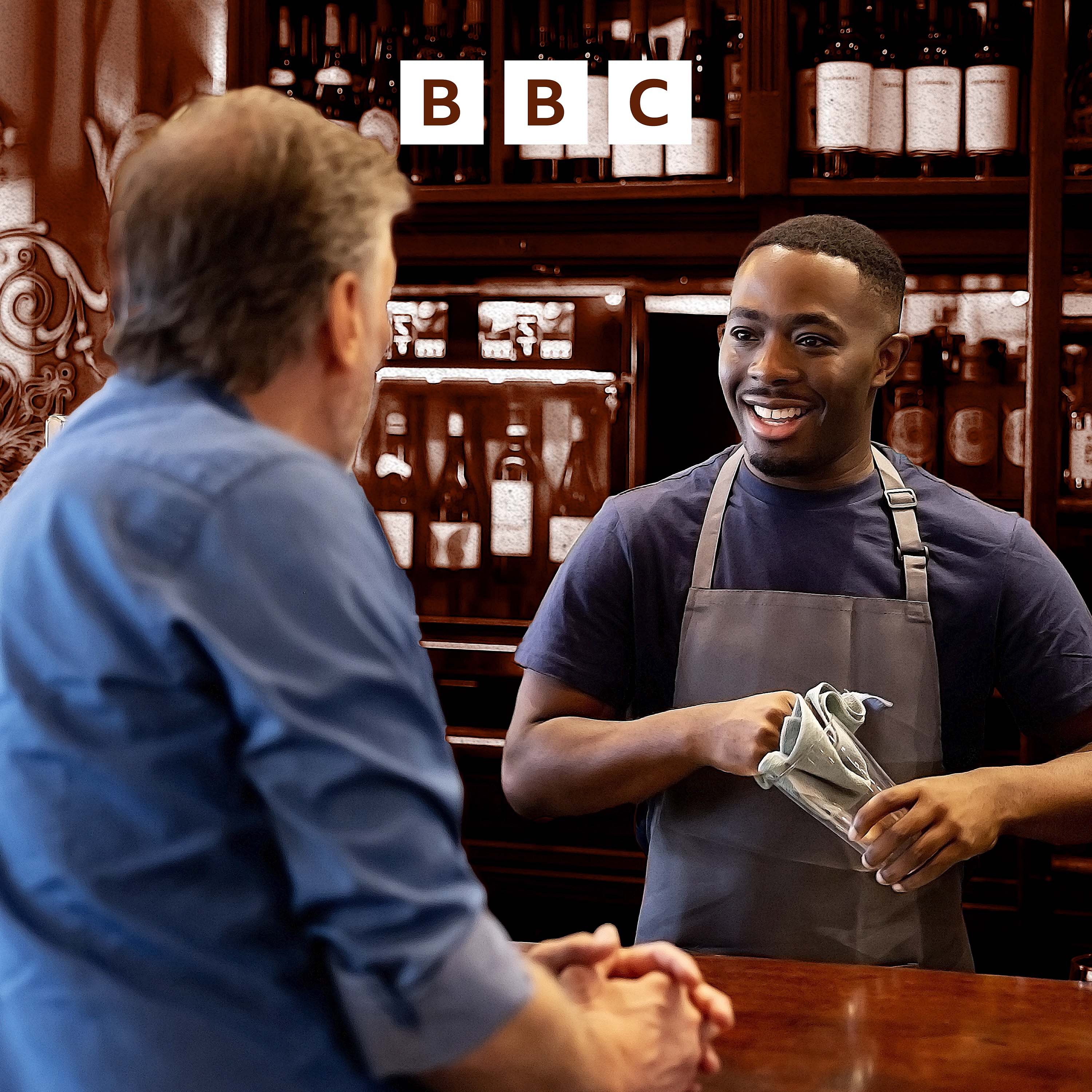
Do you have a local cafe, restaurant or bar that you go to all the time? Maybe the staff recognise you or know you by name, perhaps you even get special treatment. In this programme Rumella Dasgupta finds out why people like to return to the same place, and the commercial value to a business of having regular customers. You can contact the programme by emailing thefoodchain@bbc.co.uk. Produced b

Leaving home
Moving out of the family home can be a big first step at whatever age you do it. Paying bills, budgeting, shopping, and importantly cooking for yourself. In this programme Rumella Dasgupta asks what dishes you should be able to cook when you leave home for the first time. Rumella meets chef and food writer Claire Thomson and her daughter Grace Williamson in their kitchen in Bristol, England. Clai
What can food tell us about the past?
What can food reveal about the people who came before us? From ancient meals and family recipes to the chemical traces left behind in bones and teeth, food offers remarkable clues about how people lived, travelled and survived.In this episode, Ruth Alexander explores how historians, archaeologists and old cookbooks are helping us piece together the story of our past.Historian Professor Peter Schol
Should I cut down on carbs?
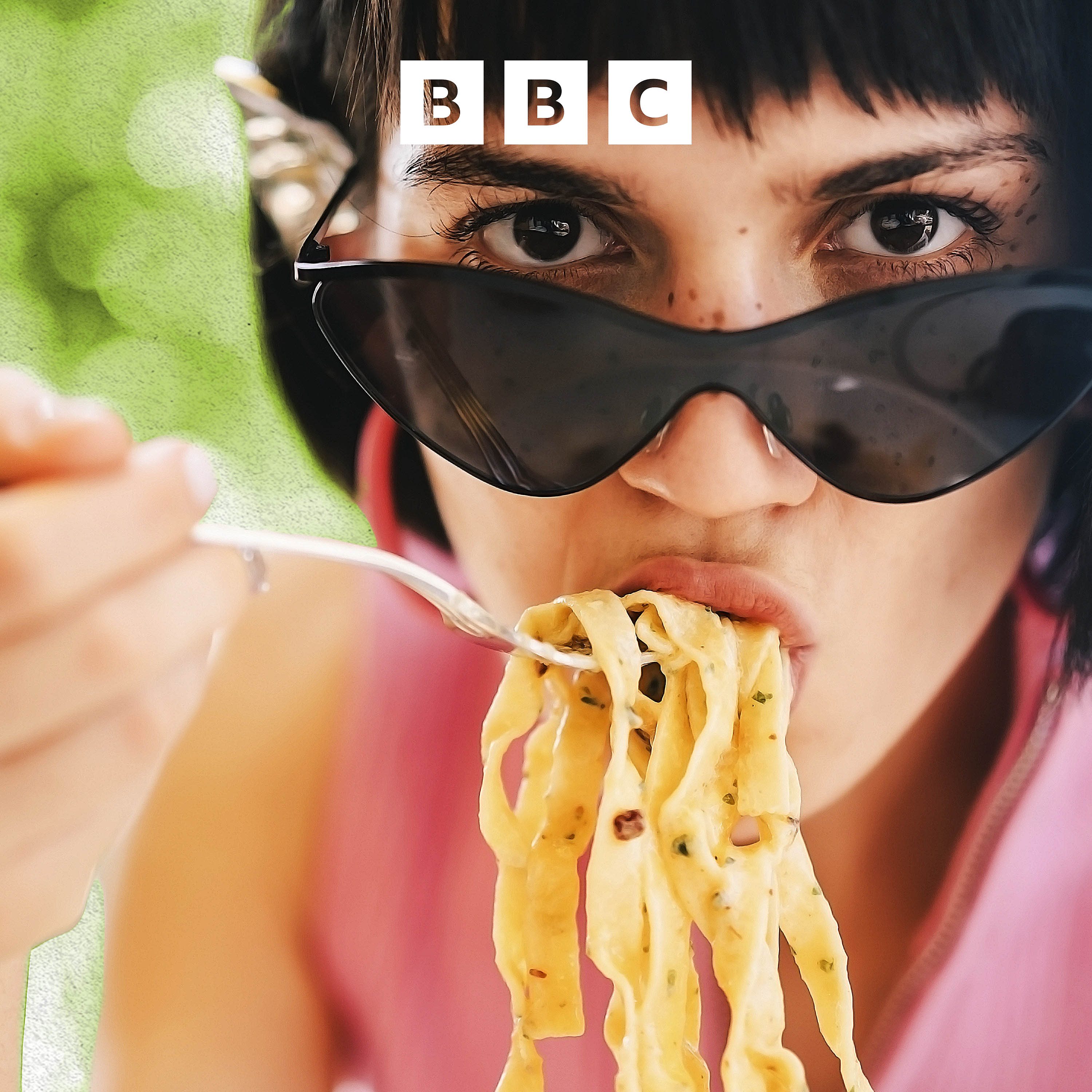
Have you ever asked yourself: should I do Keto? Is white rice good for me? Am I eating too many carbohydrates? If so, then this episode of The Food Chain is for you. Carbohydrate-rich foods are everywhere and they’re delicious. But are they good for us? Carbs have a reputation for spiking our blood sugar and making us fat. But is that reputation deserved? Ruth Alexander talks to Javier Gonzalez, P
When should I eat my evening meal?
When should you eat your evening meal? Is it really better to eat earlier, or does it depend on when you go to bed? And if you do have to eat late, is there anything you can do to reduce the impact on your health?In this episode of The Food Chain, Ruth Alexander explores what science says about the timing of dinner. From our internal body clocks to the food on our plates, we examine how the evenin
The rise of eating alone
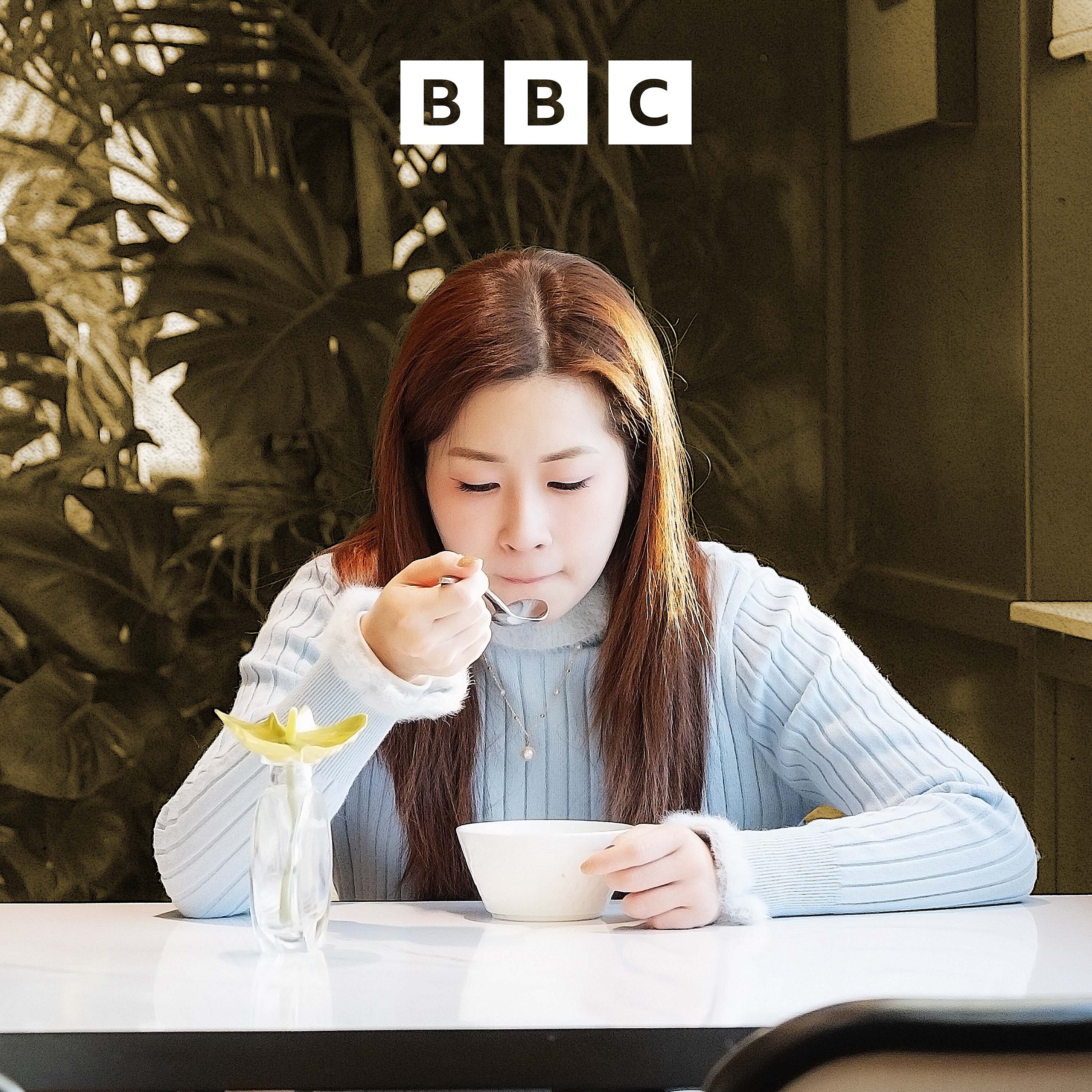
Listener Melanie wrote into The Food Chain to ask us to make a programme about the rising numbers of people who eat alone. She told us she often dines solo and sometimes finds the experience daunting. So today Ruth Alexander hears from Melanie and from other solo diners – some who find peace and joy in a table for one, and others who would much rather not be alone.With the help of Sociologist Prof
What do World Cup footballers eat?
Elite footballers are among the world's most finely tuned athletes. Every meal is carefully planned to fuel training, maximise recovery and prepare for the next match. But it wasn't always this way.In this episode of The Food Chain, Ruth Alexander explores how football's relationship with food has changed, from the days of steak and beef before a game to today's highly personalised nutrition plans
How to order a restaurant meal like a pro
With dining out becoming an increasingly expensive luxury, we find out how to order the perfect restaurant meal with top tips from a panel of seasoned pros. The Irish Times food critic, Corinna Hardgrave, veteran server and podcast host Brittany Felton and chef and hospitality advisor James Knight-Pacheco join Ruth Alexander to discuss how to make the most of a well-deserved meal from your hard-
What to eat for a better night's sleep
Many of us have our own theories about sleep. Perhaps it's avoiding coffee after lunch, drinking chamomile tea before bed, or having a warm glass of milk. But what does the science actually say?In this episode of The Food Chain, Ruth Alexander explores the relationship between food and sleep, asking whether changing what we eat and drink can help us get a better night's rest.Professor Marie-Pierre
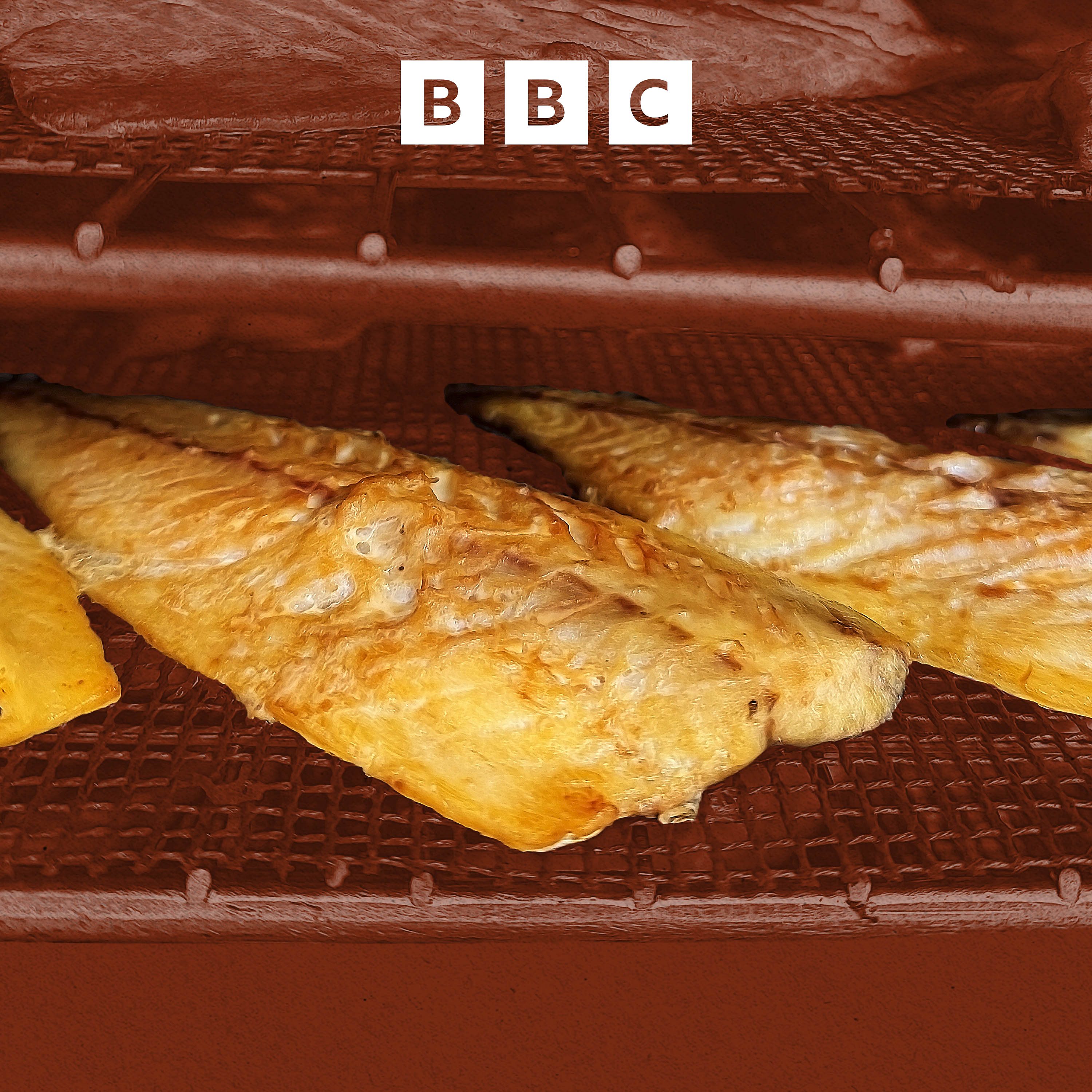
Why do we love smoky flavours so much?
The history of smoking foods stretches back many years, but when did what began purely for preservation become a highly sought-after flavour? In this episode of The Food Chain, Ruth Alexander explores the origins of smoked foods and finds out why their flavours are so appealing to so many people around the world. She visits a smokehouse run by Michael Price in the port city of Lancaster in north
Can music change the way food tastes?
Music is part of the backdrop to millions of meals every day. But what if it is doing more than simply creating atmosphere?In this episode of The Food Chain, Rumella Dasgupta explores the growing evidence that sound can shape the way we experience food and drink. From scientists studying how the brain combines hearing and taste, to chefs designing dishes around playlists, we ask whether music has
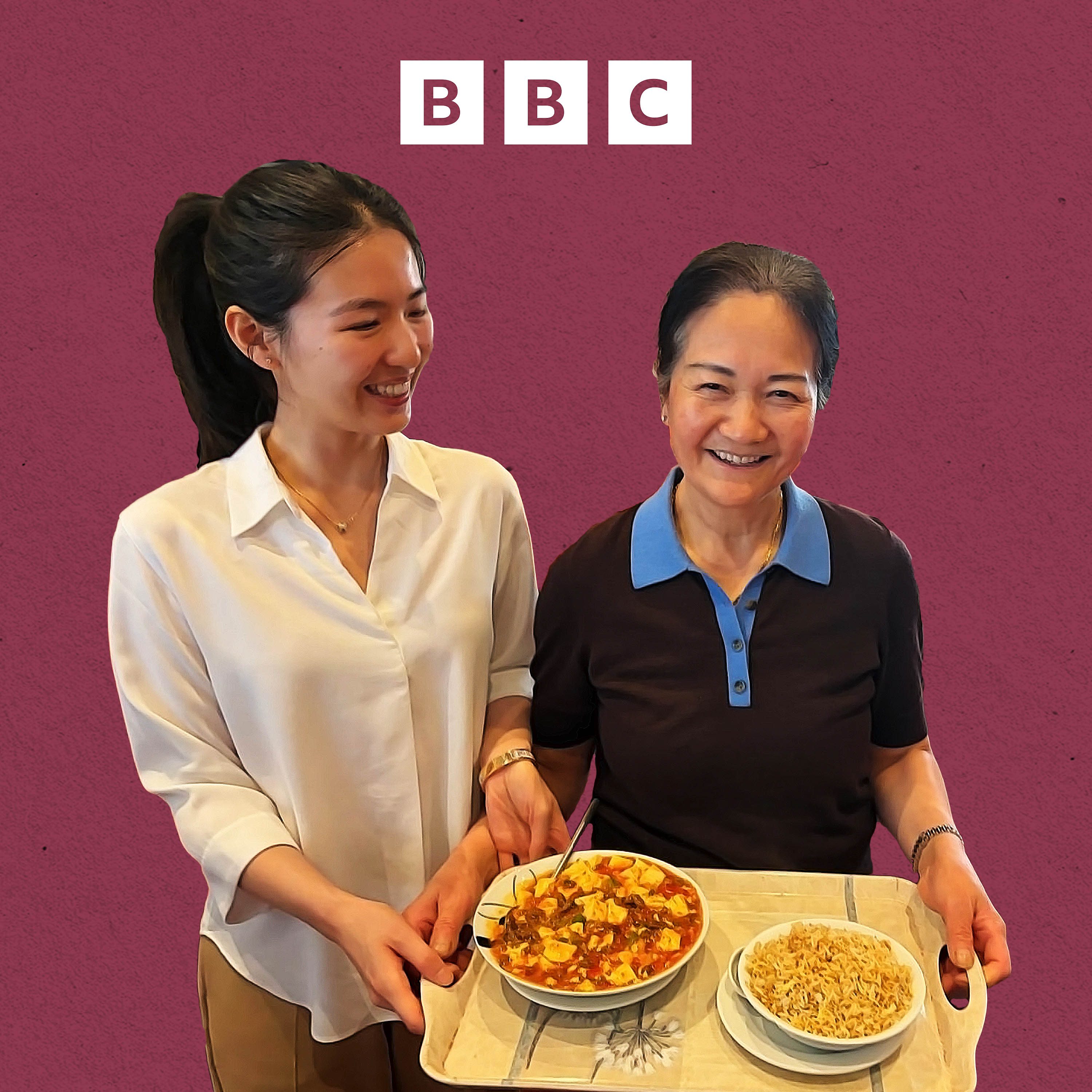
Can I save the family restaurant?
Running a restaurant is hard. Long hours, tight margins and constant stress. In this week's programme Rumella Dasgupta travels to Edinburgh, Scotland, to meet Lisa He and her mum Sophie. Lisa has just put her life and acting career on hold, to try and help her mum save the family's restaurant, the China Star. A video she made documenting her attempt has gone viral, with more than fifteen million v
The business of food tours
Food tours are becoming one of the fastest-growing parts of the travel industry, with tourists increasingly choosing to explore cities and cultures through what they eat.In this episode, Ruth Alexander explores the global rise of guided food experiences and the people building businesses around them.In Manchester, food tour guide Julia Fairburn takes Ruth through some of the city’s best-known food
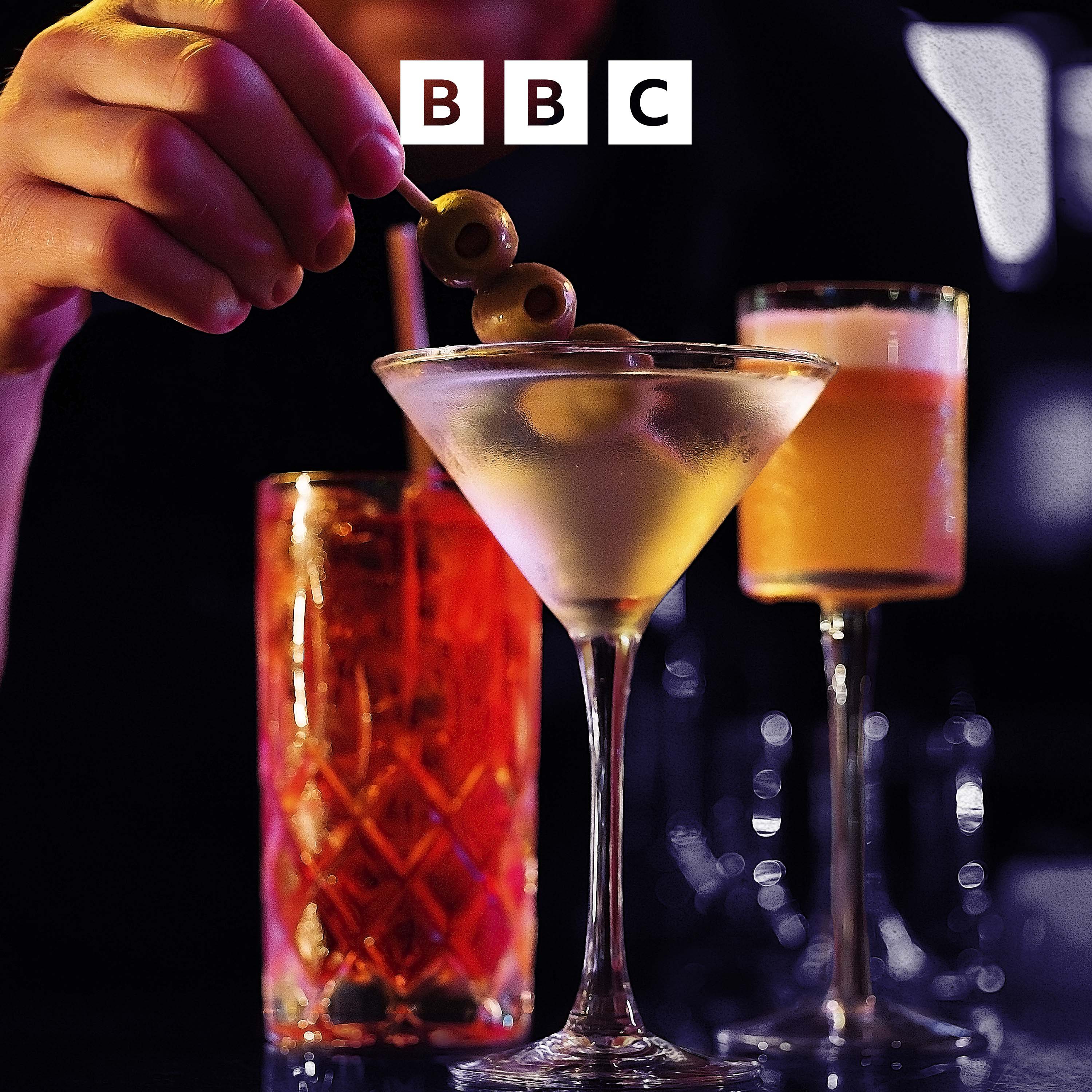
The craft of the cocktail
Making cocktails isn't just about flair - bottles spinning through the air as the bartender puts on a show. It's about precision, perfectionism and people skills.Ruth Alexander meets three world-class bartenders to hear stories about their most glamorous customers, the dangerous ones, and what it takes to make the perfect drink. Hear about the highs and lows; from the glamour of working on a movie
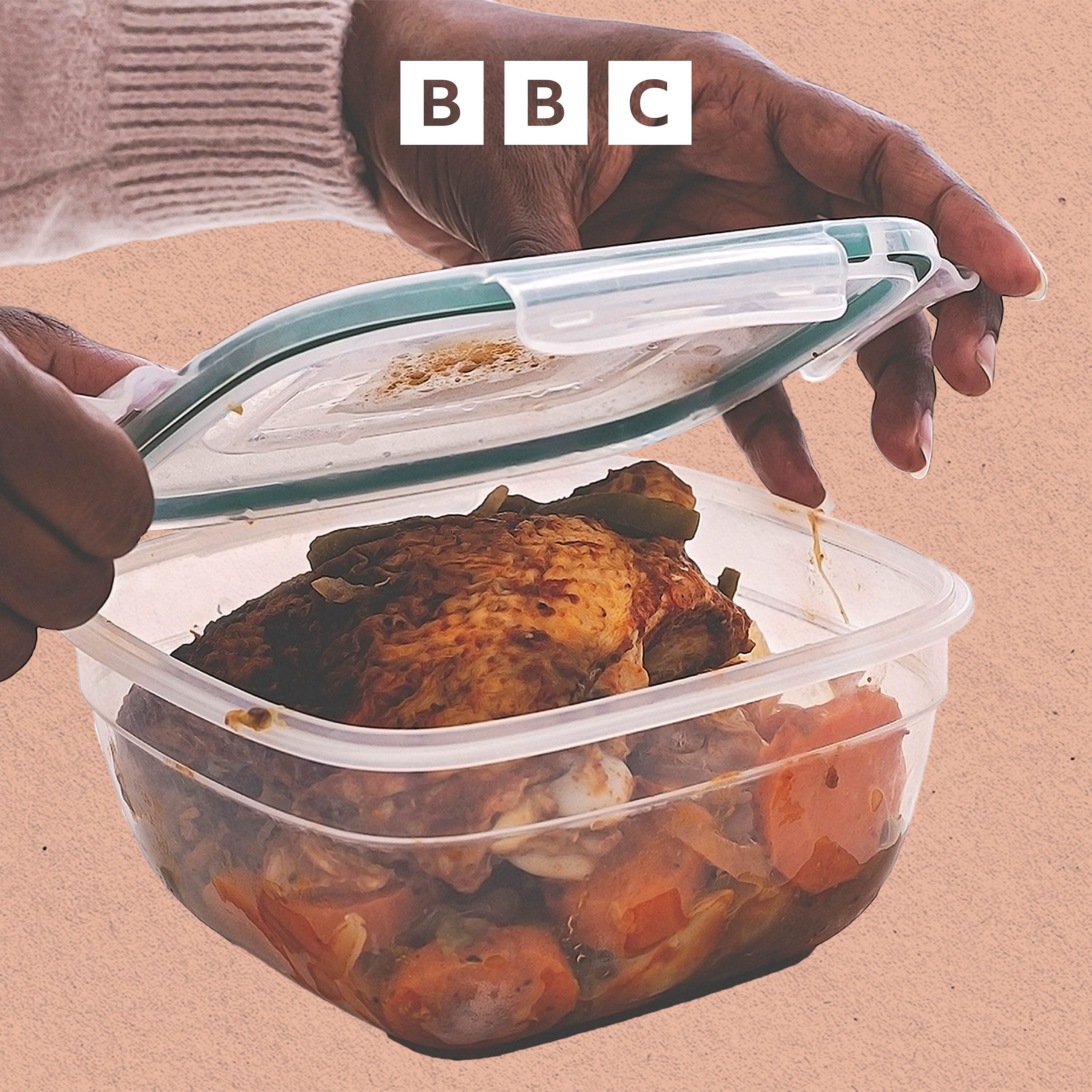
How to meal prep like a pro
Meal prepping is supposed to save us time, money and stress. It is a huge trend on social media, but how can we make it work in our own real, messy lives? Ruth Alexander meets Hannah, a busy working mum who wants help to make meal times easier, quicker and more varied. Could batch cooking be the answer? On hand to offer advice and inspiration are Jess Rice from the US website Budget Bytes and Kev
Don't underestimate the potato
Potatoes are having a moment.Once dismissed as dull, stodgy or even unhealthy, they’re now back, appearing on restaurant menus, in food magazines and across social media feeds.But the story of the potato goes back much further.In this episode, Ruth Alexander traces the journey of one of the world’s most familiar foods. From its origins millions of years ago to its place in today’s global food syst

The food writers
Ever wondered how anyone gets a job writing about food? Ruth Alexander talks to Melissa Clark, recipe columnist and newsletter host for the New York Times; Laura Rowe food journalist and former content director of Olive and Delicious magazines in London, and Malin Turunen of MatMalin in Stockholm, formerly editor of Swedish food magazine, Allt om Mat.They discuss their first jobs, how their work s

Can we eat for exam success?
It's exam season in many parts of the world and with her own daughter studying hard, Rumella Dasgupta began wondering how much food matters during this difficult and stressful time. Is there such a thing as a brain food and are there any foods in particular that we should be aiming to eat while studying hard? Rumella talks to students and experts about the role diet plays and what happens to our

How to eat more fibre and why you should!
Food Chain presenter Ruth Alexander was confident that she was eating a healthy diet, in particular, a diet that included enough fibre. But it turns out, like many of us, her fibre intake has been falling short of the recommended amount. In fact all over the world most of us are failing to eat enough, despite the growing trend for so called "fibremaxxing" where people try to maximise their daily i
So you think you can't cook?
Many people feel they can’t cook, or don’t know where to start. Studies suggest that in some countries, fewer people are preparing meals from scratch, and a lack of confidence in the kitchen can be a big part of the problem.Ruth Alexander explores what holds people back from cooking, and how to overcome it. Drawing on her own experience of learning later in life, she asks: can anyone become a conf
Is kitchen culture changing?
Is the culture of professional kitchens shifting?In recent weeks, one of the restaurant world’s most influential figures stepped down amid allegations about his conduct at work. It’s been widely reported that former employees accused René Redzepi, founder of Copenhagen’s Noma, of creating a toxic working environment involving verbal and physical abuse. Redzepi has since apologised publicly, saying

How to have a stress-free family meal
Are your family meals calm and connected? Or have they become dominated by battles with fussy kids or awkward teens?Mum-of-one Ruth Alexander gets advice from experts who share the secrets to taking the stress out of family dinner and how to cope with fussy eaters. She finds out how we can make the table a place everyone wants to be at, tots, teens and adults alike.Produced by Lexy O'Connor and Ru
What to eat to run a marathon
What should runners should eat to train for, and complete, a marathon?
With major races like the London and Boston marathons approaching, more people than ever are taking on the 26.2-mile challenge. But what should you actually eat to fuel that distance?
Ruth Alexander is joined by one of the most successful marathon runners in history, Paula Radcliffe, who held the women’s world record for
Following my food dream
Ruth Alexander meets three people who gave up well-paid, high-flying careers to start all over again in the world of food. Nisha Katona left a career as a child protection barrister behind to start Mowgli, a chain of Indian restaurants in the UK, physically building her first restaurants herself. Judy Joo worked in finance on Wall Street but decided to give it up to go to culinary school. After s

The story of the sandwich
Shattering the myth of its aristocratic origins and exploring some of the boldest creations; Ruth Alexander finds out about the history, culture and family ties wrapped up in the sandwich. Josh Veasey, co-owner of Rack in North West England talks about his menu’s hits and misses and what it’s like to make a living out of making sandwiches. The fourth Earl of Sandwich John Montagu is popularly cred
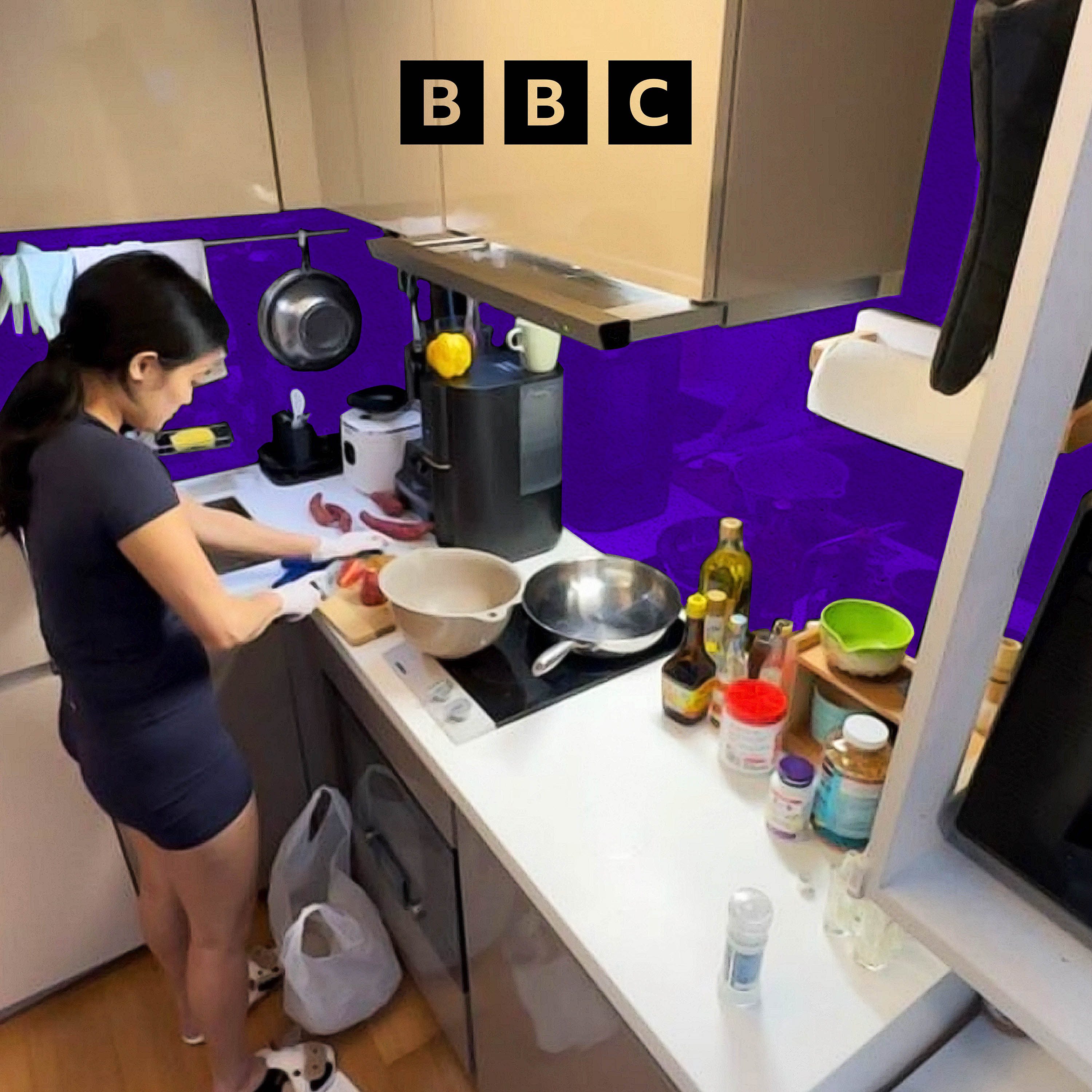
Small kitchens
From Michelin starred kitchens to Hong Kong’s high rise tower blocks, via informal settlements in the Kenyan capital Nairobi. Ruth Alexander hears from people making the best out of the cramped and tiny spaces they’re cooking in. Gina Lai shows her around the kitchen in her cramped Hong Kong high rise flat and Ruth visits chef Ryan Blackburn who has retained a Michelin star whilst cooking out of t

The risk takers
Every food company starts with a gamble - and not all of them pay off. In this episode Ruth Alexander speaks to business owners about the risks they’ve taken to get where they are today, from financial leaps to personal sacrifices, and the painful decisions that have shaped their journeys. Ruth hears from Kim Kiarie, chef-owner of Five Senses Nairobi in Kenya, about building a high-end restaurant
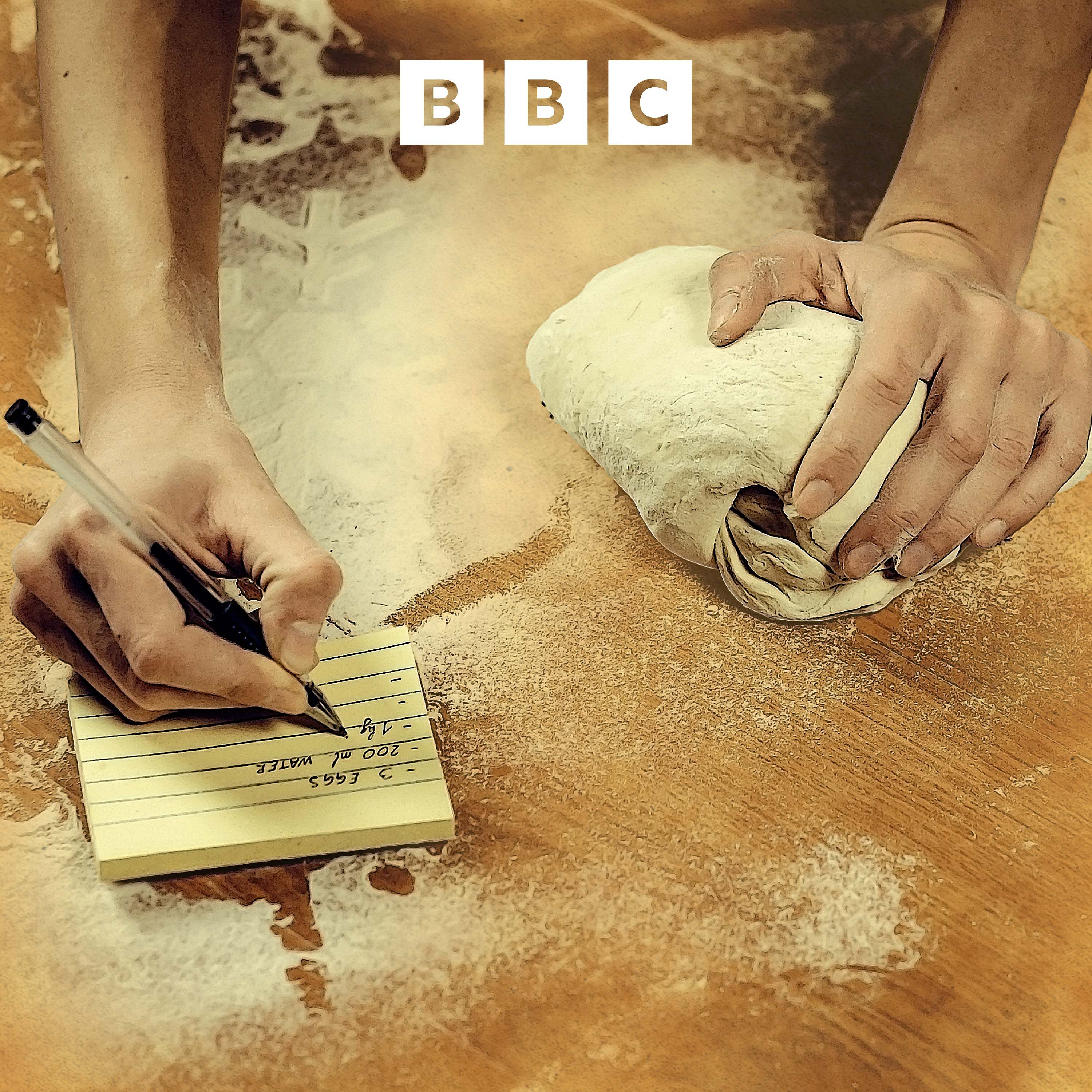
How to write a recipe
We all have recipes we turn to again and again, perhaps from the stained pages of our favourite cookbooks, or handed down through families. But have you ever wondered about the work that’s gone into writing that set of instructions? In this edition of The Food Chain, Ruth Alexander looks at the art and science of recipe writing. How does a cook turn what is often an instinctive and creative proce
Can you learn to love the foods you hate?
Most of us have foods we refuse to eat - think coriander, or maybe olives. But where do those strong dislikes come from, and is it possible to change them?In this episode of The Food Chain, Ruth Alexander sets out to find out whether you really can learn to love the foods you hate. From first encounters that go wrong to memories that linger, she explores why food preferences can feel so fixed, and

Fermented foods: A beginner's guide
Fermented foods are fashionable – kimchi, kefir, kombucha – they're all having a moment, many thousands of years on from where they were first produced. But how much do you know about how they're made? Do you know your SCOBY from your kefir grain? In this episode, fermenting novice Ruth Alexander goes on a quest to find out more about this ancient way of preserving food; how to do it yourself, why
Dinner unboxed
Meal kits have become a familiar part of food shopping in many countries, offering pre-portioned ingredients and recipes delivered to the door. But how widespread are they, and what do they reveal about how people are eating today?Ruth Alexander hears from Philip Doran, CEO of HelloFresh UK and Ireland, and Sarah Hewitt, CEO of South African meal kit company UCOOK, about how these services operate

Should we all eat the Mediterranean way?
The Mediterranean diet is rich in vegetables, pulses and olive oil and traditionally includes small amounts of fish and very little red meat. Thousands of studies back its health benefits. In fact, it's considered to be one of the most widely researched diets in the world. But why has this way of eating come to prominence over others? Marta Guasch-Ferre from the University of Copenhagen, Denmark e
Tweaks for 2026: How to eat better
Ruth Alexander gathers the most useful, actionable nutrition advice from our episodes of 2025 to help set you up for 2026. Things like how to nourish your brain, keep an eye on portion sizes, and why it’s important to focus on fibre. Experts from around the world tell us about the small tweaks that can make a real difference to how we eat, think, and feel.Producer: Izzy Greenfield
Sound mixing: Ha
Family ties
Food is at the centre of family life – on ordinary days, in the everyday rush, during the dramas, and the quieter moments too. In this episode, Ruth Alexander looks back at some of The Food Chain's most moving and intimate moments of 2025, all revealing the power food has to bind people together. From the first meal taken by a foster child in an unfamiliar home to the couple cooking together for
What is the ultimate hangover cure?
With the festive season approaching in parts of the world, Ruth Alexander explores what’s actually happening in the body during a hangover, why some people suffer more than others, and whether common remedies make any real difference. How the body processes alcohol and why that can make you feel so bad is explained by Andrew Scholey, Professor of Human Psychopharmacology at Northumbria University

Food heroes and villains
***This programme contains conversations about disordered eating which some listeners may find upsetting***
Social media is awash with nutritional misinformation with foods often cast as superheroes or villains. So how can we separate fact from fiction? And how can we know what posts we can trust? Social media loves to portray some foods, like carbs, sugar and seed oils as villains, to be avoided
How to eat well in the cold
How do you eat well in freezing the cold? When you live in some of the coldest places on earth, what you eat, and how much, really matters. Ruth Alexander hears advice from a scientist, who goes on expeditions to study the body’s reaction to sub-zero temperatures, and talks to people living in the Arctic circle. What do they cook, and what is their favourite food and drink to keep them warm in t
To tip or not to tip?
Ruth Alexander explores the art and etiquette of tipping and how it varies around the world. She hears from staff and customers in countries where tipping is essential and in places where it can be taken as an insult. Ruth also talks to servers and bartenders about what your gratuity means to them and how tipping can sometimes bring out the best and worst in their customers. Producer: Lexy O’Con
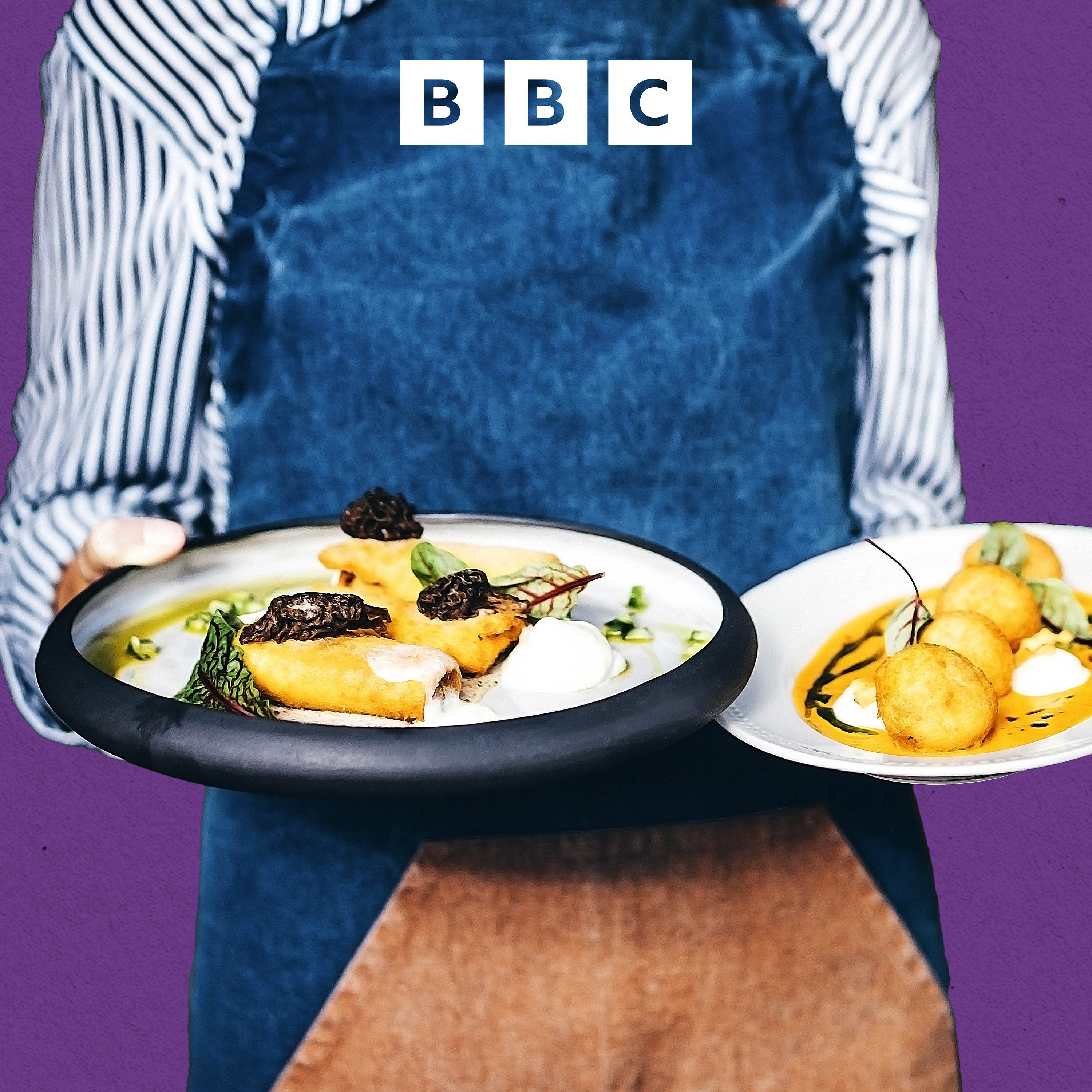
The servers: The highs and lows of waiting on tables
What are the highs and lows of waiting on tables? Ruth Alexander speaks to restaurateurs from London, New York and Mumbai to find out about the inner workings of one of the hardest jobs in the business. Ruth hears from French celebrity Maitre D, Fred Siriex, Mumbai based restaurateur Gauri Devidayal and Michael Cecchi-Azzolina, the New York based author of Your Table Is Ready.
If you would like

Food by drones?
From pizza delivery to emergency aid, are autonomous aircraft the future? Ruth Alexander looks into whether drones are a feasible alternative to delivery drivers and traditional air drops. We hear how fast food and groceries are being delivered into suburban back gardens in Helsinki and Dublin and to a waterside collection point in Hong Kong. Is this technology something we might see everywhere s
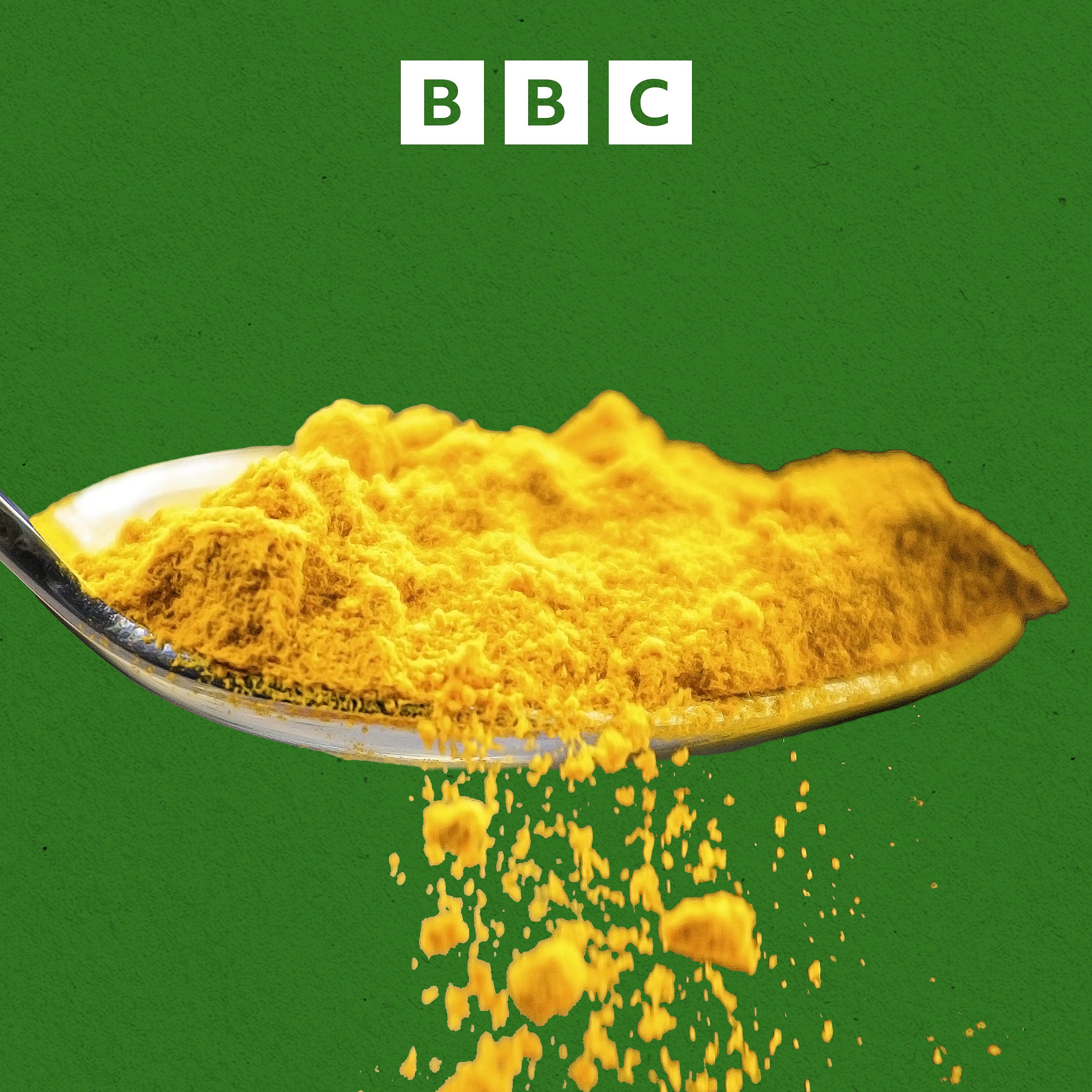
Turmeric: The golden spice
Turmeric has been revered for thousands of years, not just for its mellow taste but for its golden colour and its supposed health giving properties. Rumella Dasgupta looks at its history, its uses in food and medicine and talks to scientists who have studied the spice. She finds out what they've learned about its fabled medicinal qualities and whether it's really worth paying for expensive turmeri
The chefs
You've got to be full of passion to make it as a top chef. It's a highly skilled and physically demanding job that comes with long hours.Ruth Alexander talks to three celebrated and talented chefs from three different continents about the highs and lows of their careers. They tell Ruth why they love the job so much and whether chef culture has changed in the years they've been working in kitchens.
The coffee habit: Why do we love it so much?
For millions of us around the world, the day hasn't begun until we've had our first cup of coffee. Ruth Alexander traces our love affair with coffee back through history, to the wilds of Ethiopia where it was first discovered. She experiences some of the ancient traditions built around coffee which still endure today and asks why this bitter drink has always had such a hold over us. And does it

The power of pepper
Pepper is ubiquitous at the dining table, but arguably most of us don’t know much about it. In this programme John Laurenson finds out about the pepper plant – how it is grown and harvested and the range of flavours it can offer. He learns about the history of this spice and why it was once so revered, and the ways in which you can use it today to make your food not just tastier, but also healthi

How (not) to complain
How confident would you feel about complaining if a restaurant meal was not up to scratch? Restaurateurs in the UK, South Africa and the United States compare stories of the most outrageous complaints they’ve received, and how they were dealt with. They tell Ruth Alexander how increasing numbers of customers are "weaponising" the threat of negative online reviews. And if you’re someone who stru
Portion size: How much should you eat?
How much food is the “right” amount - and why is it so hard to work that out?Ruth Alexander explores the world of portion sizes, starting with the rise of “portion distortion” in the United States, where supersized sodas and giant restaurant plates became the norm. Nutritionist Lisa Young explains how this shift happened, and what it’s meant for public health.In São Paulo, dietitian Marle Alvareng
Dining etiquette: What really matters?
Listeners to BBC World Service told us they hate it when fellow diners chew noisily or talk with their mouth full. But what is polite at mealtimes can vary wildly according to where in the world you are and who you are with.Ruth Alexander visits London's City of Westminster College to meet some of its teenage students, to find out about their different backgrounds and what good manners mean to the
How to set a food trend
Have you tried Dubai chocolate, hot honey or the fruit sando? They’re just a few examples of viral food trends which got everyone talking on social media. Rumella Dasgupta talks to creators and product developer to find out how much work goes into creating the next big thing in food. She hears how there’s often years of work behind the product that seems to suddenly be the latest craze. It might
Flavour: The potato chip story
Self-confessed crisp lover Ruth Alexander traces the story of the crisp or potato chip, starting with a tasting experience matching fine wines and “rubbish crisps” at a wine bar in the northern English city of Manchester. With the help of journalist and crisp historian Natalie Whittle, Ruth finds out about the commercial beginnings of the potato chip in the fine dining rooms of nineteenth century
Should I eat breakfast?
High prices, busy lives and the rise of intermittent fasting mean more people are skipping breakfast. This week, Ruth Alexander speaks to three experts in nutrition about whether that matters. She finds out what it’s best to eat for your first meal of the day and when is best to have it.
Experts Courtney Peterson, a researcher in intermittent fasting and associate professor at the Harvard TH Ch
Bottom trawling and the future of global fish supplies
Bottom trawling is one of the most widely used - and most destructive - fishing practices in the world. Dragging heavy nets across the seabed damages fragile ecosystems, depletes global fish supplies, and puts the livelihoods of small-scale fishers at risk.In this episode of The Food Chain, Rumella Dasgupta speaks to John Worthington, one of the last remaining fishermen in Fleetwood, UK, who fears
Making care home food better
The quality of food in care homes for the elderly can be underwhelming. Ruth Alexander talks to the people highlighting the issue and finding ways to bring nutrition and comfort back on the menu. Dr Lisa Portner, a medical doctor and researcher at the Berlin Institute of Health at Charite, outlines the inadequate diet offered by three nursing homes she studied in Germany. Australian restaurateur
Garlic: Food or medicine?
From ancient Egyptian pyramid builders to French chefs, garlic has been prized, feared, and even used to ward off evil. In this episode, Rumella Dasgupta explores garlic’s journey through history and across cultures - from its medicinal roots and rich folklore to its starring role in kitchens worldwide. Featuring chefs, historians, and dietitians, we uncover how this pungent bulb became a global f
The anti-dementia diet
The World Health Organisation says close to 60 million people are living with dementia; and there are 10 million new cases every year. But could what we eat help to prevent it?Three guests who've been exploring the potential for diet to help prevent dementia tell Ruth Alexander about their findings. We hear from Professor Christy Tangney of Rush University System for Health in the United States –
Eating well with dementia
Dementia is a syndrome associated with a decline of brain function that can affect memory, thought processes and behaviour. In some cases this can impact people’s ability to shop, cook and eat a meal. The most common form of dementia is Alzheimer’s Disease. In this programme Ruth Alexander meets people living with dementia and their families, to hear about the ways in which a diagnosis can impact
India's caste system and food
Something as simple as sharing a meal or utensils can carry social stigma for the millions born into the bottom of India’s caste system, a social structure that divides people into different groups. In this programme Devina Gupta explores the foods of the Dalit community, historically considered at the very bottom of the caste system. She hears how many dishes evolved from necessity, due to low
A place at the table: fostering and adoption
What’s at stake when a child has their first meal in a new home? For children entering care, especially those who have faced food insecurity, that first plate of food can be a big moment. In this programme, Ruth Alexander explores how food and mealtimes can help children feel safe and give them a sense of belonging. She meets Jessica-Rae Williamson, a 21 year old care leaver from Manchester, Engla
Protein v fibre
Protein is a health and fitness buzzword – plastered on packaging, prioritised in diets and praised by fitness influencers. But is our preoccupation with protein overshadowing another nutritional essential – fibre? Ruth Alexander explores the science, and marketing, behind protein’s popularity with expert guests Dr Emma Beckett, a food and nutrition scientist and communicator in Australia, and aut
Video game food
It can be the difference between life and death for your character, signal you’re on a hostile planet or in a sumptuous world, or can even give you the whole basis for a game. In this week’s Food Chain we hear where the ideas for some of the most disgusting and delicious foods in games come from, and how to recreate them in real life. Video game creator Tim Cain tells us why food was such an i
The story of your plate
What can we tell about a society from the plates, bowls and cups it uses? In this programme Ruth Alexander learns about the history of pottery, from early earthenware to the porcelain discovered by ancient China, known as ‘white gold’. Professor of archaeology, Joanita Vroom from Leiden University in the Netherlands explains why every pot has a story to tell. Historian Professor Suzanne Marchand
Thai food: Winning hearts and minds
Love Thai food? It might be thanks to a two-decade long policy on the part of the government of Thailand to promote its food culture abroad, with the express aim of increasing trade and tourism. Ruth Alexander explores how food can be used as a foreign policy tool, influencing not just world leaders but seeking to win the hearts and minds of the public. Academic Sam Chapple-Sokol at George Washi
AI in the food chain
How is artificial intelligence reshaping the global food industry? Rumella Dasgupta explores how AI is helping chefs experiment with new recipes, reducing food waste in factories and streamlining supply chains.She speaks to Tamsin Deasey Weinsten, a though leader on the AI industry, to discover the parts of the food supply chain that AI is affecting the most.In the kitchen, chef Matan Zakan tells
The buyers
Our shops are full of products sourced from all over the world, and its someone’s job to find and secure them – at the right quality and quantity for the best price possible. In this programme Ruth Alexander speaks to three food buyers on three different continents. She is joined by Beatrice Muraguri, a Tea Buyer and exporter based in Mombasa, Kenya; Chloe Doutre-Roussel, who travels the world sou
May contain: The food allergy risk
What it’s like for your child to be diagnosed with life-threatening food allergies? Ruth Alexander explores the realities of shopping, socialising and eating out with a food allergy, and discusses what needs to change to make food safer for everyone. Amanda Bee and her daughter Vivian, 13, tell us how they navigate her allergies to milk, beef and dragonfruit.We hear from Dr Alexandra Santos, a pro
Let food do the talking
Does food have the power to send messages when words aren’t enough? This week Ruth Alexander finds out how food can sometimes speak much louder than words. Lecturer in Chinese Cultural Studies Dr Zhaokun Xi explains why gifting a pear in China can quietly suggest separation — and how it still carries weight today. Chef Beejhy Barhany reflects on the role of Ethiopian food in expressing care and we
Snackification: Our love affair with snacks
Ruth Alexander looks at the world of snacks. Have we always snacked or is it a more modern phenomenon that started with formal meal patterns? What snacks have been popular through the ages, what’s the industry doing now and what could we be eating in the future? We talk to food historians Dr Annie Gray and Professor Janis Thiessen, the former CEO of Unilever Paul Polman - who remembers the rise
Stress, eat, repeat?
When you’re feeling stressed, does it affect your appetite? In this programme Ruth Alexander is joined by two experts in chronic stress to discuss why it can cause us to crave certain foods, the impact on our bodies and whether there’s anything we can do to prepare for periods of stress in our lives. Ruth is joined by Professor Rajita Sinha, clinical psychologist and founding director of the Yale
A fresh start
There are bakeries, cafes, bars and restaurants around the world which don’t just exist to serve up food and drink – they're on a mission to rebuild lives. Ruth Alexander hears the stories of risk, reward and redemption from three businesses on three different continents: At The Dusty Knuckle bakery in London, the trainee programme manager Charlie Atkinson explains why she thinks a cafe and bakery
Food cottage industries
Cottage industries, usually referring to small scale home-based production, can be found all over the world. Often they provide a vital source of additional income for women, particularly in low income and rural areas. In this programme Devina Gupta speaks to women who are working in food cottage industries in India, Eswatini in Southern Africa, and Ecuador, to hear about the work and the differe
What’s the future for Indigenous food?
Indigenous food is experiencing a revival in Canada, with growing awareness of First Nations culture, and Indigenous run community farms and restaurants opening. While many are hopeful, there remains challenges to food security, including the realities of living in remote areas, the legacy of historic government schemes and climate change. Megan Lawton speaks to First Nation farmers, restauranteu
The packaging problem
As plastic waste continues to pile up, Ruth Alexander explores how manufacturers, retailers, and designers are rethinking the way our food is packaged.We hear how shoppers are responding to eco-conscious packaging in Finland, from supermarket manager Markku Hautala. And is plastic really the enemy? Paul Jenkins, founder of a leading packaging consultancy, shares the latest innovations in sustainab
How to run a local shop
Corner shop, mom and pop store or konbini, whatever you call them, most of us have a local business that sells convenience. Rising food costs mean many are struggling to make a profit, one solution is to improve the fresh food and beverage offering which can have better margins. Ruth Alexander visits a convenience store in Morley in West Yorkshire in the UK, where owner Ajay Singh has introduced
The power of the review
What’s the purpose of restaurant reviews? The Food Chain looks at who is qualified to write a review, how helpful they are today and the impact they can have on a business. In this programme Ruth Alexander speaks to Giles Coren, restaurant critic for The Times newspaper in the UK, Opeyemi Famakin, online reviewer and influencer in Nigeria, and Ana Roš, chef and owner of the Hiša Franko restauran
Recommended

A Good Read

Easy English: Learn English with everyday conversations

SAS: The Shadow War

Esme's Country Life

Miles From Ordinary Podcast

Off The Telly

Murder of a Famous Bastard

Learn UK English By Podcast

My IELTS Classroom Podcast
People Fixing the World

The History Hour

The Healing Childhood Trauma Podcast
