On Geopolitics
On Geopolitics enters a new chapter with two new hosts: Professors William Hurst and John Nilsson-Wright. John hosts 'Currents', engaging guests from diverse sectors to explore topical global issues, while Bill hosts 'Explorations', offering in-depth discussions on big ideas and enduring themes. Original hosts Suzanne Raine and Professor Ali Ansari make periodic guest appearances, maintaining the podcast's mission to inform understanding of contemporary geopolitical issues with historical perspectives.
Episodes
Ambitious Allies: How Japan and the Republic of Korea are responding to the challenge of Donald Trump
John Nilsson-Wright talks with Noah Sneider, the Economist’s bureau chief in Japan, on the ways in which the United States' two key Asian allies are adapting to an increasingly uncertain geopolitical environment, both in confronting hostile foreign powers and a United States that appears aggressively transactional and increasingly unreliable as a dependable ally. They discuss foreign policy, domes

On Geopolitics, Explorations on War – Episode 15
In this concluding episode of the On Geopolitics Explorations: War series, Professor William Hurst returns to the question that he began with: what is war? He pulls this thread through a review of the many themes and ideas explored with his guests throughout the series.
Explorations on War - Episode 14, With Ayşe Zarakol
Professor William Hurst is joined by Ayşe Zarakol, Professor of International Relations at the University of Cambridge. They discuss how empire models and concepts of international orders have shifted over time. They also consider how history and historical grievances can be mobilised politically, as forces that lead a state towards war or predispose a state not to go to war.

Currents - Conflict & Neuroscience: How The Brain Shapes War And How War Shapes The Brain, with Dr Nick Wright
Professor John Nilsson-Wright talks to Dr Nick Wright, a neuroscientist and adviser to the Pentagon Joint Staff who researches the brain, technology and security at University College London, Georgetown University, the Center for Strategic and International Studies, and the National Defence University in Washington, DC. They consider how fear, perception, misperception, and memory are tied to diff

Explorations - War, Episode 13, with Tang Shiping
Professor William Hurst is joined by Tang Shiping, Distinguished Professor of International Relations at Fudan University. They discuss the origins of war and the reasons why states fight. They also consider how war has become a defining force in shaping international order, and examine the social evolution of the rules that surround order.
Currents - Episode 4: British foreign policy in a disorderly World, with Sir Robin Niblett
Professor John Nilsson-Wright talks with Sir Robin Niblett, former Director of the leading British think-tank Chatham House, about the key foreign policy challenges and opportunities facing the Labour Government of Sir Keir Starmer. They discuss the legacy of previous Conservative governments’ foreign policies, key bilateral relationships with the United States, China, and Britain’s European and I
Explorations on War - Episode 12, with Ron Hassner
Professor William Hurst is joined by Ron Hassner, the Chancellor's Professor of Political Science and Helen Diller Family Chair in Israel Studies at the University of California, Berkeley. They discuss the importance of understanding the religious terrain of a country when going to war with it, and the necessity of states engaging religious leaders, and those with religious expertise, when making
Explorations on War - Episode 11, with Rohan Mukherjee
Professor William Hurst is joined by Dr Rohan Mukherjee, Assistant Professor in the Department of International Relations at the London School of Economics and Deputy Director of LSE IDEAS. They consider how some states may act aggressively to prove their great power status and to seek recognition from other states. They also discuss states’ need of symbolic equality, particularly those that exper
Explorations on War - Episode 10, with Peter Trubowitz
Professor William Hurst is joined by Peter Trubowtiz, Professor of International Relations and Director of the Phelan US Centre at the London School of Economics. They discuss liberal versus realist approaches to war. They look at how political economy and security considerations interact, and consider how domestic politics have profound impacts upon how states behave internationally.

Explorations on War - Episode 9, with Caroline Baxter
Professor William Hurst is joined by Caroline Baxter, Director of the Converging Risks Lab at the Council on Strategic Risks and former Deputy Assistant Secretary of Defense for Force Education and Training within the United States Office of the Secretary of Defense. They discuss the necessity of focusing on critical vulnerabilities –such as those resulting from climate change, AI, or quantum tech

Explorations on War - Episode 8, with Prof Ian Hurd
Professor William Hurst is joined by Ian Hurd, Professor of Political Science and President of the Faculty Senate at Northwestern University. They discuss how norms, laws and expectations can prevent and impact wars. They analyse how waging wars became less legally permissible in the 20th century, and how the use of new technologies developed in the 21st century have greyed legal constructs around
Explorations on War - Episode 7, with Dr Lauren Sukin
Professor William Hurst is joined by Dr Lauren Sukin, the John G. Winant Associate Professor in US Foreign Policy in the Department of Politics and International Relations at the University of Oxford. They discuss the prevention of war through deterrence and institutional arrangements, or security architectures, which increasingly face difficulties as global conflicts become more complex.
Explorations on War - Episode 6, with Prof Jack Snyder
Professor William Hurst is joined by Jack Snyder, the Robert and Renée Belfer Professor of International Relations at Columbia University, to discuss confrontational diplomacy and its unintended consequences, particularly throughout the world wars. They also discuss how the offensive approach of authoritarian states leads them to struggle in the balance of power game compared to democracies.
Explorations on War - Episode 5, with Dr Victoria Vdovychenko
Professor William Hurst is joined by Dr Victoria Vdovychenko, Joint Programme Leader at the Centre's Future of Ukraine Programme, to discuss how, whilst fighting for its sovereignty amidst Russia's full-scale invasion, Ukraine navigates democratic responsiveness to its citizens, innovation to improve its war-fighting technologies, and its international alliances.
Explorations on War - Episode 4, with Lt Gen Doug Chalmers
Former British Army officer Lieutenant General Doug Chalmers — who served as Deputy Chief of the Defence Staff (Military Strategy & Operations) from 2018 to 2021, and is the current Master of Emmanuel College, Cambridge — joins Professor William Hurst to discuss the importance of having local and regional political understandings whilst carrying out military campaigns. They also explore how ac
Explorations on War - Episode 3, with Lt Gen Doug Chalmers
Professor William Hurst and Lieutenant General Doug Chalmers, former British Army officer who served as Deputy Chief of the Defence Staff (Military Strategy & Operations) from 2018 to 2021, and current Master of Emmanuel College, Cambridge explore different concepts of war and how different types of actors initiate and prosecute conflict.
Explorations on War - Episode 2, with Prof John Mearsheimer
Joined by John Mearsheimer, R. Wendell Harrison Distinguished Service Professor of Political Science at the University of Chicago, we explore the strategic dynamics of security competition between states and how they seek to mitigate the distinct threat that war poses to their survival.
Currents - President Lee Jae-myung and South Korean Foreign Policy in a time of uncertainty
John Nilsson-Wright talks to Professor Chungin Moon of Yonsei University about the foreign policy of South Korea’s President Lee Jae-myung, and how Seoul is handling its ties with both Tokyo and Washington. The discussion explores tensions between South Korea and the US over tariffs, growing uncertainty regarding the US commitment to the security of the Korean peninsula, how best to manage relatio
Explorations on War - Episode 1, with Prof William Hurst
Our first Explorations series takes a deeper dive into the subject of war. In this introductory episode, we begin by tracing the history of war as a concept, from ancient poetry, tragedy, and philosophy through to contemporary international relations theories. In doing so, we set the stage for some of the arguments and ideas that will be explored in greater depth across episodes to come.
Currents - Trump and the Fourth Estate
John Nilsson-Wright talks to Steve Herman — until recently Voice of America’s Chief National Correspondent — about the Trump administration’s relationship with private and public media organisations in the United States. They consider the threats to democratic freedoms in the US, the role of public broadcasting domestically and as part of US foreign policy during the Cold War as well as today, and
Currents - Japan’s foreign policy challenges in the new Trump era
John Nilsson-Wright and Suzanne Raine talk to Nobukatsu Kanehara, former assistant chief cabinet secretary to late Prime Minister Shinzo Abe (from 2012-2019) and one of Japan’s leading strategic thinkers. The conversation covers Japan’s diplomatic options in handling security and economic relations with the United States, regional security in the Middle East, the domestic political circumstances f
Episode 54: What just happened?
What just happened? To look back at a momentous month Suzanne Raine and Ali Ansari are joined by Bill Hurst and John Nilsson-Wright. Ali offers his views on Iran, Bill on China, John on Japan and North and South Korea, and Suzanne asks the questions. This will be, for now, the last OnGeopolitics hosted by Suzanne and Ali, as they hand over to John and Bill at the Universit
Episode 53: Trump, US Policy & Asia
Suzanne Raine and John Nilsson-Wright talk with Professor John Delury, Sinologist, Korea expert and currently a visiting professor in Rome, about the current state of policy under Donald Trump towards the United States' key allies in Northeast Asia, the Republic of Korea and Japan. How resilient and reliable is cooperation between leaders in Washington, Tokyo and Seoul in confronting geopolitical
Episode 52: Martial law & repercussions in South Korea
Ali and Suzanne are joined by John Nilsson-Wright, who was in Seoul in early December when President Yoon Suk-yeol moved to declare martial law, to discuss the recent tumultuous events in South Korea and the implications for the Korean peninsula and the wider region.
Episode 51: Revolution in Syria
Ali and Suzanne take stock of the dramatic events in Syria and the implications of the collapse of the Assad regime for Iran, looking at themes common across many revolutions and possible areas to watch.
Episode 50: Trump, China and Iran
Ali and Suzanne are joined by Professor Bill Hurst to look at the implications of Trump's election win on US policy positions towards China and Iran. How might China navigate what America does next?Why are some in Iran secretly pleased Trump has won? And will the next US President have the expertise on China and Iran he needs?
Episode 49: War in the Middle East
Ali and Suzanne take stock on the contest between Iran and Israel, especially considering the impact in Iran of recent setbacks. What might be the consequences domestically and in terms of the conflict?
Episode 48: North Korea's TikTok sensation
Suzanne Raine is joined by Dr John Nilssen-Wright and Alexandra Leonzini to learn more about the story behind a recent North Korean viral TikTok hit. Alexandra and John explore the role of music in the creation and strengthening of North Korean identity, explaining on the way how the society functions, the change in attitude since the meeting of Kim Jong Un and President Trump, and signs to watch
Episode 47: Death of a President
What happens next in Iran? Ali Ansari and Suzanne Raine look at the consequences of the death of President Raisi, and discuss the forthcoming Iranian elections on 28 June. Who will stand, and how will the process play out? Who decides and how much does it matter anyway?
Episode 46: Iran - Reflecting on recent events
Suzanne and Ali look back over the events of April -May 2024, including the first direct military exchange between Israel and Iran, and ask where this leaves us. How are we to judge the failure of the Iranian firing of missiles and projectiles towards Israel? What does this mean for the state of Iran itself, and for its reputation and control of its proxies? Where might Iran go from
Episode 45: Cyber
Suzanne and Ali talk with Ciaran Martin, the former head of the National Cyber Security Centre on the threats – real and imagined – posed by the rapid transformation of our digital world, the role of state and non-state actors, and how we need to rise to the challenge of revolutionary change in telecommunications technology.
Episode 44: Sinjar - an arena for other conflicts?
Ali and Suzanne are joined by Renad Mansour and Zmkan Ali of Chatham House to discuss their new report on cross-border conflict. Why is Sinjar, stuck between Iraq and Syria, enmired in other ongoing conflicts? And can anything be done to improve the situation in Sinjar while those conflicts are unresolved? Renad and Zmkan argue that unless the non-state armed groups active in Sinjar are invo
Episode 43 - Taiwan's elections: what do the results signify?
Professor Ali Ansari and Suzanne Raine are joined by Professor Bill Hurst, Director of the Centre for Geopolitics, to ask what we should conclude from the results of the Taiwanese elections on 13 January. Does the election of a President from the Democratic People's Party make tensions with China more likely, or is the lack of a clear winner in the legislature a counter-balance? And how will
Episode 42: Iran's wars
Suzanne Raine and Ali Ansari start with Baluchistan, and then widen the lens to look at what is driving Iranian aggression in the Middle East. They examine how the threat of force becomes the use of force, and the extent to which apparent co-ordinated Iranian activity might not be quite as simple as it seems.
Episode 41: Can Ukraine win?
Professor Phillips O'Brien joins Suzanne and Ali to discuss why enabling Ukraine to win is in the US's strategic interest, and why limited assistance not only protracts the conflict but raises the risk of wider long-term instability in Europe.
Episode 40: Taking Difficult Decisions
Recent events in Israel and Gaza have highlighted how hard it is to orientate in the absence of clear facts. At these times of crisis, how do political leaders decide what to do? Ali Ansari and Suzanne Raine are joined by the Rt Hon Charles Clarke, who was British Home Secretary at the time of the 7/7 bombings in London, and talks about having to take the decision whether or not to close
Episode 39: Tensions in the Caucasus
Dr Charlie Laderman joins Ali and Suzanne to explore the origins of the dispute between Azerbaijan and Armenia, the current situation, and the real and increasing risk of renewed violence in the Caucasus.About the hosts:Suzanne Raine is an Affiliate Lecturer at the Centre for Geopolitics at Cambridge University. She served for 24 years in the British Foreign and Commonwealth Office on foreign poli
Episode 38: A year of elections
In 2024, approximately four billion people will be involved in national elections, which in turn will shape how states take geopolitical positions and decisions. Suzanne and Ali consider key themes such as misinformation, manipulation and division which are likely to feature heavily in this major global electoral year.About the hosts:Suzanne Raine is an Affiliate Lecturer at the Centre for Geopoli
Episode 37: Realpolitik
Suzanne and Ali discuss the origins of the term and ask how states navigate between pursuit of their interests and being true to their values and ideals.About the hosts:Suzanne Raine is an Affiliate Lecturer at the Centre for Geopolitics at Cambridge University. She served for 24 years in the British Foreign and Commonwealth Office on foreign policy and national security issues, including postings
Episode 36: China and the BRICS
Professor Bill Hurst joins Suzanne to explore what — if anything — the expansion of the BRICS signifies for those countries joining and for China, and look at how to interpret indicators about the current state of the Chinese economy.About the hosts:Suzanne Raine is an Affiliate Lecturer at the Centre for Geopolitics at Cambridge University. She served for 24 years in the British Foreign and Commo
Episode 35: Heroic leadership
Suzanne and Ali are joined by Air Marshal (Retd) Ed Stringer to look at what defines heroic leadership, whether it can be taught and whether the idea of the genius leader is fit for today's challenges.About the hosts:Suzanne Raine is an Affiliate Lecturer at the Centre for Geopolitics at Cambridge University. She served for 24 years in the British Foreign and Commonwealth Office on foreign policy
Episode 34: The geopolitics of climate change
Ali and Suzanne are joined by Professor Mike Hulme, a climate change specialist, and author of Climate Change Isn’t Everything, who argues that the current approach to climate change targets and deadlines oversimplifies a complex problem and makes it less likely that we will meet them.About the hosts:Suzanne Raine is an Affiliate Lecturer at the Centre for Geopolitics at Cambridge University. She
Episode 33: Rethinking authoritarian resilience
Ali and Suzanne discuss the idea of ‘authoritarian resilience’, the broader relationship between theory and practice, and how we should avoid becoming prisoners of paradigms. About the hosts:Suzanne Raine is an Affiliate Lecturer at the Centre for Geopolitics at Cambridge University. She served for 24 years in the British Foreign and Commonwealth Office on foreign policy and national securit
Episode 32: The battle for global resources
Ali and Suzanne are joined by Richard Williams of Bunker Hill Mining Corporation to explore global competition for resource, and look at how and whether the US aim to 'de-risk' global supply will work in practice.About the hosts:Suzanne Raine is an Affiliate Lecturer at the Centre for Geopolitics at Cambridge University. She served for 24 years in the British Foreign and Commonwealth Office on for
Episode 31: Japan, South Korea and the US
Ali and Suzanne are joined by Centre Affiliate Dr John Nilsson-Wright to consider this trilateral relationship in the run-up to the G7.About the hosts:Suzanne Raine is an Affiliate Lecturer at the Centre for Geopolitics at Cambridge University. She served for 24 years in the British Foreign and Commonwealth Office on foreign policy and national security issues, including postings in Poland, Iraq a
Episode 30: The geopolitics of the UK Union
Ali and Suzanne are joined by the Centre's Dr Hugo Bromley to consider the historical drivers behind the formation of the UK Union and their relevance today.About the hosts:Suzanne Raine is an Affiliate Lecturer at the Centre for Geopolitics at Cambridge University. She served for 24 years in the British Foreign and Commonwealth Office on foreign policy and national security issues, including post
Episode 29: What is the deal between Iran and Saudi Arabia?
Iran-China expert Bill Figueroa joins Ali and Suzanne to look at the dynamics of the new triumvirate of Iran, Saudi Arabia and China.About the hosts:Suzanne Raine is an Affiliate Lecturer at the Centre for Geopolitics at Cambridge University. She served for 24 years in the British Foreign and Commonwealth Office on foreign policy and national security issues, including postings in Poland, Iraq and
Episode 28: Knowing your enemy (Part 2 of 2)
The second part of Suzanne and Ali's discussion on the difference personal relationships between leaders can make at critical geopolitical moments.About the hosts:Suzanne Raine is an Affiliate Lecturer at the Centre for Geopolitics at Cambridge University. She served for 24 years in the British Foreign and Commonwealth Office on foreign policy and national security issues, including postings in Po
Episode 27: Knowing your enemy (Part 1 of 2)
Suzanne and Ali ask how much difference personal relationships between leaders make at critical geopolitical moments.About the hosts:Suzanne Raine is an Affiliate Lecturer at the Centre for Geopolitics at Cambridge University. She served for 24 years in the British Foreign and Commonwealth Office on foreign policy and national security issues, including postings in Poland, Iraq and Pakistan. She s
Episode 26: The State of Europe
Professor Brendan Simms gives Ali and Suzanne his impressions of the key themes from this year's Munich Security Conference and what this means for European security and Russia's war in Ukraine.About the hosts:Suzanne Raine is an Affiliate Lecturer at the Centre for Geopolitics at Cambridge University. She served for 24 years in the British Foreign and Commonwealth Office on foreign policy and nat
Episode 25: Can we escape history? (Part 2 of 2)
Does learning lessons from history do more harm than good?About the hosts:Suzanne Raine is an Affiliate Lecturer at the Centre for Geopolitics at Cambridge University. She served for 24 years in the British Foreign and Commonwealth Office on foreign policy and national security issues, including postings in Poland, Iraq and Pakistan. She specialised in counter-terrorism and was a senior member of
Episode 24: Can we escape history? (Part 1 of 2)
Ali and Suzanne ask whether we are trapped by history — and how we might use it better to approach today's challenges.About the hosts:Suzanne Raine is an Affiliate Lecturer at the Centre for Geopolitics at Cambridge University. She served for 24 years in the British Foreign and Commonwealth Office on foreign policy and national security issues, including postings in Poland, Iraq and Pakistan. She
Episode 23: At the summit!
Expert on international summits Professor Tristen Naylor joins Ali and Suzanne to ask what summits are for, whether they are worth it, and what makes them successful (or not).About the hosts:Suzanne Raine is an Affiliate Lecturer at the Centre for Geopolitics at Cambridge University. She served for 24 years in the British Foreign and Commonwealth Office on foreign policy and national security issu
Episode 22: How ‘revolutionary’ are the protests in Iran?
Suzanne and Ali discuss the current protests with Dr Anahita Arian from the Centre for Geopolitics.....Suzanne Raine is an Affiliate Lecturer at the Centre for Geopolitics at Cambridge University. She served for 24 years in the British Foreign and Commonwealth Office on foreign policy and national security issues, including postings in Poland, Iraq and Pakistan. She specialised in counter-terroris
Episode 21: Protest in China
Professor Bill Hurst and Suzanne Raine examine the significance of the recent outbreak of protests in many cities in China, and the CCP's response.........................................The host:Suzanne Raine is an Affiliate Lecturer at the Centre for Geopolitics at Cambridge University. She served for 24 years in the British Foreign and Commonwealth Office on foreign policy and national security
Episode 20: Russia's War?
Jade McGlynn joins Suzanne and Ali to discuss how memory and myth are used to build support for Russia's War on Ukraine, and why it isn't quite right to call it "Putin's War".......The hosts:Suzanne Raine is an Affiliate Lecturer at the Centre for Geopolitics at Cambridge University. She served for 24 years in the British Foreign and Commonwealth Office on foreign policy and national security issu
Episode 19: China – taking stock
What happened at the 20th Congress of the Chinese Communist Party and what does it mean for China's future direction? Ali and Suzanne are joined by Professor Bill Hurst, who talks us through personalities, drama, and the new Chinese focus on persistence and security.The hosts:Suzanne Raine is an Affiliate Lecturer at the Centre for Geopolitics at Cambridge University. She served for 24 years in th
Episode 18: The single narrative
Suzanne and Ali discuss how the anti-Western case is made by leaders from Putin to Bin Laden (and everyone in between).---The hosts:Suzanne Raine is an Affiliate Lecturer at the Centre for Geopolitics at Cambridge University. She served for 24 years in the British Foreign and Commonwealth Office on foreign policy and national security issues, including postings in Poland, Iraq and Pakistan. She sp
Episode 17: What is going to happen next?
After an eventful summer, Suzanne and Ali discuss the role and limitations of predictions and forecasting in geopolitics.---The hosts:Suzanne Raine is an Affiliate Lecturer at the Centre for Geopolitics at Cambridge University. She served for 24 years in the British Foreign and Commonwealth Office on foreign policy and national security issues, including postings in Poland, Iraq and Pakistan. She
Episode 16: What next for Iran?
Ali Ansari updates us on the state of negotiations on the JCPOA, and we discuss Iran's relationship with Russia.---The hosts:Suzanne Raine is an Affiliate Lecturer at the Centre for Geopolitics at Cambridge University. She served for 24 years in the British Foreign and Commonwealth Office on foreign policy and national security issues, including postings in Poland, Iraq and Pakistan. She specialis
Episode 15: The Norway-Russia Border
Suzanne and Ali explore this short but significant border.---The hosts:Suzanne Raine is an Affiliate Lecturer at the Centre for Geopolitics at Cambridge University. She served for 24 years in the British Foreign and Commonwealth Office on foreign policy and national security issues, including postings in Poland, Iraq and Pakistan. She specialised in counter-terrorism and was a senior member of the
Episode 14: Is Russia European at all?
Ali and Suzanne discuss Russia's vast Asian territory and ask what effect it has on the identity of the largest country in the world. ---The hosts:Suzanne Raine is an Affiliate Lecturer at the Centre for Geopolitics at Cambridge University. She served for 24 years in the British Foreign and Commonwealth Office on foreign policy and national security issues, including postings in Poland, Iraq and P
Episode 13: The Baltic States, Ukraine and Russia
Dr Donatas Kupciunas joins Ali and Suzanne to discuss their shared history and whether they will ever escape it.---The hosts:Suzanne Raine is an Affiliate Lecturer at the Centre for Geopolitics at Cambridge University. She served for 24 years in the British Foreign and Commonwealth Office on foreign policy and national security issues, including postings in Poland, Iraq and Pakistan. She specialis
Episode 12: Ukraine: Is China on Russia's side? Which other states might be?
Professor Bill Hurst explains the complex relationship between Russia and China as China grapples with the consequences of the invasion of Ukraine, it’s wider geopolitical and economic relationships and its aspirations for the future of the international order.---The hosts:Suzanne Raine is an Affiliate Lecturer at the Centre for Geopolitics at Cambridge University. She served for 24 years in the B
Episode 11: Waking Up to Conflict
Waking up to Conflict: War in Europe is just one of the many live conflicts in the world. Do we need a new systemic approach to conflict, post conflict and peacekeeping? With Chris Loughran from The Halo Trust. ---The hosts:Suzanne Raine is an Affiliate Lecturer at the Centre for Geopolitics at Cambridge University. She served for 24 years in the British Foreign and Commonwealth Office on foreign
Episode 10: Crisis!
Crisis! How can history help decision-makers in moments of crisis? Can it do more harm than good? What is the role of the historian in providing advice? With Gill Bennett, former Chief Historian of the UK's Foreign and Commonwealth Office.---The hosts:Suzanne Raine is an Affiliate Lecturer at the Centre for Geopolitics at Cambridge University. She served for 24 years in the British Foreign and
Episode 9: Russia invades Ukraine
Professors Rory Finnin and Brendan Simms on how we got here and what happens next.With hosts Suzanne Raine and Professor Ali Ansari.---The hosts:Suzanne Raine is an Affiliate Lecturer at the Centre for Geopolitics at Cambridge University. She served for 24 years in the British Foreign and Commonwealth Office on foreign policy and national security issues, including postings in Poland, Iraq and Pak
Episode 8: What next for Iran?
Ali Ansari and Suzanne Raine consider the prospects for the nuclear negotiations and for Iran's place in the world.---The hosts:Suzanne Raine is an Affiliate Lecturer at the Centre for Geopolitics at Cambridge University. She served for 24 years in the British Foreign and Commonwealth Office on foreign policy and national security issues, including postings in Poland, Iraq and Pakistan. She specia
Winter Olympics Special
Professor Bill Hurst on the Geopolitics of the Chinese games.---The hosts:Suzanne Raine is an Affiliate Lecturer at the Centre for Geopolitics at Cambridge University. She served for 24 years in the British Foreign and Commonwealth Office on foreign policy and national security issues, including postings in Poland, Iraq and Pakistan. She specialised in counter-terrorism and was a senior member of
Episode 7: What happened in Kazakhstan?
Demonstrations in January were controlled with the support of Russian troops at the President's invitation. What do these disturbances tell us about the state of the large country on Russia's southern border? Raff Pantucci explains.---The hosts:Suzanne Raine is an Affiliate Lecturer at the Centre for Geopolitics at Cambridge University. She served for 24 years in the British Foreign and
Episode 6: Great Power Politics
Nora Topor Kalinskij demystifies some of the issues around the European energy crisis, green energy transition, and the role of Russia and China.---The hosts:Suzanne Raine is an Affiliate Lecturer at the Centre for Geopolitics at Cambridge University. She served for 24 years in the British Foreign and Commonwealth Office on foreign policy and national security issues, including postings in Poland,
Episode 5: Is being 'good' enough to fix the world?
How can the world's leaders be persuaded that international cooperation is the key to their countries' success and prosperity? Simon Anholt discusses his new book The Good Country Equation with Ali and Suzanne to explore how a good reputation and image can help countries to overcome the major international challenges facing humanity today.---The hosts:Suzanne Raine is an Affiliate L
Episode 4: Belarus: the last Soviet state in Europe?
We know Belarus as the home of Europe's last dictator, 'weaponising' of migrants, suppression of dissidents, but how much do we understand of the wider context? Dr Donatas Kupciunas joins Ali and Suzanne to explore the background to Belarus/Lithuania/Poland/Russia tensions and what the future might hold.---The hosts:Suzanne Raine is an Affiliate Lecturer at the Centre for Geopolitic
Episode 3: Five days that changed the world?
Professor Brendan Simms and Dr Charlie Laderman introduce their latest book, Hitler's American Gamble, which shows mistrust and uncertainty in decision-making between allies and adversaries in the five days between Japan's bombing of Pearl Harbour and Hitler's declaration of war on the USA.---The hosts:Suzanne Raine is an Affiliate Lecturer at the Centre for Geopolitics at Cambridge University. Sh
Episode 2: Ungoverned Spaces, with Lt General Sir Graeme Lamb
Convention holds that the world is organised into nation states, but this is challenged by the existence of "ungoverned space": non-state actors are on the rise both in areas of conflict and instability and in the West. Lt General Sir Graeme Lamb joins Ali Ansari and Suzanne Raine to explore the implications.---The hosts:Suzanne Raine is an Affiliate Lecturer at the Centre for Geopolitics at
Episode 1: Afghanistan and the legacy of Khorasan
In this inaugural episode of our new series, Suzanne Raine and Ali Ansari discuss Afghanistan and look in detail at the historical and cultural significance of the Khorasan, a historical territory whose name survives in Persian and Islamist narratives about the future of the region and their own roles in global history.---Suzanne Raine is an Affiliate Lecturer at the Centre for Geopolitics at Camb

Does Germany still do it better? With John Kampfner
Philipp Hirsch asks John Kampfner, author of the best-selling 2020 book “Why the Germans do it better”, about his observations on where Germany stands after Angela Merkel’s time as chancellor and what sort of choice the country faces in the September election.
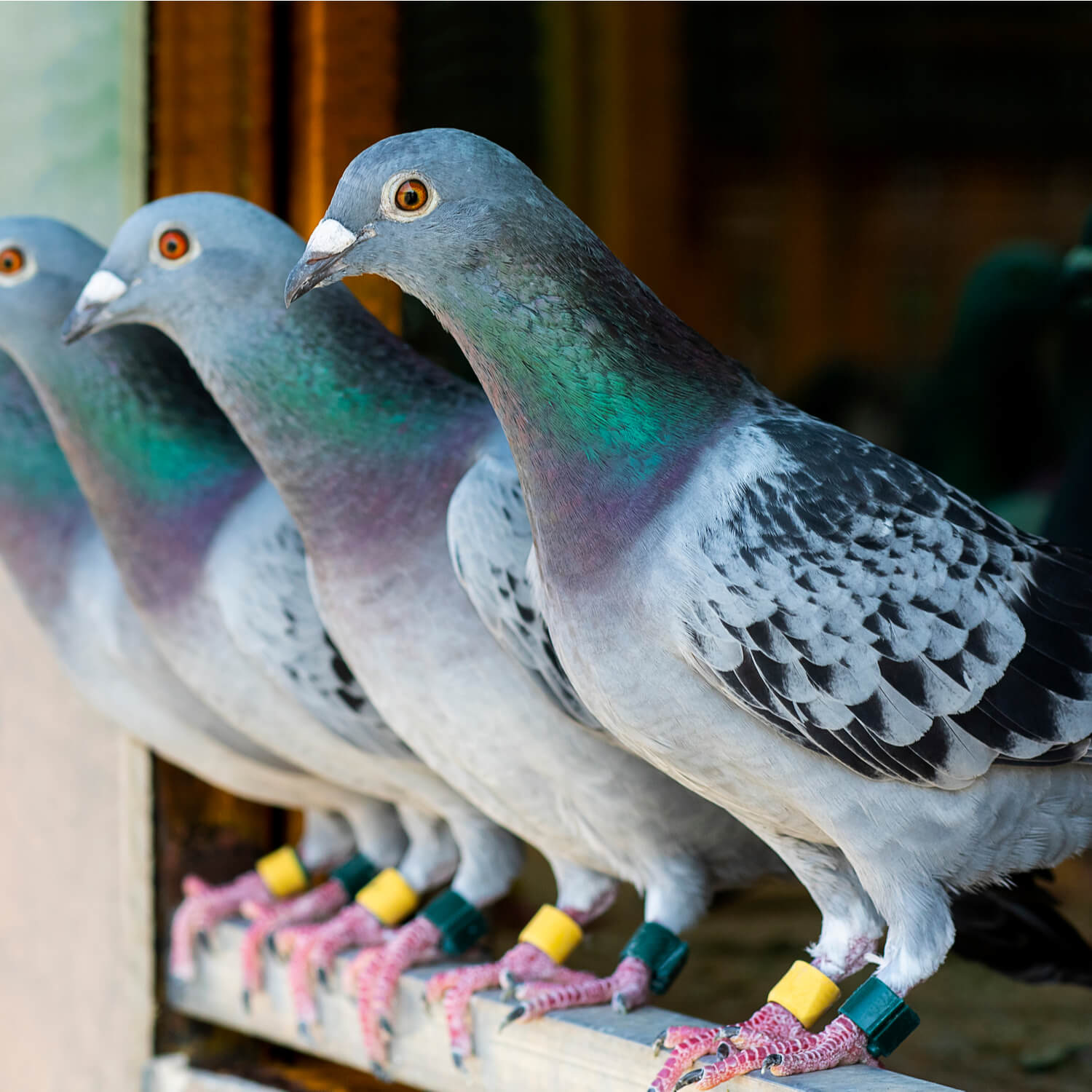
The Secret Pigeon Service and an Untold Story of WW2 Resistance, with Gordon Corera
Suzanne Raine talks to Gordon Corera, BBC Security Correspondent, about a story of bravery, belief, hope, patriotism, loyalty and pigeons.
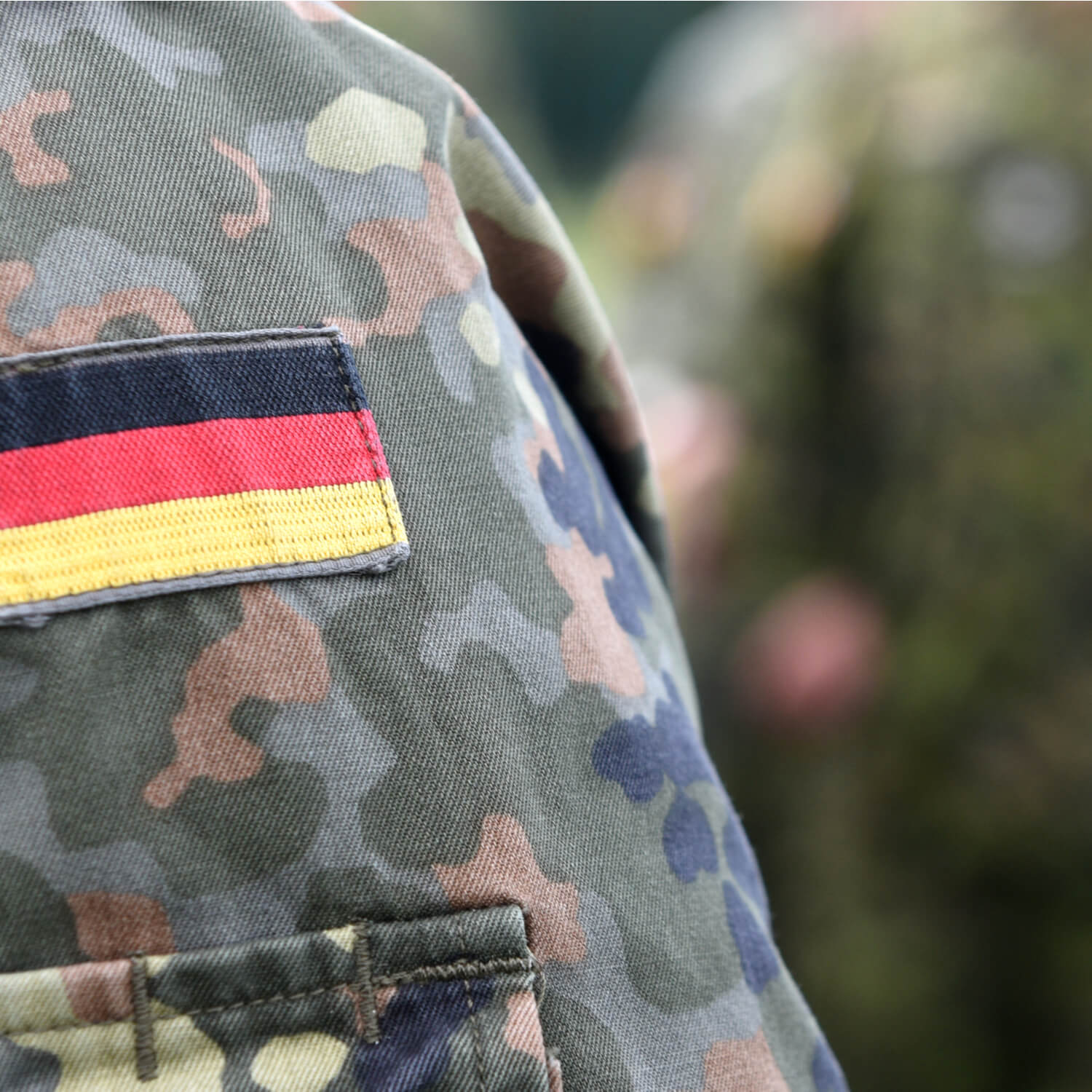
Responsibility or restraint? German security policy in 2021, with Ulrike Franke
Philipp Hirsch and Ulrike Franke from the European Council on Foreign Relations talk about current debates on German security policy in Berlin as well as on the role of defence questions in the September election.Recorded 7th June, 2021.

Berlin, Brussels and Brexit, with Nicolai von Ondarza
Philipp Hirsch and Nicolai von Ondarza from the German Institute for International and Security Affairs discuss the role and importance of Europe for German politics as well as German perspectives on Brexit.Germany and the World, Episode 3.