Institute for Government
The Institute for Government is a leading think tank focused on improving the effectiveness of UK government. It provides commentary, analysis, and events to promote better governance. The podcast covers topics related to public policy, government operations, and political reform.
Episodes
How can Andy Burnham deliver on Labour’s promise to improve public services?
From hospitals to schools, policing and local government, the effects of Labour’s promised reforms to public services are now being felt. Waiting times for some NHS services have improved, absence from schools is falling, and knife crime and neighbourhood crime have both fallen. But despite these signs of improvement, a thorny set of problems across public services could threaten Andy Burnham’s ow
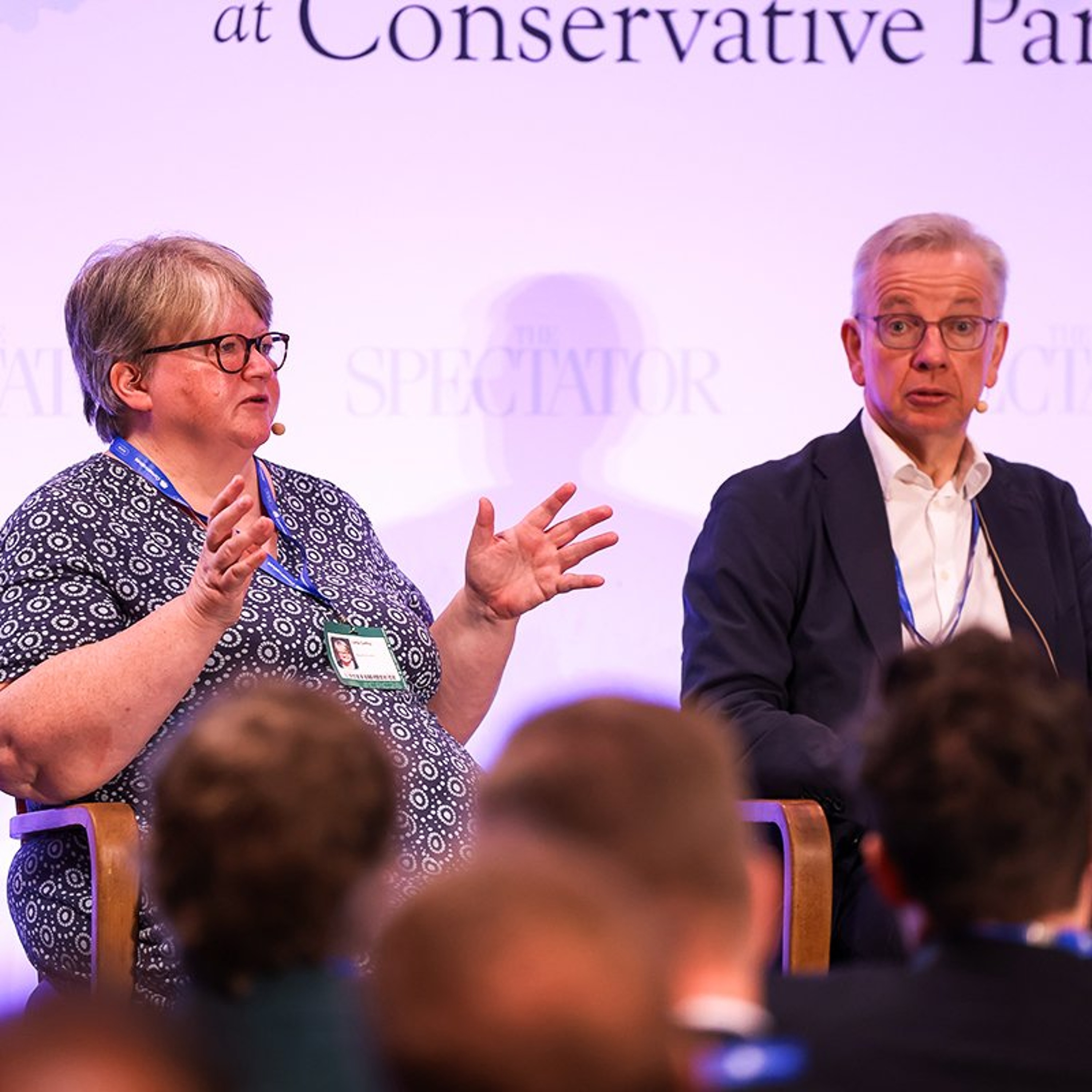
Leaders of tomorrow: How can the UK develop politicians fit for the future?
This discussion was part of the Institute for Government's programme of events at the Conservative Party Conference 2026.
Speakers:
Heather Blundell, CEO of Grayling
Rt Hon Baroness Thérèse Coffey, former Deputy Prime Minister
Rt Hon Lord Michael Gove, Editor of The Spectator
This event was chaired by Vicky Elliott, Director at the Institute for Government.
This event was in partnership with
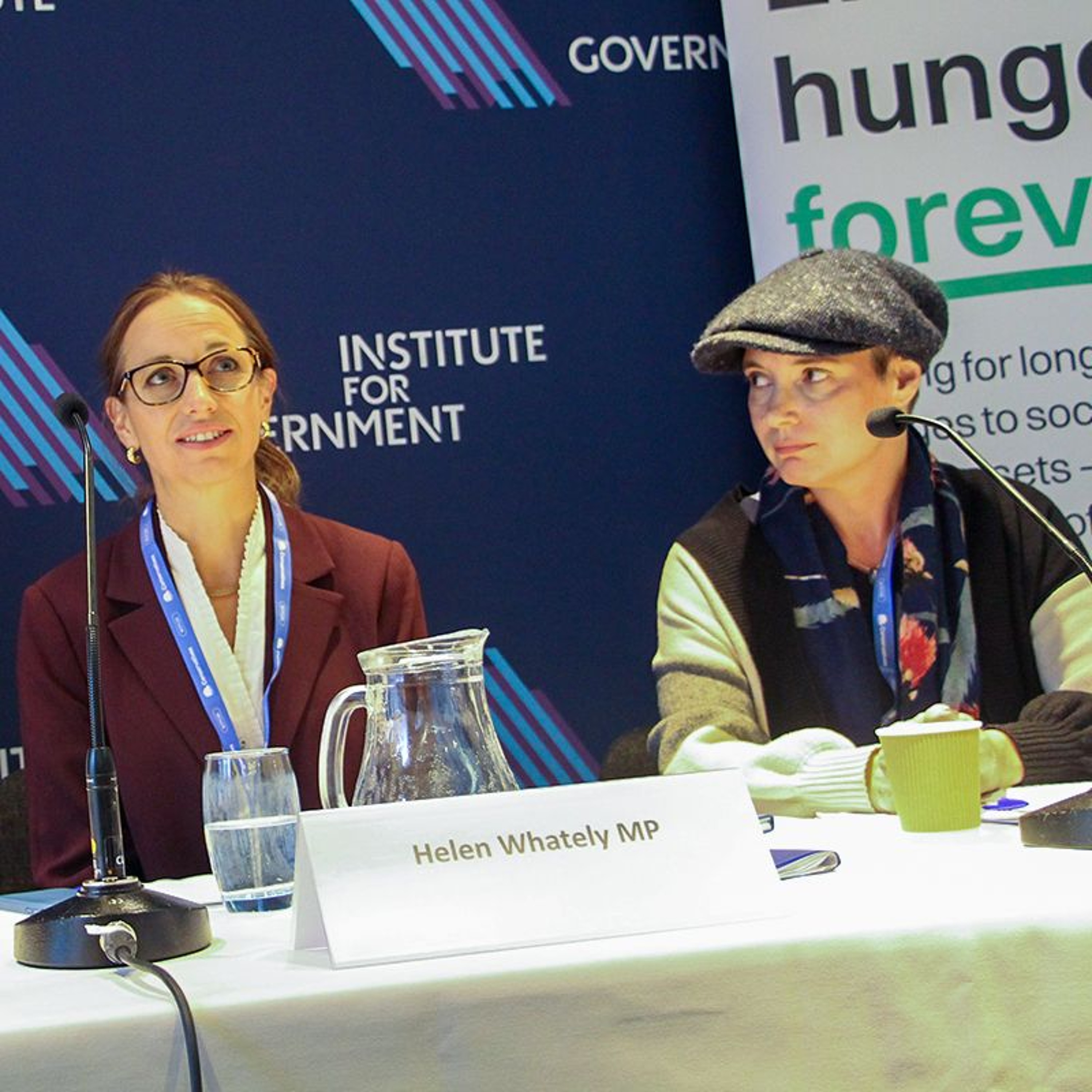
Social security, disability and health-related inactivity: What is the Conservative case for reform?
This discussion was part of the Institute for Government's programme of events at the Conservative Party Conference 2026.
Speakers:
Helen Whately MP, Shadow Secretary of State for Work and Pensions
Helen Barnard, Director of Policy and Research at Trussell
Fraser Nelson, Columnist at The Times
Ben Paxton, Senior Researcher at the Institute for Government
This event was chaired by Thomas Pope, C
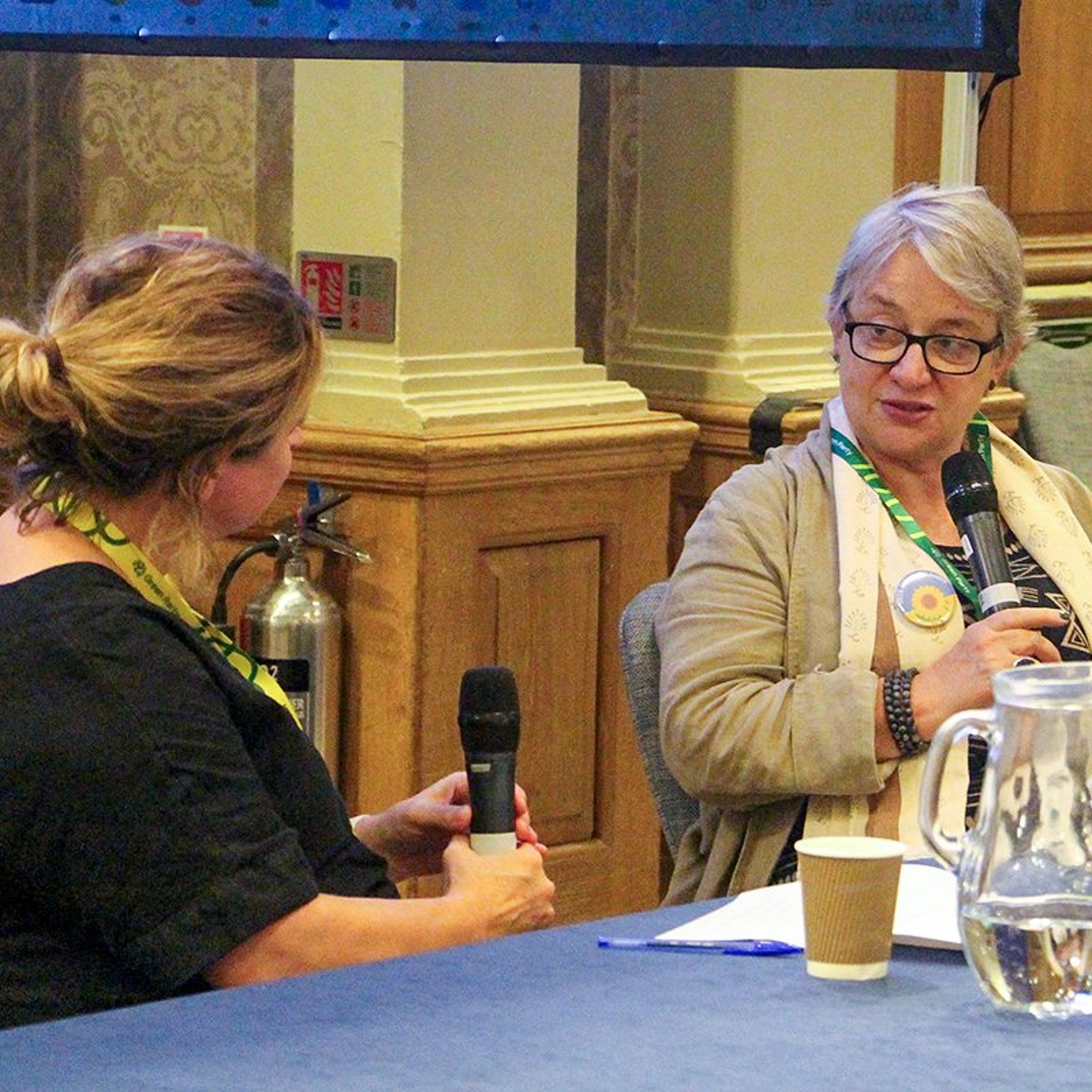
In conversation with Baroness Bennett, former Leader of the Green Party of England and Wales
This event took place at the Green Party Conference.
Dr Catherine Haddon, Senior Fellow at the Institute for Government was joined by Baroness Bennett of Manor Castle, former Leader of the Green Party of England and Wales (2012–16).
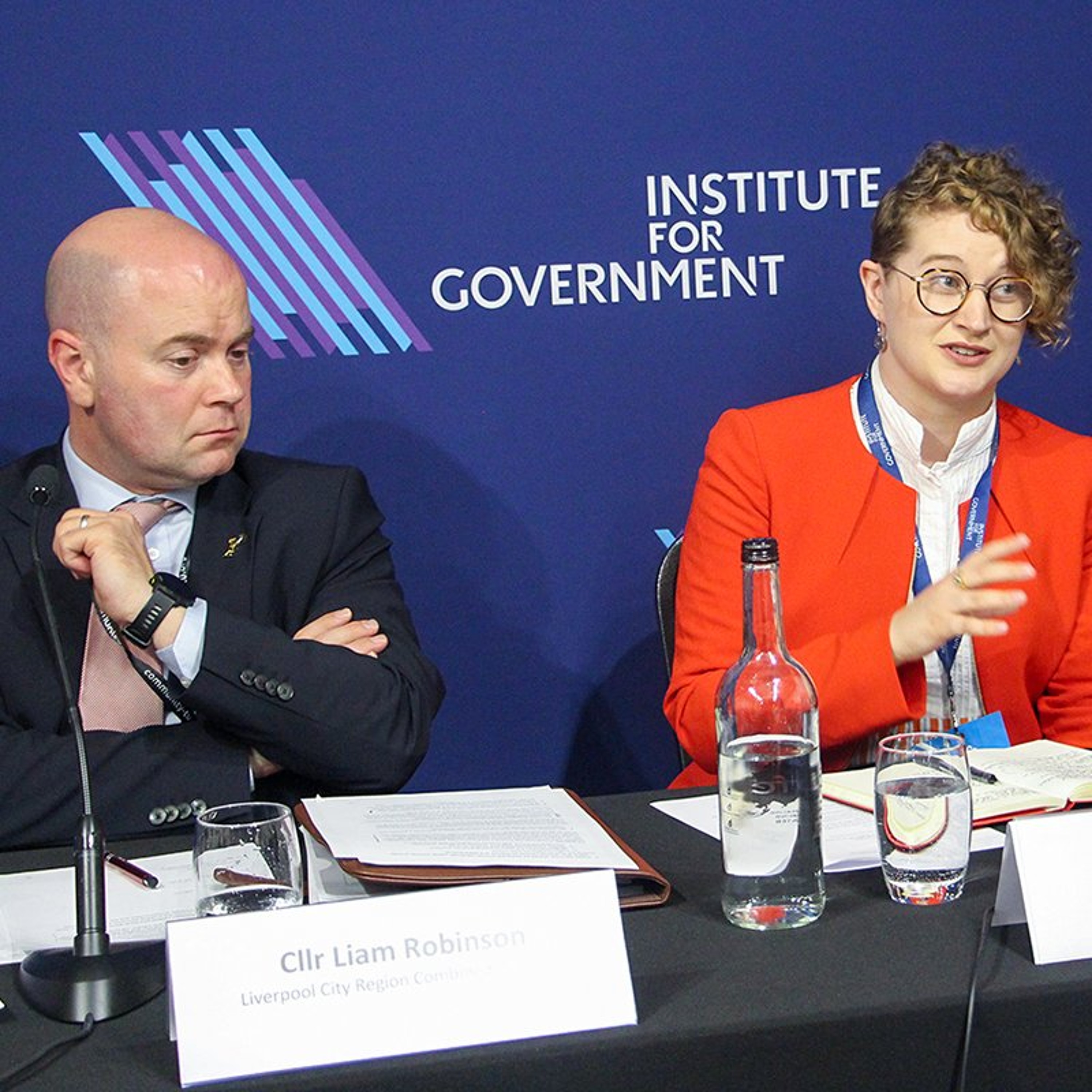
How can digital public services be made a reality?
This discussion was part of the Institute for Government's programme of events at the Labour Party Conference.
Speakers:
Mallory Durran, Chief Technology Officer at Nesta
Cllr Liam Robinson, Leader of Liverpool City Council and Cabinet Member for Innovation at the Liverpool City Region Combined Authority
Cassia Rowland, Associate Director at the Institute for Government
Rachel Taylor, UK Governm
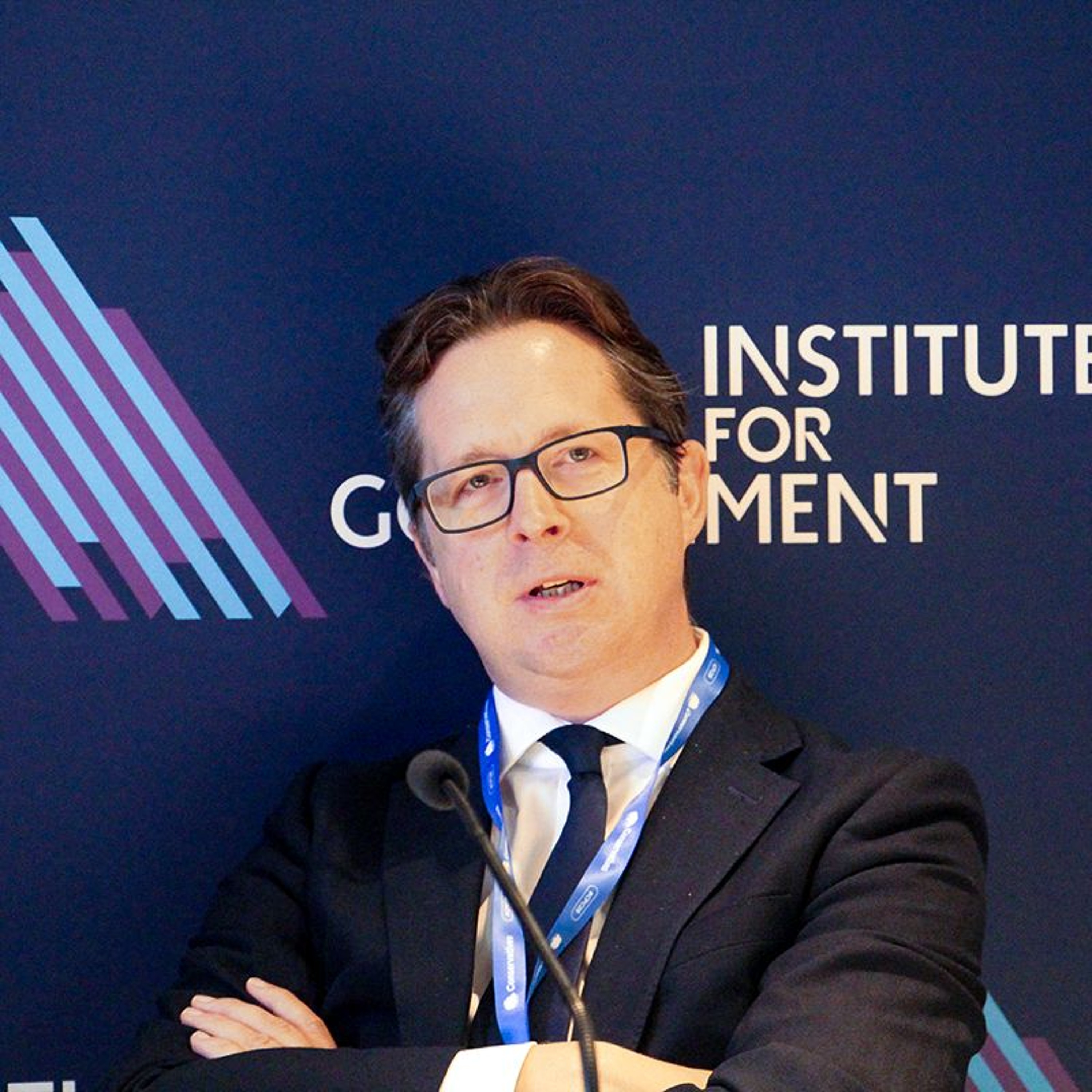
In conversation with Alex Burghart MP, Deputy Leader of the Conservative Party
This discussion was part of the Institute for Government's programme of events at the Conservative Party Conference.
Speakers:
Alex Burghart MP, Deputy Leader of the Conservative Party
This event was chaired by Alex Thomas, Executive Director at the Institute for Government.
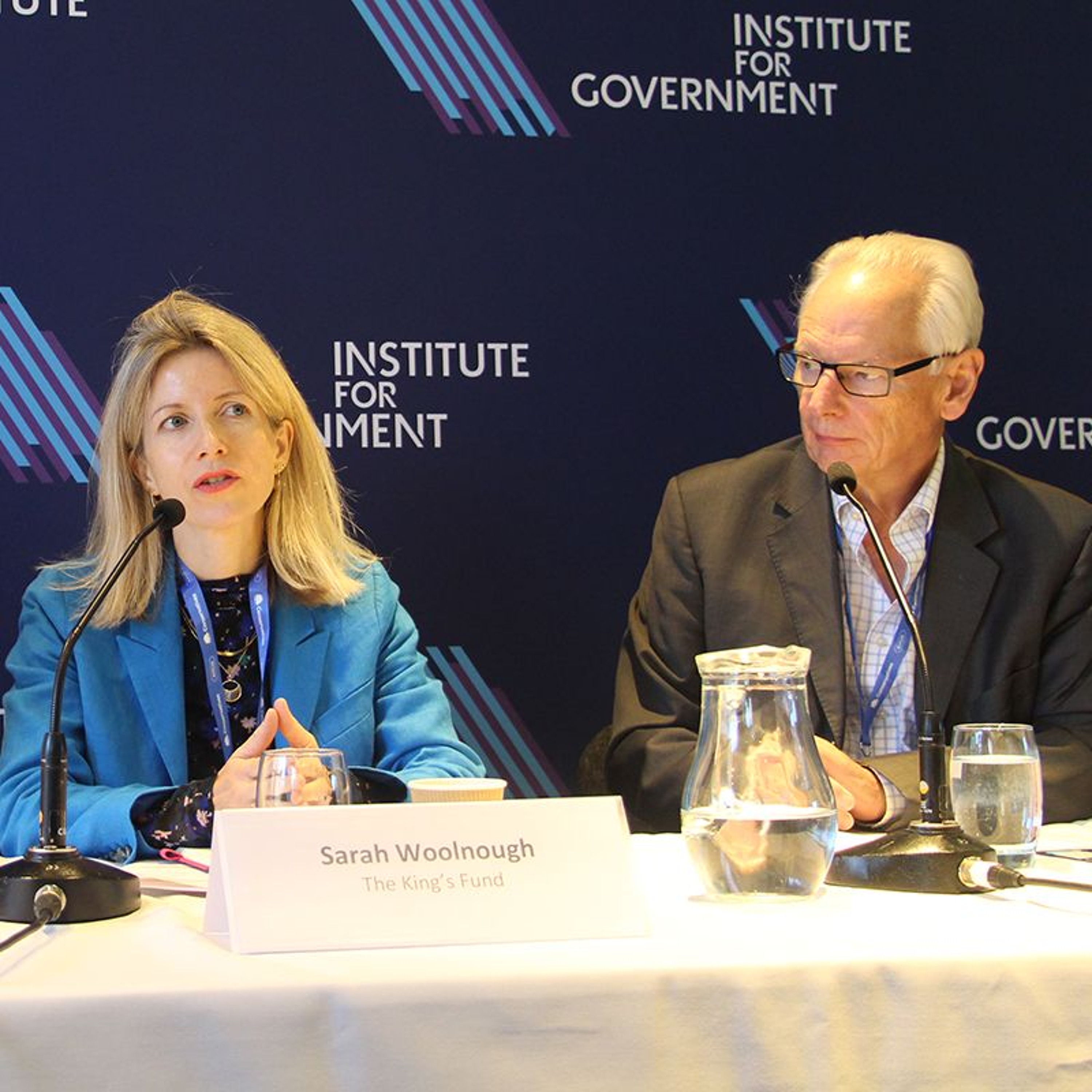
Should ministers have more power over public bodies?
This discussion was part of the Institute for Government's programme of events at the Conservative Party Conference.
Speakers:
Baroness Neville-Rolfe, Shadow Minister (Treasury)
Henry Hill, Editor of The Critic
Rt Hon Lord Maude of Horsham, Founder and Chairman of Francis Maude Associates
Sarah Woolnough, Chief Executive of The King's Fund
This event was chaired by Dr Matthew Gill, Programme Di
Governing in a fractured Britain: How should the Conservatives rethink their approach to power?
This discussion was part of the Institute for Government's programme of events at the Conservative Party Conference.
Speakers:
Baroness Finn of Swansea, Shadow Minister for the Cabinet Office
Dr Patrick English, Head of Elections and Political and Social Data at YouGov
Lucy Harris, former MEP and Conservative Special Adviser
Salma Shah, IfG Senior fellow and former Conservative Special Adviser
T
ifg-how-can-labours-early-years-agenda-better-support-boys-from-low-income-families
This event was part of the IfG's programme of events at the Labour Party Conference 2026.
Speakers:
Paul Waugh MP, Parliamentary Under-Secretary of State (Minister for Early Education)
Lynn Perry MBE, Chief Executive Officer at Barnardo's
Sarah Ronan, Executive Director at the Early Education and Childcare Coalition
Matt Towner, Director of Programmes at Impact on Urban Health
Alistair Strathern
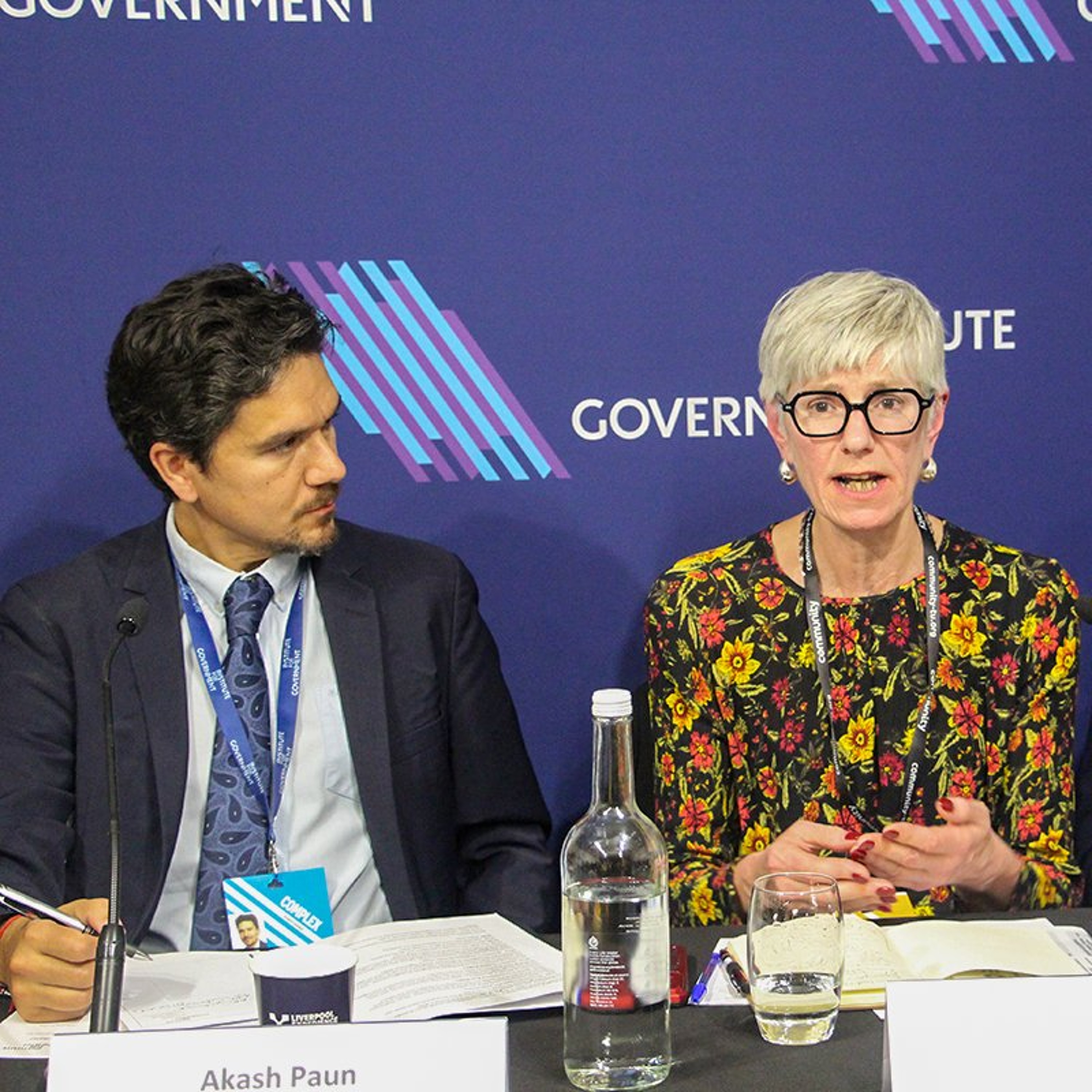
Where next for English devolution under Andy Burnham?
This event was part of the IfG's programme of events at the Labour Party Conference 2026.
Speakers:
Mayor Kim McGuinness, Mayor of North East England
Cllr Fran Belbin, Leader of Sheffield City Council
Professor Duncan Ivison, President and Vice-Chancellor at The University of Manchester
Mark Rogers, Interim Chief Executive, Sussex & Brighton Strategic Authority
This event was chaired by Akash
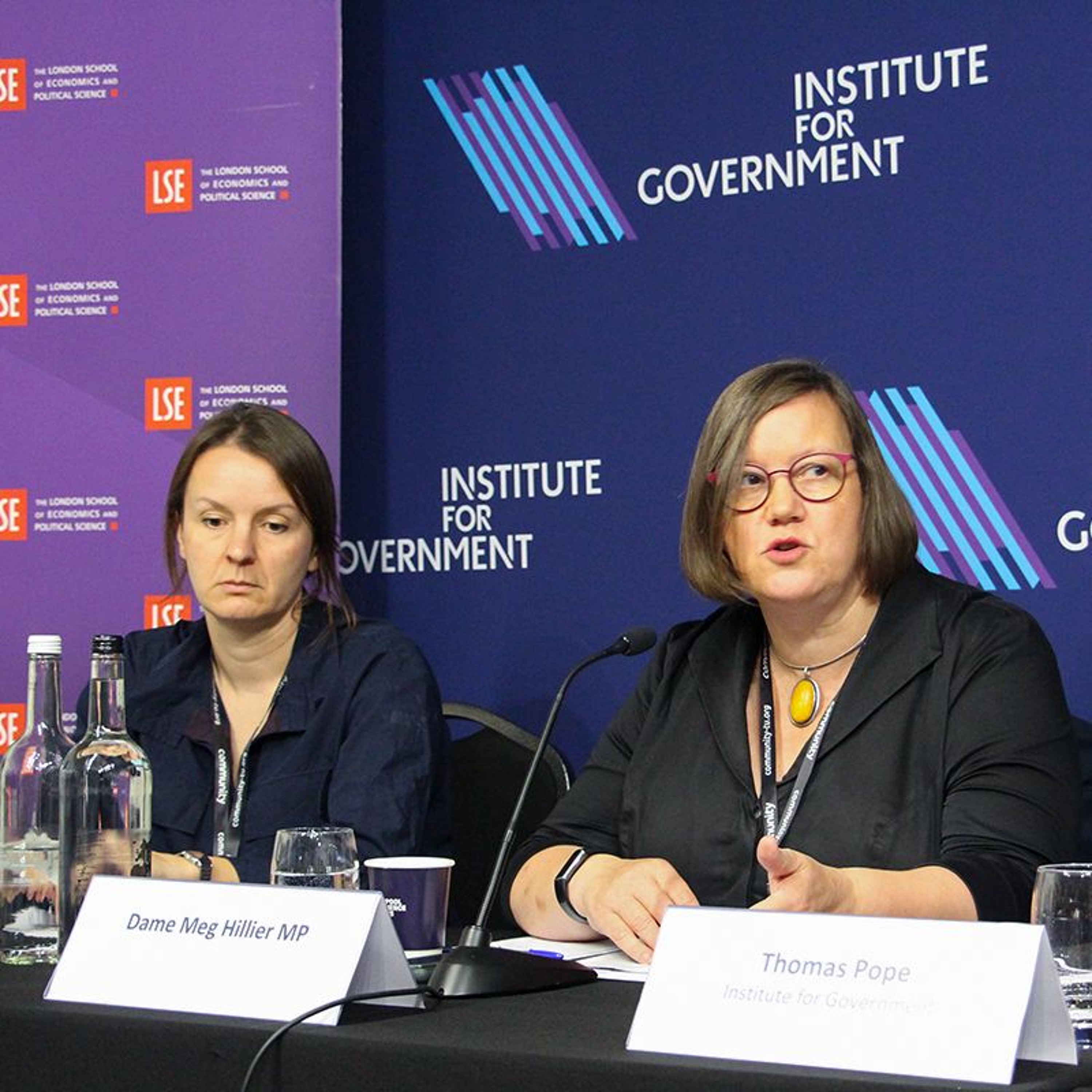
How can Labour build an affordable welfare system that supports sick and disabled people?
This event was part of the IfG's programme of events at the Labour Party Conference 2026.
Speakers:
Dame Meg Hillier MP, Chair of the Treasury Select Committee
Rt Hon Alan Milburn, Chair of the Young People and Work Review
Ben Paxton, Senior Researcher at the Institute for Government
Dr Kate Summers, British Academy Post Doctoral Fellow at the London School of Economics and Political Science
Th
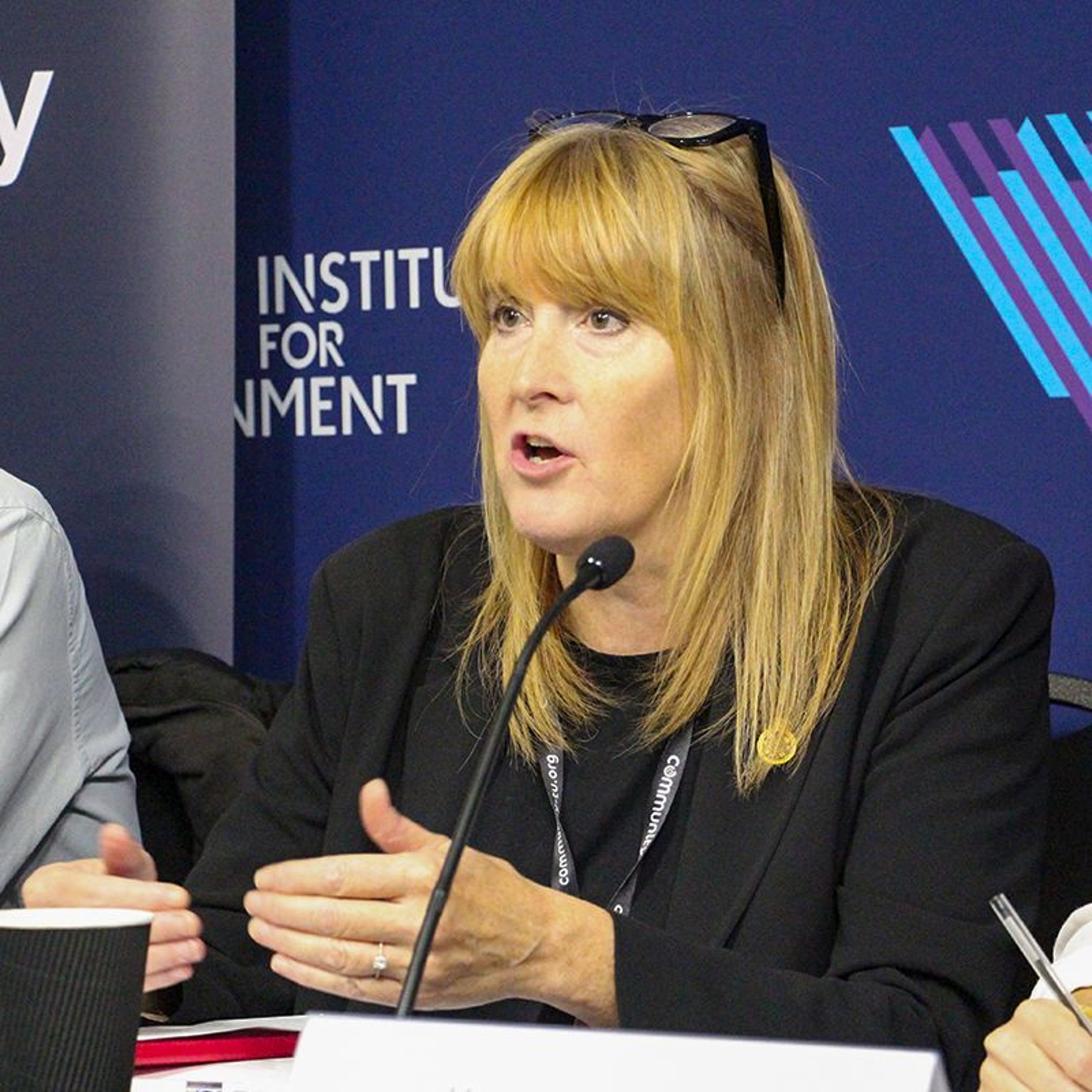
Getting things done: How can government deliver policy priorities?
This event was part of the IfG's programme of events at the Labour Party Conference 2026.
Speakers:
Sarah Jones MP, Minister of State (Home Office)
David Pinto-Duschinsky MP, Parliamentary Private Secretary at the Department for Work and Pensions, and former Special Adviser in the Home Office and Treasury
James Reeve, Partner at PA Consulting
Felicity Slater, former special adviser in No.10, Cab
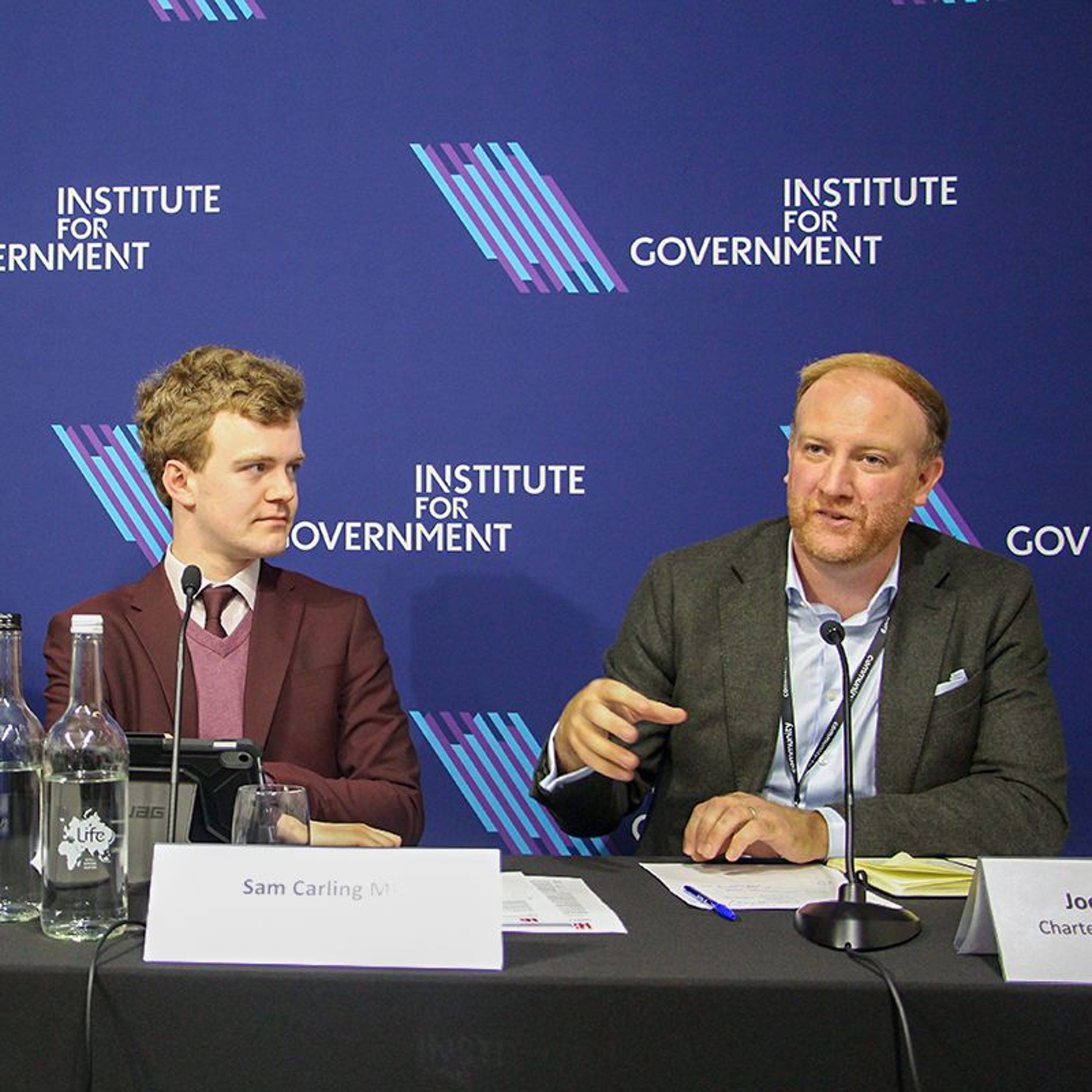
Leaders of tomorrow: How can the UK develop politicians fit for the future?
This event was part of the IfG's programme of events at the Labour Party Conference 2026.
Speakers:
Sam Carling MP, Member of the Public Administration and Constitutional Affairs Committee
Chris Murray MP, Parliamentary Private Secretary to the Foreign, Commonwealth and Development Office
Dr Sofia Ropek-Hewson, Senior Research Fellow and Interim Head of Decade of National Renewal Programme at IP
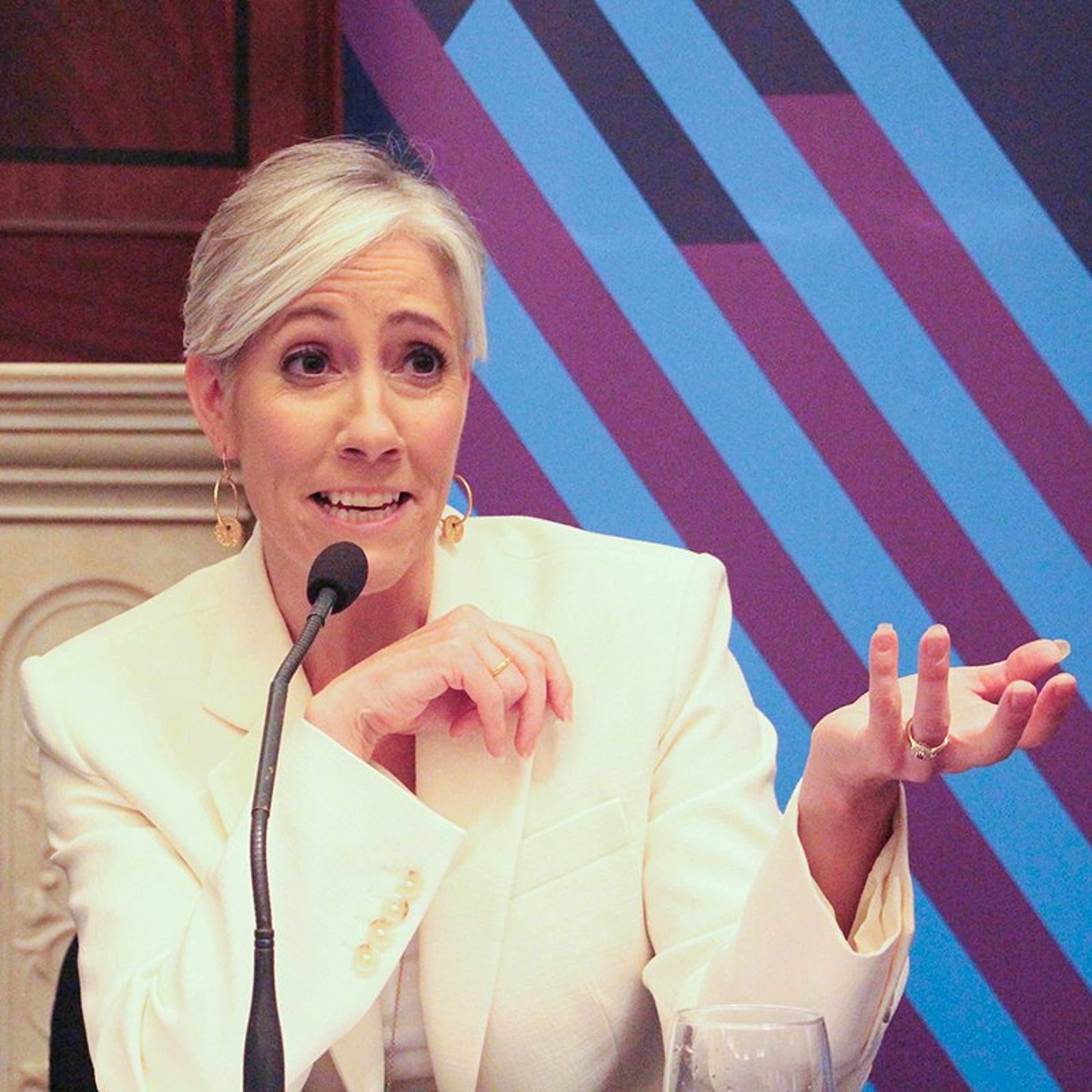
In conversation with Daisy Cooper MP
Giles Wilkes, Senior Fellow at the Institute for Government was joined by Daisy Cooper MP, Deputy Leader of the Liberal Democrats, at the Liberal Democrat Party Conference.
Does the UK do enough to guard against corruption in public life?
High-profile incidents of misconduct, political donations, and freebies have all raised concerns about standards and integrity in UK public life – so what more can be done to tackle corruption in national and local government?
In his new book Corrupted Kingdom, Robert Barrington argues that corruption in Britain is not just a matter of isolated scandals but reflects deeper systemic vulnerabilitie
Andy Burnham: How can the prime minister meet the government’s biggest challenges?
The new prime minister has appointed his ministers and put his No.10 team in place. He has created a new Office for the Prime Minister and Cabinet. And set out some immediate policy changes while promising a 10-year plan later in the year. So what happens now?
Having spent the summer setting out the new government's direction, how will Andy Burnham meet the challenge of being prime minister? How
What happened to liberal democracy?
The Institute for Government was pleased to welcome Daron Acemoglu, the Nobel Prize-winning co-author of Why Nations Fail, to discuss his new book: What Happened to Liberal Democracy? Remaking a Politics of Shared Prosperity.
In his latest book, Daron Acemoglu, a Nobel Prize winner in economics, documents the rise and, some would argue, fall of liberal democracy, recounting how liberal democratic
The government's local government reorganisation strategy: What went wrong and what comes next?
Angela Rayner, the Secretary of State for Housing, Communities and Local Government, has put plans to restructure local government on hold. So what went wrong and what happens next?
The government’s ambitious local government reorganisation (LGR) programme, which affects around 41% of the population, aims to replace all county and district councils with a single tier of unitary local government.
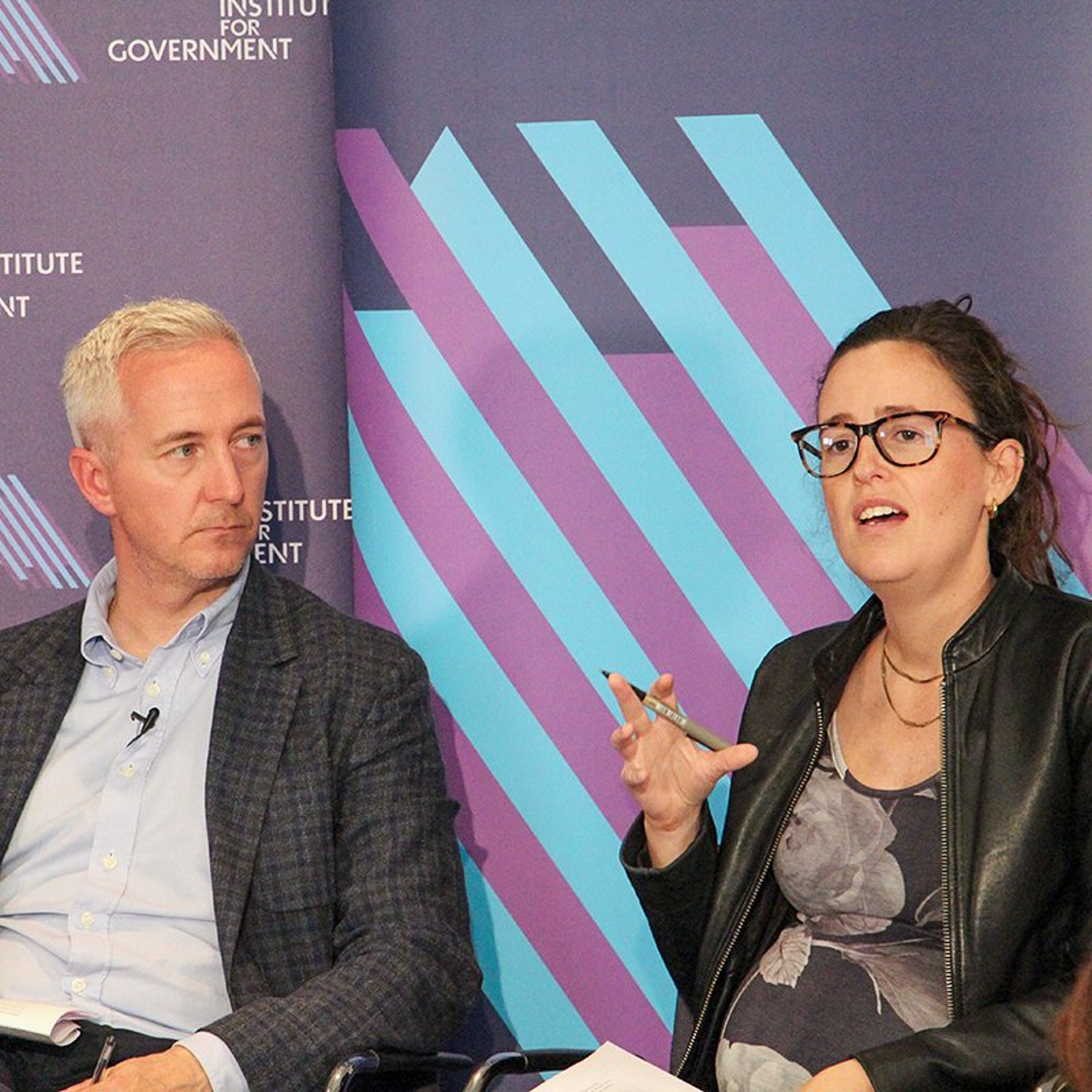
How can government help deliver a globally competitive AI infrastructure for the UK?
The government believes access to sufficient AI infrastructure and compute capacity will be critical for the UK’s economic growth, productivity and global competitiveness – but the UK is in a global race for investment, talent and consequential technological breakthroughs.
So how can ministers and civil servants deliver the government’s ambitions?
Last June, the government announced over £1bn of

Andy Burnham, Manchester and No.10 North: How can the prime minister make his devolution agenda succeed?
The first days and weeks of Andy Burnham's premiership have seen the prime minister promise to accelerate the devolution agenda, with the launch of Number 10 North demonstrating his commitment to take power away from London.
But what can the prime minister do to make his devolution agenda succeed? How will No.10 North work constructively with the new Office for the Prime Minister and Cabinet and
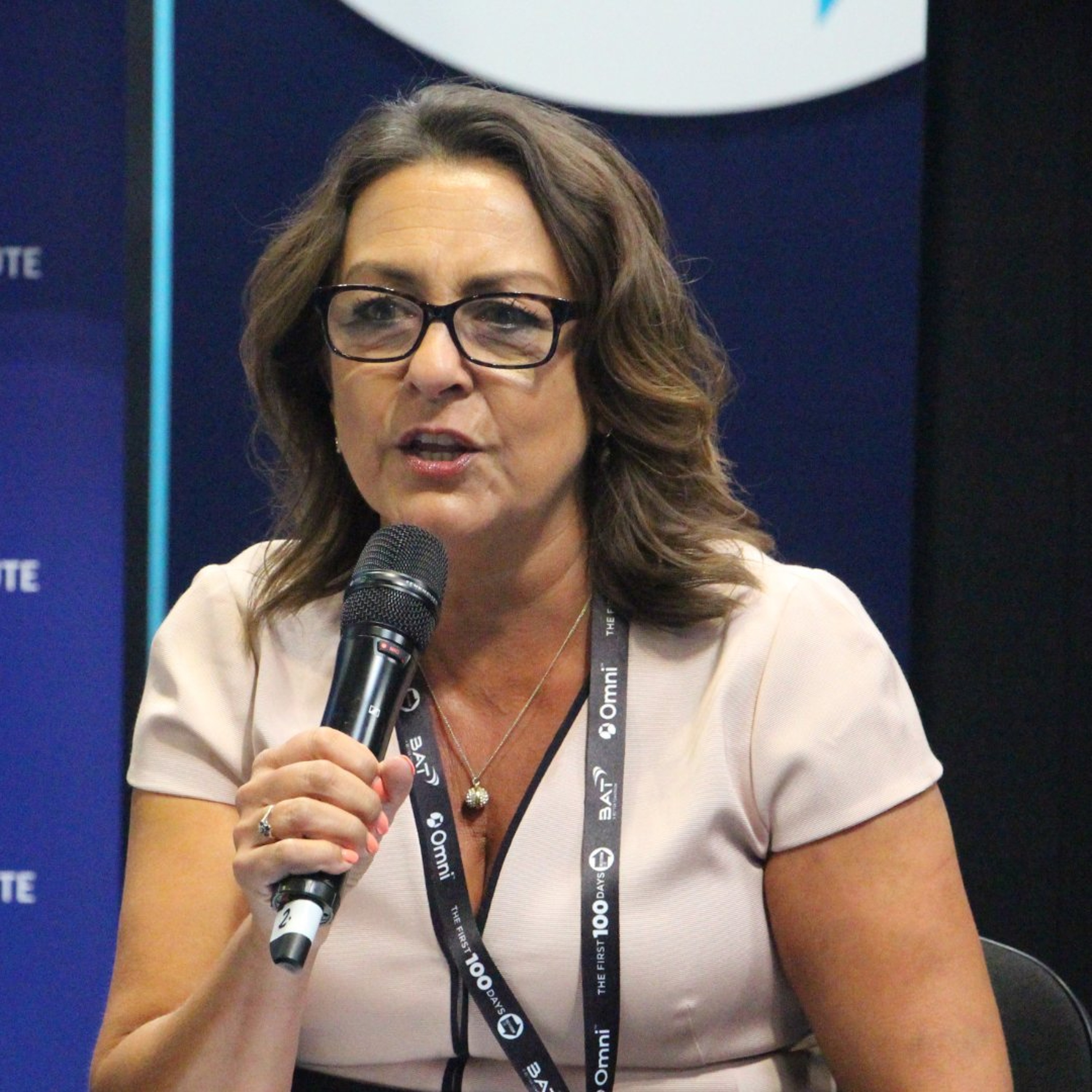
What is the Reform UK vision for devolution and local government in England?
Speakers:
Cllr Stephen Atkinson, Leader of Lancashire County Council and Leader of the Local Government Association's Reform UK Group
Justin Galliford, Chief Executive Officer at Norse Group
Cllr Linden Kemkaran, Leader of Kent County Council
Akash Paun, Programme Director (Devolution) at the Institute for Government
Cllr Daniel Sutherland, Leader of Calderdale Council
This event was chaired by
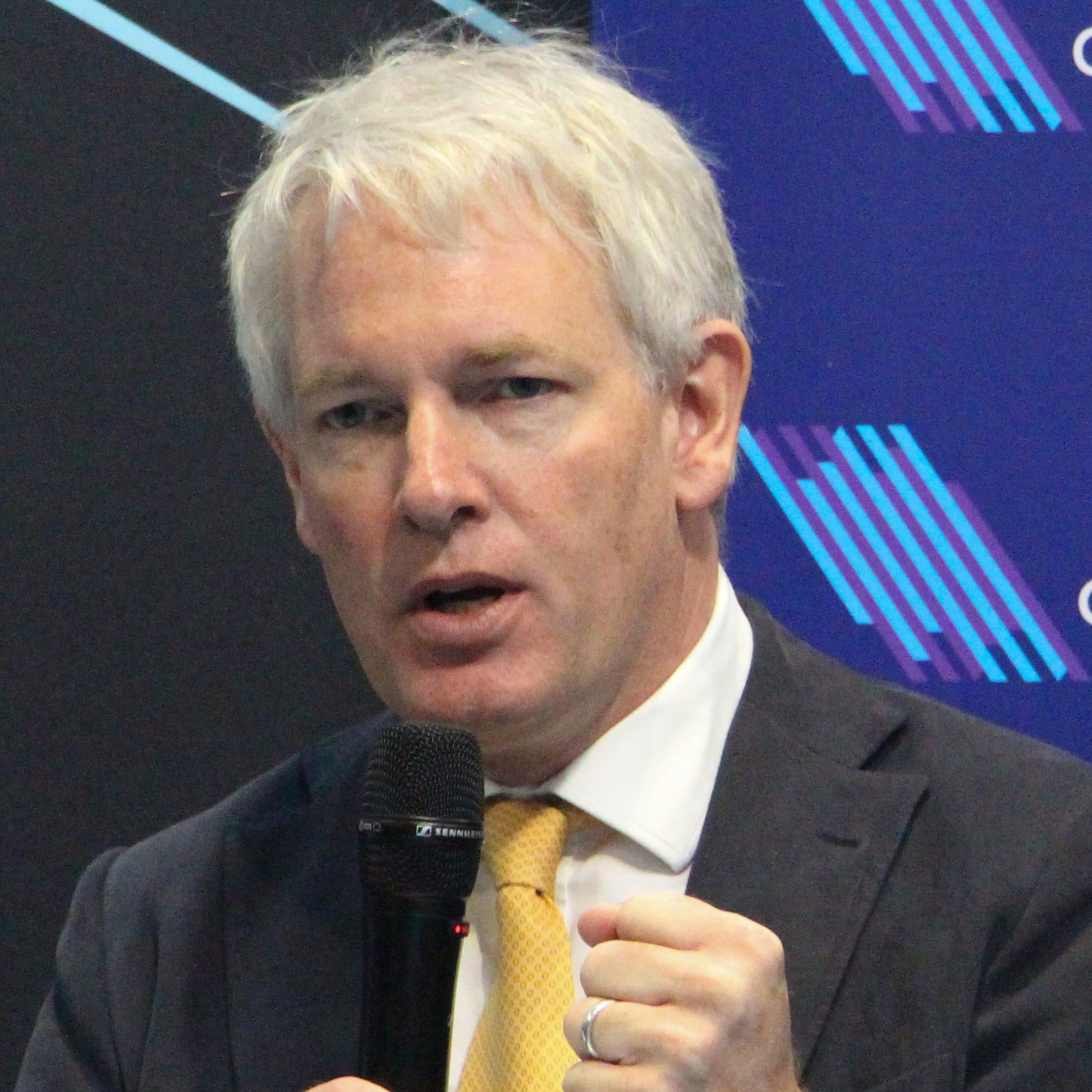
In conversation with Danny Kruger MP
Alex Thomas, Executive Director at the Institute for Government, was joined by Danny Kruger MP, head of Reform UK’s unit for preparing the party for government.
This event was part of the Institute for Government's programme of party conference events at the Reform UK Party Conference.
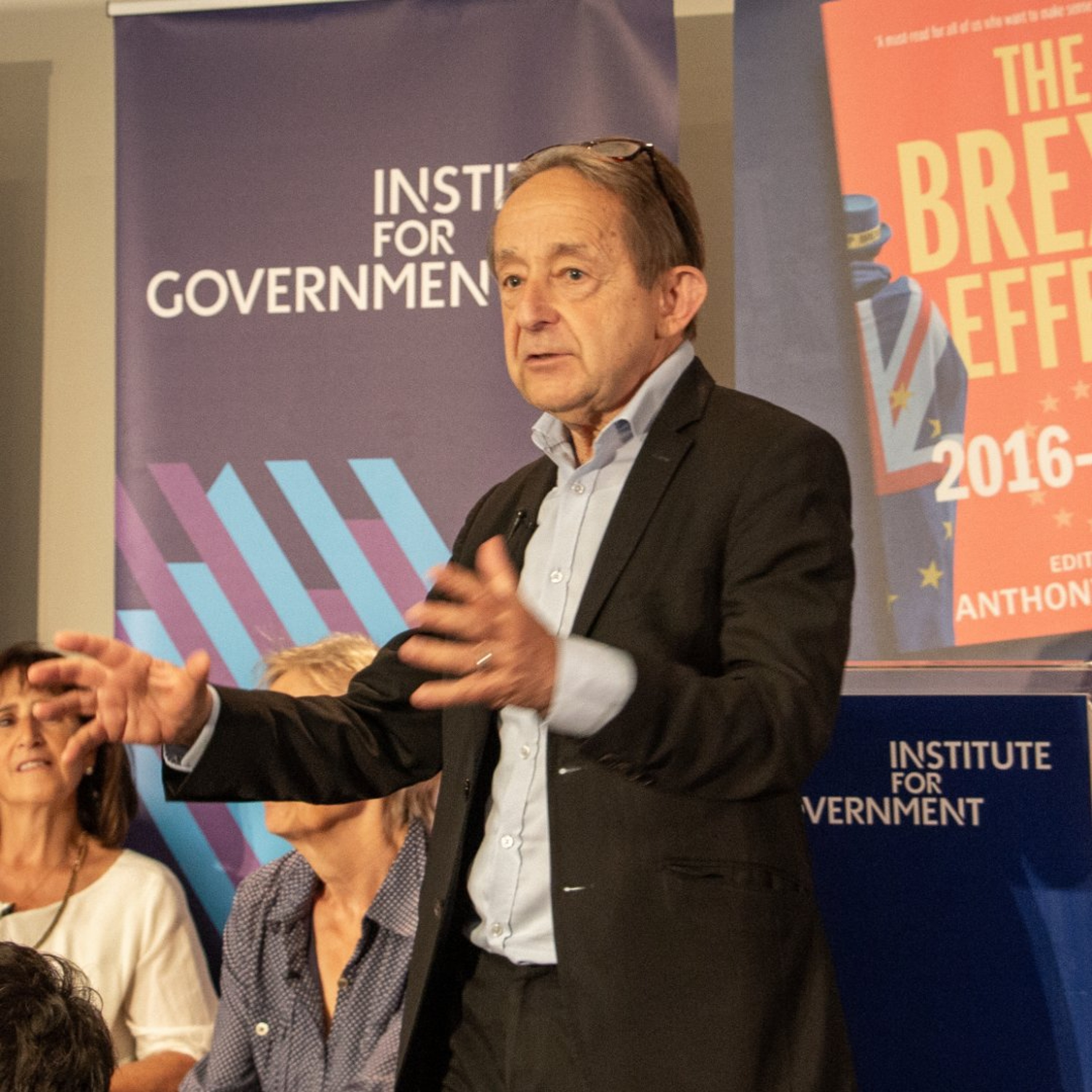
Book launch: The Brexit Effect, 2016–2026
The Brexit Effect, edited by Sir Anthony Seldon, is a collection of over 30 essays on the impact of the referendum on whether the UK should stay in or leave the European Union. To discuss the book, the Institute for Government brought together some of its contributors to consider the continuing impact of that decision on the way the UK is governed and its place in the world.
Sir Anthony Seldon, e
IfG DevoLab #6: How can mayors support a just climate transition?
We were at the Institute for Government for the sixth event in the IfG DevoLab series, held in partnership with the JUST Centre, at which speakers from three regions with devolved powers set out how mayors and strategic authorities can use their powers, funding and influence to support a just climate transition.
The three case studies presented at IfG DevoLab #6 were:
‘The Local Net Zero Acceler
Creating a regulatory system that attracts investment
This event was part of the IfG's half-day conference, Regulation in a changing world: How to meet the needs of the future?
Panellists discussed how the design of a regulatory system can best build investor confidence and encourage good long-term outcomes.
Rt Hon George Eustice, former Secretary of State for Environment, Food and Rural Affairs (2020–22)
Mark McAllister, Chair of Ofgem
Stefanie Vo
Delivering government policy through regulation
This event was part of the IfG's half-day conference, Regulation in a changing world: How to meet the needs of the future?
An expert panel explored the purpose of regulation, and particularly its relationship to government policy. How can strategic direction from government, regulatory independence and consistency across sectors be balanced in a period of rapid change?
Caleb Deeks, Director Gene
Welcome and keynote speech by Blair McDougall MP, Minister for Small Business and Economic Transformation
This event was part of the IfG's half-day conference, Regulation in a changing world: How to meet the needs of the future?
Welcome
Opening remarks from Dr Hannah White OBE, Director and CEO of the Institute for Government.
The minister delivered a keynote speech, and was then in conversation with Jill Rutter, Senior Fellow at the Institute for Government and David Henderson, Chief Executive Offi
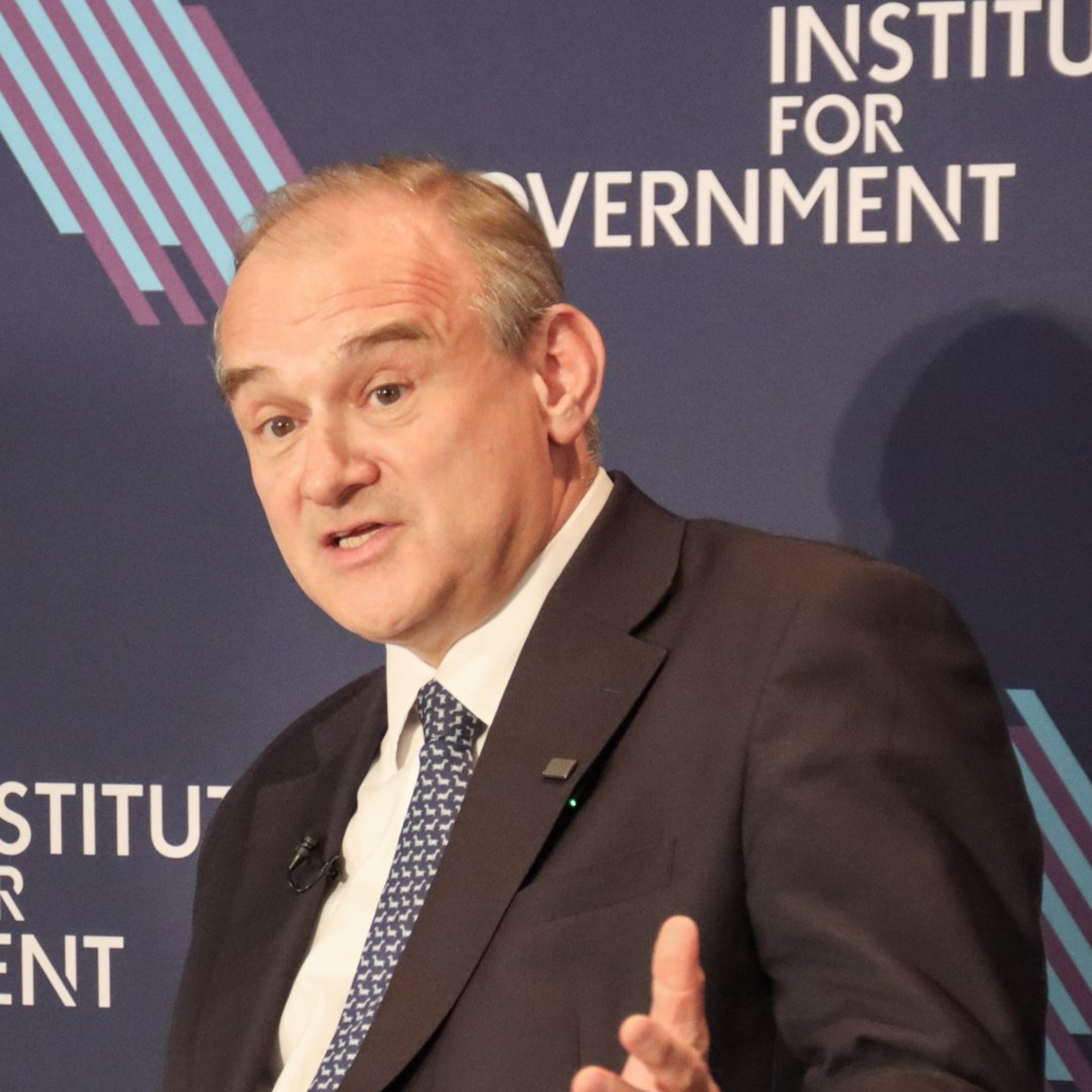
In conversation with Sir Ed Davey MP, Leader of the Liberal Democrats
The IfG was pleased to welcome Sir Ed Davey MP, Leader of the Liberal Democrats, to set out his priorities for political and constitutional reform.
In March, Ed Davey set out proposals for a “new Magna Carta” – a written constitution to safeguard fundamental British rights and freedoms. He expanded on those plans and talk about how the Liberal Democrats are continuing their campaign to secure pro
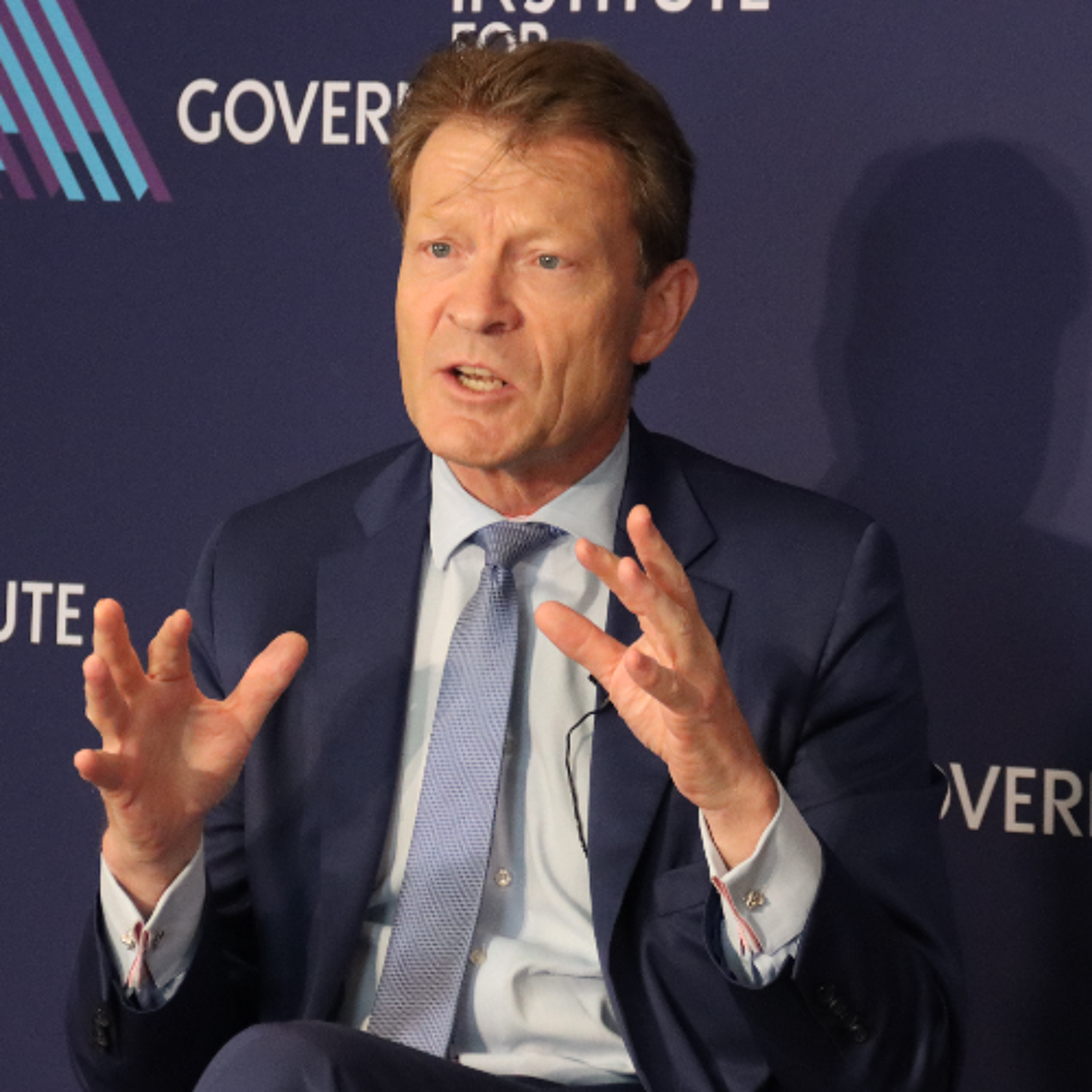
In conversation with Richard Tice MP, Deputy Leader of Reform UK
Following the May 2026 local and devolved UK elections, Reform UK is running over 20 local authorities, has two regional mayors, and is the second-largest party in the Welsh parliament. But how would a Reform UK government in Westminster approach complex challenges like rewiring the state, boosting public service productivity, and growing the British economy?
On 7 July, the IfG welcomed Richard T
IfG DevoLab #5: How can mayors and local leaders create a shared vision for regional growth?
The IfG DevoLab is dedicated to exploring the innovations enabled by devolution, learning from the results, and sharing the lessons so that places can take better decisions about how to use devolved powers and budgets.
We were in Sheffield for the fifth DevoLab event, where three speakers set out how mayors and local leaders can build and sustain a shared vision for growth across their regions
Integrating diplomacy and development: How does the Foreign Office set itself up for success?
Five years on from the merger of the Foreign Office and the Department for International Development, this is a pivotal moment for the Foreign, Commonwealth and Development Office (FCDO). The government is managing the reduction in the international aid budget, the department is undergoing a major restructuring, and its permanent secretary was sacked by the prime minister.
With fewer resource
The NHS 10-year plan one year on: Is the government shifting the health service towards prevention?
The worthy aims of the NHS’s prevention shift include reducing childhood obesity, cutting the prevalence of smoking, and tackling harmful alcohol consumption. But previous Institute for Government work shows that shifting to prevention is incredibly difficult, with successive governments’ actions rarely meeting lofty rhetoric.
So, one year on from the launch of the 10-year health plan, how much p
Andy Burnham: What to expect from the next prime minister?
Andy Burnham will surely become prime minister in a matter of weeks. But what kind of government would he lead and how can he prepare for the biggest job in British politics?
As Burnham sets out his policy priorities, and with much speculation about the key appointments he will make to his top team, this webinar brought together leading IfG experts to explore the challenges awaiting the next prim
A keynote speech by Dan Tomlinson MP, Exchequer Secretary to the Treasury
The Institute for Government was pleased to welcome Dan Tomlinson MP, Exchequer Secretary to the Treasury, to share his experiences as the sole departmental minister for His Majesty’s Revenue and Customs – and set out his vision for transforming the department.
What will the shift to “digital by default” mean for HMRC’s performance, culture and operating model? How can digital transformation imp
How can government close the early years attainment gap for boys from low-income families?
Boys from families living on low-incomes have been ‘left behind’ in early years policy making for decades. Nearly three in five boys from low-income families are not reaching a good level of development by the end of reception year, with long-term effects on their later educational attainment, job prospects, health and wellbeing.
Two reports from the Institute for Government (IfG) – supported by
Lessons from Covid: How to avoid fraud in future crises?
The Covid-19 pandemic saw the government spend hundreds of billions of pounds to buy PPE, keep businesses afloat and avoid mass redundancies. In the heat of this once-in-a-generation crisis, decisions were made that enabled widespread fraud by both individuals and organisations – leading to an estimated £10.9 billion of Covid-19 spending being lost to fraud and error.
In December 2024, the chance
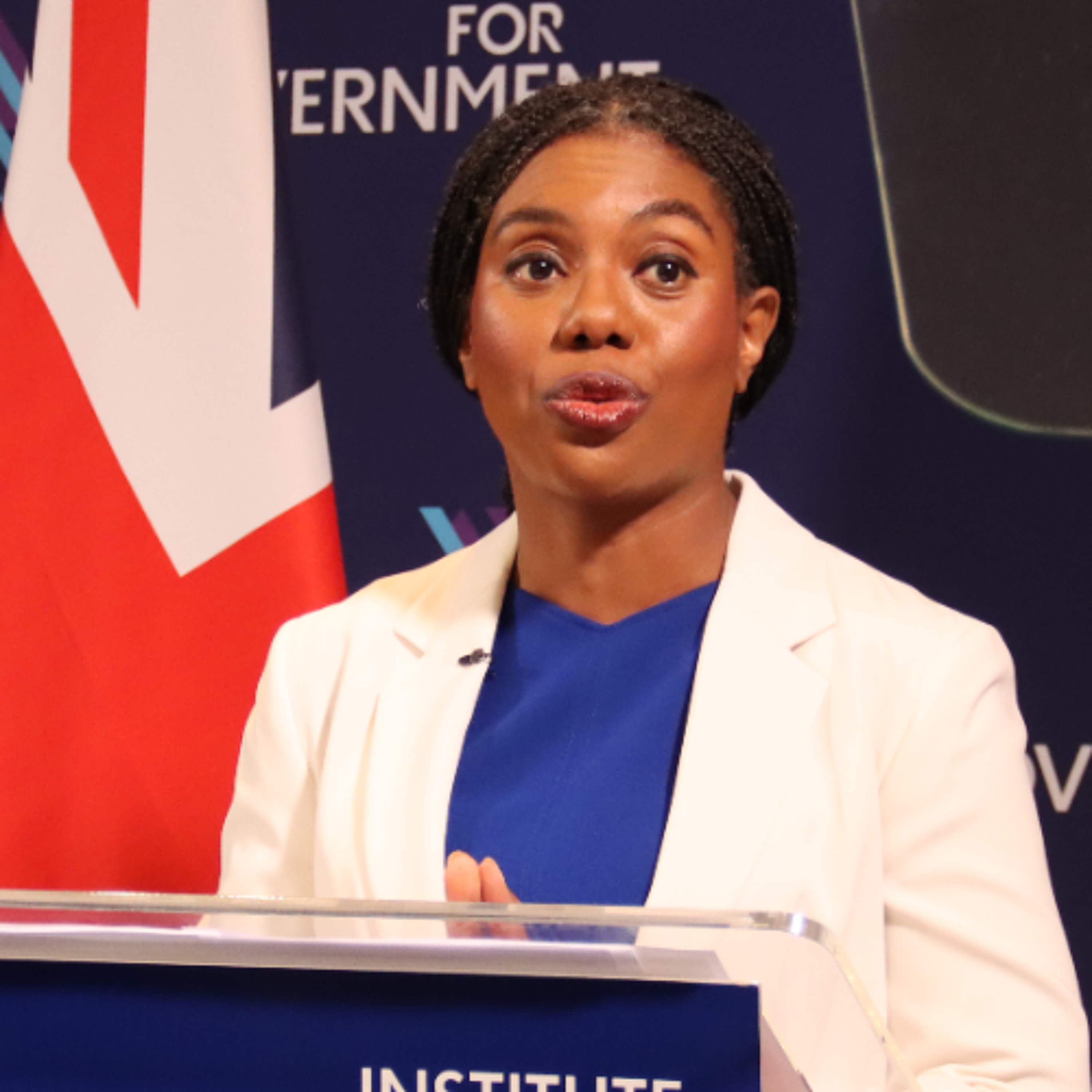
Rt Hon Kemi Badenoch MP: keynote speech
The Institute for Government was pleased to welcome Kemi Badenoch to give a keynote speech on Tuesday 9 June at 10:30am.
Following her speech, the Leader of the Opposition was in conversation with Dr Hannah White, Director and CEO of the Institute for Government, and took part in a Q&A with the audience.
Are private members' bills a good way for MPs to decide on difficult policy
An expert panel drew on lessons from the recent assisted dying bill and other PMBs to consider how backbench MPs should approach complex issues.
While historically major social reforms – such as decriminalising homosexuality or legalising abortion – have been introduced through private members’ bills (PMBs), most backbench attempts to legislate that do not begin with government support fail to ma
Chaos returns to Westminster: What next for Keir Starmer and the government?
Ministerial resignations, letters of no confidence, and Andy Burnham’s determination to return to Westminster have rocked Keir Starmer’s premiership. Plenty of twists and turn await in the coming weeks, with the work of government continuing under a cloud of uncertainty.
So how can a prime minister lead a government if their authority is being questioned by their own MPs? What would a Labour lead
What does the elections bill mean for the next general election?
The government has introduced the Representation of the People Bill to lower the voting age to 16, change how electoral rules are enforced and – potentially – introduce new restrictions on political donations. But embedding new processes for registering to vote, changing how electoral rules are enforced, and ensuring there is clear information for 16- and 17-year-olds will all take time – and affe
What does the Children’s Wellbeing and Schools Act mean for children’s social care?
The children’s social care market is often described as “broken” – including by the government itself. Too many children end up in unsuitable settings, the quality of care varies sharply across the country, and costs have risen to levels that put severe pressure on local authority budgets.
So, what does the Children’s Wellbeing and Schools Act, which has recently received Royal Assent, mean for t
Local and devolved elections 2026: Who won, who lost and what next?
With a crucial set of local and devolved elections taking place in England, Scotland and Wales on Thursday 7 May, the Institute for Government devolution team hosted an expert webinar the day after to discuss the results so far.
What is the likely composition of the new governments in Edinburgh and Cardiff and what will be their policy priorities? What are the implications for UK-devolved relat

What next for restoration and renewal of parliament?
The Palace of Westminster is one of the world’s most recognisable historic buildings and the home of the UK parliament. Yet much of the estate is in urgent need of repair. While debates over how to approach the Restoration and Renewal programme have continued for over a decade, other countries have already moved ahead: Austria has completed the renovation of its parliament, and Canada’s is well un
A state rewired? Civil service leadership, diversity and morale
Our third webinar in a three-part series focused on the findings of Whitehall Monitor 2026.
The third Whitehall Monitor webinar – the final in a three-part series exploring the IfG’s annual flagship report on the civil service – took a deeper look at the people who make up the civil service workforce, including diversity and morale, and considers the crucial role of, and challenges facing, civil

What will the 2026 devolved elections mean for Scotland, Wales and the UK?
On Thursday 7 May, voters in Scotland and Wales will elect the members of the devolved parliaments in Edinburgh and Cardiff. A change of government is expected in Wales, where Labour trails both Plaid Cymru and Reform UK in the polls. In Scotland, by contrast, the SNP is forecast to take a fifth successive victory, potentially with an outright majority, which the party will claim provides a mandat

A keynote speech by Matthew Pennycook MP, Minister for Housing and Planning
The Institute for Government was pleased to welcome Matthew Pennycook MP, Minister for Housing and Planning, to give a speech on leasehold reform and the move to commonhold.
The speech, in which the Housing Minister spoke about the government's ambitions on ending the feudal leasehold system, follows publication of the draft Commonhold and Leasehold Reform Bill for pre-legislative scrutiny.
Fo
Book launch: What is immigration policy for?
Successive UK governments have made immigration policy a high political priority, but no recent government has seemed to meet public expectations in the pursuit of those policies. So, what have recent immigration policies been trying to achieve, and why have so many people ended up unhappy with the outcome?
A new book by Madeleine Sumption explores these questions. Drawing on decades of researc
The Peter Mandelson scandal: What are the lessons for Keir Starmer's government?
The government is reeling from the revelation that Peter Mandelson was appointed as UK ambassador to the US despite having failed a security vetting process.
With the blame-game dominating the week in Westminster, what will we learn from Keir Starmer's 'judgment day' Commons statement? What will Olly Robbins – who was sacked by the PM as Foreign Office permanent secretary – reveal in a crucial se

In conversation with Rt Hon James Murray MP, Chief Secretary to the Treasury: How will the government boost public service productivity?
Improving productivity is at the heart of the government’s plans for public services, underpins the ‘strategic and agile state’ and is a critical enabler for many of its ambitions for the future.
The Chief Secretary to the Treasury has been drawing on experience from the public and private sector to make sure the 2027 spending review consolidates and furthers the government’s productivity drive.
A state rewired? Civil service digital transformation, data, and artificial intelligence
The second webinar in our three-part series focusing on the findings of Whitehall Monitor 2026.
The webinar featured:
Heloise Dunlop, Researcher at the Institute for Government and co-author of Whitehall Monitor 2026
Becky Noble, Public Services AI Lead at PA Consulting
Jack Worlidge, Senior Researcher at the IfG and co-author of Whitehall Monitor 2026
The event was chaired by Hannah Keenan,
A state rewired? Civil service size, shape, and turnover
Our first webinar in a three-part series focused on the findings of Whitehall Monitor 2026.
The first Whitehall Monitor webinar – kicking off a three-part series exploring the IfG’s annual flagship report on the civil service – looked at the context in which much needed strategic workforce planning should be taking place: how the size and shape of the civil service has changed in the past year, a
Can Rachel Reeves protect both households and the public finances from the energy price shock?
As war in the Middle East disrupts energy markets across the world, what are the implications for households and businesses in the UK and how should government respond to the price shock?
This IfG webinar explored Rachel Reeves’s options for supporting consumers – and what the ongoing conflict could mean for energy policy, the transition to net zero and for the public finances.
What are the im
In conversation with Malcolm Offord, Lord Offord of Garvel, Leader of Reform UK Scotland
With just a few weeks remaining before May’s Scottish parliament election, Malcolm Offord, Leader of Reform UK in Scotland, joined us to discuss the state of devolution, Scotland’s economy and public services, and the future of Scotland.
With Reform UK predicted to win a sizeable number of seats in Scotland for the first time, this webinar saw Malcolm Offord set out his policies and plans for Sco

IfG DevoLab #4: How can mayors increase the supply of affordable homes?
The IfG DevoLab is dedicated to exploring the innovations enabled by devolution, learning from the results, and sharing the lessons so that places can take better decisions about how to use devolved powers and budgets.
On 25 February, in Manchester, we held our fourth IfG DevoLab event, where three speakers set out how the powers and profile of mayors are being used to increase the supply of af
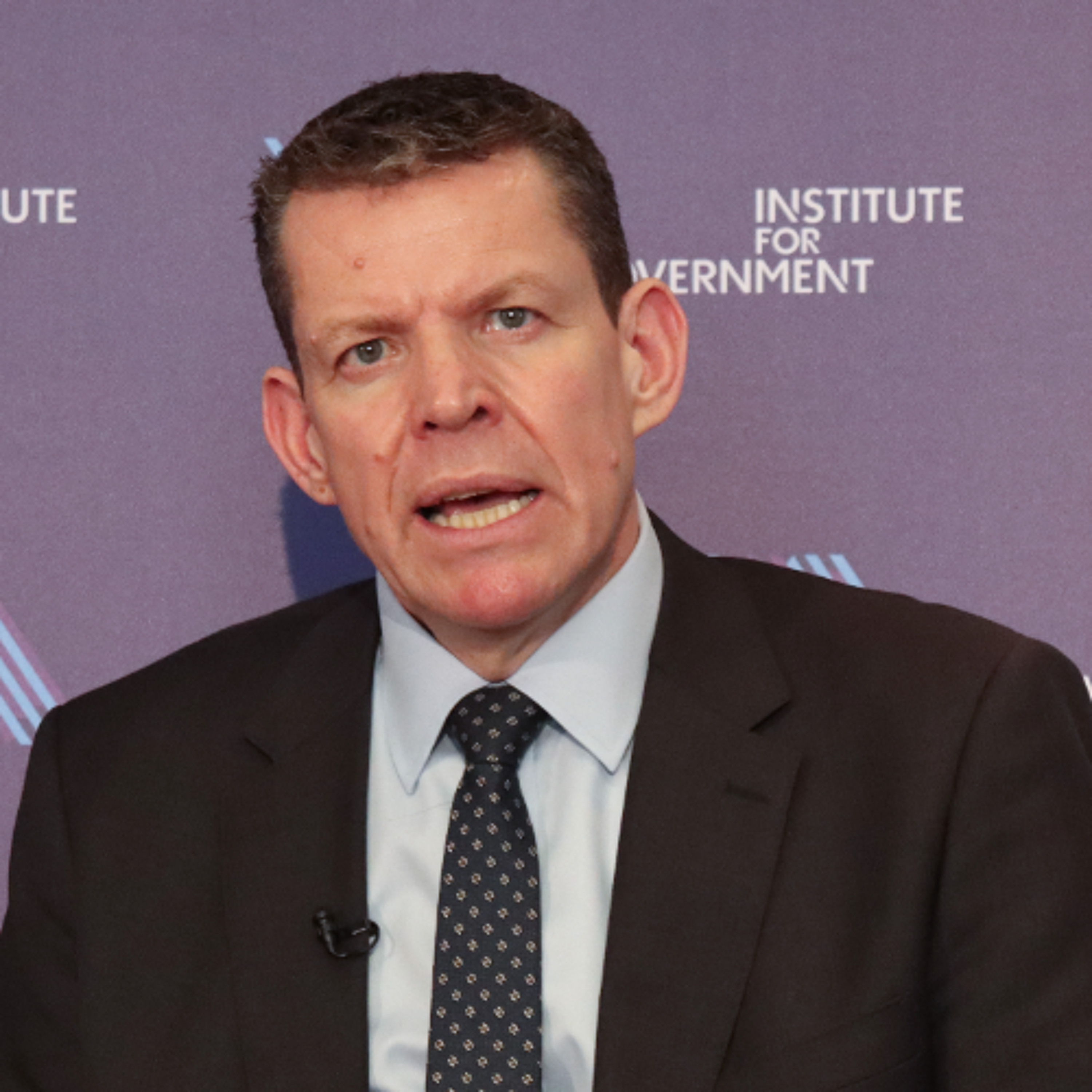
In conversation with Rhun ap Iorwerth MS, Leader of Plaid Cymru
This event took place two months before the people of Wales cast their votes in the seventh election to Senedd Cymru (the Welsh parliament) since it was established in 1999. The polls suggest that Plaid is on track to overturn Labour’s century-long dominance of Welsh politics to become the largest party in the Senedd for the first time, opening the path to Rhun ap Iorwerth becoming Wales’s next fi

How should ministers decide the size and shape of new unitary authorities?
The government’s ambitious local government reorganisation (LGR) programme will replace all county and district councils with a single tier of unitary local government. Local authorities have submitted their preferred geographies to central government – but with reportedly 70 submissions across 21 two-tier areas, there is little consensus on the ideal footprints of future unitary authorities.
G
How can the government make a success of the abolition of NHS England?
On 13 March 2025, Keir Starmer announced the abolition of NHS England, the arm’s-length body responsible for overseeing, planning, funding and delivering the health service – with its functions to be merged back into the Department of Health and Social Care. Work on the transition is underway but key decisions are still to be made.
What are the risks and opportunities associated with abolishing N
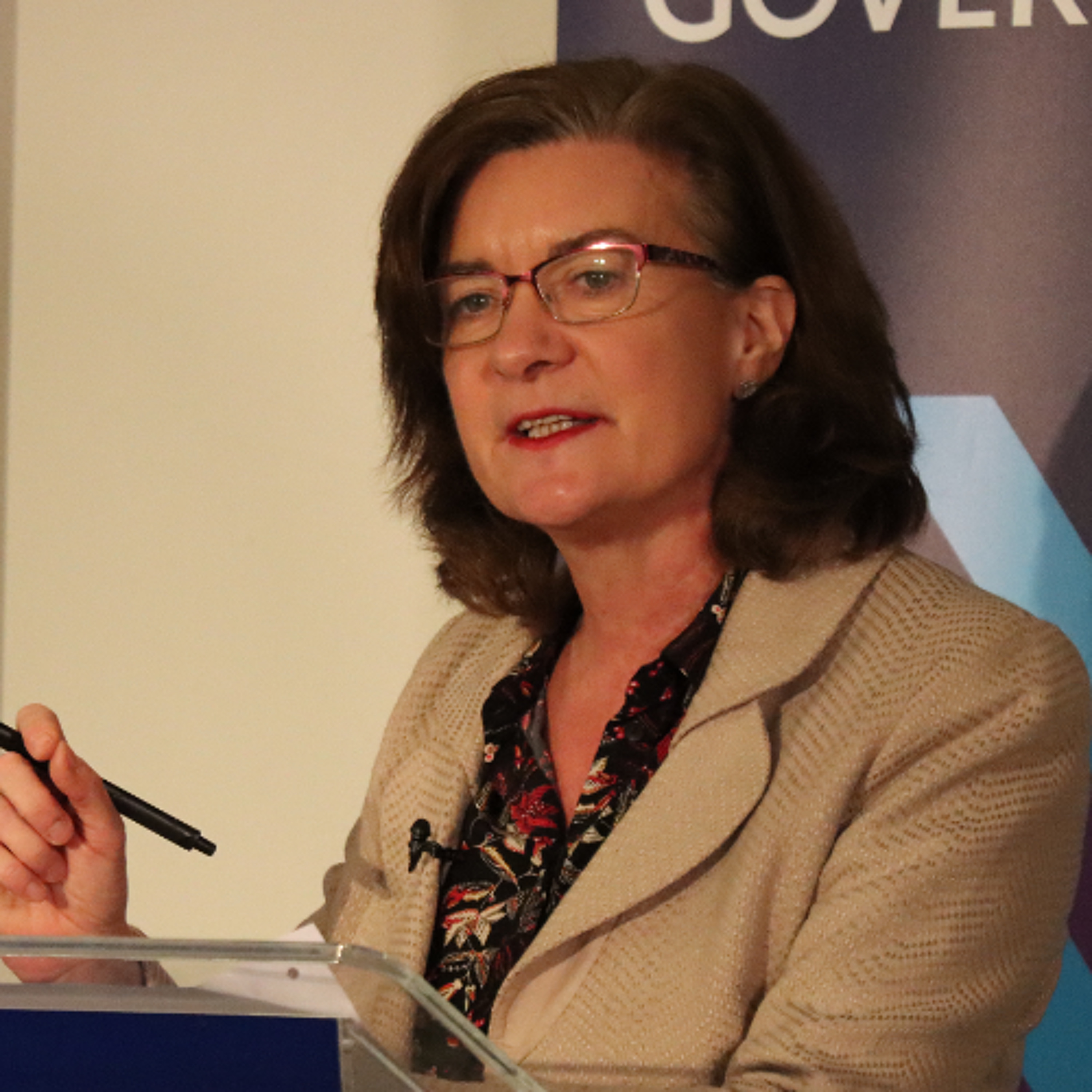
In conversation with Eluned Morgan MS, First Minister of Wales
In 2024, Eluned Morgan MS became the sixth first minister of Wales – and the first woman to hold the role – since the dawn of devolution in 1999. She now leads Welsh Labour into the 2026 Senedd election, which will be held under a new electoral system, and at which Labour faces a double challenge from the rise of Plaid Cymru and Reform.
On 22 January, the Institute for Government was delighted to
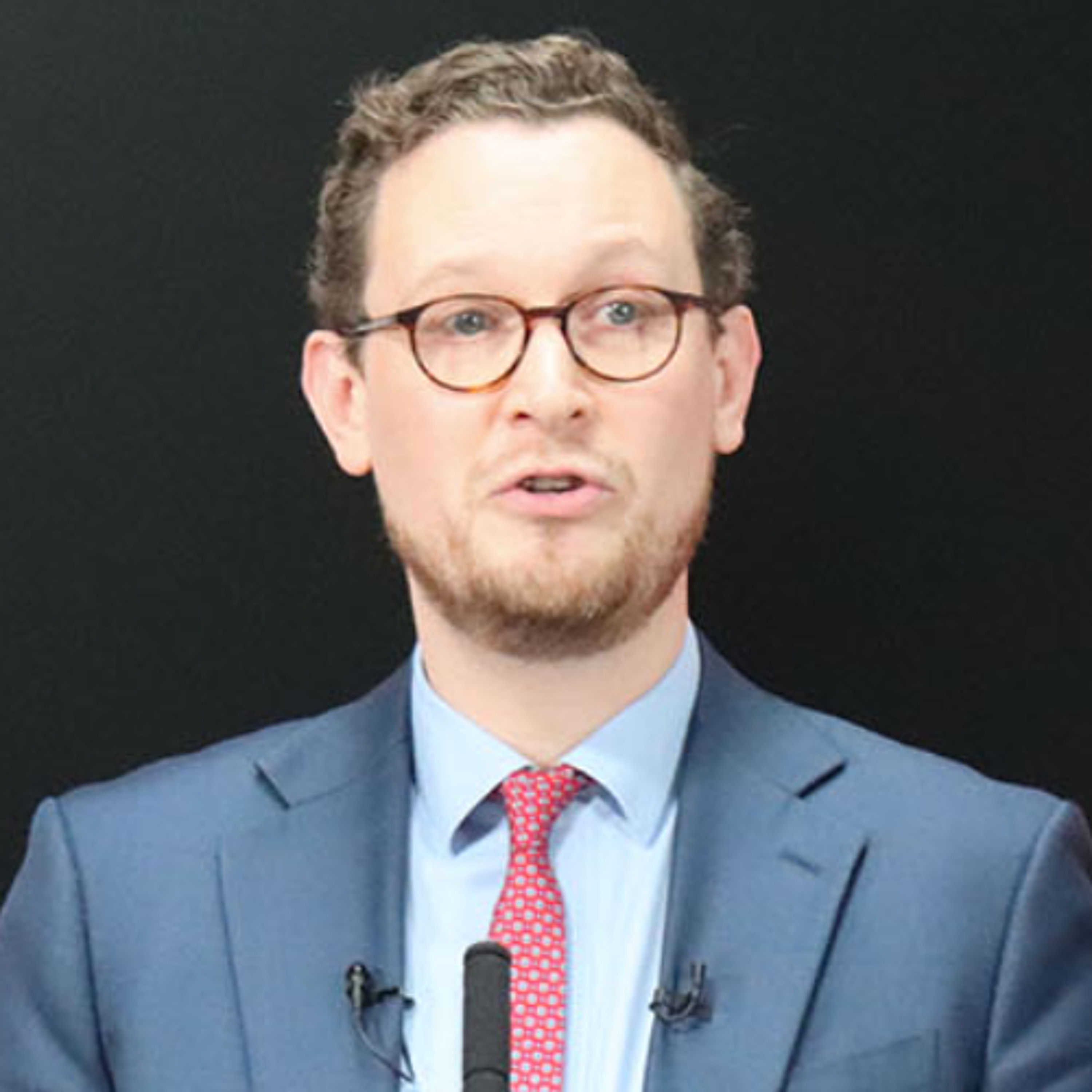
Move fast and fix things: Modernising Whitehall to deliver for Britain
Following the publication of Whitehall Monitor 2026, the Institute for Government’s annual data-led analysis of the state of the UK civil service, the IfG was delighted to welcome Rt Hon Darren Jones MP, Chief Secretary to the Prime Minister, to set out why he thinks the status quo isn’t working and update on the government’s efforts to renew the state. He announced his plans to shake up Whitehall
What does Trump mean for relations between the UK and Europe, and the rest of the world?
Trump’s second term has been markedly different from his first and has already brought with it the most radical shift in US foreign policy since the Second World War. 2026 has seen Trump ramping up action and rhetoric on multiple fronts with even greater pressure on UK and European leaders to respond.
What do the next three years hold for relations between the UK, US and EU? Are current tactics
How can changes to NHS structures help deliver the 10 Year Health Plan?
The government is making major changes to the structure of the NHS. NHS England is being abolished, with its functions merged into the Department of Health and Social Care (DHSC). At the same time, the number of Integrated Care Boards (ICBs) is set to be reduced, with many expected to merge. Changes proposed by the 10 Year Health Plan, including contracts for single and multi-neighbourhood provide
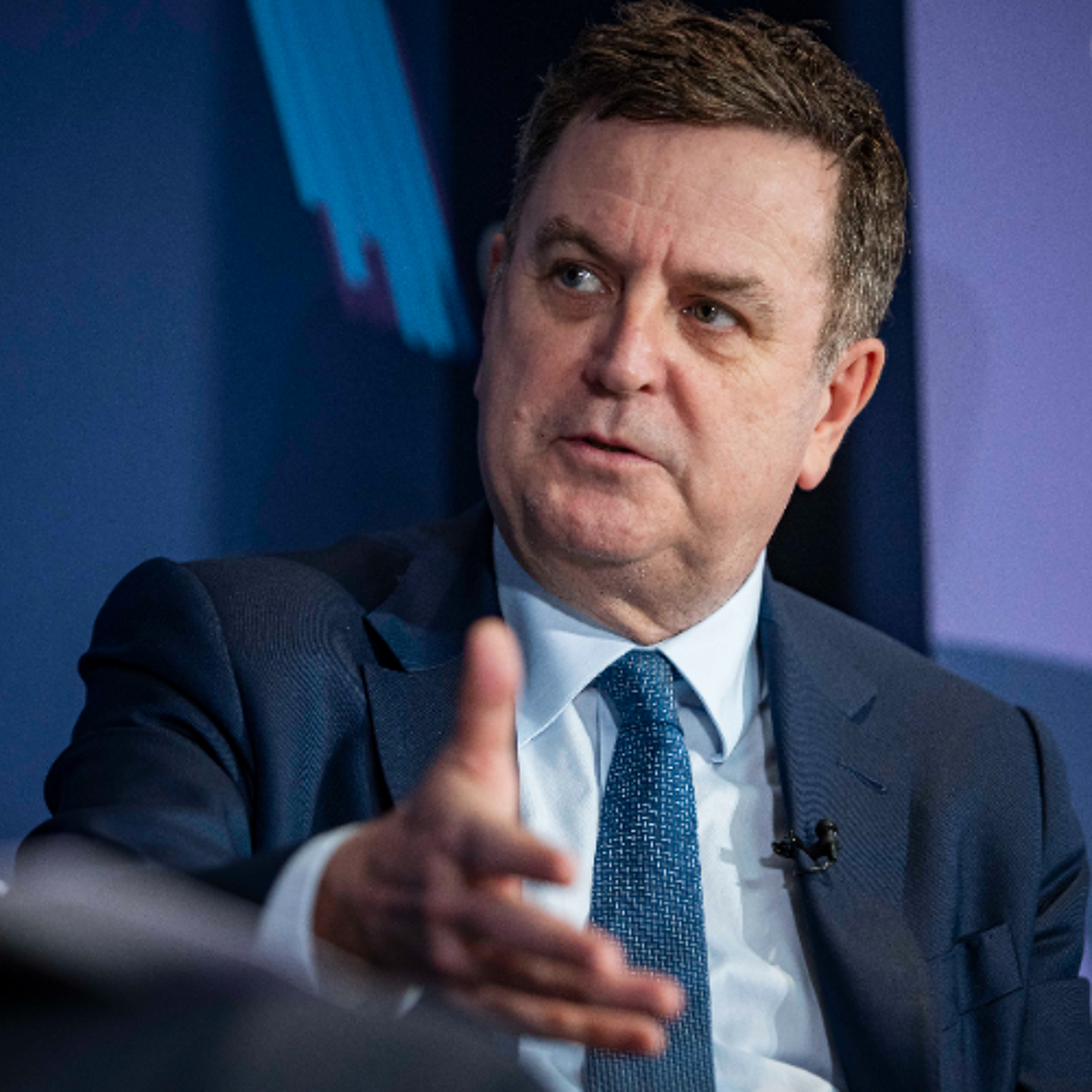
A keynote speech by Rt Hon Sir Mel Stride MP, Shadow Chancellor of the Exchequer / Closing remarks Government 2026
This event was part of Government 2026, the IfG's annual conference.
The shadow chancellor delivered a speech, followed by a conversation with Alex Thomas, Executive Director for Impact and Influence at the Institute for Government.
Followed by closing remarks from Dr Hannah White, Director and CEO of the Institute for Government.
We would like to thank Grant Thornton UK LLP for supporting this
The view from the IfG: Government in 2026
This event was part of Government 2026, the IfG's annual conference.
Political journalist Carolyn Quinn, former presenter of the BBC’s Westminster Hour, was in conversation with four IfG programme directors to discuss their vital work on policy making, public services, ministers and public bodies – and their verdict on the government’s performance.
Nick Davies, Programme Director (Public Service
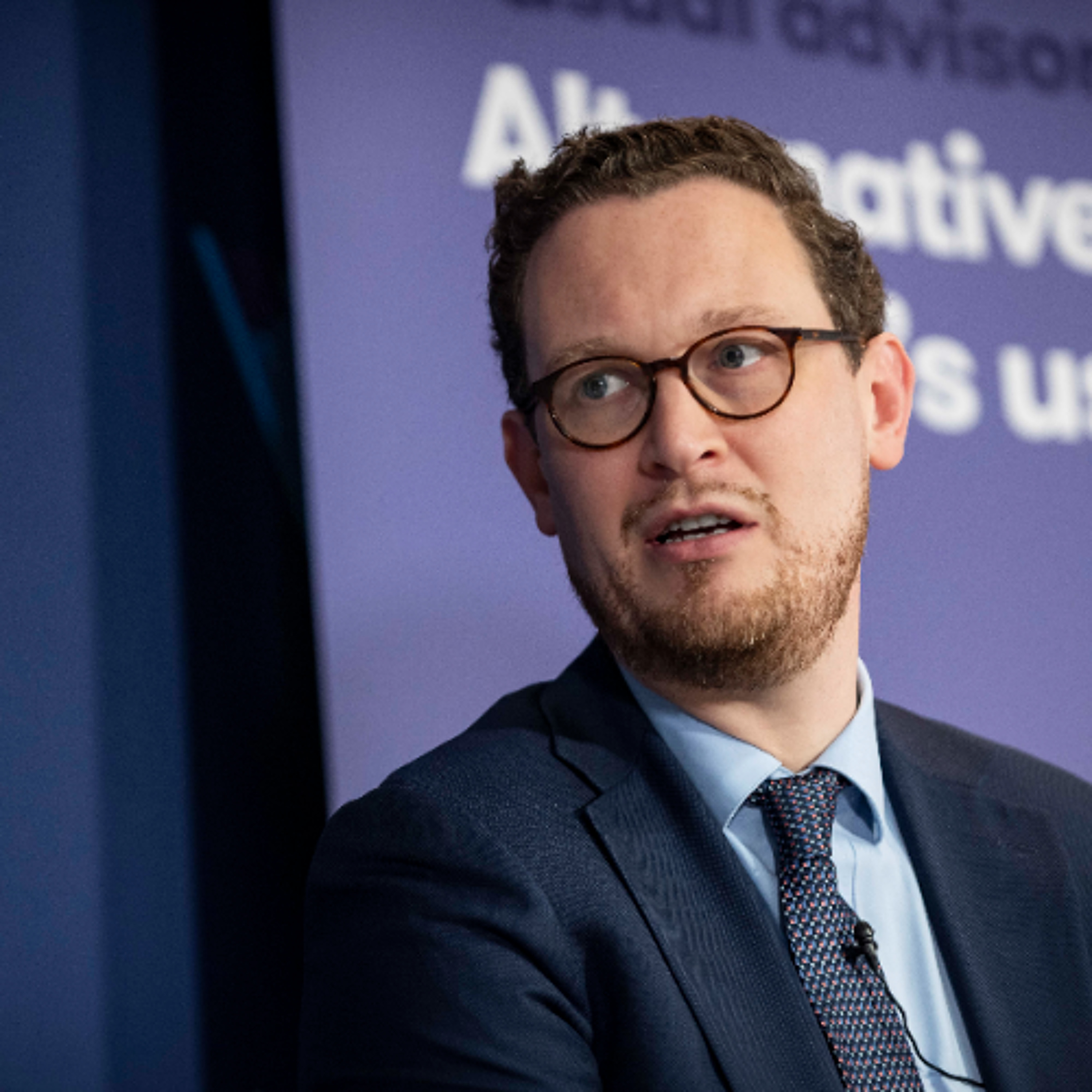
In conversation with Rt Hon Darren Jones MP, Chief Secretary to the Prime Minister
This event was part of Government 2026, the IfG's annual conference.
The Chief Secretary to the Prime Minister discussed why his role spanning both No.10 and the Cabinet Office was created and the need to modernise public services. Speaking with Dr Hannah White, Director and CEO of the Institute for Government, he set out the changes being made to the centre of Whitehall to enable the government
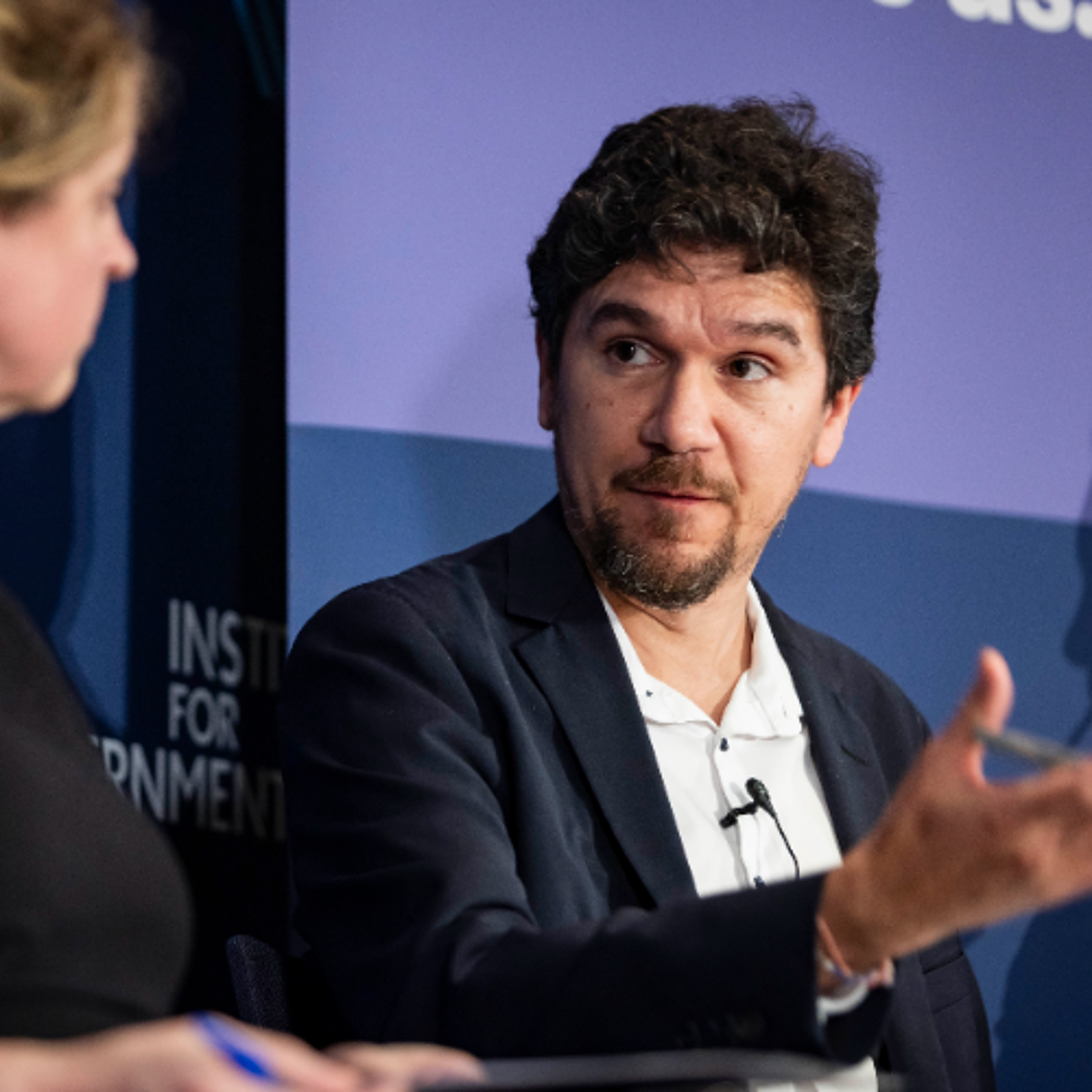
Elections 2026: How could votes in England, Scotland and Wales reshape British politics?
This event was part of Government 2026, the IfG's annual conference.
A preview of the issues at stake in the hugely significant elections taking place across the UK in May 2026.
Kezia Dugdale, former Leader of the Scottish Labour Party and Associate Director of the Centre for Public Policy
Guto Harri, broadcaster and former No.10 Director of Communications
Akash Paun, Programme Director (Devolut
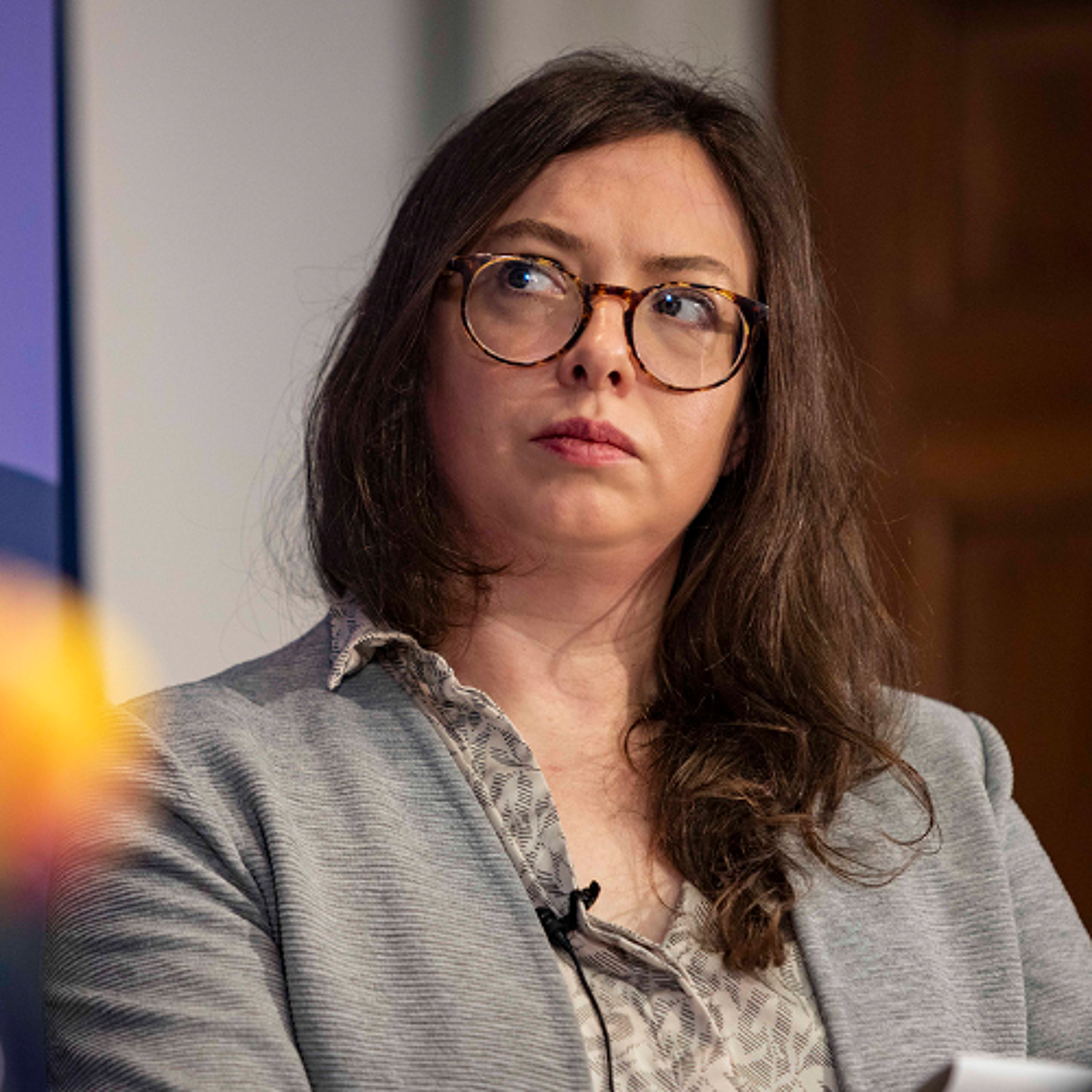
Rewiring the state: Is the government making any progress?
This event was part of Government 2026, the IfG's annual conference.
Drawing on brand new IfG research, this panel gave its verdict on the government's attempts to reform the civil service.
Whitehall Monitor 2026 presentation from Hannah Keenan, Associate Director at the Institute for Government
Followed by a panel discussion featuring:
Rt Hon Andy Burnham, Mayor of Greater Manchester (joining
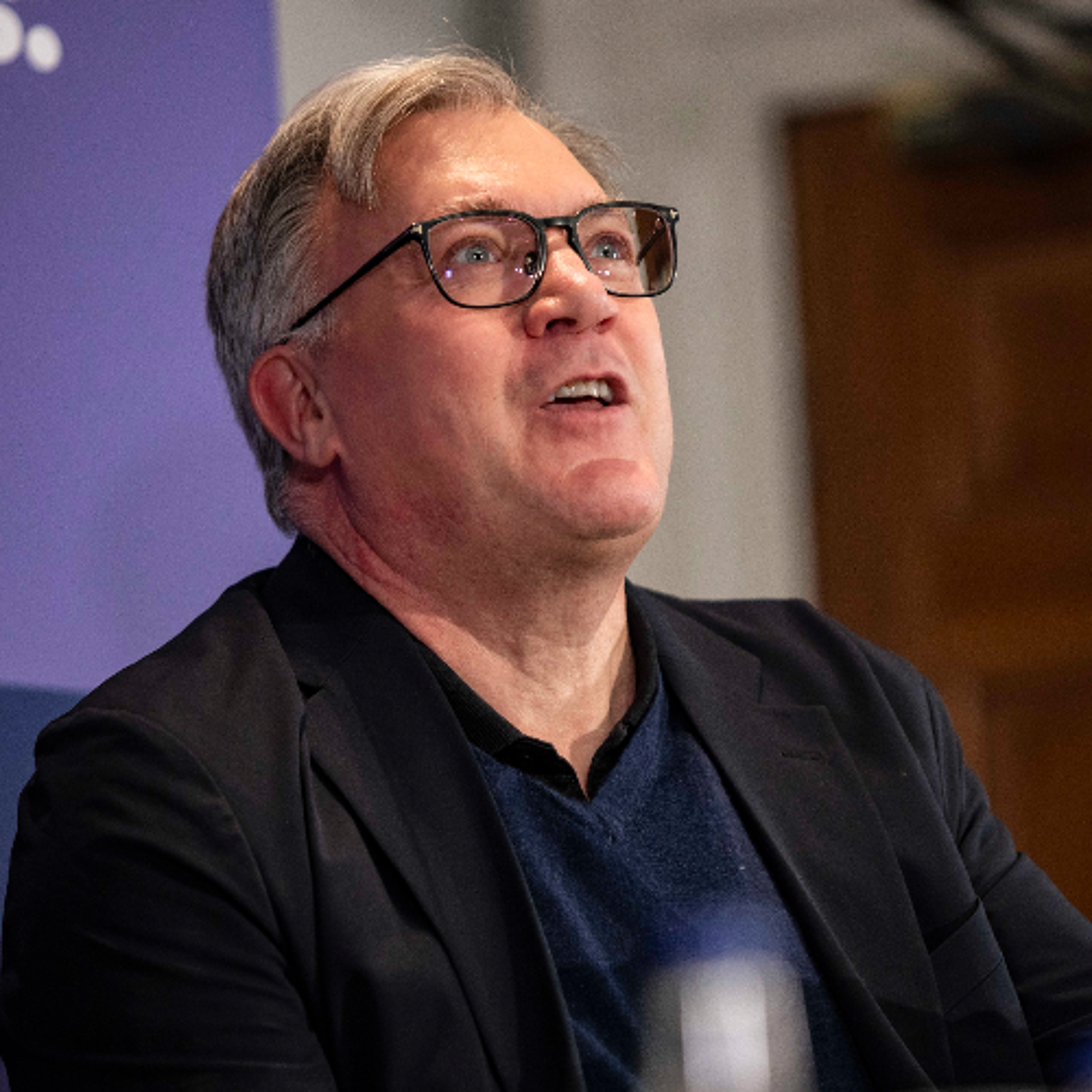
Is the centre of government built to deliver?
This event was part of Government 2026, the IfG's annual conference.
An expert panel explored how well No.10 and the Treasury work together to deliver the government's economic priorities.
Rt Hon Ed Balls, broadcaster, presenter of Political Currency, and former Education Secretary
Kelly Beaver MBE, Chief Executive of Ipsos in the UK and Ireland
Baroness Ayesha Hazarika, broadcaster and former p
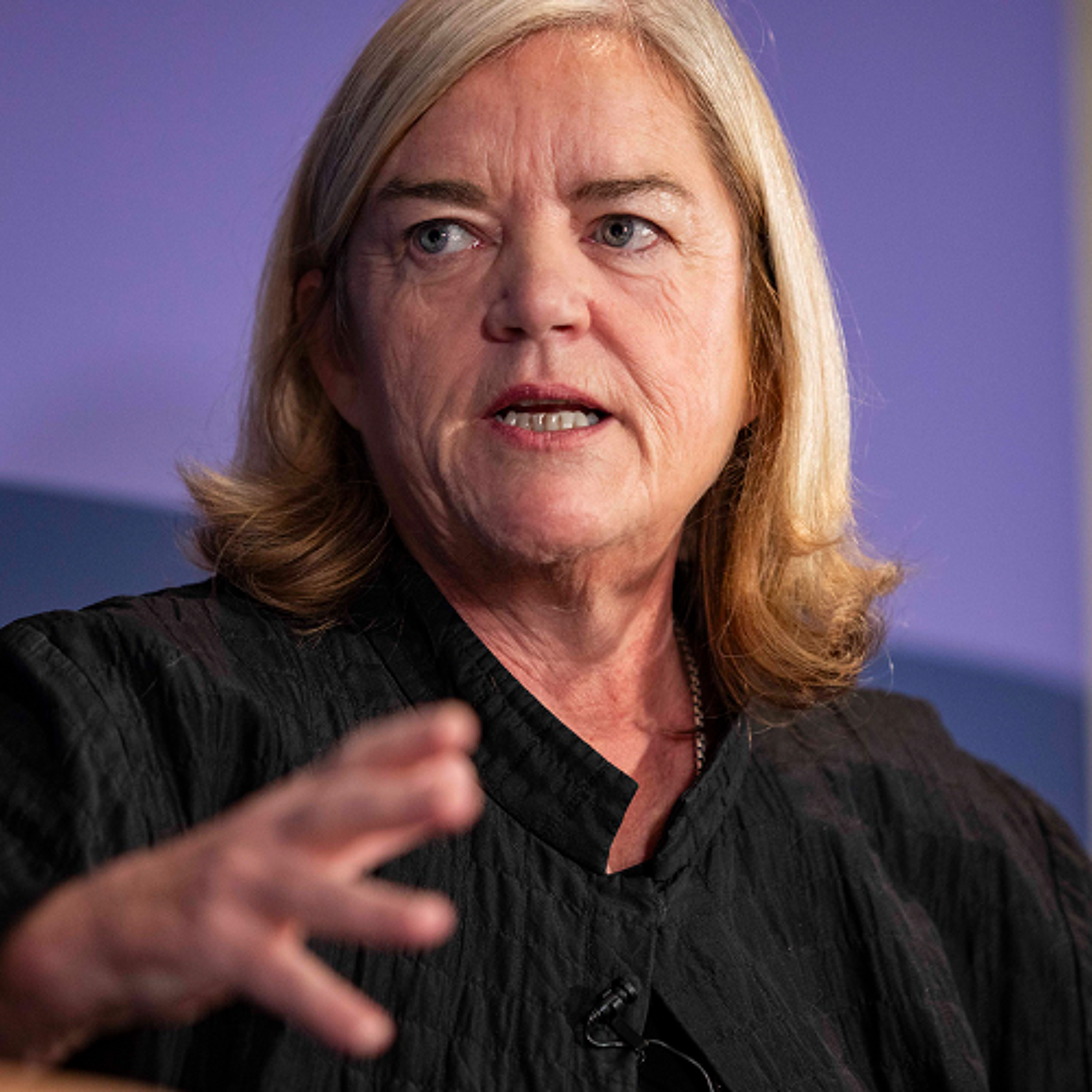
In conversation with Louise Casey, Baroness Casey of Blackstock DBE CB
This event was part of Government 2026, the IfG's annual conference.
Baroness Louise Casey, the government's Lead Non-Executive Director and Chair of the Independent Commission into Adult Social Care, discussed her work across the public sector with Dr Hannah White, Director and CEO of the Institute for Government.
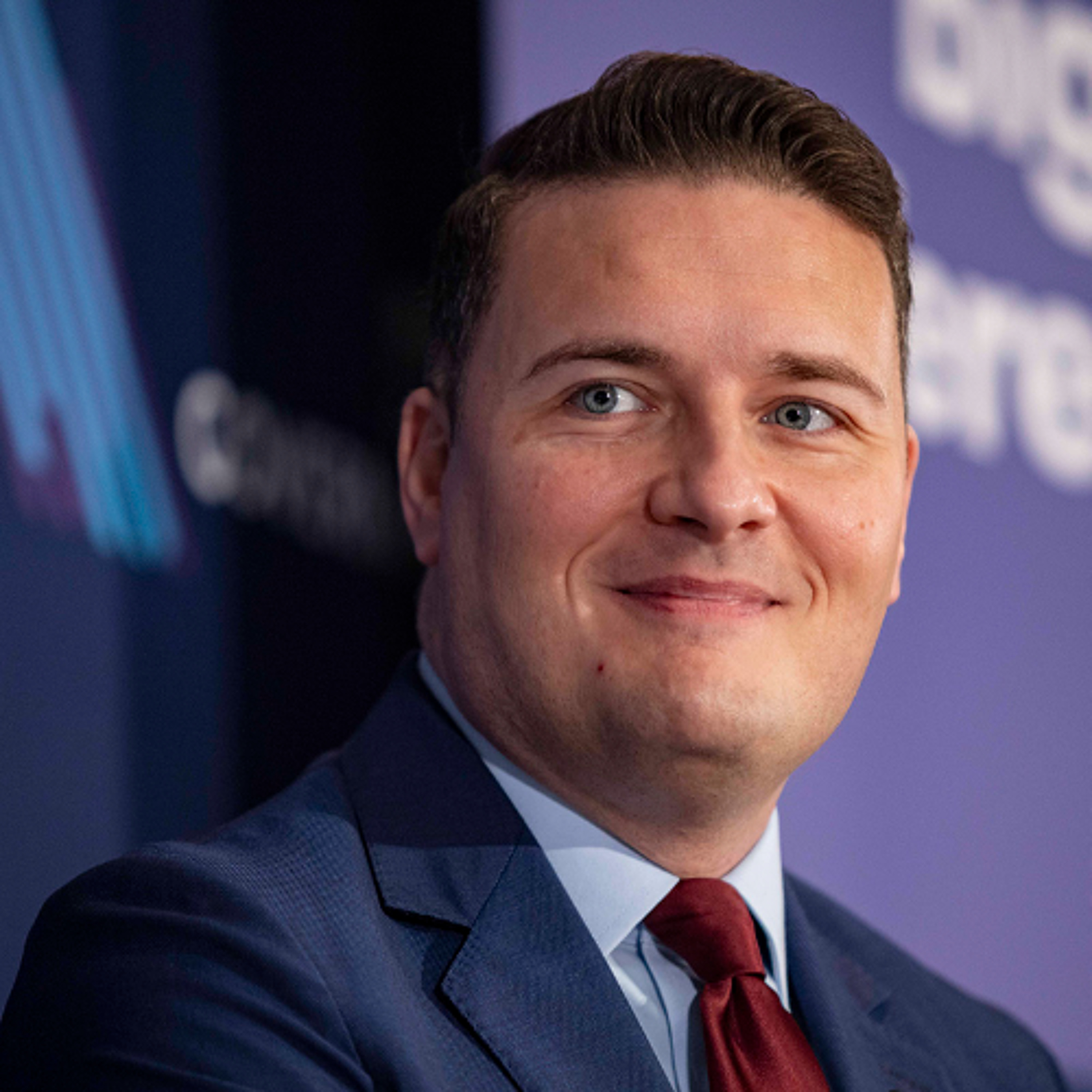
Government 2026 Welcome / Keynote speech by Wes Streeting
This event was part of Government 2026, the IfG's annual conference.
Welcome
Opening remarks from
Dr Hannah White, Director and CEO of the Institute for Government
Phillip Woolley, Partner, Head of Consulting at Grant Thornton UK LLP
----------------------------------------------------------------------------
A keynote speech by Rt Hon Wes Streeting MP, Secretary of State for Health and Socia
The Trump challenge: Chaos, confusion and government communications
According to the Washington Post, Donald Trump made 30,573 false or misleading claims during his first term as US president – and Trump 2.0 has also shown little regard for facts or evidence. Unexpected presidential announcements are made on social media or in press conferences, and Trump’s positions can appear to change overnight. Leaders of other countries, including Keir Starmer, find their own
Are public inquiries a good way for government to learn lessons
Are public inquiries a good way for government to learn lessons by Institute for Government
Autumn budget 2025: What is Rachel Reeves’ plan for the economy?
Just hours after Rachel Reeves sets out the budget to parliament, this webinar brought together a team of Institute for Government (IfG) experts to share their instant and essential analysis of the chancellor’s plans.
Who are the winners and losers of Reeves’s tax and spending announcements? How will her measures affect economic growth? Has the chancellor finally set a coherent tax strategy? And
The Covid Inquiry: What does Module II say about government decision making and political governance?
On 20 November 2025, the UK Covid-19 Inquiry will publish its second report. This module focuses on political and administrative decision making during the pandemic, examining how key decisions were made across government, and civil service performance. This report will also include perspectives from Scotland, Wales, and Northern Ireland.
In a rapid reaction webinar the following day, our expert
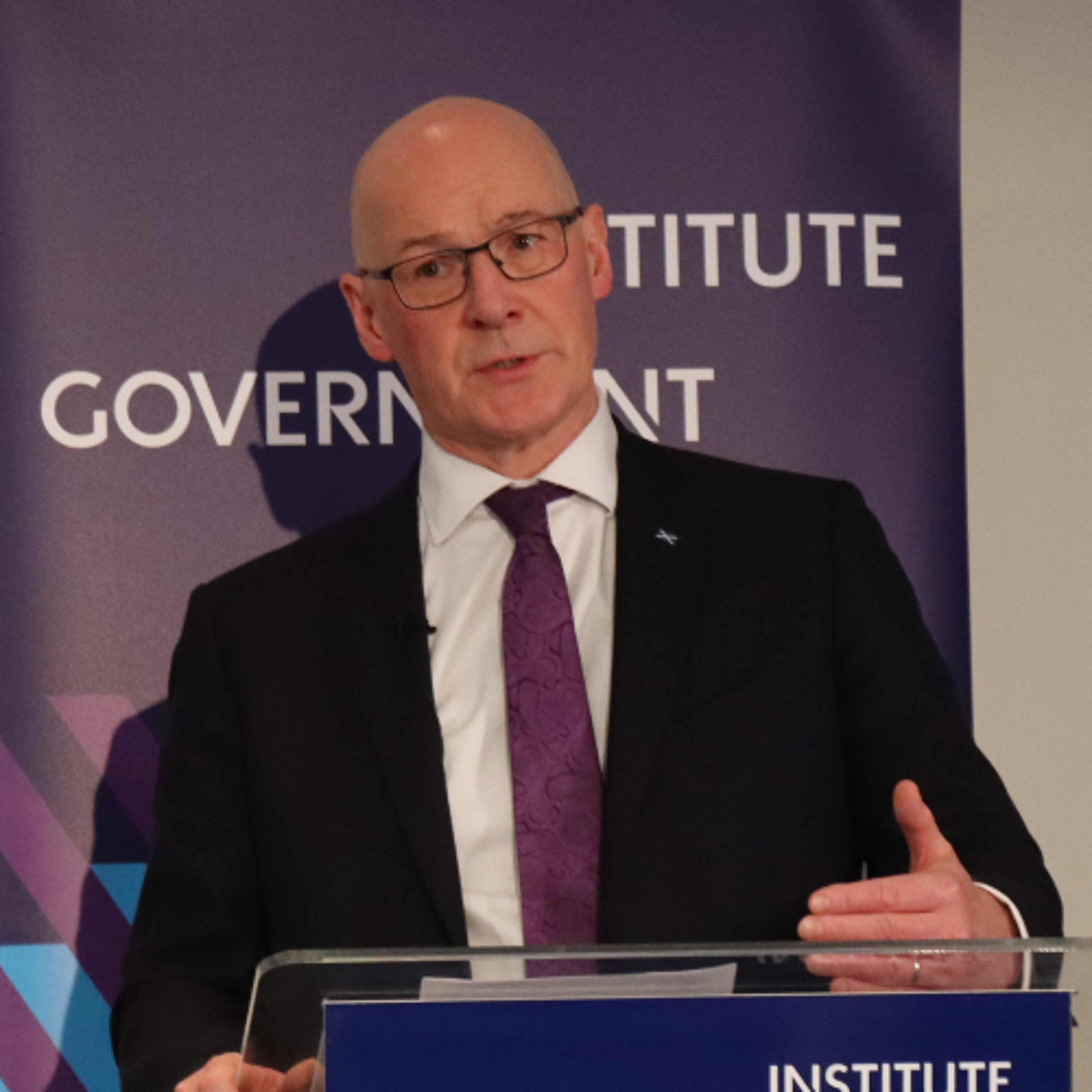
In conversation with John Swinney MSP, First Minister of Scotland
Scotland is just six months away from May’s crucial parliamentary election, with First Minister John Swinney preparing to lead the SNP into one of the most unpredictable campaigns since the party entered government almost 19 years ago.
On 19 November, the Institute for Government was delighted to welcome Scotland’s First Minister to discuss his priorities ahead of the 2026 Scottish parliament e
The UK-EU ‘reset': Six months on
At May’s UK-EU summit, Keir Starmer and European Commission President Ursula von der Leyen unveiled a new Common Understanding between the EU and the UK.
The government hailed a new “deal” with the EU which included an agreement on fisheries and a joint commitment to negotiate a ‘youth experience scheme’, as well as new arrangements for agriculture, emissions trading, energy cooperation and defe
How successfully have Labour run public services?
Poor public service performance was a key reason for Labour’s victory in the 2024 election. Following the new government’s first multi-year spending review and a major reshuffle, this event brough together a panel of experts to discuss how successfully Labour has managed public services since coming to office.
This event brought together a panel of experts to discuss these key questions:
What
The government's digital ID plan: Why now and what for?
Keir Starmer has announced plans for a new digital ID scheme to combat illegal working and make it easier for people to use vital government services like applying for a driving licence and accessing tax records. The government has said that digital ID will be mandatory for right to work checks by the end of this parliament.
But critics argue that government has not made a clear case for digital

How can changes to NHS technology help deliver the 10 Year Health Plan?
Better use of technology, the transition from analogue to digital, and greater innovation are at the heart of the 10 Year Health Plan. This includes plans to make the NHS app a gateway to the entire NHS, integrate AI into clinical pathways, create a new Health Data Research Service, make genomic sequencing at birth universal, utilise wearable technology in treatments as standard, and to improve up
How can the fast stream deliver more for the civil service?
The fast stream, the civil service’s flagship talent development programme, has recently seen a record number of applications and reclaimed the top spot in the Times Higher Education graduate scheme ranking.
But exclusive Institute for Government research reveals that the programme still faces significant challenges, including early exits from the scheme, variable quality of postings and fast str
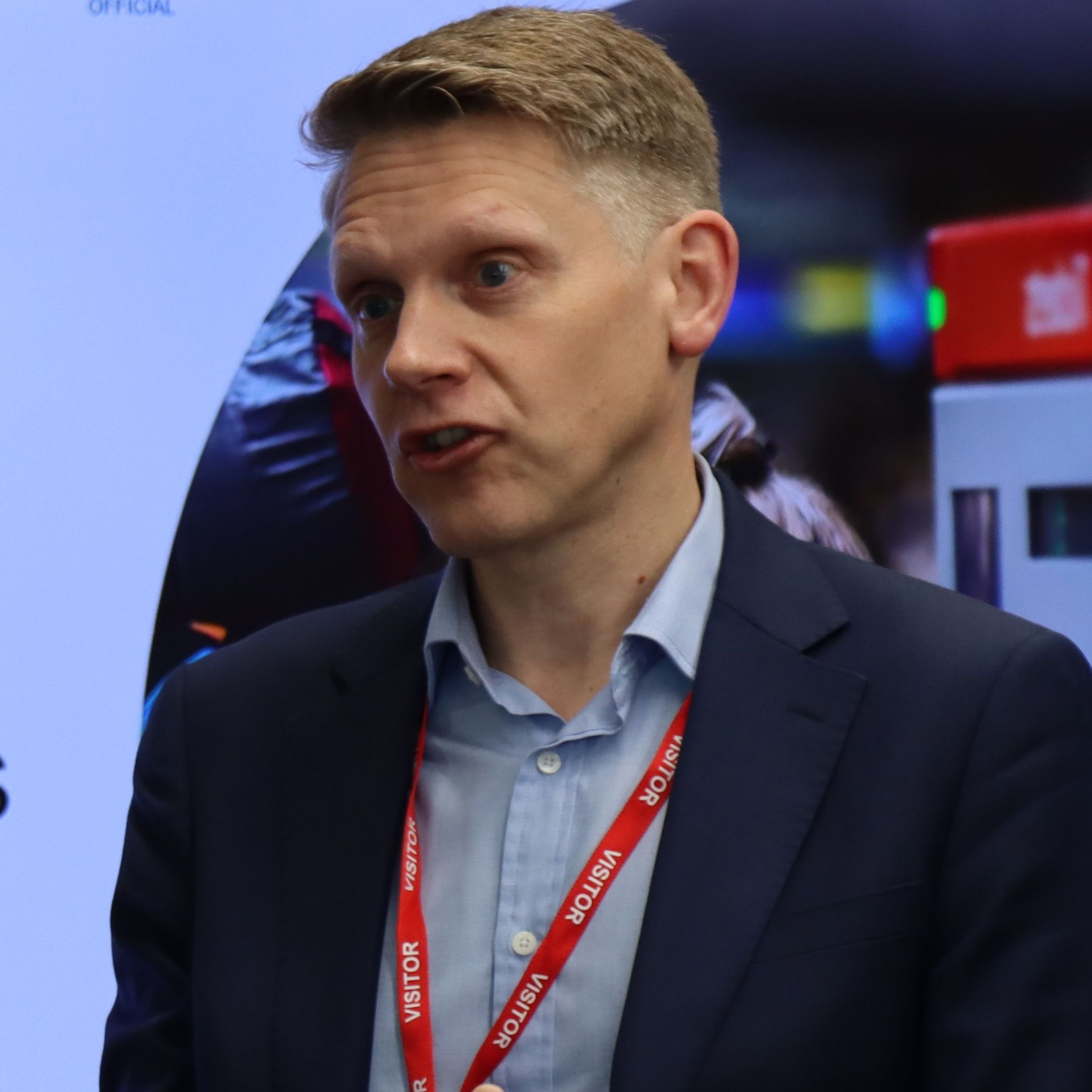
IfG DevoLab #3: How devolution can improve transport connectivity
The IfG DevoLab is a new initiative from the Institute for Government dedicated to exploring the innovations enabled by devolution, learning from the results, and sharing the lessons so that places can take better decisions about how to use devolved powers and budgets.
On 6 November, the IfG hosted its third IfG DevoLab event in Leeds, at which speakers from three regions set out how the powers