Master Fiction Writing
With over 25 years of experience in theatre, media, and coaching, Stuart Wakefield shares his expertise on storytelling in this podcast. Each episode focuses on crafting memorable characters and building gripping plots, backed by examples from literary professionals. Recognized as a top book coach, his mission is to help aspiring writers master the craft of fiction writing.
Episodes
Why Characters Who Make Bad Decisions Are Often Better Characters
Ever found yourself shouting at a fictional character because they're about to do something spectacularly stupid? We've all been there. But why do some terrible decisions make characters more compelling, while others leave us wondering what on earth the writer was thinking?Struggling with a story problem of your own? My Story SOS service offers a focused, one-to-one coaching session where
Unreliable Narrators: How to Mislead Readers Without Cheating Them
Unreliable Narrators: How to Mislead Readers Without Cheating ThemCan your readers trust the person telling them the story? And if they can't, how do you make that part of the storytelling rather than a cheap trick?In this episode of Master Fiction Writing, I'm exploring the wonderful, complicated world of unreliable narrators. Inspired by a listener's question about a locked-cabin mur
Momentum Without a Ticking Clock: How to Keep a Story Moving Across Decades
How do you keep a story moving when there’s no ticking clock, no looming deadline, and the plot unfolds across decades?This week’s episode comes from a question sent in by Joan over on Ko-fi, who’s writing an epic family saga and wanted to know how to create pressure and momentum across a long timeframe.I look at why momentum isn’t the same as speed, and how expansive stories can build narrative p
The Reveal Is Not the Secret: How to Control What Your Reader Knows
A great secret can give you material. The reveal is what turns that material into story.In this episode of Master Fiction Writing, I’m looking at how to control what your reader knows, when they know it, and how the timing of information can completely change the tension in a scene or an entire novel.We’ll explore the difference between mystery, suspense and surprise, why some reveals land while o
The Conversation Under the Conversation: How to Write Subtext
What makes dialogue feel alive? Very often, it’s what the characters aren’t saying.In this episode of Master Fiction Writing, I’m looking at subtext: the gap between what a character wants from a conversation and what they’re actually prepared to say out loud.We’ll explore how subtext can create tension, intimacy, humour, conflict and emotional depth, and why it works best when characters have a g
The Status Game: Who Really Has the Power in Your Scene?
Who really has the power in your scene?Status is one of the hidden forces that can make a scene feel alive. It shapes who controls the conversation, who needs something more, who can walk away, and how the balance between characters changes from moment to moment.In this episode of Master Fiction Writing, I explore how status works in dialogue, relationships, romance, comedy, conflict and quiet sce
The Hawksian Woman: What Writers Can Learn About Chemistry, Competence, and Equality
What makes some characters instantly compelling to one another? Sometimes it isn’t vulnerability, physical attraction, or even conflict. Sometimes it’s the moment one character looks at another and thinks: Oh. You’re good.In this episode of Master Fiction Writing, I explore the Hawksian woman, the confident, capable, quick-witted female character associated with the films of director Howard Hawks,
The Human Cost of Magic, Monsters, and Machines
A magic system. A monster. A machine. A prophecy. A portal. A ghost. A dystopian regime. An impossible world.Speculative fiction often begins with a brilliant what if? But the idea becomes a story when that impossible thing collides with something deeply human.This episode of Master Fiction Writing is an audio version of my presentation for the WorldShift summit for speculative fiction writers. In
Why Romantasy Works: What Every Fiction Writer Can Learn From It
Romantasy is everywhere right now. Dragons, fae courts, morally grey love interests, spectacular special editions - and sales figures that have made the publishing industry sit up very straight indeed.But what’s actually driving its extraordinary appeal?In this episode of Master Fiction Writing, I take a deep dive into the rise of romantasy: what the term means, where the genre came from, why auth
Stop Explaining What Your Character Feels
Sometimes the best edit you can make to an emotional scene is to delete the sentence that explains why it was emotional.In this episode of Master Fiction Writing, I’m looking at a habit I see surprisingly often in manuscripts: a writer creates a strong emotional beat through behaviour, dialogue, silence or physical detail... and then immediately explains what the character is feeling.The trouble i
The Queer Story Engine: How Queerness Changes What a Story Wants
What does this story want because this character is queer?That’s the question at the heart of this special episode recorded for ProWritingAid’s Write with Pride event.Too often, queer characters are present in a story without their queerness meaningfully shaping what they want, what they fear, what they risk or who they become. Representation matters, but great fiction goes one step further by all
How to Write Speculative Fiction That Stays With Readers
What if the impossible is the best way to tell the truth?Speculative fiction isn’t really about dragons, spaceships, magic or dystopias.At its heart, it’s about asking one deceptively simple question:What if…?In this episode of Master Fiction Writing, Stuart Wakefield explores why writers have always imagined impossible worlds—and why the best speculative fiction reveals emotional truths that real
How to Write Brilliant Argument Scenes
In the last episode, we explored why so many argument scenes feel artificial and discovered that arguments aren’t really conversations - they’re attempts to change another human being.Now it’s time to get practical.In this second part of our deep dive into writing conflict, we’ll explore the techniques professional writers use to create arguments that feel unpredictable, emotionally truthful and i
Why Your Argument Scenes Don’t Work (And What Great Writers Understand About Conflict)
Why do so many argument scenes feel strangely lifeless, even when characters are shouting, interrupting each other, and making excellent points?Because conflict isn’t about disagreement.It’s about change.In this episode of Master Fiction Writing, I'll explore why professional argument scenes feel so compelling, why amateur ones often become disguised exposition, and what readers are really loo
The Quiet Scene: Why Low-Action Scenes Still Need to Move
Quiet scenes are often where manuscripts go flat, not because nothing explodes, but because nothing changes.In this episode of Master Fiction Writing, Stuart Wakefield explores why low-action scenes still need movement, pressure, and consequence. Whether your characters are drinking tea, walking home, recovering from bad news, lying awake, remembering the past, or having a careful conversation, th
The Phone Call Scene: Turning Distance into Drama
A phone call scene can look deceptively small on the page. Two people talk, some information changes hands, then someone hangs up, but if that’s all the scene is doing, it may be falling flat.In this episode of Master Fiction Writing, Stuart Wakefield takes a deep dive into one of fiction’s most overlooked craft moments: the phone call scene. Why do so many phone calls in novels, short stories, an
Before They Say a Word: The Power of the Doorway Scene
A character walking into a room might seem like simple scene logistics, but an entrance can reveal far more than movement. It can show power, fear, desire, belonging, exclusion, secrecy, status, and change before anyone says a word.In this episode of Master Fiction Writing, Stuart Wakefield explores the doorway scene: those small but potent moments when a character crosses from one emotional terri
Your Story Has to Change Its Mind: Why the Middle of a Novel Is Where the Real Book Reveals Itself
The middle of a novel is often where writers begin to worry. The opening had energy, and the ending may be in sight, but somewhere in between, the story starts to feel slow, repetitive or strangely... directionless.The usual advice is to raise the stakes, add conflict or introduce a twist. Those tools can help, but what if the real problem isn't that your protagonist needs more obstacles? What
Thriller: The Art of Pressure, Danger, and Page-Turning Dread
What actually makes a thriller a thriller? It isn’t just murder, spies, guns, plot twists, or car chases.In this episode of Master Fiction Writing, we take a deep dive into the thriller genre as a pressure system: sustained threat, escalating stakes, urgent choices, controlled information, and the nervous anticipation that keeps readers turning pages.We’ll explore how thrillers differ from mystery
Does Your Protagonist Have to Change? Character Arc and Story Movement
Does every protagonist really need to change by the end of a story? Not always.In this episode, we look beyond the familiar “your character must change” advice and explore positive arcs, negative arcs, steadfast characters, ensemble stories, and intentional stasis.You’ll learn how to ask the better craft question: not “does my protagonist change?” but “what moves?”
How to Write Emotion Without Explaining Everything
Do your characters keep feeling sad, furious, lonely, ashamed, or devastated on the page... but the reader still isn’t feeling much?In this episode of Master Fiction Writing, we’re looking at the difference between explained emotion and experienced emotion. You’ll learn why naming a feeling isn’t always the same as creating it, and how to give the reader stronger emotional evidence through behavio
Third Person Isn’t One Thing: How Narrative Distance Changes Everything
In this episode of Master Fiction Writing, we untangle one of the most confusing pieces of fiction craft: third-person point of view.Because “write it in third person” sounds simple enough until you realise third person can mean several very different things.We’ll look at five major forms of third-person narration:Third-person objective, where the reader only sees what can be observed from the out
Writing Characters When You’re Afraid of Getting Them Wrong
In this episode of Master Fiction Writing, we explore one of the most quietly intimidating parts of writing fiction: creating characters when you’re afraid of getting them wrong.Inspired by a listener question, this episode looks at the difference between research as preparation and research as protection. Research, plotting, and worldbuilding are essential tools, especially when your story is ins
Filter Words in Fiction: What to Cut, What to Keep, and Why
Should you cut words like saw, felt, heard, realised, and remembered from your fiction? Often, yes. Always? Not even slightly. In this episode of Master Fiction Writing, Stuart breaks down why so-called filter words and mental-processing verbs get flagged so often, how they can weaken immediacy and increase psychic distance, and why the advice to remove them can become unhelpfully rigid when treat
Cozy & Feel-Good Fiction: Crafting Low-Stakes Stories That Comfort Readers
Need a gentler kind of story without sacrificing plot? In this episode, I’m diving into the craft of cozy and feel-good fiction and unpacking how to write low-stakes stories that still have tension, momentum, and emotional payoff. We’ll look at why readers are drawn to comfort fiction, especially when real life feels relentless, and why “low stakes” never means “nothing matters.”I cover the key in
How to Write Wicked Women Who Feel Real
What makes a female character feel dangerously compelling rather than flat, clichéd, or simply “unlikeable”? In this episode, Stuart explores how to write wicked women with complexity, power, and emotional truth. From villains and antiheroes to politically sharp schemers and socially inconvenient women, this is a deep dive into the craft of creating female characters who refuse to behave nicely on
The Fiction Writing Myths That Need to Get in the Bin
Writers are surrounded by bad advice masquerading as wisdom. In this episode, we take six of the most persistent fiction-writing myths and throw them politely but firmly in the bin. From talent and inspiration to first drafts, genre snobbery, publishing myths, and the idea that only bleak literary fiction counts as serious, this is a sharp, funny, practical reset for writers who are tired of feeli
Tighten Your Narrative Without Losing Your Voice
Why does tightening a draft so often feel slow, frustrating, and weirdly inconclusive? Usually because writers start at the sentence level instead of the structural one.In this episode, Stuart shares a faster, smarter way to revise by function rather than fussing. You’ll learn the three tightening passes he uses to diagnose saggy scenes (purpose, pressure, and payoff) along with a one-hour tighten
Build Cause-and-Effect Scenes
If your scenes keep slipping into “and then… and then… and then…”, this episode is for you. In this episode, Stuart breaks down one of the simplest ways to create stronger cause-and-effect on the page: scene turns.You’ll learn what a turn actually is, why it matters, and four reliable types you can use to make any scene work harder. Stuart also walks you through a quick Scene Turn Audit you can us
The POV Contract: What You Owe the Reader in Scene 1
In this episode, we tackle one of the biggest hidden causes of reader disengagement: unstable point of view. The problem usually is not whether you chose first person, third person, or multiple POVs. It is whether the story keeps changing the rules. When that happens, readers don't experience it as a technical slip. They experience it as a breach of trust.You’ll learn what the POV contract rea
The Art of Character Want vs Need (Without Clichés)
If your character’s “need” sounds like a motivational poster, readers won’t feel it in scene.In this episode of Master Fiction Writing, Stuart Wakefield breaks want vs need out of the self-help zone and turns it into a practical decision tool you can use immediately: the Want / Need / Cost triad.You’ll learn why vague “needs” kill scene friction, how to define want and need in operational terms, a
The Inciting Incident Isn’t Big. It’s Binding.
Big events don’t create story. Binding does.In this practical follow-up to “The Art of a Story Premise That Actually Drives Scenes,” Stuart Wakefield reframes the inciting incident as the moment your protagonist becomes unable to WALK AWAY and shows you how to build that pressure on purpose.You’ll learn what “binding” really means, why it’s the secret to Act 1 momentum (and the cure for saggy midd
The Art of a Story Premise That Actually Drives Scenes
The difference between an “interesting” idea and a story that actually moves? Your premise.In this episode, I'll break down why so many drafts end up with “optional chapters” - scenes that could be shuffled, skipped, or swapped without changing anything. Then you’ll learn a simple, repeatable framework for building a premise that creates real story pressure: Protagonist + Pressure + Price.You’
Worldbuilding Pitfalls That Quietly Sabotage Your Story
This episode's for anyone writing speculative fiction who’s ever vanished into worldbuilding “for five minutes” and resurfaced three hours later with a fully functioning sewer system and… no actual scene.This episode is about the quiet ways worldbuilding can sabotage your story when it becomes a substitute for plot, character, pacing, and reader trust. Not because worldbuilding is bad. Because
Back to the Book: Restarting a Shelved Draft Fast
Back to the Book: Restarting a Shelved Draft Fast is a practical, no-nonsense episode for writers who’ve stepped away from a manuscript and want to re-enter it without rereading the whole thing.You’ll learn a 60-minute re-entry sprint to regain story context fast, a 2-hour reset to rebuild your “story map,” and a simple toolkit for avoiding the biggest time-wasters like polishing old chapters inst
Set Up Your 2026 Writing Year: A Plan That Survives Real Life
Set yourself up for a 2026 writing year that actually survives real life. In this episode, you’ll build a simple, motivating plan without hustle-culture guilt or impossible schedules.We’ll choose a one- to three-word theme to guide your decisions, pick three clear priorities (plus one powerful “not this year”), map your year by quarters, and set a weekly minimum that keeps you moving even when lif
The Pink Plot Machine: Why Legally Blonde Is a Story-Structure Powerhouse
Is Legally Blonde secretly one of the best-plotted films of the 2000s? In this episode of Master Fiction Writing, host Stuart Wakefield performs a full story autopsy on Elle Woods’ journey from dumped sorority president to victorious Harvard lawyer.We dig into how the film builds a rock-solid causal chain (where every major beat grows logically from the last) and how Elle’s external quest (Harvard
The Inciting Incident Isn’t Big. It’s Binding.
If your opening goes boom but your hero can shrug and carry on, that’s fireworks, not story. In this episode I breaks down the real job of an inciting incident - to bind your protagonist to an obligation that costs something now and points the story arrow.Here's what you'll learn:What “binding” means in plain English and how to spot it fastThe five ways a moment can stick Bond, Irreversibi
Because > And Then: Building Stories with Causality (feat. Pride & Prejudice + Knives Out)
And then” isn’t a plot, it’s a queue. In this craft-forward episode, we swap “and then” for the more muscular because / but / therefore and show how tight causality turns scenes into story. You’ll get a clear, jargon-free framework for chaining choices to consequences, plus two case studies that prove the point: a mini-autopsy of Pride & Prejudice and a contemporary comparison with Knives Out.
Whose Eyes, Which Truth? Mastering POV in Your Novel (with Live Rewrites)
POV isn’t just a grammar choice - it’s the engine that controls intimacy, suspense, and what your reader knows when.In this craft-deep episode, we demystify point of view by breaking it into three practical dials (access, scope, and distance) then walk through the pros and cons of first person, third limited (close and deep), free indirect style, omniscient, objective, second person, epistolary, m
Author Brain vs. Editor Brain (and When to Use Each)
Stop polishing your first paragraph into oblivion. In this episode of Master Fiction Writing, we split your process into two clean modes: Author Brain for discovery and Editor Brain for decision—used at different times for different jobs. You’ll hear a live “before/after” paragraph where we draft messy, then run a tight verbs-and-cuts pass that sharpens pace and tension without killing momentum. W
Becoming the Person Who Writes
Stop waiting for motivation. Start acting from identity. In this mindset kickoff for Master Fiction Writing, we shift the sentence that runs your day from “I want to write a book” to “I’m a person who writes.” You’ll hear a simple, athlete-style routine (warm-up, reps, cooldown), examples, and a 10-minute drill that makes writing easier to start than to avoid.You’ll learn:Why identity beats motiva
Open Strong, Close True: Drafting Your First and Final Scenes
Your novel’s bookends do the heavy lifting. In this episode of Master Fiction Writing, we pair Step 16 (Writing the Opening Scene) and Step 17 (Writing the Closing Scene) to help you start with momentum and finish with meaning. You’ll learn what a scene is (and why something must change every time), how to centre your protagonist’s thoughts and feelings, and a simple timer method to draft three di
Plot With Heart: The Inside Outline
Outlining doesn’t have to strangle your creativity—or leave you drowning in spreadsheets. In this episode of Master Fiction Writing, we introduce The Inside Outline: a fast, 2–3 page method that pairs each major Scene (what happens) with its Point (why it matters to your protagonist). The result? A plot that moves and a character arc that means something.You’ll hear how to build 10–15 Scene/Point
Plot Without Panic: Using the Pixar Story Spine
Plotting doesn’t have to feel like wrangling an octopus into a cardigan. In this episode of Master Fiction Writing, we turn to Pixar’s Story Spine - seven simple prompts that reveal your story’s engine: who we meet, what upends the status quo, how cause-and-effect escalates, where the climax hits, and what the change means. We unpack each beat (from “Once upon a time…” to “And ever since that day…
Time & Bookends: Your Story’s Timeline, Start, and End
How much time passes between Page 1 and “The End” - and where, exactly, do you begin and finish? In this episode of Master Fiction Writing, we pair Step 12 (Story Timeline) and Step 13 (Opening & Closing) to shape your novel’s container and its proof of change. You’ll learn how to define your story present (the “now” of your narrative), pick a time span that supports tension, and design openin
Voice & Vantage: Who’s Telling the Tale... and When?
In this episode of Master Fiction Writing, we'll delve into the intricacies of narrative voice and perspective, focusing on the importance of point of view (POV) and time stance in storytelling.We'll discuss various narrative techniques, common pitfalls to avoid, and practical exercises to help writers refine their craft.
Whose Story Is It? Choosing Your Protagonist and Their Engine of Want
In this episode of Master Fiction Writing, we'll discuss the importance of choosing the right protagonist for your story, emphasising the need for a single human centre that readers can connect with, the distinction between external wants and internal needs, and the significance of crafting tailored opposition to enhance conflict.We'll also cover the role of point of view in storytelling a
Mastering World Building
In this episode, we'll delve into the intricacies of world building, establishing clear rules and consequences, and ensuring that characters and their motivations are relatable to readers. Practical exercises are provided to help writers create immersive worlds that enhance their narratives without overwhelming them with unnecessary details.We'll also highlight common pitfalls to avoid in
Who is Your Ideal Reader?
In this episode of Master Fiction Writing, we'll discuss the importance of identifying your ideal reader in the writing process, how understanding your audience can enhance the emotional connection of your story - and making it more impactful.By focusing on a specific reader rather than trying to please everyone, writers can create stories that resonate deeply and fulfil the needs of their aud
Choosing Your Genre
In this episode of Master Fiction Writing, we'll delve into the critical step of choosing a genre in the story development process. We'll explain the importance of genre in guiding creative choices, setting reader expectations, and categorising stories effectively. We'll also cover major genres and their subgenres, the nuances of literary versus commercial fiction, and addresses common
Crafting the Perfect Working Title
In this episode of Master Fiction Writing, we'll discuss the significance of choosing a working title in the story development process.A working title helps writers transition from vague ideas to a more concrete narrative, and the episode also includes practical exercises for generating strong titles that resonate with the story.
How to Write Jacket Copy Before You’ve Written the Book
In this episode of Master Fiction Writing, we explore Step 4 of the Story Development process: writing your book’s jacket copy before the book is even written.It might sound backwards, but crafting jacket copy early can sharpen your story’s focus, clarify the promise you’re making to readers, and help you stay on track as you write. We’ll break down what makes jacket copy work (and what doesn’t),
What’s the Plot? Boiling Your Story Down Without Losing the Heart
In this episode of Master Fiction Writing, we explore Step 3 of the Story Development process: What’s the Plot?Forget sprawling outlines or complex twists. This stage is all about simplicity. You’ll learn how to write a short, clear, and purposeful summary of your story in just 50 words or less. Think of it as your story’s spine: the who, the what, and the why all tied back to your point.Discover
What’s the Point? Why Every Story Needs One
If you’ve ever found yourself halfway through a novel draft wondering what it’s really about, this episode is for you.In the second instalment of my Story Development series, I explore Step 2 of the Blueprint for a Book: What’s Your Point? This is where your story starts to take shape around something deeper - a belief, a truth, an argument you’re making about the world.You’ll learn why every stor
Why THIS Story? Uncovering the Heart of Your Novel
In this episode of Master Fiction Writing, I'll introduce the importance of understanding the 'why' behind writing a book.Before delving into plot or character, writers must explore their personal connection to the story. This foundational step is crucial for creating meaningful narratives that resonate with readers.I'll encourage you to reflect on your motivations and the emotiona
5 Steps to Mastering Revision
In this episode of Master Fiction Writing, I discuss the often daunting process of revising a manuscript.I outline a five-step approach to help writers manage revision overwhelm, emphasising the importance of starting with a high-level read, creating a prioritised revision plan, setting manageable goals, seeking constructive feedback, and celebrating progress.And a message from Alexandra Vasailaro
5 Ways to Move Forward When Your Novel Stalls
You’re a few chapters in. The world is taking shape. Your characters are alive. And then... nothing. You’re stuck.In this episode of Master Fiction Writing, we tackle one of the most common (and demoralising) parts of the writing process: what to do when your novel grinds to a halt.Whether the problem is craft, mindset, or something in between, I share my hard-won insights to help you move forward
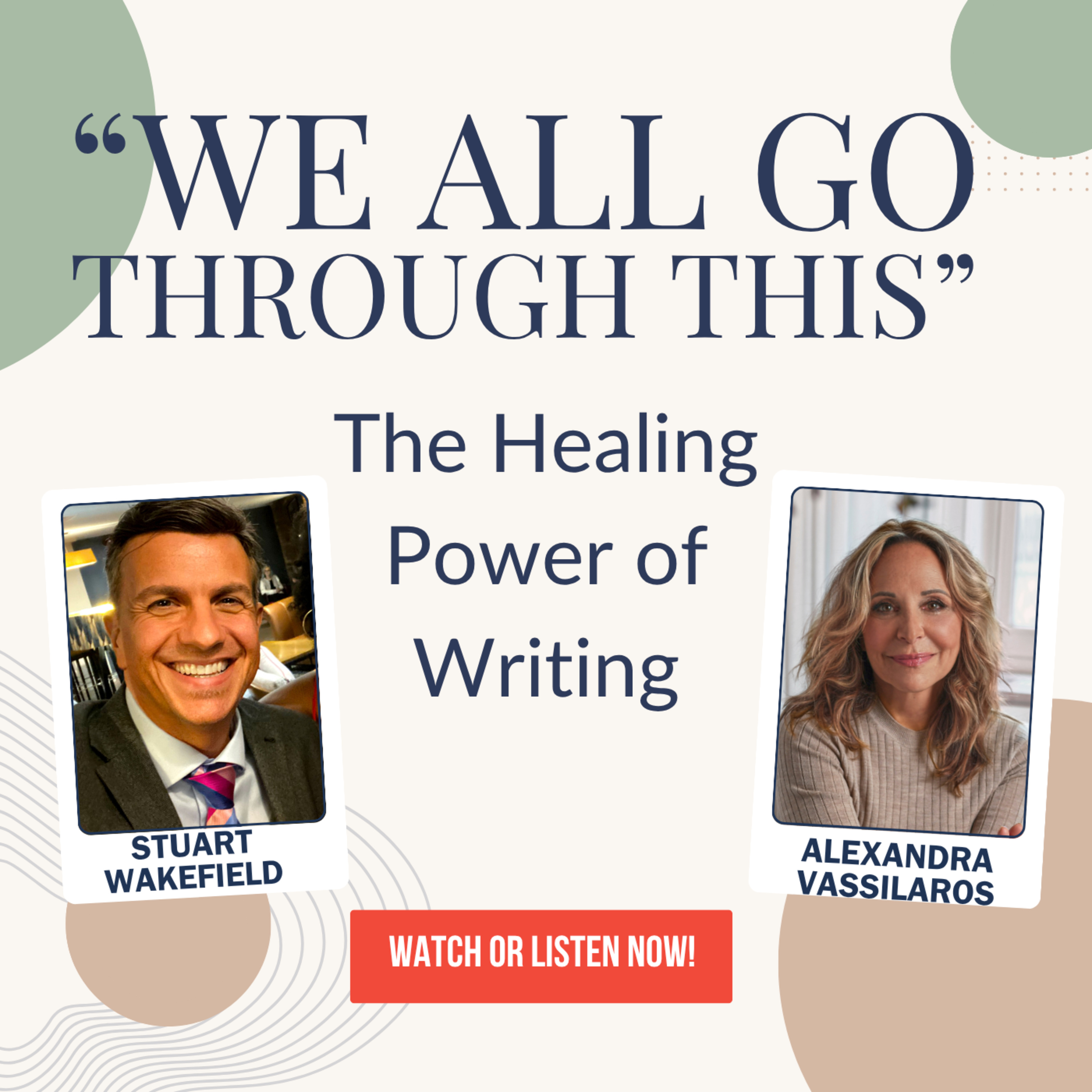
The Healing Power of Writing
Welcome to Master Fiction Writing!In this conversation, Alexandra Vassilaros shares her journey as a writer and workshop founder, emphasising the transformative power of writing workshops, particularly in the context of grief and loss.She discusses her Make Meaning Workshop, which helps participants explore their emotions and experiences through writing.We delve into the importance of vulnerabilit
Embracing the Blank Page
Ugh - the blank page. Daunting at times, so I'll discuss the challenges and processes of writing fiction and memoirs, emphasising the importance of starting with curiosity rather than perfection, nurturing your protagonist, building the emotional core of your story, and finding a writing process that works for you.I encourage you to embrace the messiness of the beginning, to write without fear
She Helped Shape 'Groundhog Day' (Then Wrote 25 Books of Her Own)
In this episode, I’m joined by the brilliant Susan Sloate - novelist, playwright, and former Hollywood story analyst - for a conversation that’s equal parts inspiring, hilarious, and packed with practical wisdom for writers.Susan shares what she’s learned from writing over 25 books (including one in just three days!), working in the film industry during a writer’s strike, and attending Robert McKe
Write for the Reader Who’s Waiting for You
Not everyone will love your writing and that’s exactly how it should be. In this uplifting episode, I'll explore why trying to please everyone is the fastest way to water down your voice and how defining your ideal reader can transform your writing process. Learn how to shift from writing for the masses to writing with clarity, confidence, and connection. Your story isn’t for everyone. It’s fo
"I Know 15 Ways to Kill My Husband (And Where to Hide His Body."
How do you write a frozen corpse in a heated pool and make it believable? What’s the etiquette when cold-calling a forensic entomologist? And how do you stop your own research from hijacking the plot?In this episode, I’m joined by bestselling mystery author Lee Clark, whose Matthew Paine Mysteries spans spans seven intricately researched novels. We dive into the weird, wonderful, and sometimes dis
Unlocking Your Writing Potential with a Book Coach
In this episode of Master Fiction Writing, I'll explore the concept of book coaching, address common misconceptions and highlight its benefits for writers at various stages of their journey. I'll discuss the role of a book coach, who can provide strategic support rather than just editing or ghostwriting. I'll also emphasise the importance of finding the right coach and offer insights i
Writing Romance: Insights from Author Noël Stark
In this episode, I talk to novelist Noël Stark about her journey from working in film and TV to crafting her first romance novel, 'Love, Camera, Action'.We discuss the unique challenges of novel writing, the importance of character development, and the emotional landscapes that drive romance narratives.And Noël shares insights on the writing process, the significance of chapter endings, an
The Art of Tightening Your Narrative
In this episode, I'll look at the importance of precision in fiction writing, providing practical tips on tightening scenes, enhancing emotional depth, and avoiding unnecessary repetition. I'll cover techniques such as entering late and leaving early, replacing vague summaries with specific details, and using dialogue intentionally to reveal character dynamics.
The Art of Historical Fiction: Lessons from Shara Moon
In this episode, Shara Moon discusses her new book 'Let Us March On', which tells the story of Lizzie McDuffie, an influential yet often overlooked figure in American history. Shara shares her journey of researching and writing the book, the challenges of balancing fact and fiction, and the importance of telling Lizzie's story in today's context. The discussion also touches on themes of activism,
Embracing Absurdity: The Power of Dumb Ideas
Join me for a fascinating conversation with Dumbify founder David Carson, where we dive into the power of so-called “dumb” ideas—and why they might just be the secret to creative brilliance.We’ll explore how absurdity, humour, and playfulness can fuel innovation in storytelling, the mental models that help spot good dumb ideas, and how embracing the unconventional can lead to surprising breakthrou
From Insurance to Filmmaking: A Journey of Storytelling Passion
In this conversation, filmmaker Christian Schu shares his journey from the insurance industry to becoming a self-taught filmmaker. He discusses the importance of embracing one's creative identity, the leap of faith required to pursue storytelling in any form, and the significance of storytelling in commercial projects. Christian emphasises understanding the target audience and crafting narratives
Conquering the Final Stretch: Finishing Your Book
In this episode, we'll discuss the common struggles writers face when nearing the completion of their first draft. We'll address the pressures of perfectionism, fear of judgment, and loss of momentum, providing insights and strategies to help writers overcome these challenges, emphasising the importance of finishing a draft, the value of feedback, and the need to reconnect with the joy of
Why You Shouldn't Write a Book This Year (And That's Okay)
In this episode, we'll discusses the importance of self-kindness and the reasons why one might choose not to write a book in the current year. We'll emphasise the need to assess personal circumstances, motivations, and life priorities before committing to such a significant endeavour. By allowing oneself the grace to pause, writers can reduce stress, reflect on their ideas, and ultimately approach
The Psychology Behind Creative Distractions
In this episode, I explore the challenges of "shiny object syndrome", particularly in the context of creative projects. I share my personal experience of being drawn to a new play commission while nearing completion of my novella. I'll delve into the psychological aspects of creativity, the allure of new projects, and practical strategies to maintain focus and commitment to ongoing work, emphasisi
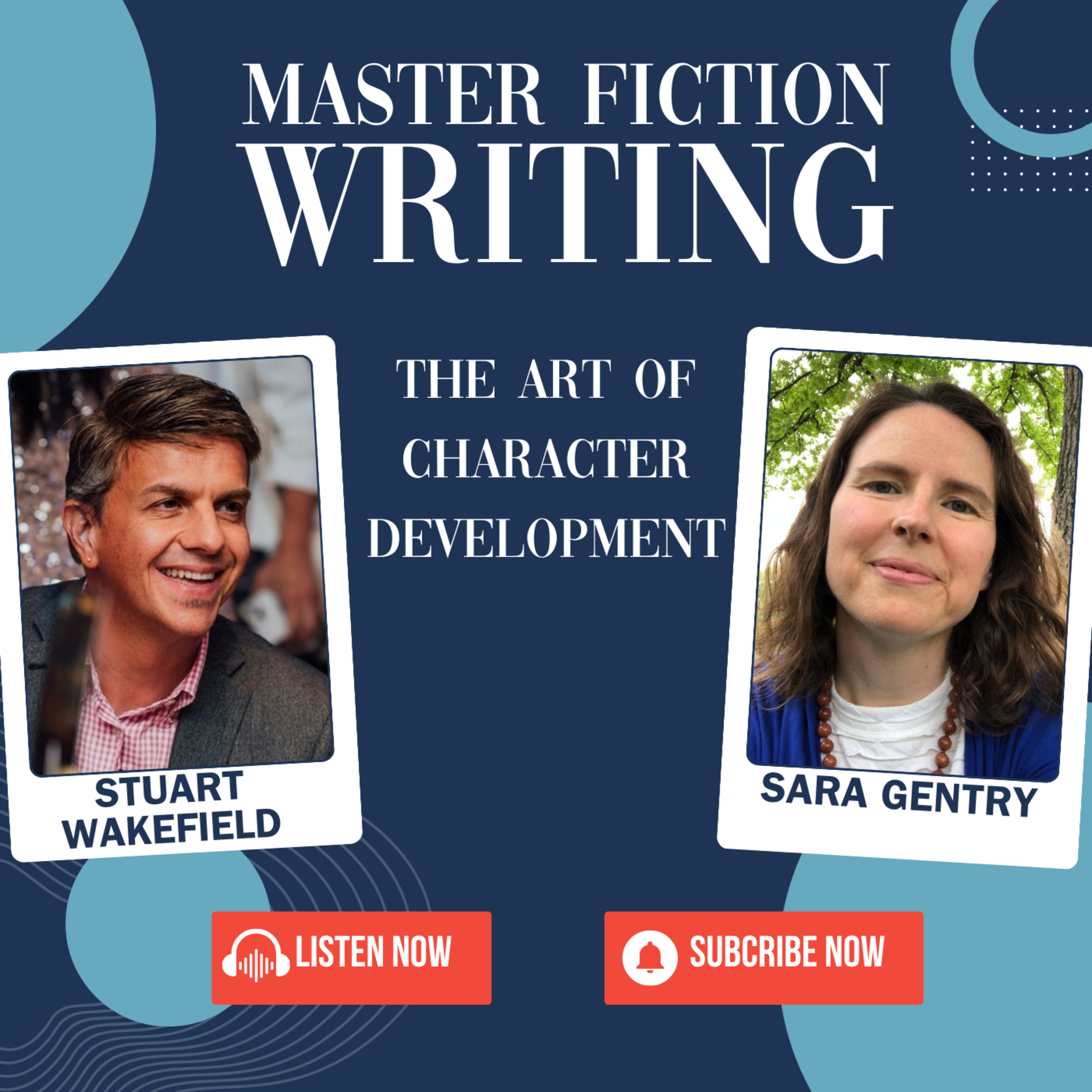
The Art of Character Development
It was great to be interviewed by Sara Gentry about creating characters!
We delve into the significance of character backstory in storytelling, distinguishing between world backstory and character backstory - and emphasising the importance of understanding a character's history to make them relatable and believable.
We talk about how backstory influences character decisions, the necessity of manag
Breaking Free from Beat Sheets with Jennie Nash
In this conversation, Jennie Nash and I delve into the intricacies of fiction writing, focusing on the Blueprint for a Book and the limitations of traditional beat sheets. We discuss the importance of understanding a writer's intent, the emotional connection with readers, and the role of creativity within constraints. Jennie shares her insights on the Inside Outline, a tool designed to help writer
The Four Pillars to Author Success with Emma Dhesi
In this conversation, Emma Dhesi and I explore the themes of personal growth, the Four Pillars to Author Success , and the importance of celebrating small wins. We discuss how clients evolve from feeling inexperienced to becoming peers in the coaching process, emphasising the significance of acknowledgment in personal development. Our conversation also highlights the journey of self-improvement an
Navigating the Challenges of Using Multiple POVs in Your Story
In this episode, I discusses the pros and cons of using multiple points of view (POVs) in writing.
Point of view (POV) is the narrative perspective that guides the reader through the story.
Multiple POVs can add depth and complexity to a story, but they also come with potential pitfalls.
Pitfalls of multiple POVs include character chaos, plot complexity, and reader overwhelm.
Start with one

How to Create a Realistic, Relatable Main Character for your Romance Novel
Creating a realistic and relatable main character is crucial for a good romance novel. This involves giving them a history, their own journey, a job, relationships with others, physical flaws, strength, failure, sexuality, and the spotlight. These elements help readers understand and bond with the main character, making the story more engaging and resonant.
Takeaways
A main character's hist
Strategies to Maintain Your Motivation to Write
Do you feel stuck in a rut with your writing? Do you struggle to even sit down to write? Does the blank page seem to loom over you like a cloud, leaving you feeling overwhelmed, uninspired, and heading for Netflix? Don’t worry, you’re not alone! Many writers experience this same struggle (me included). Whether you’re working on a novel or just trying to write an article, find
Life Editing for Writers With Elisabeth Sharp McKetta
In this episode, I’ll be talking to author and teacher Elisabeth Sharp McKetta. Elisabeth is the author of 13 books, including “She Never Told Me About the Ocean," "Ark," and "Edit Your Life: A Handbook for Living with Intention in a Messy World.” We’ll delve into the importance of creativity, mental health, and the practice of writing, but Elisabeth also shares her experiences living in a tiny ho
Amplifying Emotions: A Conversation with Becca Puglisi
In this episode of Master Fiction Writing, I sit down with the remarkable Becca Puglisi, co-author of the bestselling series from Writers Helping Writers. Join us as Becca takes us on a journey from the inception of the first book to the expansion of the series, sharing invaluable insights into the art of character development along the way. Discover the inspiration behind the 'Emotion Thesaurus'