The Science or Fiction Podcast
We interview researchers to separate the science from the fiction in news headlines. Catch new episodes on the first Monday of the month.
Episodes
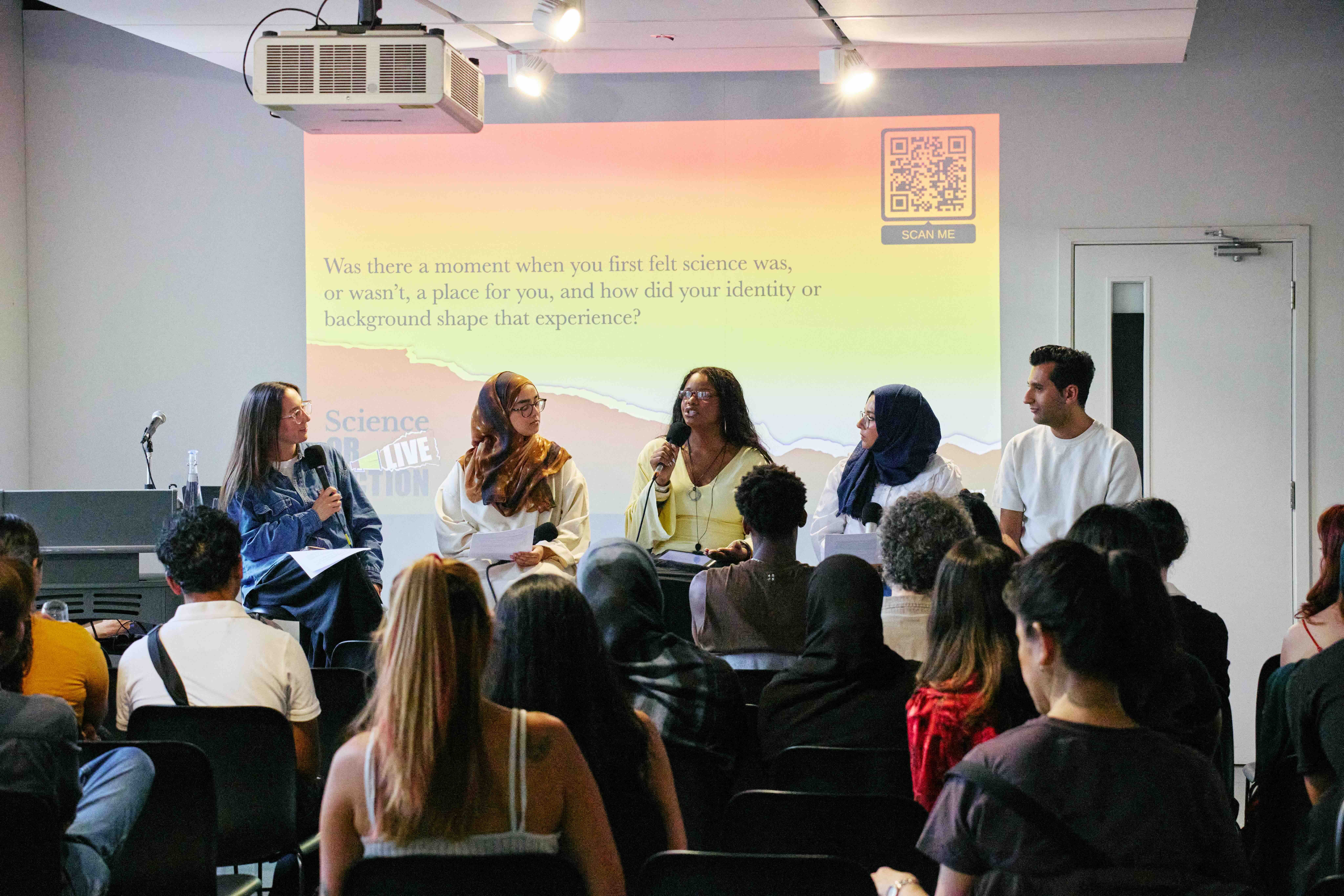
Live! Why don't scientists look like me?
In this very special live recording of The Science or Fiction Podcast, we asked: why does representation in science matter, and how do we build spaces where more people feel like they belong?Thank you to everyone who came along and supported us at the live event. It meant so much to see so many of you there, and we can’t wait for the next one!Why this topic mattersLack of diversity in science isn’
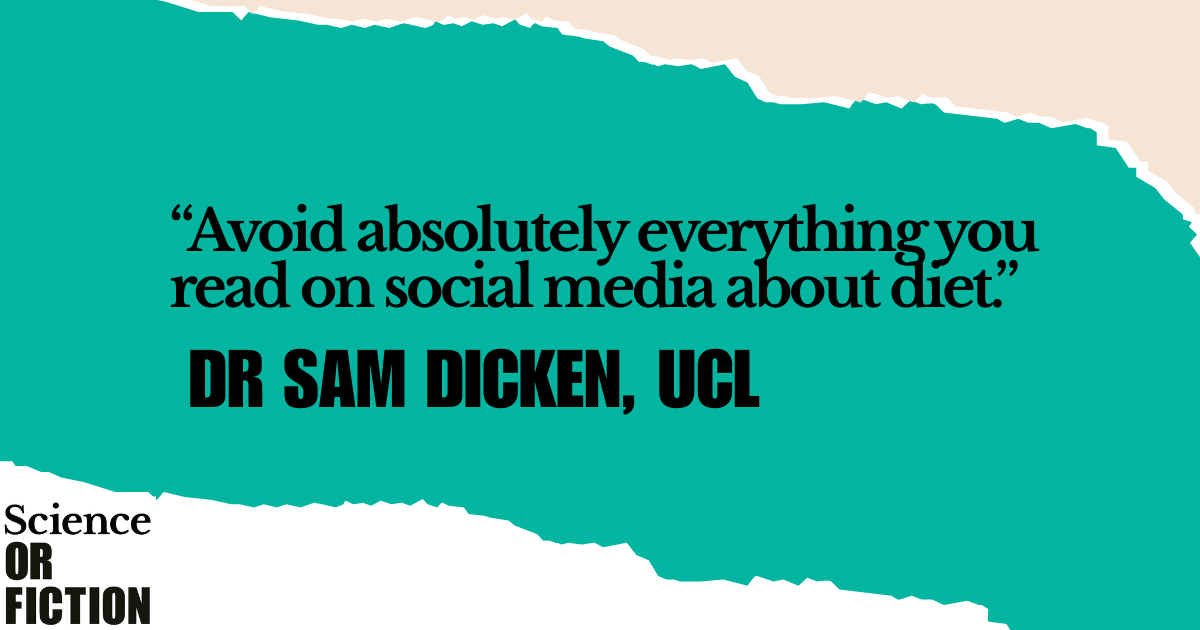
Are ultra-processed foods harming our health?
What is ultra-processed food? Why do things like sweets and crisps fall under the same ultra-processed label as plant milks and cereals? Produced by and co-hosted with MSc Health Psychology student, Emily McLaughlin, we asked how ultra-processed foods are defined, how they affect our health, and how we’re supposed to navigate our consumption of them. In each episode, we dive into the evidence behi
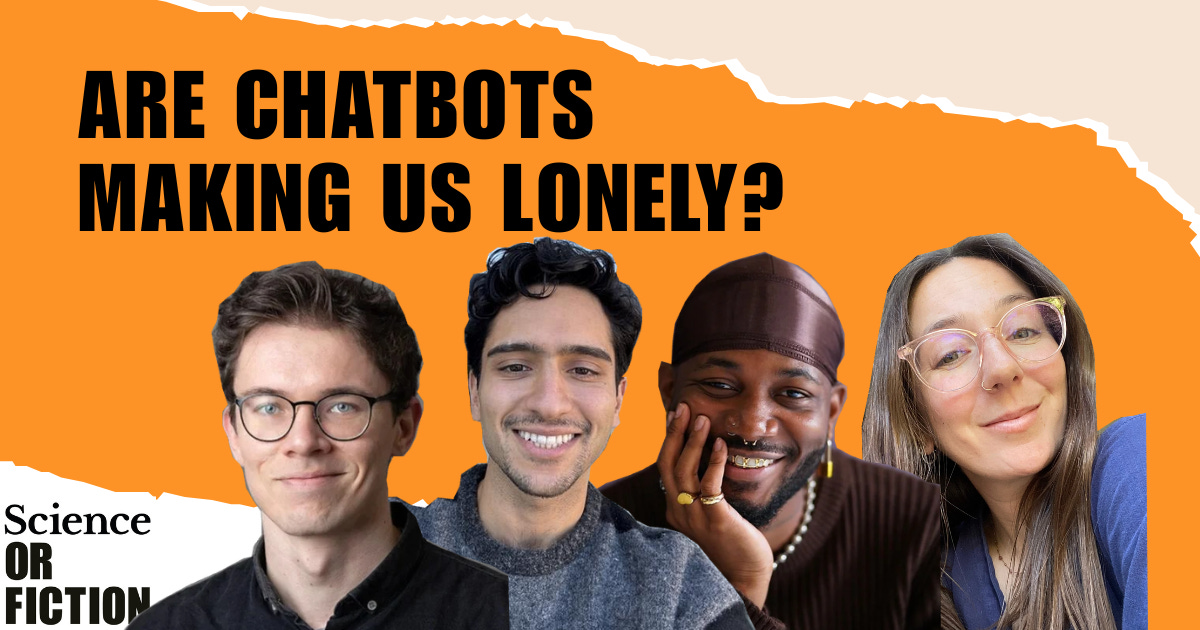
Are chatbots making us lonely?
Not only can we get any question answered at any time, but we can also have human-like conversations without interacting with a single person. AI-powered chatbots, systems like ChatGPT that simulate two-way conversations with the user, are now widely available. Many are turning to chatbots for relationship advice and mental health support - with some saying they find it easier to talk to chatbots
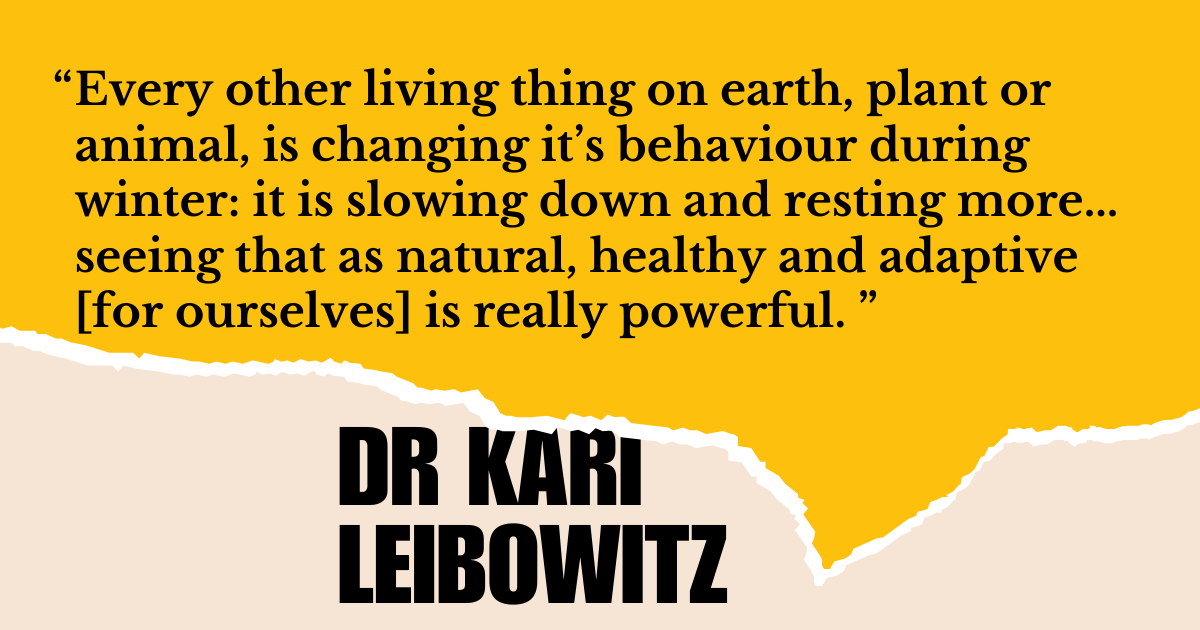
Rewind: Can embracing winter improve mental health?
It is the first week of February and my alarm has woken me up to another dark, Monday morning. As I make a cup of tea with my eyes half closed struggling against the big light in the kitchen, I’m already dreaming of sunny summer days and dreading the fact that when I get home from work - surprise! - it is going to be dark again.My current mindset is unhelpful: it is only going to make me feel wors
Can gene therapy cure Huntington's disease?
Huntington’s disease is an inherited condition that causes neurodegeneration - the progressive loss of neurons in the brain. This can lead to changes in movement, thinking, and mood. Reports of a breakthrough hit the headlines last week: a press release from a clinical trial reported that using gene therapy they have managed to slow disease progression for the first time.Some are warning that it i
Is sleep important for the brain?
Most of us spend about a third of our lives asleep. We feel the effects of a bad night of sleep, waking up groggy and turning to caffeine to get through the day. While we might think that our sleep habits have a strong influence on brain health, the evidence is not so clear.There is a lot of advice out there on how to get a good night’s sleep, as well as reports about the consequences of poor slee
What is a brain-computer interface, and can it read your mind?
Brain-Computer Interfaces, or BCIs for short, are all over the news (like here and here). These systems – which can be implanted into the brain – have the potential to help people with neurological conditions control devices (from mobile phones to robotic arms) using only their thoughts.Headlines often use futuristic terms like ‘mind reading’. These phrases might grab our attention, but they could
How do we address inequalities in chronic pain treatment?
In this second episode of our two part series on chronic pain, we spoke to Misha Gardner to discover how healthcare providers can address the structural bias and inequalities to better support people with chronic pain. The PEACs (Pain: Equality of Care and Support in the Community) programme was co-designed with Black people to develop a person-centred and bio-psycho-social approach to treating ch
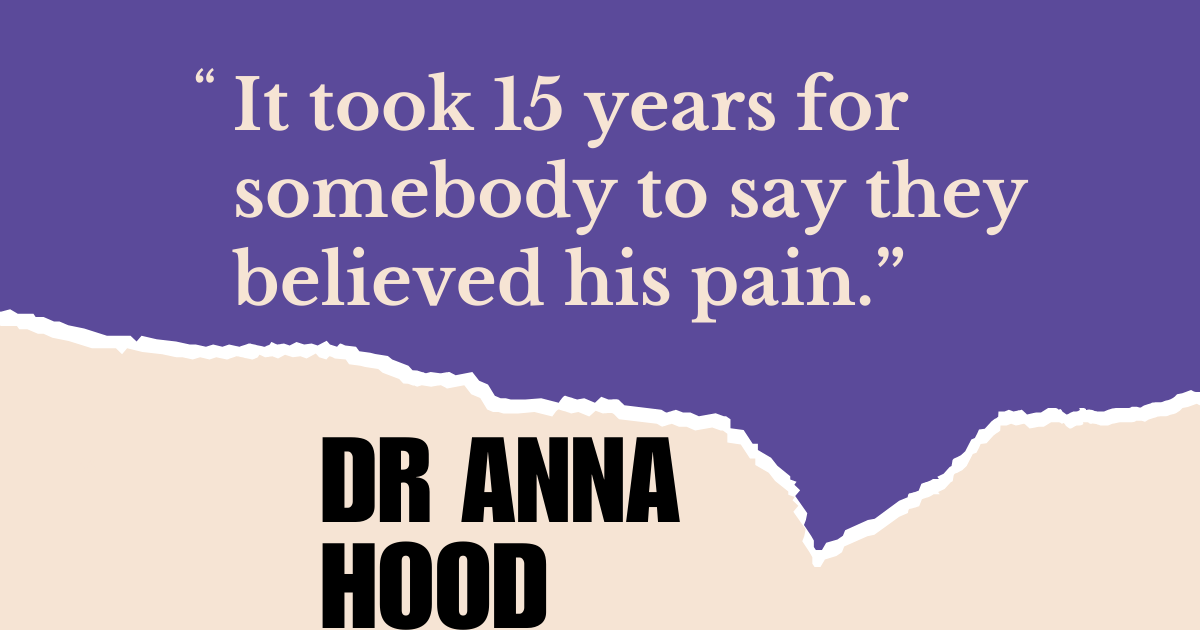
What does it mean to live with chronic pain?
What is chronic pain, and why is it different for different people? How do we begin to treat chronic pain? If my pain fluctuates, what can I do about it? We answer these questions and more in our latest episode. This is the first of two episodes about chronic pain, produced by Trainee Clinical Psychologist, Mariam Shah, and Research Fellow, Dr Kathryn Bates. In this first episode, we interviewed D
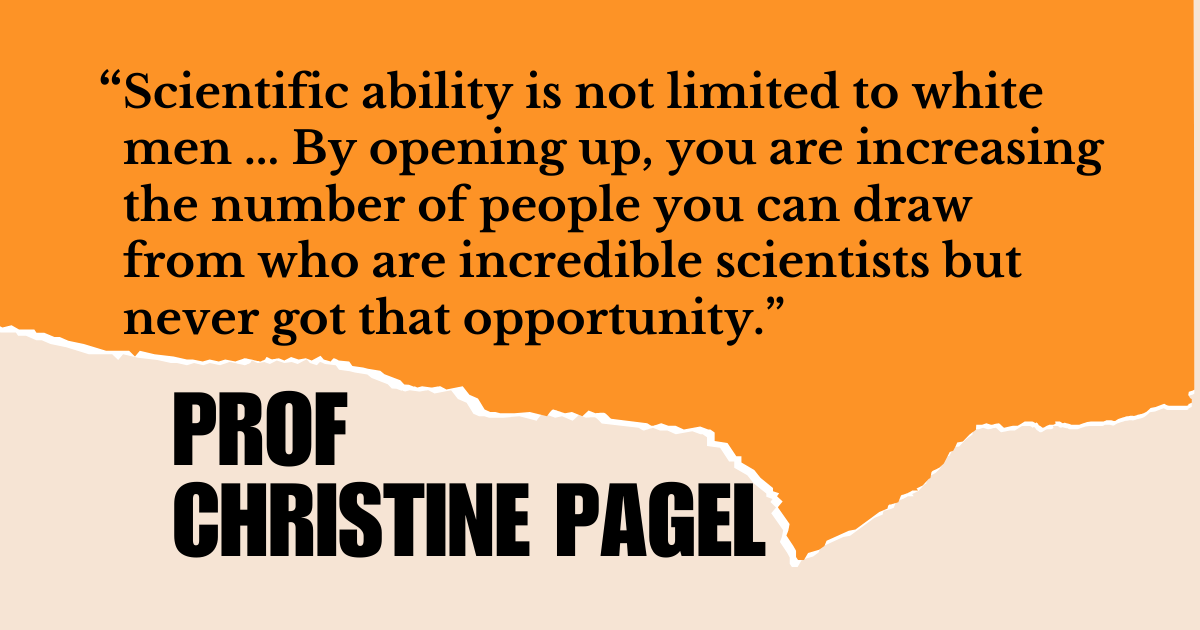
Why is diversity important in science?
Mental health, climate science, ethnicity, LGBTQ, disability, inequality, gender, women, elderly make up just 10 of the 200 terms now banned from research with US government funding. And this is not just in the US, but in other countries that receive US funding.The National Institute of Health, which funds billions of dollars of medical research, has already pulled funding from hundreds of grants,
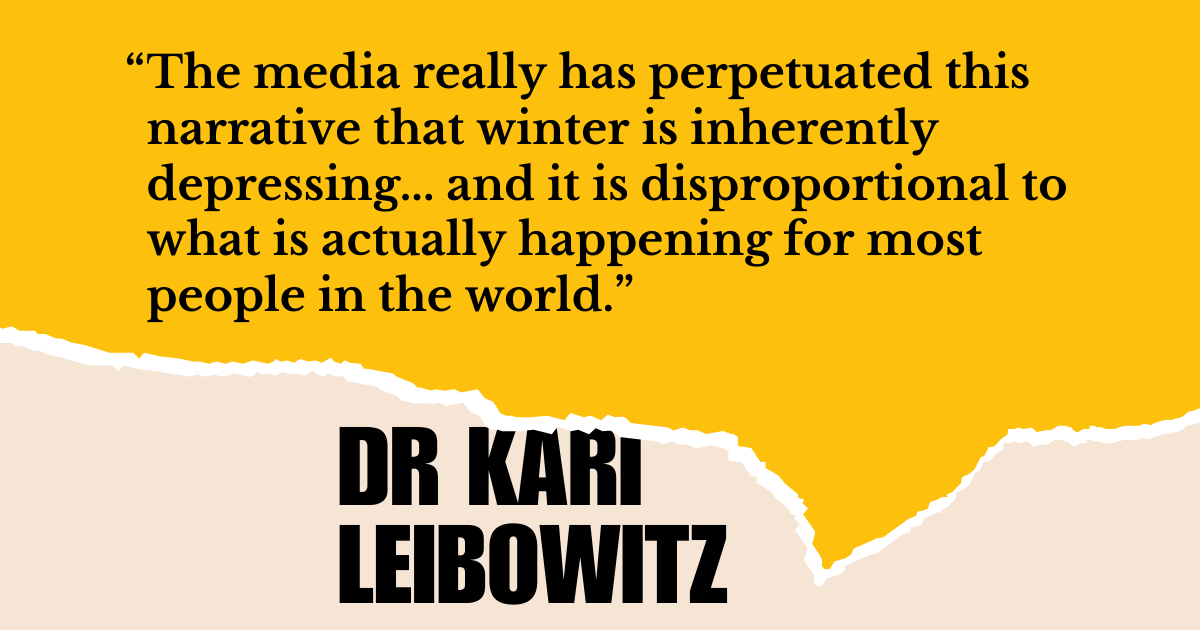
Can embracing winter improve mental health?
It is December: it is darker and colder, and seasonal affective disorder, or SAD, has come up in conversation again. Articles are popping up left, right, and center on how to beat the winter blues. It can be difficult to be positive about the winter; especially in the UK where complaining about the weather comes before “hey, how are you?”. It can sometimes feel like we’re surviving this season unt
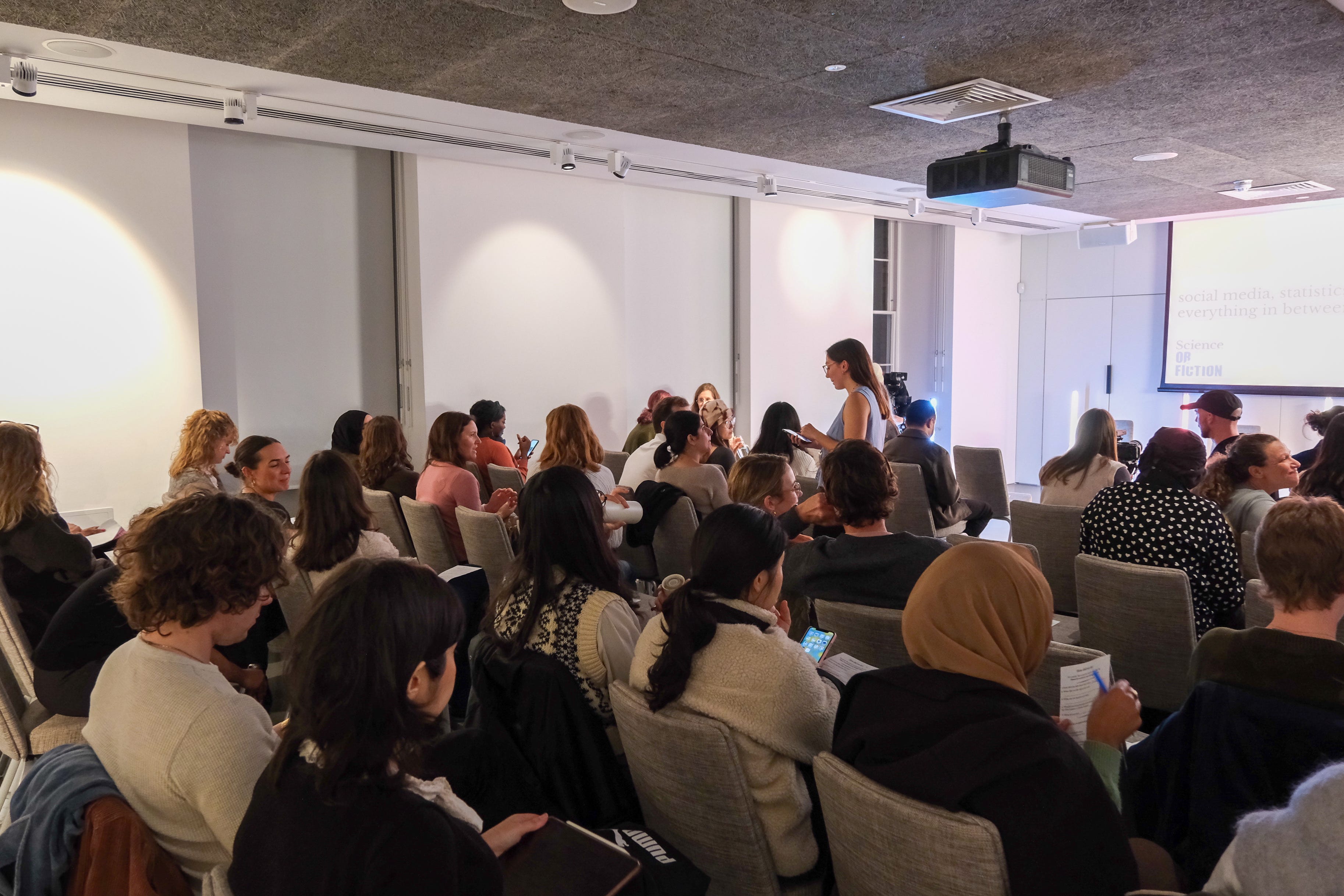
Live! Self-diagnosing ADHD: social media, statistics and everything in-between
Our very first live episode recording is here! Thank you to everyone who joined at the Science Gallery London and online, it was lovely to meet so many of you!In case you missed it, this week we hosted our first live podcast recording with ADHD experts Ellie Dommett and Shauna Campbell on self-diagnosing ADHD. For our sold-out event, we hosted an interview and audience Q+A, we had a subscription r
What happens to the brain during pregnancy?
It’s October, which means, our first live event is just weeks away! Very excited (only a little bit terrified). Thank you to everyone who has signed up! We have sold out of in-person tickets but we do have a waiting list - if you’d like to come along please sign up. We also have an online option, which will remain open. More info and tickets here.Content warning: in this episode, we are discussing
Is problematic smartphone use affecting mental health?
We've been very busy in our month off! We have launched our very first Science or Fiction Live, we’ve got a snapshot of ADHD Babes in this month’s episode, and our new episode covers the latest findings on problematic smartphone use and mental health. First, the live event! We are hosting our first Science or Fiction Live: a live podcast recording in London and streamed online. We will be intervie
Is AI a threat to elections?
This month, we are talking about artificial intelligence and the potential impact on the integrity of elections and our democracy as a whole.A recent report on this topic published by AI researcher, Sam Stockwell, from the Alan Turing Institute hit the headlines. We unpack the evidence, explained the implications, and Sam outlined recommendations for what governments and regulators need to do to p
Under Review: Behind The Podcast with Mariam Shah
In the first episode of our new series, Under Review, where a youth advisor takes over as host, Mariam Shah interviews Dr. Kathryn Bates, founder and producer of The Science or Fiction Podcast, to discover why we make the podcast, how science communication needs to adapt to the ever-changing landscape of social media, and what the podcast has coming up this year.Hosted on Acast. See acast.com/priv

Why does the gender pay gap persist in higher education, and how can we eliminate it?
The gender pay gap is identified as the difference in pay between men and women. A new report from the Higher Education Policy Institute has revealed that women are paid on average 11.9% less than men in higher education institutions – that’s colleges and universities across the UK where students undertake undergraduate and postgraduate degrees.Women outnumber men at university – 57% of undergradu
How does science make the headlines?
Instead of talking to a researcher or scientist about a controversial headline, we interviewed Fiona Fox, CEO of the Science Media Centre and author of Beyond the Hype: Inside Science’s Biggest Media Scandals from Climategate to Covid to find out how the science makes it into the headlines.When news articles cover new research findings, you’ll often see a quote from a scientist giving their opinio
Is social prescribing the prescription for youth mental health?
The latest NHS figures show that in December 2023 nearly 750,000 children and young people were in contact with NHS mental health services. Reports from the previous year suggested young people waited on average between two weeks and 3 months to be seen by mental health professionals. The NHS is not keeping up with the need for mental health support. Could social prescribing be the answer?Social p
Mental health in Punjabi communities: what insights does charity research reveal?
The mental health research findings we see in the news are not always produced by academic research teams. They often come from research conducted by charities.Mental health charities can shape the research and mental health support landscape; they are the organisations working directly with and for communities.How do charities conduct research? Who is it aimed at? And what can we learn from it?To
About us + highlights
This week, we talk a bit more about why we make this podcast, what we’ve got coming up in the new year, and some highlights from previous episodesThank you so much to everyone who listens! Please keep getting in touch - we love to hear from you. Follow us on social media and subscribe about for new episode, updates, and event info!Happy New Year and can’t wait to show you what we have in store for
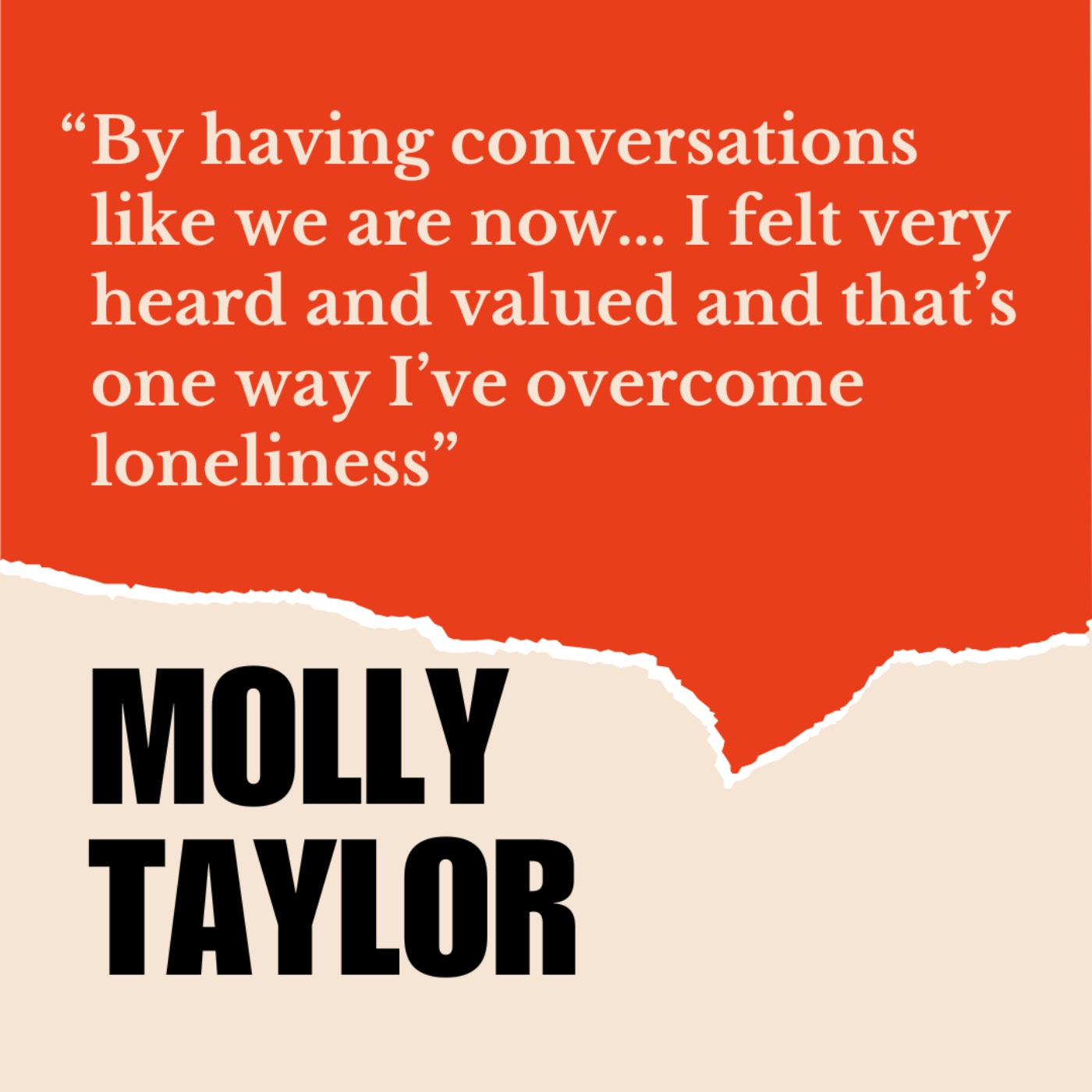
Why are young people lonely, and what can we do about it?
We all experience loneliness to some degree but there is still stigma around it. Our awareness of loneliness has spiked since the COVID-19 pandemic when many people were isolated due to restrictions on movement and socialising. Media coverage has recently claimed we’re experiencing an epidemic of loneliness, and in November 2023, the World Health Organisation declared loneliness a global threat. R
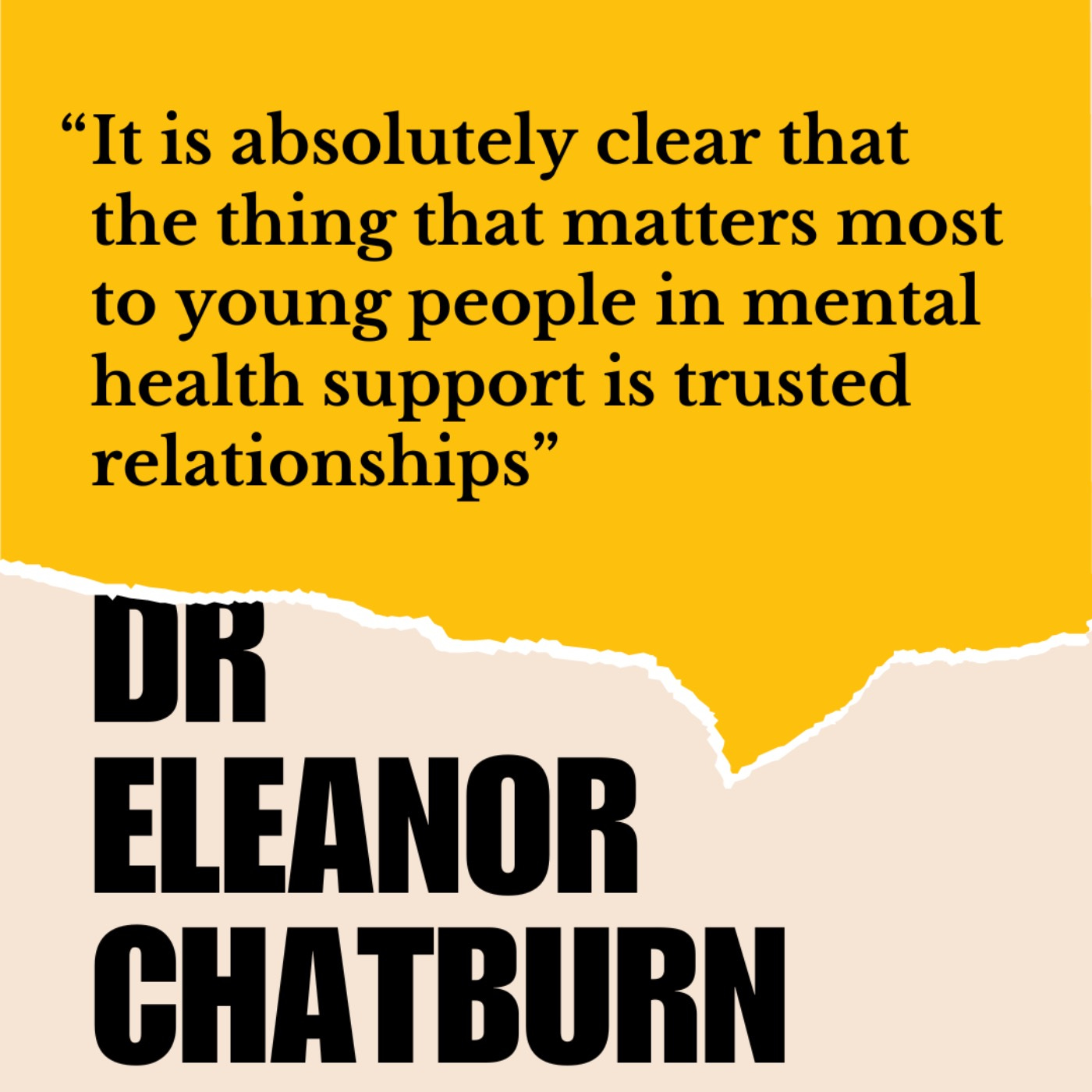
How can we understand mental health and mental illness?
In this special episode, Dr. Kathryn Bates and Afraa Din, our young person consultant, ask clinical psychologist and researcher, Dr. Eleanor Chatburn, what is mental health vs. mental illness?There is so much information about mental health from news articles to infographics on Instagram to people with lived experience sharing their stories on Tiktok.How do we make sense of it all? How do we know
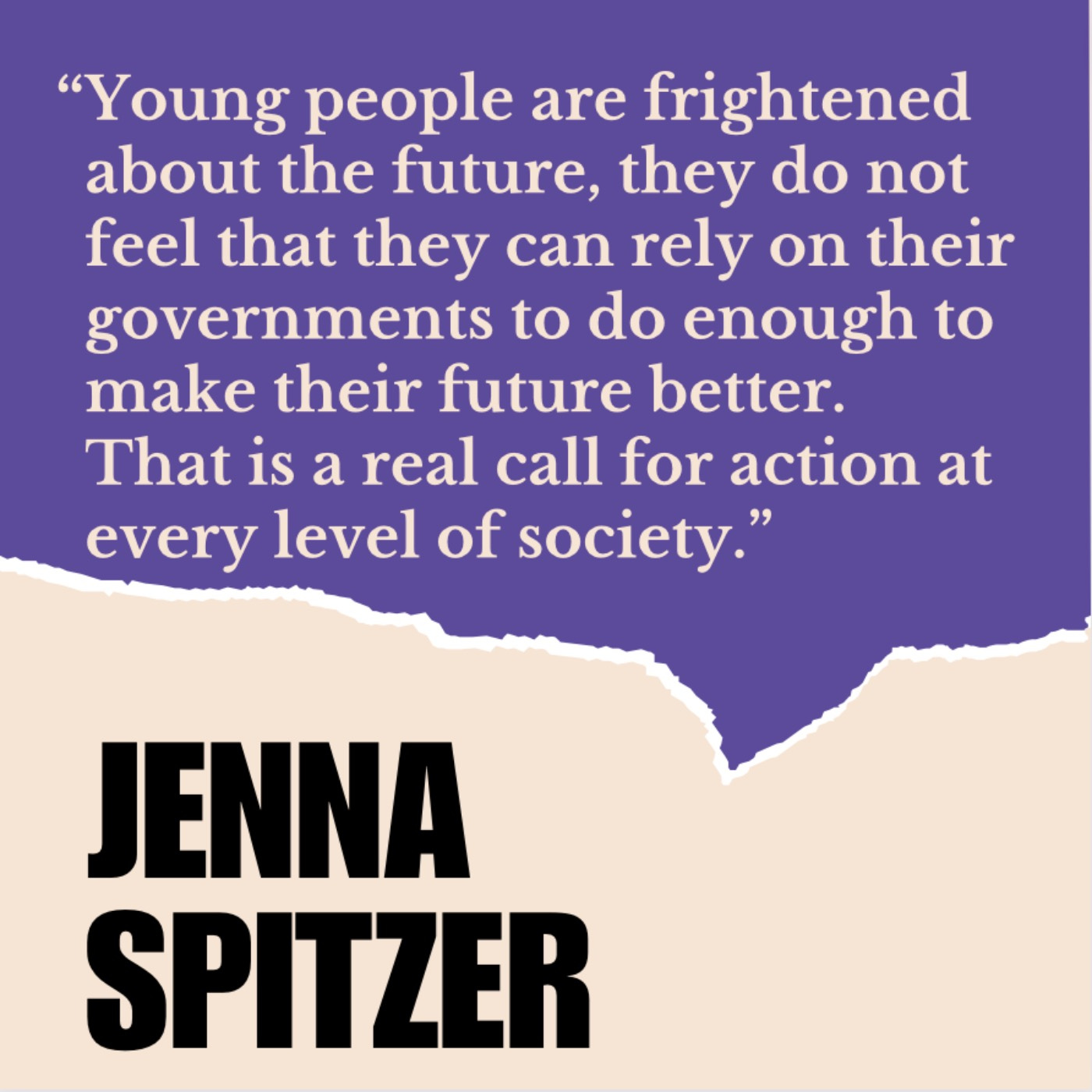
Are young people facing a climate anxiety crisis?
The climate crisis is termed as the biggest threat to the future of the planet. Scientists are warning that the time to take action is running out. Climate anxiety has been gaining more and more attention as we become more aware of the threat to the planet and people’s lives. There are reports of increasing climate anxiety in young people, but is currently unclear what climate anxiety is, how it a
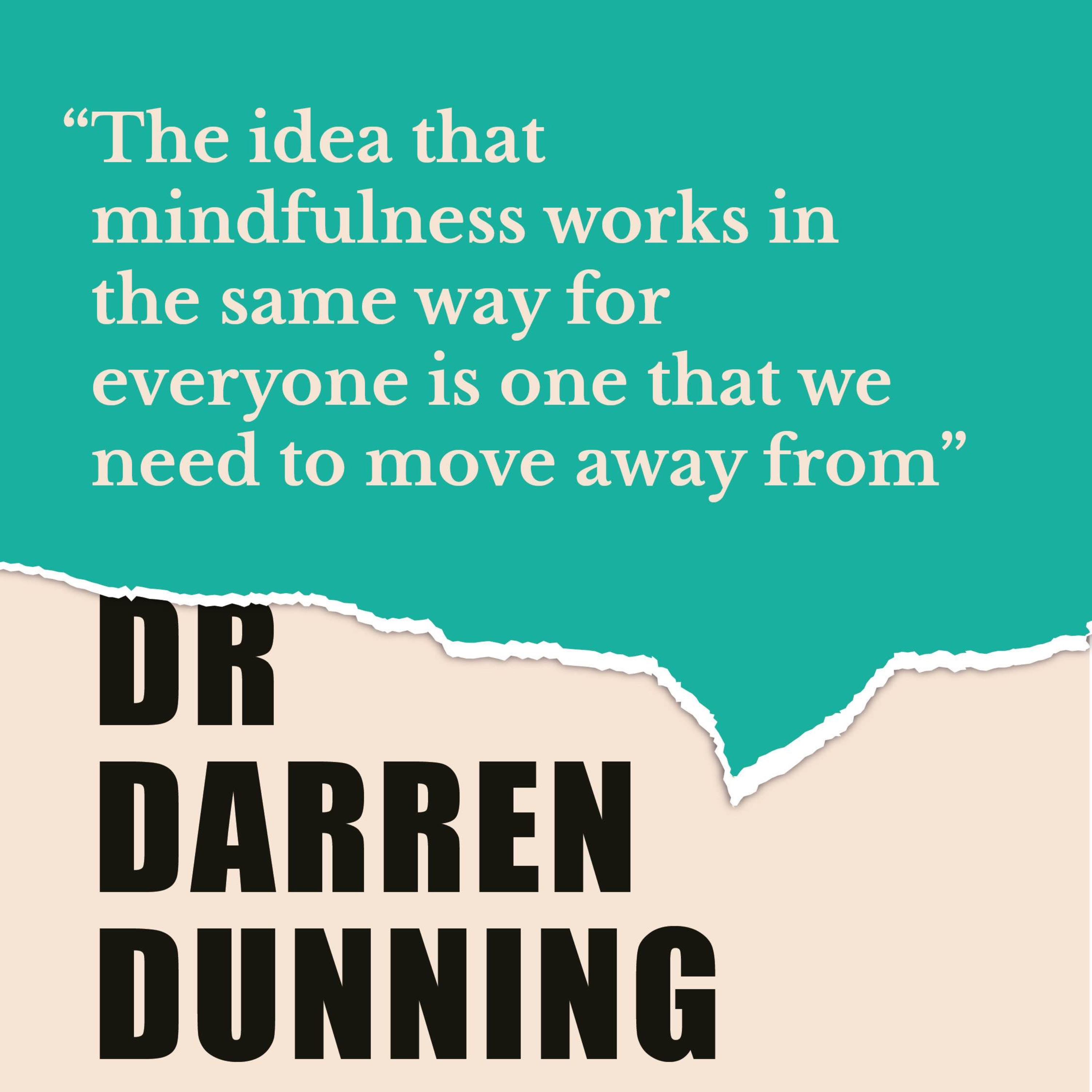
Does mindfulness training reduce anxiety for young people?
Mindfulness training involves intentionally focusing attention on the present. It is recommended for a range of mental health issues and has recently been rolled out as a universal intervention in schools. However, a recent set of studies with thousands of young people has shown universal interventions - the same mindfulness training for everyone - are not effective in reducing anxeity and depress
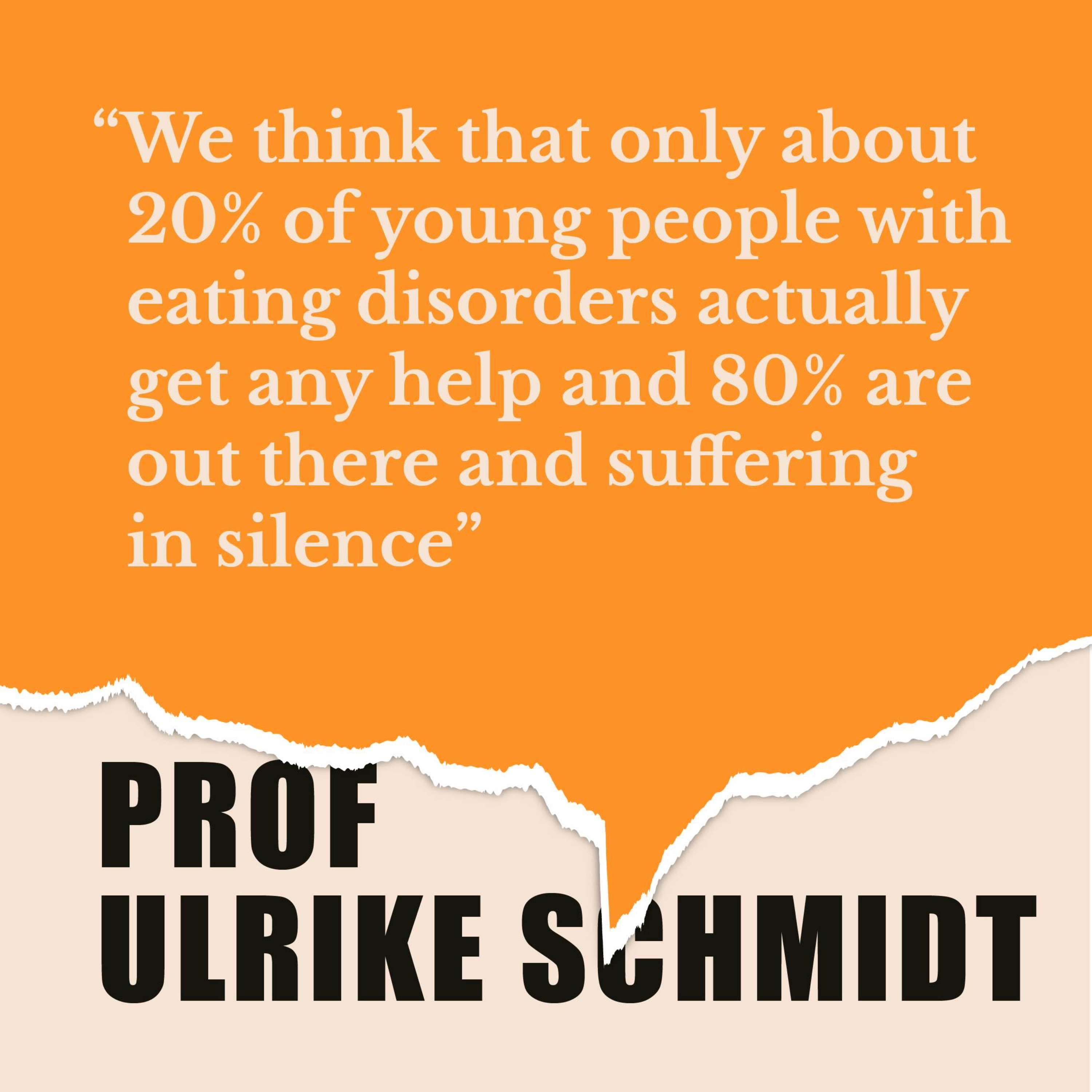
Has the prevalence of eating disorders increased since the COVID-19 pandemic?
Eating disorders most often occur in young people between 15-25 years old, but many young people struggle to come forward and access support - it is though that 80% of those struggling are suffering in silence. Prof Ulrike Schmidt explains the evidence behind why the prevalence of eating disorders might have increased in recent years, and how we can best support loved ones. Journal article we disc
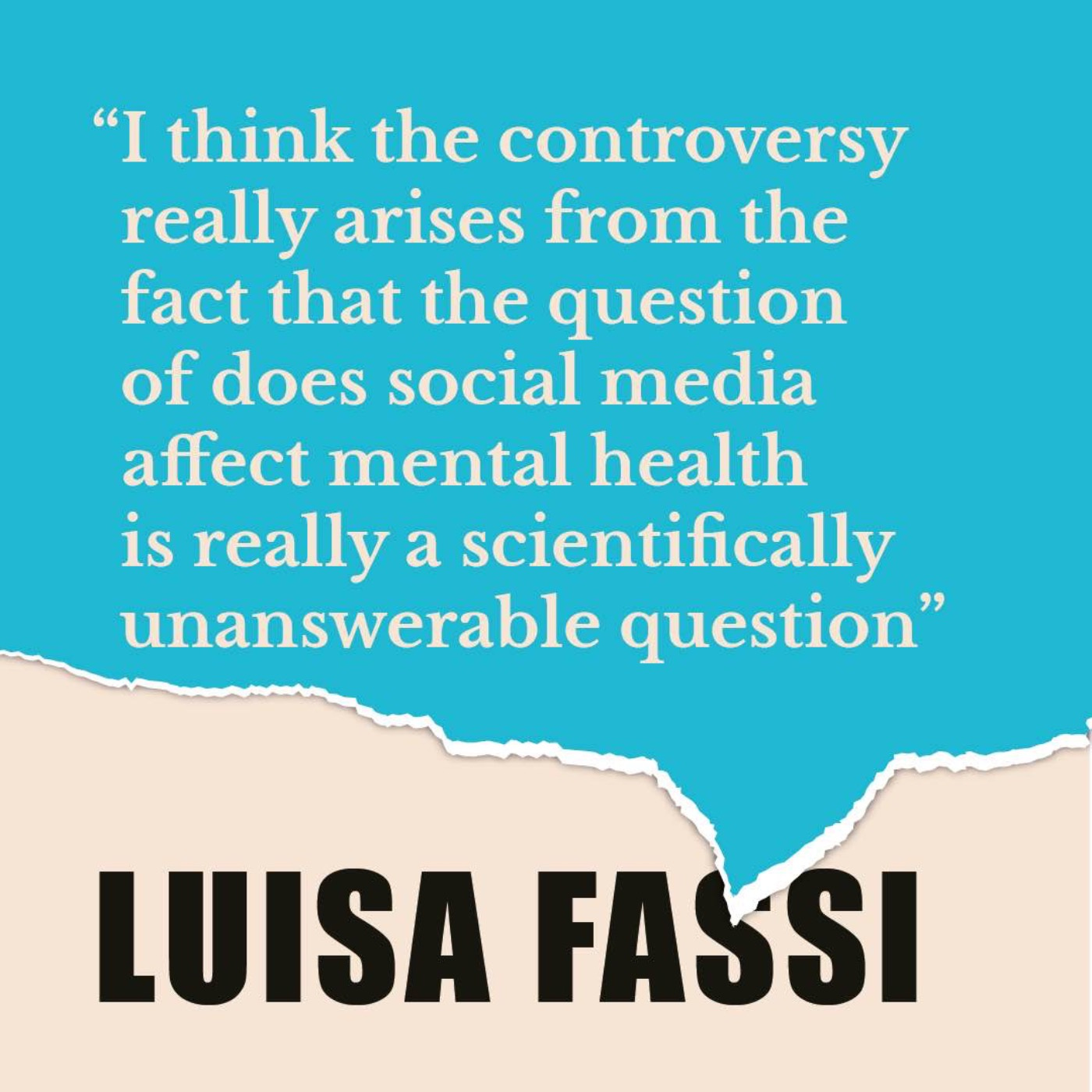
Does social media use damage young people's mental health?
The relationship between social media use and mental health is complex, and not as well understood as we might hope.In our very first episode, Dr. Kathryn Bates interviews PhD candidate and social media and mental health expert, Luisa Fassi, to get to grips with the evidence. Luisa explains that much of the controversy comes from the difficulty in trying to simplify such a broad question, and talk