Chatham House podcast specials
Chatham House podcast specials is a semi-regular series featuring in-depth interviews with Chatham House experts and others on critical issues shaping international relations. Hosted by staff from across the institute, each episode goes beyond the news to explore the underlying topics affecting global politics.
Episodes
Israel votes on 27 October: what happens next?
Israel goes to the polls on 27 October. Is this the most consequential election in the country's history? Analysts from Chatham House's Middle East and North Africa Programme discuss what is at stake. Is the election a referendum on Benjamin Netanyahu's long tenure in power? Is the war with Iran on the ballot? Is Israeli policy towards Gaza and settler violence in the West Bank a key considerati
We Just Got Back From... New York | United Nations General Assembly
Chatham House analysts Laurel Rapp and Dr Christopher Sabatini returned from New York saying they saw signs of optimism and the renewal of 'shoe-leather diplomacy' behind the scenes at the United Nations annual General Assembly. The UNGA meeting was held as US President Donald Trump heads towards midterm elections, and UN Secretary-General António Guterres nears the end of his term on 31 December
AI: The New Great Game?
'Washington would compel its allies in Europe and in Asia and everywhere apart from China to get on board with its regulatory regime [for AI],' says Sebastian Mallaby, author of 'The Infinity Machine: Demis Hassabis, DeepMind and the Quest for Superintelligence' and the Paul A. Volcker senior fellow for international economics at the Council on Foreign Relations. He explains that regulation of
The Open Centre: Reimagining Europe's Offer to a Fractured World
'Europe is like faith: when you have it, nothing can shake it,' says Grégoire Roos, director of the Europe and Russia and Eurasia Programmes at Chatham House. He explains why he believes Europe should stop defining itself in relation to the United States and China, reject narratives of civilizational decline, and instead build a more confident, open and inclusive vision for its role in the world.

As Europe faces flying alone, will Germany be the main pilot?
Why did the German-French-Spanish fighter project – the Future Combat Air System – fail? Has Germany's rise to become Europe's leading defence investor profoundly shifted the balance of power on the continent? In a wide-ranging discussion about European defence ahead of the NATO summit in Ankara on 7-8 July, Dr Marion Messmer, Director of Chatham House's International Security Programme, and Grégo
Thatcher to Trump: Lawrence Freedman on UK foreign policy in wars and crises
Lawrence Freedman, author and international relations authority, reflects on the 'utter chaos' of the Trump administration, America's 'catastrophic' foreign policy, the likelihood of an international shock to Britain's politics, the impact of Margaret Thatcher and Ronald Reagan in his time working at Chatham House, his meetings with KGB agents, and much more, in a wide-ranging conversation with
Haiti's security crisis: what's next?
With the publication of the recent Chatham House research paper 'A roadmap for security and governance reform in Haiti', Christopher Sabatini and Laurel Rapp discuss how the international community can help Haiti.

Reflections at 100: Women in international affairs
The last episode of Reflections at 100, marking the centenary of International Affairs, looks at women's contributions to international thought, and how they have been erased from the discipline of International Relations. Isabel and Krisztina speak to Dr Katharina Rietzler about women's contributions to the journal and international relations, especially in the UK. Then, Krisztina speaks to Prof

Reflections at 100: Empire and decolonization
This episode of Reflections at 100, marking the centenary of International Affairs, the journal of Chatham House, looks at how empire and decolonization have been discussed in the journal. Isabel and Krisztina speak to Meera Sabaratnam about how thinkers and policy-makers from the 1920s to 1970s understood both empire and then decolonization. Meera highlights four tensions present within the discu

Reflections at 100: Refugees and migration
What drives refugee movements and how should policies manage them? This episode of Reflections at 100, marking the centenary of International Affairs, the journal of Chatham House, looks at refugees and migration. Isabel speaks to Emily Venturi about the movement of refugees, the development of global humanitarian systems and the change in thinking on refugees over time. Then she interviews Ali Bi

War in Ukraine: Rebuilding Ukraine
In this final episode of our special series, we speak to Ambassador Vadym Prystaiko and Professor Georgiy Kassianov. How can Ukraine rebuild while coexisting with Russia? What is needed to rebuild a stronger country efficiently and effectively? Host: Ned Sedgwick Guests : Ambassador Vadym Prystaiko (Ukrainian diplomat currently serving as Ukraine's Ambassador to the UK), Professor Georgiy Kassiano

War in Ukraine: How Russia and its oligarchs avoid sanctions
How have western financial institutions created loopholes for the Russian elite? Are sanctions truly enforceable on oligarchs with a strong foothold in cities like London? What is Putin's role in all of this? Host: Ned Sedgwick Guests: Thomas Mayne (Chatham House Visiting Fellow, Russia and Eurasia Programme), Oliver Bullough (author of Butler to the World and Moneyland) This episode was produced

War in Ukraine: Impact of ongoing food shortage crisis
In this episode we follow up on the food shortage crisis we looked at in the beginning weeks of the war on episode two. What long-term problems can we expect because of the disruption to agriculture in Ukraine? Is there any hope for a solution? Host: Ned Sedgwick Guests :Marianne Schneider-Petsinger (Chatham House Senior Research Fellow, Global Economy and Finance Programme; Project Director, Gl

War in Ukraine: The UN and EU response
What can the UN do on the ground to help the people of Ukraine? Does the war bring the EU a greater sense of purpose or does it mask underlying issues? Host: Ned Sedgwick Guests :Saviano Abreu (Head of Communications at The UN Office for the Coordination of Humanitarian Affairs) Pepijn Bergsen (Research Fellow, Europe Progamme) This episode was produced by David Dargahi of Earshot Strategies on b

Episode 107: Transformative diplomacy in peace talks
Why are some peace talks more fruitful than others? Why do negotiations break down? What role can mediators play in sensitive discussions? To answer these questions, Mariana is joined by Isabel Bramsen, who discusses her recent article in the International Affairs journal. In it, Isabel draws on her research and first-hand experiences as a neutral observer during the Philippines peace talks in 201

War in Ukraine: Military doctrine
What has the war revealed about both the Russian and Ukranian military capabilities? Was the Russian military surprisingly unprepared? What impact is the course of the war having on the global military industrial complex. Host: Ned Sedgwick Guests :Andrew Dorman (Chatham House Editor of International Affairs, Professor of International Security at Kings College), Bettina Renz (Professor at the S

War in Ukraine: Ukrainian identity
How has the war impacted Ukranians' sense of identity? How has Ukrainian language, culture, and politics changed after fall of the Soviet Union. Are Putin's views on Ukrainian identity shared by others in Russia? Host: Ned Sedgwick Guests: Orysia Lutsevych (Head and Research Fellow, Ukraine Forum, Russia and Eurasia Programme); Professor Georgiy Kassianov (Maria Curie-Skłodowska University in Lu

Reflections at 100: China in international politics
This episode of Reflections at 100, marking the centenary of International Affairs, the journal of Chatham House, looks at China's role in the world over the past century. Isabel Muttreja and Krisztina Csortea speak to Evelyn Goh, who provides a whistle-stop tour of Chinese history. They also discuss how China has been understood in the journal over time. Then Krisztina interviews Rosemary Foot a
War in Ukraine: The world reaction - the United States
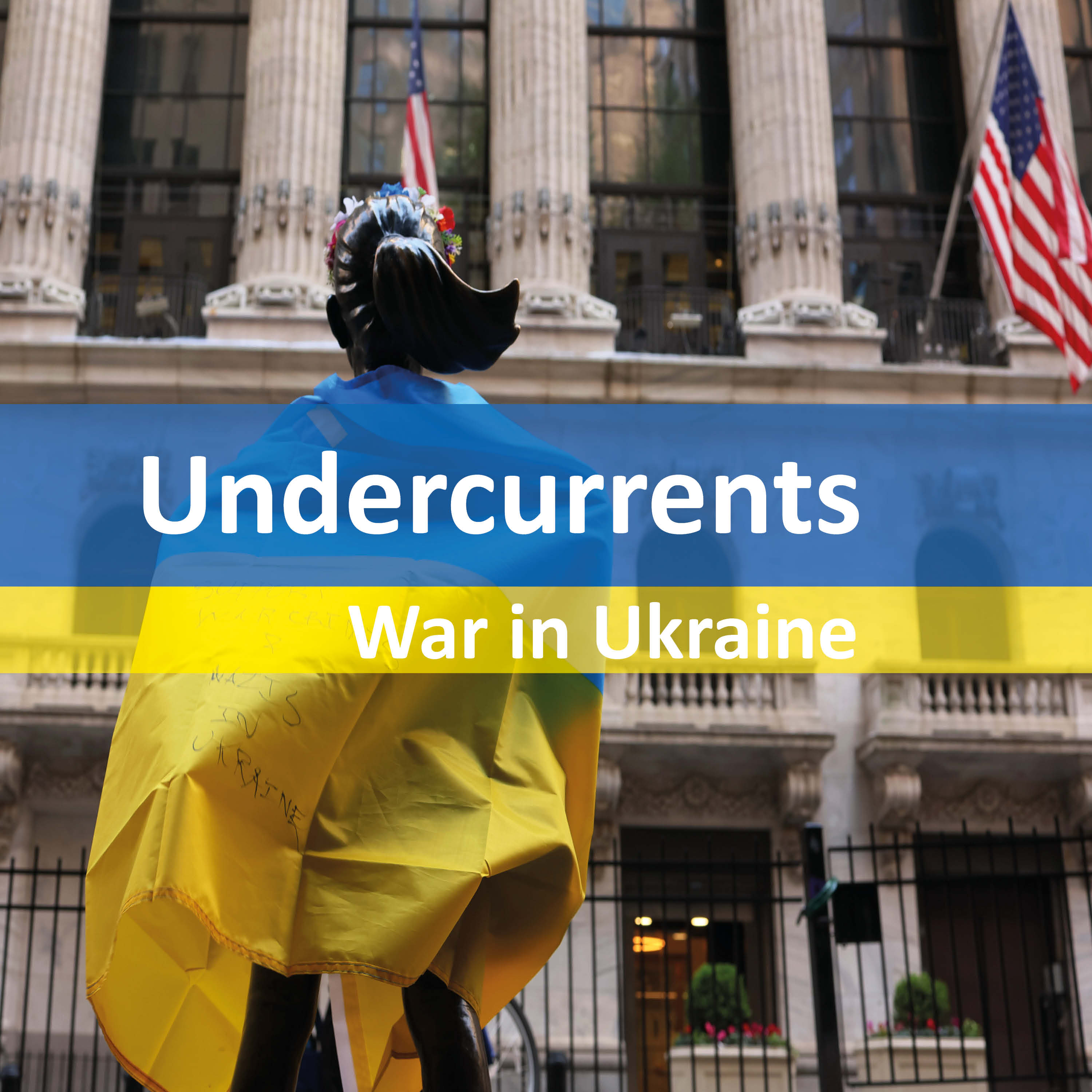
How has the relationship with the United States and Putin changed from president to president? When did the relationship sour and what, if anything, could have been done to send warning signals to Putin? Host: Ned Sedgwick Guests: Dr Leslie Vinjamuri (Director, US and the Americas Programme Chatham House), Dr Charles Kupchan (Professor of International Affairs at Georgetown University, former Sen

War in Ukraine: The world reaction - Brazil and Africa
How have Brazil and Africa reacted to the war in Ukraine? With impending elections in Brazil, how is President Bolsonaro's relationship with Putin received by the public? How will food insecurity affect African nations' response to the war? Host: Ned Sedgwick Guests: Oliver Stuenkel (Associate Professor at the Getulio Vargas Foundation), Samuel Ramani (University of Oxford & Assoc Fellow at the
Episode 106: China's economic perfect storm
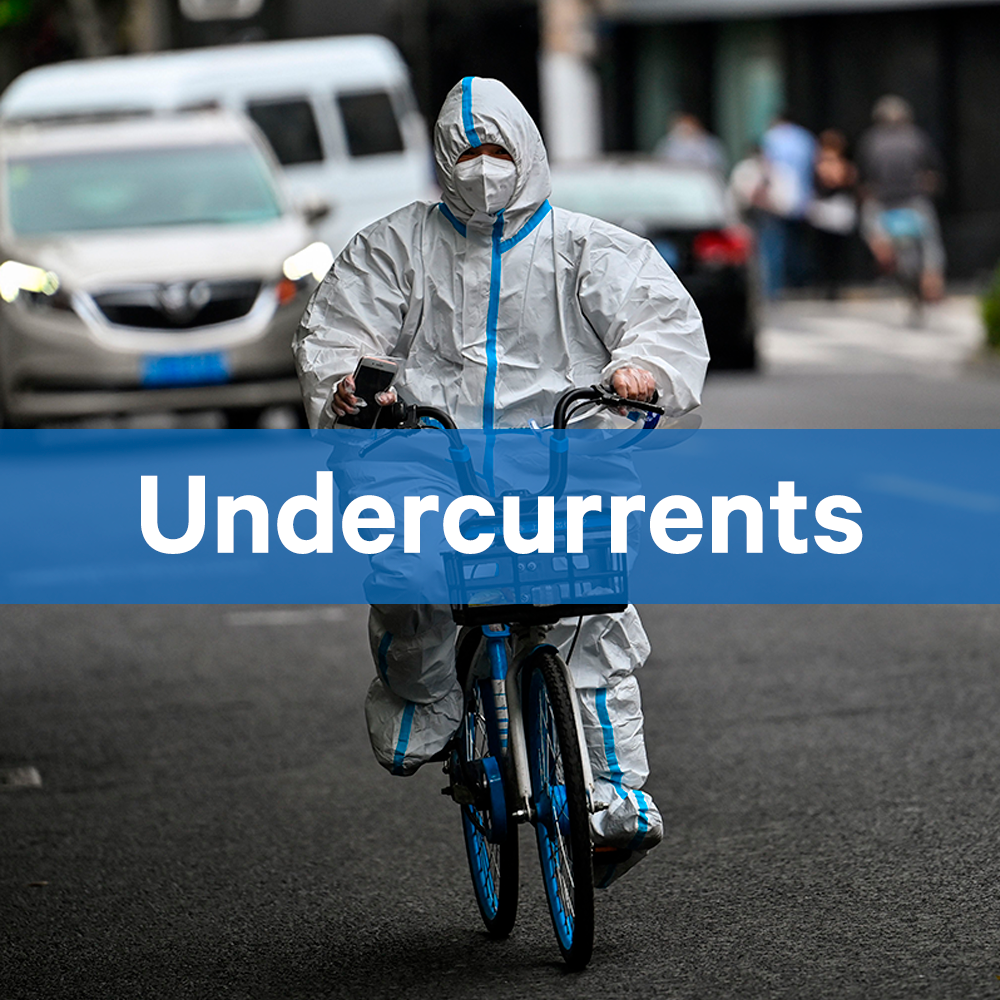
The war in Ukraine and global cost-of-living crisis are exerting pressure on economies across the world. With ongoing COVID-19 lockdowns and food supply chain issues on top of this, China is facing a particularly severe challenge. In this episode Ben speaks with Dr Yu Jie (Asia-Pacific Programme, Chatham House) about the economic 'perfect storm' presenting such an obstacle to President Xi Jinping
War in Ukraine: The world reaction - India and ASEAN
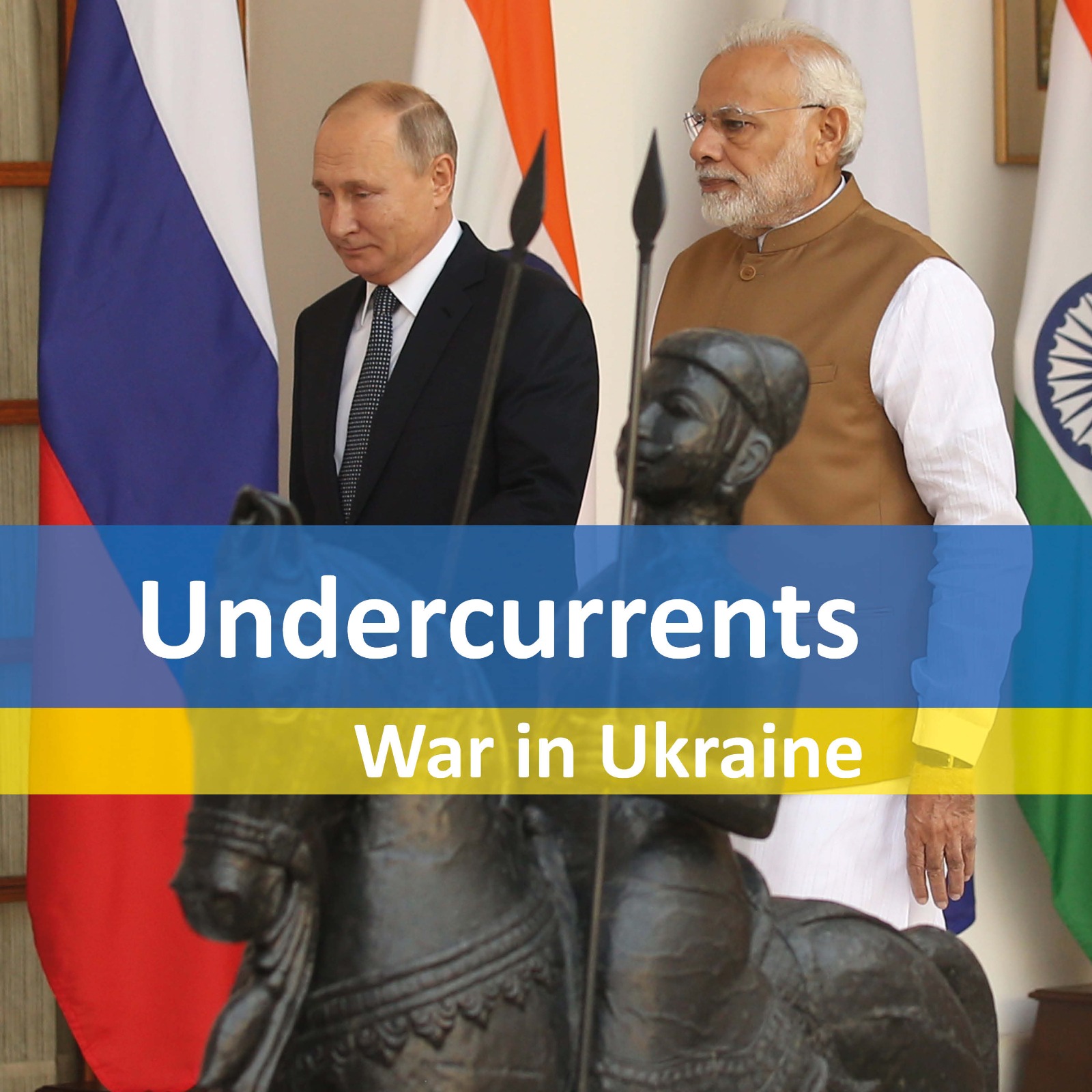
How has India and Southeast Asia reacted to the war in Ukraine? Are they aligning with western sanctions or strengthening ties to Russia? What do they have to gain or lose in involving themselves in the war. Host: Ned Sedgwick Guests: Dr. Shruti Kapila (University of Cambridge), Ben Bland (Chatham House Director, Asia-Pacific Programme), Hunter Marston (Associate 9dashline) This episode was produ

War In Ukraine: The reshaping of the NATO alliance
What was NATO's original purpose and what is its role in the war in Ukraine? Will Finland and Sweden join NATO and what significance does this have? What is Russia's historical relationship with NATO and how did it sour? Host: Ned Sedgwick Clips used: BBC News Guests: Jamie Shea (Former NATO official, Chatham House associate fellow), Dan Sabbagh (The Guardian's Defense and Security Editor), Renat
Episode 105: EU-Turkish migration and borders
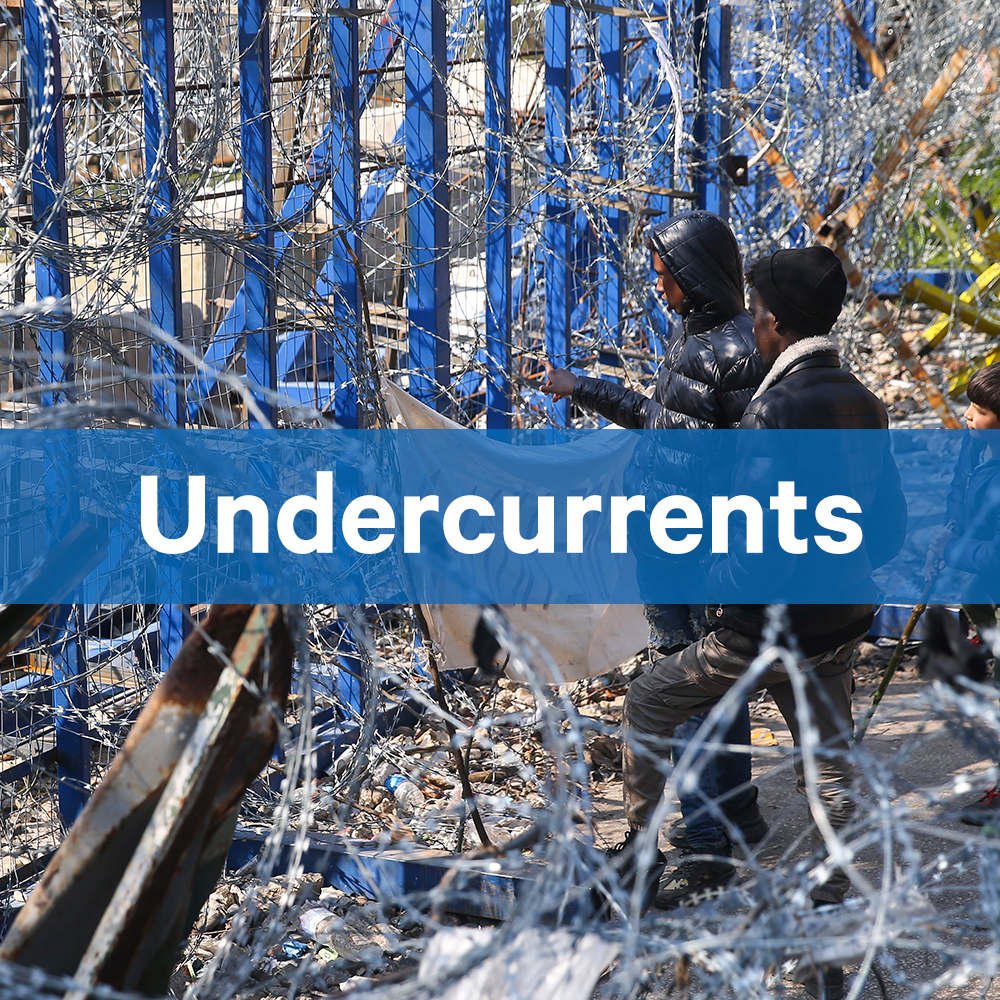
Six years after the EU-Turkey Joint Statement, domestic changes in Turkey and international developments such as the Taliban takeover in Afghanistan have ensured the border between Greece and Turkey remains a hotspot for migration flows. Today, Turkey is one of the world's biggest refugee-receiving countries and hosts four million refugees. In this episode, Ayşen Üstübici, assistant professor at K
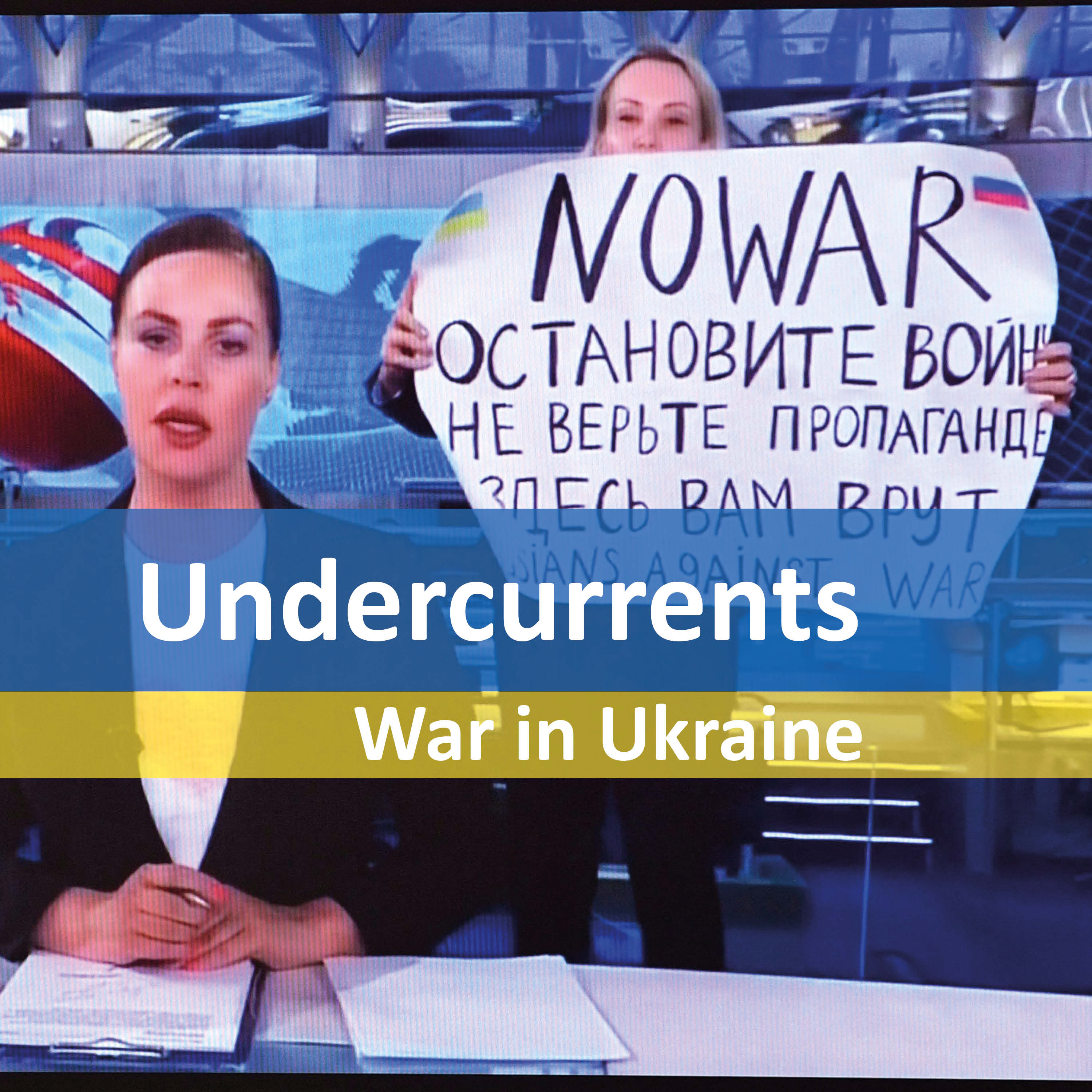
War in Ukraine: Disinformation and the cyber war
How does Russia use disinformation and who are they targeting? How are social networks shaping the war in Ukraine? What can be done to stop the spread of disinformation? Host: Ned Sedgwick Clips used: BBC News Guests: Emily Taylor, Keir Giles, Damian Collins MP This episode was produced by David Dargahi and Anouk Millet of Earshot Strategies on behalf of Chatham House.

Power for refugees: Cooking
Power for refugees is a new two-part podcast on the Undercurrents podcast feed. Over two episodes Ben explores an often-overlooked aspect of humanitarian assistance: access to energy. From Afghanistan to Ukraine to Sudan - the world is grappling with the consequences that emerge when people are forced to flee from their homes. One factor that does not usually make the headlines is that many people
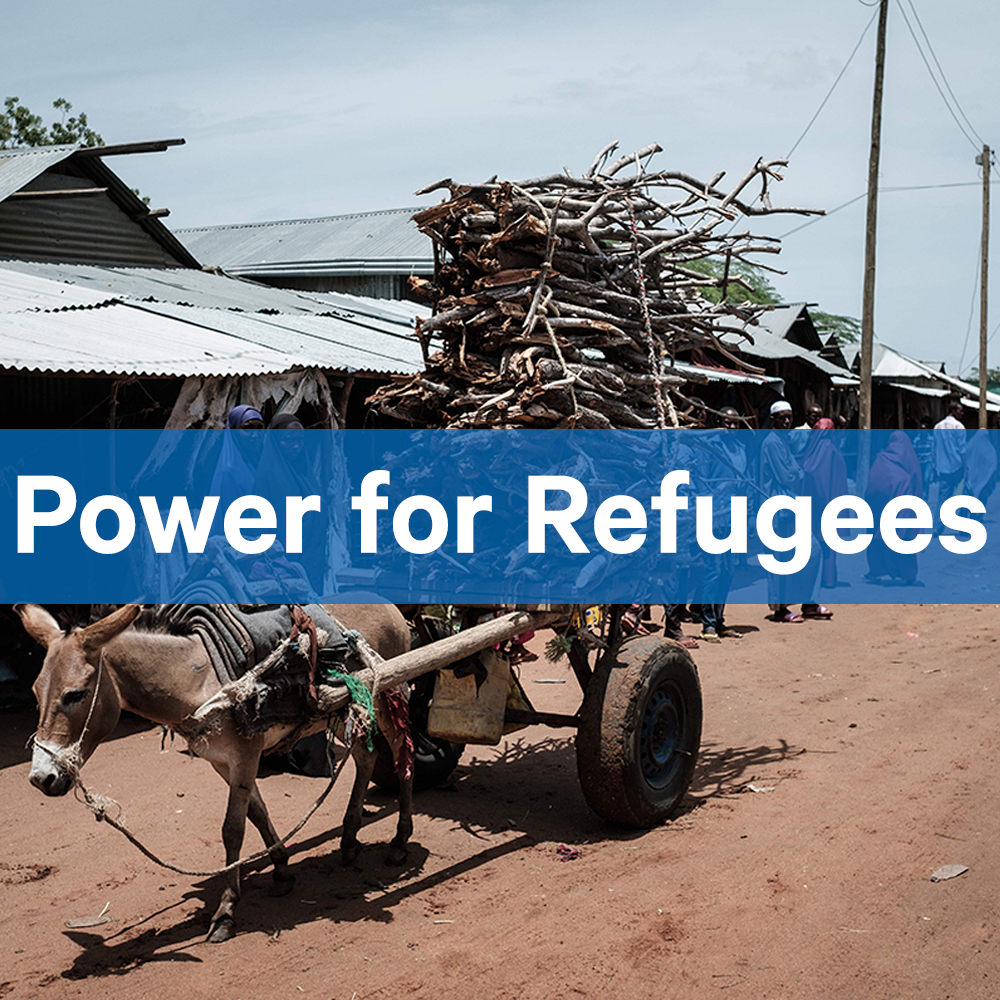
Power for refugees: Electricity
Power for refugees is a new two-part podcast on the Undercurrents podcast feed. Over two episodes Ben explores an often-overlooked aspect of humanitarian assistance: access to energy. From Afghanistan to Ukraine to Sudan - the world is grappling with the consequences that emerge when people are forced to flee from their homes. One factor that does not usually make the headlines is that many people

War in Ukraine: How is the invasion impacting China?
Examining China and its relationship to Russia and Ukraine. What is China's role in the war in Ukraine? What is the state of the relationship between Xi Jinping and Vladimir Putin? Should they serve as mediator or do they have an active interest in a particular outcome? Host: Ned Sedgwick Clips used: South China Morning Post Guests: Professor Rana Mitter, Dr. Yu Jie This episode was produced by

Contentious politics: Libya's decade of upheaval
The Contentious politics since the 'Arab Spring' project seeks to challenge the current prevalent narrative of a failed 2010/2011 series of revolutions in the Middle East and North Africa. The project does this by interrogating the events in the Arab region since 2010 in a critical light, and by introducing a more nuanced analytical lens to understanding the evolution of change in the region and i

Contentious politics: Authoritarianism in the Middle East
The Contentious politics since the 'Arab Spring' project seeks to challenge the current prevalent narrative of a failed 2010/2011 series of revolutions in the Middle East and North Africa. The project does this by interrogating the events in the Arab region since 2010 in a critical light, and by introducing a more nuanced analytical lens to understanding the evolution of change in the region and i

Contentious politics: Change in Lebanon
The Contentious politics since the 'Arab Spring' project seeks to challenge the current prevalent narrative of a failed 2010/2011 series of revolutions in the Middle East and North Africa. The project does this by interrogating the events in the Arab region since 2010 in a critical light, and by introducing a more nuanced analytical lens to understanding the evolution of change in the region and i
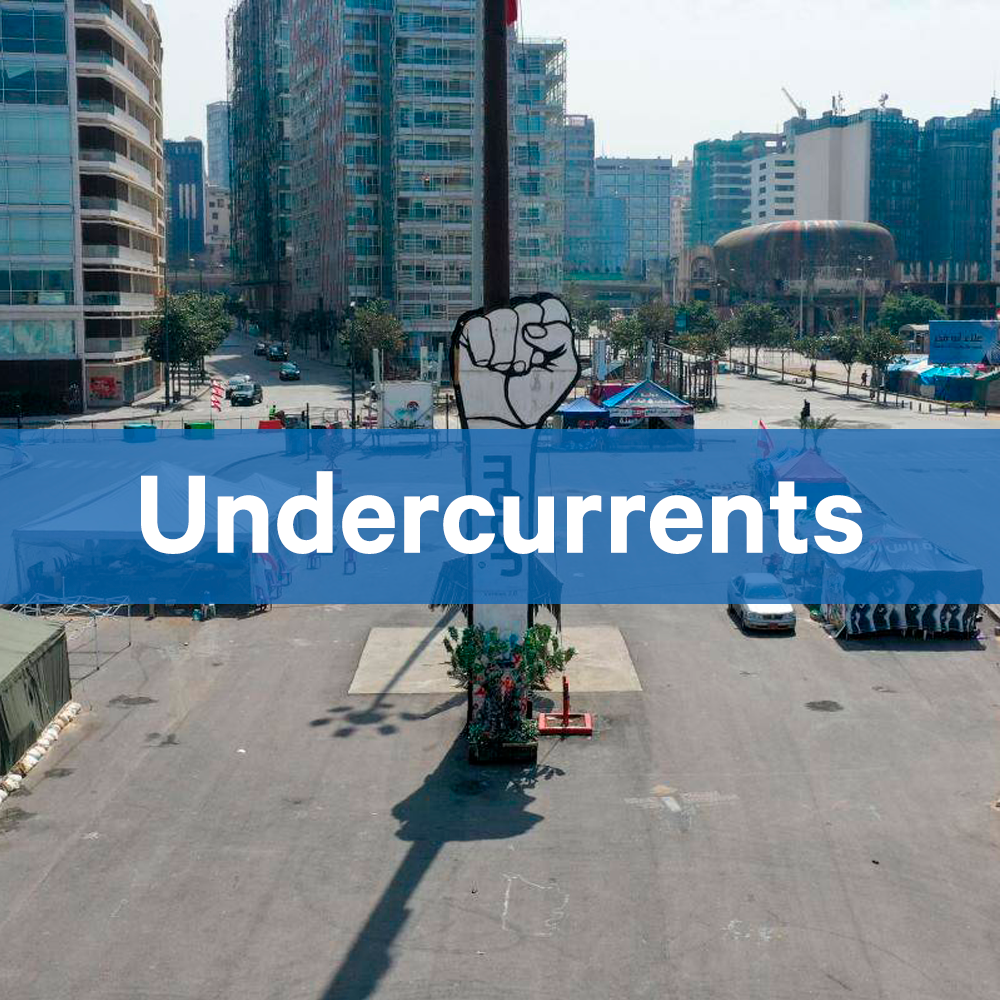
Contentious politics: Legacies of the Arab spring
The Contentious politics since the 'Arab Spring' project seeks to challenge the current prevalent narrative of a failed 2010/2011 series of revolutions in the Middle East and North Africa. The project does this by interrogating the events in the Arab region since 2010 in a critical light, and by introducing a more nuanced analytical lens to understanding the evolution of change in the region and i
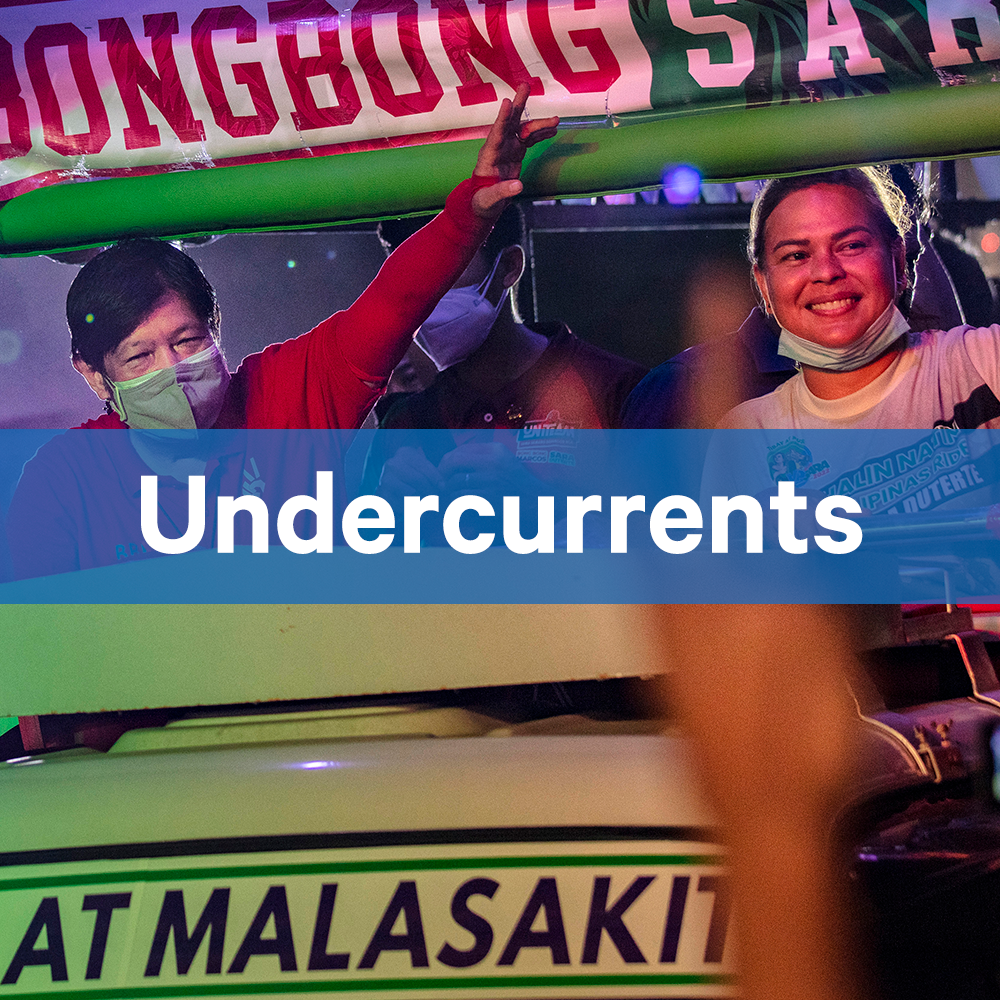
Episode 104: Elections in the Philippines
As the Philippines are set to elect a new president and vice president on May 9, Ferdinand 'Bongbong' Marcos Jr and Sara Duterte appear to be heading for victory at the polls. To better understand how the son of a past dictator and the daughter of the current president are set to win the presidential ticket, Mariana speaks to Philip Bowring about the role of family dynasties in national politics.

War in Ukraine: Can the EU survive without Russian oil and gas?
How reliant is the EU on Russian oil? What would an all-out ban on Russian oil look like? Which countries would be most affected? Does this offer an opportunity for renewable energy? Clips used: Bloomberg News Host: Ned Sedgwick Guests: Helene von Bismark, Neil Quilliam, Antony Froggatt Producer: Anouk Millet from Earshot Strategies
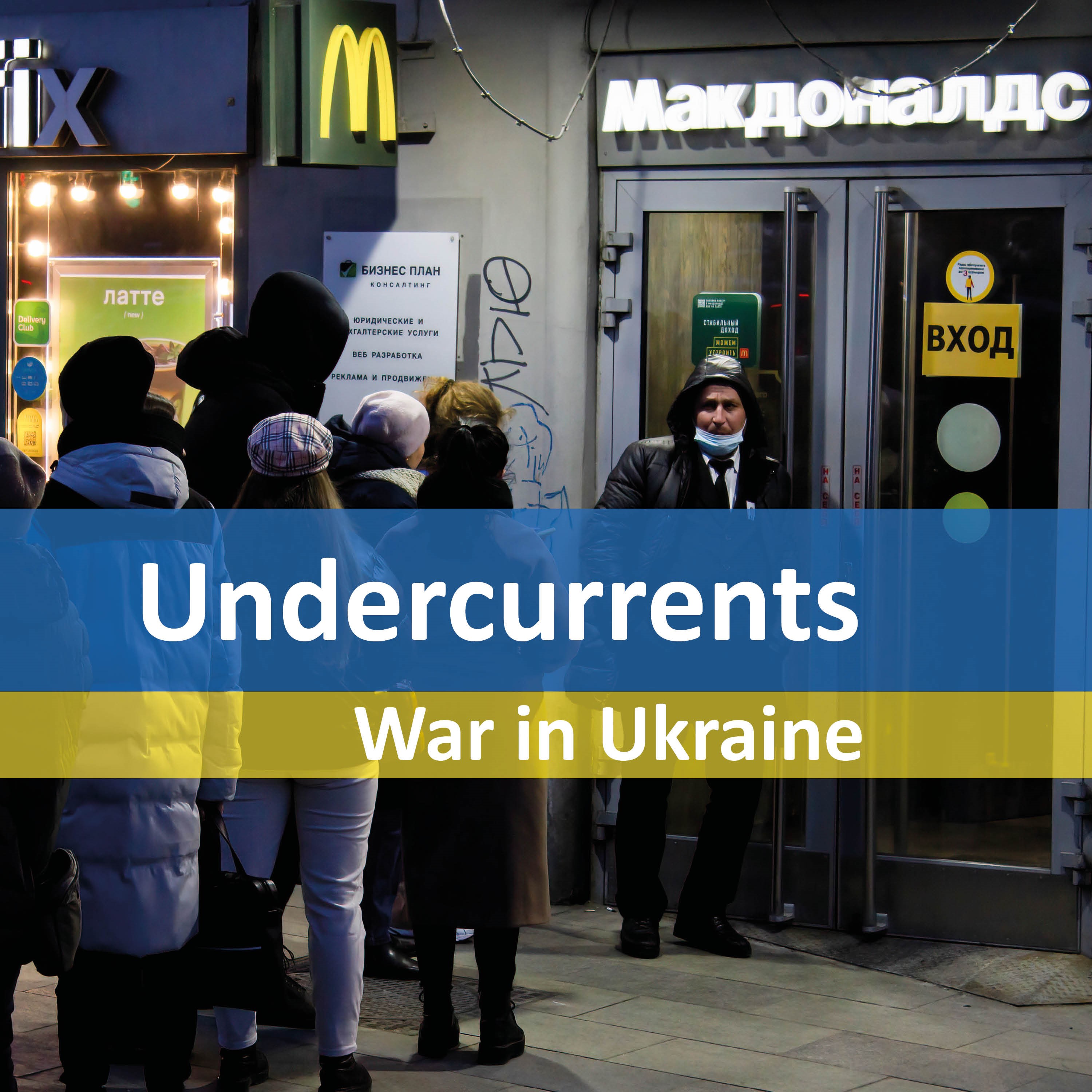
War in Ukraine: Can the sanctions make a difference?
Russia has faced an unprecedented level of sanctions by the West covering the government itself, financial institutions, oligarchs associated with the Kremlin, and much more. But are these sanctions working? Can they really change anything on the ground in Ukraine? Clips used: - DW News - C-Span Credits: Host: Ned Sedgwick Guests: Creon Butler, Christine McDaniel, Bill Browder Producer: Anouk Mi
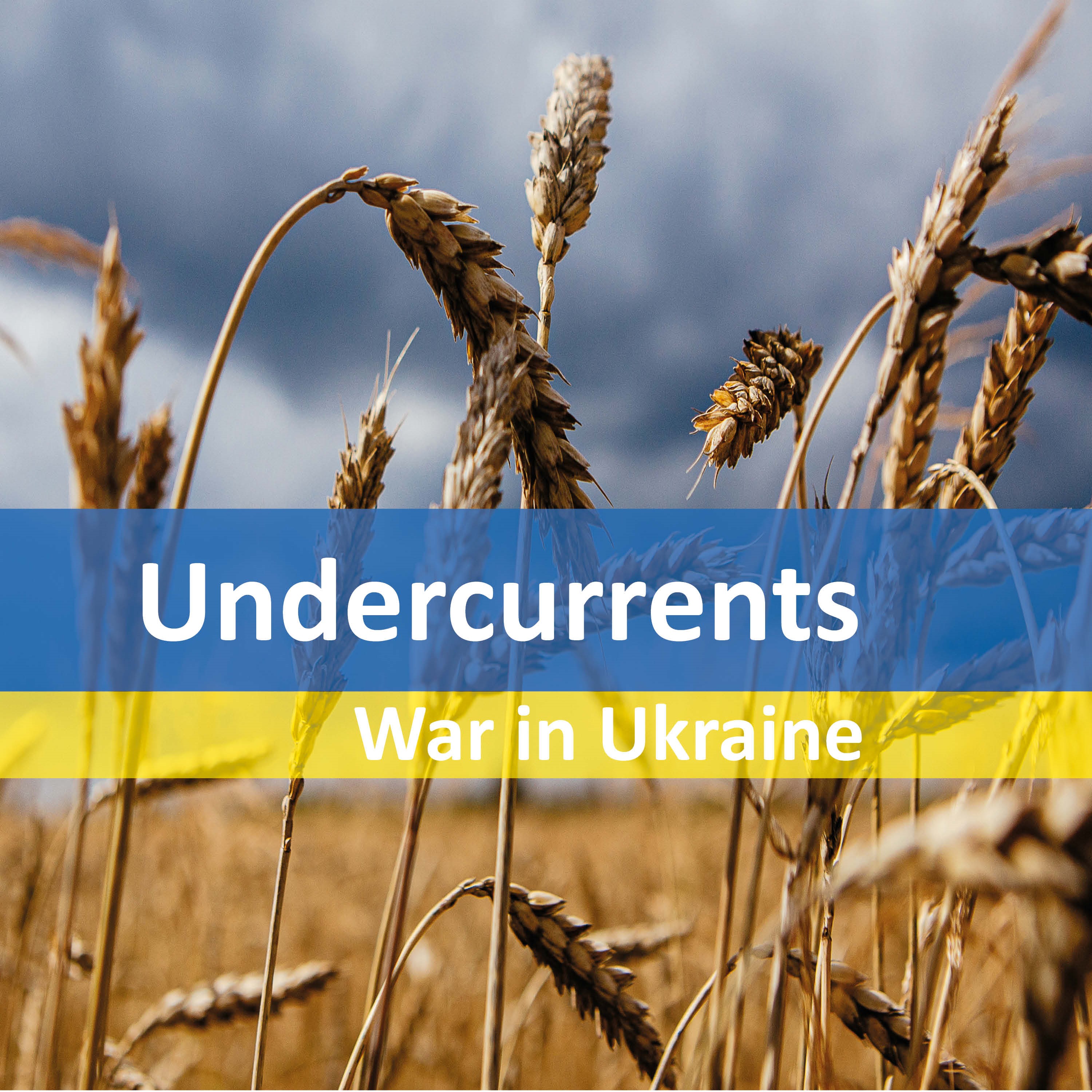
War in Ukraine: Is the war eating away at the world?
After Russia's invasion of Ukraine, we have seen an exponential increase in food prices around the world. In this second episode of our mini-series War in Ukraine, we're trying to understand how and why a war in one part of the world risks causing famines in distant parts of the globe, and what can happen when people go hungry. Read Chatham House's latest research paper on the war's impact on foo
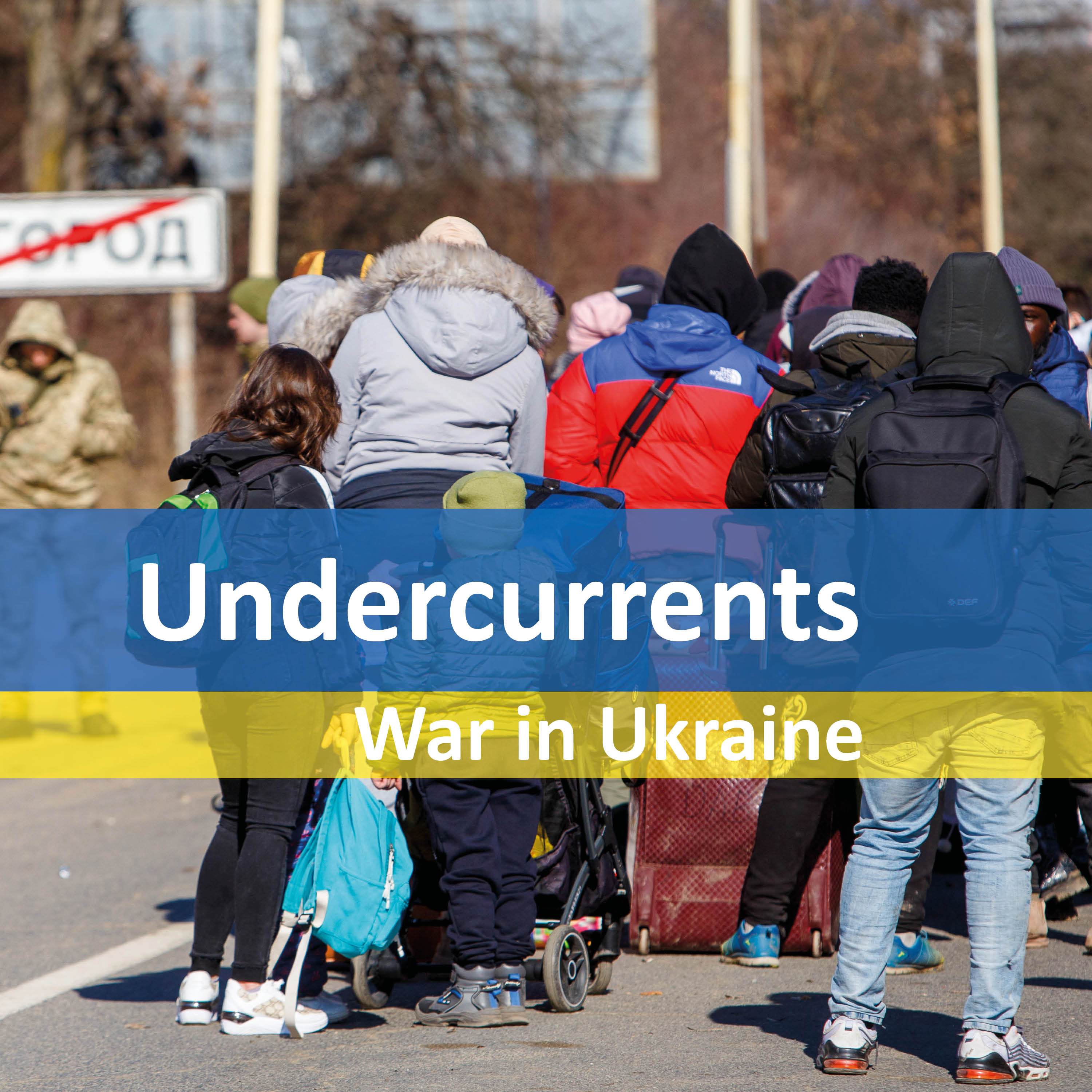
War in Ukraine: Is enough being done to protect Ukrainian refugees?
The war in Ukraine has caused the largest refugee crisis in Europe since WW2. In this first episode of our new War in Ukraine mini-series, we're looking at what Ukrainians face when crossing the border, whether enough is being done to protect them, and the impact on the real lives behind the numbers. Guest-host Ned Sedgwick speaks to Joung-Ah Ghedini-Williams (UNHCR), Emily Venturi (Chatham House)

Reflections at 100: War and conflict
To mark the 100th anniversary of International Affairs, the journal of Chatham House, a new series of six archive collections will explore the past, present and future of current affairs issues. Each collection will be accompanied by an episode in this mini-series, where we explore what the research tells us about policy-making today. This episode is all about war and conflict. Krisztina Csortea
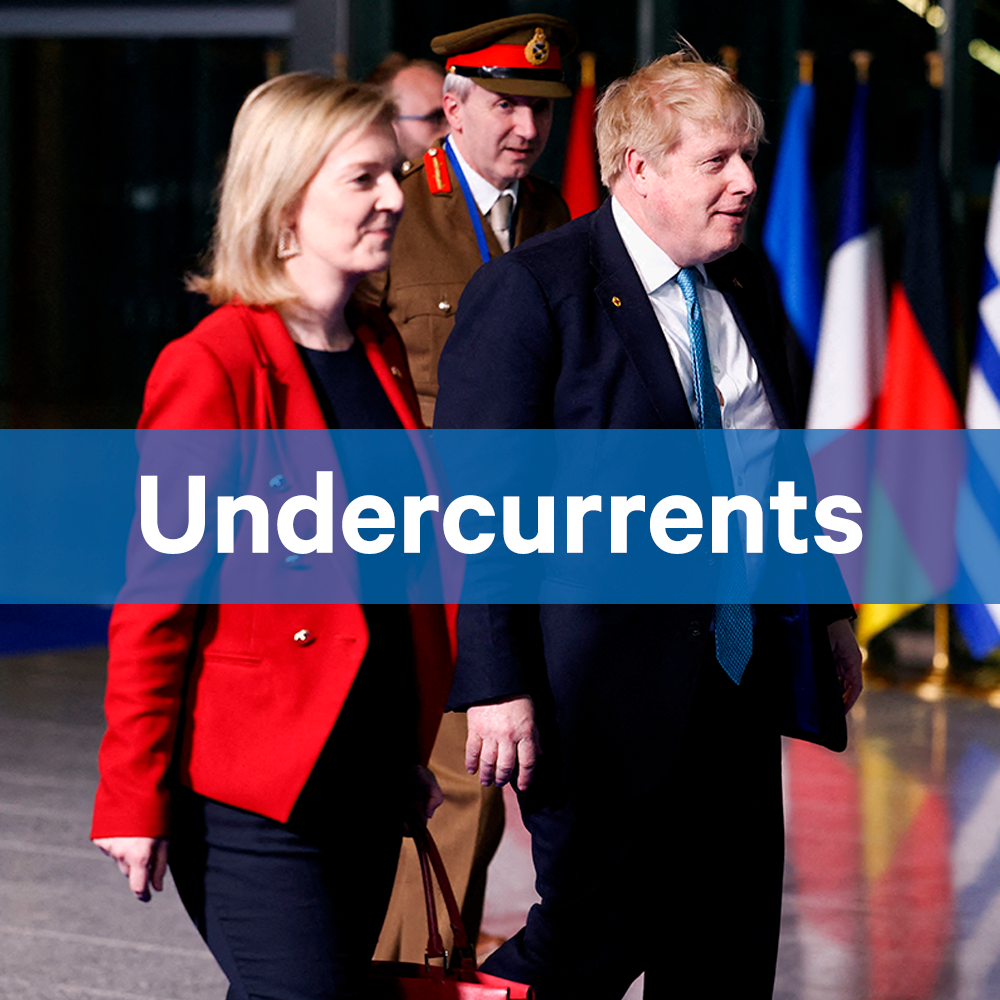
Episode 103: Global Britain one year after the Integrated Review
A year on from the publication of the UK's Integrated Review of Security, Defence, Development and Foreign Policy, Chatham House Director Dr Robin Niblett shares his assessment of how Boris Johnson's government has implemented its vision of Global Britain. Read the Chatham House research paper: Global Britain in a divided world: Testing the ambitions of the Integrated Review Credits: Speaker: Rob

Episode 102: Cross-border conflict
Protracted conflicts in the Middle East and North Africa, Horn of Africa and parts of Asia, although usually arising from intra-state disputes, rarely remain contained within national borders. Through the XCEPT project, supported with UK Aid from the UK government, Chatham House explores the informal supply chains and economies that develop across borders during times of war. In this episode, XCE

Reflections at 100: UK foreign policy
What has been going on in UK foreign policy over the last century, and how have leading thinkers approached it? To mark the 100th anniversary of International Affairs, the journal of Chatham House, a new series of six archive collections will explore the past, present and future of current affairs issues. Each collection will be accompanied by an episode in this mini-series, where we consider wha

Episode 101: Feminist foreign policy, and adapting to an age of crisis
The idea of feminist foreign policy has entered the political mainstream in recent years, but does adoption by governments risk diluting the more radical dimensions of its agenda? To mark International Women's Day, Mariana is joined by Marissa Conway, co-founder of the Centre for Feminist Foreign Policy, to discuss the trajectory of FFP. Then Ben speaks with former UK Ambassador to Lebanon Tom Fl

Episode 100: China's space policy, and social mobility in Britain
As a site of enormous economic and military potential, space is the latest domain to be drawn into the strategic competition between Earth's great powers. In this episode, Ben is joined by Asia-Pacific Programme Senior Research Fellow Yu Jie, who explains the development of China's space policy, and why we should be worried about US-China relations in orbit. Then Yusuf Hassan and Ani Martirossian

Episode 99: Race and imperialism in international relations
The murder of George Floyd in 2020 and subsequent global escalation of Black Lives Matter movements highlighted the racial inequalities that exist in the United States and beyond. In the United Kingdom and many other former colonial states these movements have come to reflect upon the ongoing legacies of empire in modern society. Today, colonial history has become a weapon in the culture wars, wit
Episode 98: Humanitarian system failure, and crisis in Afghanistan
This week, Undercurrents is joined by the International Rescue Committee (IRC) to explore a new report on the humanitarian crises that require global attention in 2022. A record number of people across the world are in need of humanitarian assistance. 20 countries which are home to 10% of the global population account for 89% of global humanitarian need, driven by a wide range of factors including

Episode 97: US democracy one year after the Capitol riot
On 6 January 2021, a large crowd supporting the defeated President Donald Trump stormed the US Capitol. The violence which ensued resulted in the deaths of at least seven people, and caused shockwaves around the world. In this episode Ben is joined by Gabriella Cook-Francis, the Leland Foundation Association of Marshall Scholars Transatlantic Academy Fellow in the US & Americas Programme at Chatha
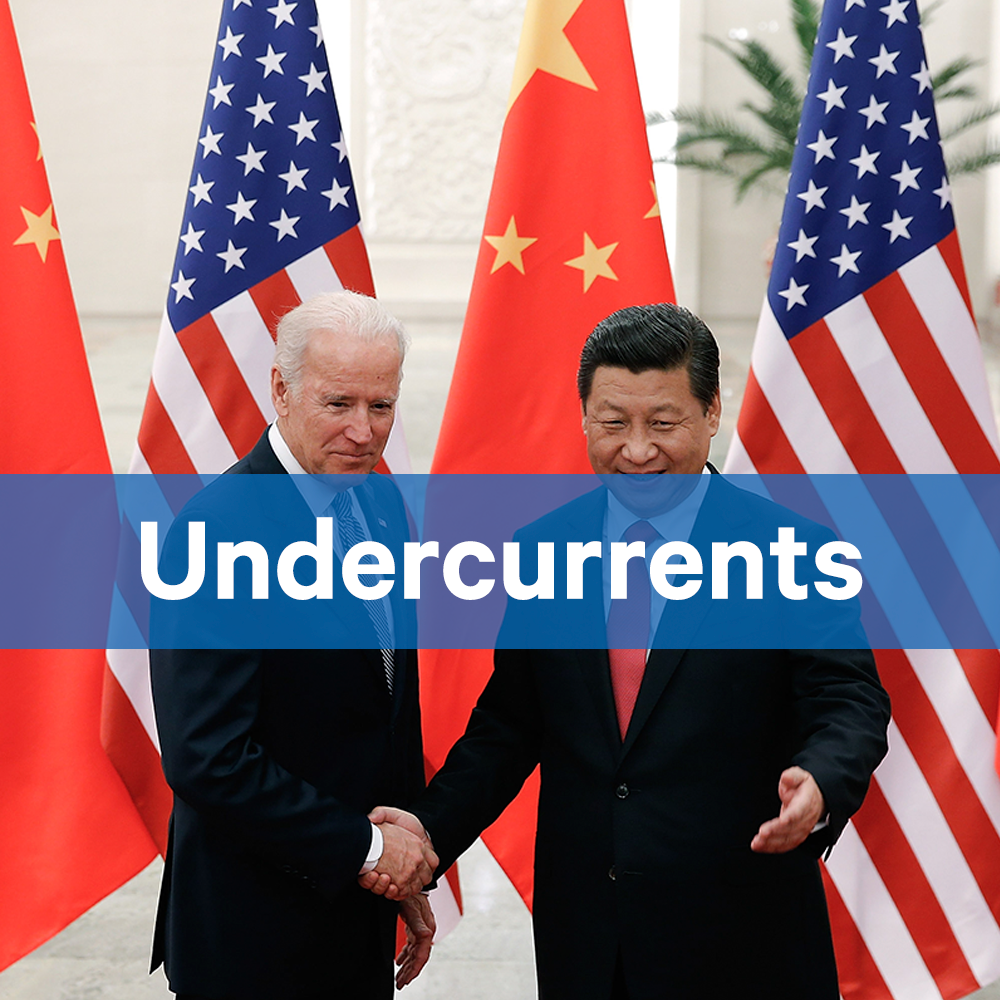
Episode 96: The US-China rivalry in an age of crisis
The twin crises of COVID-19 and climate change have exposed weaknesses in the institutions and diplomatic relationships designed to support global governance. In a new series of articles for Chatham House, author and journalist John Kampfner has been exploring how competition between the United States and China has exacerbated these faultlines. In his final piece, John assesses the relative soft p
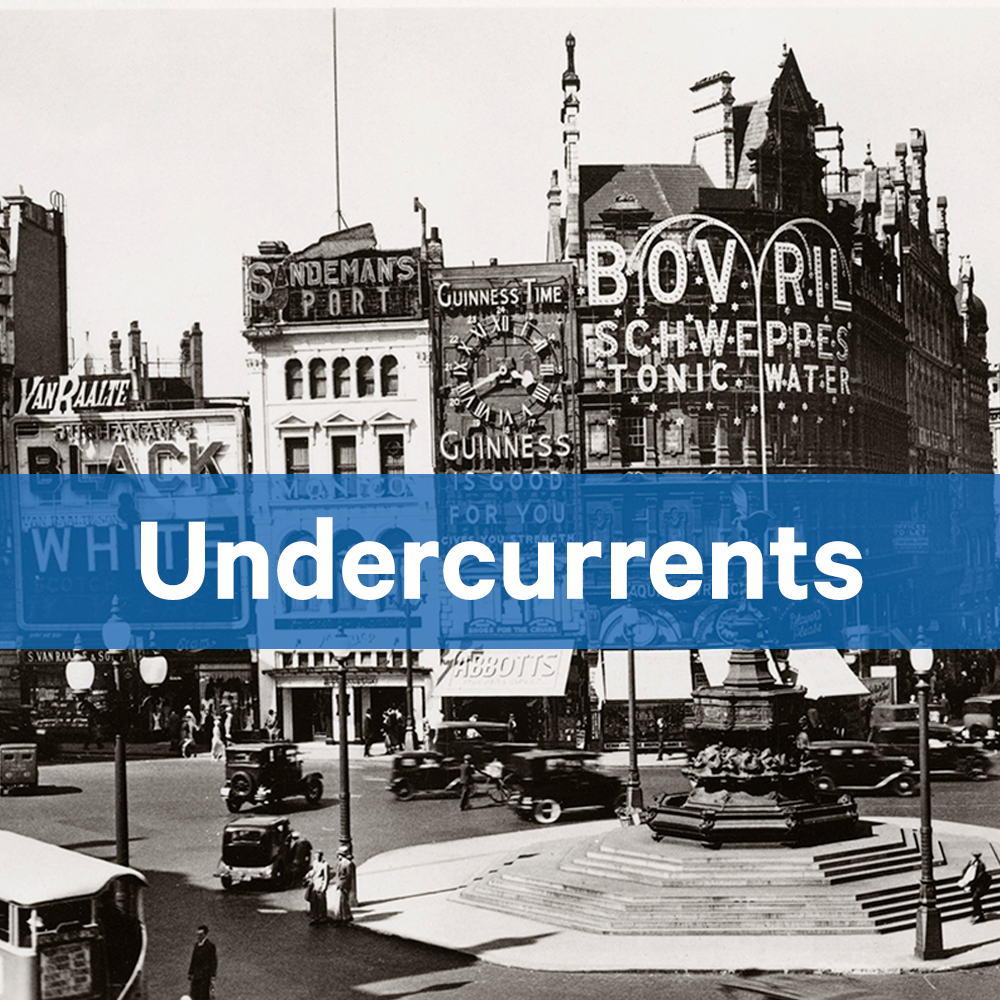
Bonus: 100 years of Piccadilly Circus
Piccadilly Circus is one of the best-known landmarks in London, but the site has undergone significant change in the past 100 years. How has this affected the lives and livelihoods of local people? For this bonus episode of Undercurrents, the team explore the history of Piccadilly Circus with help from the Chatham House SNF CoLab. The CoLab is a project which aims to share our ideas in experiment

Episode 95: COVID-19 update, and how NATO survived Trump
As the new omicron variant spreads across the globe, and vaccine distribution continues to reveal inequities between the global North and South, Mariana catches up with Rob Yates (Director of the Global Health Programme at Chatham House) to find out where things stand going into 2022. Then, Ben is joined by Leonard Schuette (a PhD candidate from the University of Maastricht), whose recent article
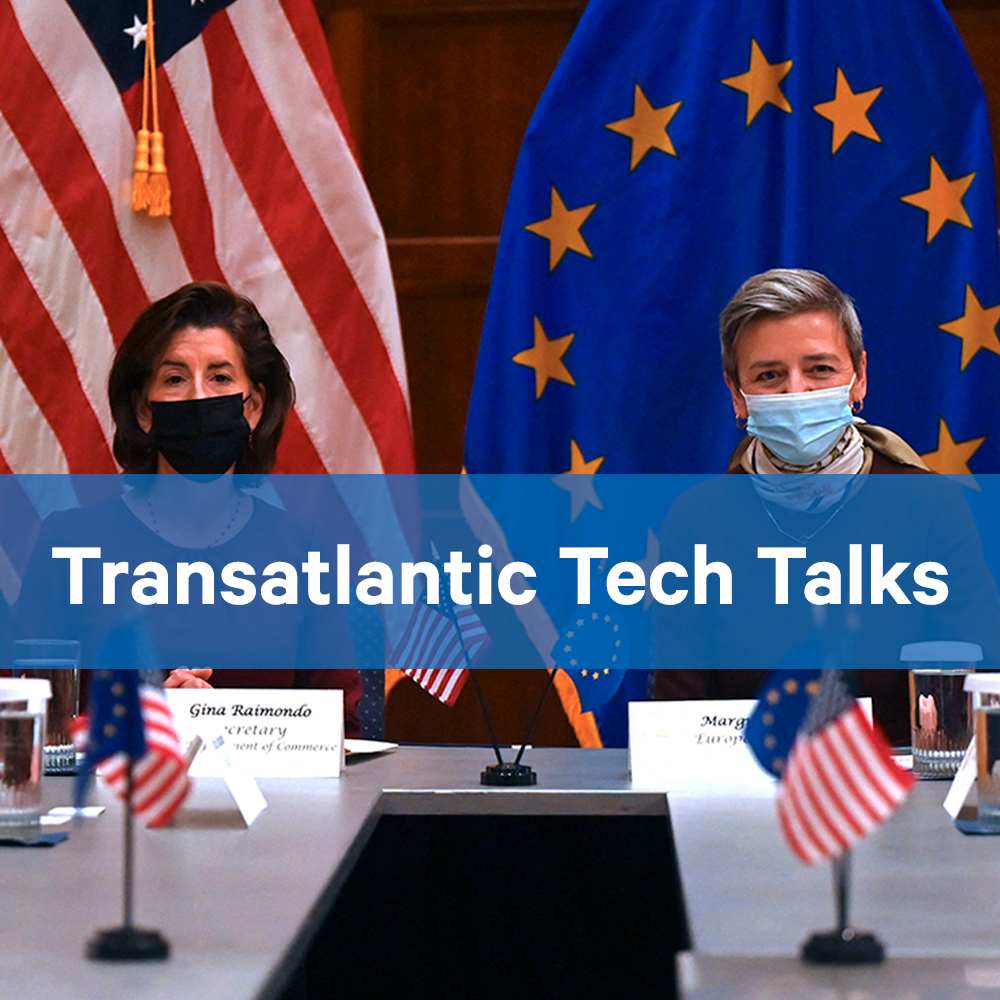
Transatlantic Tech Talks: Digital trade
Transatlantic Tech Talks is a three part mini-series on the Undercurrents podcast feed, produced with the support of Microsoft, which explores the state of international cooperation on digital governance between Europe, the UK and USA. As technological innovation accelerates, and new digital tools and business models arise, governments are working to develop a framework of regulations to safeguard
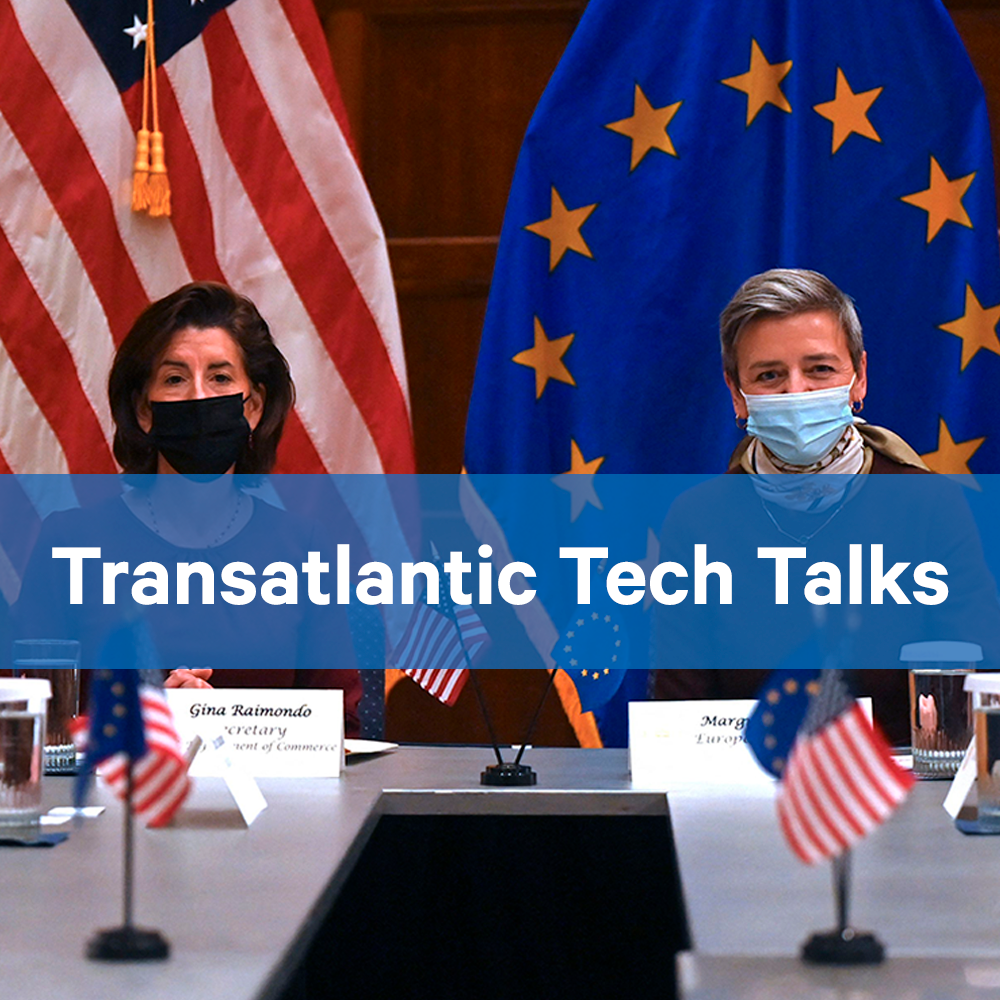
Transatlantic Tech Talks: Digital technical standards
Transatlantic Tech Talks is a three part mini-series on the Undercurrents podcast feed, produced with the support of Microsoft, which explores the state of international cooperation on digital governance between the United States, the UK and Europe. As technological innovation accelerates, and new digital tools and business models arise, governments are working to develop a framework of regulation

Transatlantic Tech Talks: Cooperation or sovereignty?
Transatlantic Tech Talks is a three part mini-series on the Undercurrents podcast feed, produced with the support of Microsoft, which explores the state of international cooperation on digital governance between the United States, the UK and Europe. As technological innovation accelerates, and new digital tools and business models arise, governments are working to develop a framework of regulation

Episode 94: Racial politics and US philanthropy
Since its publication in 1944, many Americans have described Gunnar Myrdal's An American Dilemma as a defining text on US race relations. Funded by the Carnegie Corporation, Myrdal's research explored the socio-economic conditions experienced by much of the black population in the United States, and proposed policies which would encourage assimilation of those communities into white America. But w
Undercurrents 93: COP26 analysis, and the politics of language survival
As the dust settles from COP26, the 2021 UN climate summit, Ben is joined by Anna Aberg to discuss the key outcomes and insights from the conference. They consider the progress made on mitigation, adaptation, climate finance and the so-called 'Paris rulebook', and look ahead to what the agenda could look like in a year's time at COP27. Then Mariana interviews journalist and author James Griffiths
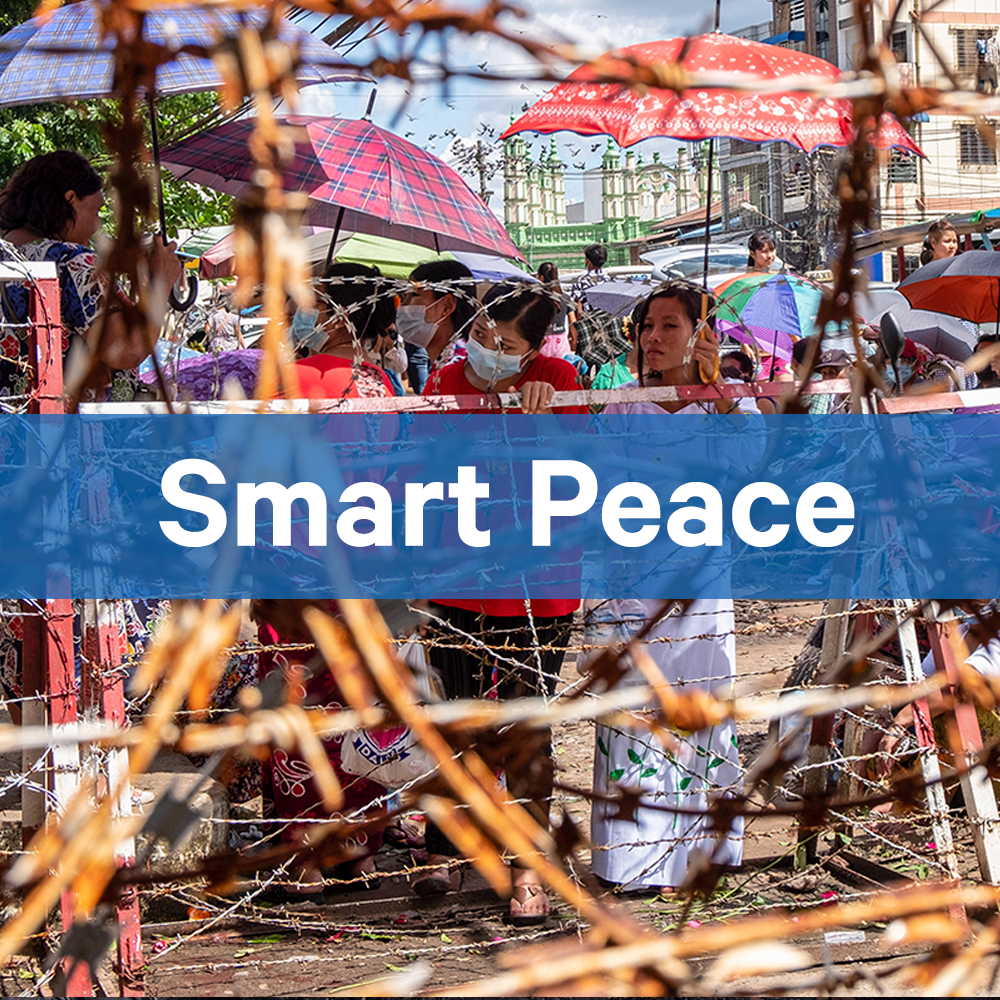
Smart Peace: Myanmar
In this episode of Smart Peace, we explore the recent history of peacebuilding in Myanmar through the experience of the Smart Peace project. Smart Peace is a global initiative led by Conciliation Resources, which combines the varied expertise of different consortium partners to address the challenges of building peace – focusing on the Central African Republic, Nigeria and Myanmar. In this final
Smart Peace: Nigeria
Smart Peace is a new podcast mini-series on the Undercurrents podcast feed. Over three episodes Ben Horton explores new approaches to peacebuilding and conflict resolution with experts from the Smart Peace project. Smart Peace is a global initiative led by Conciliation Resources, which combines the varied expertise of different consortium partners to address the challenges of building peace – foc

Smart Peace: Central African Republic
Smart Peace is a new podcast mini-series on the Undercurrents podcast feed. Over three episodes Ben explores new approaches to peacebuilding and conflict resolution with experts from the Smart Peace project. Smart Peace is a global initiative led by Conciliation Resources, which combines the varied expertise of different consortium partners to address the challenges of building peace – focusing o

Undercurrents: Climate perspectives from COP26
For the last two weeks the latest UNFCCC climate summit has taken place in Glasgow, UK. Policymakers from all over the world have gathered at COP26 to attempt to agree on increasingly ambitious plans to tackle the climate crisis. In this episode, Ben shares some interviews from the fringes of COP26. Simon Mundy, Moral Money Editor at the Financial Times, shares his reflections on what business wa
Episode 91: Climate geopolitics, and legal justice for global warming
As the first week of the UN climate change summit, COP26, takes place in Glasgow, Ben and Mariana return with two contrasting interviews on the climate crisis. Ben speaks to Kevin Rudd, former Prime Minister of Australia and President of the Asia Society, about the geopolitics of climate action. They discuss China's role in the climate negotiations, how great power competition with the United Sta
Episode 90: Black Lives Matter, and Chatham House's EDI Working Group
It's been over a year since George Floyd's murder made the Black Lives Matter movement globally recognised. Since then, the struggle for racial justice and equality has permeated organisations and communities, including Chatham House. In recognition of its advocacy and campaigning, and as part of its centenary celebrations, Chatham House staff awarded the Black Lives Matter movement its Centenary
Episode 89: Europe's far-right educational institutions
In Hungary, France and Spain, new political movements from the far-right are attempting to reshape their education systems. Under the supportive eye of Prime Minister Viktor Orban, the recently established National University of Public Service seeks to embed nationalist illiberal values in a new generation of Hungarian students. Meanwhile in France and Spain, far-right public figure Marion Maréch

Episode 88: Taiwan, and elections in Latin America
The controversial AUKUS security agreement, perceived by some as a way to counter China's expansionist ambitions, has underlined the geopolitical significance of the Indo-Pacific region. One possible site of future conflict in the region is the Taiwan Straits, which separate the Republic of Taiwan from the Asian mainland. In this episode, Amrit speaks to Dr Yu Jie and Dr Liana Fix about a recent s
Episode 87: Youth perspectives on 9/11
20 years ago the United States suffered the worst terror attacks in its history, sparking a fundamental shift in US foreign policy towards the Middle East. Many citizens in the United States and beyond can still remember where they were on 11 September, 2001. But what do younger generations think about 9/11? To find out, Ben speaks to three colleagues who were all young children at the time of the

Episode 86: Politics in Lebanon, and the rise of digital repression
Amidst severe governance challenges, Hezbollah has risen to become the dominant political actor in Lebanon. In this episode, Mariana is joined by Dr Lina Khatib, Director of the Middle East and North Africa Programme at Chatham House, to discuss the dynamics underlying the Lebanese political system, and how a series of crises have affected the balance of power in the country. Then Ben explores how

Episode 85: The global human rights system, and responding to ransomware
The COVID-19 pandemic, new systems of digital repression and the strengthening of authoritarian governments around the world have put significant strain on the international human rights system. To consider the prospects for multilateral human rights protection and the role that civil society activism can play in this, Ben is joined by Dr Agnès Callamard, the Secretary General of Amnesty Internati

Episode 84: Gillian Triggs on refugee protection
The COVID-19 pandemic has triggered national lockdowns and closed down borders across the world. In this context, the need to protect the rights and welfare of refugees has become even more acute. To discuss the threats facing forcibly displaced populations, and the policy responses required to mitigate them, Ben is joined by Emily Venturi, the Schwartzman Academy Fellow in the Asia-Pacific progra
BONUS: Thant Myint-U on Myanmar
In this bonus episode, Chatham House has teamed up with the Asia Matter podcast to co-publish a discussion of the latest developments in Myanmar. The most shocking political development in Asia so far this year is arguably the seizure of power by the military in Myanmar, and the arrest of the country's former de facto leader Aung San Suu Kyi. The military's crackdown on protests and other resista

Episode 83: Afghanistan, and Indian democracy under Modi
In this week's episode, Mariana is joined by Hameed Hakimi from the Asia-Pacific Programme to discuss the implications of the US troop withdrawal from Afghanistan. They consider, among other things, the strength of Afghan governance structures, the prospects for the Taliban, and the complexity of responding to widespread population movement in the region. Then Amrit speaks to Debashish Roy Chowdh

Episode 82: The Oversight Board's Trump decision, and Merkel's legacy
In the wake of the storming of Capitol Hill on 6 January 2021, social media platforms took steps to remove former President Donald Trump from their websites for infringing community standards. This step was welcomed by many, but also raised serious questions about the power of social media companies to limit free speech and censor elected officials. The suspension of President Trump from Facebook

Episode 81: Greek digital governance, and rethinking atrocity prevention
The COVID-19 pandemic has caused governments across the world to re-imagine their systems for engaging with citizens. Many have turned to digital tools to find new ways of tracking the spread of the virus, and to deliver public services during national lockdowns. In this episode of Undercurrents, Ben is joined by Kyriakos Pierrakakis, the Minister of Digital Governance for the Hellenic Republic (G

Episode 80: The impact of #EndSARS
In this episode, Undercurrents has teamed up with Saferworld's Warpod to discuss security forces in Nigeria and the role played by young people in trying to bring about change. The episode is broken into two halves. Abigail Watson and Delina Goxho are first joined by Tarela Ike from Teesside University and Odeh Friday from Accountability Lab. They discuss the problems with responses to Boko Haram

Episode 79: Gender and COVID-19, and US environmental politics
This week Lara Hollmann and Mariana Vieira bring you two fascinating interviews with recent contributors to Chatham House's publications, International Affairs and The World Today. First, Lara speaks to Dr Sophie Harman from Queen Mary University of London about her research into the gender dynamics of the COVID-19 pandemic. Sophie argues that for too many policymakers, gendered roles are complac

Korea at the crossroads: Developing ties with Southeast Asia
Over the course of five episodes, all published this week, John Nilsson-Wright, the Korea Foundation Fellow in the Asia-Pacific Programme at Chatham House explores the strategic relations of Korea, asking how the country is seeking to protect its interests in an increasingly contested Pacific region. In this, the final episode, John is joined by Eui-Hae Cecilia Chung, Deputy Director-General of th

Korea at the crossroads: The view from Europe
Over the course of five episodes, all published this week, John Nilsson-Wright, the Korea Foundation Fellow in the Asia-Pacific Programme at Chatham House explores the strategic relations of Korea, asking how the country is seeking to protect its interests in an increasingly contested Pacific region. In this, the fourth episode, John is joined by Nathalie Tocci, Director of Italy's Istituto Affari

Korea at the crossroads: Relations with Japan
Over the course of five episodes, all published this week, John Nilsson-Wright, the Korea Foundation Fellow in the Asia-Pacific Programme at Chatham House explores the strategic relations of Korea, asking how the country is seeking to protect its interests in an increasingly contested Pacific region. In this, the third episode, John is joined again by Jennifer Lind to interview Nobukatsu Kanehara,

Korea at the crossroads: South Korea's priorities
Over the course of five episodes, all published this week, John Nilsson-Wright, the Korea Foundation Fellow in the Asia-Pacific Programme at Chatham House explores the strategic relations of Korea, asking how the country is seeking to protect its interests in an increasingly contested Pacific region. In this episode, John is joined by Wi Sunglac, a retired career diplomat with several decades expe
Korea at the crossroads: The strategic context
Welcome to Korea at the crossroads, a new mini-series on the Undercurrents podcast feed. Over the course of five episodes, all published this week, John Nilsson-Wright, the Korea Foundation Fellow in the Asia-Pacific Programme at Chatham House will explore the strategic relations of Korea, asking how the country is seeking to protect its interests in an increasingly contested Pacific region. In t
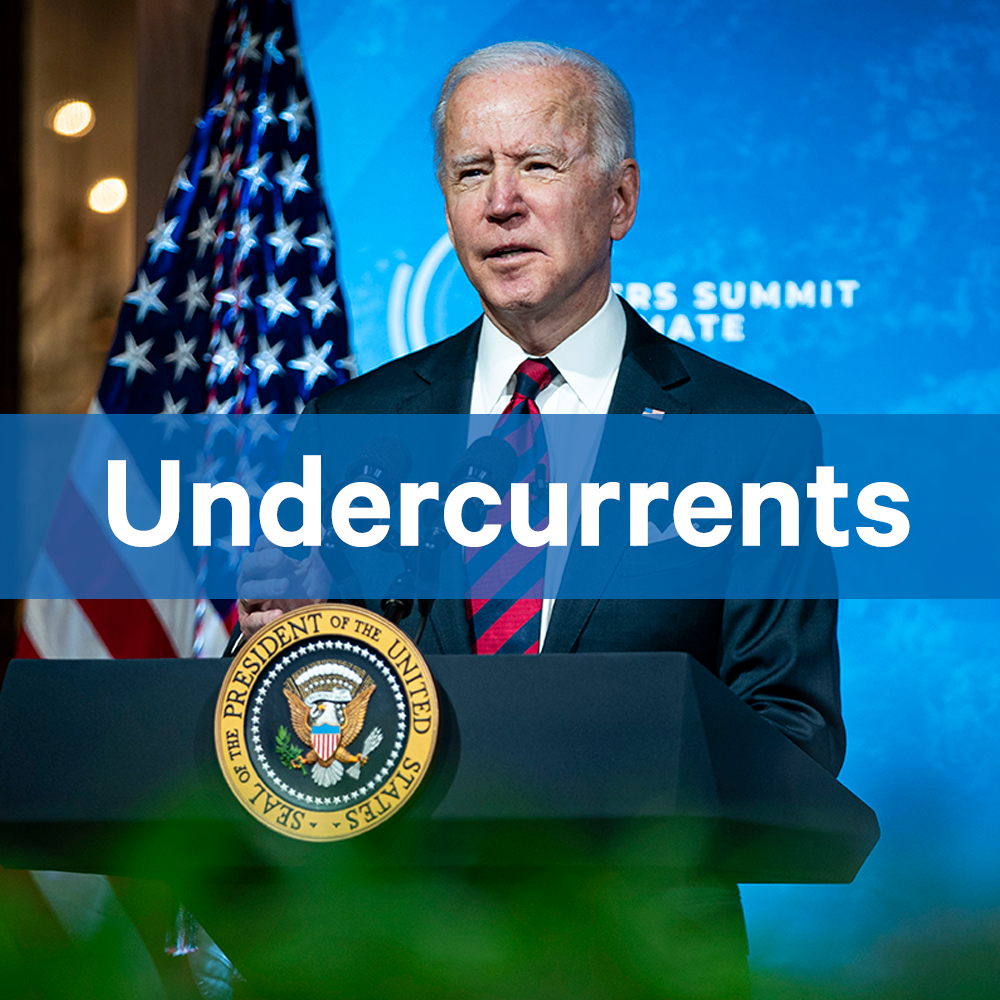
Episode 78: President Biden's first 100 days
Despite a rapidly mounting domestic agenda, President Biden has already set up an ambitious foreign policy programme, from taking the United States back into the Paris Agreement to announcing the withdrawal troops from Afghanistan. To explore what we've learnt from the first three months of US foreign policy under President Biden, Ben is joined by Leslie Vinjamuri. Visit the Chatham House microsit

Episode 77: The post-pandemic gig economy, and China's 14th five-year plan
This week the Undercurrents team dive into two critical issues for the global economy. Amrit speaks to Chris Sabatini from the US & Americas programme about his latest briefing on how governments and economic institutions can protect informal workers in the post-pandemic gig economy. Then Ben is joined by Yu Jie from the Asia-Pacific Programme, who explains the key developments and implications ar

Episode 76: Public science during COVID-19, and protecting women journalists
The COVID-19 pandemic has revealed much about how politicians, media and the wider public understand science. Ben is joined by Angela Saini to explore how science literacy can be improved. They also discuss how faulty science has contributed to the culture of structural racism revealed by the Black Lives Matter movement. Then Mariana speaks to Kiran Nazish from the Coalition for Women in Journali