Poverty Unpacked podcast
This podcast features conversations with activists, researchers, policymakers, and individuals with lived experience of poverty. Each episode examines how poverty affects mental health, relationships, emotions, and wider society, while also discussing potential solutions. The show highlights both personal stories and systemic perspectives from around the world.
Episodes
59. Reducing child poverty: what (not) to learn from the UK - Baroness Ruth Lister
Reducing child poverty comes down to political will.
In this episode, we hear from Baroness Ruth Lister about why the UK has seen such a dramatic increase in child poverty in the past few decades, how the UK Child Poverty Strategy might help to address it, and what other countries can learn from the UK experience.
Full notes to this episode can be found on poverty-unpacked.org
58. Poverty Unpacked Celebrates - Summer 26
58. Poverty Unpacked Celebrates - Summer 26 by Poverty Unpacked

57. More than a meal - Soul Food Jenny Cornfield
Community, not charity.
In this episode, we are joined by Jenny Cornfield from Soul Food Edinburgh to talk about how the provision of free, welcoming and nourishing meals offers community and sense of dignity, but is ultimately a sticking plaster for the structural problems of poverty and homelessness.
Find out more about this episode and all our other episodes on https://poverty-unpacked.org
56. Poverty Unpacked Celebrates - April 2026
Celebrating changemakers in poverty!
In the second episode of Poverty Unpacked Celebrates, we celebrate the Equals platform, the Taxpayers Against Poverty coalition, the book Impoverished by Joanna Mack, the Common Ground Naturing Writing Prize, and the event 'Algorithms and Empathy'.
Links to all celebrations on https://poverty-unpacked.org

55. What good can US' fragmented and charity-based welfare do? - Beth DaPonte
Fragmented, charity-dependent and increasingly more restrictive - this is the US welfare system.
.
In this episode, social scientist Beth DaPonte gives an overview of social security in the US, discusses the role of charitable giving to ensure support to those in need, and shares her concerns about old age poverty.
.
Find out more about this episode and all other episodes on poverty-unpacked.org
54. Poverty Unpacked Celebrates - February 2026
Celebrating changemakers in poverty!
In this first version of Poverty Unpacked Celebrates, we are celebrating changemakers selected for the Big Issue 100 changemakers of 2026, a new immersive event on poverty and an inspiring conversation to mark International Women's Day.
Check out full details - as always - on poverty-unpacked.org

53. Smart welfare policy rooted in humanity - Esmah Lahlah
53. Smart welfare policy rooted in humanity - Esmah Lahlah by Poverty Unpacked
52. Softening poverty with trust - Quiet Netherlands
Storytelling about poverty, Softening poverty, Strengthening talents and Trust - the ingredients of Quiet's approach to a growing community of people to come together in countering poverty.
Listen to our conversation with Ralf and Marieke from Quiet Netherlands about their unique approach and key ingredients for establishing and growing communities.
Information about this episode on our website
51. Poverty Unpacked - November chat
In this episode of Poverty Unpacked chats, hear about new reports on child poverty, how austerity fuelled the far right, how anti-poverty interventions can support agency, and how new housing areas can be made welcome for residents on low incomes.
Links to all reports and pieces can be found in the notes to this episode on https://poverty-unpacked.org
50. Shame is no place to live - Cody Hochstenbach
From the glorification of home ownership to the need for collective action to tackle a collective problem, in this episode we are joined by Cody Hochstenbach to discuss the housing crisis for people on low income in the Netherlands and how to tackle it.
Find more information poverty-unpacked.org, episode 50.
49. Poverty Unpacked - September chat
Time for another Poverty Unpacked chat!
This month features new child poverty estimates, pressure on parents due to focus on early childhood, mismatch between policy makers' attitudes and evidence, and EU Anti-Poverty Strategy PLUS what's on in October in the month of the International Day for the Eradication of Poverty.
Check out all the links and more on poverty-unpacked.org

48. Tackling poverty and disadvantage in schools - Sean Harris
How to address poverty in schools?
Check out this conversation with journalist and author Sean Harris on small but powerful tweaks to classroom practices as well as big and bold policy change beyond school grounds.
More information about this episode and all other episodes on https://poverty-unpacked.org
47. Poverty Unpacked - July chat
Time for another Poverty Unpacked chat!
This month features research on poverty in new housing areas in UK and the role of coloniality in social protection policy in Africa. Plus celebrating six months since publication of The Empathy Fix book!
Check out all the links and more on https://poverty-unpacked.org
46. What works to reduce child poverty – Global Coalition to End Child Poverty
With only five years to go before the goal of ending extreme child poverty, we are off track to achieve this. But there are valuable lessons from countries that have made significant progress to accelerate efforts.
In this episode, we discuss what works to reduce child poverty with members of the Global Coalition to End Child Poverty.
Find out more on poverty-unpacked.org.
45. Poverty Unpacked - May chat
Round up of news on poverty from around the world by host Dr Keetie Roelen.
From reports on child poverty to a call for submission for monologues on homelessness - listen now.
For list of links to all items in this episode, head over to poverty-unpacked.org
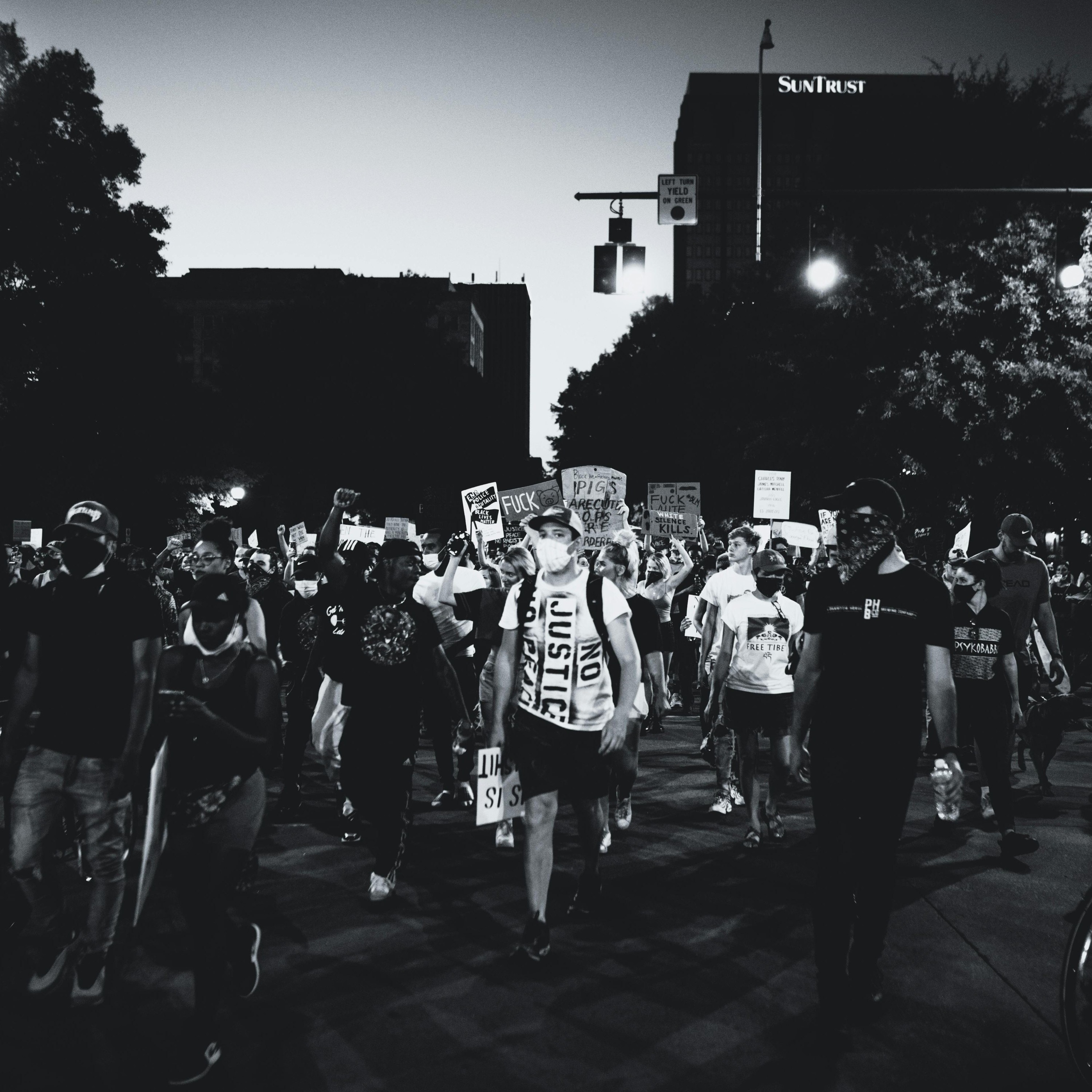
44. Getting organised to fight poverty
Ending poverty requires mass movements. Real change only happens when people come together and stand up against the injustice of poverty.
In this episode, we speak with Rev. Dr. Liz Theoharis and Noam Sandweiss-Back about their
book ‘You Only Get What You’re Organized to Take: Lessons From the Movement to End Poverty’.
Find out more on https://poverty-unpacked.org
43. Poverty Unpacked - March chat
Poverty in the UK is high and on the rise. Announced cuts will send more families into poverty.
In this episode, I discuss the latest figures, implications of the announced welfare cuts and importance of redistribution for breaking intergenerational poverty.

42. Tackling homelessness without strings attached – Greater Change
Homelessness in the UK is on the rise. Can direct financial support to people experiencing homelessness make a difference?
In this episode, we speak with Greater Change CEO Jonathan Tan to discuss their novel way of working with frontline service providers to help individuals and generating evidence to affect policy change.
Find out more on poverty-unpacked.org
41. Poverty Unpacked - January chat
Poverty Unpacked chats are back!
In January 2025, hear about forthcoming book The Empathy Fix, two new reports on astonishing and infuriating wealth inequality and providing input on the issue of welfare and conditionality.

40. Defensive design and hostile architecture - Cara Chellew
Have you wondered about those armrests on park benches, or spikes on ledges or in hidden corners? They're examples of defensive design and hostile architecture.
In this episode, urban planning expert Cara Chellew explains how hostile design of public spaces affects some of the most vulnerable and makes them less appealing to all.
Check out more on https://poverty-unpacked.org
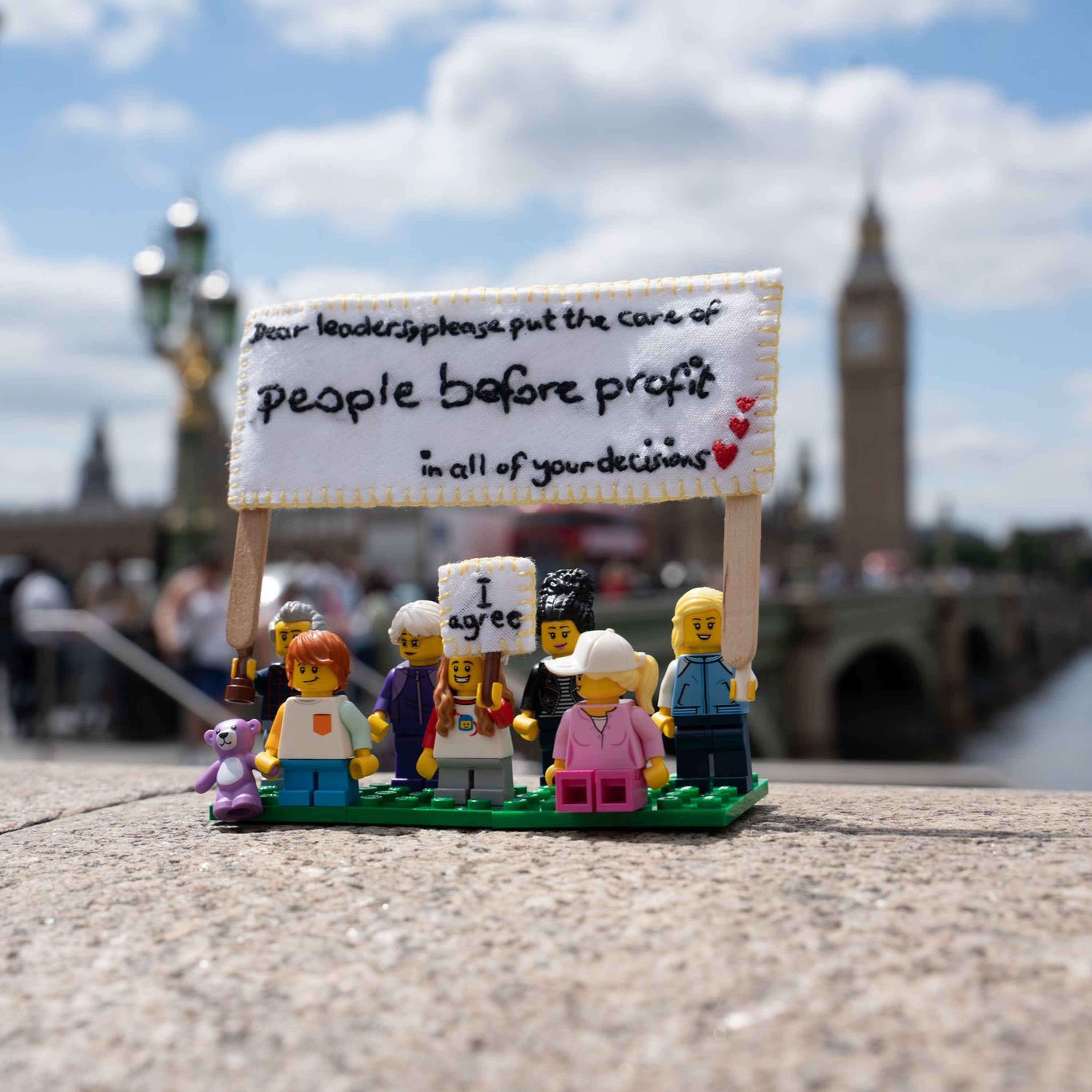
39. Crafting for social justice - Sarah Corbett
What does crafting have to do with activism? What contribution can gentle protest make to tackling poverty?
In this episode, we speak with Sarah Corbett, founder of the Craftivist Collective. We hear how a more quiet and kind form of activism can make change happen, and how it can complement other, more traditional forms of activism.
Find out more on the Poverty Unpacked website: https://poverty
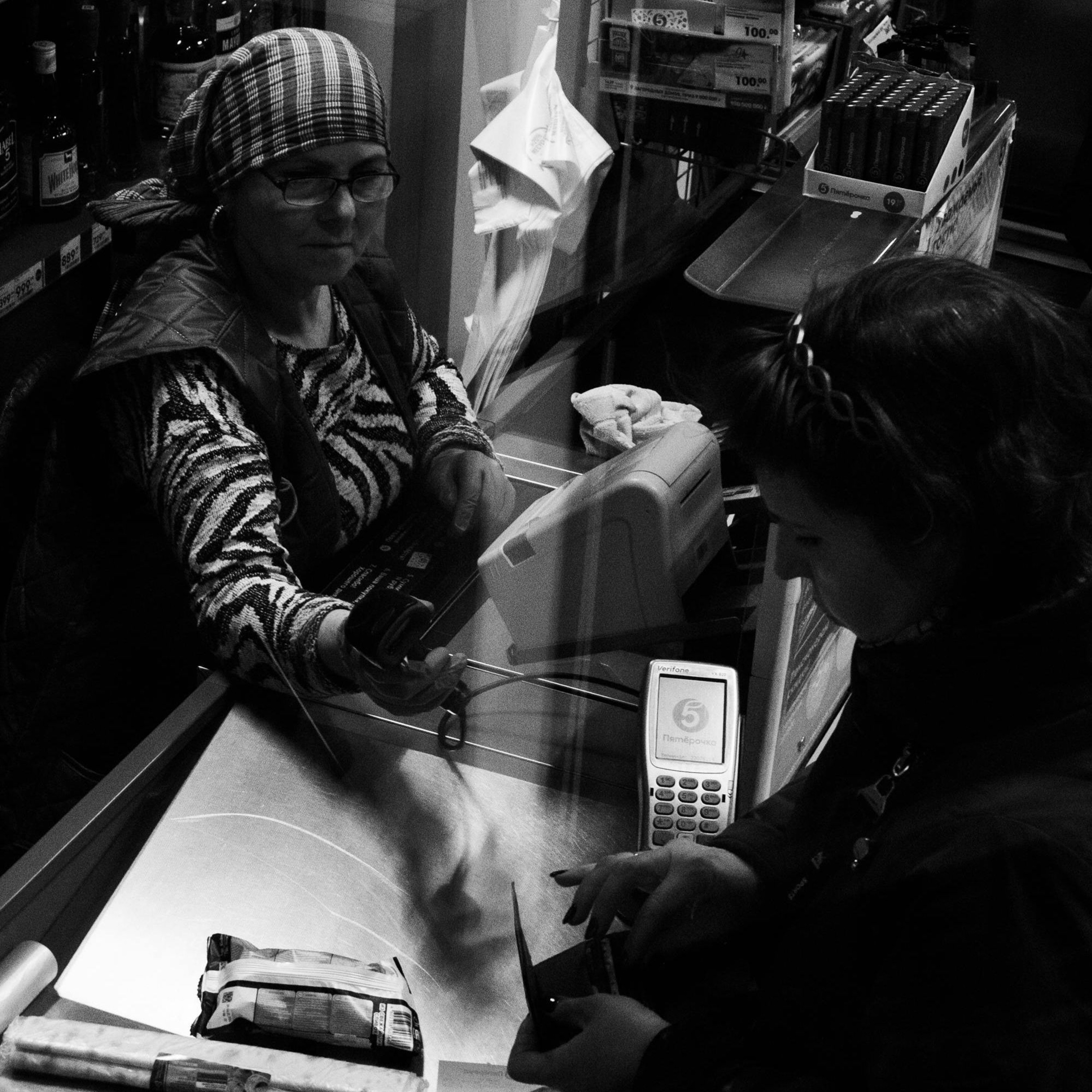
38. Poverty is expensive - Fair by Design
When you have less to spend, life costs more.
Poverty premiums refer to higher prices that people pay for anything from car insurance to grocery shopping due to having a smaller budget.
In this episode, we speak with Maria Booker, Head of Policy at Fair by Design, a campaign that aims to eliminate unfair poverty premiums.
Find out more on: https://poverty-unpacked.org
37. Poverty Unpacked - October chat
October is here!
In the month of the International Day for the Eradication of Poverty, in this chat we reflect on discussions about future of poverty reduction in two recent conferences, and on two new books - one about shame, one about poverty.
Tune in now! Links and more on our website: poverty-unpacked.org
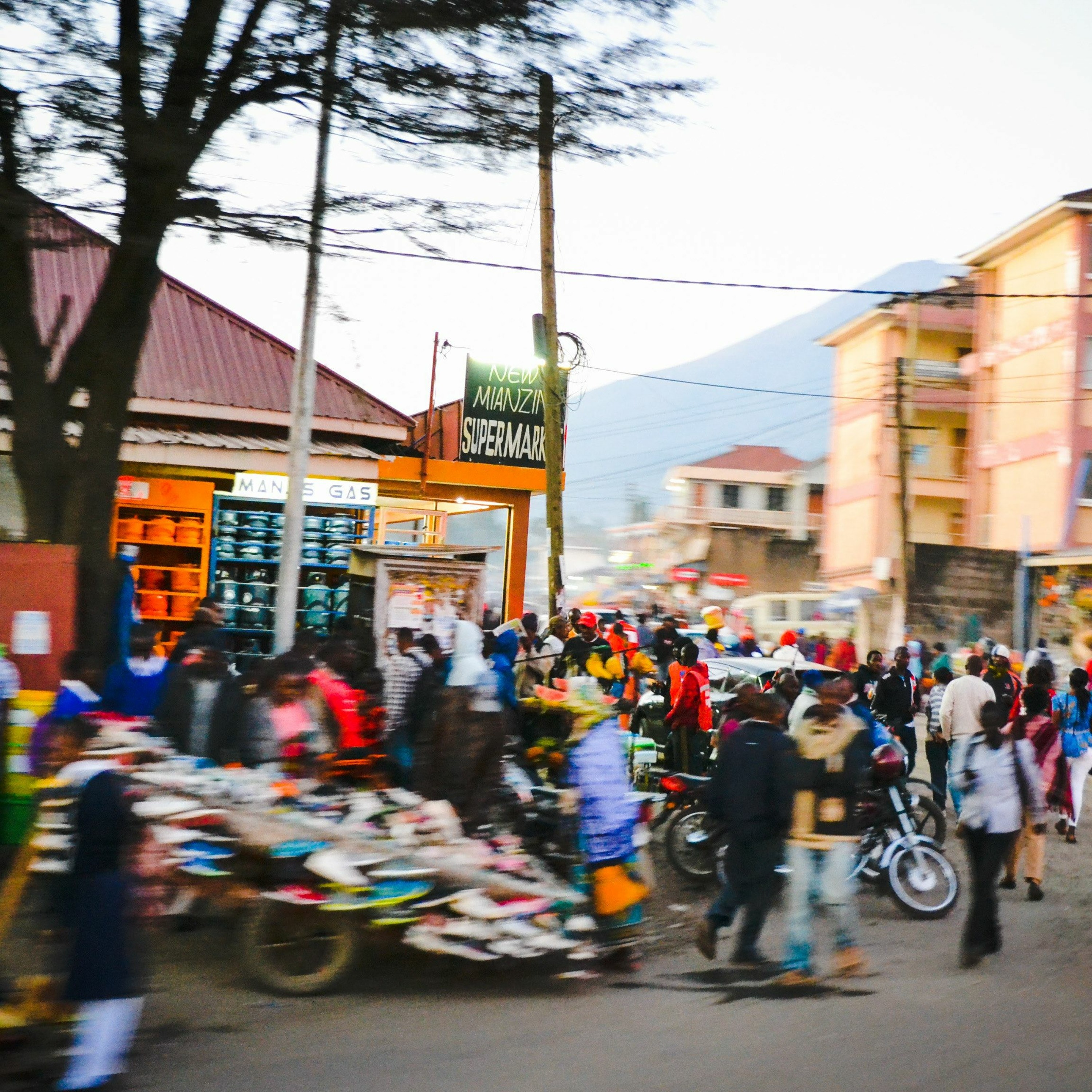
36. Giving cash directly – Lydiah Wangechi
What if programmes aiming to improve people’s lives did a simple thing – give people cash, directly?
In this episode, we're joined by Lydiah Wangechi, Regional Director for East Africa for GiveDirectly, to talk about the benefits and challenges of giving cash directly.
Find out more on our website: https://poverty-unpacked.org/
35. Poverty Unpacked - August chat
Catching up on some of the latest news, books, movies and events on poverty in the third of our bi-monthly chats.
This month, we reflect on a recent poll in the UK about the public's attitudes to poverty, discuss a research article on poverty in the US and cover a film called 'Free Money' about a US-based NGO giving cash transfers to a poor community in Kenya.
Links to all content in this episo

34. Dignity in development - Tom Wein
Enhancing dignity might seem integral to processes of international development, yet dignity often tends to be an afterthought.
Listen to our conversation with Tom Wein, Director at IDinsight, about the importance of dignity in international development and social services and how to foster it.
Read more on our website: https://poverty-unpacked.org/?p=1099
33. Poverty Unpacked - June chat
Catching up on news, books, podcasts and events on poverty in our bi-monthly chats.
This month, we share reflections on the podcast 'The Uncertain Hour' about the welfare-to-work policy in the US, three memoirs about growing up in poverty in the UK and the UN Special Rapporteur's visit to Bangladesh and his assessment of poverty and human rights in the country.
Find out more on our website: http

32. Improving outcomes for children in poverty – Naomi Eisenstadt
How to improve outcomes for children growing up in disadvantage?
In this episode, we speak with Naomi Eisenstadt, director of the Sure Start programme in England.
Finding a balance between creating opportunities and reducing pressures for families is vital, but at present there is too much focus on behaviour and too little recognition of the financial struggle.
Read the full notes on our websit
31. Poverty Unpacked - April chat
Catching up on the latest news, books, podcasts and events on poverty in the first of our bi-monthly chats.
In this episode, we talk about the books 'Broke' and 'Evicted and the housing crisis in the UK and the US, reflect on a Dutch podcast episode of 'Haagse Zaken' on poverty in the Netherlands and pick up on the debate about economic growth and poverty.
Links to all the mentions in this epis
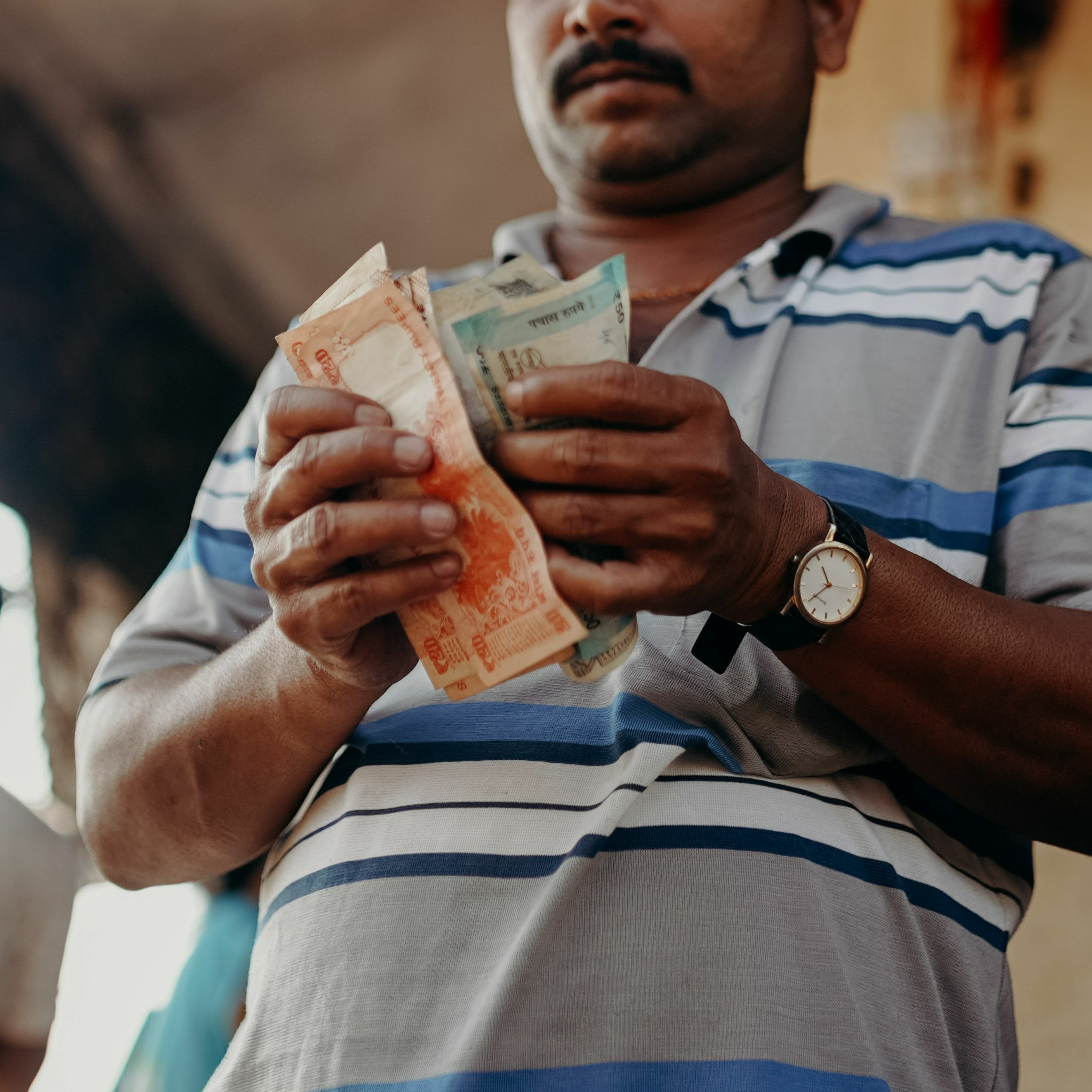
30. Basic income - more than just cash
Can basic income rewrite the narrative about poverty?
In this episode, we discuss this and many other questions about basic income - or guaranteed income - and how to implement it. We are joined by Melody Valdes and Sarath Davala who discuss their experiences in Boston, US and Hyderabad, India.
Find more information about this episode on the Poverty Unpacked website:
https://poverty-unpacked.or
29. Learning from lived experience - Toneva Munroe
What is it like to face financial hardship? How to find the right support? What can anti-poverty organisations do better?
Listen to Toneva Munroe, a social justice activist, about her own experiences in Boston, USA and the power of lived experience.

28. Climate change: How can people in poverty be better supported to cope with climate shocks?
People in poverty contribute least to climate change yet also benefit least from policies that either try to mitigate climate change or help people adapt to it. Social protection can help vulnerable populations to adopt strategies that make them more resilient.
In this episode, we are joined by Marco Knowles and Nicholas Sitko from FAO to discuss the need for greater investment in policies that
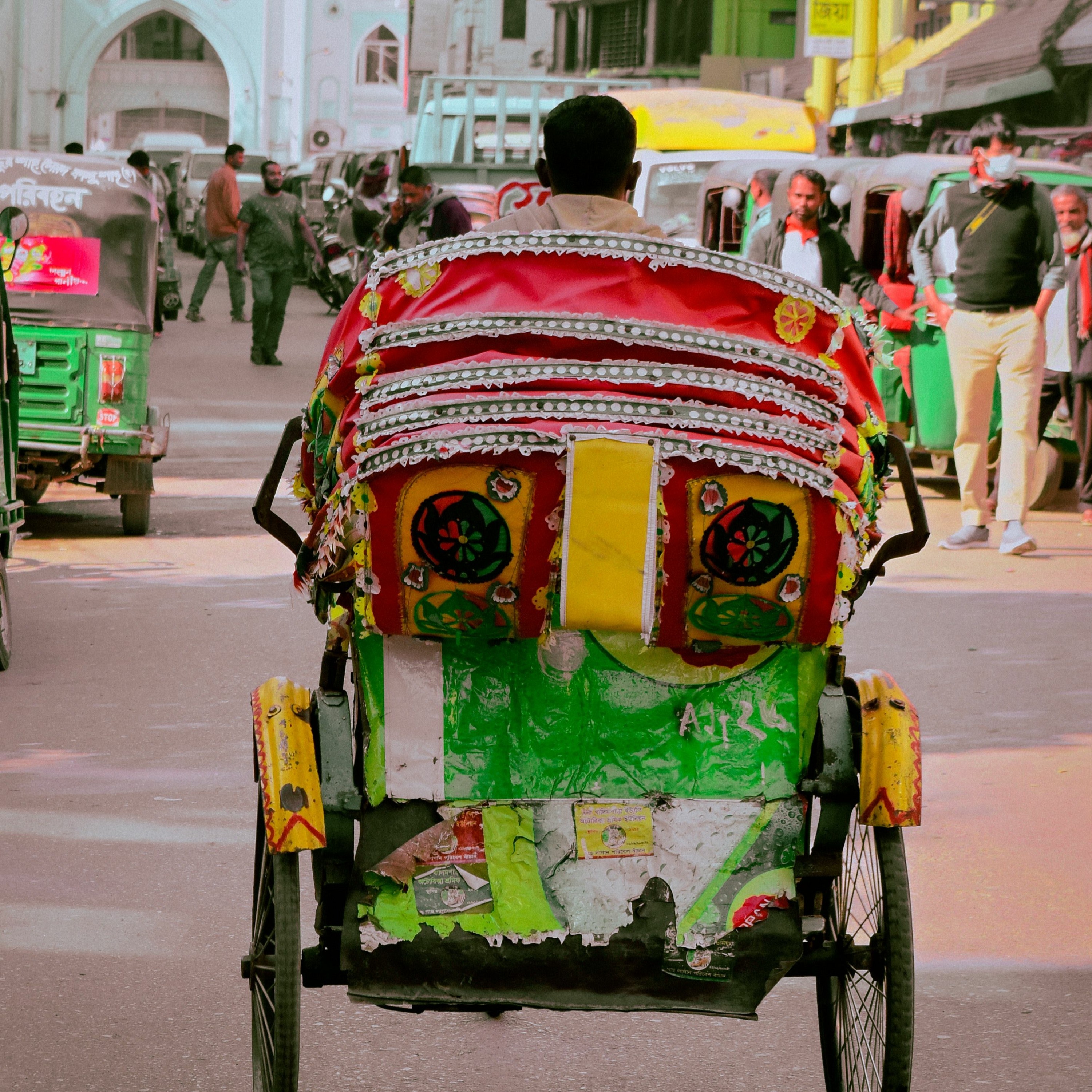
27. Graduating out of poverty - can it be done?
Empowering families in poverty to take control and set them on a path towards a better life, this is at the core of so-called ‘graduation’ programmes.
Yet the programmes are not a silver bullet, nor do they work for everyone.
In this episode, we speak with Greg Chen and Rozina Haque to mark the 20-year anniversary of the first graduation programme implemented by NGO BRAC in Bangladesh.
Find out

26. Cost of living crisis: fighting to survive - the Trussell Trust
Rising food and fuel prices are causing the biggest squeeze on living standards in the UK and around the world in decades. The cost of living crisis has made many families rely on food banks so they are able to put meals on the table.
In this episode - in collaboration with the Trussell Trust - we hear from Caroline about coping with higher costs of living and the experience of receiving support
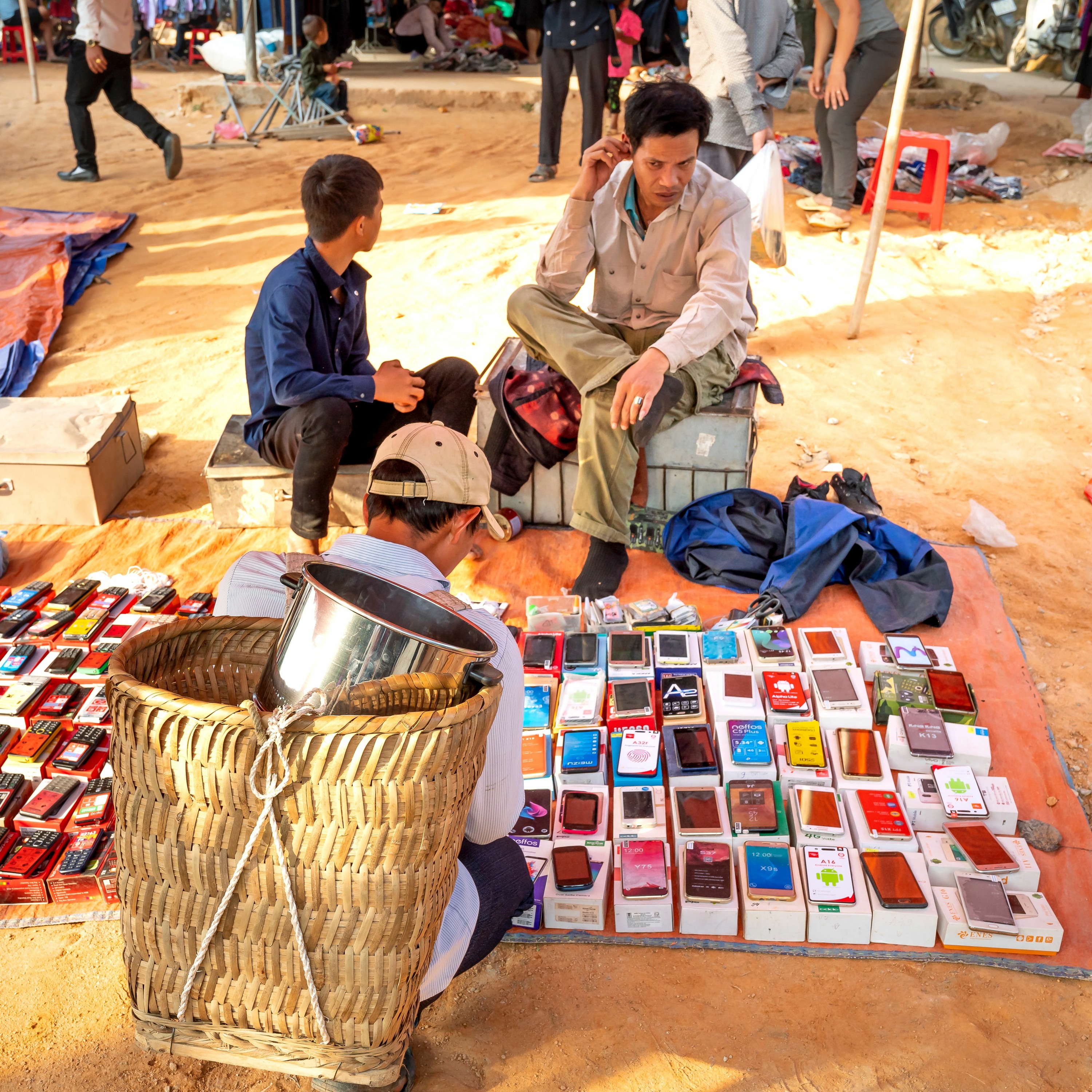
25. Can mobile phones help to end poverty? – Rosa Wang
Finding out about prices, checking the balance on your bank account and sending money to others – mobile phones can make all this a lot easier. But what are the challenges and risks of getting those on low-incomes to use digital technology?
In this episode, we speak with Rosa Wang, author of 'Strong Connections. Stories of resilience from the far reaches of the mobile phone revolution’ and previo

24. Why are women poorer than men? - Annabelle Williams
The feminisation of poverty starts young and is compounded over the life-cycle. At every step of the way, policies and social structures disadvantage women, reinforcing the large gap between women's and men's income and wealth.
In this episode, we speak with Annabelle Williams, author of the book 'Why women are poorer than men'.
You can find more information about this episode on our website: ht
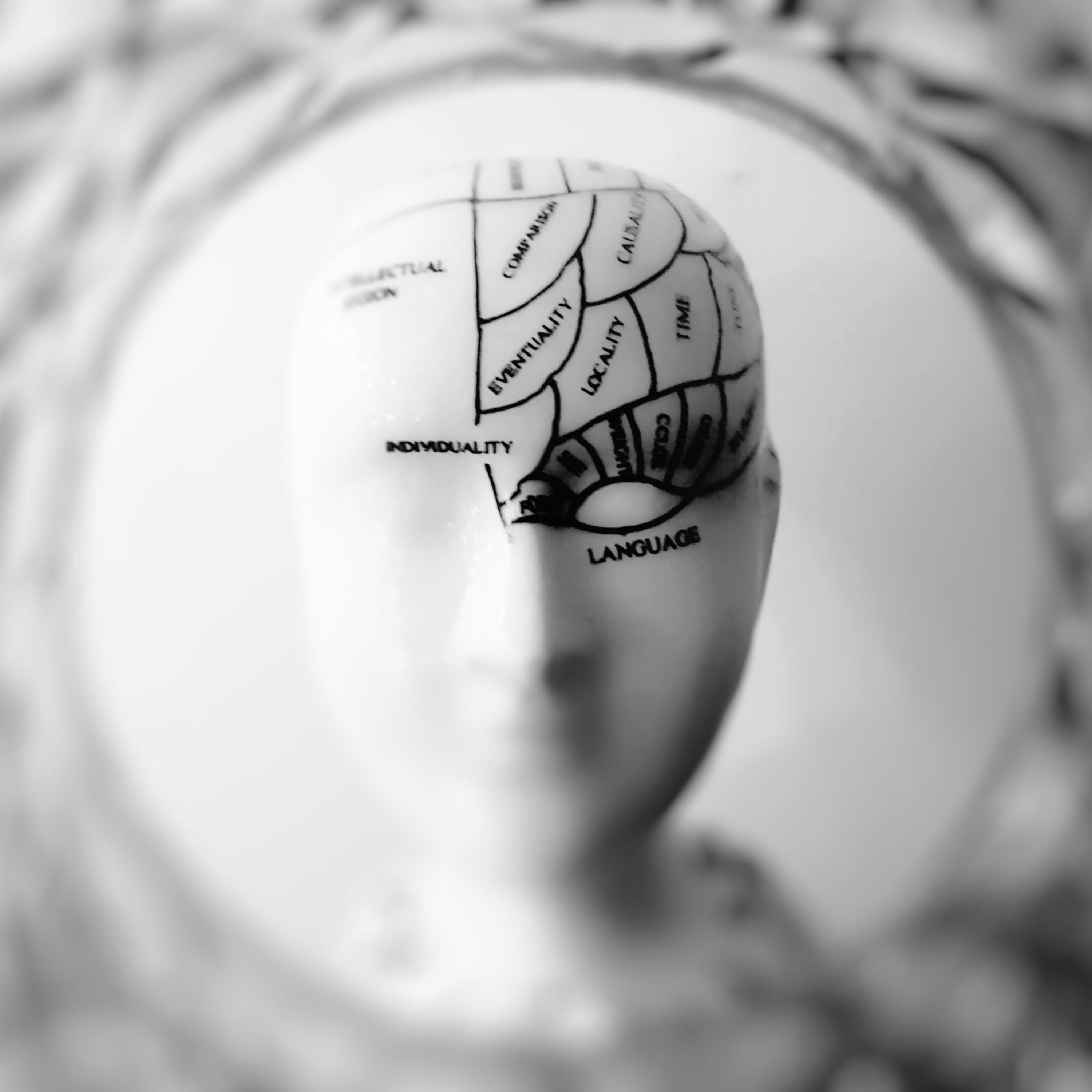
23. Mobility mentoring to navigate the trauma of poverty - a brain-science based approach
Mobility mentoring is brain science-based approach to break the vicious cycle of poverty. What does that mean? And does it work?
In this episode, we speak with Elisabeth Babcock from EMPath, a nonprofit in the US implementing coaching to support economic mobility.
You can more information about this episode on our website: https://poverty-unpacked.org/

22. Trapped in a hole - the reality of life on a low income
Turning the heating on, buying food or getting your child a school uniform. These are some of the impossible choices faced by people on low income. Instead of receiving support that helps them create a better life, the welfare system keeps people trapped.
In this episode, we speak with participants Brian and Caroline and researcher Katie from the Covid Realities research project. We hear first-ha
Intro to Poverty Unpacked
Why you have to listen to this podcast!

21. A fair chance in life for everyone – UN Special Rapporteur Olivier de Schutter
People in poverty experience disadvantage, stigma and discrimination in all aspects of life. Tackling poverty requires changing our language and making policies more universal, and governments taking their responsibility in doing so.
In this episode, we talk with Olivier de Schutter, UN Special Rapporteur on Extreme Poverty and Human Rights about factors causing poverty and how to tackle it.
Fin
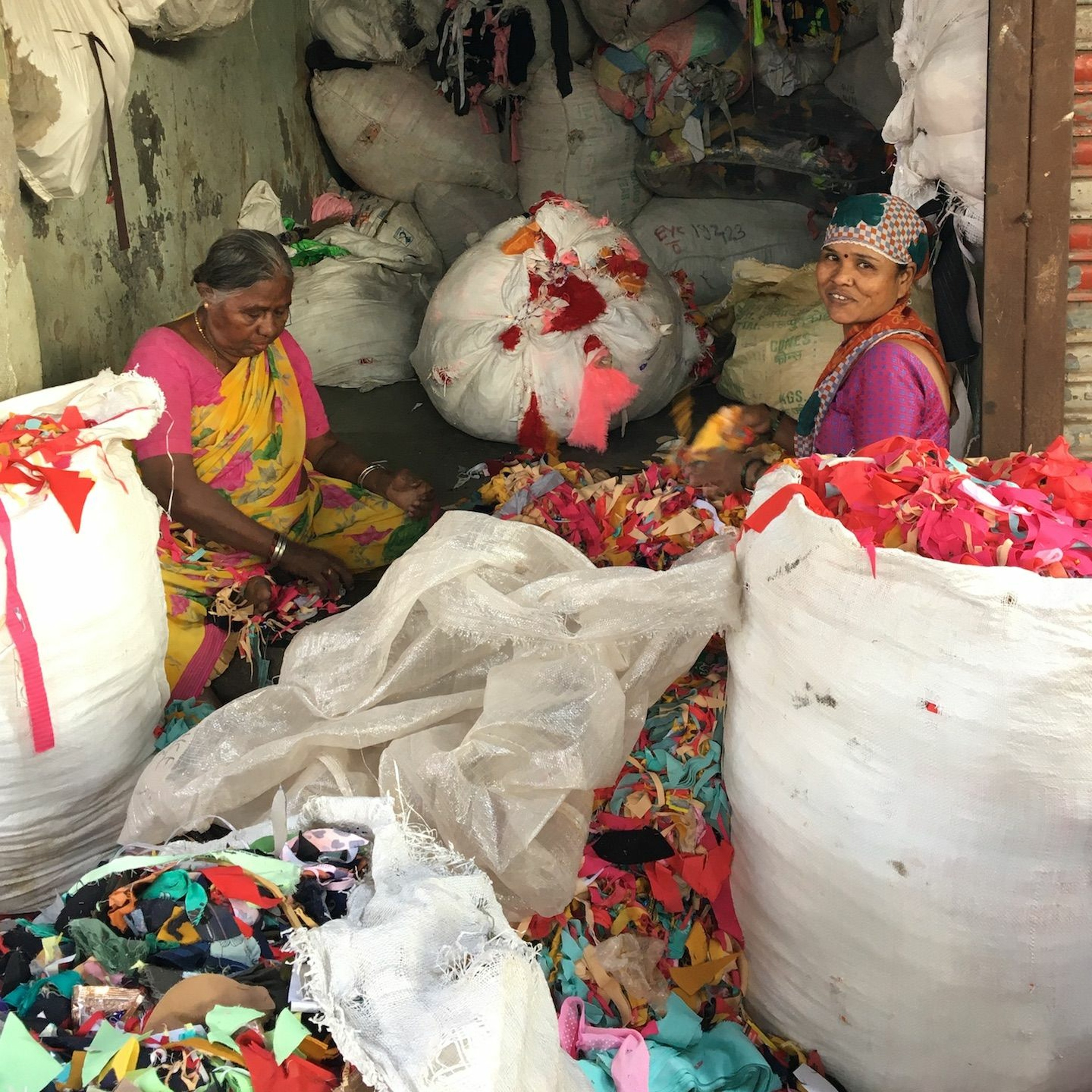
20. Lives built on trash: the story of wastepickers in Mumbai - Saumya Roy
Hidden and invisible, the wastepickers of the trash mountains outside of Mumbai in India build their livelihoods by collecting glass, sorting cloth scraps and hunting for hospital waste. They are lives marred by precarity and danger, but also love and laughter.
In this episode we are joined by Saumya Roy. author of Castaway Mountain - a non-fiction on the lives of people turning trash into treas
19. The Social Guarantee - meeting the universal need to thrive
Having access to life's essentials is a universal need shared by all. The Social Guarantee aims to ensure that this need is met so that everyone can flourish and thrive. But how does it work?
In this episode, we speak with Maeve Cohen from The Social Guarantee.

18. Millennials, a generation of frustrated aspirations - Thomas Rochow
Secure employment and affordable housing are among the most desired goals of millennials in the UK, but out of reach for many. Social mobility is held up as the answer, yet punitive welfare place emphasis on individual responsibility rather than structural support.
In this episode, researcher Thomas Rochow discusses young people's work and life experiences, how they shape their aspirations, and w

17. Aspirations and poverty - a double-edged sword
Aspirations can inspire positive action towards a better life, but poverty can hamper expectations for the future. What can policies do to increase aspirations and reduce poverty? And what are the risks of a focus on aspirations?
In this episode, we discuss the link between aspirations and poverty with two scholars - Katrina Kosec and Cecilia Mo.
Find more information about this episode on www.p
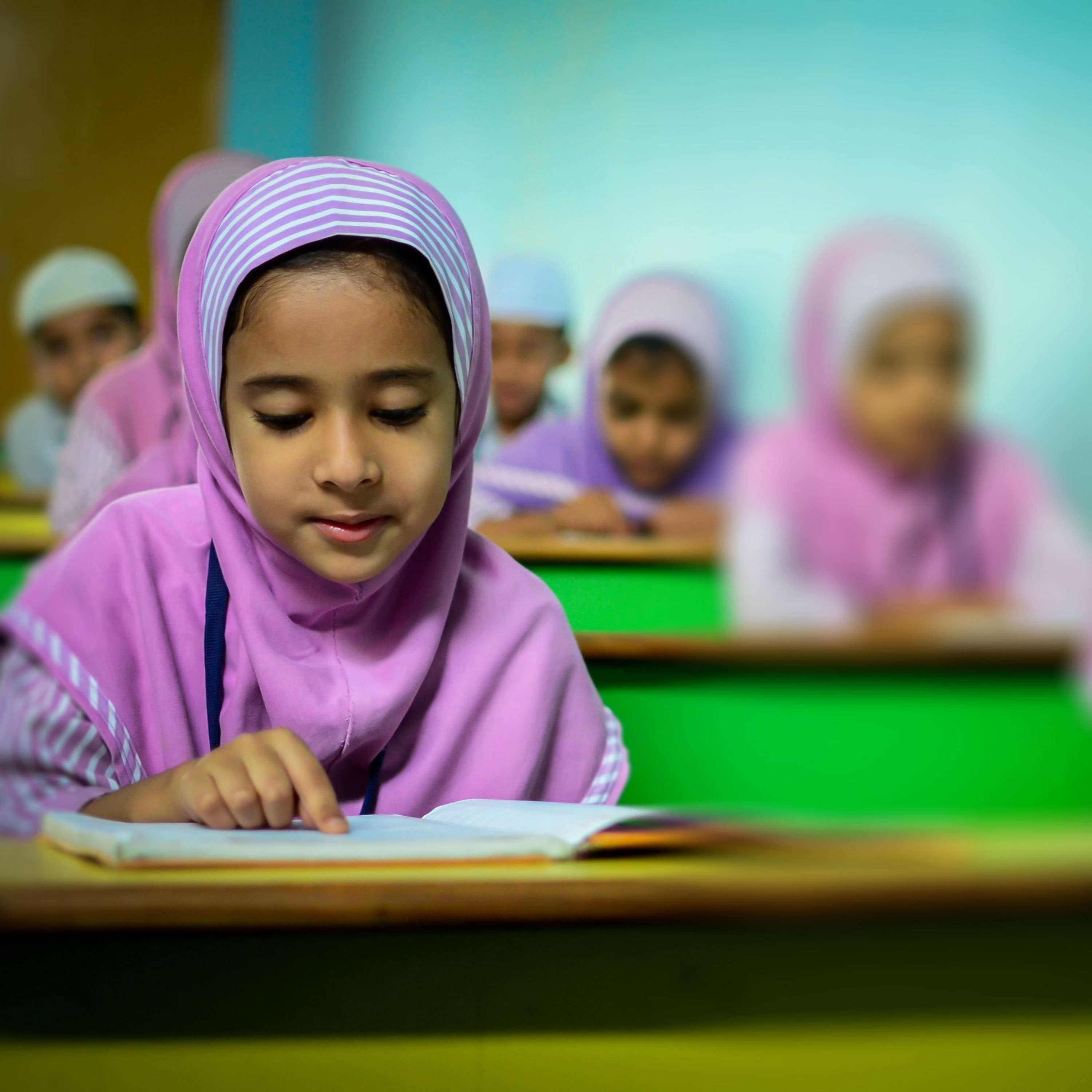
16. Faith and empathy in community work - coming together to tackle poverty
Interfaith collaboration has enormous potential to mobilise community resources, foster a shared sense of humanity, and to tackle poverty.
In this episode, we are joined by representatives from three faith-based organisations - Arigatou International, Shanti Ashram, and Global Network of Religions for Children (GNRC) to discuss the role of community-based work and interfaith cooperation in addres
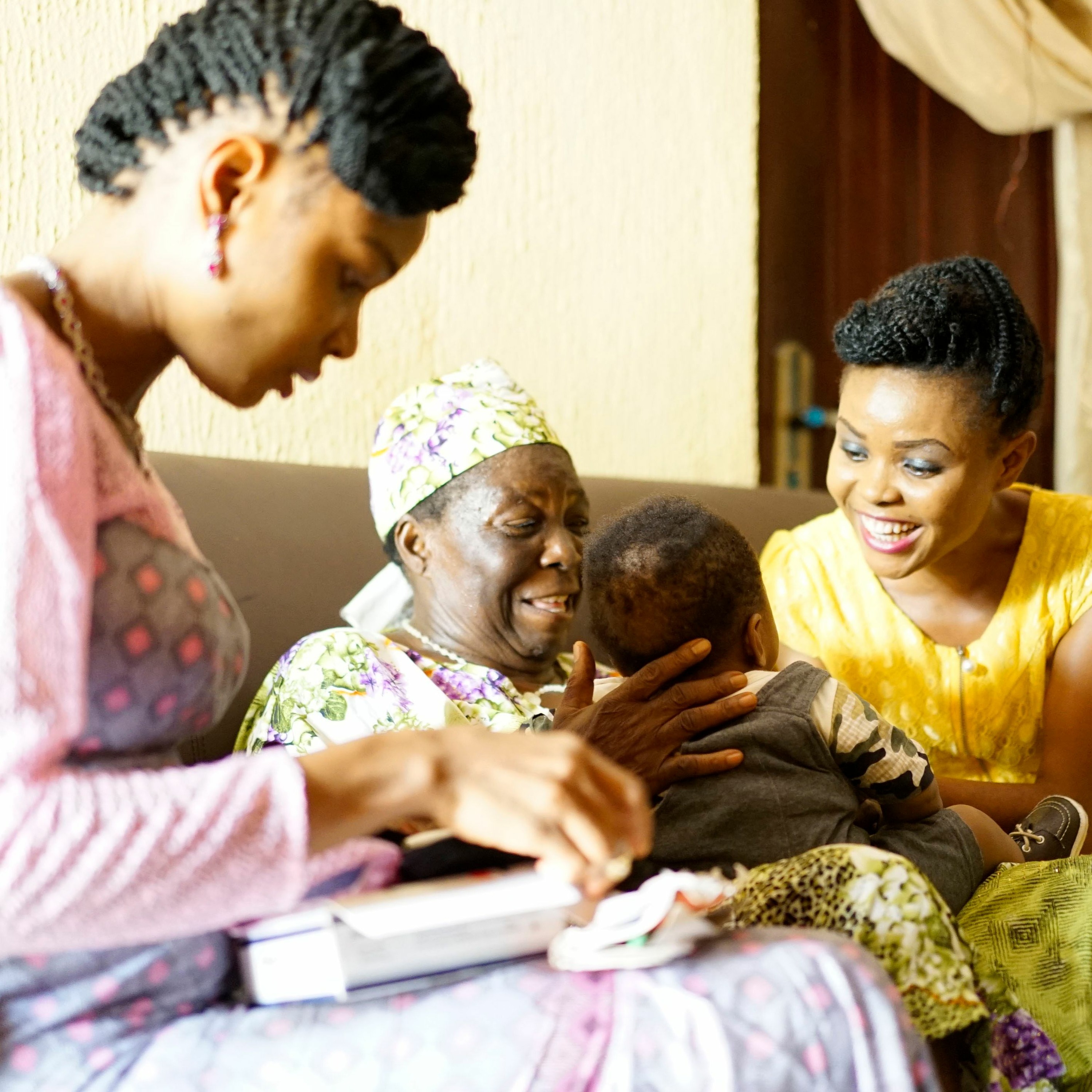
15. Navigating Japan's social hierarchies and migrant hostilities - Dreux Richard
The myth that Japan is a place where you can work your way out of poverty has been a pull for Nigerian migrants for several decades, only to be met with a hostile immigration system, dirty and difficult work and strong social hierarchies.
In this episode, Dreux Richard speaks about his new book 'Every Human Intention' - an in-depth exploration of post-Fukushima Japan, including its Nigerian commu

14. Digitising the fight against poverty - poor use of technology?
Social services around the world are rapidly being digitised. But benefits of digitisation are highly unequal. This episode delves into the issue of digital exclusion, what causes it, and how to address it.
Together with Christiaan van Veen of the Digital Welfare State and Human Rights Project, New York University School of Law and Becky Faith at the Institute of Development Studies, we talk abou

13. Tackling child poverty: both urgency and opportunity
Child poverty has life-long adverse consequences, undermines children’s psychosocial wellbeing, and ultimately hurts all of us. Investing in the early years is crucial to ensure that children live healthy and fulfilling lives, both during childhood and as they grow older.
In this episode, I speak with David Stewart from UNICEF, Yolande Wright from Save the Children International and Joan Nyanyuki

12. Working-class writers - voices to be heard
Working-class writers or from those with disadvantaged backgrounds are underrepresented in the publishing world. In this episode, two working-class writers share their insights on the importance of greater representation of working class writers, barriers that they face in getting published and exciting initiatives to change that around.

11. Poverty, politics and activism - Tabitha Morton
Politics and media are dominated by the narrative of a zero-sum game in which those most vulnerable inevitably draw the short straw. But it doesn't have to be like that.
In this episode, Tabitha Morton, deputy leader of the Women's Equality Party in the UK, talks about the need to work together to reduce poverty and implement policies that work for everyone.
More information can be found on our
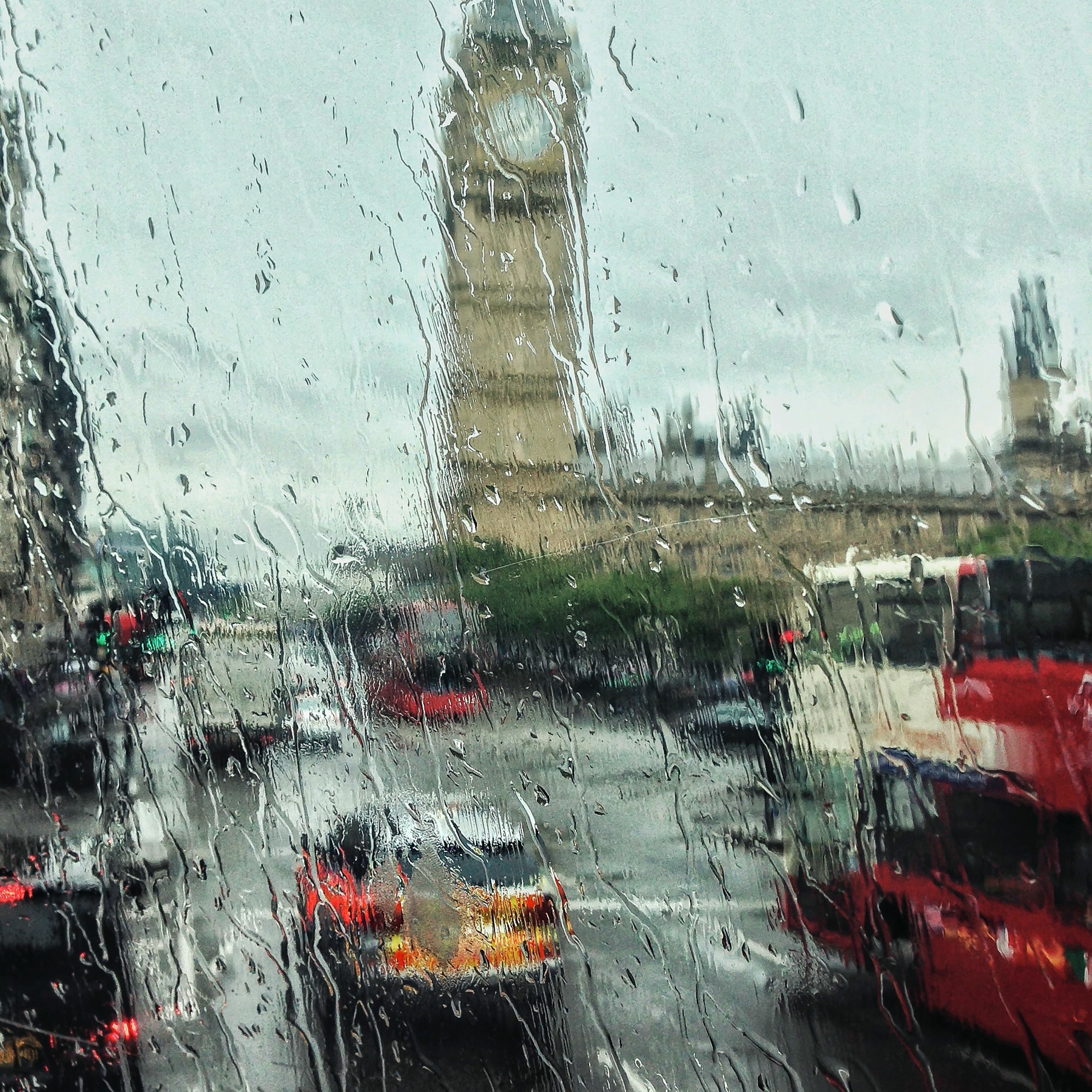
10. Two stories of poverty in the UK - Daniel Edmiston
While relative poverty rates show a fairly stable picture of poverty in the UK, those in 'deep poverty' face worsened conditions.
In this episode, Daniel Edmiston discusses the two stories of poverty in the UK and argues for a pluralistic approach to poverty.
Find more information about this episode on our website: www.poverty-unpacked.org/2020/12/11/episode-10-two-stories-of-poverty-in-the-uk

9. Social protection response to Covid-19
Covid-19 unleashed an unprecedented scale-up of social protection interventions across the globe. What did this response look like, and is it here to stay?
In this episode, we discuss the role of social protection to help people cope with the socioeconomic consequences of the pandemic.
Find out more about this episode on our website: https://poverty-unpacked.org/2020/10/21/episode-9-social-prote
8. Food banks: plugging the gaps in the welfare system
Are food banks a sign of the ‘big society’ coming together to help its vulnerable members? Or are they a failure of welfare and social protection systems to provide an adequate safety net for those who need it?
In this episode, we discuss the role of food banks in the UK, hearing perspectives from those providing and using support.
Find out more about this episode on our website: https://poverty

7. Behavioural science: a cure for poverty? – Saugato Datta
Struggling to make ends meet reduces mental headspace and makes it harder to make long-term decisions. Applying behavioural science to anti-poverty interventions can help people to take more strategic action. But widespread poverty reduction won’t be achieved without substantial degrees of redistribution.
These are some of the messages in this episode with Saugato Datta. Saugato is Managing Direc

6. Multidimensional poverty in 2020: a double-sided picture – Sabina Alkire
Many countries were on track to half multidimensional poverty by 2030, but Covid-19 may lead to a reversal of trends. More data is urgently needed to understand how the pandemic will impact people’s lives and how multidimensional poverty will evolve.
In this special episode, Sabina Alkire highlights findings of the 2020 Global Multidimensional Poverty Index (MPI) and reflects on measurement of m
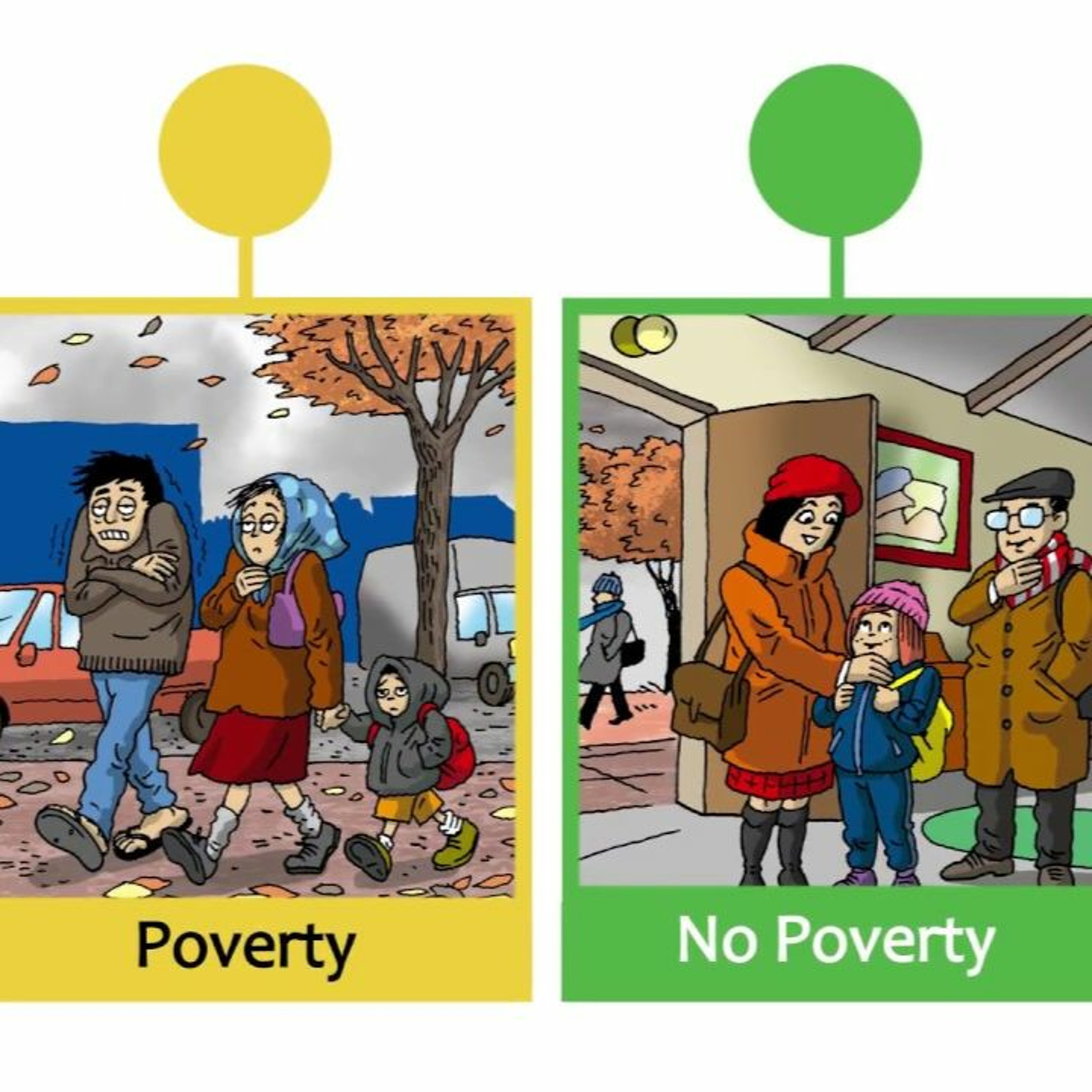
5. Poor people are not 'damaged goods' - Martin Burt
Eliminating poverty requires the empowerment of people to understand their own situation and find solutions for it. Agency and self-efficacy are as important for moving out of poverty as opportunities and resources are.
In this episode, Martin Burt speaks about the Poverty Stoplight programme and his recent book ‘Who Owns Poverty?’. Martin is founder and CEO of Fundacion Paraguaya, an NGO devoted

4. Shifting the blame and shame of poverty - Mary O'Hara
Blaming and shaming of people in poverty is endemic and needs to change. Being open to others’ experiences can create awareness that our commonalities outweigh our differences, one story at a time.
In this episode, Mary O’Hara speaks about her most recent book ‘The Shame Game’. Mary is writer and award-winning journalist and has written about issues of poverty for more than 15 years.
Find out mo
3. Poverty (measurement) is political - Andrew Fischer
Poverty (measurement) is political, experiences of shame and exclusion are not exclusive to poverty alone, and if we really want to reduce poverty, we need more redistribution at both national and international level.
In this episode, we interview Andrew Fischer, who is Associate Professor of Social Policy and Development Studies at the Institute of Social Studies (ISS) in the Hague in the Nether

2. Coronavirus and poverty
At the height of this global health crisis, we hear that coronavirus does not discriminate and that we are all in this together. But is this really true? Is it really the case that everyone is equal in the face of a pandemic like COVID-19?
In this episode – with perspectives from Bangladesh, Kenya, Paraguay and the UK – we hear that the measures put in place to contain the virus hits people livin
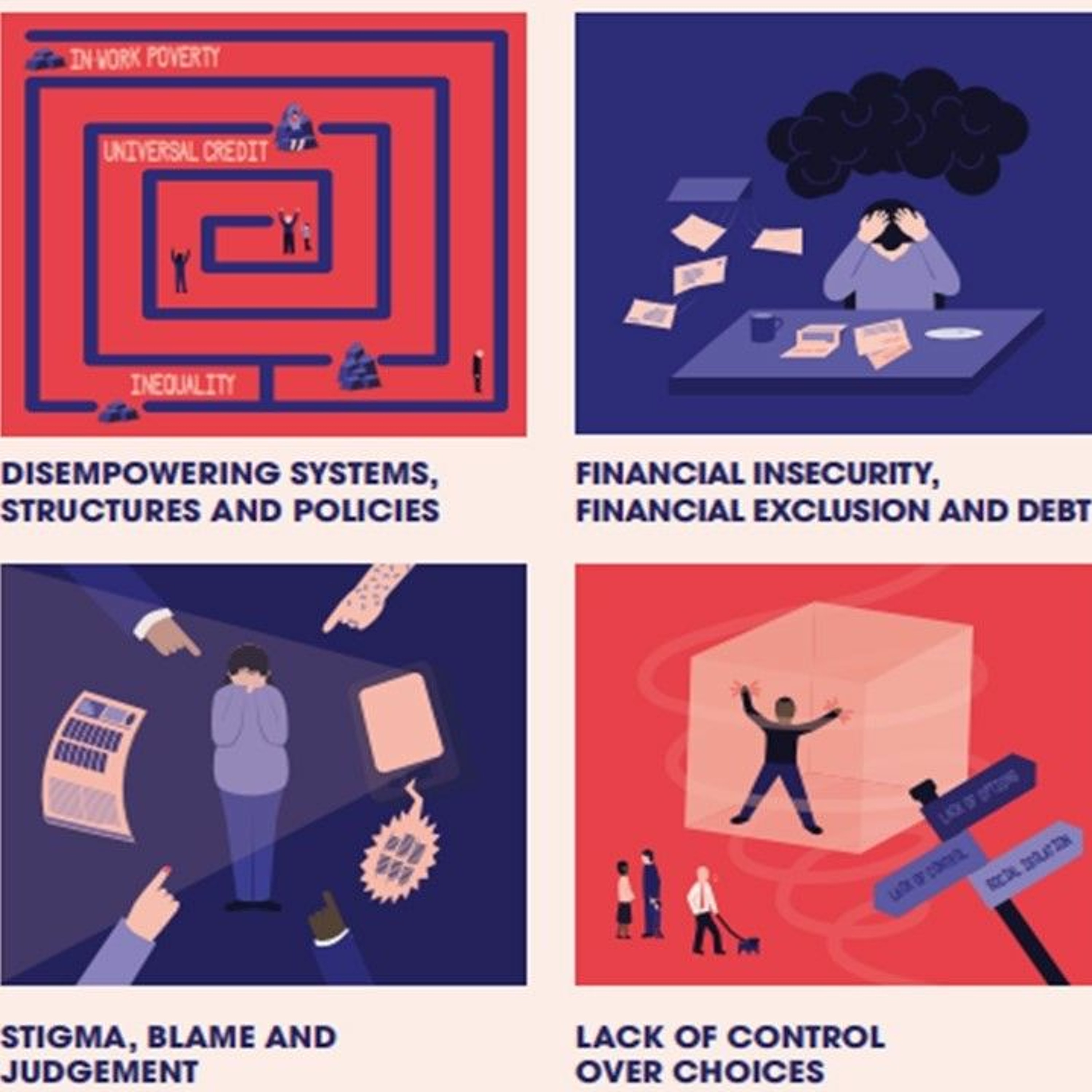
1. All together in dignity - Diana Skelton
In this episode of Poverty Unpacked, we speak with Diana Skelton from ATD Fourth World in the UK.
Key discussion points include the pervasiveness of shame and stigma in the experience of poverty worldwide; the need to co-create knowledge and formulate policies together with people with lived experiences of poverty in order to overcome poverty; and how a sense of solidarity and common purpose in
Recommended
People Fixing the World

Easy English: Learn English with everyday conversations

SAS: The Shadow War

Esme's Country Life

Miles From Ordinary Podcast

Off The Telly

Murder of a Famous Bastard

Learn UK English By Podcast

My IELTS Classroom Podcast

The History Hour

The Healing Childhood Trauma Podcast

Frank Off The Radio: The Frank Skinner Podcast
