The Untitled History Podcast
The Untitled History Podcast takes listeners beyond the textbooks to explore untold stories of the ancient and modern worlds. Host Gareth Edwards is joined by world-leading experts to uncover famous episodes and obscure global events alike. The show also supports a community and offers companion podcasts about World War I and World War II. It is produced by the Battle Guide team.
Episodes

Episode 37: Milton Keynes: The Future that Could Have Been
In post-war Britain, the drive to build new housing and a better world led to a number of plans focused on creating modern towns. The boldest and most visionary of these was to be Milton Keynes, a city from nothing.
Today, Milton Keynes is either famous, or infamous, depending on your perspective on its design. But what’s not in doubt was that the process that led to its creation was unique. A st

Episode 36: How Rome used cheese to conquer Britain
The Roman Army was powered by cheese. It fuelled its soldiers through war and occupation and, as Rome’s armies swept through western Europe, altered how an entire continent produced and consumed cheese.
“It is a remarkable circumstance that the barbarous nations, which subsist on milk for so long, have been for so many ages either ignorant of the merits of cheese, or else have completely disregar

Episode 35: The Anti-Fascist Italian Art Forger that fooled America
In September 1926, art expert Paul Arndt was shown a newly-unearthed Ancient Greek statue by an Italian dealer. It was an extraordinary piece. Its sale for a vast sum of money to an American museum, along with other pieces unearthed, would create excitement across America.
The statues were fake.
Throughout the 1920s, American interest in ancient art and sculpture exploded. As a result, American

Episode 34: The last stand of HMS Glowworm and the invasion of Norway
On the 8th of 1940, a lone British destroyer encountered part of the German invasion force bound for Norway. The heroic last stand of HMS Glowworm against overwhelming odds earned her captain the first Victoria Cross of the war. Incredibly, this award was granted based on the recommendation of the German Admiral he had fought.
Both the Allies and Axis were eyeing up Norway for invasion. The event

Episode 33: Charles De Gaulle and the birth of the 5th Republic
In 1940, Charles de Gaulle saved France. He called for resistance to the Nazi occupation from London. In 1958, with the French republic crumbling, he stepped forward to save France again.
In English language history, it is de Gaulle’s defiance in WW2 and his role in the rise of the Free French that dominates discussion. In post war study, he is sometimes portrayed as an aloof figure and a man out

Episode 32: Forgotten Crusader Queens of Cyprus
In 1458, the Kingdom of Cyprus was the last of the Crusader States. Over the next 30 years, two remarkable women would fight to rule it as queen. Their rivalry would see each experience periods of power and exile.
Although mostly forgotten today, this political battle would draw in all of the great powers of the region, from Egypt to the papacy.
The lives of Charlotte of Lusignan and Caterina C

Episode 31: Origins of Celebrity with Greg Jenner
Celebrity feels like a modern idea. Something that owes its origins to the rise of Hollywood, television and reality TV. But its cultural origins run far deeper. People who could be - and were - treated as celebrities can be seen right back to the world of 17th century theatre and beyond.
The relationship between celebrity, fame and renown has also always been fluid, shifting in the eyes - and pa

Episode 30 Extra Bit: Rescuing Pilots From the Channel
In this Extra Bit episode, Gareth and Matt Bone shine a light on the pilots of the Typhoon and Spitfire raids on D-Day's radar stations: the air-sea rescue crews. They cover the amphibious Walrus flying boats and the Spitfires that circled overhead to guide them in, the remarkable five-day ordeal of Canadian pilot Al Watkins after he ditched off Le Havre, and the raid on Guernsey's radar station t
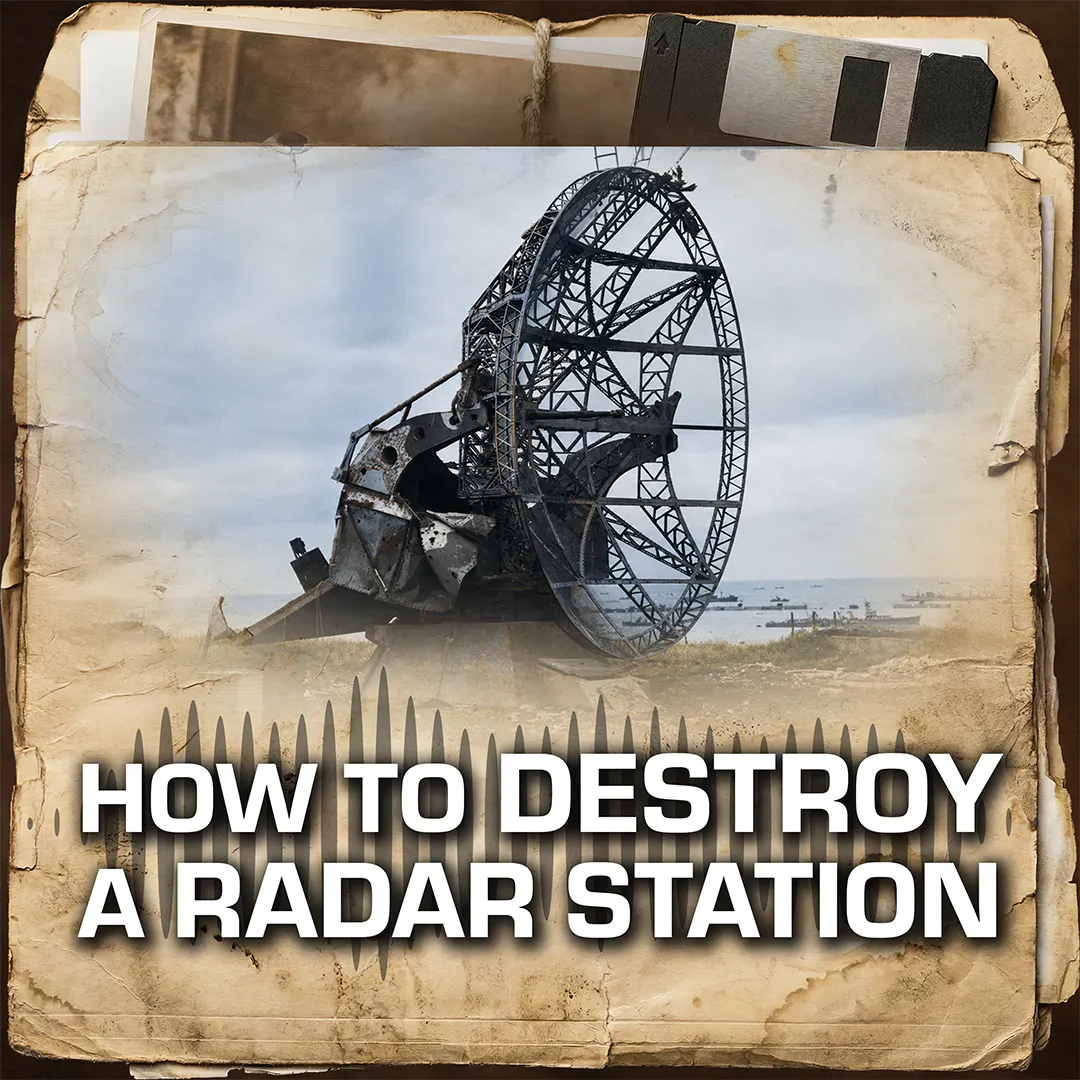
Episode 30: How the Allies punched the hole in German radar for D-Day
By 1944, the German’s had a highly-advanced radar system covering the entirety of the Channel coast. That radar would, if left intact, provide considerable warning of any unfolding allied invasion.
The task of dealing with those radar stations ahead of D-Day fell almost entirely on the fighter-bombers of the allies, and the RAF in particular. In a remarkable, and often bloody, series of operatio

Episode 29: 1983: The year of crises that almost ended the world
In September 1983, the Soviet missile launch detection system falsely reported an inbound US missile strike. The actions of Stanislav Petrov that day, who refused to report the launch as true, have often been described as having saved the world. This is the story of 1983. The year the world almost ended.
Petrov’s actions in the Soviet missile control centre at Serpukhov-15 near Moscow, arguably p
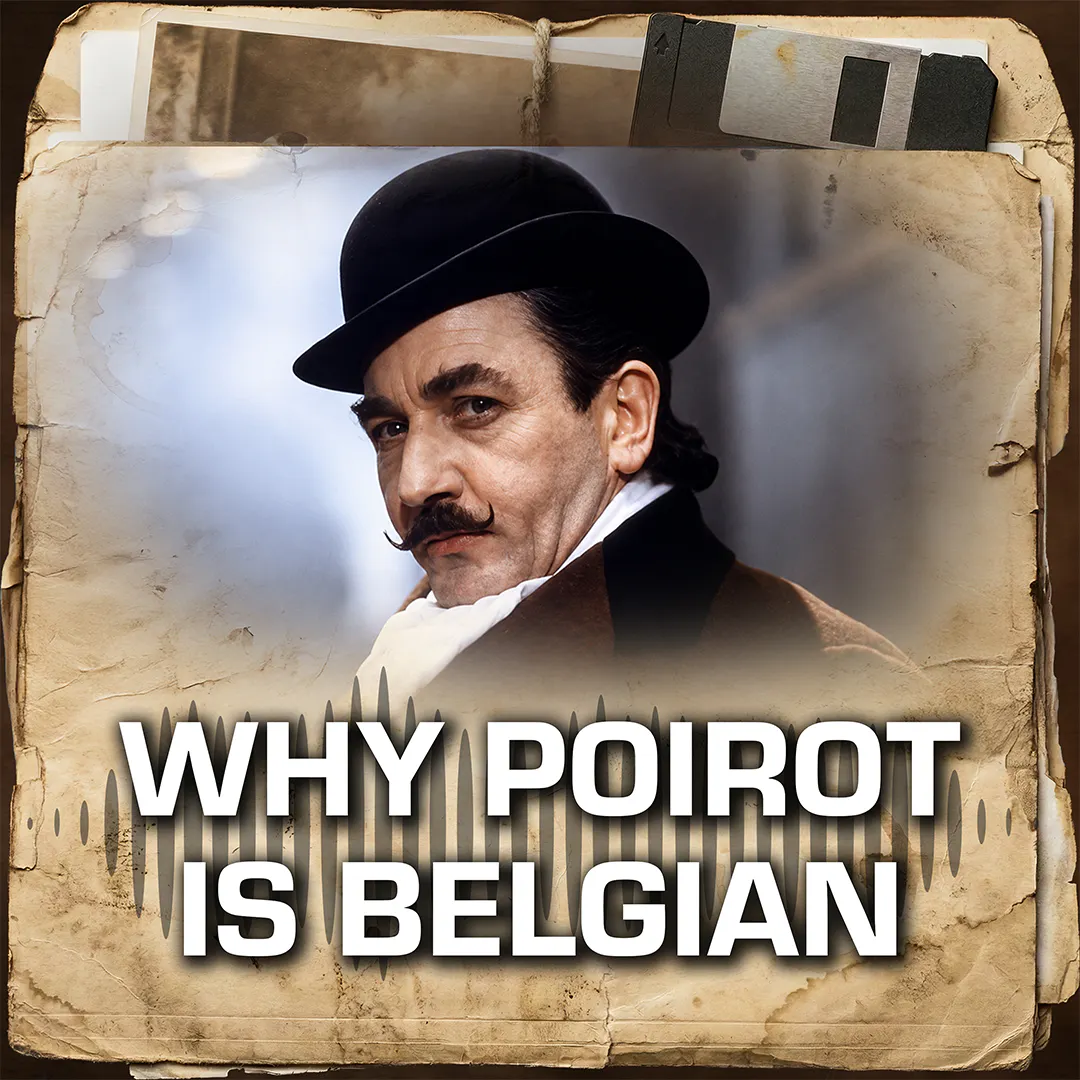
Episode 28: Agatha Christie goes to war
Agatha Christie is the world’s best selling author and rightly regarded as the queen of crime. But less well known is her medical service in both world wars, and its influence on her writing.
Without WW1, there would be no Poirot. Agatha Christie trained as nurse and served as a red cross volunteer in WW1, encountering many Belgian refugees. She later trained to become a dispenser. In the second

Episode 27: The history and cultural impact of Asterix the Gaul
The best selling comic series in the world is One Piece. But the second best selling, with almost 400 million copies sold, is neither British nor American. It is, in fact, the story of a small French village holding out against the Roman Empire. In this episode we’re going to look at the history, and cultural impact, of Asterix the Gaul.
The year is 50 BC. Gaul is entirely occupied by the Romans.

Episode 26: The myth and reality of medieval Crusader States
In the aftermath of the First Crusade, four Christian kingdoms were established in the near east. In this episode we explore the history of the Crusader States, and the many myths that surround them.
Edessa, Antioch, Tripoli and Jerusalem. Four Christian kingdoms were all established after 1098. The popular image of these kingdoms is as fortified outposts, ruling over poor and often barren lands.
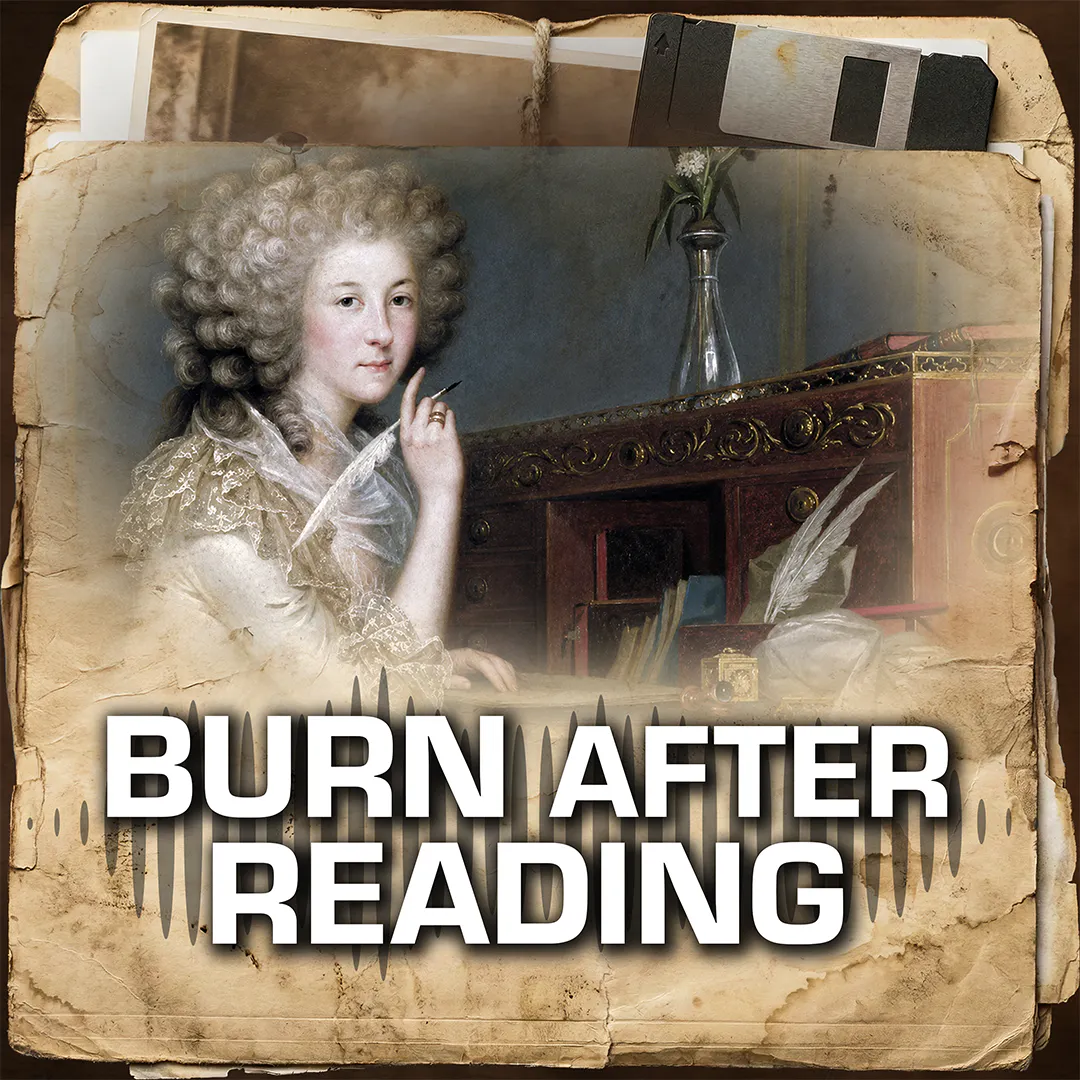
Episode 25: 18th Century letter writing and the hidden history of women
In 1740, Samuel Richardson published Pamela, a novel purporting to be the letters of a young woman. In 1748, he followed this up with Clarissa, written on the same principle.Richardson’s subjects were fake. But the activity he showed them engaging in was very real. The creation of reliable and regular postal services after the English Civil War led to an explosion in letter writing, especially for
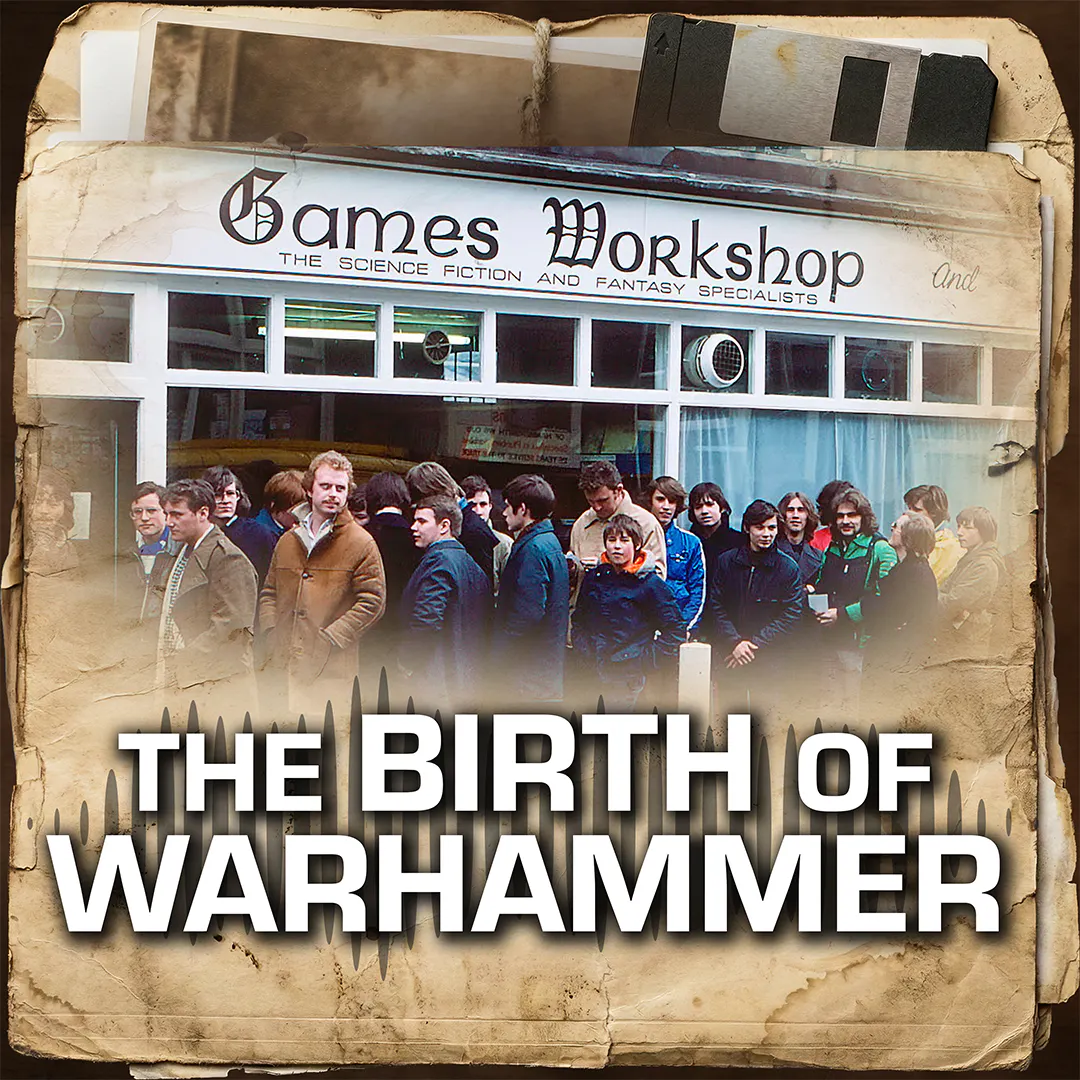
Episode 24: How Games Workshop changed the world with Jordan Sorcery
In 1975, three young men sat in a grotty flat in West London decided to launch a games company. Over the next few years, they would find themselves at the centre of the growing revolution in roleplay, and then miniature gaming. Today, we’re going to talk about the history of Games Workshop and the universe it launched: Warhammer
Today, Games Workshop, with its line of Warhammer games, books and mo
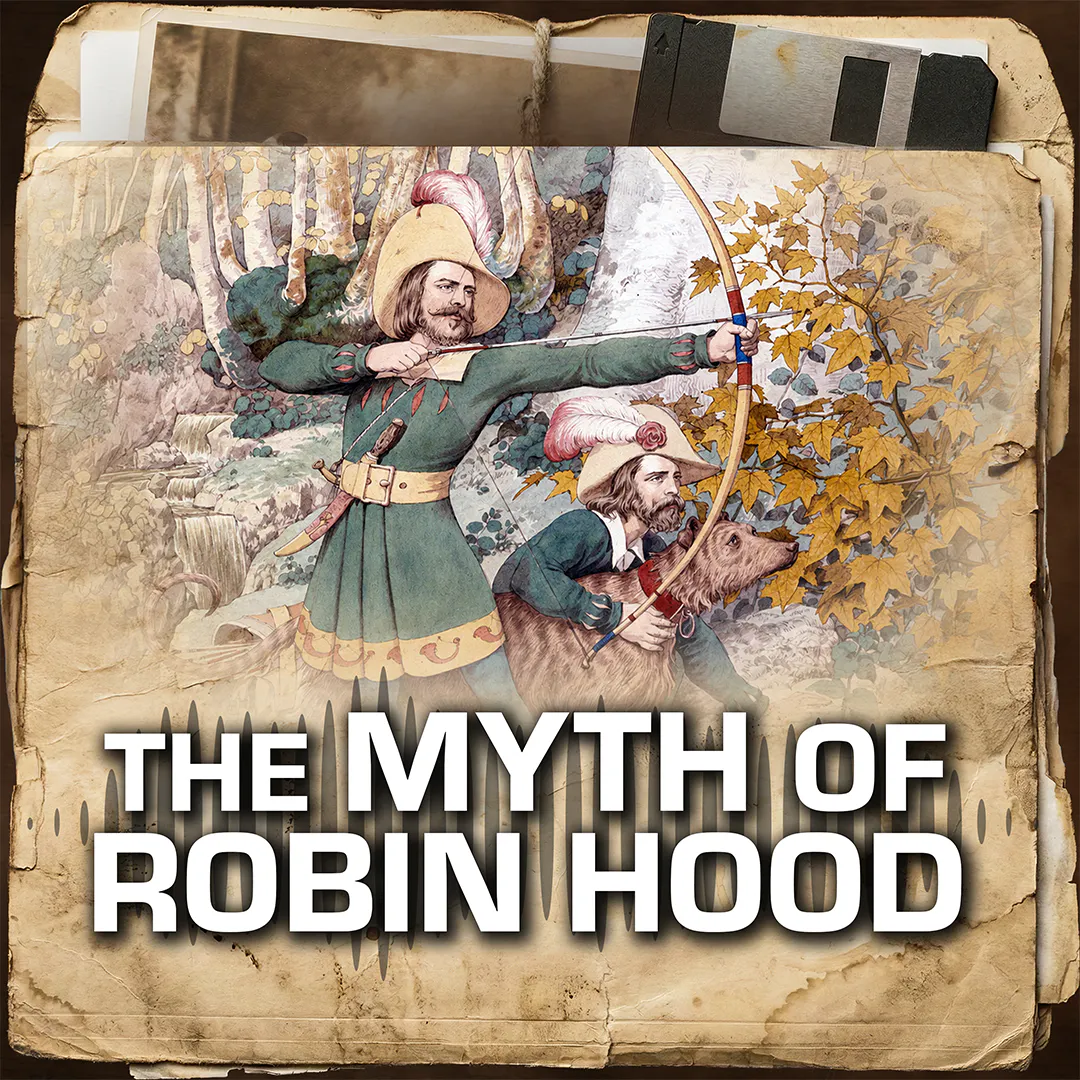
Episode 23: Robin Hood: The Truth Behind the Myth
Lythe and listin
Gentilmen,
That be of freebore blode
I shall tell you of a gode
Yeman
His name was Robyn
Hode
These are the opening words to The Gest of Robin Hood, first published by Wynkin de Worde in written form in 1506. They represent the first literary mention of a man who was almost certainly never real, but who has existed in the British consciousness since the middle ages. In this episo

Episode 22: How Piracy Actually Worked
Ask most people to describe a pirate and their ship, and they’ll likely conjure up an image of an eye-patch-wearing man commanding a huge ship. An image that, in most cases, could not be farther from the truth.
From the middle of the 17th century onwards, European nations expanded their influence and trade into the Americas and the Indian Ocean. In doing so, they created an environment in which p

Episode 21: America’s Influence on Tudor England
The 16th Century saw a two way exchange of objects, ideas and people between Europe and the Americas to a far greater extent than is often understood.
Much of that exchange is visible in the everyday objects and trade that took place between these two different worlds. Exchange that can get lost when we frame history through the eyes and acts of individuals of recognition, renown or infamy. Today
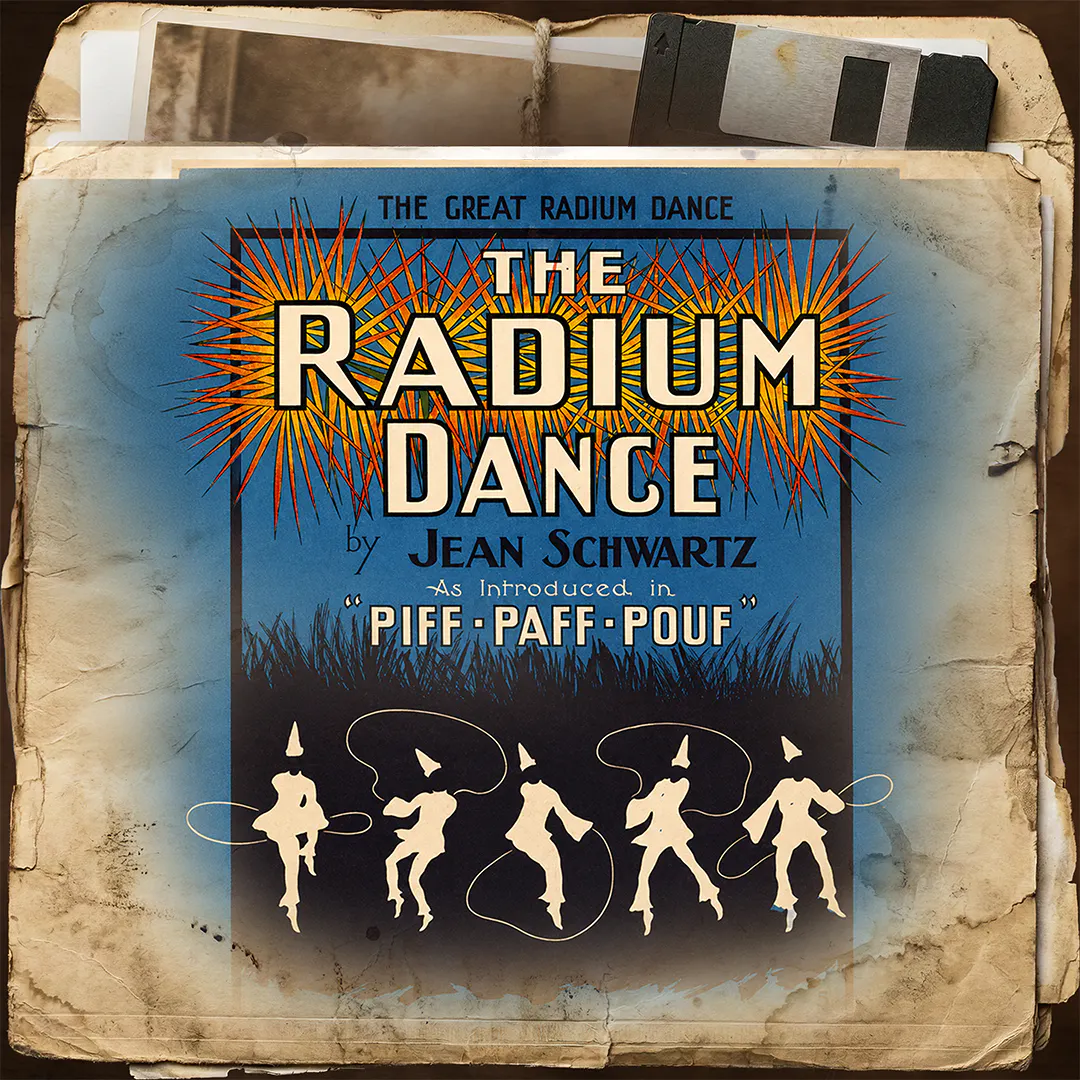
Episode 20: When Radium Was Put in Everything
The discovery of Radium in 1898 opened up new frontiers of science and medicine. But the sheer difference between the behaviour of radium and every element that had been discovered before, led to wild claims about its properties.
These claims, and the mystery surrounding the new element, led to a period sometimes known as the ‘Radium Craze’. For decades, this potentially dangerous element would b

Episode 19: Demonology and the Dead Sea Scrolls
The period of the Second Temple was a time of cultural change for Jewish communities, including in how they regarded concepts such as magic and demons. But evidence for what that meant on the ground was limited until the discovery of the Dead Sea Scrolls in 1946, and the wealth of scholarship that followed.
The picture painted is of a society looking to understand how the world, and the beliefs o
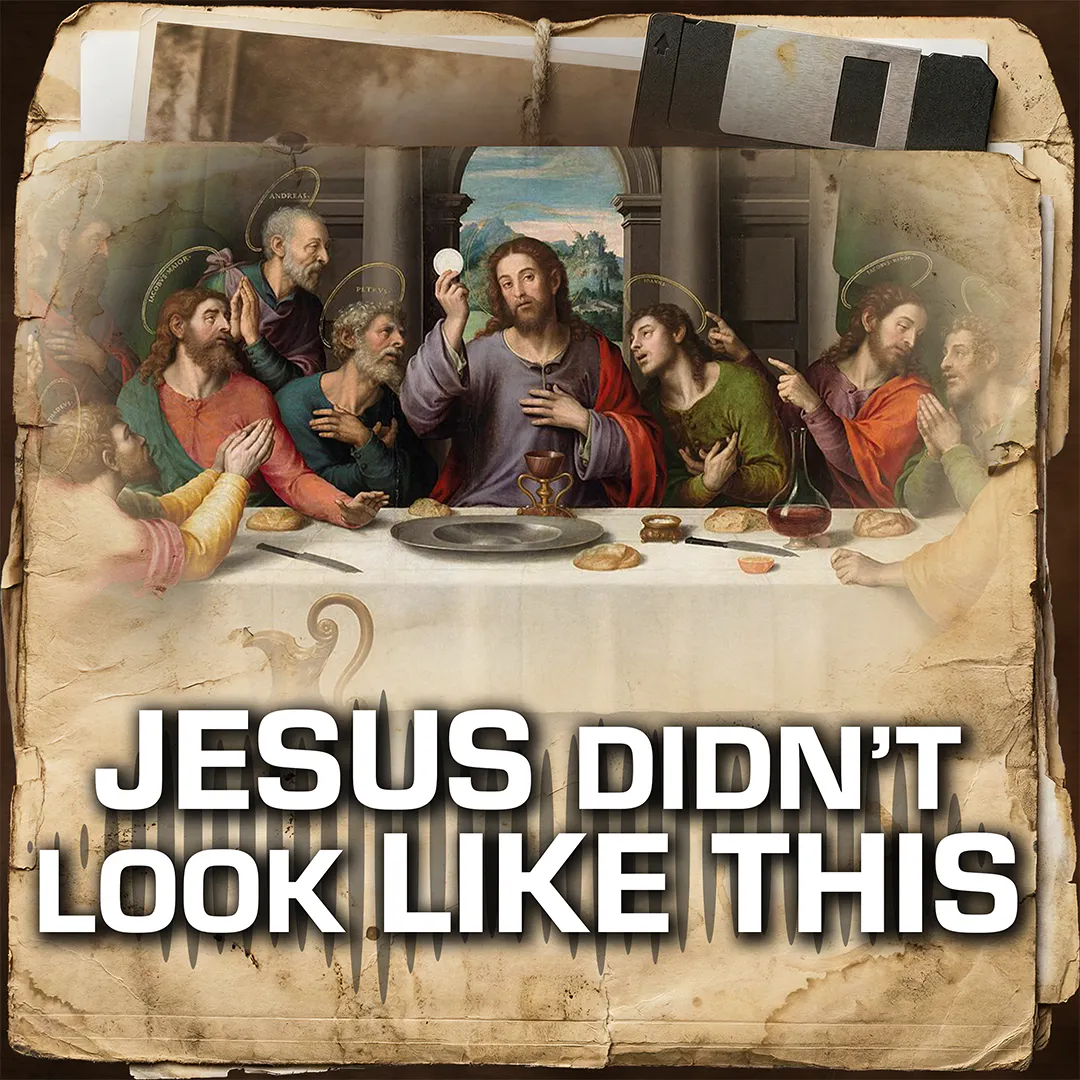
Episode 18: Everyday Clothing in Roman Judea
Jesus in flowing robes. Mary, his mother, in a veil. Mary Magdalene in red with loose flowing hair. Even the disciples in short tunics bare-headed. All these, and more, are part of the standard iconography of Christianity.
Yet both here, and with Roman or Greco-Roman people in this period in general, many of our ideas about daily dress and styling are wrong.
Today, we’re going to dig into what e

Episode 17: The Forgotten Kingdoms That Vanished: Britain After Rome
The withdrawal of Rome from Britain in the 4th Century wasn’t quick. The slow decline created an environment in which small kingdoms and communities emerged as independent, or semi-independent states. Today, we’re going to explore those lost kingdoms of Great Britain.
Do you like our podcast?
Then please leave us a review, it helps us a lot!
Host: Gareth Edwards
More about Gareth Edwards: https:

Episode 16: Antarctica: The Nazi Whale Oil Mission
Between 1936 and 1939, Nazi Germany operated the thirds largest whaling fleet in the world. Its giant processing ships roamed the Antarctic, almost driving the Blue Whale to extinction. All to make one vital product: margarine.
Nazi Germany was not the only nation to take up whaling on an industrial scale. In the 1930s, Great Britain and Germany bought almost 85% of all whale oil in the world. Th

Episode 15: How Firearms Became Fashionable in the Renaissance
In the 15th century, guns were often seen as the devil’s weapon. Unchivalrous and “unmanly”, they were viewed with suspicion by the European elite. Within a hundred years, this had changed. Guns were now luxury items among the rich, sometimes in odd, novelty combination with axes, polearms or with multiple barrels. Today, we’ll be exploring why and when this changed.
Today's Guest: Catherine F

Episode 14: The Surprising History Behind the Eurovision Song Contest
In May 1950, at the Imperial Hotel in Torquay, representatives from 23 European national broadcasters gathered to discuss future cooperation. The result was the creation of the European Broadcasting Union, or EBU.
Today, the EBU’s biggest legacy is undoubtedly the Eurovision Song Contest. But just how big a deal is Eurovision these days?
Guest: Jonn Elledge
Books:
The Compendium of (Not Qu

Episode 13: The Forgotten War between Britain and the USA
By 1812 Imperial France, under the leadership of Napoleon had become the dominant force in Europe. Only Britain and Portugal were still fighting against an Empire that now stretched from the shores of the Atlantic and the Mediterranean to modern Russia. It was at this point that a young United States decided to declare war on Britain. For the next two years, the countries would fight battles on la

Episode 12: The Reichswehr and the Weimar State
On 9th November 1918, with a revolution underway in Germany, a new republic was declared in Berlin. The next day, German Chancellor Friedrich Ebert and General Wilhelm Groener, acting in the name of the Supreme Army Command, concluded the Ebert–Groener Pact. This saw the German army pledge to support the new republic, as long as the government acted promptly against any leftist uprisings.The Germa

Episode 11: The Battle That Changed Football: Spion Kop 1900
For football fans, just the mention of Liverpool’s ‘Kop End’ evokes an image of a packed stand full of fans. Many other football clubs also have a Kop stand too. But why do those stands have that name?
In this episode we’ll be talking about the Battle of Spion Kop. Fought in South Africa in the dying years of the Victorian era, the battle was the bloodiest day for the British army up until the Fi

Episode 10: Battle of Quiberon Bay: France’s Doomed Invasion
In 1759 France and Britain were locked in the Seven Years War. It was a war of global proportions. In Europe, Russia, India, and the American colonies the two countries fought to establish who was the dominant world power. In November 1759, with the outcome of the war finely balanced, France decided to try and land a killing blow. They would invade Britain. The success, or failure, of this invasio

Episode 9: Europe's Strangest Borders: Holy Roman Empire
The Holy Roman Empire would exist for almost 1000 years. In that time it would encompass vast swaithes of Europe, trigger religious wars and result in a number of important people being thrown out of windows.
Yet throughout this it would prove almost impossible for those inside or outside to define.
Guest: Jonn Elledge
Books:
The Compendium of (Not Quite) Everything: All the Facts

Episode 8: The Forgotten British (and Australian!) Space Programme
After WW2, Britain began work on its independent nuclear deterrent, building on Nazi technology seized at the end of WW2. Over time, this would spawn a successful space programme that by 1971 was launching rockets into space. Today we’re going to talk about the forgotten British - and Australian - space programme.
In 1971 a British rocket, launched from Australia, carried a satellite into geostat

Episode 7: How to Conduct a Highway Robbery
In this episode, we explore the fascinating story of the infamous highwaymen who for hundreds of years plagued Europe’s roads, preying on unsuspecting travellers, often with deadly consequences. But, what’s the real story of this often romanticised profession, who were the best known among that group, and how did they come to write their names in the folklore of British history? We discuss all tha

Episode 6: Rat Lines, the Vatican and Nazi escape lines
In the decades following the end of World War II, thousands of Nazis from Germany, Austria and other countries fled Europe to avoid investigation for war crimes. Many of them used informal escape networks in countries such as Italy and Spain. Today, we're going to talk about these 'rat lines'.
Holocaust History Podcast
Ep. 67- Nuremberg Trials with Jack El-Hai
Ep. 52- Mengele in South Ame
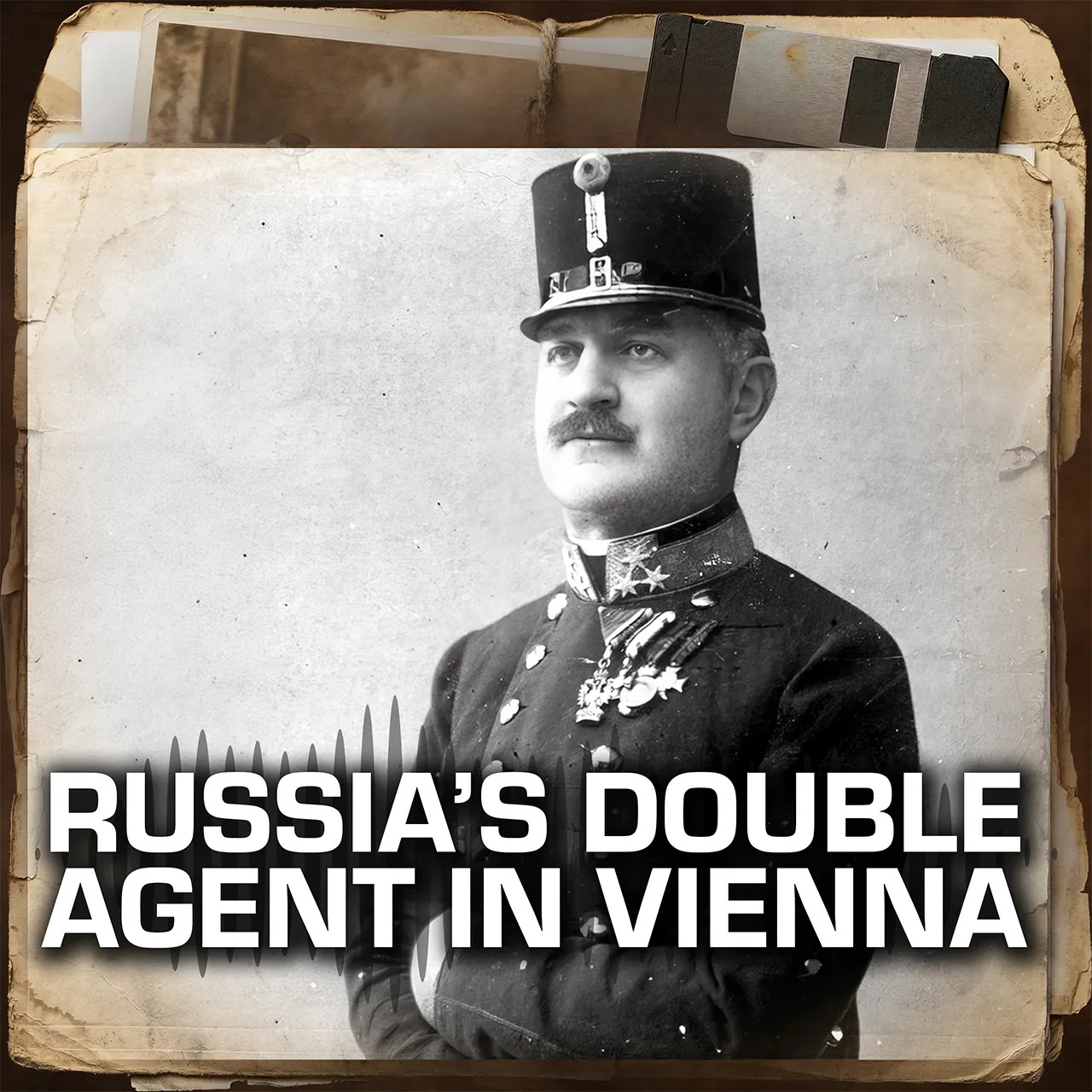
Episode 5: The Austrian Spy Chief Who Was Russia’s Double Agent
Founded in 1879, the Austro-Hungarian Evidenzbureau was the first permanent military intelligence service in the world. In 1901 Colonel Alfred Redl was appointed head of counter espionage. Redl’s reign saw a burst of innovation, helping propel Austro-Hungary to the forefront of the espionage world.
What nobody knew was that Redl was a double-agent, also working as a spy for the Russian Empire.

Episode 4: The Boston Massacre
On the evening of the 5th of March 1770, a ragged volley of shots rang out on the streets of Boston, Massachusetts. That volley would change the history of the world. The incident, in which British troops fired into an angry crowd, killing five civilians, would become known as the ‘Boston Massacre’. Thanks to figures such as Sam Adams and Paul Revere, it would also become part of America’s foundin
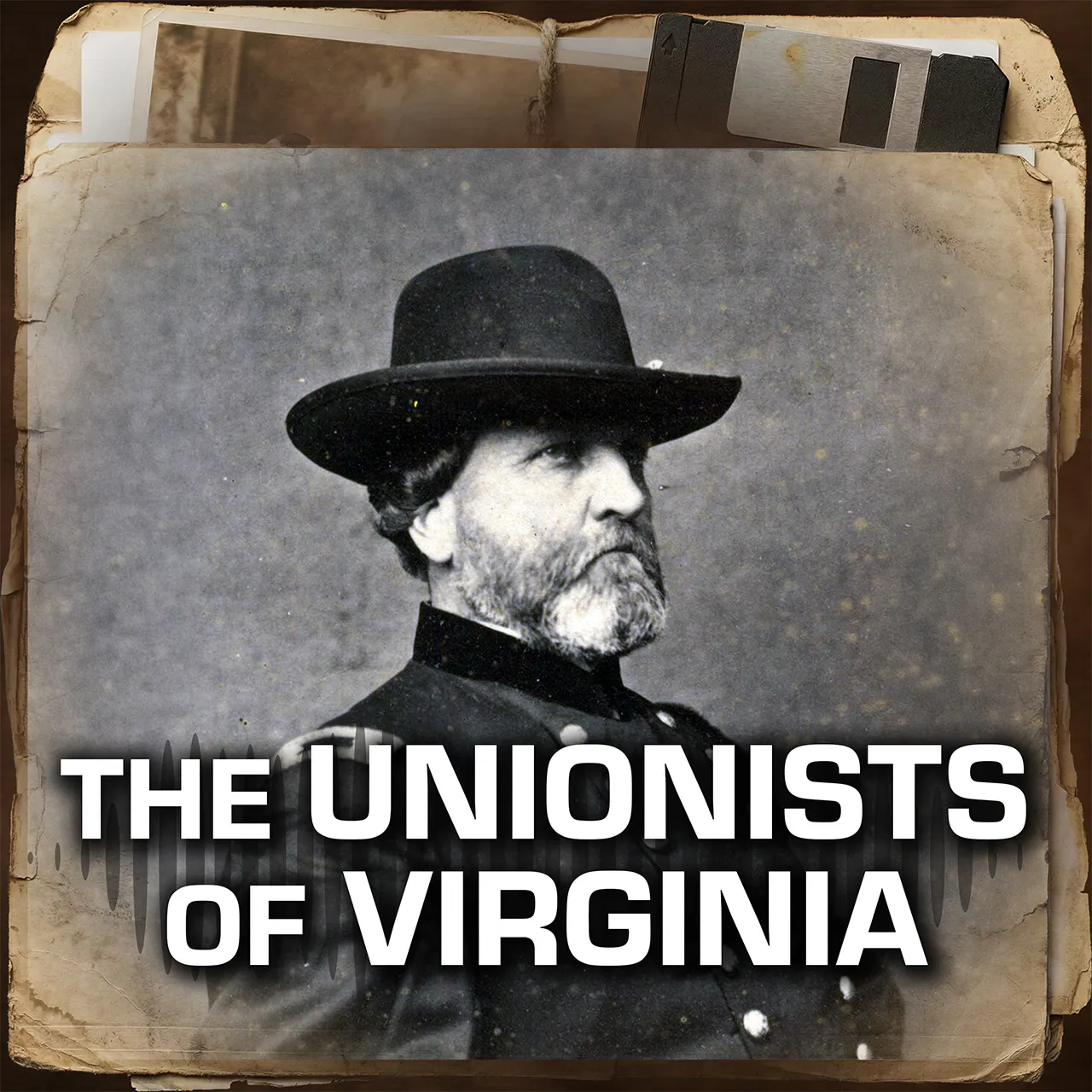
Episode 3: The Virginians who fought for the Union in the Civil War
Before the outbreak of the American Civil War, Colonel Robert E Lee wrote: I can anticipate no greater calamity for the country than a dissolution of the Union. It would be an accumulation of all the evils we complain of, and I am willing to sacrifice everything but honor for its preservation. Yet on April 20, 1861, Lee resigned from the Union army. By the 23rd April he was commander of all state

Episode 1: The Wartime origins of words and phrases
In this episode we cover the fascinating history of phrases and evolution of language in the English speaking world. From everyday sayings and their origins, to common terms lost to the passage of time, we explore some of our favourites and their sometimes surprising origins.
Do you like our podcast?
Then please leave us a review, it helps us a lot!
Host: Gareth Edwards
More about Gareth
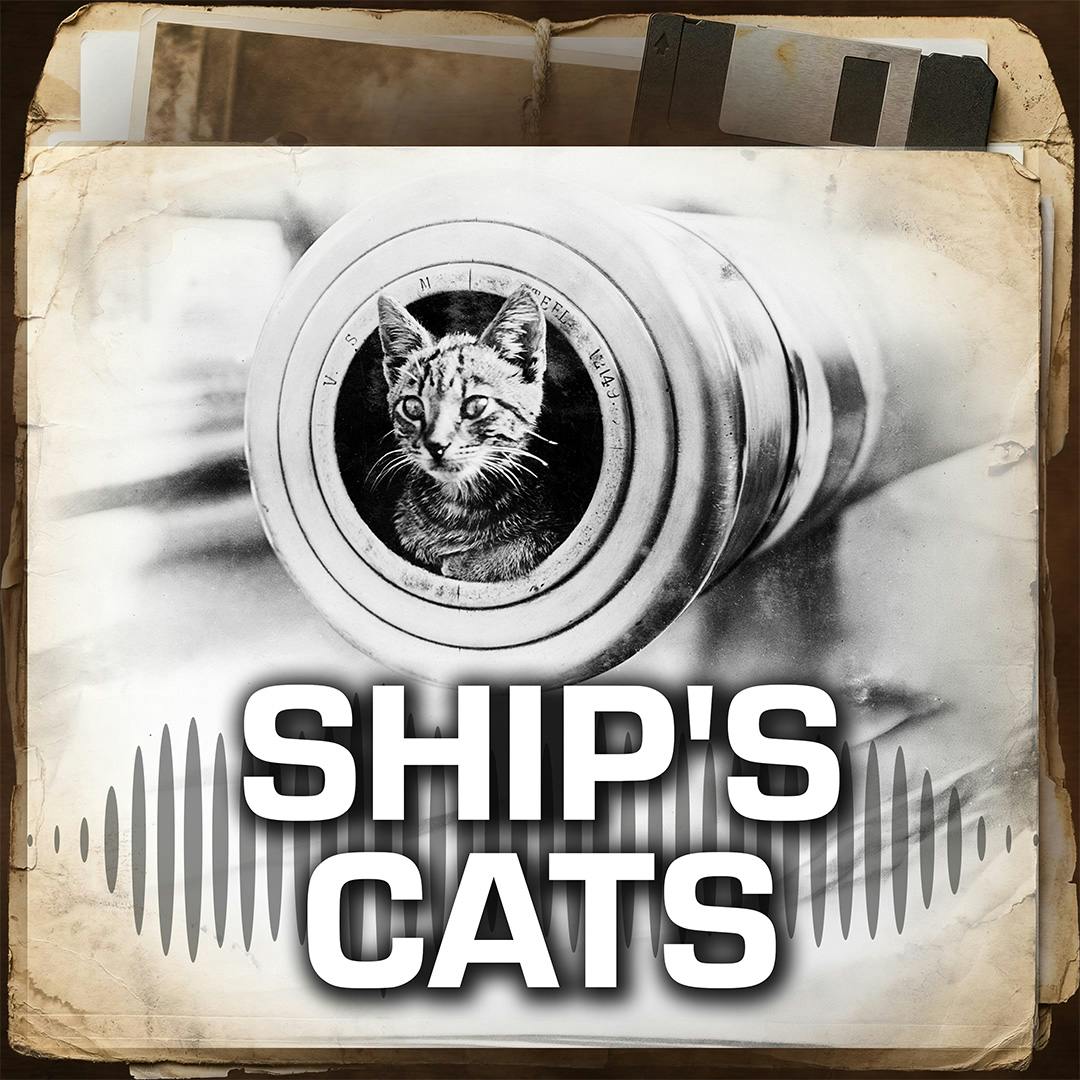
Episode 2: The History of Cats on Ships
From as early as 7000 years before the common era, we have evidence suggesting cats served alongside humans on ships. This isn’t just in a civilian capacity. As long as there have been warships, cats have served on them around the world. This is a tradition that has extended well into the modern era. At least 12 cats are known to have been present at the D-Day landings in June 1944. There were alm
Recommended

Easy English: Learn English with everyday conversations
SAS: The Shadow War

Esme's Country Life

Miles From Ordinary Podcast

Off The Telly

Murder of a Famous Bastard
Learn UK English By Podcast

My IELTS Classroom Podcast
People Fixing the World
The History Hour

The Healing Childhood Trauma Podcast

Frank Off The Radio: The Frank Skinner Podcast
