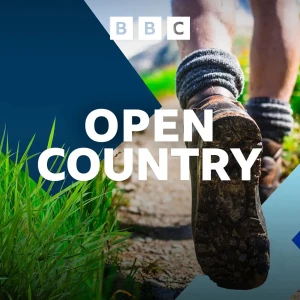
Open Country
Open Country is a countryside magazine programme from BBC Radio 4. It explores the landscapes of the British Isles through the people and wildlife that inhabit and shape them. Each episode visits a different rural area and meets the local communities, farmers, and conservationists whose lives are connected to the land. The programme provides a rich portrait of contemporary rural life, traditions, and natural heritage across the UK.
Episodes
Walter Scott country
Martha Kearney visits Walter Scott country. She traces the writer's footsteps through the Scottish countryside, visiting Abbotsford House near Melrose, where he built his Scottish baronial dream. Scott was the best-selling author of his generation, with Waverley station in Edinburgh named after one of his books. As Martha finds out, his writing explores Scotland’s environmental history, including
Whitwell Bird Ringers
Brett Westwood goes to meet ornithologist Jack Baddams and his fellow bird ringers in his home village Whitwell in Derbyshire, to find out how the practice of ringing has been passed down the generations there, and learns about the impact it has on nature conservation more widely.Most people know Jack as the young ornithologist who reports for BBC Springwatch. He’s also a bird ringer, licenced by
Kate Stables and Winchester
Musician Kate Stables visits her favourite spots in Winchester to find out more about the area that she used to call home. From St Catherine's Hill you can see across the whole city. It's where Kate flew kites, and celebrated her wedding - and with the help of archaeologist David Ashby she finds out about the iron-age settlement and medieval chapel that once adorned the landscape. Dropping down to
Saving the Rare Plants of Eryri
Martha Kearney meets the people protecting and restoring rare arctic-alpine plants in Eryri, also know as Snowdonia. Robbie Blackhall-Miles is a conservation horticulturist working for the charity Plantlife. He shows Martha his secret nursery for rare plants where he's been propagating species such as the previously extinct rosy saxifrage, in preparation for reintroducing them to the mountains.Mar
Bramble Bank Cricket Match
Between the mainland and the Isle of Wight, when the tides are low enough and the days long enough, a sandbank emerges from the Solent. At some point each summer, in most summers since 1984, this exposed bank becomes the venue for an extraordinary event: a cricket match between two sailing club teams from opposite sides of the Solent.Test Match Special commentator Alison Mitchell joins the team se
River Pilgrimage
Pilgrimages are usually associated with the Middle Ages, when they were at their peak. Banned by Henry VIII in the 16th century, they are now regaining popularity. In this programme, Martha Kearney joins a group of people on a river pilgrimage in Kent. They're spending ten days walking the entire route of the River Medway, from its source in the High Weald in Sussex to the point where it empties i
Ancient Technology Centre
Martha Kearney learns ancient skills like forging a knife, flint knapping and making a fire with flint and steel, alongside local schoolchildren at the Ancient Technology Centre in the Dorset countryside. The centre is a unique collection of archaeologically accurate reconstructions of ancient buildings, used for hands-on outdoor history education. Each building represents a different time period:
Bluebird returns to Coniston
When Donald Campbell died on Coniston Water in Cumbria in January 1967, attempting to break his own water speed record it was, to many people, the end of an era. Many would always remember where they were when the images of Bluebird K7, the jet hydroplane he was piloting, crashing and disintegrating on the lake appeared on TV screens and the story broke across the world.In March 2001, after 34 ye
Wildlife Artists on Massingham Heath
Martha Kearney is in Norfolk to walk the heathland that is being returned to its ancient grassland habitat by Olly Birkbeck. The Society of Wildlife Artists is holding a year-long residency documenting the recovery of the land and the flora and fauna.
Martha meets sculptor Harriet Mead, field painter of birds Darren Woodhead and painter Kim Atkinson to see how they observe and reflect the natural
Roadside Verges
Britain's roadside verges rarely get much attention, but can play host to a whole range of plant and animal species. In this programme Martha Kearney finds out about this overlooked habitat. She meets a community group in East Sussex whose members grow plants at home specially to plant in the verges of their village, and talks to the charity Plantlife about the importance of verges as an environme
Deer Stalking in Essex
Britain’s deer population has surged to around two million. These iconic animals are well-loved, but their growing numbers are putting real pressure on the countryside - stripping young hedges and woodlands, damaging crops, preventing natural restoration and harming other native wildlife. To control the population, hundreds of thousands of deer are shot each year. Critics argue hunting in the name
Carrifran Wildwood
Martha Kearney visits one of the UK’s earliest environmental restoration projects. Southern Scotland was once covered in broadleaf woodland, rich scrub, heath and bog. That was before sheep, humans and conifers took hold. Now a group of visionary volunteers are restoring that landscape in what they call the ‘wild heart of southern Scotland’.Set in a 1600 acre glacial valley in lowland Scotland, Ca
In Celebration of the Daffodil
Thriplow Daffodil Weekend in Cambridgeshire started as a way of raising money for a church roof in 1968. Nearly sixty years later, it is thriving. More than 40,000 bulbs are planted each year to create the incredible displays and a small village of just 250 residents welcomes more than 10,000 visitors over the weekend. Martha Kearney joins them to discover what’s involved, meeting the organiser Pa
Restoring Wallasea's Wild Coast
Martha Kearney visits Wallasea Island in Essex, the largest manmade coastal nature reserve in Europe. It was created from the 3 million tonnes of London clay that were excavated in the digging out of the Elizabeth Line.
The RSPB project used soil from the Crossrail scheme to raise the land, and flood almost 170 hectares of arable land to create saltmarsh, mudflats and lagoons. This was to mitiga
Stroudwater's missing mile
The Stroudwater canal in Gloucestershire was built in the 1770s. It brought coal to the mills along the Stroud valleys, which had become an important centre for the manufacture of woollen cloth, but the arrival of the railways in the mid 19th century led to the canal's decline and eventual abandonment. A mile-long section of it was filled in when the M5 motorway was built in the 1960s, cutting the
The Rock Houses of Staffordshire
Martha Kearney visits the unique cave dwellings at Kinver Edge that were lived in until the 1960s. Cosy cottages were built into the soft red sandstone with windows and doors and families lived in them for generations. Martha looks around a cottage which has been restored as it was when it was lived in and hears about the family that lived there. She also finds out about the heathland restoration
Hedgerow havens
Hedges are such a traditional part of the British landscape that most of us don't give them a second thought. They're usually associated with the enclosures of the 17th-19th centuries, when the medieval farming system gave way to enclosed fields surrounded by hedges - designed to keep sheep in and people out. But, as Martha Kearney finds out, many hedges are far older than that - going back thousa
Savernake Forest
It's an ancient hunting ground with thousands of 'veteran' trees. Henry VIII visited often as it was the seat of the Seymour Family at nearby Wolfhall. Martha visits the forest to learn about its past as well as how ecologist Andy Harris and forester Nikki Morgans manage this special site and aim to 'future proof' it protecting the ancient trees and wildlife for the next thousand years. Histori
The Mourne Mountain Fires
The Mourne Mountains in County Down are home to Northern Ireland’s highest and most dramatic peaks - a landscape often shrouded in cloud and rain. Yet in recent years thousands of fires have broken out across the range, the majority believed to have been started deliberately. Dry weather and hotter summers linked to climate change have made conditions even more hazardous, alongside the degradation
Black Poplars: How to Save a Tree
Have you ever heard of a black poplar? You've probably seen one, at least in a painting, even if you didn't recognise it as such. The black poplar is Britain's most endangered tree, and features in Constable's famous work, The Hay Wain. Martha Kearney is in Suffolk to see black poplars at Flatford Mill, the location in the painting, and to talk to botanical artist Ruth Wharrier about painting from
The Stones of Snuff Mills
Tucked away in a wooded valley on the outskirts of Bristol is a magical woodland nature reserve, Snuff Mills. Helen Mark discovers what lies beneath the trees, a now peaceful place with a history of heavy industry, where milling and stone quarrying has left behind a stunning playground for walkers and climbers. Local residents John, Beryl and Margaret grew up next to the quarry and witnessed its
Fair Isle
Halfway between Orkney and Shetland, Fair Isle is one of Britain’s most isolated inhabited islands. It's famous for knitting and birds, and those still form the basis of the island's economy, as Martha Kearney discovers.As an inviting rock in the North Atlantic it’s a magnet for migratory birds, with exhausted individuals blown off course regularly adding to a long list of unusual species recorde
The Menai Strait
Martha Kearney visits the Menai Strait - the stretch of water which separates Ynys Môn or Anglesey from mainland Wales. She learns about its treacherous tides and hears about the history of its two bridges, both built in the 19th century to improve travel between London and Ireland. The Menai Suspension Bridge was designed by Thomas Telford and will celebrate its 200th anniversary at the start of
Pingos and Pool Frogs
Martha Kearney discovers the Ice Age ponds in Norfolk, called pingos, which are being brought back to life, and provide a home for the Northern Pool Frog. It's the UK's rarest amphibian and had become extinct in this country, but it's now breeding there again and Martha is keen to see one. With 400 pingos, Thompson Common is the most important site for pond wildlife in the country and also holds a
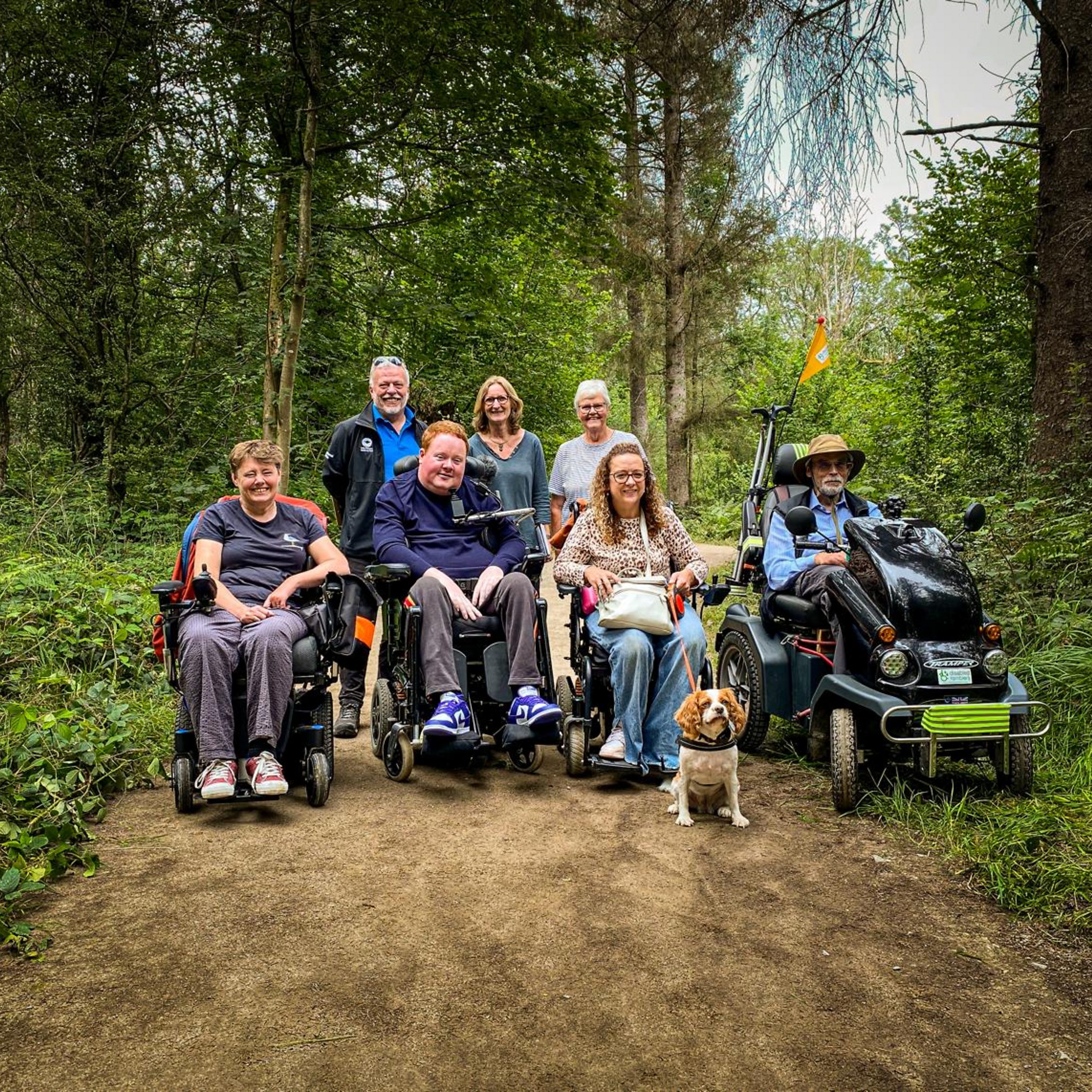
Exploring the Lakes by wheelchair
Caz Graham tries out Miles without Stiles, a scheme which helps disabled people access the Lake District. She joins a group of people in a fleet of mobility vehicles on a route from Sizergh Castle near Kendal, and visits the Keswick to Threlkeld path which was rebuilt after Storm Desmond but attracted controversy when it was surfaced with tarmac.
Will Clark explains how the scheme helps him con
Aeolian harps on Wicken Fen
Wicken Fen in Cambridgeshire is one of the few remaining fragments of England’s original fenland. A place loved by naturalists for generations, it was Victorian botanists and entomologists who led the efforts to ensure the land was entrusted to the National Trust, which has protected it for 125 years. Today, Wicken Fen is a thriving mosaic of flowering meadows, sedge and reedbeds. It is one of th
Flutterings on the Fleet
Tucked in behind Dorset's famous Chesil Beach is a unique and beautiful place - the Fleet Lagoon. Martha Kearney explores a thousand year history of human guardianship of birds on the lagoon. On the way she gets a close-up view of little tern dating platforms on the Fleet itself, learns why the swans of the ancient Abbotsbury Swannery are much safer now and who they hate the most, and - of course
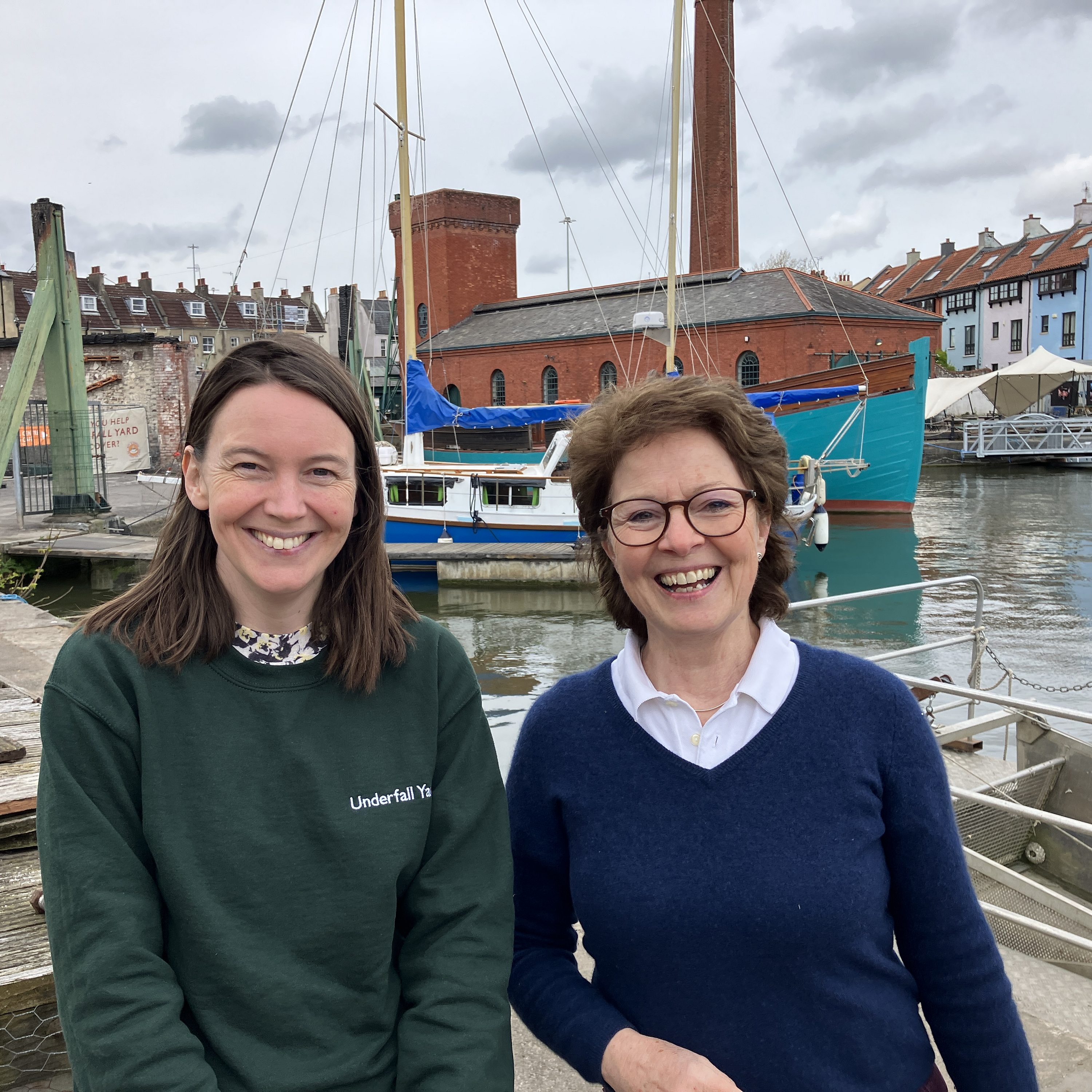
Shipshape and Bristol Fashion
Helen Mark visits the port of Bristol – finding out how it changed the local landscape, and how the landscape in turn shaped it. She learns how and why Bristol became a port city in the first place and finds out about the creation of the floating harbour in 1809. She uncovers a tale of mud, the enemy of shipping, which scuppered the port’s ability to take on larger ships, resulting eventually in i
Wild and Windy Fylde
The Fylde peninsula stands between Morecombe Bay, the Bowland Hills and the Irish Sea. Its position means that it's a very windy spot. Windmills have been a feature of the area for hundreds of years, built to grind grain and drain marshy areas in order to turn them into agricultural land. At one point there were over thirty-five windmills on the Fylde coast. Rendered obsolete by the arrival of new
The People's Forest
Helen Mark hears the story of how the ancient Epping Forest was fought for, and saved by, the people of East London. In the late 19th century, Epping Forest was threatened with enclosures. As elsewhere in Britain, local landowners were selling off common land for farming or building developments. But local people fought back. Beginning with a Loughton man, Thomas Willingale, who continued to asser
Time travel on Orkney
Rose Ferraby visits Orkney to discover the rich history of a stretch of coastline on the small Island of Rousay. She joins archaeologists from the University of the Highlands and Islands as they travel through the rugged landscape and varied timescales of Rousay's coastline, from prehistory to clearances. They chart the legacy of ancient islanders and uncover stories hidden within the island's bro
Shifting Sands of Sefton
The Sefton coastline stretches for around twenty miles between Liverpool and Southport. It has one of the largest sand dune systems in the country, but is also one of the fastest-eroding shorelines, shifting back by around four metres ever year. In this programme, Martha Kearney visits Sefton to explore the ways in which this ever-changing landscape has been shaped by both human activity and the e
Cornish Mining
Martha Kearney takes a trip through the past, present and future of mining in Cornwall, finding out how it has shaped the landscape. After crouching in an old tunnel at Geevor Tin Mine with the miners who used to work in it, she journeys into the future at a new lithium mine based in an old china clay pit in St Austell.Producer: Beth O'Dea
These Debatable Lands
Helen Mark visits 50 square miles that were neither England nor Scotland. The Debatable Lands, between Carlisle and Gretna, were home to untameable crime families that petrified the most powerful of Lords and Kings. For hundreds of years governments in London and Edinburgh left the region to its own laws and moral codes. When they did intervene, the result was an explosion of violence that's sti
The 100 Mile Wildlife Corridor
Martha Kearney follows the River Ouse, from the High Weald to the Sussex coast and - finally - into the sea itself. Along the way, she discovers how one of the UK's largest nature recovery projects is taking root. The project is called 'Weald to Waves' - it's a wildlife corridor that has been mapped out over more than 100 miles of Sussex landscape and coastline, to encourage biodiversity on a huge
Night under the Stars
For young carers, it can be difficult to find time to get away from home and enjoy the great outdoors. In this programme Helen Mark meets a group of 12-13 year-olds who all have caring responsibilities for a family member at home, but who are spending a night camping out on Dartmoor. She joins them as they pitch their tents, do some river-dipping, and help with feeding farm livestock. As dusk fall
Aberaeron's Mackerel Festival
Jon Gower is in Aberaeron, Ceredigion, to explore how mackerel (and other fish) have shaped the people and landscape. Jon joins the pretty harbour town’s annual mackerel festival, where the humble mackerel is given thanks at the end of its season with a funeral procession, complete with wailing widows, a blessing from the local reverend Dilwyn Jones and, most years, a sunset cremation on the beach
Wildlife Watching on Mull
The growth of wildlife documentaries and social media has boosted our interest in wildlife. Footage of whales, birds and mammals shot by keen nature lovers around the British Isles has alerted us to the presence of apex predators such as the Orca in the waters around northern Scotland. It's not surprising that people visit the island of Mull in the hope of spotting some of the abundant wildlife.
Writing Wildness
Helen Mark heads to the Shropshire hills to discover how to write about nature at The Hurst, a place dedicated to artistic practice.
She meets author-tutors Miriam Darlington (Otter Country, Owl Sense) and Patrick Barkham (The Swimmer, Wild Isles) who share with Helen their techniques of encouraging new writers to find their own voice and how to turn observation and reflection into a compelling
Battery Rocks
Helen Mark discovers a wilderness in the heart of Penzance, in West Cornwall. It's a rocky headland loved by local people, with steps into the open water and views of St Michael's Mount. If you set up a time-lapse camera here at Battery Rocks, you'd see a steady stream of people arriving at this unobtrusive place from sunrise to sunset. It's popular with swimmers, snorkellers, rock-poolers and
Football Falcons Rookies and Rooks
Nadeem Perera presents this week's Open Country from Richmond Park. He's with two young footballers from West Ham and Birmingham City. Nadeem is nature mad and wants to share his passion for birdwatching with the young players as a way of using nature as a tool for better sportsmanship. As a football coach as well as wildlife presenter, Nadeem believes an appreciation of nature can be incorporated
The Sound of The Fens
The people and wildlife that shape the landscape of the British Isles
Anneka Rice and Maggi Hambling in Suffolk
Unlikely as it sounds Anneka Rice has long been part of a small painting group run by the extraordinary artist, Maggi Hambling. Over the years they've developed a strong bond. As Maggi puts it, the painting group is 'like family' to her. In this special episode of Open Country, Anneka travels to Suffolk to find out more about the county that has inspired Maggi's work: from her brooding seascapes,
Wiltshire's white horses
Wiltshire has more chalk hill figures than any other county in the UK, with no fewer than eight white horses carved into its rolling hills. They're all slightly different, and were carved into the hillsides at different times, often to mark an important occasion such as the coronation of Queen Victoria. In this programme, Helen Mark visits some of them - from the oldest and probably best-known one
Shivering Sands
Martha Kearney visits Whitstable to discover the fascinating and mysterious story behind Guy Maunsell’s sea forts at Shivering Sands. Built in the second world war as air defences, these towers can still be seen from the shoreline, although they are now in a state of disrepair. Martha discovers their incredible and strange history. Once home to up to 265 soldiers, these huge metal boxes on stilts
Bats on Punts
Martha Kearney is in Cambridge to explore wildlife at night. She takes an evening trip on a punt to see and hear the creatures which come out after the tourists have gone to home bed. She learns about the bats which at this time of year are just emerging from hibernation - hungry and on the hunt for insects. They swoop low over the waters of the Cam, their echo-location picked up and relayed for h
Gibraltar Point
Martha Kearney explores the shifting sands of Gibraltar Point on the Lincolnshire coast, to witness the effects of beach erosion on both birds and people.At Gibraltar Point National Nature Reserve, wardens go to extraordinary lengths to protect shore-nesting birds from habitat loss caused by beach erosion. They build wooden platforms for the nests of little terns and cages to protect the nests of
Mapping Britain's Holloways
Helen Mark is in Dorset to investigate the county's ancient sunken roads, known as holloways. They're deep, steep-sided tracks formed when soft rock erodes and are often overtopped by a canopy of trees. The erosion over centuries creates remarkable, often otherworldly spaces, that come with their own unique flora and fauna. On her trip to the Symondsbury estate near Bridport Helen hears about
Darwin's Childhood Garden
Jude Piesse moved to Shrewsbury in Shropshire when her job changed, but it was only when she went for a walk alongside the river near her new house that she discovered she was living beside what had once been the garden where Charles Darwin spent his childhood. Much of the original 7 acres of the garden has been built on, but the original house, The Mount, still exists. It has been used as offices
Diving Gannets and Raging Seas
Martha Kearney hears stories of recovery from the Firth of Forth. First, she takes to the water with guide Maggie Sheddan and skipper John McCarter to explore the iconic Bass Rock, a volcanic island just beyond the shores of North Berwick in East Lothian. A decade ago, Bass Rock became the world’s largest colony of Northern gannets, home to over 75,000 breeding sites. Then, in 2022, Avian Flu hit
Postal Paths and Corpse Roads
Up until the 1970s, postmen and women in rural areas walked their delivery rounds - taking routes through the hills dubbed "postal paths". Some routes, and fragments of others, still survive today. In this programme Helen Mark explores one of them, near the village of Shap in Cumbria, with author Alan Cleaver who is writing a book about these old paths. So far he's identified over thirty of them u
Britain’s deadliest footpath
The Broomway has been dubbed the “deadliest footpath in Britain”, claiming more than a hundred lives. Helen Mark takes a cautious walk along this treacherous Essex seapath with Peter Carr and John Burroughs from the Foulness Island Heritage Centre. She’ll hear how people can easily become disoriented on the vast mud flats and tragically caught out by the rapidly advancing tides of the Thames Est
Field notes from Mars
Rose Ferraby joins geologist Dr Claire Cousins, visual artist Ilana Halperin and art historian Dr Catriona McAra as they explore the artistic and scientific terrains of both Orkney and the planet Mars. From the windswept Orcadian cliffs to the Martian landscape, they discover the surprising similarities of these two locations and explore how both science and art can interpret time, space and histo
Tales from the Quoile Riverbank
Over the centuries the River Quoile has carried Vikings, steam ships and cargoes of coal and timber from as far afield as the Baltic and Canada. Today it's a river for leisure pursuits – popular with canoeists, anglers and wildlife enthusiasts.Cadogan Enright is a councillor, environmental campaigner and chairman of the local canoe club. He takes Helen Mark out on the river to sing its praises, bu
Reed cutting at Cley
Bernard Bishop has lived and worked on the Cley marshes for his whole life. It's the Norfolk Wildlife Trust's oldest reserve and home to a plethora of birdlife, sealife and grazing saltmarsh cattle. Bernard and his family have been cutting reeds to be used for thatching from the marsh for five generations and counting. Bernard talks to Ruth Sanderson as he cuts this year's reed crop with his son a
The changing river with Philippa Forrester
For over two decades presenter and wildlife expert Philippa Forrester has lived in a house with a river flowing through the garden. It's home to an abundance of species including Kingfisher, Mink and Egrets, and it's been the backdrop to a remarkable period of time when Philippa helped raise two orphaned otter cubs ready to be released back into the wild.In this programme Philippa tells some of t
Mabel's mountain trip with hares
"In the winter when the snow is there it's a different world, escaping into the silence. It has a hint of the forbidding too because you feel you're going on true adventures." Andrew Cotter.It's almost two years now since Iain Cameron and Andrew Cotter took producer Miles Warde on a lengthy summer mountain hike. They all agreed they'd love to come back in the winter, in the snow, kitted out and ac
Return of the Derry Girl
Derry/Londonderry has a conflicted past but is fiercely loved and celebrated by its inhabitants. In the 21st century, it's shaping a new identity and redefining itself. The success of the hit TV sitcom 'Derry Girls' has breathed new life into the civic vision of the city and its surrounding landscape, shining a global spotlight on a place so often defined only by its troubled history. Marie-Louise
Creative Island with Anneka Rice
Anneka Rice’s favourite place on earth is the Isle of Wight. As an accomplished and enthusiastic painter, its landscape and atmosphere have inspired her art for as long as she can remember. And she’s not alone. On today’s Open Country, Anneka sets out to discover why the island is one of the most creative places in the UK, famous for attracting poets, painters and photographers to its shores. Fr
Seeking asylum in nature
Helen Mark joins a group of asylum seekers as they help with a tree-planting project in Denbighshire. She hears how - without a car, and with rural buses both scarce and expensive - refugees rarely get access to the countryside. The group of people she meets have travelled to Wales from Liverpool for the day, but come originally from all over the world. She hears about the experiences of four of t
Music of the Gloucestershire landscape
The rural landscapes of Gloucestershire have inspired many classical composers - including Herbert Howells, Gerald Finzi, Ralph Vaughan Williams and Ivor Gurney, to name just a few. In this programme, Rose Ferraby finds out about the links between landscape and music and learns about the extraordinary cluster of composers who were associated with Gloucester Cathedral in the early part of the 20th
Wintertide in Hartlepool
Sally Rodgers from electronic musical duo ‘A Man Called Adam’ takes us to the Headland of Hartlepool to explore the landscape, culture and history which has inspired her music. As part of Wintertide Festival, the artists of the area have created installations, art and music inspired by their fishing heritage. We hear about the songs of the ‘gutter girls’ – women who gutted herring along the East C
Unearthing the past at Vindolanda
At the major Roman site of Vindolanda, just south of Hadrian's Wall in Northumberland, excavations have unearthed artefacts from nearly two thousand years ago. In this programme, archaeologist Rose Ferraby visits the site and asks what we can learn about the people who lived here and the kind of lives they led. She hears about the five thousand pairs of shoes which were left behind by the departin
Wilder London
Dan O’Neill is a wildlife expert and biologist. He’s also the first openly gay wildlife presenter. In this Open Country he’s in London to discover what ‘rewilding’ means for the capital. The Mayor of London, Sadiq Khan, launched the ‘Rewild London Fund’ to help make London a leader in urban rewilding, from restoring rivers to reintroducing species currently absent from the capital. One of them is
Shaky Toun
The Highland Boundary Fault runs diagonally across Scotland, dividing the Highlands from the Lowlands. In this programme, Helen Mark finds out what impacts this geological feature has had on the landscape around it. She visits Comrie, which at one time had more earth tremors than anywhere else in the UK, earning it the nickname "Shaky Toun". On a tour of the Earthquake House - one of the smallest
Caves and Dragons: Pembrokeshire by Paddleboard
Anna Jones paddleboards the rocky coastline of Pembrokeshire, listening to the mysterious growling sounds of the sea caves. As the tide rises, water sloshes into holes in the rock and squeezes out puffs of air - or could it, maybe, be a dragon? Paddling in and out of the caves and coves, Anna and local instructor Libby Chivers allow their imaginations to run wild, picturing dragons and sea monster
Mountain Rescue
The mountain rescue team in Wasdale in the Lake District have recorded their busiest year so far with some of the harshest winter months still to come. The Langdale Ambleside team have also already reached their average annual incident rate - two months before the end of the year. Across the peaks of the UK, Mountain Rescue teams are coming under increasing pressure as visitor numbers soar.Helen M
Hutting
At Carbeth, just north of Glasgow, there are around 170 simple wooden huts tucked into an area of woodland. Basic and off-grid, they are part of Scotland's hutting tradition. Carbeth is the biggest hutting site in the country, with a history that goes back to the end of the First World War, when the landowner gave permission for people to camp and later to build simple dwellings, as interest in na
Felixstowe with Carolyn Quinn
Carolyn Quinn has family links to Felixstowe, a place she’s visited frequently over the years, enjoying walks along the Edwardian seafront, soaking up its old world charm. For Open Country she returns to take a closer look at this Suffolk town, including how it’s been shaped by the enormous presence of Felixstowe Port, the largest container port in the UK. She begins her journey with David Gledh
Fieldnotes from Eternity
Paul Evans explores the rich folklore and natural history of St Melangell church near Llangynog in Powys for a new piece of nature writing. Paul is one of our finest nature writers and in this episode of Open Country he talks us through his creative process, which he describes as "a kind of imaginative hunter-gathering”. Inspired by the ancient yew trees that grow in the churchyard, he listens to
Stone Circles and Dark Skies in County Tyrone
As a child, Mary McKeown played hide and seek amongst the Beaghmore Stone Circles in her native County Tyrone. It's a mysterious, mystical site with seven circles, ten rows of stones and twelve cairns, all seemingly carefully aligned. They were found by turf cutters in the 1930s, excavated in the 1960s and carbon dated back to the early Bronze Age. There are many theories about what they were u
Highlands with Horses
Mary-Ann Ochota joins a group of walkers, riders and horses as in the Scottish Highlands as they follow St Columba’s Way, a pilgrim route from St Andrew’s to Iona. Starting at the village of Killin, eleven people and four horses – Istia, Kirsty, Moy and Sasha - follow the old ways through Glen Lochay and Glen Lyon to the Bridge of Orchy. It's a trip organised by The Big Hoof, a group which promot
Sound and Light at Dungeness
The landscape of Dungeness, at the south-eastern tip of England, is an unusual one. In this programme, Helen Mark finds out about stories surrounding sound and light on this peninsula which juts out into the English Channel. She visits the huge concrete "sound mirrors" - built in the 1920s as an early detection system for incoming enemy planes. Their technology became obsolete as aircraft speeds i
Oban Cliff Mystery
"They rise up suddenly out of fields, they're next to roads and they're even in the middle of the town golf course." Oban resident Antonia Quirke is intrigued by the strange cliffs that can be found everywhere along this stretch of Scottish coast, and she becomes more obsessed when she finds out that someone has been banging in titanium bolts to create new climbing routes up to their peaks. Joinin
The Isle of Man
Thousands of years ago, large parts of Britain were covered with temperate rainforest - also known as "Atlantic woodland" or "Celtic rainforest". It's a habitat which needs high rainfall and low annual variation in temperature, so the western fringes of the British Isles provide perfect conditions. But temperate rainforest has been largely destroyed over the centuries and there are now only fragme
Stories of Sea and Stone
The town of Whitby on the North Yorkshire coast has long been associated with fossils. In this programme, Rose Ferraby finds out about new geological research which sheds light on changes to the marine landscape of thousands of years ago - and asks whether it has lessons to teach us for the future. She meets a geologist and a marine biologist who tell her about the latest research, and talks to an
The Maelor
"When I was a kid, a little junior baby map addict, it always worried me enormously - Flintshire (detached). Why is it detached? What's wrong with it?"Mike Parker is obsessed by an area of Flintshire called the Maelor. On the map he says it looks like a calloused big toe sticking into the plump ribs of England. Situated slightly south of a line between Wrexham and Whitchurch, it follows few of the
Tiny's Cairn
It's a land of standing stones, burial cairns and circles in the fields - Glen Lonan beside Loch Nell. Lupi Moll and Ivan Nicholson, who've known the area all their lives, take Oban resident Antonia Quirke on a short trek through the glen to see if they can work out why there are so monuments here. It was once part of the road of the kings, an ancient coffin route. It also includes a more recent m
Inspiration on the Tay
Dougie Vipond visits the River Tay, which runs from its source in the Highlands, past Dundee and out to sea. For centuries, the Tay estuary has shaped how creative people have expressed themselves. Starting at McDuff's Cross, the author Robin Crawford explains the Tay's link to Shakespeare - who was said to have drawn inspiration for his play Macbeth from this area. Pre-Raphaelite painters Turner
Wartime Secrets of Coleshill
Helen Mark visits Coleshill in Oxfordshire to learn about its wartime secrets. In 1940, with fear growing that Britain could be invaded by the German army, the estate became the training headquarters for a secret underground army. Over the next four years, thousands of country men - such as farmers, gamekeepers and foresters - were trained in underground resistance. They lived outwardly ordinary l