LBI London
LBI London is a research institute dedicated to the study of German-Jewish history and culture. The podcast likely features lectures, conversations, and research insights from scholars associated with the institute. It explores topics related to German-Jewish heritage, history, and cultural memory. Episodes may also include event recordings and discussions hosted by the Leo Baeck Institute London.
Episodes

Sheila Hayman on Fanny: The Other Mendelssohn | LBI Film Club Interview
Join Sheila Hayman, director and writer of Fanny: The Other Mendelssohn, in conversation with the Leo Baeck Institute London about the extraordinary life and music of Fanny Mendelssohn Hensel.In this interview, Sheila discusses the research behind the film, the recovery of Fanny’s work, and the wider questions the story raises about Jewish history, women’s creativity, family, and cultural memory.T
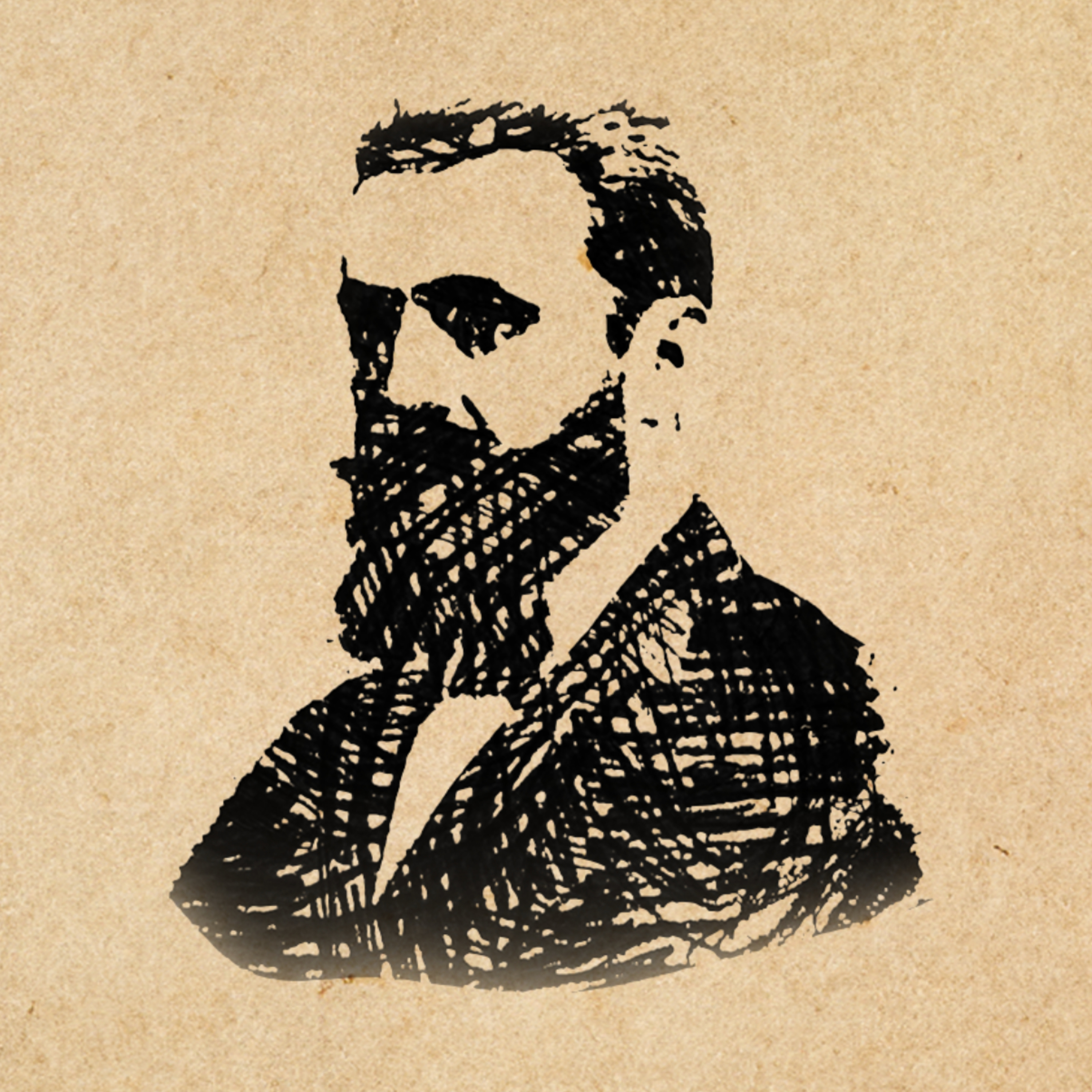
The LBI London meets Sir Bernard Zissman, producer of "Theodor Herzl: The Man Behind Israel"
The Leo Baeck Institute London is delighted to present an exclusive conversation with Sir Bernard Zissman, one of the producers behind the recent British documentary, Theodor Herzl: The Man Behind Israel.As the latest feature for our Film Club, we sat down with Sir Bernard ahead of our free online screening to discuss the vision and process of bringing Herzl’s story to the screen.Our heartfelt tha
Kindertransport in British Memory and Culture: A Roundtable Discussion
This online roundtable brought together scholars and practitioners to examine the Kindertransport through archival research, personal testimony, and reflective practice. Exploring sources ranged from international archives to refugees’ own words, the discussion considered how the Kindertransport has been remembered, interpreted, and mobilised in British culture, and why it continues to matter toda
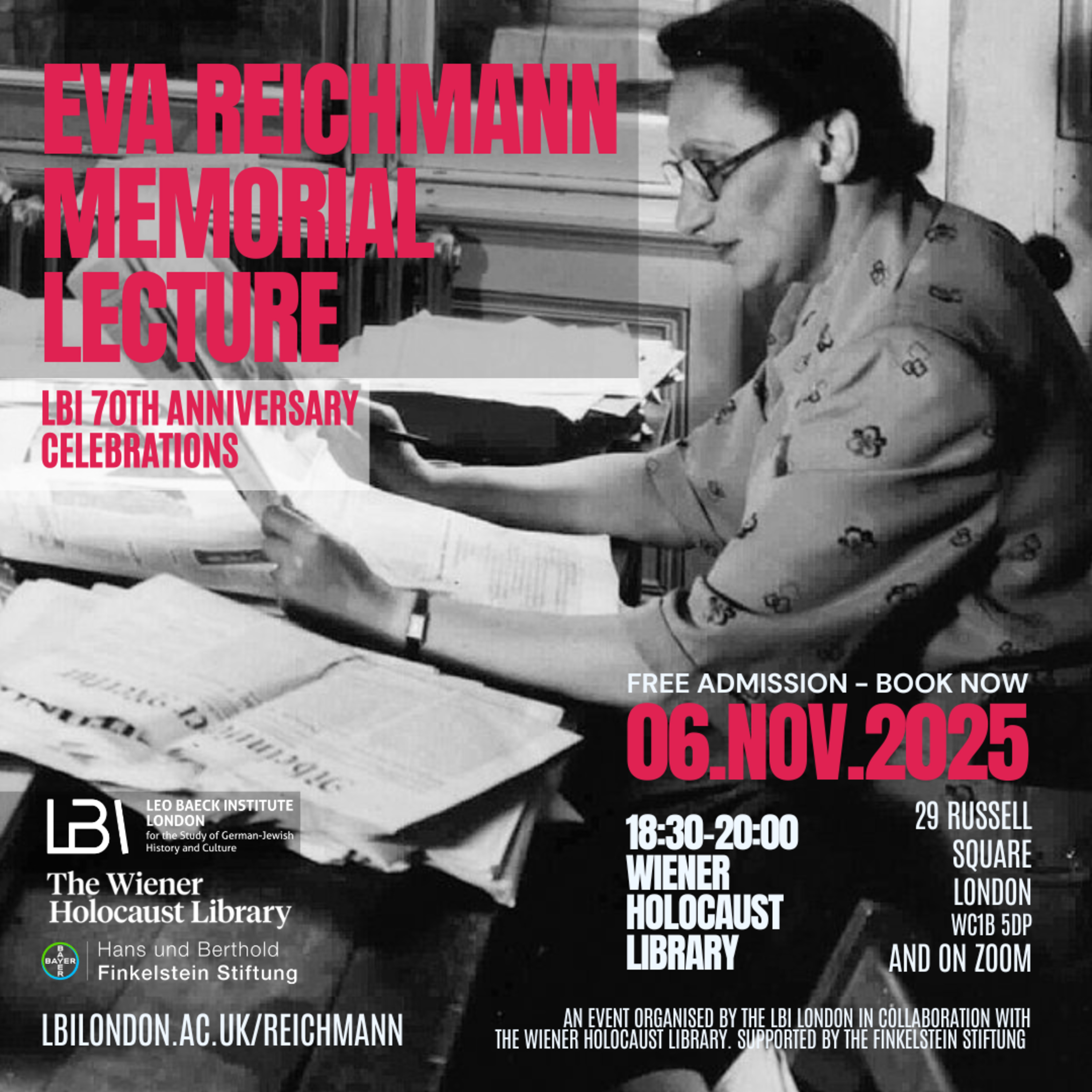
LBI 70th Anniversary Celebrations - Eva Reichmann Memorial Lecture
Christine Schmidt, Bea Lewkowicz, Natalia Aleksiun The Wiener Holocaust Library, London6 November 2025, 6:30PM - 08:00 PMThe inaugural Eva Reichmann Lecture, held as part of the LBI 70th Anniversary Celebrations: Eva Reichmann: Witness, Historian, LegacyThis special event celebrates the legacy of Dr. Eva Reichmann, a pioneering historian whose groundbreaking work continues to shape our understandi
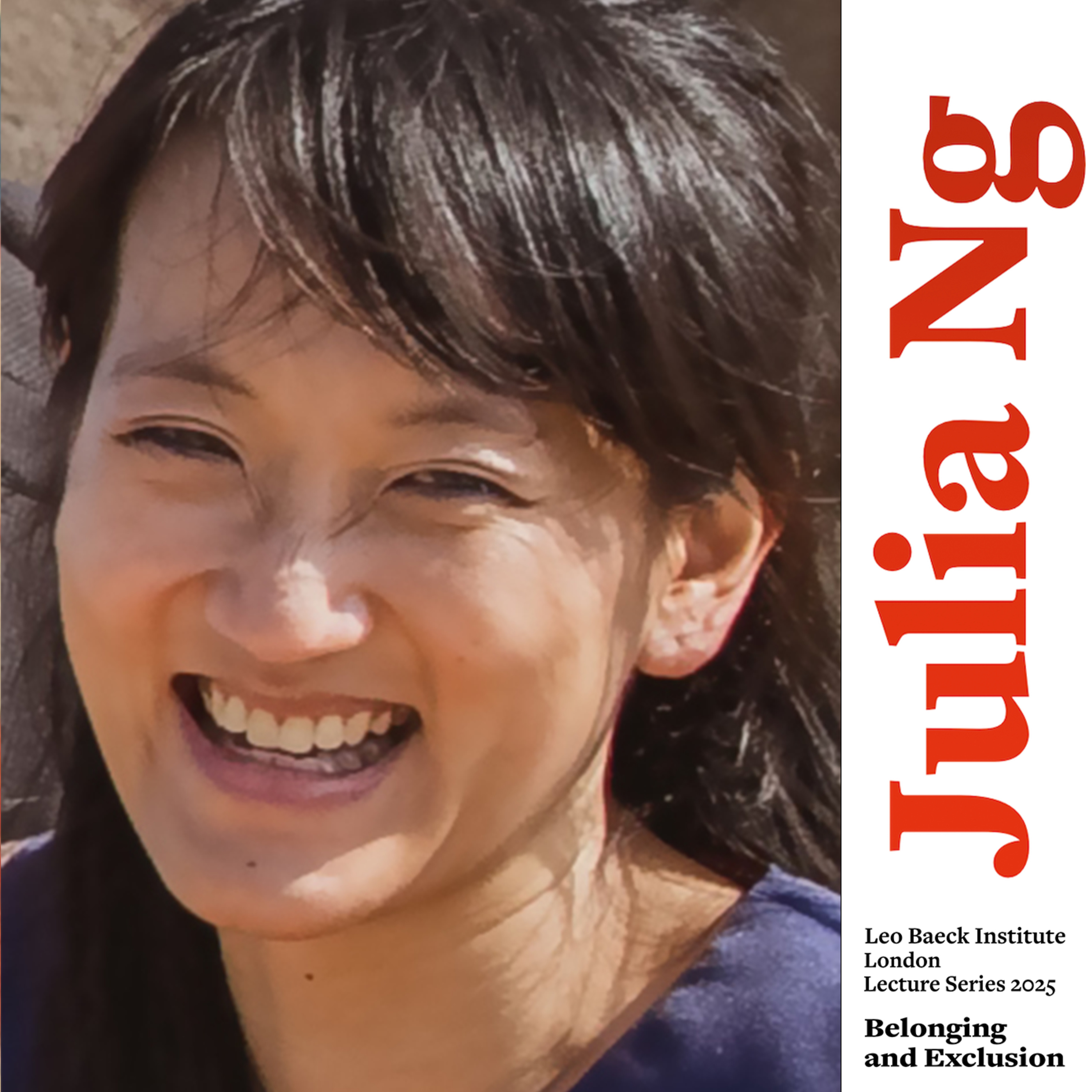
Dr Julia Ng - A Politics of Inaction: Daoism in German-Jewish Thought
In the early twentieth century, German-Jewish thinkers converged upon Daoism as a means to criticise state power and the dominance of economic productivity in modern society. Figures like Moses Mendelssohn, Franz Rosenzweig, and Walter Benjamin explored how Daoist ideas could inspire alternative ways of organising social and economic life, thereby challenging stereotypes of ‘China’ as passive or n
Rethinking German Nationalism in the Interwar Period
Erin HochmanDue to the horrors of the Third Reich, we have come to think of German nationalism as inherently antisemitic, racist, antidemocratic, and violent. This talk challenges this conventional interpretation. It shows how the defenders of the Weimar and First Austrian Republics used the großdeutsch idea, the notion that Austria should be part of a German nation-state, to create a democratic n
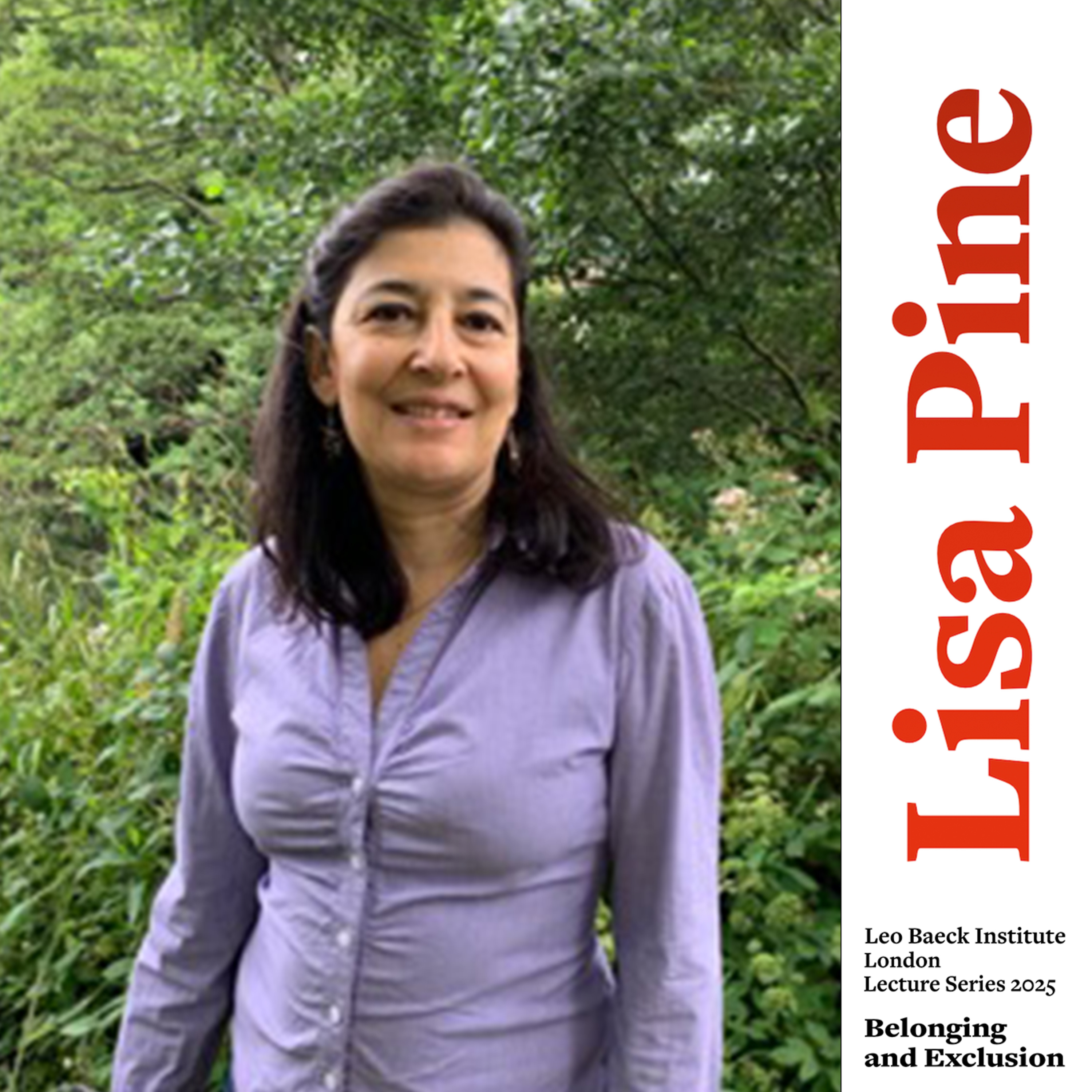
Hitler’s Mein Kampf: Reflections 100 Years On
Lisa PineInstitute of Historical Research, School of Advanced Study, University of LondonHitler and the history of the Nazis remain extremely popular topics and ones that never cease to attract people’s interest, even fascination. It is crucial to comprehend the nature of Mein Kampf, the mindset of its author, Adolf Hitler, and the ideology he espoused that brought untold tragedy to millions of pe
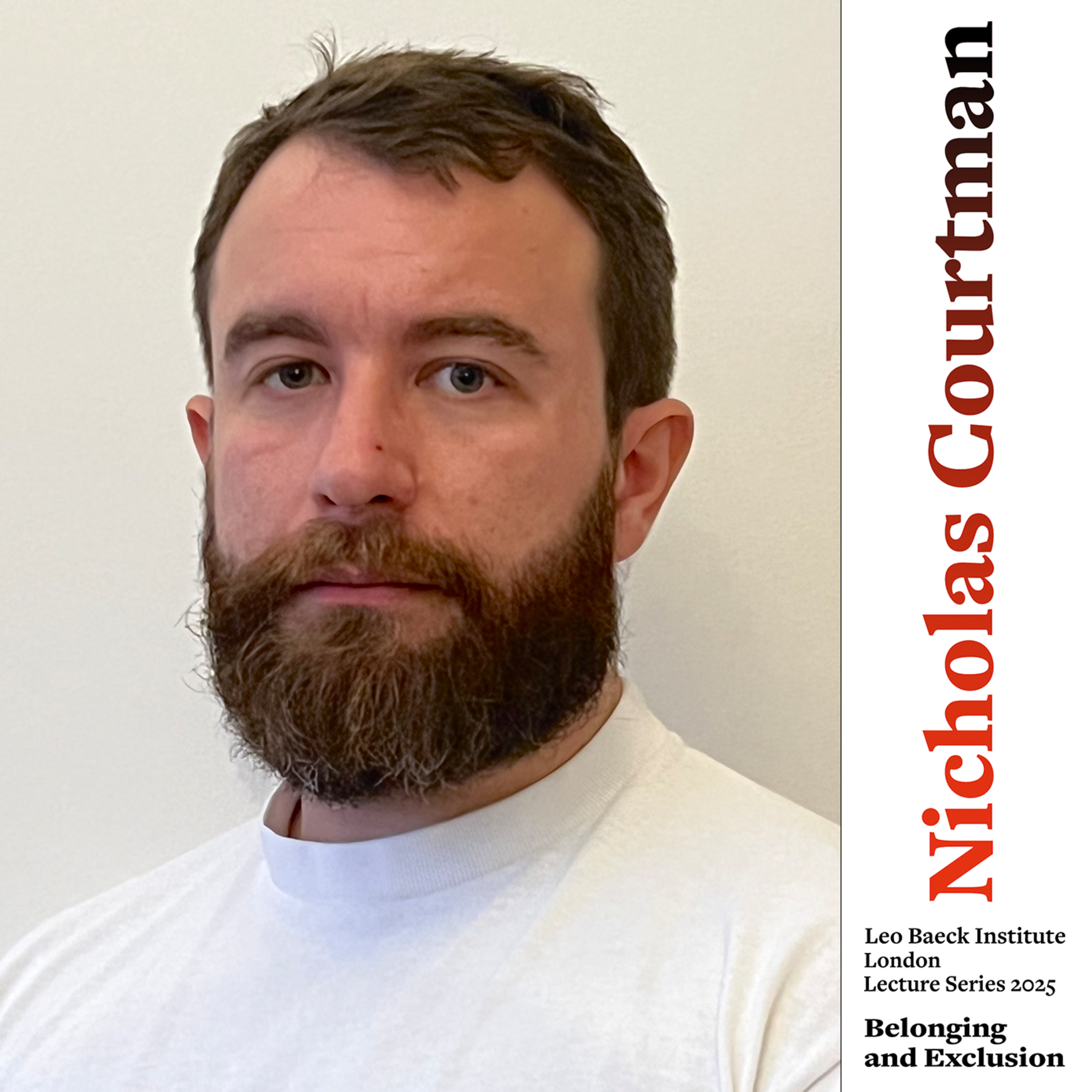
(Un)Welcome Returns? Re-Naturalisation Rights of German Jews in Germany
Nicholas CourtmanKing’s College LondonSince 1949, the Federal Republic of Germany has allowed former citizens, whose citizenship was revoked by the Nazis due to their Jewish faith or ‘race’, to reclaim it. Yet, over the past 75 years, there have been significant changes regarding which German Jews – and which descendants – can enjoy that right. This talk tracks those developments, from the restric
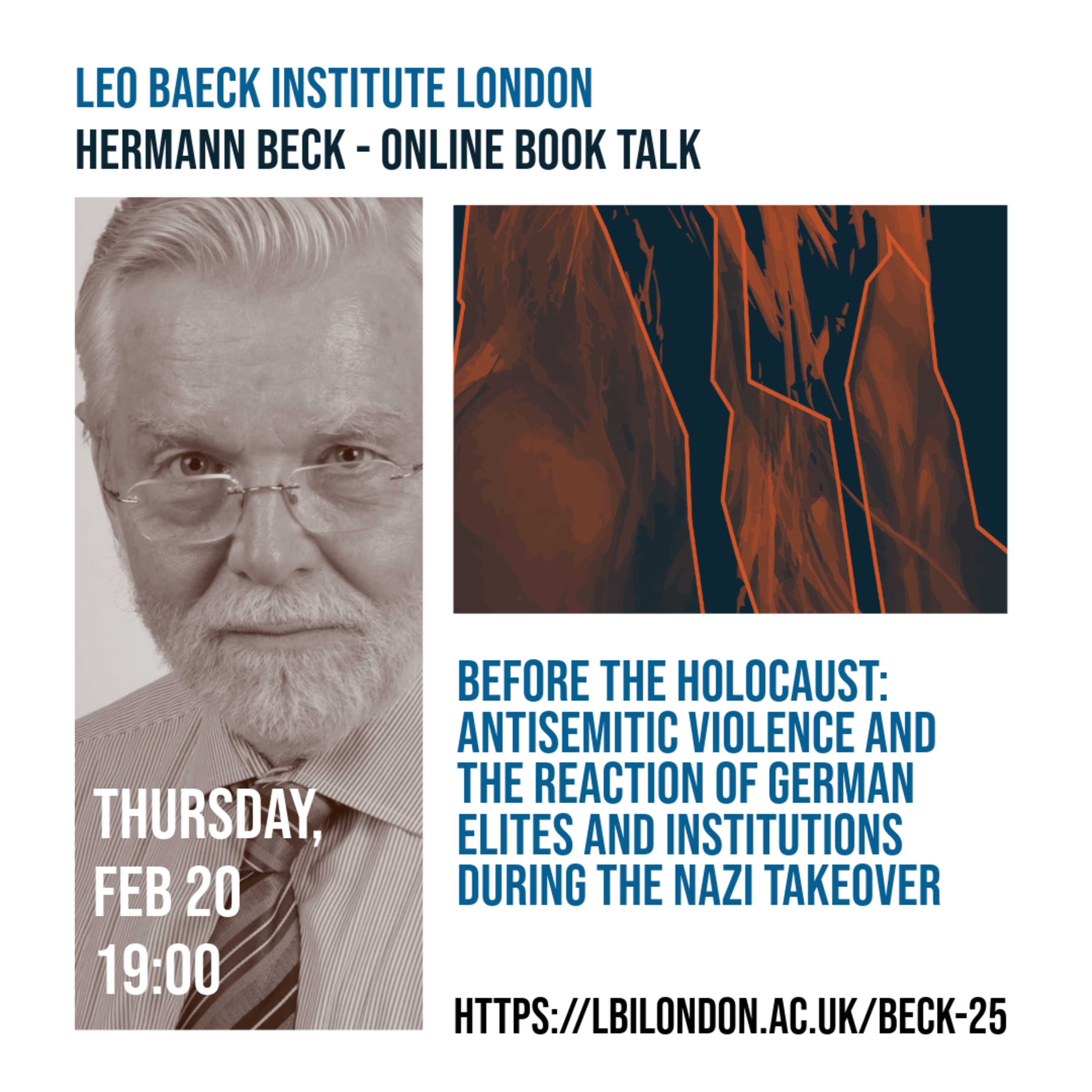
Hermann Beck - Online Book Talk
Before the Holocaust: Antisemitic Violence and the Reaction of German Elites and Institutions during the Nazi TakeoverSpeaker: Hermann BeckHermann Beck has just been announced winner of the Yad Vashem Book Prize 2024 for his book Before the Holocaust: Antisemitic Violence and the Reaction of German Elites and Institutions during the Nazi Takeover.Historians have traditionally argued that antisemit
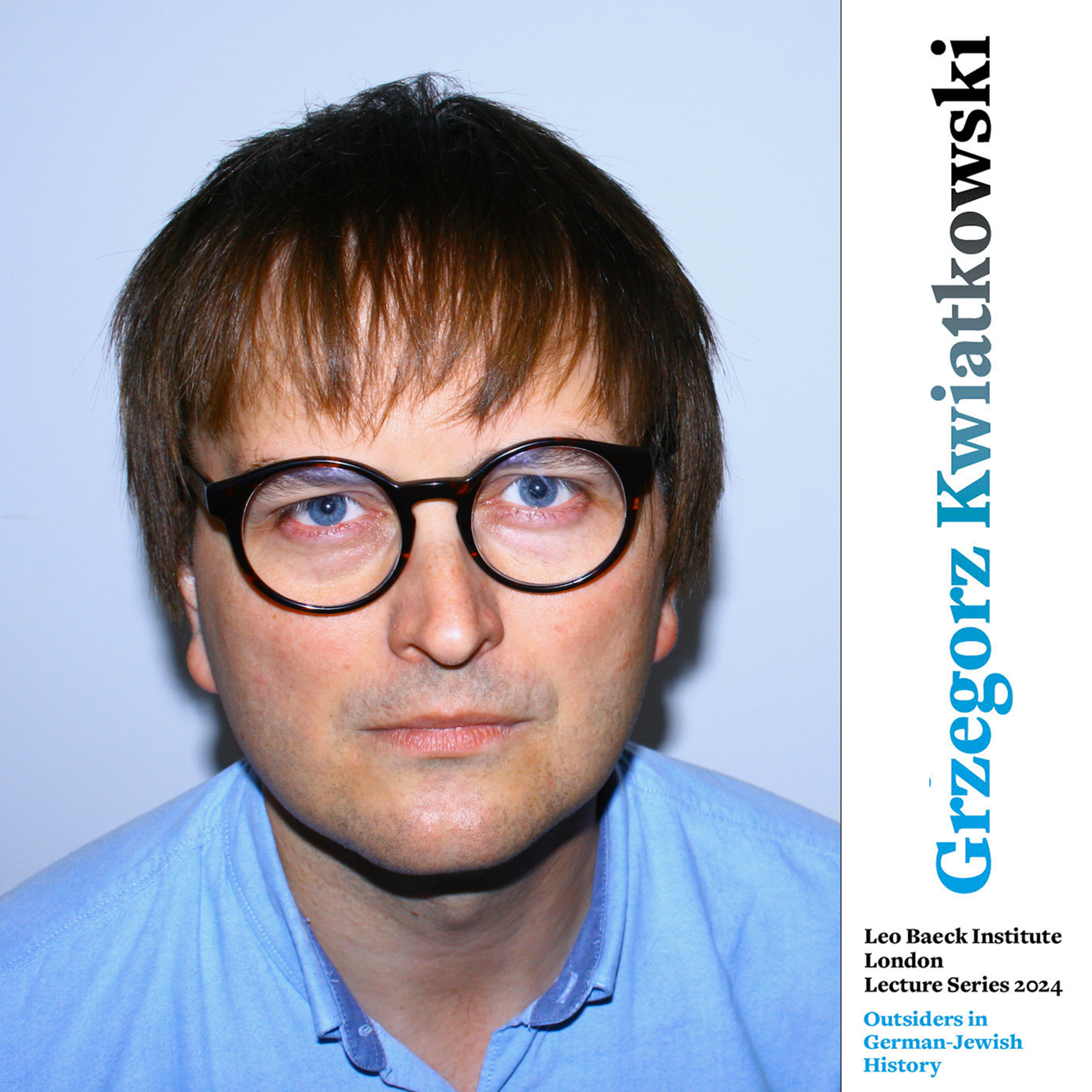
Grzegorz Kwiatkowski: More Light – Art Against Hate
More Light – Art Against Hate: Fighting Holocaust Denial and The Rise of Right-Wing Nationalism In Poland
Grzegorz Kwiatkowski
The ability to accurately describe the past is not confined to historians alone. Artists use their creative expression to explore the cruelties of history, aiming to shape a more ethical present and future. In the case of Grzegorz Kwiatkowski, art is also mixed with activ

A German-Jewish Athlete During The Age of Extremes: Alex Natan (1906–71)
Prof. Kay Schiller
University of Durham, UK
As a gay high-performance runner, antifascist intellectual and sportswriter, Alex Natan was a quintessential outsider in Weimar Berlin. His marginal status also remained a constant during his forced emigration to Britain, as a precarious refugee in pre-war London, as a long-time internee during World War II, as well as a schoolteacher in the Midlands an

LBI London Summer Lecture: Psychologists in Auschwitz: Accounting for Survival
Prof Dan Stone
The writings of Dutch Auschwitz survivors Eddy de Wind, Elie Cohen and Louis Micheels merit analysis not only because they anticipated what later became known as PTSD and much of the underpinnings of trauma theory. They also advocated a theory of survival that offers a compelling contrast to well-known “self-help” theories put forward by Bruno Bettelheim and, especially, Viktor Fra
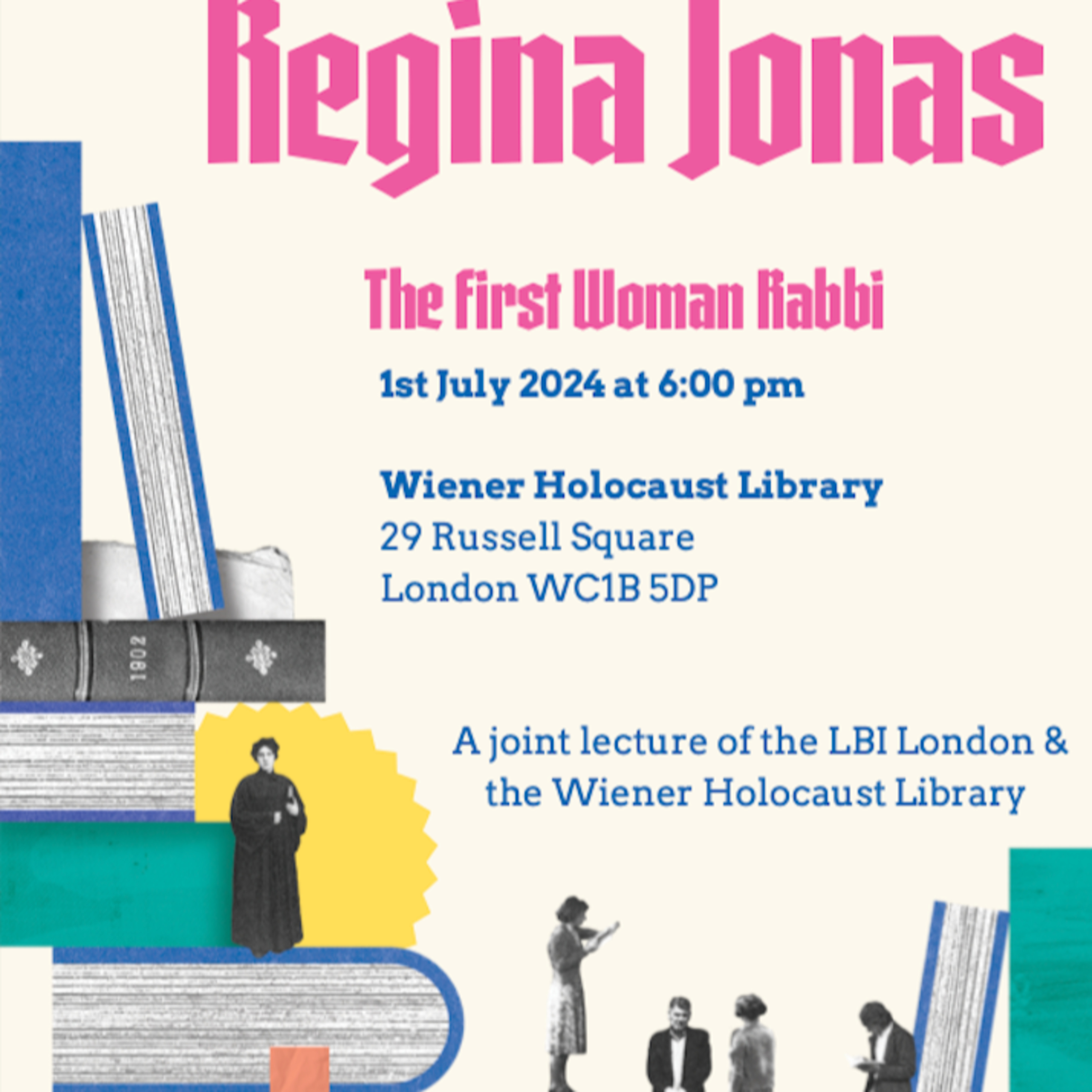
Regina Jonas – The First Woman Rabbi
Rabbi Prof Dr Elisa Klapheck
Wiener Holocaust Library
Can women hold rabbinical office? This was one of the questions discussed at the Higher Institute for Jewish Studies, Berlin, in the 1920s and 1930s. And no one was better suited to provide an answer to this than Regina Jonas, a student at the Higher Institute who became the first female rabbi in the world in 1935. Prior to her ordination, Jon

Jewish Life In Contemporary Germany
Prof Dani Kranz
Germany is home to Europe’s third largest Jewish community. Yet surprisingly little is known about them. After the Shoah, about 15,000 German Jews returned to Germany or emerged from hiding. The growth of the Jewish population in Germany after 1945 was due entirely to immigration, which is somewhat counter intuitive. Who are the Jews who live in contemporary Germany? How do they li
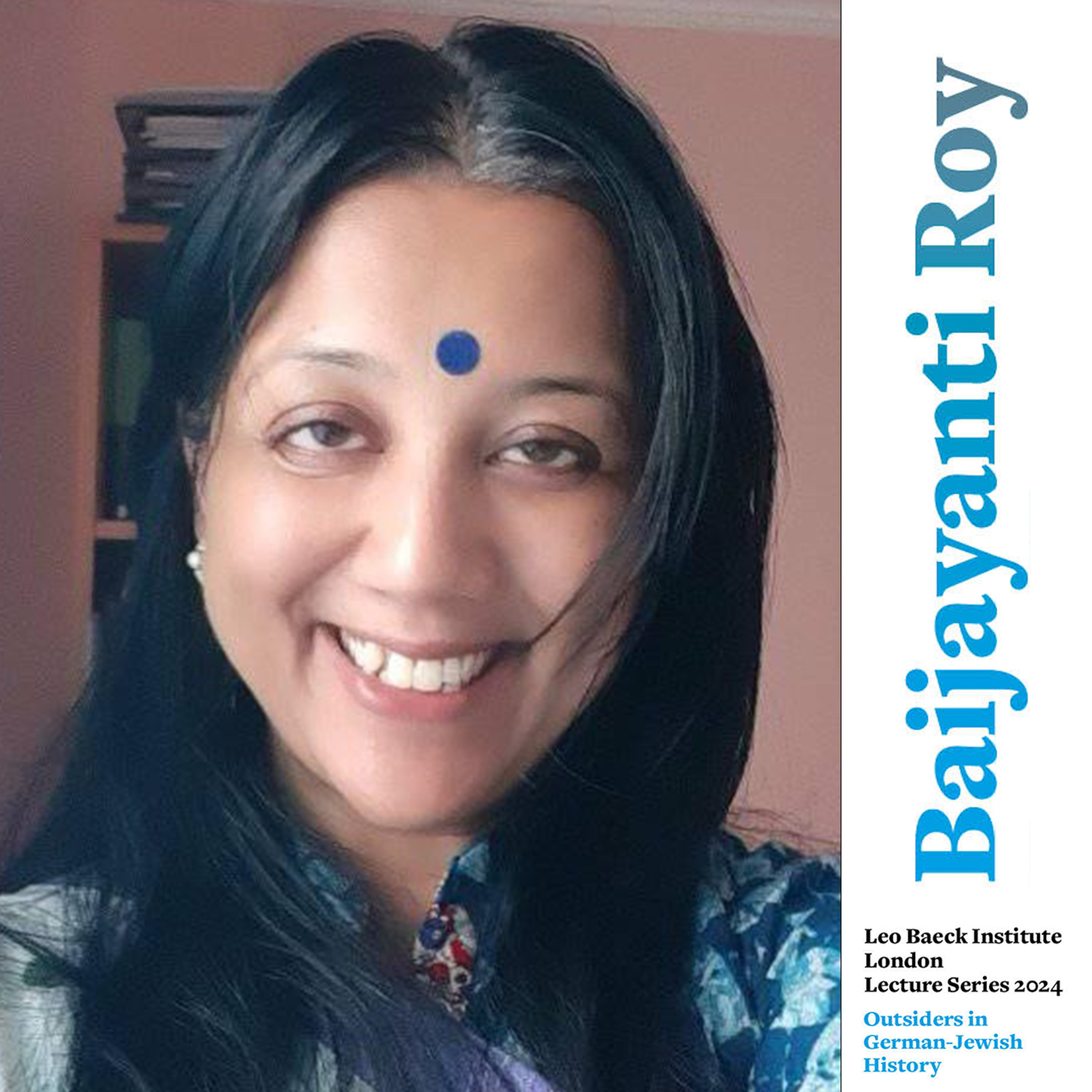
Heinrich Zimmer, Nazi Racial Politics and The University of Heidelberg, 1933–1938
Dr. Baijayanti Roy
University of Frankfurt
This talk examines the grey zones that exist between the established paradigms of persecution and exile in the ‘Third Reich’, as demonstrated by the trajectory of the Indologist Heinrich Zimmer (1890–1943). Zimmer, who taught at the University of Heidelberg, lost his teaching license in 1938 since his wife Christiane was classified as a Mischling (mixed
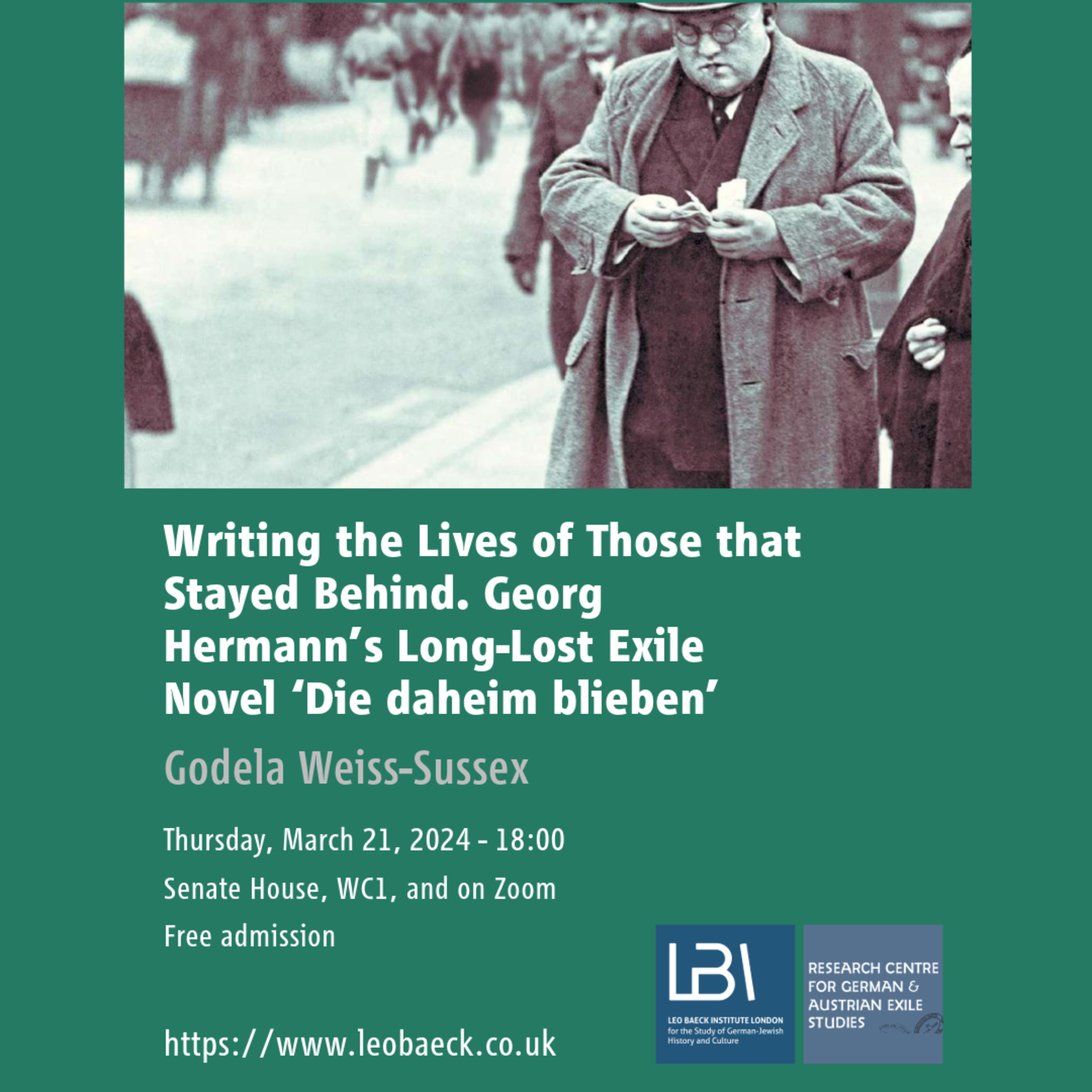
Writing The Lives of Those That Stayed Behind. Georg Hermann’s Long-Lost Exile Novel ‘Die Daheim Blieben’
Godela Weiss-Sussex
ILCS (University of London)
In the winter of 1939–40, exiled in the Dutch city of Hilversum, Georg Hermann was working on a novel that he regarded as one of his most important. Entitled Die daheim blieben (Those that Stayed Behind), it was to be composed of four parts and tell the story of a large, diverse German-Jewish family in Berlin from March 1933 to November 1938. He was

International Women's Day 2024: Pauline Paucker
For International Women's Day 2024, LBI Director Joseph Cronin interviews Pauline Paucker at her home about her memories of the Institute, her work editing the Yearbook, and her husband Arno Paucker, former director of the Institute.
Her testimony is a personal reminiscence, and the views expressed therein do not necessarily reflect those of the Institute.
https://www.leobaeck.co.uk/events/i
Who was Fritz Kittel? A German Railway Worker Decides, 1933–2022
Reading: Esther Dischereit together with Jonny Ball.
In 2023, Esther Dischereit created an exhibition in cooperation with Deutsche Bahn to honour the railroad worker Fritz Kittel. In 1944 and 1945, he hid her mother Hella and sister Hannelore, who as Jews were persecuted by the Gestapo and threatened with death in Germany under National Socialism. They were liberated by U.S. troops in 1945. Dische
Dressing Eve: Re-drawing Biblical Women through Comics
Dr Sarah Lightman
Jewish women have been at the forefront of feminist autobiographical comics since the 1970’s as they challenged sexism in popular culture. But how have they revised misogynistic images and stories closer to home? Sarah Lightman will illustrate how Sharon Rudahl in her bildungsroman ‘The Star Sapphire’, Miriam Katin in her Holocaust memoir, We Are on Our Own, and her own graphic
The Shoah and the Tragedy of Assimilation: Lessons from one German-Jewish family
Simon May
Thursday, October 26, 2023 - 18:30
Between 1933 and 1941, Simon May’s mother and her two sisters pushed the boundaries of assimilation among German Jews to their limits. They resorted to conversion, aristocratic marriages, and ‘Aryan’ certificates, which likely saved them from the death camps. However, this marked the defeat of the hope that such strategies would secure acceptance for Je
What a shayna punim!: Cute Jews, Photography, and Jewish Regeneration
Prof Daniel Magilow
Jüdische Kinder in Erez Israel, a collection of twenty-one photographs of adorable Jewish children in Mandatory Palestine, was the last overtly Jewish-themed photobook published in Germany before the Holocaust. Yet its propaganda mission transcended its diminutive size and surface superficiality. This talk examines how this photobook creates an allegory of Jewish vulnerability
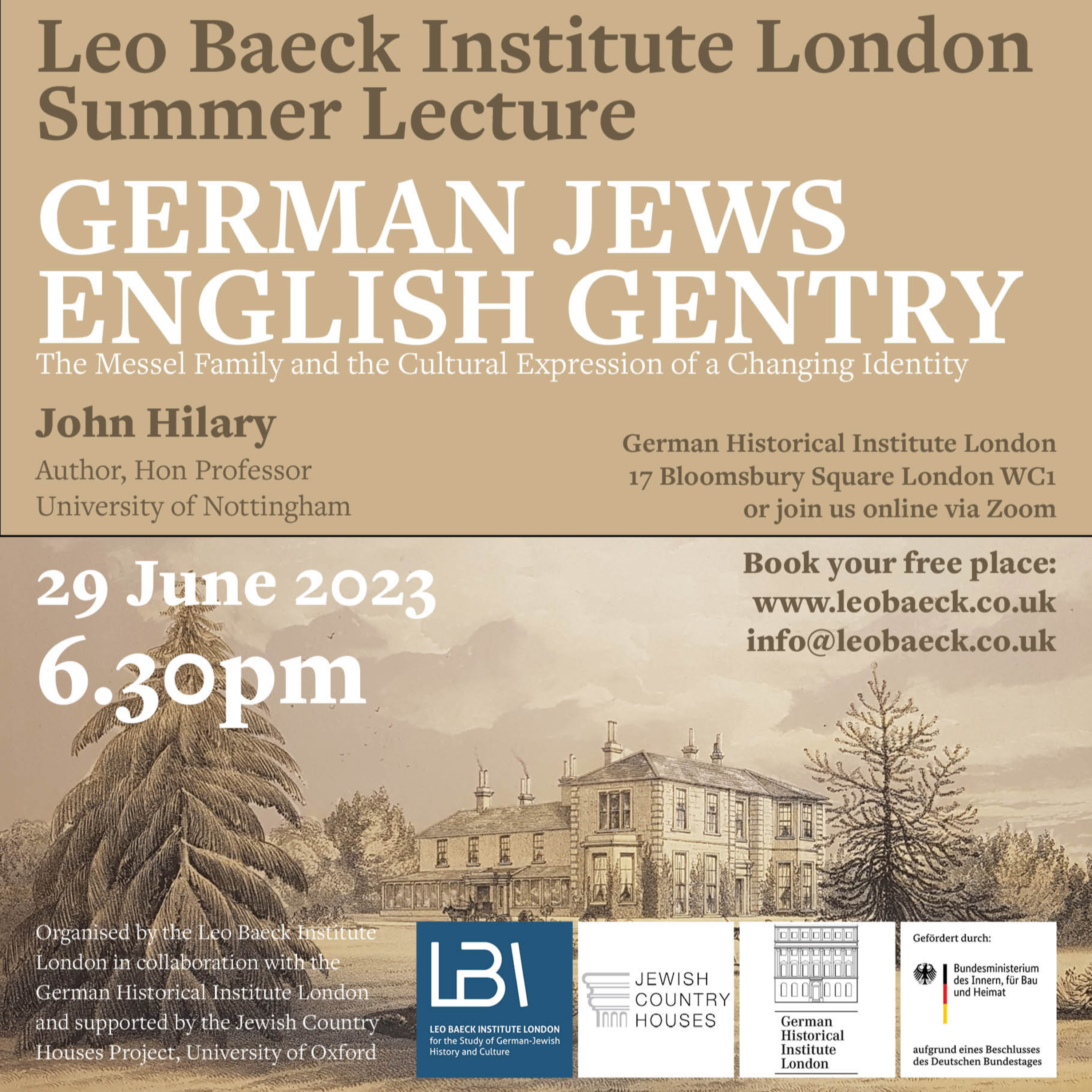
German Jews, English Gentry: The Messel Family and the Cultural Expression of a Changing Identity
Leo Baeck Institute London Summer Lecture
Speaker: John Hilary, honorary professor at the University of Nottingham
The conspicuous set of German-Jewish financiers who made their homes in late Victorian and Edwardian Britain brought with them a rich cultural inheritance that reflected the historical journey of German Jewry towards emancipation. As they established themselves in their new environme
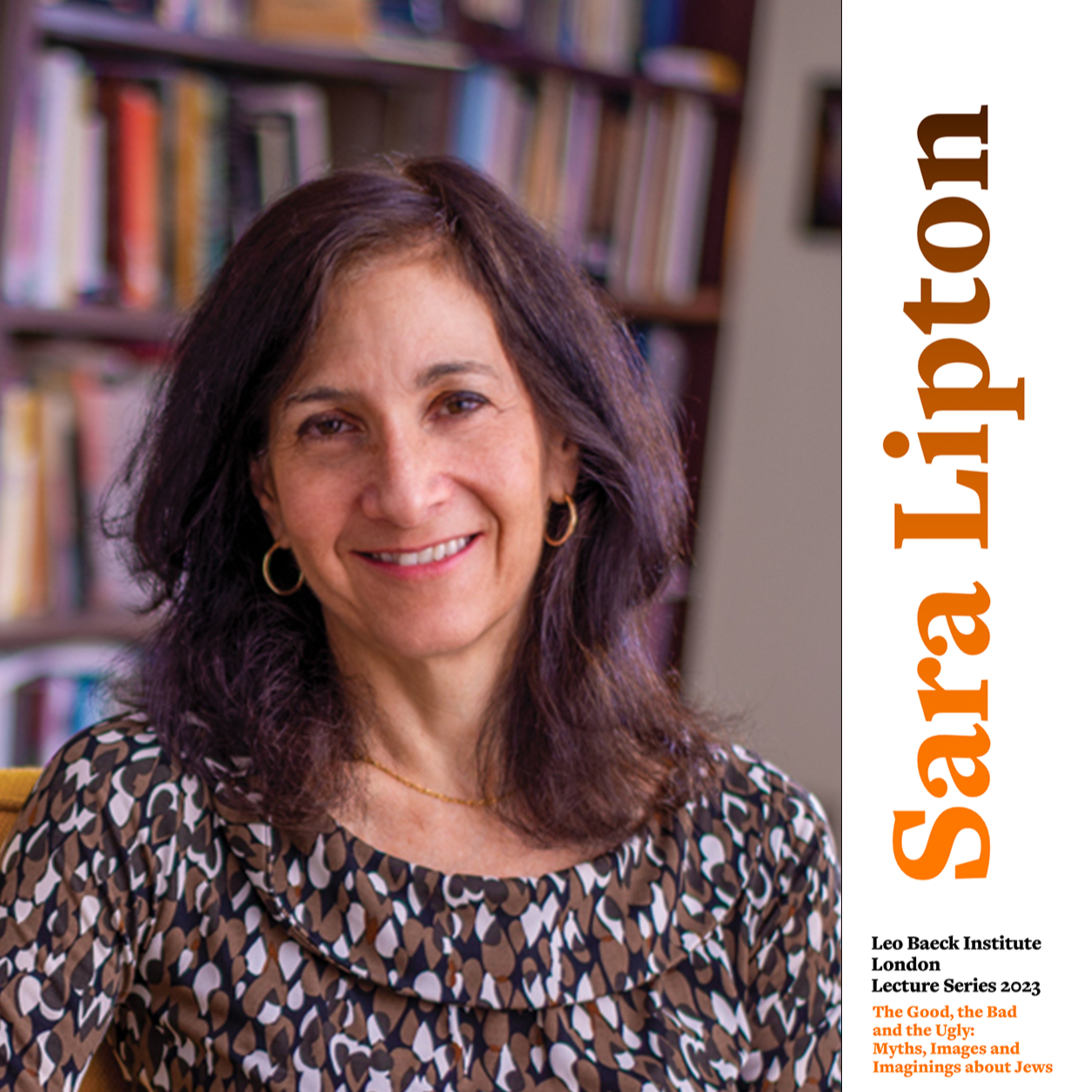
Marked Off in the Eyes of the Public: Anti-Jewish Imagery and the Politics of Prejudice
Sara Lipton
Stony Brook University, NY, USA
Art can be a powerful force in shaping the way we see and think about the world: pictures craft our ideas of beauty and ugliness, good and bad, power and weakness. This lecture traces how medieval Christian images of Jews, originally designed to aid religious devotions, made Christians look at Jews with new curiosity and interest, and drew their attentio
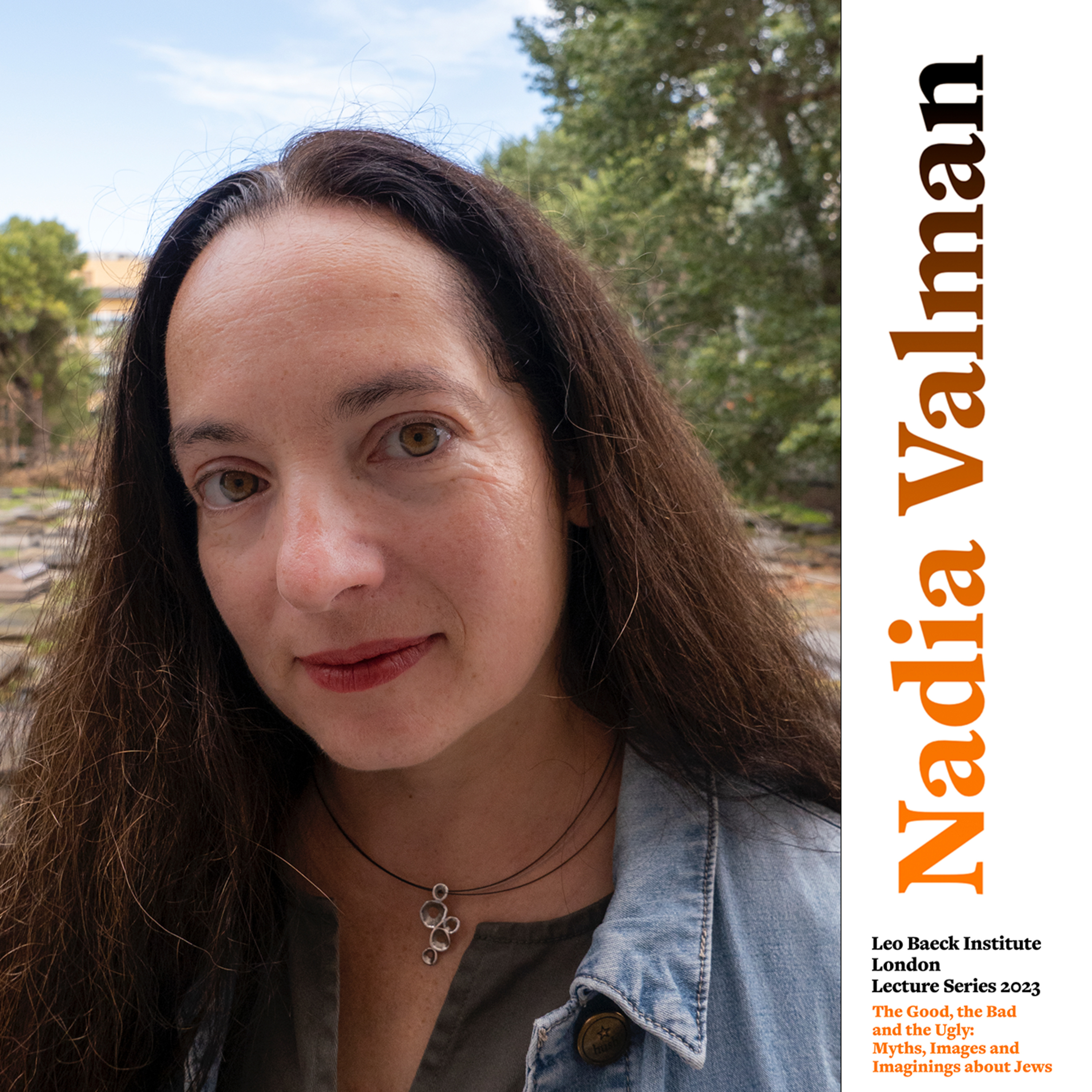
The Virtuous Jewess
Nadia Valman
Queen Mary University of London, UK
British culture has always been fascinated by the figure of the Jewess. This lecture will explore its roots in nineteenth-century theology, and its popularisation through literature. In contrast to the more well- known stereotypes of Fagin and Shylock, the virtuous Jewess was an emblem of the privileged status accorded to both women and Jews in Vic
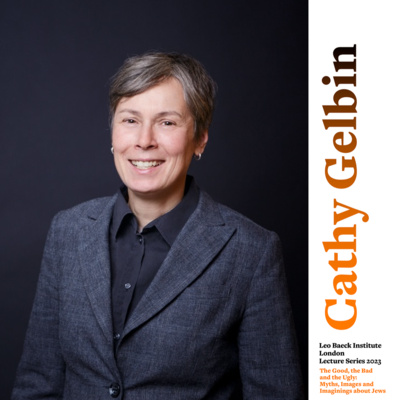
Gender, Sex and Jewishness in Weimar Cinema’s Monsters
Prof Cathy Gelbin
University of Manchester, UK
Leo Baeck Institute London Lecture Series 2023
The monstrous Jew of popular imagination found perhaps his most salient expression in Weimar cinema’s love of the uncanny. These films derive their lasting fascination from the often-ironic interplay of their separate and yet related gendered, sexualized and racialized portrayals. The talk explores how sp
Images of the Grotesque and Arabesque: The Discovery of Kafka’s drawings
Over 100 completely unknown drawings by Franz Kafka of fascinating figures, shifting from the realistic to the fantastic, the grotesque, the uncanny and the carnivalesque have been made accessible in Prof Andreas Kilcher’s highly acclaimed book Franz Kafka: The Drawings. The drawings illuminate a previously unknown side of the quintessential modernist author. Three fascinating stories can be

Marx and the Jewish Question
Prof Etienne Balibar
The lecture looks at the ambiguity of the term “Jewish Question”, which refers to both the historical attitude of Marx with respect to the condition of the Jewish communities in 19th century Europe, and to the philosophical developments reflected in the 1844 article for the Deutsch-Französische Jahrbücher, “Zur Judenfrage”. Here, in reply to Bruno Bauer’s homonymous brochure,
In our Image: Meeting our Ultraorthodox Other on Netflix
Dr Tobias Ebbrecht-Hartmann
Hebrew University of Jerusalem, Israel
In our Image: Meeting our Ultraorthodox Other on Netflix 6.30pm, Thursday, November 17th 2022 In recent years, streaming networks have offered new encounters with the lives and traditions of ultraorthodox Judaism through means of pop cultural representations. While some praised the accuracy with which series such a
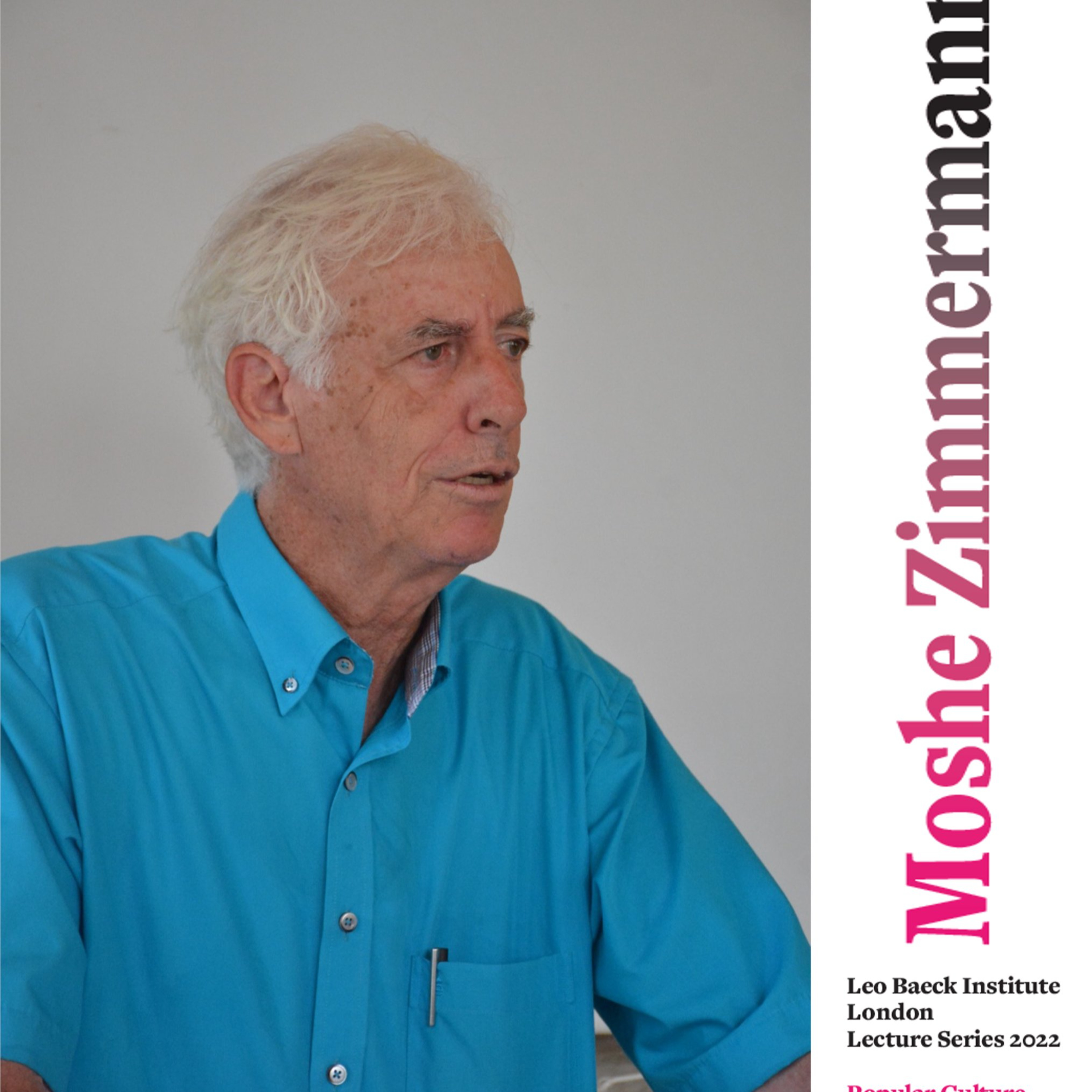
Post-Holocaust German-Jewish Symbiosis: Ephraim Kishon and the Germans
Prof Moshe Zimmermann
Hebrew University of Jerusalem, Israel
Post-Holocaust German-Jewish Symbiosis: Ephraim Kishon and the Germans 6.30pm, Thursday, October 13th 2022 The bon mot 'A German joke is no laughing matter' is attributed to Mark Twain. Improvising on Adorno's dictum 'writing poetry after Auschwitz is barbaric' one might consider writing humour in the German language af
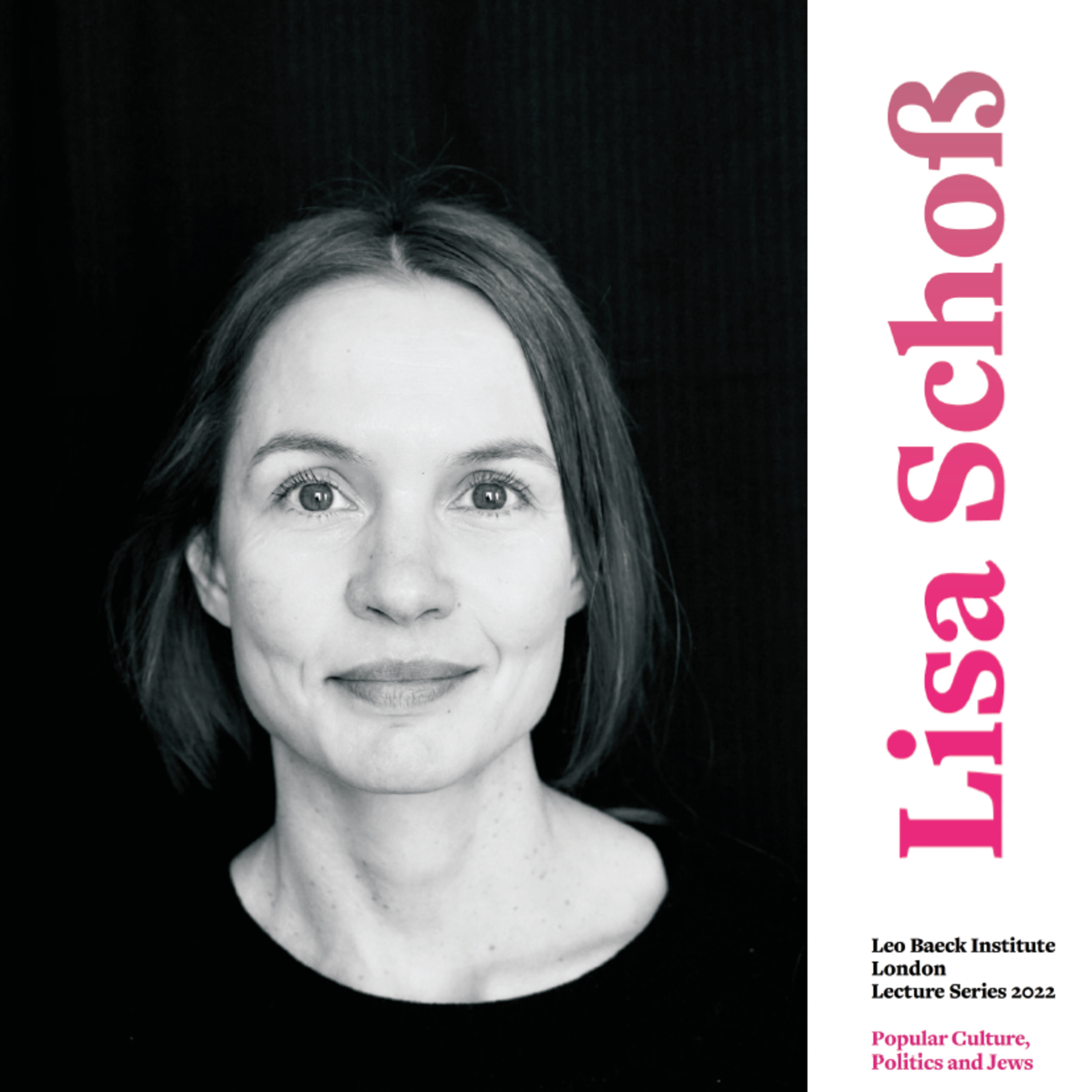
A Story of Ambivalences. Jewish Topics and Characters in East German Television
Dr Lisa Schoß (Selma Stern Centre for Jewish Studies, Berlin, Germany)
6.30pm, May 5th 2022
In general, East German television attempted to combine so-called ‘political-operational cultural work’ with attractive programming. The same balancing act can also be observed in the presentation of Jewish topics and characters on TV. This talk covers so-called anti-fascist films about the Nazi era; campai
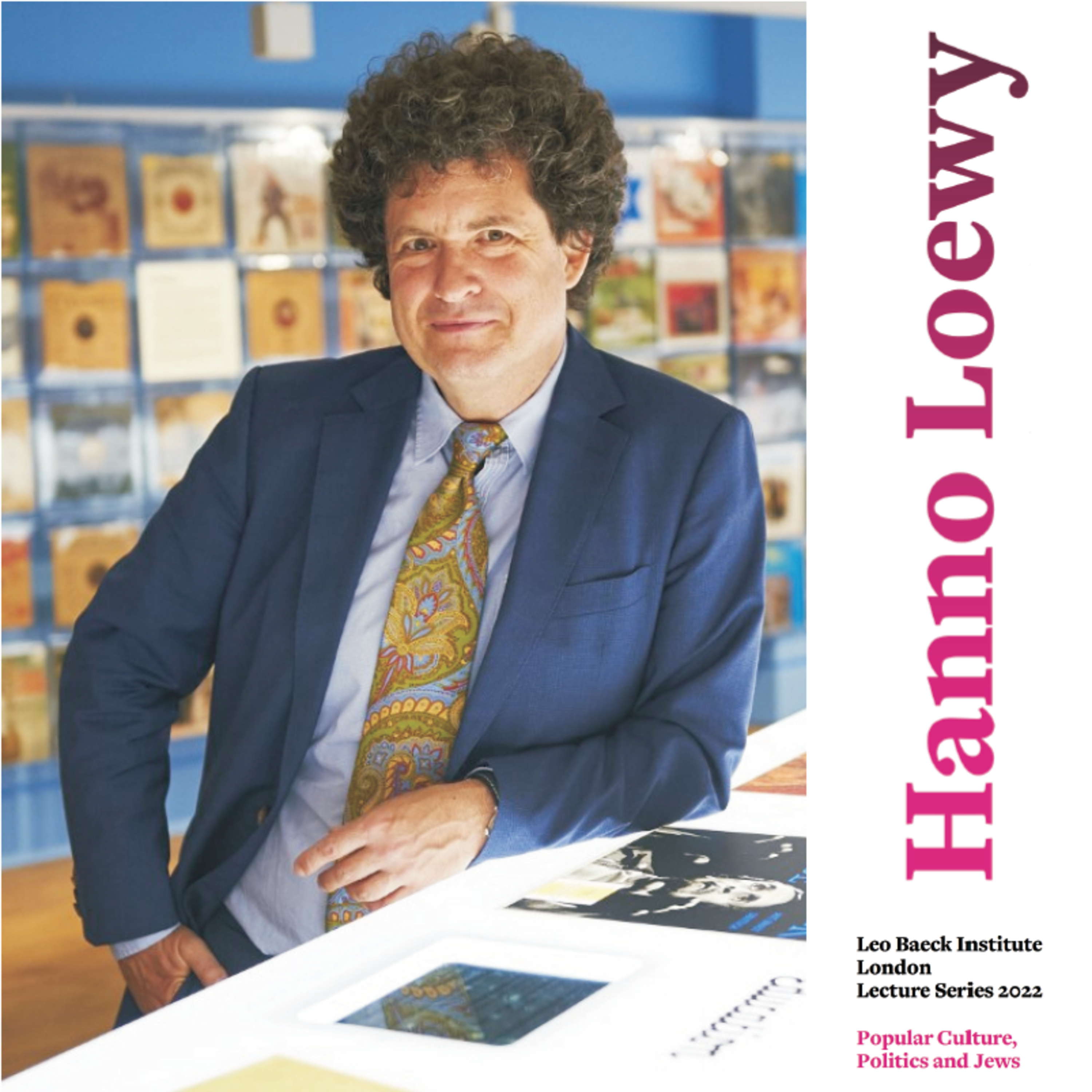
Jukebox? Jewkbox!
Hanno Loewy - Jüdisches Museum Hohenems, Austria
6.30pm, 17 March 2022
The history of ‘Pop’ is a history of music, migration and transcultural exchange. Following the invention of recording technologies and the worldwide production and distribution of records at the end of the 19th century, the new music industry created a new global culture. Jews were prominently involved in that process on

From Heartland to Homeland? – German-Jewish Émigré Artists in Britain, ca. 1933-45
Sarah MacDougall (Ben Uri Gallery and Museum, London, UK)
From Heartland to Homeland? – German-Jewish Émigré Artists in Britain, ca. 1933-45
6.30pm, November 11th 2021
Founded as an arts society in 1915 in London’s East End, Ben Uri’s collection, exhibition history and programming were significantly impacted from the 1930s onwards by the artistic influx of the so-called ‘Hitler émigrés’. This lect
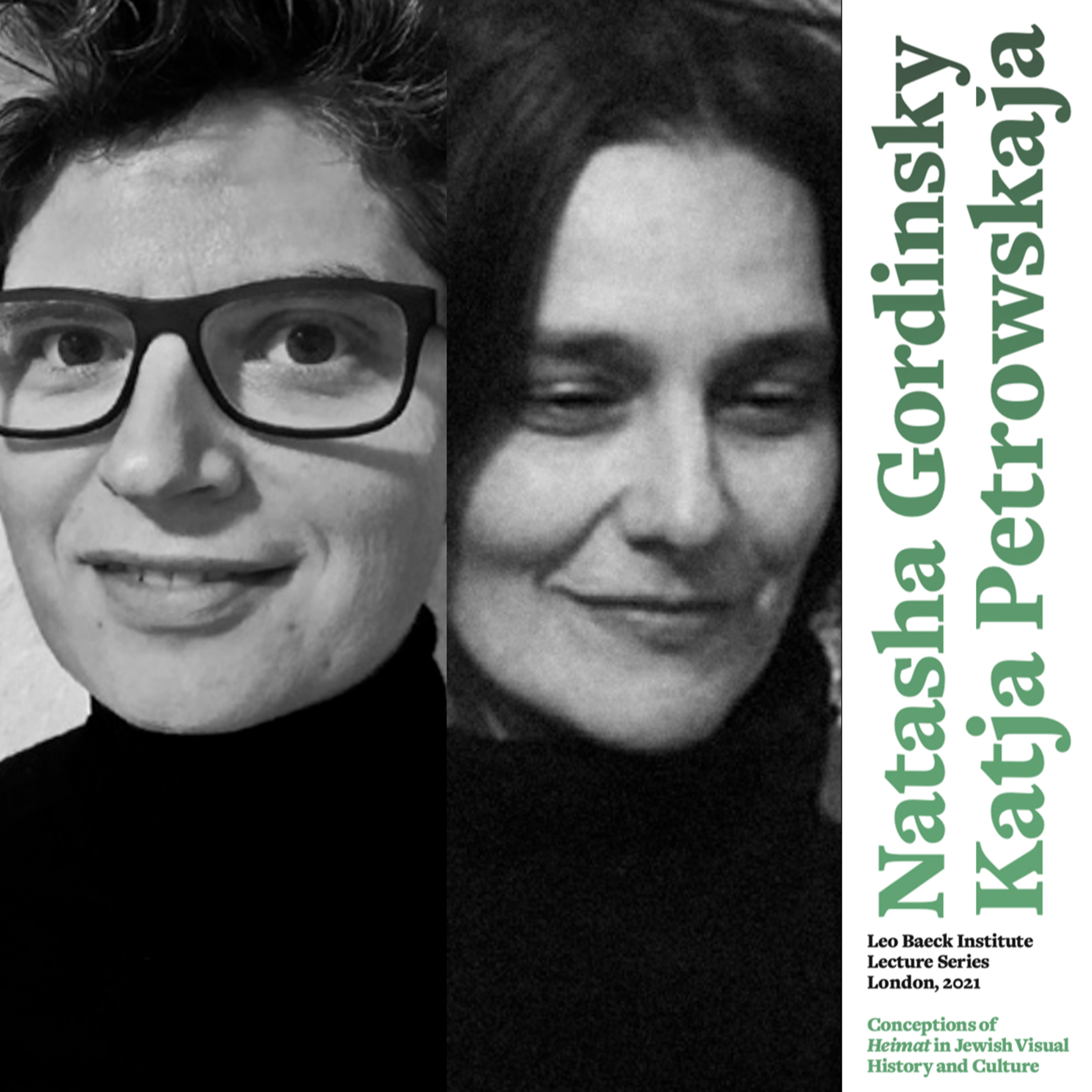
‘Your Heimat is our Nightmare?’: Post-Soviet Poetic Interventions in German Culture
Dr Natasha Gordinsky Haifa, Israel
Dr Katja Petrowskaja Berlin, Germany
‘Your Heimat is our Nightmare?’: Post-Soviet Poetic Interventions in German Culture
6.30pm, October 14th 2021
In the past decade post-Soviet Jewish writers, poets and artists who live and work in Germany have played a crucial role in the ongoing debate on the various forms of migrant belonging in contemporary German culture. T
Heimat as a Shelter from Nazism
Ofer Ashkenazi
(Hebrew University of Jerusalem, Israel)
6.30pm, 22 April 2021
This talk analyses the presence of generic Heimat imagery in German-Jewish family albums from the 1930s and highlights two major tendencies: the appropriation of Heimat iconography in photographs of the Jewish home, and the endeavour to situate Jewish family members within generic Heimat scenes. In both cases, Heimat ico
Helmar Lerski between the Diaspora and a Jewish Homeland
Jan-Christopher Horak
(UCLA, Los Angeles, USA)
6.30pm, 18 March 2021
The nomadic photographer and filmmaker Helmar Lerski was born in Alsace, raised in Switzerland, began his professional career in Milwaukee, moved to Germany, travelled to Erez Israel and ultimately retired in Switzerland. Aesthetically, Lerski sought to communicate timeless values through the manipulation of light and the physiog
Unrewarded Love: Alpine Clubs, Ski-Tourism, Folklore and the Jews
Hanno Loewy
(Jüdisches Museum Hohenems, Austria)
6.30pm, 11 February 2021
Among the pioneers turning the Alps into the playground of Europe, the urban Jewish middle class played a crucial role. While cities like Vienna, Berlin or Prague offered Jews access to secular culture, industry or higher education, the domesticated ‘wilderness’ of the mountains provided ‘innocence’ of togetherness and belon
How to dress in Eretz Israel? Clothing, Fashion and Nation Building, 1880s – 1948
Svenja Bethke
Lecturer in Modern European History University of Leicester, UK
How to dress in Eretz Israel? Clothing, Fashion and Nation Building, 1880s–1948
6.30pm, 19th November 2020
The identities of many Eastern European and German Jews who immigrated to Eretz Israel between the 1880s and the foundation of the Israeli state in 1948 oscillated between their roots and identification with the ne
Acting Jewish: Perception and Reality
Paul Herzberg
6.30pm, 8 October 2020 (Online event)
What does ‘acting Jewish’ really mean? Is it a style of performance drawing on the alleged traits of global Jewry? Or is it perhaps about ancient perceptions? Paul Herzberg offers a view, drawing on his four decades in the entertainment industry.
Paul Herzberg is an actor and writer. His most recent appearances as an actor were as John Vorster
The Big Cover-Up: Modest Fashion
Adi Heyman
‘Modest Fashion’ blogger and founder of the ‘Jewish Fashion Council’, USA
The Big Cover-Up: Modest Fashion
6.30pm, 4th March 2020
What started out as religious niche has matured into a 250 billion-dollar industry largely pioneered by a group of diverse women embracing unique identities on social media. Fashion stylist turned blogger, Adi Heyman’s inspiration behind launching a Jewish fa
‘Coming Out’ as Jewish in Weimar Germany
Prof Kerry Wallach
(Gettysburg College, USA)
6.30pm, 23 January 2020
In the 1920s and early 1930s – as today – Jews in Germany were concerned about growing anti-Semitism, and many took precautions to conceal their Jewishness by dressing and behaving in certain ‘assimilated’ ways. Yet there were still occasions when it was beneficial to be openly Jewish. This lecture explores the tensions that came
Jewish on Demand: Representation and Difference in the Streaming Era
Prof Henry Bial
(University of Kansas, USA)
6.30pm, 5 December 2019
Classic Jewish film and television, from The Jazz Singer to Seinfeld, was shaped by the economic need to reach the broadest possible audience, leading to creative strategies that minimized or downplayed the difference between Jews and the rest of society. As Netflix and other streaming services have made more specialized entertain
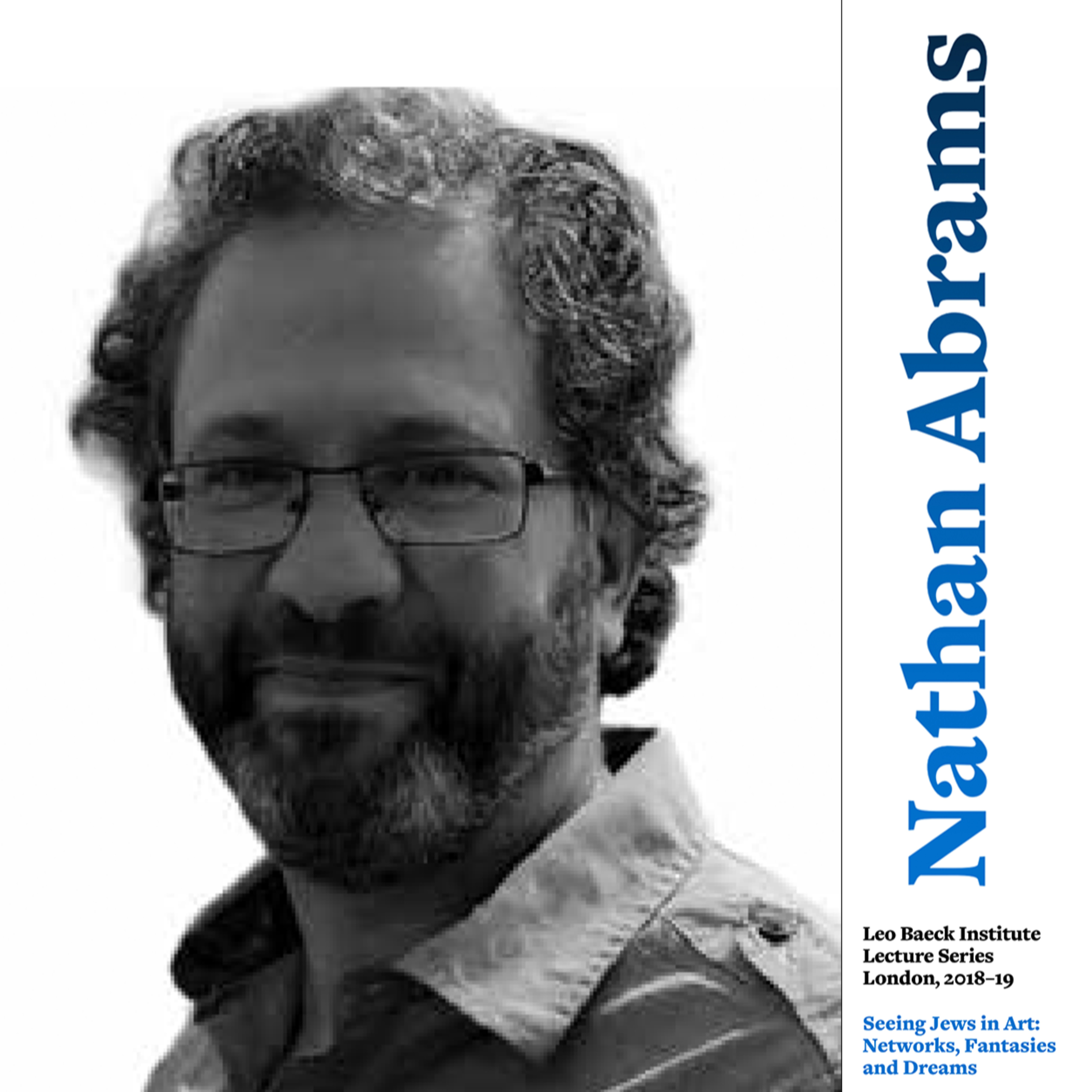
Treyf Jews?: Jewish Gangsters in McMafia and Peaky Blinders
Prof Nathan Abrams
(Bangor University, UK)
6.30pm, 4 April 2019
In this illustrated lecture, professor Nathan Abrams will explore recent British representations of Jews on television focussing on the role of the Jewish gangster in McMafia and Peaky Blinders in particular.
Nathan Abrams is Professor in Film at Bangor University of Wales where he directs the Film Studies programme and the Centr
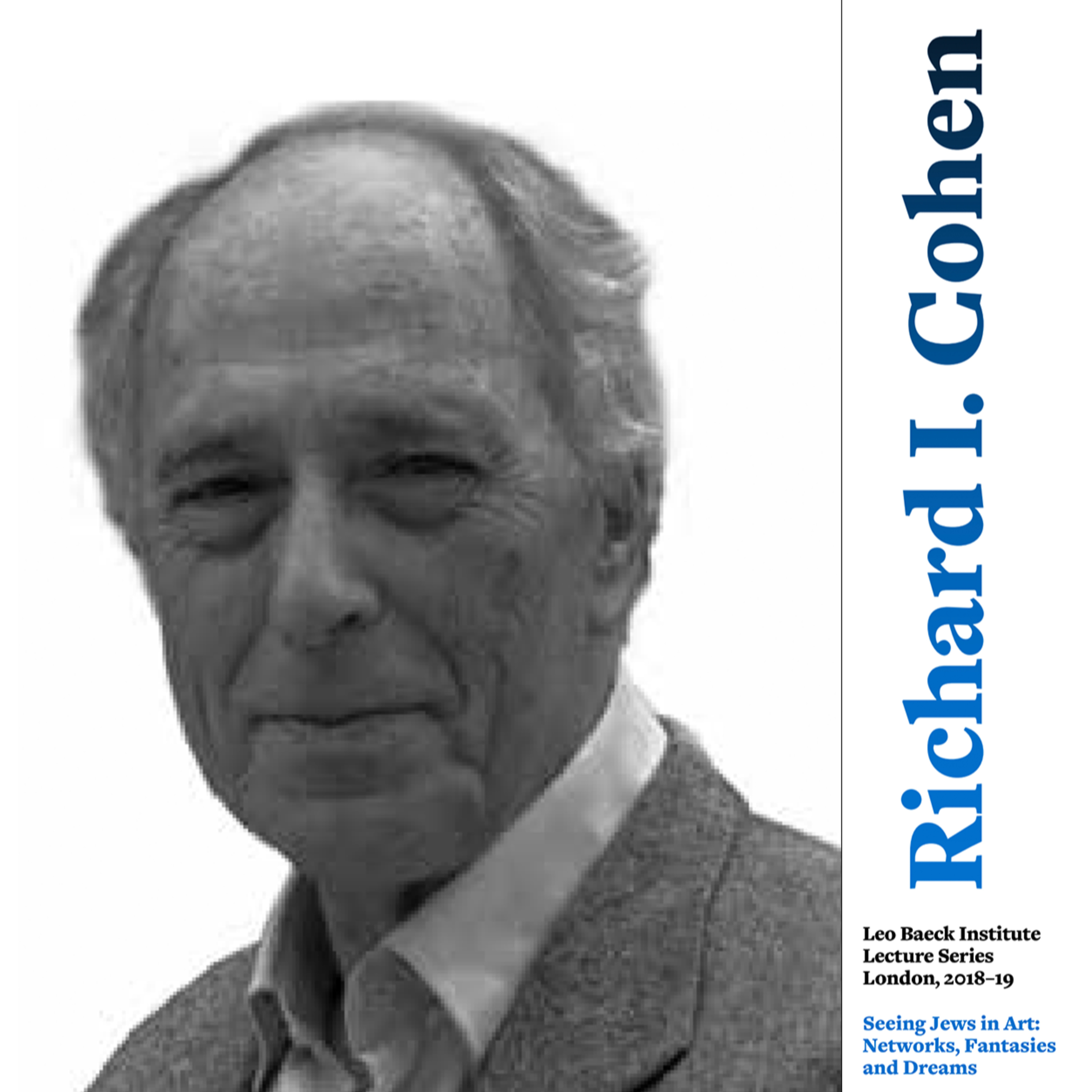
Moses Mendelssohn – The German-Jewish Icon of Modernity (1780s-2019)
Prof Richard I. Cohen
(Hebrew University of Jerusalem, Israel)
6.30pm, 14 February 2019
Moses Mendelssohn has engaged artists of Jewish and non-Jewish origin from his lifetime until today. The lecture will show how, over this long period, Mendelssohn has been turned into the icon of German-Jewish modernity by being represented in a myriad of ways and techniques.
Richard I. Cohen is the academic d

Jewish Museums between Self-Assertion and Self-Defence
Cilly Kugelmann
(Jewish Museum Berlin, Germany)
6.30pm, 24 January 2019
In the 19th century Jews gradually began to free themselves from their ambivalence towards the fine arts. rabbis repeatedly placed the depiction of people in pictures and sculptures close to idolatry and viewed it with reservations. The discovery of a visual culture in Judaism by the Haskala, the Jewish Enlightenment, fulfille
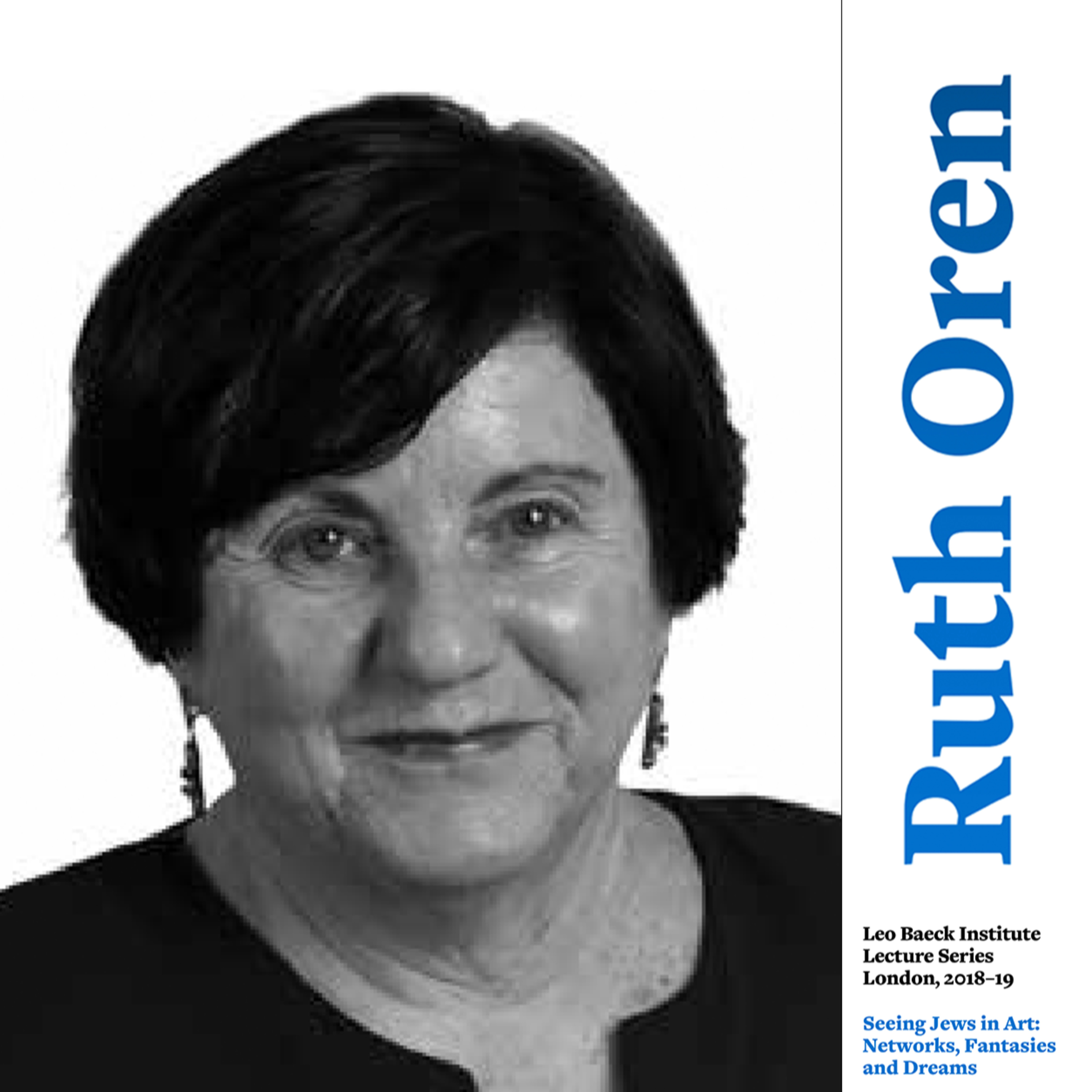
‘Coming back to History’ –The Jewish Image in Landscape Photographs of ‘Eretz-Israel’, 1898-1961
Dr Ruth Oren
(University of Haifa, Israel)
6.30pm, 6 December 2018
The visual presentation about Zionist landscape photography in Palestine (Eretz-Israel), from its beginning in 1898 until 1961, explores the 'returning' of the Jews to modern history and geography and the formation of the 'mental landscape' of Israel as it was created in the Zionist photographic narrative. Landscape
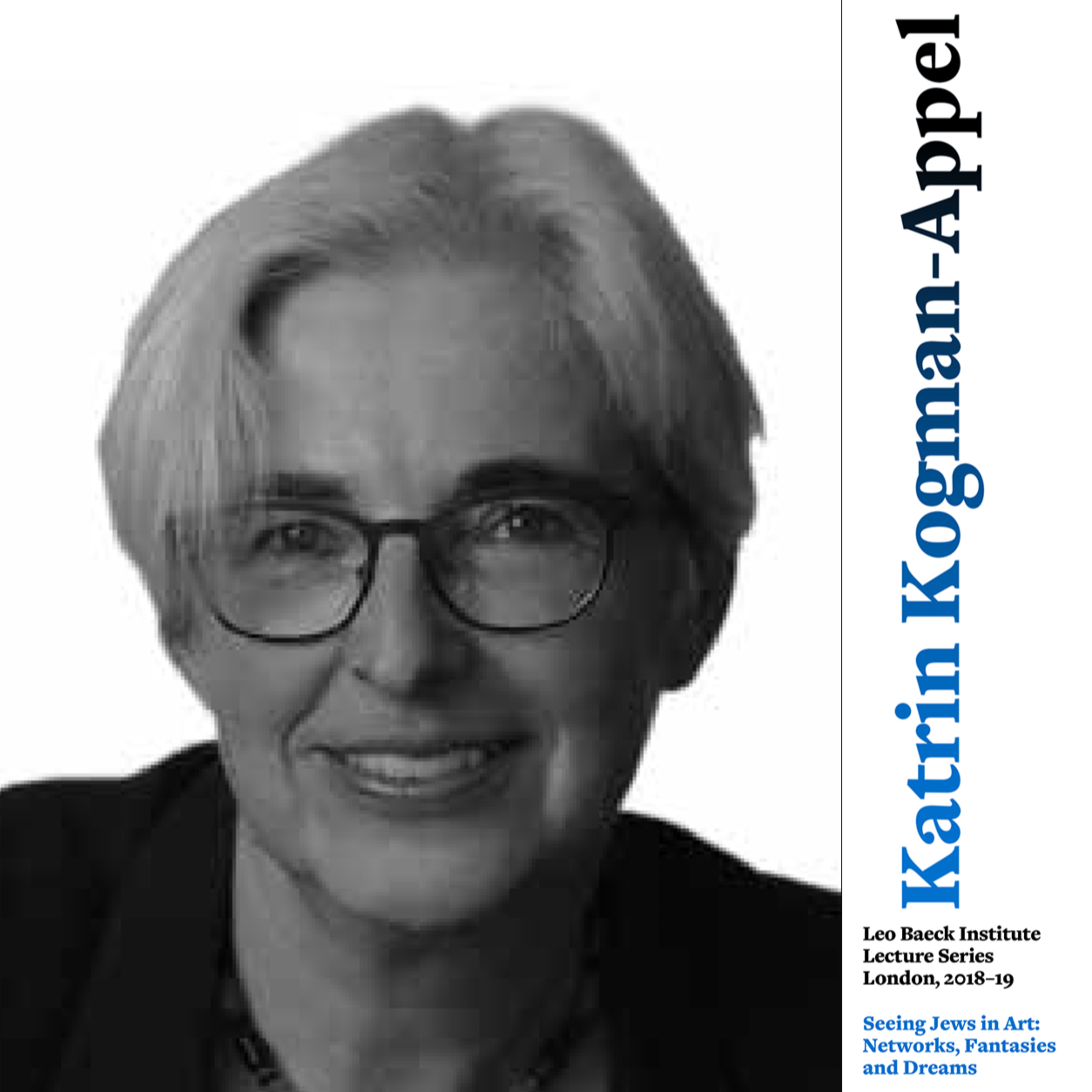
A Jewish Look on World Politics: The Catalan Mappamundi (1375)
Prof Katrin Kogman-Appel
(University of Münster, Germany)
6.30pm, 1 November 2018
The richly illustrated Catalan Mappamundi is among the most celebrated medieval maps surviving to this day. Commissioned by Peter IV of Aragon as a gift to Charles V of France it was put to parchment by Elisha Cresques, a Jewish scribe, illuminator, and cartographer in the City of Majorca. The talk explores how E
In conversation: Philippe Sands and Katrin Himmler
Thursday, May 17, 2018 - 18:30
Prof. Philippe Sands, QC
(University College London, UK)
East West Street: A Personal History of Genocide and Crimes Against Humanity
In his short lecture and subsequent conversation with Katrin Himmler, Philippe Sands explores how personal lives and history are interwoven. Drawing from his prize-winning book East West Street – part historical detective story, part f
Lifting a Taboo: The Story of a Holocaust victim which has never been told before
Martin Doerry
(Der Spiegel, Germany)
6.30pm, 12 April 2018
After the death of German politician Gerhard Jahn in 1998, his four sisters found hundreds of letters in his house, which they had written during the war to their Jewish mother Lilli, who had been detained in a labour camp and, finally, killed in Auschwitz in 1944. Fifty years of silence had followed but now, for the first time, the family
Trauma, Privilege and Adventure in the “Orient”: A Refugee Family Archive
Prof Atina Grossmann
(The Cooper Union for the Advancement of Science and Art)
6.30pm, 8 March 2018
The talk examines, through the intimate – yet also distant – lens of family history, the ambivalent and paradoxical experiences, sensibilities, and emotions of bourgeois Berlin Jews who found refuge and romance in the ‘Orient’ of Iran and India after 1933. Drawing on an extensive collection of famil
You’re doing what?” - My family’s response to my trying to save the house stolen by the Nazis
Thomas Harding
6.30pm, 1 March 2018
In 2013, Thomas Harding visited his Jewish family’s old weekend house outside of Berlin. He found it shrouded in a jungle of bushes and trees, its windows broken, graffiti painted across its walls and that it was destined for demolition. When he told his family that he wanted to work with the locals to save the house they reacted with intense emotion, trigg

Losing the Dead – Before and After
Prof Lisa Appignanesi (King's College, London)
Losing the Dead – Before and After
6.30pm, 7th December 2017
Lisa Appignanesi teases out some of the hurdles she encountered researching her critically acclaimed family memoir, Losing the Dead. These extended post publication: memoir writing elicits the kinds of responses historical texts rarely do.
Please note: A short 15 minute film called: Ex
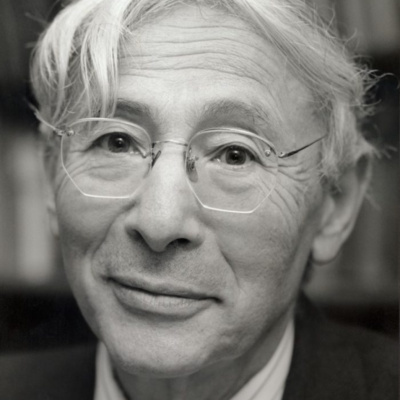
Arno Paucker - Scholar and Friend
A memorial event in honour of the Leo Baeck Institute’s esteemed, longstanding former director Dr Arnold Paucker OBE
Opening Words by
Pauline Paucker
Lecture by
Peter Pulzer (Oxford):
‘Arno Paucker, A Scholar Who Reached Out’
Panel: ‘Arno Paucker and German-Jewish History’
Peter Alter (Cologne)
Simone Erpel (Berlin)
Raphael Gross (Leipzig)
Chair: Daniel Wildmann(London)
The event was organized joi
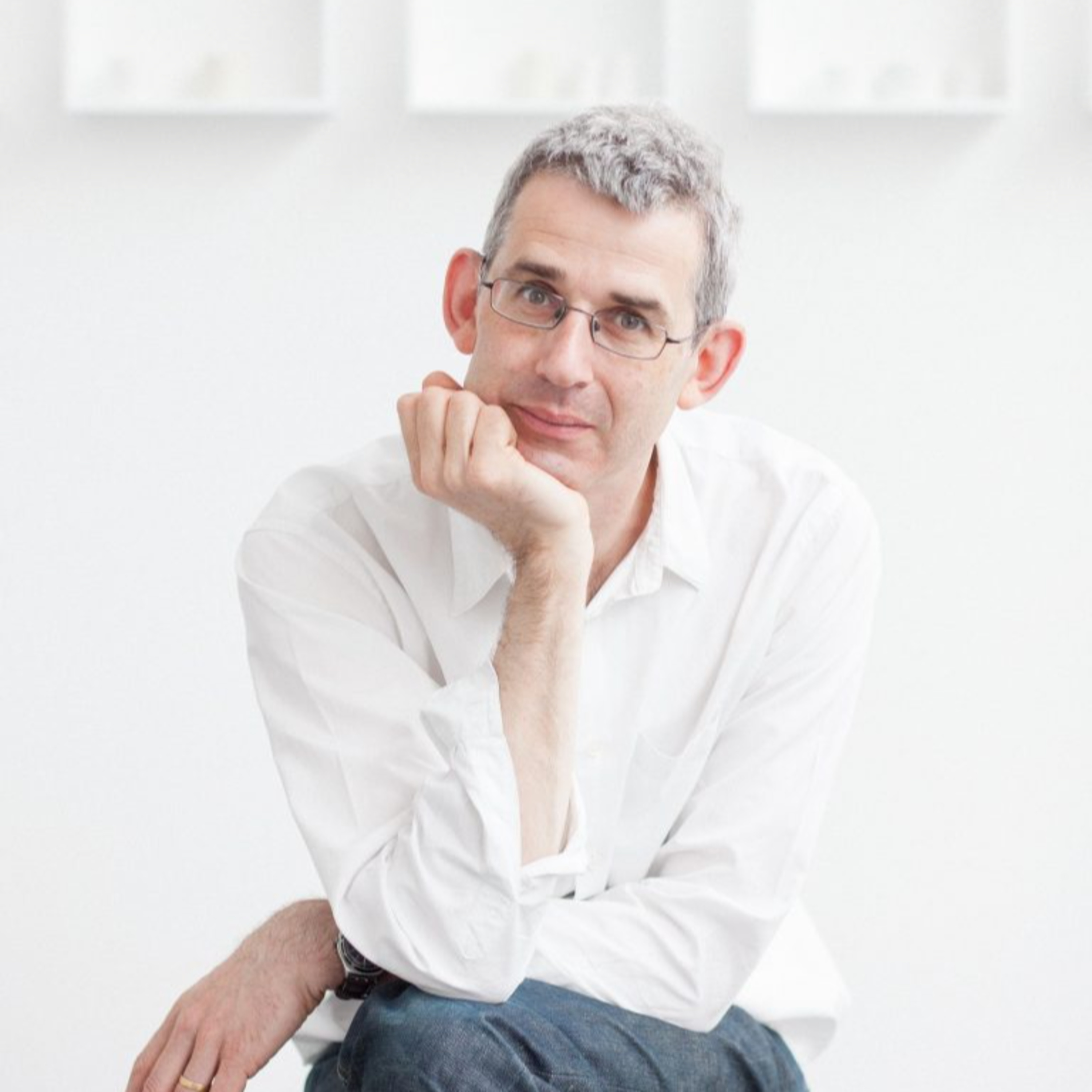
The 3rd Leo Baeck Institute Biennial Lecture
Edmund de Waal
Artist and author of The Hare with Amber Eyes
On the Eve of Departure: Art and Exile
During the talk Edmund de Waal discussed the telling of family stories through words and sculpture, touching on his writing of The Hare with Amber Eyes and works by Paul Celan and Walter Benjamin.
Organised by the Leo Baeck Institute London in collaboration with Queen Mary University of London, Scho
Cosmopolitanism – Jewish and Postcolonial Perspectives
Panel Discussion
Leo Baeck Institute London in partnership with the Pears Institute for the study of antisemitism
‘If you believe you are a citizen of the world, you are a citizen of nowhere.’ Prime Minister Theresa May, November 2016
In the aftermath of the vote for Brexit in 2016, Prime Minister Theresa May controversially broached a key issue of our times: how do we identify ourselves, and must
Panel discussion: The Legacy of the Left and Israel: 1967-2017
Panel discussion as a part of the Leo Baeck Institute Lecture Series: The panel discuss the complicated and multi-layered relationship of the European left with Zionism and the State of Israel, examining this broad subject from a historical perspective and shedding light on the different debates on various European countries.
Panelists
Nick Cohen The Observer and The Spectator
Prof David Fe
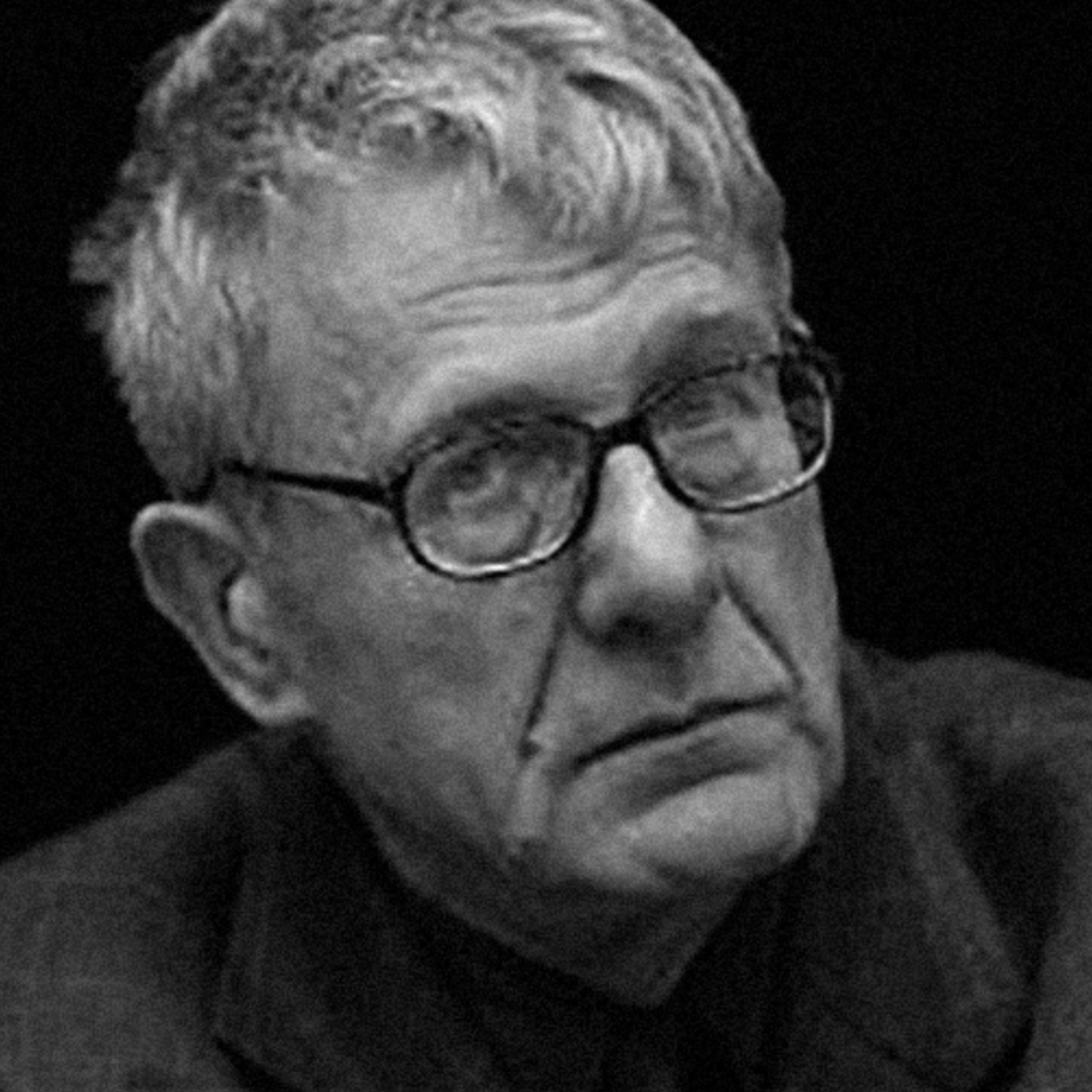
Two Lefts in France: Divisions over Zionism and Israel
Dr Michel Dreyfus (University of Paris)
6.30pm, 26th January 2017
The Balfour Declaration (1917) boosted Zionism in France. Although the movement enjoyed the support of the Socialists in the inter-war period, it was denounced by the Communist Party (CP) and the ultra-left. The creation of the State of Israel marked the beginning of a new era. While support for Israel grew strongly among Frenc
The German-speaking Left and Israel: Legacies and Developments since 1948
Prof Christina Späti (University of Fribourg, Switzerland) 6.30pm, 8 December 2016
The positions and attitudes of the political left in Germany, Austria and Switzerland towards Israel have undergone many changes since 1948. If the 1950s and 1960s were characterized by a romanticizing, pro-Zionist alignment with Israel, mainly expressed by Social-democratic parties and trade unions, the rise of

Mein Kampf Today: Ideology, Memory and the Question of Censorship – Panel Discussion
Thursday, December 1, 2016 - 18:45
Panellists are Prof Neil Gregor, David Aaronovitch, and Prof Maiken Umbach, and the panel will be chaired by Dr Daniel Wildmann and Prof David Feldman.
In Germany, until this year, it was illegal to print copies of Adolf Hitler's Mein Kampf. The State of Bavaria held the copyright and banned publication of the book. In January 2016 the copyright expired and
Denouncing Israel: Anti-colonialism or Antisemitism on the British Left?
Dr Brian Klug (University of Oxford, UK)
6.30pm, 24 November 2016
A significant part of the British left, especially since the June 1967 war, tends to denounce Israel as a state and Zionism as an idea. Ostensibly, these attitudes are grounded in the anti-colonialism and anti-racism which have been staple causes for the British left since the sun began to set on the Empire. These grounds, however,
In the Shadow of the Wall: Icon and Identity in Jerusalem’s Separation Barrier
Thursday, April 14, 2016 - 18:30
Dr Wendy PullanUniversity of Cambridge
German Historical Institute
In Jerusalem, the separation barrier has galvanized public opinion, both in its role as a hard barrier inside a divided city and as the visible ‘tip of the iceberg’ that reflects only a fraction of the political and military regime supporting the occupation. This lecture will acknowledge the wall’
Political Sovereignty and Cultural Property: The Mount Scopus Enclave in Jerusalem
Prof Yfaat WeissThe Hebrew University of Jerusalem, Israel
German Historical Institute
6.30pm, 11th February 2016
The UN Partition Plan for Palestine known as UN Resolution 181 envisioned Jerusalem as a Corpus Separatum, an international city open and accessible to believers of the three monotheistic religions. This did not materialize. While the city was divided as a result of the 1948 War, Mount
Land, Power and Resistance in Israel: The Case of the Bedouins of the Negev
Dr Thabet Abu Rass
German Historical Institute London
In this lecture the state policies toward tens of thousands of the indigenous inhabitants of the Negev region in Israel who live in ‘unrecognized villages’, will be highlighted. Militarizing space to secure land has always been one of the means tocontrol land. The Prawer Plan is the current attempt of displacing the Bedouins to finalize their l
Past and Politics in the Archaeology of Israel
Prof Gunnar LehmannBen Gurion University of the Negev, Israel
German Historical Institute London
The different concepts of the past are an integral part of Israeli politics today. Jewish politics in Israel often seek legitimation through a connection with the physicalremains of the past. As stones do not speak, their presence and their past meanings are explained within the present political disco
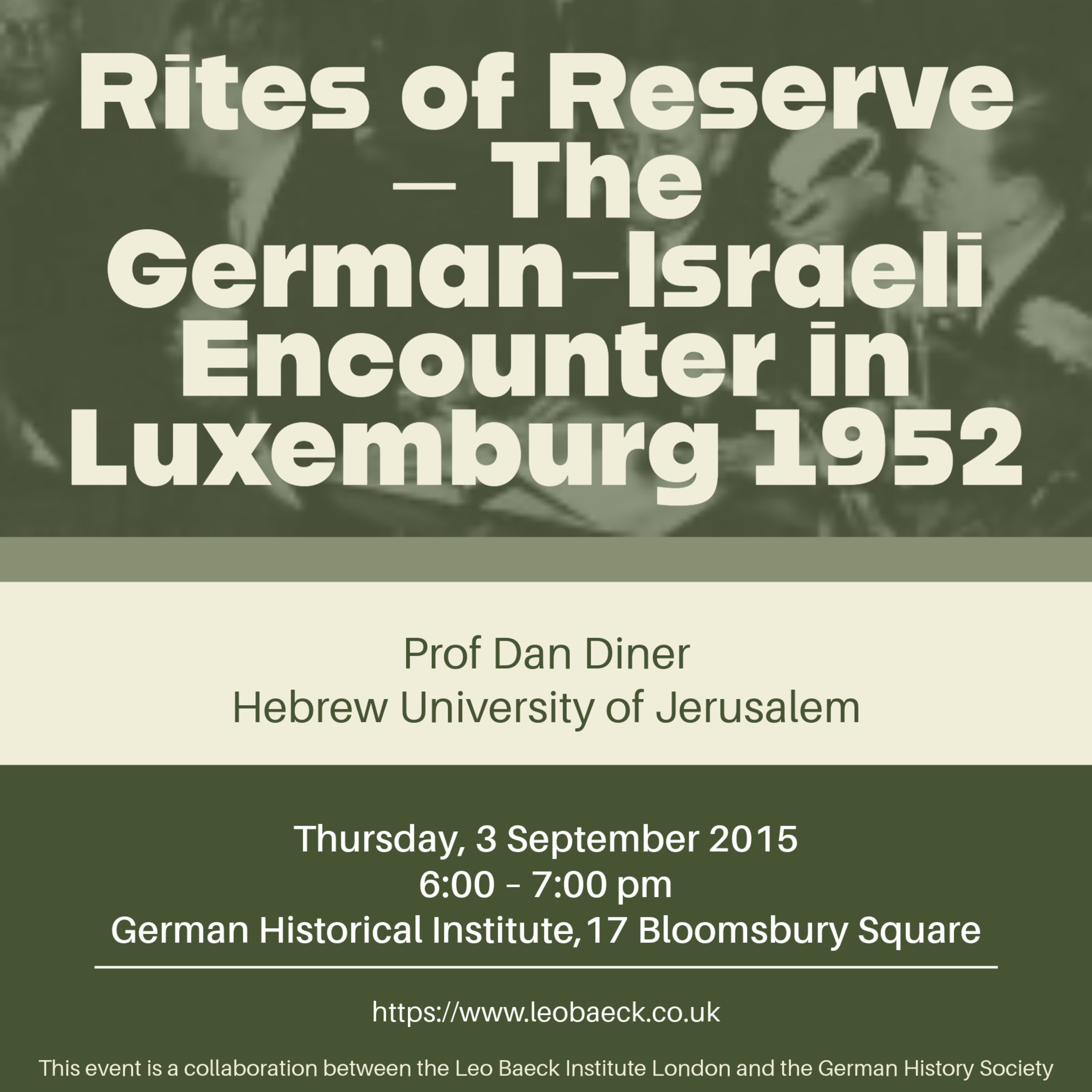
Rites of Reserve – The German-Israeli Encounter in Luxemburg 1952
Prof Dan Diner (Hebrew University of Jerusalem)Dr Daniel Wildmann (Acting Director Leo Baeck Institute London) and Prof Elizabeth Harvey (Chair German History Society) are delighted to invite you to a lecture by Prof Dan Diner (Hebrew University of Jerusalem) as part of the German History Society Annual Conference.Rites of Reserve: The German-Israeli Encounter in Luxemburg 1952 The lecture present
The Great War and Jewish Memory
Prof. Jay Winter (Yale University, USA)The Great War and Jewish Memory
The Great War shattered Yosef Hayim Yerushalmi’s celebrated distinction between history and memory in Jewish cultural life. Jay Winter argues that Jewish history and Jewish memory collided between 1914 and 1918 in ways which transformed both and created a new category he terms ‘historical remembrance’.
The war unleashed both

Curating the Jewish Experience of the First World War
Roz CurrieJewish Military Museum, London
The First World War was a pivotal time of change forthe Jewish community in Britain and indeed throughout Europe and the Middle East. Roz Currie has curated the Jewish Military Museum and Jewish Museum London joint exhibition on this subject. This lecture will discuss the challenges behind telling this story, it will touch on newly uncovered narratives of t

Anti-Judaism as a System of Thought
Prof David Nirenberg (University of Chicago)
Presented by the Leo Baeck Institute London, in cooperation with QMUL, School of History
In his recent book "Anti-Judaism: The History of a Way of Thinking," David Nirenberg argued that Anti-Judaism should not be thought of as some archaic or irrational closet in the vast edifices of Western thought. Instead, he suggested, it was a powerful c
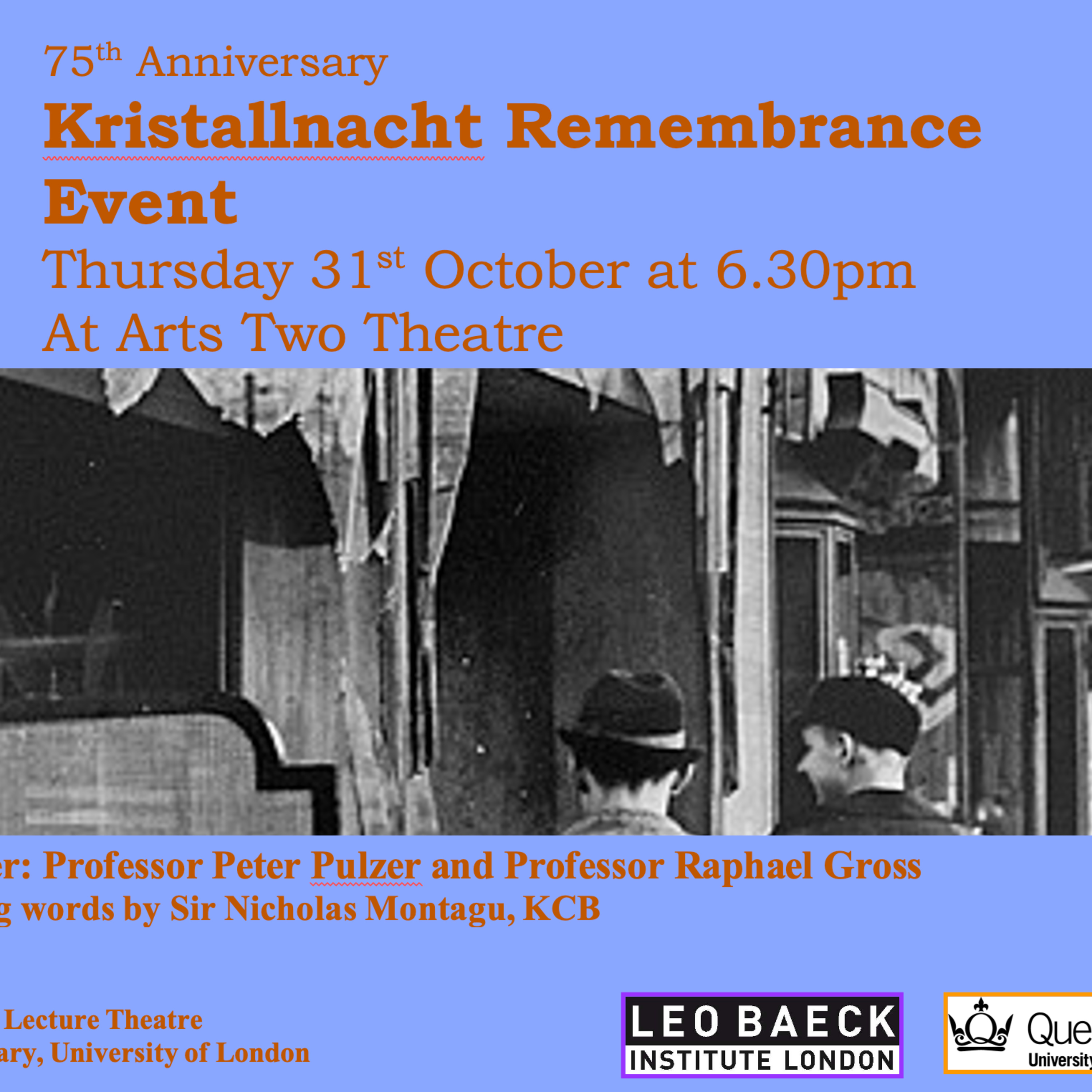
Kristallnacht Remembrance Lecture
https://www.leobaeck.co.uk/events/special-events/kristallnacht-remembrance-lecture
Opening words by Sir Nicholas Montagu KCB
November 1938: The Story of Herschel Grynszpan
Raphael Gross's talk focuses on Herschel Grynszpan and the diverse reactions to his assassination of the German diplomat Ernst vom Rath. It tells the story of Grynszpan’s background and examine the various responses to a
Cosmopolitanism and the Jews
Prof. Sander L Gilman Chairman, LBI London
Distinguished Professor of the Liberal Arts and Sciences; Professor of Psychiatry Emory University
A lecture organized by the Leo Baeck Institute.
Cosmopolitanism and the Jews
The newest buzzword for globalization is cosmopolitanism. As with many such reuses of older concepts, cosmopolitanism has a complex history, specifically in the German-speaking la
Apocalypse Now: Walter Benjamin and the Legacy of Jewish Political Messianism
Prof Richard Wolin (City University of New York)
CCLS Lecture Theatre (Queen Mary, University of London, Lincoln’s Inn Fields Campus)
How can one explain the fact that Walter Benjamin’s youthful essay on political violence, “The Critique of Violence” (1921), has, among representatives of the post-political “academic left” (Derrida, Zizek, Agamben), acquired canonical status? What did Benjamin mea
Dealing with Difference:Jews, Muslims and the British Left Today
Dr. Brian Klug
University of Oxford, UK
Generally speaking, the British left has been on the side of the disadvantaged and the oppressed. Forthis reason, socialists,radicals and liberals have instinctively rallied to the cause of newcomers in an increasingly multicultural society. But circumstances have changed and the waters now are muddied.
This lecture will explore the reasons why it is diffi

‘Quite Contrary to the Principles of British Justice’: The Jews of the Channel Islands 1940-1945
Prof. David Fraser
University of Nottingham, UK
From 1940 to 1945 the Channel Islands were the only part of Britain to fall under Nazi occupation. German anti-Jewish decrees became part of the Islands’ legal structures. Local police and government officials identified and registered the few remaining Jews.Jewish property was Aryanized and Jews were deported, all with the knowing involvement of go

Prof. Sander L. Gilman: Why the Jews are the smartest people in the universe and why this is a bad thing
European Leo Baeck Lecture Series London 2011
24 May 2011, 7pm at the German Historical Institute
Claims about Jewish intellectual superiority surface regularly even in the 21st century. Modern genetics, it is claimed, prove that being smart is a singular component of “being Jewish”. Can it be a bad thing to be thought to be smart? The claim reveals itself to be a form of insidious philosemitism,