Economist Podcasts
Every weekday, The Economist's global network of correspondents makes sense of the stories beneath the headlines. They bring surprising trends and tales from around the world, covering current affairs, business, finance, and science and technology.
Episodes
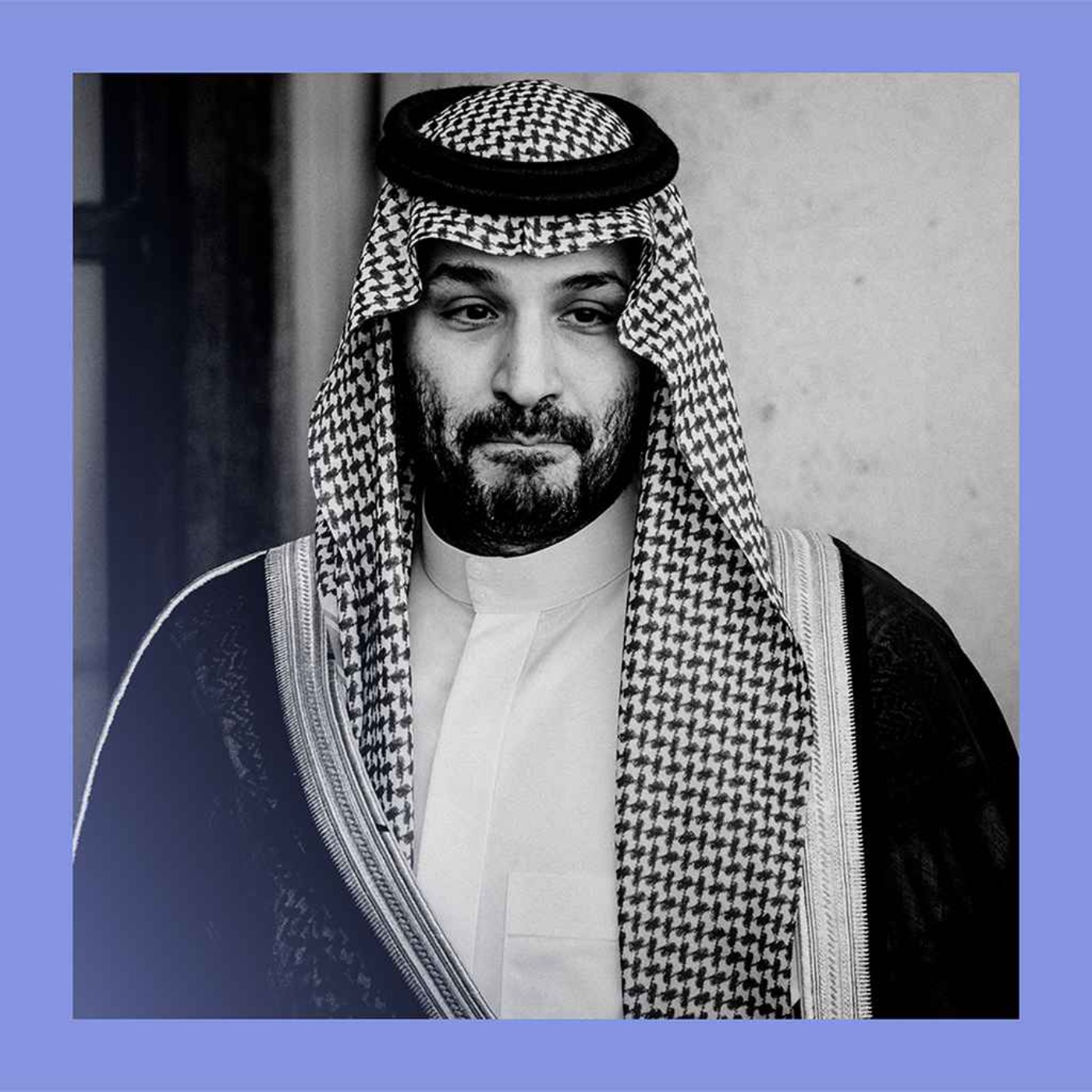
Dunes and gloom: MBS’s annus horribilis
This week, Muhammad bin Salman, crown prince of Saudi Arabia, was forced to postpone his annual investment summit. His other big bets on the kingdom’s future are also floundering. Sam Bankman-Fried, a crypto-billionaire supporter of effective altruism, calls our correspondent from prison. And things look hazy in Singapore and other Asian countries. Guests and host:Gregg Carlstrom, Middle East corr
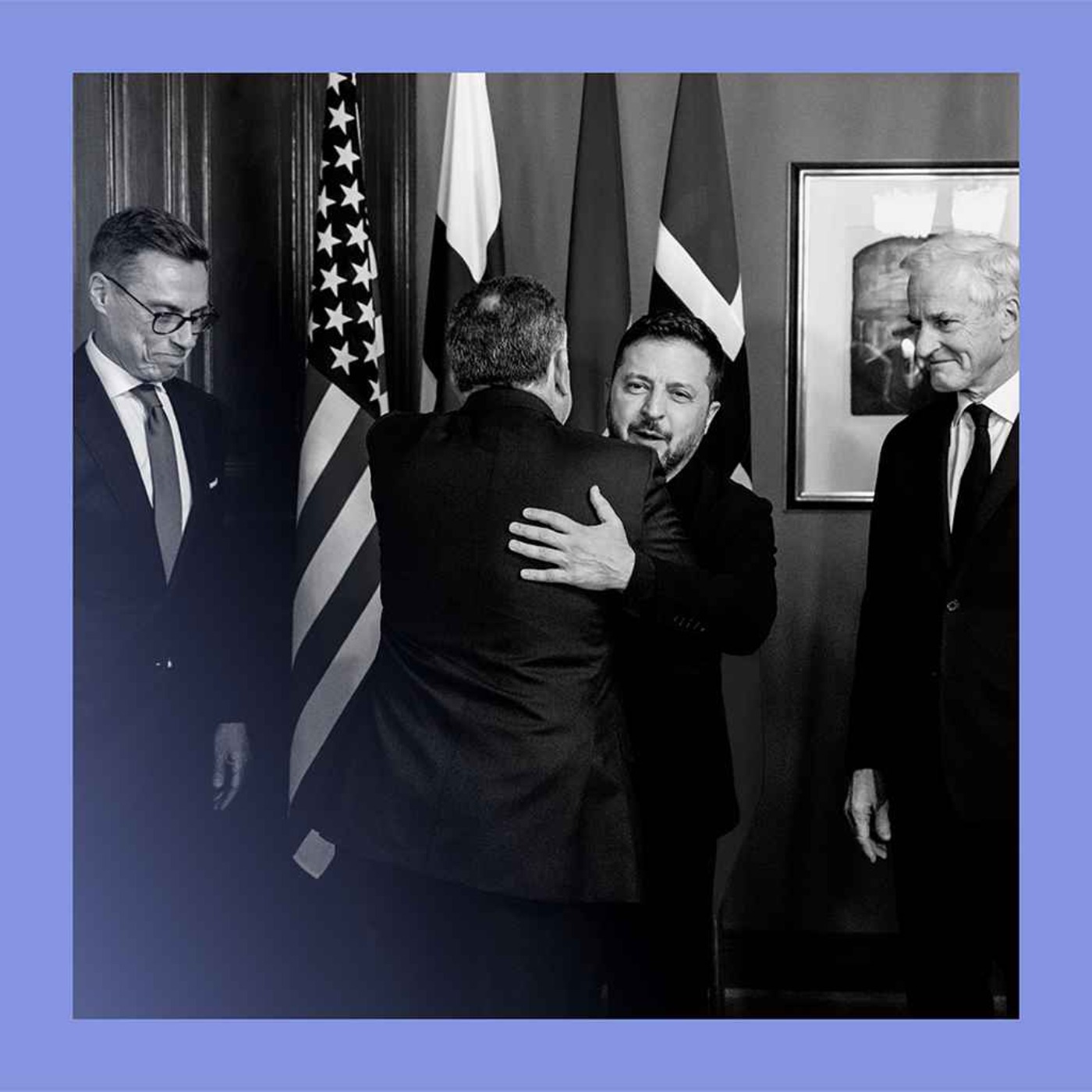
Cash test: can Europe support Ukraine alone?
Donald Trump’s administration is turning against Ukraine. But as European powers confront trouble at home, they are struggling to replace American support. Are US private science institutions entering a golden age? And the climb in art crime.Guests and host:Anton La Guardia, diplomatic editorShera Avi-Yonah, US business correspondentVendeline von Bredow, senior Germany correspondentRosie Blau, co-

Disorder of magnitude: France’s riots
What started as student protests ballooned into national lawlessness. The disorder plays into the hands of France’s political extremes; expect more of it. In Zimbabwe white farmers are returning to work land taken by Robert Mugabe a quarter-century ago. And our columnist considers the delicate wording that might indemnify AI firms if the bots happen to wipe out humanity. Guests and host:Sophie Ped
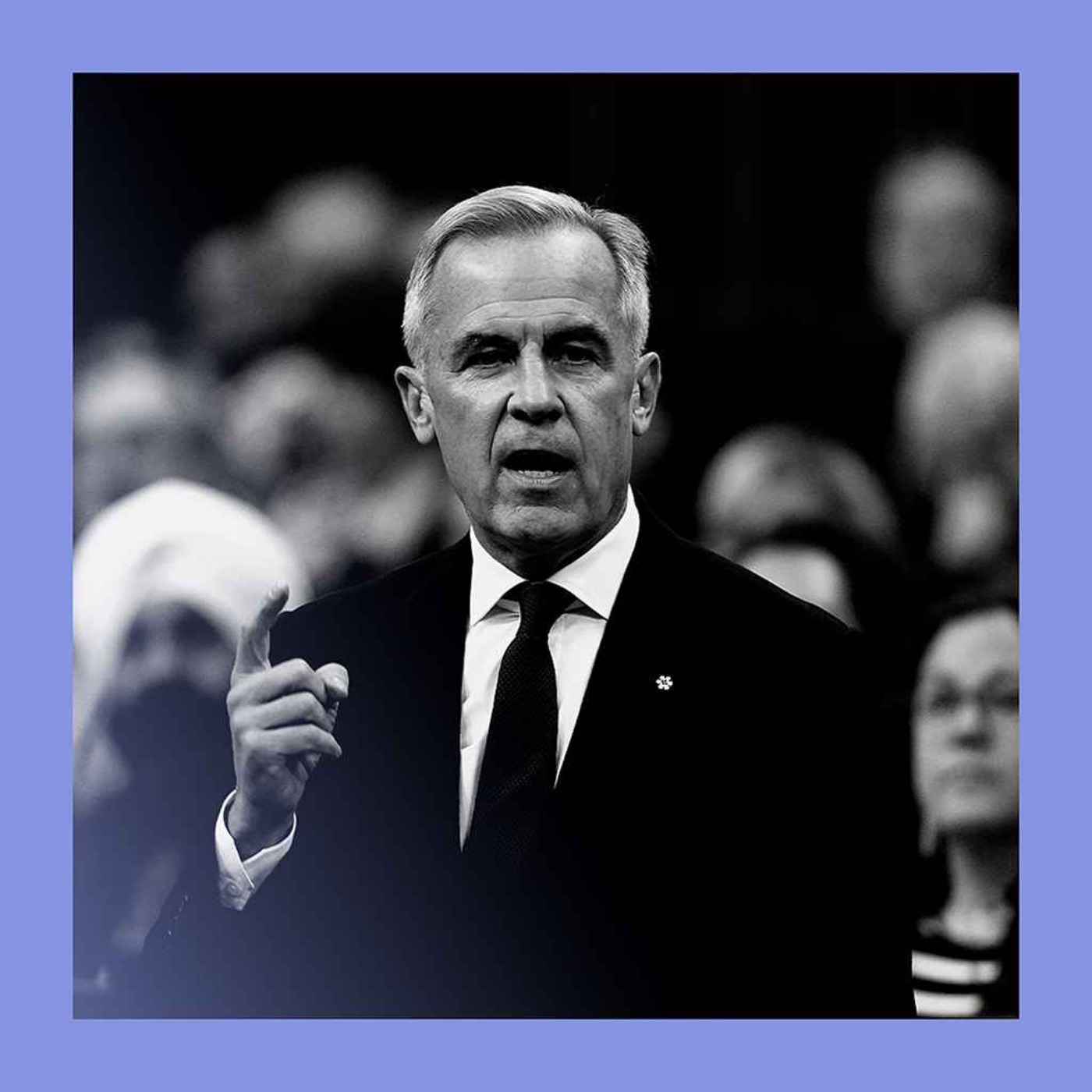
Independence eh? Canada’s referendum
The province of Alberta will vote on secession today. It is unlikely to go ahead, but the separatist vibe is just one of Prime Minister Mark Carney’s many headaches. Our correspondent examines China’s efforts toward brain-computer interfaces, finding the country is closing the gap with America. And Britain’s “bug superhighways” link up the shrinking number of lush insect habitats.Guests and host:R
Schrödinger’s chat: can AI and scientists co-exist?
In recent weeks, AI has solved hundreds of previously unanswered maths problems. Our correspondents ask if machines can do the same in other areas of science and what role human researchers may play. Why crisps are getting chunkier and chocolate chewier. And celebrating the life and work of author Annie Dillard. Watch extended clips from Insider here.Guests and host:Alex Hern, AI writerAlok Jha, s
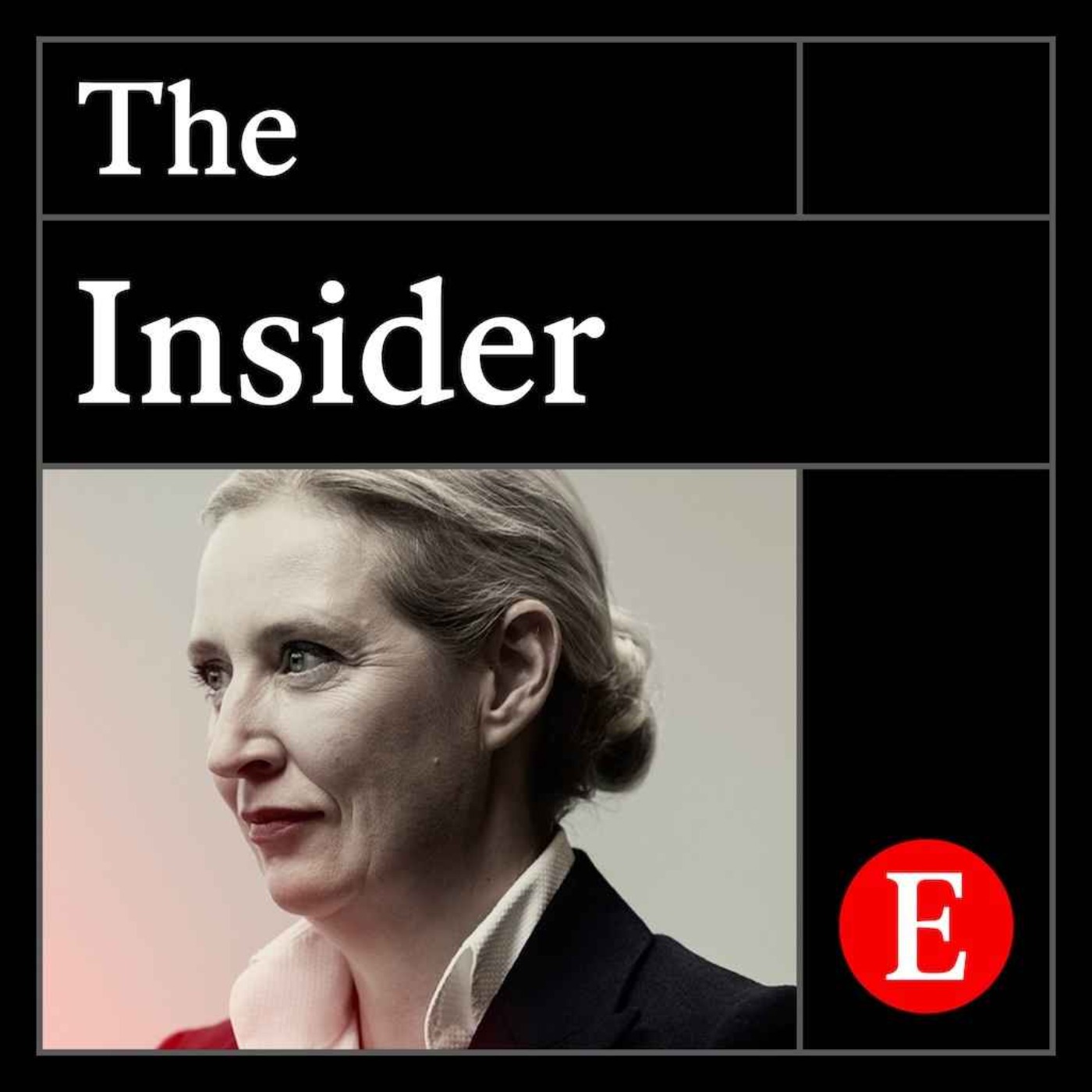
An interview with Alice Weidel
Under Alice Weidel’s leadership the Alternative for Germany (AfD), a right-wing populist party, has been riding high. A series of successes in state elections have brought it closer than ever to power at national level. Ms Weidel is perhaps best known for her calls for “remigration” and criticism of Germany’s support for Ukraine. She spoke to The Economist’s editor-in-chief, Zanny Minton Beddoes,

Who wants to be a millennial? Generation comeback
Their struggles to get jobs or buy homes once propelled political movements. Now many millennials are out-earning their parents and in positions of power. Our correspondent explains the transformation. Sophisticated tech tools are being used to sway voters in Israel. And why you should hold your tongue to high standards.Guests and host:Callum Williams, senior economics writerAnshel Pfeffer, Israel

Kicking Kyiv: Trump’s doubtful deals
Donald Trump claims to have brokered a deal to import Russian diesel and an energy ceasefire between Russia and Ukraine. As attacks on Kyiv continue, our deputy editor says Trump is risking Ukraine’s future for a mid-term bounce. India’s government is failing to quell Gen Z protests. And how song binds us together and brings joy. Guests and host:Edward Carr, deputy editor of The EconomistKira Huju
Unrest in peace: misery in Gaza
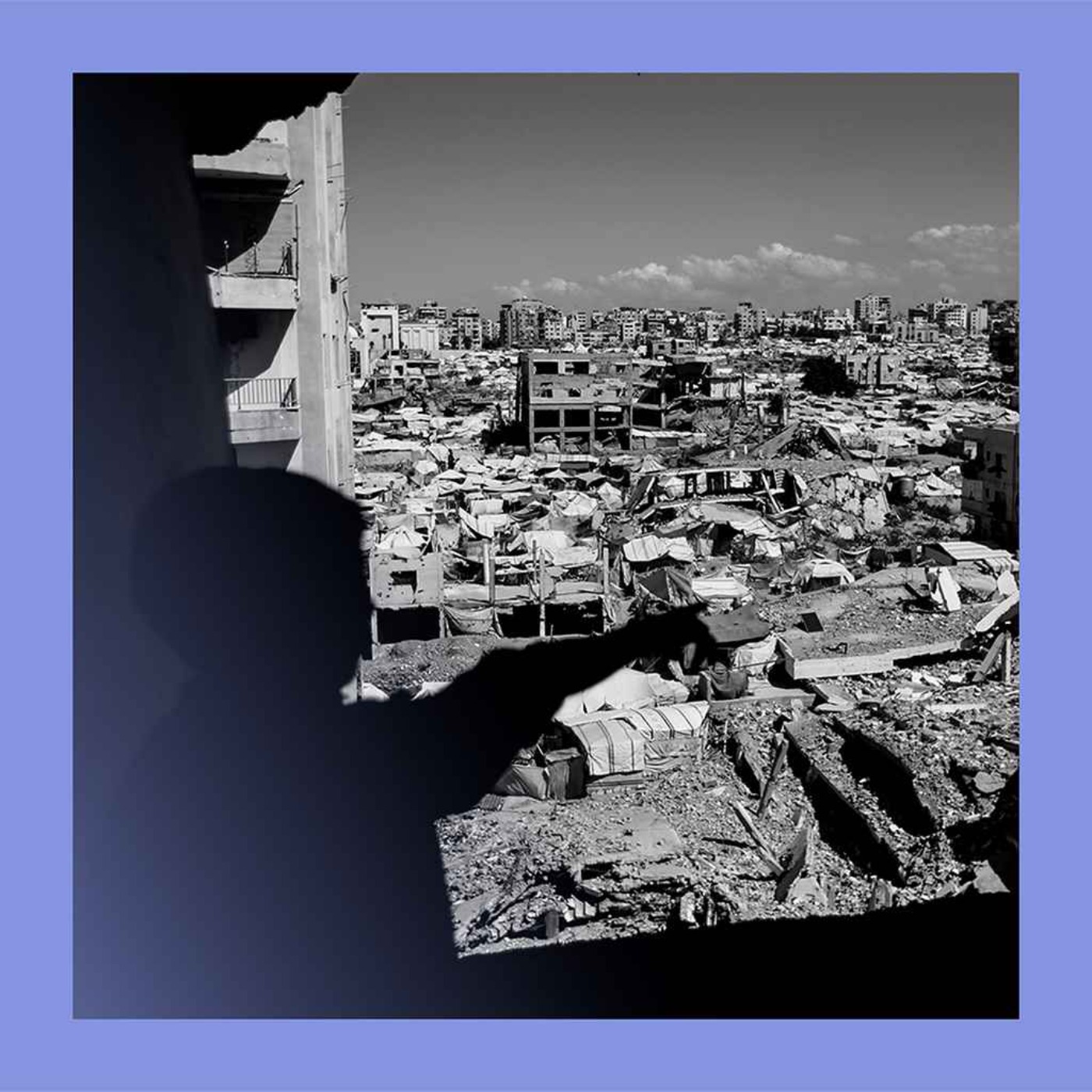
A year ago Donald Trump created the Board of Peace to rebuild Gaza. Yet for many Palestinians, life is even harder, as the ceasefire is repeatedly violated, crime is rising and poverty rife. Why record labels are in a spin over AI music. And Japan is struggling to benefit from the global matcha boom.Guests and host:Nicolas Pelham, Middle East correspondentHenry Tricks, US technology and media edit
Saudi under siege: Houthis attack airport
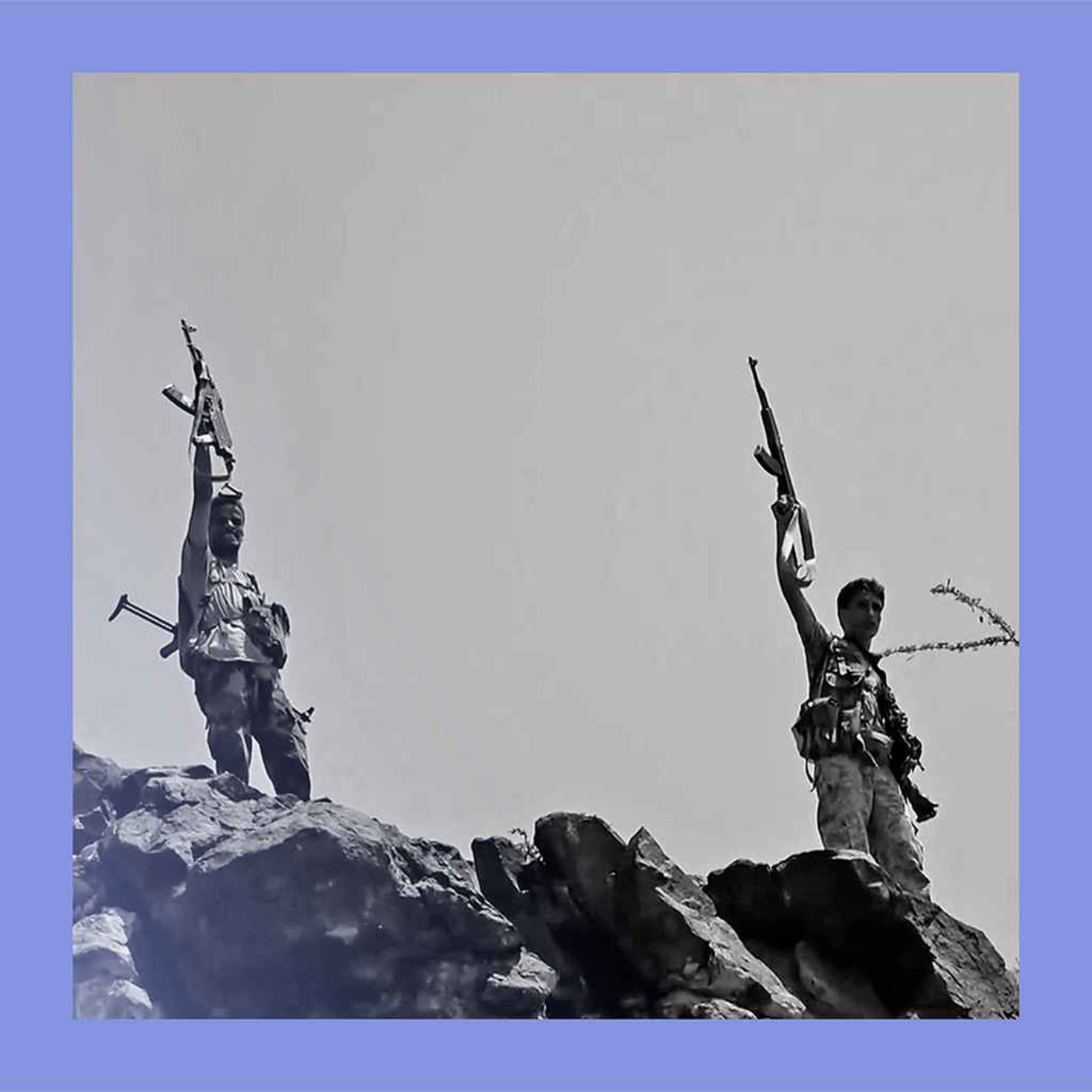
This weekend, Yemeni rebels struck Saudi Arabia’s international airport in the deadliest attack on a Gulf Arab country since the Iran war began in February. Our correspondent reports from Riyadh. How European manufacturers are adjusting to high energy prices and war. And the revival of writing by hand.Guests and host:Gregg Carlstrom, Middle East correspondentGuy Scriven, global business writerCait

Saving your bacon: healthy-eating policy evolves
Decades of messaging have not worked, so governments are trying new ways to get citizens to eat well, from scary labelling to taxing the junkiest foods. Will it work? The death of a plague researcher in Russia is made more mysterious by the government’s resolute lack of transparency. And a tribute to Cyril Hilsum, the inventor behind ubiquitous flat-screen displays. Watch extended clips from Insid

Valley of the shadow of debt: bond-market jitters
Bond yields across the rich world keep ticking up. We take a global look at where the risks are mounting most, and just how much worry is warranted. What might have once seemed fanciful is becoming real: delivering daylight to dark parts of the world using mirrors in space. And the fatal earnestness of “The Social Reckoning”. Guests and host:Alex Domash, economics correspondentTim Cross, senior sc
Gilets jeunes? France’s school protests
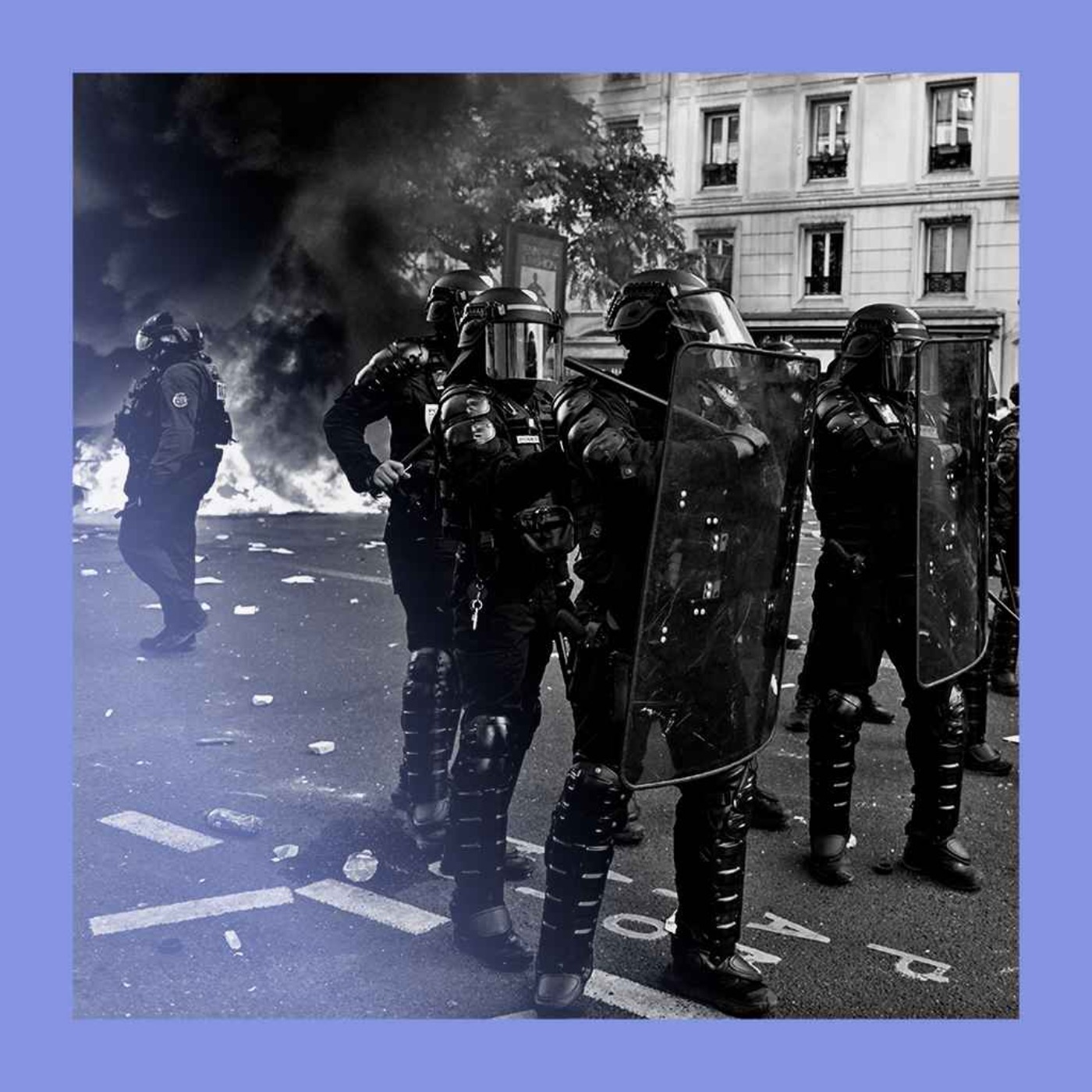
What started as a small protest about conditions of a school and of schooling has mushroomed, and tapped into national anxieties that may prove hard to tame. In the context of the “Cornell 7” case we examine Title IX, the statute that should protect students—but that is failing. And how peddling superstitions to financiers is big business in India. Guests and host:Sophie Pedder, Paris bureau chief
House call: Spain’s snap election
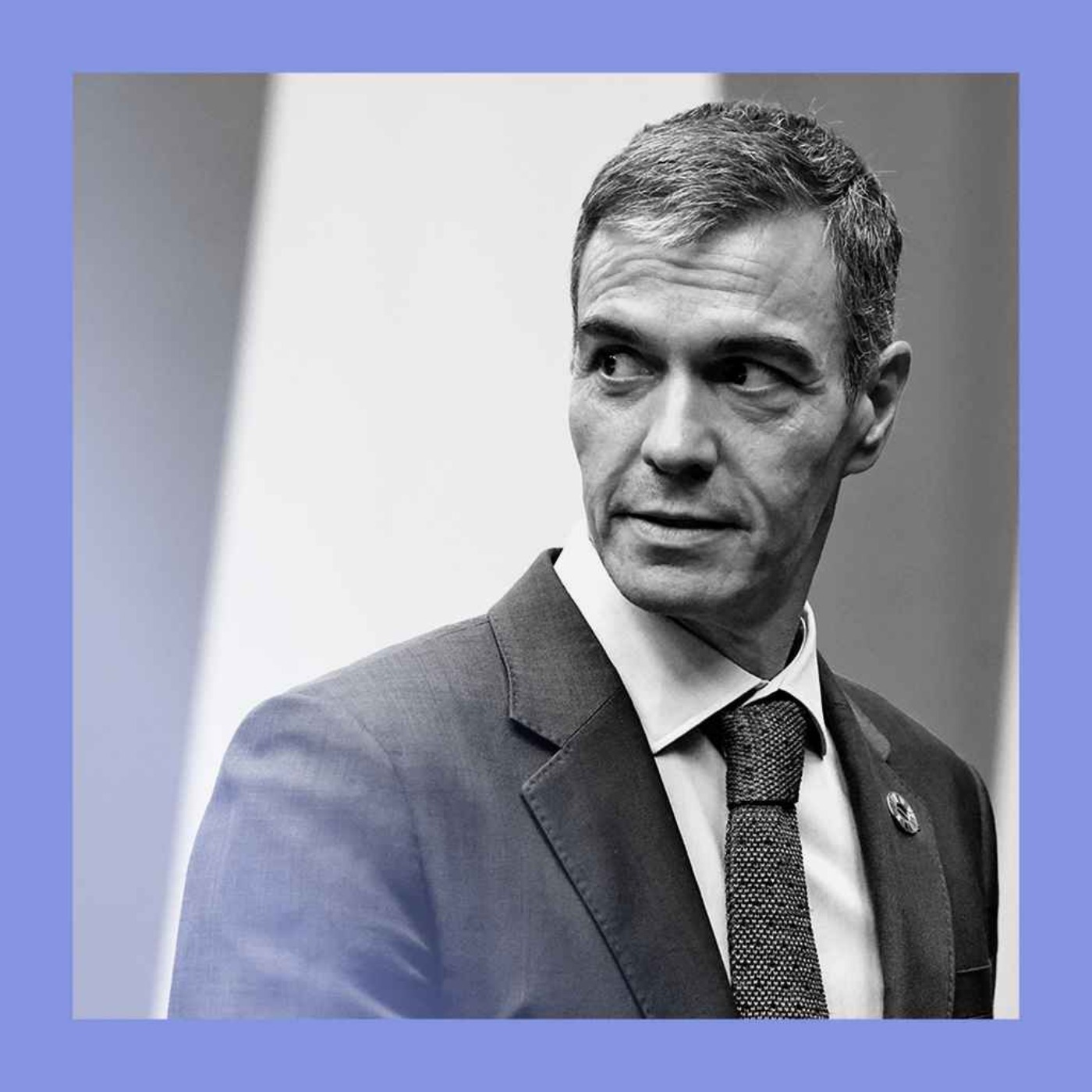
Prime Minister Pedro Sánchez is gambling that anger about housing might solidify his mandate in a snap poll. Most probably it will instead add to the rightward shift in European politics. America’s beef prices have never been higher, so why is it that the meatpackers have it so tough? And the battery technology to improve medical diagnostics you can swallow. Listen to our episode of “Babbage” on e
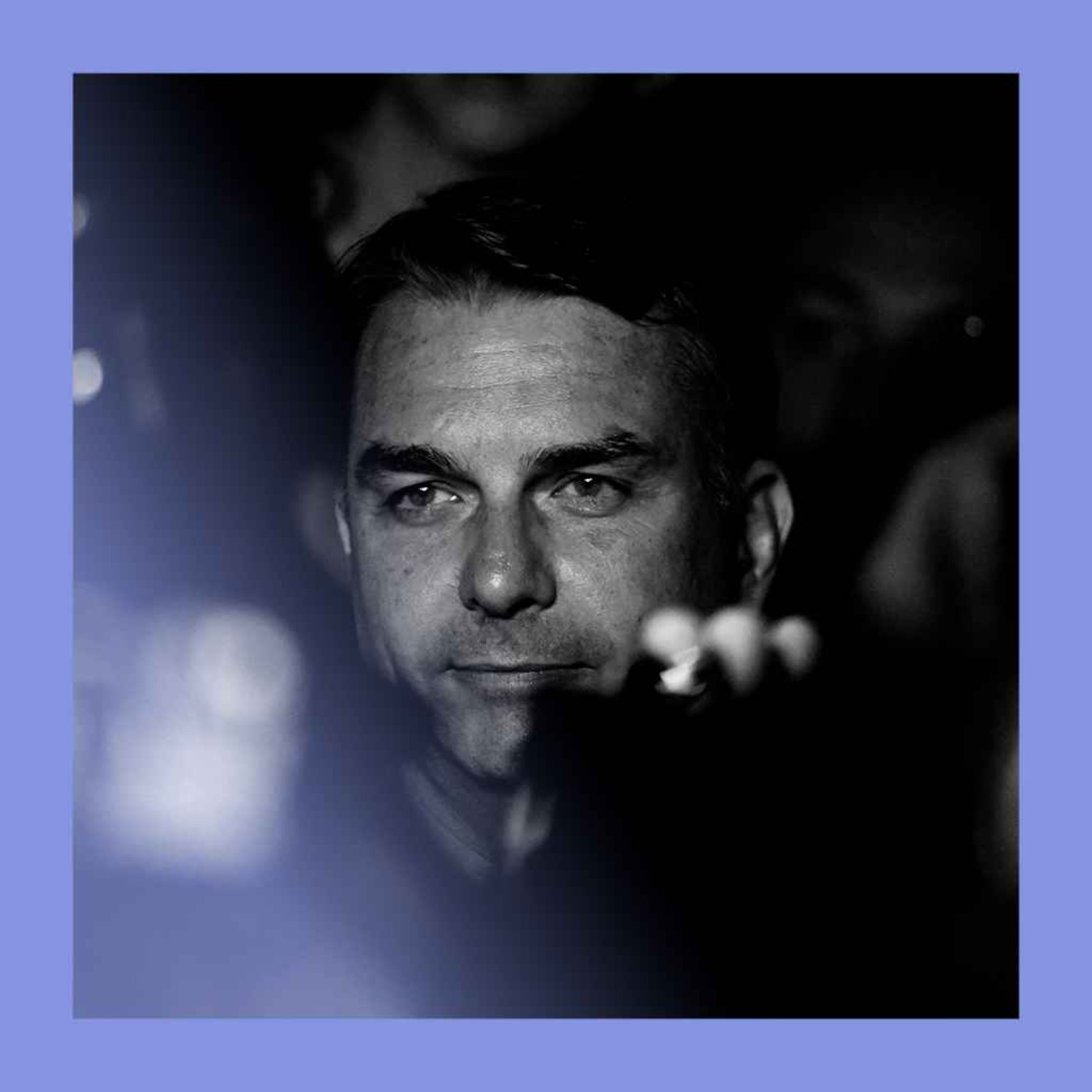
Here comes the son? Brazil’s election tips rightward
Flávio Bolsonaro, populist-right son of the imprisoned coup architect Jair, received the most votes in the presidential first round. We ask why Luiz Inácio Lula da Silva, the incumbent, fell behind—and what is at stake when they go head-to-head. We examine Americans’ growing anger at automatic number-plate-reading cameras. And the demanding but lucrative business of nannying the children of the su

Coffer stop: AI may shrink tax base
If Artificial Intelligence results in job losses or lower salaries, government revenues will fall. Our correspondent explains how best to tax the windfalls from AI. Paint is a surprisingly cheap way to cool buildings. And remembering the life of Stanislas Hutin, who revealed France’s barbarity in Algeria.Watch extended clips from Insider hereGuests and host:Callum Williams, senior economics writer
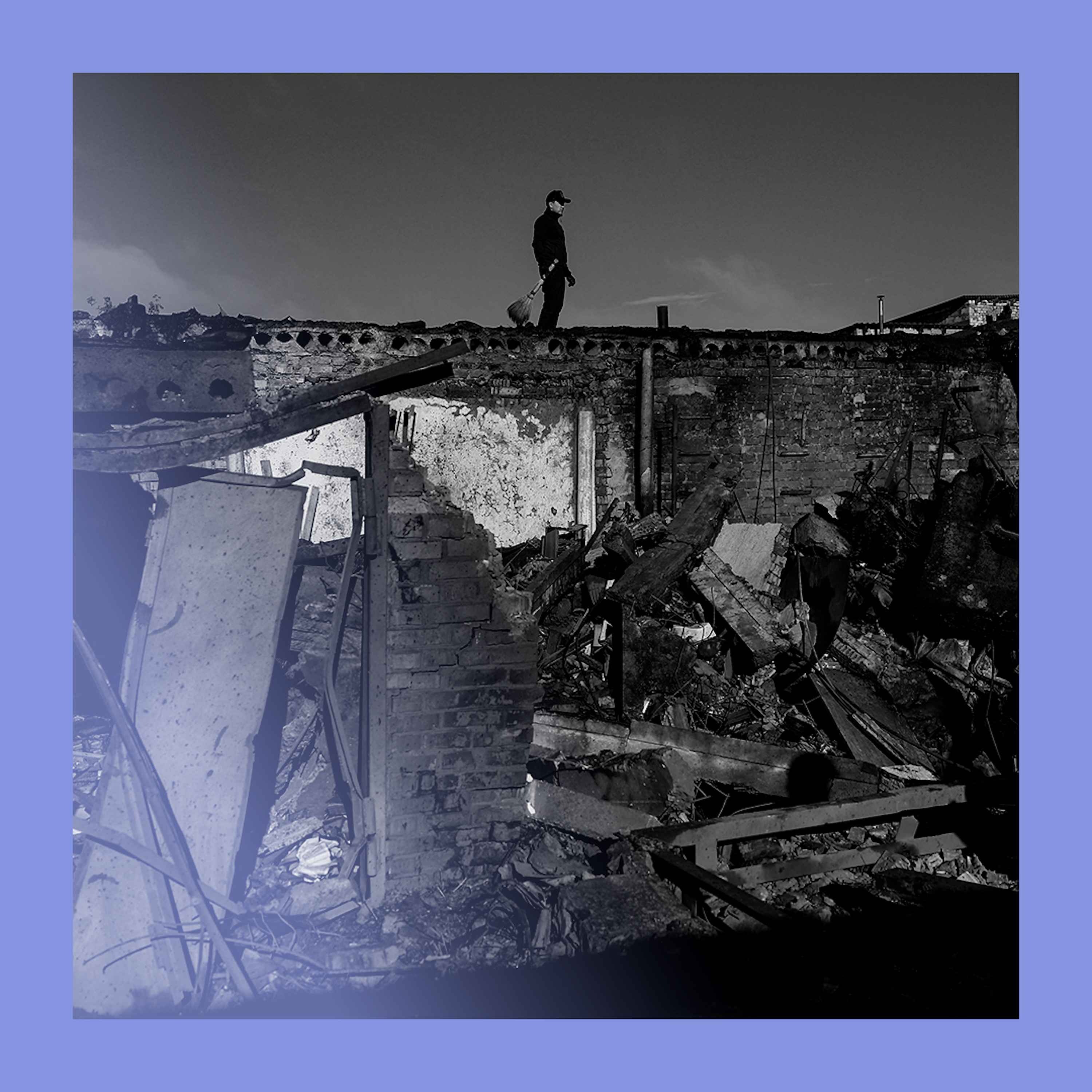
Trial and terror: Russia escalates Kyiv campaign
Russia has embarked on a new campaign to quell Ukraine, focused on supermarkets, playgrounds and other civilian targets. Our correspondent reports on the toll on daily life in Kyiv. Despite the backlash against “pervert glasses”, companies continue to develop AI-enabled smart specs. And how the pen changed history.Guests and host:Oliver Carroll, Ukraine correspondentHenry Tricks, US technology edi

Cheques and the City: Premier League disgrace
An independent commission has found Manchester City guilty of breaching over 100 rules. What penalty will the Premier League exact? Russia’s increasingly brazen attempts to provoke and undermine Europe. And why cute Chiikawa, star of a Japanese blockbuster, gives comfort in anxious times. Subscribers can listen to “Kidulting” on “The Weekend Intelligence”Guests and host:Sonny Loughran, Britain cor

Brazil rut: Lula v Bolsonaro, again
On October 4th, Brazil faces a polarising general election: re-elect the octogenarian incumbent or pick the son of a former president jailed for attempting a coup. In some countries honour culture holds women back from even entering the workplace. And why artists are banning phones from concerts. Guests and host:Ana Lankes, Brazil correspondentRobert Guest, deputy editorVicky Jessop, culture write

Foiled plot: did Iran plan British base attack?
Five men are in custody under suspicion of explosives and terrorism offences after being arrested near a British military base used by American aircraft. This could mark a significant escalation in Iranian hybrid warfare. What oil firms are doing with their profits from the Gulf conflict. And why women’s wages rise after their male managers have daughters.Guests and host:Matthew Symonds, contribut
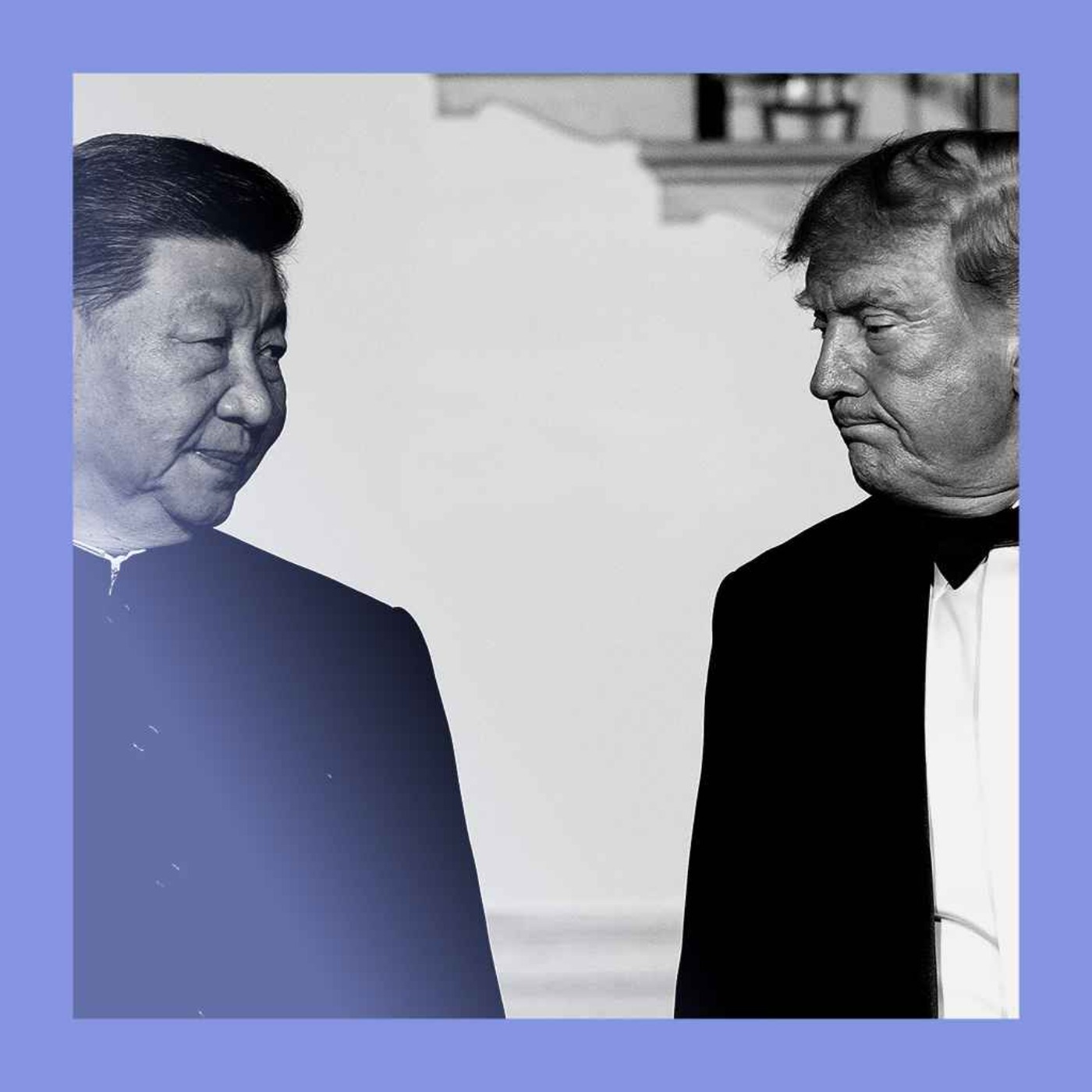
Big meet, little meat: the Trump-Xi summit
Not much of real substance appears to have emerged from the get-together. But our correspondent says there are clues of how both sides view an evolving relationship. Tommy Robinson, a British far-right influencer, is increasingly well known to MAGA types in America; we examine his rise to prominence. And remembering Bob Mackie, daring dressmaker to the stars. Watch extended clips from Insider here

Home disadvantage: risks in housing markets
Rich-world house prices survived the last fit of interest-rate rises; our correspondent lays out why they may not this time. Nine months after Australia banned social media for under-16s, we ask if anything has changed. And a critical look at Israel’s hit show “Fauda” as it tackles the atrocities of October 7th. Guests and host:Callum Williams, senior economics writerJosh Spencer, Asia news editor
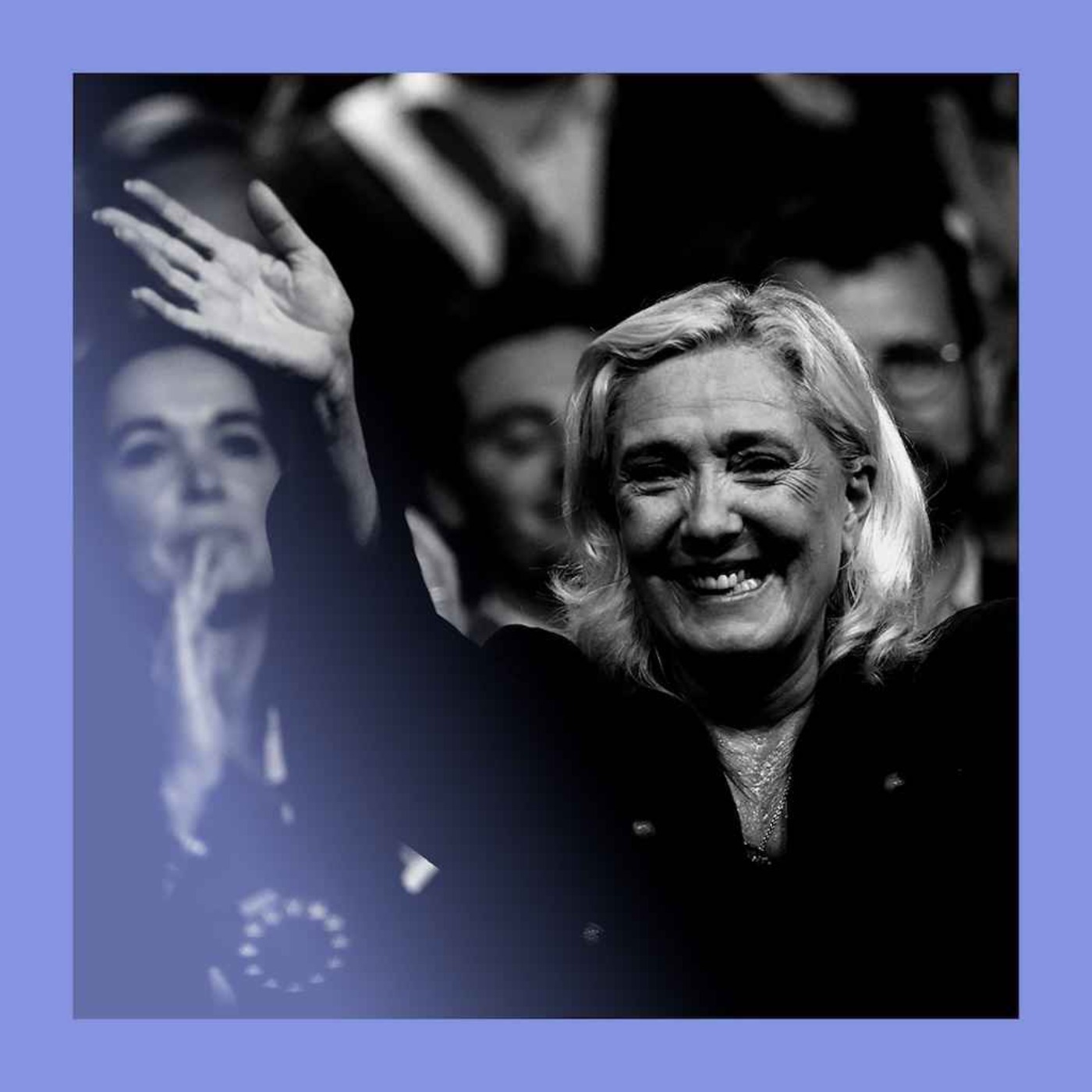
National front-runner: who can beat Le Pen?
Marine Le Pen, party leader of France’s populist-right National Rally, starts her fourth presidential bid with a commanding lead. The country’s political centre is broad, fragmented—and flagging. A buffer zone against so-called infiltrators in India’s West Bengal state is making life miserable also for Indian citizens. And how Argentina’s supply of horses and cowboys led to world dominance in polo
The mob rule: criminality consumes South Africa
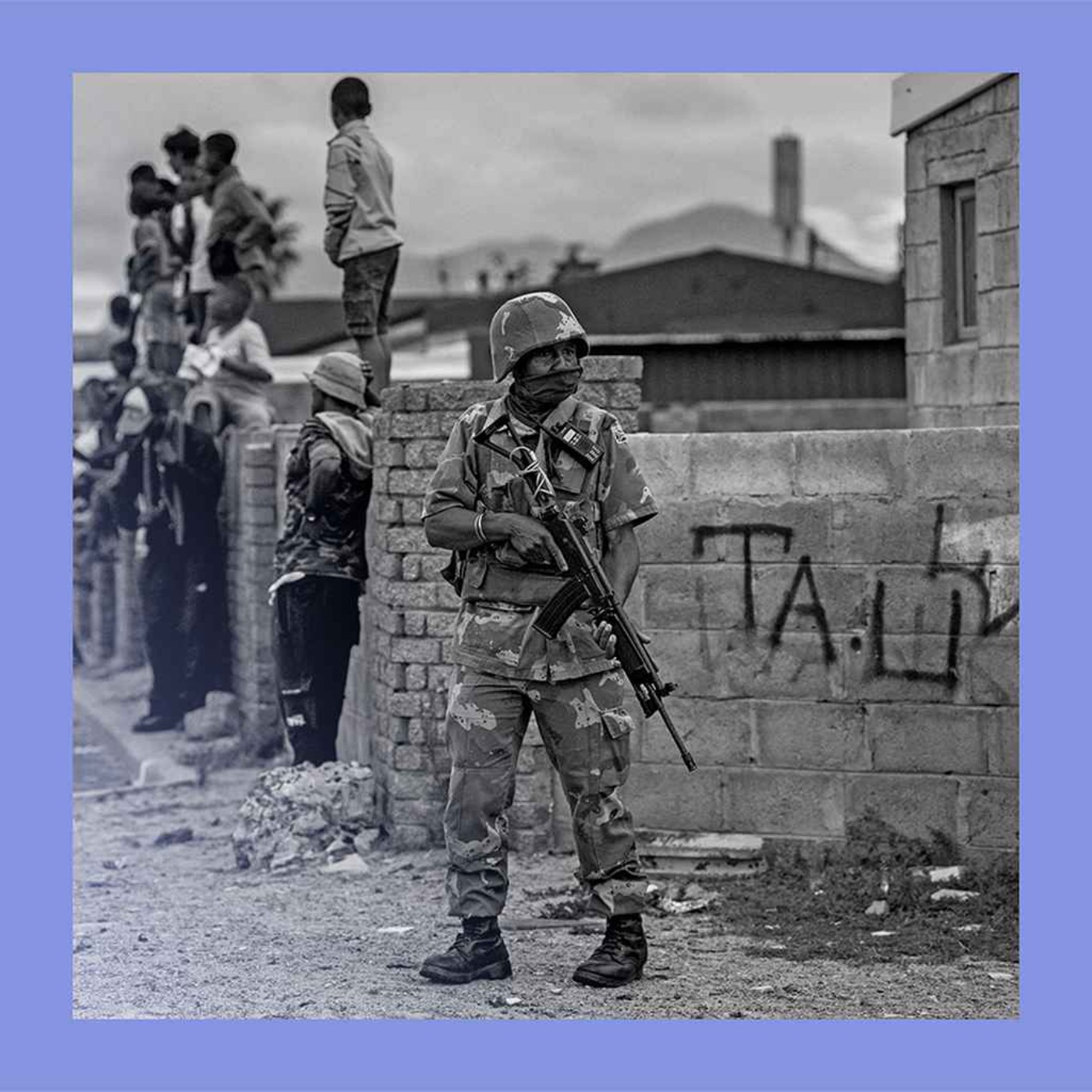
An illicit shadow economy, rampant extortion and the capture of the criminal justice system: mafia members and tactics are eating away at the state. Oura seems to have captured the market for smart rings; we ask whether it can keep its lead finger-tight. And our correspondent finds convention upended, for good and bad, at the Lucas Museum of Narrative Art.Guests and host:John McDermott, chief Afri
Centre punch: Germany’s state-election shocker
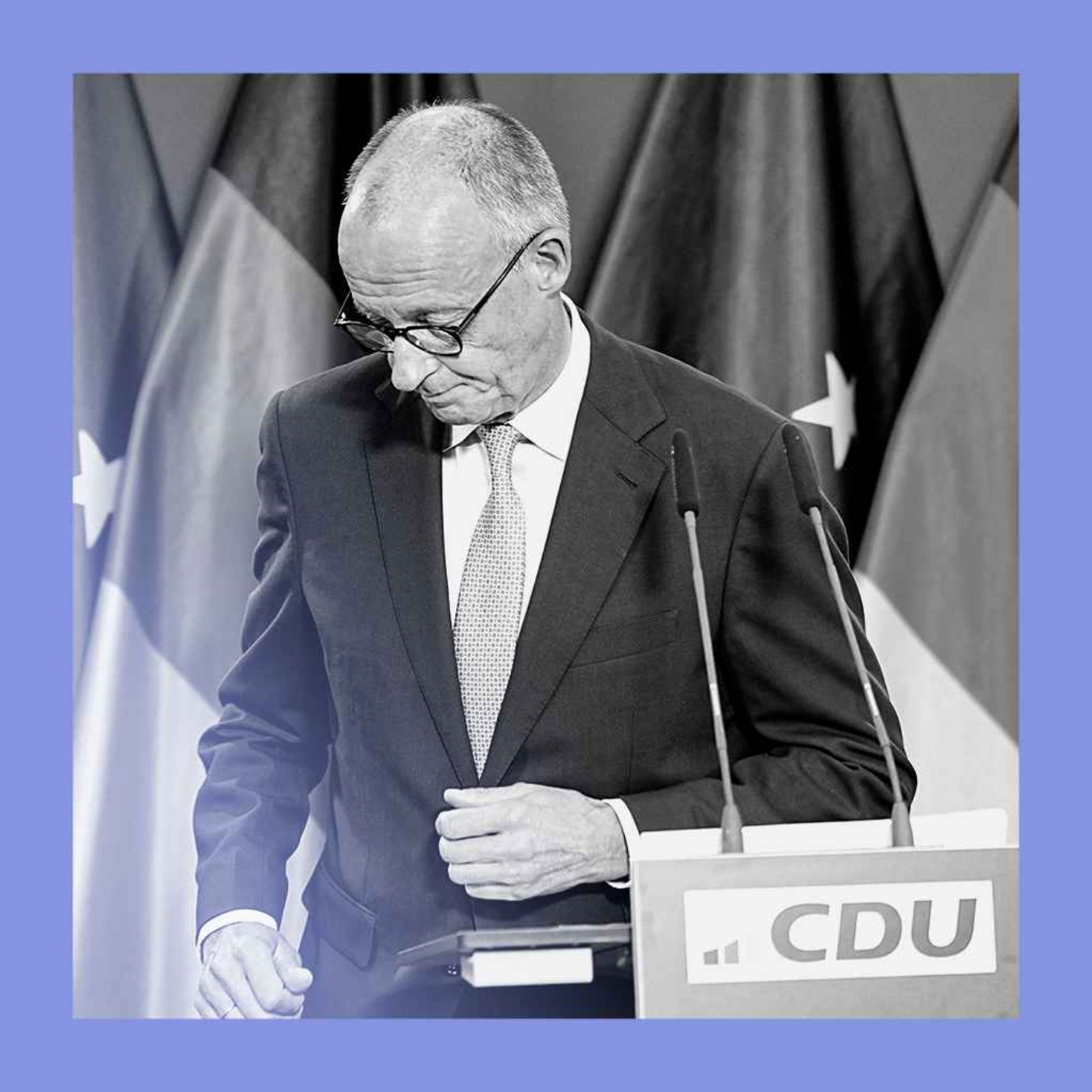
Two more state-election results reveal surging support for both the far-right AfD and the populist-left Die Linke parties. Chancellor Friedrich Merz himself described the outcome as a disaster; what will it mean for him? Our correspondent looks into why there is so much enthusiasm for African stocks. And what the science says about blue-light exposure and sleep. Guests and host:Tom Nuttall, B
Drone truth: Russia has the upper hand
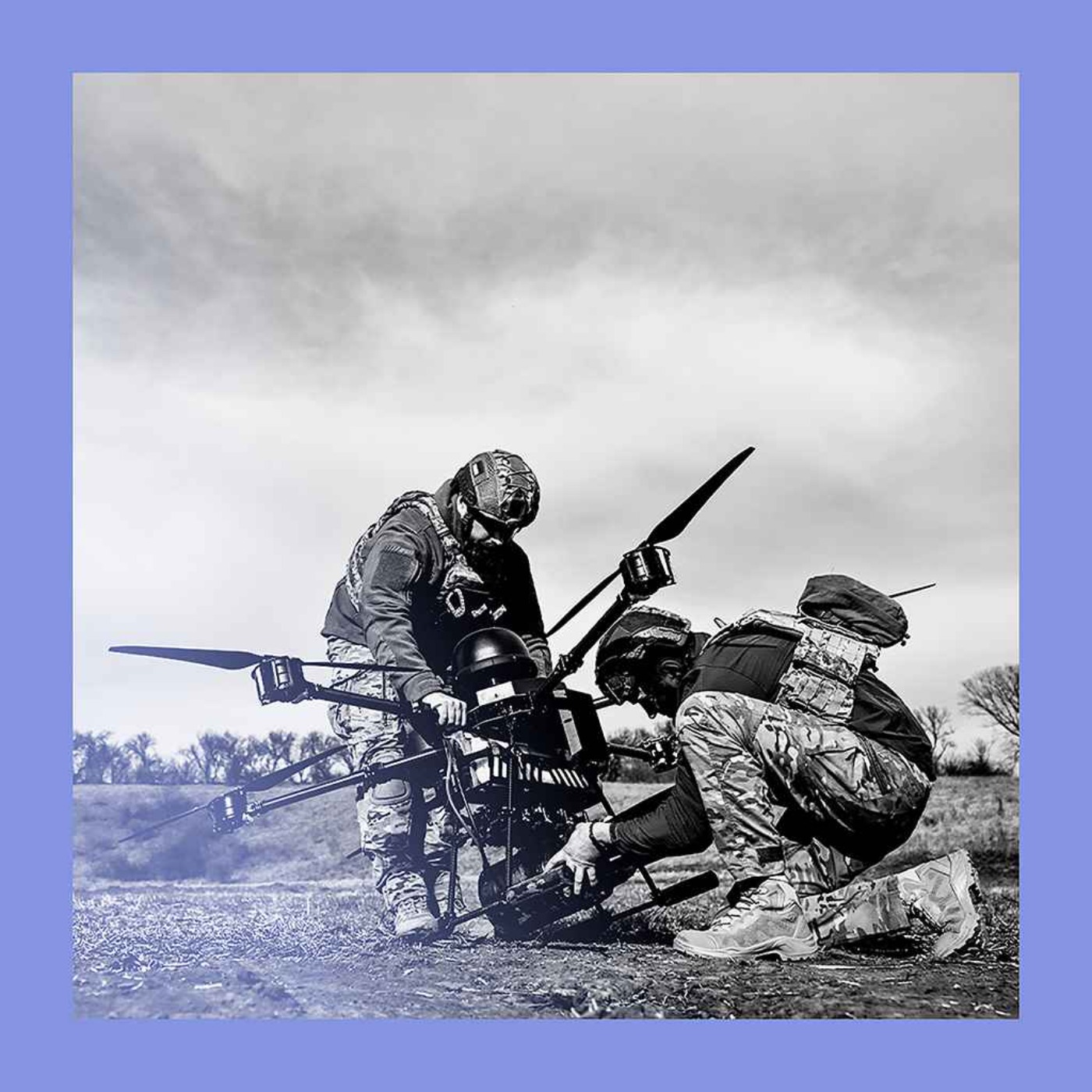
After a visit to Ukraine last week, our defence editor reports on a new phase of the war as Kyiv and other civilian targets are bombarded by Russian missiles. He also visits an elite Ukrainian drone unit. Why alcohol companies are scrambling to innovate. And remembering the life of feminist pioneer Gloria Steinem. Watch extended clips from Insider Guests and host:Alex Turner, defence editorAv
Rise and shine: Warsh’s Fed rate test
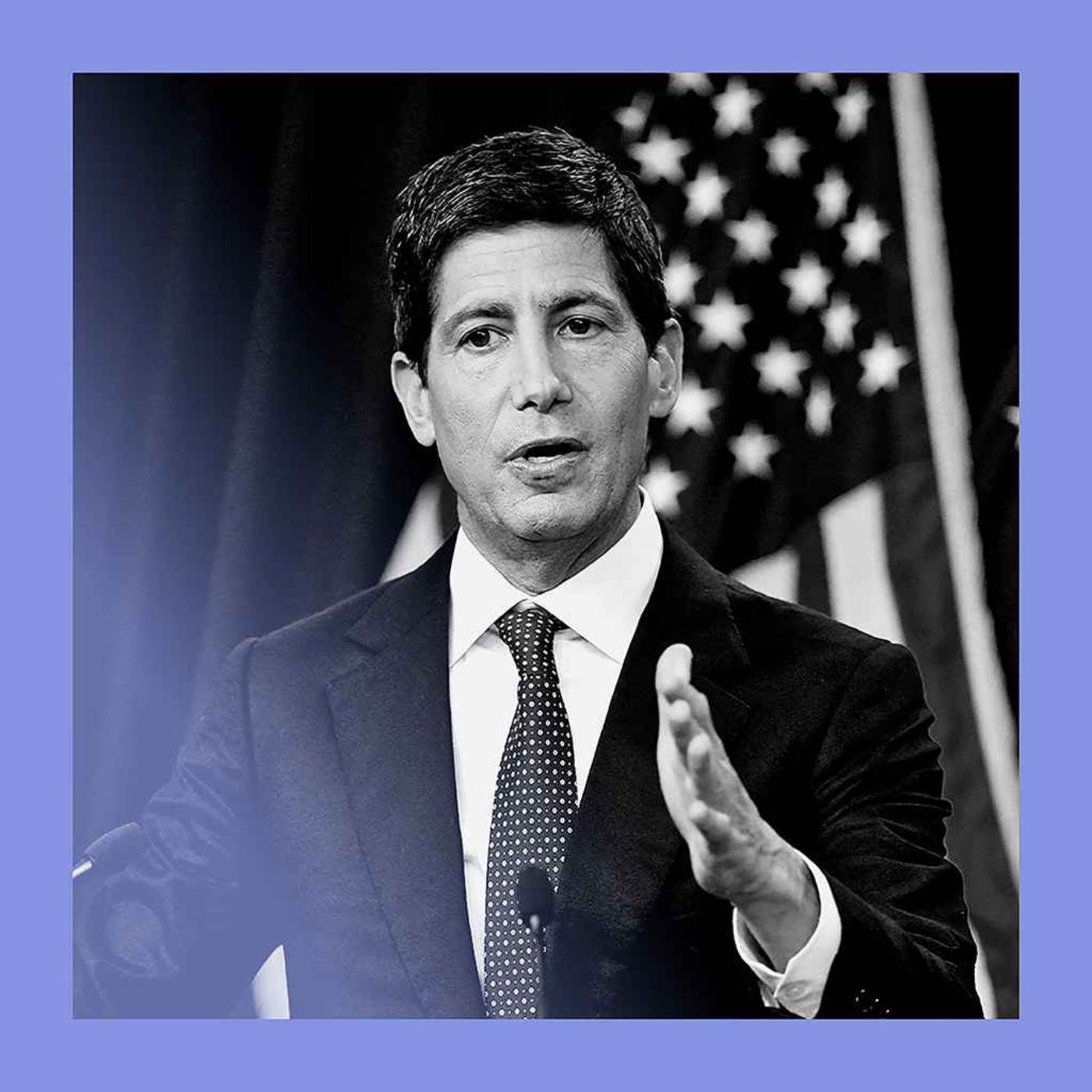
The Federal Reserve has raised interest rates for the first time since July 2023. For the central bank’s new chair Kevin Warsh, that decision was a test both of monetary policy and politics. A governor’s election in Okinawa is a boon to Japan’s military ambitions. And why summer is a casualty of climate change.Guests and host:Archie Hall, acting economics editorMoeka Iida, East Asia reporterAndrew

The end of the world is AI? An existential threat
Is artificial intelligence becoming uncontrollably powerful? Our correspondent analyses whether a pause to breakneck development is possible or feasible. We have entered the new age of the orator. And why cheese is getting more popular in India. Guests and host:Alex Hern, AI writerTom Wainwright, culture correspondentTom Sasse, South Asia bureau chiefRosie Blau, co-host of “The Intelligence”J

Islamism in Britain: what is the threat?
Though a growing share of the British population is anxious about Islam, they have no reason to be. Islamism, a fringe ideology that believes government and society should be guided by Islamic principles, is the real concern. America cracks down on multinationals’ efforts to shift profits overseas. And why corporate training videos are virtually useless.Guests and host:Sonny Loughran, Britain corr
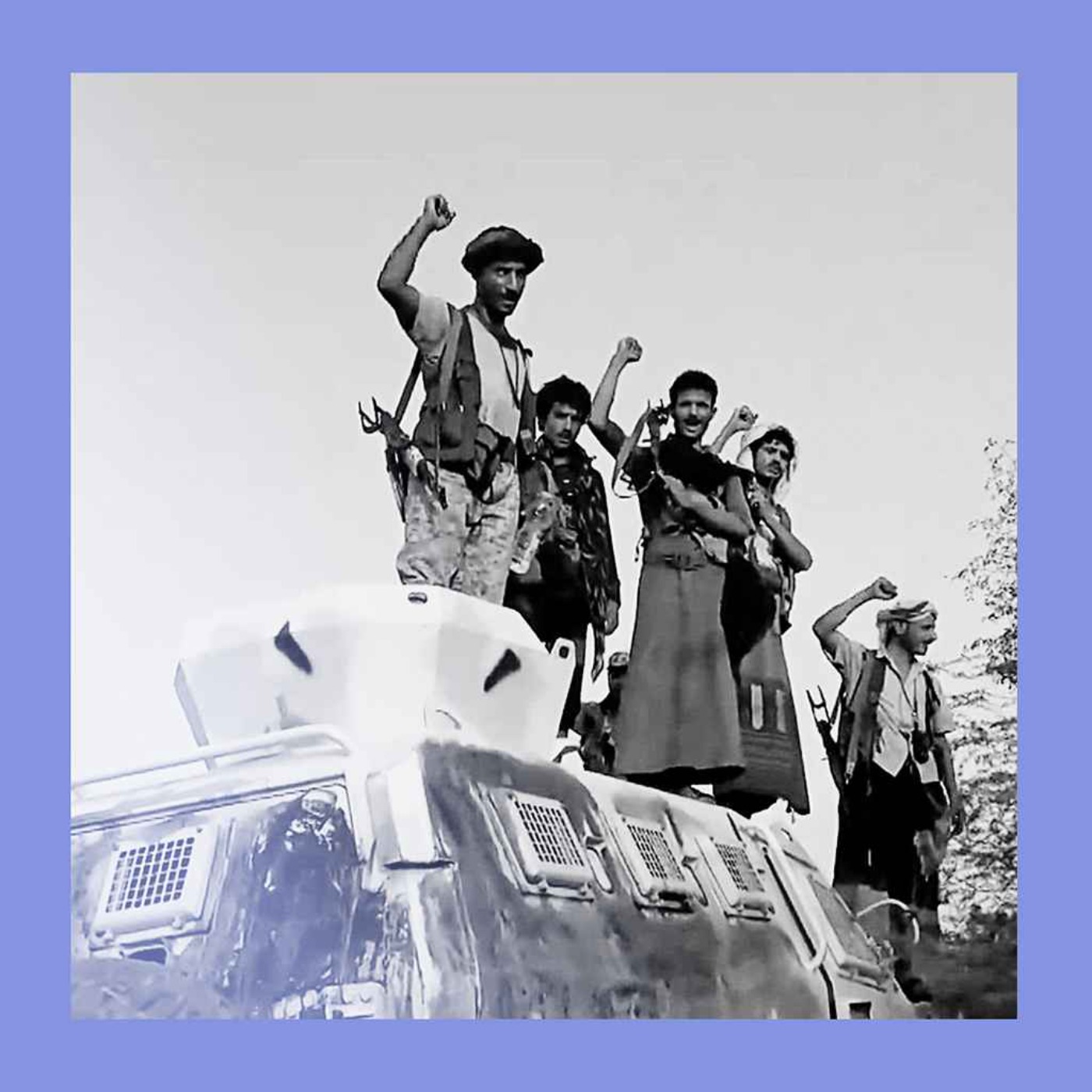
Strait and narrowing: the Houthis’ striking advance
After years of stalemate, Yemen’s Iran-backed Houthis are taking territory, including on a Red Sea strait. We ask what has changed, and how the shift fits into the wider regional conflict. As America’s midterm elections approach, we examine the fragmentation of the coalition that put Donald Trump back in office. And we ask how much nepotism matters in Hollywood today.Listen to what matters most, f

The Weekend Intelligence: Shire folk - Episode 1: Tommy's Town
For 15 years, the British media dismissed Tommy Robinson as a far-right extremist. We kept him off our televisions, and out of our newspapers. Today his rallies attract tens of thousands of followers and he has the ear of the world’s richest man.Shire Folk is the story of how some of the most powerful people in America came to see Britain—and Islam—through the eyes of a fringe football hoolig

Out-numbered: AI’s contentious maths milestone
OpenAI’s claim to have solved one of the great problems in mathematics has itself created problems. We ask why the breakthrough has shaken the field. On the 25th anniversary of 9/11 we examine the vast counterterrorism machinery that followed in America, and nascent efforts to pare those powers back. And remembering Guo Lanying, a Chinese singer who championed traditional opera.Watch extended clip

Working through it: the AI jobs boom dawns
The labour data are in from America and a trend is becoming clearer: on balance AI is starting to create more jobs than it hoovers up. Despite advancements of just about every other kind, China cannot seem to escape its food-safety problems. We ask why not. And why Kenya’s ants have become the target of smugglers.Guests and host:Alex Domash, economics correspondentGabriel Crossley, China correspon

TRAILER: Shire folk
Shire Folk is the story of how some of the most powerful people in America came to see Britain—and Islam—through the eyes of a fringe football hooligan. Hosted on Acast. See acast.com/privacy for more information.

Chainsaw sputtering: Milei’s experiment falters
President Javier Milei has tamed inflation and improved the lot of many Argentines. But an election season approaches, and the promised economic and wage growth are not materialising. As LIV Golf files for bankruptcy, we ask where it went wrong in trying to disrupt the sport. And the growth that is good for India’s people is bad for its elephants.Guests and host:Kinley Salmon, Latin America corres

School of shock: teenagers get dimmer
International tests in maths and reading show that 15-year-olds today score what 14-year-olds would have done a decade ago. Our correspondent explains the long-term decline. Is Miami’s thriving economic growth sustainable? And why Jeremy Vine’s BBC Radio 2 show is a microcosm of Britain. Guests and host:Mark Johnson, senior editorCerian Richmond Jones, international economics corr

All right on the night: AfD’s victory
Alternative for Germany won an even larger share of the vote than expected in yesterday’s state election. What does the far-right nationalist party’s success mean for Germany and Europe? The climate case for limiting vapour trails from aeroplanes. And why South Korean youths are turning to Buddhism. Guests and host:Tom Nuttall, Berlin bureau chiefOliver Morton, planetary affairs editorSoobin
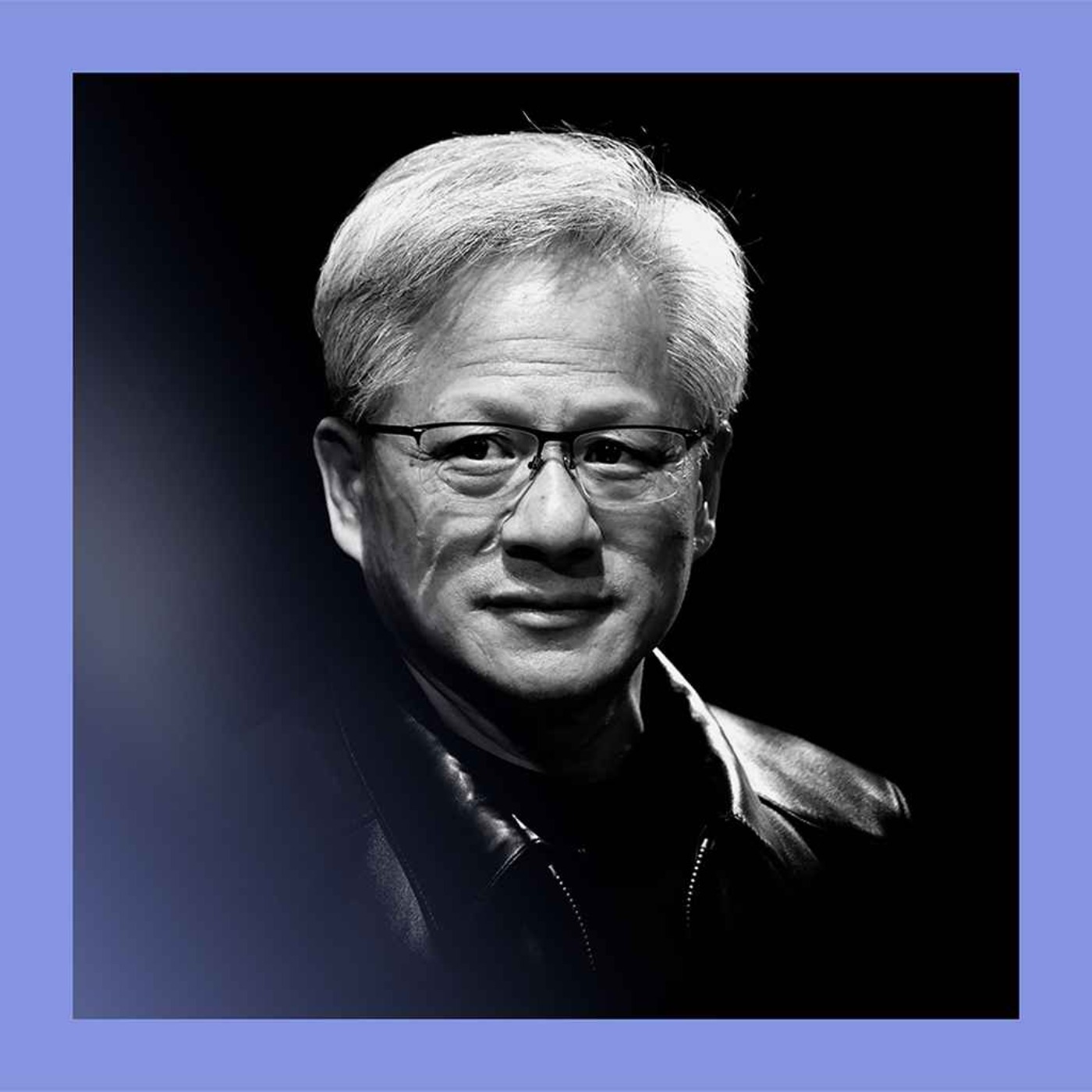
Bargaining chips: Nvidia is the bank of AI
Nvidia, the world’s most valuable company, has shifted strategy to boost demand for its chips. Our correspondent assesses the opportunities and risks. Knife crime in Britain moves to rural pastures. And our obituaries editor recounts the life of Frank Smith, who died in prison aged 101. Watch extended clips from Insider here, plus the full Elon Musk interviewGuests and host:Shailesh Chitnis,

Ire and ICE: the toll of America’s deportations
Donald Trump’s stance on immigration helped him win the presidency. Our correspondent asks if a backlash against the campaign could damage Republican midterm prospects. Reddit is struggling in an age of AI. And the enduring beauty of the Bayeux tapestry.Guests and host:Aryn Braun, West Coast correspondentShera Avi-Yonah, business correspondentAlexandra Suich Bass, culture editorRosie Blau, co-host

Right in front: AfD could win German state
On Sunday, Alternative for Germany could become the first far-right nationalist party to win a state election since the end of the second world war. Is Britain right to worry about Palantir handling government contracts? And could the Chinese learn to love chocolate? Guests and host:Tom Nuttall, chief Germany correspondentGeorgia Banjo, Britain correspondentDon Weinland, China business and fi
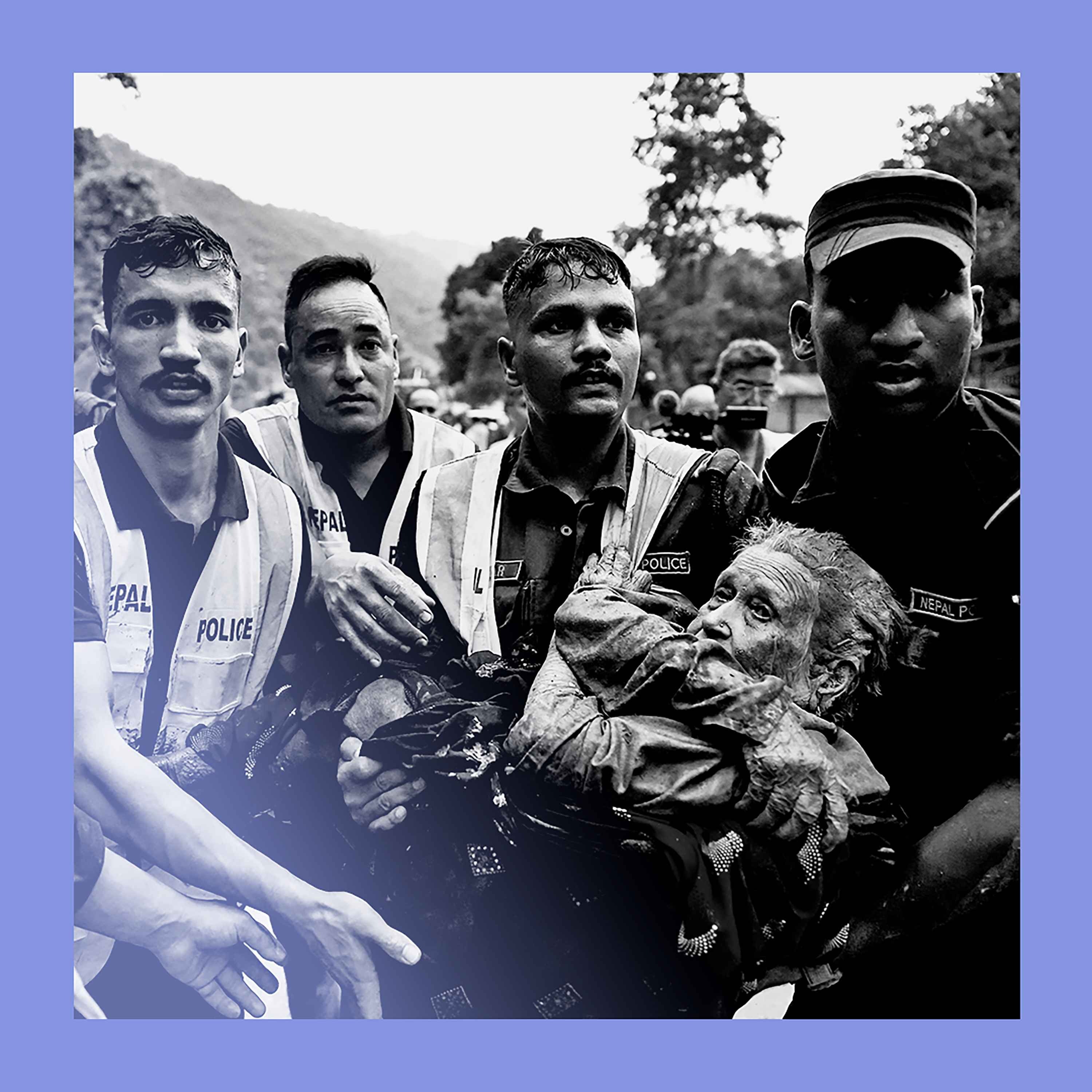
After the flood: Nepal’s ongoing rescue
After the devastating flash flood last week, our correspondent explains why the country is so ill-equipped to deal with the crisis. Does AI stop children from learning? And why Japanese ongaku kissa, or listening bars, are so popular abroad.Guests and host:Kira Hiju, Asia correspondentMichelle Hennessy, graphic detail editorAaron Coultate, head of newslettersRosie Blau, co-host of “The Intelligenc

Stars in their AIs: tech is changing Hollywood
Behind the scenes, Artificial Intelligence is playing a growing role in every aspect of film-making, from script-writing and production-planning to shot-generation and editing. As the number of people covered by Obamacare falls, our correspondent ponders the future of the healthcare programme. And the secret thrill of American country dancing in France.Guests and host:Henry Tricks, US technology e
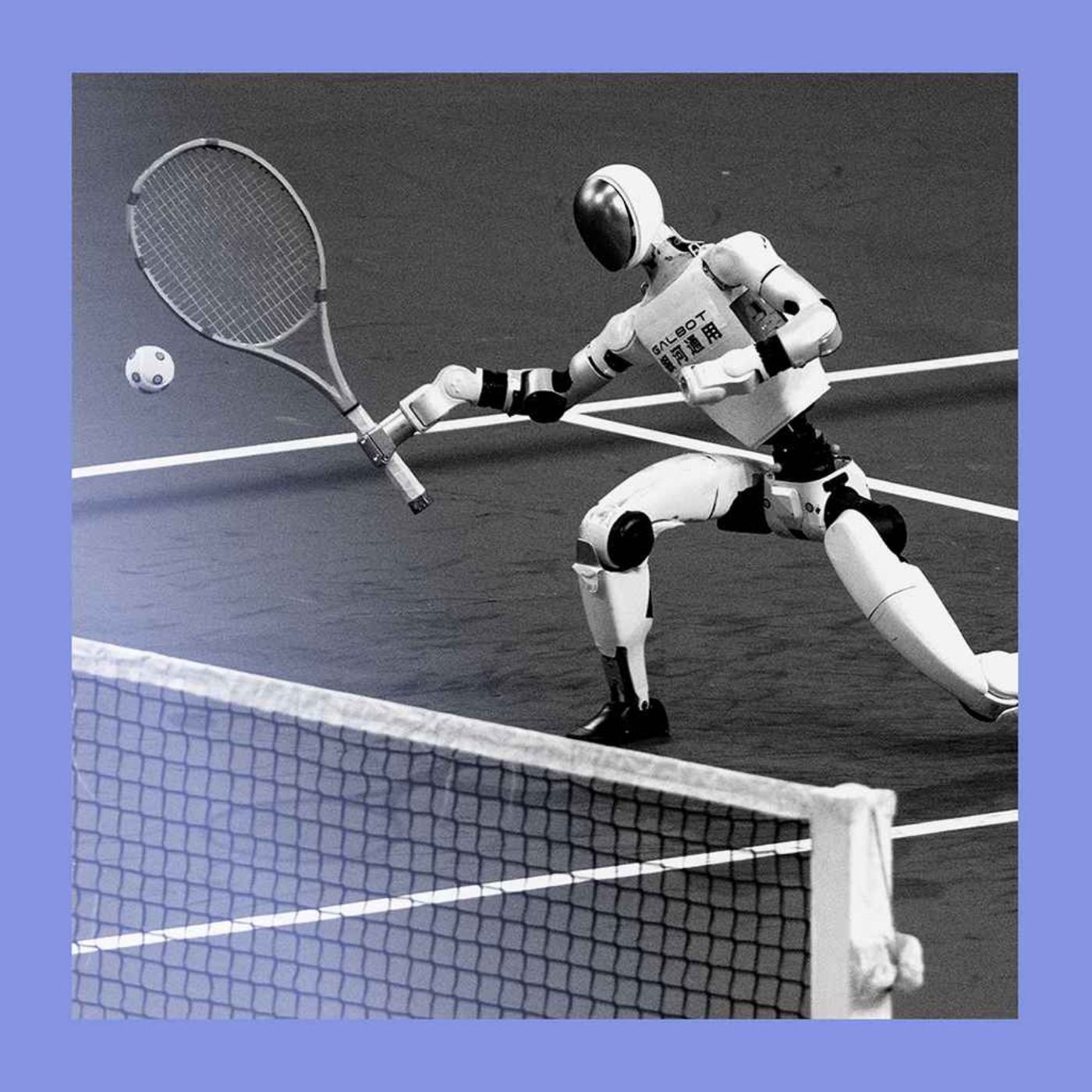
Bots on the ground: China leads humanoid race
Our correspondent goes inside a Chinese robot facility to see thousands of droids being taught to complete useful tasks. Is it worth the time and money? How Meta’s $17bn settlement at its blockbuster trial could change teen social-media use. And 75 years of the Paris bookshop Shakespeare and Company.Watch extended clips from Insider here, plus the full Elon Musk interviewGuests and host:Don Weinla

Big shot: does a cancer vaccine work?
Personalised vaccines could offer a breakthrough in the fight against cancer. Our correspondent analyses the latest trial. Canada’s oil market is flourishing, despite the trade war. And, why we will always love Dolly Parton.Guests and host:Natasha Loder, health editorSarah Lawrynuik, deputy editor of “The Intelligence”Jon Fasman, senior culture correspondentJason Palmer, co-host of “The Intelligen
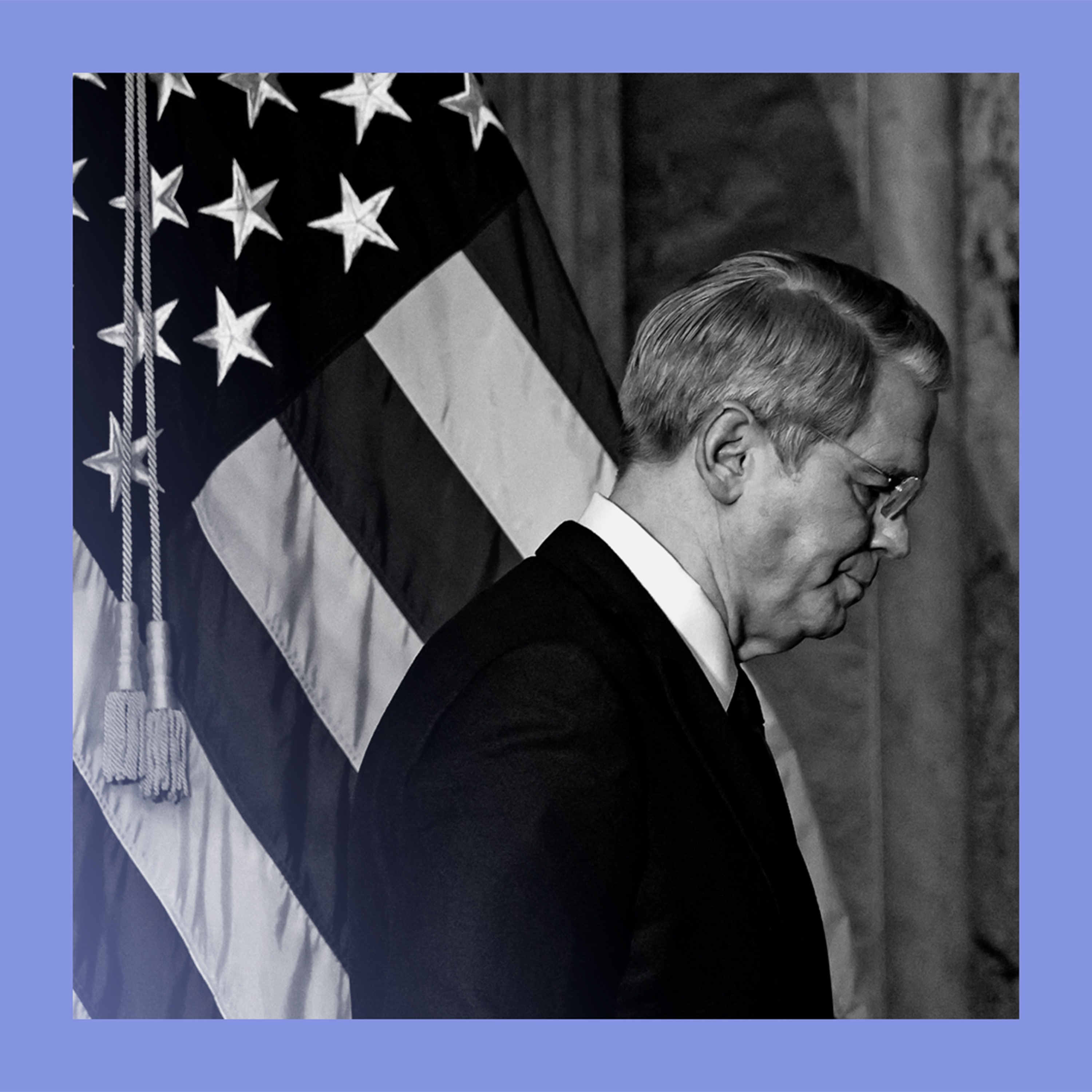
Slip the surly bonds? Scott Bessent goes on a yield trip
Amid record-tickling yields, the bond markets are now trying to make sense of what Scott Bessent, America’s Treasury secretary, has announced—a move that might put him on a collision course with the Federal Reserve. We ask why it is so easy for hackers to infiltrate America’s water infrastructure. And understanding a political lineage through the new British prime minister’s accent.Guests and host
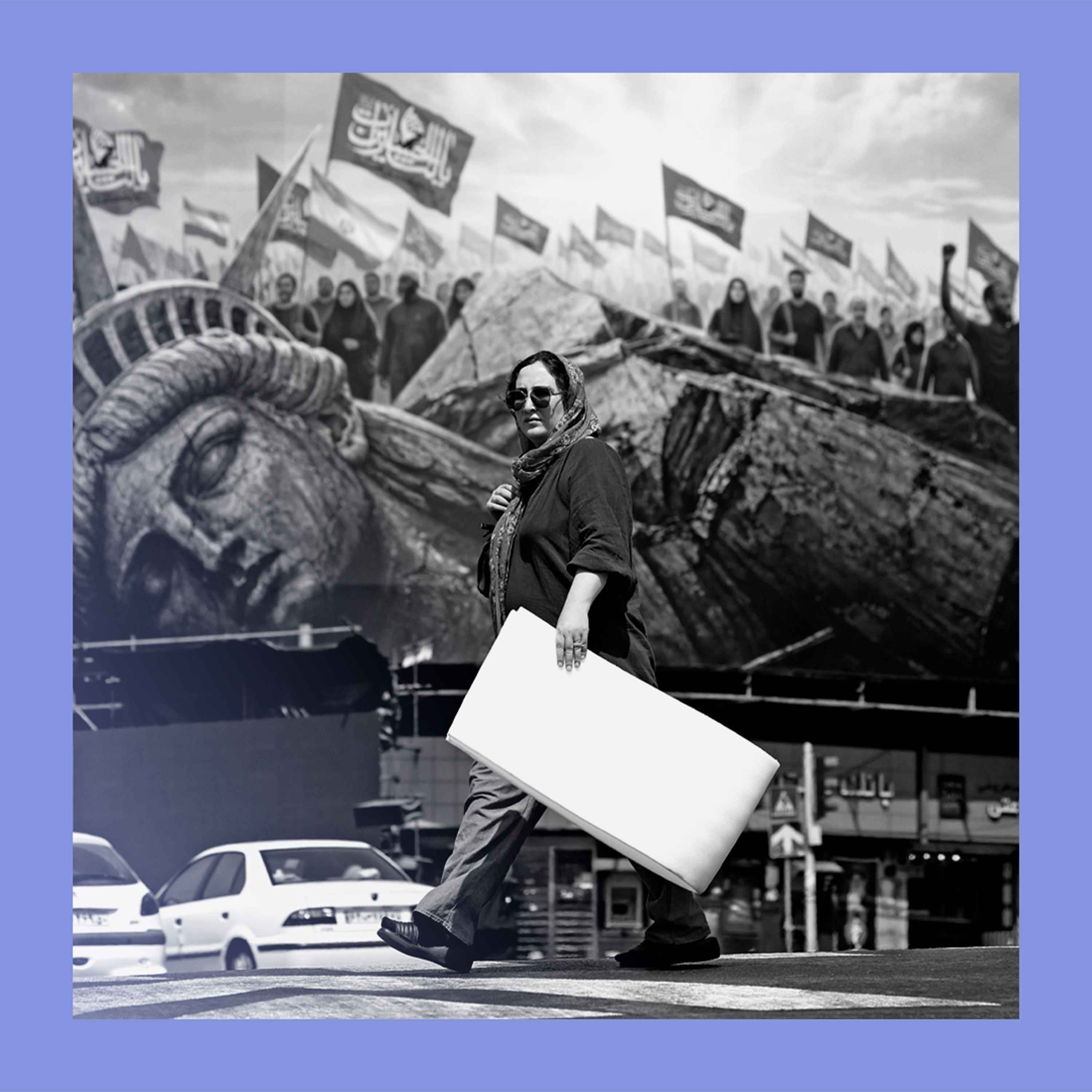
Even-more-maximum pressure: sanctions on Iran
After much hullabaloo America announced its “Operation Economic Outcast”, a new tranche of sanctions. It is thin gruel, and might in fact invite military reprisals from Iran. Call centres form a large part of the economy of the Philippines; surprisingly, AI is not stopping the industry’s rise. And a data-led look at which cities offer the best (relative) paycheques. Guests and host:Fras
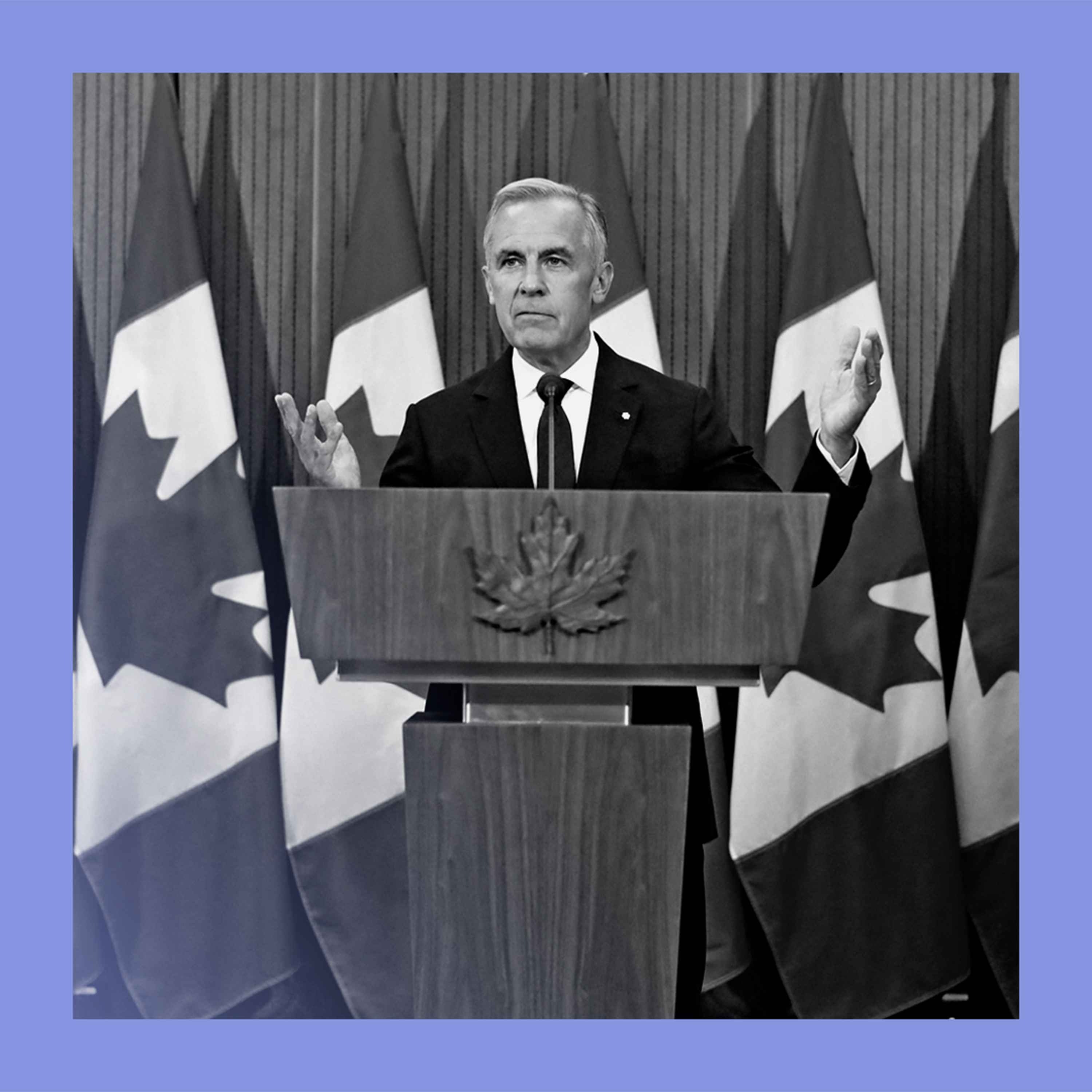
Elbows up, again: a US-Canada trade flare-up
Promising trade talks imploded after a literal 11th-hour change from the American side. We examine the new trade barriers being erected, and the complex calculation for Prime Minister Mark Carney. In Japan Gen X workers are even still bearing the costs of an economic bubble-burst from the 1990s. And how fates of civilisations have turned on sieges throughout history. Guests and host:Hal Hodso

I, robot? AI and consciousness
The rise of generative AI has put new urgency into ancient questions. What is consciousness, and can machines ever have it? We dive into the data that reveal a surge in sexually transmitted infections in Europe. And our obituaries editor considers the life of Mary de Rachewiltz, translator and tireless defender of her father, Ezra Pound. Watch extended clips from Insider here.Guests and host:
An interview with Yuval Noah Harari
Yuval Noah Harari is a big-ideas guy. Known for penning tomes that tackle broad sweeps of history, the historian-cum-philosopher has now turned his attention to AI. He joins Zanny Minton Beddoes, The Economist’s editor-in-chief, for The Insider, our video show for premium subscribers. They discuss why Mr Harari believes AIs will come to control civilisation—and what it might mean to be human in th
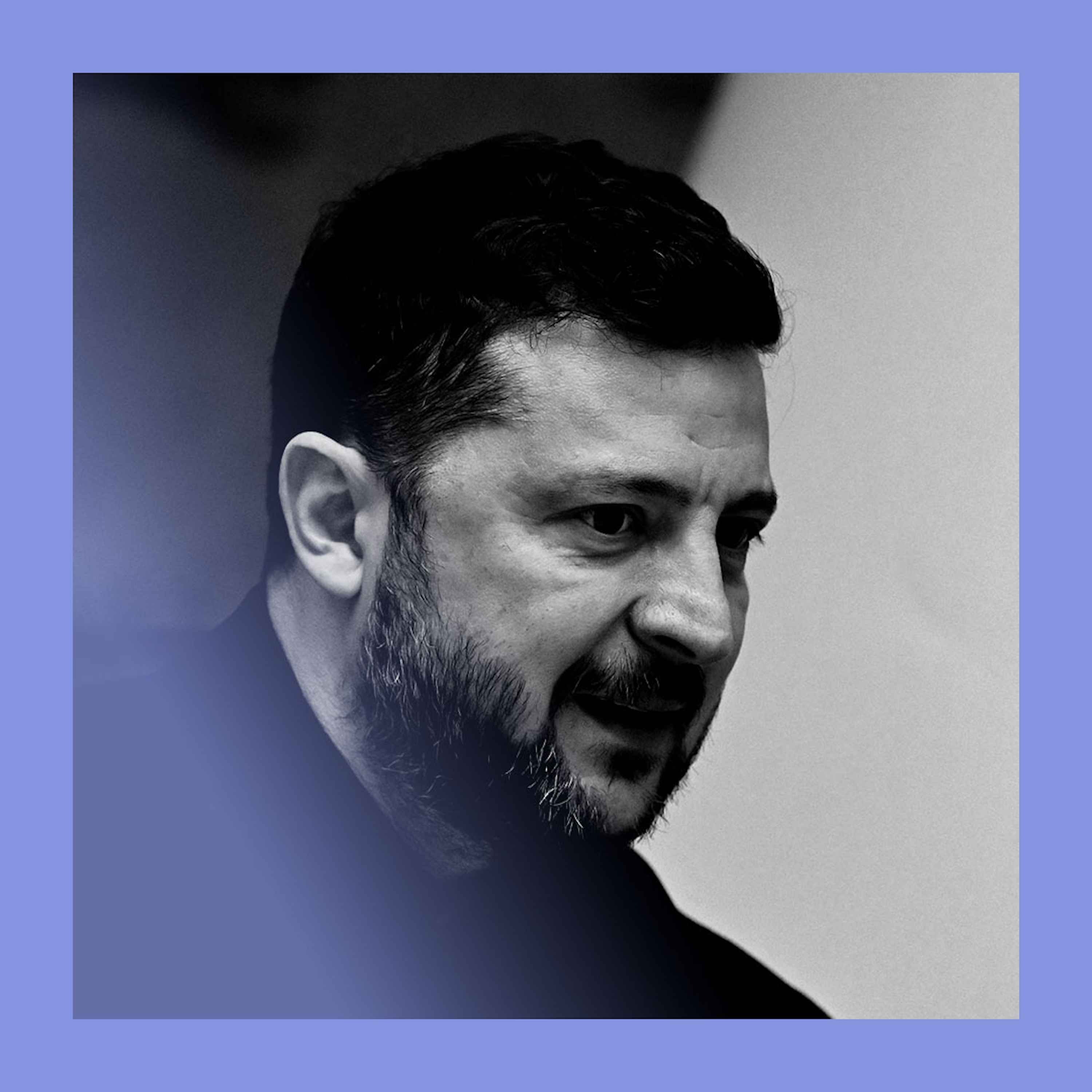
Bombs and bombshells: Zelensky under pressure
From anti-corruption probes to a disgruntled ex-minister calling for elections to disrupted grain shipments, headaches are mounting for Ukraine’s President Volodymyr Zelensky. China has until now coped with a patchy, pricey system for mental-health treatment. The government is now getting serious about plugging the gaps. And why a debate over “Paw Patrol” is more than just culture-war madness.&nbs

Wake-up haul: an Ozempic moment for the brain
Orexins are peptides involved in the body’s sleep-wake system—and are big pharma’s next big thing. Like multi-purpose GLPs, they may have far more uses than just regulating shuteye. We ask why Japan’s post-war innovation boom petered out, and what must be done to breed more unicorns. And why procrastination seems to be on the rise, and how to beat it.Guests and host:Shailesh Chitnis, global busine
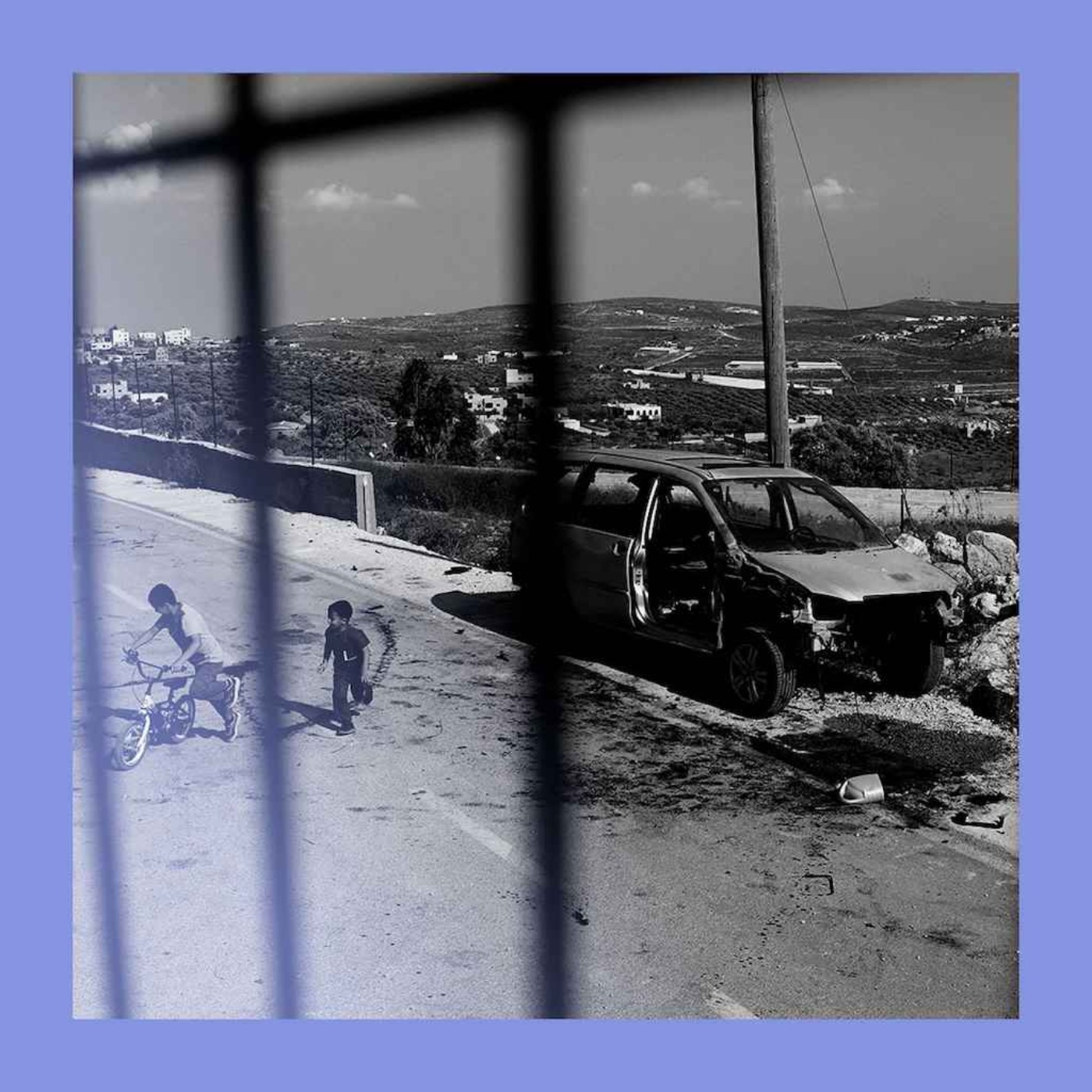
Settler bet: a West Bank flashpoint
Israeli settlers have been clashing more and more with Palestinians in the West Bank, often with government backing. We examine the forces at play in what could soon be yet another battlefront. India’s proliferating civil codes are creating insuperable legal contradictions for a multi-faith people. And answering some letters addressed to our “agony uncle” columnist. Guests and host:Anshel Pfe
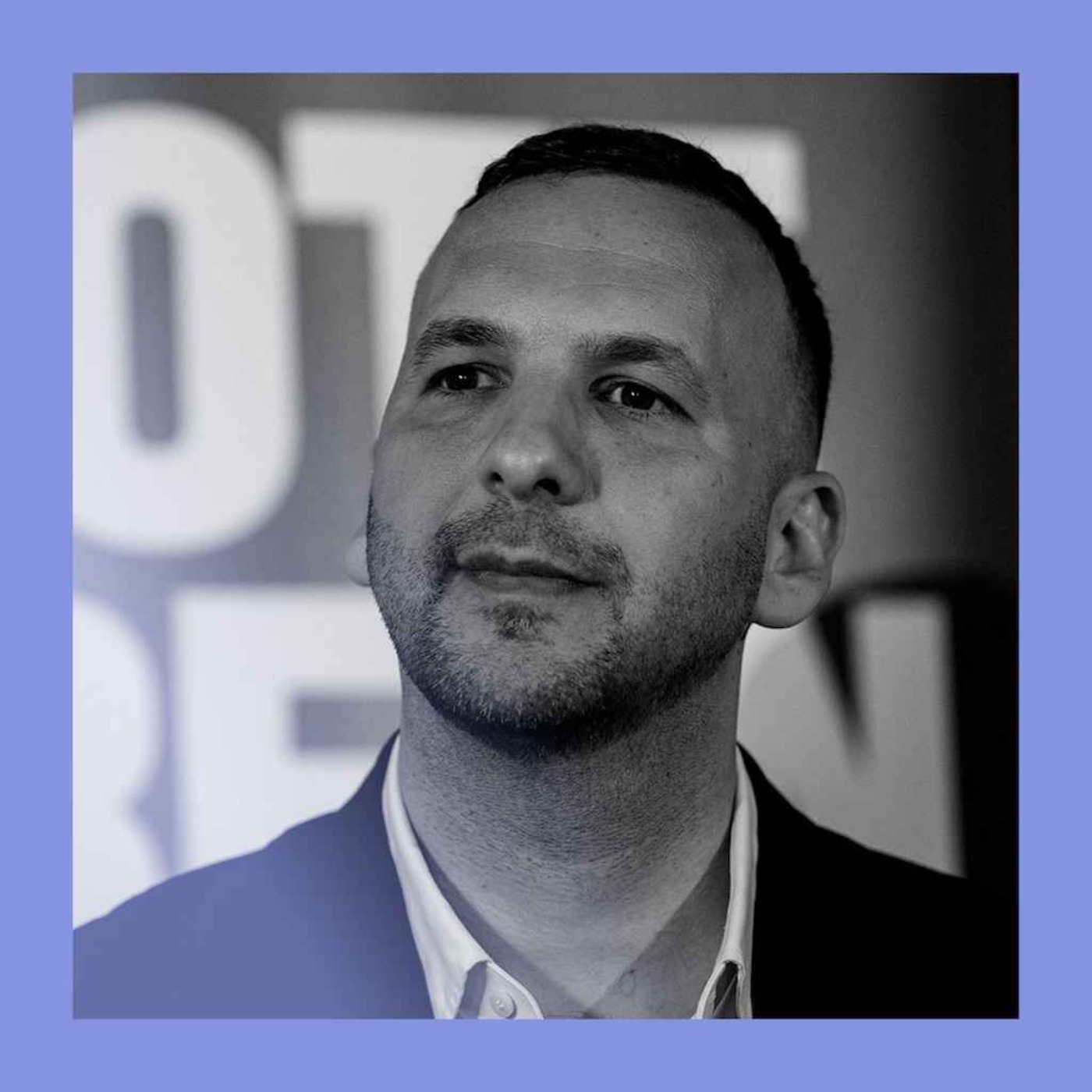
It’s not easy being Green: Zack Polanski
To critics, the Green Party leader is dangerous, even a con man. To fans, he is a national saviour-in-waiting. Our correspondent meets him to see what is behind the hype. So-called SpudCells have just seven bespoke DNA loops, but represent a revolutionary step toward life made from scratch. And the many ways travel agents still beat the bots.Guests and host:Andrew Miller, special correspondentOliv
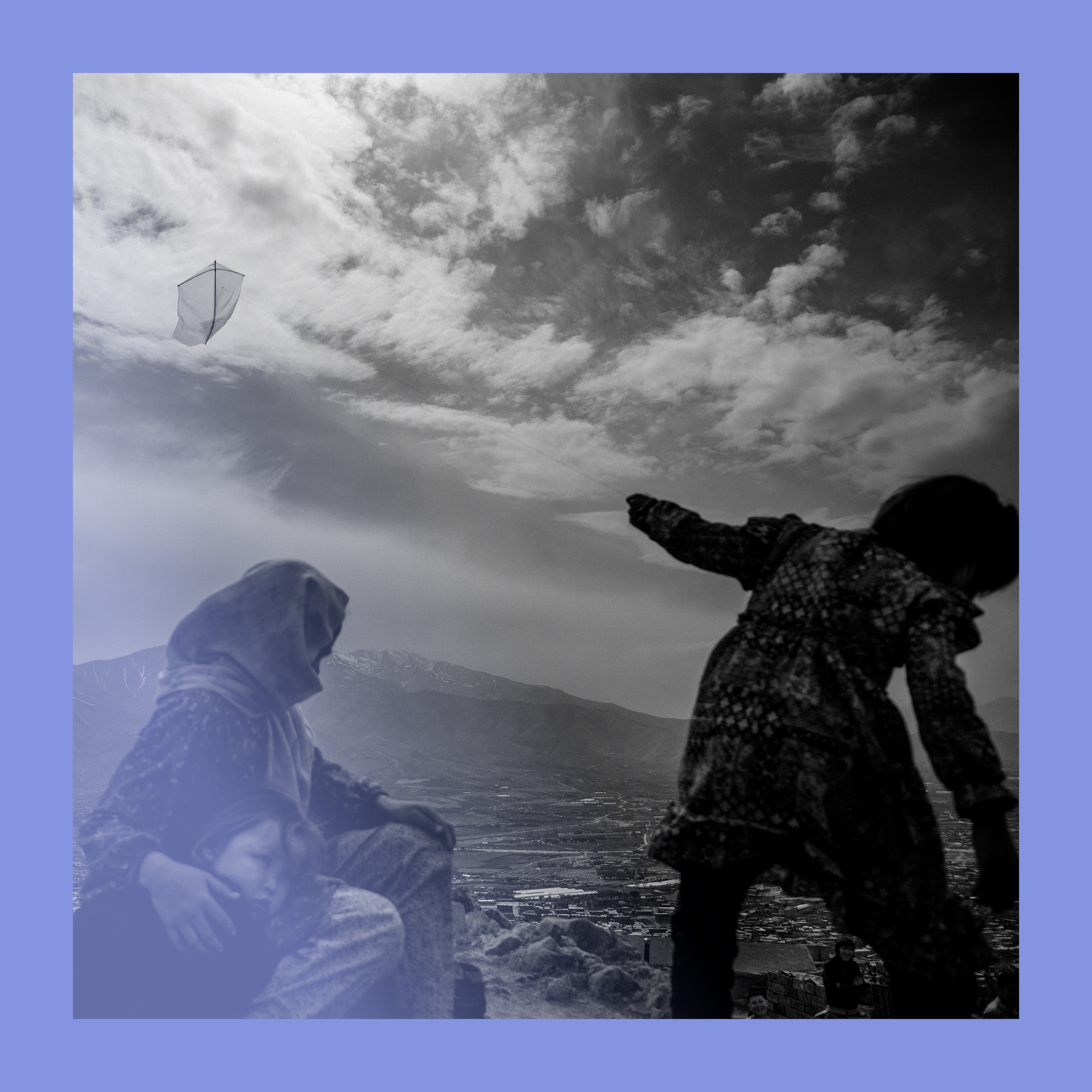
Afghanistan, five years on: our correspondent visits
Five years after the American withdrawal from Afghanistan, the Taliban show little sign of moderation. Our correspondent reports from the country on what life is like for ordinary people. A giant earthquake reveals two very different Colombias. And celebrating the life of Gurkha climber, Nirmal Purja, who died in an avalanche.Watch extended clips from Insider here, plus the full Elon Musk intervie
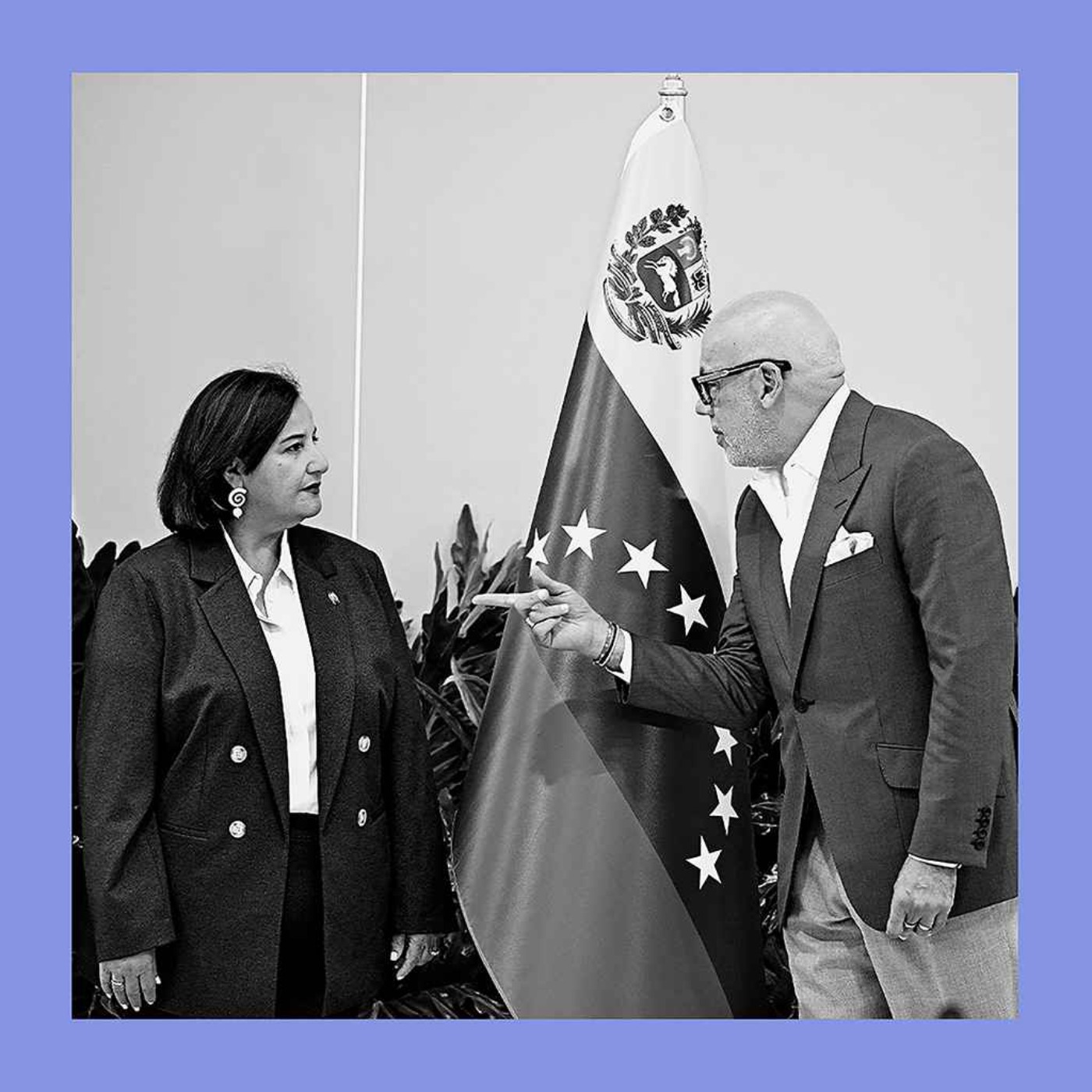
Caracas under pressure: democracy in Venezuela
After American troops snatched Venezuelan president Nicolas Maduro in a dawn raid in January, democracy did not seem like a priority. Yet this week, talks between the regime and opposition ended with small, positive steps. Why US consumers’ love of fast food may be slowing. And how many hours of Wagner opera would you sit through? Guests and host:Kinley Salmon, Latin America corresponde

Pump and circumstance: is China the new OPEC?
The Iran war triggered the largest supply shock in the history of petroleum, yet prices never rose as high as feared. Our correspondent explains how action taken by China steadied global oil flows. Why Brazil has such strict laws on racist language. And the legendary lager of Laos. Guests and host:Matthieu Favas, commodities editorAna Lankes, Brazil bureau chiefVishnu Padmanabhan, Asia corres
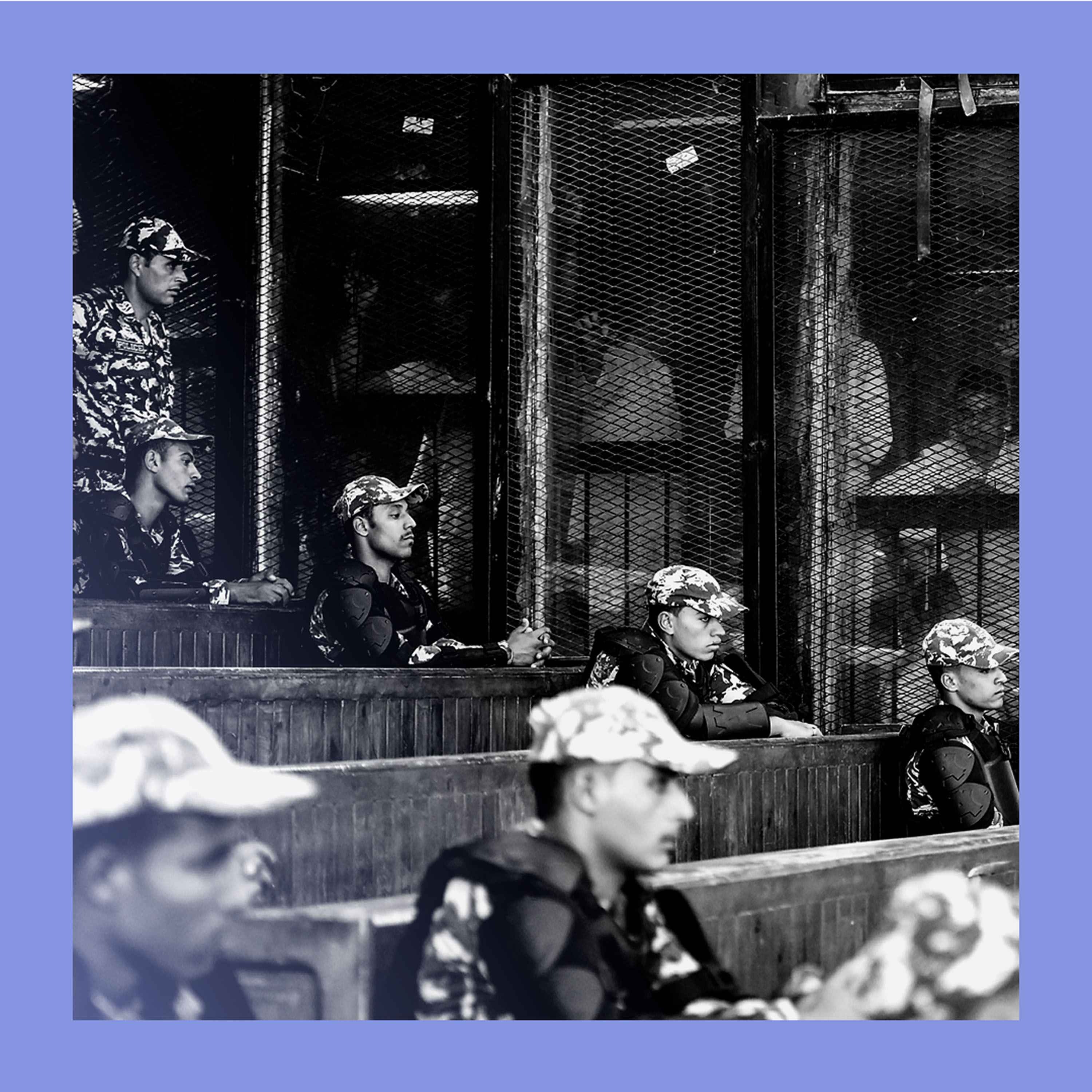
Spring, then fall: a weakened Muslim Brotherhood
The Muslim Brotherhood won power and influence in the Arab Spring of 2011. Now autocrats are resurgent and its leaders are in jail or exile. Elon Musk says Europe is more dangerous than America. Is he right? And the puzzling popularity of padel.Guests and host:Gareth Browne, Middle East correspondentJames Fransham, data journalistHamish Clayton, Britain writerRosie Blau, co-host of “The Intelligen

Under strAIn: breaking the British state
Britons are turning to artificial intelligence to file objections to state institutions, and claim their dues. The resulting deluge of complaints and demands may overwhelm bureaucracies. Should Catholic priests have to report child abuse disclosed in confession? And the perfect height gap in a relationship. Guests and host:Matthew Holehouse, Britain public policy editorRebecca Jackson, US Sou

Outsider chance: ending Sudan’s proxy war
We look at the peace that has settled over Khartoum, the ruined capital. War rages on elsewhere, and a slim chance at a settlement rests largely with the belligerents’ foreign patrons. We ask why President Donald Trump has picked a fight over a new bridge between Canada and America. And remembering Betye Saar, who provided profound second lives for discarded objects. Watch extended clips from
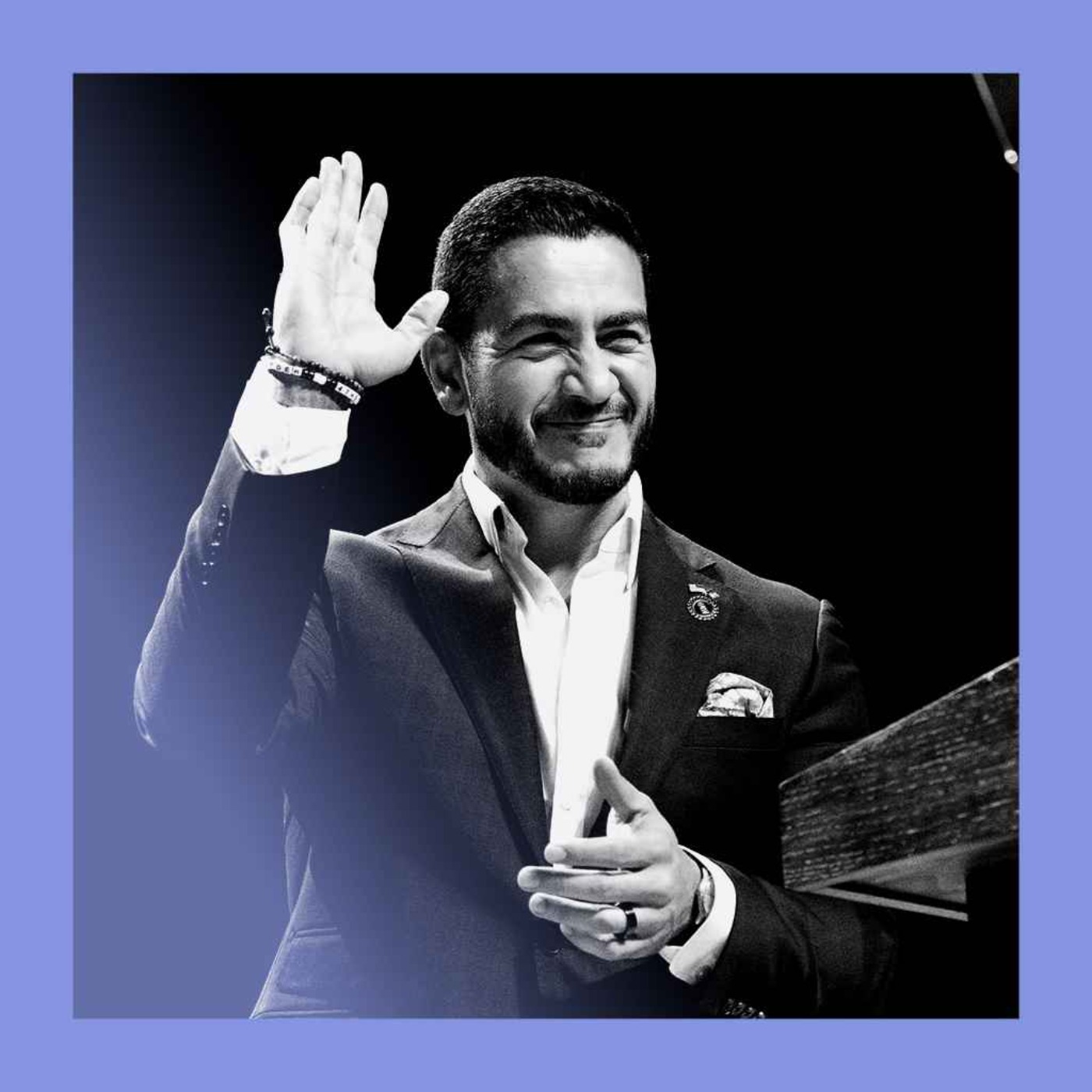
Socialist mobility: a telling Michigan vote
We examine one of America’s primary races, in which a sharply lefty candidate beat the establishment figure. What does that reveal about changes in the Democratic Party? For decades China’s Yangtze River was a polluted, overfished mess. We look at the wins from cleaning it up—and who loses. And a fond look back at postcards as they fade from use.Guests and host:John Prideaux, executive editor and

Taking the shine off: albedo and global temperatures
Fewer clouds, shrinking ice caps, changing pollutants: all result in less of the sun’s energy being reflected back into space. Which is more bad news for a changing climate. Our correspondent explains why so much more of the world’s cocaine is passing through west Africa. And the data that reveal Americans’ discomfort about wives earning more than their husbands.Guests and host:Oliver Morton, plan
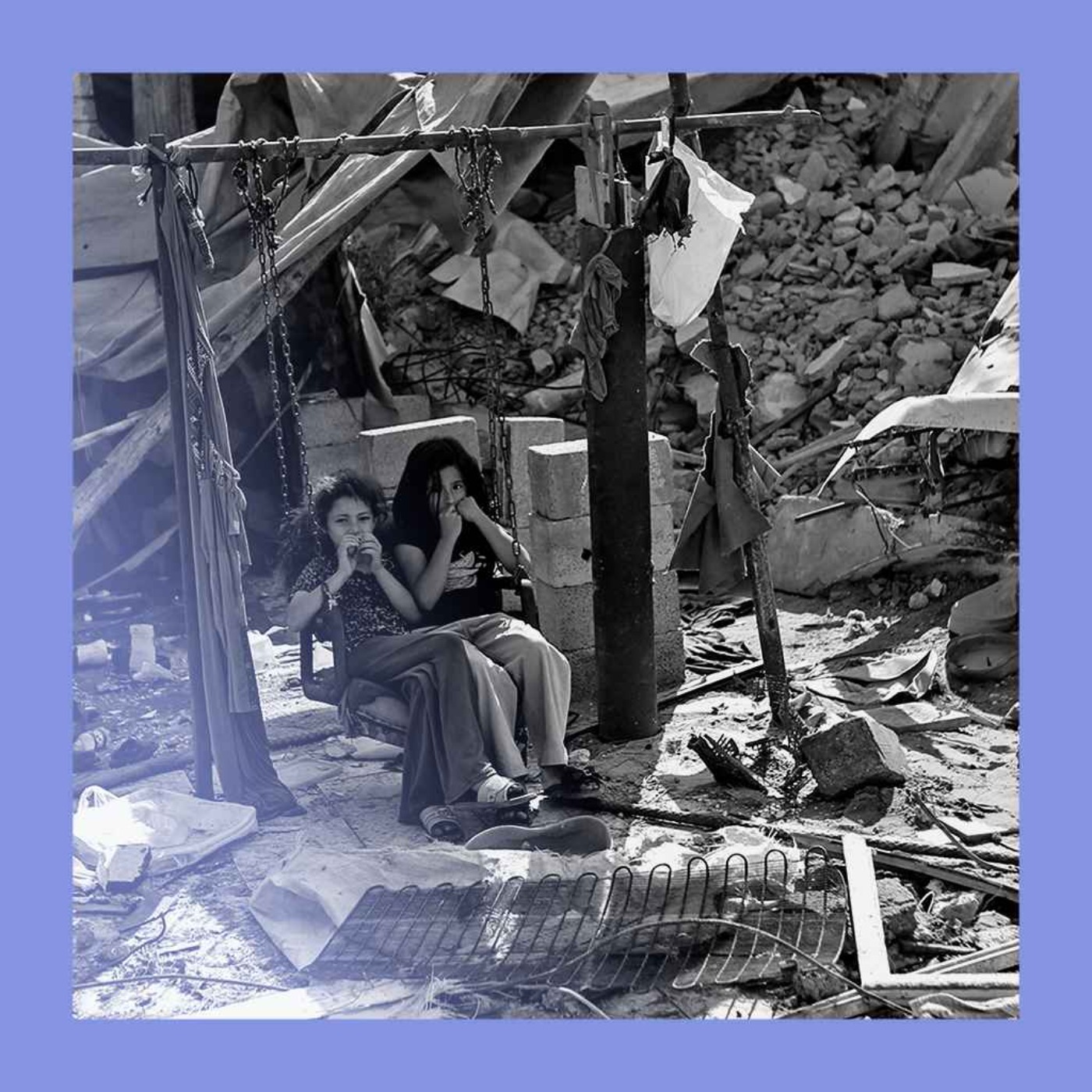
In arms’ way: Gaza-deal sticking points
President Donald Trump’s claim that Hamas had agreed to disarm in Gaza was, at best, premature. We examine the sticking points of a lasting deal. New-business applications are on a tear in America. We ask why so many people are working for themselves—but not doing much hiring. And the enduring popularity of radio in Africa, aided rather than degraded by social media. Guests and host:Anshel Pf

Taken littorally: Spain’s sudden crisis in Ceuta
The deadly rush of migrants into the Spanish exclave has deep roots in a wider North African conflict—and implications for a far wider European fight about immigration. Our India columnist presents an incomplete list of falling objects as a way to examine public-safety failures. And a data dive that reveals how AI writing is forever shifting.Guests and host:Michael Reid, Spain correspondent and wr
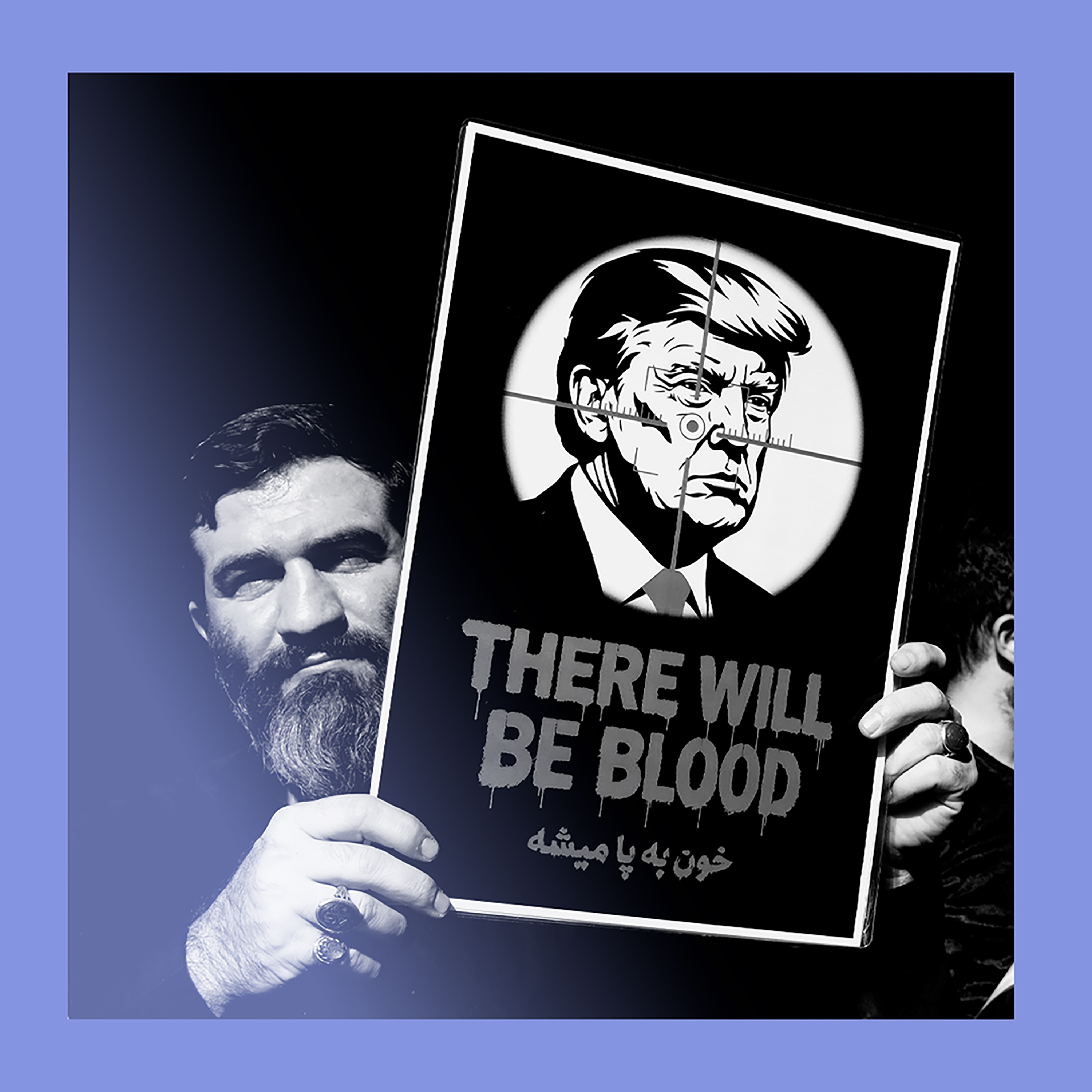
Omission accomplished: why the Iran-war cycle spins on
From impasse in Iran to still-unresolved conflicts in Gaza and Lebanon, a trend is clear: President Donald Trump’s scant, early plans for peace do not actually forge a path to it. Our correspondent says that in the driverless-car future, it will often be Chinese AI behind the wheel. And remembering Wally Funk, who never relinquished her ambition to become an astronaut. Watch extended clips fr

Working memory: the surprising decline of dementia
A dive into the data reveals that, despite dire past predictions, the prevalence of dementia is actually waning. We take a look at Pix, a beloved Brazilian digital-payments system, and why it so bothers President Donald Trump. And we attend one of the concerts that reveals how the appeal of emo music is holding strong across generations. Guests and host:Jonathan Rosenthal, international corre
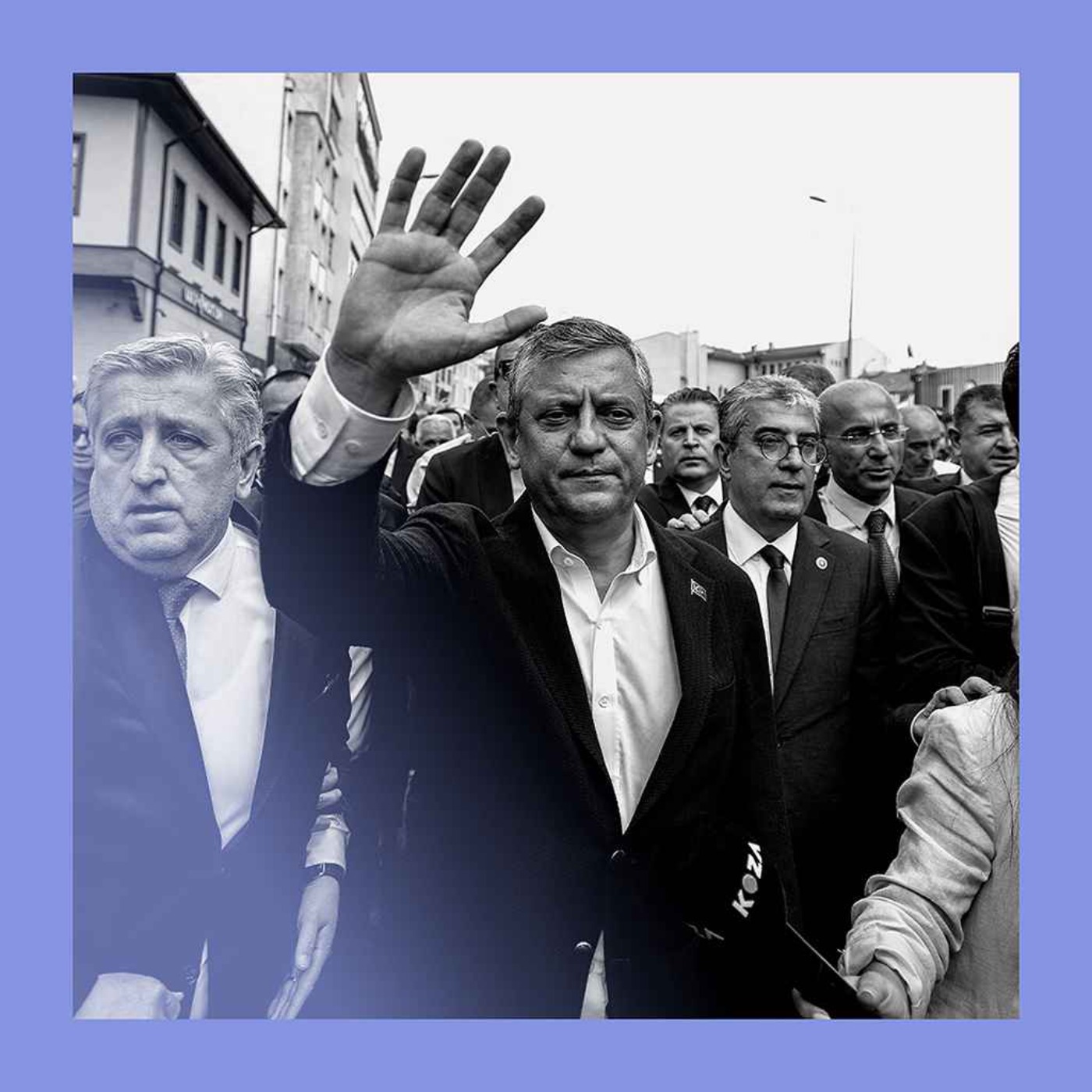
Brave New whirl: Turkey’s opposition overhaul
An ousted former opposition leader started a new party—called the New Party. We assess its chances at the ballot box, and under President Recep Tayyip Erdogan’s thumb. A surrogacy scandal in Germany has prompted a government reshuffle, with Chancellor Friedrich Merz left holding the proverbial baby. And how traditional career advice is falling short for Gen Z. Guests and host:Piotr Zale
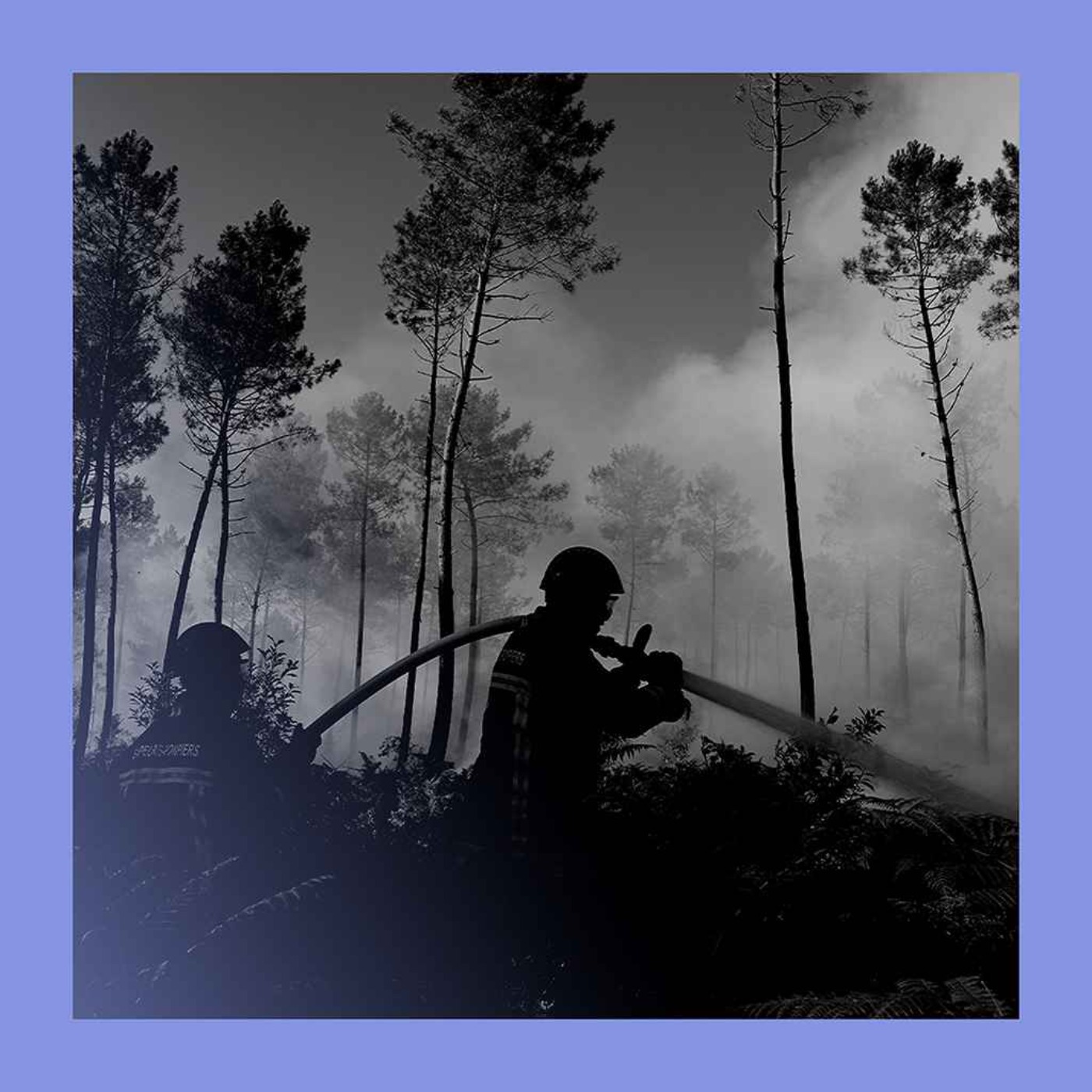
Burning questions: a more fire-prone world
Wildfires in France and Spain are only growing worse by the day. We examine what can be done as a future of more fires, and worse ones, becomes more assured. A dig into data on women at work shows several indicators starting to move in the wrong direction. And the American cities rethinking how to handle their after-dark economies.Guests and host:Oliver Morton, planetary affairs editorVinjeru Mkan
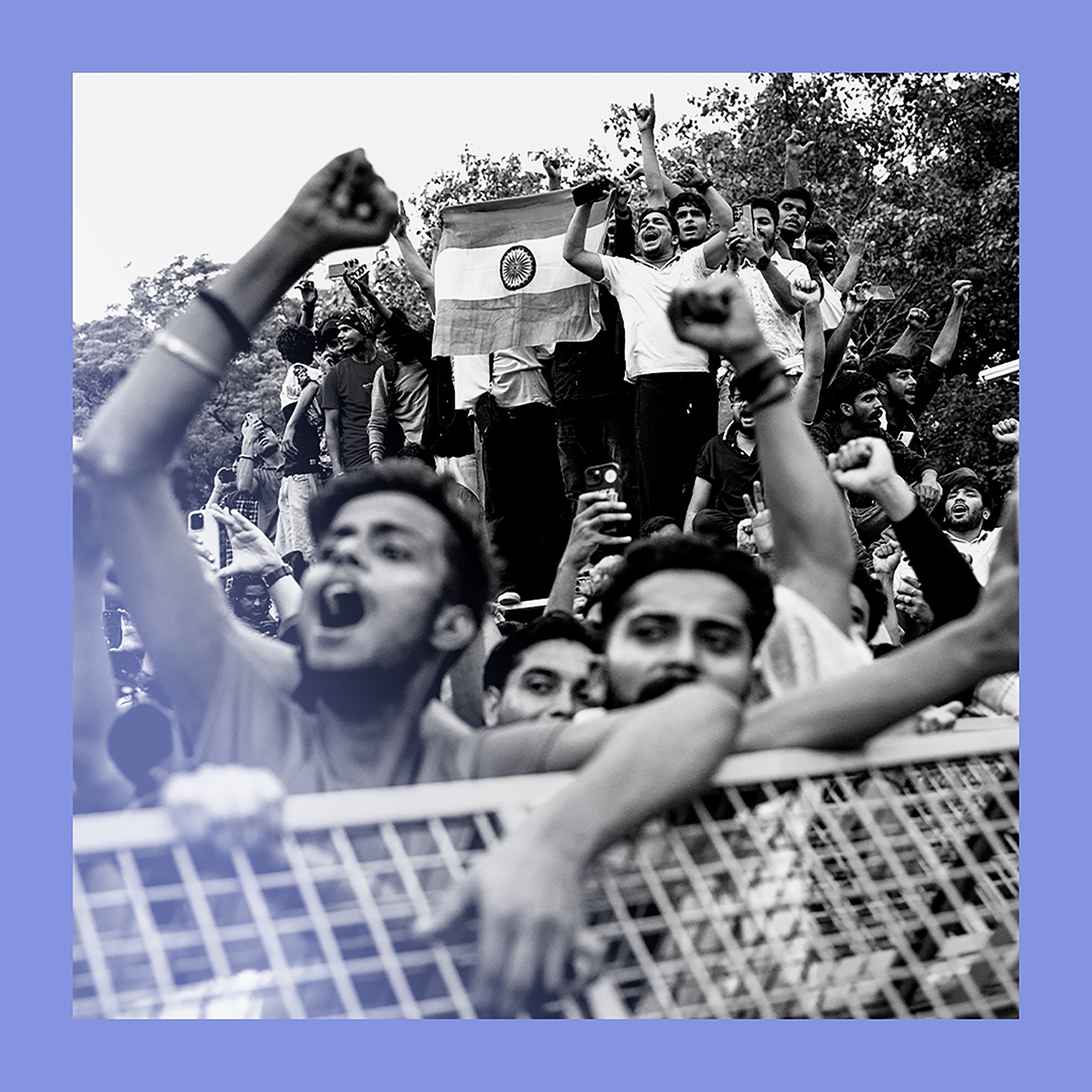
Cockroaches 1, Modi 0: India’s remarkable protests
The resignation of India’s education minister was a stunning capitulation by Prime Minister Narendra Modi’s government. The Cockroach Janta Party, a fast-growing youth movement, has the upper hand for now. So-called macro trading is hard: even with advance knowledge of events, neither man nor machine seems to make much money. And hunting the mosaics of Invader, an anonymous French street artist.Gu
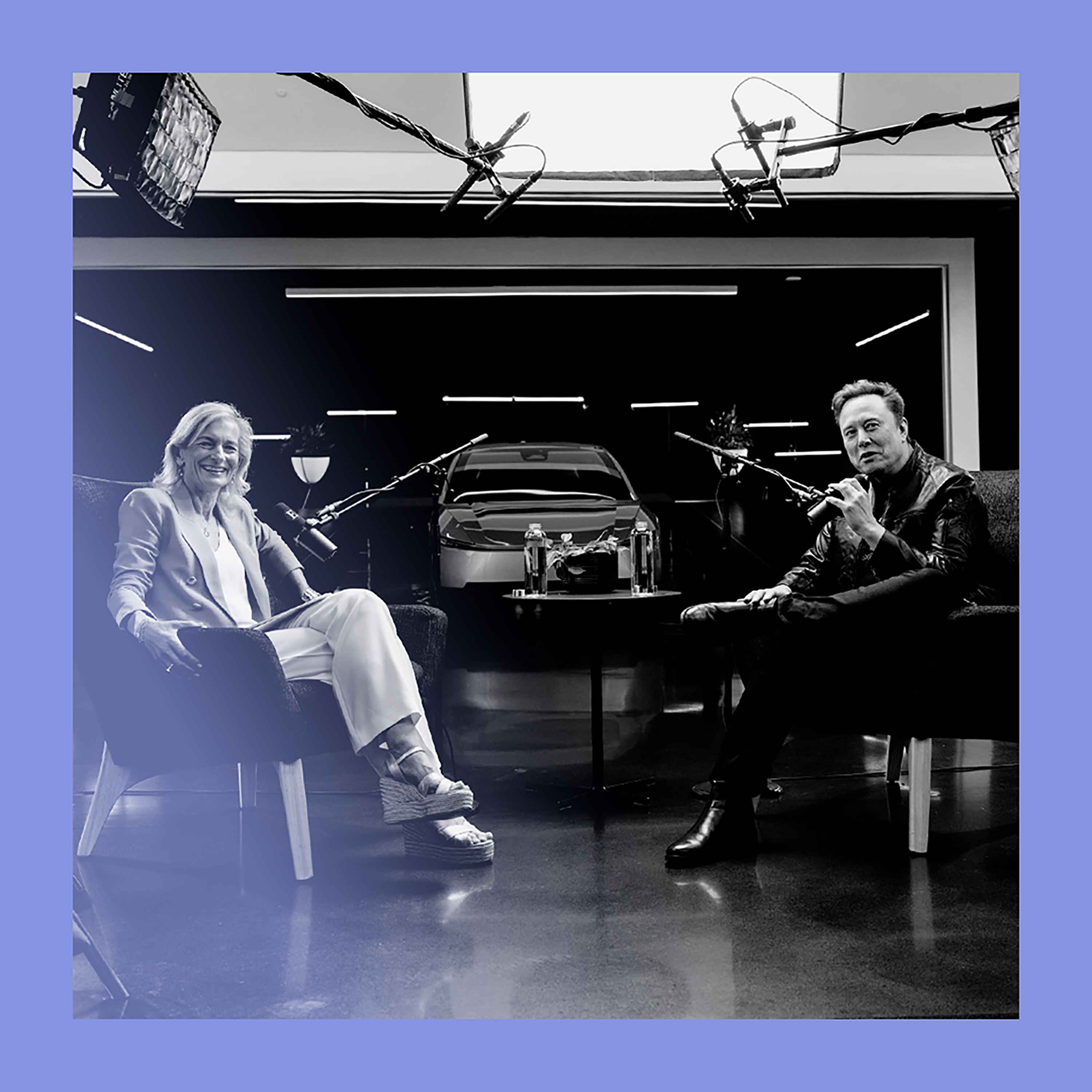
The Elon game: Musk’s vision of the future
After Elon Musk’s first extended interview since SpaceX’s blockbuster IPO, The Economist editor-in-chief reflects on what he told her: that AIs will be in charge in ten years, his dark view of Europe and the inevitably of civil war in Britain. At what age is a child responsible for their crimes? And remembering Mona Khalil, Lebanese protector of turtles. Watch extended clips from Elon Musk on
An interview with Elon Musk
Elon Musk may be the most powerful man in the world. For his first extended interview since SpaceX’s blockbuster IPO, he sits down with Zanny Minton Beddoes, The Economist’s editor-in-chief, for The Insider, our video show for premium subscribers. They discuss the timeline for AI overtaking human intelligence, the rapid progress of China, the reasons for his interest in Europe and why he thinks he

For bucks’ sake: the rise of self-made billionaires
Many people, including politicians, love to hate the super-rich, and assume they have gamed the system. Yet our correspondent reports that a growing share of today’s wealthiest earned their money providing goods and services we all want. A new crackdown on scam compounds in Cambodia. And lessons from the ultimate political animal, Downing Street’s Larry the Cat. Watch “The Insider” interview

Kyiv brawl: Ukraine’s top general fired
Ukraine’s president Volodymyr Zelensky has fired the commander-in-chief of the armed forces, Oleksandr Syrsky. That follows days of protests at his sacking of the defence minister. Our correspondent analyses the fallout. America’s murder rate is falling, so why are cops killing more people? And a shift in the Japanese taboo on living in homes where people have died.Guests and host:Shashank Joshi,
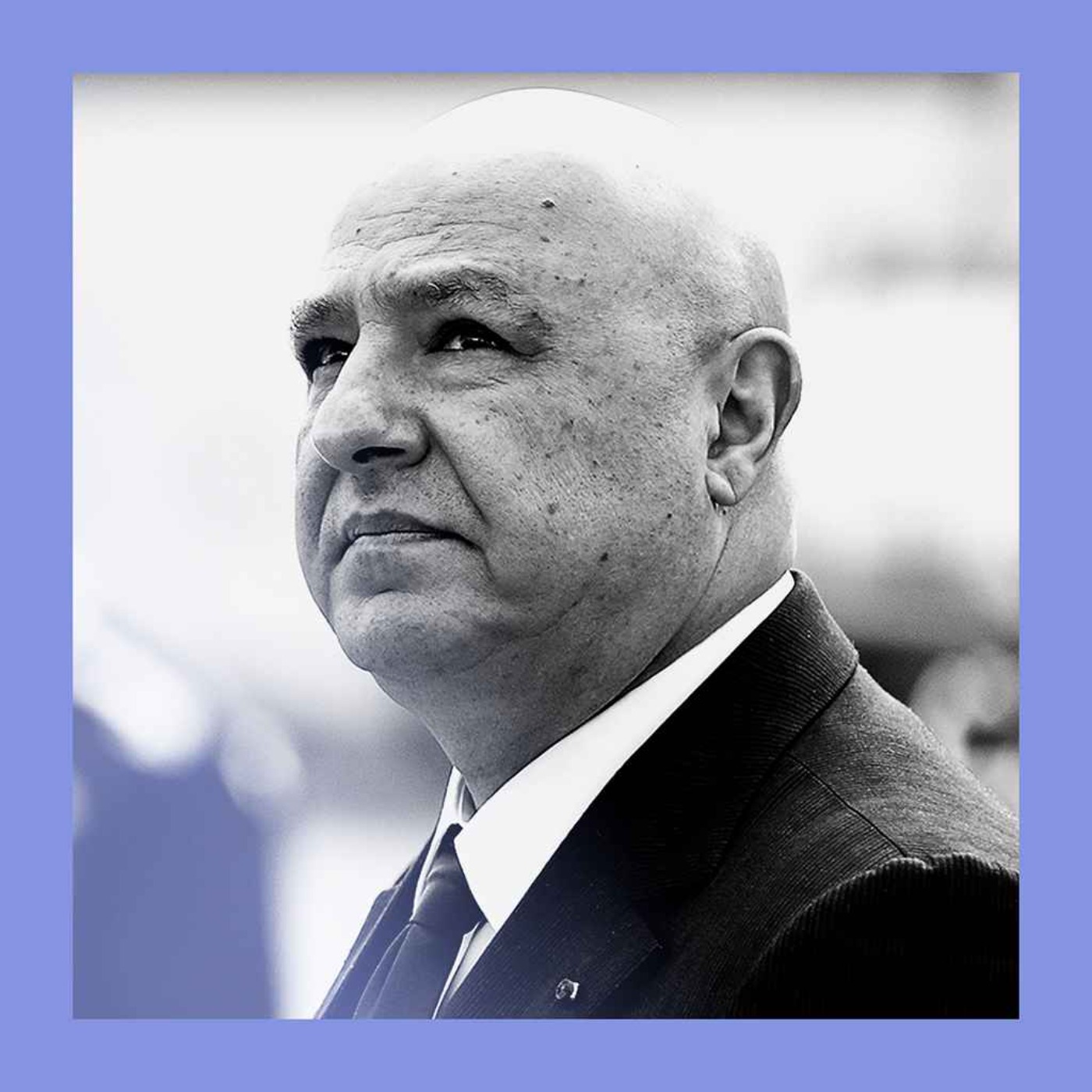
Hard cedar: Lebanon seeks Trump’s help
Today, Lebanon’s president Joseph Aoun visits the White House to ask for Donald Trump’s help rebuilding the country. Our correspondent reports from his recent trip to Lebanon on the challenges it faces. Threats to Red Bull’s magnificent marketing machine. And why the age gap between the wealthiest men and their wives is shrinking.Guests and host:Gregg Carlstrom, Middle East correspondentVendeline

A firm Andy: what are new British PM’s plans?
Andy Burnham faces tough challenges as Britain’s new prime minister, both within his party and the country at large. Our correspondent analyses his prospects. After years of strife, how can Syria be rebuilt? And food markets have changed New York.Guests and host:Hugo Gye, Britain political correspondentGareth Browne, Middle East correspondentAnnie Crabill, senior digital editorRosie Blau, co-host
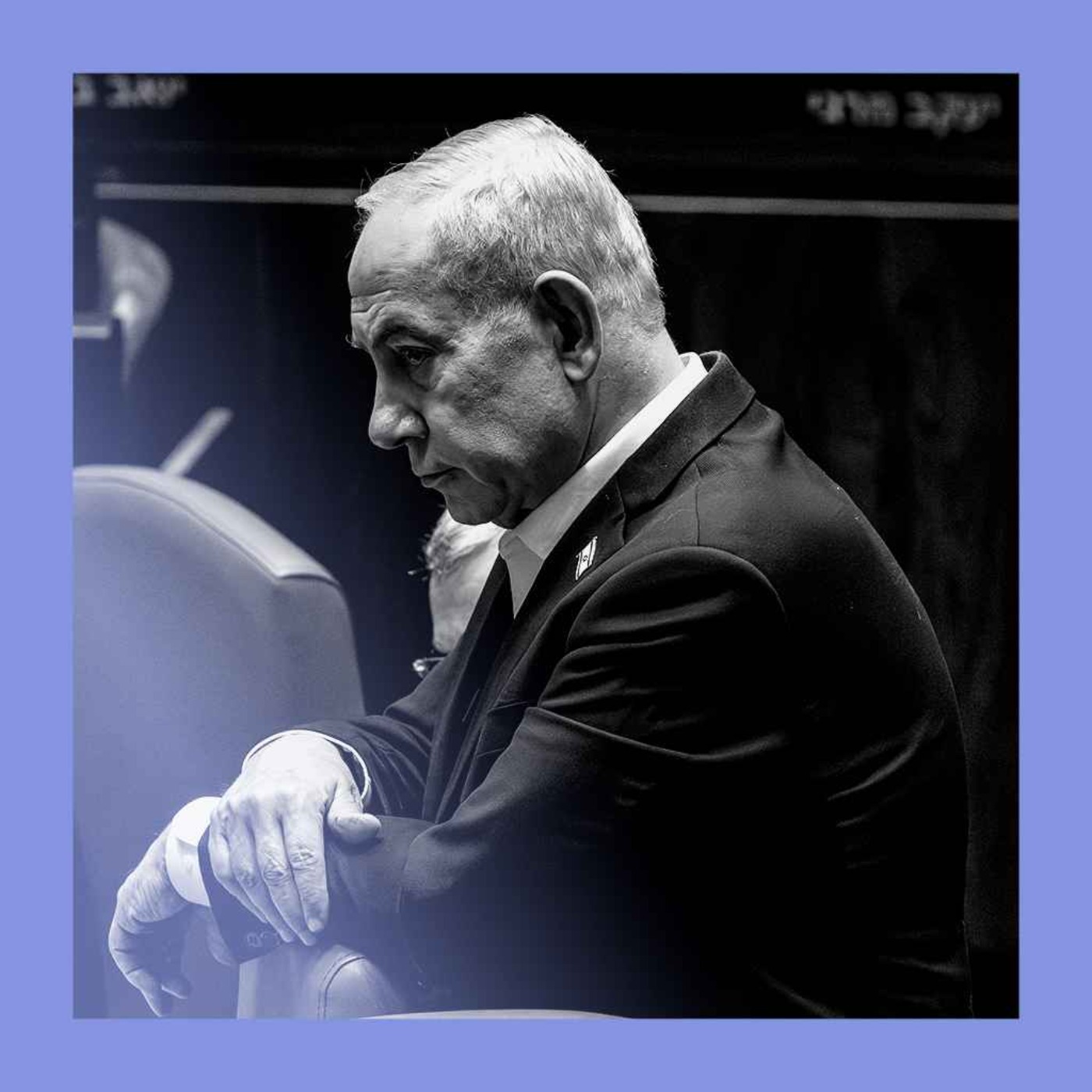
You’ve come a long way, Bibi: Israel’s crucial election
Binyamin Netanyahu’s government will, unusually, serve out its full term. What comes after October’s election will decide what kind of Israel will emerge. Our correspondent asks whether the World Cup will be remembered more for the dramas on the pitch or off it. And a tribute to A23a, the world’s largest iceberg, after it melts away at last.Guests and host:Josie Delap, Middle East editorJon Fasman

In it to bin it: Nigel Farage v Count Binface
We take a peek into a quirk of British politics as the country’s populist-right polling leader goes up against a man who wears a bin on his head. It is more serious than it sounds. Africans tired of shoddy internet services are turning to Starlink—for a price. And our culture editor reviews an anachronism-laden take on a classic epic.Guests and host:Hugo Gye, British political correspondentỌrẹ Ogu

Strait and narrowing: the Iran deal crumbles
The sketch of a deal to end the war is all but dead; oil is up as strikes rain down. We look at the options available to America—all of them bad. India’s government websites are almost universally impossible to use; we look at the structural reasons behind the bad IT. And the growth of summer camps for adults. Listen to our “The Weekend Intelligence” episode on kidulting.Guests and host:Gregg
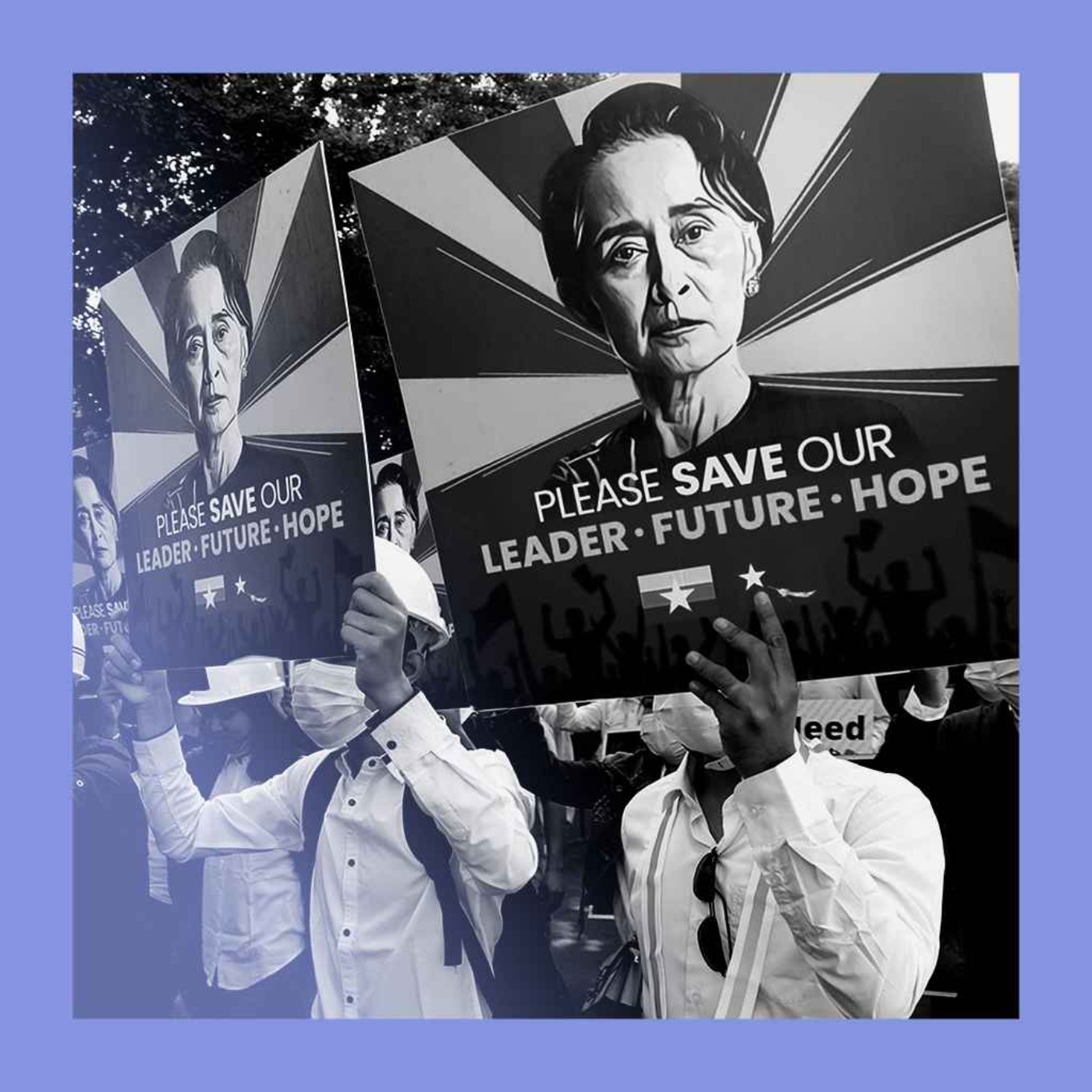
The case of the missing totem: Aung San Suu Kyi
Myanmar’s jailed leader has not been seen since 2022. We ask if she is in fact alive, and what might happen if the military junta acceded to demands for her release. We examine Turkey’s plan to turn the war in Iran to its advantage. And delving into the research on just how much sleep is enough—and too much.Guests and host:Aaron Connelly, Asia diplomatic editorCerian Richmond-Jones, international
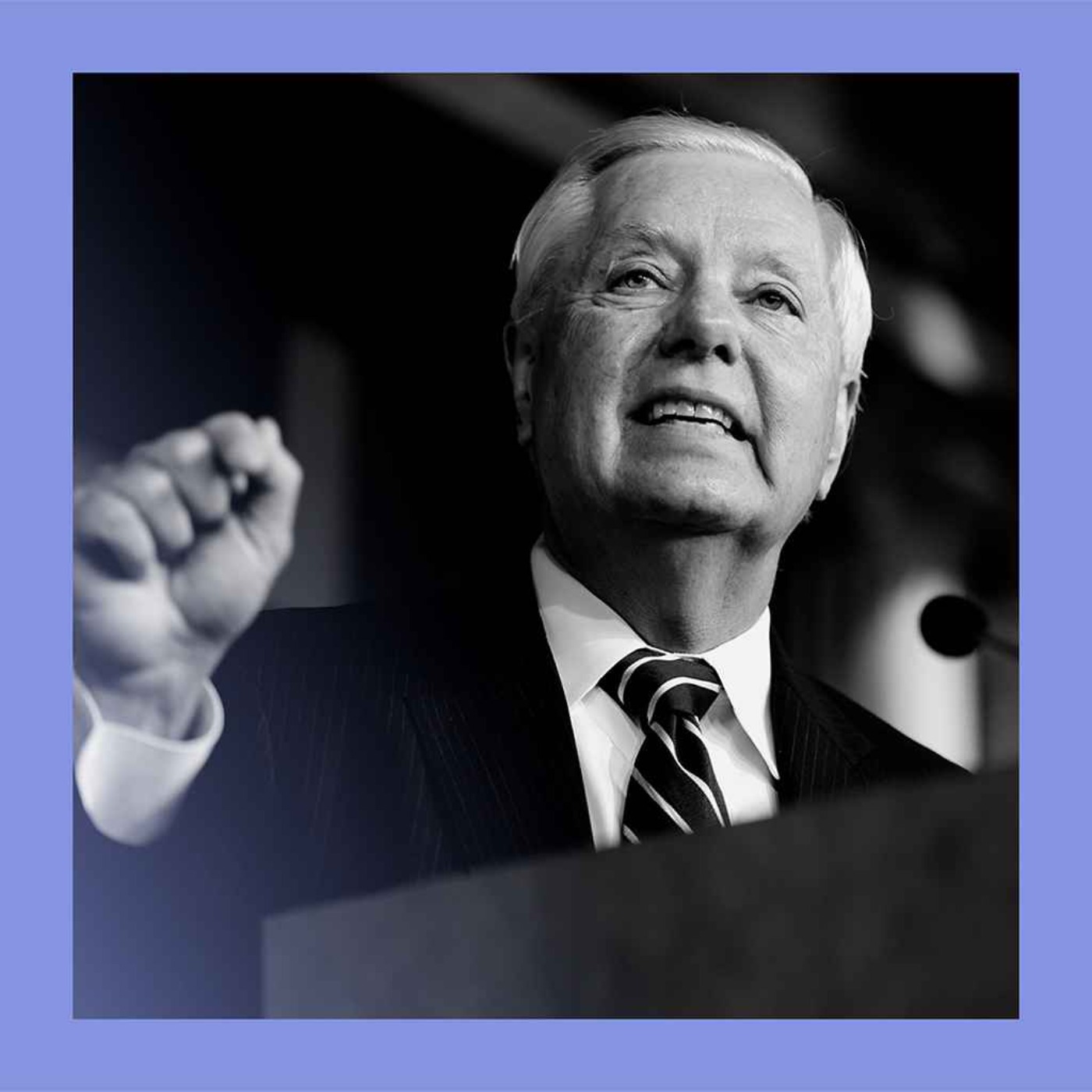
A hawk who flew on political winds: Lindsey Graham
The longtime South Carolina senator died suddenly at the weekend. His political arc mirrored that of his Republican party in the Trump era. We ask what his death leaves behind. Frontier AI models opaquely embody a worldview and set of values; we poke the big ones, asking what they believe. And why Old Master paintings are again so popular. Guests and host:Adam Roberts, foreign editorSondre So
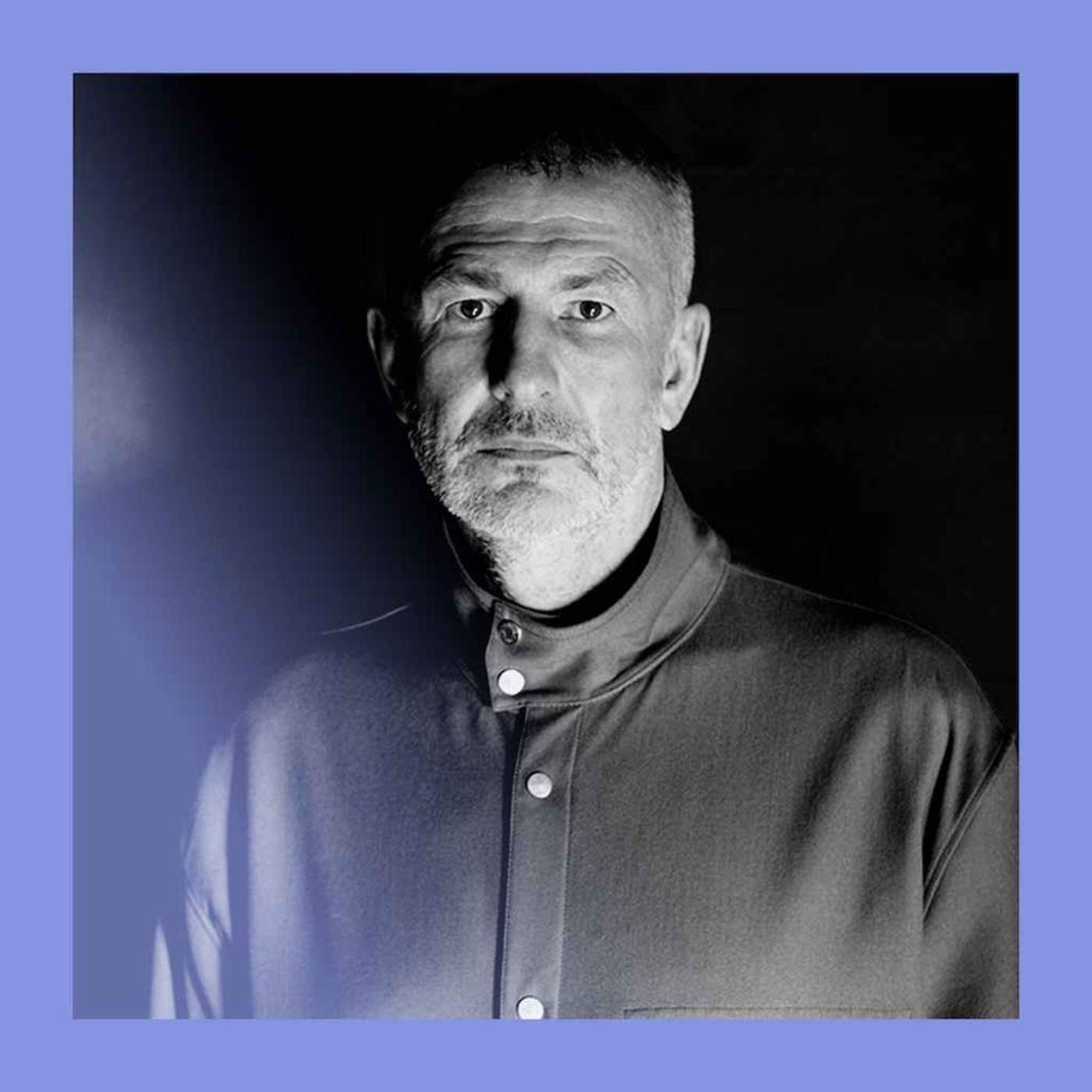
Putin’s options: an oligarch speaks out
This week Andrey Melnichenko, Russia’s biggest industrialist, warns in The Economist that disaster is looming for his country as the war in Ukraine continues. What does it mean when members of the elite risk broadcasting their discontent? Our correspondent describes life in Kyiv as attacks intensify. And our week-long journey down Route 66 reaches the end of the road.Watch extended clips from Insi