Business Daily
The daily drama of money and work from the BBC.
Episodes

Taking Stock: what French protests, Netflix data and the Alberta referendum reveal
Will Bain is joined by Toronto-based tech journalist Takara Small and Zambia-based consultant Trevor Simumba to examine the impact of protests in France on businesses and the wider economy, what Netflix's latest data and job-cut plans signal about the streaming giant's future, and what a referendum in Alberta, Canada, highlights about the province's future.Producer: Rebecca SmyllieYou can email th

Power players: Has Netflix hit a wall?
Netflix transformed the entertainment industry, changing how audiences around the world discover and consume media. But after announcing plans to cut 1,000 jobs and losing its content and film chiefs, questions are growing about the streaming giant's future. Has Netflix reached a turning point, or does it still have room to grow? Will Bain and Rahul Tandon are joined by Simon Gallagher, a former N
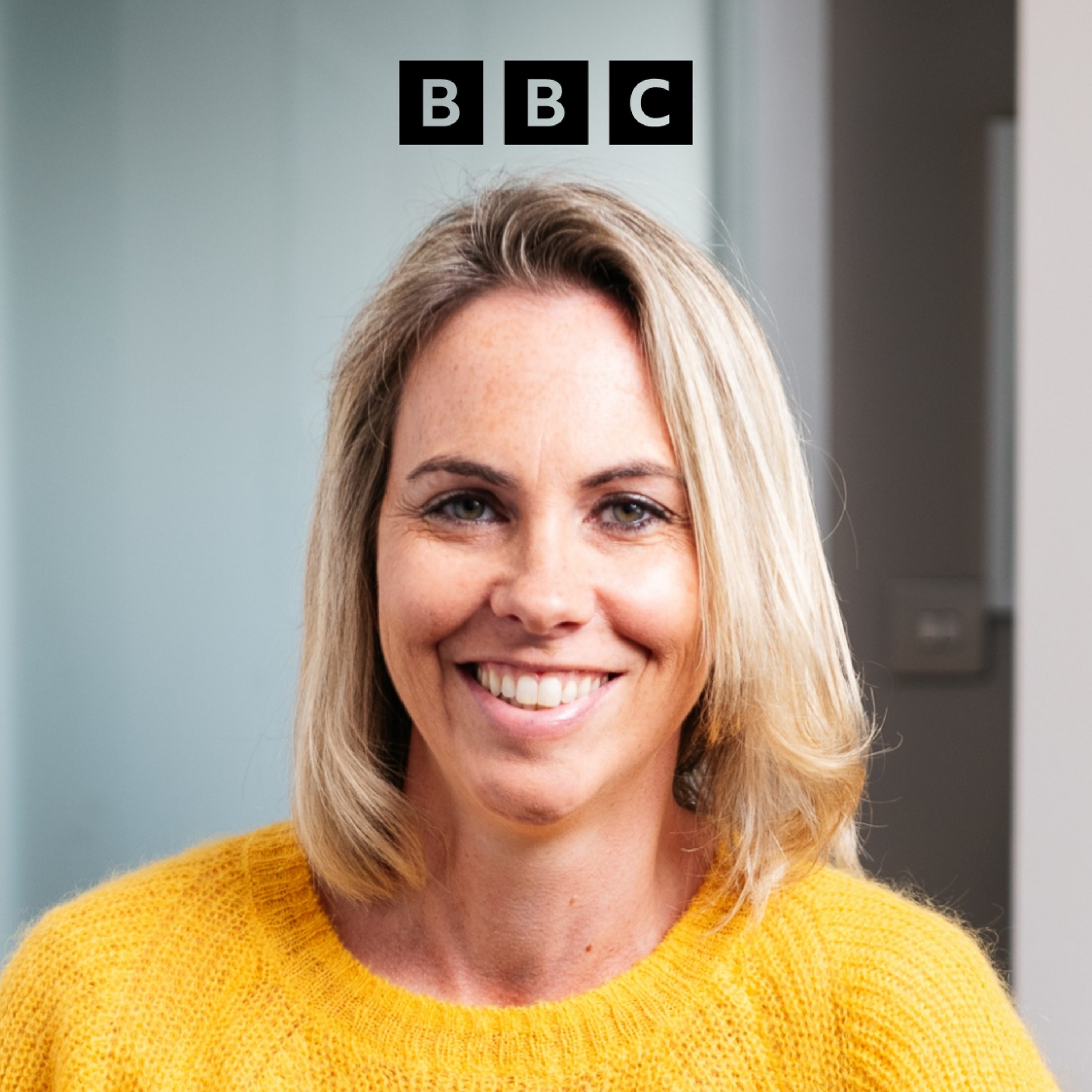
Founders: Olio CEO Tessa Clarke's fight against food waste
Tessa Clarke is the co-founder and CEO of Olio, the food-sharing app helping millions of people reduce waste by sharing food and household items with their neighbours. She explains how a simple idea grew into a global movement, the challenges of convincing investors to back it, and why changing human behaviour may be key to tackling climate change. Presenter: Leanna Byrne
Producer: Barbara George

Follow the Money: The cost of sending money home
Some economies are increasingly dependent on migrants sending money home to their families. But how much does it cost, and who's making money from a business worth around $900 billion a year? Sam Fenwick follows a transfer from a housekeeper in London to her family in the Philippines, tracking the money every step of the way. We talk to one of the world's biggest transfer companies about the fees

What China's solar panel obsession means for the world
China's latest trade data show another huge surplus, putting the country on course for what could be a record $1.5 trillion trade surplus this year. In the first of two episodes examining China's export machine, we look at the country's massive solar panel industry. We hear from the so-called Sun King, Dr Jerry Shi, China's first solar billionaire, about the rise of solar power in China. Ed Butler

Taking Stock: Who owns Space?
From Elon Musk and Jeff Bezos, to China and India, companies and countries are pouring billions of dollars to get ahead in the space industry.It's not just about interplanetary exploration, huge investment is going into satellites, defense systems and location technology.Rahul Tandon speaks to Carissa Bryce Christensen, Founder and CEO of BryceTech and Professor of Space Security, Dr Namrata Goswa

Power players: How did VW go off track?
Competition from China, weaker sales and a slower-than-expected shift to electric vehicles have left Volkswagen facing its biggest challenge in decades. VW says up to 100,000 jobs could go, with some of its biggest German plants facing closure. Rahul Tandon, Michelle Fleury and Will Bain look at whether VW can turn things around, and whether its troubles reflect wider problems in Germany's economy
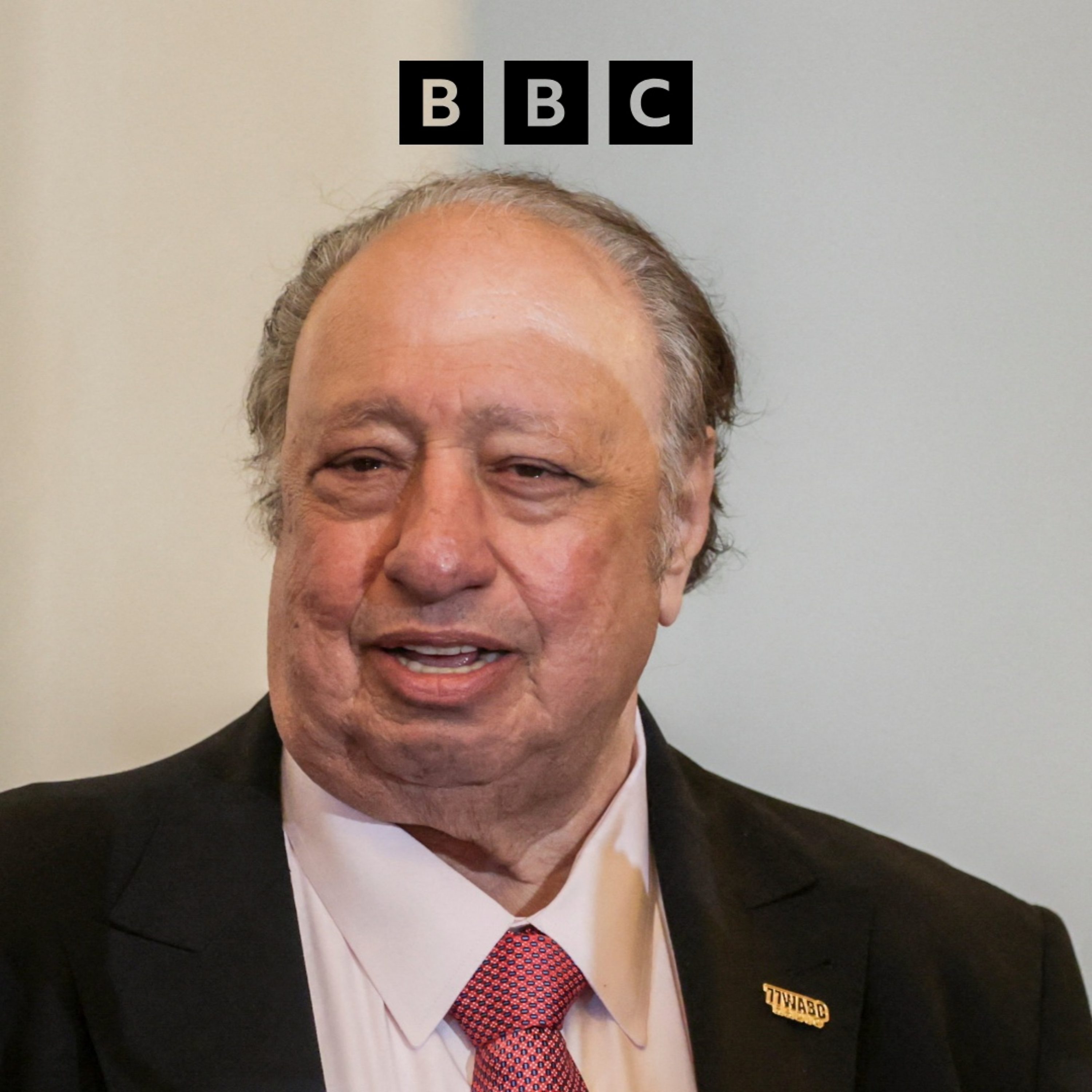
Listen again: The supermarket billionaire, John Catsimatidis
Greek-born billionaire John Catsimatidis rose from working in a New York grocery store to build the Gristedes supermarket chain and a wider business empire after leaving university before graduating. Now head of the Red Apple Group, with interests spanning real estate, energy, aviation and media, he remains a prominent figure in US business and politics, regularly discussing business with Presiden

Follow the money: Why is diesel so expensive?
The war in the Middle East has pushed up crude oil prices this year and that's had a knock-on effect on the price of refined oil products like diesel. But after months of conflict, the Gulf's oil-producing nations are now getting most of their exports out, so why hasn't the price of diesel come down? And will it fall now that Donald Trump has reached a deal allowing Russia to export diesel again?

A global baby bust: why are birth rates falling?
Birth rates are falling across much of the world, raising questions about how economies will cope as populations age rapidly. Rob Young examines why people are having fewer children, from the financial pressures facing couples in the US to changing social attitudes. He also looks at government efforts to reverse the trend, including Finland's generous family support system and Hungary's costly inc

Listen again: Power Players - Why are young Indians joining the Cockroach protests?
A chance to listen again as Will Bain and Rahul Tandon are joined by the BBC's India Business Correspondent Arunoday Mukherjee to look at the rise of the 'Cockroach movement'. They discuss the economic concerns of young people and the difficulties getting well paid jobsProducer: Rebecca SmyllieEditor: Stephen RyanImage description:
Supporters of the Cockroach Janta Party (CJP) take part in a prote

Taking Stock: Is Gen Z the first generation to be worse off than their parents?
Young people in France are protesting over schooling conditions, whilst in Spain they have taken to the streets over housing. We ask if there is hope them, and how we can make a better future.
Also, we unpack the deal for Paramount Skydance to officially take over Warner Bros Discovery in a $110bn merger.
Connecting the time zones this week are Rahul Tandon in Salford, David Kuo in Malaysia and E

Power Players: Are these the most economy-focused US mid-terms ever?
With less than a month to go until the US mid-term elections, voters are preparing to head to the polls with the economy high on the agenda.From the cost of living, interest rates and tariffs, how much will economic concerns shape the result?Rahul Tandon, Michelle Fleury and Will Bain look at whether the economy could prove to be the defining issue of these mid-terms.

Founders: The first black woman to own a billion-dollar company
We meet Janice Bryant Howroyd, founder of ActOne Group. She arrived in Los Angeles with just $900 borrowed from her mother and went on to build a multi-billion-dollar business, becoming the first Black woman to own and run a billion-dollar company.But Janice says the foundations of her success were laid much earlier, growing up as one of 11 children in the segregated American South.
So, how did th

Follow the money: Why does chocolate cost so much?
The El Nino in 2023 had a detrimental impact on the cocoa harvest in West Africa, prices quadrupled and businesses reacted. Chocolate prices skyrocketed around the world, chocolate makers were reducing their cocoa content and in some cases making their products smaller. Since then cocoa prices have come back down, but the cost of chocolate products hasn't followed, Hannah Mullane takes a look at w

Listen again: Bonds, heroes or villains?
With the cost of government debt reaching its highest for several decades, we're giving you another chance to hear our exploration of how the world became so dependent on bonds, those IOUs from governments and firms that helped build the modern economy. Bonds are often dismissed as a dull corner of finance, but behind the scenes they have played a central role in major economic dramas around the w

Taking stock: How evicting an 87-year-old woman in Spain disrupted the debate on housing
Protests in Spain about 87-year-old Mariacarmen Abascal's eviction from social housing reignited the housing affordability debate globally, as inflation ticks up and career prospects for the young have been impacted by the rise in AI. We head to Nigeria, India and the UK to take stock on the issue.Elsewhere, what can sliding sales at the world's largest automaker tell us about how drivers feel abo

Power Players: Can AI really regulate itself?
The AI race is speeding up: and so are the warnings about where it could lead. After President Trump met AI leaders to discuss how to make the technology safer without slowing America's progress, Michelle, Will and Rahul ask: can the AI industry really regulate itself?Producer: Rebecca SmyllieYou can email the team: businessdaily@bbc.co.uk(Photo: US President Donald Trump speaks with Meta CEO Mark

Founders: From blogger to billionaire, Canva's co-founder on what failures taught him
Who studies law but then forgets to apply for any graduate jobs because they've started blogging about web design and JavaScript? Cameron Adams, the billionaire co-founder of design app Canva. He did eventually land a coveted job at Google (thanks to that blogging), but failure on its Google Wave project ’ led to an introduction to Melanie Perkins and Cliff Obrecht, whose vision for making design

Follow the money: Why does an Oktoberfest beer cost €16?
A litre of beer at Munich’s Oktoberfest costs nearly €16; almost four times what a litre cost in 1991 after adjusting for inflation.We follow the money behind the famous Maß, from the Munich brewery that supplies it, through the tent and the servers who sell it, to the City of Munich that runs the festival.Who gets the biggest share, who carries the financial risk, and how much does Oktoberfest re

Can Route 66 towns survive on nostalgia?
We're heading west along America's famed Route 66. As the road celebrates its 100th birthday, Victoria Craig finds out whether the pull of neon-drenched nostalgia is still attracting visitors and whether new investment can secure the future of the towns that depend on it.
Presenter/producer: Victoria CraigYou can email the team: businessdaily@bbc.co.uk(Photo: A sign celebrating 100 years of Route
The birth of India's call centre industry
In 1997, after years working abroad, Pramod Bhasin returned to India and spotted an opportunity that would help transform his country's economy.Despite major telecommunications challenges, he went on to set up India's first call centre, laying the foundations for a new outsourcing industry.In 2019, he told Rebecca Kesby how he overcame unreliable phone lines, scepticism and technical hurdles to tu

Taking stock: Trump and Xi face the trade test
What is next for trade, tariffs and AI after Presidents Trump and Xi met at the White House? We examine what was agreed, whether tensions between the world's two biggest economies are easing, and what it could mean for technology, business and global trade. Vishala Sri-Pathma is joined by Henry Wang from the Center for China and Globalization and the AI researcher and author Stephanie Hare. You ca

Trump meets Xi: What's at stake?
The presidents of the world's two biggest economies are meeting in Washington. Donald Trump and Xi Jinping meet at the White House amid tensions over Iran, Taiwan, artificial intelligence and international trade. Our North American business correspondent Samira Hussain and senior China correspondent Laura Bicker assess what both sides want from the visit and how the relationship between the two le

Founders: The American who built his business in China
Jacob Rothman moved from California to China and helped build a manufacturing business supplying some of the world's biggest retailers. We meet the co-founder of Velong Enterprises to hear how he built the company across Asia and how an unlikely career path took him to the heart of global manufacturing. He also reflects on entrepreneurship, manufacturing in China and how global trade is changing.P

Follow the money: The journey of a $30 toy from China to America
Most toys sold in America are made in China. But cheap labour is no longer the main reason manufacturers stay there. As the US toy industry presses for tariffs on toys to be removed, we follow the journey of a $30 toy from a factory in Guangdong, through shipping and the US border, to the shelves of American retailers. Along the way, we find out how much the factory gets, what shipping costs add t

From Mao and Nixon to Xi and Trump: A history of China-US trade
With Presidents Xi and Trump expected to meet in the United States this week, Will Bain looks back on the history of trade between the two great nations.It's always been fraught with controversy but there's also been a need or desire to get along. President Nixon was the first to visit China in 1972 and spoke with passion about the possibilities for the future between them.Trade then grew quickly

Taking Stock: Can Big Tech rivals be trusted to develop safe AI?
AI: Existential threat or billion-dollar opportunity? The increasingly loud and often stark warnings from inside the tech industry - about the dangers AI might already be posing.Plus we dig into the interest rate rises facing US and European consumers. And ask whether an ABBA singalong of Mamma Mia was enough to swing the Swedish election.Taking Stock looks back at the week in business, economic a

Power Players: Does Xbox have a future?
Xbox is 25 years old and faces some of its biggest challenges yet. As cloud gaming grows and the AI boom reshapes the technology industry, even Xbox CEO Asha Sharma has acknowledged that the business "hasn't been healthy" in recent years. So does Xbox have a future? Will Bain speaks to former Xbox executive Peter Moore and BBC technology reporter Laura Cress about whether Microsoft's gaming brand

Can we control AI?
Artificial intelligence is developing faster than many experts predicted, bringing extraordinary opportunities as well as growing concerns. Some of the industry's leading figures are even calling for the pace of development to slow while governments and technology companies grapple with how best to manage the risks. So can humanity remain in control of AI, and how should we govern a technology tha

Follow the money: Why is a new Ebola vaccine taking so long to develop?
The Ebola outbreak in the DRC has claimed more than 3,400 lives and infected thousands more. Despite the scale of the outbreak, there is still no approved vaccine for the latest strain. Leanna Byrne examines what it takes and who pays to develop a vaccine. We look at what is slowing vaccine development and whether the limited commercial market for Ebola vaccines means governments, charities and in

The cost of war: Inside Russia's economic unease
Economic unease is growing among Russian workers as fuel shortages and Ukrainian drone strikes disrupt key sectors of the economy. Ed Butler examines the pressures facing businesses, workers and consumers, from damaged refineries to attacks on Wildberries warehouses. As concerns grow over prices, jobs and supply chains, what do these disruptions reveal about the resilience of Russia's wartime econ
Bonus: Could AI chatbots help Asia's socially isolated youth?
Across Asia, a growing number of young people are becoming hikikomori, a term used to describe individuals experiencing severe social withdrawal. They shut themselves away at home, retreating from work, school and even family life for months, sometimes years.Some countries, including South Korea, are trying an unexpected approach: government-backed AI chatbots designed to help socially isolated yo

Taking stock: Bad blood, bad neighbours and the return of Elizabeth Holmes
Mark Carney and Donald Trump go tit-for-tat as the list of goods subject to tariffs between the US and Canada continues to grow. But will higher import taxes on products crossing the border make cost-of-living pressures even worse for Canadians and Americans? Takara Small in Toronto and Andy Uhler in Austin join Will Bain to discuss the highlights and lowlights of the week's business news, includi

Power Players: Can new BP leadership steady the ship?
This week on Power Players, Will Bain is joined by BBC Business Editor Simon Jack to explore the future of energy giant BP. The past six years have seen significant boardroom churn, while the company has sent mixed messages to investors after scaling back plans to become a greener energy business. We examine whether the company's new leaders can restore confidence and set a clearer strategy.Produc

Founders: Marcia Kilgore on still fighting imposter syndrome despite Beauty Pie success
Many entrepreneurs would be happy to sell one great idea to a larger business, cash out and put their feet up. Not Marcia Kilgore. The Canadian swapped small-town Saskatchewan for the wealthy clients of Manhattan, New York and sold her first venture, Bliss Spa to luxury giant LVMH. She then went on to found another three multimiilion-dollar enterprises.
What did she learn along the way, how does

Follow the Money: Is a university degree worth the investment?
The number of students going to university globally has more than doubled in the last 20 years. 269 million students around the world are enrolled in higher education, if those students were a country, it would be the 5th most populous in the world. At the same time youth unemployment is growing and there’s a slowing of that graduate premium - the extra money you'll earn because of your degree - s

Who's afraid of the AI job-snatchers?
There's a general fear that artificial intelligence could make huge swathes of workers redundant, but are those fears unjustified? Rob Young asks what history can tell us about big technological leaps and how they changed the world of work at the time.
And how much of the rate of change comes down to customer preference - would you rather deal with a bot or a person?
Presented and produced by Rob

Taking Stock: Is everything about to get more expensive?
There has been a lot of talk about rising bond yields, from Japan to the UK and the US, and alongside this government debt is growing all around the world. That all plays into a feeling that many people have that life is about to get more expensive and that in many places interest rates are set to rise.Rahul Tandon is joined by David Kuo, co-founder of The Smart Investor in Singapore and German bu

Power players: Can Premier League transfer spending keep breaking records?
We dig into the finances behind "the beautiful game" after English football's Premier League just spent £3.57bn ($4.7bn) billion on new players. What is behind football's richest competition and is its success sustainable?(Photo: Stamford Bridge, London, England, 30 August, 2026. Chelsea's Cole Palmer celebrates scoring their fourth goal with Morgan Rogers. Credit: David Klein/Reuters)Presenters:

Founders: Allison Ellsworth, co-founder of Poppi soft on the cider vinegar soft drinks that had PepsiCo paying $1.95bn
Allison Ellsworth, founder of Poppi soft drinks, started the beverage business as a kitchen experiment, with a Soda Stream and apple cider vinegar. She speaks to Leanna Byrne about pitching for funding on TV programme Shark Tank while nine months pregnant, relaunching during Covid lockdowns and becoming the number one soda on Amazon in the US and her $1.95 billion exit with PepsiCo.Presenter: Lea

Follow the money: How China gained the competitive edge in EVs
Think of an electric vehicle, and you'll probably imagine a Tesla. But China is the world's biggest EV exporter, despite being largely shut out of the US market. How has the country seemingly come from nowhere to dominate the world of electric mobility and how can its Evs be made so cheap?
Presenter: Felicity Hannah
Producer: Josh Martin(Photo: A man looks inside the Changan Deepal S05 REEV during

Is Turkey's clothing industry unravelling at the seams?
Emily Wither reports from Istanbul finding out why that 'Made in Turkey' label in so much of our clothing could disappear as the industry faces competition from countries like Egypt, Turkey battles huge inflation and hundreds of factories go bankrupt leaving tens of thousands out of work.(Photo: A worker in a Turkish garment factory in Istanbul works at a table. Credit: Emily Wither)

Taking Stock: Is this really the Golden Age of AI?
This week on Taking Stock, Rahul Tandon is joined by journalist Nga Pham in Hanoi, Vietnam, and economist Justin Wolfers in Michigan, USA, to unpack Nvidia’s soaring quarterly results and what they signal about the global race in artificial intelligence.They also discuss Meta’s settlement agreement and the wider regulatory pressures facing tech giants, as well as fresh sanctions imposed on Iran by

Power players: Evergrande and the unraveling of China’s property boom
For years, China’s property boom helped drive the country’s extraordinary economic growth. At the centre of it was Evergrande, which grew from a regional developer into a sprawling corporate empire, and one of the world’s most indebted companies.Then the debts caught up with it. Evergrande’s collapse exposed the vulnerabilities of China’s property model, helping push the wider housing market into

Founders: Nasty Gal's 'girl boss' on shoplifting, empire building and life after bankruptcy
Sophia Amoruso, founded clothing company Nasty Gal after a successful stint of eBay upselling. It grew into a company worth hundreds of millions and allowed its founder to claim the title of original "girl boss" but eventually filed for bankruptcy. In the space of a few years, she had swapped shoplifting items to sell on Amazon and eBay for clinking champagne flutes in the South of France, schmooz

Follow the money: What a dry Danube means for Europe’s energy
Europe's drought has reduced water levels on the Danube, causing headaches and lost income for companies generating electricity from hydro, coal-fired and nuclear power plants. We travel down the river, stopping off in Austria, Hungary, Serbia and Romania to look at how each country is dealing with the challenges and what ordinary people are doing to help. (Photo: People check the Danube River as
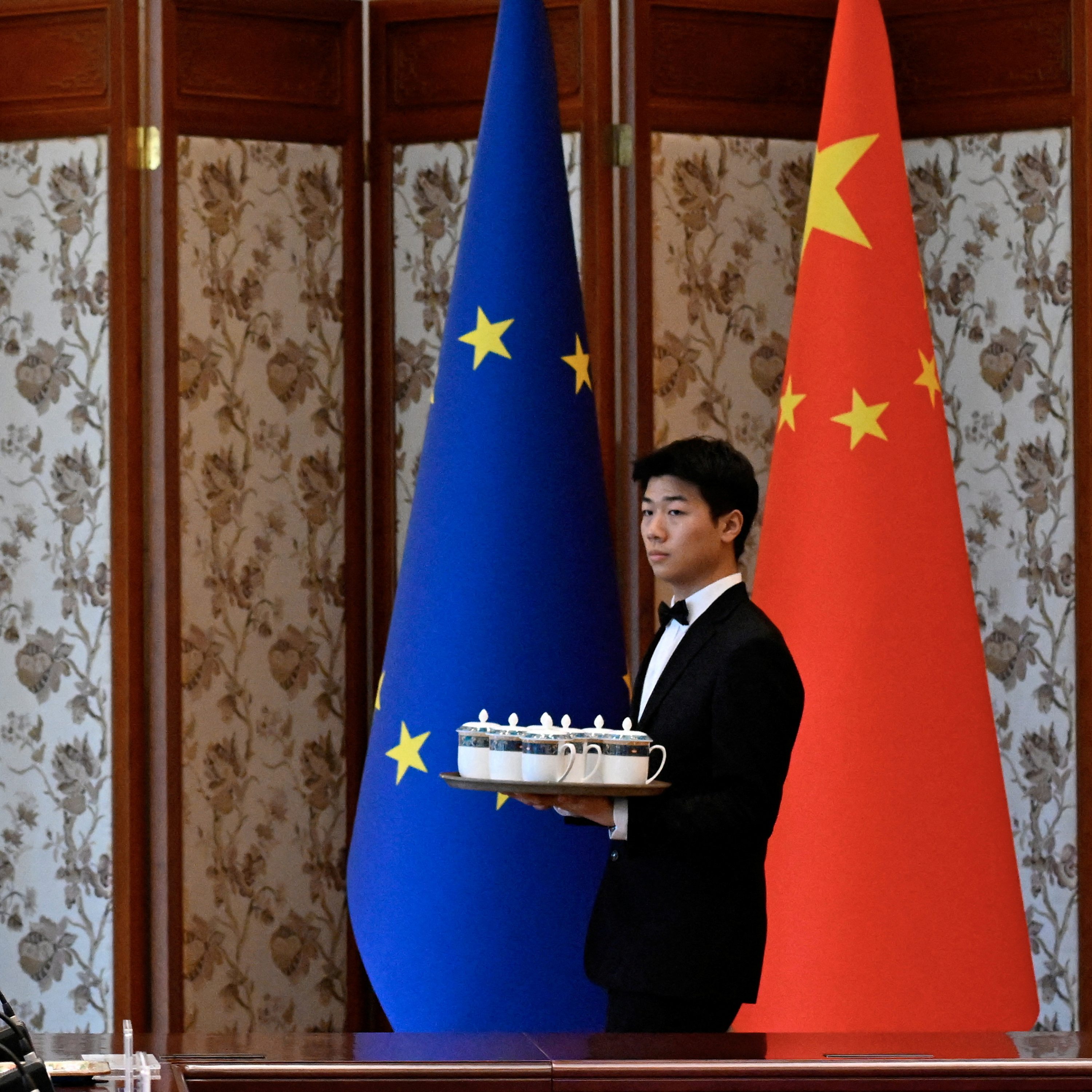
Are Europe and China heading for a trade war?
Europe is taking an increasingly tough line on trade with China, accusing Beijing of subsidising exports and flooding European markets with cheap goods. Businesses and governments warn that Chinese competition is putting European industries and jobs at risk, while China's growing dominance of supply chains is adding to concerns in Brussels. Ed Butler asks whether these accusations are fair, what E
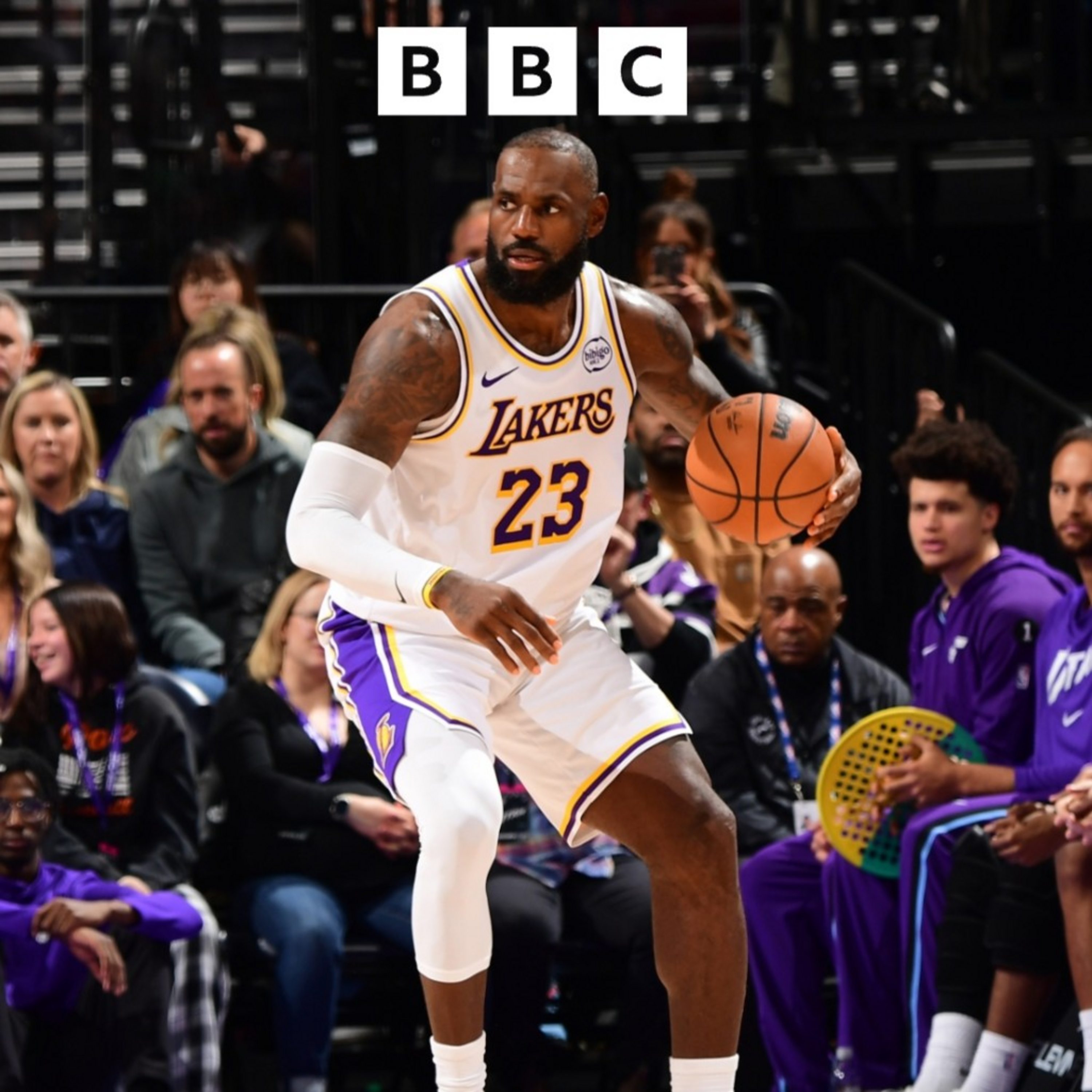
BONUS: What makes the LA Lakers worth so much money?
The proposed sale of the LA Lakers has reignited debate about the soaring value of sports teams. Here's another chance to hear our episode exploring what drives the value of a basketball franchise.Presenter/producer: Guy Kilty
Editor: Helen ThomasEpisode first published on 27 November 2025You can email the team: businessdaily@bbc.co.uk(Image: Los Angeles Lakers star player LeBron James drives to t
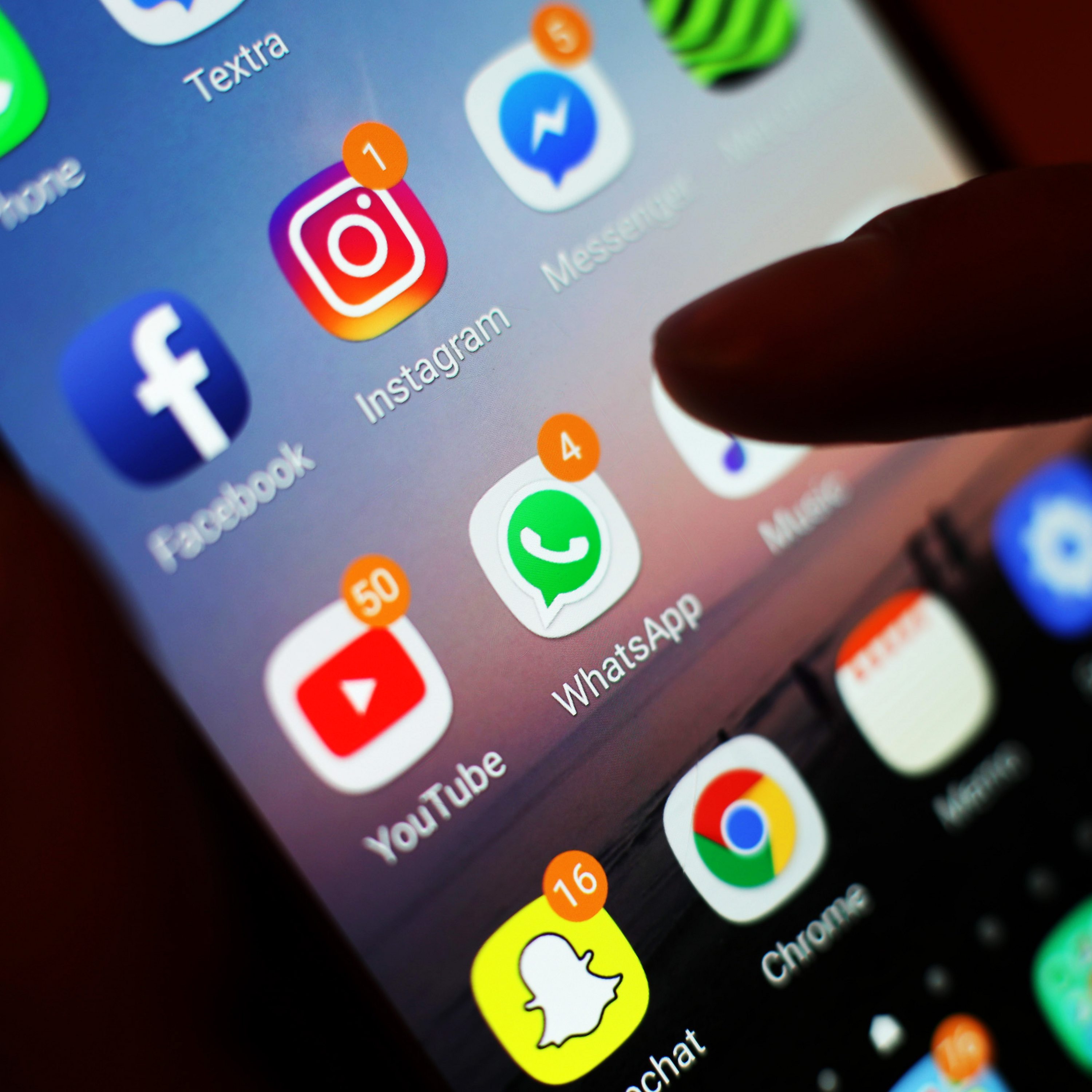
Taking Stock: What’s next for social media?
What does the future hold for social media? Will Bain is joined by Takara Small in Toronto and Han Lin in Shanghai to discuss growing legal challenges facing Meta over how its platforms target and affect young users, and what the latest case could mean for the company and the wider industry. They also look at the extraordinary stock market debut of Chinese robotics company Unitree, whose shares ju

Power Players: The battle over AI's data centres
AI is driving a data-centre boom. The vast, energy-hungry facilities that power everything from ChatGPT to cloud computing are multiplying rapidly as governments and technology companies race to build them. But their growing demand for land, electricity and water is fuelling opposition in communities around the world. Rahul Tandon and Will Bain explore why demand for data centres is soaring, who's
Founders: From sleeping under a bridge to SEO success in the age of AI
Harry Sanders is the founder of StudioHawk, an SEO agency that helps businesses around the world get found online. He talks about going from sleeping under a bridge at 17 to building a company that works with major brands including Fujifilm and New Balance and discusses how AI is reshaping his industry and the future of search. Presenter: Leanna Byrne
Producer: Niamh McDermott You can email the t
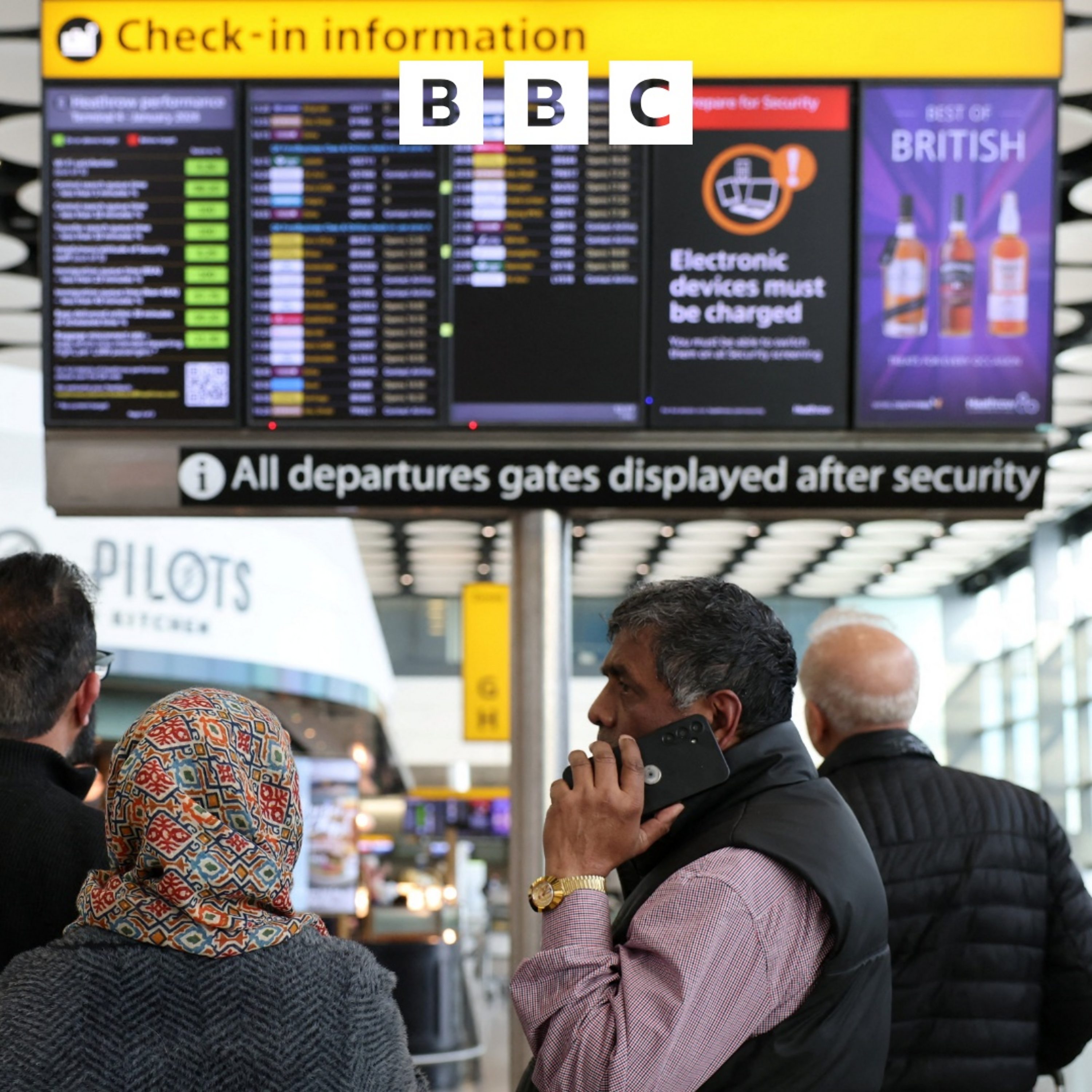
Follow the Money: What's driving up the cost of flying?
Whether you're heading off on holiday or travelling for work, flying could cost significantly more than it did a year ago. And it's not just the ticket price. From baggage fees to seat selection and priority boarding, the extras can quickly add up. Hannah Mullane explores the economics of aviation with the CEO of Berlin Brandenburg Airport, asking what's driving the rise in air travel costs and wh
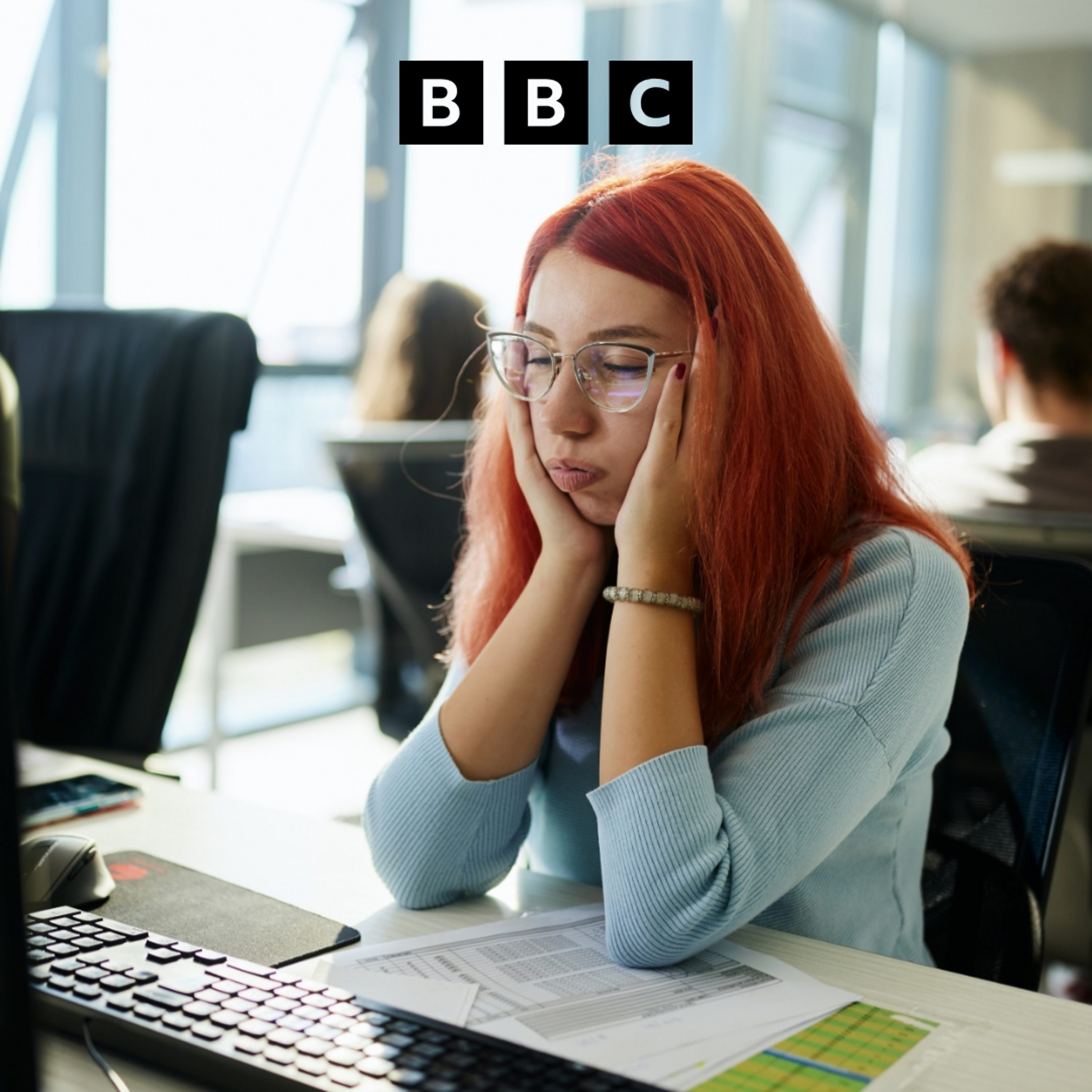
Are you a job hugger? Why workers are staying put
As economic uncertainty continues, many workers are becoming more cautious about taking the next step in their careers. Vishala Sri-Pathma examines who's staying put and why. Presenter/producer: Vishala Sri-PathmaYou can email the team: businessdaily@bbc.co.uk(Picture: A bored office worker. Credit: Getty)
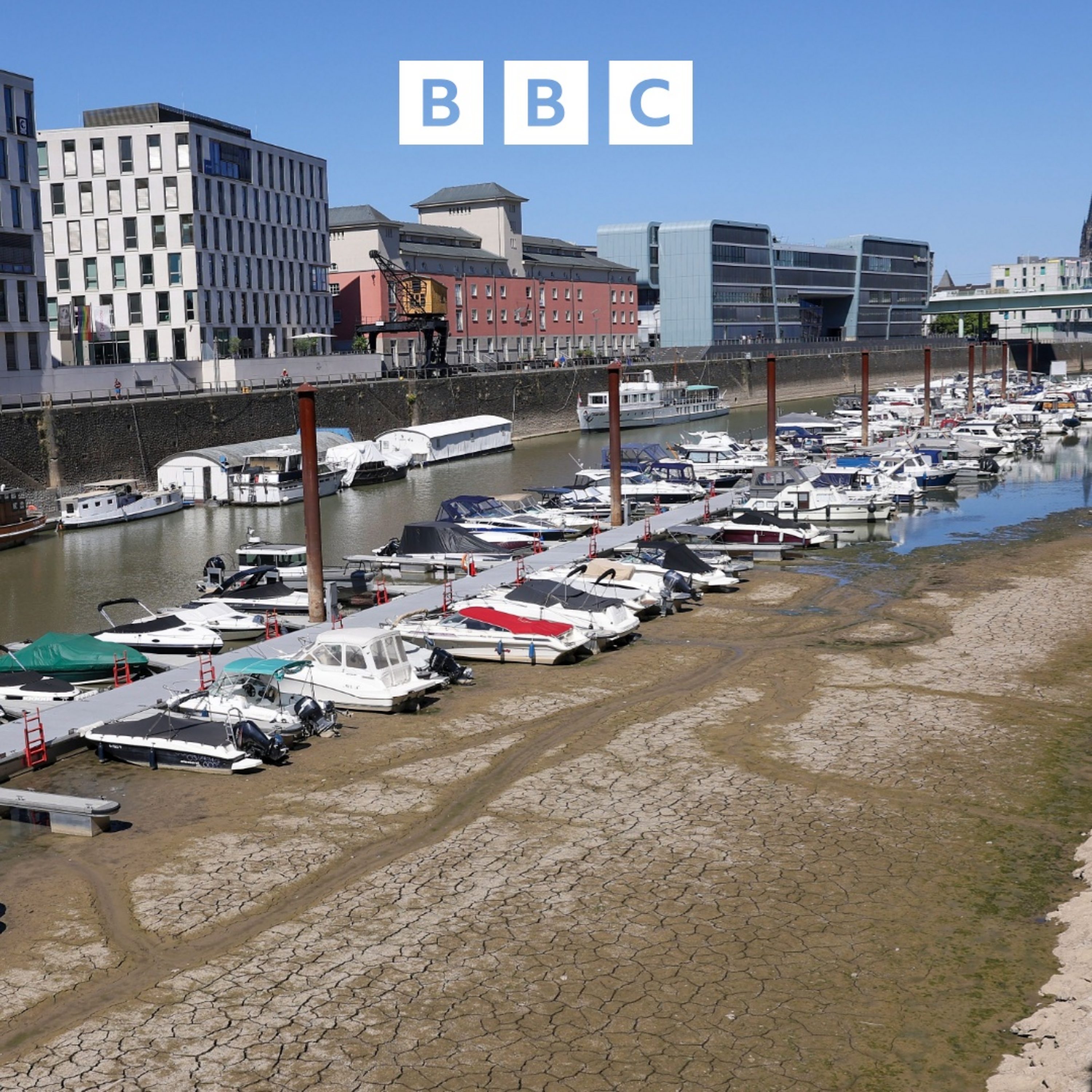
Taking Stock: The cost of heatwaves
How is climate change reshaping the global economy? Rahul Tandon is joined by Carsten Brzeski in Germany and Jyoti Malhotra in India to discuss the growing economic impact of heatwaves, including the threat to trade as water levels on Germany's River Rhine fall. They also examine how China is becoming less reliant on European industry, and the latest leadership tensions at India's Tata Group. Plus
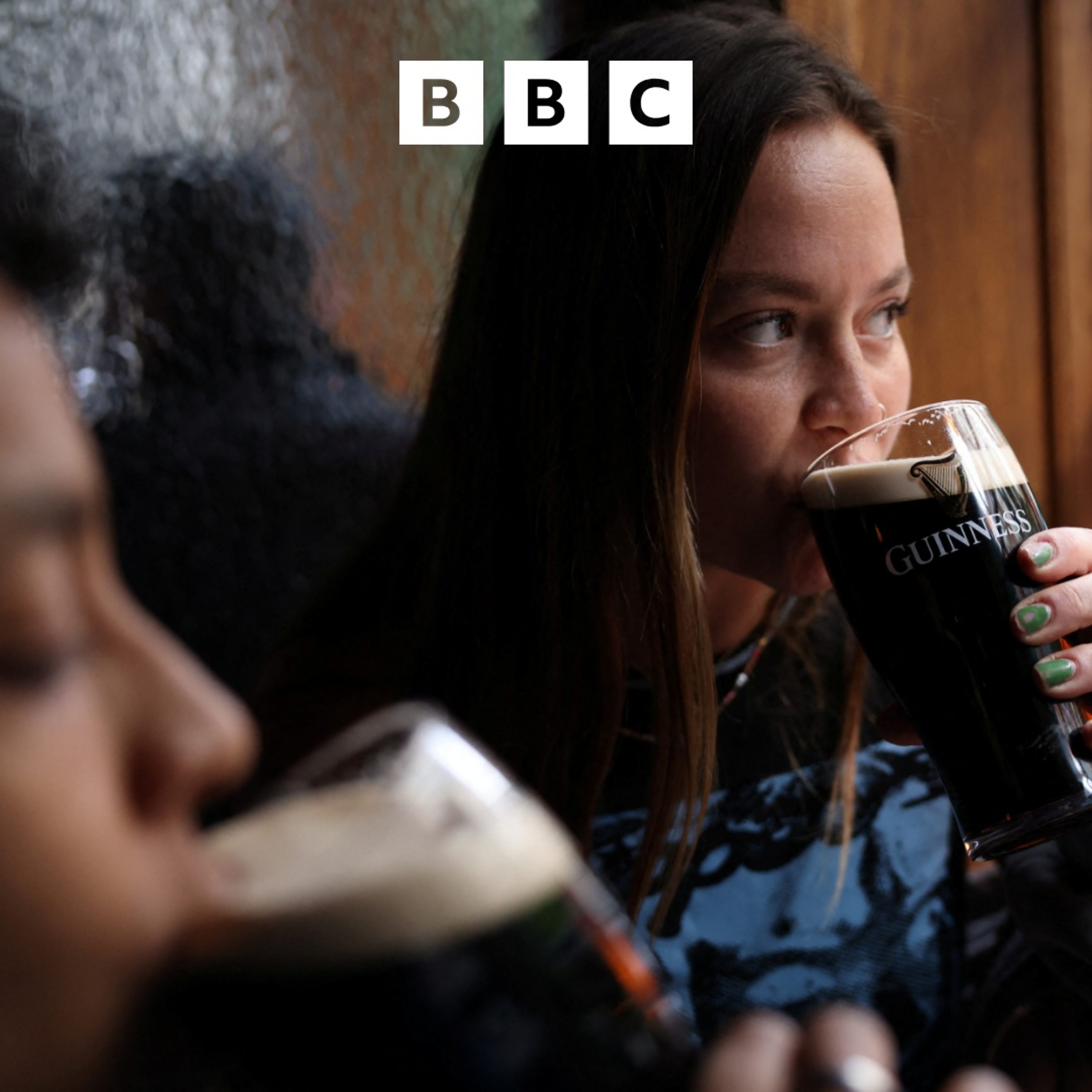
Power Players: What's next for Guinness owner Diageo?
Diageo, the company that owns Guinness, Smirnoff, Johnnie Walker and more than 200 drinks brands worldwide, has announced a major reset after a tough couple of years in which its profits have fallen and its share price has struggled. British businessman Sir Dave Lewis has been brought in to steer a turnaround, including a $1bn savings plan over the next three years. Known as "Drastic Dave" for cos

Founders: How Vitaminwater founder Mike Repole built a drinks empire
Mike Repole is the entrepreneur behind drinks brands including Vitaminwater and BodyArmor. He tells Hannah Mullane how he went from stocking supermarket shelves in Queens, New York, to building billion-dollar businesses with investors including Kobe Bryant and Tom Brady.Presenter: Hannah Mullane
Producers: Niamh McDermott and Amber MehmoodYou can email the team: businessdaily@bbc.co.uk(Picture: Mi
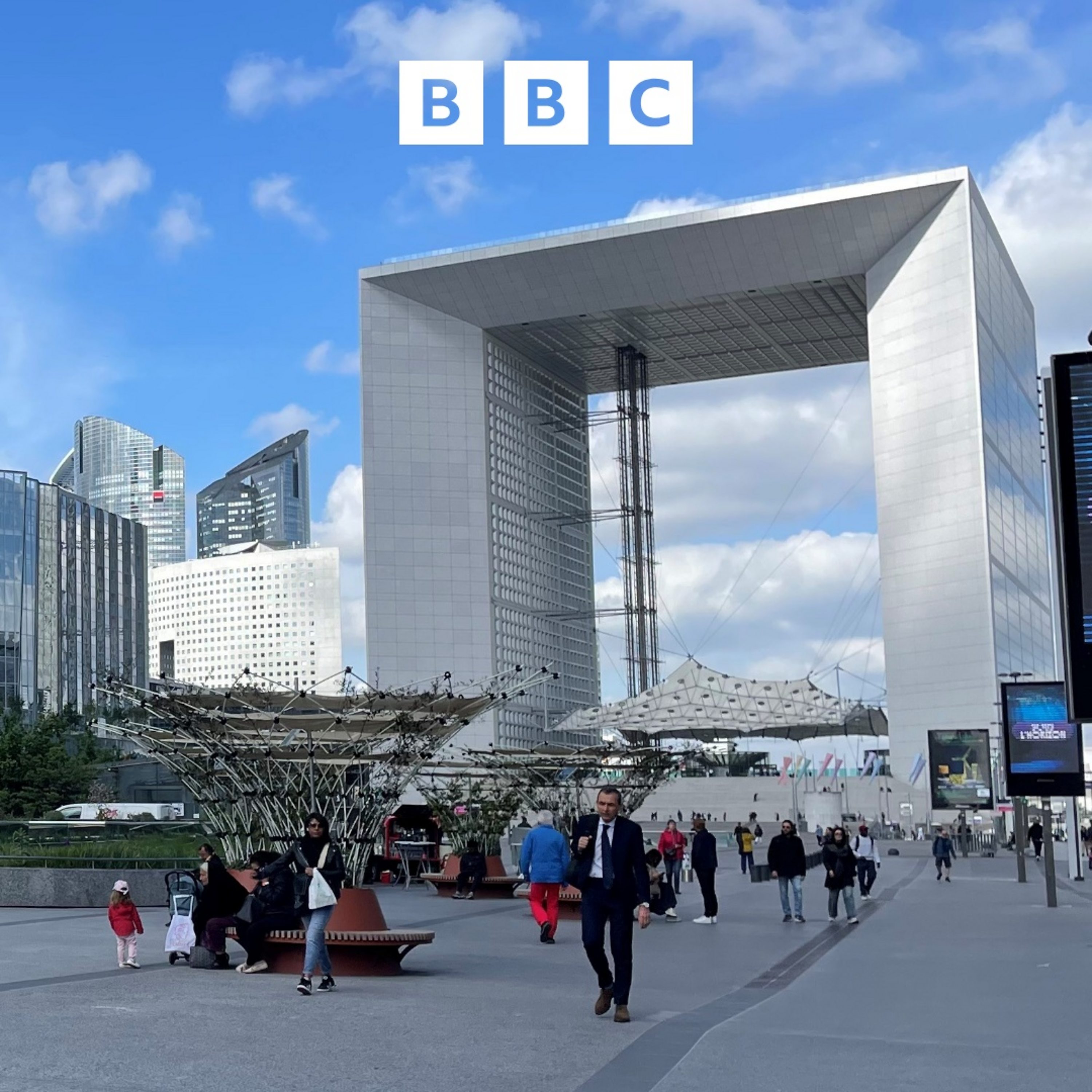
Too many offices, not enough homes: can conversions work?
John Laurenson reports from La Défense in Paris on how Europe's biggest business district is turning vacant office space into housing. As hybrid working leaves more offices underused, cities are rethinking the future of these buildings. We compare developments in Paris with efforts in London and Washington DC and ask whether converting offices into homes could help tackle housing shortages and rev

Denmark is scrapping royal warrants. Will businesses miss them?
Denmark is preparing to scrap its royal warrant system, ending a centuries-old royal seal of approval used by businesses to market everything from beer to cars. Similar warrants are used by monarchies around the world and awarded to everyone from brewers and carmakers to pest controllers. What do the Danish companies affected think, and could other royal households follow Denmark's lead?(Photo: Pa
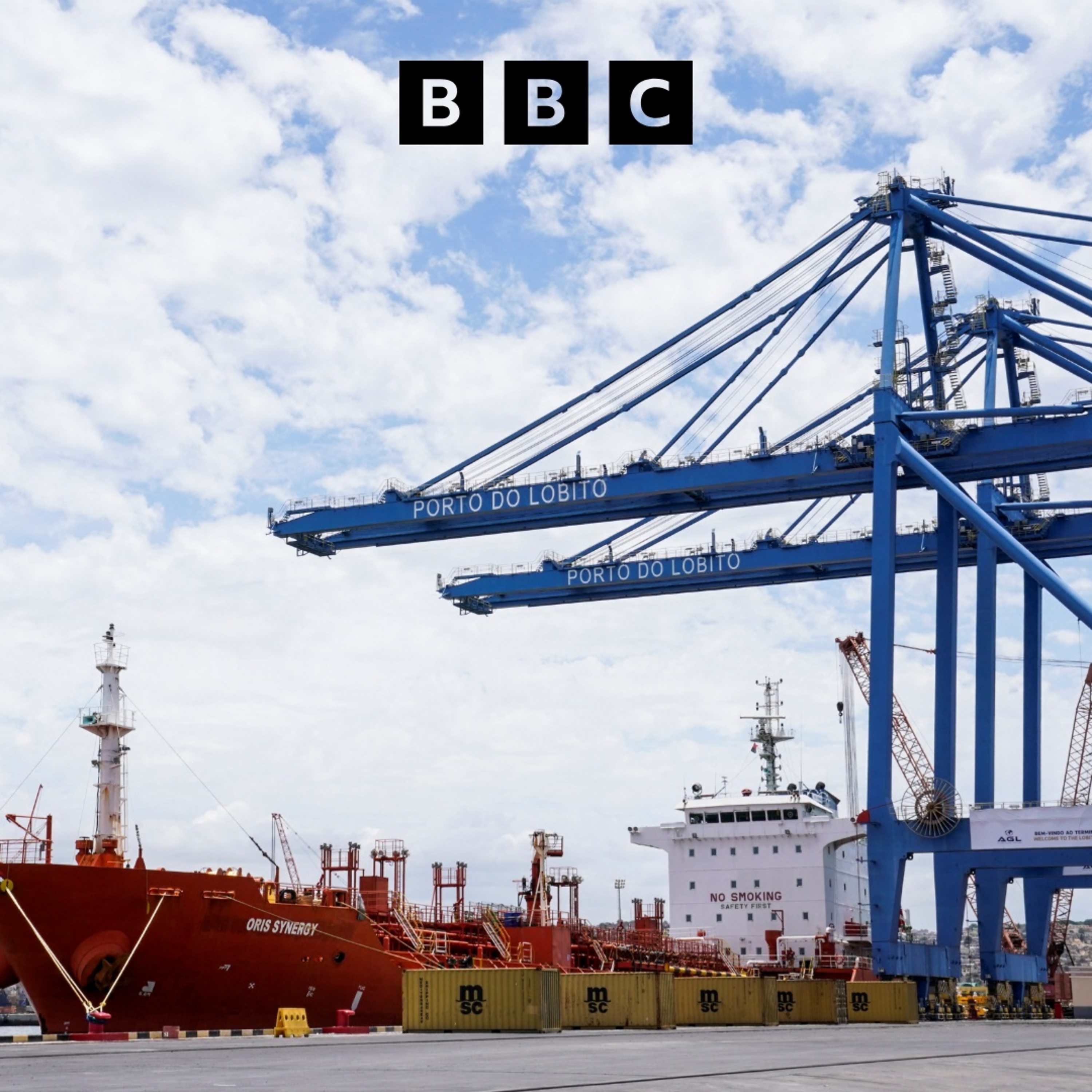
Taking stock: Global trade's new reality
What is driving the global shift towards economic protectionism? Will Bain is joined by Jennifer Pak, NPR's China correspondent, and Trevor Simumba, an international business consultant in Zambia, to discuss why the trend has accelerated since Donald Trump's tariffs and why global trade remains resilient despite growing barriers. Plus, why Africa's Lobito Corridor matters for trade, what AI means
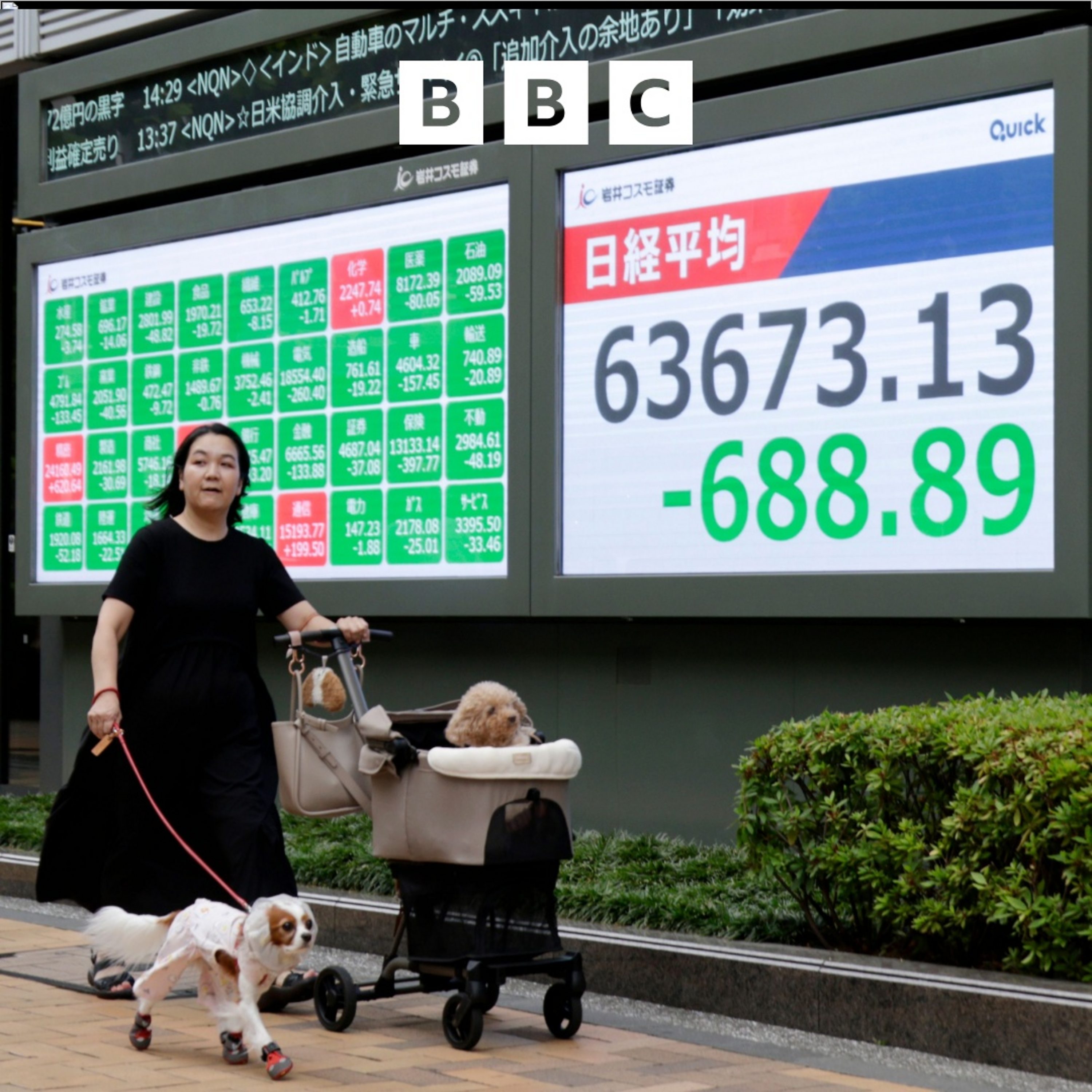
Power Players: Why does Trump care about the Japanese yen?
In a highly unusual move, the US has stepped in to back Japan's currency, the yen. Donald Trump calls it a "signal of friendship" but what is Washington hoping to achieve? And what does the move reveal about Japan's economy, after years of deflation and ultra-low interest rates? Rahul Tandon and Will Bain assess the intervention with the help of the BBC's "yen geek" Mariko Oi.Presenters: Rahul Tan
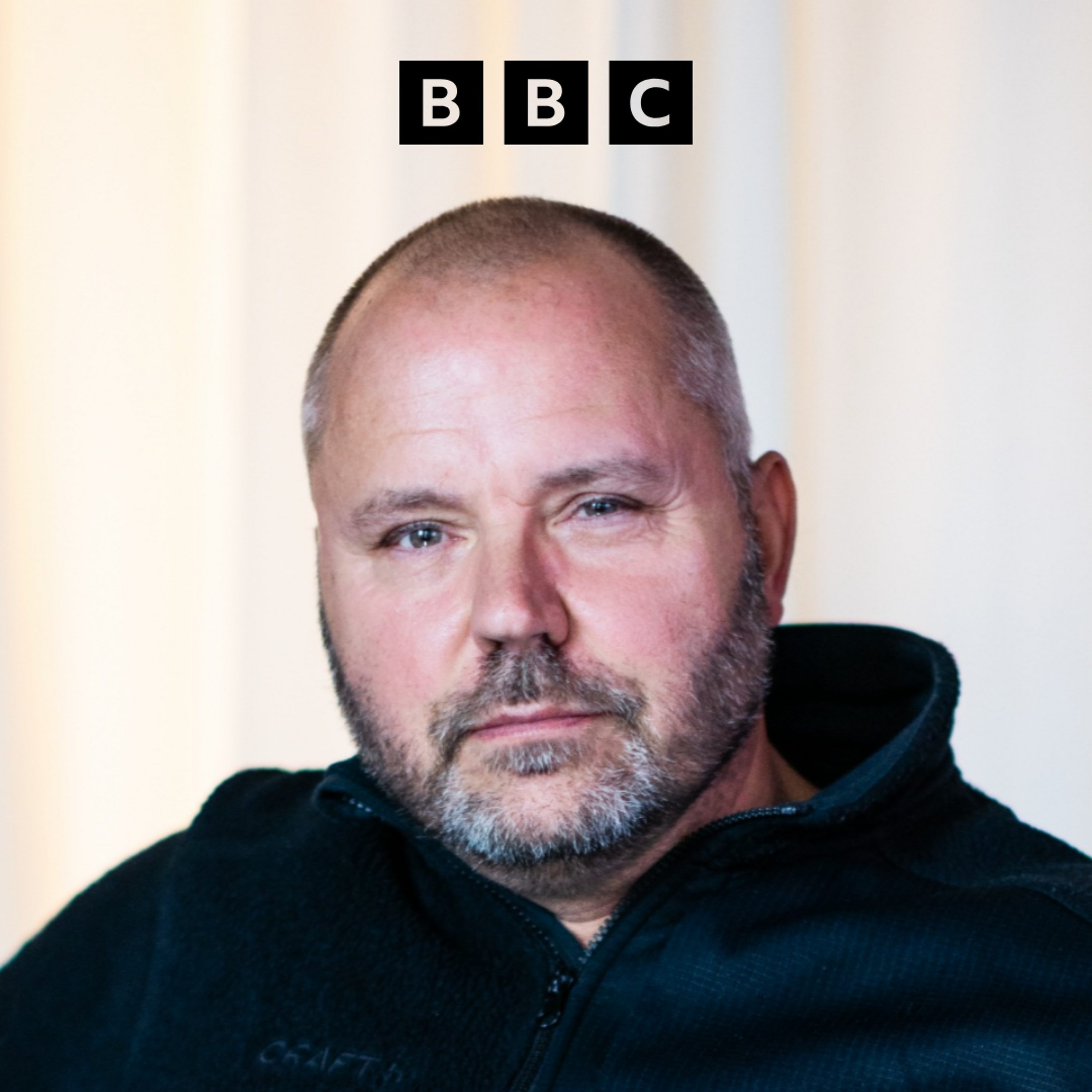
Founders: Ola Sars from Beats Music to the soundtrack of hospitality
Ola Sars has spent two decades helping shape the way music is discovered, streamed and licensed. He co-founded Beats Music, the streaming service that helped lay the groundwork for Apple Music, before launching Soundtrack, a company that provides licensed music to restaurants, cafés and other hospitality businesses. After moving to the US as a child and learning English from scratch, how did he be

Follow the Money: Europe’s air-con economy
With Europe sweltering in intense heat and demand for air-conditioners soaring, who is making money from supplying them? We follow the supply chain from a factory churning out air-con units in China to retailers across Europe scrambling to secure stock as demand surges. In France, where repeated heat waves have driven sales higher, shoppers have been fighting in supermarkets to get hold of them.We
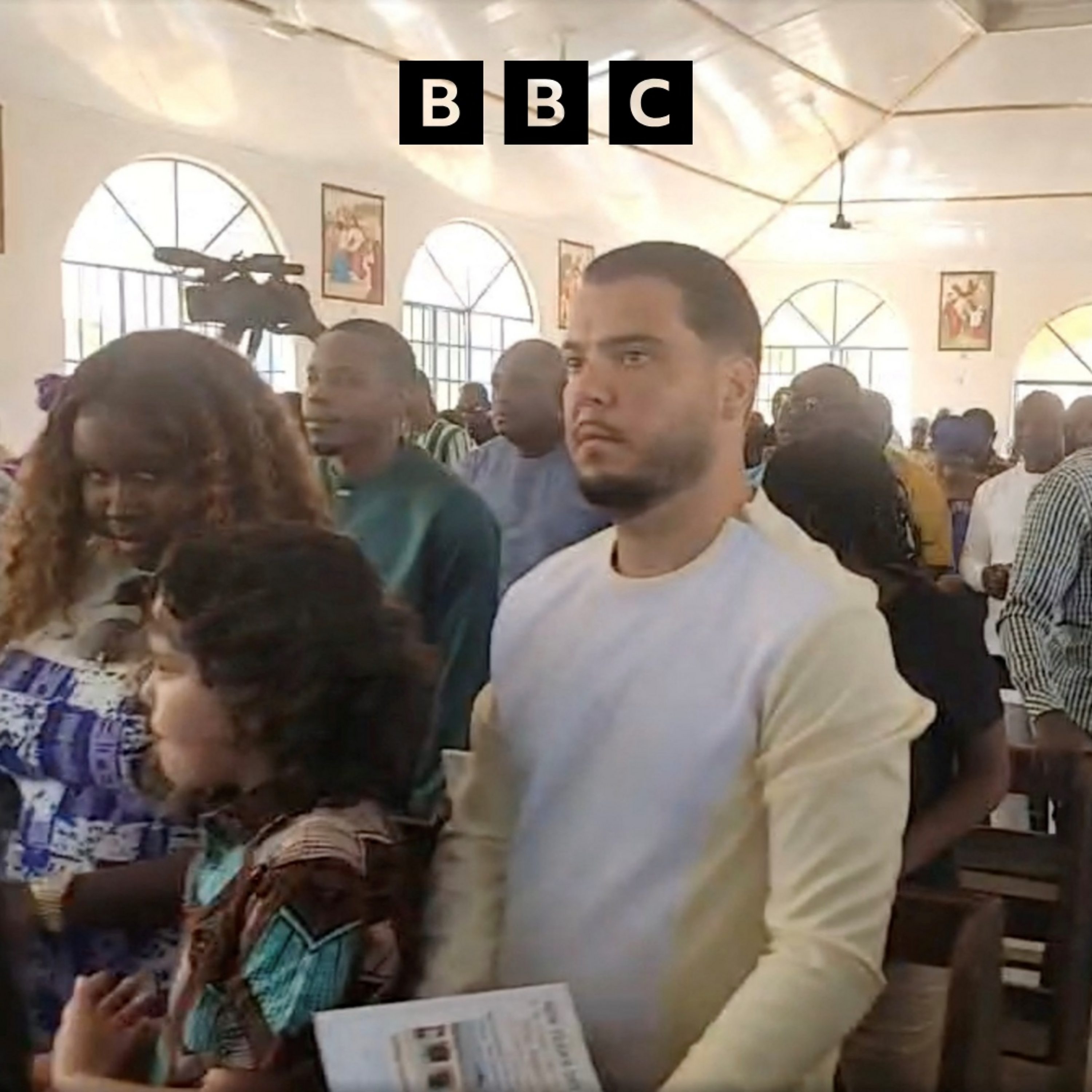
Sierra Leone: Tracking a drug kingpin
In the second of two episodes, Ed Butler tracks the whereabouts and connections of one of Europe's most wanted drug criminals. Despite denials from the President's family, law enforcement agencies say Jos Leijdekkers is enjoying privileged status in Sierra Leone. The country's Justice Minister responds.
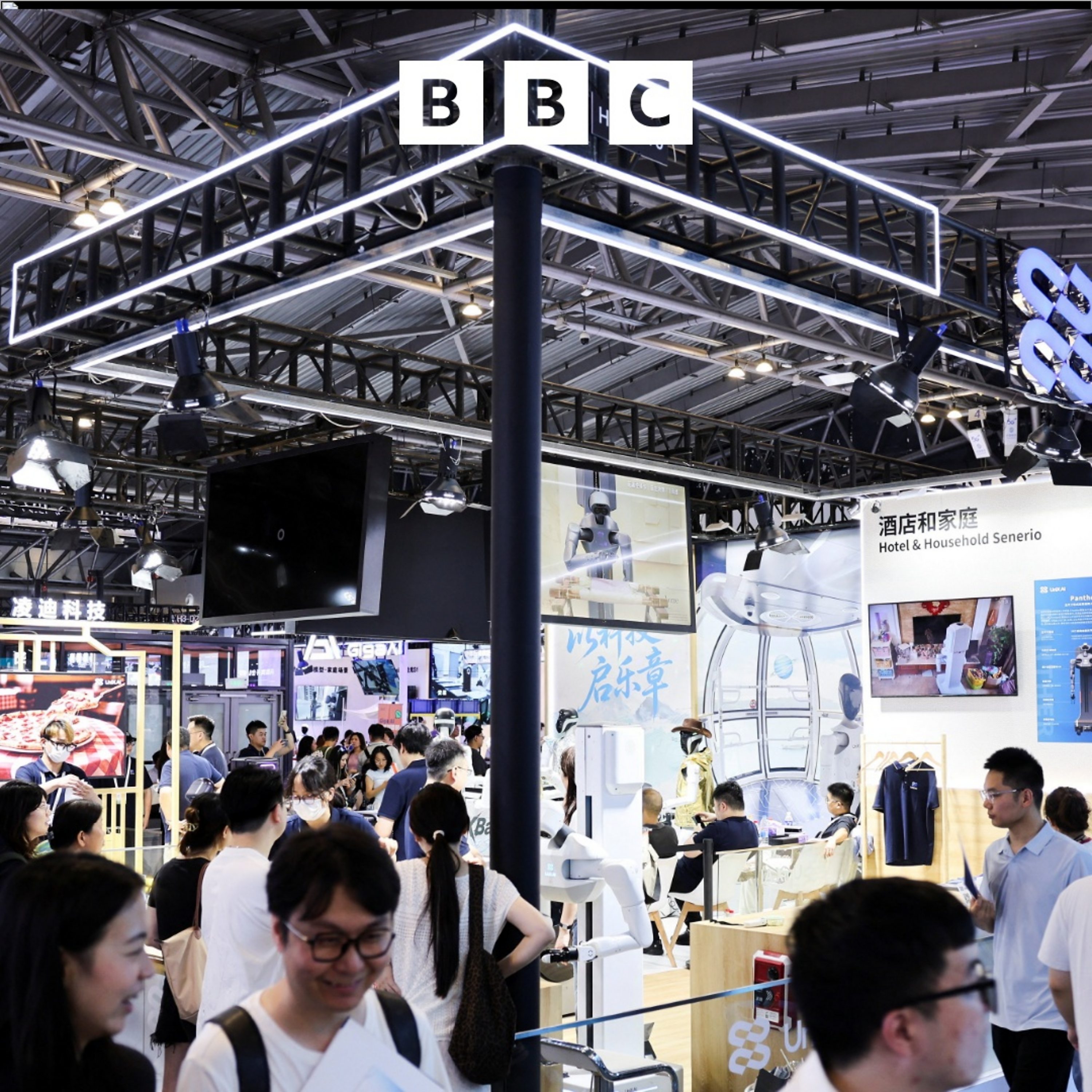
Taking stock: China gains in the AI race
Is China rapidly catching up with the United States in the race to dominate artificial intelligence? Rahul Tandon is joined by Walter Todd in the US and Rebecca Choong Wilkins in Singapore to discuss, following a week of sharp moves in AI-related markets and growing questions over where the next wave of innovation will come from. They also explore what India's "cockroach protest" says about the gr

Listen again - Follow the Money: FIFA's Billions
This Podcast was first published June 9th 2026With the future of football's governing body under discussion, we're giving you another chance to hear how FIFA makes most of its money from the World CupFIFA President Gianni Infantino has proposed the creation of a subsidiary body to run tournaments, which would include some outside investment.Fifa has given all 211 member associations until 19 Septe
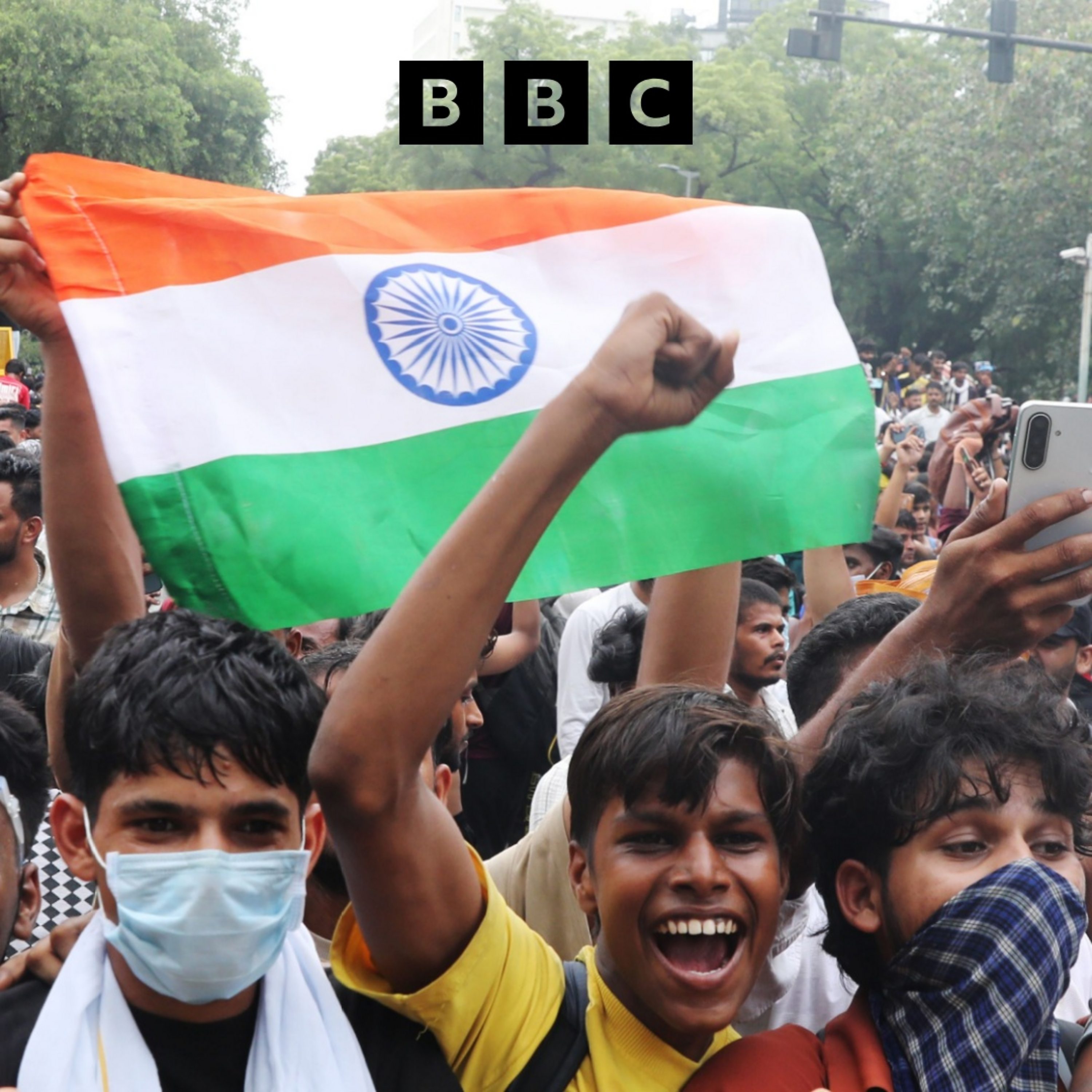
Power Players: India's 'cockroach' protests and youth jobs crisis
This week, Will and Rahul speak to business correspondent Arunoday Mukharji in Delhi about how India's youth unemployment crisis helped force the resignation of the country's Education Minister and why it could mark a turning point for India's Gen‑Z. Exam leaks and a shortage of opportunities have sparked some of the biggest youth protests in years, raising difficult questions for the government.

Founders: Leah Solivan on building and selling TaskRabbit
Leah Solivan, founder and former CEO of TaskRabbit, reflects on building one of the world’s most successful gig-economy platforms. She discusses the pressures of scaling a multi-million-dollar business, the stress-related illness that left her in hospital, and the decision to eventually sell TaskRabbit to IKEA. Presenter: Sarah Rogers
Producer: Niamh McDermottYou can email the team: businessdaily
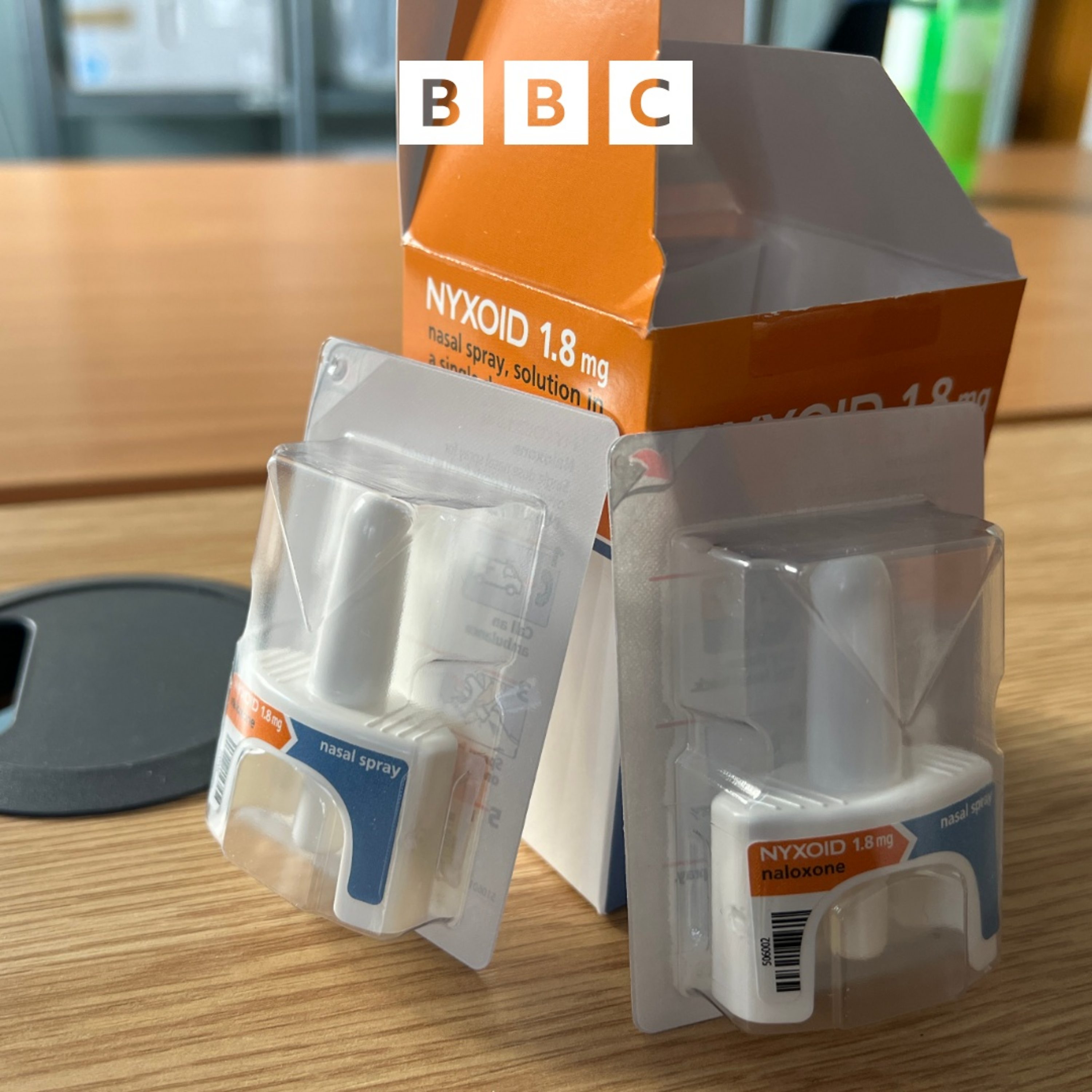
Follow the money: The antidote economy
**This episode of Business Daily begins with a real call to 911**
There is an antidote for an opioid overdose. It costs a few dollars. The nasal spray technology means it can be administered without needles and can restart a person's breathing within minutes. So why doesn't it always reach the person on the floor? We following the money through the antidote economy. A life-saving drug that costs p
Sierra Leone: The cocaine trail
In the first of two episodes, Ed Butler investigates how one of Europe’s most wanted drug smugglers, Jos Leijdekkers, ended up in Sierra Leone while evading justice. He also explores reports linking Leijdekkers to the family of Sierra Leone’s president, including claims that he has married the president’s daughter.Presenter/producer: Ed Butler You can email the team: businessdaily@bbc.co.uk(Pictu
Taking stock: Is AI burning cash?
Will Bain is joined by Nga Pham in Hanoi and Takara Small in Toronto. Following the latest results from Alphabet and Tesla, both companies are under pressure to sustain spending as competition in artificial intelligence intensifies. Is Wall Street beginning to question the cost of the AI race? Plus, the mounting economic impact of Canada's wildfires, why ketchup-flavoured crisps have become such a
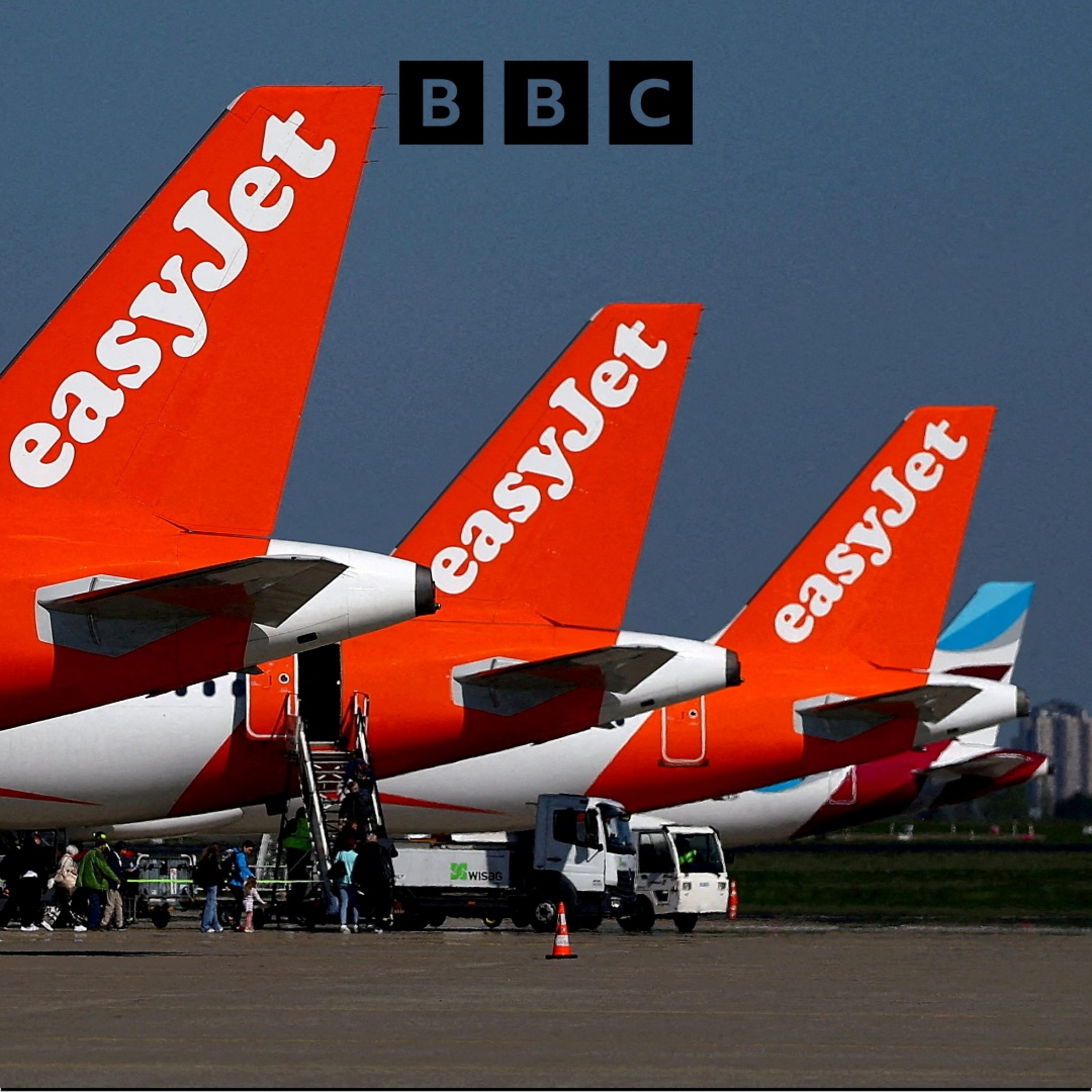
Power players: Turbulent times for budget airlines
Cheap flights transformed the way we travel, helping millions of people fly more often and opening up destinations that were once out of reach. But rising fuel costs, changing passenger habits and growing pressure on the low-cost airline model are forcing budget carriers to adapt. Rahul Tandon and Will Bain explore what is driving the turbulence and what it could mean for fares, competition and th
Founders: Olio CEO Tessa Clarke's fight against food waste
Tessa Clarke is the co-founder and CEO of Olio, the food-sharing app helping millions of people reduce waste by sharing food and household items with their neighbours. She explains how a simple idea grew into a global movement, the challenges of convincing investors to back it, and why changing human behaviour may be key to tackling climate change.Presenter: Leanna Byrne
Producer: Barbara GeorgeYo

Follow the Money: The Memecoin Economy
Search for "memecoin" on social media and you'll find plenty of videos offering advice on how to invest and grow your money, with some claiming they can help you make a million. But you don't have to look far to find people who have lost money, and lots of it. So where does the money actually go? Sam Fenwick explores the cryptocurrency phenomenon that almost anyone can launch, including presidents

The hidden cost of the gold rush
Artisanal mining accounts for around 20% of global gold production and generates an estimated $30 billion a year for some of the world's poorest communities. But the trade is also linked to criminal networks and environmental damage. Ed Butler explores the forces behind the global gold rush and who is bearing the cost. Presenter/producer: Ed Butler You can email the team: businessdaily@bbc.co.u
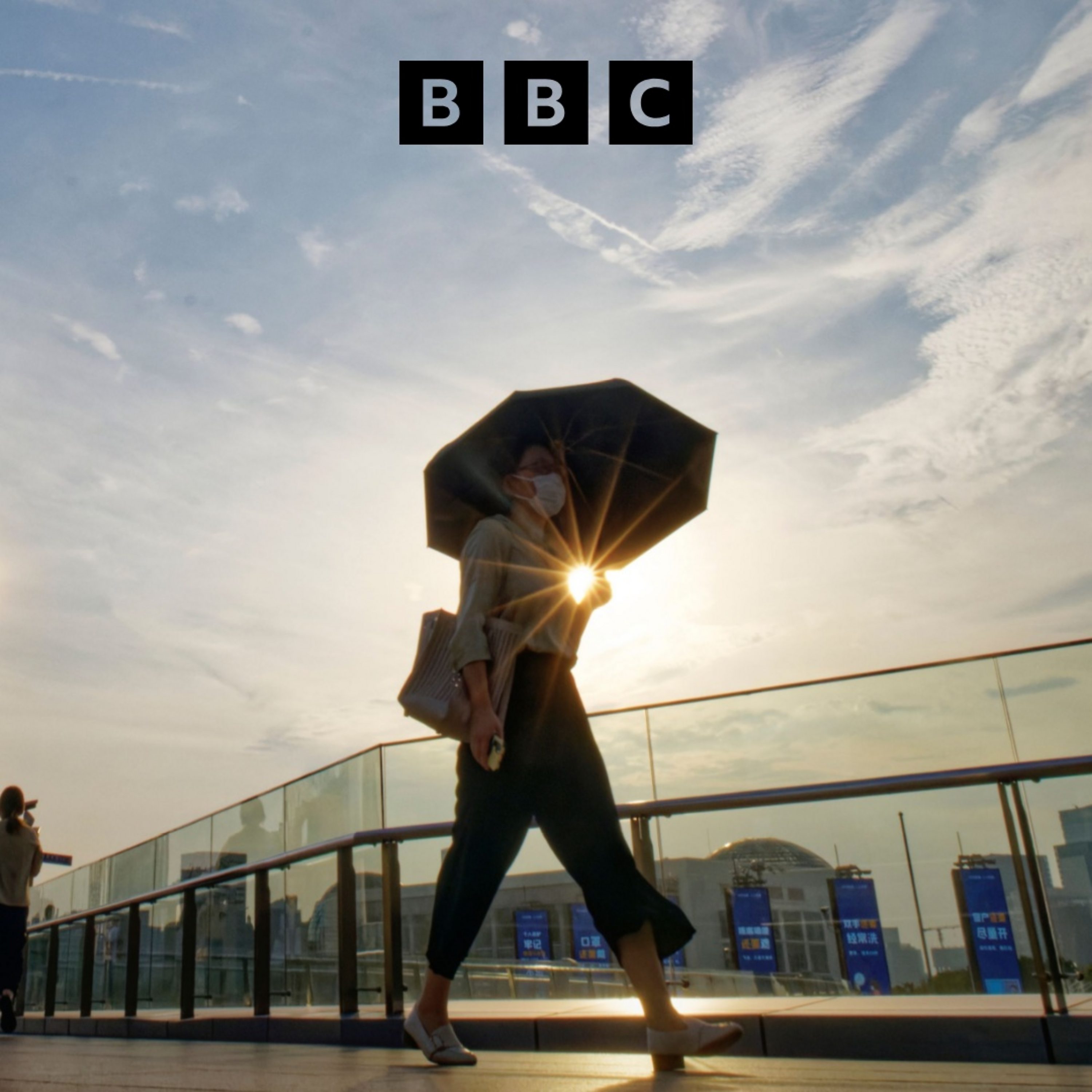
Taking Stock: A slower China and a durian glut
Connecting the timezones this week are Will Bain in London, David Kuo in Singapore and Emily Peck in New York to unpack the week's biggest business stories. China's economy has recorded one of its weakest quarterly growth rates on record, raising fresh questions about the country's outlook and the impact on the global economy. Plus, why prices for durian, the 'king of fruits', are tumbling across
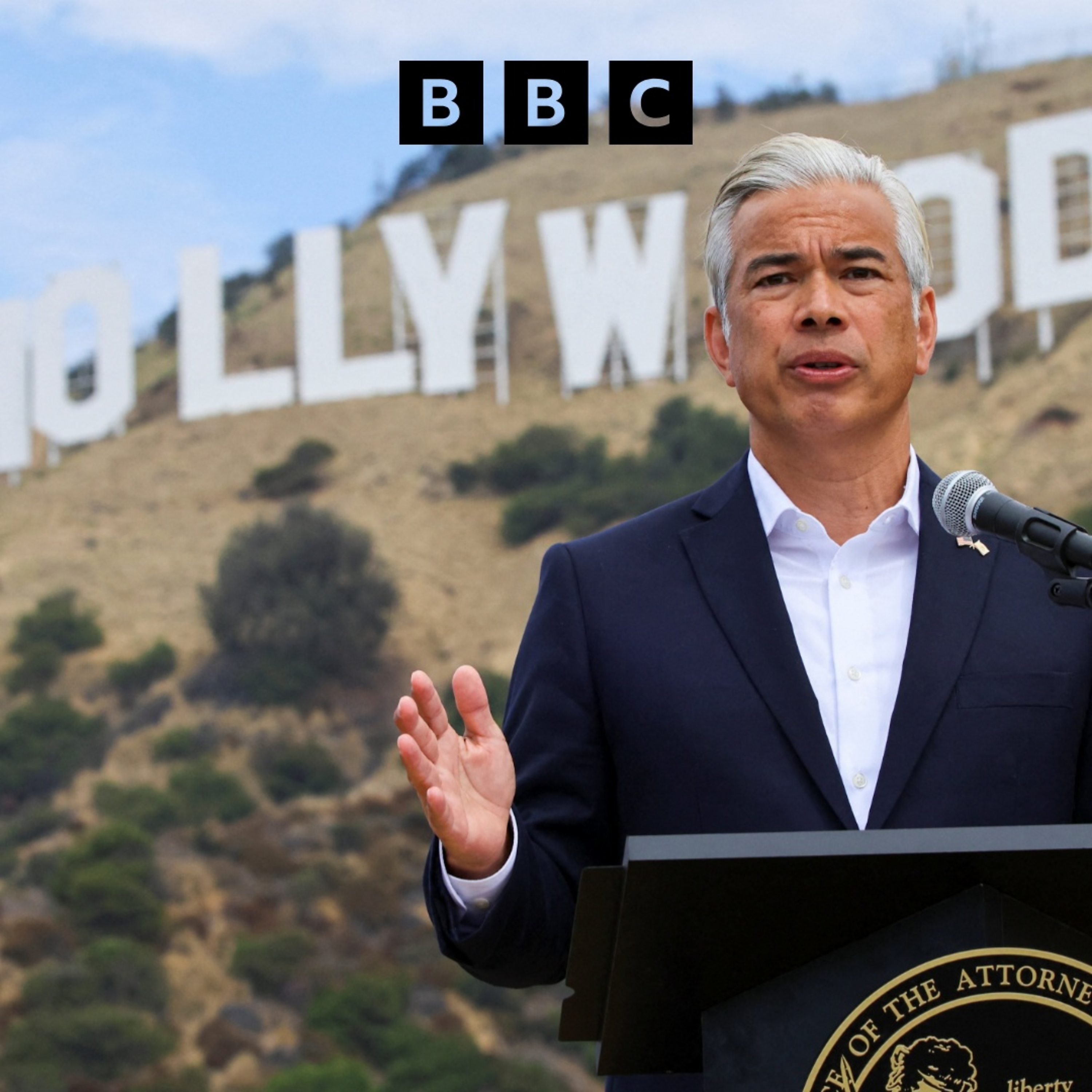
Power Players: Can the Paramount–Warner merger survive?
This week, Will and Michelle speak to Reuters entertainment business correspondent Dawn Chmielewski about how the Paramount–Warner merger could reshape Hollywood. Paramount and Warner Bros. Discovery want to combine in a $110 billion deal that would create an entertainment giant. Executives say it's the only way to survive the streaming wars, but now twelve attorneys general, regulators and a host

The Jude Bellingham brand
With the 2026 World Cup underway, here's another chance to hear how England and Real Madrid star Jude Bellingham became one of football's most marketable names. The face of several major brands, Bellingham has built a successful business beyond football. We explore the Jude Bellingham brand, his sponsorship and endorsement deals, and what makes him so valuable to some of the world's biggest compan
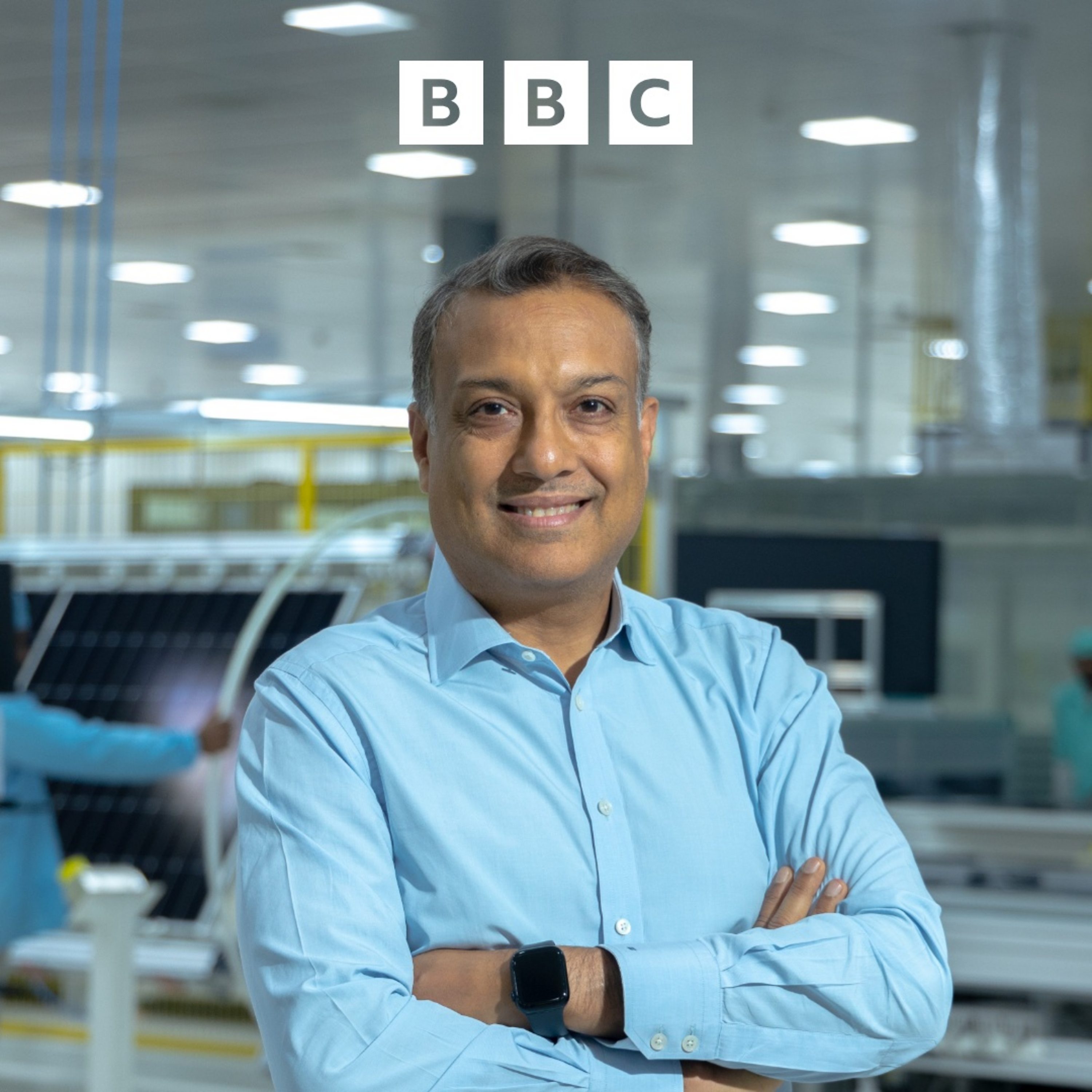
Founders: Sumant Sinha's bet on a greener India
Sumant Sinha is the founder of ReNew, one of India's largest renewable energy companies. He explains why he left a successful corporate career to pursue renewable energy, the challenges of building a business in a fast-changing market, and whether India can become a clean-energy superpower.Presenter: Leanna Byrne
Producer: Barbara GeorgeYou can email the team: businessdaily@bbc.co.uk(Picture: Suma
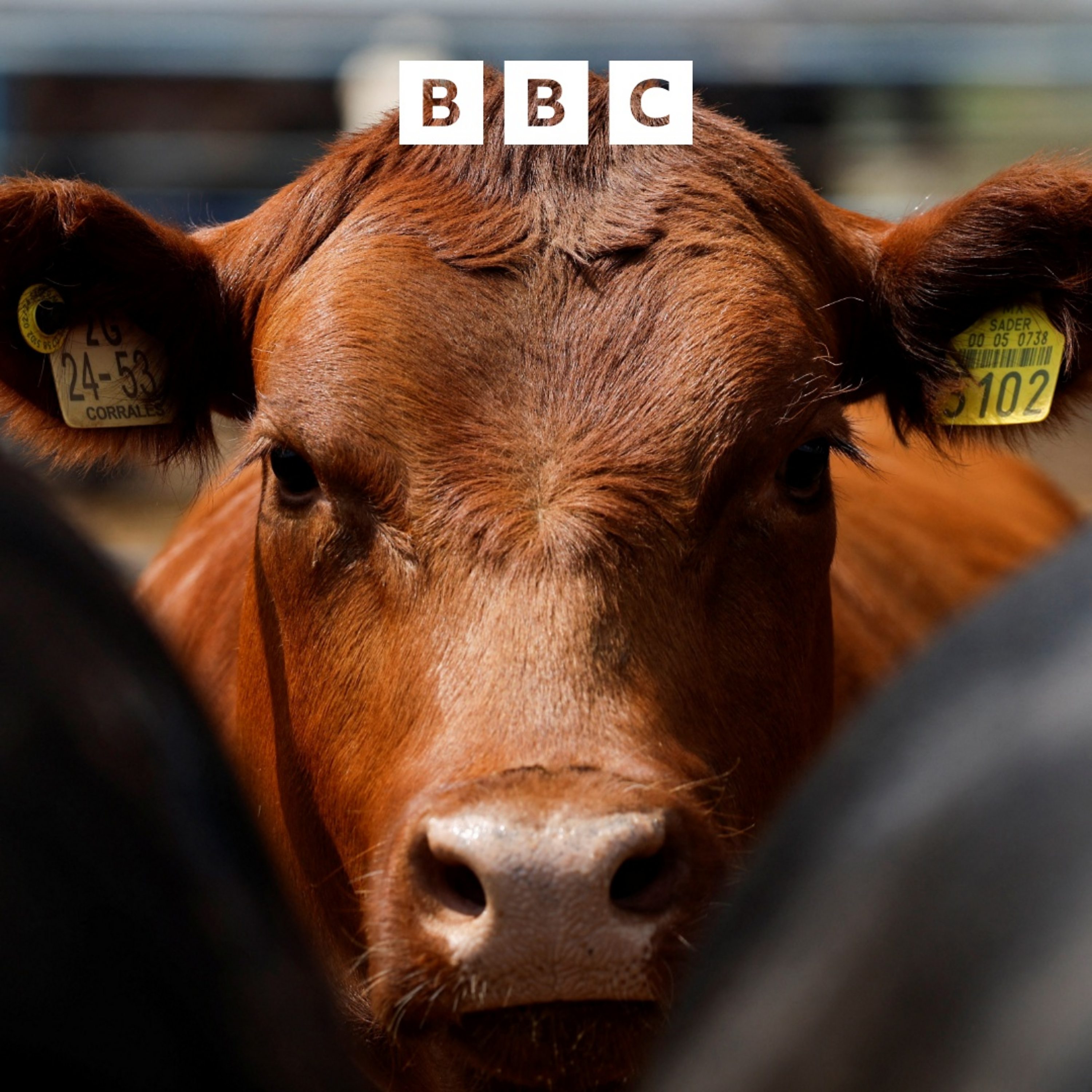
Follow the money: The beef with US beef
Why have US beef prices risen around 13% over the past year? Who is making money from the burgers and steaks Americans eat? Presenter Sam Fenwick speaks to a cattle rancher in South Dakota, an agricultural economist in Wisconsin, a meat packer in North Carolina and a restaurant owner in Nebraska to find out what is happening in this quintessentially American corner of the food market. We unpack th