When Diplomacy Fails Podcast
When Diplomacy Fails Podcast examines how wars broke out, how they were concluded, and their consequences. Hosted by Dr Zack Twamley, a qualified history nerd, the show features juicy diplomacy, sneaky intrigue, fascinating characters, and incredible drama. Current series covers the July Crisis, while the Patreon series explores the Age of Bismarck.
Episodes
Goodbye For Now
Between working full time and the impending arrival of baby WDF, I would be lying if I pretended as if nothing was going to change. It is, in fact, time to accept that I am only one man. But that's okay, because soon this man will be a daddy! A huge thanksss to you for sticking with the show, and although I cannot say when I'll be back, I promise you I will be...soon. Hosted on Acast. See acast.co
#70: July Crisis Q&A
During this series we have encountered a wide variety of fascinating characters and controversial decisions, but even though the story of why the world went to war in 1914 is finally finished, that doesn't mean we covered everything. After over a year of content, I felt it was only right to turn the mic over to you. What still leaves you puzzled? What do you think deserves more attention? What par
State of the Podcast Address 21 July 2025
It's been a while since I last checked in with you, and I've been sitting on some incredible news for a while now. If you'd like to know how things are about to change, then make sure you listen in! Hosted on Acast. See acast.com/privacy for more information.
#69: The First World War - Whose Fault Is It Anyway? Part 3
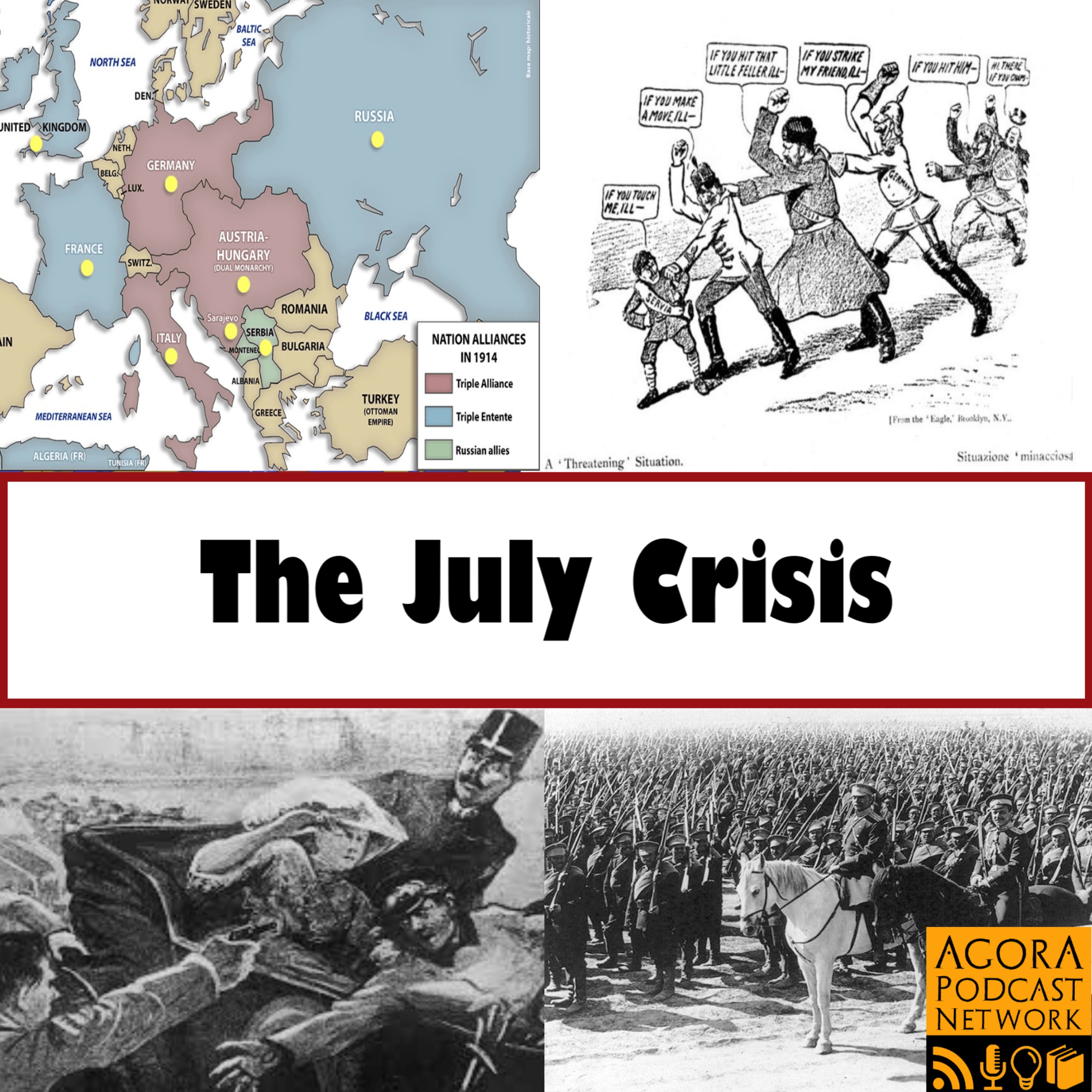
In our final part, we bring this saga of a series to an end by focusing our attention on the most focused on country of all - Germany. We know what Germany did from 1 August, from the declarations of war to the rape of Belgium, but what about before? What about the period 29-30 July, when the war truly became inevitable? Would it surprise you to learn that the Germans were the ones attempting to p
#68: The First World War - Whose Fault Is It Anyway? Part 2
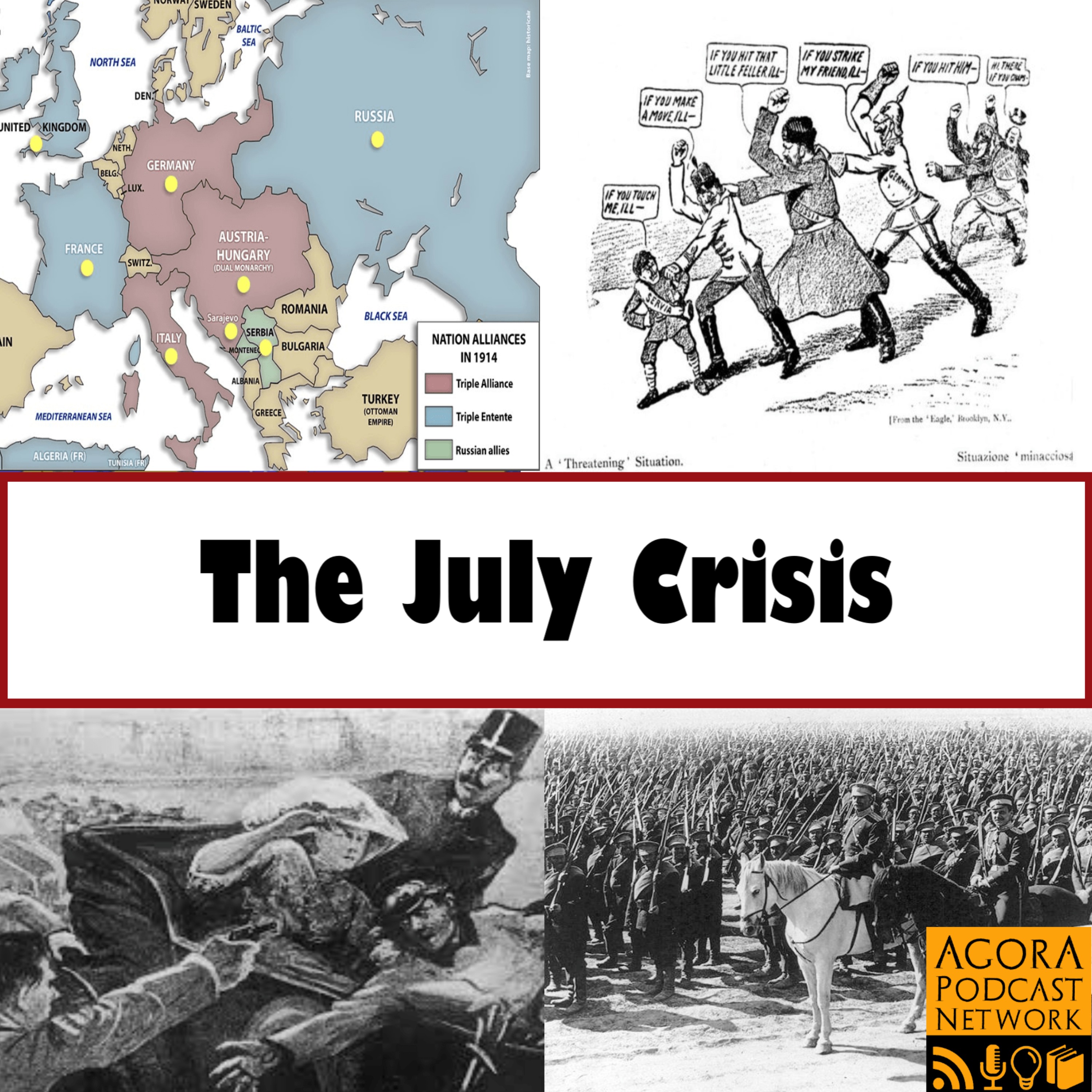
For generations, examinations of the First World War excluded arguably the most important actor - Russia. In this episode, we will hone in on the Tsar's court and his ministers. We will analyse their mindset at crucial moments in the crisis, particularly the 29-30 July, where general mobilisation was approved against Austria and Germany. What was the meaning of this act? Was it based on sound logi
#67: The First World War - Whose Fault Is It Anyway? Part 1
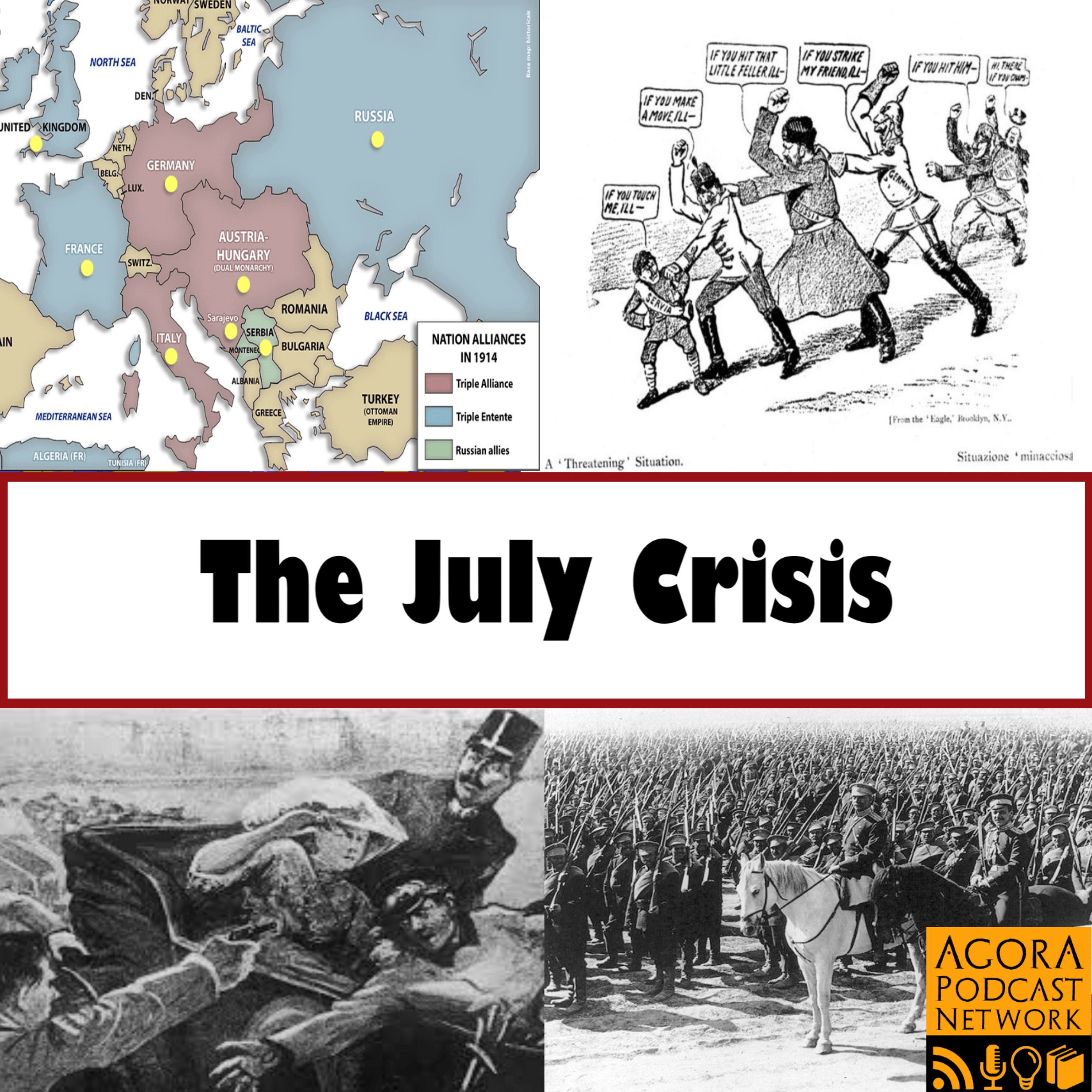
By now we've seen the absolute worst that Europe had to offer in 1914. We've seen naive statesmen, misinformed statesmen, distrustful statesmen, desperate statesmen, and everything in between. But when it comes to the question of who was responsible or whose fault the outbreak of war actually was, how can you condense the last 60+ episodes into a coherent, satisfying answer? In this first instalme
The Unreality of Realism w/ Alexander von Sternberg
Something special for you here - Alex and I had a great conversation about realism in international relations on his History Impossible podcast, and he was good enough to let me publish it on my feed. If you like political discussions, current affairs, and hearing a bit more about my academia journey, then have a listen to this episode. A huge thanksss to Alex for having me on, and make sure to ch
#66: The July Crisis - Conclusion
What have we learned after 65 episodes of background, analysis, and day-to-day coverage of the most consequential diplomatic failure in human history? What can we say about those responsible for what happened, and is there any value in searching for guilt? Can we distinguish between guilt or responsibility? Is it a cop out to not look for culprits? Should we search for reasons instead?The July Cri
#65: 5 August 1914 - 'This Frantic Stampede to Hell'
The world was at war, and there was much to do. In London, attention turned to the British Expeditionary Force. The BEF had been ruled out several times before, but that did not have to matter. How many divisions could Britain send, and to where? What of the Dominions, or India, or Egypt? How could one balance imperial possessions with European defence imperatives? At least, the Cabinet was mostly
#64: 4 August 1914 IV - The Final Countdown
With only hours left until the ultimatum expired, the mood in London and Berlin was anxious and excited. Was this truly it? Was the Anglo-German relationship now destined to die in a war over Belgium? Some could not bring themselves to believe it, but in London, the Cabinet was at least agreed. Once the clock struck 11PM, a war which had been impossible to imagine scarcely a few weeks ago was now
#63: 4 August 1914 III - A Mere Scrap of Paper
The 1839 Treaty on Belgian neutrality was a mere scrap of paper - that was the phrase which doomed Bethmann Hollweg, and Germany, to moral condemnation. It was the excuse which conquerors of all shapes and sizes had trotted out, when what they really meant was might makes right. Britain and the allies subsequently made great capital out of this faux pas, but this had led to some important question
#62: 4 August 1914 II - The Last Ultimatum
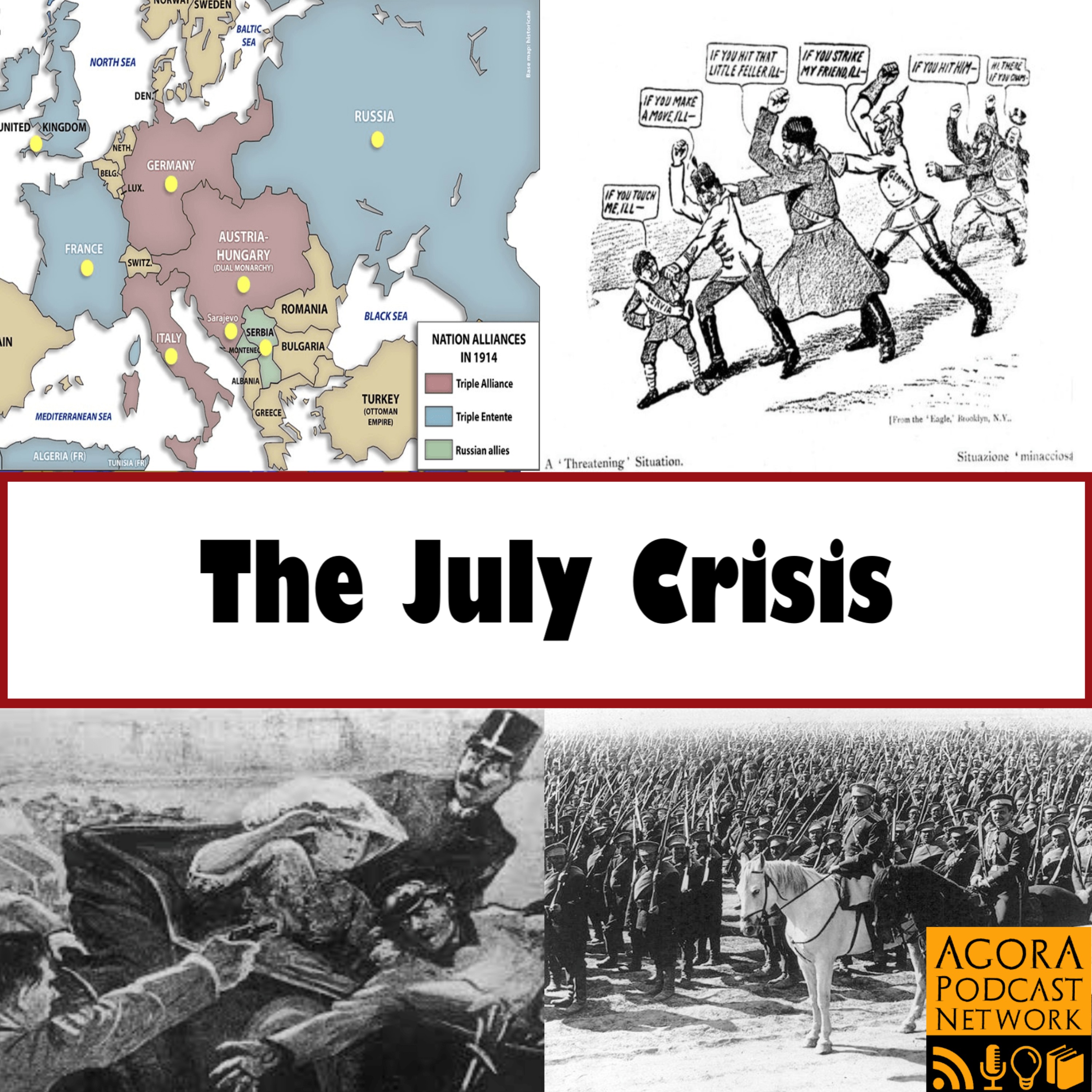
No matter what Britain did, it was impossible for Germany to evacuate Belgium. War was inevitable. Why, then, did most of Britain not even realise it?The straightforward image we have in our minds of Britain taking a stand against the flagrant violation of Belgium is, in fact, a somewhat airbrushed picture. We may be surprised to learn that the British warnings to Germany failed to mention war, bu
#61: 4 August 1914 I - Into Belgium
Germany's invasion of Belgium had finally begun. After several anxious days of negotiations, warnings, and second guessing, Berlin was firmly set on its path. But what path was that? War had been declared on Russia and France, and now Belgium was in their warpath, but was their any wider strategy than that devised by Moltke? Indeed, diplomacy continued despite the shattered peace, and Berlin chase
#60: 3 August 1914 IV - Who Turned Out The Lights?
In the evening of 3 August, Germany finally declared war on France. The war, Berlin insisted, was caused by hostile French acts, but most knew better. The Italians certainly did. In a series of painful communications between Berlin, Vienna, and Rome, Italian neutrality was crystallised. Austria could not give her the concessions she required, and the Italian people would fly to revolt rather than
#59: 3 August 1914 III - House on Fire
Finally, Sir Edward Grey was ready to make his case to the House of Commons. Parliament had been starved of news for a week, and the press had done their best to fill in the gaps, but the whole country was desperate for an update. What would the government do if the rumours were true, and Germany had invaded France? Was neutrality on the table? And what of Belgium, who was protected by a treaty? H
#58: 3 August 1914 II - Brussels Doubts
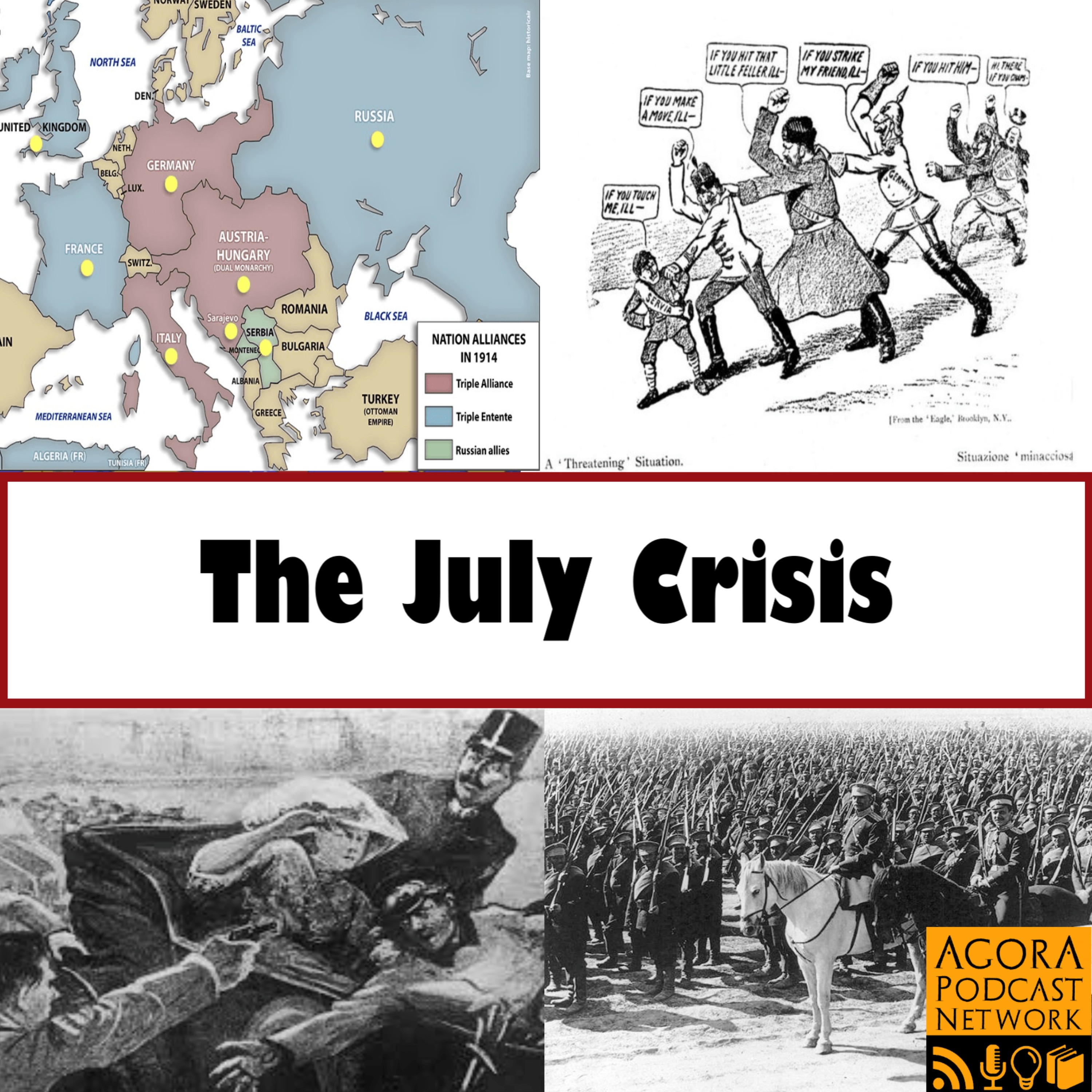
The German ultimatum to Belgium had roused the Brussels government and rallied the nation, but other than this, much was still unclear by the early afternoon of this Bank Holiday Monday. News of Belgium's determination to resist took a surprisingly long time to arrive, but more than that, how long was Germany willing to wait? Had she already begun her invasion of Belgium? Was she already at war wi
#57: 3 August 1914 I - Illusions and Delusion
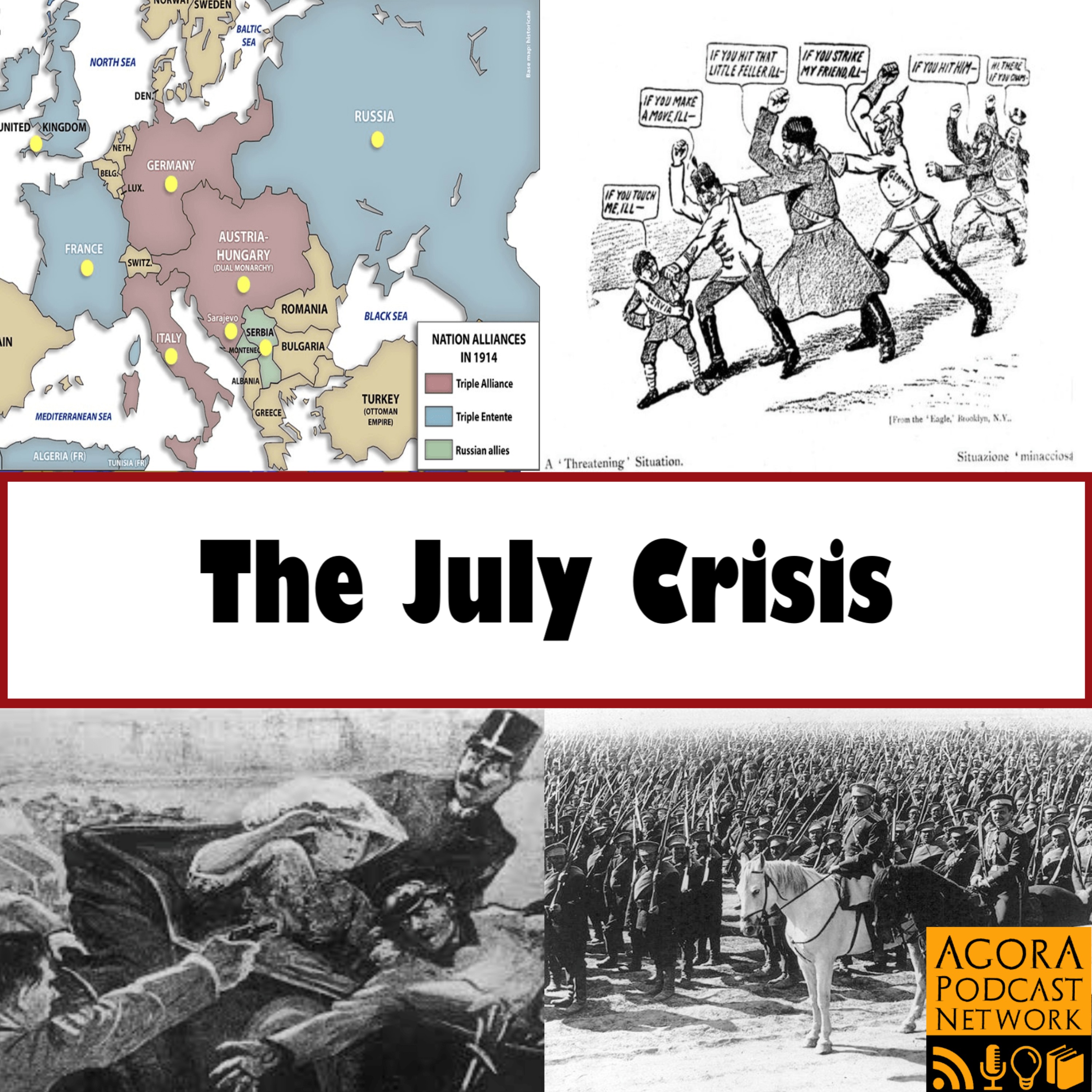
The German army was firmly in control of German policy, but its next steps were obvious to any contemporary with even the slightest grasp of the situation. The detour into Belgium had been flagged long in advance by the French, and could only be looked at in one way. The solution, though not officially announced in Berlin, was to manufacture a wide range of rumours of French border violations into
#56: 2 August 1914 IV - Let Loose World Madness
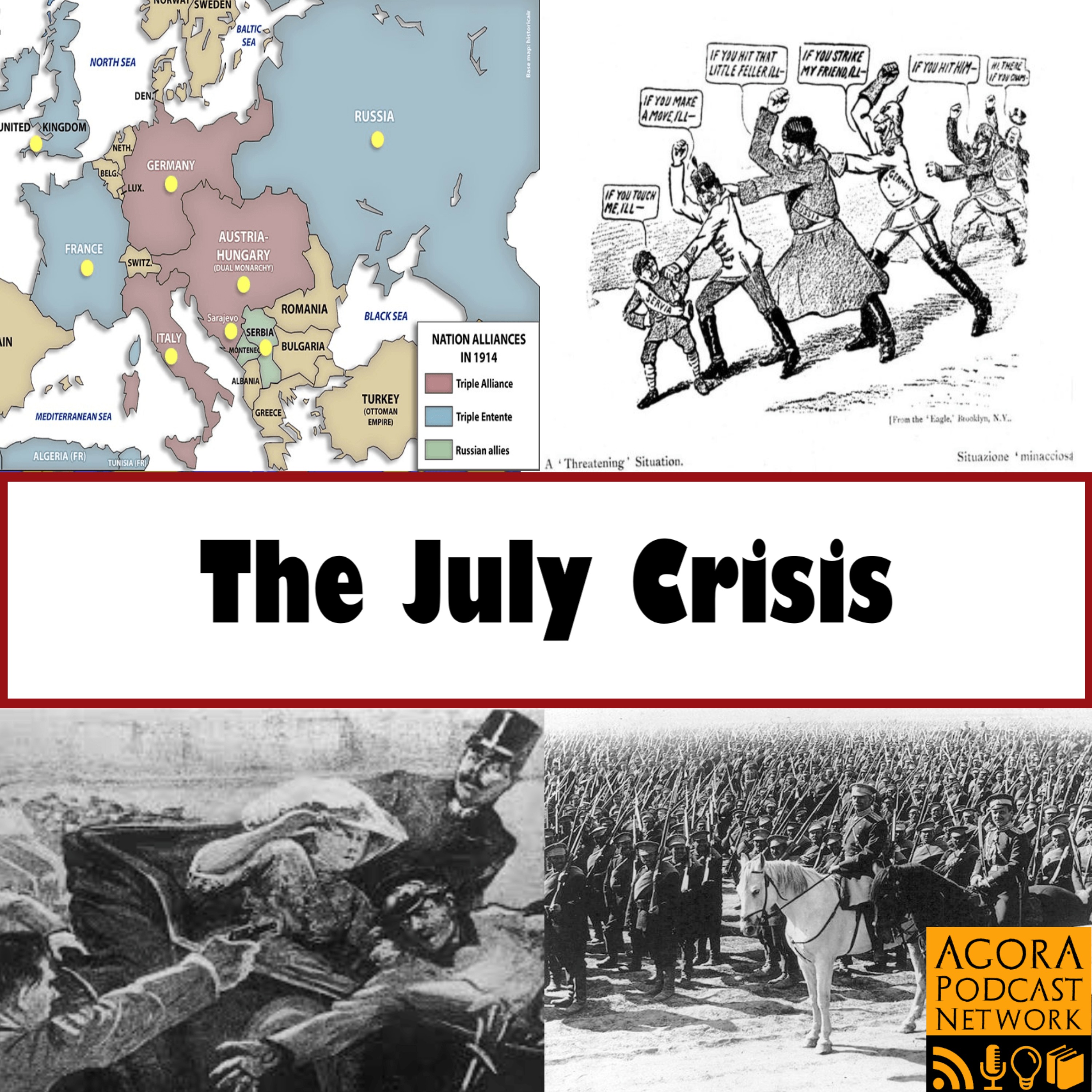
Even as Moltke examined Germany's strategic options, the world was turning against Germany. Berlin pressed its case by pointing out the Russian sins of dishonesty and pre-emption, but was anyone listening? Britain's diplomats in Berlin, St Petersburg, and Vienna had had enough. The news from Luxemburg was a clear sign of things to come, and even if they were sympathetic to the Kaiser's position, t
#55: 2 August 1914 III - Lichnowsky's Last Stand
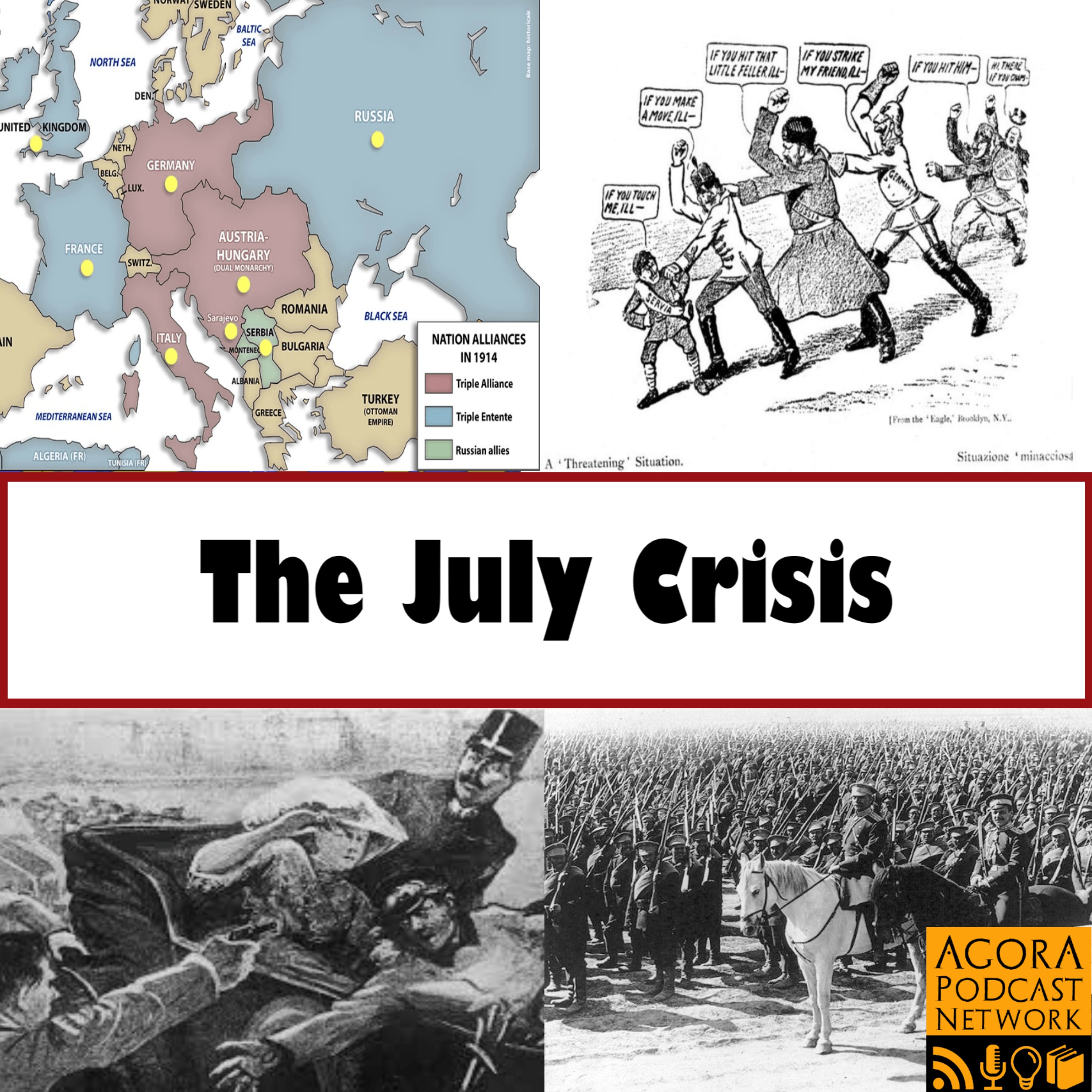
While Germany covered itself in infamy, the German ambassador in London did his best to maintain the fragile Anglo-German relationship. His mission was ultimately doomed, but no one could accuse Prince Max Lichnowsky of failing to try. An avid Anglophile and advocate of closer ties between the two countries, Lichnowsky continued to hope that his masters in Berlin could be persuaded that it was wor
The State of America w/ Thom Daly - Part 2
In this second part of my conversation with Thom, we discuss the unlawful way in which the Trump administration behaves at home, including its treatment of citizens who hold views which the President does not like. It is free speech for me, but not for thee, and we look at the historical context for these actions. Can anything stop Trump? Or are the courts as toothless as Congress and the press. W
The State of America w/ Thom Daly - Part 1
In this first of two episodes with Thom Daly, we focus on the United States and its position in the world following the Trump administration's many blunders and betrayals in foreign policy, trade policy, and many more things besides. If you believe what Trump has done is antithetical to America and what it is supposed to represent, then you'll be in good company. Please join us for a passionate co
#54: 2 August 1914 II - Britain Decides On War
The traditional picture of British intervention in the First World War normally comes down to one issue - Belgium. On 4 August, Britain did declare war on Germany. However, before this monumental step took place, Britain had already made its choice - or, rather, the British Cabinet had. The Liberal government was against intervention in a majority, and we have seen countless manifestations of this
#53: 2 August 1914 I - Into Luxemburg
The Schleiffen Plan demanded an invasion of the small Grand Duchy of Luxemburg, where German forces would seize key railway installations, facilitating their march into Belgium, and then to France. Of course, nobody told the Luxemburgers, but Berlin was very eager to make it clear that this unannounced invasion was not an invasion at all. Oh no, this was merely a precautionary measure, essential f
#52: 1 August 1914 IV - Desperate Diplomacy
Now that it was clear Germany would have to face the Entente, and likely Britain's imminent intervention, Berlin became much more active in sending diplomatic feelers across Europe. Romania, Bulgaria, Italy, and the Ottoman Empire, were all ideal targets. Some were erstwhile allies, others convenient partners, but could they be relied upon now, when the war had become reality?In St Petersburg, the
#51: 1 August 1914 III - The Kaiser's Rollercoaster
We open with the shattered dreams of Kaiser Wilhelm II, as the British claim a 'misunderstanding' must have occurred to make Berlin believe Britain and France could remain neutral. The rollercoaster of emotions ended with Wilhelm's bitter confirmation to Moltke - he could do what he liked now. What Moltke liked to do and what he had to do were one and the same. It was time to switch back on the Sc
#50: 1 August 1914 II - 'There Must Be Some Misunderstanding'
In the final hours of peace, the German government was led to believe that a miracle had occurred. Incredibly, Britain had affirmed its intention not only to remain neutral, but to guarantee the neutrality of France as well. Where had such a monumental offer come from? Was it legitimate, or the product of a 'misunderstanding' between the German ambassador and the British government? In this episod
Trump Betrays Ukraine - What is America Doing?
After that disgraceful display in the White House, I couldn't stay silent any longer. Three years on from when I first offered my thoughts on the situation, in this very personal and raw episode, I cover the multilayered implications of the current crisis. What is Trump playing at? Is this new turn in American foreign policy going to fix anything, or is it merely emboldening Russia, weakening Ukra
#49: 1 August 1914 I - Rolling The Iron Dice
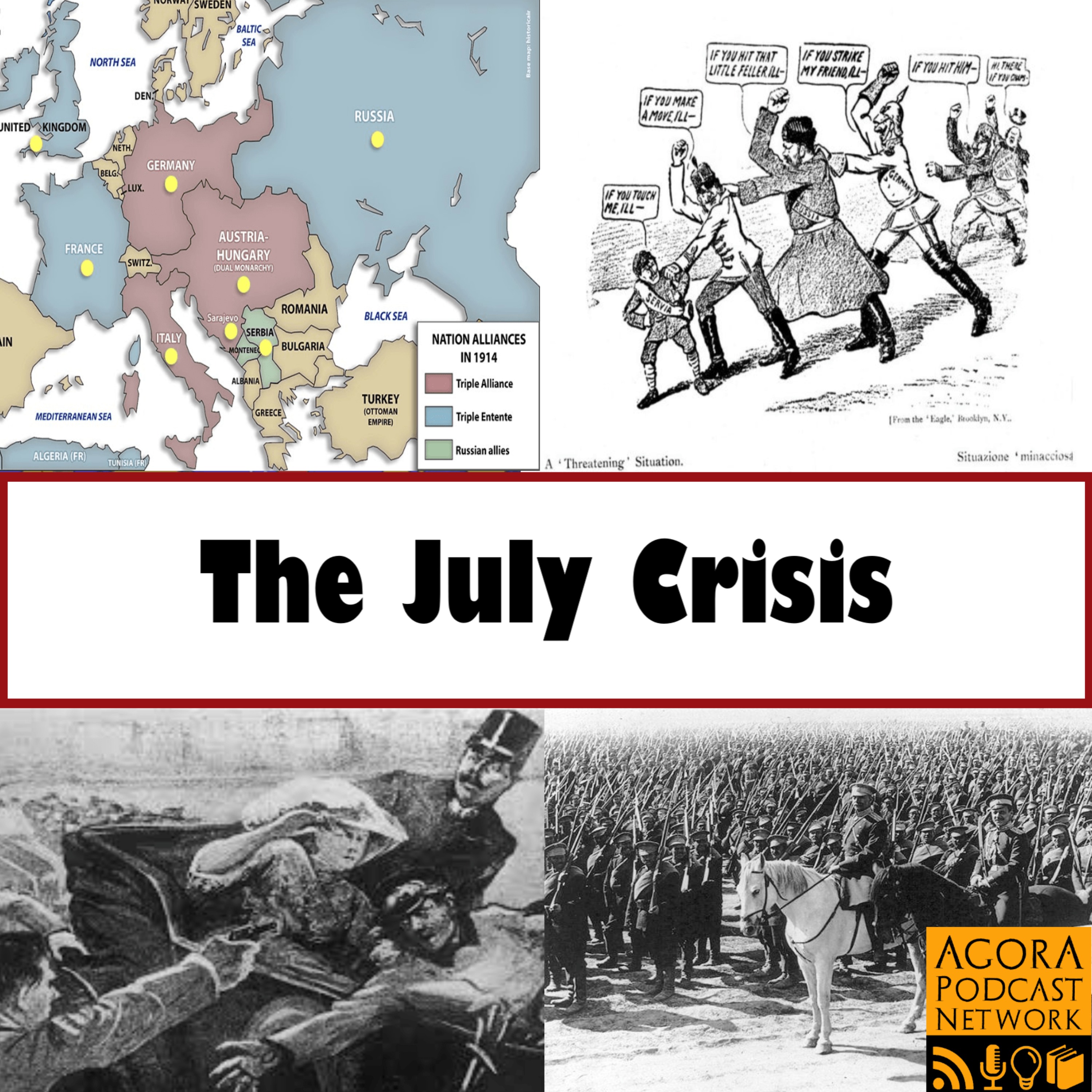
We're in the endgame now, but somehow, not everyone got the message.There was plenty of waiting to be done. Berlin was waiting on Russia's reply to its ultimatum, and France was also expected to reply, but the generals felt they could not wait. Who knew how far Russia's mobilisation had gone, or how close Germany was to disaster? With this added time pressure, the Kaiser approved general mobilisat
#48: 31 July 1914 V - Britain On Defence
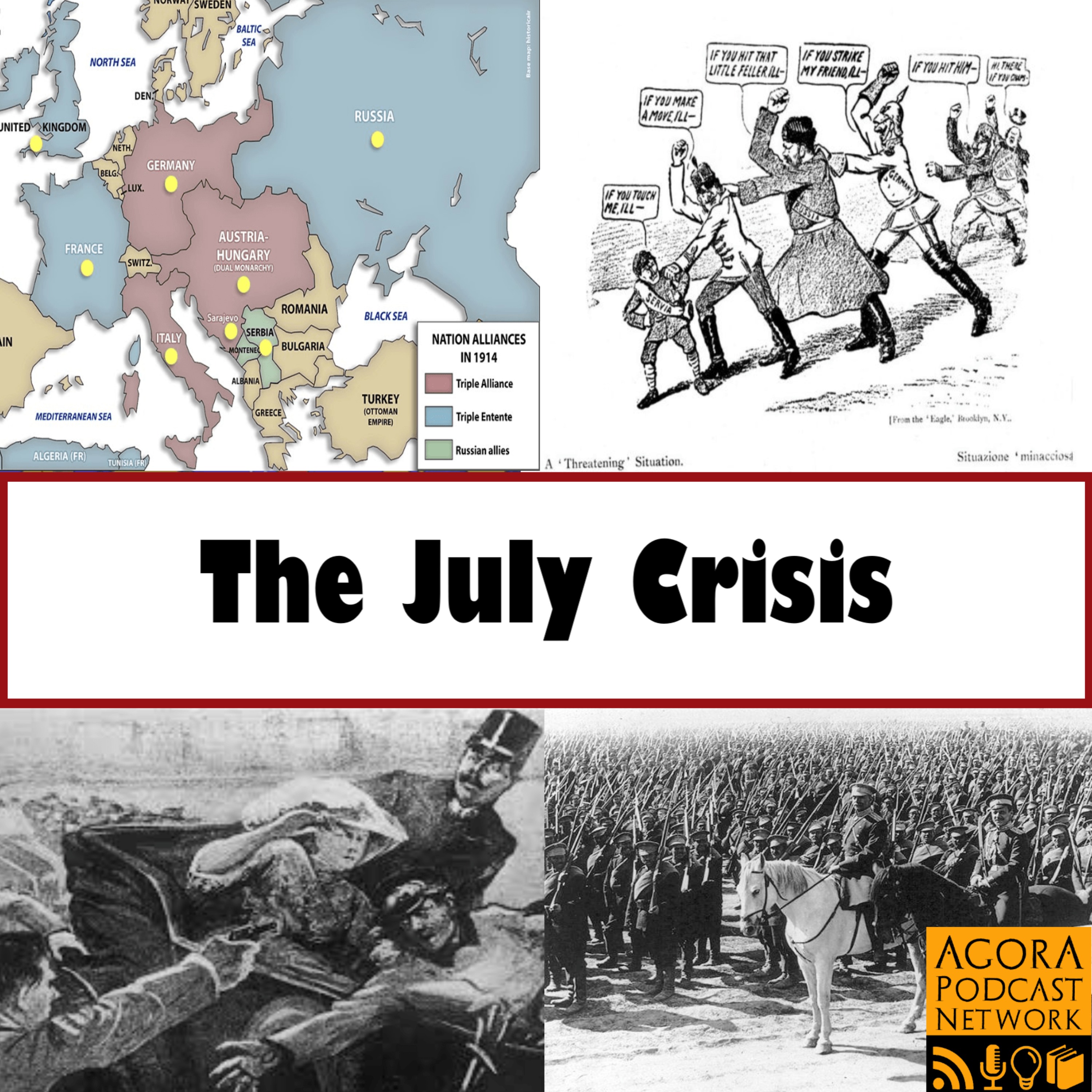
In our final JULY episode of the July Crisis, we return to Britain, where the pressure was building to make a decision. Russian mobilisation was clearly in the air, and if the news was true, German mobilisation would soon follow. Was peace possible even now? Many in Britain insisted it could, and declared that to fight a war in the name of a far off Austro-Serbian conflict was anathema to British
#47: 31 July 1914 IV - 'A Finger's Breadth From War'
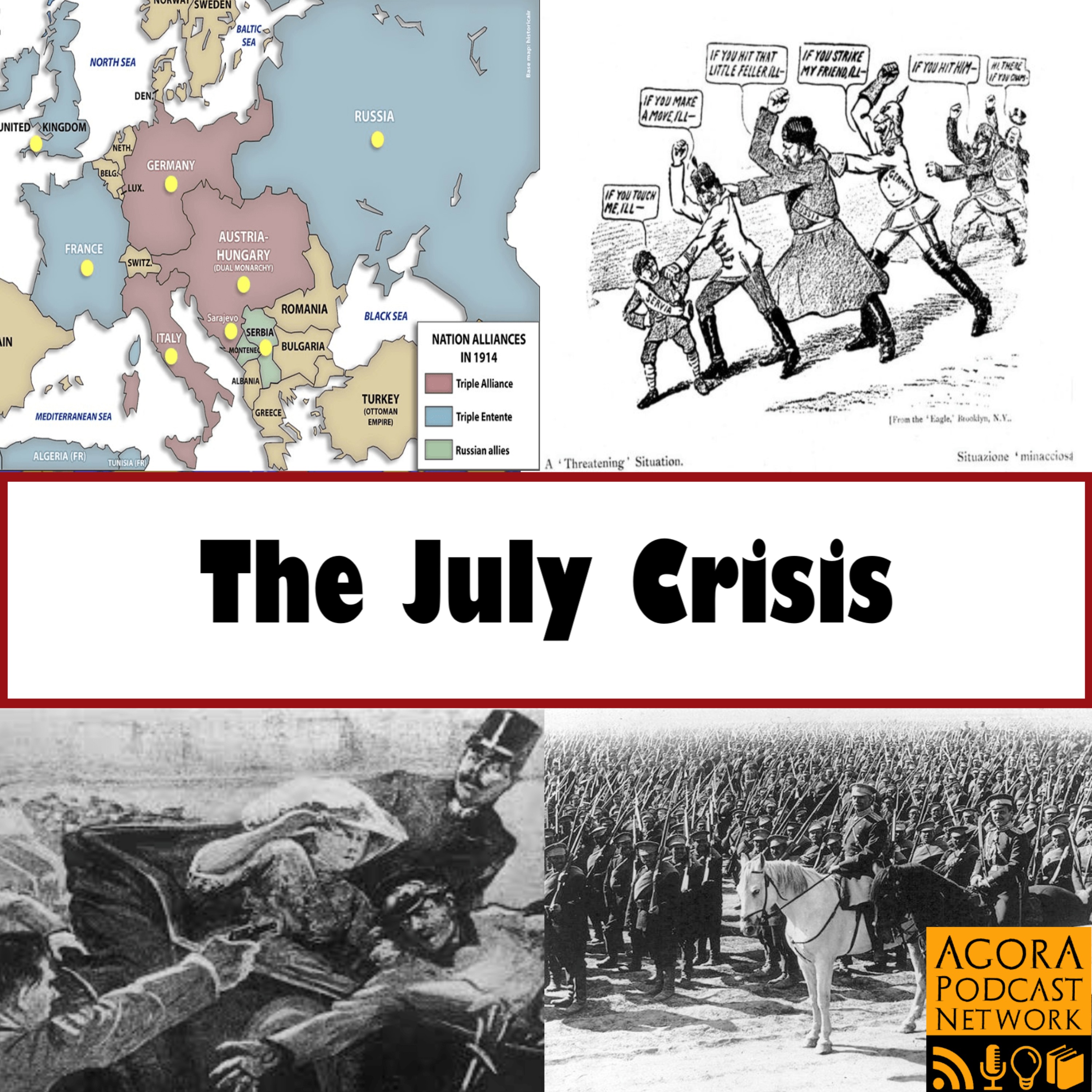
Now that Berlin had accepted that war with Russia was inevitable, it remained to prepare the diplomatic ground.German diplomacy had worked behind the scenes to court Romania and the Ottoman Empire, but the latter effort bore the most significant fruit. The Italians were less dependable, but there remained precious little time to persuade Austria to grant her the required concessions. And yet, the
#46: 31 July 1914 III - 'We'd Like Those Chaps To Be In It Too'
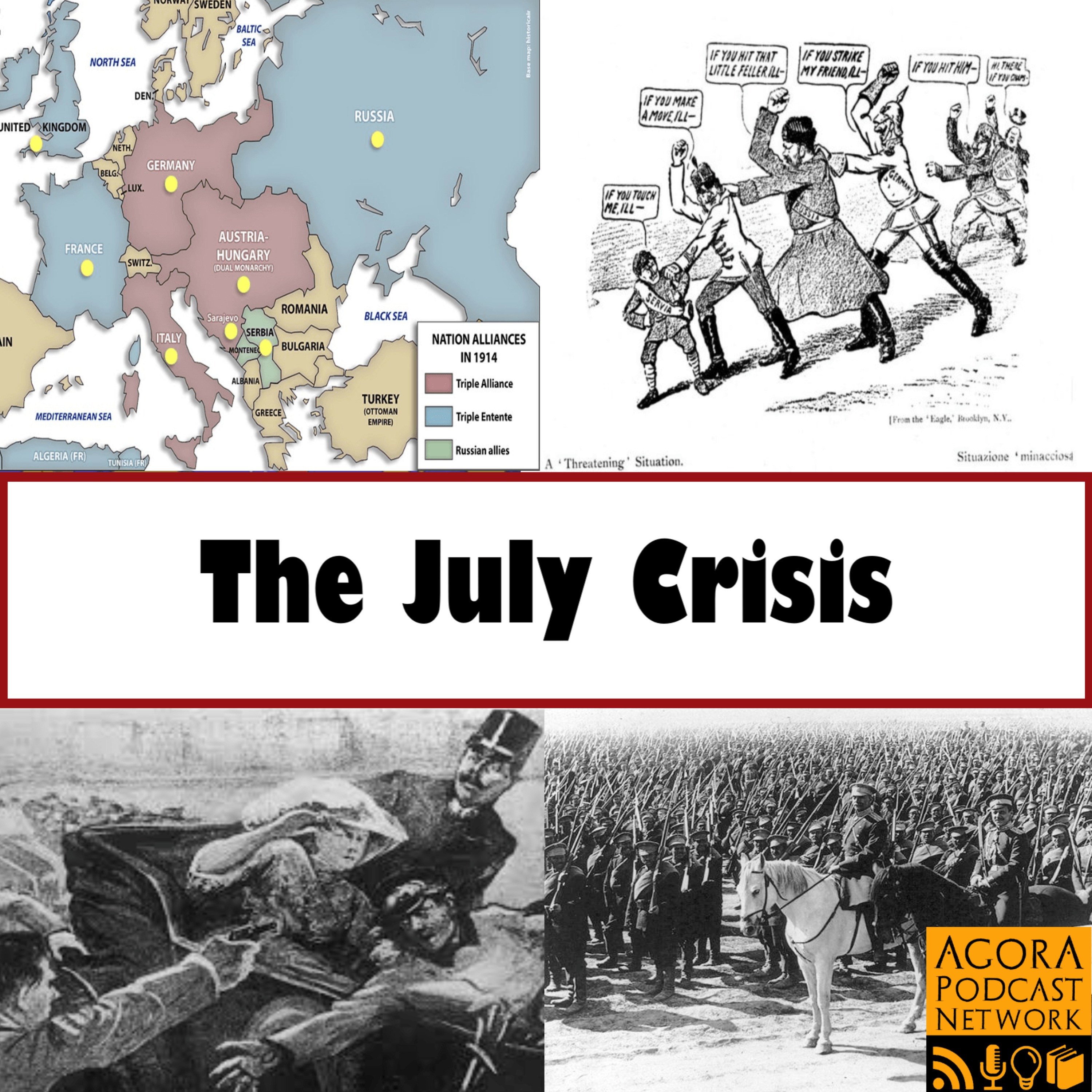
As the news of Russian mobilisation and Germany's Kriegsgefahr spread across Europe, urgent telegrams followed.Whether in London, Berlin, or Paris, the picture was becoming clearer, but that did not mean contemporaries were content to allow the march to war. The Tsar had burned his bridges in Berlin, as the disgusted Germans scoffed at his decision to mobilise while requesting their mediation
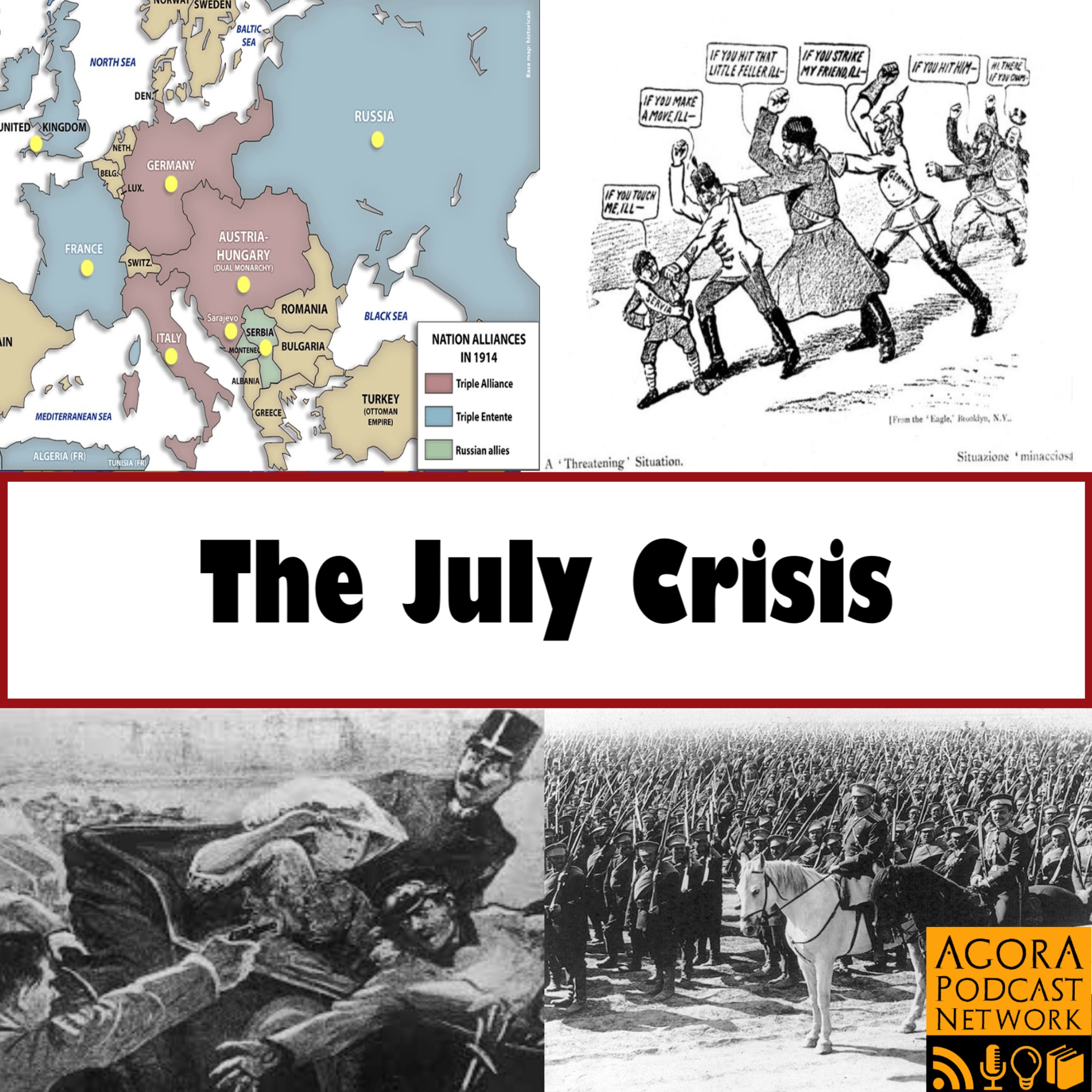
#45: 31 July 1914 II - From Russia with Lies
Russian general mobilisation was underway, and with red imperial posters announcing this grave new step, it could hardly be kept a secret. Yet, somehow, Germany seemed the only power truly in the loop. The question was, why were France and Britain unaware of it? Were they unaware, thanks to their ambassadors in St Petersburg, or had London and Paris chosen to ignore this seismic step, in their rus
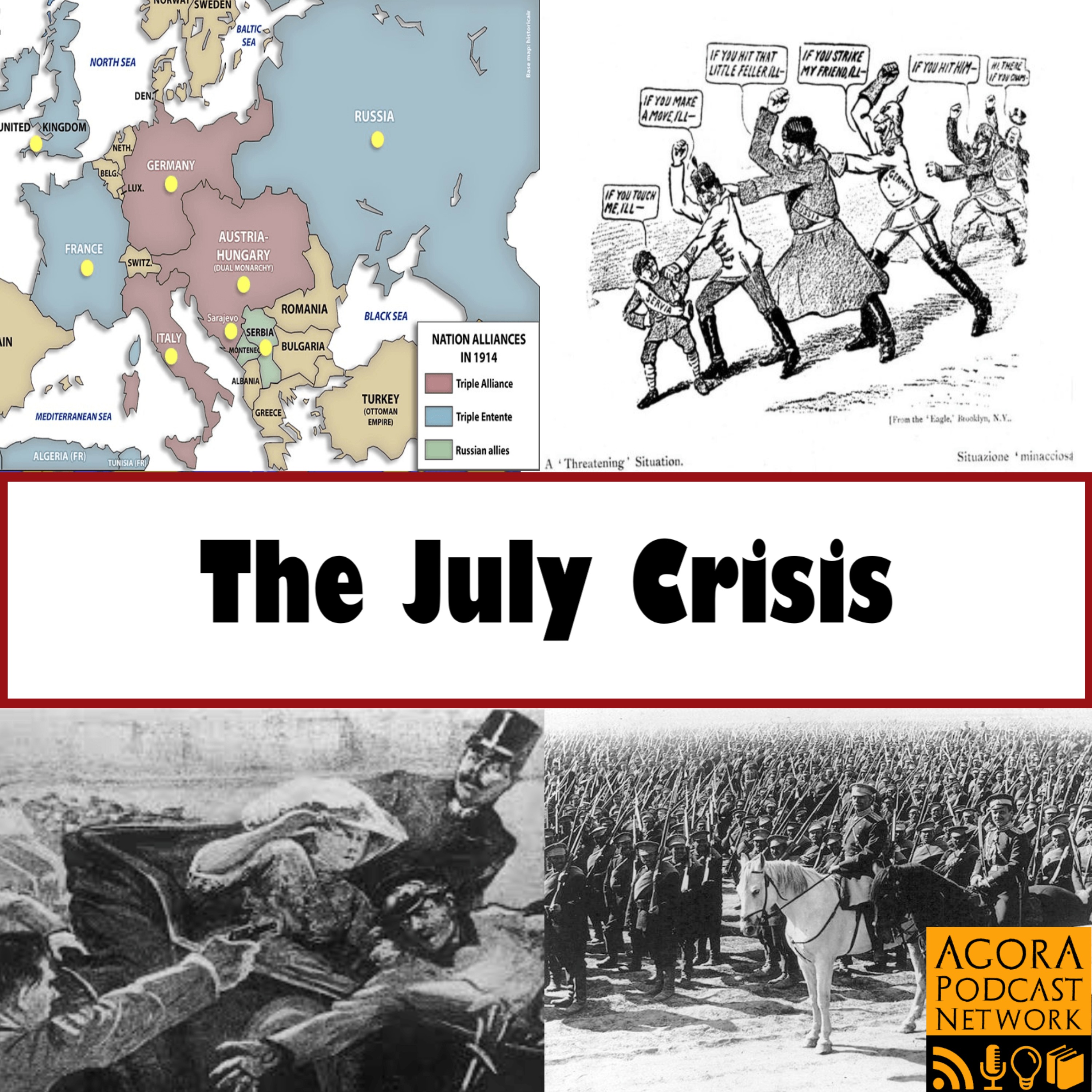
#44: 31 July 1914 I - Start Spreading the News
By now, Europe was on a knife edge.In Berlin, more and more rumours were pouring in that Russian general mobilisation was underway. In Vienna, no statesman was willing to make any concessions. Paris and London were both running shockingly blind. In St Petersburg, the morning of 31 July meant the official beginning of general mobilisation - with official red notices plastered across the city to dri
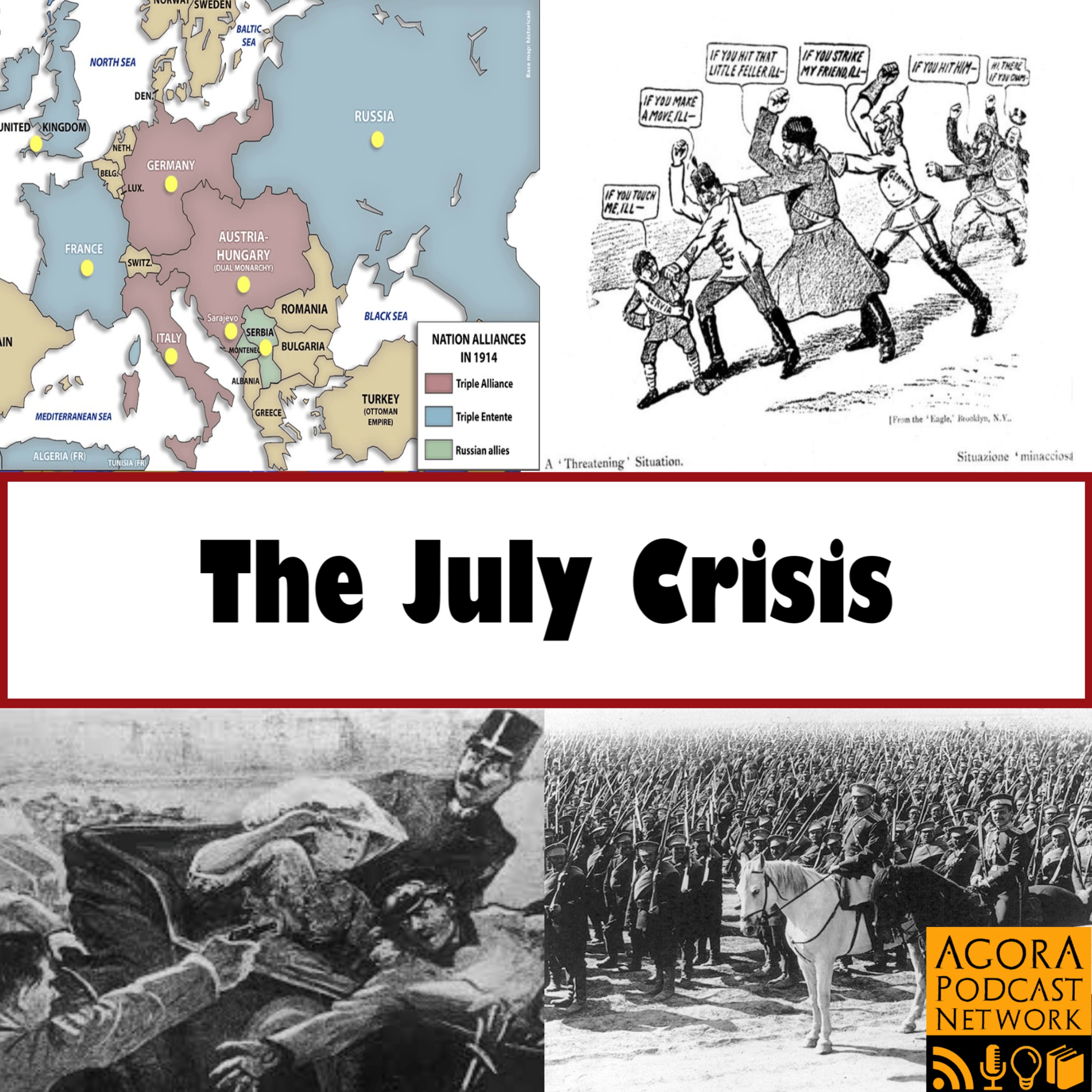
#43: 30 July 1914 V - Britain on the Fence
The 30 July was a turning point for the British Cabinet. When the German Chancellor made his bid for British neutrality, yet refused to guarantee the independence of Belgium or to rule out annexations of French colonies, it set in motion a terrible chain of events.Sir Edward Grey planned to use this faux pas to pile more pressure on the non-interventionists, who seemed to be growing in power every
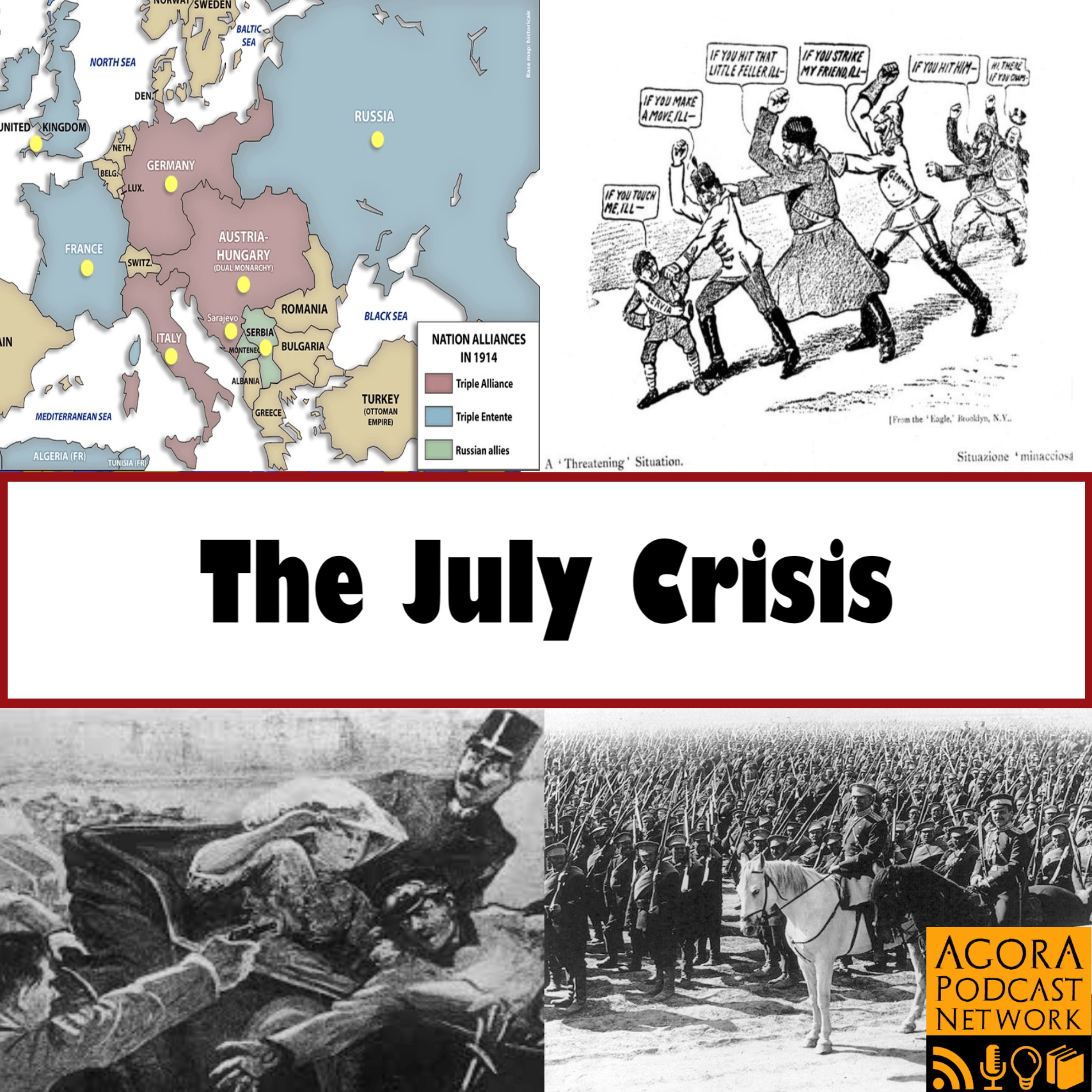
#42: 30 July 1914 IV - Smash Your Telephone!
The Russian decision to commence general mobilisation against Austria and Germany was made in the afternoon of 30 July, ultimately by the Tsar.It took 24 hours of intense pressure by several leading Russian officials, but after backtracking the previous day, Tsar Nicholas was finally persuaded to go all in. His anxious generals were told that there was no going back - he would not change his mind
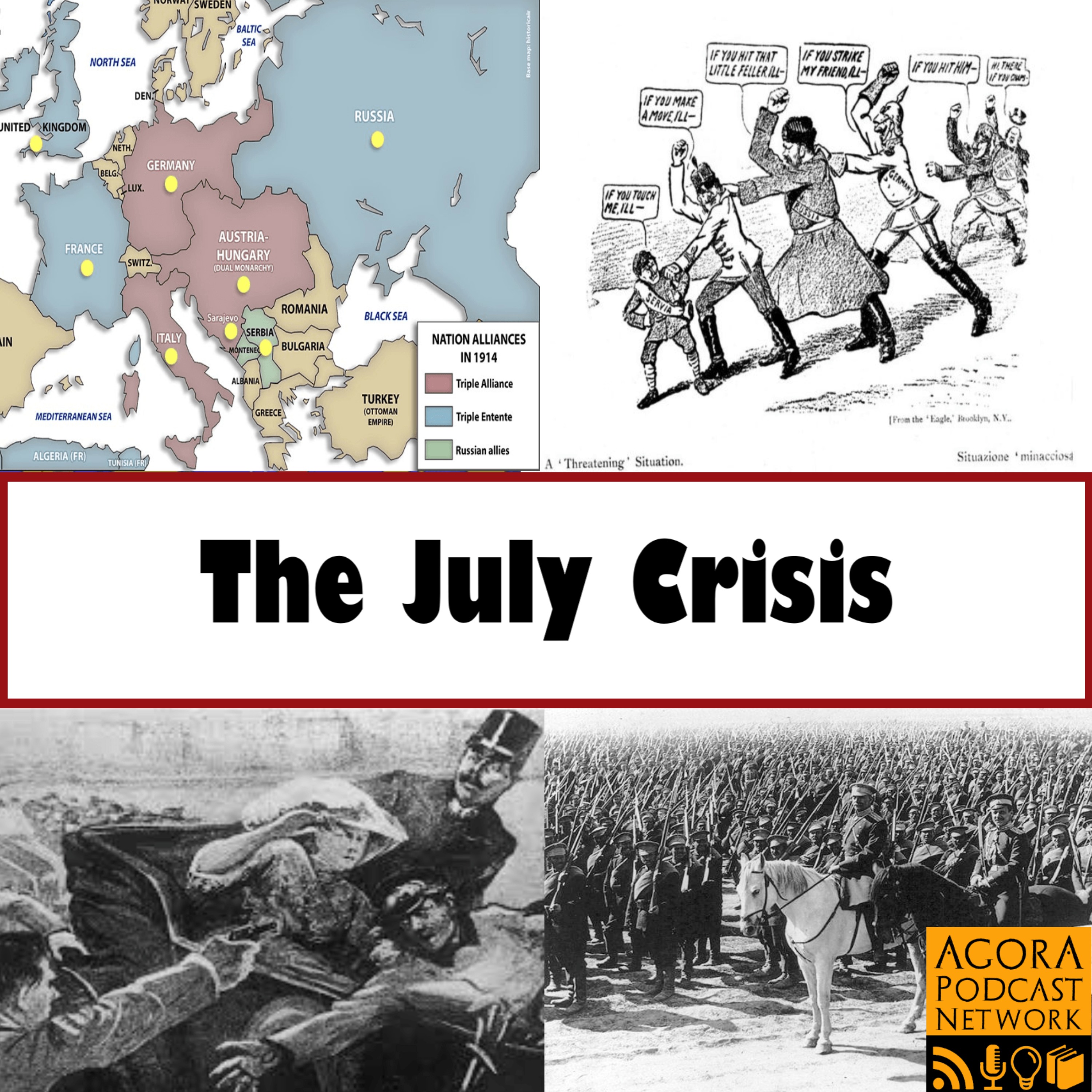
#41: 30 July 1914 III - Immediate Danger of War
Welcome to our first episode of 2025! We return to a pivotal moment in the crisis, when Germany experienced yet another 180 in policy.A day which began with a frantic German effort to pressure Austria into making concessions soon devolved into the more familiar mission - preparing the realm for war. What had caused this shift in German policy? Why had Bethmann Hollweg and Jagow given up on restrai
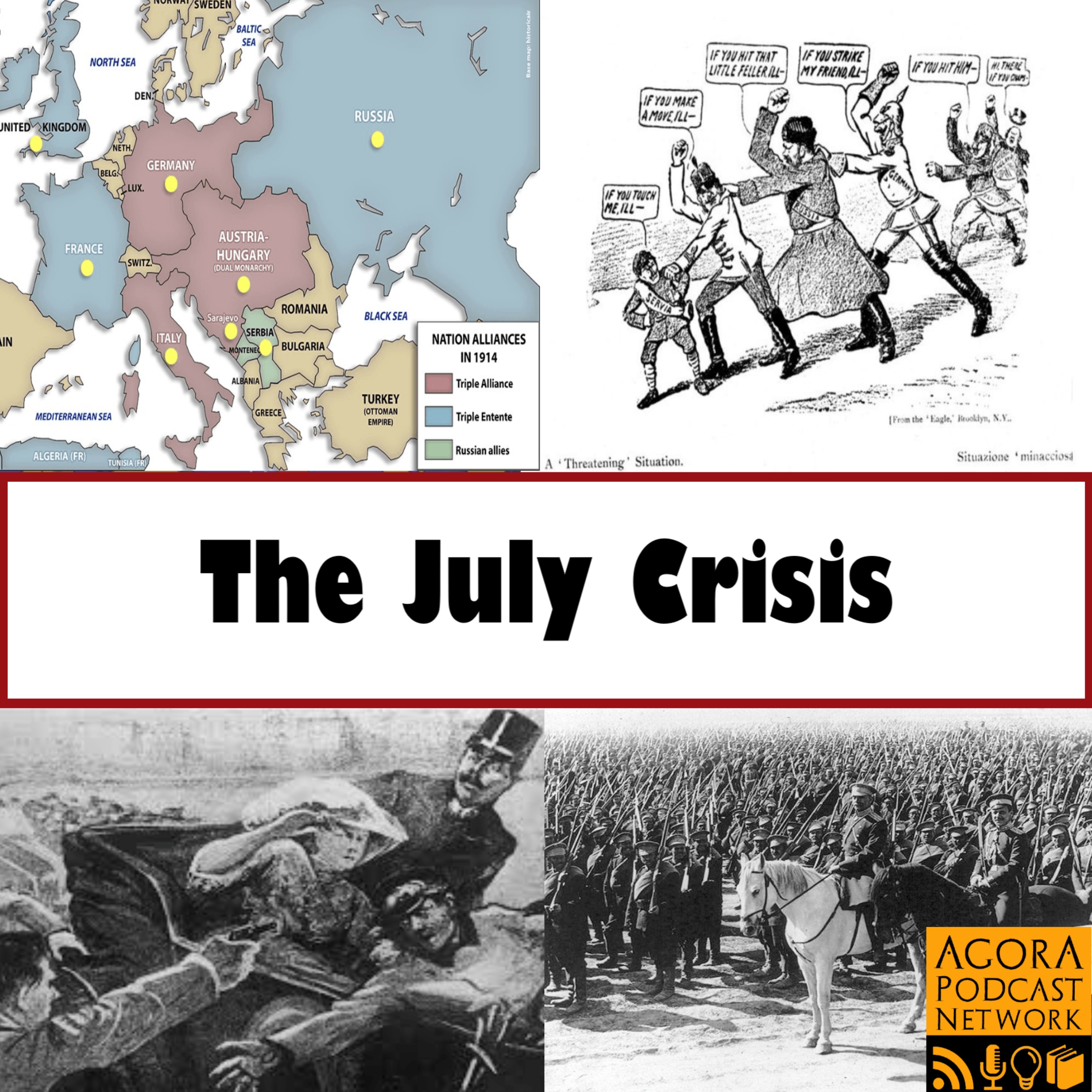
#40: 30 July 1914 II - 'A Very Ticklish Thing'
As Thursday 30 July progressed, one thing seemed clear to the German Chancellor and Foreign Minister - Austria had to be stopped, before the crisis deteriorated any further.Use the code KAISER to get 40% off your first month of a $5 membership on Patreon - 50+ hours of exclusive content including the Age of Bismarck await!Not sure what to get your favourite history friend? Why not give them the gi
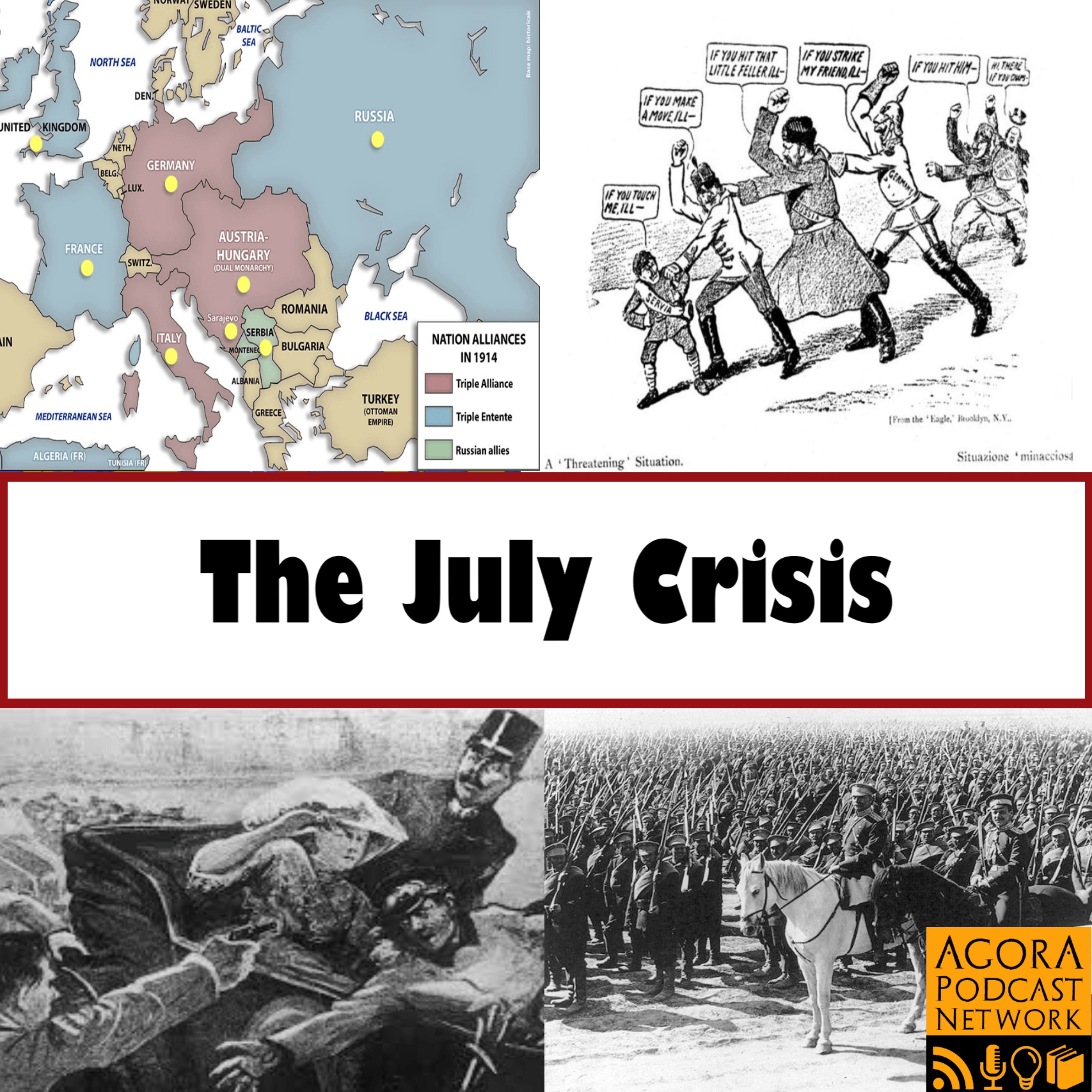
#39: 30 July 1914 I - Caught in the Net
Use the code KAISER to get 40% off your first month of a $5 membership on Patreon - 50+ hours of exclusive content including the Age of Bismarck await!Not sure what to get your favourite history friend? Why not give them the gift of a free month of our $5 membership?By the morning of 30 July 1914, the German government was undergoing something of an identity crisis. Was Berlin the resolute ally, d
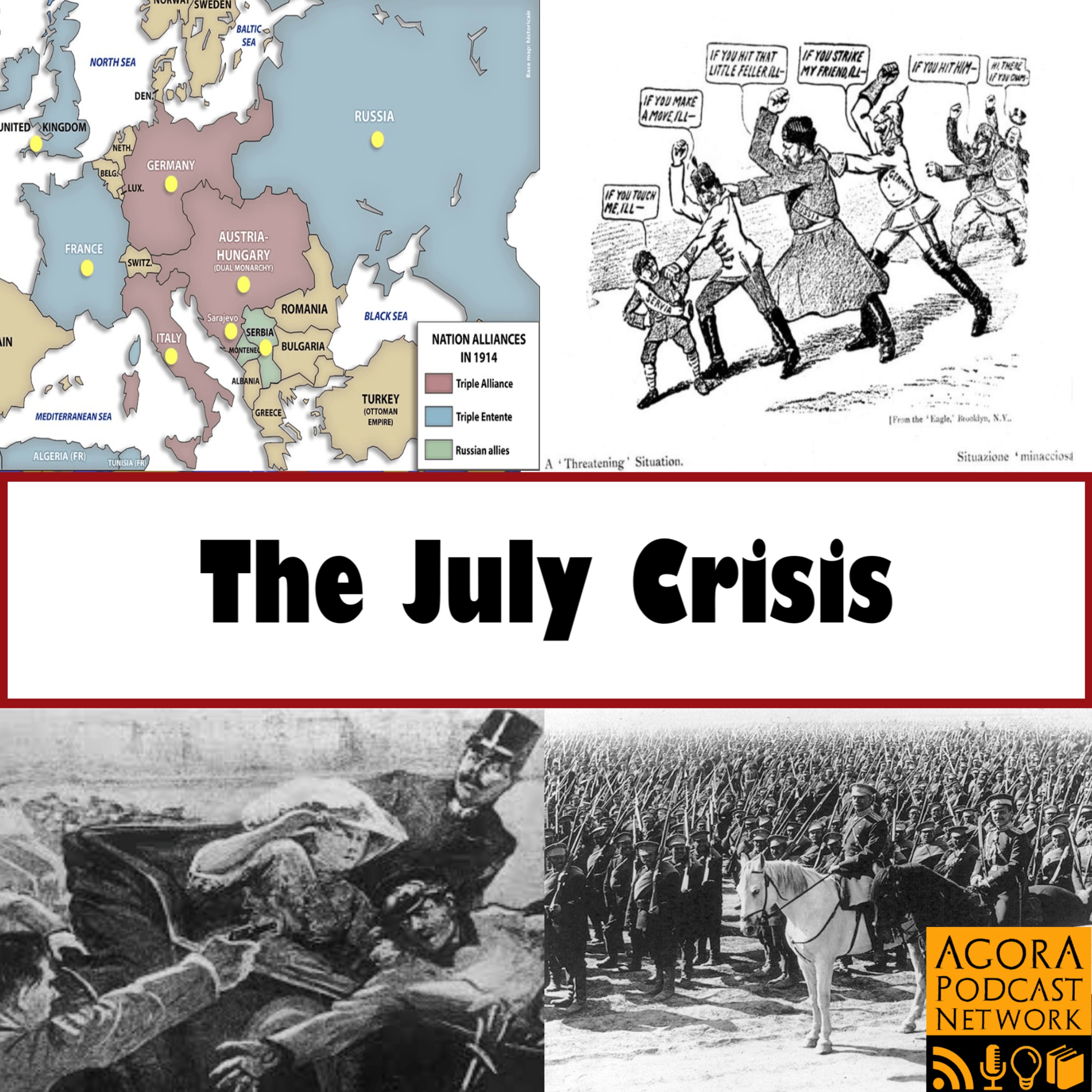
#38: 29 July 1914 IV - Vienna Waits For You!
Use the code WDF24 at checkout and get 50% off a $5 monthly membership on Patreon! This offer will expire soon!By the evening of 29 July, a new wave of panic was overcoming the German government. In Berlin, the question of restraining Austria had long been treated with a wink and a nod, but news of Russian mobilisation seemed to change everything.For Bethmann Hollweg and Jagow, this change moved t
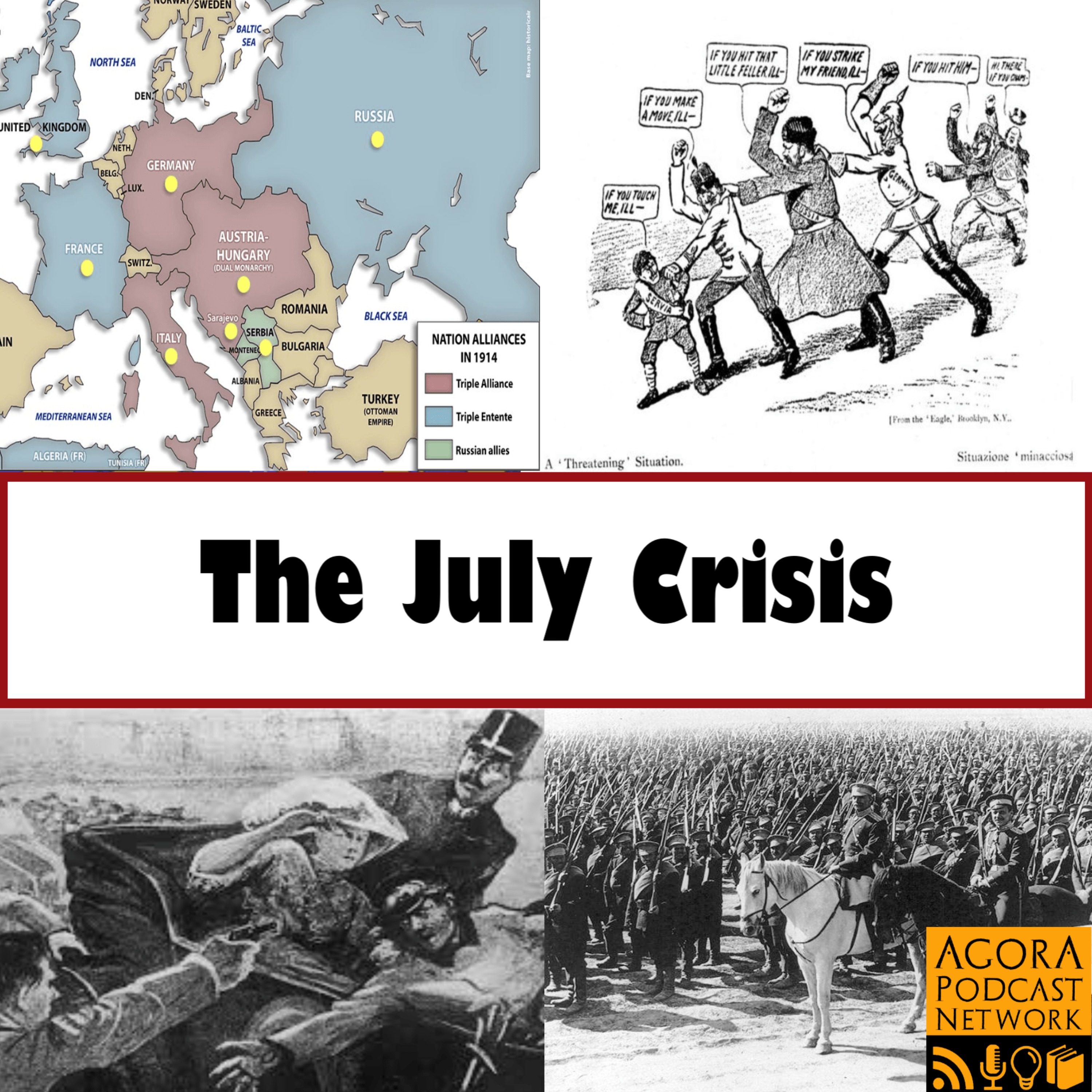
#37: 29 July 1914 III - First Contact, Second Thoughts
Use the code WDF24 at checkout and get 50% off a $5 monthly membership on Patreon!Austria's bombardment of Belgrade represented the first shots of the First World War, though contemporaries could not have known this yet - they were more focused on what Russia was doing.As news of Russia's partial mobilisation filtered through Europe, it caused a major crisis in the German Foreign Office. For Jagow
The Age of Bismarck Wants YOU!
As we release our fifth episode of the Age of Bismarck, I decided to take advantage of Patreon's new special offer feature, and give you the chance to get 50% off your first month of support! Maybe you're unsure, so why not listen to this extended teaser from the first episode of the Age of Bismarck?If you want the rest of it and more, make sure you listen in, where you'll be given the special cod
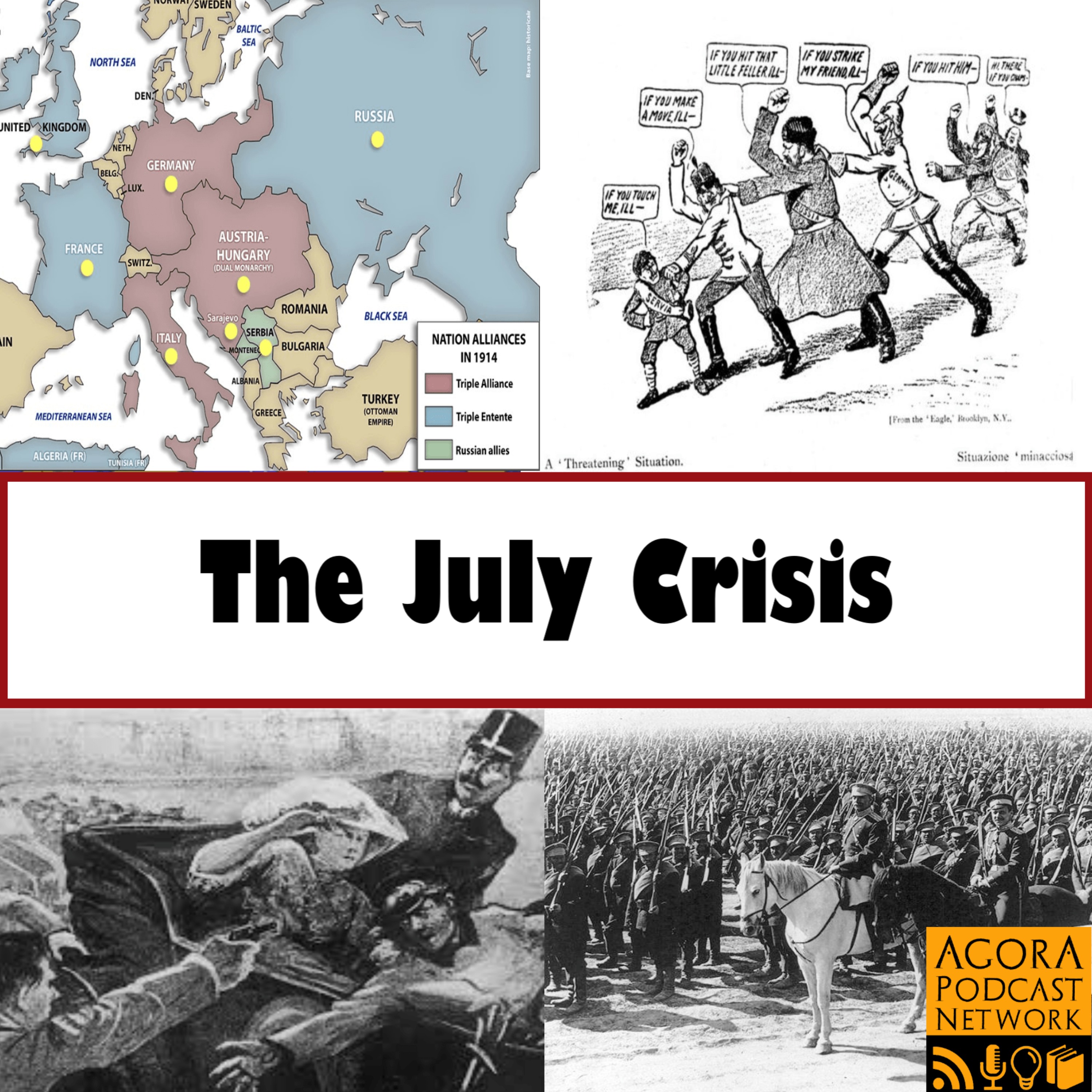
#36: 29 July 1914 II - Shifty Shades of Grey
As they had done up to this point, the British continued to try to find a diplomatic solution to the crisis, even as the opportunities shrank before their eyes. Amidst warnings pinged between London and Berlin that under certain circumstances, their respective neutrality could not be guaranteed, the German Chancellor sent an ill-advised appeal for the British to stay out. The effort was likely inf
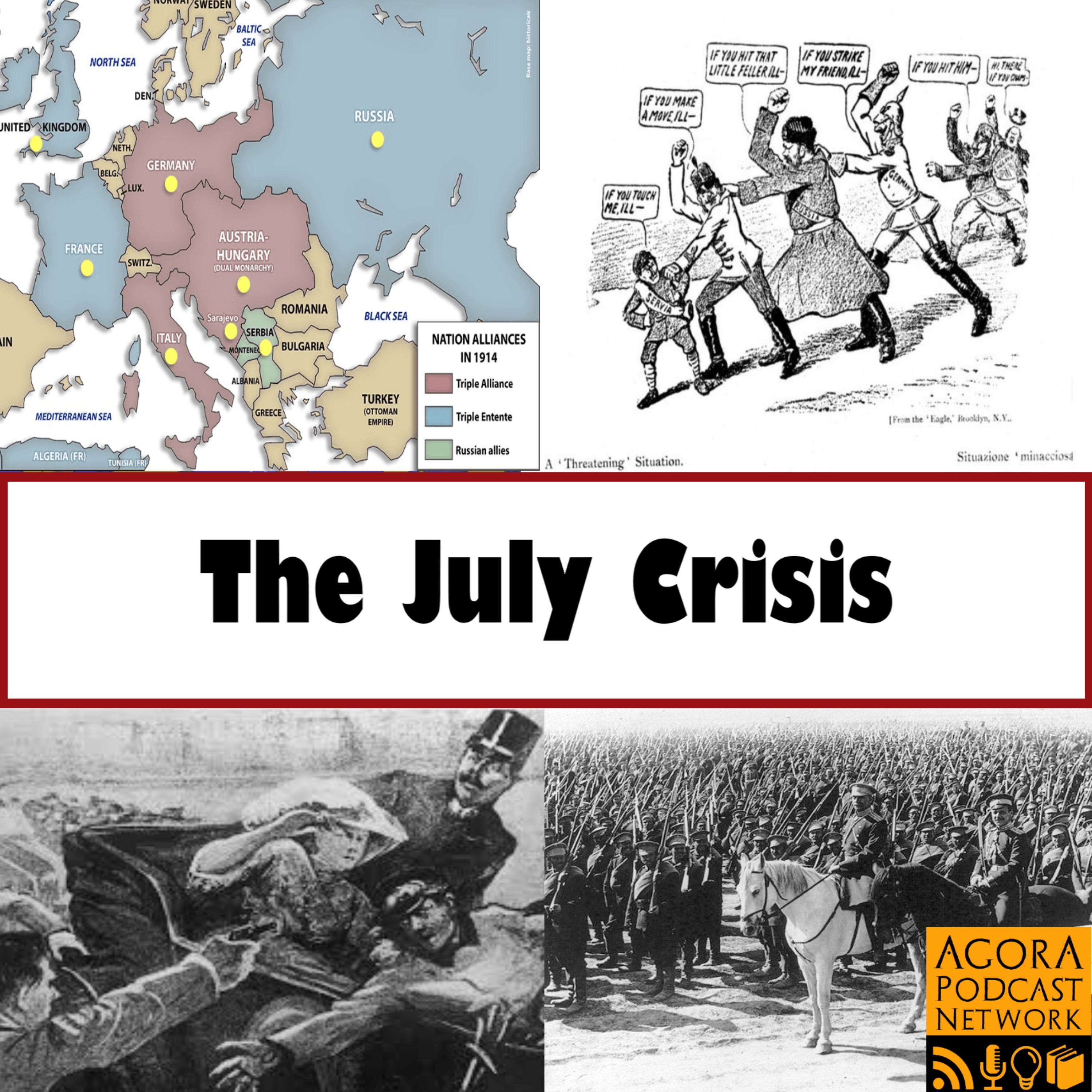
#35: 29 July 1914 I - Hissing Cousins
The dawn of a new day did not bring any new peacemaking opportunities. In their own way, Austria, Germany and Russia were immovable in their main goal - they would not back down, even if it cost them everything.That such a roadblock sat in the way of peace did not prevent Kaiser Wilhelm and Tsar Nicholas from engaging in their famed, eleventh hour telegram exchange. The Nicky-Willy telegrams have
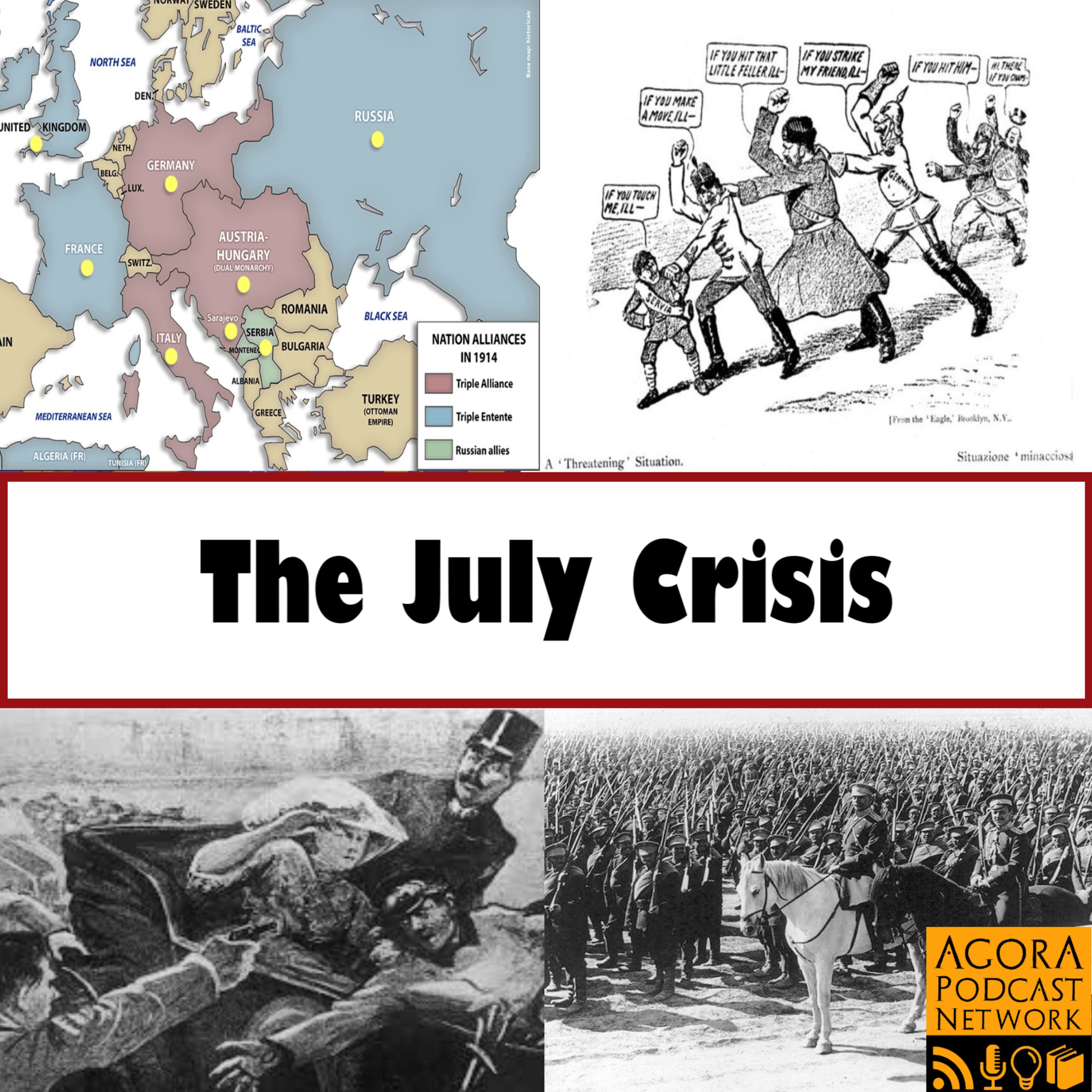
#34: 28 July 1914 III - Britain Tries Again
Although the Austro-Serb War was now a reality, Britain did not know this until the evening of 28 July. In the meantime, Sir Edward Grey was determined to do all he could to make the mediation scheme work. But not everyone Grey dealt with could be described as sincere, and this included members of his own Cabinet.Churchill had acted provocatively and pre-emptively in mobilising the fleet and movin
Are the Sanctions Against Russia Working? - 'Punishing Putin' by Stephanie Baker
For two and a half years, Russia has been waging a full scale war against Ukraine. In response, the West has mobilised an economic coalition of states determined to level sanctions against the aggressor, ideally, to force it to the peace table. Clearly, Russia has not been deterred, but how much of an impact are the sanctions really having? In her book Punishing Putin, Stephanie Baker analyses the
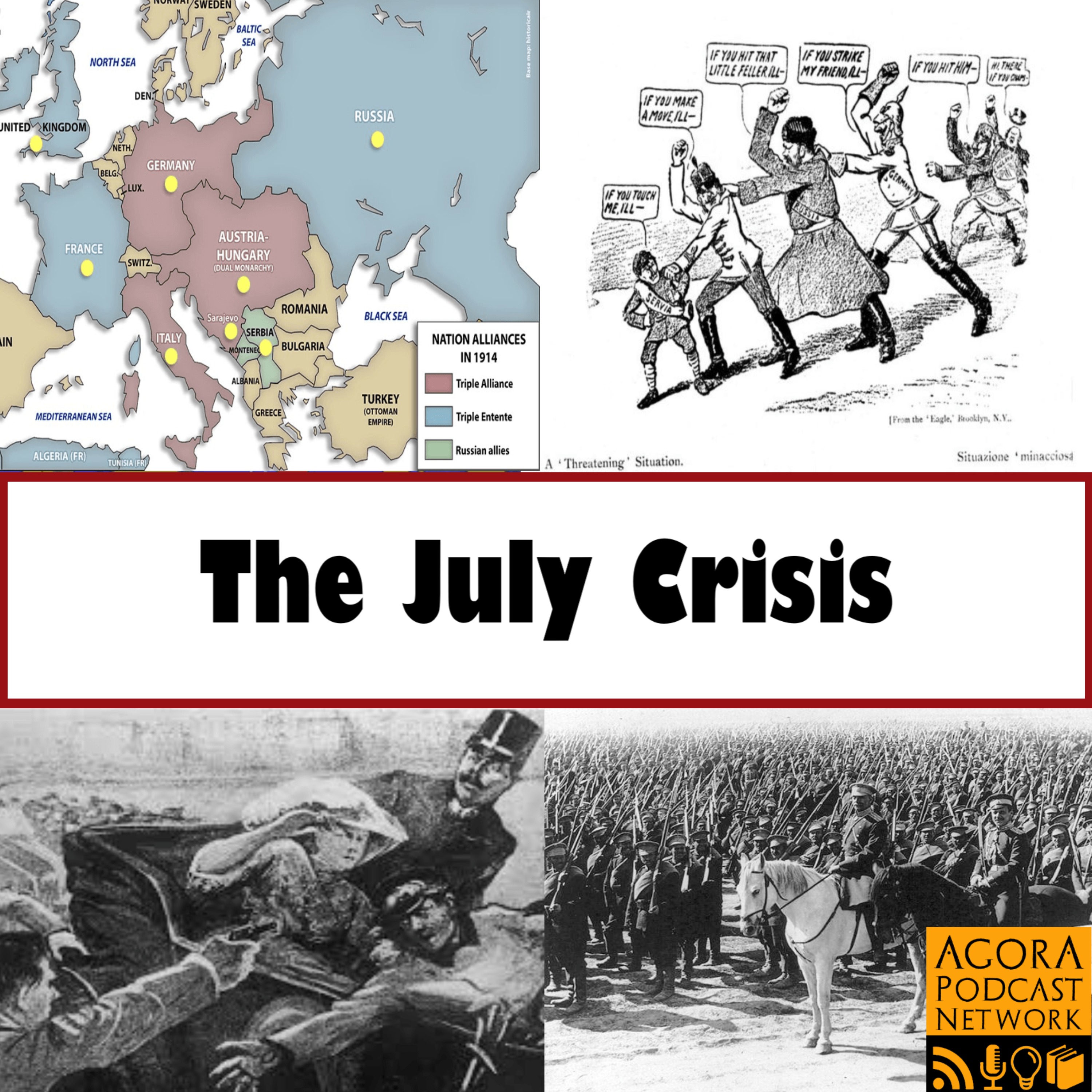
#33: 28 July 1914 II - Austria Declares War
After weeks of delay, hesitation and complications, Austria-Hungary finally delivered its declaration of war on Serbia shortly after noon on 28 July 1914.This, we are often told, represented the beginning of the First World War. But was it as straightforward as that? Contemporaries did not necessarily believe that all hope for peace had been lost. A degree of optimism remained, even in Berlin, whe
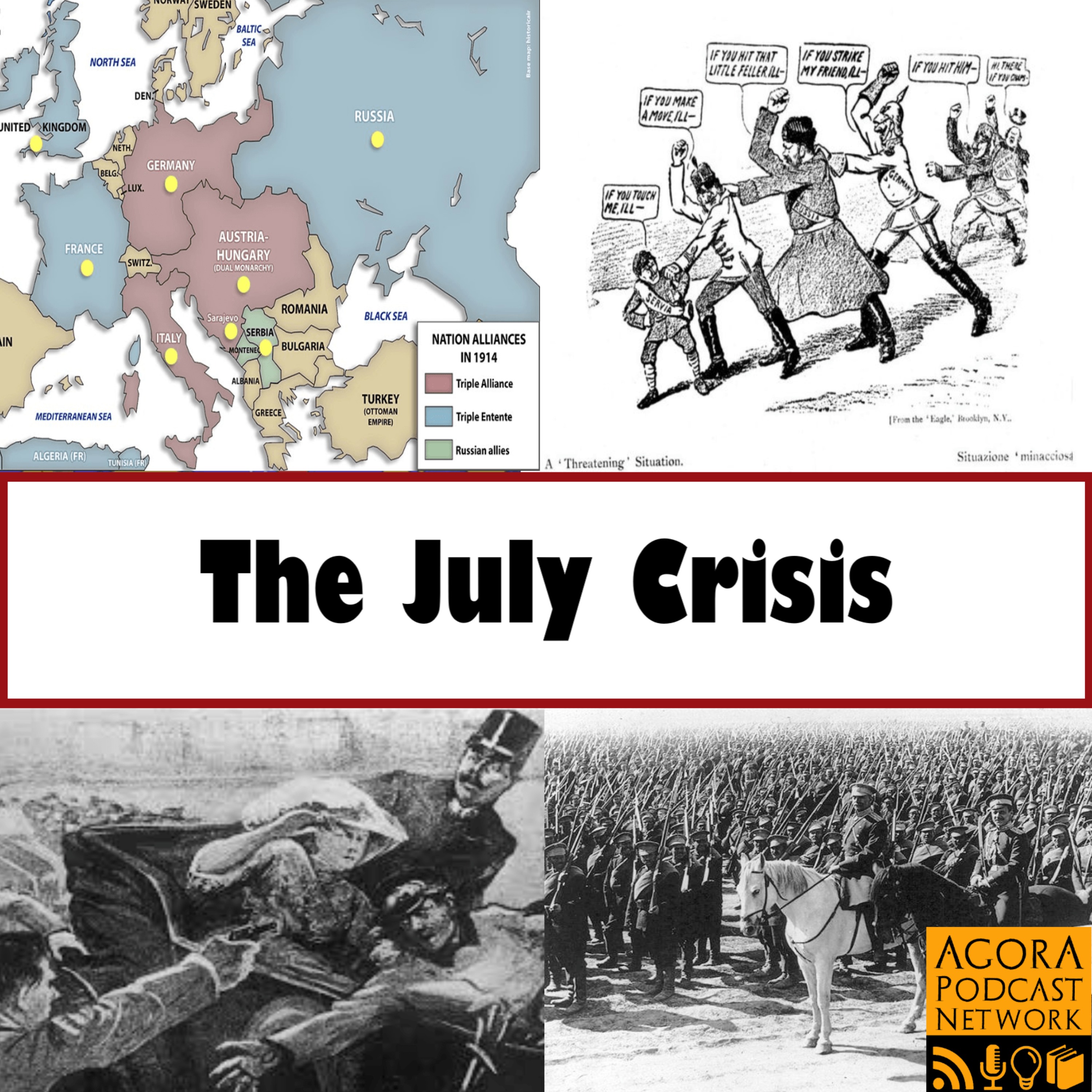
#32: 28 July 1914 I - The Kaiser's Conundrum
The 28 July 1914 is best remembered today as the point of no return, as Austria declared war on Serbia.However, as we will see in this episode, the announcement of this Austro-Serb war, made in the afternoon, and reaching Europe's capitals by the evening, did not ruin the prospects for peace as we might expect. Many contemporaries still believed that it was possible to preserve peace, and foremost
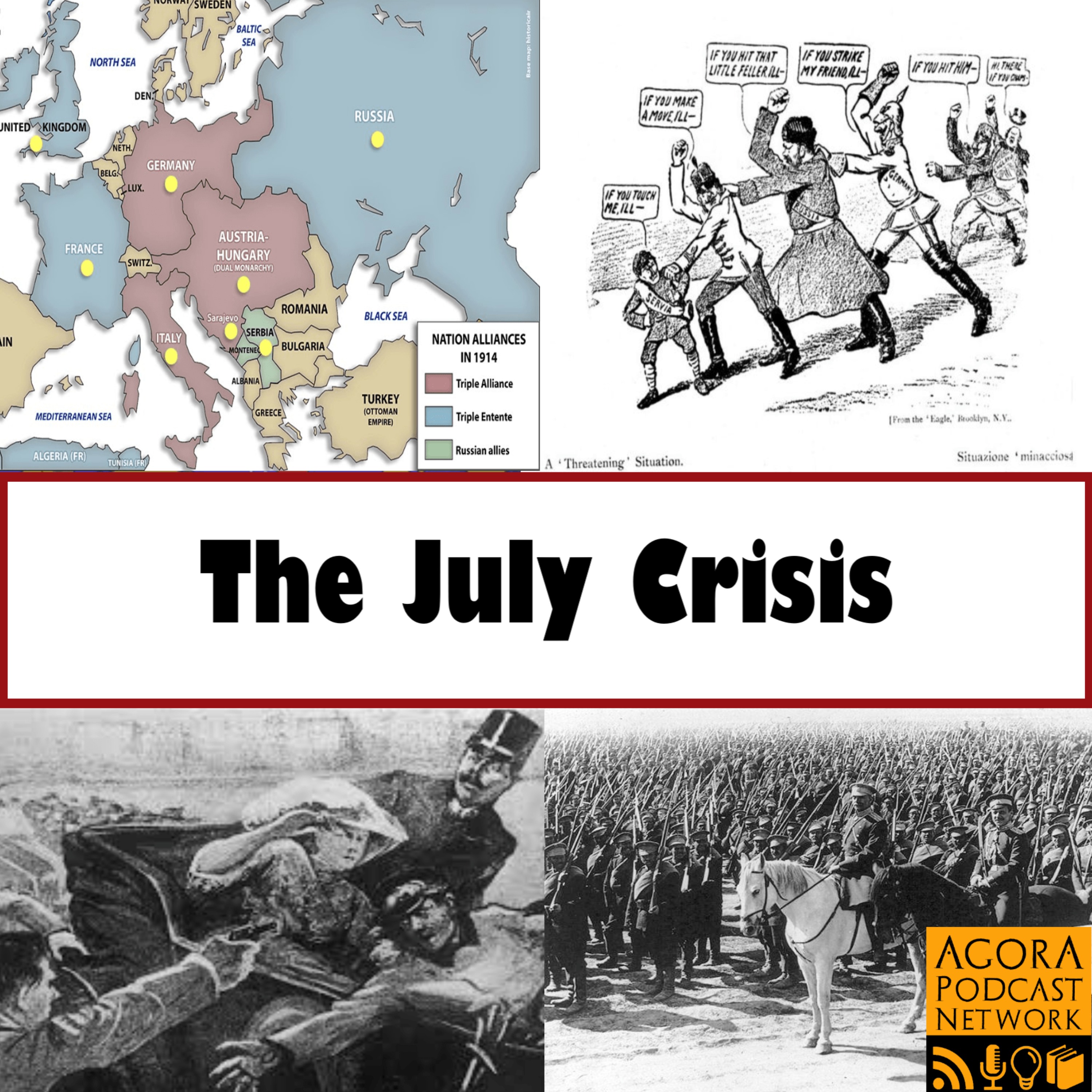
#31: 27 July 1914 II - Don't Stop Me Now!
On this otherwise unassuming Monday in 1914, Austria-Hungary was preparing to declare war on Serbia.The declaration would come the following day, but in the meantime, Germany assisted Austria in keeping up appearances. Those tenacious Brits were at it again, and Grey's mediation proposal still hung in the air. Could a rejection of this scheme worsen the crisis? Perhaps, so it was necessary to trea
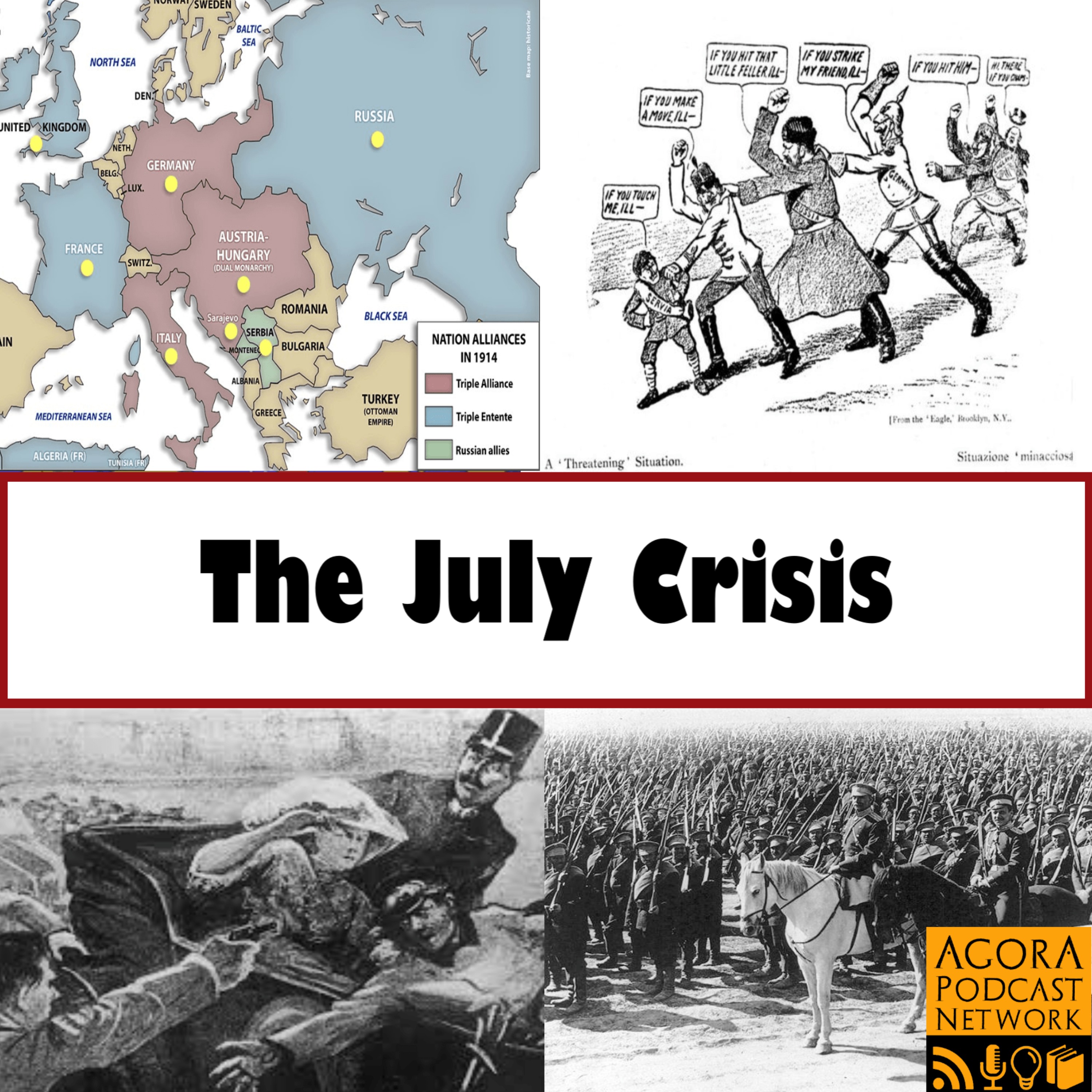
#30: 27 July 1914 I - Britain Tries Diplomacy
In this enormous episode, we examine the largely forgotten story of British efforts to resolve the crisis, and efforts at home to prepare the people for what might come next.Although Austria's ultimatum had expired two days before, there was still room for diplomacy to work, and Sir Edward Grey was determined to give it his best shot. To preserve peace, Grey pressed his conference scheme to the Eu
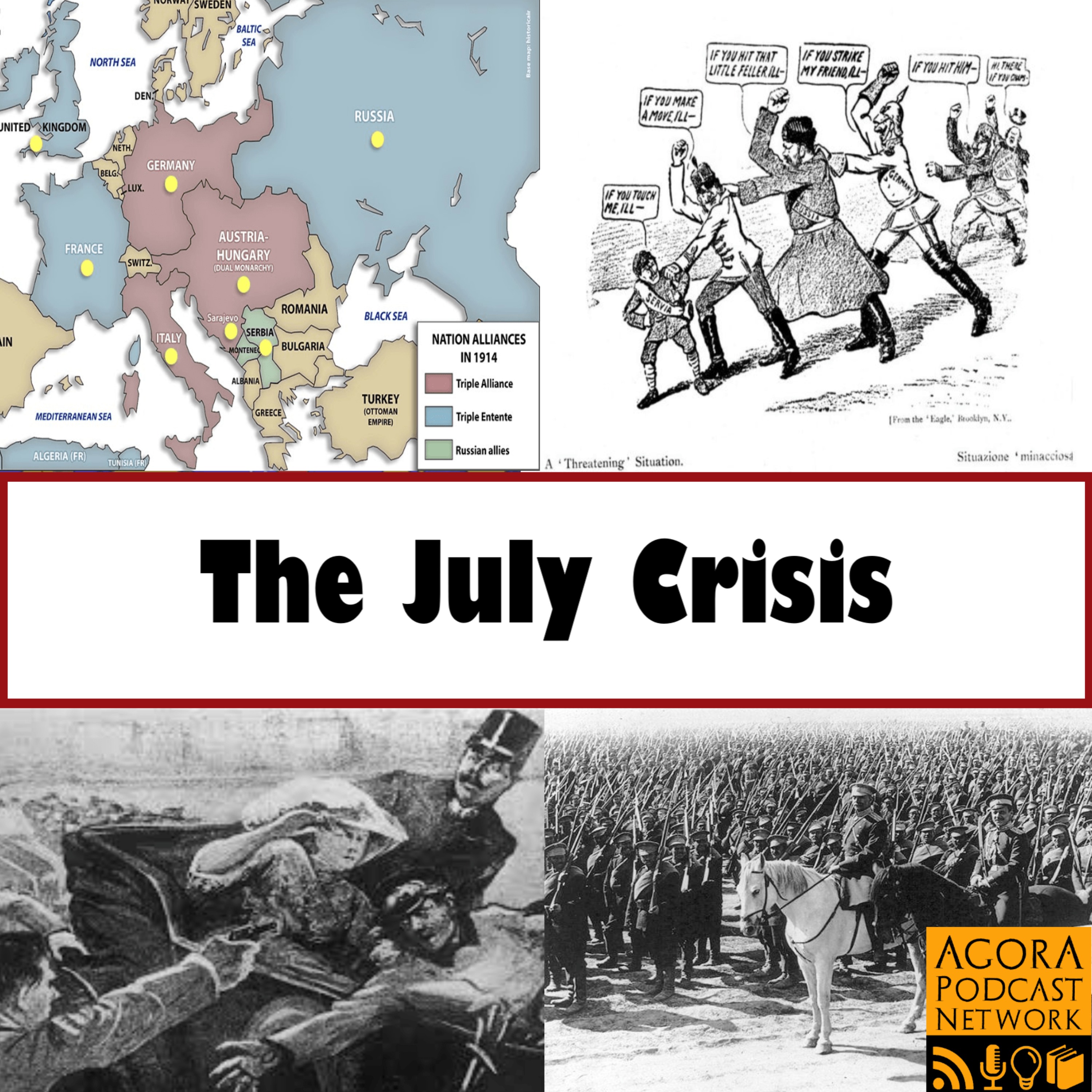
#29: 26 July 1914 II - Better an End in Horror
If Austria-Hungary wanted the war with Serbia, it would have to get its skates on. Europe was eagerly looking for any sign of a way out, even if Austria was not.The British were central in pressing the need for mediation, but they knew that Germany's inclusion was key if it was to work. The Germans, it was reported, anticipated British neutrality. This was wrong, it was insisted, because Britain w
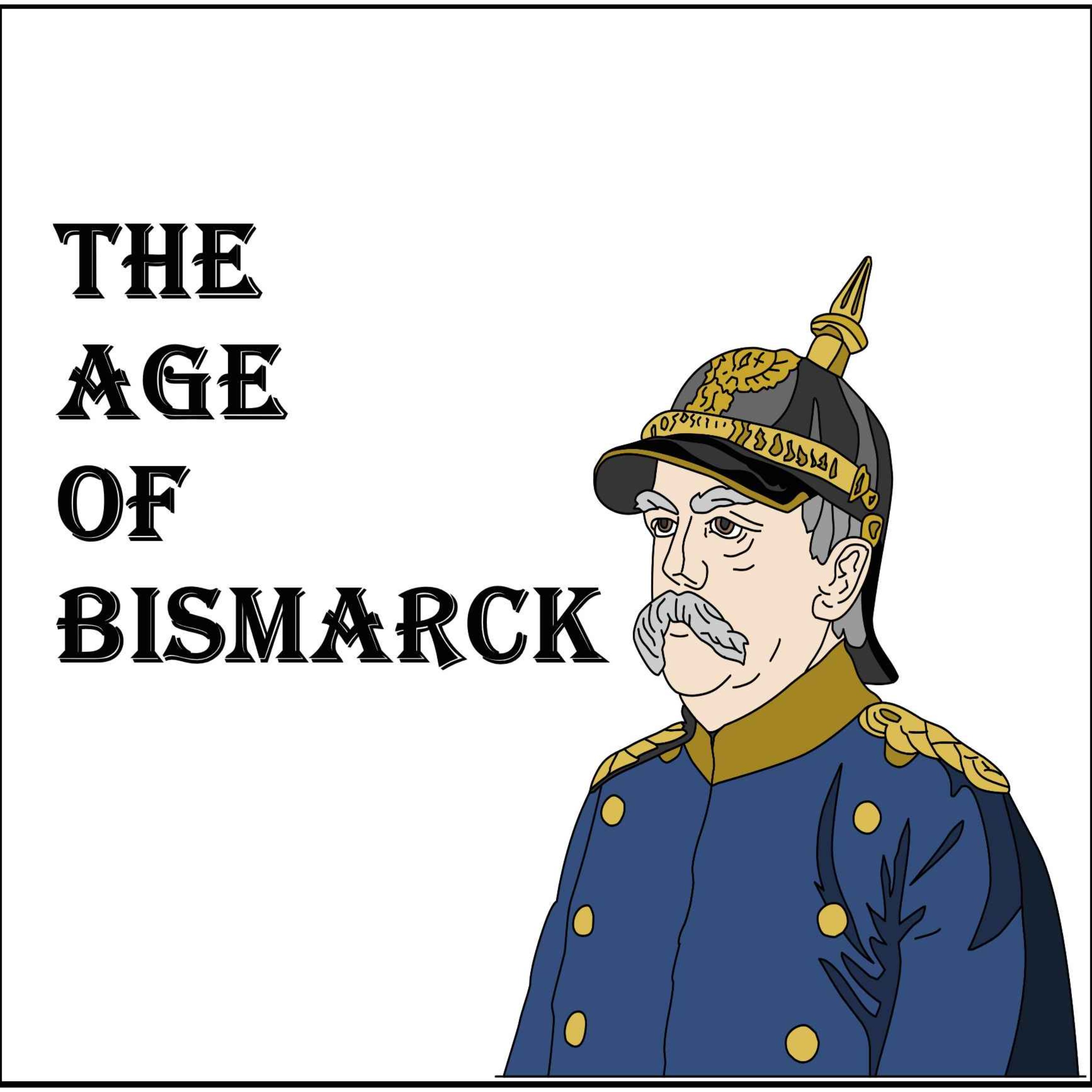
Age of Bismarck - Introduction
It's been a long time coming! The Age of Bismarck is finally here after so many years of planning, teasing, and dreaming. Tune in here to see how we plan to do it, and why you should be excited! Whether you're a long time history friend or just stopping by, Otto von Bismarck's life and times, and the age in which he lived, deserves your attention. The Iron Chancellor would accept nothing less!Sign
#28: 26 July 1914 I - Austria Delays Again
The ultimatum had expired, and yet somehow, Austria had not declared war on Serbia. What was going on?Well, despite pushing the crisis forward with reckless abandon, the Austrian chief of staff Conrad von Hotzendorff now seemed awake to the dangers facing the country. The army would not be ready for war until 12 August, he said. This was a shock to the Germans, who continued to expect a lightning
#27: 25 July 1914 II - Russian to Mobilise
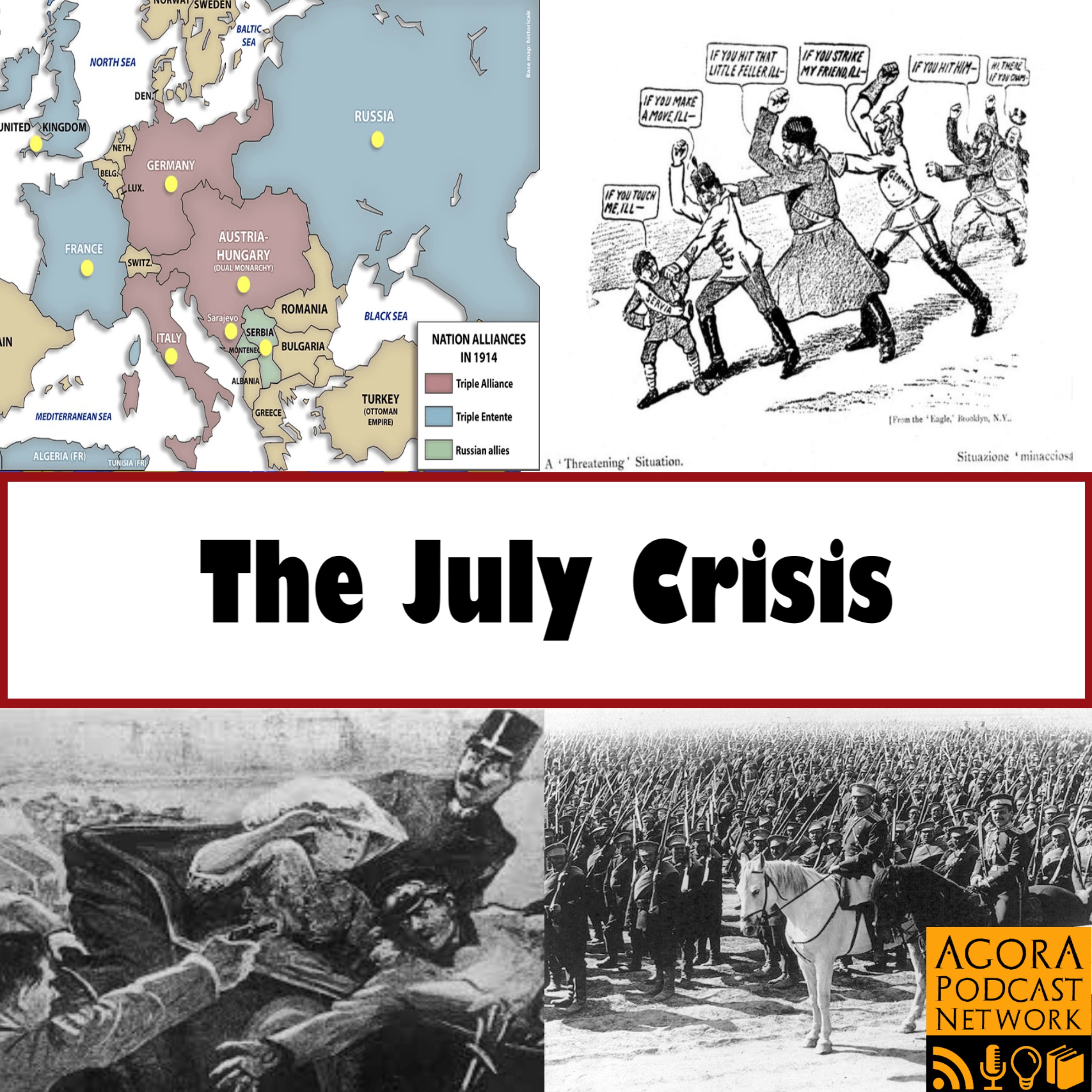
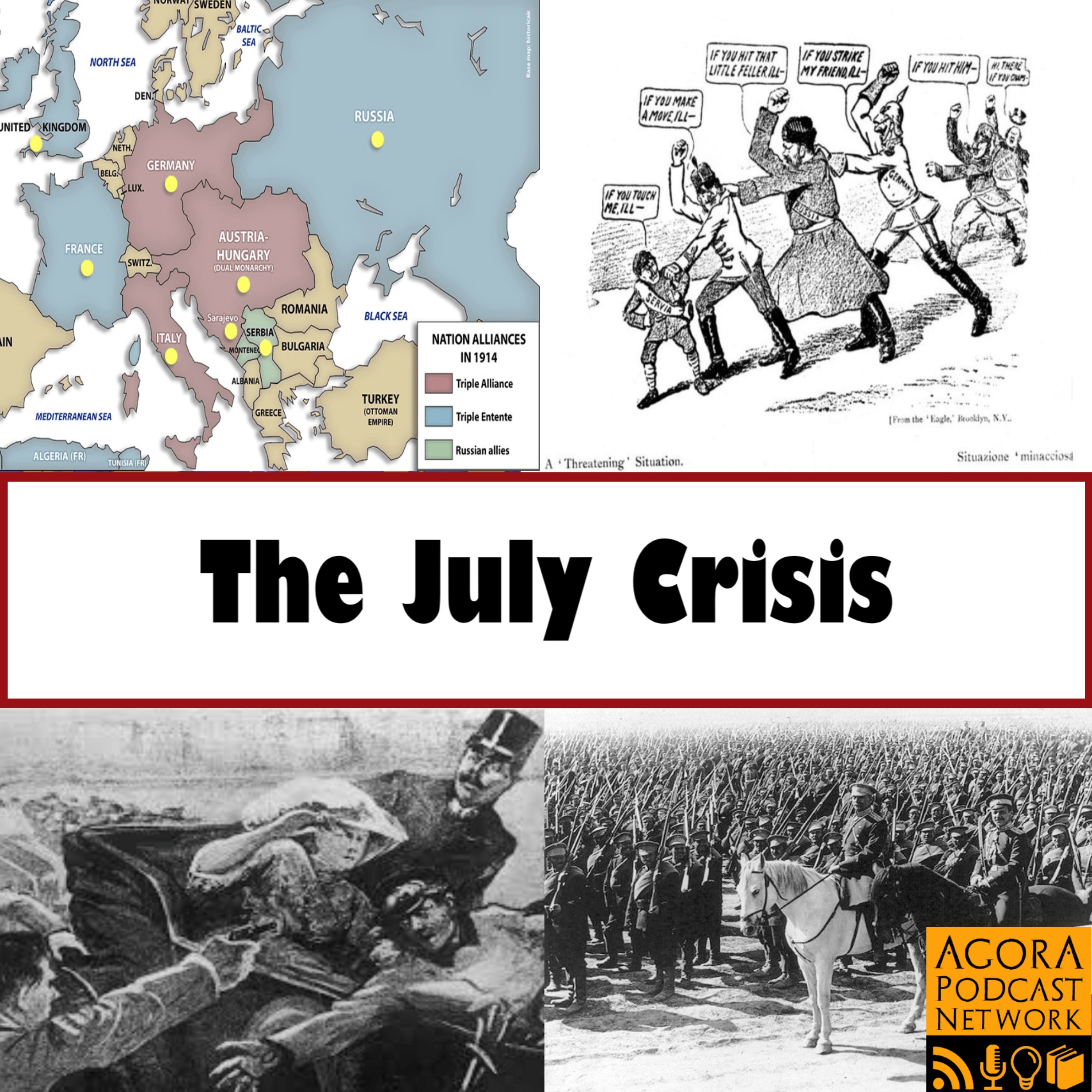
Here we address the question - now that Austria's ultimatum to Serbia had expired, and the Austrians had evacuated Belgrade, what was Russia going to do about it?The answer is as complicated as it is controversial. Russia's response revolved around military preparations; specifically, those preparations which would make the mobilisation of its enormous army across such a vast empire easier to carr
#26: 25 July 1914 I - The Last Chance for Peace?
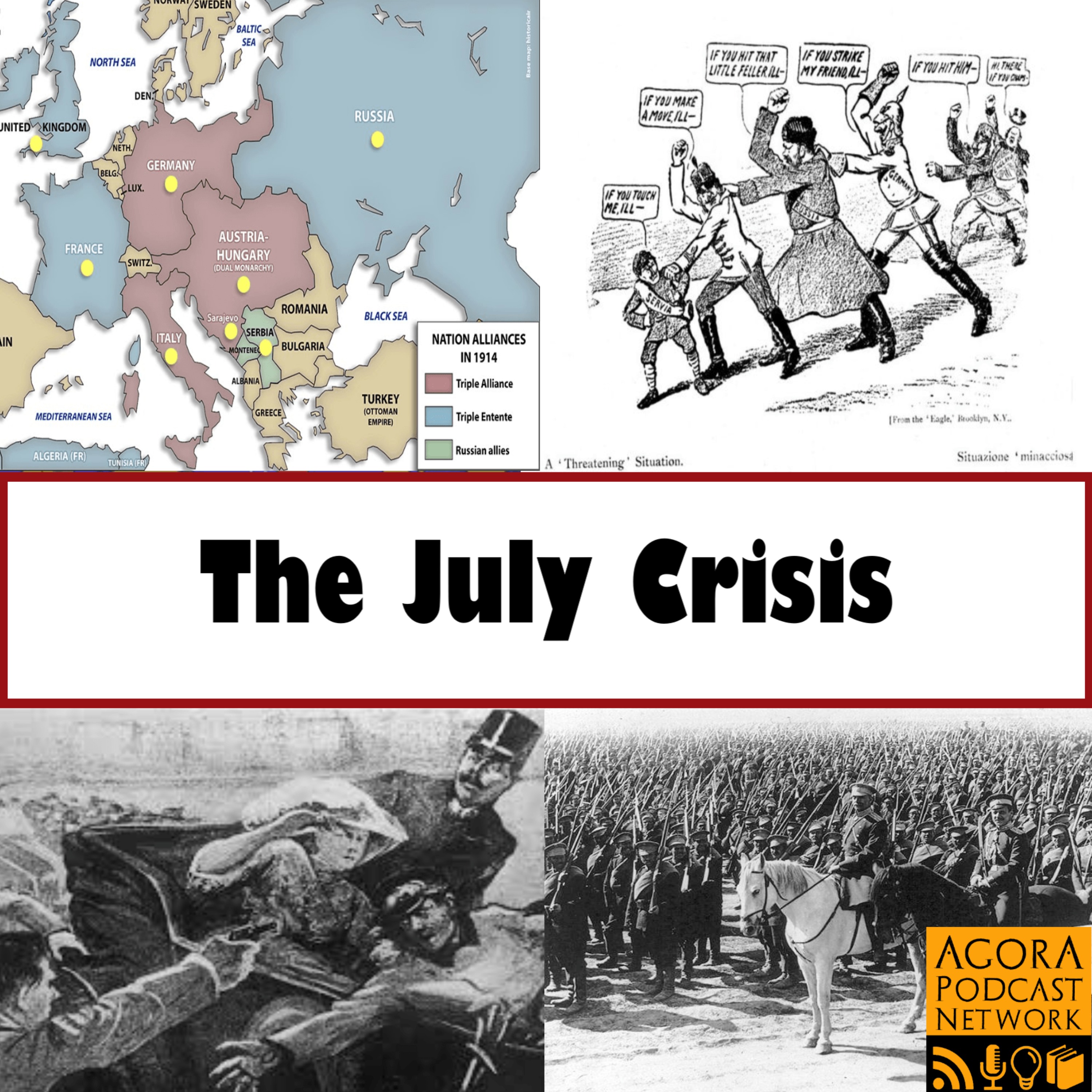
By now, everyone was expecting Austria-Hungary to do something once its ultimatum expired later in the day, but what? And could this response be adjusted, and peace be preserved, if only a certain diplomatic finesse was applied?In Britain, Sir Edward Grey certainly hoped so. The solution, to him, seemed one of mediation, where the four uninvolved powers - Britain, France, Germany and Italy - gathe
#25: 24 July 1914 - 'It Is War This Time!'
We return to our narrative on an eventful day in world history. By the end of 24 July, Russia had established its policy towards Austria's ultimatum. But what was this policy, and why did Russia act so differently to crises in the past?We find Russian Foreign Minister Sergei Sazonov to be central to the events that transpired next. But what did Sazonov want? He authorised the period preparatory to
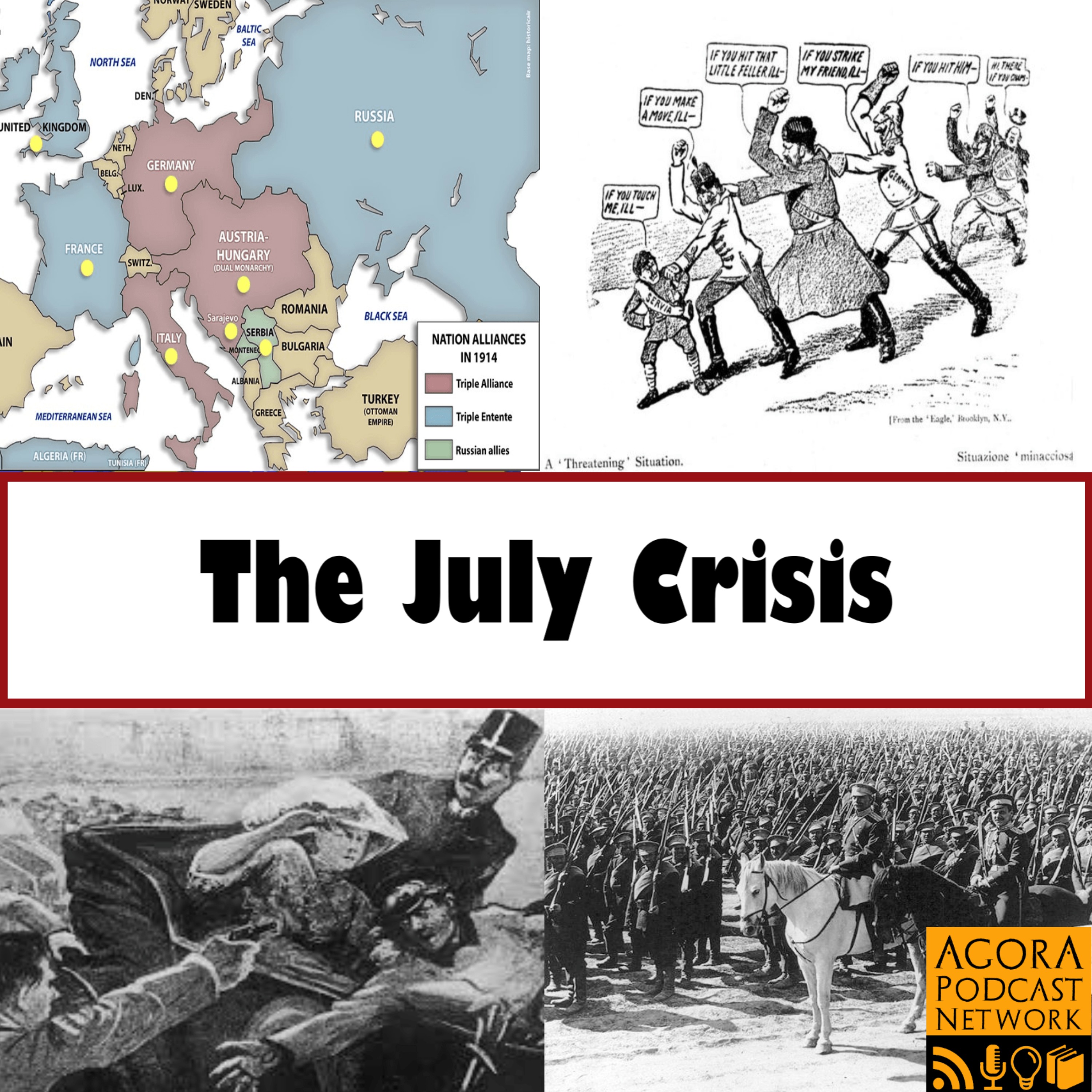
Age of Bismarck Release Date & July Crisis Update - State of the Podcast Address 23 August 2024
After a crazy two months, it's time we had a chat.In this episode we'll be talking about the Age of Bismarck Patreon series, which has been advertised for years, and requested for even longer. We finally have a release date, and I can't wait to welcome you all to Bismarck's world.We also talk about the July Crisis series, how it's gone for me so far, and why I feel compelled to change things up. W
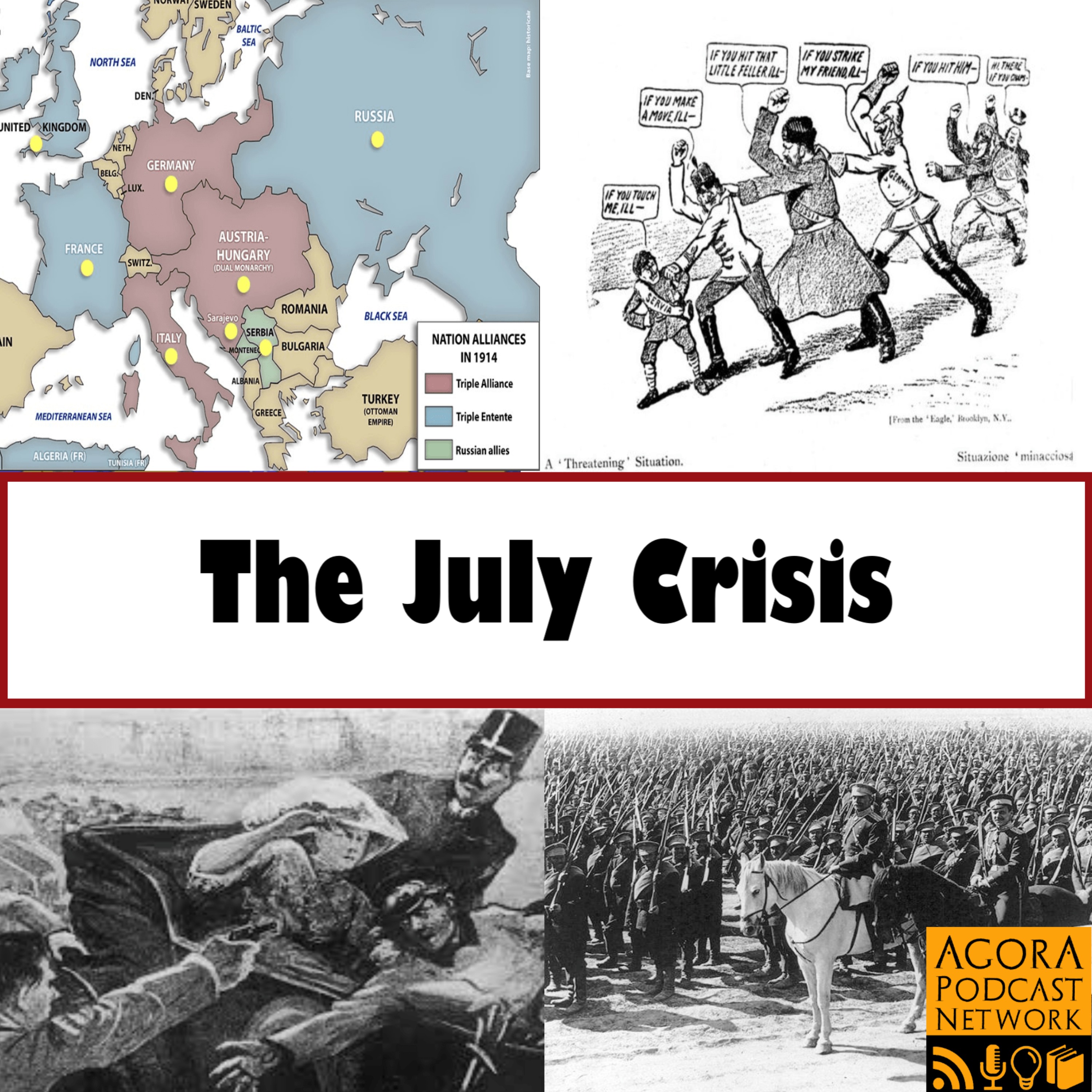
#24: 1912-1914 - Anglo-German Relations III
By late 1912, it appeared the period of Anglo-German detente was over. The Kaiser assembled a War Council, and apparently planned for a war of domination. In fact, appearances were deceptive, and although Britain and Germany's relationship had been damaged, it was still intact. There now emerged a new opportunity to repair it, as the Balkan Wars brought the two disinterested powers together again.
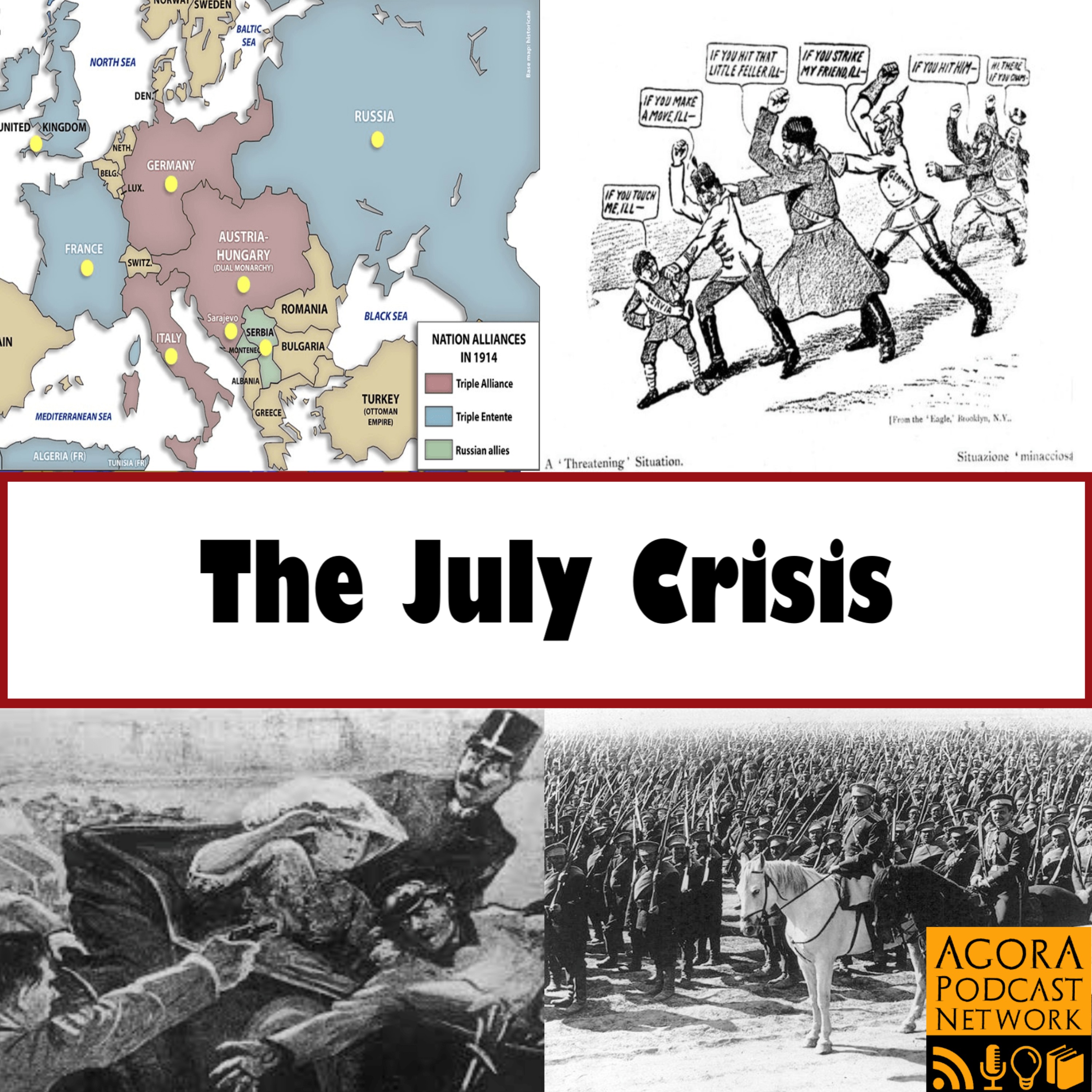
#23: 1911-1912 - Anglo-German Relations II
By late 1911, Germany had been embarrassed by the Second Moroccan Crisis, and the Anglo-French Entente had once again rallied. We might have expected Germany to double down on its provocative naval campaign, to increase the pressure on Britain. In fact, what happened instead was the beginning of a period of Anglo-German detente. This was initiated through the Haldane Mission of spring 1912, which
#22: 1905-1911 - Anglo-German Relations I
Everyone knows the story of Britain and Germany before 1914. Or at least, they think they do.Anglo-German relations following the Russo-Japanese War seemed bound to enter a period of hostility, enabled by the naval race which forced London to invest heavily in production and innovation, and produced the dreadnought as an unforeseen consequence. But this race to outbuild the other in warship constr
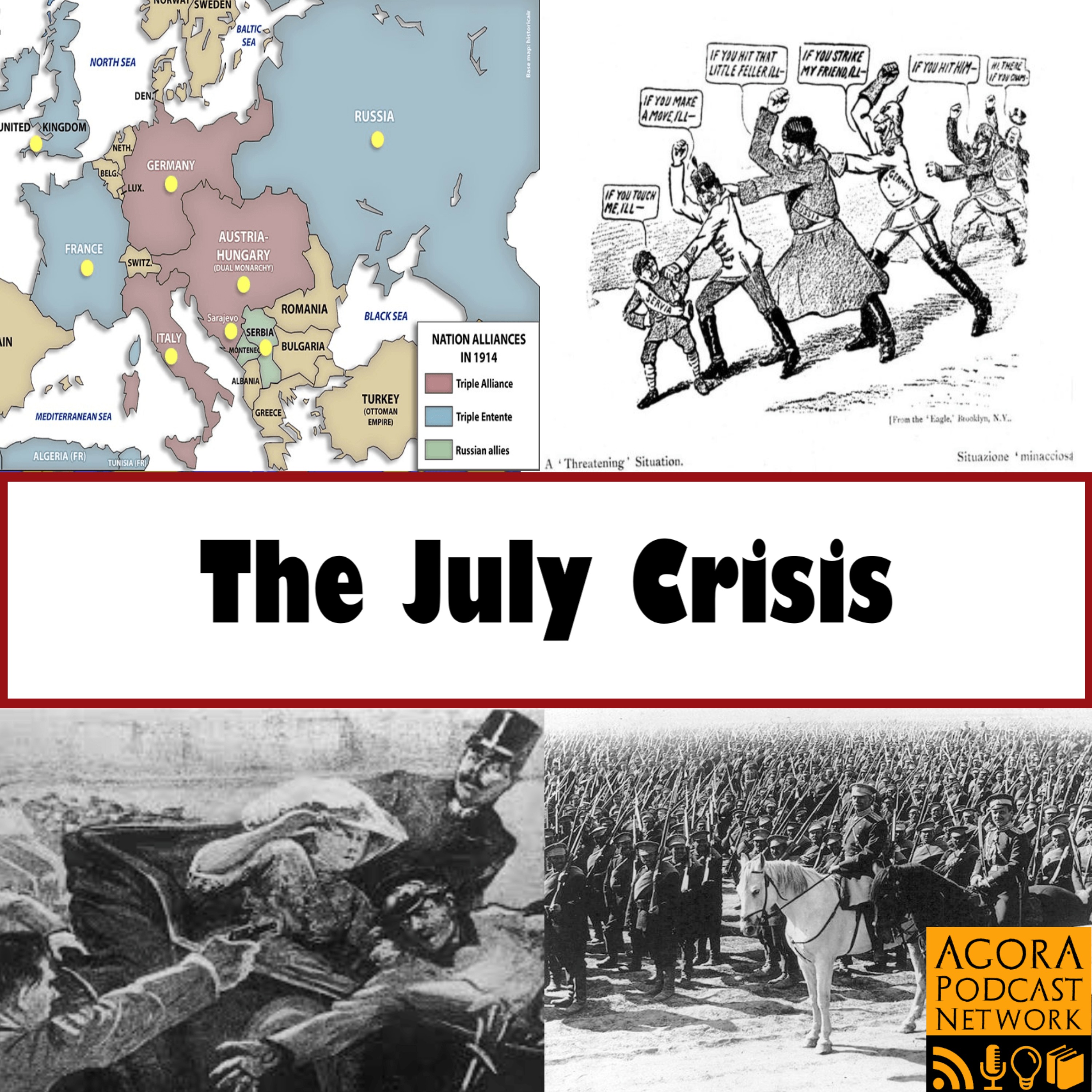
#21: 23 July 1914 - The First Ultimatum
Austria-Hungary finally delivered its ultimatum to Serbia nearly four weeks after the assassination of Franz Ferdinand. The journey had been incredibly slow, and the outcome was nothing like the fait accompli its statesmen had originally envisioned, but Austria had officially taken the bold step towards war. What did this infamous ultimatum contain? Did it leave any possibility for Serbia to accep
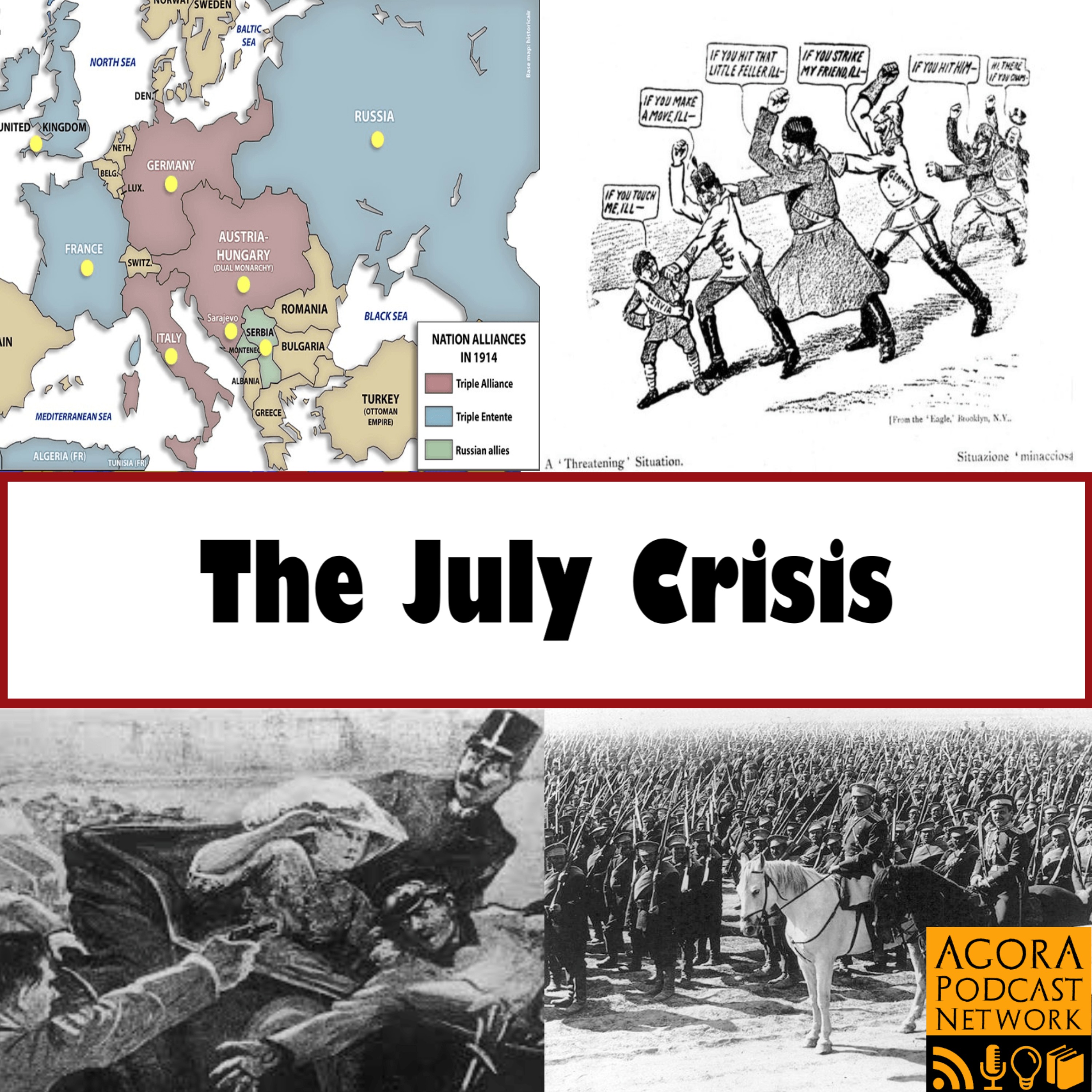
#20: 20-22 July 1914 - France In Russia
On 20 July, the French President, Premier, and other statesmen docked at Kronstadt, aboard the fittingly named France.It began a tremendous spectacle of Franco-Russian cooperation, just as rumours were swirling of Austria's nefarious intentions. The allies could not know for sure what Vienna was planning, but they could send some strongly worded warnings. As the French President attempted to put s
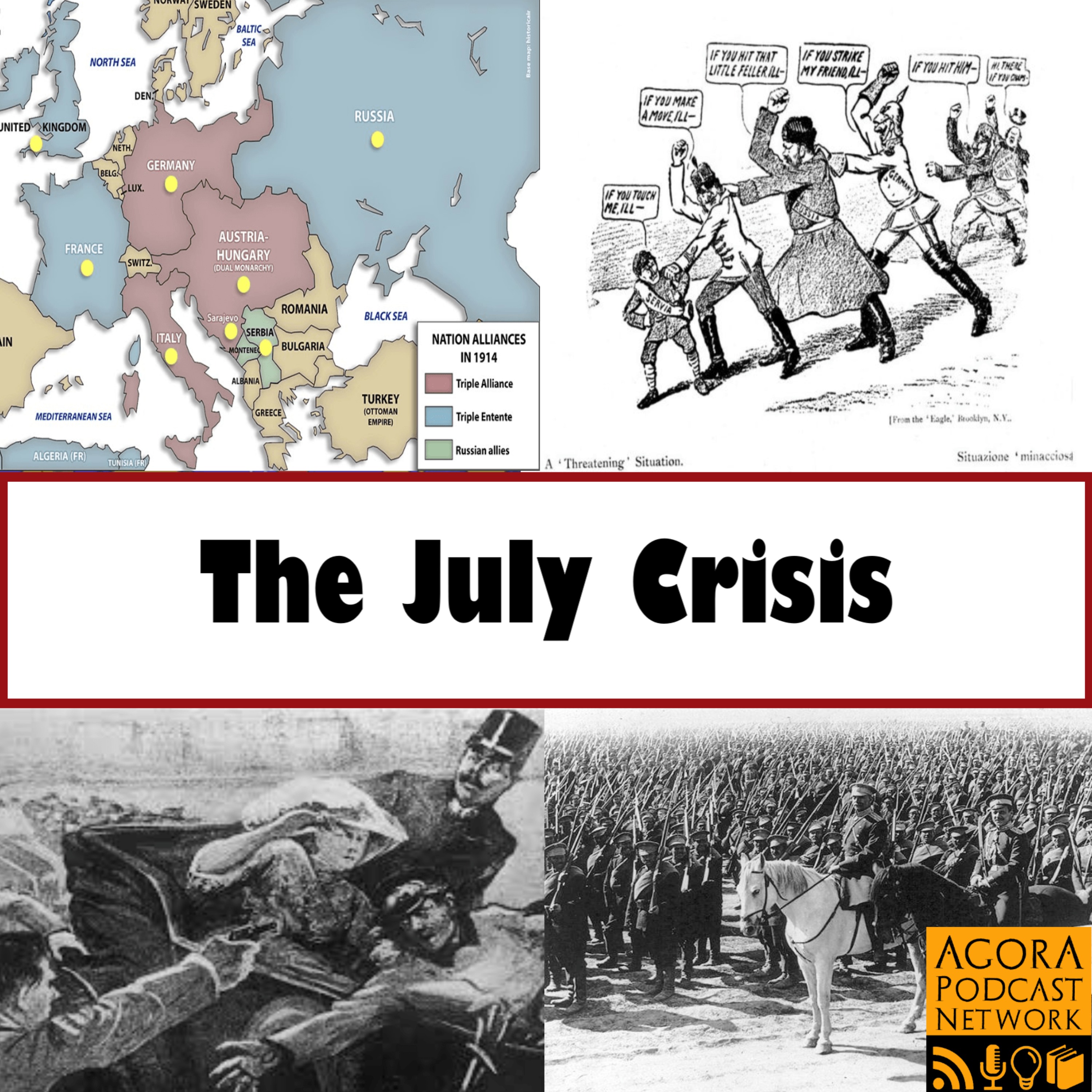
#19: 19-22 July 1914 - Finalising Fatalism
As the French sailed for St Petersburg, the Austro-Hungarian government gathered in Vienna for a meeting of historic importance. It was here on 19 July 1914 that the infamous ultimatum to Serbia was finalised, but also the question of what kind of war Austria expected to fight. Shockingly, the question of Russian intervention barely registered. The tunnel vision was laser focused on Belgrade, and
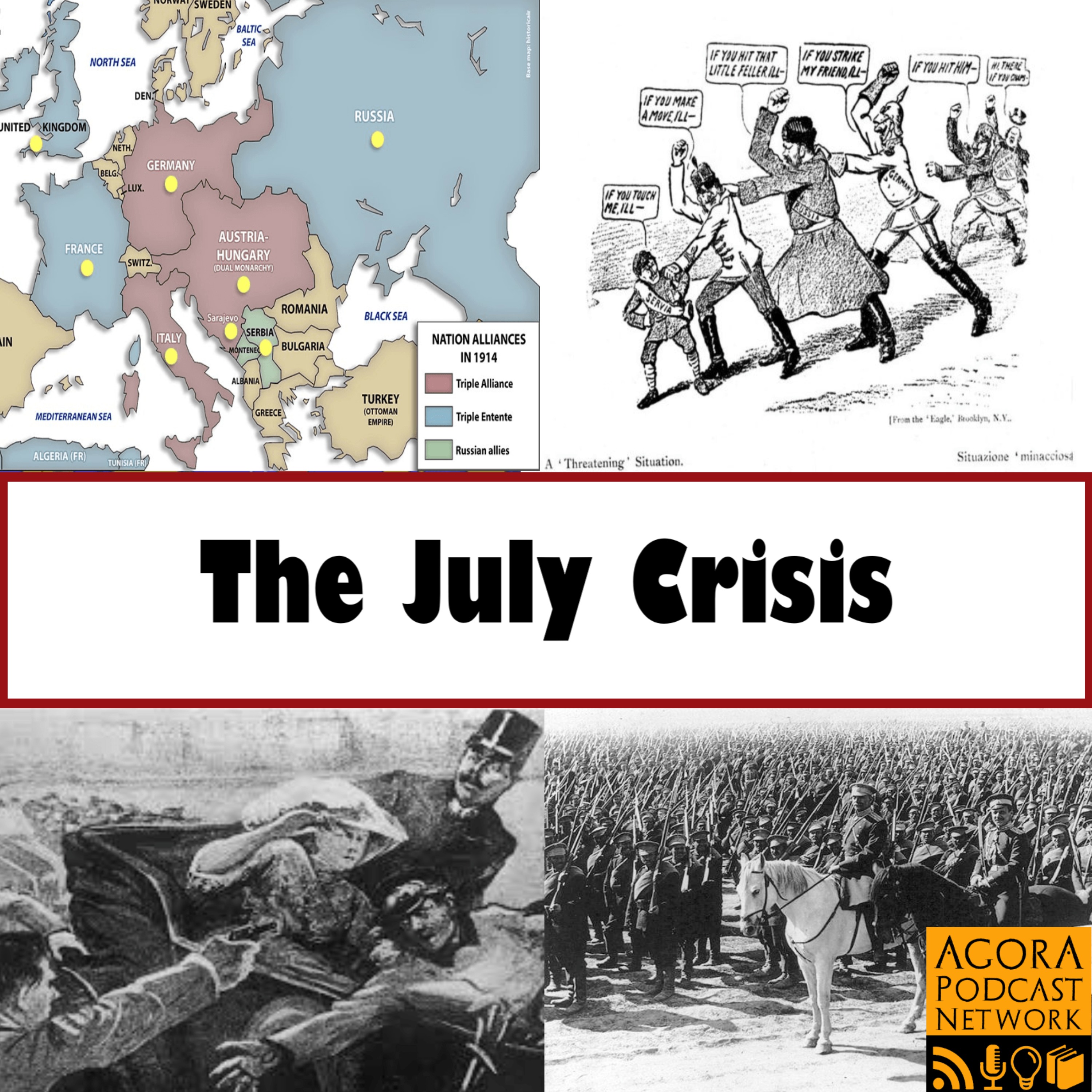
#18: 16-20 July 1914 - France at Sea
As the French President and Premier made their way to Russia, on board the France, they tried their best to keep up to date with what was happening outsides the confines of their vessel. Troubling rumours were not hard to come by, but they could not be wholly ignored. The Central Powers kept up a front of ignorance, even luring Sazonov into a false sense of security. Here we see how the allies rea
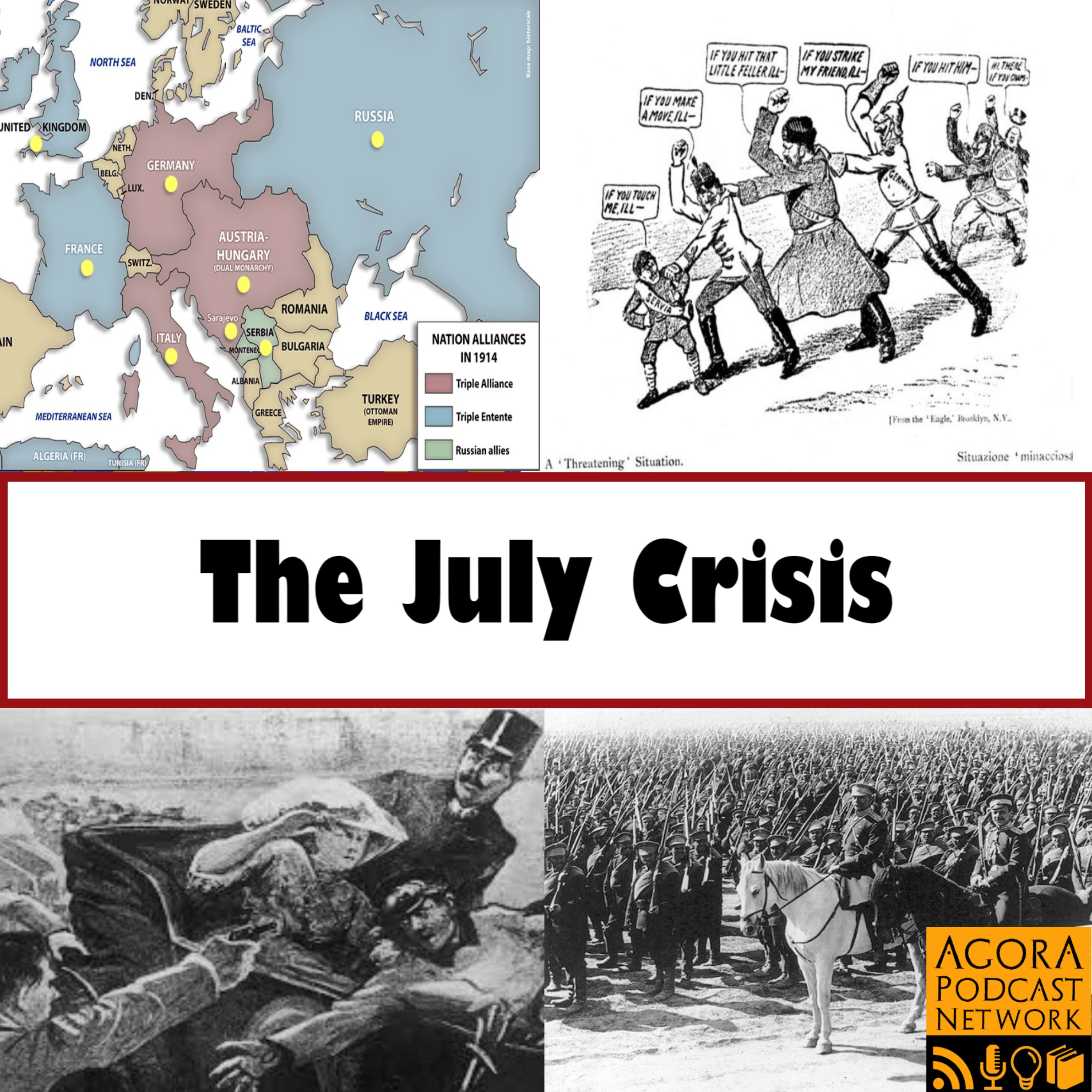
#17: 15-18 July 1914 - Secrecy and Haste
With the Austro-Hungarian government on the same page at long last, it remained to follow through with the ultimatum. To Berchtold, this meant moving as quickly and as secretly as possible, so that once the ultimatum arrived in Serbia, Europe would be presented with a fait accompli. The Germans were similarly anxious, and emphasised the necessity of speed. Still, neither Berlin nor Vienna gave muc
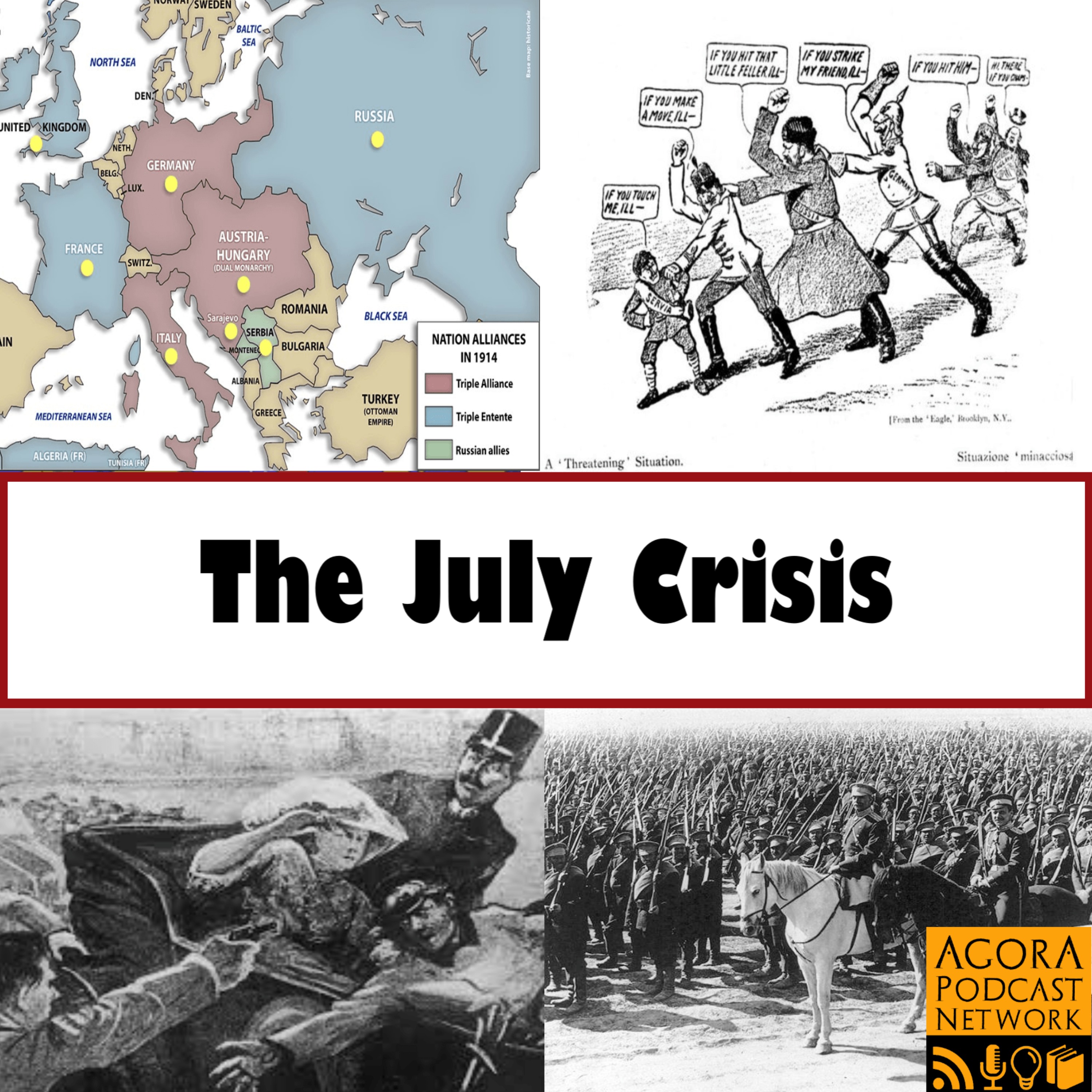
#16: March-June 1914 - The Entente Part 3
In our final episode looking at the Entente, we bring our story up to the eve of the July Crisis.How had past lessons influenced the way Russia and France interpreted the world by spring 1914? Was war certain? Had new military reforms so affected the balance of power that war was now inevitable? What did the position of Britain mean for the two allies, and why was London so concerned with losing R
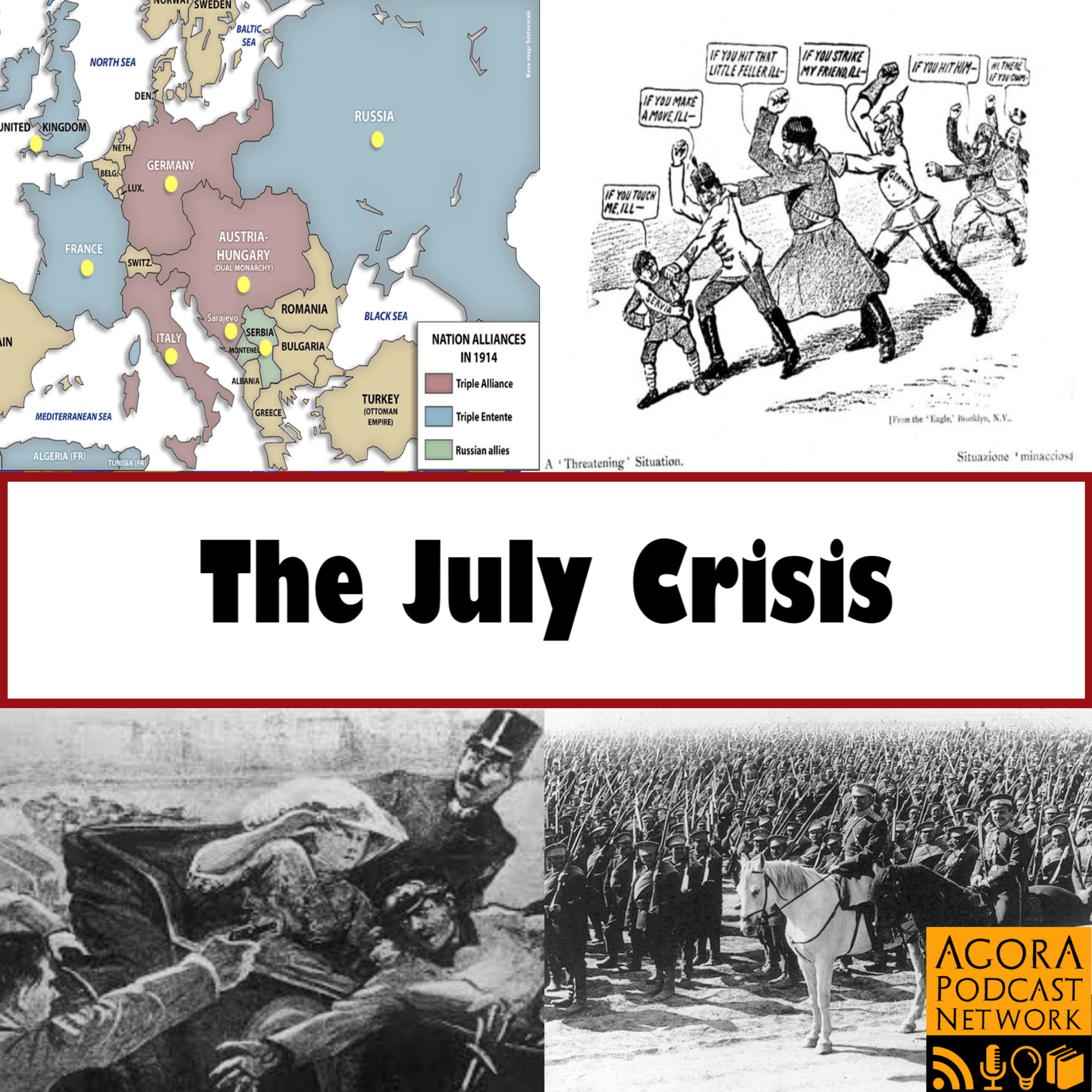
#15: Jan-March 1914 - The Entente Part 2
In our second installment of this Entente analysis, we look at the Liman von Sanders crisis.By late 1913, a new crisis in Russo-German relations centred on the status of General Liman von Sanders, appointed to command the 1st Army Corps at Constantinople. To the Germans, this was a useful way to assert their influence in the Ottoman Empire and rebuild its capabilities after several years of confli
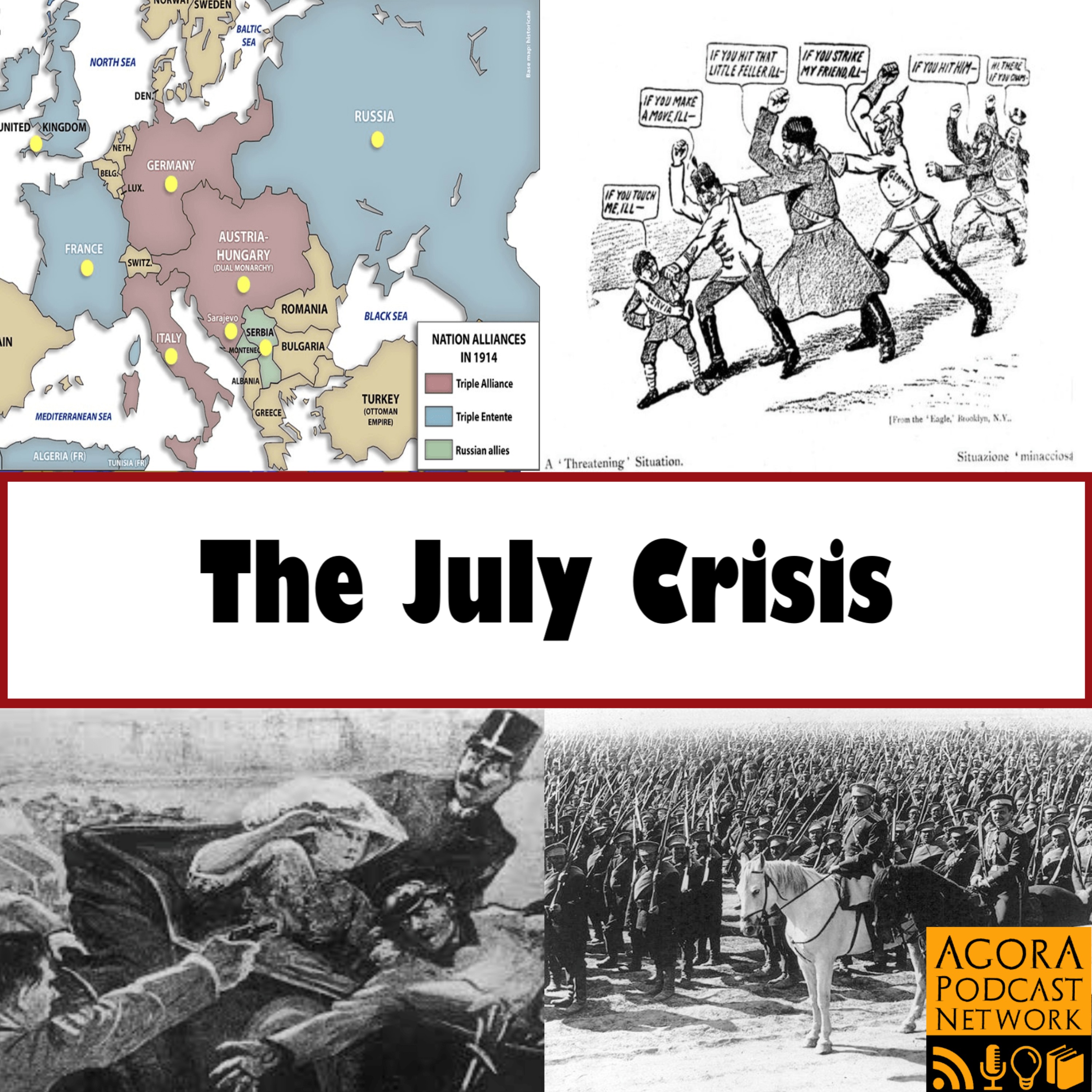
#14: 1912-1913 - The Entente Part 1
In this first of three episodes, we look at the pre-war position of the Entente!Before we bring our narrative further, it would be useful to turn our attention to what came before. The Franco-Russian alliance was formed in 1894, and over the next twenty years, the two allies experienced their share of ups and downs. Even as new crises shifted the balance of power, France and Russia stuck together.
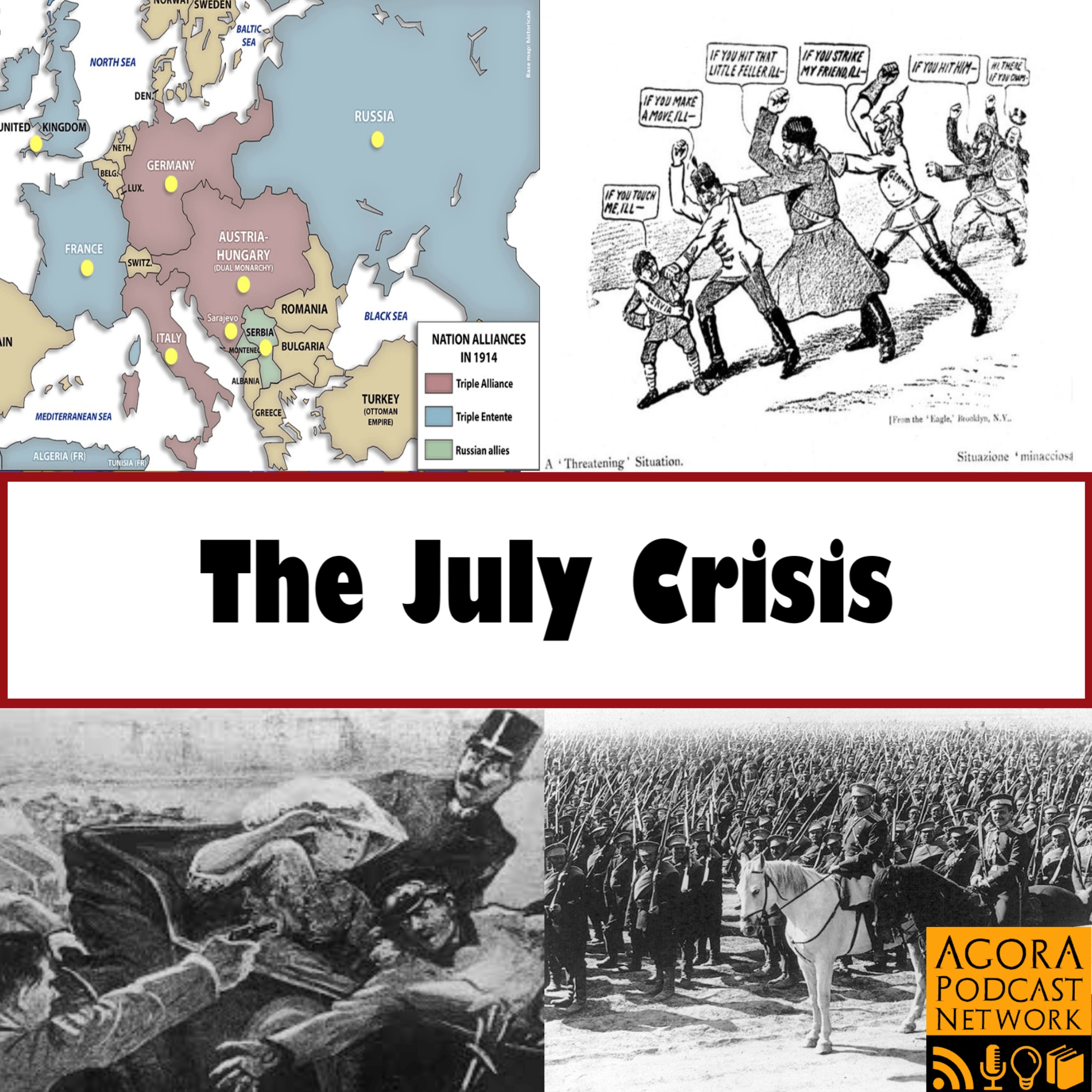
#13: 13-14 July 1914 - Berchtold Supreme
As Belgrade burned with rage following the death of Ambassador Hartwig, Berchtold was on the verge of his greatest triumph. After several intense weeks of pressure, Stefan Tisza seemed finally to be seeing the light. A combination of factors, including German pressure, agitation from his subordinates, fear of Romania, outrage at Serbia, and probably exhaustion, all moved Tisza to accept a policy o
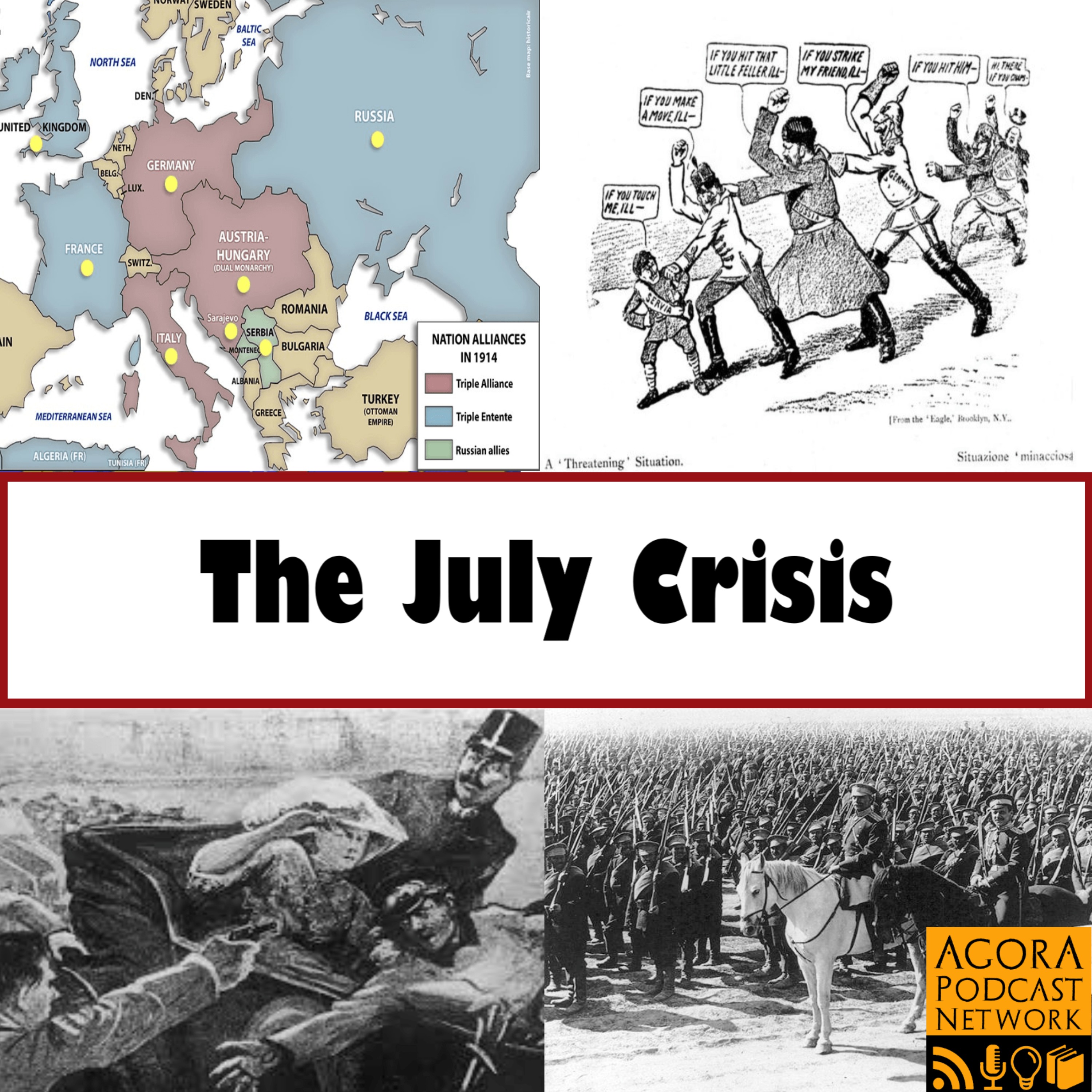
#12: 8-12 July 1914 - Hartwig's Last Act
Now that German support had been acquired, and the delivery of an ultimatum to Serbia was virtually guaranteed, Berchtold had one final mission - to persuade the Hungarian Premier Stefan Tisza of the necessity of war. This was easier said than done, since Tisza had good reasons for resisting calls for a war which he believed was unnecessary and dangerous. But Berchtold was fortunate in that the Hu
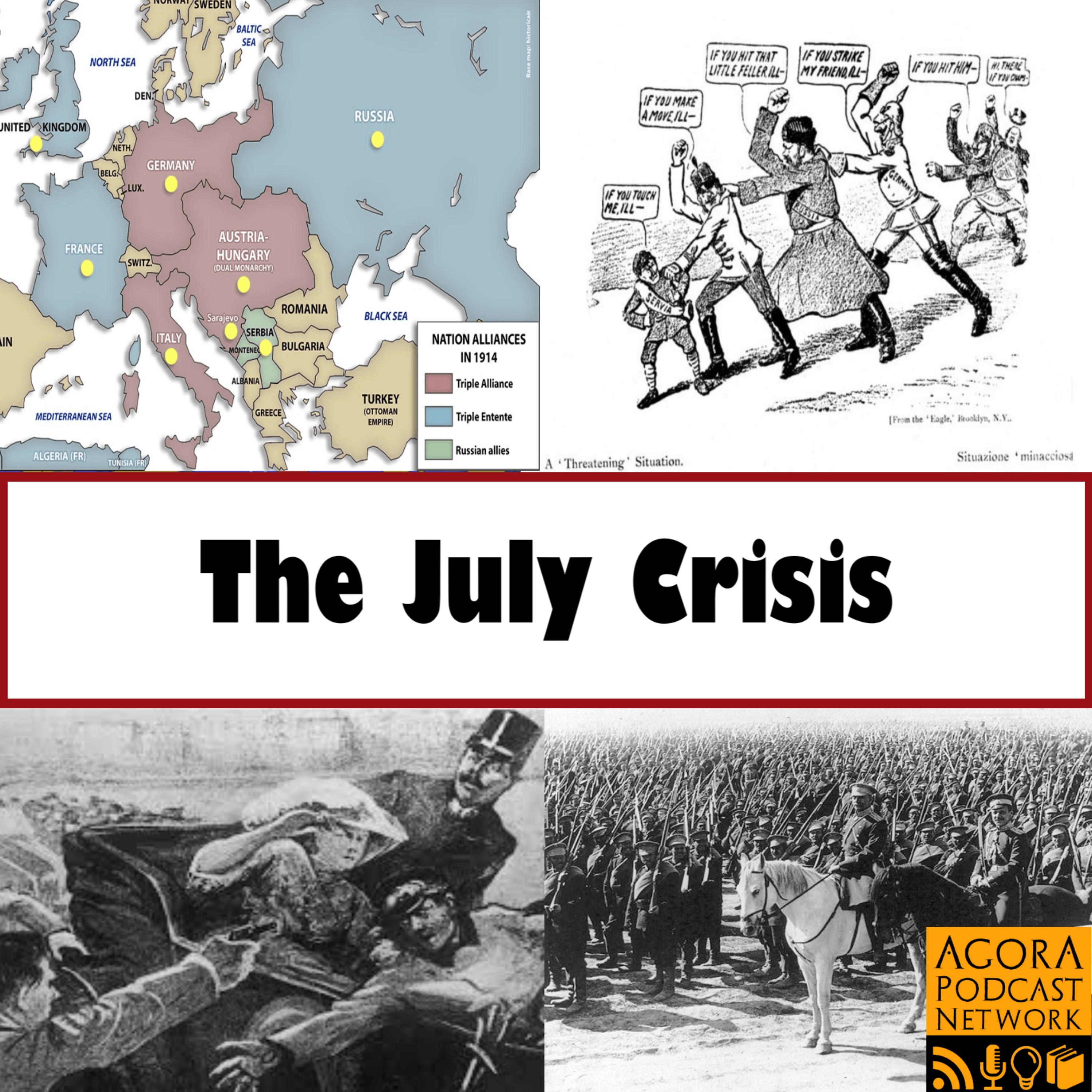
#11: 7 July 1914 - Joint Council Meeting
By 7 July 1914, Austria-Hungary's leading officials gathered in Vienna. The key item on the agenda was what to do about Serbia, but an unspoken item amounted to what to do about Hungary.With German support for the punitive strike on Serbia now assured, all that remained was for the Habsburg government to maintain a degree of unity at such a crucial moment in its history. Yet, unfortunately for Ber
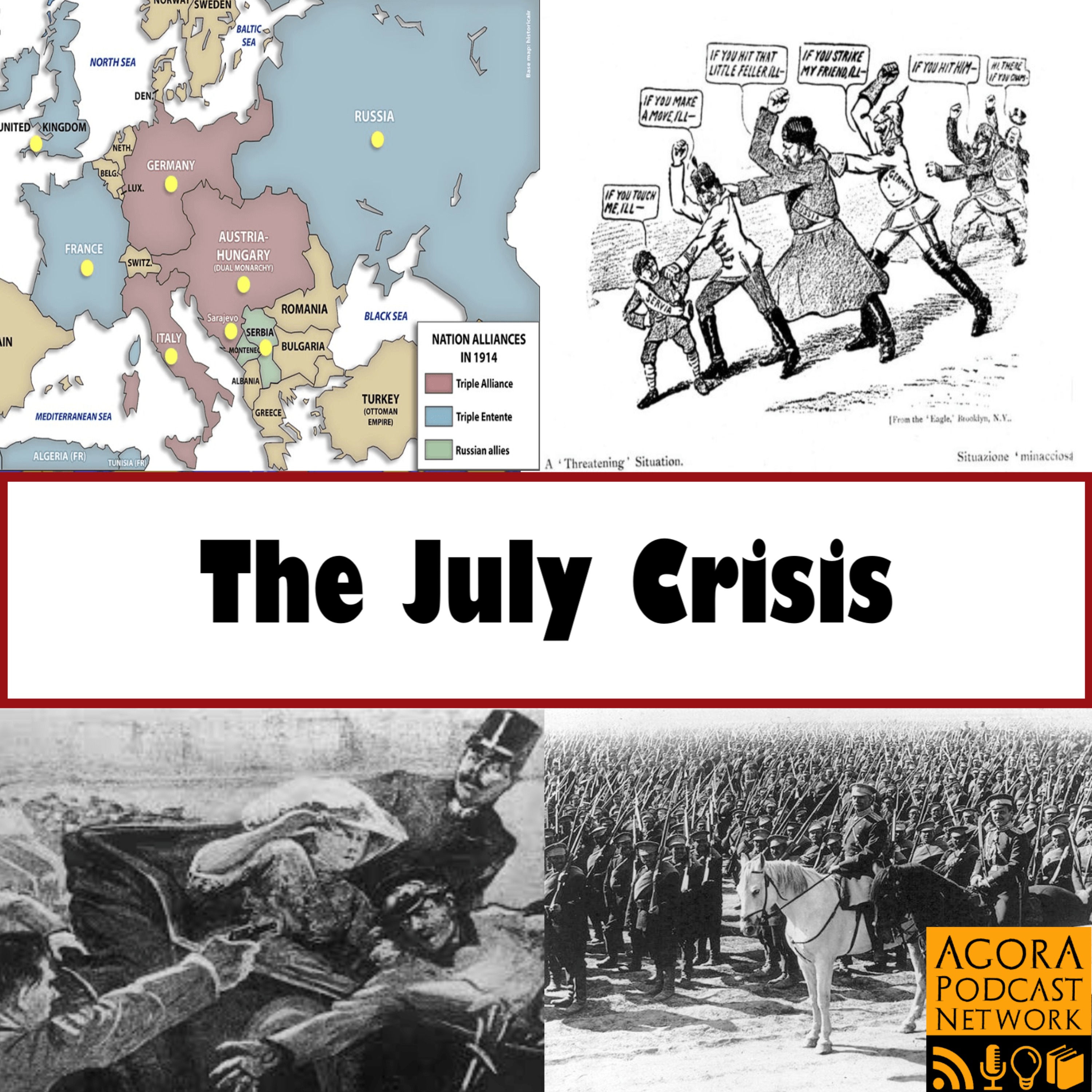
#10: 6 July 1914 - Saving Austria-Hungary
With the blank cheque secured, Austria had received its ally's blessing to pursue a punitive strike against Serbia - what would happen next? The morass of questions surrounding this development deserve greater examination, but you may be wondering, just how widespread was the pro-war party in Vienna? How many officials believed that only war with Serbia could fix the Empire's chronic problems, and
#9: 5 July 1914 - Drafting the Blank Cheque
Among all the controversies of the July Crisis, perhaps few compare to Germany's decision to provide Austria-Hungary with a 'blank cheque' for whatever policy it intended to adopt towards Serbia. In fact, word from Berlin suggested that the German government was impatient, and wanted Austria to strike Serbia as soon as possible. But, did this represent a German desire to launch a world war? As we
#8: 1-4 July 1914 - 'Are You Certain of Germany?'
Now that Vienna had decided to use war against its Serbian neighbour, the mission became one of guaranteeing German support. As we discuss in this episode, in Austria's estimation it was far from certain that Berlin would give this support. The record of diplomatic crises and cooperation in recent years suggested that Germany might even try to contain Austria's response, and prevent it acquiring t
#7: 29-30 June - Vienna Chooses Violence
With the shots heard round the world, how would Austro-Hungarian statesmen react to the news that the heir to their throne had been murdered in Sarajevo? In fact, as we see here, Austrian patience towards Serbia had been so exhausted by 1914 that a violent, warlike response was virtually inevitable. At least, Habsburg Foreign Minister Count Berchtold thought so. But what about the Hungarian elemen
#6: 28 June 1914 - Assassination in Sarajevo
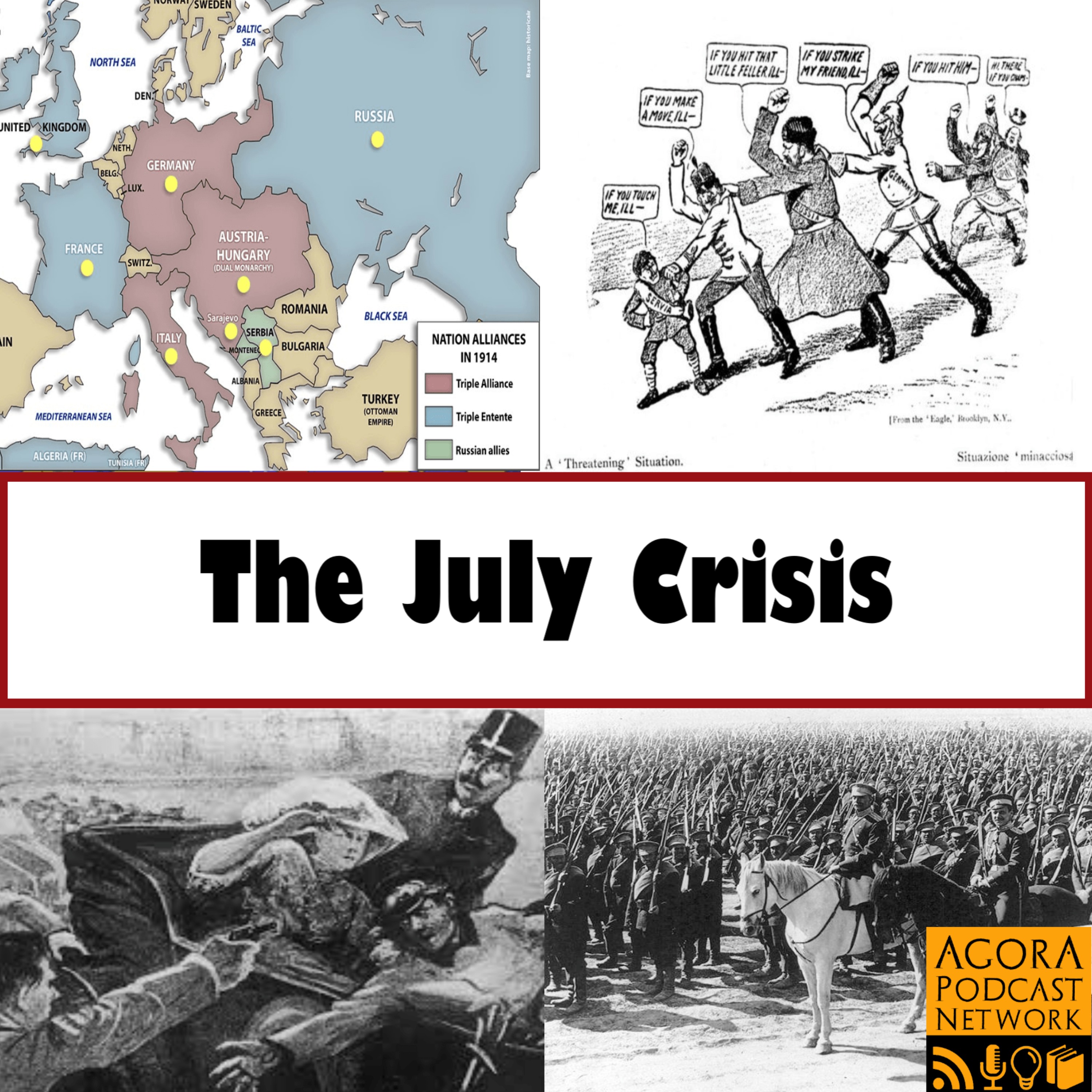
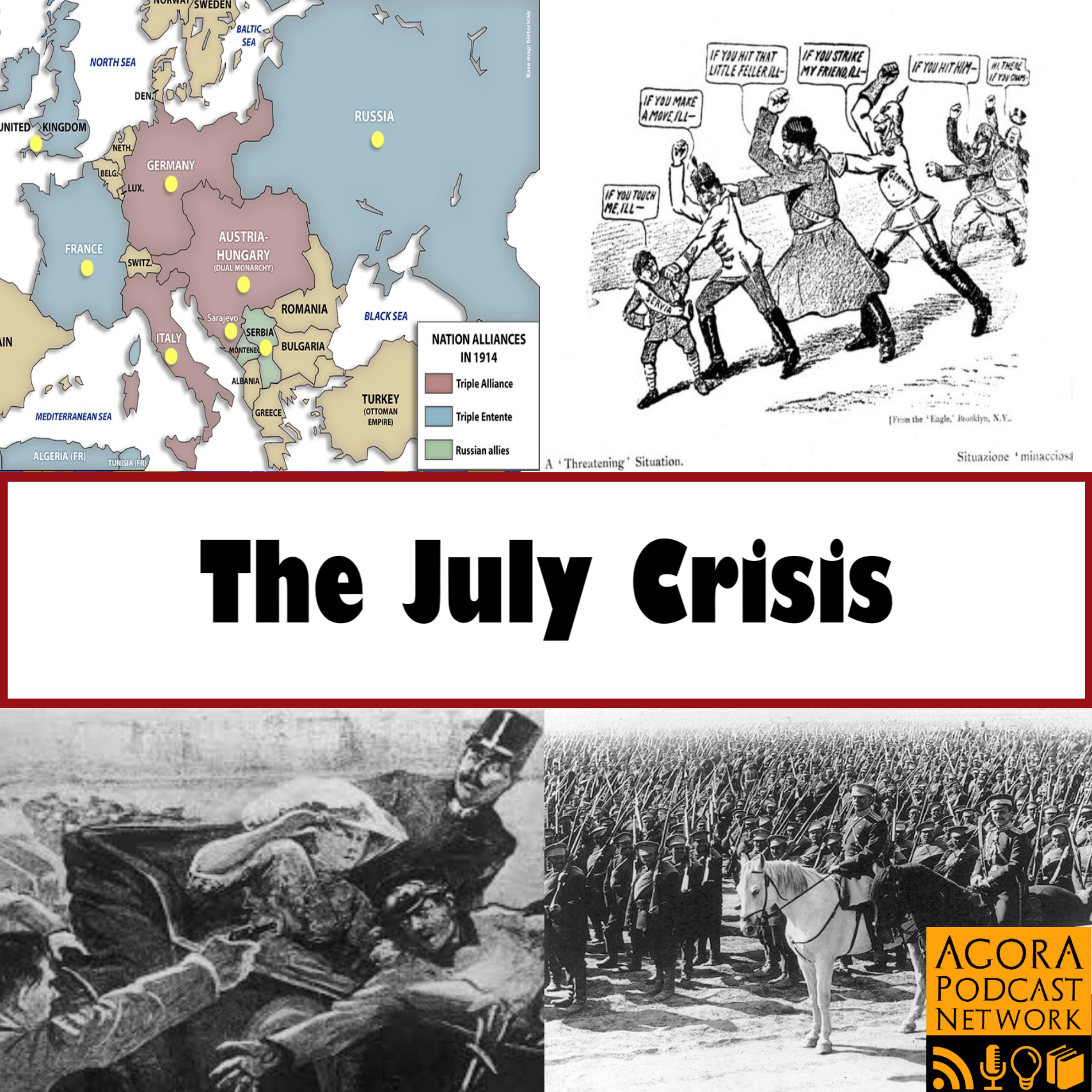
On 28 June 1914, Franz Ferdinand was assassinated by Gavrilo Princip, a Bosnian Serb terrorist. What followed was the July Crisis, as Austria-Hungary attempted to gain a measure of justice, or even revenge. No story of the July Crisis is complete without beginning here, but considering its infamy, what is there left to learn about this assassination and all that flowed from it? I would like to hum
#5: The Balkans and Other Wars (1911-1913)
In this teeny tiny episode, we look at the Italian invasion of Libya and the Balkans Wars!But first, get a load of these links!Do you want ad-free episodes with scripts attached, and bonus content? Support us on Patreon and you can suggest July Crisis episodes!Join our Facebook group as we make our way through this fascinating series!Click here to see our July Crisis workspace in Perlego, you'll f
#4: The Bosnian Annexation Crisis (1908-1909)
In our second background episode, we cover the Bosnian Annexation Crisis from 1908-1909!But first, get a load of these links!Do you want ad-free episodes with scripts attached, and bonus content? Support us on Patreon and you can suggest July Crisis episodes!Join our Facebook group as we make our way through this fascinating series!Click here to see our July Crisis workspace in Perlego, you'll fin
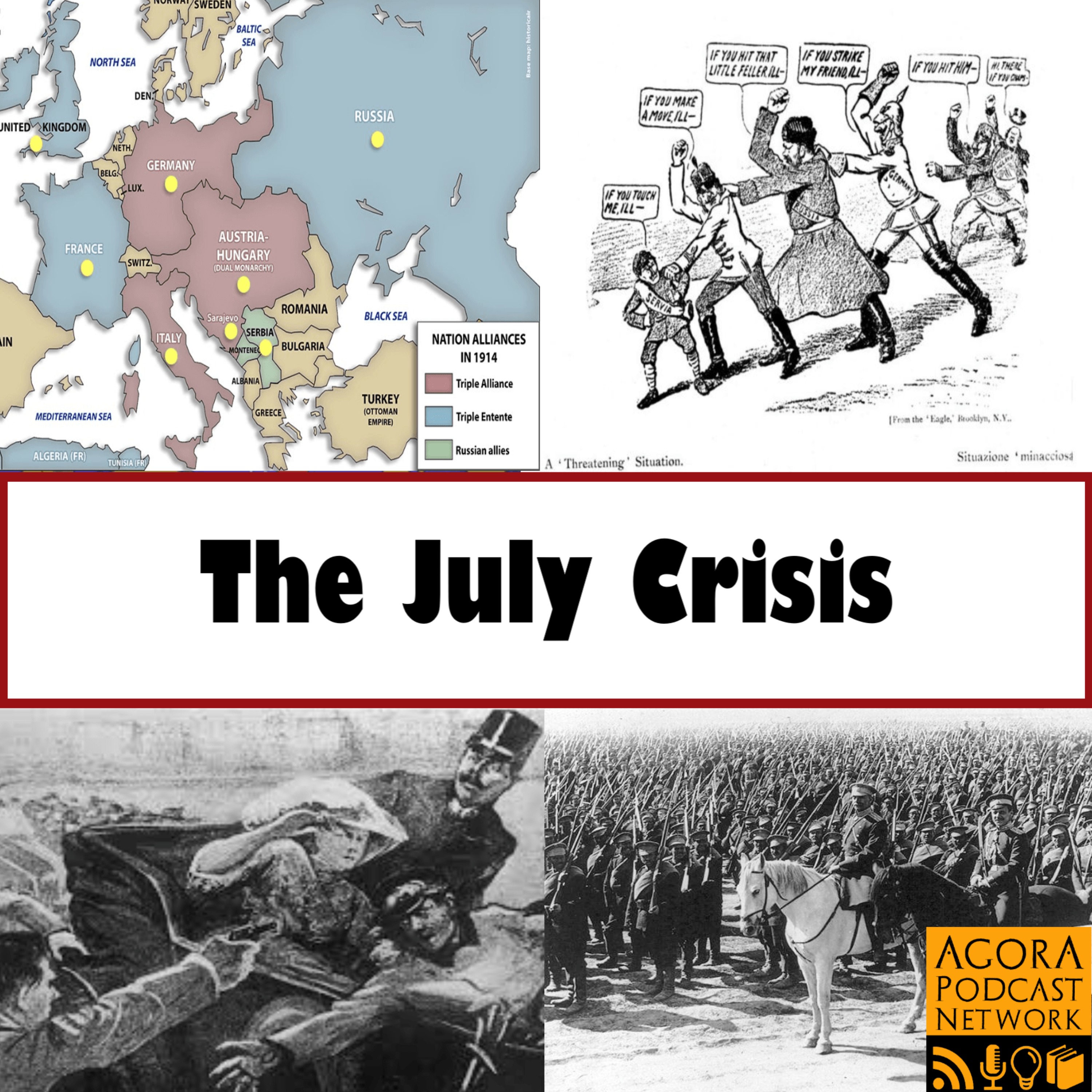
#3: Ententes and Alliances (1871-1907)
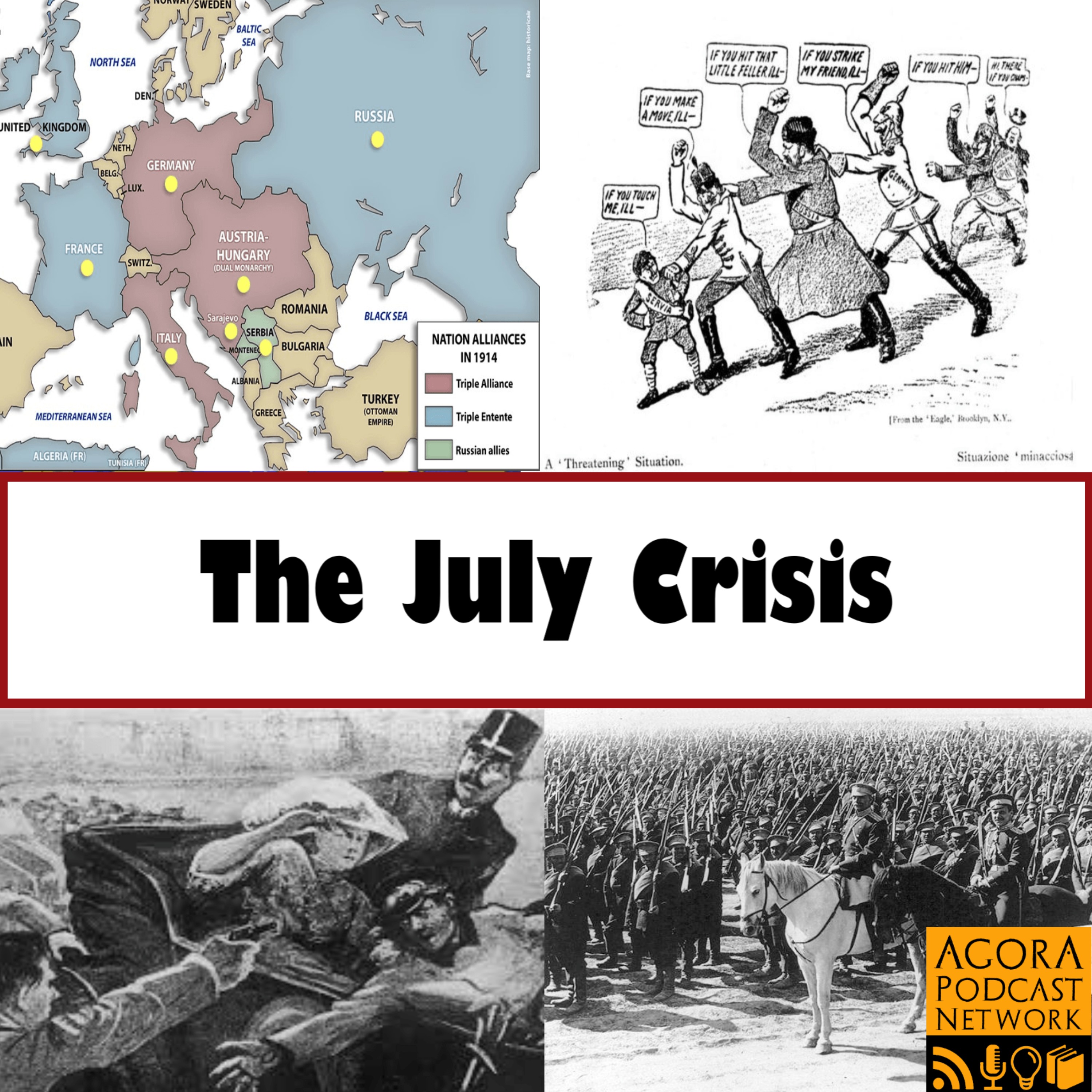
In our first background episode, we look at the formation of the Triple Alliance and Triple Entente. But first, get a load of these links!Do you want ad-free episodes with scripts attached, and bonus content? Support us on Patreon and you can suggest July Crisis episodes!Join our Facebook group as we make our way through this fascinating series!Click here to see our July Crisis workspace in Perleg
#2: Historiography of the July Crisis
How do historians explain the outbreak of the First World War, and how have these views changed over the last century? Were they influenced by new perspectives, new motives, or new source materials? How have they influenced our current understanding of the war's origins, and what impact have they had on the 'mainstream' view of why war broke out? In this episode we go on a journey through the hist
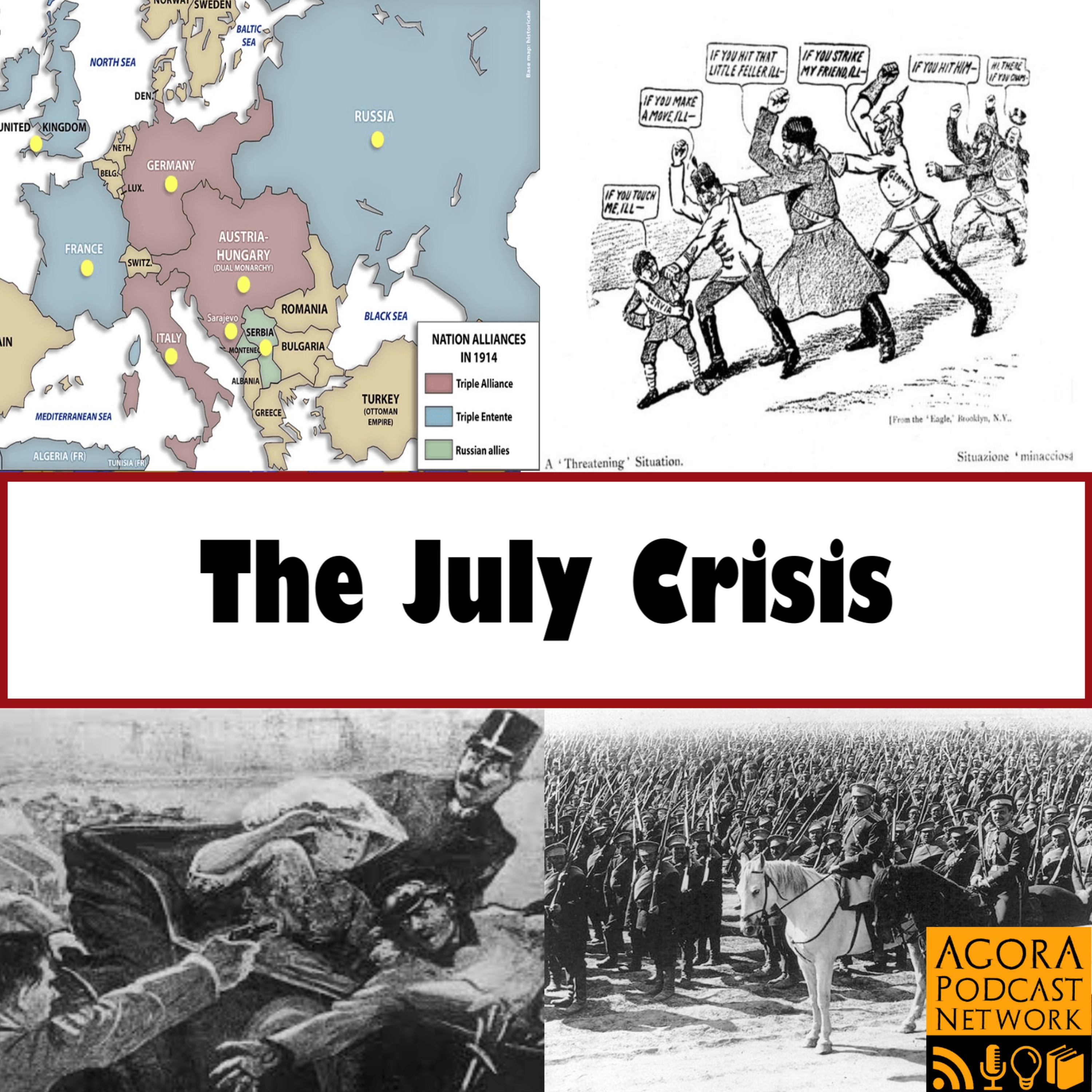
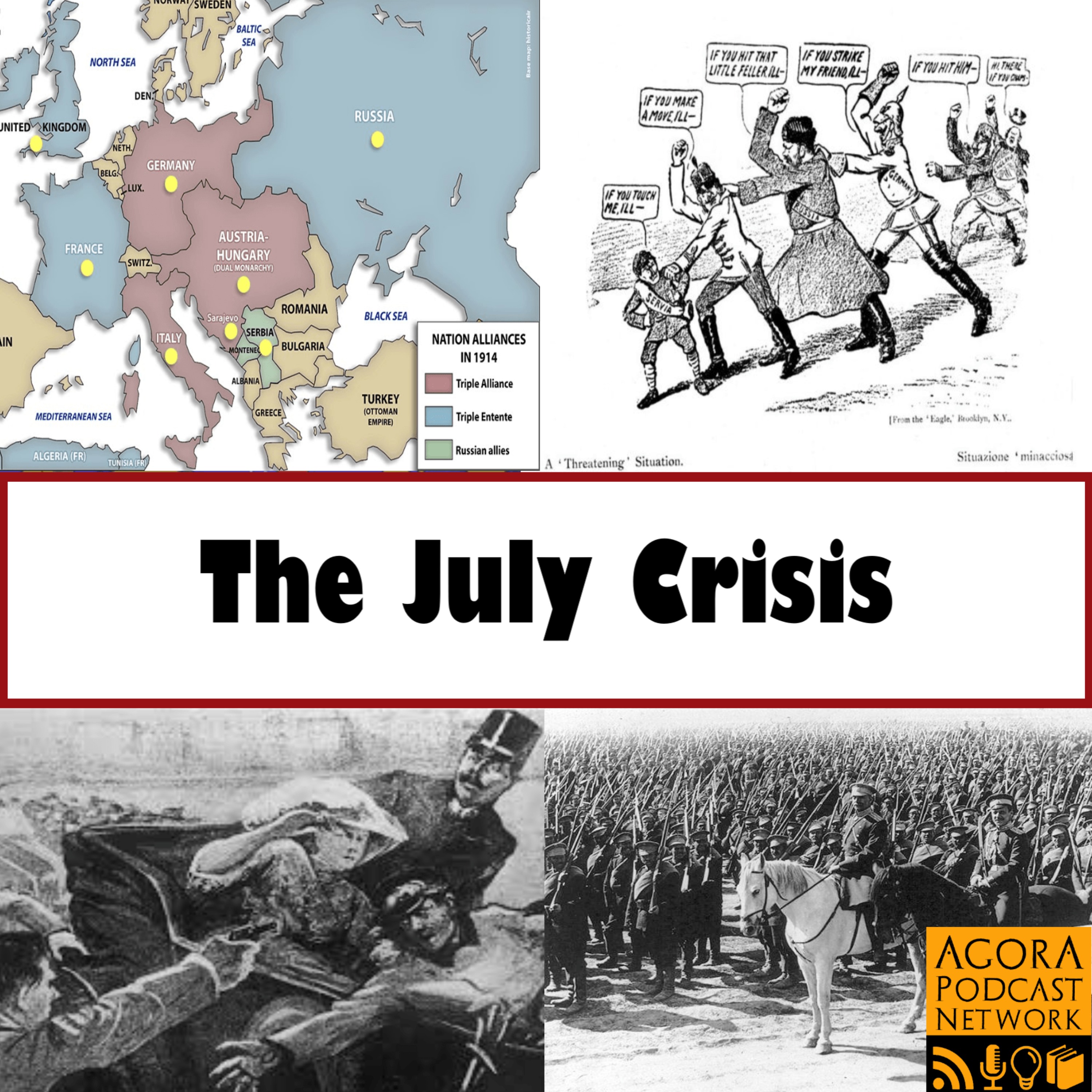
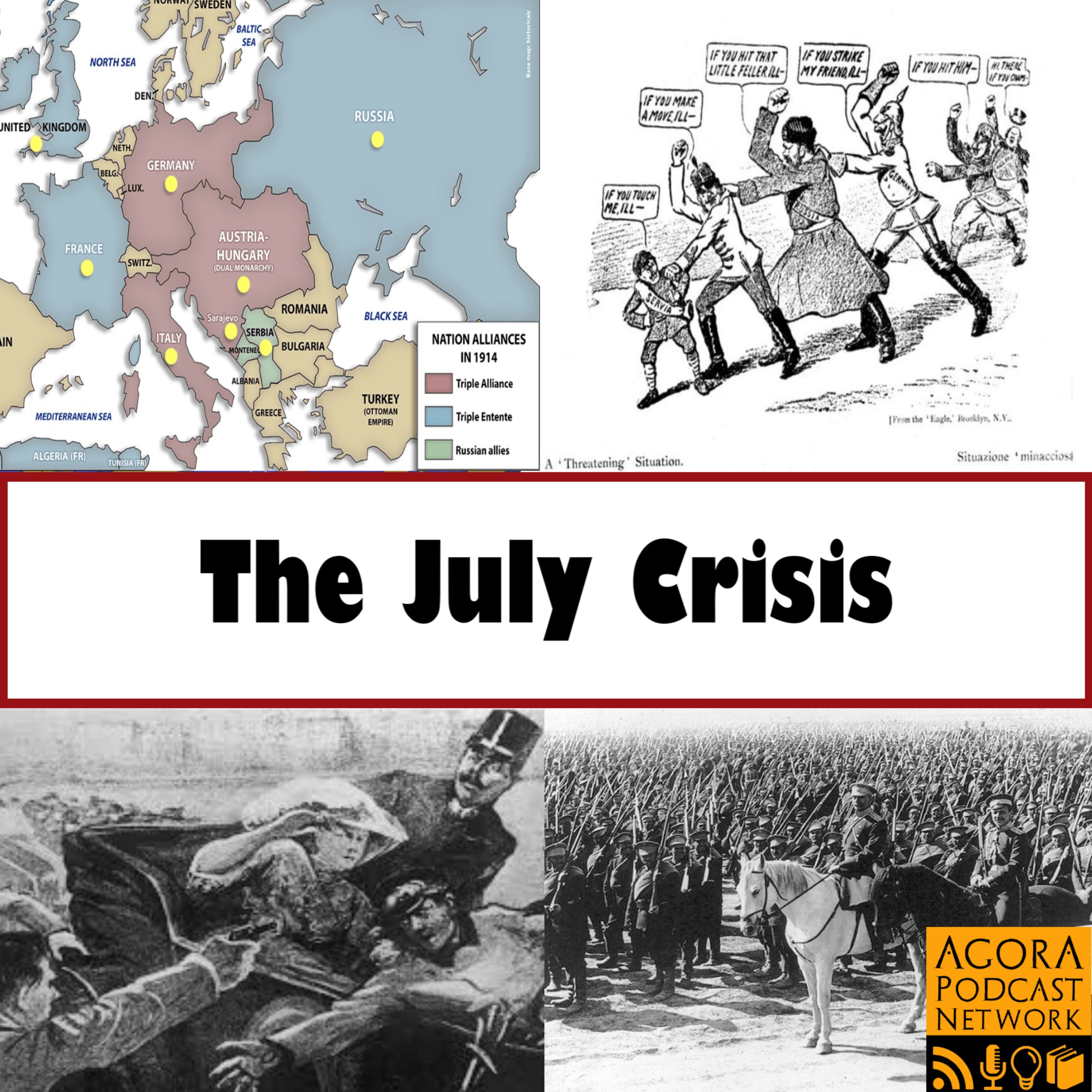
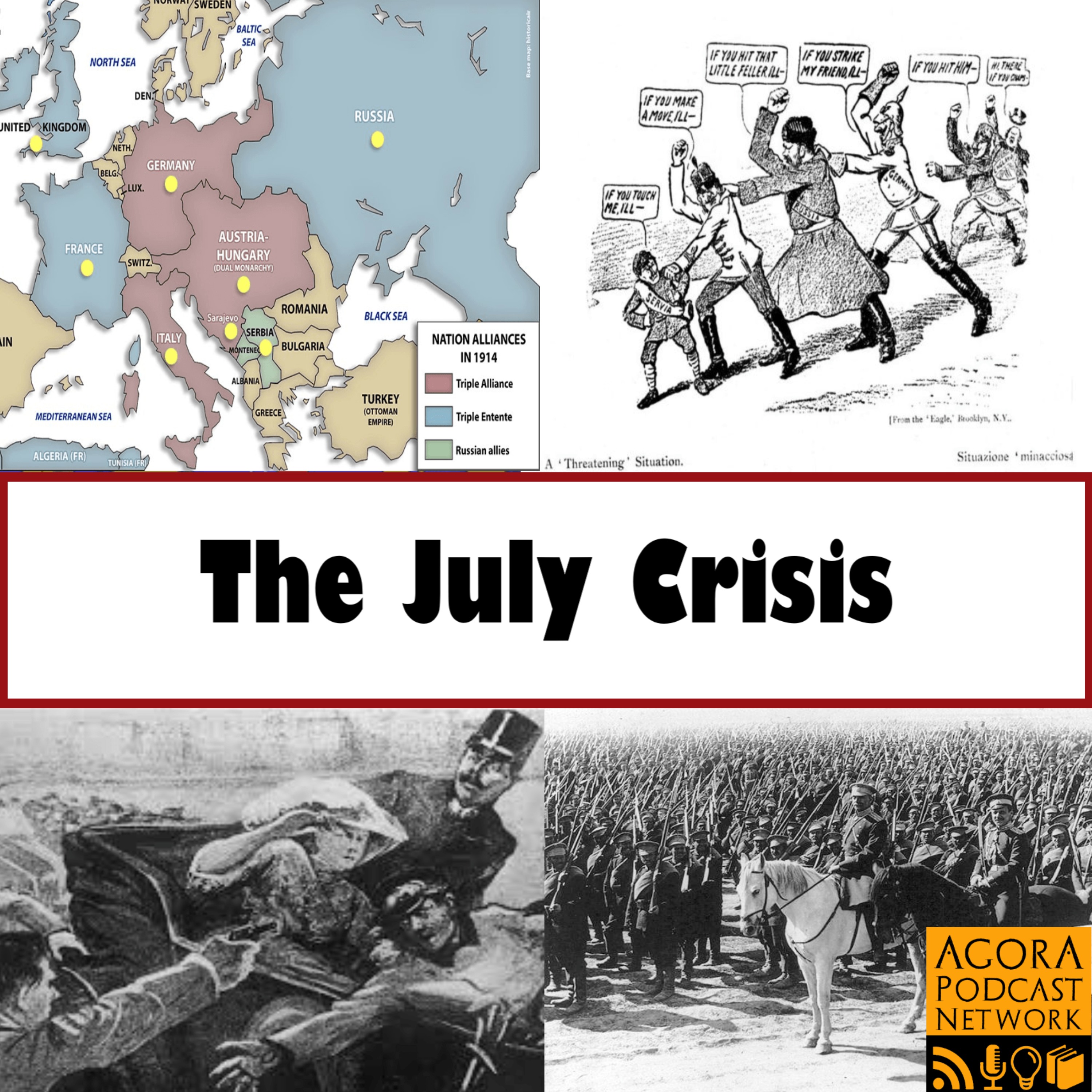
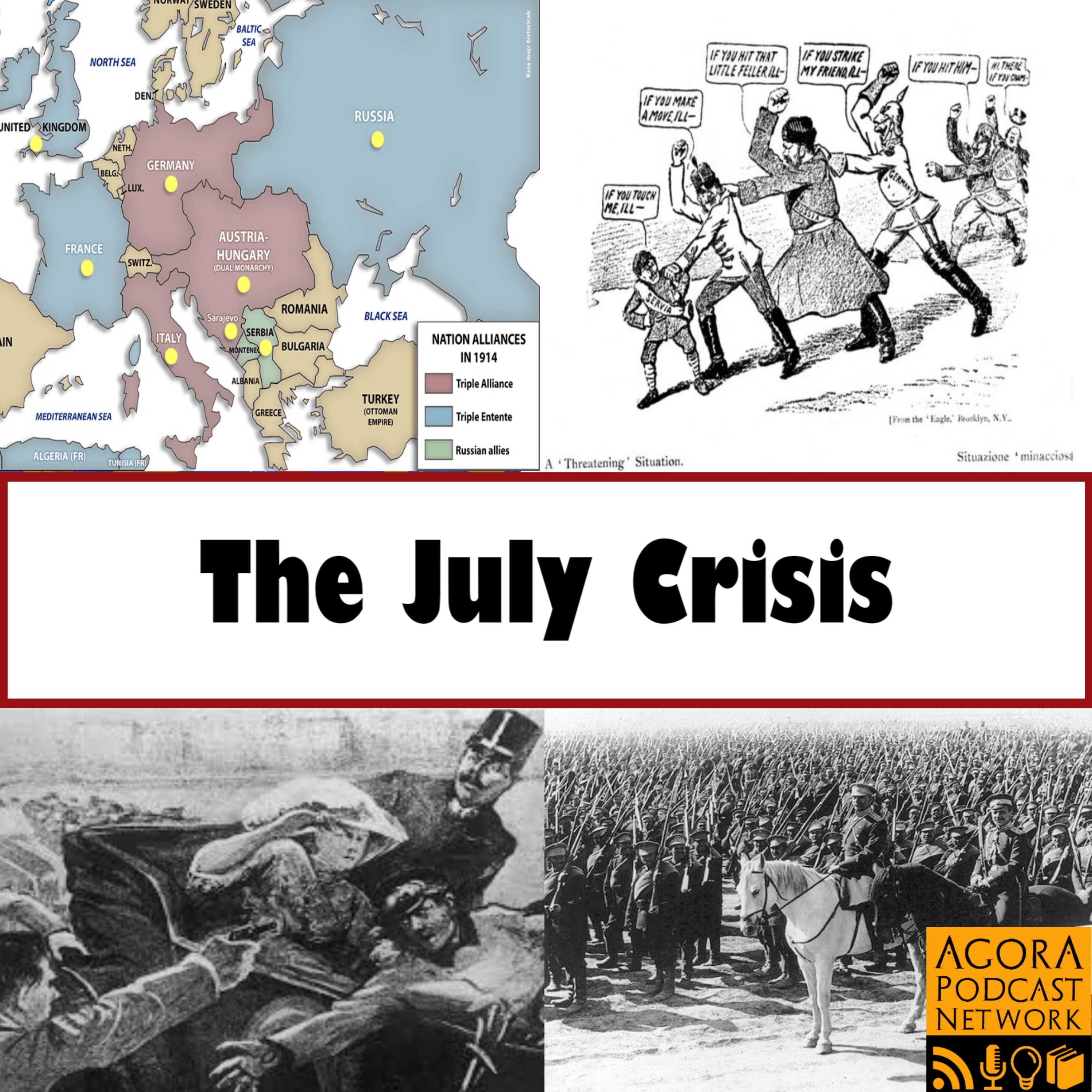
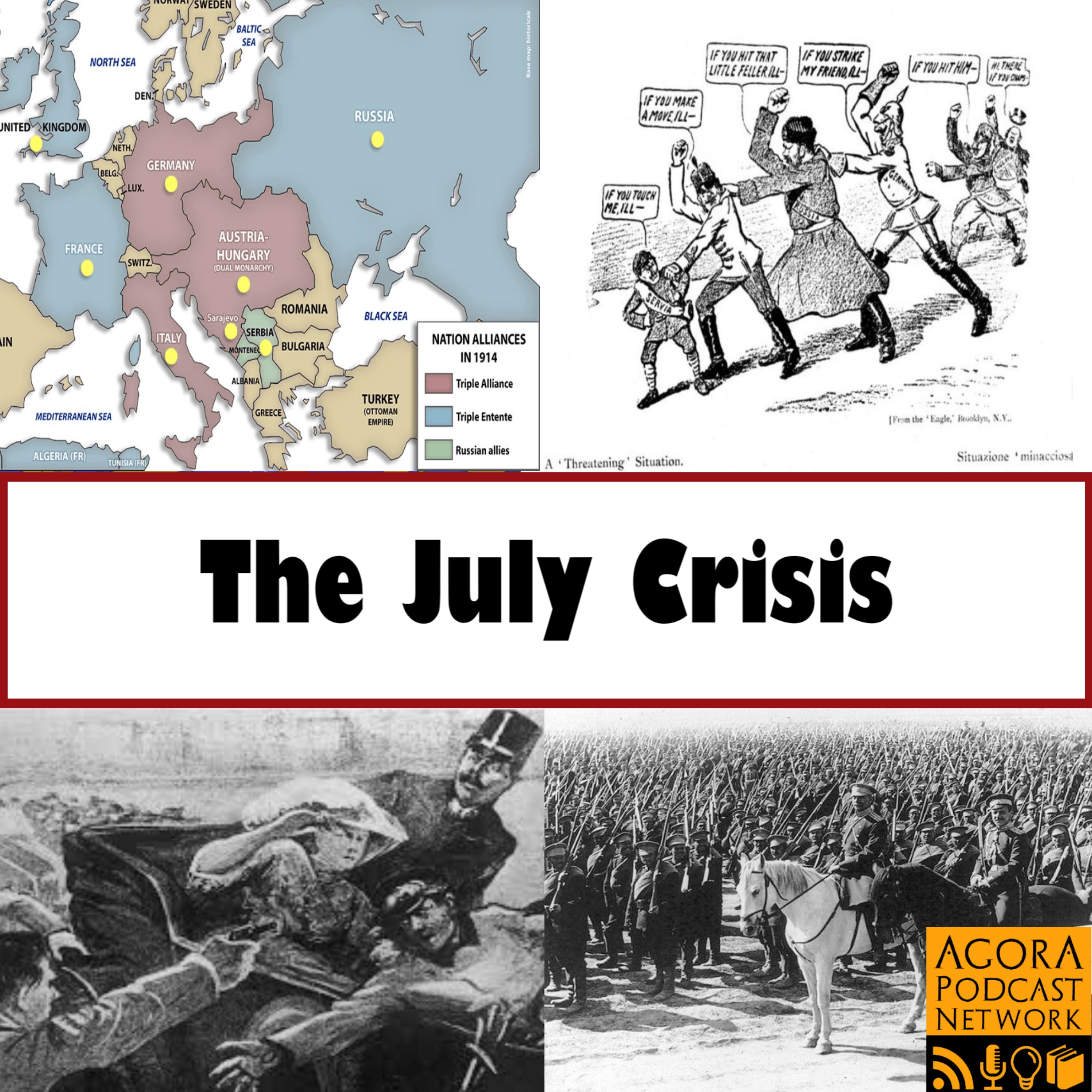
WDF Presents: The July Crisis
Welcome history friend, to this exciting new series!110 years to the day since Franz Ferdinand was assassinated in Sarajevo, and a decade on from our July Crisis Anniversary Project, I believe there has never been a better time to jump back into this world. This is a brand new series, and I have been working on it for some time now.In this episode, we set some things straight. This is not a remast