
Space Wonders - an ESA podcast collection
This is an official channel of the European Space Agency, where you can find a variety of podcast series bringing you closer to the people, missions and discoveries that are expanding our understanding of the Universe.
Episodes

Our galaxy and faraway worlds, Gaia, Plato, and hearing stars wobble - Expedition Sound 3
Wobbling stars and distant worlds – in this episode of Expedition Sound, we leave the planets of our Solar System behind and venture out into our home galaxy to explore the stars and exoplanets in the Milky Way galaxy. Through the sonification of so-called starquakes observed by the European Space Agency’s Gaia space telescope, we explore what we can learn from listening to the heartbeat of stars
The Solar System, BepiColombo, and flying towards Mercury - Expedition Sound 2
We get as close as possible to travelling aboard a spacecraft, experiencing what it would be like to fly towards planet Mercury. Through a sonification of data collected during ESA/JAXA BepiColombo’s sixth flyby, we can almost feel the spacecraft shaking and the rocky planet’s gravity tugging on it.
In this episode of Expedition Sound, we explore the planets of our Solar System and make a stop at
Our Sun, Solar Orbiter, and listening to solar fireworks - Expedition Sound 1
Guided by a sonification created with data from the ESA-led Solar Orbiter mission, we explore some of the mysteries of our Sun, how Solar Orbiter is studying them, and how sound can make astronomy more accessible.
In this episode of Expedition Sound, we set off on our first journey of this podcast series and travel to the Sun – our familiar, friendly neighbourhood star.
Along the way, we meet one

ESA‘s riskiest flyby – Solar Orbiter faces Earth debris
We talk to Julia Schwartz, expert in flight dynamics, and Klaus Merz, space debris, about Solar Orbiter's upcoming risky Earth flyby. On 27 Nov, it will pass almost as close as the International Space Station in one of the closest flybys on record, which will see the spacecraft pass through two regions of hazardous debris. Could Solar Orbiter swerve from collision, if needed? Has the recent 'fragm
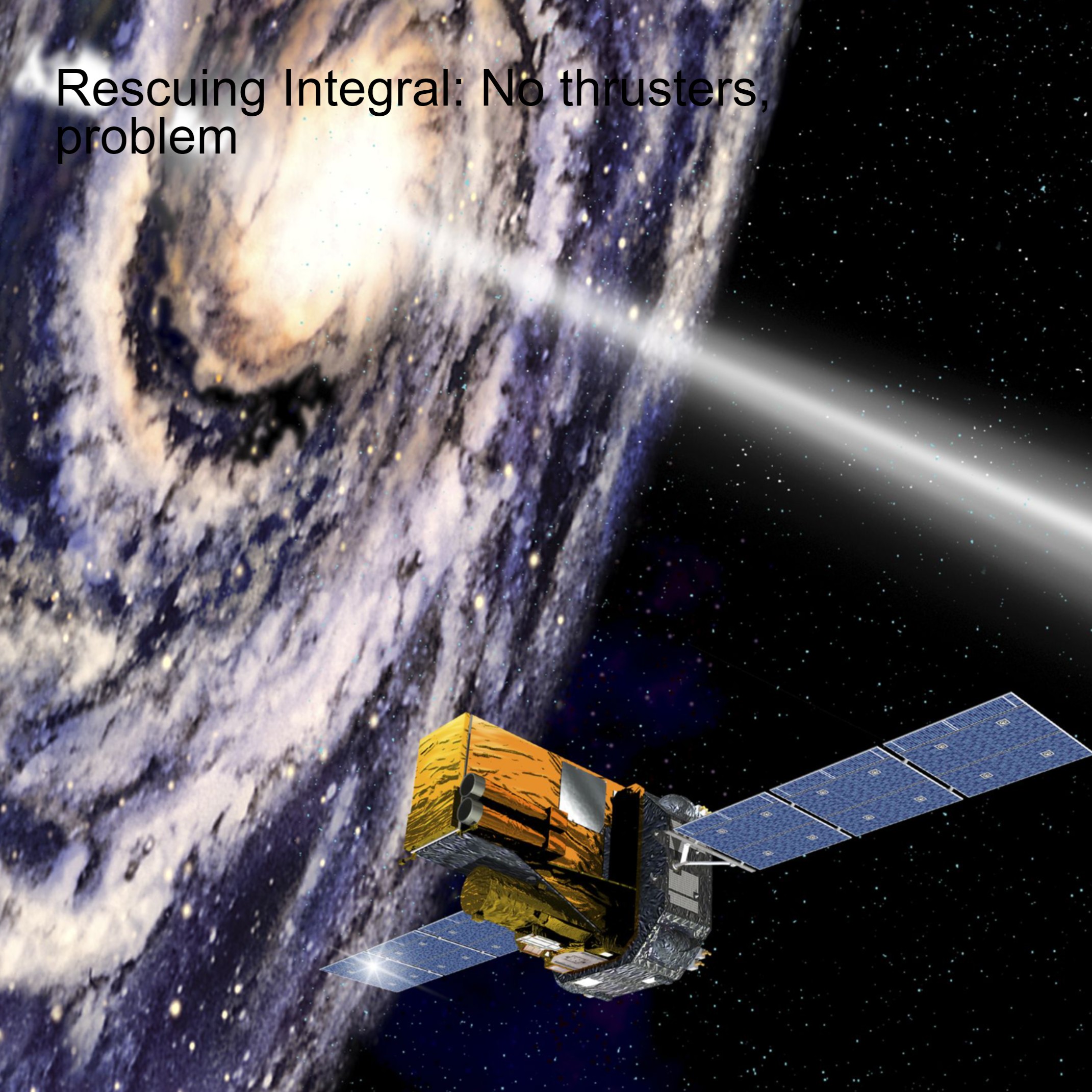
Rescuing Integral: No thrusters, no problem
A year ago today, a failure on the Integral spacecraft meant it fired its thrusters for likely the last time. Hear Richard Southworth, Operations Manager for the mission explain how in the 365 days since, the spacecraft in Earth orbit has continued to shed light on the violent gamma ray Universe.
Not only that, Integral should soon be working even more efficiently than before, as mission control t
Your chance to name the next space weather mission
ESA needs you. We need a name for our new spacecraft. Its mission? To spot potentially hazardous solar storms before they reach Earth.
We speak to Jussi Luntama, ESA's Head of Space Weather about the mission, why it needs a new name, and what kind of submissions he's hoping for.
Submit your proposal at: https://www.esa.int/Safety_Security/Space_weather/Name_ESA_s_new_mission
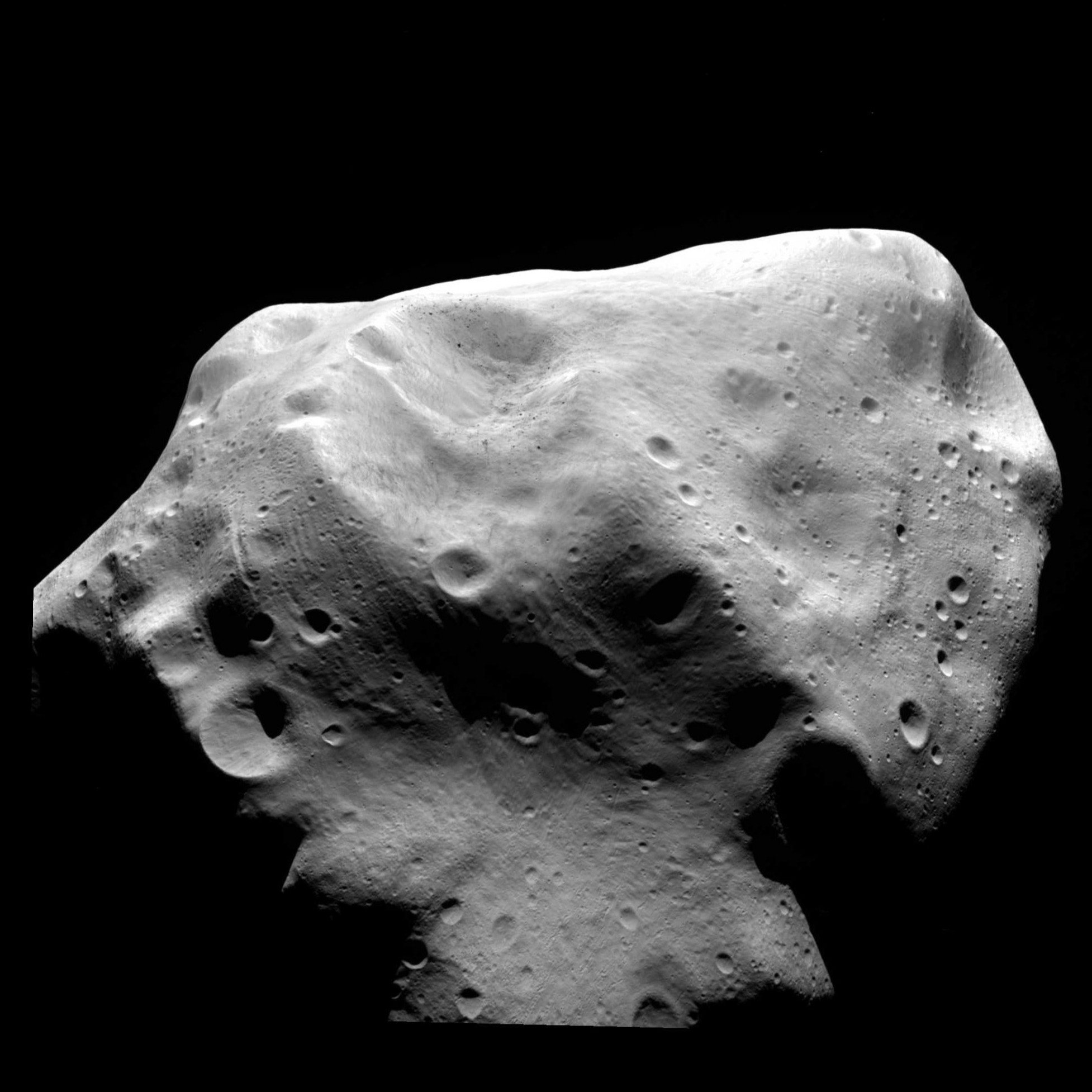
A fictional asteroid impact
Once every two years, asteroid experts around the globe meet up and pretend an asteroid impact is imminent. Why? To prepare for the likely – but plausible – scenario in which this comes true.
In this episode, we speak about the hypothetical impact scenario playing out at this year's Planetary Defense Conference and why it matters, with Detlef Koschny, ESA's Head of Planetary Defence.
Get the full

André Kuipers on sheltering from oncoming space debris
André Kuipers is one of a handful of astronauts who has had to 'shelter-in-place' from a piece of marauding space debris.
In 2012, a debris fragment was spotted heading towards the International Space Station. Its orbit was hard to predict but it looked like it could pass at a distance of approximately 10 kilometres: that meant code red.
ESA astronaut André, along with his fellow passengers, had t
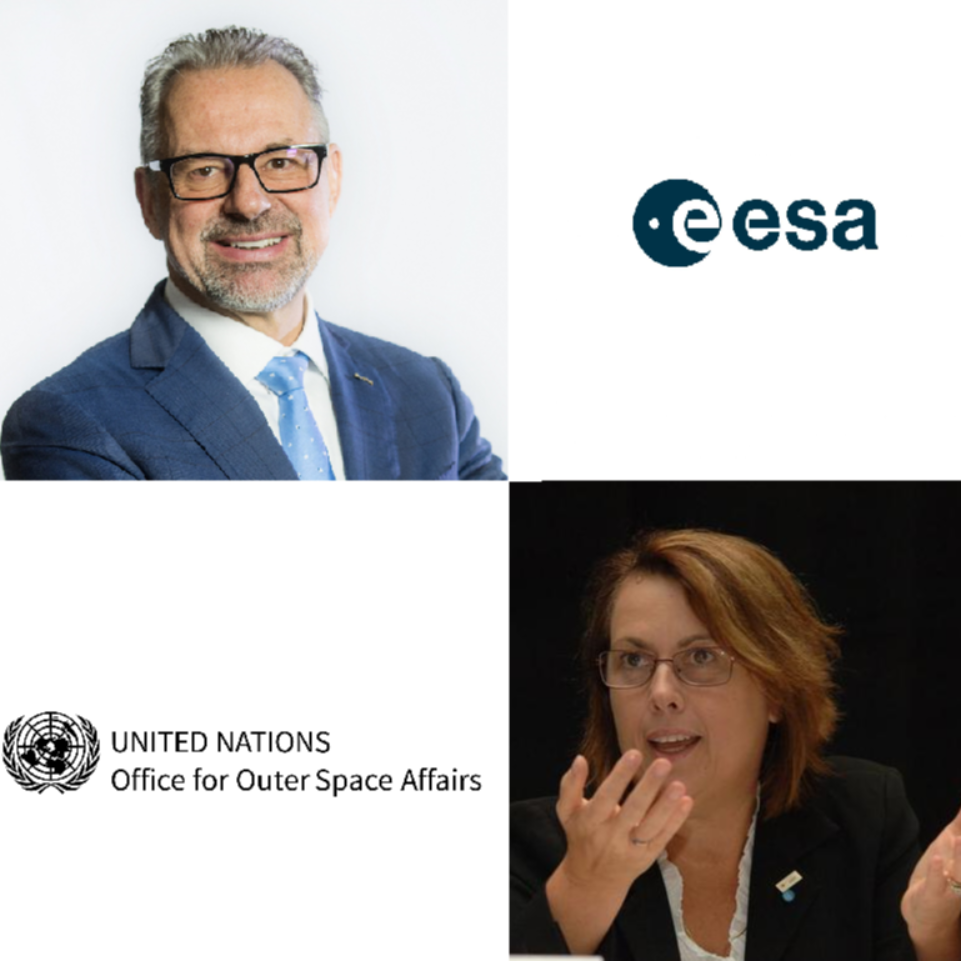
ESA & UNOOSA talk trash: Directors Josef Aschbacher and Simonetta di Pippo in conversation
In the final episode of the ESA-UNOOSA podcast on space debris, Josef Aschbacher, Director General of the European Space Agency, and Simonetta di Pippo, Director of the UN Office for Outer Space Affairs, discuss this topic of global concern.
What are the two leading organisations doing to tackle space debris? What more needs to be done? Is there reason to be hopeful?
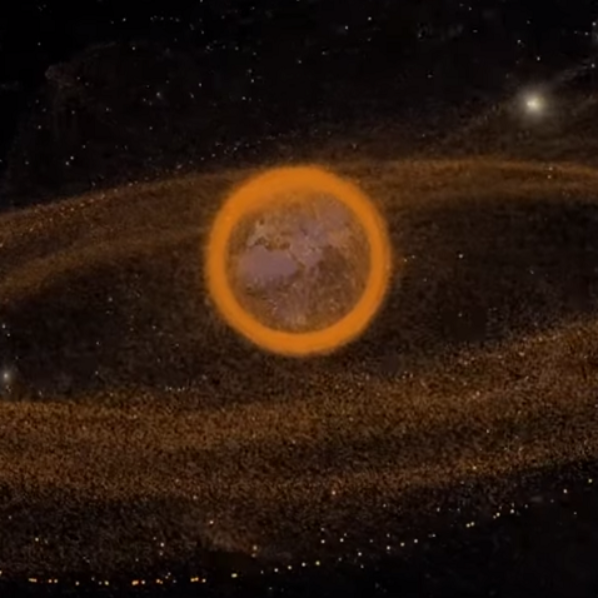
ESA & UNOOSA on space debris: sustainability over the long term
Space may seem vast, but the orbits around Earth in which satellites reside are a limited natural resource. Since the beginning of the space age, millions of debris fragments have been created which now threaten any spacecraft that crosses their path.
So what can we do to protect these vulnerable regions for future generations? Find out in episode nine of the ESA-UNOOSA space debris series, with S
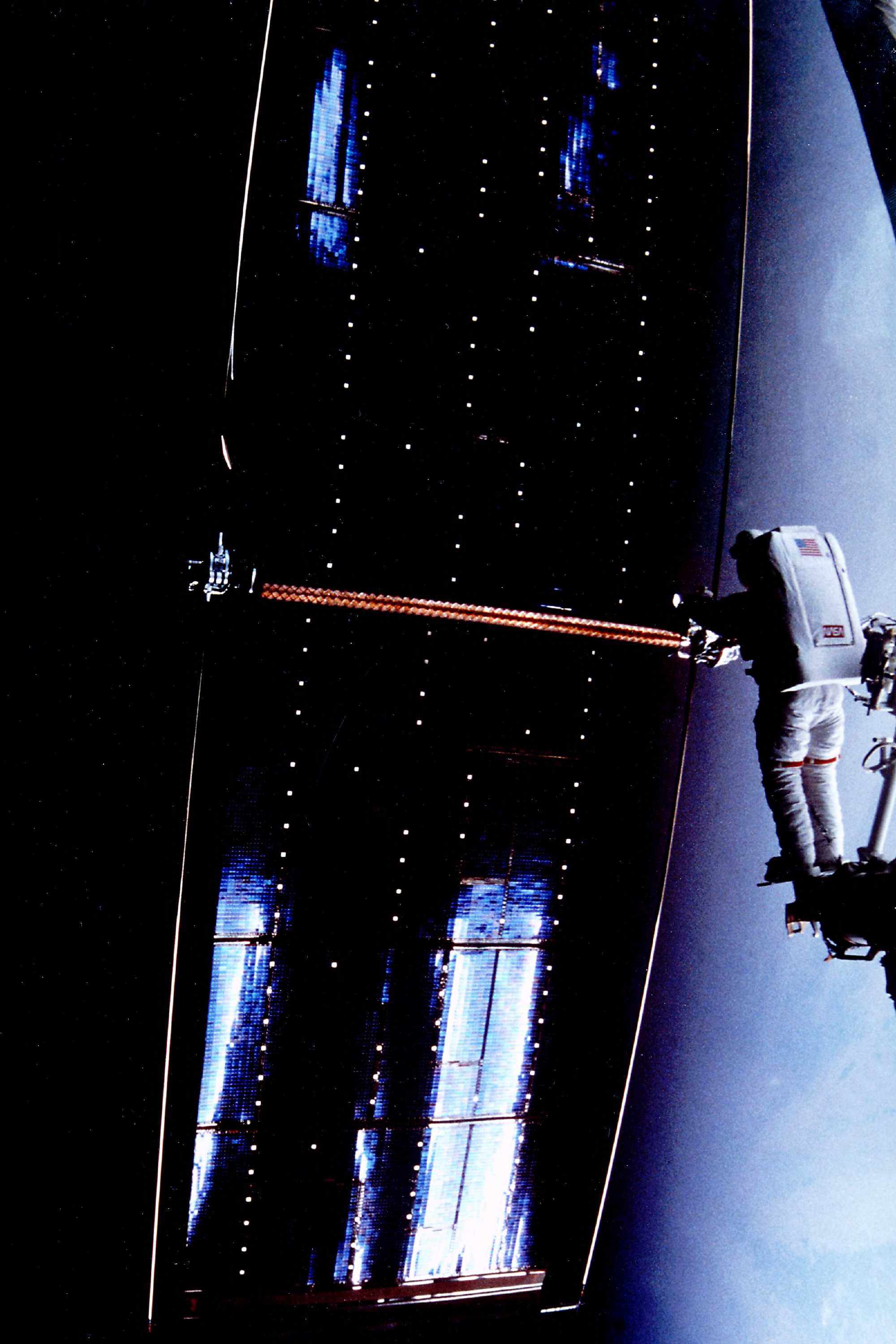
ESA & UNOOSA on: space debris and human spaceflight
Humans in space have a lot to contend with, and for those orbiting in low-Earth orbit, space debris is a real concern.
So what's the risk to astronauts on-board the International Space Station? How safe are they when they perform a space walk, and what are the "clanking" sounds they report hearing? Find out in episode 8 of the ESA-UNOOSA space debris podcast with Vitali Braun and Ottavia Pesce.
Wh
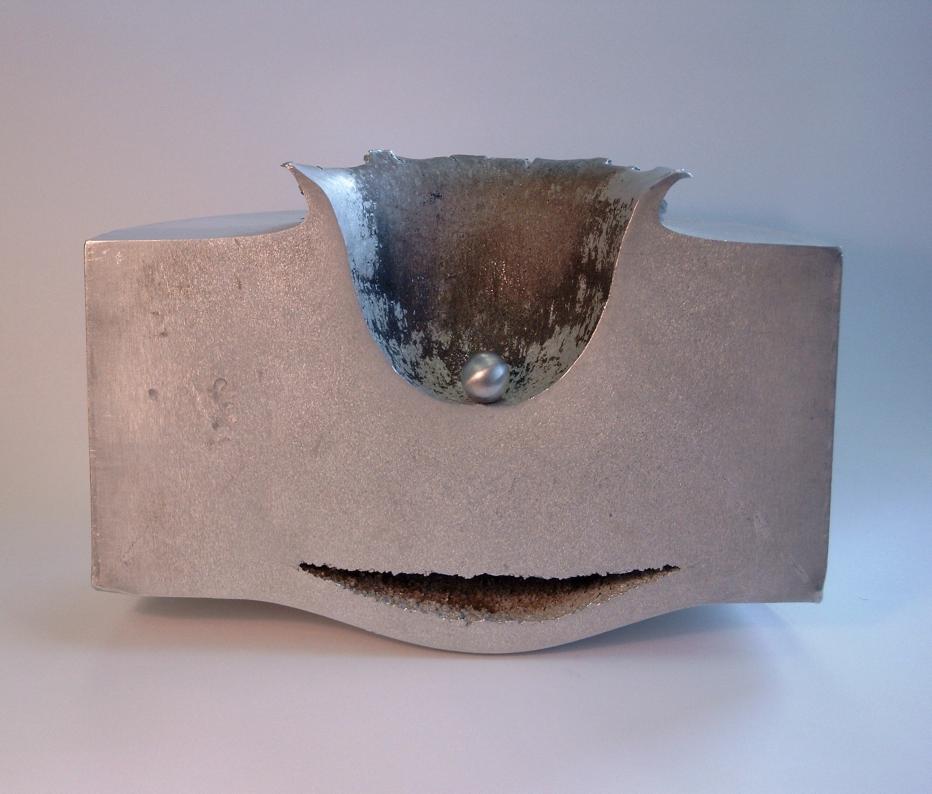
ESA & UNOOSA on: the impact of debris
Debris in orbit varies from millions of millimetre-sized particles to thousands of much larger objects like defunct satellites and rocket parts. As such the damage debris can cause varies from a gradual degradation of satellite parts over time to immediate and total destruction.
Find out about the damage debris can do - including leading to the "Kessler syndrome" - in episode 7 of the ESA-UN space
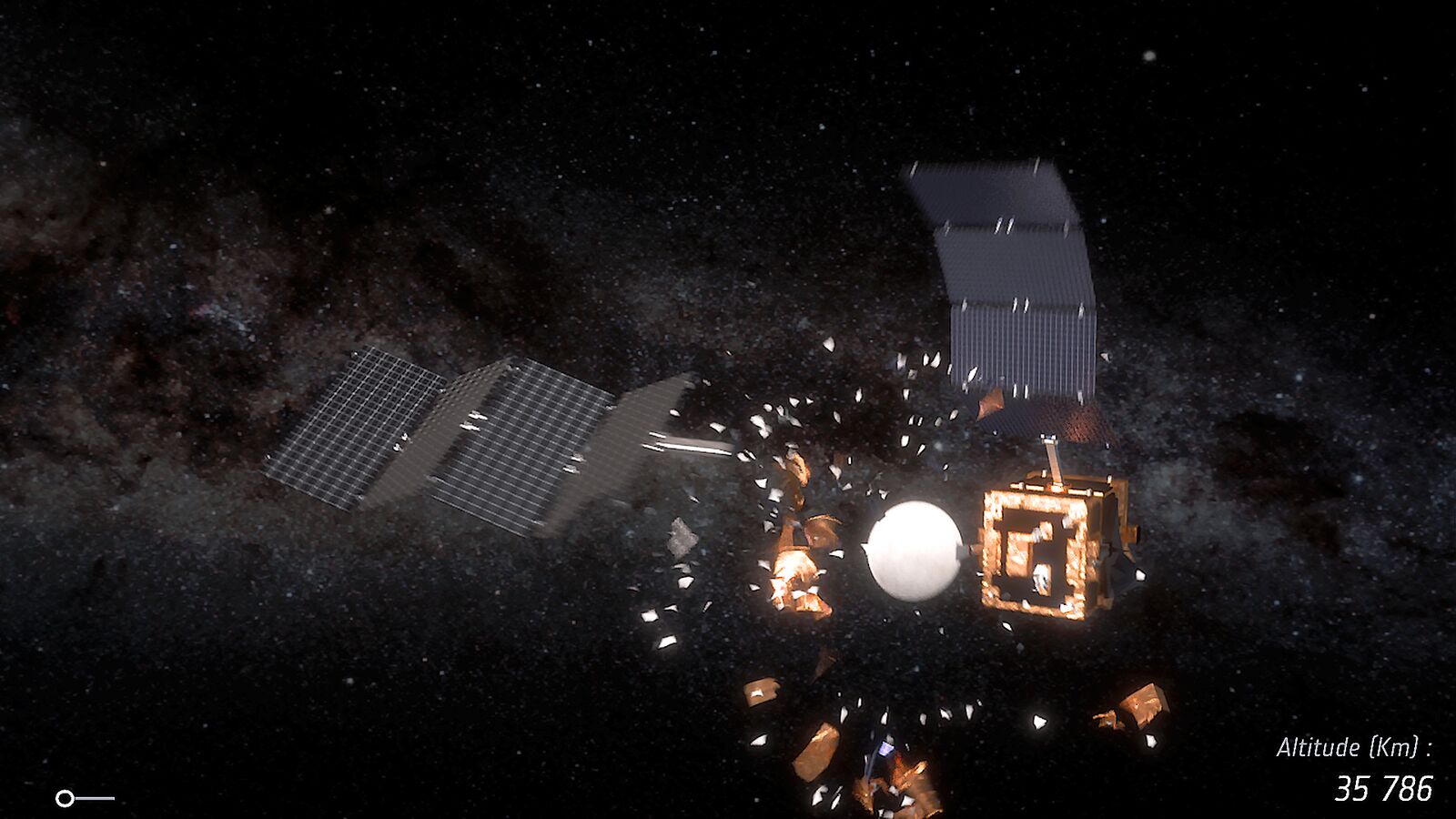
ESA & UNOOSA on space debris: Where today's debris came from
The millions of fragments of debris in orbit today are the direct result of 'fragmentation events' in the past. But how do we know what caused the 550 known, debris-creating events to date? And what can we learn from them?
In episode 6 of the ESA-UNOOSA space debris series, Vitali Braun and Jorge del Rio Vera discuss the various past events that have lead to today's debris environment, and what we
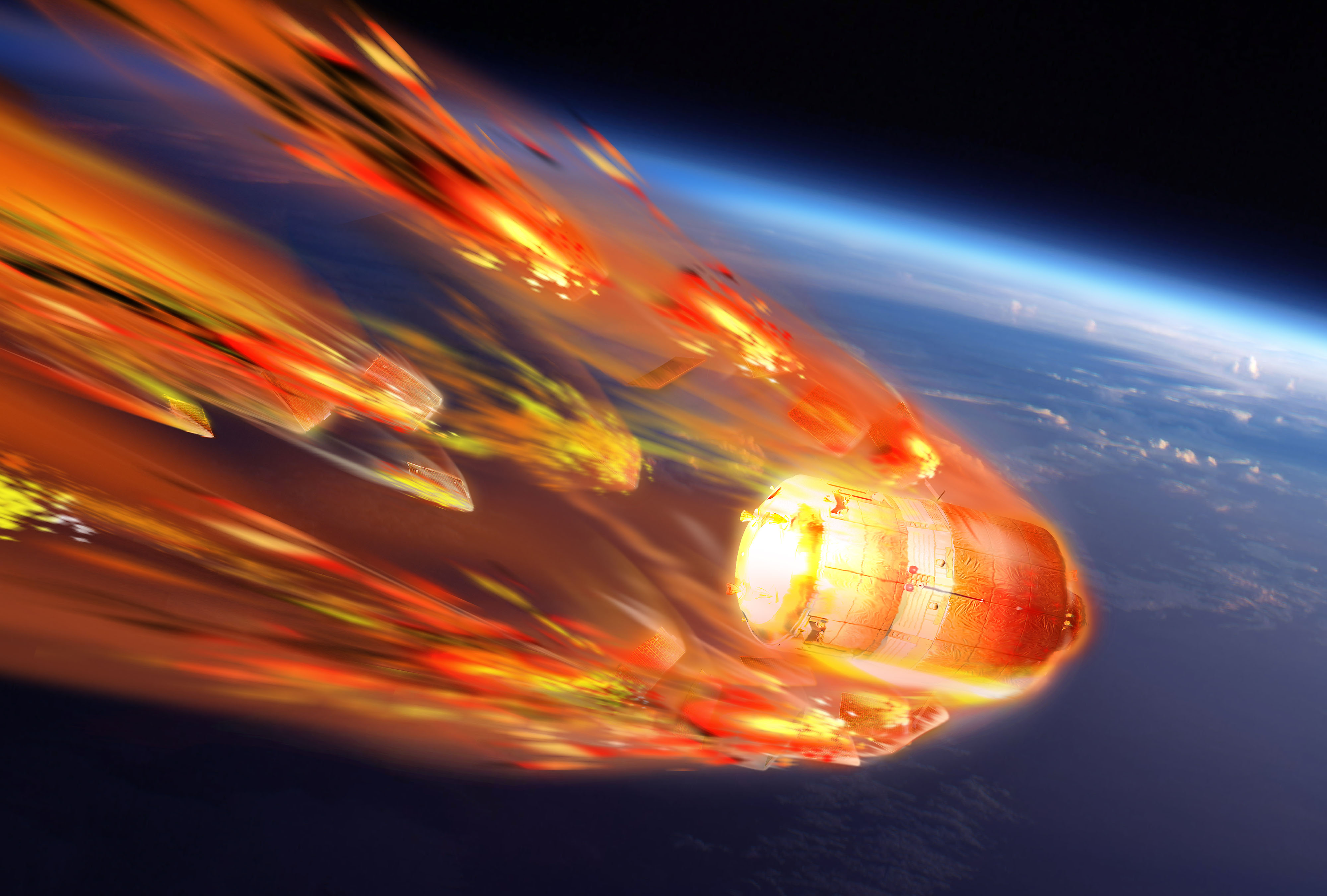
ESA & UNOOSA on space debris: The role of reentries
What goes up, nearly always comes back down. Roughly 100 satellites and rocket bodies reentered Earth's atmosphere every year in the last decade. It might sound scary, but atmospheric reentries are nothing to be worried about - in fact they are a fundamental tool in minimising the creation of space debris and ensuring a sustainable future in space.
In this podcast, episode 5 in the ESA-UN space de
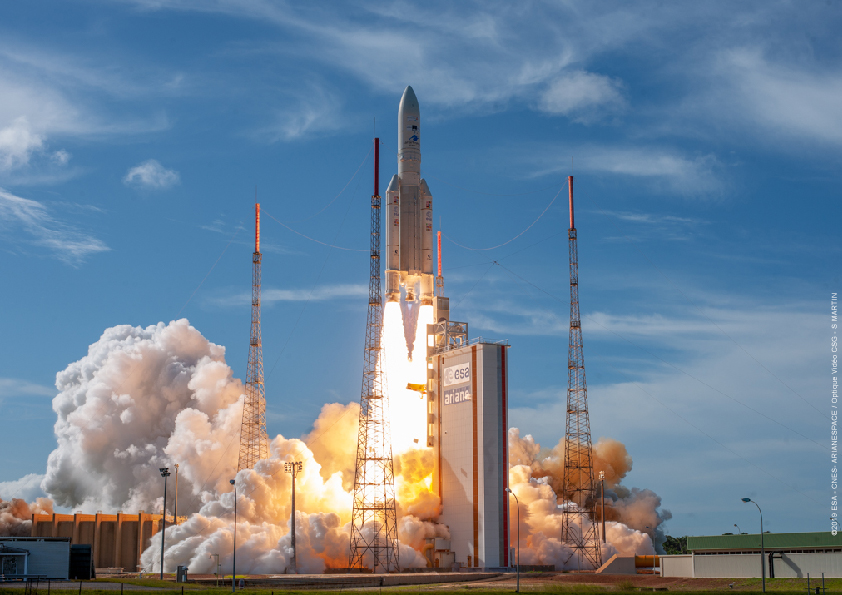
ESA & UNOOSA on space debris: We're launching more than ever
Since the beginning of the space age, with the launch of Sputnik in 1957, we have launched thousands of rockets carrying more than ten thousand satellites into space.
In recent years, this number has dramatically increased, as well as the variety of missions being flown. In this podcast, episode #4 in the ESA-UNOOSA space debris series, Ian Freeman and Francesca Letizia discuss what these changes
ESA & UNOOSA on space debris: The cost of avoiding collision
Space might seem an empty, vast expanse, but satellites in Earth's orbit face the constant risk of collision - with other satellites and rockets, dead or alive, or with fragments of their debris.
It is now routine for operators of spacecraft in busy highways to divert their mission out of harms way. In fact at ESA, each mission flown performs on average two 'collision avoidance manoeuvres' per yea
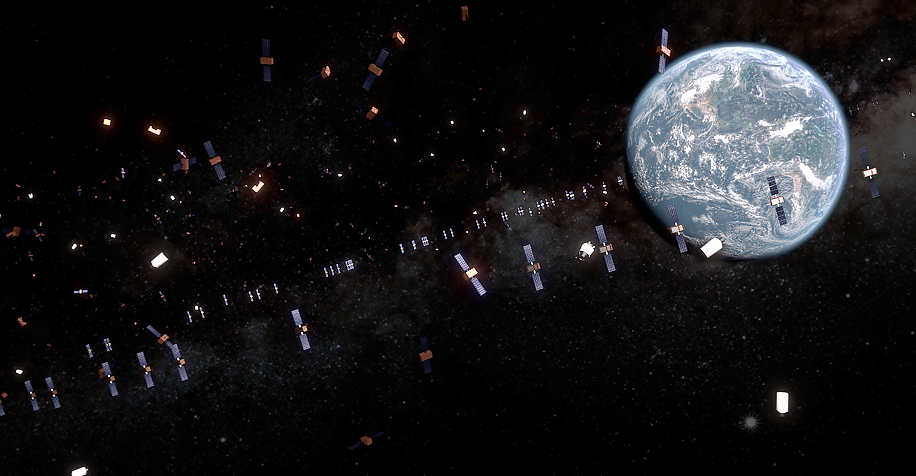
ESA & UNOOSA on space debris: Falling to Earth takes a long time
Our planet's atmosphere gradually slows down satellites in orbit and brings them back down to Earth. However, depending on their altitude, this process can take an extremely long time. Had the dinosaurs launched a satellite into the furthest geostationary orbit, it would still be up there today. So, what do we do with spacecraft once they reach the end of their lives?
In episode 2 in our ESA-UN sp
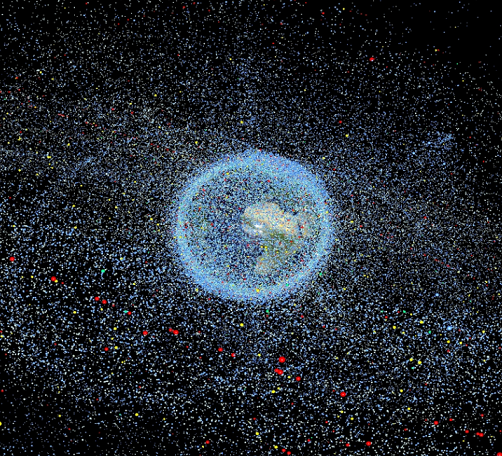
ESA & UNOOSA on: Satellites vs space debris
Satellites in orbit share near-Earth space with millions of fast-moving and dangerous debris objects. Tim Flohrer, Head of ESA's Space Debris Office, and Nathalie Ricard, Scientific Officer at the UN Office for Outer Space Affairs (UNOOSA), discuss the scale of the debris problem, asking what are our satellites are up against?
While you listen, check out the corresponding ESA-UN infographic that i
Recommended

InsideAIR

Off Court With Greg Rusedski

IELTS, OET and UKMLA PLAB 2 Made Easy Podcast For Medical Professionals

The Systemic Way

Trauma Bonding to Secure Relationship

Golden's Oldies

Lucy & Sam's Perfect Brains

The ADHD Adults Podcast

RHISE: Real History in Simple English (B2-C1, British)

Swingers

Messy Social Work

Africa's not for Wimps
