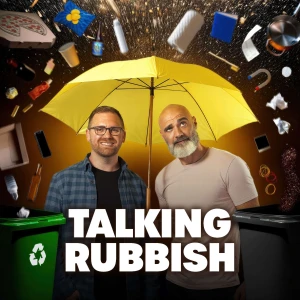
Talking Rubbish - The Recycling Podcast
James Piper and Robbie Staniforth host a lively podcast dedicated to recycling and waste management. They tackle quirky questions, bust common myths, and explore the surprising details of how materials are recycled. With a mix of research and unfiltered commentary, the show makes environmental topics entertaining and accessible. Listeners can expect laughs, useful insights, and a new perspective on what happens to their rubbish.
Episodes

117. The Conservatives' £1.4 billion recycling u-turn
The Conservatives have pledged to scrap what they're calling Labour's packaging tax, despite having introduced the policy themselves. But would abolishing Extended Producer Responsibility (EPR) really save shoppers money, or simply shift the cost of dealing with packaging waste back to taxpayers? Is the system delivering value for money, does it need reform, or should it be scrapped alto

116. When packaging promotions go horribly wrong
What happens when packaging promotions go horribly wrong? This week, James and Robbie explore some of the most spectacular marketing disasters in history. From Coca-Cola’s spring-loaded MagiCans and BrewDog’s not-so-solid gold cans to the Pepsi fighter jet that ended up in court, a bottle cap competition with devastating consequences, and the extraordinary fraud behind McDonald’s Monopoly. It turn

115. Inside the UK’s Deposit Return Scheme with Julian Hunt
After four episodes digging into deposit return schemes, we sit down with Julian Hunt from Exchange for Change to put some of our biggest questions directly to the organisation delivering the UK’s DRS. We discuss why drinks containers were chosen, whether DRS really reduces litter, how the 20p deposit was set, what happens to reverse vending machines at end of life, who is actually paying to get t

114. How Norway gets 98% of its bottles and cans back
Norway gets around 98% of its bottles and cans back, so what makes its deposit return scheme work so well? This week, we unpack a system that is technically voluntary, yet has become one of the most successful in the world. We explore the tax that gives producers a huge incentive to hit their targets, the thousands of places consumers can return their drinks containers, what happens to all those b

113. Why can't we just make deposit return digital?
What if you could get your 20p deposit back without ever leaving the house? This week, we explore digital deposit return and why the seemingly simple idea of scanning a bottle or can and putting it in your recycling bin gets complicated very quickly. We look at the challenges of making DRS digital, the trials already taking place around the world, and whether the UK could be building one of the la

112. Why the UK Deposit Return Scheme is free for brands
Why might the UK’s Deposit Return Scheme be free for drinks brands for its first 15 months? We dig into the surprising finances behind DRS, from producer fees and the value of recycled material to the huge sums generated by unclaimed 20p deposits. Using Ireland’s scheme and the UK Government’s own forecasts, we ask who will really pay for DRS, why lower return rates can actually make the system mo

111. When does a Deposit Return Scheme become a tax?
Deposit return schemes can deliver impressive recycling rates. With that in mind, what can we learn from countries already using them? Following a trip to Ireland, James shares his experience of the country’s DRS, from the ease of spotting return points to the unexpected economy created by putting a value on bottles and cans. We look at what Ireland gets right, some of the unintended consequences,

110. Have we been talking about the environment all wrong? With Lucy Siegle
How do you talk about environmental issues without preaching, oversimplifying or making people feel powerless? In this episode, we are joined by environmental journalist and broadcaster Lucy Siegle to explore what she’s learned from more than 20 years communicating sustainability. We discuss whether focusing on systemic change was really a mistake, why recycling can be a gateway to much bigger env

109. Why recycling labels are about to get more confusing
Recycling labels are about to change, but will they actually make recycling easier? In this episode, we look at the EU’s plans for harmonised packaging labels, including a proposed system of 24 different pictograms. Harmonisation sounds like a good idea, but what happens when those labels appear on packaging in the UK without matching labels on our bins? And are we moving from a simple instruction

108. Why are we sending so much plastic to Turkey?
The UK is sending huge amounts of plastic waste to Turkey, but what actually happens to it when it gets there? We dig into the numbers behind the headlines to find out what we're really exporting, why Turkey has become such a major destination, and how much actually comes from our household recycling. It turns out the story isn't simply about waste being dumped overseas. Turkey has a hug

107. Why our bins keep catching fire
Fires at waste and recycling sites are becoming increasingly common, with batteries, vapes and gas canisters ending up where they shouldn’t. In this episode, we look at why our bins now contain more energy than ever before, why awareness alone doesn’t seem to be solving the problem, and how these fires could make recycling increasingly expensive. Plus, we discuss a deposit return scheme we can act

106. Why your fridge is making you waste food
Could your fridge actually be causing food waste? This week, we explore the psychology behind the modern fridge, why bigger shelves and hidden drawers can encourage us to buy more than we need, and how simply forgetting what's at the back may be responsible for more waste than food actually going off. We also discuss whether smart fridges are really the answer, or just another gadget promisin

105. The free food app rescuing millions of meals, with Tessa Clarke from Olio
Food waste is one of the biggest environmental challenges we rarely talk about, with the average UK household throwing away around £1,000 worth of perfectly good food every year. In this episode, we are joined by Tessa Clarke, co-founder of Olio, to explore how a simple idea has grown into a global community redistributing millions of meals. We discuss why so much food is wasted at home, what busi

104. Why flexible plastic might never be recycled
In 2022, the Government committed to introducing kerbside collections for flexible plastics by 2027. Last week, that deadline was pushed back to 2030, a decision that has left James and Robbie, who have spent years preparing for the original timeline, deeply frustrated. In this episode, we unpack what the delay means for one of the UK's most challenging waste streams, why it matters for consu

103. PFAS - what you need to know about forever chemicals
Forever chemicals have become a major focus in the media, with growing concern about PFAS turning up in our food, drinking water, and everyday products. But how much of the alarm is justified? How real are the risks, and is this something that should change the way we live, or is the picture more complicated than the headlines suggest?Plus, is a zip lock bag rubbish or not, will PPWR stifle innova

102. Greenwashing exposed - what Adidas, Uniqlo and Calvin Klein got wrong
Last month Adidas, Uniqlo, and Calvin Klein all came under scrutiny for making misleading environmental claims. What did they actually say and what do these cases reveal about the future of sustainability marketing? This week, we take a deeper look at greenwashing, unpacking why environmental claims in the fashion industry are so difficult to get right. We explore what brands can learn and how sus

101. PPWR - why packaging will never be the same
From August 2026, the packaging industry enters a new era with the rollout of the PPWR (Packaging and Packaging Waste Regulation). In this episode, we break down what the new rules mean in practice, explore the biggest changes brands need to prepare for, and discuss how businesses are responding to one of the most significant shifts in packaging regulation in recent years. Plus, are Panini sticker

100 episodes later...still Talking Rubbish
We’ve made it to Episode 100!Reaching this milestone gave us a chance to pause and reflect on the journey so far. Joined by a live online audience for the recording, we look back on the first 100 episodes, introduce a new feature for the next chapter of the show, and celebrate the occasion with a few games and surprises.Episode 100 also marks another exciting step forward: our move to video. If yo
99. Why cartons aren't being recycled
Cartons are a staple of everyday life, but they're far more complicated than they appear. Made from layers of paper, plastic and sometimes aluminium, they're designed to keep food fresh and lightweight to transport, but that same design makes them challenging to recycle. Following recent news that the UK's carton recycling capacity has taken a significant hit, we explore why cartons

98. Should we ban ‘plastic-free’ packaging?
“Plastic-free” has become a powerful marketing claim, but is it always accurate? Following the EU’s formal definition of plastic, the term has come under greater scrutiny, raising questions about how it is used and understood. In this episode, we trace the origins of “plastic-free,” explore the nuances behind the label, and discuss why making the claim may not be as straightforward as it seems. Pl

97. Why we're getting reusable packaging wrong
Reusable packaging is gaining momentum across Europe, especially in France where ambitious reuse laws are reshaping retail and hospitality. Fresh from the Reuse Economy Expo in Paris, we discuss why we believe much of the industry is over-engineering the solution, and why the future of reuse may be far simpler than many realise. Plus, are posters rubbish or not, can you claim a deposit from a crus

96. How recycling is really funded
For nearly 30 years, the UK has operated a system designed to make brands contribute towards the cost of recycling through Packaging Recycling Notes (PRNs). This week, we take a closer look at how the system really works, where it succeeds, where it falls short, and what the future of recycling funding in the UK could look like. Plus, is expanded polyethylene rubbish or not, are stickers on fruit

95. The tech that could end overpackaged boxes, with Jude Pullen
It’s a familiar frustration, ordering something small, only for it to arrive in a box far bigger than it needs; wasteful and seemingly impossible to avoid. This week, we’re joined by Jude Pullen, a man on a mission to change that. Join us as we explore why companies so often get packaging wrong, uncovering the logistical challenges behind every delivery, and discover how Jude is using a blend of c

94. From Kindle to kindling - how Big Tech creates waste
Amazon has announced that some older Kindles will soon lose support, turning devices that still physically work into obsolete products. It’s the latest example of a growing trend in tech, where companies phase out support and push consumers toward upgrades, creating mountains of unnecessary e-waste in the process. In this episode, we explore examples of planned obsolescence, the environmental impa

93. The death of the barcode - a win for sustainability?
A quiet revolution is underway in our supermarkets, the familiar barcode is being replaced by QR codes. But this isn’t just a tech upgrade. These next-generation codes could transform how we shop, unlocking detailed product information, improving recycling, and even helping to reduce food waste. As every scan reveals more data, this shift raises a bigger question: are we ready for a future where t
92. How the war in Iran is reshaping the plastic market
Since February, the war in Iran has forced the closure of the Strait of Hormuz, disrupting global oil flows and sending shockwaves through industries worldwide. But amid the turmoil, an unexpected consequence has emerged, recycled plastic is becoming more attractive to major brands. In this episode, we explore how the conflict is reshaping the economics of plastic, and what that could mean for the

91. Is the Government driving up plastic use?
In recent years, the Government has been rolling out four major policies set to reshape the waste industry. But could these well-intentioned reforms have an unintended side effect, driving a shift towards more plastic? In this episode, we explore how Extended Producer Responsibility and the future Deposit Return Scheme could change the packaging choices brands make, and what that might mean for th

90. Inside Netflix's 'The Plastic Detox' - the story beyond the screen, with Eric Isaac
Last month, Netflix released The Plastic Detox, which we reviewed in Episode 86, and it left us with a lot of questions. One of the film’s featured participants, Eric Isaac, got in touch to let us know he could help fill in the gaps. So instead of a back-and-forth over email, we invited him onto the show. Join us this week as we go behind the scenes of this groundbreaking documentary, unpacking wh

89. Is palm oil really that bad?
Palm oil has a notoriously bad reputation; mention it, and you’ll likely hear strong criticism, particularly if you manage the social media of a podcast that very recently discussed Cadbury’s Easter egg packaging. But is the story really that simple? In this episode, we take a closer look at palm oil; what’s driving its environmental impact, why it’s so widely used, and what can realistically be d

88. The truth behind ‘lost parcel’ reselling - scam or goldmine?
What happens to the parcels that never reach their buyers? A growing industry has an answer, reselling them as “mystery packages,” promising hidden treasures and unbeatable value. But do these surprise boxes live up to the hype, or are they too good to be true? In this episode, we unpack the world of parcel resellers to find out whether they offer a genuine solution to waste, or simply sell the il

87. Is expensive petrol driving people to electric cars?
As tensions rise in Iran, global oil prices are climbing, with potential knock-on effects for everyday costs. From higher petrol and diesel prices to wider economic pressures, the impact is becoming more noticeable. But could this moment mark a tipping point for electric vehicles? In this episode, we dive into the realities of EV ownership; unpacking range anxiety, upfront and long-term costs, and

86. Netflix's 'The Plastic Detox' - what it gets right (and what it misses)
On 16 March 2026, Netflix released 'The Plastic Detox', a documentary examining the health impacts of chemicals commonly found in plastics, particularly phthalates and BPA. In this episode, we unpack the science behind the film, reinforcing many of its conclusions while also exploring the gaps that prevent it from presenting a fully balanced scientific narrative. Plus, are plug-in air fr

85. Talking rubbish...with the man who collects it, the No. 1 Binman
With more than 160,000 followers on TikTok, Ashley might just be the most famous binman in the UK. In this episode, we sit down with the biggest binfluencer to talk about life on the rounds and how he built an online following by sharing the realities of the job. We also take a closer look at how bin collections actually work across the UK and hear first-hand what makes the job rewarding, challeng

84. The BrewDog forest - climate solution or greenwashing?
In 2020, BrewDog made headlines with a bold promise; to plant Scotland’s largest forest and become the world’s first carbon-negative beer company. Five years later, the land has been sold, the carbon-negative pledges have quietly vanished, and the company itself is fighting for survival. So what happened? This week, we dig into the rise and fall of BrewDog’s ambitious reforestation project, and as

83. Is climate collaboration illegal?
In October 2025, five US state attorneys general wrote to environmental organisations warning that their collaboration efforts could potentially breach antitrust laws. Their argument: consumers should retain the right to choose packaging even if it harms the environment. This week, we unpack what happened, explore the key differences between US and UK competition law when it comes to companies wor

82. Is there a teaspoon of microplastics in our brains?
Last year, a study made startling headlines around the world with the claim that the average person carries the equivalent of a plastic teaspoon of microplastics in their brain. But how accurate is that finding, and if it’s questionable, why did the authors present it with such confidence? This week, we explore the challenges scientists face when measuring microplastics and nanoplastics in the hum
81. The sudden rise of food waste bins
Simpler Recycling promises the biggest shake-up to the UK’s recycling system since kerbside collections began. But despite ambitions for nationwide consistency, exemptions mean some councils may take a different path. In this episode, we unpack the policy’s origins, examine why not everyone will have to follow the same rules, and look ahead to what the future of recycling might actually be. Plus,

80. How to remove colour from plastic, with Steven Burns
Much of the plastic packaging we use every day contains colours and additives that can be harmful, and that often prevent the plastic from being recycled at all. This week’s guest, Steven Burns, has spent years tackling that problem by developing ways to remove colour and additives from plastic, increasing its value and usability and making it far more likely to be recycled. In this episode, we ex

79. How colour drains the value from plastic recycling
Colour can make plastic more eye-catching, but it can also make it far less valuable, dramatically reducing the chances that it will ever be recycled back into packaging. Despite this, brands continue to add vibrant pigments to packaging to grab our attention, and more often than not, it works. In this episode, we unpack why colour is such a problem for recycling and how marketing priorities colli

78. Birmingham bin strike - what happens when waste piles up?
A year ago, Birmingham’s bin workers walked out, and the city began to fill with rubbish. What started as a dispute over changes to job progression escalated into industrial action that left up to 17,000 tonnes of waste piling up on the streets. One year on, we revisit the strike to ask what’s changed, what hasn’t, and who has paid the price. How has the dispute shaped public trust, city services,

77. Is recycling a scam?
“It’s all burned. It’s all shipped to Turkey. Recycling is a myth.”We hear these claims all the time, that our carefully sorted waste ends up in landfill or incinerators, and that recycling is basically pointless. But how much of that is actually true? This week, we dig into the reality behind the headlines. Where does our recycling really go? Does cleaning and sorting your waste make any differen

76. Why your council tax isn't paying for your recycling anymore
New legislation is shifting the cost of recycling from taxpayers to the brands that create packaging in the first place. After decades of public funding, producers are now being asked to pay, but rolling out a brand-new system hasn’t been seamless. As the system settles, fees are being tied directly to how recyclable packaging is, a move that could reshape the packaging we see and buy every day. P

75. Sustainability around the world, with Ellie Piper
In 2021, Ellie and James left their jobs and spent 15 months travelling around the world. Along the way, they paid close attention to how sustainability showed up in practice; what worked, what didn’t, and what felt worth questioning. In this New Year’s episode, Ellie joins Robbie and James to reflect on the trip. They revisit it continent by continent, each sharing one idea or observation that st

74. Should LEGO use recycled plastic?
In 2021, LEGO announced an ambitious plan to make its iconic bricks from recycled plastic bottles. Just two years later, the project was quietly scrapped. Why did it fail and why might that decision actually be a good thing? In this festive episode, we take a closer look at the UK’s number one toy brand and the sustainability initiatives behind its efforts to make a plastic toy more circular. Plus

73. Battery fires - the growing problem within recycling
Imagine accidentally starting a fire that caused £30 million in damage and destroyed 60,000 tonnes of UK recycling, and never even knowing you did it. This is the hidden danger of battery fires, and unfortunately a true story. In recent years, the number of fires caused by batteries have more than doubled as batteries become more powerful and increasingly hazardous. Nowhere is this risk greater th

72. Why labels on bottles could ruin our recycling
In 2017, Lucozade bottles were branded a “recycling villain”, not because of the bottle itself, but because the label wrapped around it was stopping the whole thing from being recycled. How can a simple label cause such a big problem, and why are brands often slow to fix issues like this? In this episode, we dive into the surprisingly technical world of packaging labels and uncover why even small

71. Dirty business - is waste crime on the rise?
A vast illegal waste dump in Oxfordshire, stretching 150 metres and sinking two storeys deep, has sent shockwaves through the waste industry. It’s a stark reminder of one of the sector’s most persistent challenges: organised waste crime. How could a site of this scale emerge unnoticed and unchallenged? Why did it take the Environment Agency more than three months to formally shut it down? With inc

70. Behind the scenes of sustainable TV production, with Stephanie Shires
With nearly 200,000 tonnes of direct carbon emissions linked to the UK TV and film industry in 2024, sustainability is quickly becoming an urgent priority. This week’s guest, Stephanie Shires, has helped deliver major carbon-reduction initiatives on some of the biggest shows currently on television. She offers a behind-the-scenes look at how environmental impact is managed on set, from food and tr

69. Green Screen - the carbon footprint of TV
The world of television is a carbon minefield, packed with travel, fuel use, catering demands, high-maintenance talent and crews racing against the clock. So how is albert reshaping the industry? Does carbon tracking genuinely drive change, or has it become just another box to tick? In this episode, we go behind the scenes to uncover the challenges, innovations and everyday decisions that could ma

68. Sustainable toilet paper - getting to the bottom of it
In recent years, toilet rolls wrapped in paper instead of plastic have been hailed as the eco-friendly choice. But in most industries, individually wrapping products is seen as wasteful, so why does toilet paper get a free pass? In this episode, we unravel the surprisingly complicated world of “sustainable” loo roll. From eco brands to supermarket staples, we’ll find out which options really wipe

67. Will there really be more plastic than fish in the ocean?
In 2016, the Ellen MacArthur Foundation made a striking prediction: by 2050, there could be more plastic in the ocean than fish. The claim spread like wildfire, appearing in headlines, reports, and speeches around the world. But is it true, or just a catchy soundbite? In this episode, we dive into how scientists estimate the weight of plastic and fish in the ocean, what those numbers really mean,

66. Who should win the Earthshot prize?
Launched in 2021, the Earthshot Prize has quickly become one of the most influential awards in global sustainability. Each year, it celebrates groundbreaking companies and visionary projects that embody the best of human ingenuity. In this episode, we explore who might take home the prize in 2025, why the money itself may matter less than you’d think, and whether spotlighting a single winner truly

65. Recycling realities in the Global South, with Esther Carter from Delterra
With over 17,000 islands, 34,000 miles of coastline, and limited formal waste management, Indonesia faces an immense waste challenge, one that’s compounded by imports of foreign waste from countries like the UK. This week’s guest, Esther Carter (recently named #1 on the Resource Hot 100), shares insights from her time living and working in Indonesia, offering a first-hand perspective on how the cr

64. Why is recycling so hard in America?
Fresh from the Sustainable Packaging Coalition conference in Boston, we dive into America’s focus on EPR, flexible plastics, and consumer engagement. Don’t miss our biggest takeaways from this influential event. Plus, are red Solo cups rubbish or not, does pouring a drink down a drain count as littering, and why is James annoyed at his son?Join hosts James Piper and Robbie Staniforth as they delve

63. Waste on a plane - how airlines manage recycling
Each year, airlines generate more than 5.7 million tonnes of cabin waste, much of it disappearing “out of sight, out of mind.” But behind those discarded coffee cups and meal trays lies a tangle of international regulations and border controls that make recycling very challenging. In this episode, we unpack the complex world of in-flight waste, explore why even recyclable materials are often treat

62. Why toothpaste tubes can finally be recycled
In a seismic shift that really damages the credibility of 'The Rubbish Book', toothpaste tubes can now be recycled. But what changed to make an entire product category recyclable, and what could this mean for other similar products in the future? In this episode, we squeeze out every last detail, from collection and sorting to recycling innovations and the consumer messaging that makes i

61. Labubu - the rise and risks of blind box packaging
The blind box market is booming, valued at more than $15 billion, with over 10 million Labubu dolls sold each month. But behind the thrill of surprise lies something darker, a system fuelled by FOMO and overconsumption. In this episode, we unbox the packaging to uncover the hidden psychology of blind boxes. Plus, are yoghurt pots rubbish or not, can wet cardboard be recycled, and is Robbie a secre

60. FlexCollect - closing the loop on flexible plastic, with Gareth Morton from Ecosurety
Over 160,000 households across 10 local authorities have been trialling flexible plastic collections. The early results are promising: strong participation, positive resident feedback, and low contamination rates. But while 400 tonnes have been collected so far, that figure pales in comparison to the estimated 150,000 tonnes expected once all councils are required to collect this material from 202

59. How we made flexible plastic recycling valuable
Recycling flexible (or soft) plastics has long been a challenge; costly, labour-intensive, and difficult to scale. In this episode, we explore how major UK brands came together to fund groundbreaking work that helped make supermarket collection of these plastics possible, paving the way for household recycling in the future. James and Robbie, two of the key drivers behind the initiative, take you

58. Why plastic recycling isn't working
Plastic recycling is facing breaking point. Financial models aren’t adding up, legislation has stalled, and major brands are dialling back their commitments. With recyclers shutting their doors, we explore why the system is faltering, how the crisis could reshape the industry, and what it all means for the future of plastic. Plus, are water filters rubbish or not, what happens to the print on alum

57. Why the UN Plastic Treaty failed...again!
Hailed as a landmark effort to curb plastic pollution, the plastic treaty was supposed to unite nations around a binding plan to cut production, improve recycling, and reduce waste. But as talks dragged on, the deal collapsed under competing interests, petrochemical producers on one side, environmental advocates on the other. We break down what went wrong, why powerful industries fought to water d

56. Is aluminium the ultimate packaging?
Aluminium packaging is on the rise, moving beyond drinks cans and into products once dominated by plastic. But is it really the sustainable hero it’s made out to be? This episode unpacks the hidden costs and challenges behind the growth of aluminium, from its energy-intensive production to supply constraints, while also exploring its potential to transform the future of packaging. Join us as we we

55. How brands got us hooked on plastic, with Saabira Chaudhuri
This week’s guest, Saabira Chaudhuri, author of Consumed: How Big Brands Got Us Hooked on Plastic, takes us on a fascinating journey through the meteoric rise of plastic. From the quirks of history that propelled it past every rival material, to the boardroom decisions that sealed its fate, we uncover how plastic became the world’s go-to choice, and what we might do differently if we could start a

54. Sachets - the true cost of convenience
In the UK, sachets might seem like a small, insignificant problem but across the world, they're anything but. In countries like India, sachets are the primary packaging for a wide range of everyday products. Globally, an estimated 855 billion are used every year. This week, we delve into the surprising history of the sachet, how it became a major contributor to global plastic waste, and wheth

53. Why excessive packaging is illegal
Ever received a tiny item in an enormous box? You're not alone, and believe it or not, that kind of wasteful packaging might actually be illegal. In this episode, Talking Rubbish unpacks (pun intended) a little-known piece of legislation that gives you the power to push back. We dig into the truth behind excessive packaging, reveal what the law really says, and show how everyday consumers can

52. How landfills actually work
Often ignored and rarely understood, landfills are one of the most fascinating components of our waste system. In this episode, we dig deep (literally and metaphorically) into how landfills actually work, how they get closed when they are full, and why they need looking after for decades after the last piece of rubbish is dealt with. Out of sight doesn’t have to mean out of mind. Plus, are sandwic

51. Why does your glass bottle contain microplastics?
New research suggests that glass bottles may contain more microplastics than plastic bottles or aluminium cans, but how is that even possible? We dive into where these plastics are coming from, why the media is not highlighting this surprising fact, and what it tells us about the hidden complexities of packaging. Plus, are cocktail sticks rubbish or not, do we actually need to put a bin liner in o

50. The truth about climate change, with Mike Berners-Lee
We’re thrilled to mark our 50th episode with a very special guest: renowned climate expert and communicator, Mike Berners-Lee. In this milestone conversation, we dive into his latest book, A Climate of Truth, which challenges governments, the media, and all of us to confront climate issues with honesty, urgency, and clarity. His call for truth-telling deeply aligns with our own mission of promotin

49. Carbon offsetting - the good, the bad and the ugly
Carbon offsetting has sparked both enthusiasm and scepticism in recent years. Is it a vital source of funding for crucial climate projects, or just a clever form of greenwashing? In this episode, we unpack what it takes to create a carbon offset, why the process is so complex, and how growing scrutiny is reshaping the market. Plus, are Ozempic pens rubbish or not, do we need to remove the security

48. Green fields - can festivals be sustainable?
It’s Glastonbury! As festival season kicks off, so does a tidal wave of waste, but also a chance for change. Festivals create a unique, closed environment ideal for using compostable plastics, reusable packaging, and cutting-edge sustainability tech. This week, we dive into the most exciting eco-initiatives happening on the festival circuit and ask: how do they stack up against the giant that is G

47. Recycling in flats - how to make it work
Flats and houses of multiple occupation (HMOs) have long posed a challenge for the recycling industry, with high contamination rates and varied attitudes toward waste separation. In this episode, we explore what recent trials have revealed about improving recycling in these tricky settings and how much of a difference these changes could make across the UK. Plus, are pens rubbish or not, what actu

46. Greenwashing exposed - the brands that mislead
Greenwashing. It's a term we’re hearing far too often, especially about brands that should know better. In this episode, we unpack how slick marketing turns cost-cutting and empty promises into the illusion of sustainability. From misleading campaigns to carefully buried truths, we reveal how companies exploit eco-conscious consumers in the name of profit. With real-world examples and practic

45. Recycling labels explained, with Alice Harlock from OPRL
This week on the podcast, James and Robbie sit down with Alice Harlock from OPRL, the organisation behind those “recycle” or “do not recycle” labels on packaging. We increasingly rely on these labels to guide our recycling habits, but how do they stay accurate in a world of constantly changing local rules and slow packaging timelines? Alice shares the challenges and surprising complexities behind

44. RAM raid - should the Government control our packaging?
As part of sweeping new recycling legislation, the UK Government is rolling out the Recyclability Assessment Methodology (RAM), a traffic light system rating how recyclable packaging really is. But is it any government’s job to steer material choices, or should markets decide? Could this stifle innovation in emerging materials without established recycling infrastructure? And does a weight-based s

43. Does plastic cause heart disease?
Last month, headlines sounded the alarm: 'Plastic causes heart disease!' Scary? Definitely. But as usual, the reality is far more complex than the clickbait. What kind of plastic are we talking about? How exactly are we exposed to it? And if it’s so harmful, why are we still making it? In this episode, we cut through the noise, unpack the science, and explore the big questions behind the

42. Do we really only recycle 9% of plastic?
The widely cited statistic that just 9% of plastic is recycled has become a common talking point, but how accurate is it? In this episode, we unpack the truth behind the number and explore the complex world of plastic recycling. From the recycling-friendly plastic bottle to the problematic flexible films, not all plastics are created equal, and neither are the recycling efforts of countries around

41. On a mission - what can we learn from plastic recycling in South Africa?
Robbie is back from a Global Expert Mission to South Africa, where he explored the challenges and innovations shaping plastic recycling and sustainability. In this episode, he shares eye-opening insights from his trip, from the realities of landfills and the role of waste reclaimers to the impact of voluntary Extended Producer Responsibility (EPR) schemes and how businesses are embracing recycled

40. Is paper the new glass, with Will Connolly from Diageo
Our first ever live episode, recorded at the NEC in Birmingham during Packaging Innovations! In this special episode, James and Robbie are joined by Will Connolly from Diageo, the creative force behind the paper-based packaging for iconic brands like Johnnie Walker and Baileys. Together, we dive deeper into the world of paperisation, exploring why paper bottles are gaining momentum, the challenges

39. From plastic to paper - a greener move or greenwashed myth?
The shift from plastic to paper is gaining momentum as brands look for more sustainable packaging, but is paper really the better option? This episode digs beneath the surface of the paper trend, uncovering hidden environmental concerns like increasing monoculture forests, water use and the carbon impact of paper. Plus, we also dive into how textiles are recycled, whether tracing paper is rubbish

38. Who is the best recycler in England?
The recycling league tables are in! Recycling rates are on the rise, but there is a twist; the actual amount of packaging being recycled is going down. Confused? So were we. In this episode, we unpack this surprising contradiction and dive into the data. Which regions in England are leading the charge, and which are falling behind? And more importantly, why? Plus, we explore the sorting of textile
Recommended

Who We Are Now with Izzy & Richard Hammond

True Crime Investigators UK
Uk Mix RadioShow

CAA on General Aviation
Pod Save The King

Pride and Prejudice (version 6, dramatic reading)

InsideAIR

English Made Simple

Golden's Oldies

The CTO Lens

RHISE: Real History in Simple English (B2-C1, British)
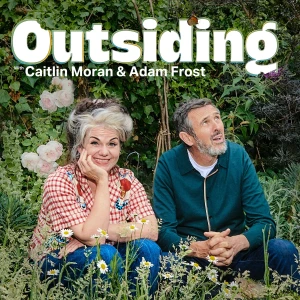
Outsiding
