Camthropod
Camthropod is a podcast produced by Cambridge Anthropology. It features conversations and insights from the field of anthropology, exploring ethnographic research, social theory, and cultural analysis. The show often includes interviews, lectures, and reflections on contemporary anthropological topics and debates.
Episodes
Episode 45. Artery: on art, authorship and anthropology. Florentina Manuel Martínez with Michele A. Feder-Nadoff and Claudia Rocha Valverde
Who is responsible for making a work of art? In each episode of this collaborative podcast series, one anthropologist, specialising in a particular cultural context, has a conversation with an artist of their choosing, exploring issues of authorship and responsibility in art. Ranging across geographical locations and creative practices, discussions address and unpack the conceptualisation of the a
Episode 44. Artery: on art, authorship and anthropology. Adèle Commins and Daithí Kearney with Kayla Rush
Series 3, Episode 6 of Artery features Adèle Commins and Daithí Kearney with Kayla Rush
Musicologist Dr Adèle Commins is Head of Department of Creative Arts, Media and Music at Dundalk Institute of Technology. Her PhD from Maynooth University focused on the music of Irish-born composer Sir Charles Villiers Stanford. Her recordings include contributions to an album of Irish piano accordion music
Episode 43. Artery: on art, authorship and anthropology. Aline Motta with Alex Ungprateeb Flynn
Who is responsible for making a work of art? In each episode of this collaborative podcast series, one anthropologist, specialising in a particular cultural context, has a conversation with an artist of their choosing, exploring issues of authorship and responsibility in art. Ranging across geographical locations and creative practices, discussions address and unpack the conceptualisation of the a
Episode 42. Artery: on art, authorship and anthropology. Ayala Gazit with Rotem Steinbock
Who is responsible for making a work of art? In each episode of this collaborative podcast series, one anthropologist, specialising in a particular cultural context, has a conversation with an artist of their choosing, exploring issues of authorship and responsibility in art. Ranging across geographical locations and creative practices, discussions address and unpack the conceptualisation of the a
Episode 41. Artery: on art, authorship and anthropology. Eliana Otta Vildoso and Nuno Cassola Marques with Frederick Schmidt and Sera Park
Who is responsible for making a work of art? In each episode of this collaborative podcast series, one anthropologist, specialising in a particular cultural context, has a conversation with an artist of their choosing, exploring issues of authorship and responsibility in art. Ranging across geographical locations and creative practices, discussions address and unpack the conceptualisation of the a
Episode 40. Artery: on art, authorship and anthropology. Elzė Sigutė Mikalonytė with Edoardo Chidichimo
Who is responsible for making a work of art? In each episode of this collaborative podcast series, one anthropologist, specialising in a particular cultural context, has a conversation with an artist of their choosing, exploring issues of authorship and responsibility in art. Ranging across geographical locations and creative practices, discussions address and unpack the conceptualisation of the a
Episode 39. Artery: on art, authorship and anthropology. Xasan Daahir Ismaaciil (Weedhsame) with Christina Woolner
Who is responsible for making a work of art? In each episode of this collaborative podcast series, one anthropologist, specialising in a particular cultural context, has a conversation with an artist of their choosing, exploring issues of authorship and responsibility in art. Ranging across geographical locations and creative practices, discussions address and unpack the conceptualisation of the a
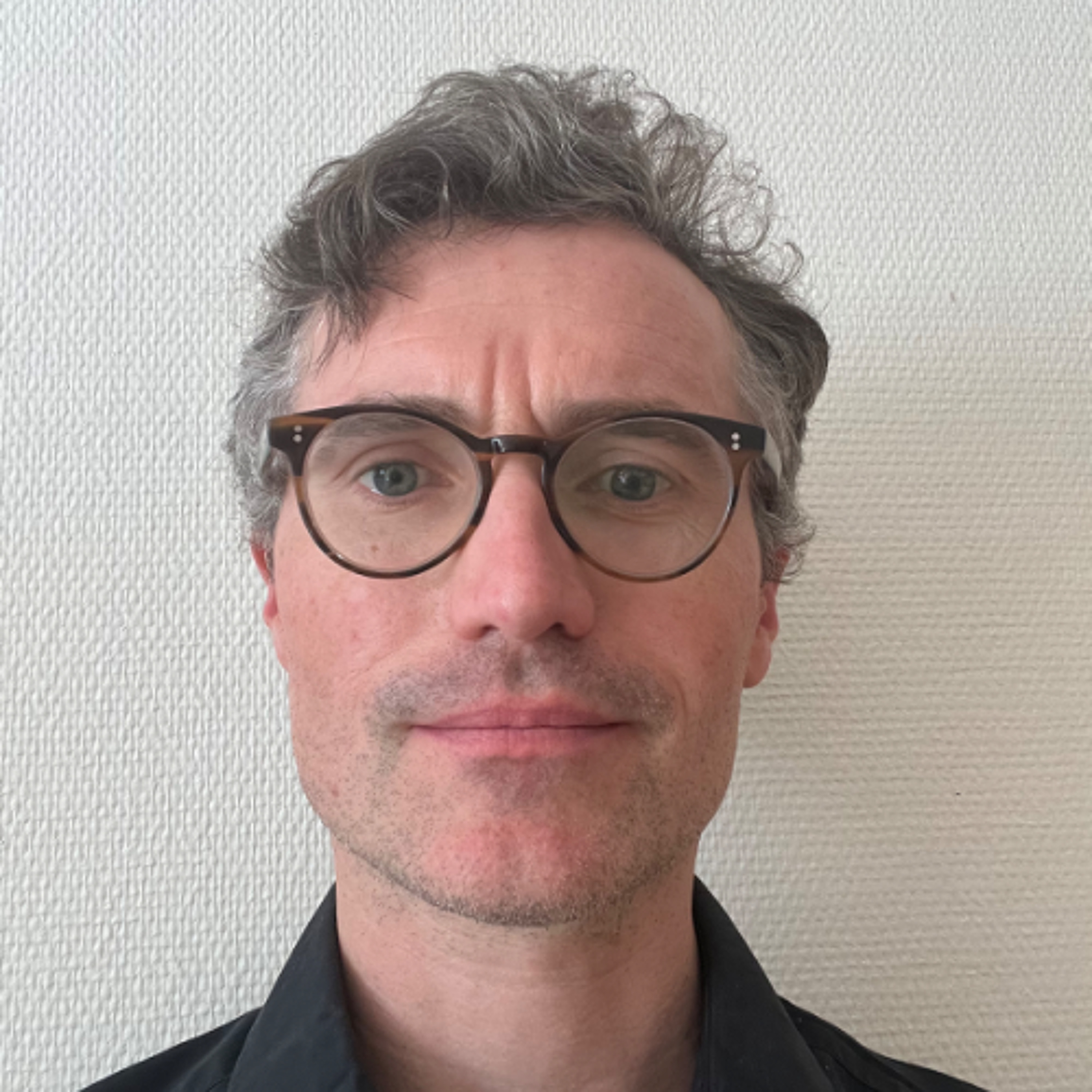
Episode 38: An Interview with Stuart Strange by Ashley Chin
Earlier this year Professor Stuart Earle Strange (National University of Singapore) visited Cambridge to give a Malay World Studies talk on his upcoming book Snatching Control: Animals, Deities, and State Power. MPhil student Ashley Chin caught up with Professor Strange to discuss his ideas on how control and the Singaporean state can be examined in unexpected places: through more-than-human inter
Episode 37: Origin Studies Part 3 with Mike Degani, Timothy Cooper, and Marilyn Strathern
Episode 37: Origin Studies Part 3, by Adam Hinden. With Mike Degani, Timothy Cooper, and Marilyn Strathern
Anthropologists often work with communities far away from where they live and study. How do we come to commit ourselves to years of engagement in a specific field site? Inspired by a gap in anthropological education surrounding the selection of field-sites, this three-part podcast explores h
Episode 36: Origin Studies Part 2 with Andrew Sanchez, Elizabeth Turk, and Caroline Humphrey
Episode 36: Origin Studies Part 2, by Adam Hinden. With Andrew Sanchez, Elizabeth Turk, and Caroline Humphrey
Anthropologists often work with communities far away from where they live and study. How do we come to commit ourselves to years of engagement in a specific field site? Inspired by a gap in anthropological education surrounding the selection of field-sites, this three-part podcast explore
Episode 35: Origin Studies Part 1, by Adam Hinden. With Sian Lazar, Thomas White, and Iza Kavedžija
Episode 35: Origin Studies Part 1, by Adam Hinden. With Sian Lazar, Thomas White, and Iza Kavedžija
Anthropologists often work with communities far away from where they live and study. How do we come to commit ourselves to years of engagement in a specific field site? Inspired by a gap in anthropological education surrounding the selection of field-sites, this three-part podcast explores how some
Episode 34. Artery Episode 8: Rabab Chamseddine with Rebecca Appleton
Who is responsible for making a work of art? In each episode of this collaborative podcast series, one anthropologist, specialising in a particular cultural context, has a conversation with an artist of their choosing, exploring issues of authorship and responsibility in art. Ranging across geographical locations and creative practices, discussions address and unpack the conceptualisation of the a
Episode 33. Artery. Episode 7: Emiko Agatsuma with Iza Kavedžija
Who is responsible for making a work of art? In each episode of this collaborative podcast series, one anthropologist, specialising in a particular cultural context, has a conversation with an artist of their choosing, exploring issues of authorship and responsibility in art. Ranging across geographical locations and creative practices, discussions address and unpack the conceptualisation of the a
Episode 32. Artery: on art, authorship and anthropology. Episode 6: Bronagh Lawson with Kayla Rush
Who is responsible for making a work of art? In each episode of this collaborative podcast series, one anthropologist, specialising in a particular cultural context, has a conversation with an artist of their choosing, exploring issues of authorship and responsibility in art. Ranging across geographical locations and creative practices, discussions address and unpack the conceptualisation of the a
Episode 31. Artery: Nazli Tabatabai-Khatambakhsh with Anonymous Anthropologist
Who is responsible for making a work of art? In each episode of this collaborative podcast series, one anthropologist, specialising in a particular cultural context, has a conversation with an artist of their choosing, exploring issues of authorship and responsibility in art. Ranging across geographical locations and creative practices, discussions address and unpack the conceptualisation of the a
Episode 30. Artery: Jesús Guevara Rico with Alanna Cant
Who is responsible for making a work of art? In each episode of this collaborative podcast series, one anthropologist, specialising in a particular cultural context, has a conversation with an artist of their choosing, exploring issues of authorship and responsibility in art. Ranging across geographical locations and creative practices, discussions address and unpack the conceptualisation of the a
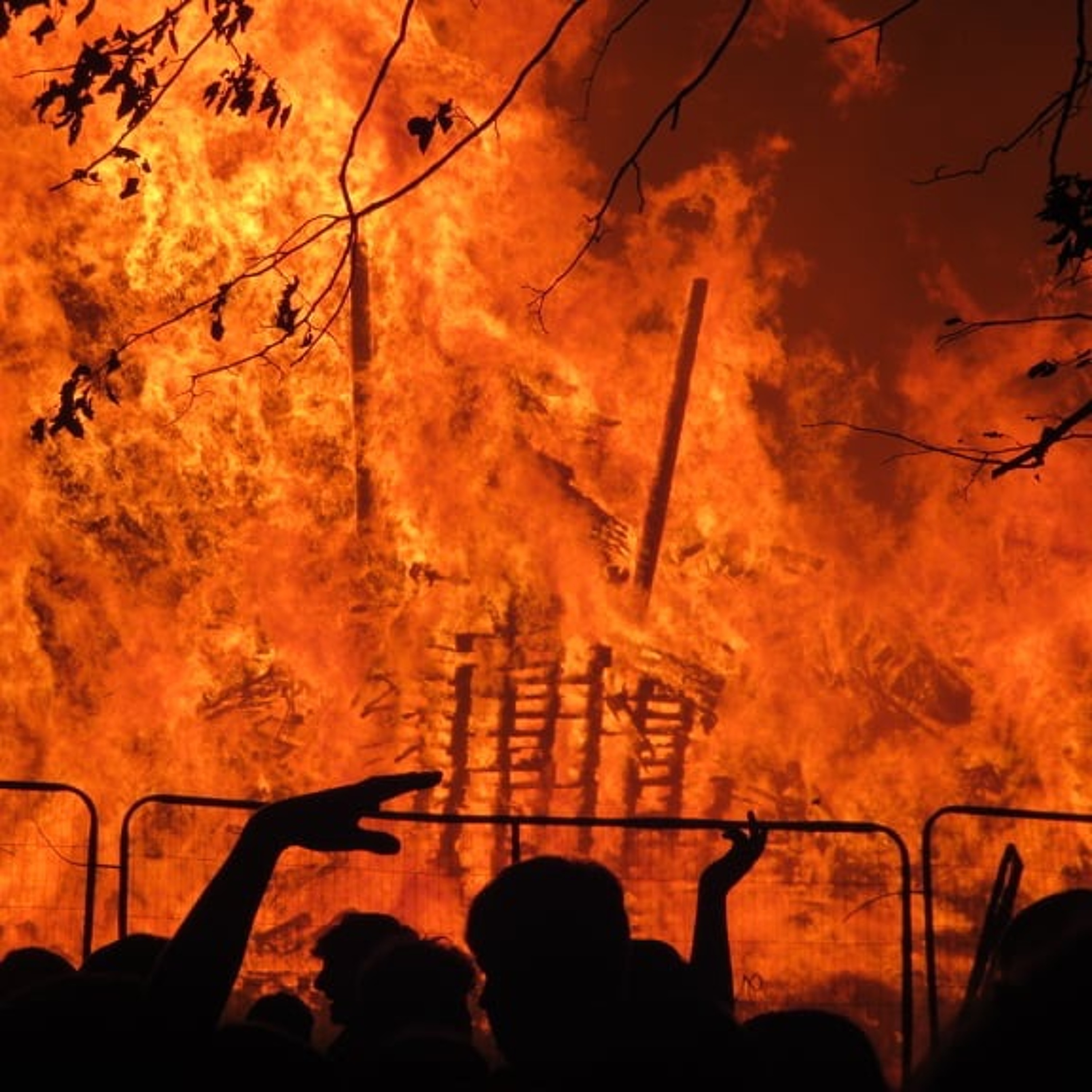
Episode 29: The 'Political' in Northern Irish Protestant Marching Bands, by Sean French.
This podcast examines the shifting sonic politics of the marching band scene in Derry, Northern Ireland. 20 years ago, Protestant parading in Derry was a source of intense political conflict but over the years it has become less controversial due to inter-community collaboration. However, tensions remain. Sean French and his interlocutors discuss how different political styles sound and how acoust
Episode 28. Artery: Tuguldur Yondonjamts with Hermione Spriggs
Who is responsible for making a work of art? In each episode of this collaborative podcast series, one anthropologist, specialising in a particular cultural context, has a conversation with an artist of their choosing, exploring issues of authorship and responsibility in art. Ranging across geographical locations and creative practices, discussions address and unpack the conceptualisation of the a
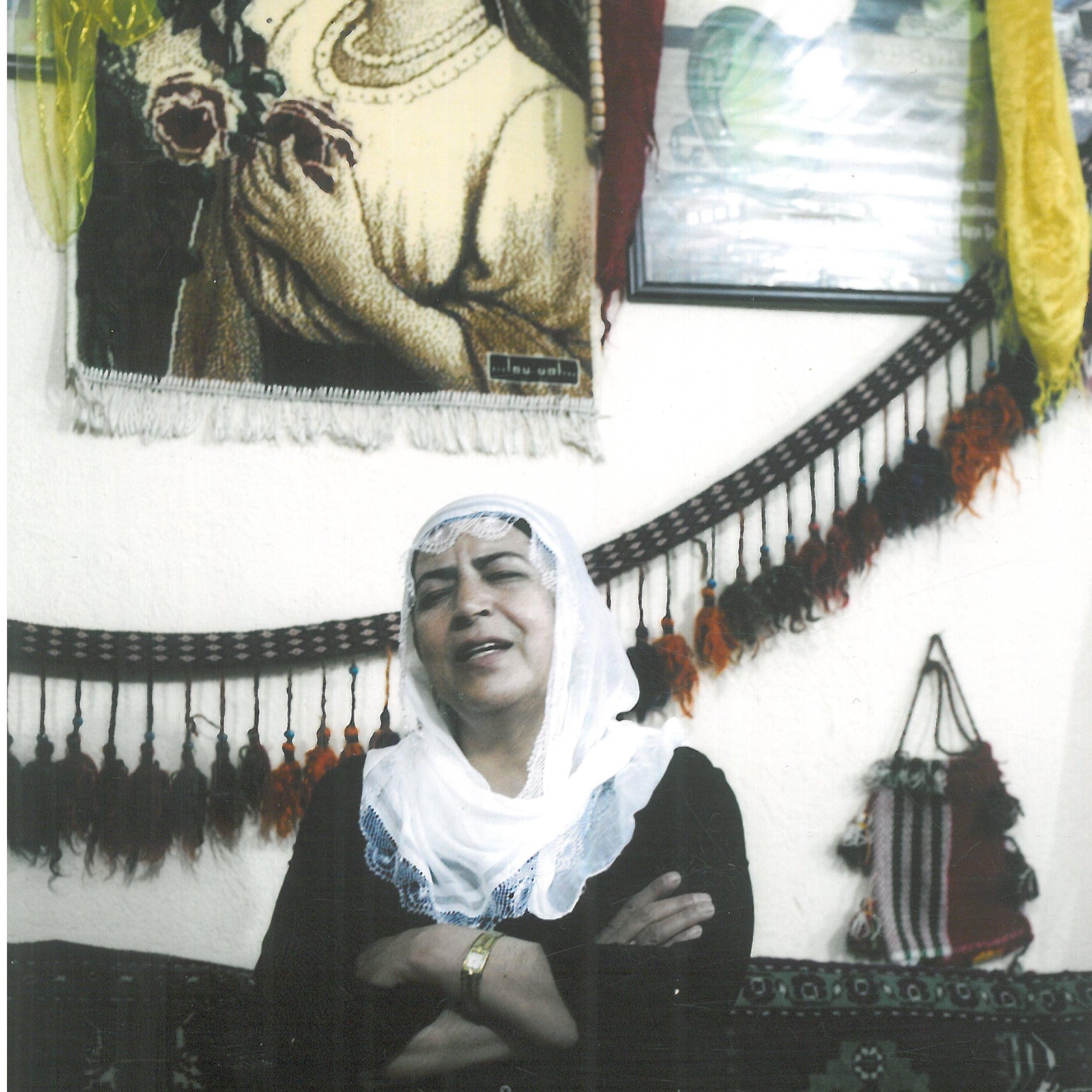
Episode 27. Kurdish Women and Desires for Voice by Marlene Schäfers
What does it mean to have a voice? And how does a voice need to sound like if it is going to matter? In this episode, Marlene Schäfers (Utrecht University) discusses her research with Kurdish women singers and poets to explore what makes the voice an object of desire and appeal in the contemporary world, particularly for historically marginalized subjects. Field recordings of Kurdish classical and
Episode 26. Artery: Mzuzile Mduduzi Xakaza with Jeannine-Madeleine Fischer
Who is responsible for making a work of art? In each episode of this collaborative podcast series, one anthropologist, specialising in a particular cultural context, has a conversation with an artist of their choosing, exploring issues of authorship and responsibility in art. Ranging across geographical locations and creative practices, discussions address and unpack the conceptualisation of the a
Episode 25. The Future of the Anthropological Journal.
Episode 25. The Future of the Anthropological Journal. by Cambridge Anthropology
Episode 24. Artery: on art, authorship and anthropology. Maree Clarke with Fran Edmonds.
Who is responsible for making a work of art? In each episode of this collaborative podcast series, one anthropologist, specialising in a particular cultural context, has a conversation with an artist of their choosing, exploring issues of authorship and responsibility in art. Ranging across geographical locations and creative practices, discussions address and unpack the conceptualisation of the a
Episode 23. The Recorded and the Live, by Timothy Cooper
With the arrival of home recording technology in the early 1980s, many Shi’i Muslims in Pakistan started to record the majlis mourning assemblies and processions that are central to their faith. Soon after, some established family-run religious media stores beside Muslim shrines or in Shi’a-majority neighbourhoods. In this episode, Dr Timothy Cooper (Research Fellow at the Department of Social Ant
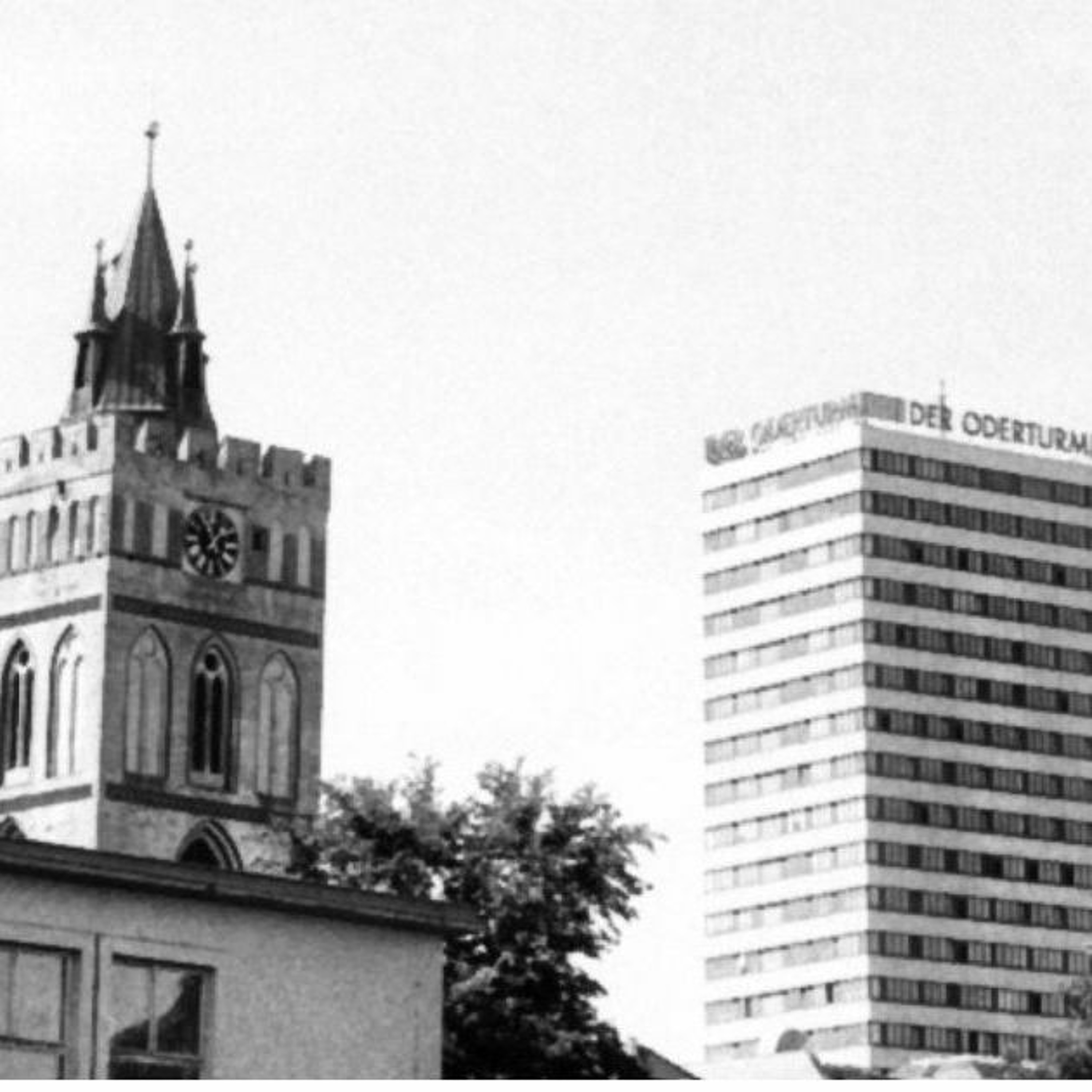
Episode 22. 30 years of German unity. Insights from fieldwork in Eastern Germany, by Laura Tradii
On the 9th of November 2019, Germany celebrated the 30th anniversary of the fall of the Berlin Wall. Yet, the country appeared to be once more divided along political lines as the far-right party Alternative for Germany gained enormous success in the Eastern regions. Laura Tradii was on fieldwork in rural Brandenburg as the electoral campaign unfolded, and she discusses the debates that emerged ar
Episode 21. An Interview with Max Bolt, by Kevin Yildirim and Javier Ruiz
In November 2019, Max Bolt came to the department of Social Anthropology at Cambridge to deliver the weekly senior seminar. Kevin Yildirim spoke with him beforehand to learn more about his recent work in Johannesburg, which concerns inheritance laws and custom in post-apartheid South Africa. The interview was recorded by Javier Ruiz.
Max Bolt is Reader in Anthropology and African Studies at the
Episode 20. Anthropology Beyond the Academy: Public Health
Alisi Mekatoa and Nina Fudge are health researchers. They came to Cambridge to speak about how their undergraduate anthropology degree has informed their careers in and outside of academia. They spoke with Sian Lazar about general practice and primary health care in the UK, and the role of anthropological approaches in health research.
Episode 19. Anthropology Beyond the Academy. Diplomacy
Gareth Ward visited Cambridge just before he began his appointment as British Ambassador to Vietnam. He spoke with David Sneath about how anthropology has informed his career in the diplomatic service.
(We are sorry that the recording quality of this interview is not as good as we would usually aim for.)

Episode 18. Circus Stories, by Laura Byng
Tropes of 'running away' abound in popular notions of the circus, but how true is this to the lived experiences of circus folk? In this episode of the podcast, Laura Byng uses interviews with different members of a contemporary UK circus to explore they ways in which they came to work in the circus, and, once there, why they stayed. What emerges is a varied set of relationships to the circus, but
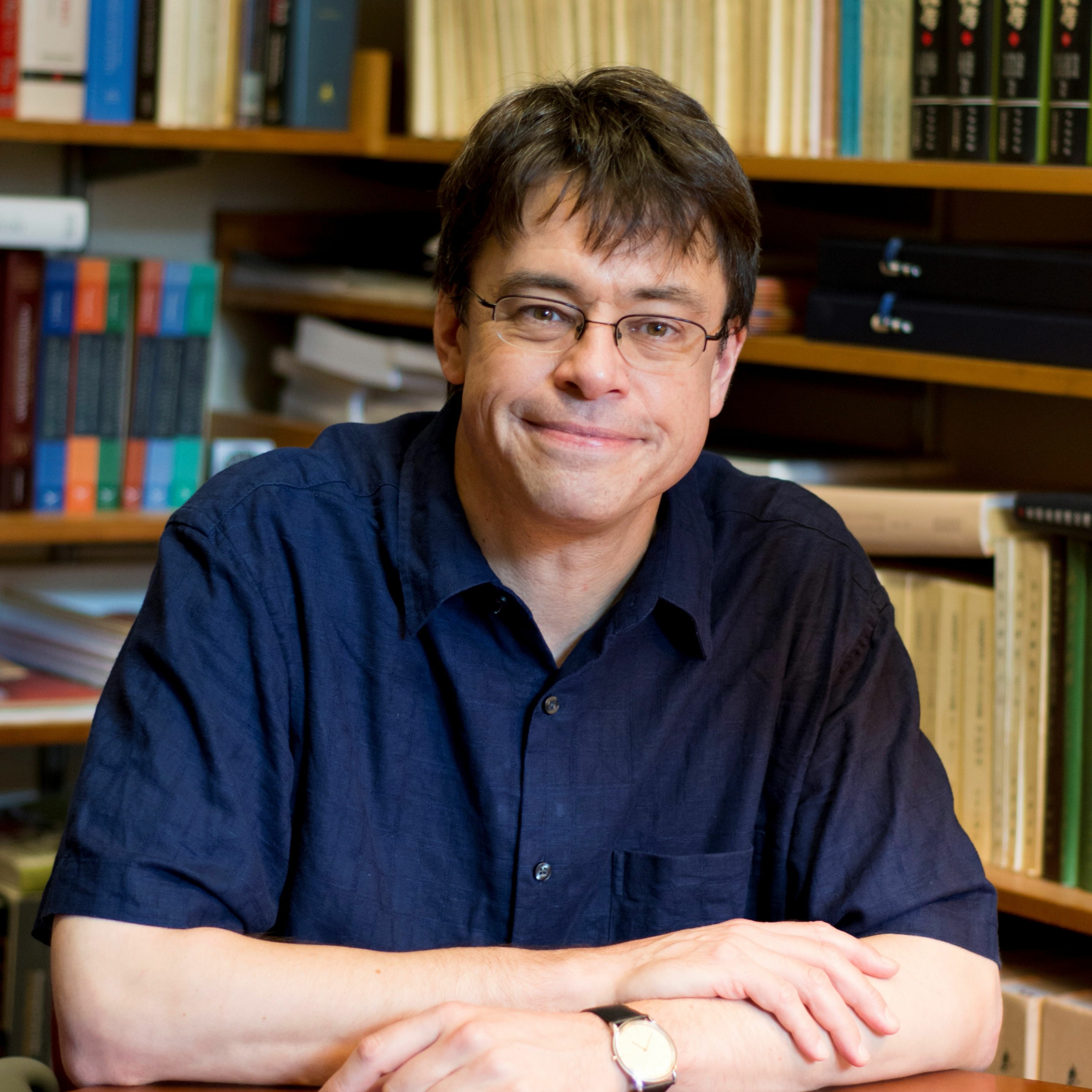
Episode 17. An interview with Michael Puett, by Beth Turk
In November 2017, Michael Puett, Professor of Chinese History and Anthropology at Harvard University, gave two talks at the Centre for Research in the Arts, Social Sciences and Humanities (CRASSH) at Cambridge on the subject of neoliberalism in China. Beth met with Professor Puett after his talks to discuss Puett’s critical stance on the naturalness of neoliberalism, and his assertion that compara
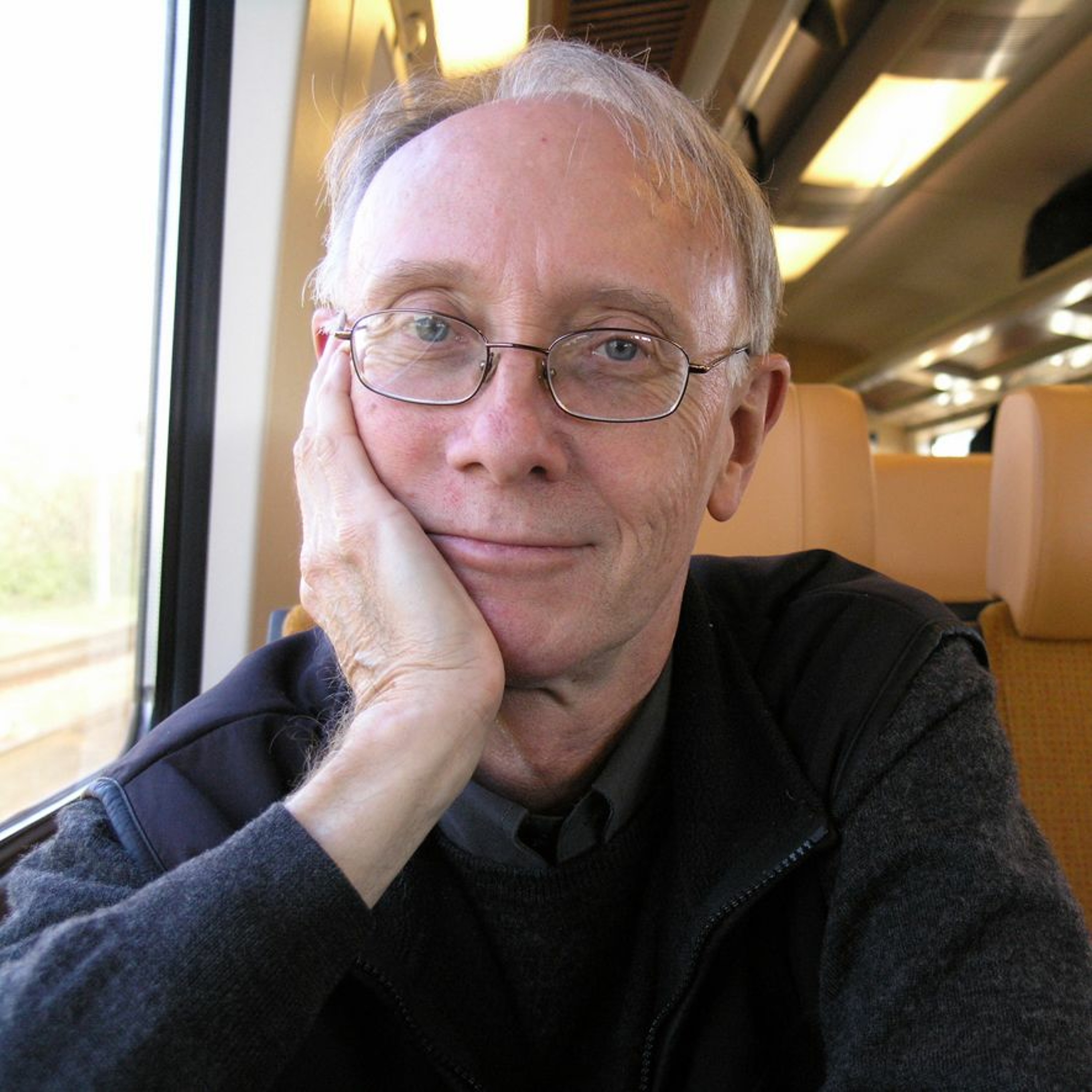
Episode 16. An interview with David MacDougall, by Rafael Dernbach
David MacDougall visited Cambridge University this year for a series of talks and screenings and to open an exhibition of stills from his films at King's College. After the opening Rafael Dernbach met MacDougall to talk about the particular knowledge visual anthropology can produce and his practice as a filmmaker.
David MacDougall is one of the world’s leading ethnographic filmmakers. He also wri
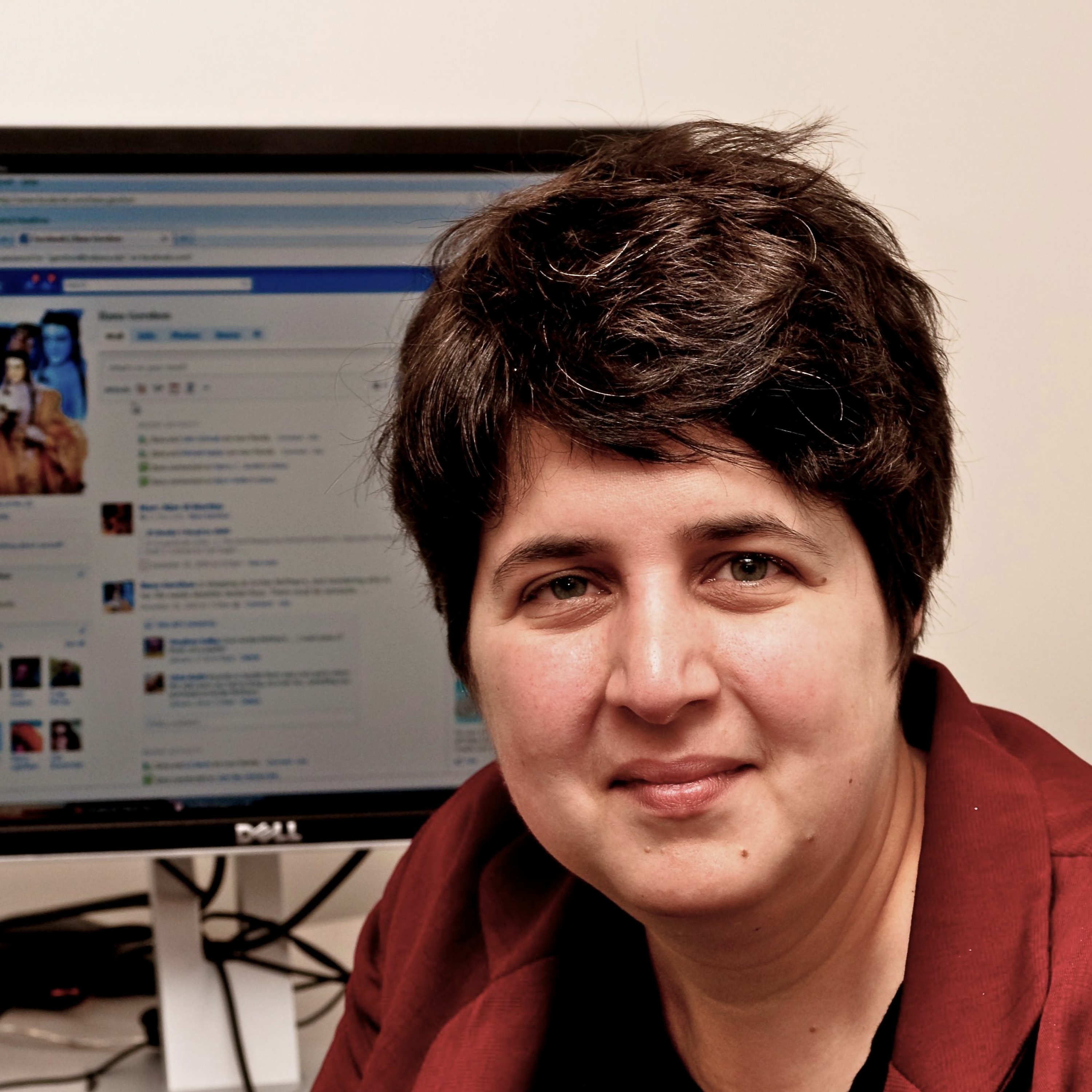
Episode 15. An interview with Ilana Gershon, by Oliver Balch
Ilana Gershon visited Cambridge University this summer, and after her Senior Research seminar at the department, Oliver Balch caught up with her to talk about her research on new media and the contemporary world of work, and her latest book Down and Out in the New Economy: How People Find (or Don't Find) Work Today.
Ilana is Associate Professor of Anthropology at Indiana University. Her intelle

Episode 14. Thinking about Vision, by Harsha Balasubramanian
This podcast asks what vision means to those who describe theatre for blind and partially-sighted audiences. Harsha Balasubramanian shares some of the findings from her undergraduate dissertation, and argues that these audio describers' understandings of vision are revealed through their practices. These shape the experiences of sight-impaired theatre-goers.
With editing by Christina Woolner and v

Episode 13. Welcome to Dataworld, by Alexander Taylor
The processing and storage of data underpins the digital economy. With 2.5 exabytes of data being produced every day, storing and securing this highly valuable asset is an increasingly challenging task. But where exactly is all this data stored and how is it secured? In this episode, Alexander Taylor visits The Bunker, a subterranean data centre in south-east England and talks with Al Webb, the He
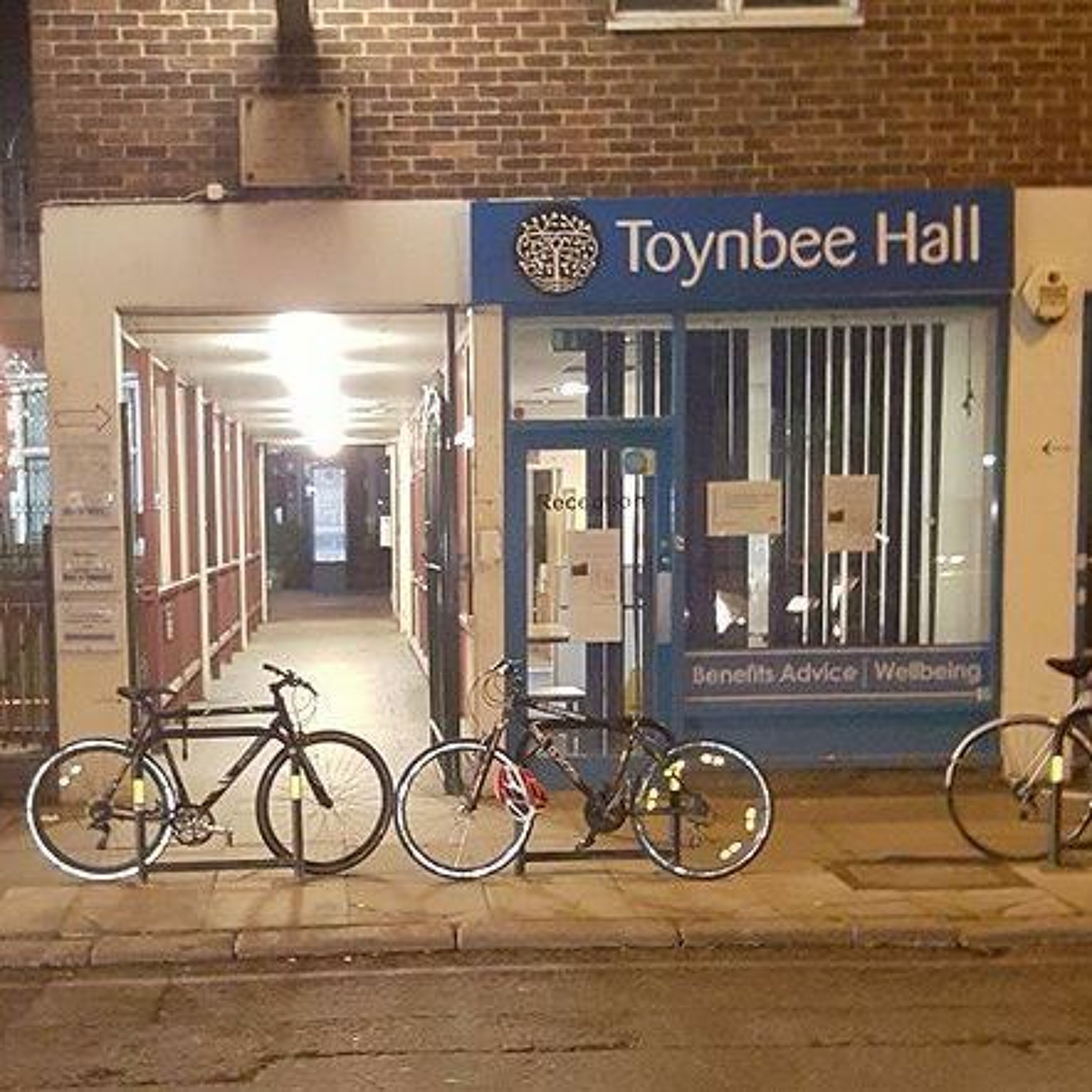
Episode 12. Wicked problems in the world of debt advice, by Ryan Davey and Carl Packman
When credit is an essential means of getting by, how can debt advice organisations help those who are struggling to repay? This episode of the podcast considers some of the conundrums that debt advisers face in Britain today, as a result of credit having become a vital means of subsistence for millions of people. It is an attempt to explore the normative implications of anthropological research fo
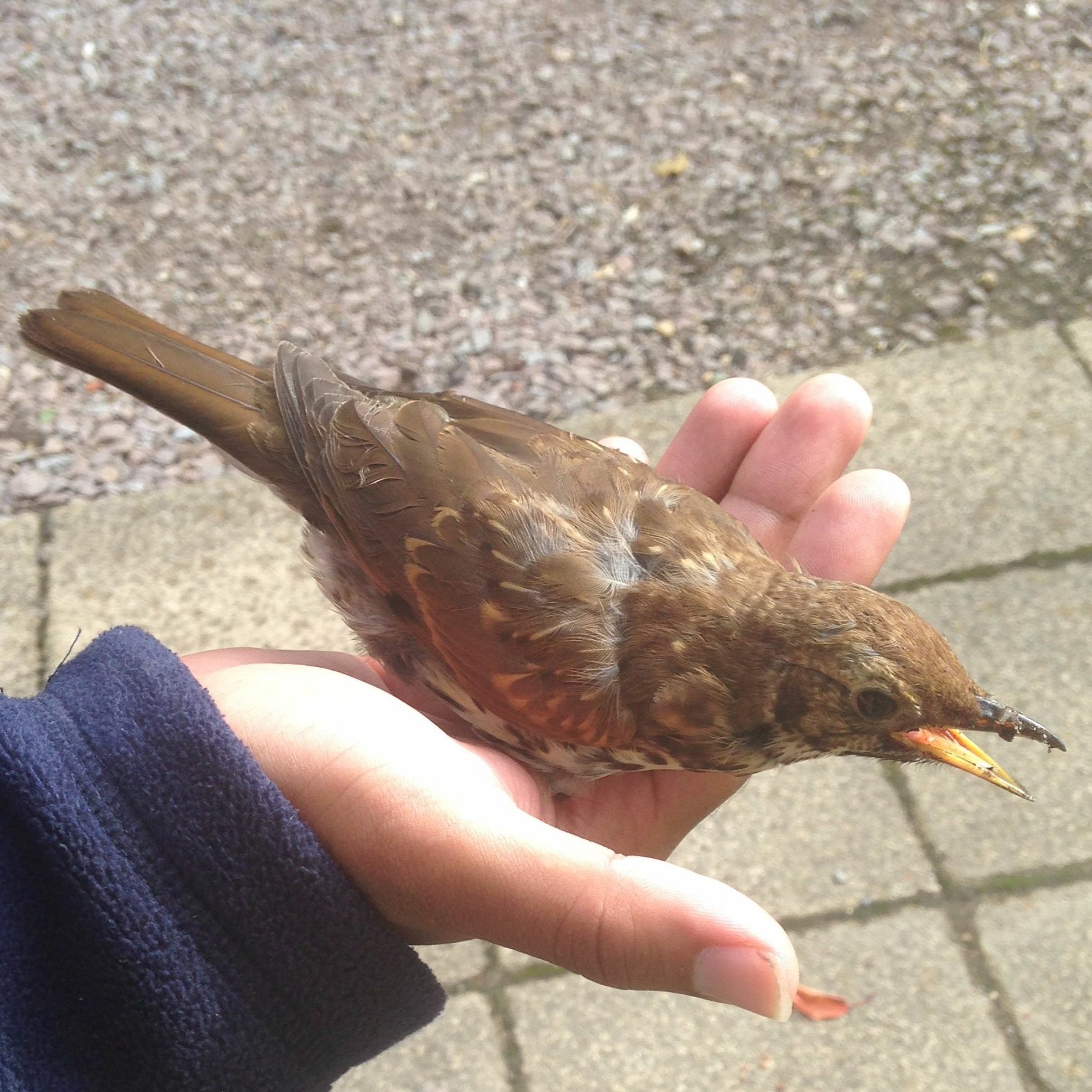
Episode 11. Birdsong, by Jonathan Woolley and Hugh Williamson
Birdsong is a ubiquitous feature of the British countryside. But what is the cultural significance of this much-loved part of our landscape? Jonathan Woolley reflects upon the meanings made by birds - as omens, as signs, as proxies, and as music - from the Norfolk Broads, to Bosavi in Papua New Guinea.
This podcast uses audio from freesound.org:
Lapwing.wav by Juskiddink
(http://freesound.org/pe
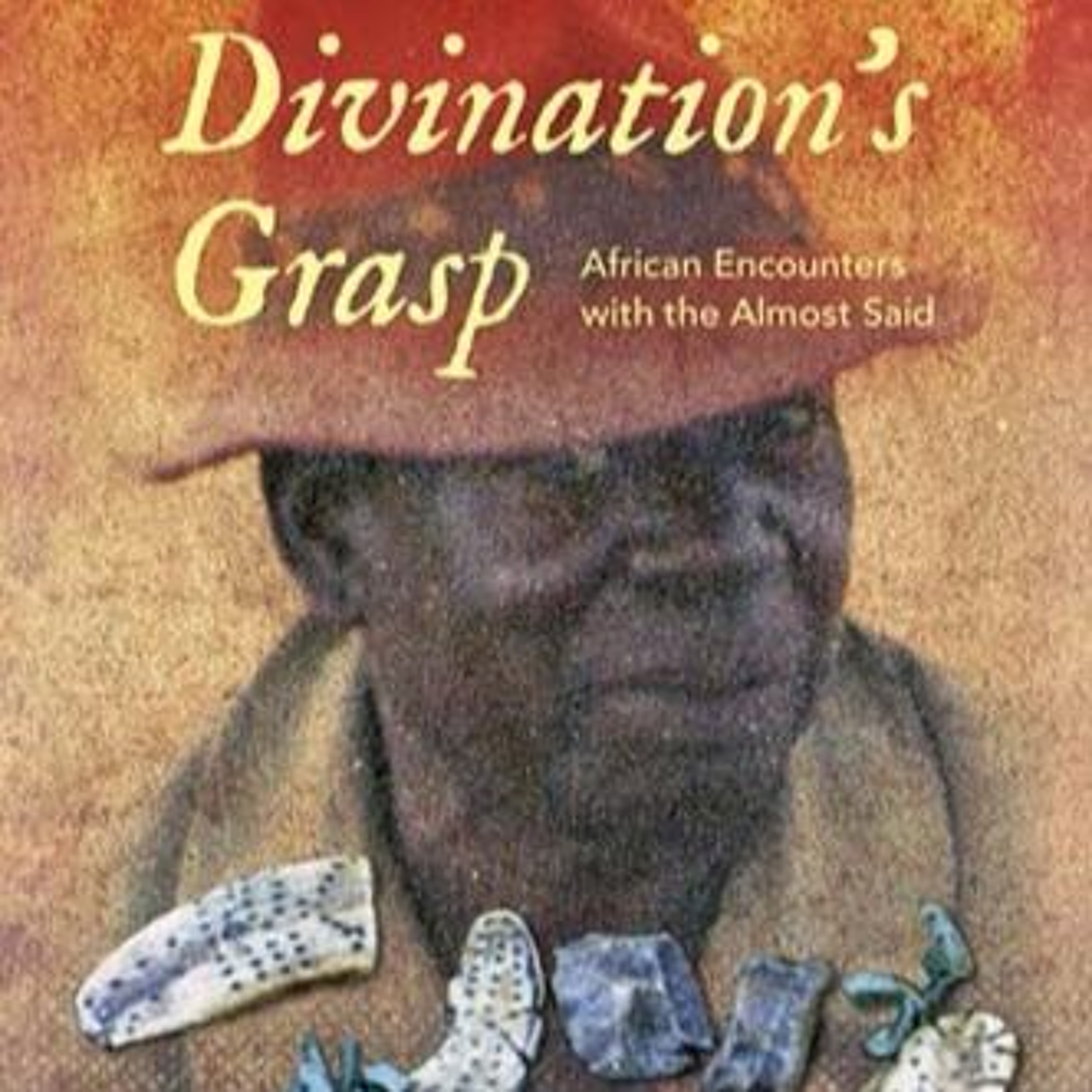
Episode 10. An interview with Richard Werbner, by Joe Philp
Earlier this year Professor Richard Werbner gave a senior research seminar in the Department entitled 'The Poetics of Wisdom Divination: Renewing the Moral Imagination'. PhD student Joe Philp caught up with Professor Werbner afterwards to ask him more about his recent book, Divination's Grasp: African Encounters with the Almost Said (Indiana University Press: 2015). In the interview, Professor Wer

9. MIASU at 30, by Sian Lazar
Camthropod welcomes you to the new academic year with an episode dedicated to the Mongolia and Inner Asia Studies Unit, which is celebrating its 30th anniversary this term. Sian Lazar spoke with several members of the unit to find out just what makes it so distinctive.
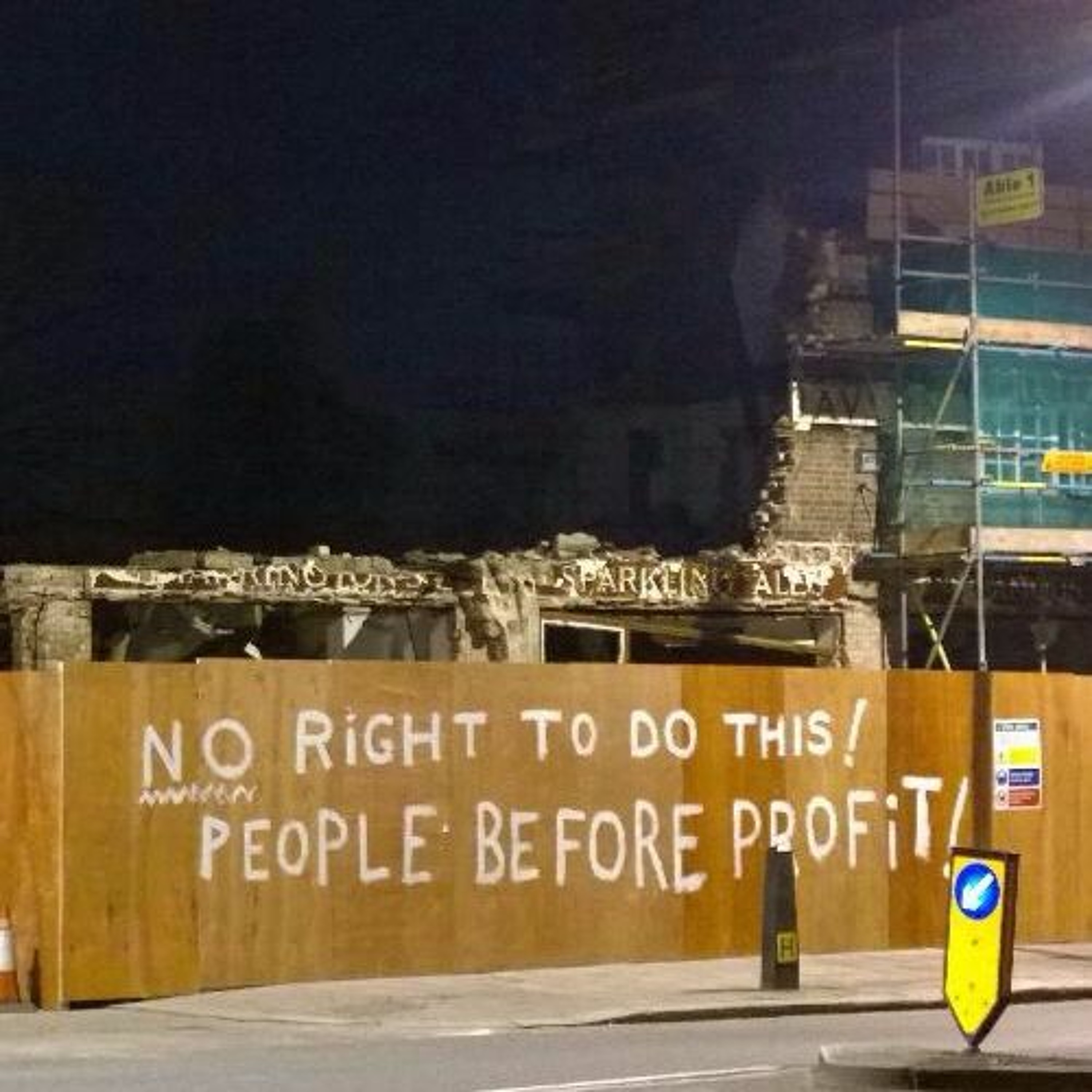
8. Your Local, by Farhan Samanani
On April 8th 2015, in North West London, without any warning or permission a buzzing local pub was torn down by developers hoping to erect luxury flats in its place. The resulting scandal made national headlines, feeding into an intense debate around gentrification and property speculation in London. But what exactly was lost? This episode looks at the demolition of the Carlton Tavern through the
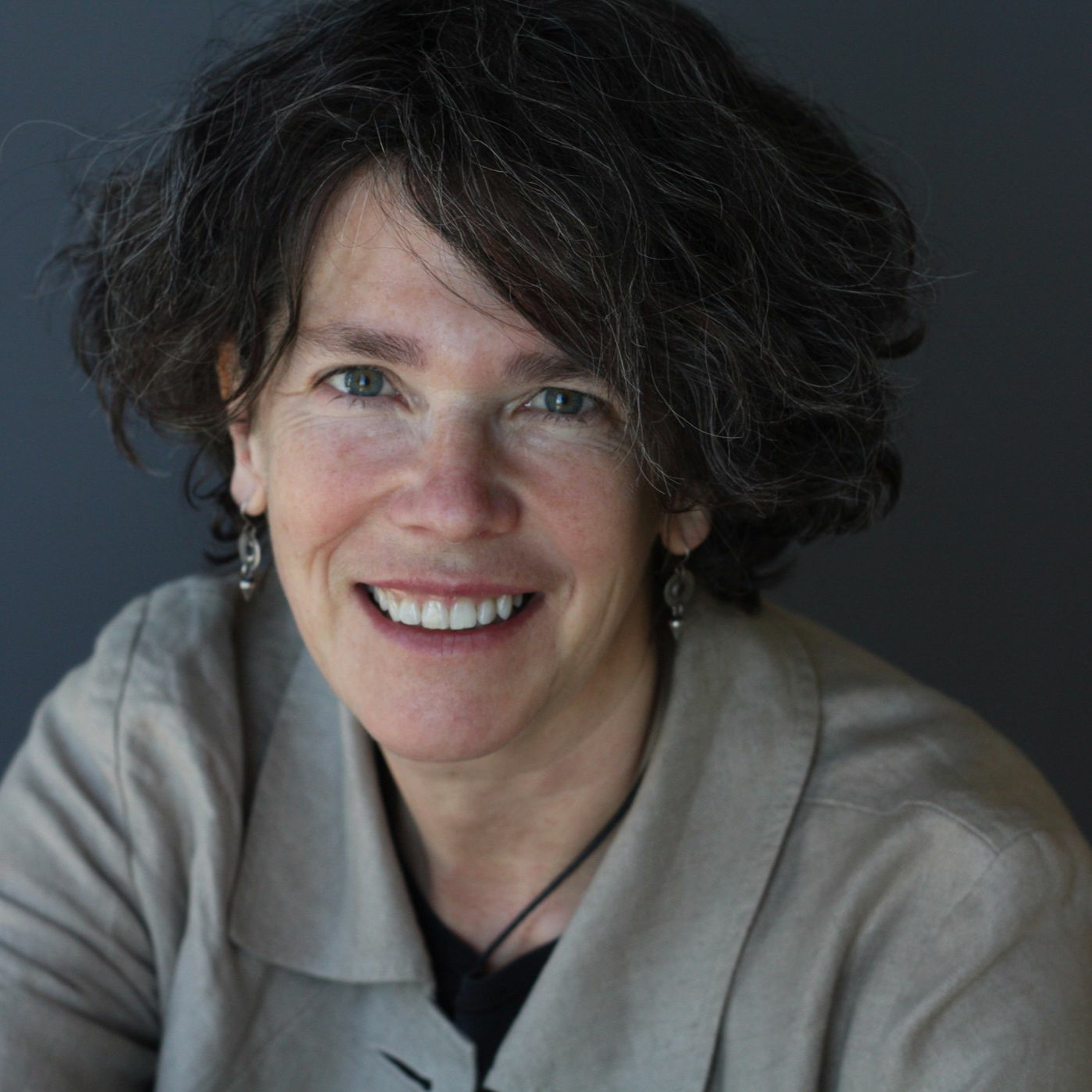
7. An Interview with Tanya Luhrmann, by Rupert Stasch
Tanya Luhrmann gave the 2016 W.H.R. Rivers Memorial Lecture in Cambridge, and during her visit she discussed with Rupert Stasch the larger research project she is currently engaged in, about contrasts in the psychological experience of “hearing voices” in the United States, Ghana, and India. Both in a study of how certain Christians experience hearing the voice of God, and in a study of the audito
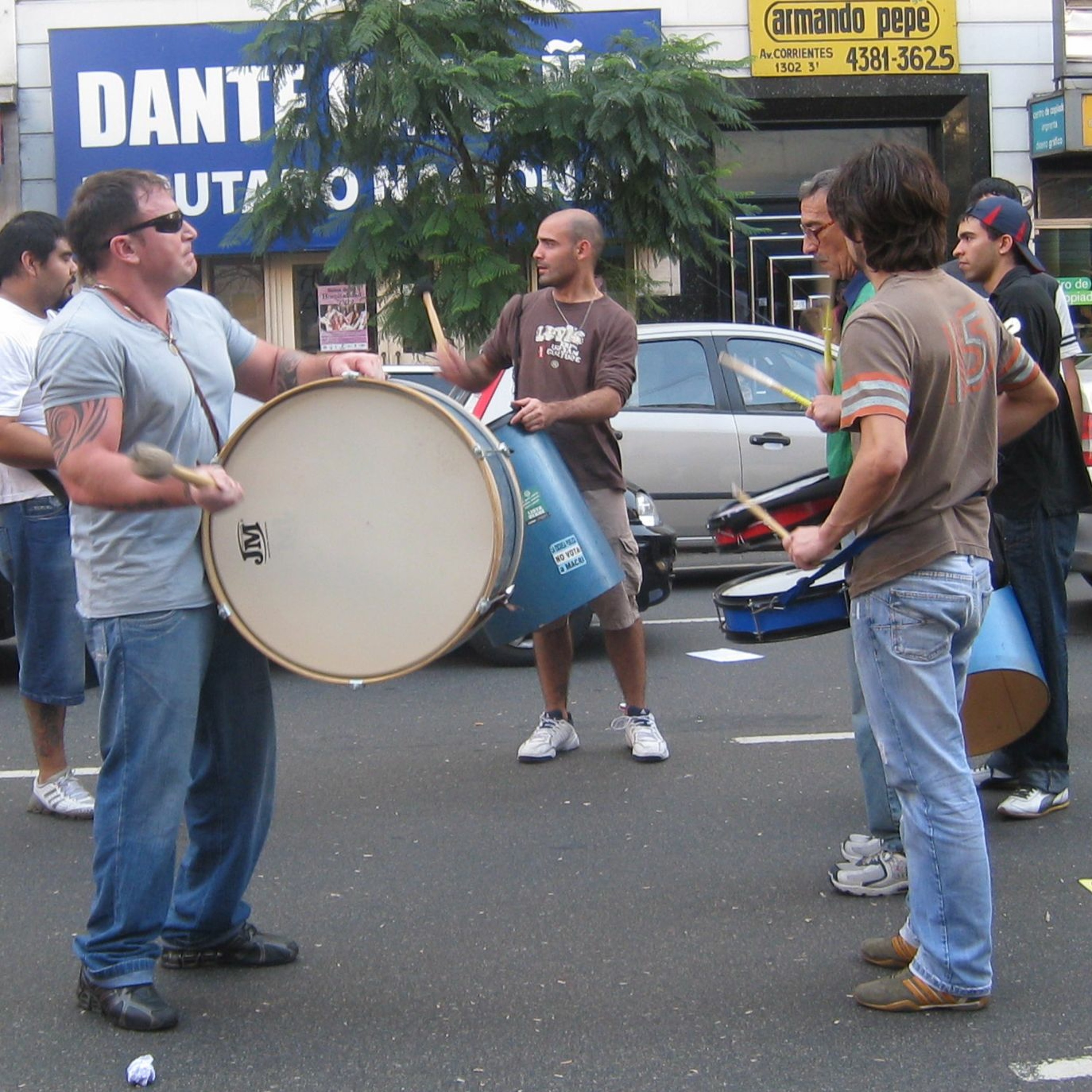
6. Sounds of Protest, by Sian Lazar
In this episode, Sian Lazar discusses two sounds of different kinds of street mobilisation in Argentina: the bombos, or drums, which are associated with organised social forces, and the cacerolazo, or pots and pans demo, associated with the ‘middle classes’. She relates these different political soundscapes to the politics of the ‘Pink Tide’ and the recent turn back to the right in the country.
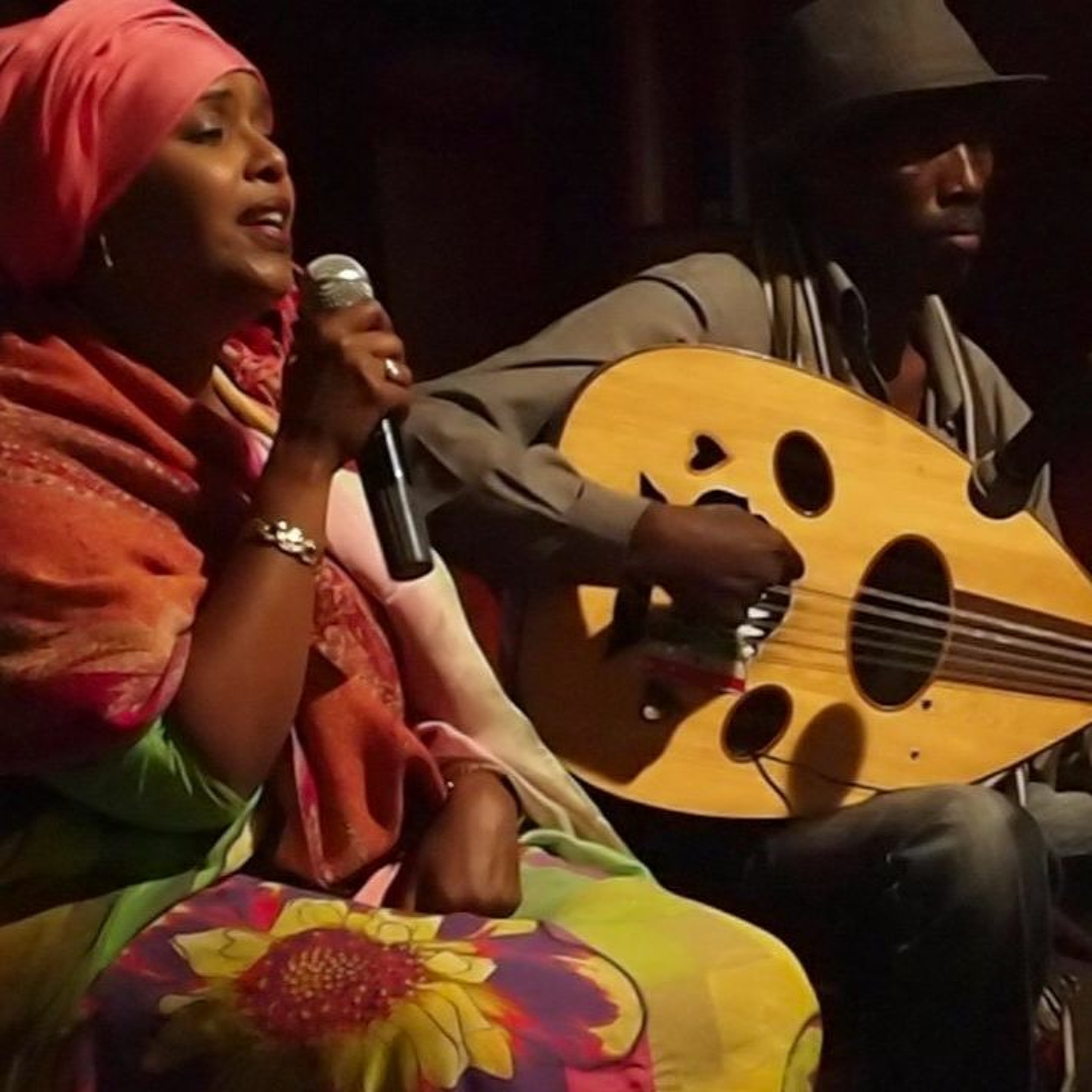
5. Hiddo Dhawr: Singing Love in(to) Somaliland, by Christina Woolner
Opened in 2014, Hiddo Dhawr is Somaliland’s first and only live music venue to operate since the 1988 civil war, which decimated the capital Hargeysa, and displaced the artistic community. In this episode, social anthropology PhD candidate Christina Woolner visits Hiddo Dhawr – which specializes in the performance of acoustic music popular before the war – to explore what it means to sing, and pa
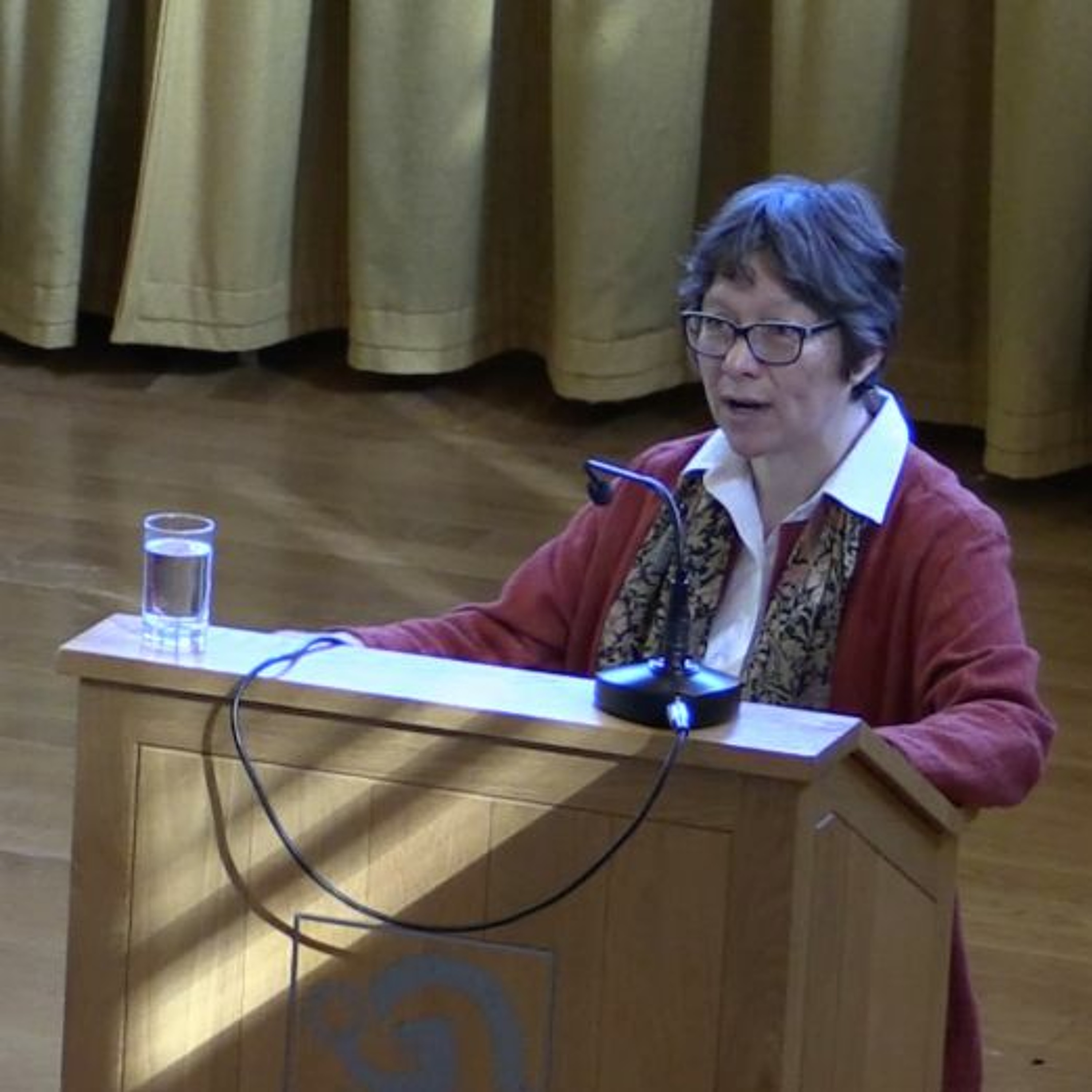
4. An Interview with Anna Tsing, by Corinna Howland and Christina Woolner
Anna Tsing visited our department to give the Marilyn Strathern lecture for CUSAS in 2015. Corinna Howland took the opportunity to sit down with her to discuss her classic book Friction: An Ethnography of Global Connection, and to find out a bit more about her thinking on issues of globalization, scale, environmental politics, and capitalism.
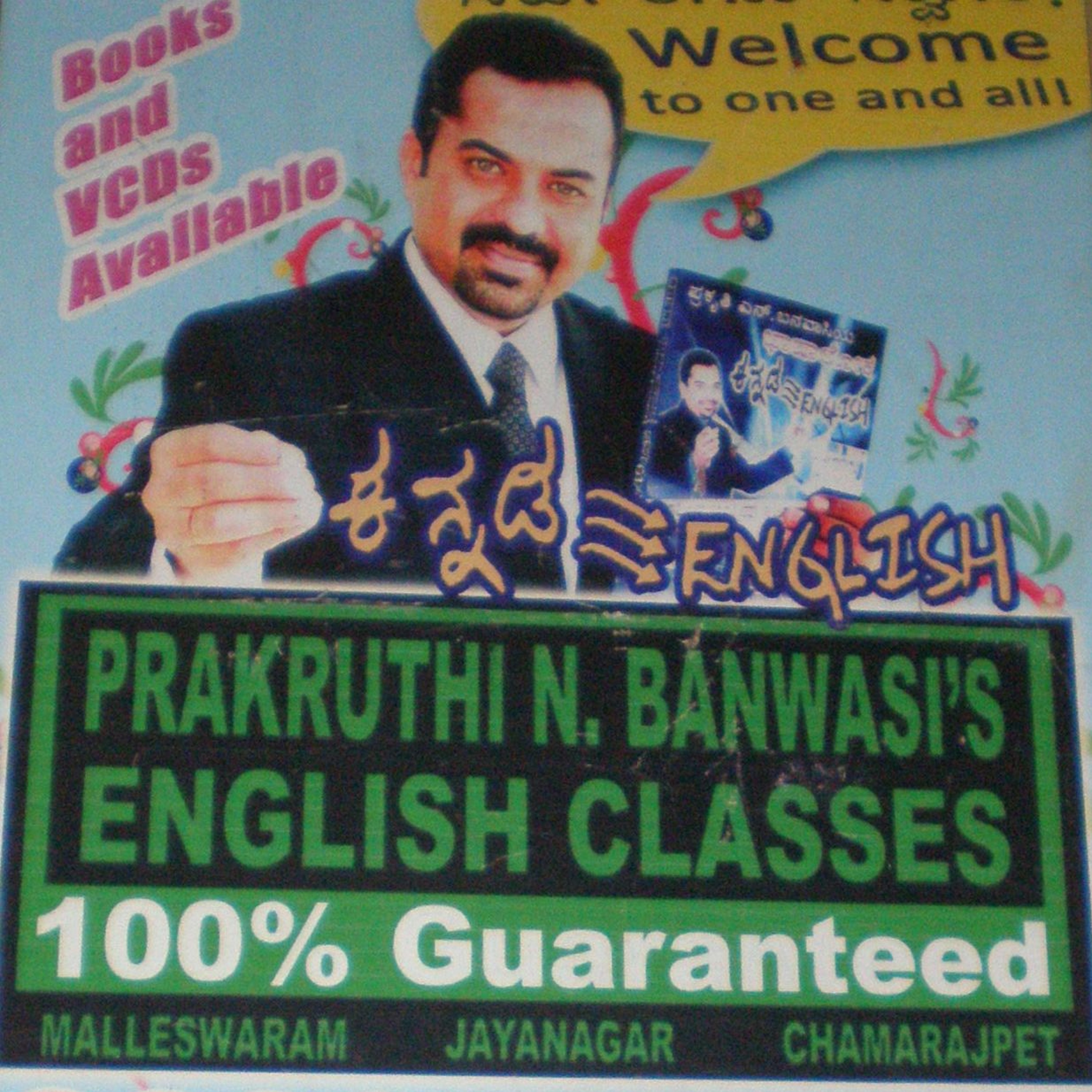
3. Treating English Handicaps: Spoken English Training Centres in Bangalore, by Sazana Jayadeva
Since the liberalisation of the Indian economy in the early 1990s, an entire industry of commercial English language training centres has emerged, offering spoken English classes for adults. In this episode, Sazana Jayadeva speaks with Prakruthi Banwasi, the founder of one of the first English training centres in Bangalore, India, about why it has become so important to know English in this city t
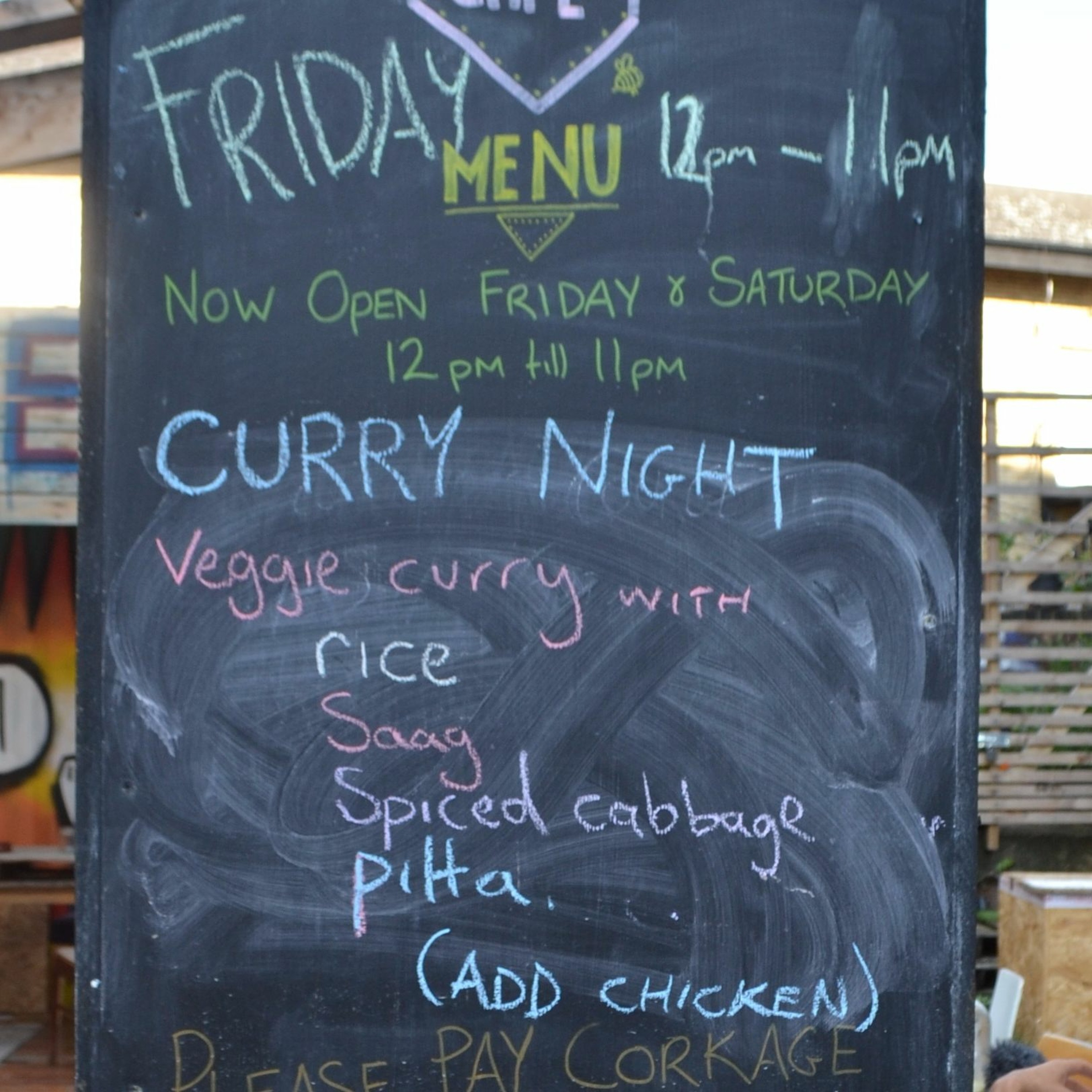
2. Save the Date, by Patrick O’Hare
Patrick O’Hare is a PhD student in social anthropology researching waste-pickers, the landfill economy and the recycling industry in Montevideo, Uruguay. In this podcast he visits Save the Date in London, a Dalston café which forms part of the ‘Real Junk Food Network’ dedicated to diverting food from landfill and transforming it into wholesome, affordable meals. With its founders James and Ruth, P
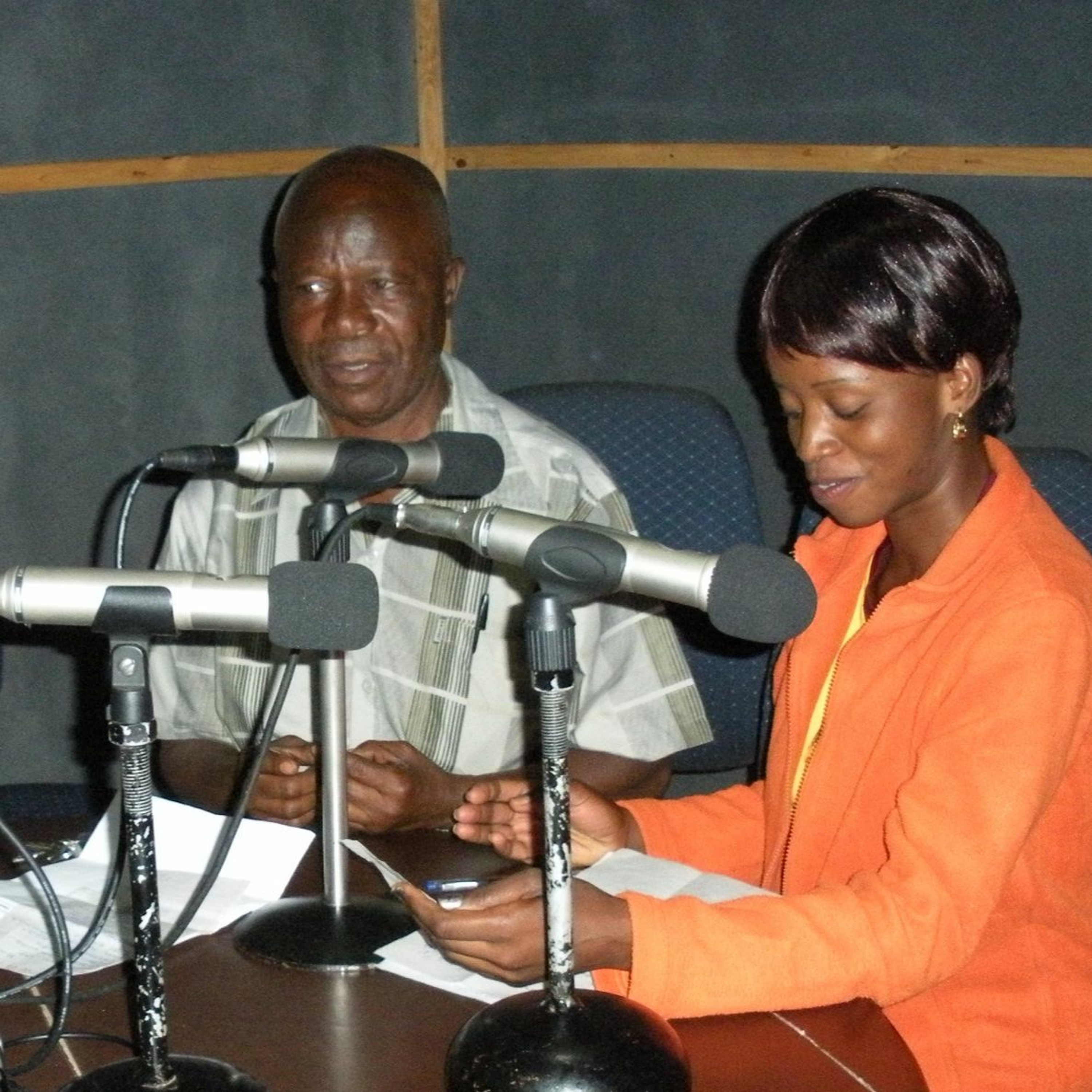
1. Gogo Breeze and Radio Kinship, by Harri Englund
Gogo Breeze, a popular radio personality in Zambia's Eastern Province, styles himself as his listeners' grandfather and attends to them through a variety of radio programmes. In this podcast, Cambridge anthropologist Harri Englund introduces the key means by which Gogo Breeze pursues kinship over
the airwaves. Examples of broadcasts bring to life the radio grandfather's multivocal approach to his

Camthropod Introduction
Camthropod, the Cambridge Anthropology Podcast.
Camthropod is produced by a collective of staff and students from the Cambridge Division of Social Anthropology. We aim to broadcast it fortnightly during term time. Camthropod will include interviews with visiting speakers and with members of the department about their work, as well as audio pieces presenting aspects of our research or just things