IOE Insights
Thoughts and ideas on education, culture, psychology, social science and more from academics, students, alumni and the wider community. The podcast aims to create lasting and evolving change through research and discussion. It is brought to you by UCL Institute of Education (IOE), a world-leading centre for education and social science research, courses, and teaching, and a faculty of University College London (UCL).
Episodes
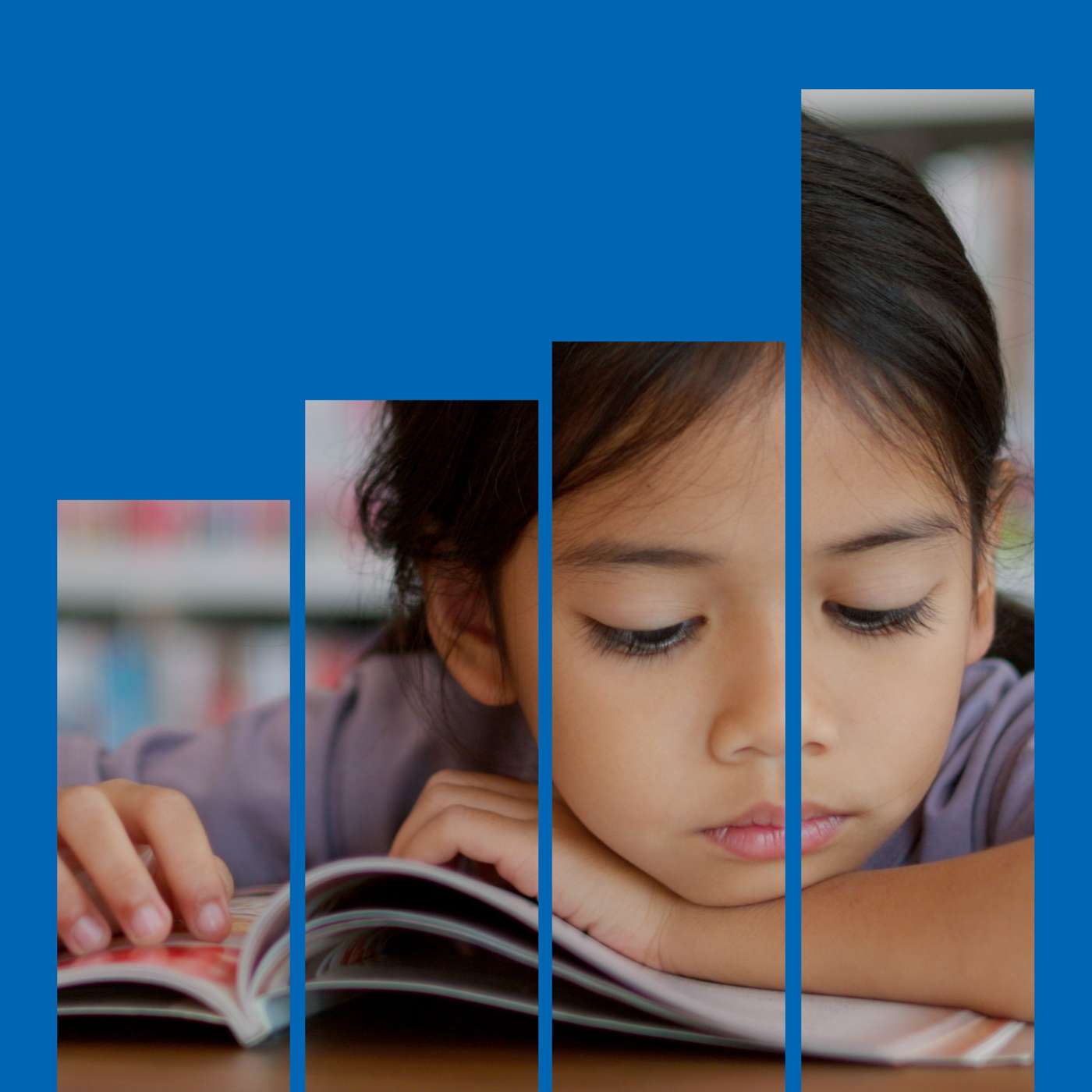
What really helps children learn to read and write? | Research for the Real World
Phonics matters, but children also need language, stories, motivation and meaningful opportunities to read and write.Debates about early reading often present teachers with a choice between phonics and reading for pleasure. Mark Quinn hears about Professor Dominic Wyse and Charlotte Hacking's argument that effective literacy teaching needs both, alongside writing, talk and sustained engag
Preview: How to improve early years education | Research for the Real World
The first years of a child’s education can shape their relationship with learning for the rest of their life. But creating educational experiences that work for every child requires more than good intentions. It takes robust research, close collaboration with educators and a clear understanding of what children need.That is the focus of the Helen Hamlyn Centre for Pedagogy at the UCL Inst
Deafblindness and accessibility: Are we including everyone? | Inclusive Voices: Deafblindness
Dr Leda Kamenopoulou and contributors examine the barriers, technologies, and design decisions that can either enable or restrict participation in education, work, and society.Accessibility is often viewed as an additional feature rather than a fundamental requirement, yet for people with deafblindness it can determine whether participation is possible at all. In this episode, a disabilit

How young people can find their place in a changing world | Research for the Real World
As societies face growing political and social tensions, citizenship education is increasingly being asked to help young people make sense of the world around them.In this episode, Jason Ilagan hears from Hans Svennevig about research into the knowledge citizenship teachers need and how classrooms can support informed, active participation in society. The conversation explores democracy,
Achieving and thriving? Experts respond to schools’ white paper | Inclusive Voices: Deafblindness
Dr Leda Kamenopoulou and contributors explore the 2026 Schools White Paper, Every Child Achieving and Thriving. They also explore the government consultation, SEND Reform: Putting Children and Young People First.They examine their implications for inclusion, specialist provision, and outcomes for children and young people with Special Educational Needs and Disabilities (SEND), particularl
How other countries could leave the EU | Research for the Real World
10 years after the Brexit referendum, was Britain’s departure from the European Union inevitable or did it depend on a series of political choices?Mark Quinn speaks with Dr Roch Dunin-Wąsowicz and Max Josef Migden about their research comparing Britain’s experience with the prospect of Poland leaving the EU. They introduce a framework exploring how national structures, political narrative
What is deafblindness? Breaking down the myths | Inclusive Voices: Deafblindness
Dr Leda Kamenopoulou chairs this conversation about how we can use research and professional expertise to promote a more accurate understanding of this complex and often misunderstood disability.Deafblindness (or multisensory impairment, MSI) is frequently associated with assumptions that do not reflect the realities of those who experience it. In this episode, we unpack some of the most
The women reshaping conservative politics in America | Research for the Real World
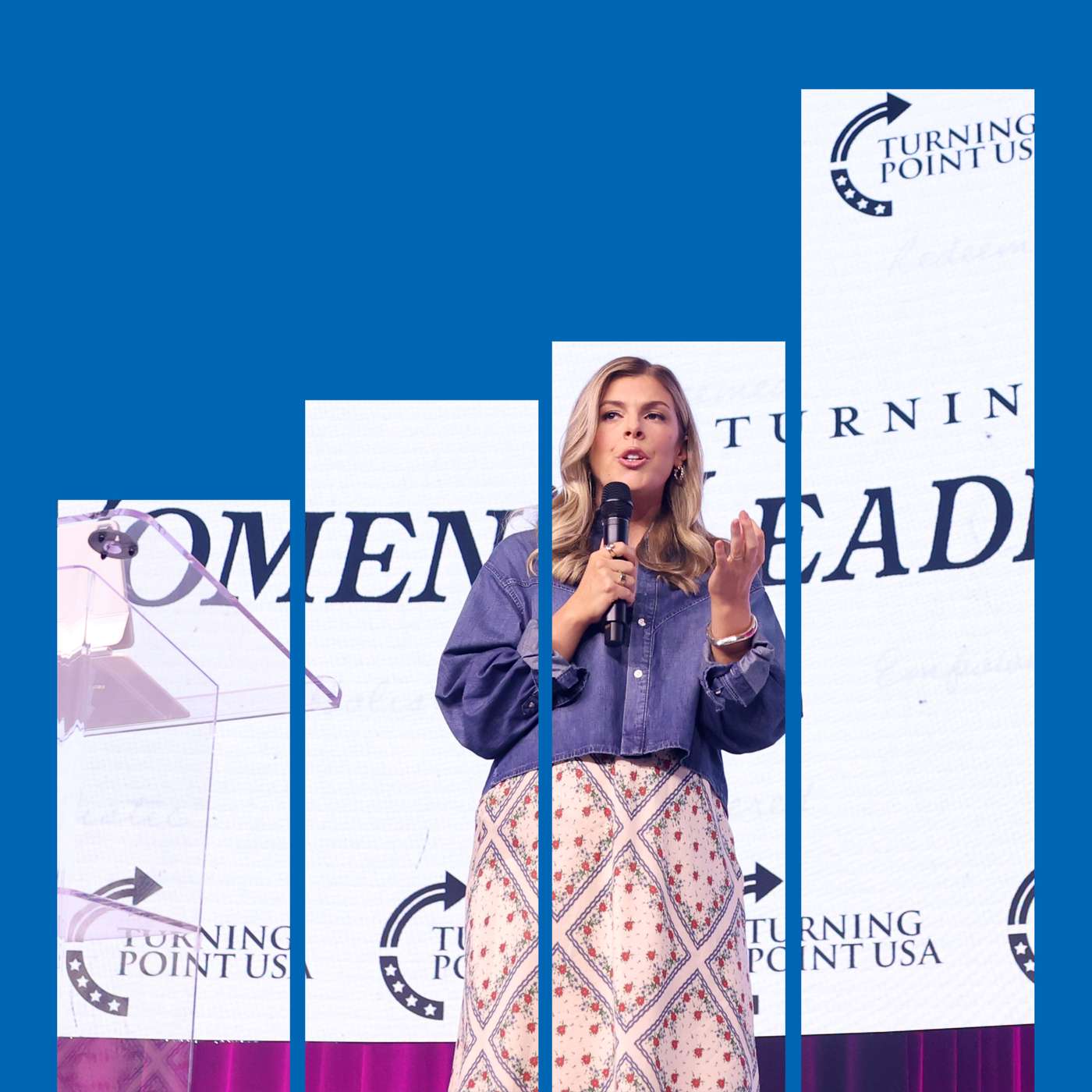
We explore how conservative Christian women have become influential organisers, campaigners and political actors in the United States. Jason Ilagan is joined by Dr Katie Gaddini, who has drawn on a decade of ethnographic research with her new book ‘Esther’s Army’ challenging assumptions that women in right-wing movements are politically passive, instead revealing the diverse ways they org
When the old maps no longer work | Research for the Real World
Political movements are crossing borders and challenging established ideas about power and participation. Researchers take us inside political movements in the US and Europe before turning to the classroom to ask how people can learn to navigate disagreement, uncertainty and change.Upcoming episodes:The role of Christian women in right-wing American politics - Dr Katie GaddiniA Polish Bre
Before learning went mobile | Academia et al
In this episode of Academia et al, Zeinab El-Khateeb talks to Professor Norbert Pachler about shaping the beginnings of mobile learning in a time when most phones still had small screens and physical buttons. He reflects on bringing international researchers from different disciplines together to understand how mobile technologies were changing society, culture and education. Professor Pa
The first grant | Academia et al
In this episode of Academia et al, Zeinab El Khateeb speaks with Professor Lynn Ang about her route from preschool teaching to research leadership at the IOE. Professor Ang reflects on the doctoral journey that transformed her career, and recalls how a senior colleague sharing the details of a successful research grant application helped her also secure one of her own.Full show notes and
Painting our way through the PhD finish line and beyond | The PhD Sketchbook
What does a PhD journey look like when you paint it rather than write it?In their final episode of the series, Tooba and Louise talk about getting a PhD over the finish line, staying motivated in the face of challenges and discuss how they envision their future. You can see the artworks they created during this episode on the UCL IOE student blog, and on the IOE Instagram account.Full sho
Making sense of science education | Academia et al
In this episode of Academia et al, Zeinab El Khateeb speaks with Dr Jasper Green about a career that has moved between biology, classroom teaching, doctoral research and teacher education. Jasper shares how an inspiring biology teacher helped him develop a sense of identity within the subject, and how later academic experiences led him to questions about learning, misconceptions and what
From glaciers to classrooms | Academia et al
In this episode of Academia et al, Zeinab El Khateeb talks to Professor Nicola Walshe about a career that has moved from studying glaciers to shaping climate change and sustainability education.Professor Walshe reflects on the currents that carried her from science into teaching, from classroom inquiry into education research, and from individual practice into collaborative work with scho
Painting our way through balancing academia, research, and personal life | The PhD Sketchbook
What does a PhD journey look like when you paint it rather than write it? On a hot summer evening, Louise and Tooba meet at Louise's flat somewhere in London to reflect on balancing life and a PhD while painting our thoughts on canvases. Their conversation meanders along the tricky pathway of finding and maintaining the balance between pursuing PhD degrees, consistently striving for caree
The village behind a career | Academia et al
In this episode of Academia et al, Zeinab El Khateeb speaks with Dr Gideon Sappor about the people and experiences that shaped his academic path. From his early ambitions in Ghana, Gideon traces the influence of his parents, his teachers, his PhD supervisor and senior colleagues who helped him understand how to develop and stay focused. He also reflects on inclusion, academic identity and
Teaching in fully-inclusive classrooms | The Staffroom
Children with rare genetic syndromes are already in our classrooms, yet many teachers receive little training in how best to support them. So what does meaningful, practical, research-informed support actually look like?As the Department for Education gives renewed priority to children with special educational needs and disabilities (SEND), experts discuss their research into children wit
Starting academia later in life | Academia et al
Dr Brian Irvine describes himself as an early career researcher, but not someone who is early in life. In this episode, he shares the varied experiences that brought him to the IOE, from teaching and childminding to specialist autism mentoring and doctoral study.His story highlights the value of bringing your whole life into research, including the skills and perspectives developed outsid
How do you sustain an academic career? | Academia et al
In this episode of Academia et al, Zeinab El Khateeb speaks with Professor Martin Oliver about what it really takes to build a career in academia today.Drawing on his own journey and leadership experience, he speaks about the realities of progression, the pressures many early career researchers face and the importance of recognising the human experiences behind academic systems.Professor
Painting our way through data collection: memories and challenges in the field | The PhD Sketchbook
What does a PhD journey look like when you paint it rather than write it? Today Louise and Tooba are talking - and painting - about data collection. From paper to implementation, what really goes into designing thoughtful data collection methods, and then putting them into practice? What about how the researcher felt while conducting interviews or travelling to not‑so‑accessible places? T
When academia feels tough or uncertain | Academia et al
Professor Richard Freeman joins Zeinab El-Khateeb to discuss the realities many researchers are feeling, and how easy it is to become pessimistic at times. But the heart of his message is supportive, reminding listeners that doctoral skills travel well and that people with doctorates often find satisfying work in many sectors, not only academia. His advice? Try not to lock yourself into o
Between identities, emotions and ethical practice in fieldwork | Research Ethics
What happens when a researcher’s own story becomes part of the data? And how do you ethically navigate moments when participants’ emotions – joy, frustration – surface in the interview process?In this episode, Dr Hakan Ergül speaks with Stephanie Hoi-Ying Chan, a PhD student at IOE. Stephanie’s doctoral research explores the lived experiences and professional identity development of prima
When teacher education becomes a lifelong return | Academia et al
Professor Caroline Daly explores the powerful pull of the IOE and how it shaped her academic identity over decades. She discusses how returning as a master’s student and then a tutor sparked new curiosity about online professional learning.Professor Daly offers an inside look at building cross‑institutional partnerships and co‑constructing programmes that support teacher inquiry. She high
AI tech wearables and ethics | Research Ethics
Hans Svennevig joins Dr Hakan Ergül to explore the ethical challenges that emerge as researchers use AI tools and wearable technologies.Hakan and Hans discuss how these systems complicate consent, privacy, autonomy, and the researcher–participant relationship. They ask whether existing ethical principles are robust enough for technologies that collect and interpret data continuously, ofte
Painting our way through milestones with a splash of colour | The PhD Sketchbook
What does a PhD journey look like when you paint it rather than write it? Louise and Tooba explore the first major milestones that shaped their PhD research paths. They think back to what support they had, what might have been different, and how it felt to go through those initial stages. You can see the artworks they created during this episode on the UCL IOE student blog, and on the IOE
Following a new generation to understand childhood and inequality | Research for the Real World
What does it take to create a study designed to last for generations?Professor Alissa Goodman joins Mark Quinn to talk about Generation New Era, a new birth cohort study that will follow 30,000 babies born in the UK in 2026. She describes how new approaches to data collection, including regular digital contact with families and the use of video data, will provide richer insights into chil
The power of language, identity and education | Academia et al
This conversation traces Professor Li Wei’s path from classroom teacher to Director and Dean of the UCL Institute of Education, showing how lived experience drove his research questions. He explains language shift in three generations and why some children become English‑dominant despite living in multilingual homes. With deep expertise in bilingualism and multilingual education, he share
Disinformation, misinformation and conspiracy theories | The Staffroom
In an increasingly digital landscape, what can teachers do to guide, safeguard and support their students?Teacher training is largely designed for an analogue world, but teachers now find themselves in exactly the opposite of that. Disinformation and misinformation are on the rise and conspiracy theories have become ubiquitous.In conversation with our hosts Mark and Elaine, Jeremy Hayward
Worked more, still got less | Research for the Real World
We explore retirement readiness, gender gaps in pension wealth, and the real-life consequences of inequality across the life course.Dr Amy Harrison speaks with Dr Sam Parsons about what long-running birth cohort studies can reveal about people’s lives as they approach retirement. Full show notes and links to research: https://www.ucl.ac.uk/ioe/news/2026/mar/worked-more-still-got-less-rese
Painting our way through research, belonging, and London | The PhD Sketchbook
What does a PhD journey look like when you paint it rather than write it?Louise and Tooba are two international doctoral students at the UCL Institute of Education, and in 2026 they are navigating the third year of their PhD programmes. Each month they will meet to sit down, talk, and paint. These sessions turn reflective conversations into visual stories, using art to bring their PhD exp
Children’s sleep routines: bedtimes, dreams and how sleep affects mood and school | Sleep Education Research Lab
10-year-old Sofia hosts a friendly conversation with her guest Shania, a 9-year-old from Mumbai, about what sleep looks like in their day-to-day lives and compare bedtime routines.Full show notes and links: https://www.ucl.ac.uk/ioe/news/2026/mar/childrens-sleep-routines-bedtimes-dreams-and-how-sleep-affects-mood-and-schoolPodcast produced by UCL Sleep Education Research Lab.
Sleep, memory and academic performance | Sleep Education and Research Lab
High school teacher Mustafa Sakarwala speaks with Nandini Adusumilli (PhD student at Sleep and Education Research Lab at UCL) about why sleep is a core foundation for children’s and teenagers’ attention, learning, and exam recall.Full show notes and links: https://www.ucl.ac.uk/ioe/news/2026/mar/sleep-memory-and-academic-performance
Being and staying curious | The Staffroom
Chloe Morgan and David O'Connell share their journeys to becoming UCL advanced facilitators. They join this episode’s hosts, Mark Quinn and Nancy Karmali Belmonte, for a discussion on the power of facilitators in supporting other teachers to learn.Early career teachers all have busy school days; Chloe and David reflect on how facilitators can create safe spaces for ECTs to reflect on thei
I saw it as a thing to be ashamed of | Lived Experience of Dyscalculia
Peter tells the story of how he was diagnosed with dyscalculia at 10 years old.Liz and Helen chat with Peter about his dyscalculia diagnosis. They explore the barriers people face as children and adults to identifying this under-researched and misunderstood specific learning difficulty. Peter shares the impact the diagnosis had on his experiences at school, expressing feelings of shame, a
How poor housing shapes school outcomes and why place matters | Research for the Real World
Mark Quinn speaks with Dr Gergo Baranyi about researching environment and health with a lifecourse approach, using data that follows people over time. Dr Baranyi describes how linking cohort data to administrative and geospatial sources can paint a richer picture of exposure than using a single home address alone. They discuss how these methods can connect housing and neighbourhood condit
Which Green Day song helps you get to the train station on time? | Lived Experience of Dyscalculia
Scott and Mia discuss the negative impact dyscalculia has had on their wellbeing.Scott and Mia talk to Liz and Helen about the negative emotions they associate with mathematics in and outside of the classroom. They explore how this differs from the way adults without dyscalculia might feel. They mention anxiety, panic, shame, anger, and frustration, as well as low self-esteem that follows
The whole idea of change makes me want to vomit | Lived Experience of Dyscalculia
Rose shares the daily challenges she faces as an adult living with dyscalculia.Liz Herbert and Helen Williams speak with Rose about how dyscalculia affects her day-to-day life. Touching on school, employment, friendship, shopping, and even splitting the bill, they explore the barriers and difficulties one can face when living with this specific learning difficulty.Full show notes: https:/
Preview: How we're in it for the long haul, following generations of data | Research for the Real World
What if we could trace the arc of a generation from the very beginning to understand how our earliest environments shape our adult lives? Coming up on Research for the Real World, we explore the work of the UCL Centre for Longitudinal Studies by following cohorts born in the 1950s all the way to a new generation arriving in 2026. Join our IOE researchers as they unpack decades of unique d
Messages for the Senior Leadership Team | The Staffroom
Teddy Morgan advises leaders on how they can help fellow ECTs to thrive in their first years.Teddy, Mark and Elaine talk about the importance of feeling a sense of connectedness to the place where you teach – a sense of feeling valued for the work you do.Good leaders shape school cultures; they talk about how leadership can help teachers understand how meaningful their work truly is, from
Building sustainable creative media ecosystems in our Olympic boroughs | Creative Landscapes in East London
How can we sustain creative futures in our local communities?In this final episode, Anne, Barry and Gus join our host Liza to discuss how established institutions can build long-term, sustainable relationships with East London’s creative community.This conversation unpacks how shared resources, collaborative mentorship, and inclusive infrastructure can uplift underrepresented creative ent
Culturally responsive pedagogy? | The Staffroom
Dr Wilton Lodge says it's not enough to just decolonise our curriculum.Wilton, an Associate Professor (Teaching) at UCL, discusses how teachers can confront their own biases about what knowledge is powerful, and be more responsive to the diverse cultural perspectives in every classroom."Inequality in education is not accidental. It is produced through curriculum choices, pedagogical pract
Learning teaching: Why mindset matters and what this means for mentors | The Staffroom
Tessa Blair (East London Teaching School Hub) tells us how mentors can support the development of positive orientations to learning.She tells Mark and Elaine how a professional culture tied to learning and mentorship can make a big difference in the lives of early career teachers (ECTs).Tessa explains that mentors can help foster an inclusive and encouraging culture for ECTs, guiding them
Empowering creative talent | Creative Landscapes in East London
How do you support the next generation of creative leaders?Explore how East London’s creative ecosystem nurtures talent after the 2012 Olympics.Host Liza Fletcher and guests dissect bridging gaps between institutions and grassroots organisations, affordable spaces, and youth entrepreneurship in the Olympic Boroughs. With a focus on growth, representation, and accessibility, this episode c
Bringing balance to the 'reading wars' debate | The Staffroom
A holistic view of how phonics, writing, reading and language come together to make a child truly literate.Dominic Wyse and Charlotte Hacking tell Mark and Elaine about the "double helix" of reading and writing, an approach that combines phonics teaching with engaging reading and writing activities.They chat about the importance of creating a balance – between fostering a child's early lo
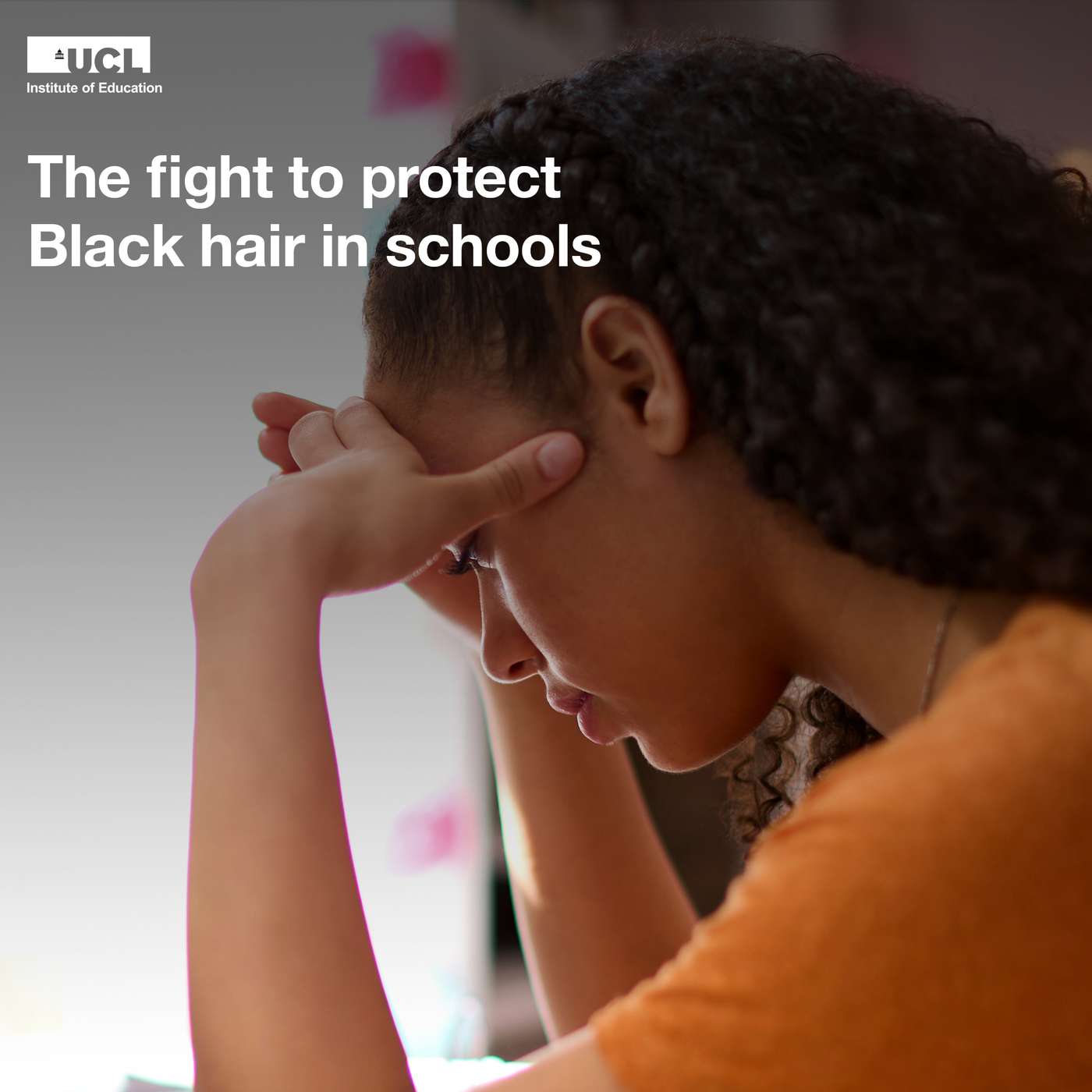
The fight to protect Black hair in schools
Ruby Williams was told her hair was too big for school - and she refused to accept it. In this episode, Ruby and her mother Kate speak with Alison Wiggins about the emotional and legal journey that followed. Their story is a call to action for educators and institutions to do better.Full show notes and links: https://www.ucl.ac.uk/ioe/news/2025/oct/fight-protect-black-hair-schools-lets-ta
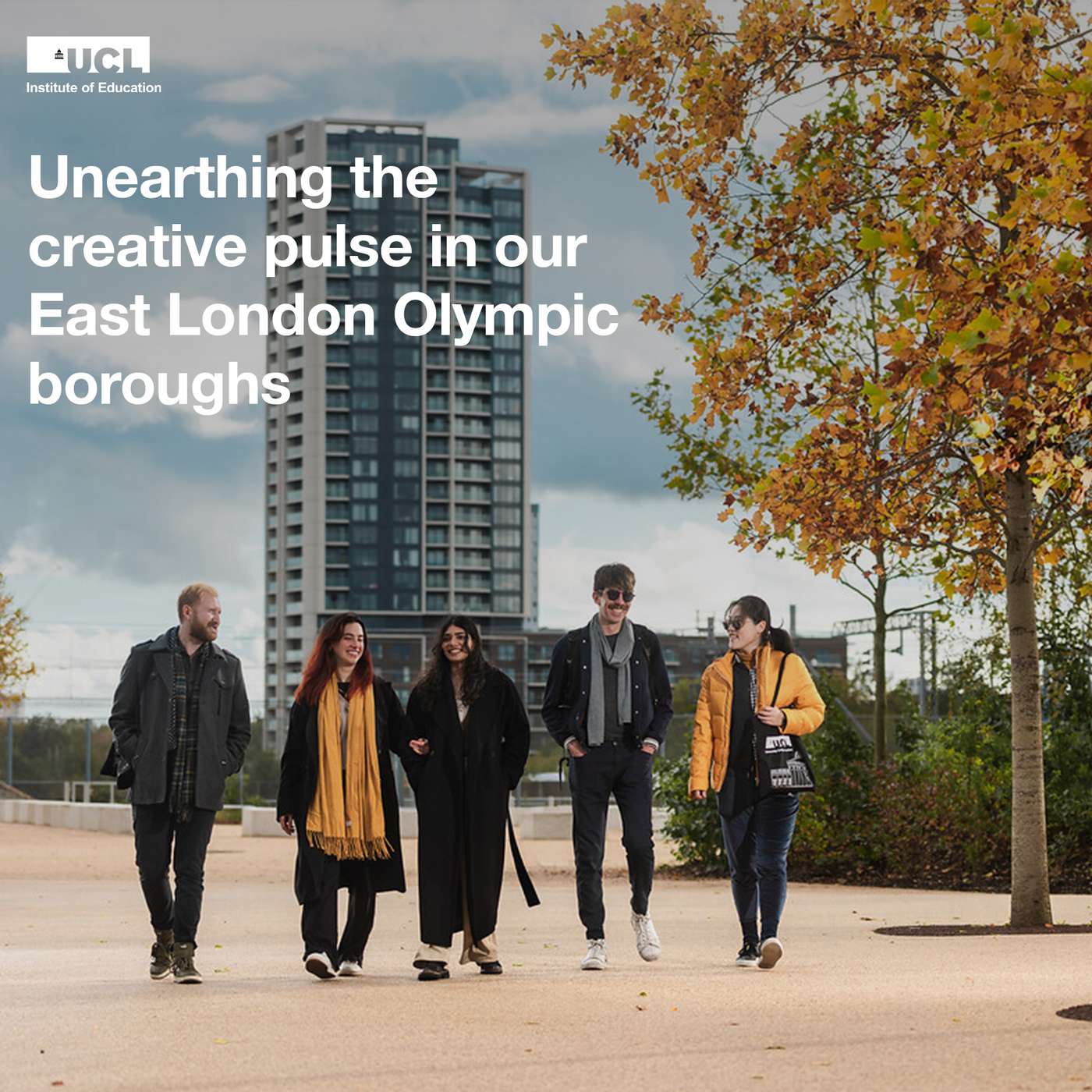
Unearthing the creative pulse in our East London Olympic boroughs | Creative Landscapes in East London
In this episode, we hear about the cultural landscape within the Olympic boroughs, and the evolution that has occurred in the wake of the 2012 Olympics.Our panel of speakers share their insights on the opportunities and challenges of reaching under-represented audiences through initiatives such as education, screenings, exhibitions, and workshops.They talk about their success stories in e
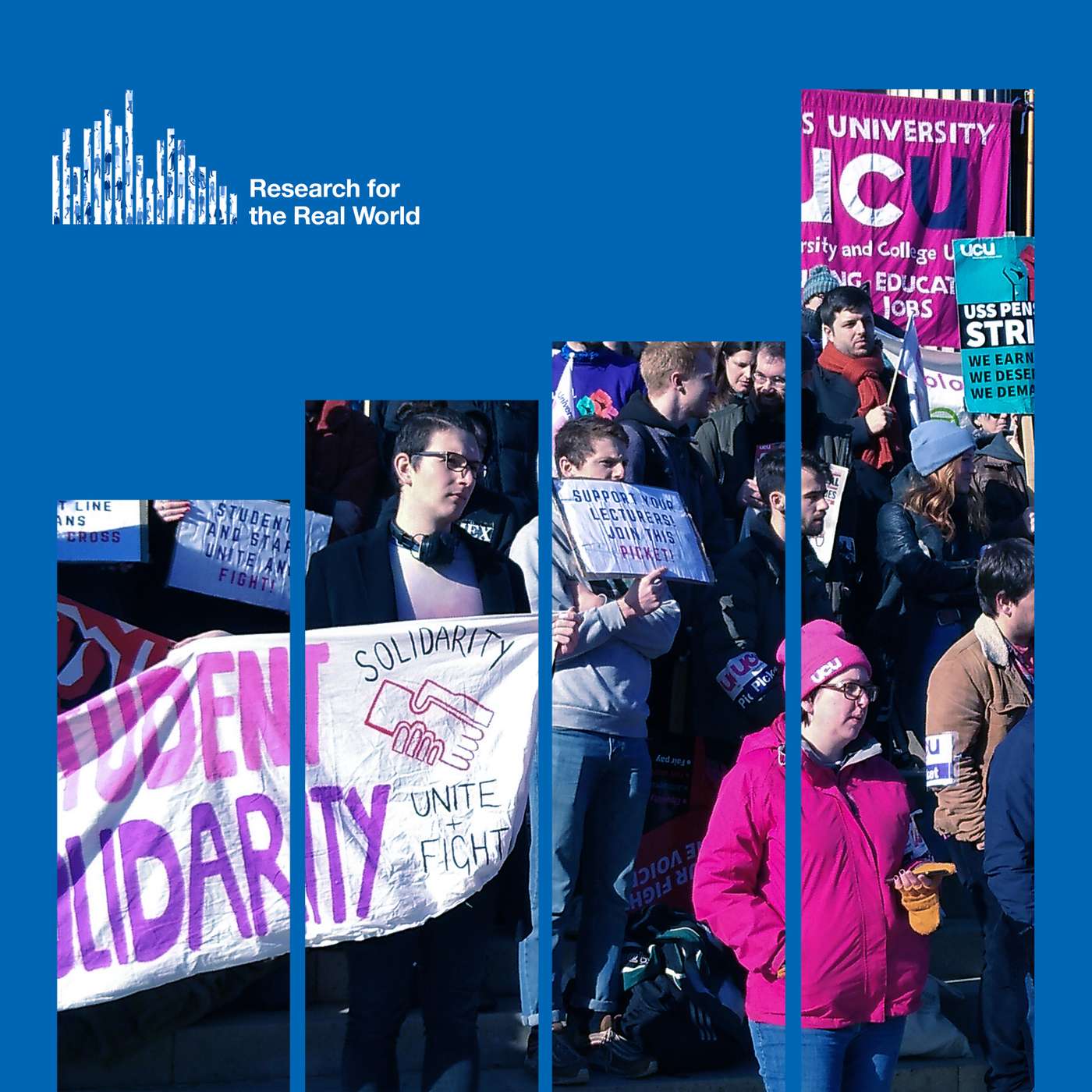
Can UK universities survive and thrive? | Research for the Real World
As headlines warn of university closures and staff cuts, Professor Huw Morris offers a deeper look at the forces reshaping UK higher education. In conversation with Dr Elin Arfon, he explains why some institutions are struggling more than others, and what role government, regulation, and research can play in building resilience. They also explore the growing shift toward tertiary educatio
Professional learning – it's not just from the neck up! | The Staffroom
In this episode, Louise Stoll tells us her story of 'improve-isation'.Louise tells Mark and Elaine about her career to date.She talks about the importance of building capacity for learning and supporting pupils to thrive in an uncertain future."You need people to enable you to take risks, to say it's not going to be perfect the first time.It really is important for leaders at all levels t
Britain's got (international student) talent - but what do they really think of them? | Research for the Real World
In this episode, Dr Benjamin Abrams speaks with Hend Aly and Dr Heather Rolfe about their research into public attitudes and how these views shape migration policy and the future of higher education. They explore surprising findings from their report, the role of media narratives, and the strategic challenges facing UK universities.With global competition for talent heating up, this conve
Wellbeing? Don't give me things to pretty up my life | The Staffroom
What does supporting teacher wellbeing look like? And how can school leaders create a culture of wellbeing?Samantha O'Sullivan's research finds that teacher wellbeing is found in authentic recognition of their work, appropriate CPD, time to do the job well, good colleague relationships, and autonomy to make decisions for themselves.In other words, all things that leaders can influence for
Navigating the economics of UK higher education | Research for the Real World
Professor Gill Wyness shares her expertise on the intricacies of university funding, the student finance system, and the ongoing efforts to ensure equitable access and attainment. Discover why the current funding model is under strain, how it impacts students from all backgrounds, and what urgent reforms are needed to secure the future of this vital sector. We also hear about the role hig
Beyond consent: Ethical dilemmas in co-design research | Research Ethics
Professor Eileen Kennedy shares her experiences regarding the ethical dilemmas encountered in the co-design context, where research participants are actively involved.What unforeseen ethical challenges might surface as the research progresses?Could there be situations where obtaining participant consent is not enough? How should one proceed in such cases?In this podcast episode, Eileen an
Preview: Is higher education's sustainability at risk? | Research for the Real World
We explore the growing financial pressures on UK universities and what they mean for the future of higher education. From frozen tuition fees to the reliance on international students, the system is reaching a tipping point. But alongside the challenges, we highlight the research-driven solutions already emerging. Through expert insights and real-world stories, we uncover how universities
Embracing chaos: Creativity, agency and ethics in digital storytelling | Research Ethics
Dr Michelle Cannon joins Dr Hakan Ergül to explore the ethical dilemmas that arise when using digital technologies for creative work in the classroom.How do we strike a balance between guiding students in their storytelling while preserving their agency? What strategies can researchers employ to navigate the complexities of confidentiality, privacy, and consent in digital production?In th
Making sure everyone matters: Evelyn Forde tells 'herstory' | The Staffroom
Evelyn Forde shares her lived experience, from not feeling she mattered in school to becoming headteacher of the year.Evelyn tells Mark and Elaine about finding her way back into education, after feeling like she didn't belong and was disillusioned with school.She talks about the importance of making both children and adults feel like they matter – which is shaped by one's actions, behavi
Empowering agency: Collaborating with children in the context of migration | Research Ethics
Dr Sara Young reflects on her experiences collaborating with children in the context of migration.How feasible is it to uphold ethical principles amid the uncertainties of the field?Taking the participants' vulnerability into account, what ethical considerations should be made both before and during fieldwork to ensure that children are actively included as co-researchers?Sara shares her
Has creativity gone out of fashion? No, it's more important than ever | The Staffroom
Sarah and Phoebe from Freshwater Theatre show how drama builds creativity and empathy... and can improve wellbeing for teachers too.Sarah and Phoebe explore how drama can be a vehicle for teachers to enhance lessons and deepen learning – but also a way to inject fun into the classroom, for both students and the teachers themselves.They talk about how drama can enable teachers to have more
Working with/for children: Documenting social change | Research Ethics
What ethical questions does working with young children raise? A conversation with Dr Karen Wilkes.How should researchers approach collaborating with children in creative ways to ensure the research is beneficial for all involved?In this conversation, Karen discusses her thoughts and experiences on research ethics, offering advice to researchers working with children on ethics preparation
"If we don't create opportunities for talk, we build in disadvantage" | The Staffroom
Julie Dockrell talks to us about how oral language is the foundation for all other learning and what the implications of this are for teachers.Julie talks about how her research aims to help children develop a flexible use of language across different contexts, for instance through a programme that supports children's conversational skills.She explores the importance of developing childre
"We are all musical" | Research for the Real World
There is no form of culture or society without music – it's something that's part of us all. We take a look at the power of music, and how it intersects with technology, health and wellbeing.Show notes and links: https://www.ucl.ac.uk/ioe/news/2025/mar/we-are-all-musical-rftrw-s24e03
"Asking the awkward questions" | The Staffroom
In this episode, Guy Claxton takes us beyond simplified conceptions of the learning sciences and explains why teachers are sometimes vulnerable to fads and trends."We undersell ourselves as educators, educating young people for the future and for life, if we lazily assume that all we mean by learning is the kind of thing that leads to good grades in schools."Guy shares his hopes as an edu
The state of arts and media education and what’s at play here | Research for the Real World
Those in creative sectors have made it loud and clear that there’s been a lack of funding and a disregard for the arts in the school curriculum. We hear about why media, arts and play is so important from an educational perspective.Full show notes: https://www.ucl.ac.uk/ioe/news/2025/jan/state-arts-and-media-education-and-whats-play-here-rftrw-s24e02

Three experts share their personal data journeys | UK Data Service and CLOSER
The IOE Podcast is delighted to share with you an episode from the UK Data Service's ‘Experts’ Expert Podcast’ series .Professor Jennifer Symonds, Director of CLOSER, Robin Flaig, Co-Director of the UK Longitudinal Linkage Collaboration and Chief Operations Officer for Generation Scotland, and Dr Nigel de Noronha, Research Associate at the University of Manchester, discuss their personal
How do you improve language learning and intercultural understanding? | Research for the Real World
We look at the potential power of learning and understanding other languages to take on the challenge of bridging cultural differences in an increasingly divided world.Show notes and links: https://www.ucl.ac.uk/ioe/news/2025/jan/how-do-you-improve-language-learning-and-intercultural-understanding-rftrw-s24e01
Preview: Reminding you why arts, culture and language education are important | Research for the Real World
It won’t come as a surprise to realise that the arts are struggling right now. This is certainly not just a UK-centric issue. When you look at how the cost of living crisis has impacted society, usually policies around the arts are slashed or go unnoticed.In this season of Research for the Real World, we’re exploring the contribution of IOE research on Language, Culture and Arts Education

From the early years school to the research school | ECF Staffroom
In this episode, Sally Adams tells us about her new role leading adult learning – and the ways teaching can be a great stepping stone for a host of different careers.Sally talks about the complexities of leading professional learning and the barriers teachers sometimes face.She recommends that teachers schedule a little bit of time every now and then to take a step back from day-to-day ta
What happens to the ‘could have beens’ who decided not to teach? | ECF Staffroom
Mark and Elaine hear from researcher Emily Macleod, who says that if we want more people to try out teaching, we have to stop thinking of it as a vocation."These trajectories into teaching, they're not linear. They're multi-directional, they're complex... No one's trajectory into anything is going to be straightforward."Not a vocation? For Emily Macleod teaching is an expert profession –
“Beware of anyone who claims to know it all.” | ECF Staffroom
As human beings, how do we learn? In this episode, Dr Rebecca Gordon explores how educational neuroscience can be used in the classroom.Rebecca reminds us how complex and fascinating the human brain is and cautions us about the dangers of oversimplifying research.She urges us to question ‘how we know what we know’ and evaluate the research for ourselves.Full show notes and transcript: htt
The happy teacher: ECT Emily on the importance of relationships | ECF Staffroom
Emily Taylor, ECT in Airdale Academy in Castleford, talks about how her strong bond with her mentor has supported her personally and professionally, and how she in turn builds strong relationships with her pupils.Emily talks about her relationship with her ECF mentor Rachel. She details the professional, practical, and emotional support she received.Emily shares how her mentor helped her
Lessons from Catalonia | ECF Staffroom
In this episode, Cesc Masdeu discusses how mentoring and professional development can transform school cultures and contribute to institutional change.Barcelona teacher Cesc, an associate at UCL, explains how schools in Catalonia are learning from the mentoring experiences of the ECF programme.He discusses his hopes for increased investment in education – particularly in terms of professi
Thinking about life through all of their eyes | ECF Staffroom
Step out of your bubble: Raf Alleyne, Assistant Principal at London Screen Academy, tells us about the importance of reflecting on Equality, Diversity and Inclusion.In this podcast, Raf talks about why playing a role in students’ lives is exciting – and most importantly, why EDI is not a ‘nice to have’ but an ‘essential to have’. He discusses why it's important to create spaces to talk, l
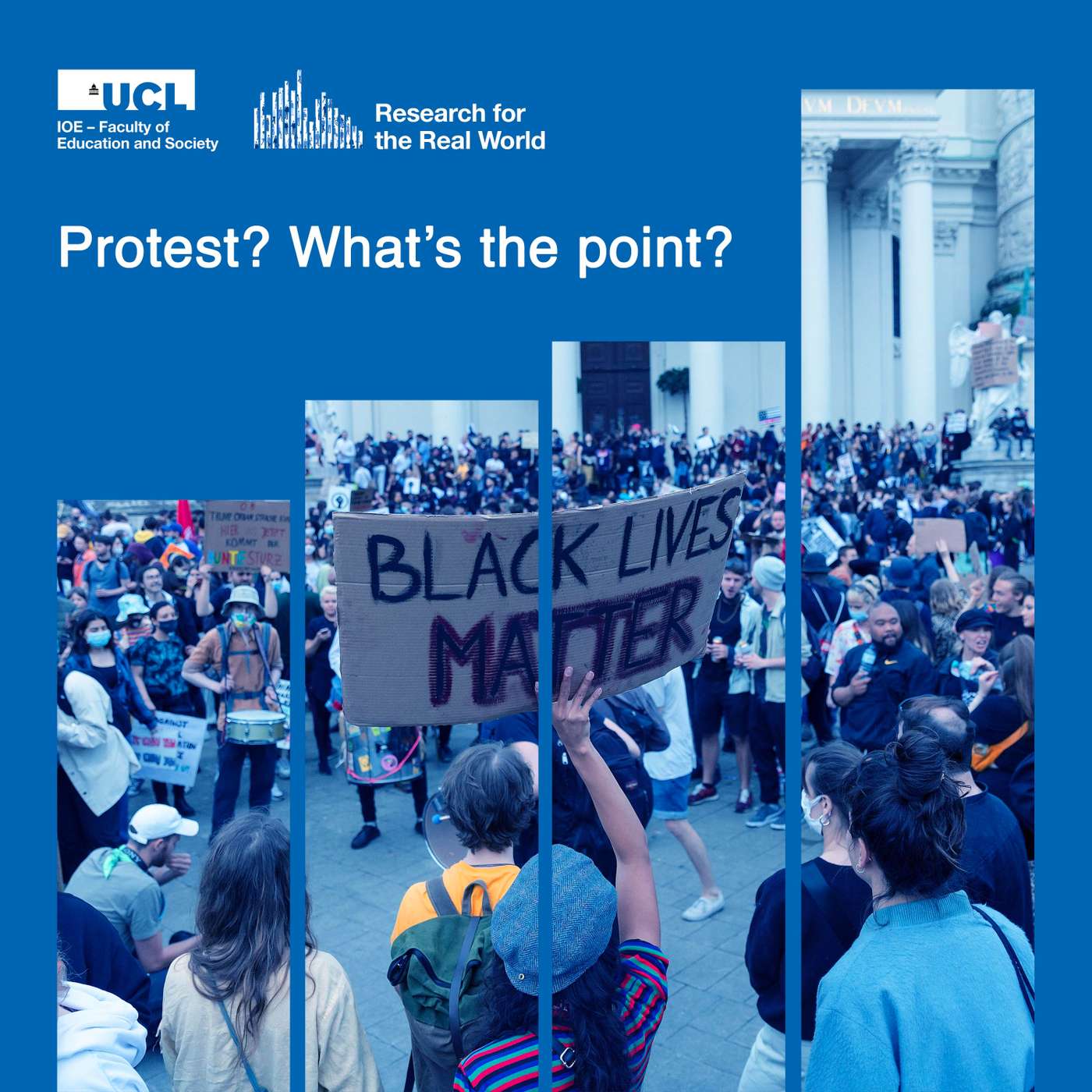
Protest? What's the point? | Research for the Real World
In this podcast, Jason Ilagan hears from Dr Benjamin Abrams about a theory on how and why movements such as the 1789 French Revolution, the Arab Spring as well as Occupy Wall Street and Black Lives Matter take place, his policy work looking at ‘coping strategies’ against populism and preventing violence in mass protest, and what might happen during and after the elections in the United St
How do I get that next job? Start with these steps | Academia et al.
In this episode, hosts Dr Keri Wong and Dr Alina Pelikh dive into the particular and sometimes daunting process of job interviews within academia.Let's face it, while we all aim to secure job interviews, the process itself can be a nerve-wracking experience. Keri and Alina share their personal experiences and insights, having been on both sides of the interview table.What are the key diff
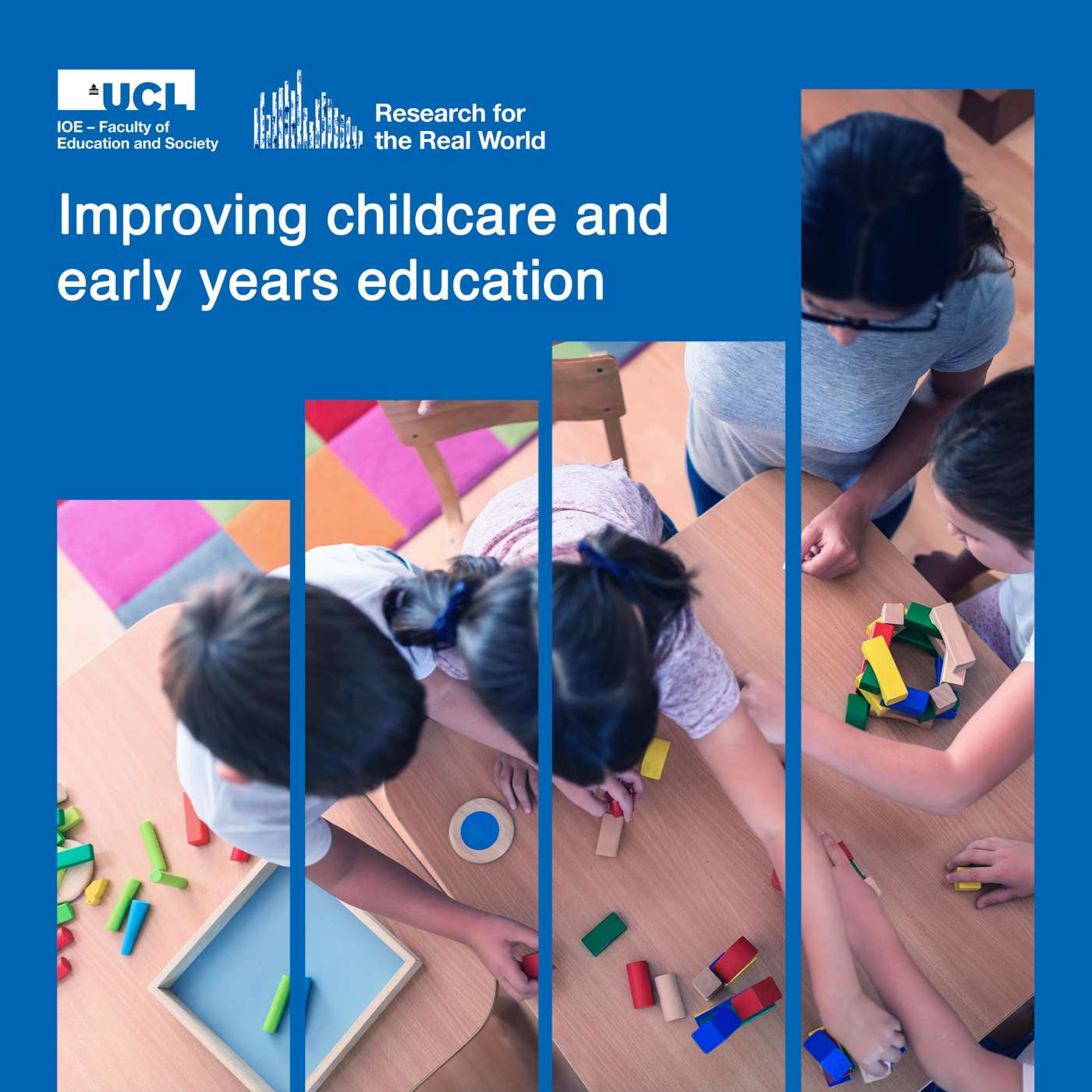
Improving childcare and early years education | Research for the Real World
What changes would benefit the UK early years education system? And what’s it like dealing with government and parliament to make funding and policy changes possible?Dr Claire Crawford’s research focuses on childcare and education and is particularly interested in understanding inequalities and how policy can help reduce these gaps. She also has a strong track record of high-impact resear
‘PhD from A to Z’: What can I do to maximise my PhD journey? | Academia et al.
Is being a PhD researcher just a continuation of being a university student? No! This episode's guest, Dr. Jenny Chanfreau, shares advice on how to treat your PhD like a full-time job.Drawing from her experience of embarking on a PhD after working at the National Centre for Social Research (NatCen), the UK's largest independent social research institute, Dr Chanfreau offers valuable insig
How can researchers help politicians and policymakers do their jobs better? | Research for the Real World
The winners of elections in the UK and abroad need to ensure the right conditions are in place to allow cutting-edge ideas developed by experts in our universities to meet today’s policy challenges, and vice versa.Dr Laura Outhwaite talks to our guests, Professors Marc Stears and Huw Morris about their approaches to undertaking research that informs policy, their experiences working acros
Why engaging with the media (as a PhD) will help your career | Academia et al
Academia et al is back with three new episodes exploring life as an early career academic! Today we're thinking about how to use media engagement as a vehicle for making an impact.Dr Alina Pelikh speaks to in-house media relations expert Chris Lane, who works in UCL's central press office team. We discuss the ins and outs of communicating research and expertise to the wider world via the
Preview: Politics, policy and protest | Research for the Real World
Did you know that in 2024, more voters than ever in history will take part in elections across the world?In this season of Research for the Real World, it’s all about how research evidence informs policy. How could we not cover it when we know that policies implemented by the winning parties will prove consequential for years to come, shaping the future of democracy around the world?Guest
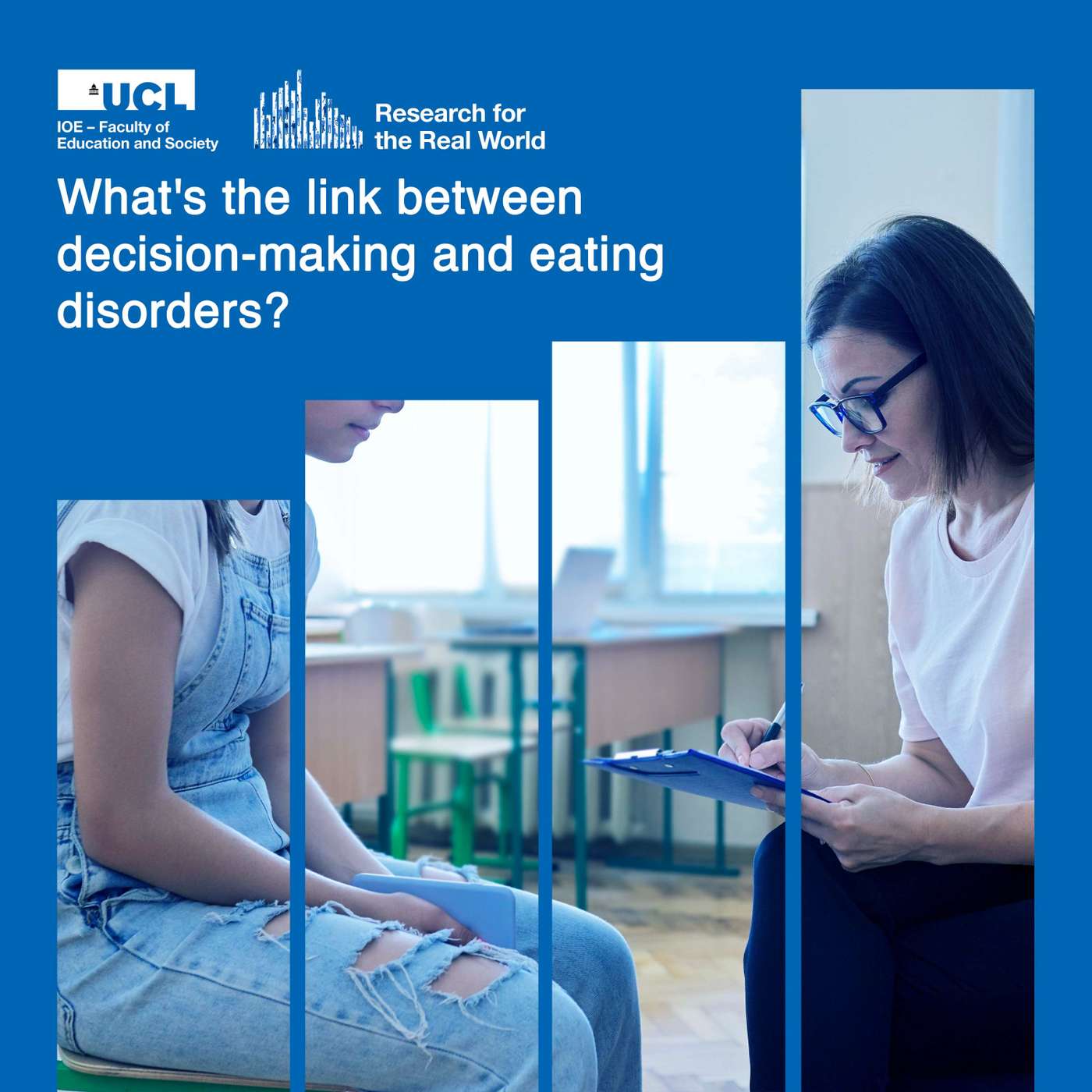
What’s the link between decision-making and eating disorders? | Research for the Real World
In this podcast we hear about research that seeks to understand the causes of eating disorders and develop innovative treatments and support.Dr Amy Harrison talks in detail about a project funded by the Medical Research Council looking into how decision-making skills in childhood is associated with eating disorder symptoms in adolescence.Full show notes and link: https://www.ucl.ac.uk/ioe
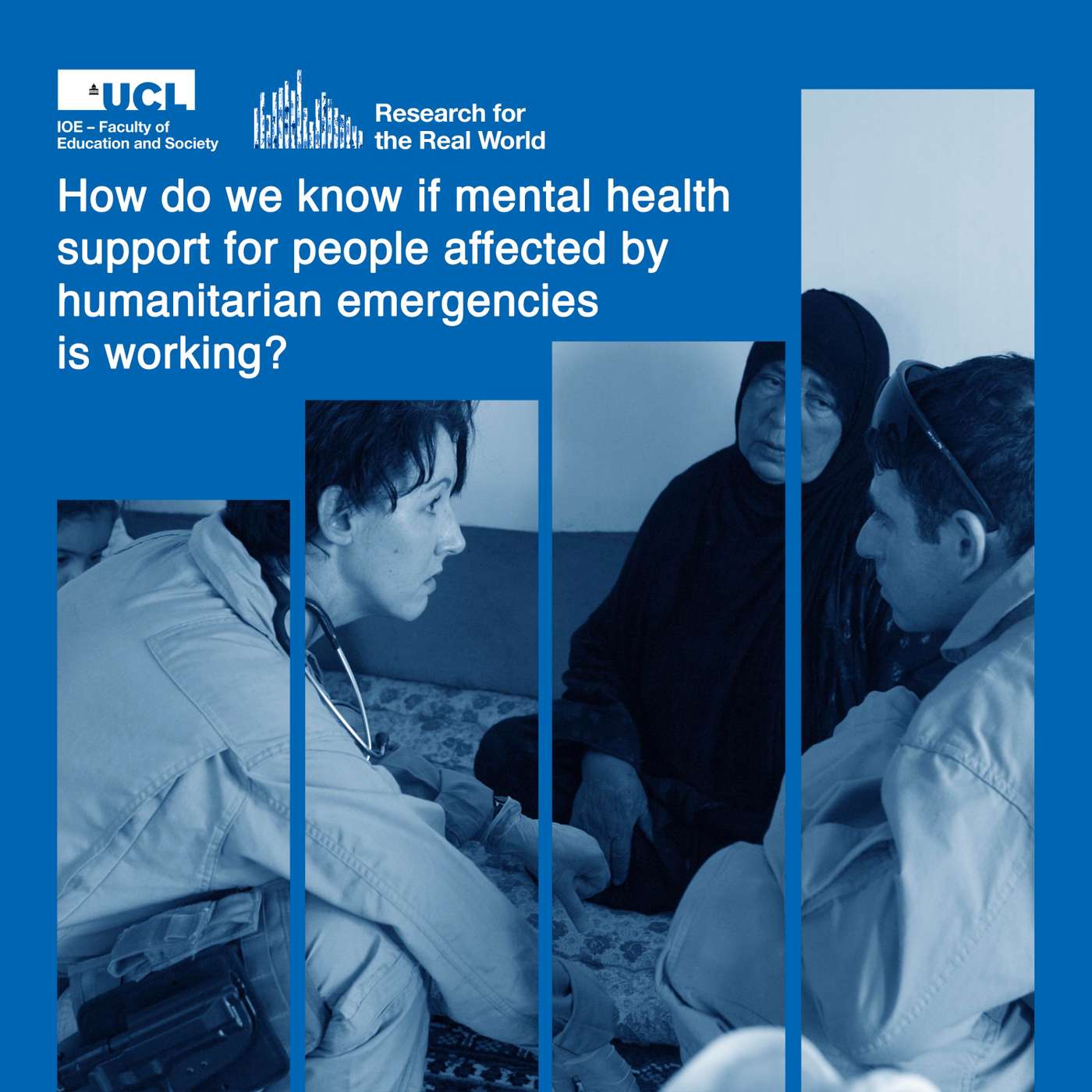
How do we know if mental health support for people affected by humanitarian emergencies is working? | Research for the Real World
In this podcast we take a closer look at international development and global health research that shapes the way we respond during times of crisis.Dr Mukdarut Bangpan and Dr Kelly Dickson's work with governments and non-governmental organisations (NGOs) includes research on the impact of mental health and psychosocial support programmes to inform their policy and practice.Full show notes
Recommended

A Good Read
People Fixing the World

Easy English: Learn English with everyday conversations

SAS: The Shadow War

Esme's Country Life
Miles From Ordinary Podcast

Off The Telly

Murder of a Famous Bastard

Learn UK English By Podcast

My IELTS Classroom Podcast
The History Hour
The Healing Childhood Trauma Podcast
