History Workshop Podcast
History Workshop Podcast features conversations with scholars, activists, and writers about how history is practiced and understood. Each episode examines the social and political forces shaping contemporary society through a historical lens. The show aims to make academic history accessible and relevant to broader audiences, encouraging critical reflection on current events.
Episodes
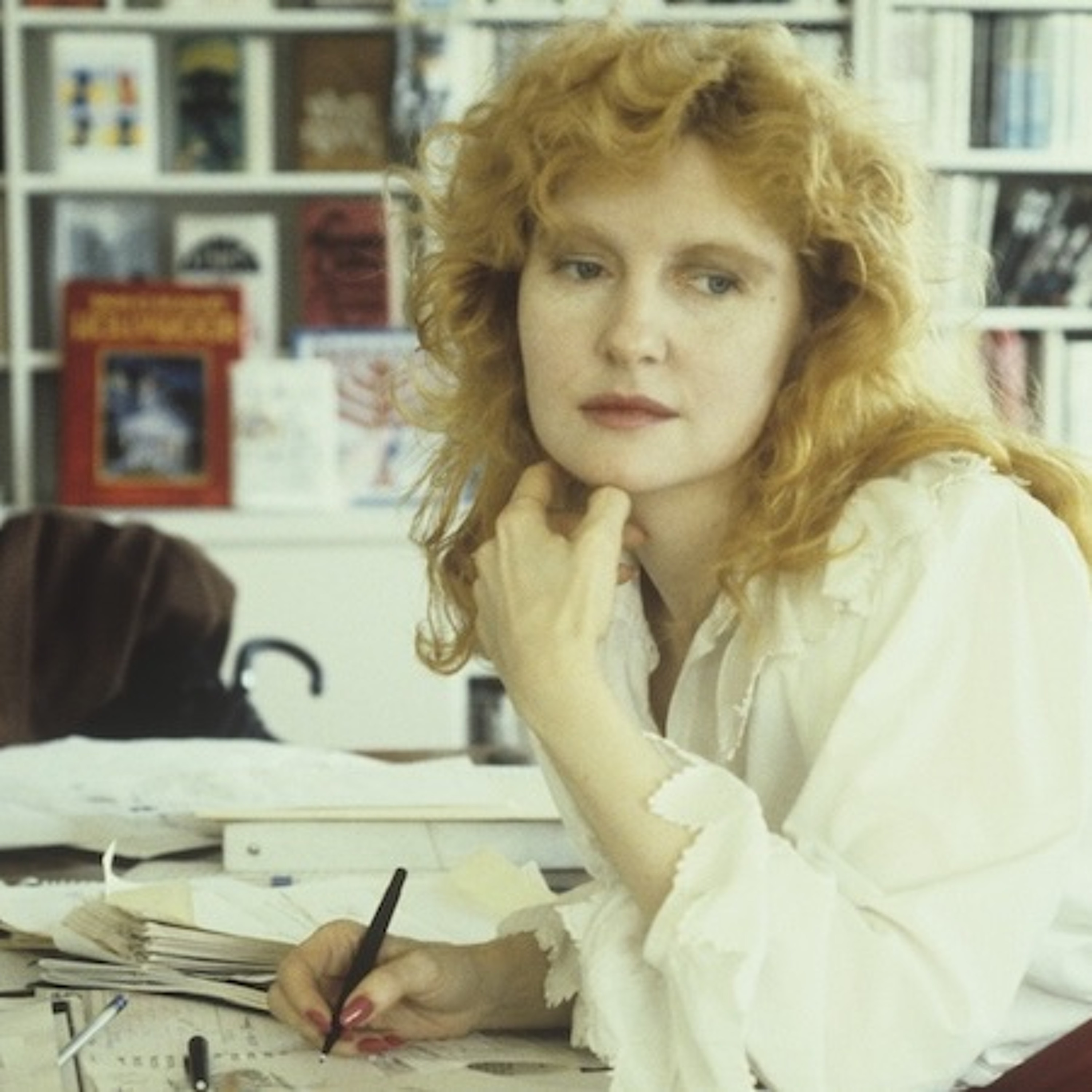
Radical Feminism and the Politics of Orgasm
How did a radical feminist study of the politics of orgasm become a global best-seller - and then disappear? Rosa Campbell explores the life and legacy of the renegade sexologist Shere Hite.
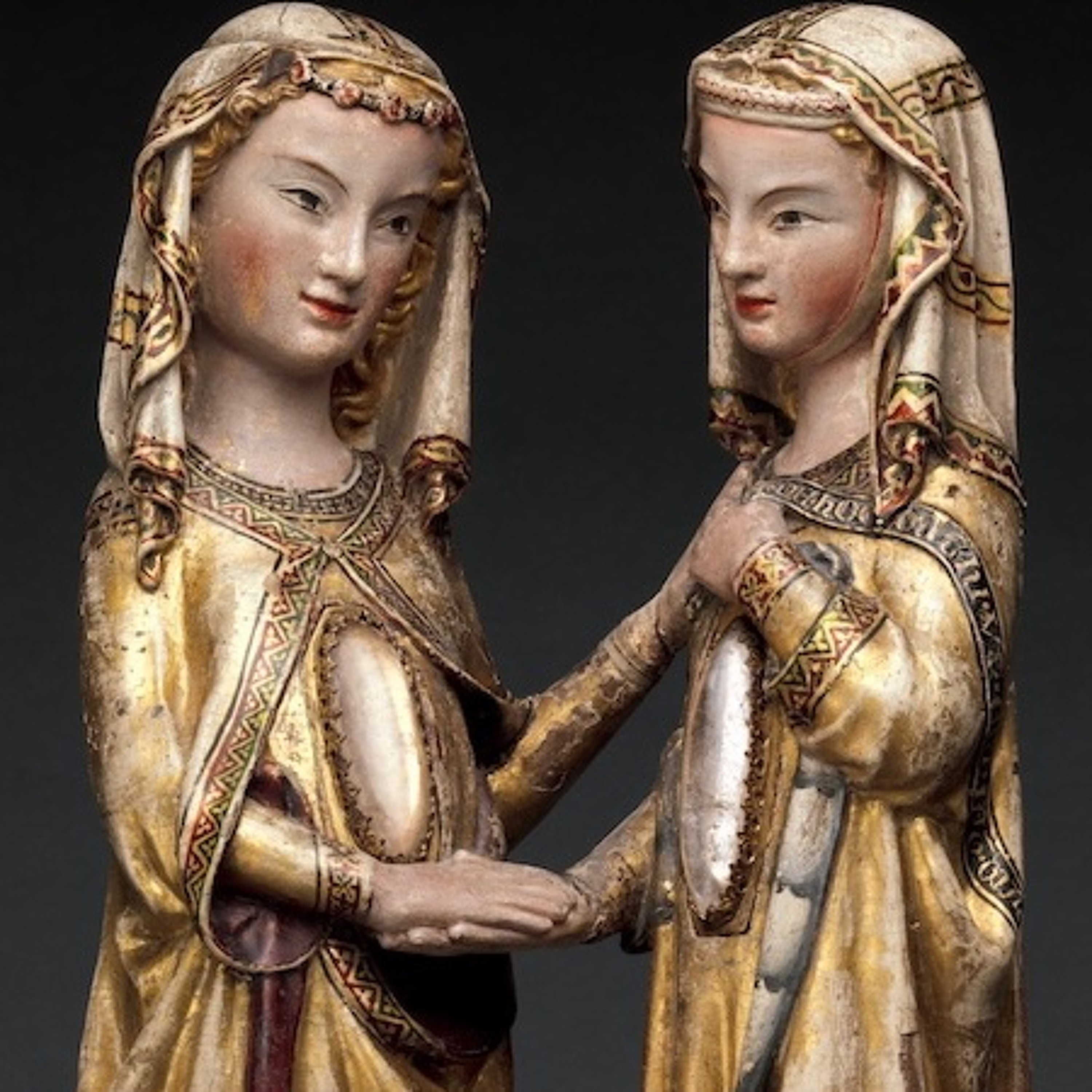
Queering the Medieval Past
What can we learn by turning a queer lens onto the study of medieval art? Three art historians discuss Spectrum of Desire, an exhibition at New York's Cloissters.

Writing Difficult Subjects
How can historians write with compassion and ethical clarity about issues of sexual violence? Ruth Beecher and Julie Wheelwright discuss their creative writing toolkit as a resource for tackling difficult subjects.

Recovering Queer History in the Log Books
What can we learn about queer lives and queer history from the call logs of the UK's first LGBTQ+ helpline? Tash Walker and Adam Zmith on their award-winning podcast The Log Books.

Undercover Policing and the British Left
What do the materials unearthed in the UK's Undercover Policing Inquiry reveal about the abuse of social justice activists by the surveillance state? Two core participants in the ongoing inquiry explore its history from the inside out.

History Workshop Around the World
What were the links between the History Workshop movement in Britain and radical history initiatives around the globe?

History Workshop in Turbulent Times
What is the value of history at times of global upheaval? Four historians discuss their reflections on this in History Workshop Journal's 100th issue.

Working Collectively Then and Now
How did History Workshop Journal's editorial collective sustain its commitment to radical history over fifty tumultuous years? Sally Alexander and Jeffrey Weeks discuss.

Reimagining Trades Union History
A new exhibition on 200 years of British trades union history spotlights surprising moments in the tumultuous history of workers organising for change.
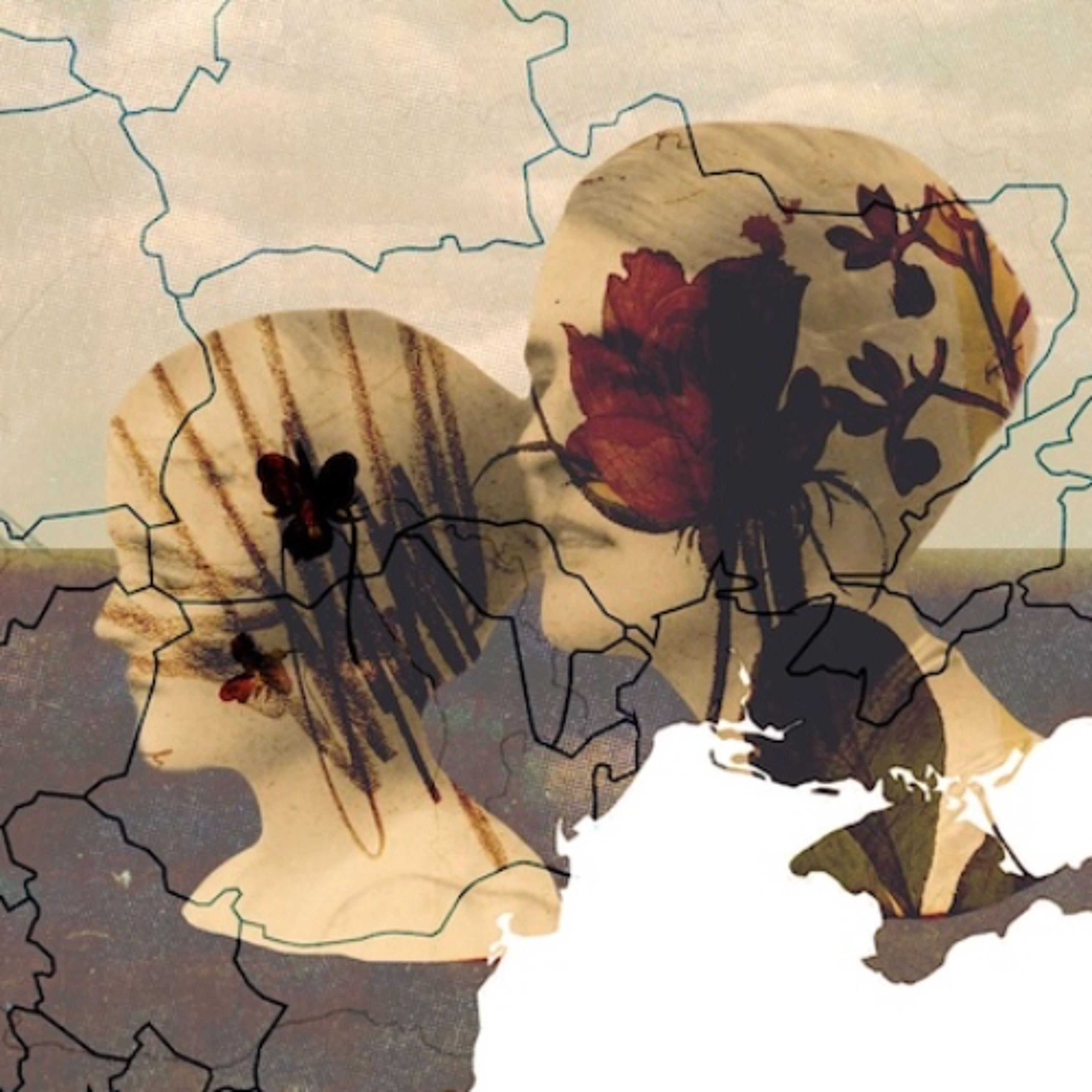
Teaching Eastern Europe Through A Decolonial Lens
Why has Eastern Europe been absent from studies of decolonial history? Historians Oksana Dudko and Anna Hájková discuss.

Friends in Common
How might we reassess the importance of friendship as a transformative, even revolutionary, political resource?

Changing the Record
How has paperwork served over time as a tool for empowerment and change? A roundtable of historians, archivists, and activists explore its unexpected radical history.

Can A Rock Band Make History?
A Glasgow rock band, The Tenementals, explore what it means to create radical history in song.

The 1984 Islington Nursery Strike
Why did 155 nursery workers employed by London's Islington Council go on strike in 1984 - and why has their story been forgotten?

Uncovering the Socialist Anthropocene
How can the visual arts shed light on the historical relationship between socialism and the natural world?

War and the Mind
Is war innate to human psychology?

Writing History in Sri Lanka Now
How might historians of the 2022 People's Uprising in Sri Lanka explore ongoing struggles for accountability and justice?

In Search of Waguih Ghali
Exploring the enigma that was the Egyptian writer Waguih Ghali, author of the classic postcolonial novel Beer in the Snooker Club.
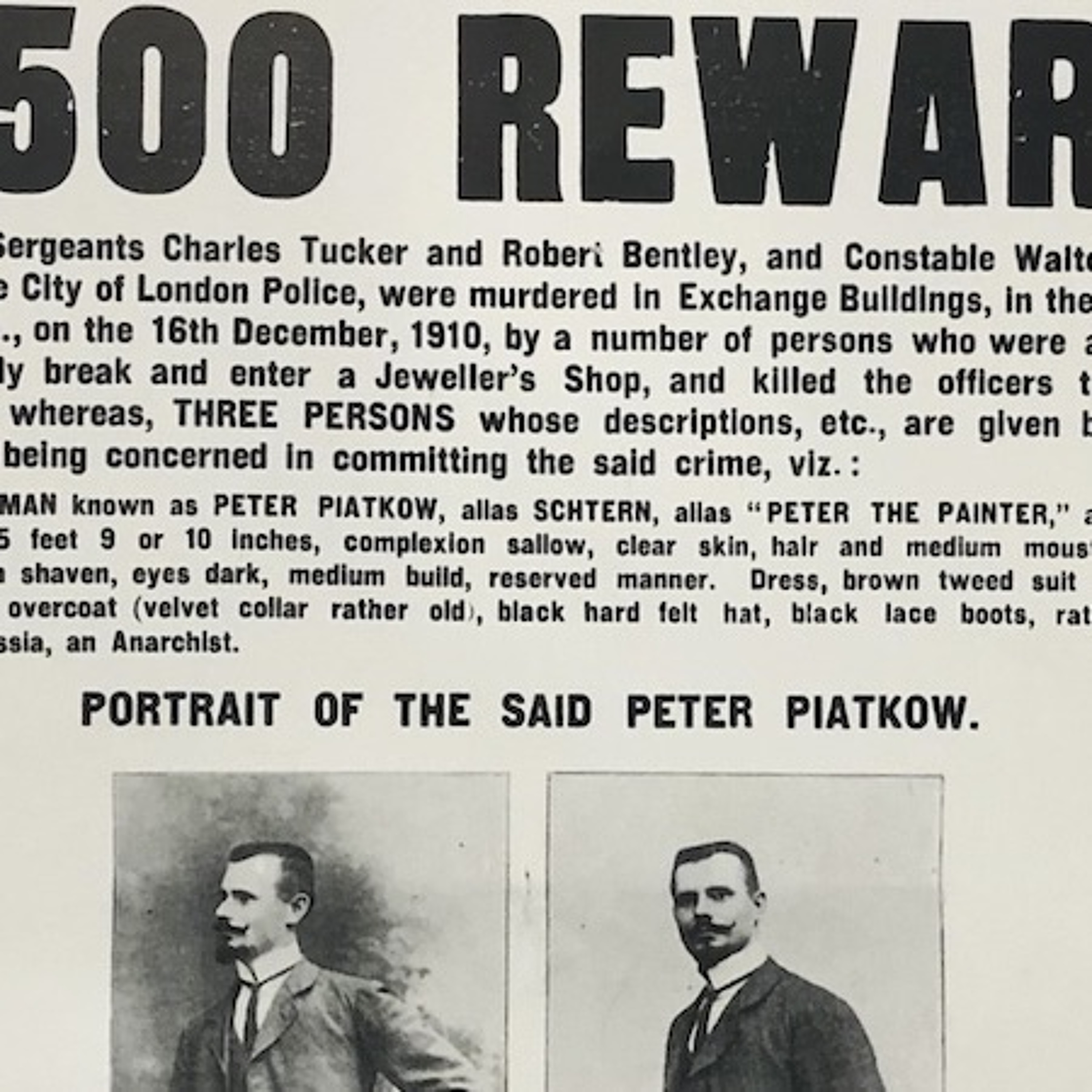
The Siege Of Sidney Street
How did a 1911 East End police shootout affect the history of anarchism in London and beyond?
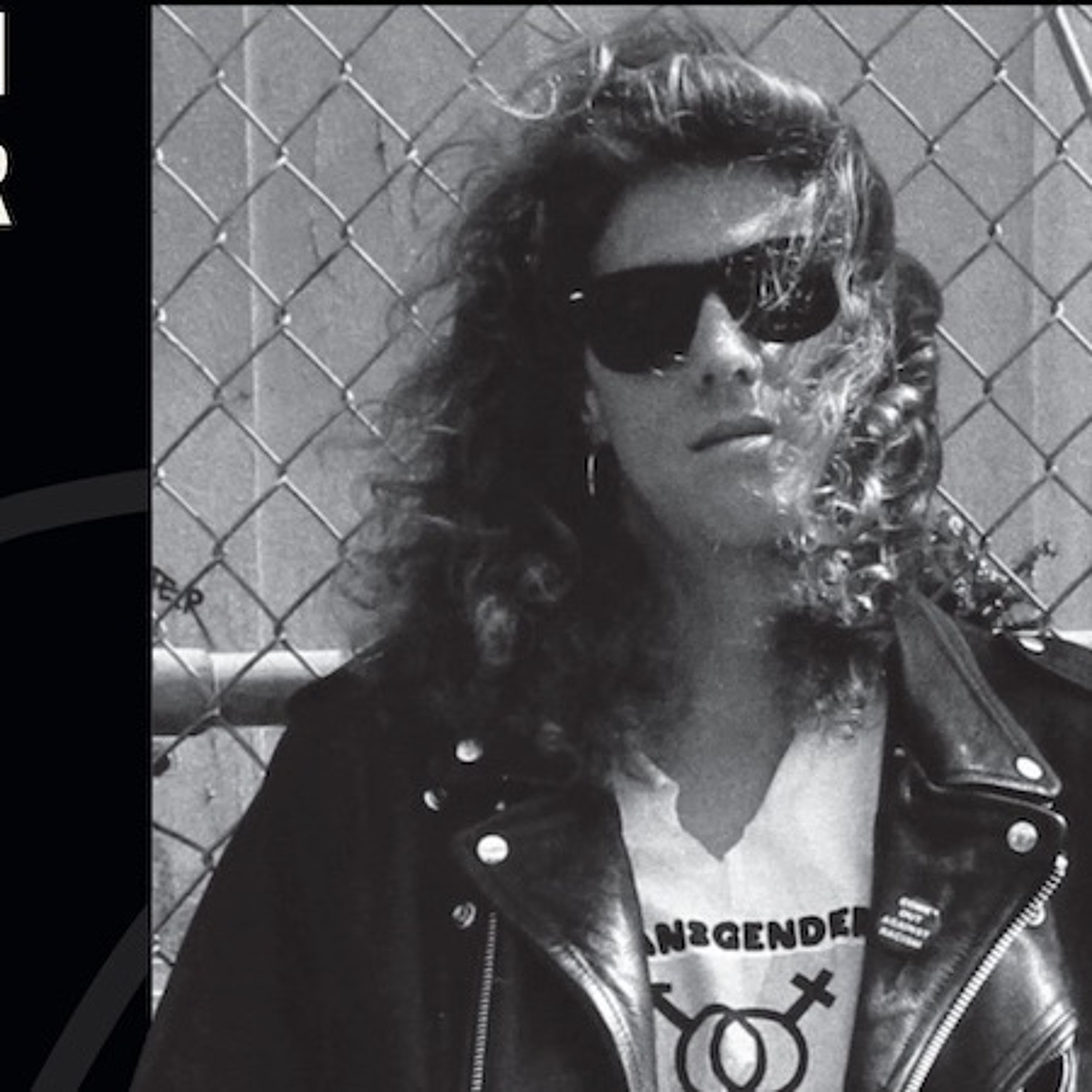
Pioneering Transgender History
How did trans history find a foothold in the academy - and what is its future? Susan Stryker discusses with Claire Potter on this episode of the Why Now podcast.

An Indian Historian's Ordinary Life
The novelist Amitava Kumar on history, fiction, India, and ordinary lives.

In The Shadow Of Diagnosis
How has modern queer life been affected by its encounters with psychiatric power?
UK Disability History and Heritage Hub
How can we investigate disability history and heritage?
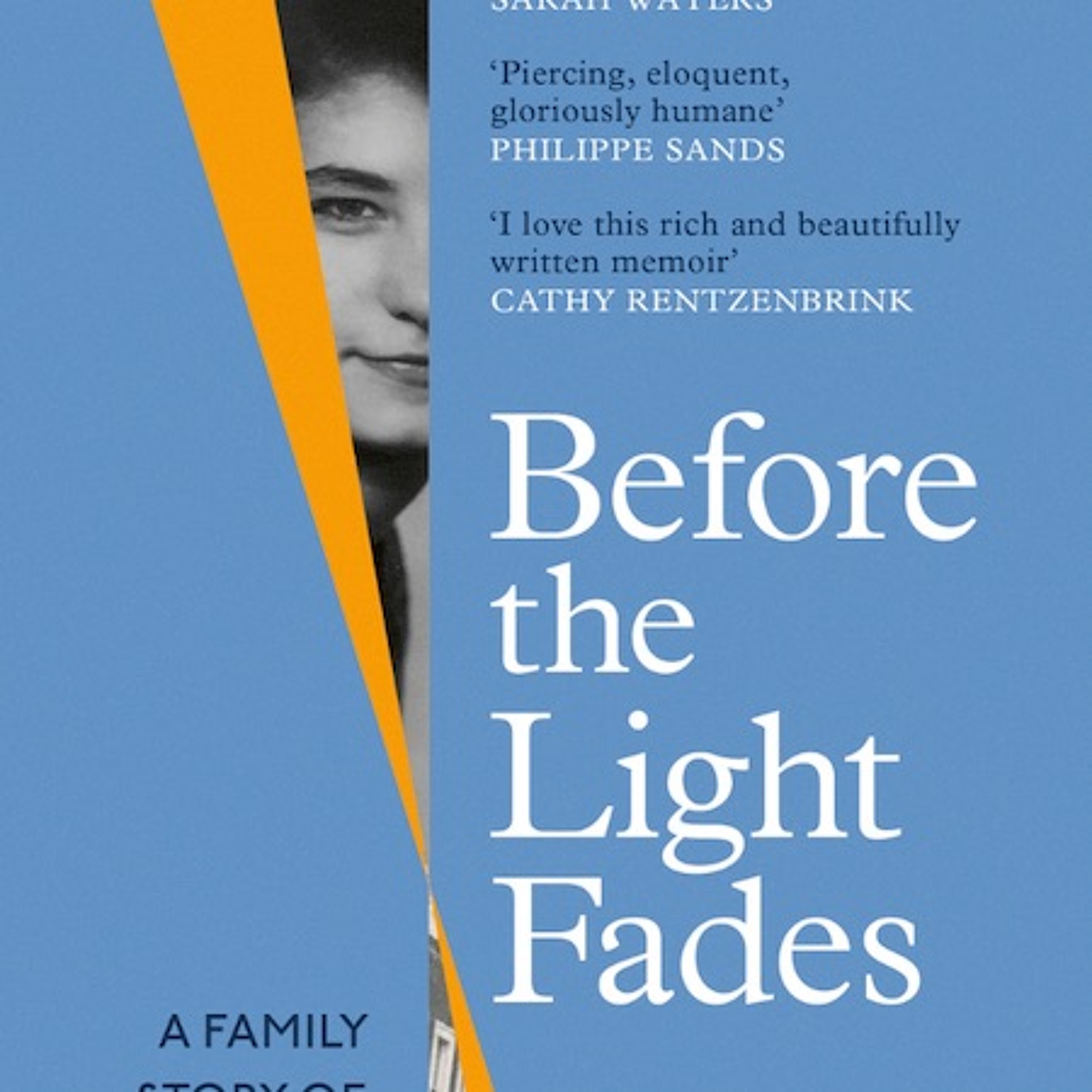
Before The Light Fades
Natasha Walter on her mother's life of activism and resistance.
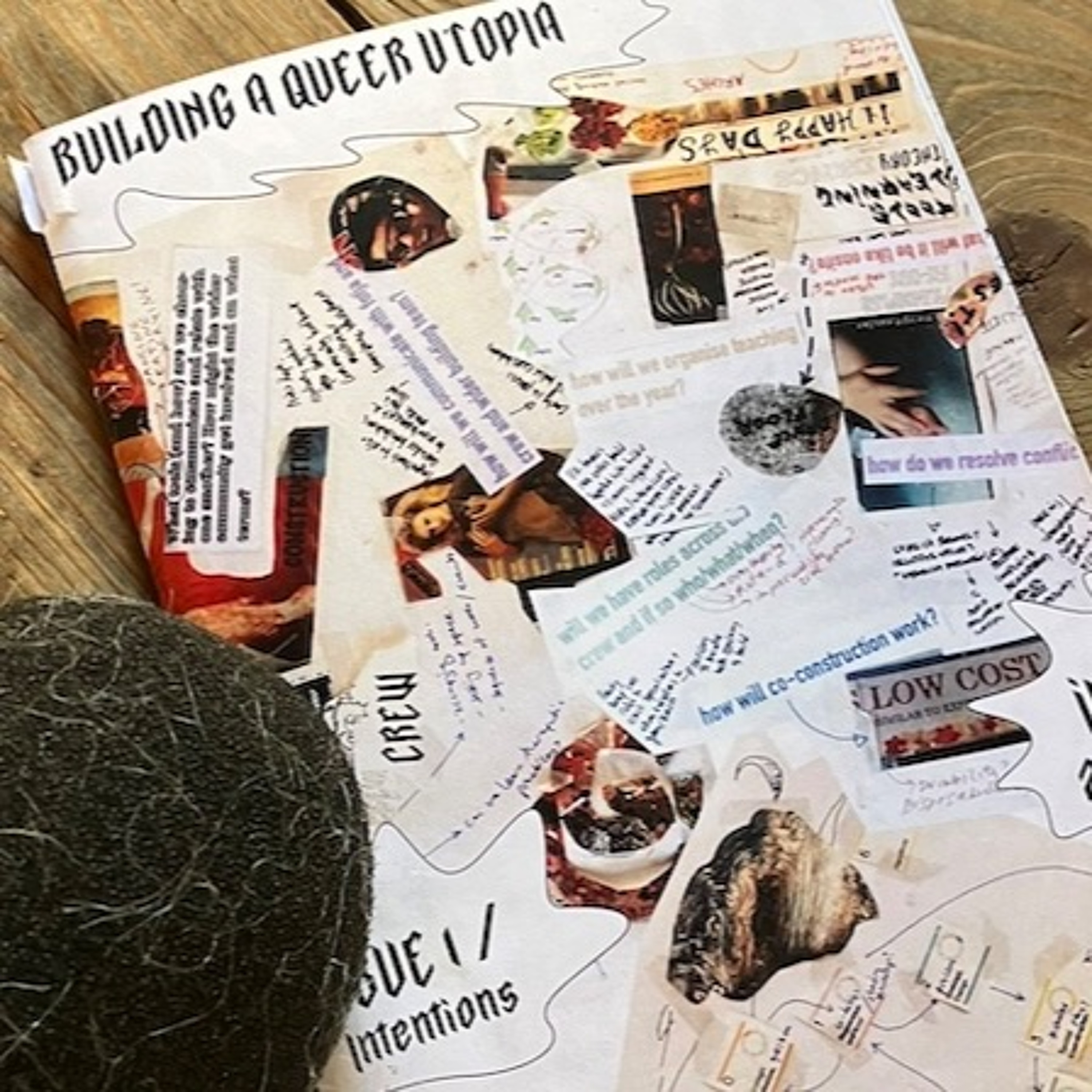
Now Here
What is the future of common spaces and community gathering spots in the UK? At a time when so many spaces that once were shared are now either derelict or in private hands, when it can be difficult to find somewhere to gather with friends without buying a latte in order to do so, how might the future be different? How might we rethink our relationship with public space, the land, and each other?

Rosalux History
What possibilities do podcasts offer as vehicles for radical history? Albert Scharenberg of the Rosalux History podcast discusses.

Translating the French Revolution
How might we translate the French Revolution in ways that open it up to the 21st century?
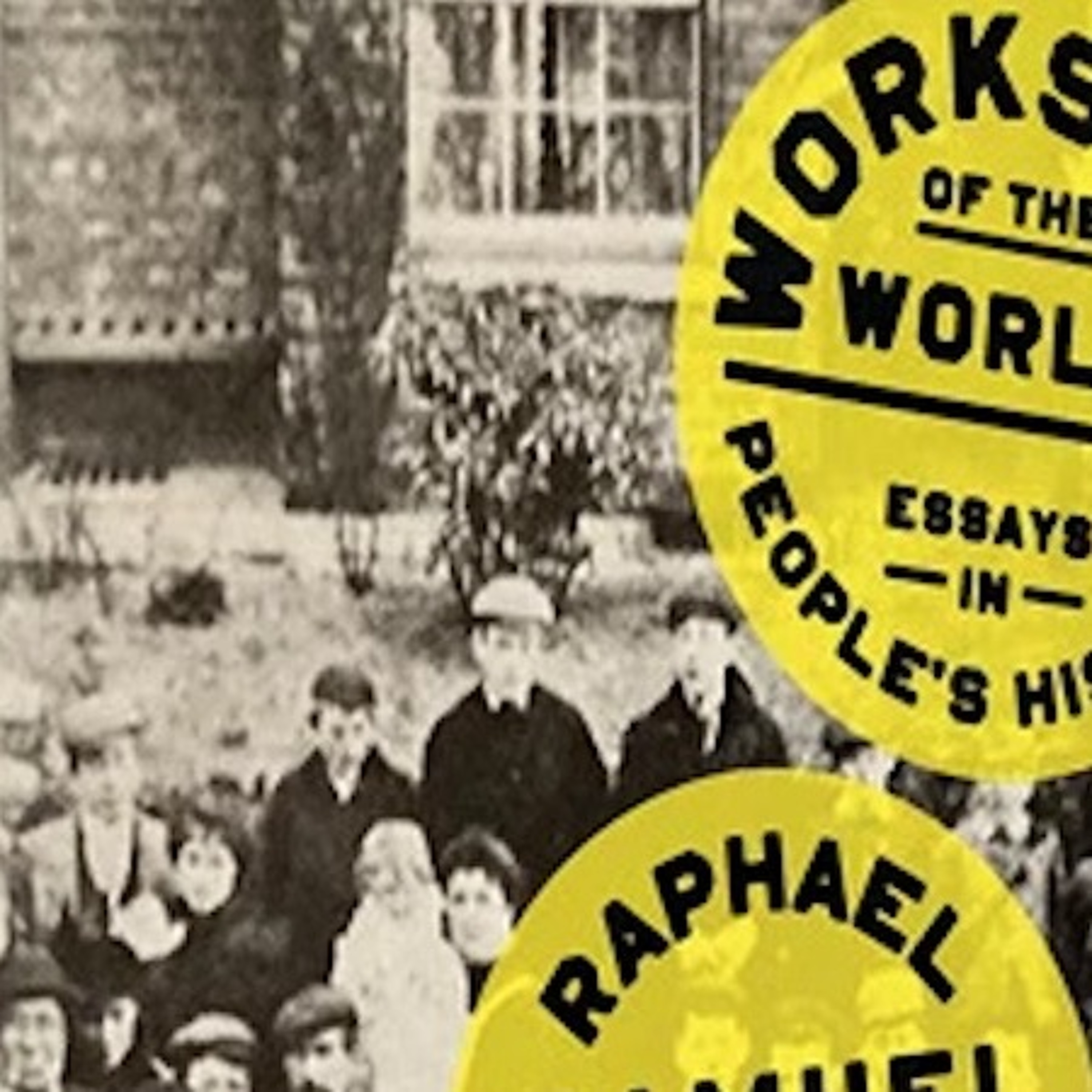
Workshop Of The World
A new collection of Raphael Samuel's essays illuminates 19th century Britain and the politics of "people's history".

On Direct Action
What does the accidental death of an anarchist in London in 1894 tell us about forgotten histories of direct action?

Archives, Archiving, And Decolonisation
What can two different stories of postcolonial archival practices tell us about memory, history-making, and decolonisation?

The Horse Tamer of Grosvenor Square '68
What can a single image of a lone female protestor tell us about the "Battle of Grosvenor Square" in 1968?

Dig Where You Stand
What can we learn from a 45-year-old Swedish manifesto that helped inspire the movement for workers' history?

Walking Against the Expulsive Environment
The political climate greeting refugees to the UK is no longer simply hostile - it is expulsive. David Herd explores.

No Recourse To Public Funds
What lessons might the past hold for migrants seeking childcare in the UK but having No Recourse to Public Funds?

She Who Struggles
Who do you think of when you hear the phrase “revolutionary women”? If you cast your mind back to the movers and shakers of the revolutions that marked the 20th century, what women’s names come to mind? Sorcha Thomson and others discuss their book She Who Struggles: Revolutionary Women Who Shaped the World.

Bad Gays
Histories of gay men, lesbians, queer and trans people often focus on the heroic. But what about the gay characters whose impact on history was far more ambiguous, or complicated, or out-and-out bad? Ben Miller and Huw Lemmey, hosts of the Bad Gays podcast and authors of Bad Gays: A Homosexual History, discuss what those complicated lives can tell us about the dynamics of queer history and the for

Rethinking Place in British Labour History
What do we mean, in post-Brexit Britain, when we talk about "ordinary working-class places"? Valerie Wright, Ewan Gibbs, and Diarmaid Kelliher explore.

What Is Public History Now?
In September 2022, a group of public historians from outside and inside the academy met at London’s Birkbeck College in the heart of Bloomsbury to ask ‘What is public history now?’ In this special edition of the History Workshop Podcast, we explore the politics, the perils, and the possibilities of doing history in public.

Rethinking Gender in British Labour History
What happens to narratives of British labour history when we incorporate stories of women? Laura Schwartz and George Stevenson explore.

Rethinking Race in British Labour History
To mark International Workers Day, we explore three forgotten moments in British history that spotlight the intertwined histories of labour and race.

Spies For Peace
Sixty years after breaking into a government bunker to expose secret state planning for nuclear conflict, Nic Ralph speaks for the first time about an extraordinary piece of direct action that genuinely worked.

Intimacy And Economic Life
What does it mean to write "intimate histories" of economic life? How might a focus on "the intimate" transform the way historians perceive and describe the economic past? Six scholars address those questions in this episode of the History Workshop podcast.

Bureaucracy, Emotion, And Sexual Violence
How can historians meaningfully and ethically research past experiences of sexual violence? What tools do they need to uncover a subject so intensely emotive and yet often accessible only through sources employing the dry legal or clinical language of institutions and bureaucracies? Ruth Beecher and Rhian Keyse discuss in conversation with Marybeth Hamilton in this episode of the History Workshop

Approaching British Colonial History During the Culture War
How might we understand the origins and the impact of current controversies raging in Britain over changing interpretations of British colonial history? How can those working on British colonial history intervene effectively in often fraught public debates? Corinne Fowler reflects on those questions in her June 2022 Raphael Samuel Memorial Lecture.

Black Internationalisms
Since the twentieth century, and perhaps even dating back further, the phrase 'black internationalism' has served as shorthand for a range of debates about Pan-Africanism and connections between various parts of the African Diaspora. The phrase has also been linked to other connected topics such as anti-Black racism, Black political activism, western colonisation of Africa and the Caribbean, anti-

Transnational Suffragettes
The struggle for women's right to vote is often thought to have been waged on a national level. But how was this movement transnational? In what ways was international travel important to women's agitation for the vote? How did women move between nations and inspire and challenge each other? If they stayed local, what helped them to feel part of an international community? Historians James Keating

Activism And Sexual Violence
What is the history of activism against sexual violence? What kinds of strategies have survivors employed to combat it and to counter the stigma that has too often surrounded it? What kinds of narratives of resistance and protest have historically been given priority – and what voices have been left out? Today's guests are committed to examining those questions through their involvement with an in

Useful Knowledge
How has the concept of "useful knowledge" shaped the two-hundred year history of Birkbeck College London - and workers education more generally? Joanna Bourke, Jonny Matfin, and Ciaran O'Donohue discuss with Marybeth Hamilton in this episode of the History Workshop podcast.

Moving Stories
How can the stories of families illuminate the histories of migrations? Julia Laite and guests discuss in this episode of the History Workshop Podcast.

Knowing Nature
In this episode of the History Workshop Podcast, Elly Robson is in conversation with Professor Vinita Damodaran and Professor Harriet Ritvo to look at the ways that we know nature and how these have been political, in the past and today. Together, they discuss the rise of scientific expertise, its entanglement in projects of empire, and how it has interacted with indigenous and local knowledge. We

Ridley Road
Ridley Road has recently gained attention as the subject of a new BBC drama about the revival of fascism in 1960s London and the anti-fascist action taken by the Jewish community in East London.
Ridley Road Market has been around for almost 140 years and has been described as a “hub of connection, interconnections and social interaction”. Historically and today, the market is run by and for dive

Daring to Hope: Sheila Rowbotham and 1970s Women's Liberation
Sheila Rowbotham is a writer, an historian, an activist, and an internationally renowned socialist feminist. In 1970 she participated in the first British Women’s Liberation Conference at Ruskin College Oxford, and two years later she published Women, Resistance, and Revolution, a pathbreaking analysis of women’s participation in radical upheavals that was immediately translated into multiple lang

Black Feminisms
How can black feminism lead to our collective liberation? Today we hear from the Black feminist writers, thinkers and activists Stella Dadzie and Chardine Taylor Stone, who join Rosa Campbell to discuss internationalism, the importance of collectivity, the role history might play in achieving justice and hope in difficult times.
Listen now on Soundcloud - Apple Podcasts - Spotify - Stitcher - or

Black British Histories
How has the writing of Black British histories functioned as both a form of historical analysis and a voice of radical oppositional politics? Caroline Bressey, Meleisa Ono-George, and Sadiah Qureshi discuss with Marybeth Hamilton in this episode of the History Workshop podcast.

Homelessness, Theatre, And History Making
How can the power and invention of Forum Theatre inform radical histories of oppressed groups, such as the homeless? To mark World Homelessness Day on 10 October, Peter Jones speaks with Adrian Jackson, founder of Cardboard Citizens, a theatre company working with homeless people, on the latest episode of the History Workshop Podcast.
Difficult Stories And Ethical Dilemmas In Family History
What are we doing when we research and tell stories of families, whether other peoples' families or our own? Julia Laite and guests discuss in this episode of the History Workshop Podcast.

Transnational Solidarities
What are transnational solidarities and how do they expand our understanding of interactions beyond the nation state? Do they offer a way to understand how actors beyond the West engage with and shape global transformations? Lydia Walker and Su Lin Lewis discuss with Ria Kapoor in this episode of the History Workshop Podcast.

Hazel Carby on Imperial Sexual Economies
Hazel Carby’s book Imperial Intimacies: a Tale of Two Islands uses the lens of her own family history to make a deep dive into the workings of patriarchal, racialized, and gendered power. She draws on that book for this year’s Raphael Samuel Memorial Lecture, titled "Imperial Sexual Economies." Her lecture forms this episode of the History Workshop Podcast.

Stories of Sex Trafficking: Julia Laite on The Disappearance of Lydia Harvey
In 1910, a sixteen year old New Zealander named Lydia Harvey boarded a steamship bound for Buenos Aires in the company of a husband and wife who promised her a life of glamor and ease. What resulted was a journey into the world of commercial sex that took her from South America to London, where she turned the tables on her traffickers and became a star witness in their criminal trial. Up until now

Writing the History of AIDS Activism: Sarah Schulman & Let The Record Show
How can we write the history of AIDS activism so that all stories are equally important? In this episode of the History Workshop podcast, Sarah Schulman discusses how she navigated that challenge in her new book Let The Record Show: a Political History of ACT-UP New York.

Creating Refugee Archives
How can historians best document, preserve, and make accessible the voices and artifacts of refugee and migration experience? What kinds of materials would such a collection involve? How can archives respond, ethically and practically, to the challenge of conserving materials from under-represented communities whose lives remain so politicized and whose experiences raise such thorny issues of nati

Writing Women's Lives & History
How do we write the history of women’s lives when history itself has hidden them? In this International Women’s Day episode of the History Workshop Podcast, Christopher Kissane speaks to the Irish poet and writer Doireann ní Ghríofa about her book 'A Ghost in the Throat', winner of the An Post Irish National Book of the Year and the Foyle’s Non-Fiction Book of the Year. The book weaves together th

Queer Education
In this episode on queer education, Elly Robson is joined by Syeda Ali and Nazmia Jamal to discuss how queer lives can be integrated into school curricula and cultures. The history of queer education in the UK has often been one of deliberate silence: a silence that was officially legislated between 1988 and 2003 by Section 28, which made it illegal for schools to 'promote homosexuality'. We explo

Public History And The Queer Archive
In episode three of our four-part series on Queer Activisms, Laura Forster is joined by Ajamu X and E-J Scott to discuss public history, the queer archive, and what it means to queer the museum. Listen now to the conversation on the History Workshop Podcast.

AIDS And The Politics Of Grief
In this four-part podcast series on Queer Activisms, historians, performers, educators and activists take a deep dive into existence and resistance in queer life – past and present. In our second episode, Marybeth Hamilton is joined by Matt Cook and Debra Levine to discuss AIDS, queer activism, and the politics of loss and grief.

Queer Joy: Taking Up Space
In this four-part series on Queer Activisms, historians, performers, educators and activists take a deep dive into existence and resistance in queer life - past and present.
In this episode on Queer Joy, Laura Forster is joined by Shay Shay, Tim Other and Dr Fiona Anderson. Together, these artists, activists and historians talk about performance and community, and how they relate to about precar

The Age Of Walls
Are we living in an Age of Walls? Talk of walls is of course all around us, from heated political rhetoric about building a wall on America’s southernmost border to more amorphous references to the walls of our psyches or firewalls blocking the flow of digital data. In this episode of the History Workshop podcast, HWO's Laura Forster talks to historian Paul Betts, author of Within Walls: Private L

Dan Chatterton: a London walking tour
Dan Chatterton: a London walking tour by History Workshop

Displaying Black British History: the Krios of Sierra Leone
How might museum exhibitions convey the complex dynamics of black British history? In this episode of the History Workshop Podcast, co-curators Melissa Bennett (Museum of London) and Iyamide Thomas (Historical Researcher for The Krios Dot Com) discuss their work on "The Krios of Sierra Leone," a new display at the Museum of London Docklands that tells the story of Sierra Leone’s Krio people. In th

History, trauma, and restorative justice
How might historical research into past abuse serve the ends of restorative justice? What kinds of challenges do historians face in gathering testimonies of traumatic experience? Katherine O’Donnell and Claire McGettrick are scholars, activists, and members of Justice for Magdalenes Research, an organization dedicated to unearthing the histories of the women and girls who passed through Ireland’s

Concentration Camps And Historical Analogies
Can the migrant detention centres employed by the Trump administration on the US/Mexico border be legitimately labelled “concentration camps”? What is a concentration camp? In what circumstances are the use of the phrase legitimate, and when does it obscure more than it reveals? Historian Dan Stone explores those questions in this episode of the History Workshop podcast.
Subscribe and listen now

Sex, politics and society
How was our understanding of sexuality in history transformed by the liberation movements of the late twentieth century and by the challenge of the AIDS epidemic? The historian and activist Jeffrey Weeks explores those questions in the latest episode of the History Workshop podcast. Subscribe and listen now on SoundCloud, Apple Podcasts, and Stitcher.

Populism, the Left, and progressive resistance
What is the role of populism in shaping resistance to Trump and Trumpism? Who are the new progressive leaders emerging from the American grassroots, and what are their historical antecedents? D D Guttenplan - who covered the 2016 presidential election for The Nation - explores these questions in the latest episode of the History Workshop Podcast.
Subscribe and listen now on SoundCloud, Apple Pod

The Violence Of Empire
How was violence essential to sustaining the British Empire, and why is teaching this imperative in today's world? Historian Kim Wagner, author of Amritsar 1919: An Empire of Fear and the Making of a Massacre, discusses this question in conversation with Aditya Ramesh on the latest episode History Workshop Podcast. Subscribe and listen now on SoundCloud, Apple Podcasts, and Stitcher.
For more inf

Women on the Frontline of Empire
Imperial soldiers played a significant and increasingly well acknowledged part in the Second World War, but what about the women of the British empire? What stories might global and feminist histories of the Second World War reveal?
Listen to Professor Yasmin Khan deliver the Raphael Samuel Memorial Lecture 2019, "Women On The Frontline Of Empire: a feminist history of the Second World War".
Fo

The Ballads of Peterloo
It’s 200 years since the Peterloo Massacre, in which peaceful protesters for democratic reform in Manchester were attacked by cavalry, with 18 killed and over 600 injured. Ballads were crucial tools in the reporting and commemoration of Peterloo, cementing its place in working-class and radical history.
In this episode, we hear Kate Gibson talk to ballad experts - Dr Alison Morgan, Brian Peters

History Acts - Environment
As students take to the streets to demand action on climate change, listen to activists and historians discuss solutions to environmental crisis at both global and local levels.
This conversation took place in April 2018 as part of History Acts, a forum encouraging the exchange of ideas and experiences between radical historians and contemporary activists. For more information about History Acts,

History Acts - The Left in Government
As the UK Labour Party charts a new direction under the leadership of Jeremy Corbyn, activists and historians discuss the history and future of the Left in government.
This conversation took place in January 2018 as part of History Acts, a forum encouraging the exchange of ideas and experiences between radical historians and contemporary activists. For more information about History Acts, please

Historical Fiction and the Perils of Family Story
What happens when you set out to turn family history into historical fiction? For novelist Emma Darwin, who spent seven years trying to fictionalize her insanely eminent ancestors, the result was a creative disaster, an epic struggle with notions of historical truth that she has chronicled in a memoir, This is Not A Book About Charles Darwin.
Listen now on Soundcloud, Apple Podcasts, and Stitche

The Money Of The Poor
What can history tell us about the politics of monetary innovations like cryptocurrencies? Do the poor benefit from inclusion in the dominant monetary system, or would they fare better devising their own means of exchange? Rebecca Spang looks back to the era of the French Revolution to explore the power dynamics of decentralized currencies. Listen now, and subscribe to the History Workshop Podcast