The Human Risk Podcast
This podcast explores the concept of human risk, which refers to people doing things they shouldn't or not doing things they should, and how behavioural science can help mitigate it. It also examines human reward, or how to get the most out of people, and the tension between managing risk and encouraging positive behaviour. Episodes feature discussions and guest interviews on these topics from an organisational perspective.
Episodes
Dr Nina Burrowes on All Reasonable Steps: The Psychology of Sexual Harassment Prevention
What does it actually take to prevent sexual harassment at work? Policies, training, reporting mechanisms and statements of zero tolerance are one thing. Creating a workplace where sexual harassment is genuinely less likely to happen is something else entirely.Episode SummaryIn this episode, I talk to Dr Nina Burrowes, a psychologist who has spent more than 20 years working on the psychology of se
Professor Alex Edmans on the Madness of Markets — Why Smart People Make Crazy Decisions
What can financial markets teach us about human behaviour? Why might the size of a CEO’s signature tell us something useful about the company they run? And why, even when smart investors know something is probably a bubble, might they keep investing anyway?Episode SummaryMy guest on this episode is Professor Alex Edmans, who returns to the show to discuss his new book, The Madness of Markets: Why
Lyndon Nelson & Gavin Stewart on Building Better Regulators
What if understanding regulation could help us spot when politicians are promising the impossible? Regulation sounds simple in theory. Something poses a risk, so we create rules and a regulator to control it. In practice, things get complicated very quickly. It's something we all benefit from, but equally can experience as redtape that prevents us from doing what we think we ought to be able to. O
Roger Dooley on The Persuasion Engine
What if AI could help us understand people better, rather than simply replacing what humans do?Episode summaryHow can we use AI to become better at persuasion, communication and understanding human behaviour? My guest on this episode is Roger Dooley, author of The Persuasion Engine, a new book exploring what happens when behavioural science meets rapidly evolving technology.Roger argues that tools
Annie Wagstaff on The Joy of Curiosity
What’s the last thing you learned simply because you wanted to know?Episode summaryWhy do we feel the need to justify what we learn? My guest on this episode is Annie Wagstaff, a musician and composer whose career has taken her around the world touring with Take That and into writing music for advertising. But alongside her work in music, Annie has developed another passion: learning about whateve
Paul Craven on Living With Uncertainty
What happens when someone who spends his life thinking about risk, decision-making and human behaviour is confronted with an uncertainty he simply can’t control?Episode summaryMy guest is Paul Craven, a behavioural scientist, former investment professional, magician and keynote speaker, and one of my favourite people to talk to. When we sat down to record this episode, I noticed that Paul’s voice
Benji Wilson on why we rate everything
Why do we rate everything and why do we do so on a scale of one to five stars? What happens when systems designed to help us make better choices start influencing our behaviour in ways we don’t necessarily notice?Episode SummaryMy guest is Benji Wilson, a journalist, TV critic and author of Rate This Book. Benji’s day job involves rating other people’s work, but when his children pointed out that
Mark Heywood on The Stories We Tell About Ourselves
What parts of yourself have you learned to hide in order to be taken seriously? My guest on this episode is Mark Heywood, a friend of the show, returning guest and someone I've collaborated with on a number of projects. Episode Summary & Guest ProfileMark has spent more than twenty years working in crisis management and operational resilience, while simultaneously building a successful career
Gill Kernick on Grenfell - the disaster we still haven't learned from
When something goes badly wrong, we investigate it. Reports are written. Recommendations are made. Lessons are identified. But do we actually learn them?Episode SummaryReturning to the show, Gill Kernick joins me to discuss the substantially revised second edition of her book about the Grenfell Tower disaster, following the publication of the Grenfell Inquiry's final report. Gill has a unique pers
Anna Rössler on Finding Your Voice — Online, On Stage and At Work
What does jazz singing have to do with LinkedIn? More than you might think. This week's guest, Anna Rössler, has built a career helping senior leaders find their voice online while simultaneously developing her own as a singer-songwriter. Rather than separating her professional and creative identities, Anna has found a way to bring them together, and in doing so offers some valuable lessons about
David Grosse on The Unconvention
What happens when two people who spend their careers thinking about human behaviour meet in a London pub and start complaining about conferences? Apparently, they decide to organise one.Episode SummaryIn this episode I'm joined by David Grosse, founder of behavioural risk advisory firm Behavor, to talk about The Unconvention, an event we're creating together that aims to rethink how conversations
Freewheeling on Human Risk with Thomas Ableman
Why is it so hard to stop people playing vides, music or phone calls out loud on public transport — and what does that tell us about changing human behaviour? Show Summary This episode of The Human Risk Podcast is a little different. It is a cross-cast from The Freewheeling Podcast, hosted by Thomas Ableman, in which I join Thomas to tackle a problem raised by the show's most important listener: h
Jill Wick on The Human Side of Cybersecurity
What if the best way to improve cybersecurity — or any other form of human risk — wasn't another policy, training course, or piece of technology, but a board game? That's the kind of question my guest, Jill Wick, loves asking.Episode Summary Jill is a cybersecurity awareness consultant, business psychologist, podcaster, and author. Her work sits at the intersection of psychology, marketing, behav
Tobias Sturesson: from cult to corporate culture
What can businesses learn from cults?It might sound like an uncomfortable comparison: one involves strategy meetings, values statements and quarterly targets; the other manipulation, charismatic leaders and extreme behaviour. But perhaps the distinction isn't as clear as we'd like to think. Both create identities and shared beliefs. Both shape how people think and behave. And both can evolve gradu
Will Tarrant on Service: Closing the gap between brand promise and reality
What makes great service? It’s one of those things we instantly recognise when we experience it, but struggle to define. And while organisations spend huge amounts of time trying to design seamless customer experiences, the reality is that service doesn’t happen in strategy documents or training manuals. It happens in real time, between real people, in messy and unpredictable situations where even
Dr Carissa Véliz on Prophecy
What if prediction isn’t about knowing the future, but controlling it? On this episode, I'm joined by a leading thinker on digital ethics, privacy and technology to explore the idea of prophecy.Episode SummaryMy guest is Dr Carissa Véliz and in our discussion, we talk about humanity’s long-standing obsession with predicting what comes next, and why today’s algorithms may be the most powerful (and
Dr C Thi Nguyen on How to stop playing someone else's game
We like to think we choose what matters. But what if the goals we’re chasing… aren’t actually ours?Episode Summary My guest on this episode is Dr. C. Thi Nguyen, philosopher and author of The Score: How to Stop Playing Somebody Else’s Game, a book about how metrics, scoring systems, and “games” shape our behaviour—often without us realising it. Thi explains how his work on games led him to a deepe
Phil Dobson on Cognitive Leadership
We tend to assume that if we’re working hard, we’re working well. But what if that isn’t true?Episode SummaryMy guest on this episode is Phil Dobson, author of The Brain Book and founder of Brain Workshops, about what he calls 'cognitive leadership': using neuroscience and psychology to help people sustain performance, think more clearly, and navigate uncertainty. Phil explains how a broken ankle
Professor Mark Stoyle on The Western Rising of 1549
What lessons does a religious protest that led to an uprising in 1549 have to do with human risk?At first glance, not very much. It’s easy to see it as a distant historical event — something about religion, kings, and a very different world. But as my guest, Professor Mark Stoyle explains, the Western Rising of 1549 is far more than that. It’s a powerful example of what happens when authority imp
Jeffrey Ludlow on What A Sign Is...
What exactly is a sign? At first glance, that might sound like a strange question. Signs are everywhere: telling us where to go, what to do, what not to do, and sometimes what might happen if we ignore instructions. But as my guest, Jeffrey Ludlow Saentz explains, signs are much more than bits of information on walls or beside roads.Episode Summary Jeffrey is a signage designer who works on compl
Marc Ross on The Art of The Negroni
What Can a Cocktail Teach Us About Curiosity and Creativity? At first glance, documenting Negronis around the world might sound like a frivolous hobby. But could a simple cocktail become a vehicle for curiosity, experimentation and creative thinking? On this episode, I speaks with geopolitical strategist Marc A Ross about an unusual passion project: ordering and documenting Negronis wherever he tr
Tom & Sue Hardin On Wired On Wall Street
What’s the difference between a mistake… and a bad decision? My guest knows this only too well. Tom Hardin has been on the show several times before. As Tipper X, he wore a wire for the FBI and helped build the largest insider trading investigation in US history. Since then, he has spent nearly a decade speaking to organisations around the world about slippery slopes, rationalisation, and how good
Charlie Hurst, Tom Noble and Will Sudlow on Flat White or F*ck Off
What happens when someone runs with a business idea they've heard as a thought experiment on a podcast? Can a business have an expletive in its name? And is it possible to run a business that sells a single very specific product?Episode SummaryOn this episode, I’m joined by Charlie Hurst, Tom Noble and Will Sudlow — the founders of Flat White or F*ck Off*, a coffee brand inspired by a thought expe
Amy Watson on Violence Against Women & Girls
What if we stopped telling women how to stay safe, and started asking why violence against them keeps happening in the first place? On this episode, I’m joined for a second time, by Amy Watson, the founder of social enterprise HASSL. She’s trying to tackle violence against women and girls at its root. Not with another awareness campaign or safety app. But by building a global movement designed to
Professor Veronica Root Martinez on Purpose-Driven Compliance
Who determines what 'good' Compliance actually looks like? The obvious answer is regulators (and in some jurisdictions) prosecutors. But what if it were the regulated Firms themselves? That's the idea behind purpose-driven compliance, which I'm exploring on this episode.Episode Summary To explore this, I'm joined by Veronica Root Martinez, Professor of Law at Duke University School of Law, to ex
Professor Tina Weisser on Trusting AI In An Uncertain World
As Artificial Intelligence (AI) gets smarter and tkaes over more tasks, what happens to human dynamics like trust, transparency, leadership and empathy. How can humans and machines wowrk togehter effectively? And how can leaders lead in this new world?Episode Summary AI is often discussed as a technical challenge, but the more interesting question is how it impacts humans and how we will interfac
Becky Holmes on Romance Scams
What lies behind Romance Fraud? Romance fraud is one of the fastest-growing forms of fraud worldwide, and one of the most emotionally devastating. It’s also one of the most misunderstood.On this episode, I’m speaking to Becky Holmes, author of the bestselling book Keanu Reeves Is Not in Love With You. Becky didn’t become interested in romance fraud through victimhood or research. She stumbled int

Amy Kean on Grief
Why do we struggle to talk about grief? Why that matters and what we can do about it, is the subject of this episode.SummaryGrief is something almost all of us will experience, and yet something we still struggle to talk about openly. Not because it’s rare, but because it makes us uncomfortable. We lack a shared language for it, feel uneasy about how long it lasts, and often don’t know how to sit

Dr Guy Champniss on Business, BeSci and AI
Are we losing our ability to think critically as we rely more on AI?Episode SummaryMy guest is social psychologist Dr Guy Champniss to explore the role of behavioural science in business and the emerging challenges of AI in the workplace. We discuss why behaviour change is so hard to sell, the myth that behavioural science is only needed when everything else fails, and how organisations often over
Professor Yuval Feldman on Can The Public Be Trusted?
Why do governments rely on coercion and punishment when voluntary cooperation often produces better, more sustainable outcomes?Episode SummaryOn this episode, I’m joined once again by Professor Yuval Feldman, who returns to explore the core question behind his latest book: Can The Public Be Trusted? Instead of asking how much we trust our governments, Yuval flips the script, asking how much govern
Dr Michael Hallsworth on The Hypocrisy Trap
We all intuitively know that hypocrisy is a bad thing. But what if it isn’t a flaw, but a feature? But maybe the real problem isn’t hypocrisy, it’s how we think about it.Episode SummaryOn this episode, I'm talking to Dr Michael Hallsworth, a leading behavioural scientist and the author of The Hypocrisy Trap. We explore a topic that’s instantly recognisable but not often properly understood. Hypocr
James Geary on The Art of The Aphorism
Can a single sentence change the way you see the world? My guest on this episode, James Geary thinks so.Episode SummaryOn this episode, I speak with writer and journalist James, whose lifelong fascination with aphorisms — the world’s shortest literary form — reveals why brevity really is the soul of wit. James explains what makes an aphorism work, shares the five laws that define them, and explore
Dr Nicholas Wright on How the Brain Shapes War and War Shapes The Brain
What can war teach us about how the human brain really works? And why is human decision-making a more significant factor than military strength in wars?Episode SummaryOn this episode, I'm exploring how the human brain truly manifests in conflict—and what that reveals about everyday decision-making. Dr Nicholas Wright, a neurologist-turned-neuroscientist who advises the Pentagon Joint Staff, joins
Dr Nikolay Kukushkin on Memory
What if your body is learning things your mind doesn’t know? What if memory wasn't just something that our brain has?Episode Summary On this episode, I'm exploring a bold idea with neuroscientist Dr Nikolay Kukushkin: memory doesn’t just live in the brain. It might be a basic property of life itself. We unpack how scientists define memory (behavioural change over time) versus how the rest of us us
Richard Chataway on Designing AI for Humans
What if the biggest AI risk isn’t bias or data, but human behaviour itself? How might AI impact the people using it and what does that mean for how we design solutions and deploy the technology?Episode SummaryOn this episode, I’m joined by a returning guest. Richard Chataway is a behavioural science expert and strategist who joins me to explore how we can design AI systems that truly work for hum
Tom Hardin On Turning A Crime Into A Calling
What happens when the worst thing you’ve ever done becomes the foundation for your life’s work?Episode SummaryMy guest on this episode is Tom Hardin, otherwise known as Tipper X. He's been on the show before, but this time we're tackling a different angle.If you don’t already know his story, Tom was a rising star in the hedge fund world in his twenties when he became involved in insider trading.
James Healy on BS at Work (Bullshit & Behavioural Science)
Why do so many workplaces run on bullshit processes and procedures? And how might Behavioural Science help resolve them?Episode SummaryIn this episode, I sit down with author, speaker and advisor James Healy to explore his book BS at Work — and the everyday nonsense we all recognise inside organisations.James argues that while behavioural science has transformed public policy and consumer behavio
Pep Rosenfeld on Work Laugh Balance
What if the most powerful tool at work isn’t logic, but laughter? On this episode I'm speaking to a comedian who far from thinking humour is a workplace distraction, thinks it might be one of our most powerful tools. Episode SummaryMy guest is Pep Rosenfeld: comedian, improviser, and co-founder of the Amsterdam-based comedy institution Boom Chicago. He’s also the author of Work Laugh Balance, a ma
Ella Jenkins & Pete Dyson on Why Do Cyclists Run Red Lights?
Why do cyclists in London run red lights? It's against the law, and yet, if you've cycled, driven or just observed London's cyclists, you'll know that many of them don't stop when there's a red light. Confession time: I'm one of them. Not all the time, but some of the time, and weirdly not when I'm in Munich — the other city I live in — but only in London.The question of why this happens — not jus
Dr Nuno Reis on Rare Dots
What if the ideas that linger in the back of your mind — the ones you can’t quite explain — are the ones you most need to pay attention to?Episode SummaryIn this episode, I explore that question with Dr Nuno Reis, a former physicist and investment banker turned thinker and guide in uncovering what he calls rare dots — those unique, pre-verbal insights that feel deeply resonant but don’t yet fit in
Professor Christian van Nieuwberg on Radical Listening
Is listening a hidden superpower we’ve overlooked? You've heard of Active Listening, but what is Radical Listening and why does it matter?Episode SummaryOn this episode, I’m joined by Professor Christian van Nieuwerburgh, an academic who also describes himself as 'Coach on a Motorcycle'. He's on the show to help me explore what he calls 'Radical Listening'.Christian is Professor of Coaching and P
Dr Sunita Sah on Defiance - how to speak up when it matters
Why do we follow orders or go along with things that feel wrong? Why might defiance be better than compliance? And how can we go about becoming more defiant?Episode SummaryI’ve always been fascinated by why people obey, even when it clashes with their instincts or values. In this conversation, I’m joined by Dr Sunita Sah — a physician-turned-organisational psychologist whose work explores the hidd
Dr Libby Maman on Measuring and (Re-)building Trust
What happens when citizens lose faith in the institutions that serve them? And how can we rebuild that trust?Episode SummaryOn this episode, I'm speaking to someone who cares passionately about this subject and who has made it her life's work to research and solve it. From politicians who lie, to corruption scandals, to public services that simply don’t work the way we expect—especially when we'r
Iain Morrison on When The Show Mustn't Go On
We’ve all heard the phrase ‘the show must go on’. But when shouldn’t the show go on? To help me answer that, I’m speaking to someone who has spent 35 years managing some of Australia’s most iconic large-scale events — from Taylor Swift concerts to public city spectacles with crowds over 200,000, and corporate experiences — and has often faced the question: when should the show really stop?My gue
Zsike Peter on Thinkbait
What if the real risk of AI isn’t job loss but brain atrophy?Episode SummaryIf you've spent any time on social media recently, you'll be familiar with the flood of low-quality AI-generated sludge. And on this episode, I'm speaking to someone who is leading a one-woman campaign against it and in favour of human-generated content. Her name is Zsike Peter and she's the fiercely human founder of an ag
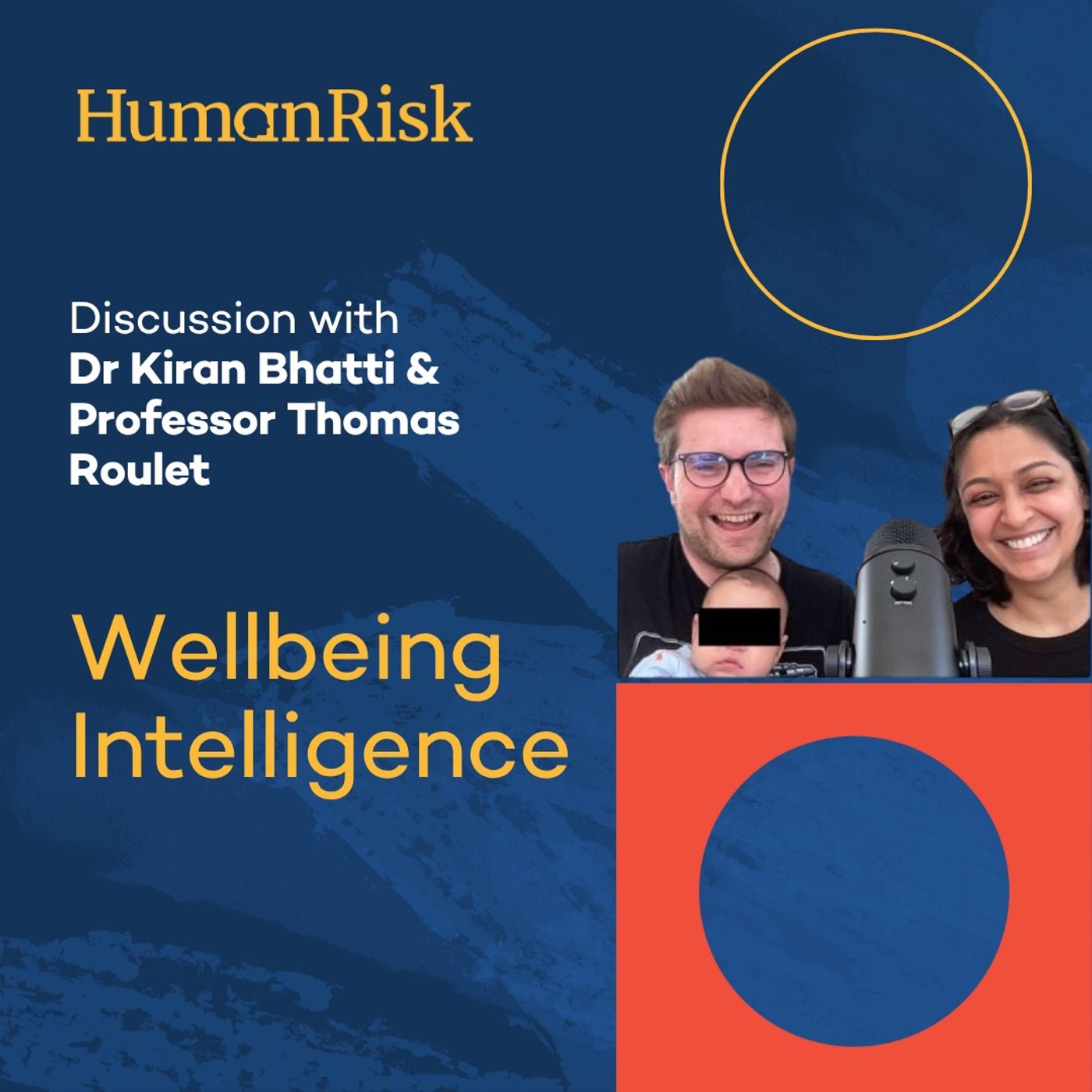
Dr Kiran Bhatti & Professor Thomas Roulet on Wellbeing Intelligence
What if we treated mental health like a capability instead of a crisis? On this episode, I'm talking to a business school professor and a counselling psychologist about their new book that looks at practical ways we can manage mental health. Not after it manifests itself, but beforehand.Episode SummaryMental health has become part of the workplace conversation, but all too often, that conversation
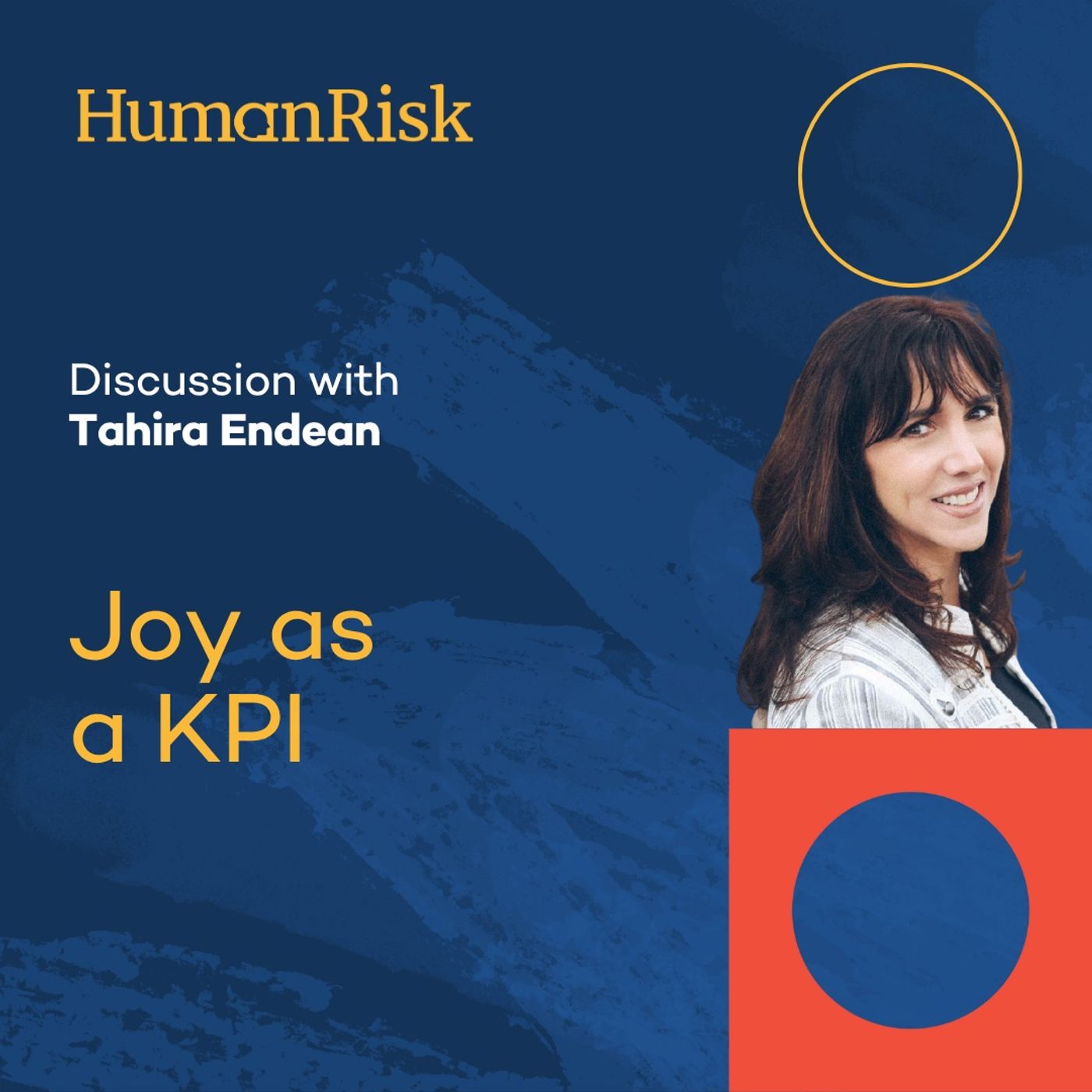
Tahira Endean on Joy as a KPI (or why live events need to be more joyful)
What if joy became the most important metric when we organised events? Or, to put it another way, why are so many events uninspiring and not very joyful?Episode SummaryOn this episode, I’m joined by event strategist, educator, and author Tahira Endean to explore a provocative question: what if we measured events not just by financial metrics, but by the joy they deliver?Drawing from her new book O
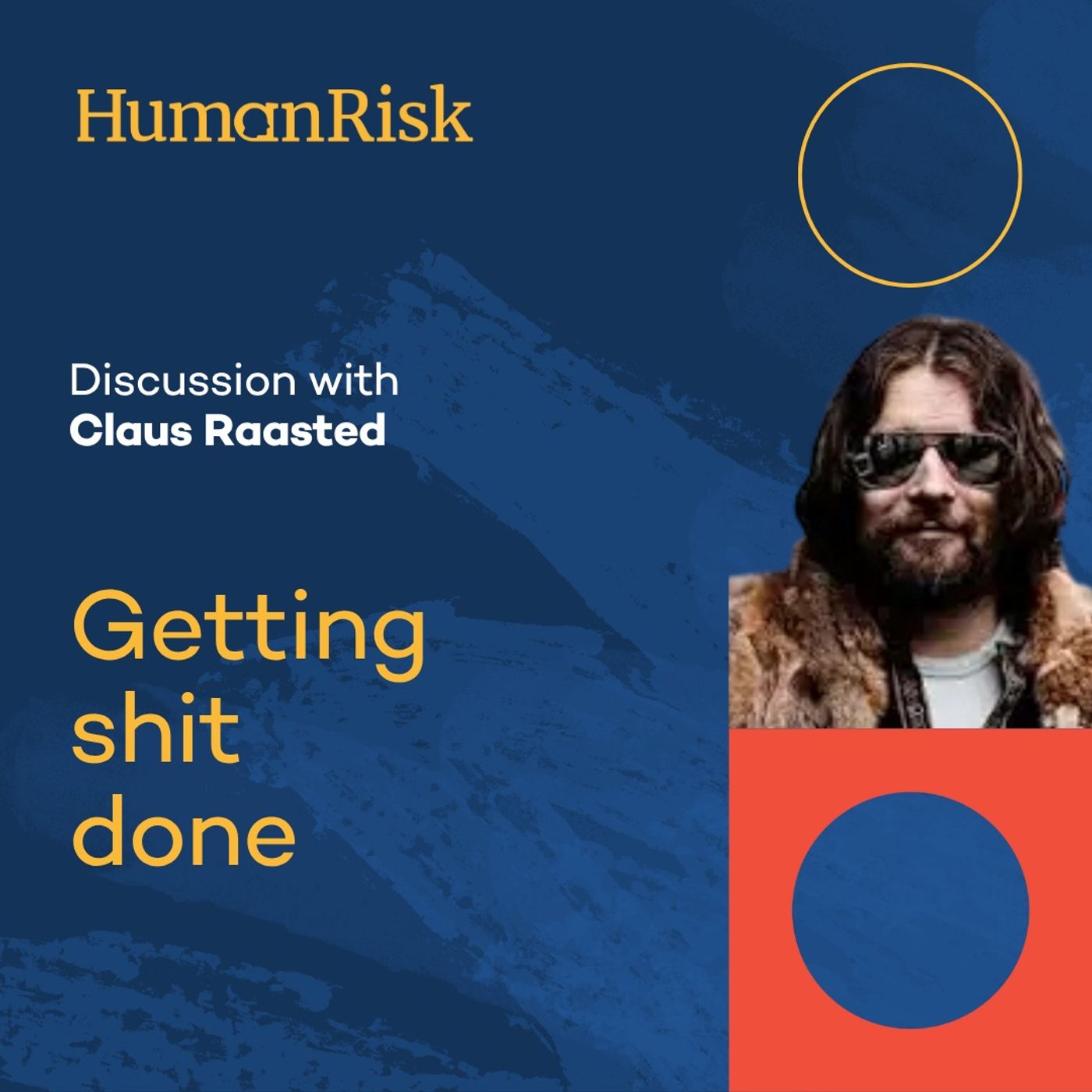
Claus Raasted on Getting Shit Done
Why is getting shit done so hard, and what can we do about it?Episode Summary Getting shit done isn’t just about motivation or tools, it’s about design. In this episode, I speak to Claus Raasted: consultant, author, speaker, experience designer, and someone who describes himself — with tongue firmly in cheek — as an “overpaid rockstar consultant.” But behind the flair is a deep understanding of ho
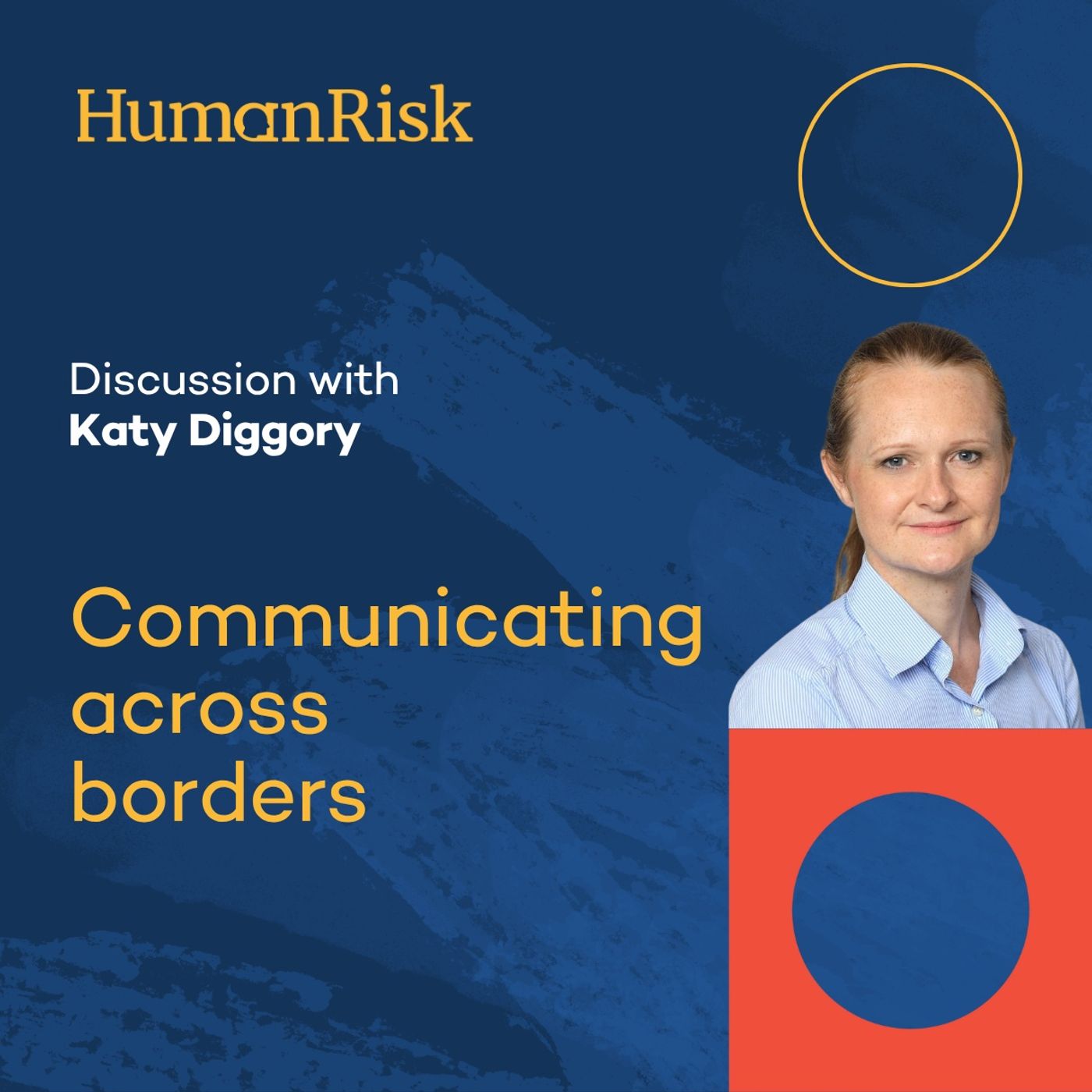
Katy Diggory on communicating across borders
What happens when a British communications expert takes her political instincts and corporate storytelling skills to Germany? 🎙️ Overview On this episode, I speak with Katy Diggory, who’s done exactly that — and learned a lot about tone, culture, and translation along the way. It’s a brilliant conversation that blends politics, international business, and linguistic nuance. We explore the differen
Kevin Evers on The Strategic Genius of Taylor Swift
What can a global pop icon teach us about business strategy? In the case of Taylor Swift, more than you might think.Episode SummaryOn this episode, I’m joined by Kevin Evers, senior editor at Harvard Business Review and the author of There's Nothing Like This: The Strategic Genius of Taylor Swift. We dive deep into what makes Swift not just a pop icon but a master strategist — someone who has repe
Juliet Rosenfeld on Affairs
Why do people have affairs? What lessons can we learn from infidelity?It's estimated that an affair will impact one in five of us, yet it tends to be a taboo subject. So, on this episode, I'm going to break that taboo and explore the hidden world of affairs with psychoanalyst and author Juliet Rosenfeld.Juliet’s book, Affairs: Stories of Love, Lies, Hope and Desire, is an intimate look at why peo
Dr Chengwei Liu on Luck & Serendipity
Have you ever wondered how much of your success is down to luck? What if the world is far less fair and predictable than we’d like to think? On this episode, I explore the complex and fascinating role of luck in our lives and decisions with Dr. Chengwei Liu, Associate Professor of Strategy and Behavioural Science at Imperial College London. Chengwei shares how his research challenges our assumptio
Professor Magda Osman on Psychological Harm
What is psychological harm, and can we really regulate it? Should an AI-companion app be allowed to dump the person who is using it? 📝 Episode Summary On this episode, I’m joined once again by Professor Magda Osman, someone who’s been on the show several times before, who always has something compelling to say.This time, we're talking about psychological harm, a term you’ve probably heard, but wh
Sarah Ward on Chemistry, Committees & Cooking
What do chemistry, committees and cooking have in common? They’re all things which have formed part of the career of my guest on this episode. She’s Sarah Ward, owner of The Cookery Lab, a unique cookery school that uses a science-led approach to teaching cooking skills. I first met Sarah when we worked together on governance at the Bank of England. She began her carerer as a chemist, before swi
Sarah Aalborg on Secure by Choice
What do people have to do with cybersecurity? A lot. As with other fields of human risk, it’s people that are typically the root cause of problems in the cybersecurity world. Which is where my guest’s expertise in behavioural design comes into play.On this episode, I’m speaking with Sarah Aalborg, a cybersecurity and behavioural design expert who’s on a mission to change how organisations approa
Human Risk: Behind The Scenes
What really happens Behind The Scenes at Human Risk? 📝 Episode SummaryIn this special ‘takeover’ episode of the show, I’m taking you behind the scenes of my work at Human Risk. Because interviewing myself would be odd, friend of the show Sarah Abramson takes the interviewer’s seat. She delves into my journey, exploring the intersections of curiosity, compliance, and creativity that have shaped my
James Victore on Being Weird
What's the most important thing we can all do to be happy? According to my guest on this episode, it's embracing the thing that made us weird as kids. 🎙️ Episode Summary On this episode, I’m joined once again by the inimitable James Victore — artist, author, and creative provocateur — to explore the power of embracing your inner weirdo. James has just published Hey Weirdo, an eBook that argues th

Anne Sebba on The Women's Orchestra of Auschwitz
Why was there a women’s orchestra in Auschwitz, and what can that help us understand human resilience? In this deeply moving episode of the show, I speak with Anne Sebba — renowned biographer, historian, and journalist — about one of the Holocaust’s most extraordinary and little-known stories: the Women’s Orchestra of Auschwitz. Anne’s latest book tells the story of how a group of female prisoners
Matthew McNerney on Museum Design
What makes people want to go to museum? How can they ensure they still remain relevant? I spend a lot of my time in museums. They inspire me, inform me and put me into mindsets I wouldn't otherwise be in. So I wanted to learn more about them.Episode Summary On this episode, I sit down with Matthew McNerney, Chief Creative Officer of Luci Creative, to explore the hidden psychology behind museum d
Dr Mark Fabian on Beyond Happy
What if the problem isn’t that you’re not happy enough — but that you’re chasing the wrong kind of happiness altogether?Show SummaryOn this episode I’m joined by Dr Mark Fabian, Associate Professor of Public Policy at the University of Warwick and author of Beyond Happy: How to Rethink Happiness and Find Fulfillment. Mark argues that our modern obsession with happiness often leads us astray, lock
Professor Benjamin Van Rooij on Toxic Organisations
What makes an organisation toxic, and how can we spot the signs before it’s too late? What are the common traits that make seemingly unrelated organisations, ranging from the Catholic Church to corporations, do harm?On this episode, I’m joined once again by one of my favourite guests — Professor Benjamin van Rooij — for a deep dive into the hidden dangers of organisational life.Benjamin and his co
Amy Watson on Violence Against Women
How can we prevent violence against women? And what role do men who don't engage in violence, have to play?This episode tackles a serious, but important topic. Violence against women affects millions worldwide, yet too often, the focus is placed on how women can protect themselves rather than addressing the behaviors and systems that enable violence in the first place. This isn’t a problem women
Giles Oakley on The Art & Science of Tea
What does tea have to do with human behaviour? A lot more than you might think. On this epusoed, I'm exploring one of the world's most popular drinks and what we can learn from it.SummaryMy guest is Giles Oakley, a professional tea taster, entrepreneur, and long-time friend. Giles began his career at Tetley before co-founding Two Spoons Tea, a company dedicated to celebrating tea as the hero crop
Pav Gill on Whistleblowing that works
How do we create systems that encourage whistleblowing without incentivizing malicious reporting? Should we reward whistleblowers financially? Why is closure important, both for whistleblowers and the organisations they are whistleblowing on? Episode SummaryOn this episode, I speak with Pav Gill, the whistleblower behind the Wirecard scandal and former General Counsel for Wirecard’s Asia Pacific o
Dr Hemma Lomax on The Edge of Possibility
What is the edge of possibility and how can storytelling help us to find it? My guest isn't a storyteller — she's a lawyer, working in compliance — but she's got some fascinating insights to share about how it can help us to effect change. Or, in her words, to find the edge of our possibility.I've been wanting to get Dr Hemma Lomax on the show for some time, and I'm delighted that in this episod
Duncan Mavin on Meltdown: The Collapse of Credit Suisse
How does a major global bank keep surviving crises; until it doesn't?Episode SummaryOn this episode, I’m joined by Duncan Mavin, author of Meltdown: Scandal, Sleaze, and the Collapse of Credit Suisse.Duncan’s book dives deep into the bank’s dramatic downfall, uncovering decades of mismanagement, scandals, and cultural clashes that eventually led to its collapse. As someone with intersecting touchp
Kit Holden on Played in Germany - a footballing journey through a nation's soul
What can we learn about a country from its favourite sport? A lot. Particularly when that country has a history and culture like Germany. Which is what I'm exploring on this episode.Even if you're not a football fan, this episode — in a year when Germany goes to the polls — will have something of interest.Episode Summary On this episode, I speak with Kit Holden, a British-German journalist and a
Tim Houlihan & Dr Kurt Nelson on Behavioural Experiments, Podcasting, and Innovation
What role does experimentation play in making big life and creative decisions? What lessons can podcasters teach us about effective communication in business?Show Summary To answer these questions, in this festive episode, I’m thrilled to welcome back two friends of the show, two of my favorite podcasters, Tim Houlihan and Kurt Nelson, co-hosts of the Behavioral Grooves podcast.Known for their bri
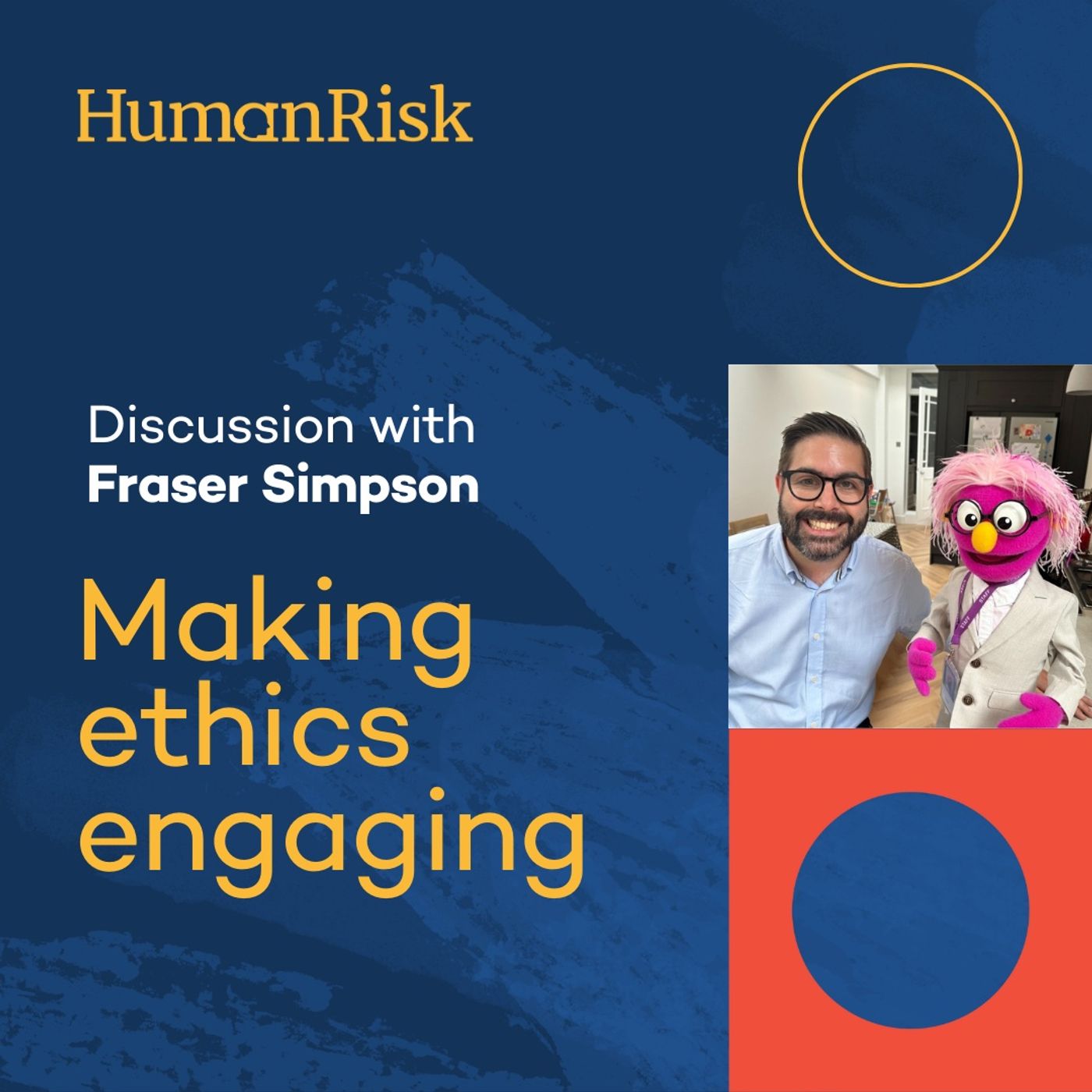
Fraser Simpson on Making Ethics Engaging
What does a pink puppet called Connie have to do with ethics? More than you might think. On this episode, I'm speaking with a lawyer, whose innovative approach to getting employees to engage in ethics, involved turning to something we all know from our childhood, a puppet.Episode SummaryThat lawyer and my guest on this episode is Fraser Simpson, Associate General Counsel at the Wellcome Trust. He
Jono Hey on Sketchplanations
Can you distill a complex concept into a single sketch? Jono Hey can and on this episode, he joins me to talk about Sketchplanations —a project that explains the world, one sketch at a time.SummaryI’ve been a long-time admirer of Jono’s work, which makes complex ideas accessible and engaging through simple, elegant sketches. We discuss how he manages to turn abstract or intricate concepts into vis
Amy Kean on Communicating Effectively
What makes communicating effectively such a critical skill in today’s world?On this episode, I dive into the fascinating world of communication with Amy Kean, a psychosociologist, educator, and the founder of Good Shout, a company redefining how we teach and communicate. Amy brings her unique blend of humour, honesty, and sharp insights to a conversation that will leave you thinking differently ab
Steve Bell on Cartooning
How does one become a political cartoonist? And what lessons can we learn from their craft?Episode Summary In this episode, I sit down with legendary political cartoonist Steve Bell to explore the artistry and challenges behind his provocative work. From his early struggles as a teacher to his meteoric rise as a satirical voice at The Guardian, Steve shares the experiences that shaped his unique s
Dr Eva Van Den Broek & Tim Den Heijer on The Housefly Effect
How do tiny changes in our surroundings create big impacts on our daily lives? And what does that have to do with house flies?Episode SummaryIn this episode, I’m thrilled to welcome Dr. Eva Van Den Broek and Tim Den Heijer to discuss their new book, The Housefly Effect, which explores the hidden ways behavioral science influences our daily decisions.We dive into fascinating examples of nudges, fr
Matt Ballantine on Solving Problems with Randomness
What if embracing randomness could unlock better decision-making in your work?In this episode, I welcome back Matt Ballantine, a returning guest known for his insightful and playful take on work and life. This time, Matt dives into the concept of randomness and how it can be a strategic tool in navigating complex problems that defy traditional solutions.From engaging discussions on how randomness
Anna Rowe on Romance Scams
What would you do if someone you trusted turned out to be living a double life?Episode SummaryOn this episode, I speak with Anna Rowe, a brave and resilient advocate for victims of romance fraud. Anna shares her deeply personal story of being deceived by someone who led a double life, manipulating her emotions and trust for over a year. Her journey from victim to activist is one of courage and det
Dr. Holly Bell on Curiosity, Road Trips, and Reinvention
How can road trips and curiosity shape our perspectives on life?In this episode, I speak with Dr Holly Bell, a former professor, author, and spontaneous traveller. Holly’s diverse background, which includes teaching economics, writing thrillers, and even working in corporate management at a Fortune 100 company, is rooted in her insatiable curiosity and love of reinvention.Together, we discuss her
Carissa Carter & Scott Doorley on Assembling Tomorrow
What role does creativity play in navigating an unpredictable world?On this episode, I sit down with Carissa Carter and Scott Doorley, both members of the Stanford d.school faculty. Together, they’ve co-authored Assembling Tomorrow, a fascinating exploration of how design influences the future, especially amidst the rapid rise of emerging technologies like AI and synthetic biology. We discuss how
Steve Martin on Influence At Work
How can we be better at influencing others? On this episode, I explore the world of influence with behavioural scientist Steve Martin.Steve has made a career out of studying the art and science of persuasion, and in this conversation, we dive deep into his latest book Influence at Work.Together, we unpack how influence is a key part of all aspects of life, including compliance. We discuss why 'inf
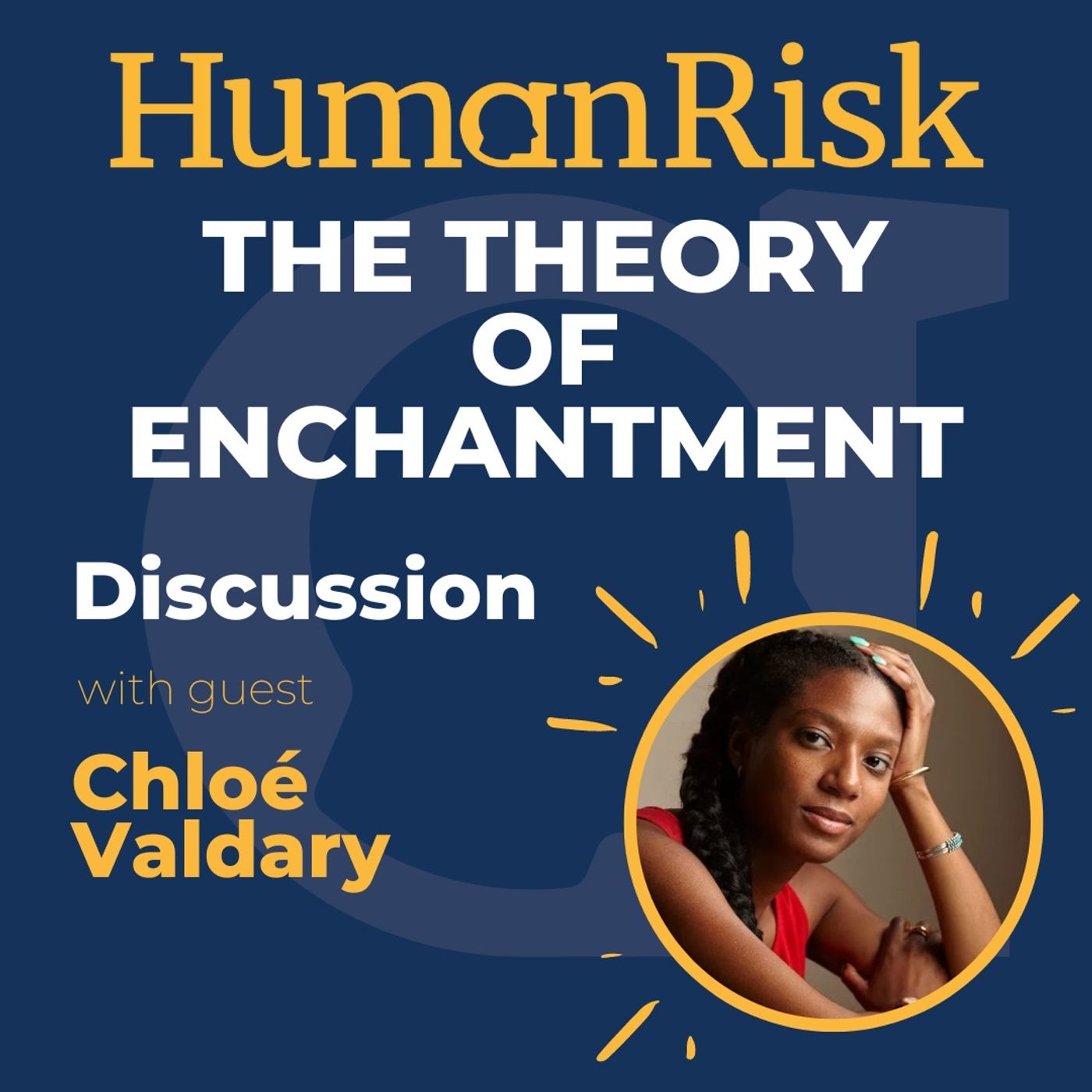
Chloé Valdary on The Theory of Enchantment
How can watching Disney movies, help create more inclusive environments? The answer is in the word Enchantment.On this episode, I'm speaking to Chloé Valdary, the founder of an organisation called The Theory of Enchantment, to explore her unique approach to diversity, equity, and inclusion (DE&I) training. If you're someone for whom DE&I conjures up negative thoughts, then you're going t
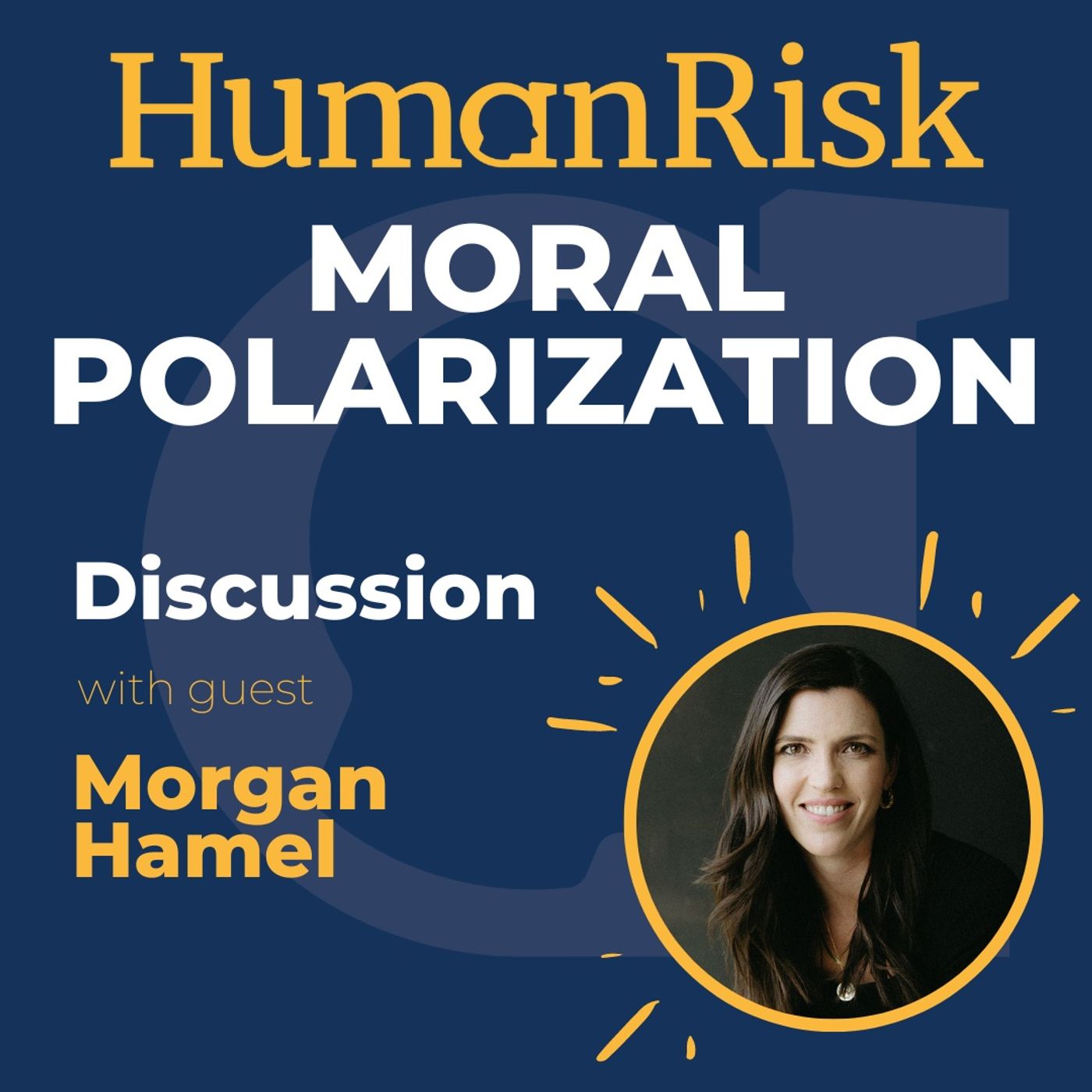
Morgan Hamel on Moral Polarization
How does moral polarization challenge even the most well-intentioned leaders?In this episode, I speak with Morgan Hamel, who talks frankly about her journey from working in business ethics to launching her own ethical fashion business.In our conversation, Morgan reflects on the complex dynamics of running a business that sought to balance purpose and profit and how that vision was tested by the de