10-Minute Talks
A series of short talks in which leading professors and academics explain the latest thinking in the humanities and social sciences, each episode condensed into ten minutes. The podcast presents cutting-edge research and ideas in an accessible, bite-sized format. Produced by The British Academy, it offers a quick intellectual briefing for curious listeners.
Episodes
Symbolic Liberalism and Dialogical Sociology
Classical liberalism, in the tradition of the philosopher John Rawls, upholds the value of equal basic liberties and the fair exercise of political power in societies where citizens have diverse and sometimes conflicting beliefs. In this talk, Professor Sari Hanafi FBA explores the contemporary implementation of liberalism by social scientists, policymakers and decision takers in a time o
Disability as a driver of change: depathologising the university
What happens when we centre disabilities as a driving subject of intellectual, personal and political inquiry? Professor Dan Goodley FBA unpacks depathologisation in the university and the impact it can have on how we understand knowledge, power, and belonging. Drawing on critical disability studies, this talk challenges the pathologising assumptions embedded in higher education and ask
Why and how are machine learning algorithms are driving polarisation?
A common criticism of social media is that groups of people are creating echo chambers that exclude different perspectives, but these echo chambers are a goal encoded in these platforms’ software, not an accident. Wendy Chun FBA unpacks the role of homophily – the idea that similarity breeds connection, that ‘birds of a feather flock together’ – in how social media networks are designed
Fake News and the Victorians: Literature in the First Information Age
The 19th century became the age of the first information revolution. Driven by colonial and imperial geopolitics, rapid technological innovation, and the rise of mass print culture, news began to travel faster and farther than ever before. And so did questions of truth, authenticity and reliability. So, what can Victorian writers teach us about navigating misinformation today? How did th
Figuring Forth: Cervantes’ Don Quijote, Poet in Prose
Cervantes’ groundbreaking novel, Don Quixote, is a comic but profound meditation on dreams, disillusionment and the blurred line between illusion and reality Its legacy is less timeless than differently meaningful across time, from the tragic idealism identified by the Romantics ( the term “quixotic” originates from Cervantes’ protagonist) to the metafictional complexity engaged with by m
What can ancient civilisations teach us about sustainability?
A cosmology or worldview is the framework of beliefs and attitudes through which we interpret and make sense of the world, including how we think about our relationship with the environment. What can the worldviews of successful civilisations of the past teach us about sustainable technological and economic advancement? Professor Shadreck Chirikure FBA explores how our current challenge
Why are cities an important part of climate change?
Cities are central to both the problems and solutions of the climate crisis. Climate change is often seen as a global issue that can only be resolved at the international negotiating table, but research shows that its causes and solutions are profoundly urban. Geographer Harriet Bulkeley FBA explains how experimental action in cities can empower local groups beyond government and policy,
Tutankhamun’s Table: Food & Drink for a King
In 1922, the discovery of Tutankhamun’s tomb in the Valley of the Kings astounded archaeologists and the public alike. Beyond the ornate treasures, the tomb of the famous pharaoh offered insight into the daily life and diet of Ancient Egyptians. In this 10-Minute talk, Salima Ikram FBA delves into the findings of Tutankhamun’s chamber and what these reveal about resources, culinary practi
Judith Butler on Gender
“Gender studies as a discipline is by definition interdisciplinary, drawing from several paradigms, and it is defined by a set of debates and problematics, not by statements of doctrine or settled truths.” In this 10-Minute Talk, Judith Butler FBA discusses the conceptual contributions of gender as a field of study to a wide range of areas of research and teaching, and to social analysis
Who invented the potato? And why should we care?
"How did Sir Walter Raleigh invent the potato?” In this 10-Minute Talk, Rebecca Earle FBA takes up Philomena Cunk’s question to explore the global history of the potato and explain why we should care. Speaker: Professor Rebecca Earle FBA 10-Minute Talks are a series of pre-recorded talks from Fellows of the British Academy screened on YouTube and also available on all podcasting platform
The Man Who Shot Nelson: A French Take on Trafalgar
From a fake news report claiming a French victory to fictional memoirs and literary retellings, the Battle of Trafalgar’s legacy in France became shrouded in myth over the following years of the Nineteenth Century, particularly around the identity of the man who shot Nelson. In this 10-Minute Talk, Dr David McCallam recounts how the French responded to the crushing defeat in 1805 with sat
Why Truth is Not Enough
In a post-truth world, can we always trust data? And what about our human biases? Walking us through ‘the ladder of misinference’, Alex Edmans FBA outlines how statistics and studies can feed misinformation, and the tools we need to resist and make informed choices. You can learn more from Professor Edmans on the subject in his recent book ‘May Contain Lies’ https://www.penguin.co.uk/book
The 21st Century Resurgence of Eugenics
Eugenics is a coercive ideology with a destructive history over the course of the 19th and 20th Centuries. But did support for eugenics die out after the Second World War? Unpacking the movement and its roots in academia, Rebecca Sear FBA explores the question of whether we are witnessing a resurgence in eugenics today. Speaker: Rebecca Sear FBA, Professor and Director of the Centre for
The Dead Sea Scrolls and Beginnings of Western Mysticism
What are the Dead Sea Scrolls? Who discovered them? And why are they important? Professor Philip Alexander FBA explores the history of the scrolls, and their role in uncovering the beginnings of Western Mysticism. Want to learn more from the British Academy? Check out our Folklore Reimagined season on our website: https://www.thebritishacademy.ac.uk/seasons/folklore-reimagined/ Speaker:
The rise and fall of Matthew Hopkins, Witchfinder General
What really happened when a breakdown of the legal system in the English Civil War fuelled a series of witch-hunts? In this 10-Minute Talk, Professor Ronald Hutton FBA delves into England's witch trials and Matthew Hopkins, the self-proclaimed Witchfinder General. For more from The British Academy’s Folklore Reimagined season, visit our website: https://www.thebritishacademy.ac.uk/seasons
Schubert’s Die Forelle: how a classical music piece changes over time
Classical music is often wrongly considered to be unaffected by political and social change. Exploring Franz Schubert’s ‘Die Forelle’, Laura Tunbridge FBA considers the cultural history of a song and the importance of a piece of music changing over time – both in sound and meaning. Speaker: Professor Laura Tunbridge FBA, Professor of Music, University of Oxford This podcast is for inform
'Salvator Mundi': Leonardo da Vinci's missing masterpiece?
‘Salvator Mundi’ is a painting surrounded by mysteries. In this talk, Professor Martin Kemp FBA explores evidence that it is indeed a work of Leonardo Da Vinci, the painting’s key components, and the alleged whereabouts of the ‘Salvator Mundi’ today. Speaker: Professor Martin Kemp FBA, Emeritus Professor of the History of Art, University of Oxford; Honorary Fellow, Trinity College, Oxfor
What does a neuropsychologist do?
What exactly is the work of a neuropsychologist? In this 10-Minute Talk, Professor Barbara Sahakian FBA unpacks some of her key work over the years and more recent ventures – from developing early models of memory testing to now transforming psychological tests into game apps. Speaker: Professor Barbara Sahakian FBA, Professor of Clinical Neuropsychology, Department of Psychiatry and MRC
Traditional Japanese theatre and audience interaction
Japanese theatre has, from its beginnings, encouraged audience participation – from formal fan-clubs to lessons on dancing and chanting. Hear Professor Drew Gerstle FBA take us through the key characteristics of Kabuki, Bunraku and Noh theatre and the ways viewers interacted with these 14th-17th century performances, both as patrons and amateur practitioners. Speaker: Professor Drew Gers
What are empires, nation states and colonialism?
How do we understand empire in the modern age? In this 10-Minute Talk, Professor Gurminder K Bhambra challenges the idea that modern nation-states emerged as a result of the break-up of empire, and instead invites us to rethink what defines empire entirely. By considering different colonial processes and the impact these have on how we understand empires, Bhambra unpacks the specific char
Books in wartime: innocent victims or guilty parties?
While books are often thought of as victims of war, looted or burned in libraries, in this 10-Minute Talk Professor Andrew Pettegree suggests an alternative narrative: books are essential in the waging of war. Sharing insights from his recent publication, ‘The Book at War’, Pettegree explores the active role of books in wartime from the Napoleonic era to the Second World War. Speaker: Pro
What was the relationship between Thomas Jefferson and Sally Hemings?
Expanding on her book, ‘Thomas Jefferson and Sally Hemings: An American Controversy’, Professor Annette Gordon-Reed unpacks the evidence around this contested relationship and the role of historians in erasing the narratives of enslaved people. Exploring the ‘American dilemma’, this talk investigates the contradiction between Jefferson’s commitment to equality and his ownership of enslave
Shakespeare in popular culture
What is it that makes great works from the past endure in the present? In this 10-Minute Talk, Professor Sir Jonathan Bate FBA explores Shakespeare’s legacy and his continued cultural presence over time. From influencing Jane Austen’s writing, to inspiring modern-day TV and film adaptations like 1999’s ‘10 Things I Hate About You’ and 2023’s ‘Anyone but You’, or providing a means for avoi
What have sign languages taught us about human language development?
Sign language and how we use it and implement it into society has developed rapidly in the last 50 years, from little-to-no representation in education in the 1970s to the British Sign Language (BSL) Act 2022 and a new British Sign Language GCSE to be taught from 2025. In this 10-Minute Talk, Professor Bencie Woll FBA unpacks her research and involvement in understandings of language deve
Aesthetics and emotions in pre-modern India
In the West, emotions are often understood through the philosophy of cognition and experimental psychology – separated from the world of art and aesthetic. However, in pre-modern India, aesthetic and emotion were deeply intertwined. In this 10-Minute Talk, Professor Chakravarthi Ram-Prasad FBA discusses how the aesthetics of drama and literature were key to understanding emotions in the S
Freud, Hollywood and the male gaze
In this 10-Minute talk, Laura Mulvey FBA responds to three key questions regarding her 1975 essay ‘Visual Pleasure and Narrative Cinema’. Returning to the origins of the essay and the concept of the ‘male gaze’, Mulvey explores the cultural climate of feminism and Hollywood which drove the conception of this now-cult term and the newer, controversial term ‘female gaze’. Speaker: Laura M
Genocide and International Law
‘Genocide’ (meaning “to kill a group”) was first used as a legal term in 1944 by Raphael Lemkin in the hope that it would come to signal the agreed limits of sovereign power, alongside the parallel developments of the concepts of human rights and crimes against humanity. Professor Philippe Sands Hon FBA explains the origins of the term, its implications and consequences in this 10-Minute
Hannah Arendt's lessons for our times: the banality of evil, totalitarianism and statelessness
Hannah Arendt (1906-1975) was one of the most influential political theorists and philosophers of the 20th Century. In this 10-Minute Talk, Professor Lyndsey Stonebridge FBA explores three of Arendt's key concepts – totalitarianism, statelessness and the banality of evil – to explain the importance of her thinking for our times. Speaker: Professor Lyndsey Stonebridge FBA, Professor of Hum
What is extremism?
In a famous 1963 letter, Martin Luther King Jr. argued that ‘extremism’ is not an inherently bad thing because it can be a way of describing radical action for the extension of justice. Professor Quassim Cassam FBA explores what we mean by extremism, what makes an ideology or course of action extremist, and whether King was right. Speaker: Quassim Cassam FBA, professor of philosophy at th
South Asia, the partition of India and the birth of three nations
Following the partition of India in 1947 and the Bangladesh Liberation War in 1971, what was once one nation became three. Presenting anecdotes from her book 'Shadows at Noon' – a rich history sharing the stories of South Asia from the 20th century – Professor Joya Chatterji FBA discusses her view that India, Pakistan and Bangladesh have remained more similar than different, while acknowl
Plato, Aristotle and the question of self: what makes you 'you'?
The question of what makes you ‘you’ has been a central theme in philosophical thought since ancient times. In this talk, Professor Richard Swinburne FBA takes us through the debates on personal identity, which were first had between Plato and Aristotle in the Western tradition. Through questioning the strength of the physicalist view, which says our personal identity is based on physical
Coffee as connection – tradition, controversy and literary representations
Traversing the history of coffee through several literary examples, Professor Wen-chin Ouyang FBA explores coffee as not only a drink, but as tradition, commodity, and source of controversy. From the works of Mahmoud Darwish to Haruki Murakami, coffee has persisted as a social and intercultural tool. Hear more in her 10-Minute Talk. Speaker: Wen-chin Ouyang FBA, Professor of Arabic and C
Why politics fails
Sharing insights from his book 'Why Politics Fails', in this 10-Minute Talk Ben Ansell FBA unpacks the challenges of democracy. Given that humans rarely agree, there can be no such thing as the ‘will of the people’ – which is why it’s so difficult to override individual self-interest in favour of our collective interest in resolving some of our most pressing political problems. From the P

What makes us social? Autism, mentalising, and the need for new labels
How we understand autism has changed greatly over time. In this talk, Uta Frith FBA discusses developments in the scientific study of autism and its re-evaluation from a rarely diagnosed disorder to being conceptualised as a spectrum of neurodiversity. Autism can now be explored in relation to the mentalising system and other internal mechanisms that make us social. Speaker: Professor Ut
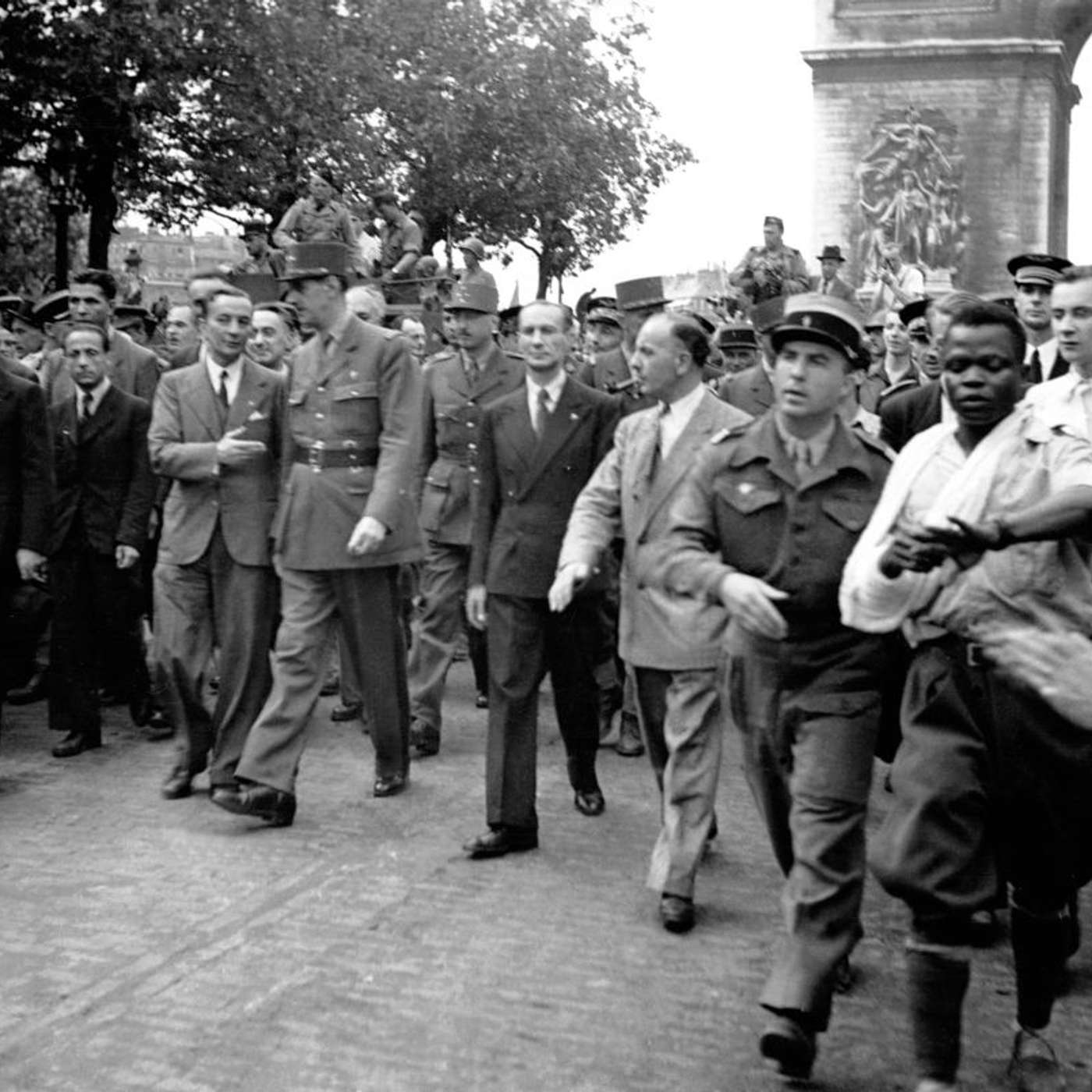
The Lion of the 17th: the story of Georges Dukson and the Liberation of Paris
Gary Younge Hon FBA explores the French Liberation of 1944 and the story of Georges Dukson, "le Lion du 17ème", a soldier from French Equatorial Africa (now Gabon) who fought for the Free French forces during the liberation of Paris. Almost a million Africans, more than a million African Americans and roughly 16,0000 Caribbeans served in the Allied forces in the Second World War, but – of
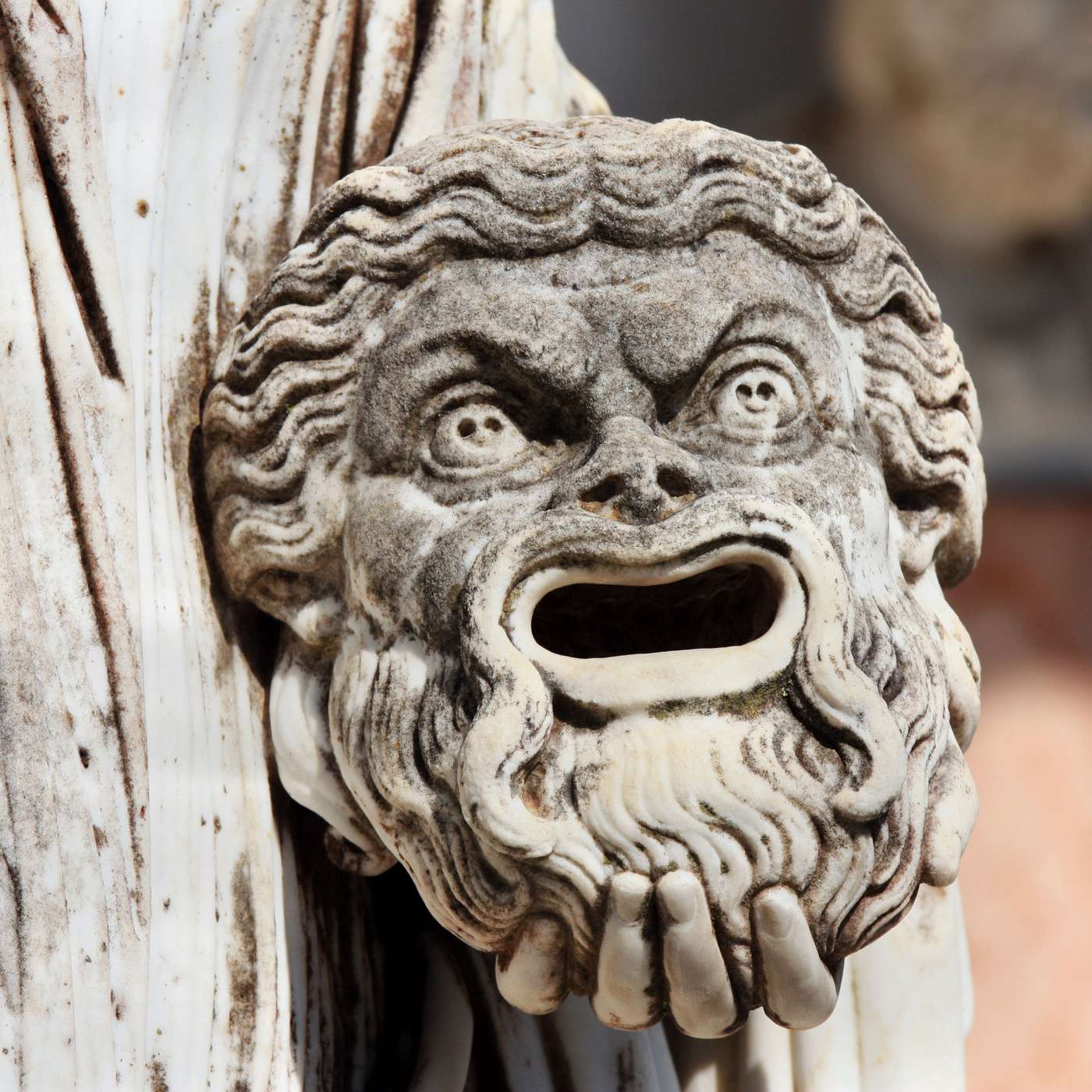
Tragedy and Postcolonial Literature
In this talk, Ato Quayson shares insights drawn from his book Tragedy and Postcolonial Literature. He argues that disputatiousness is one of the starting points that connects Greek and postcolonial tragedy. Speaker: Professor Ato Quayson FBA, Professor of English, Stanford University Image: Tragic mask in hand of greek statue of Melpomene. Via Getty Images

Hypermasculine leadership
In this talk, Georgina Waylen discusses hypermasculine leadership within the context of the early stages of the COVID-19 pandemic. Speaker: Professor Georgina Waylen FBA, Professor of Politics, University of ManchesterImage: Donald Trump Holds Rally At Iowa State Fairgrounds. © photo by Scott Olson via Getty Images
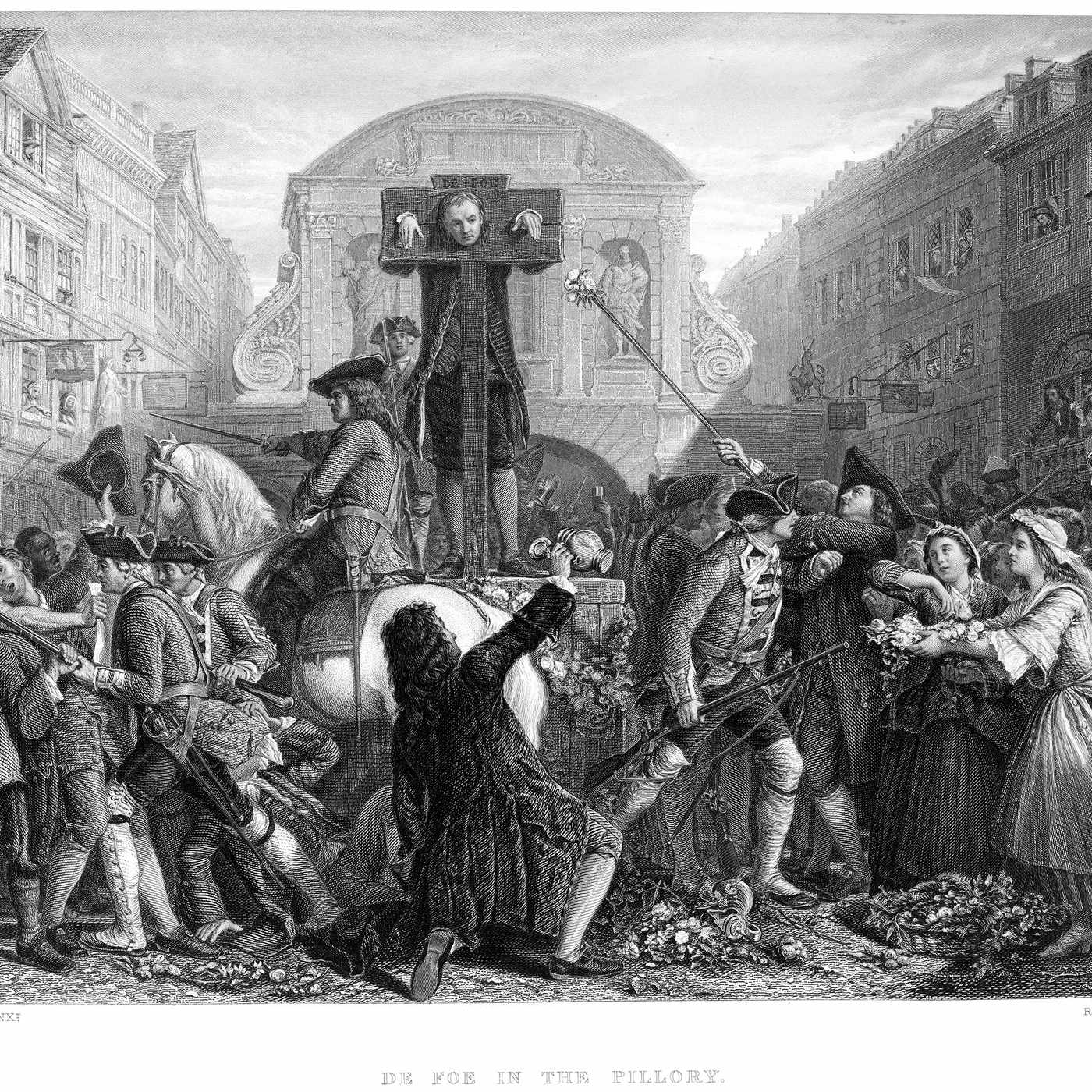
The politics of humiliation
The modern history of humiliation is different from the history of public shaming; both share certain features and practices, but differ as to intentions and goals. In this talk, Ute Frevert argues that liberal societies have made some progress in abolishing public shaming. But they have failed to bring about “decency“ in Avishai Margalit’s terms – a general refusal to humiliate others.

Paradoxes of the Roman Arena
In this talk, Professor Kathleen Coleman FBA highlights certain paradoxes at the root of Roman civilisation, specifically those related to the staging of violent displays in the arena. Virtually everything that fueled Roman society can be implicated: ideology, religion, class structure, environment, economy. The Romans, evidently, tolerated these paradoxes. Can we learn anything from them
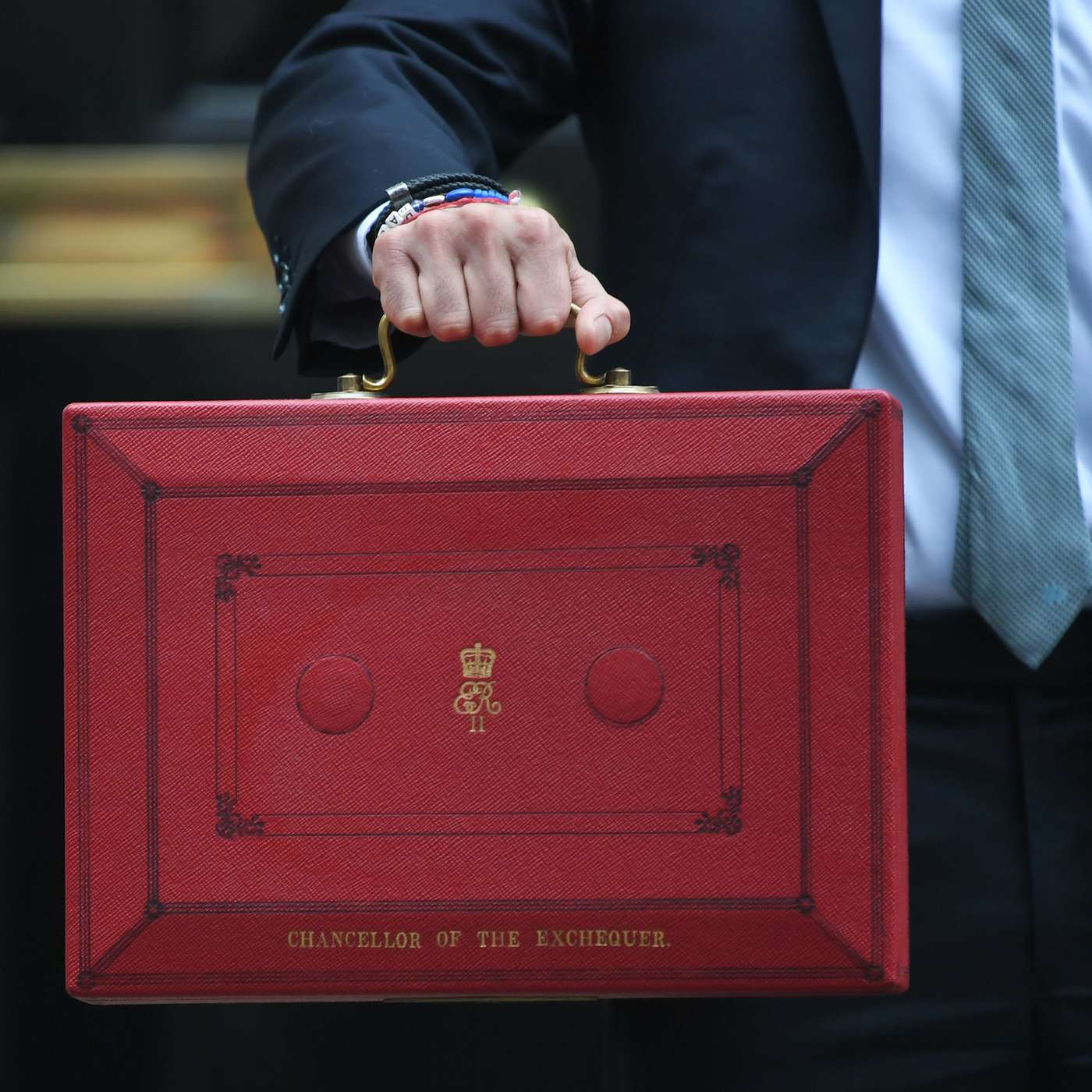
Public finances and the Union since 1707
In this talk, Professor Julian Hoppit FBA introduces his new book, The Dreadful Monster and its Poor Relations. Taxing, Spending, and the United Kingdom, 1707-2021, which explores the geography of public finances in the United Kingdom over the last three centuries. Why do some places feel they pay too many taxes and get too little public expenditure? Public finances have been at the heart
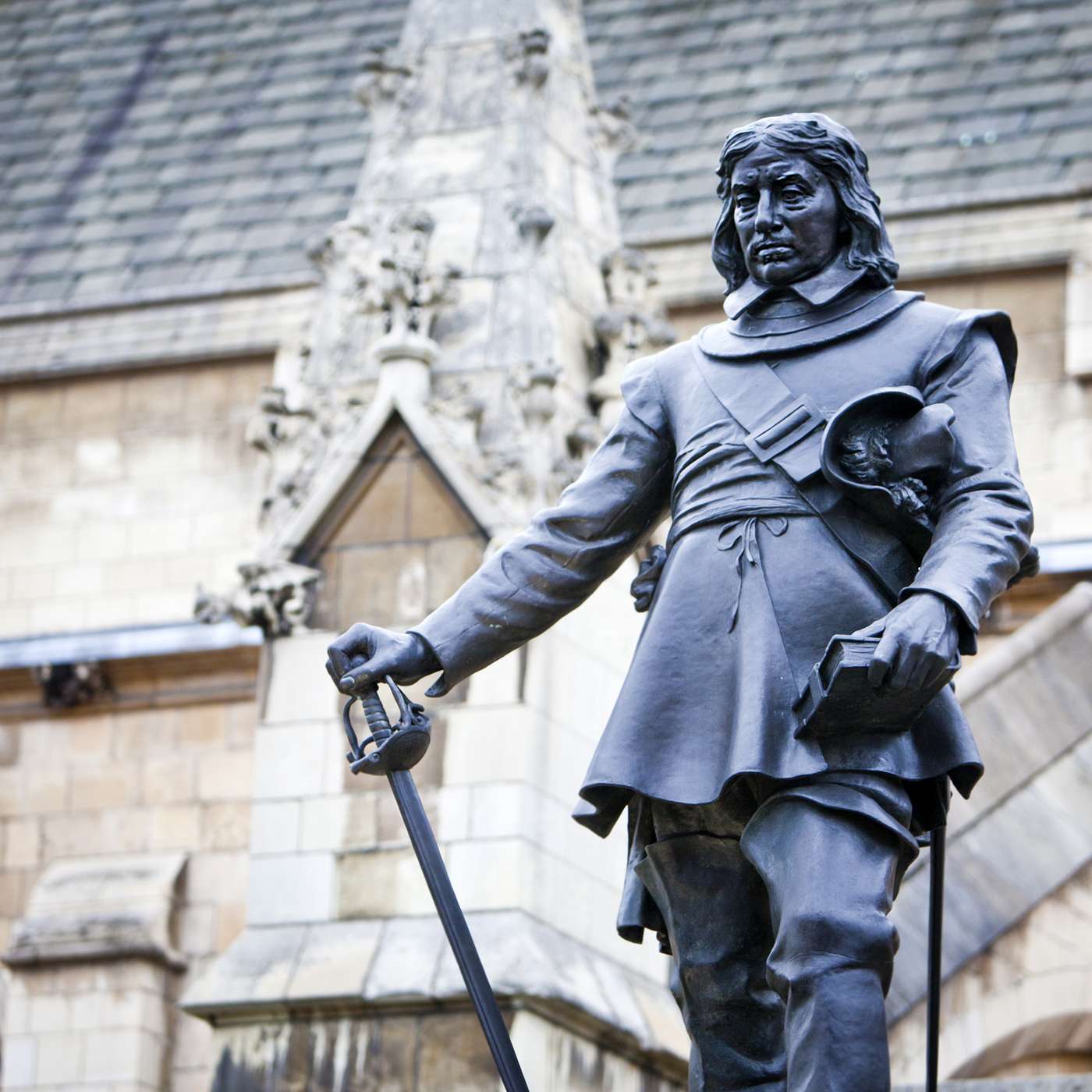
The making of Oliver Cromwell
Oliver Cromwell (1599-1658) is, in terms of sheer achievement, the greatest English commoner of all time and yet remains a deeply controversial figure. He represented himself, apparently compellingly, as an honest, pious, modest, and selfless servant of God and his nation, and yet most of his contemporaries found him ruthless, devious, and self-promoting. In this talk, Ronald Hutton sums
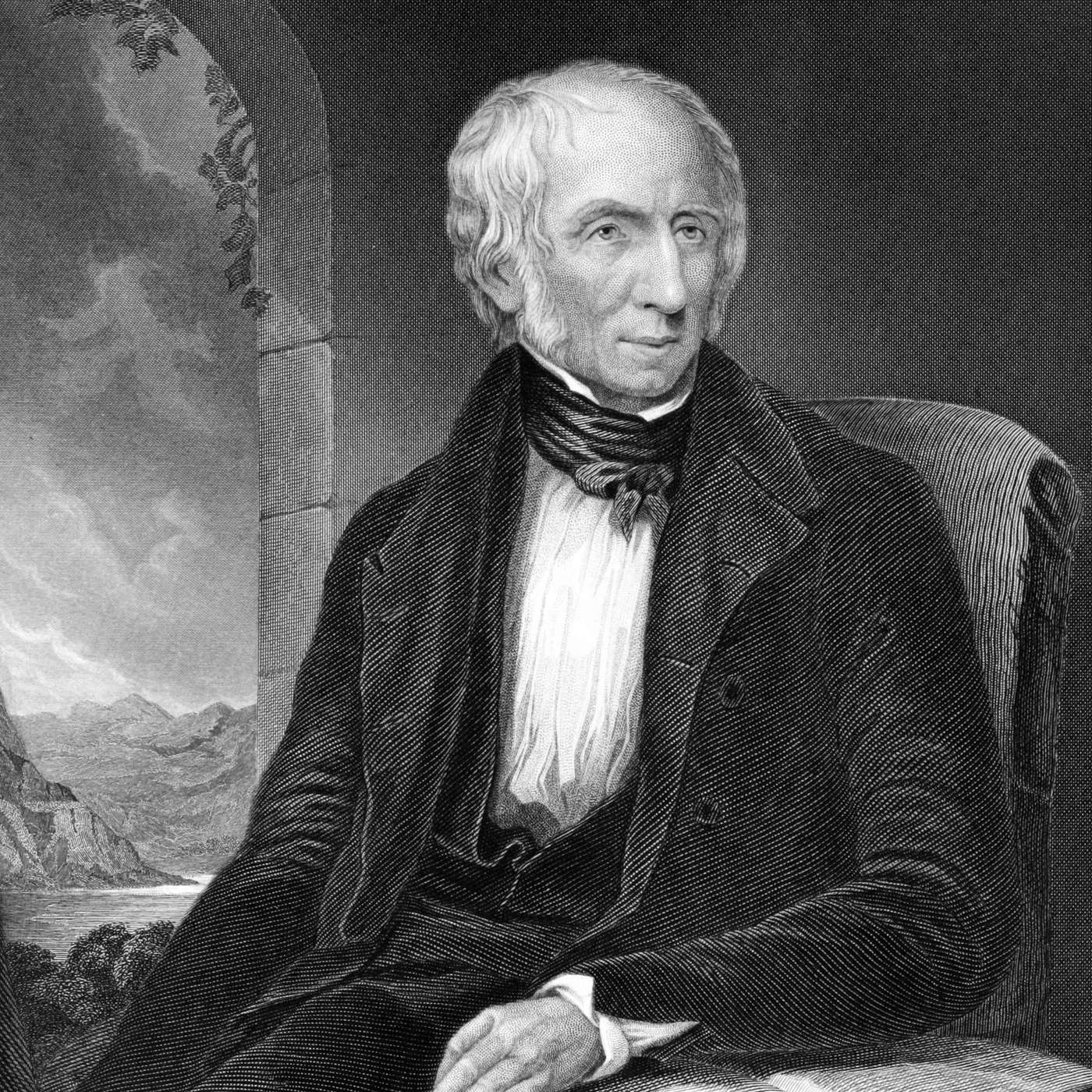
Poetry as Experience
In this talk, Derek Attridge addresses the question: "What is a poem's mode of existence?" Using a poem by William Wordsworth as an example, he argues that poems are not fixed lines of words but human experiences of language and the power of language. He is the author of The Experience of Poetry. From Homer's Listeners to Shakespeare's Readers. Speaker: Professor Derek Attridge FBA, Profe

Disastrous: thoughts on a pandemic inspired by ancient astrology
In this talk, Jane Lightfoot considers what a particular corner of the classical world, astrology, thought about disease – how it classified it, what mental models it built around it, and how it might have coped, or failed to cope, with the situation that is facing us today.Speaker: Professor Jane Lightfoot FBA, Professor of Greek Literature; Charlton Fellow and Tutor in Classics, New Col
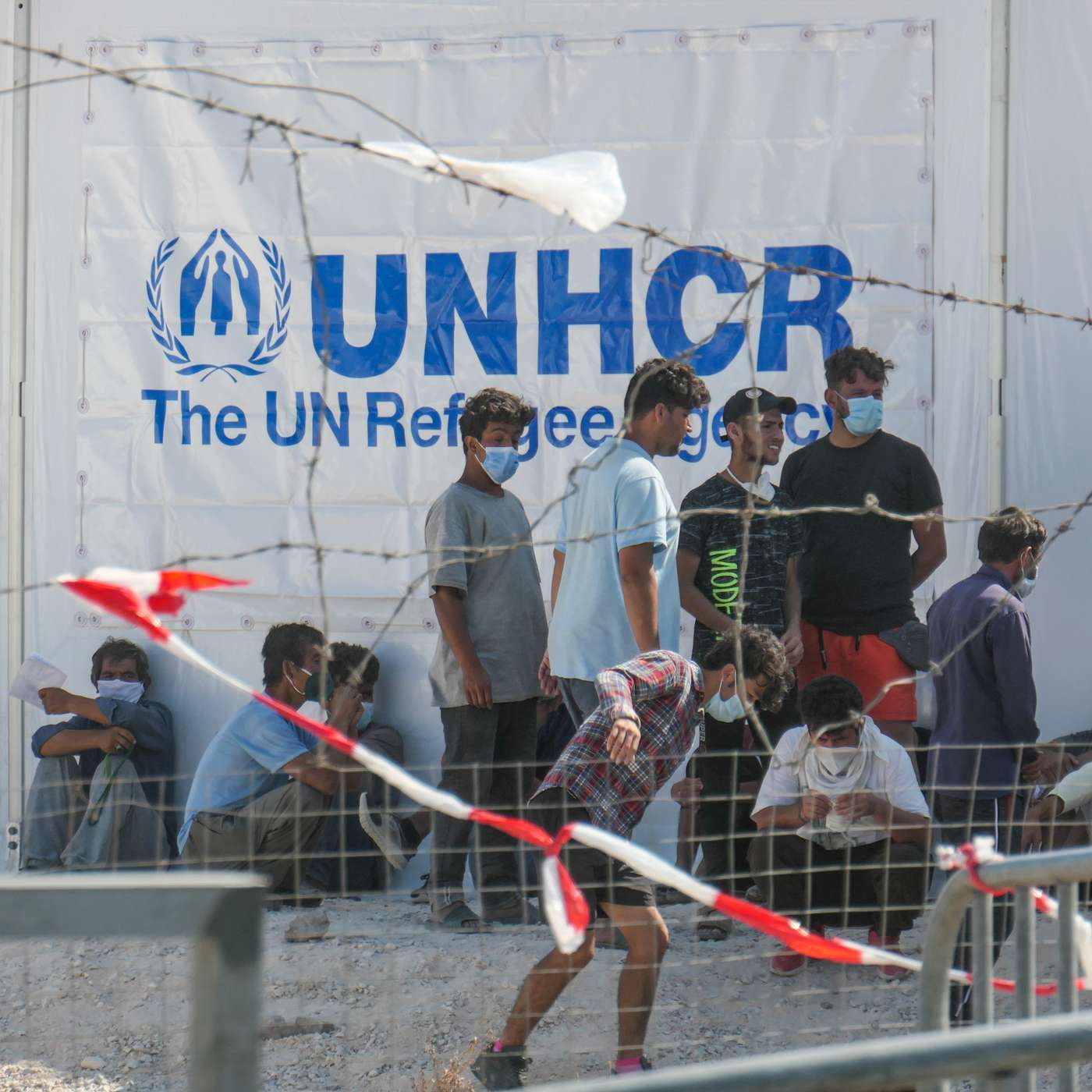
The 1951 UN Refugee Convention: its origins and significance
In this talk, Peter Gatrell discusses the United Nations Convention Relating to the Status of Refugees, signed in Geneva on 28 July 1951. He explains the circumstances leading up to the Refugee Convention and considers what it was designed to achieve: a commitment to recognise and protect refugees who have a well-founded fear of persecution. At present, although many of the world’s refuge

Syntax: where the magic happens
Syntax is the cognitive system that underlies the patterns found in the grammar of human languages. In this talk, David Adger explains what syntax as an area of study is, why he finds it important and fascinating, and why it is central to what it means to be human. The paperback edition of his book, Language Unlimited. The Science behind our most creative power was published in July 2021.

Looking at sign languages
This talk introduces research on the sign languages of deaf communities: natural, complex human languages, both similar to and different from spoken languages. It includes discussion of sign language and the evolution of human language; sign language and the brain, and sign language acquisition by young children, as well as the history and future of British Sign Language (BSL).Speaker: Pr
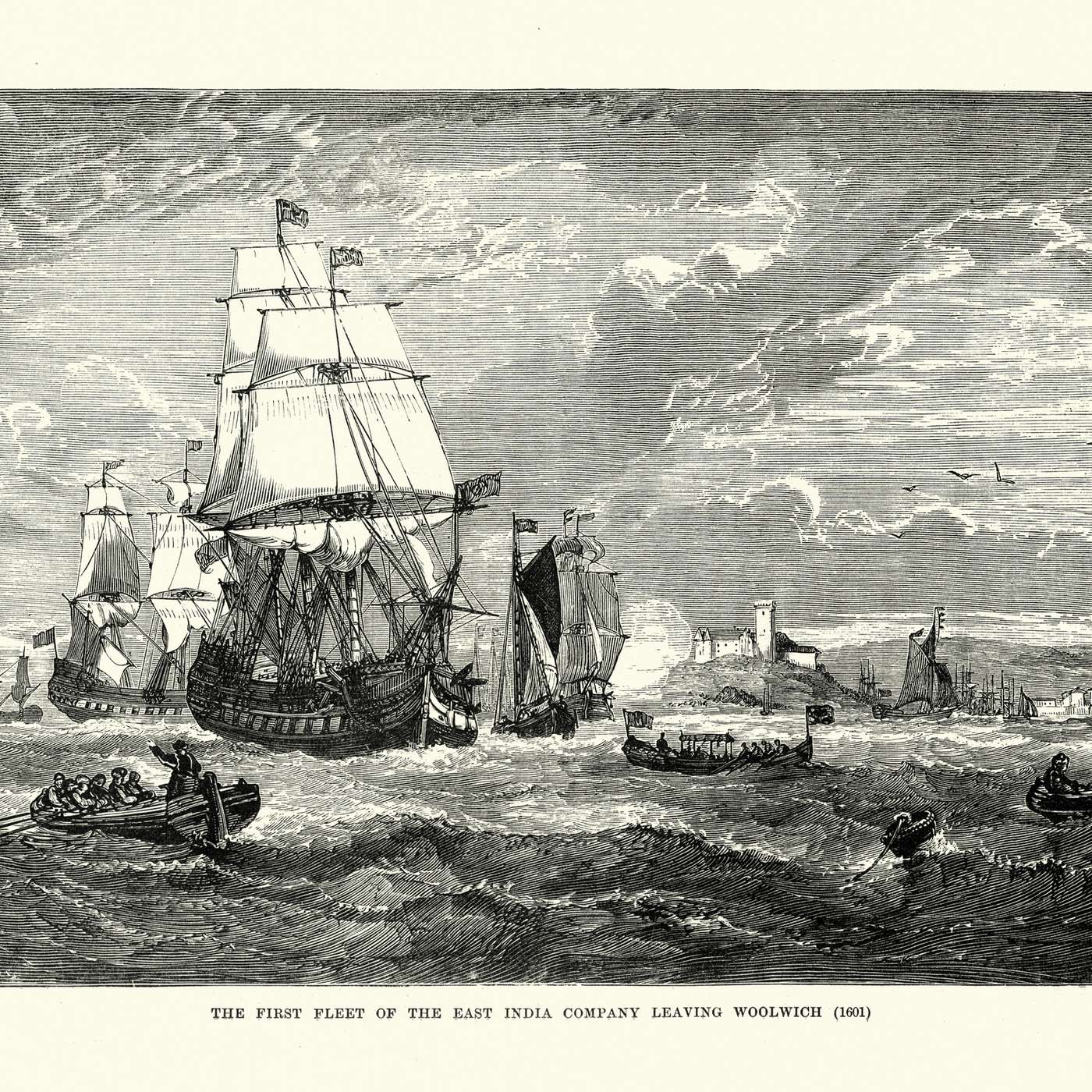
The Shogun’s Silver Telescope: The East India Company and the English quest for Japan
Over the winter of 1610-11, a magnificent telescope was built in London. It was almost two metres long, cast in silver and covered with gold. This was the first telescope ever produced in such an extraordinary way, worthy of a great king or emperor. Why was it made, what was its political significance and who was it going to? In this talk, Timon Screech explores why the East India Company
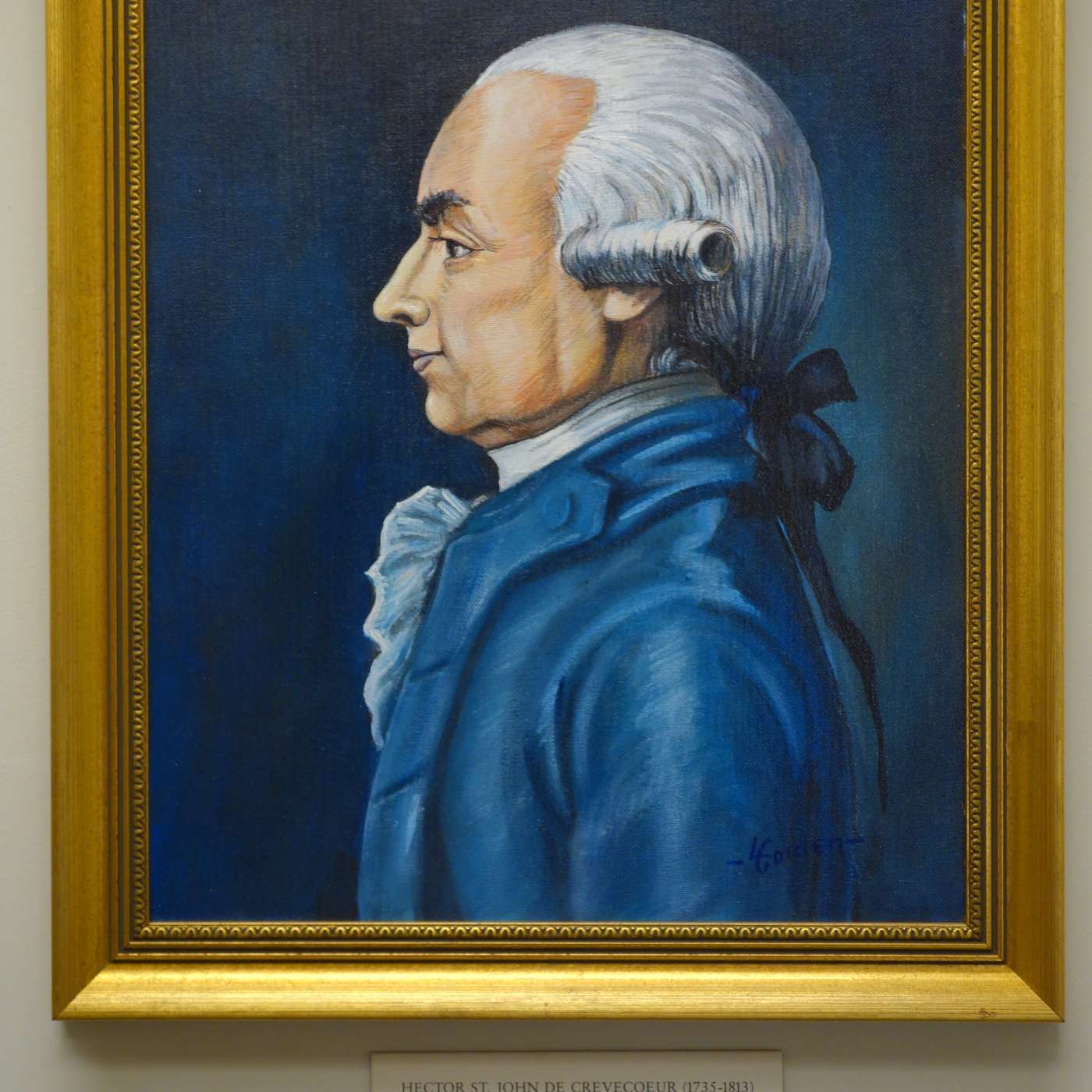
Crèvecœur: What is an American?
J. Hector St. John de Crèvecœur (1735-1813) was a farmer as well as a complex thinker of the contradictions of American identity as described in his famous Letters from an American Farmer and, more strikingly, in his French texts which develop his description and analysis of the New World and its peoples. Many readers of his English work have focused on his wishful story of the land of th
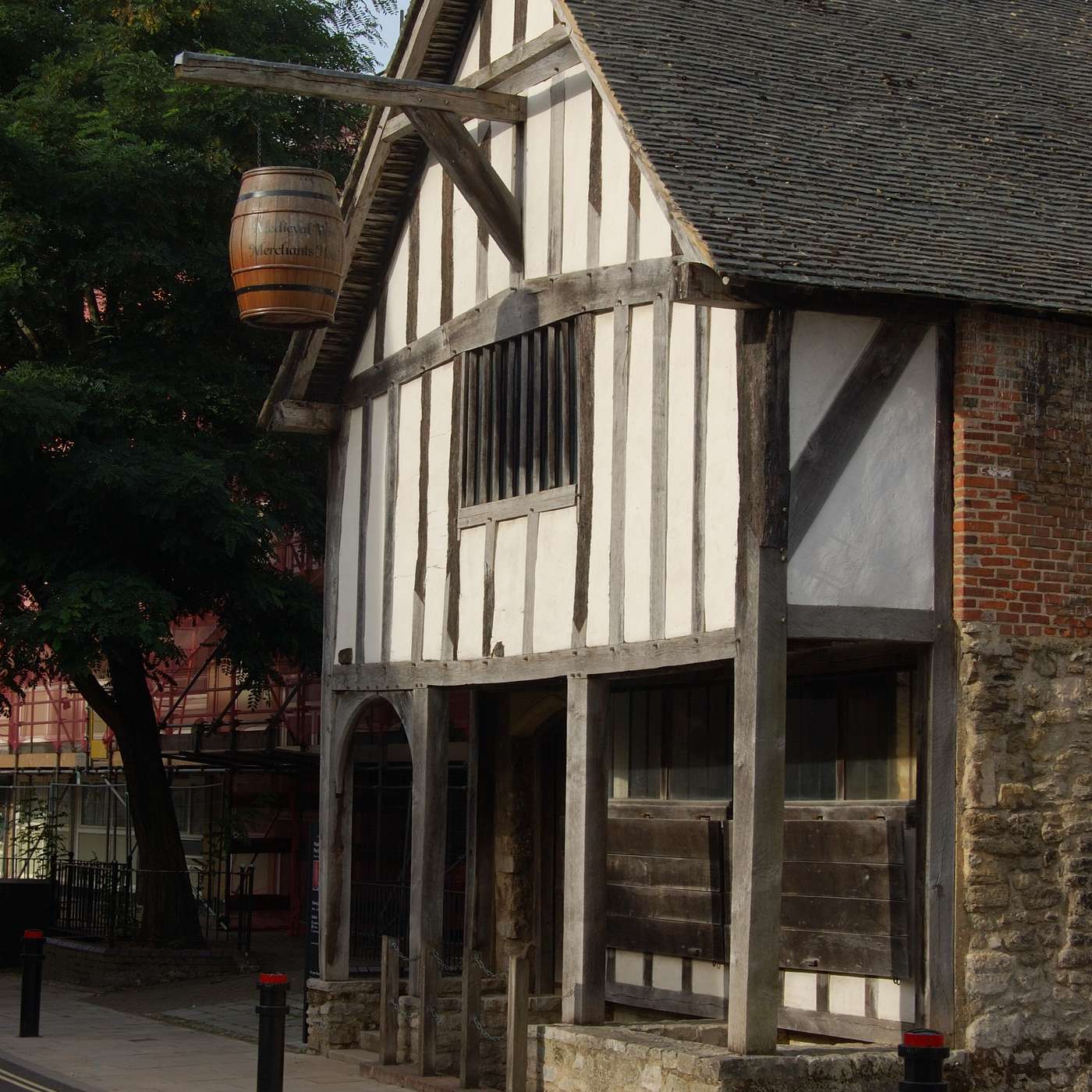
Goods and possessions in late medieval England
Goods and possessions offer us ways into understanding how late medieval people saw the world and their position in it. In this talk, Christopher Woolgar discusses objects of daily life, their significance and the meaning of material culture (what we might understand as ‘people’s stuff') in late medieval England, to reveal changes in mentality that came with a long-term social revolution,
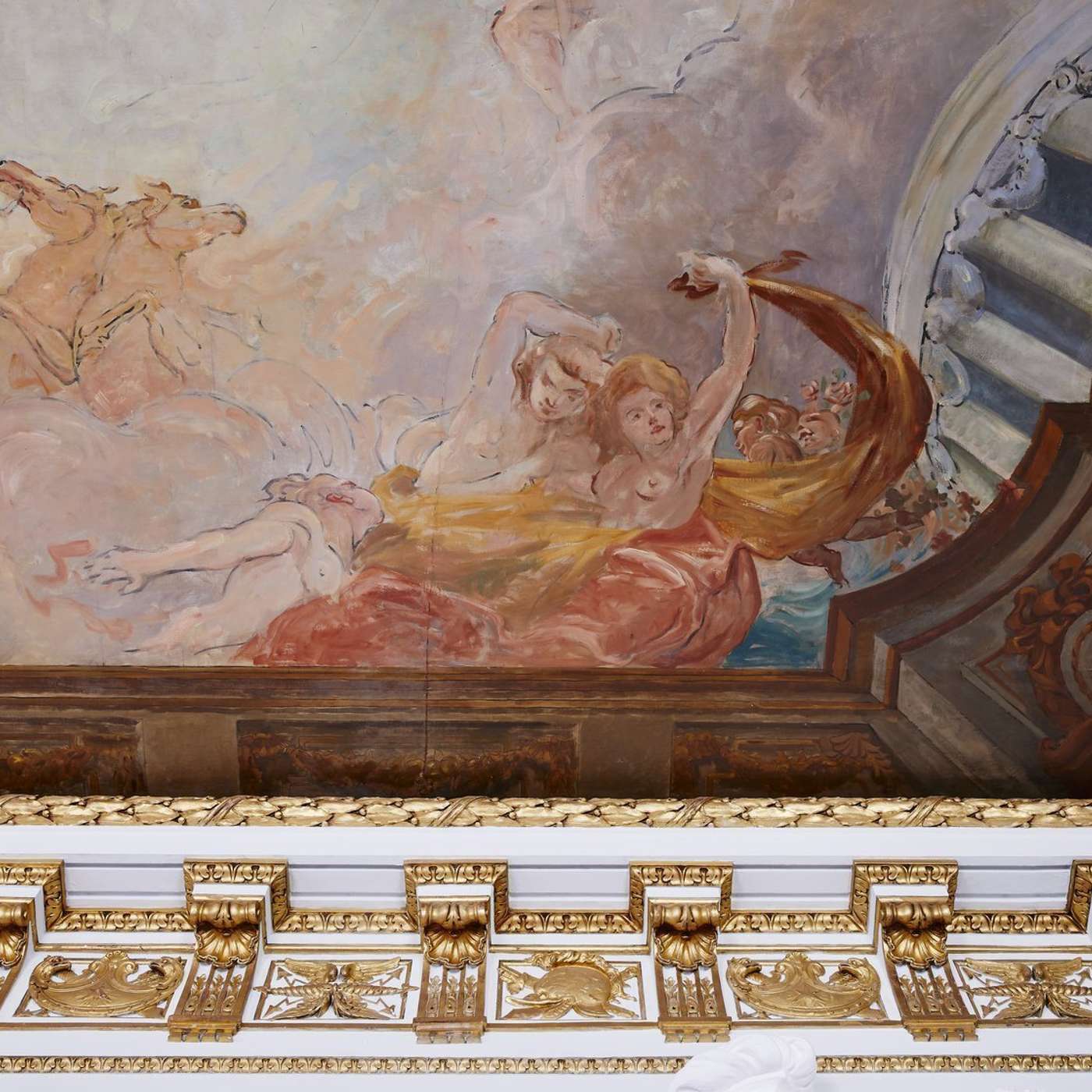
Writing the history of the British Academy
The British Academy is the UK's national academy for the humanities and social sciences and was founded in 1902. In this talk, Professor Sir David Cannadine discusses undertaking the task of writing the history of the Academy and why it is worth doing so, the importance of engaging with the challenging moments it has faced and how these were navigated, and if the history of the Academy is
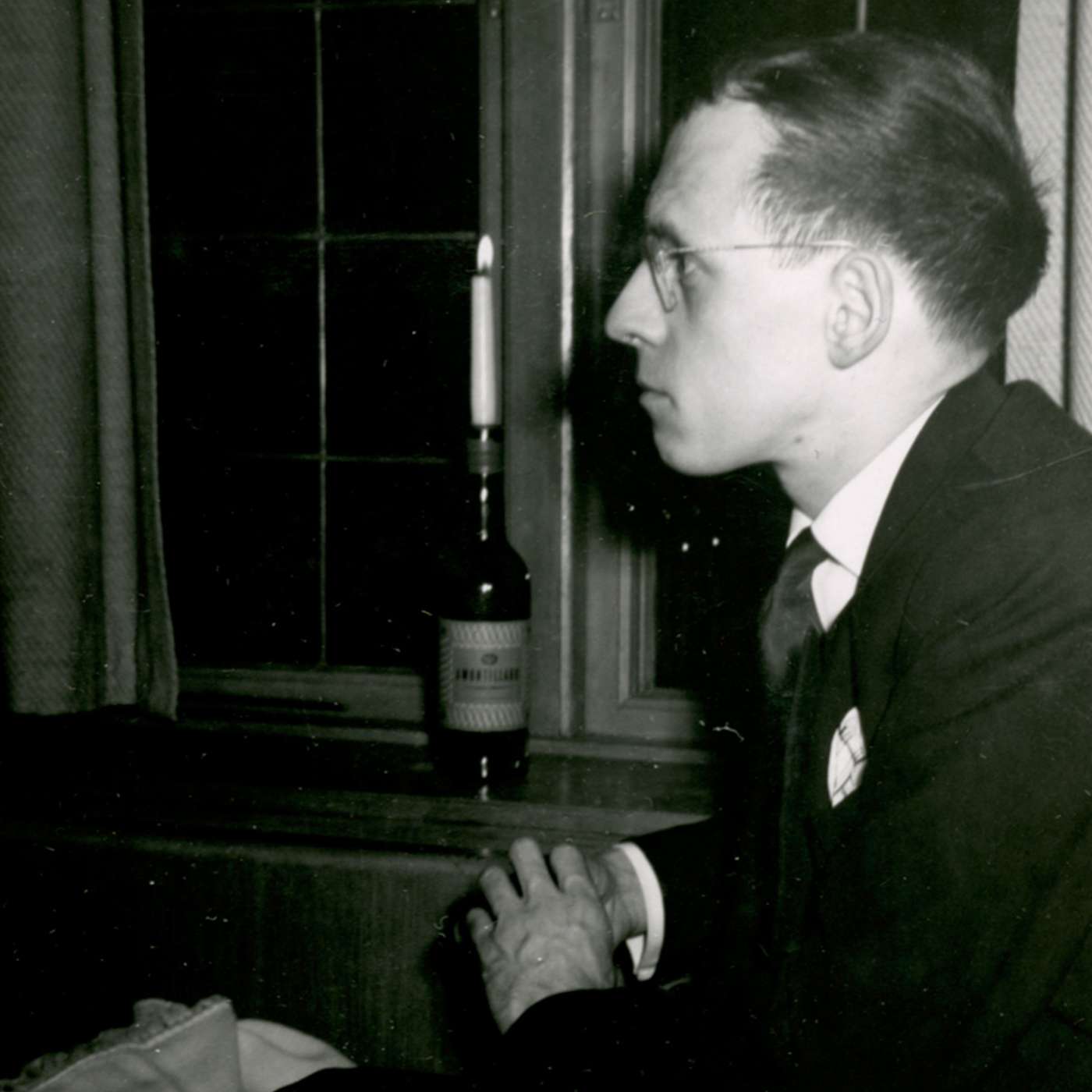
The Early Foucault
In this talk Stuart Elden discusses his new book, The Early Foucault and the research he did on the first period of Michel Foucault’s career. In particular, he highlights what Foucault did before the History of Madness in 1961 and how he came to write that book as well as the way newly available archival materials help to make sense of the period.His book, The Early Foucault, was publishe
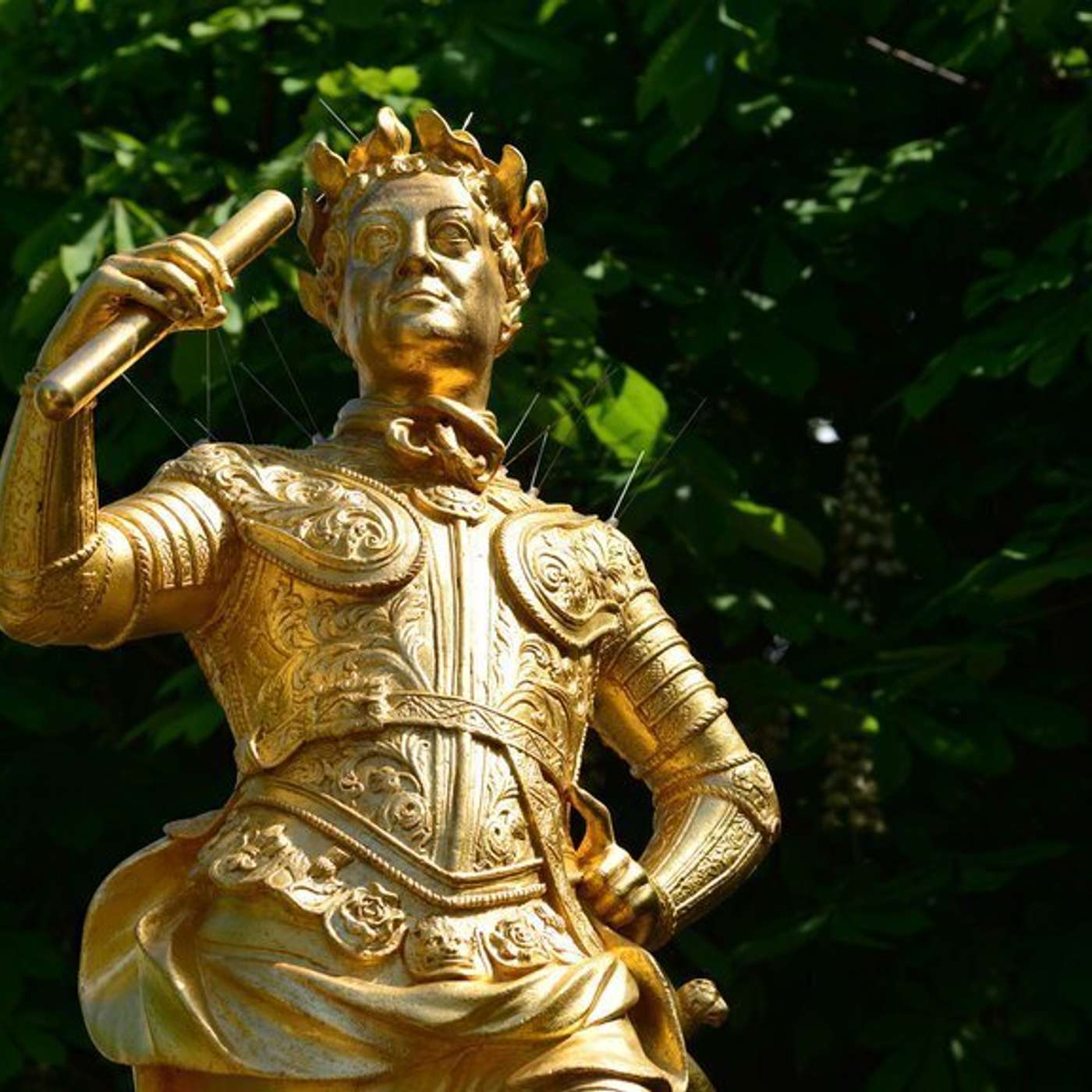
George II Augustus von Welf, British King and German Prince-Elector
George II, King of Great Britain and Ireland and Elector of Hanover from 1727-60, was considered short-tempered and uncultivated, but during his reign presided over a great flourishing in his adoptive country - economic, military, and cultural. In this talk, Norman Davies places George II in the unfamiliar framework of a composite state, stressing the monarch's conviction that his native
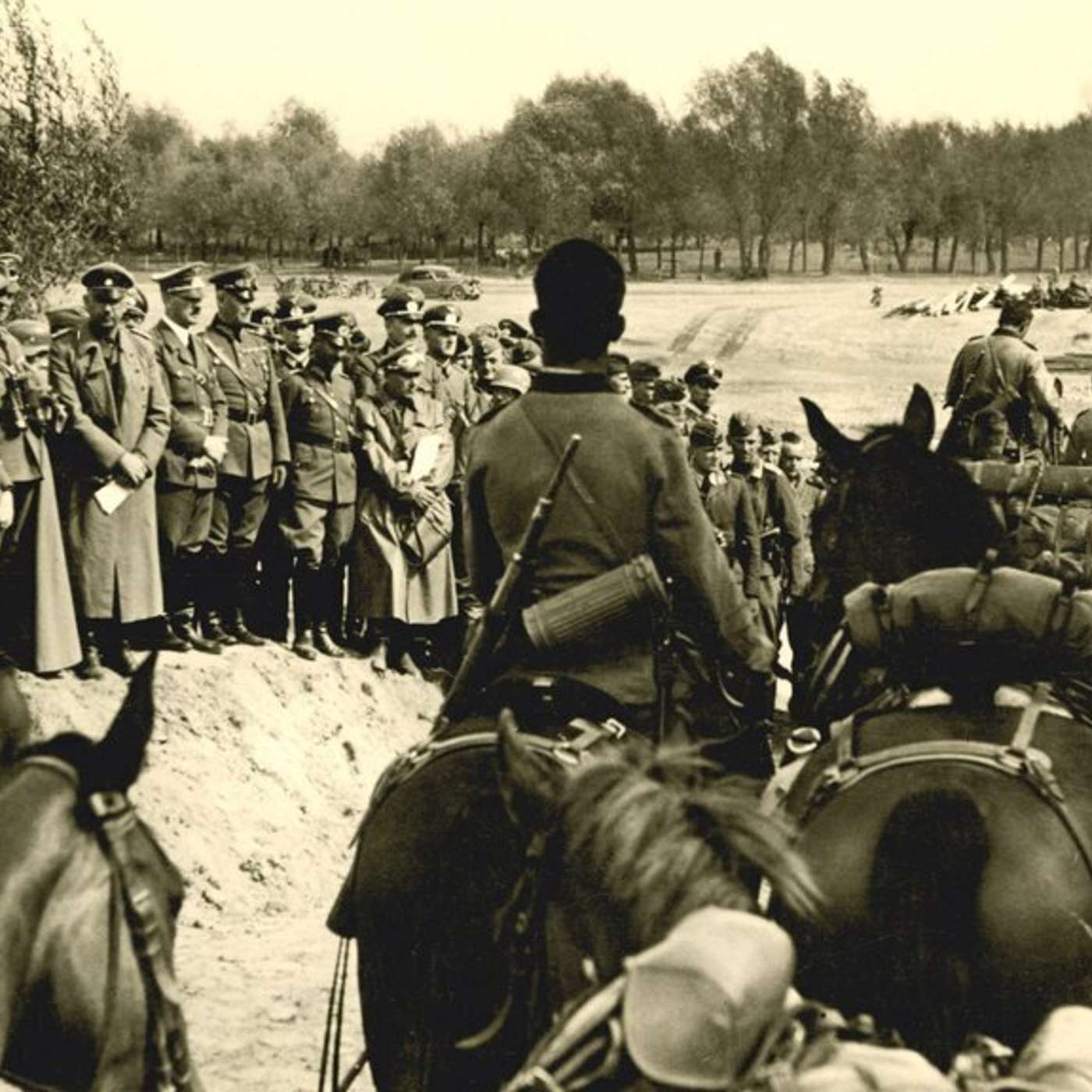
The Spectre of War - International Communism and the Origins of World War II
Why was there no alliance to block Hitler from launching aggression in Europe? The usual explanation given is that the British led by Neville Chamberlain were so averse to the thought of war that appeasement had no alternative. In this talk, Jonathan Haslam argues that the real reason was that they - as did the Poles and the Czechs - feared communism more than fascism and that an alliance
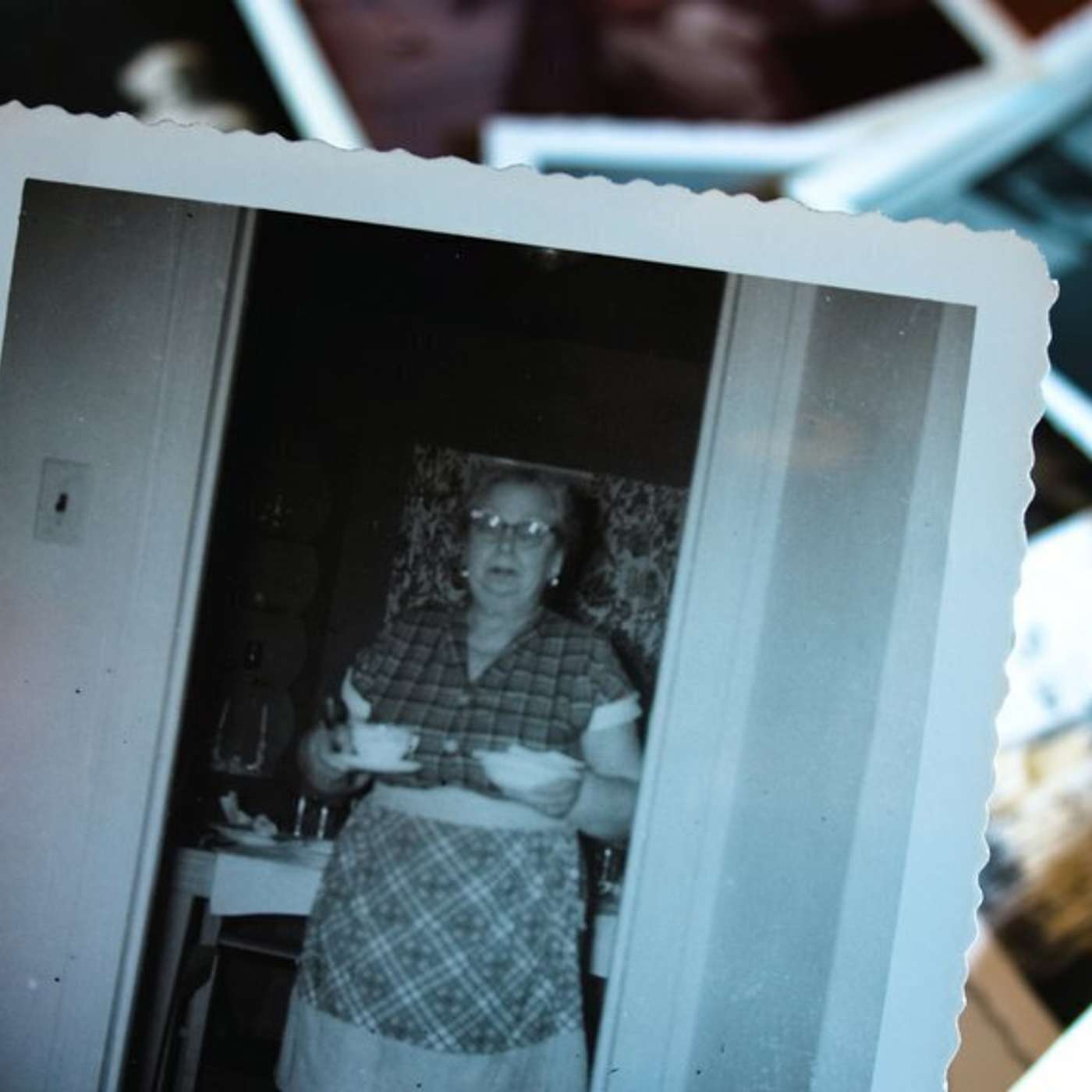
Women and mental health – talking about feelings
During the COVID-19 pandemic women’s mental health has been a topic of concern as women have disproportionately carried the burden of care. In this talk, Lynn Abrams explores the links between a revolution in feelings amongst women in the 1960s and today’s mental health crisis. She shows how talking about feelings and self-help were alternatives to the ‘little yellow pill’ for many women
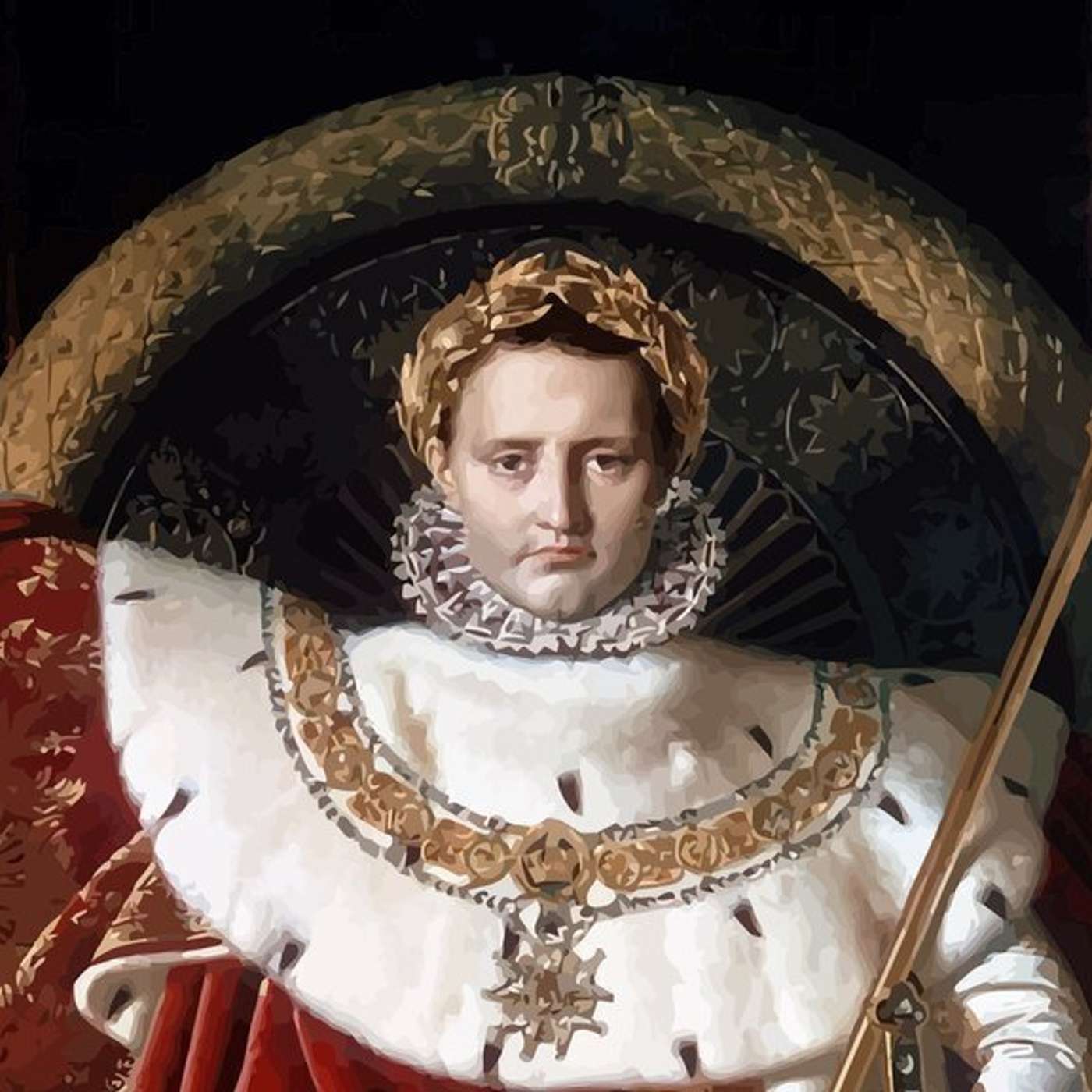
Napoleon and God
Napoleon had no religion, but he spent much of his career dealing with it. In this talk to mark the bicentenary of his death, William Doyle discusses how Napoleon saw that the upheavals of the French Revolution could never be ended unless its quarrel with the Catholic Church could be settled. This meant negotiating with the pope. Most of Napoleon's henchmen opposed the concordat which he
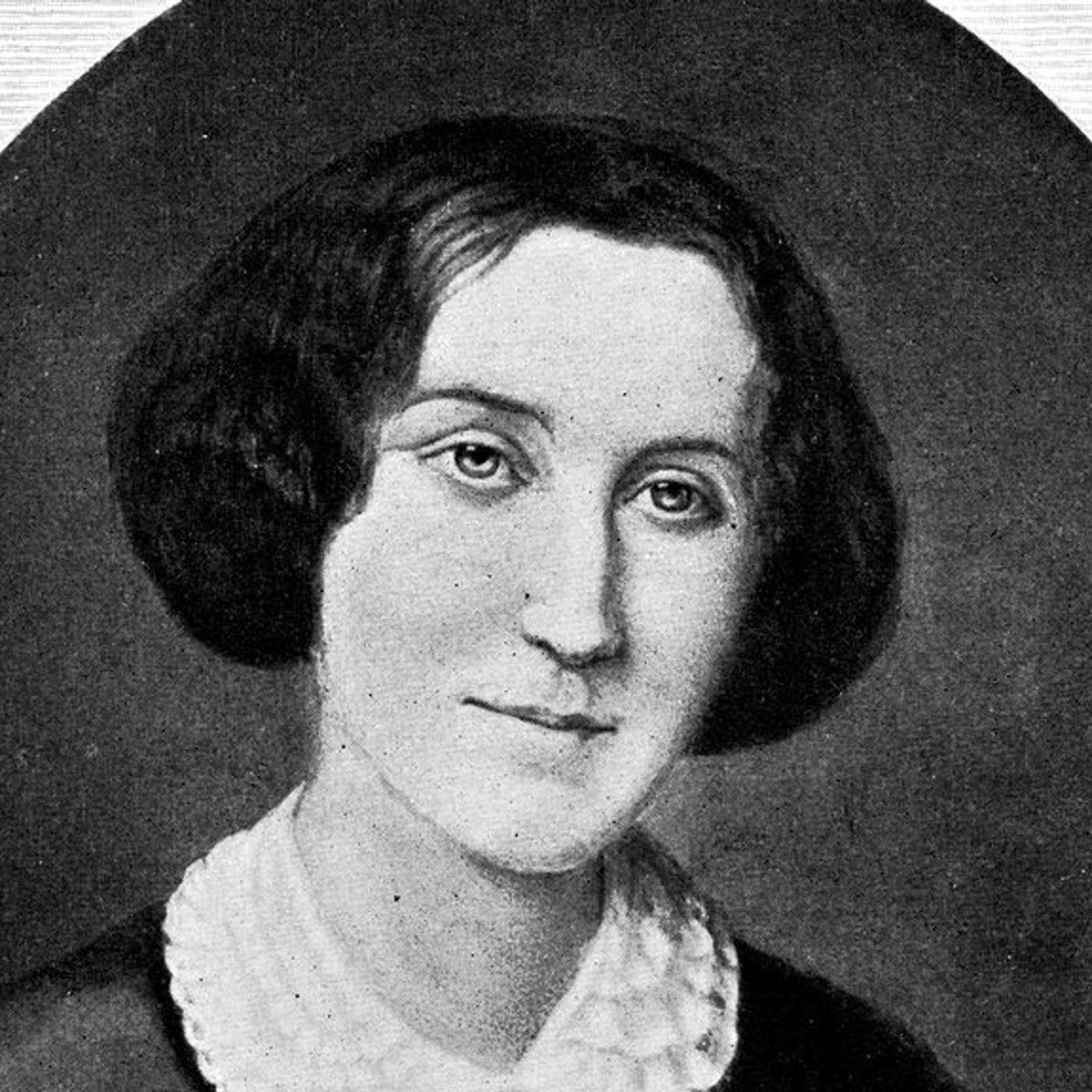
Choosing a title – George Eliot and 'The Mill on the Floss'
By late 1859, when she had almost finished writing her second novel, The Mill on the Floss, George Eliot was still unsure of its final title. Two other possible titles, ‘Sister Maggie’ and ‘The House of Atreus’ were under consideration almost up to the time of printing and in this talk, Rosemary Ashton discusses the case of The Mill on the Floss in the wider context of novel writing and t

More than one language - why bilingualism matters
Research shows that multilingualism in any languages, regardless of prestige or worldwide diffusion, can provide a range of linguistic, cognitive, and social benefits at all ages. It enables communication with international partners and understanding of local cultures as well as enhancing metalinguistic awareness, focusing, seeing both sides of an argument, and flexibly adapting to changi
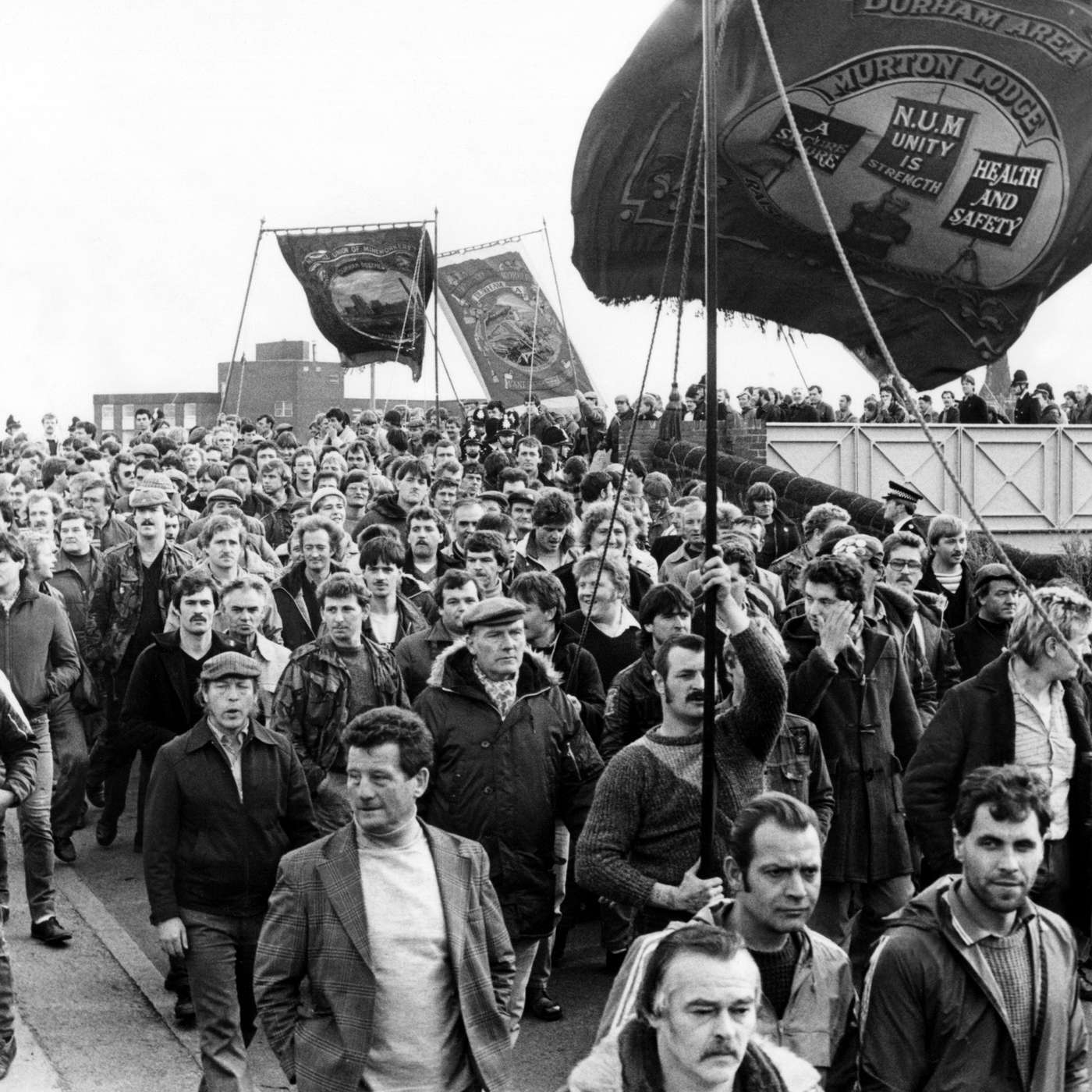
The miners’ strike of 1984-85
The miners’ strike of 1984-85 can be considered the last great battle of the organised industrial working class in the UK. The defeat of the strike led to deindustrialisation, the rapid closure of pits, the redundancy of the miners and the hollowing out of mining communities which impacts politics to this day.In this talk, Robert Gildea examines the miners’ strike through the lenses of cl
The nature of friendship
What is it to be friends with someone? Why do we have friends? What do they do for us? In this talk, Robin Dunbar provides evidence that friendships are good for us, the relationship between the number and quality of close friendships and our psychological and physical health, and on what basis we select our friends.His book, Friends. Understanding the power of our most important relation
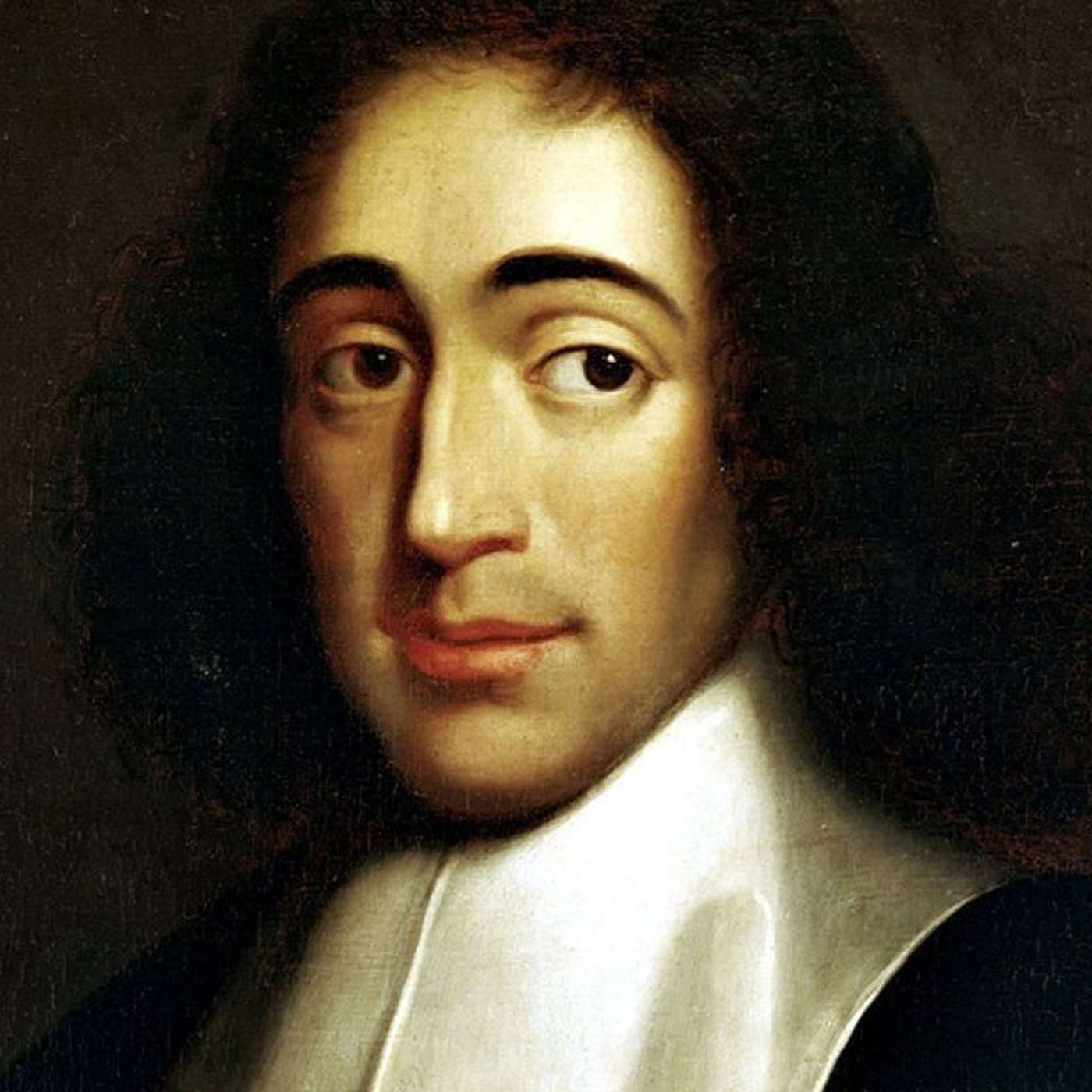
Spinoza on philosophising
Philosophy, as Spinoza understands it, is the art of learning to live as joyfully and securely as we can. But because we can only practice this art collectively, philosophising is always a partly political project - a matter of learning to live together peacefully and harmoniously. What enables us to do this? In this talk Susan James discusses how some of Spinoza’s answers, especially hi
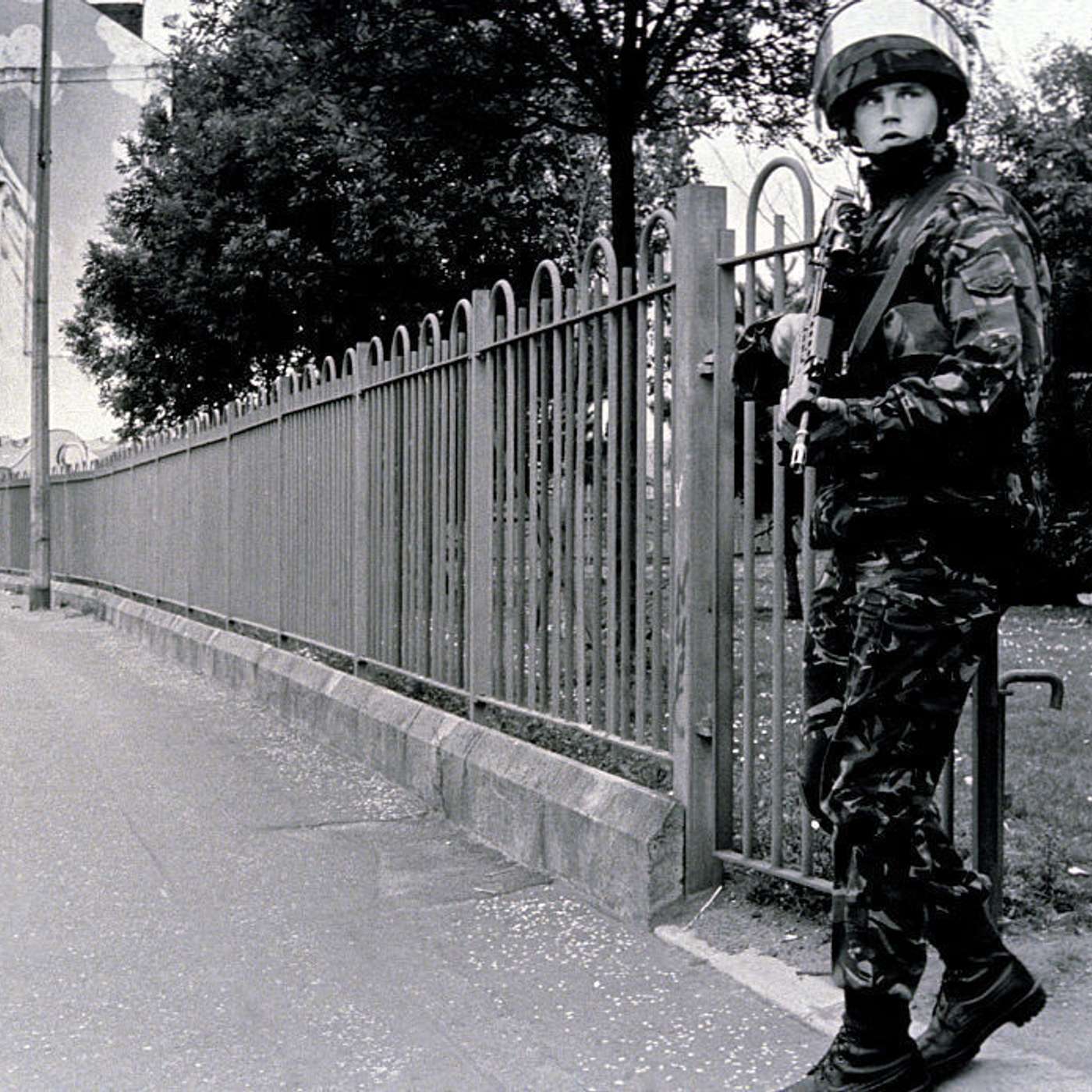
Dealing with the past in Northern Ireland
Dealing with the past in relation to the Northern Ireland conflict is a politically sensitive topic often characterised by more heat than light. In this talk, Kieran McEvoy discusses the UK government’s commitment to introduce legislation regarding legacy issues now complicated by the parallel drive to protect British Army veterans from historical allegations arising out of their service
What does the Good Friday Agreement mean?
As the Good Friday Agreement moves closer and closer to centre stage in Anglo-Irish relations, and potentially to UK-EU relations post-Brexit, how it is interpreted will become even more contentious. In this talk, Christopher McCrudden engages with the differing (and conflicting) historical, legal, and political interpretations as well as considering more broadly, what exactly is the Agre
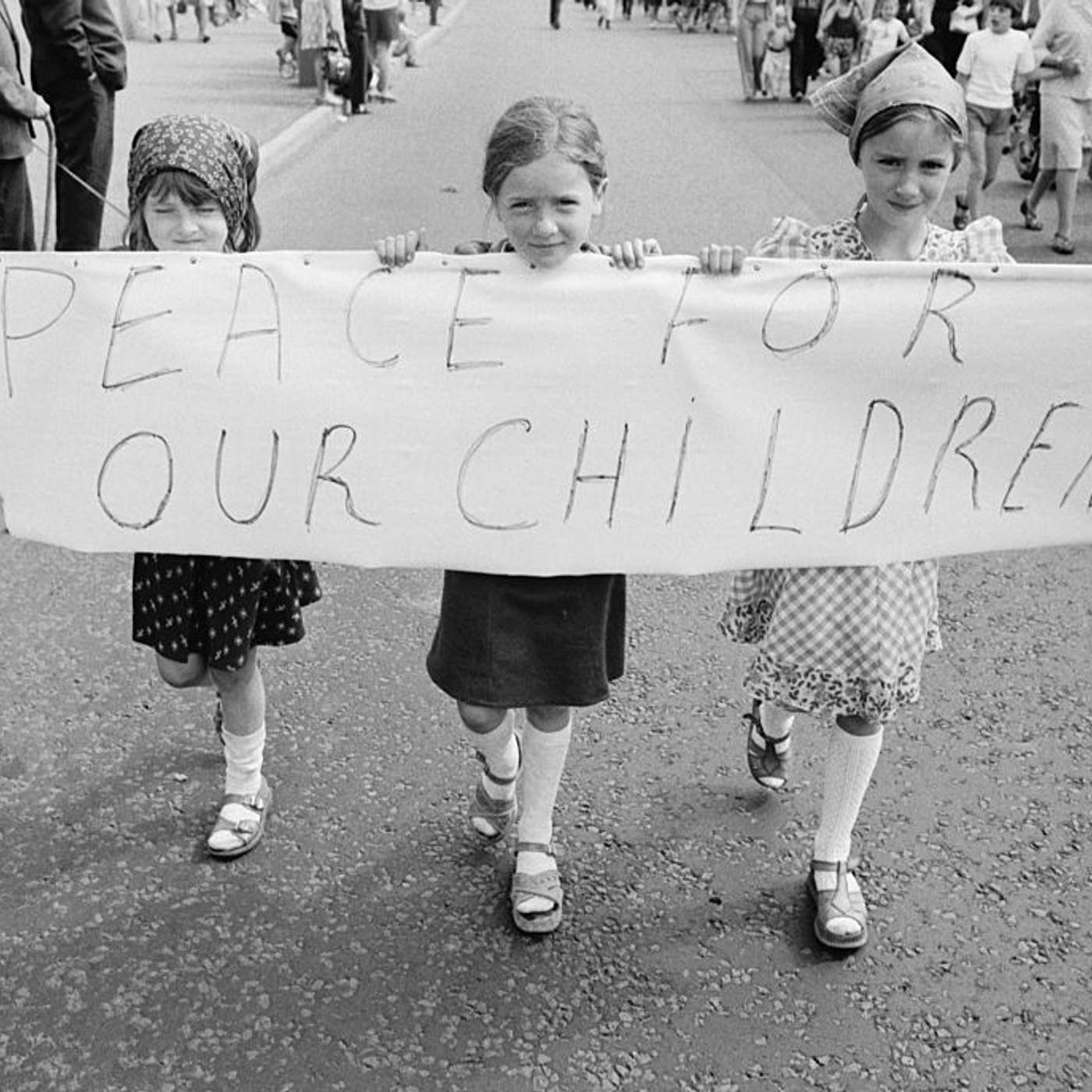
The history of Belfast, a strange case of shared identity and sectarian division
In this talk, Marianne Elliot reflects on the existence and history of a 'shared space' Belfast identity, focusing particularly on the 1940s and 1950s, but also on post-Good Friday Agreement efforts to restore 'shared' living spaces, so damaged by the Northern Ireland Troubles.Speaker: Professor Marianne Elliot FBA, Professor Emerita, Institute of Irish Studies, University of LiverpoolThi
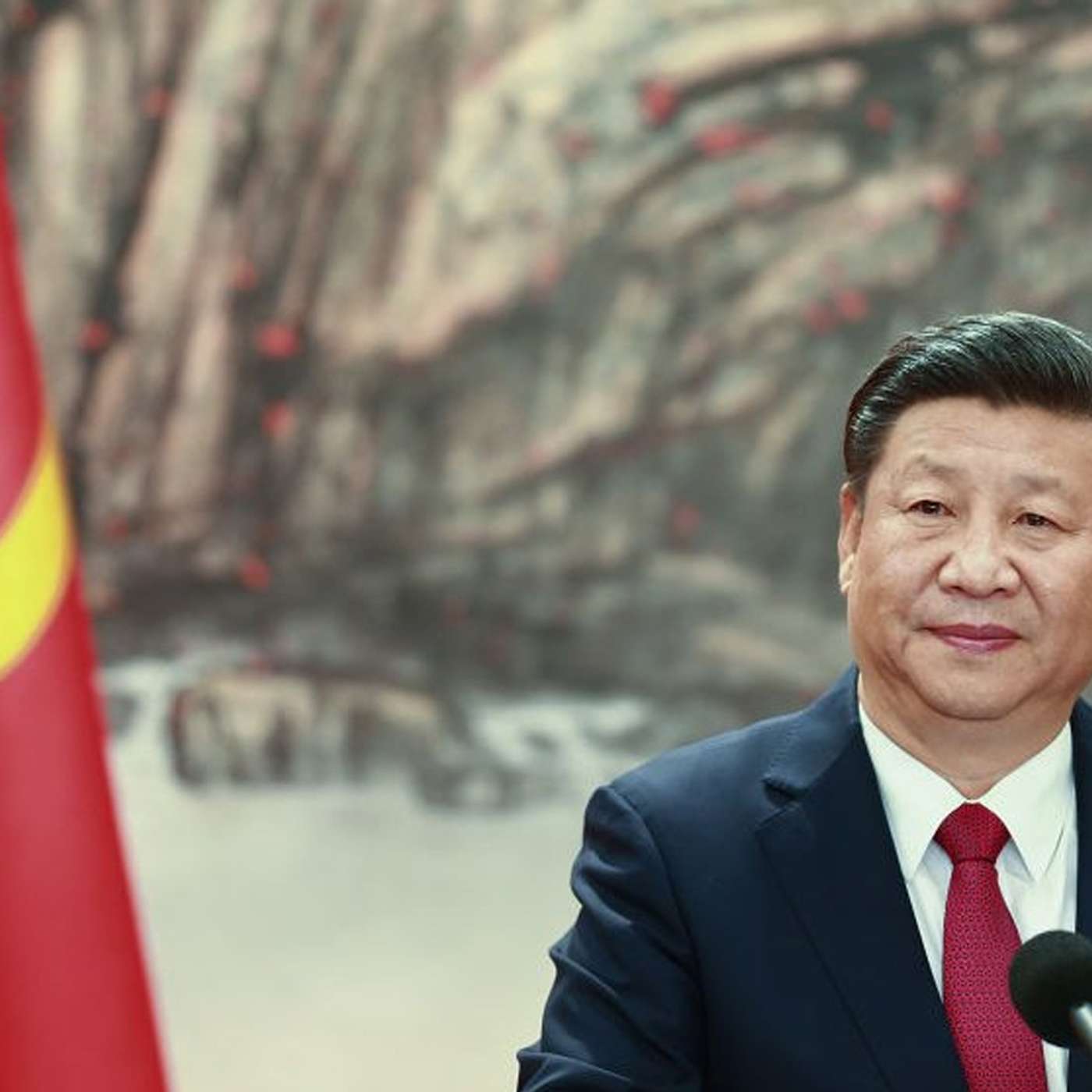
China’s 14th Five Year Plan – the bold and the beautiful
Every five years since 1953, the Chinese Communist Party has produced a strategic blueprint setting out the broad framework and specific targets meant to guide policy and performance nationwide, across government, economy, and society. In this talk, Vivienne Shue discusses the preparation, substance and political timing of China's new 14th Five Year Plan and considers whether its bold obj
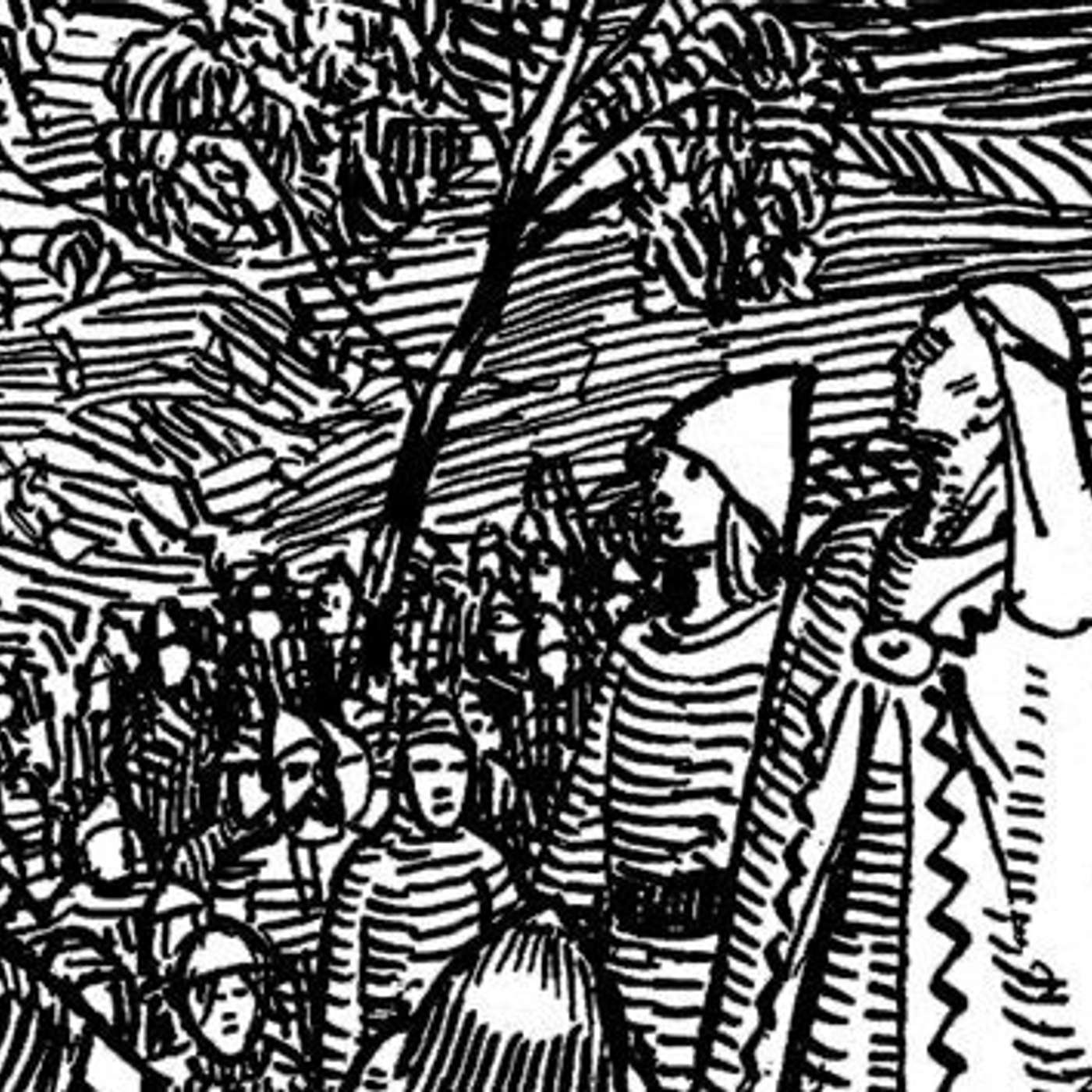
In praise of Queen Astrid of Norway
In this talk, Judith Jesch introduces Astrid, a Swedish princess married to King, later Saint, Olaf of Norway, and her remarkable political intervention to ensure that her stepson succeeded to the throne in 1035 CE. Her actions are immortalised in a contemporary poem, composed in a genre previously reserved for male rulers, which shows how both she and the poet Sigvatr were pioneers in th
The power of stories and the practice of rhetoric
With the rise of the internet and social media, the performance of storytelling and the arts of oratory have returned to centre stage. In this talk ahead of World Book Day, Marina Warner argues that in an era of public disinformation, the study of the uses of rhetoric, as deployed in many forms of literature, is urgently needed. Rhetoric used to be a pillar of literary education, and unde
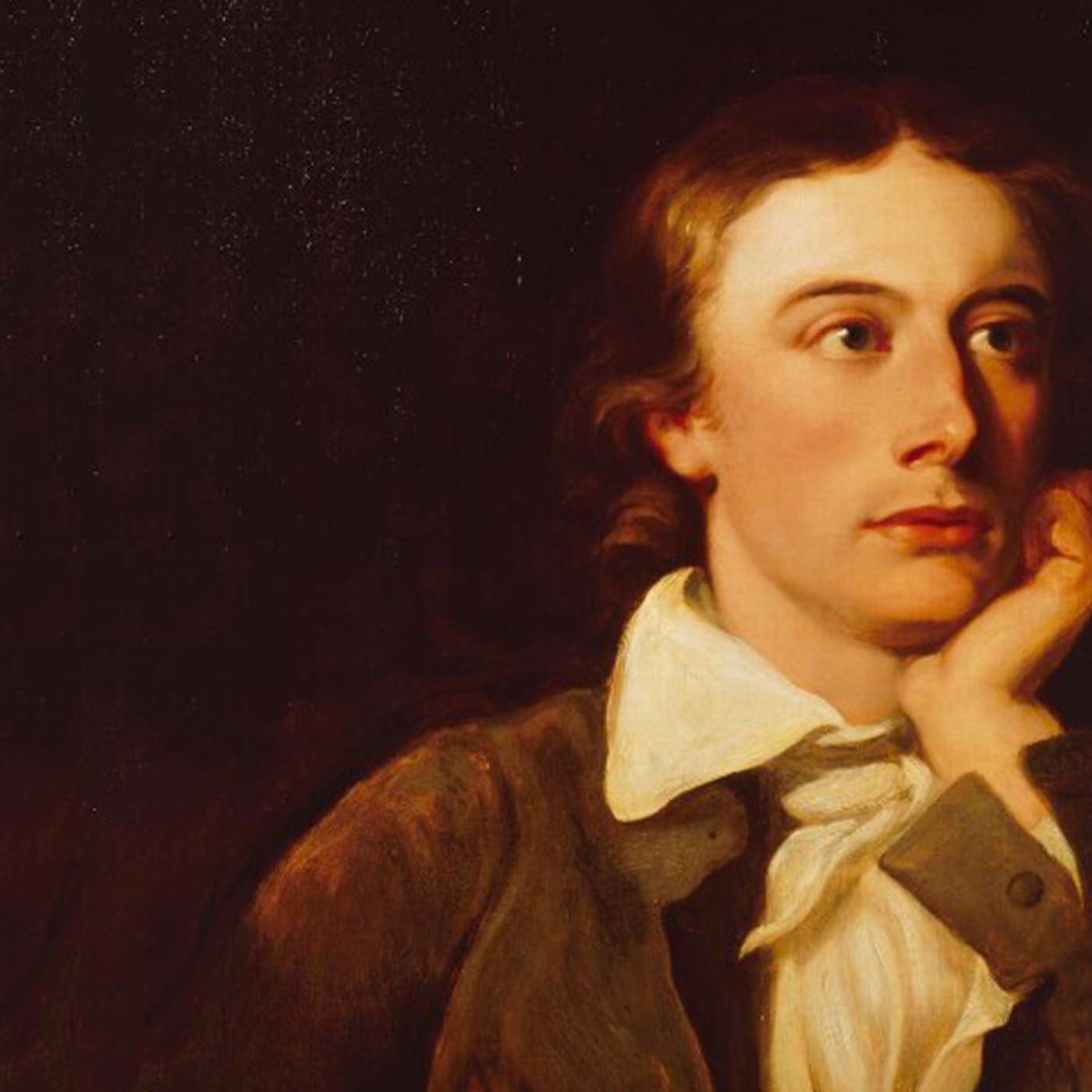
The death of John Keats and his early reputation
In this talk to mark the bicentenary of the Romantic poet John Keats’ death on 23rd February 1821 in Rome, Nicholas Roe takes us back to the hours, days, and weeks immediately afterwards as well as discussing how Keats’ reputation evolved in posthumous years. He is the author of John Keats. A New Life.Speaker: Professor Nicholas Roe FBA, Bishop Wardlaw Professor of English Literature, Uni
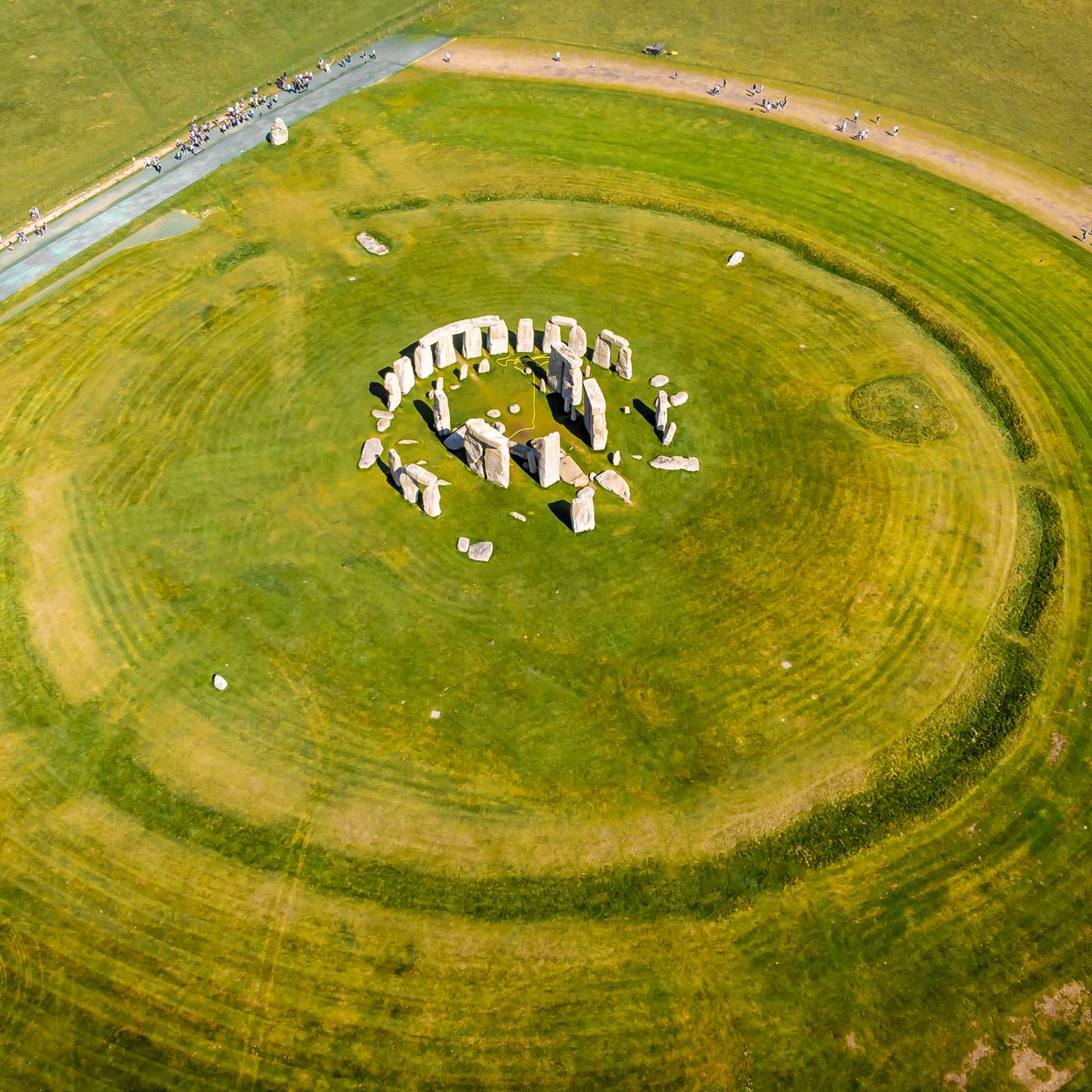
The origins of Stonehenge
Where did Stonehenge come from? In this talk Mike Parker Pearson investigates the origins of Stonehenge, its stones and their transportation as well as speculating on the motives behind the creation of this unique prehistoric monument.Read more about Stonehenge's origins by him on the Academy's blog and in a new article in the Antiquity journal. Speaker: Professor Mike Parker Pearson FBA,
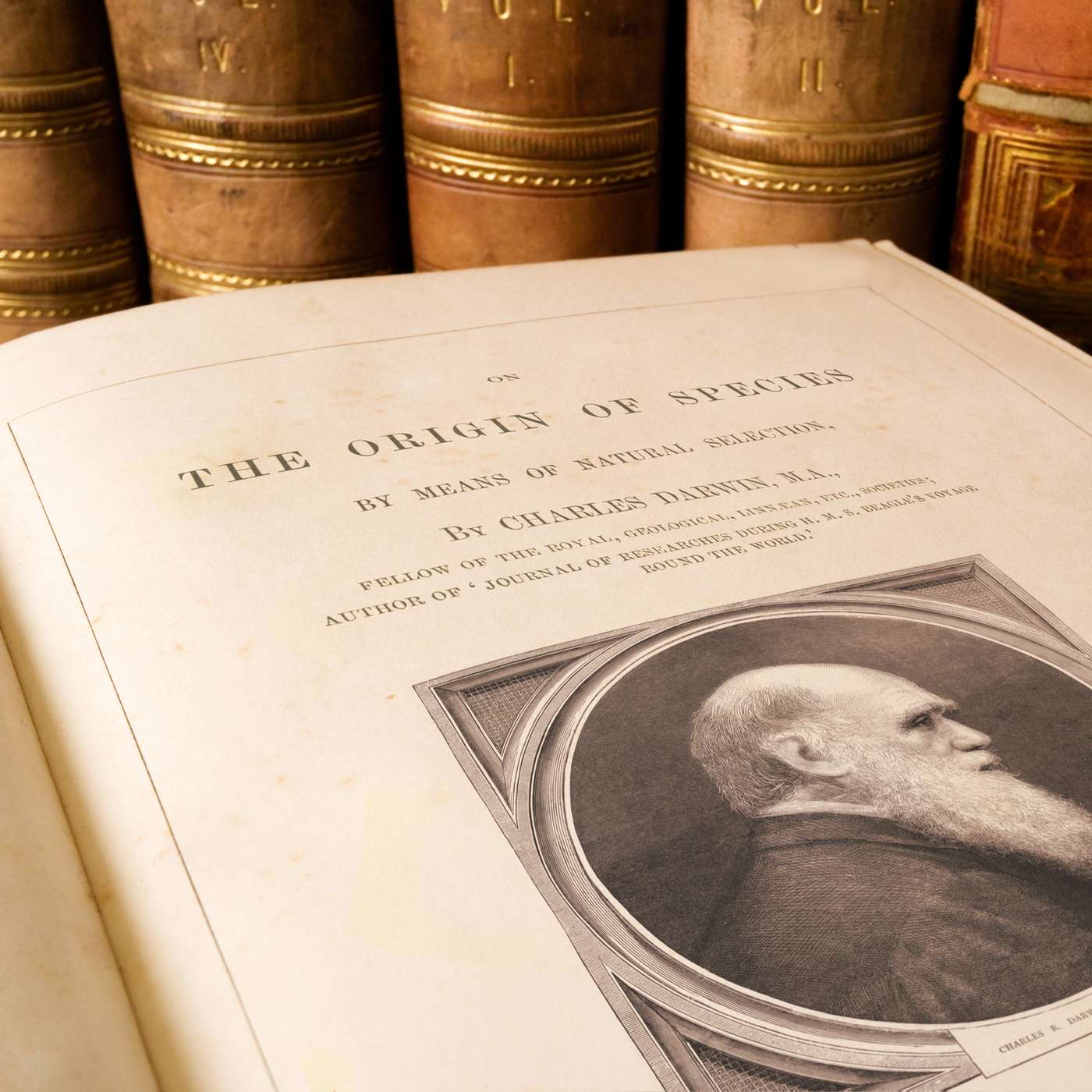
Charles Darwin and ideas of evolution
Charles Darwin’s theory of evolution changed the way we think about our place in the world, although it took some time for its full implications to sink in. In this talk, Peter Bowler argues that at first it was widely assumed that humanity must be the goal of evolutionary progress. But Darwin’s theory of natural selection suggests that the ‘tree of life’ has many diverging branches and h
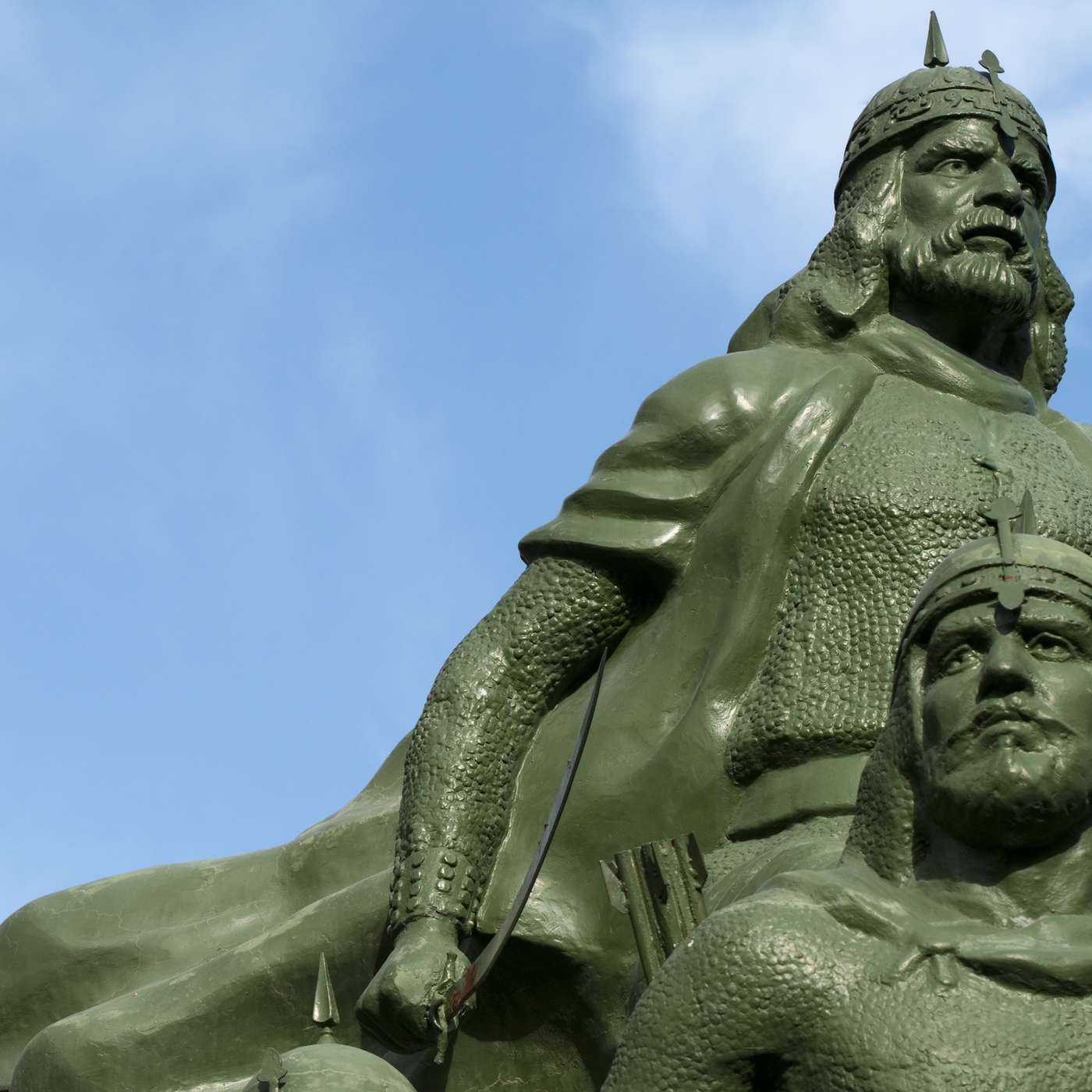
Saladin and the Crusades: medieval and modern perspectives
What has been the legacy of the Crusades in Europe and across the Muslim world in modern times? Why is the evolution of the Saladin legend throughout history so remarkable? In this talk, Carole Hillenbrand argues that whilst the word ‘crusade’ is still used today with little heed to the historical context in which it first appeared, it is abundantly clear at both a scholarly and more popu

Donald Trump, Boris Johnson and warnings from Hannah Arendt
In The Origins of Totalitarianism (1951) the political thinker Hannah Arendt warned of the dangers if the distinction between fact and fiction – and between true and false – is lost. Aware of the fragility of democracy, Arendt argued that democracy depends on populations accepting facts about social life; without such shared facts, democracy can be imperilled. What happens though when fac

Atheism in debate
Heralded as the exponents of a 'new atheism', critics of religion such as Richard Dawkins are highly visible and vocal today. In this talk, David Fergusson explains the growing interest in the study of atheism and the different forms that this now takes. He suggests that faith communities can benefit from patient engagement with their critics, even while resisting the reductive explanatio

Religion, theology and the ultimate nature of reality
In this talk, Keith Ward argues that most sophisticated religions are correct in thinking that there exists a spiritual dimension of reality based on wisdom, compassion and bliss as well as addressing how we can understand the phenomena of religion in the light of new scientific and global understanding. Speaker: Revd Professor Keith Ward FBA, Professor of Philosophy of Religion, Roehampt
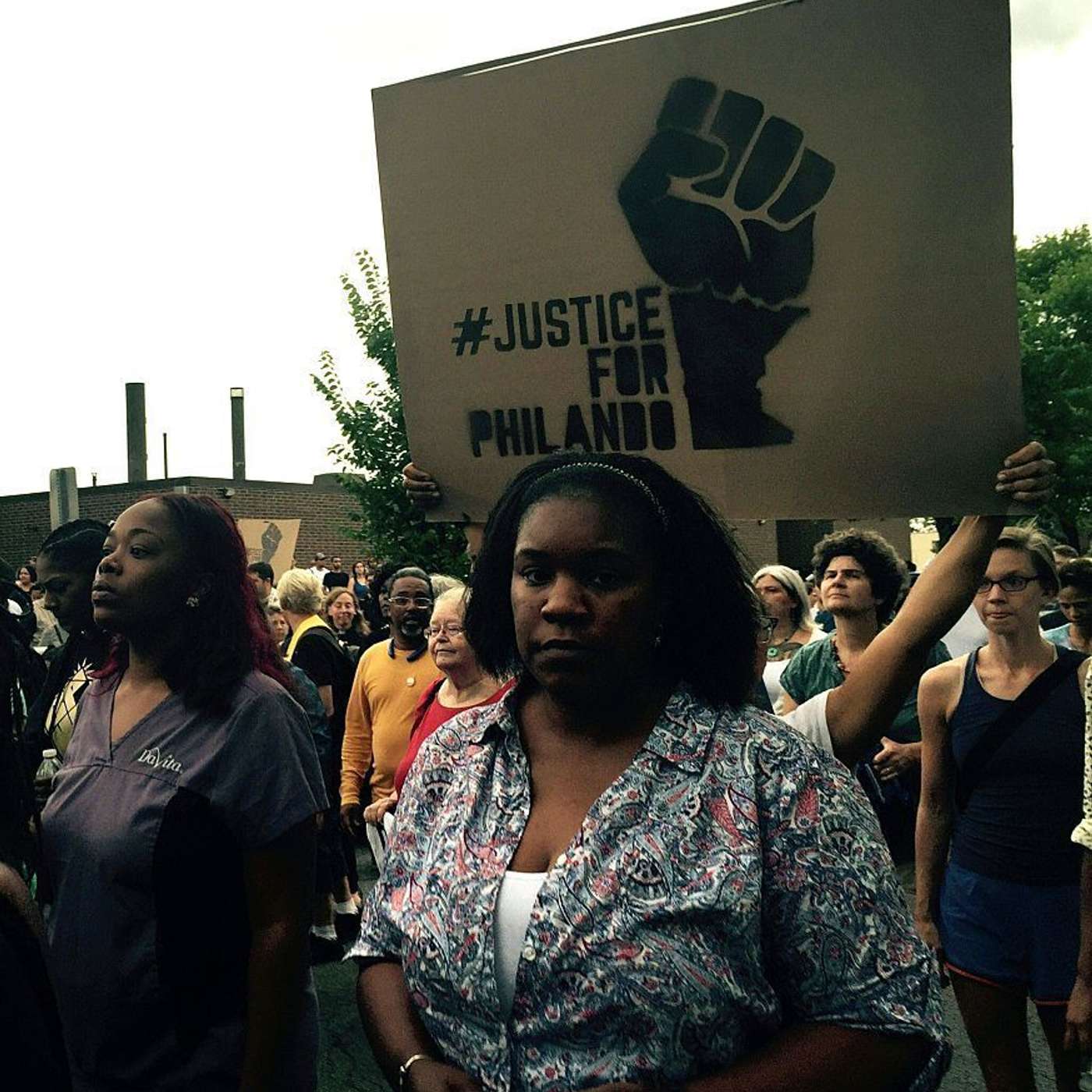
Racism and religion in America – sin and the elusive 'problem of seeing'
The Unites States remains unusually religious as a country, but the issue of American racism is inextricably, and very problematically, related to its theological past. The history of white American Christianity is replete with biblical mandates for a racist system, and this may well have wider explanatory implications for police violence against non-white people and the strange incapacit
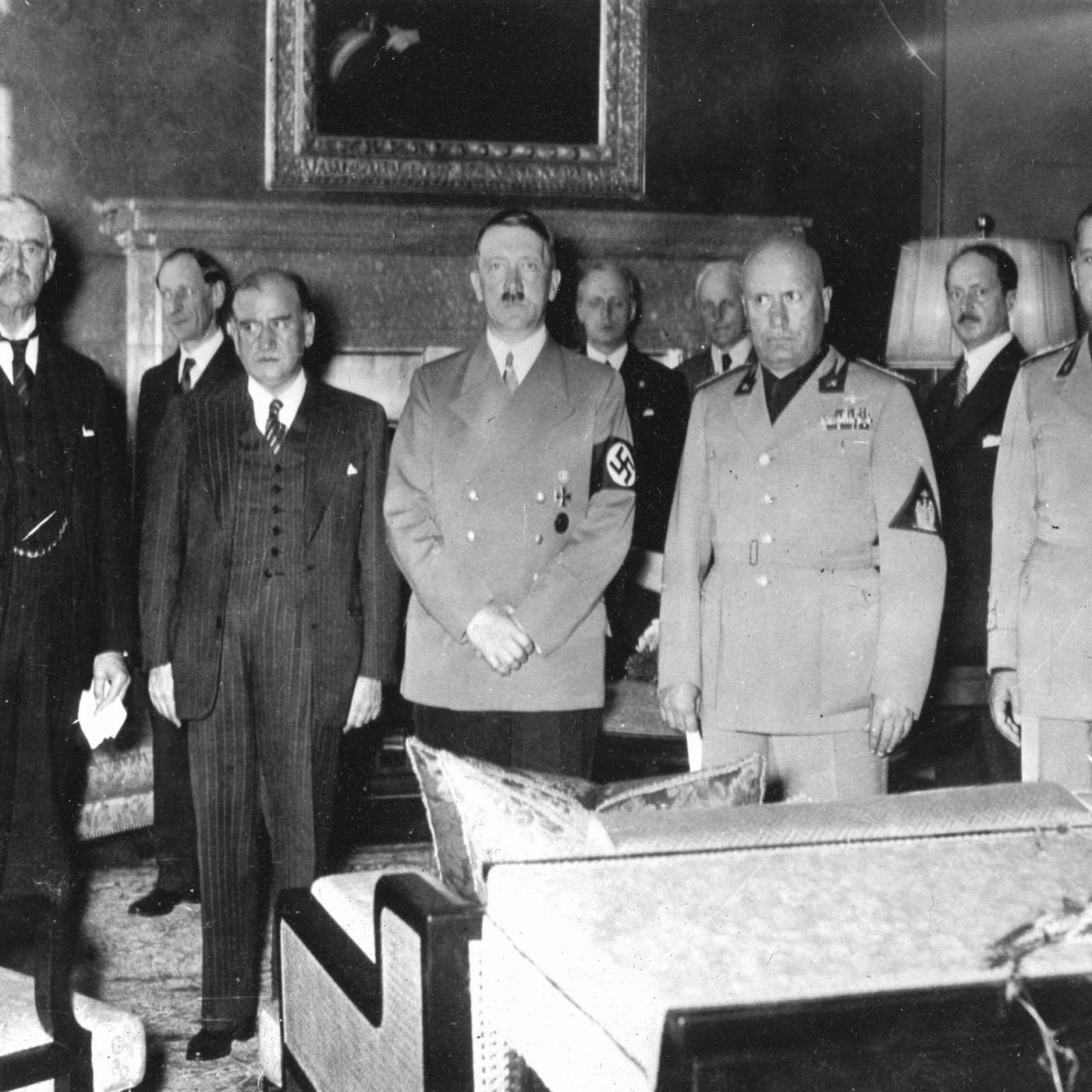
The Hitler Conspiracies
Conspiracy theories are becoming more popular and more widespread in the twenty-first century. Nowhere have they become more obvious than in revisionist accounts of the history of the Third Reich and how Adolf Hitler supposedly didn’t die in 1945 but survived and lived into old age in Argentina. In this talk, Sir Richard Evans explains how conspiracy theories are constructed, amplified, a

The function of cynicism at the present time
Broadly described, a cynic (in the primary modern sense) is a person given to casting doubt on the motives that drive other people. Often disparaged, cynicism is nevertheless part of the range of ways in which most of us may sometimes choose to engage with others – momentarily tuning up the aggression of our own intelligence.In this talk, Helen Small considers the characteristic features

Dark data
In the era of big data, it is easy to imagine that we have all the information we need to make good decisions. But in fact, the data we have is never complete. Just as much of the universe is composed of dark matter, invisible to us but nonetheless present, the universe of information is full of dark data that we overlook at our peril.In this talk David Hand explores dark data in the cont

Domestic and sexual violence during COVID-19
Pandemics throughout history have provided stark reminders of how the vulnerable can be exploited and abused and COVID-19 is no different. In this talk, Joanna Bourke outlines how the pandemic has exacerbated, not created, the problem of domestic and sexual violence in our society and how perpetrators have also used fear of the virus as a weapon as part of their arsenal of abuse.Speaker:

Science hasn't refuted free will
It is often suggested that free will is an illusion and a left-over from an outdated worldview; and that the idea of free will has no place in modern science. In this talk, Christian List argues that far from undermining free will, science actually offers some arguments in its support. Christian List’s 10-Minute Talk is based on his identically-titled article published in the Boston Revie
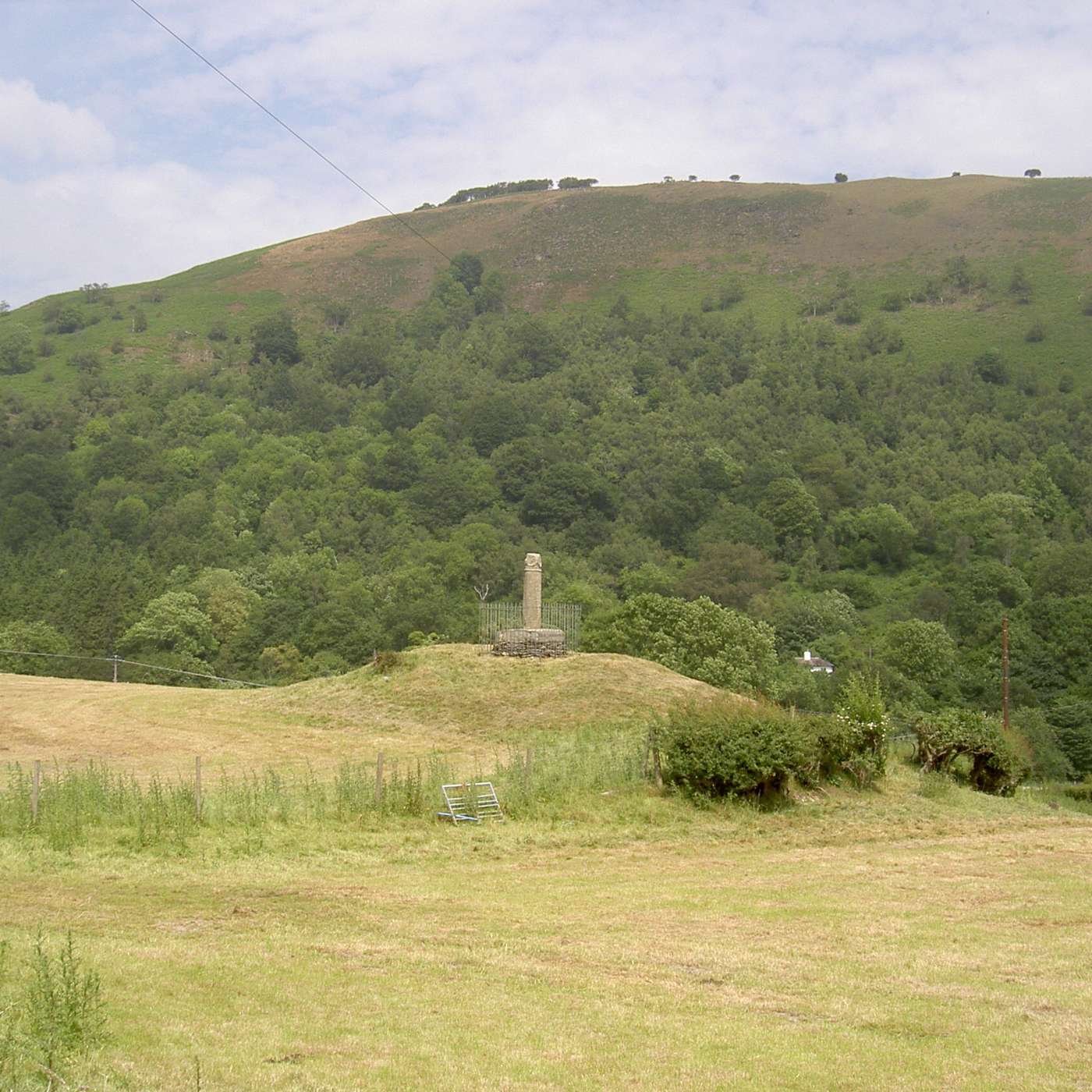
Early Medieval Wales – a matter of identity
How did people in early medieval Wales live? And how did their lives change between the departure of the Romans in the early fifth century AD and the coming of the Normans to Wales over 600 years later? In this 10-Minute Talk, Nancy Edwards considers some remarkable archaeological monuments, highlighting what these reveal about aspects of identity during this period.Speaker: Professor Nan